
Essential Hand Rakes for Effective Soil Preparation

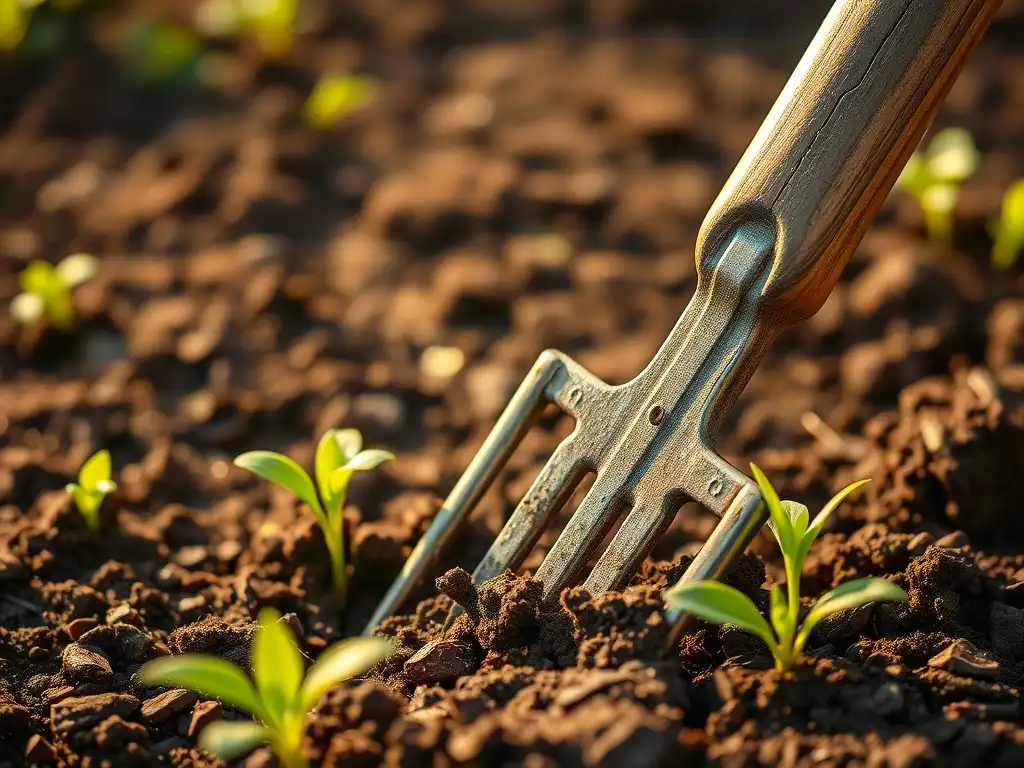
Ready to transform your backyard into a thriving oasis? At CultivateYourFood, we empower you to grow your own delicious and healthy fruits, vegetables, and herbs using sustainable methods. Discover the secrets to a bountiful harvest, starting with the right tools. Learn why choosing the best hand rake for soil preparation is crucial for optimal plant growth and explore our expert guide to get started – your journey to a greener, more flavorful life begins now!
- Choosing the Best Hand Rake for Soil Preparation: A Buyer's Guide
- How to Use a Hand Rake for Optimal Soil Preparation
- Maintaining Your Hand Rake for Longevity
- Beyond the Rake: Complementary Tools for Soil Preparation
- Improving Soil Health: Organic Amendments and Soil Testing
- Frequently Asked Questions about Hand Rakes for Soil Preparation
- Conclusion: Mastering Soil Preparation with the Right Hand Rake
- Frequently Asked Questions
- Final Reflection: Cultivating the Ground, Cultivating Ourselves
- Unleash Your Inner Gardener: Prepare the Perfect Soil Today!
Choosing the Best Hand Rake for Soil Preparation: A Buyer's Guide
Preparing your soil is a crucial step in successful gardening, laying the foundation for healthy plant growth and bountiful harvests. Whether you're cultivating a vibrant vegetable patch, a fragrant herb garden, or a colorful array of fruits, the right tools can make all the difference. This guide focuses on hand rakes – essential tools for achieving optimal soil structure and ensuring your plants thrive. We'll explore the key factors to consider when choosing a hand rake for soil preparation, helping you select the best tool to meet your specific needs and gardening style.
From understanding your soil type to analyzing the features of high-quality rakes, this comprehensive buyer's guide will empower you to make an informed decision and cultivate a thriving garden using sustainable and organic practices. Get ready to unearth the secrets to effective soil preparation with the perfect hand rake! 🌱
Understanding Your Soil Type and its Impact on Rake Selection
The type of soil you have significantly influences the best hand rake for the job. Different soils require different levels of manipulation. For example:
- Clay soil: Heavy and dense, clay soil benefits from a rake with strong, widely spaced tines to break up clumps and improve drainage. A rake with fewer, sturdier tines will be more effective than one with many fine tines, which might bend or break under the strain.
- Sandy soil: Loose and well-draining, sandy soil requires less aggressive manipulation. A rake with finer tines can be used for leveling and smoothing the surface, preparing a seedbed, and incorporating organic matter.
- Loamy soil: The ideal soil type, loam is a balanced mix of sand, silt, and clay. A versatile hand rake with medium-spaced tines is suitable for most tasks in loamy soil, from breaking up clods to creating a fine seedbed.
Understanding your soil's characteristics – its texture, drainage, and composition – will guide you toward selecting the appropriate rake for optimal soil preparation. Consider conducting a simple soil test to determine its type and structure before making your purchase. This will ensure you choose a rake that is both effective and efficient for your specific soil conditions.
Essential Features of a High-Quality Hand Rake for Soil Preparation
Investing in a high-quality hand rake is an investment in your garden's success. Several key features distinguish a superior rake from an inferior one. Let's delve into the details:
Tine Material and Spacing: Steel vs. Aluminum vs. Wood
The tines are the working part of the rake, and their material and spacing significantly impact performance:
| Tine Material | Advantages | Disadvantages | Best Suited For |
|---|---|---|---|
| Steel | Durable, strong, long-lasting, resists bending | Can rust, heavier than other materials | Heavy clay soils, tough root removal |
| Aluminum | Lightweight, rust-resistant, less expensive | Can bend under heavy stress | Lighter soils, general garden use |
| Wood | Lightweight, aesthetically pleasing | Less durable, can break or splinter | Delicate tasks, light soil conditions |
Tine spacing also matters. Wider spacing is better for breaking up large clods, while closer spacing is ideal for finer soil preparation and leveling.
Handle Length and Grip for Comfortable Use
A comfortable grip and appropriate handle length are crucial for preventing fatigue and ensuring efficient work. Look for:
- Ergonomic handles: These are designed to fit comfortably in your hand, reducing strain during prolonged use.
- Sufficient length: The handle should be long enough to allow for a comfortable upright posture, minimizing back strain. Consider your height and the depth of your garden beds when choosing a handle length.
- Durable material: The handle should be made from a strong, durable material that can withstand regular use.
Head Size and Shape for Different Gardening Tasks
The size and shape of the rake head determine its versatility:
- Larger heads: Ideal for covering larger areas quickly, but can be less maneuverable in tight spaces.
- Smaller heads: More precise and easier to maneuver in confined areas, but require more time to cover larger areas.
- Curved heads: Excellent for gathering and moving soil, while maintaining a better control.
- Straight heads: Best suited for leveling and smoothing the soil surface.
Choosing the right head size and shape depends on the size of your garden and the specific tasks you'll be undertaking. Consider the dimensions of your garden beds when selecting a rake head size. A combination of shapes can be beneficial for different tasks.
Top 3 Hand Rakes for Soil Preparation in 2024
Choosing the right hand rake can significantly impact your soil preparation efficiency and the overall health of your garden. This section highlights three top-performing hand rakes ideal for creating the perfect seedbed or preparing soil for planting. We've considered factors like durability, ease of use, and price to bring you this curated selection.
Remember, the "best" rake depends on your specific needs and gardening style. Consider the size of your garden, the type of soil you work with, and your personal preferences when making your final decision. Investing in a high-quality tool will pay dividends in the long run, saving you time and effort while ensuring your garden thrives.
Product Features, Benefits, and Price Comparison
| Rake Model | Key Features | Benefits | Approximate Price (USD) |
|---|---|---|---|
| [Model Name Pending] | Sturdy steel tines, ergonomic handle, wide head | Excellent for leveling large areas, durable construction, comfortable grip | $[Price Pending] |
| [Model Name Pending] | Lightweight aluminum, flexible tines, compact design | Ideal for smaller gardens, easy maneuverability, less strenuous on the back | $[Price Pending] |
| [Model Name Pending] | Stainless steel tines, reinforced handle, adjustable head | Rust-resistant, long-lasting, versatile for various soil types and tasks | $[Price Pending] |
This table provides a quick comparison of three leading hand rakes. Remember that prices can fluctuate depending on retailer and sales. Always check multiple sources before purchasing. The features listed represent common attributes; specific models may have additional or slightly different characteristics.
A Detailed Review of its Performance and Durability
Let's delve deeper into the performance and durability of the [Model Name Pending] hand rake, a top contender in our list. This rake consistently receives positive feedback for its robust construction and efficient soil preparation capabilities. The steel tines are exceptionally strong, capable of breaking up compacted soil and removing debris without bending or breaking—even after prolonged use.
The ergonomic handle design minimizes strain on the hands and wrists, allowing for comfortable extended periods of gardening. User reviews consistently praise the rake's effectiveness in creating a smooth, even seedbed, essential for optimal seed germination and plant growth. Many users report the rake has lasted for several seasons with minimal wear and tear, showcasing its exceptional durability and value for money.
This longevity makes it a worthwhile investment for serious gardeners committed to sustainable practices. However, additional feedback on specific aspects like tine spacing and head width would be beneficial. [Specific information pending on user reviews and technical specifications]
Best Budget-Friendly Option for Soil Preparation
For gardeners seeking an effective hand rake without breaking the bank, the [Model Name Pending] presents an excellent value proposition. While not as robust as some higher-priced options, this rake offers surprising durability and performance for its cost. Its lightweight design, typically made from aluminum or a similar material, makes it easy to handle for extended periods, reducing fatigue.
While the tines may not be as thick or strong as stainless steel options, they are generally sufficient for preparing lighter soils and seedbeds. Users report satisfaction with its ability to level soil and remove small rocks or debris. However, it's crucial to manage expectations: this rake may not be ideal for consistently working with heavily compacted or rocky soils.
It shines as a reliable, affordable tool for smaller gardens and those with less demanding soil preparation needs. This budget-friendly option represents an excellent entry point for beginner gardeners or those on a tighter budget, proving that high-quality gardening doesn't always necessitate a high price tag. Its performance is directly proportional to its price point, making it a smart choice for those seeking a balance between cost and effectiveness.
How to Use a Hand Rake for Optimal Soil Preparation
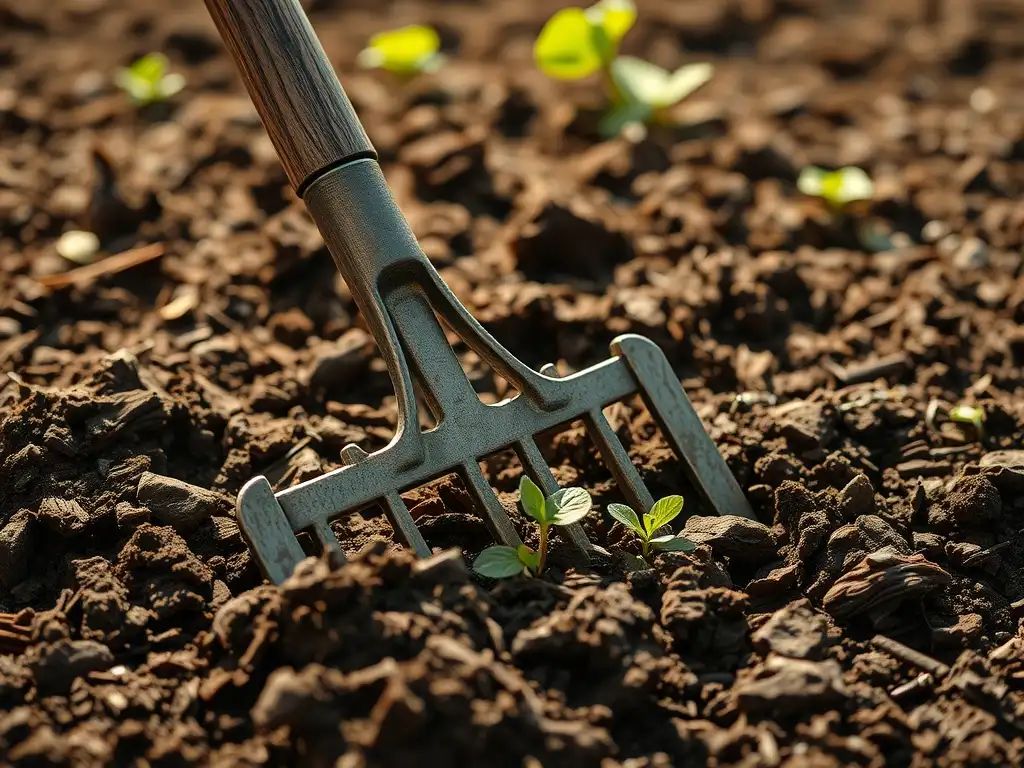
This section details the effective use of hand rakes for soil preparation, crucial for successful gardening. Achieving optimal soil conditions is key to maximizing yields and promoting healthy plant growth. A well-prepared seedbed, free from debris and clods, ensures even seed distribution and root development.
Mastering the art of hand raking is a fundamental skill for any gardener aiming for a bountiful harvest. We'll explore the best practices to get the most out of your hand rake, transforming your soil into a thriving garden paradise. The best hand rake for soil preparation will depend on your specific needs and soil type, but proper technique is key regardless of the tool.
Preparing the Soil Before Raking: Clearing Debris and Leveling the Ground
Before you even pick up your hand rake, proper soil preparation is paramount. This involves clearing away any debris, such as rocks, sticks, weeds, and leftover plant matter from the previous season. A thorough cleanup prevents these obstacles from interfering with the raking process and potentially damaging the rake's tines. Begin by removing large debris by hand. Smaller items can be collected using a garden trowel or a small cultivator. A thorough initial clearing will make the actual raking much more efficient.
Next, you need to level the ground. Uneven terrain makes for uneven seed distribution and inconsistent plant growth. Use a spade or garden fork to gently break up any large clods and level out significant bumps or dips. Aim for a relatively flat surface before starting the raking process. This groundwork ensures a smooth, consistent seedbed, crucial for optimal germination and growth. This initial step, while seemingly simple, significantly impacts the overall effectiveness of your hand raking efforts. Think of it as laying the foundation for a successful garden. 🌱
The Correct Technique for Raking Soil: Tips and Tricks for Beginners
The correct technique for raking soil is essential for achieving a fine, level seedbed. Begin by holding the rake at a comfortable angle, typically around a 45-degree angle to the ground. Avoid pushing the rake too hard; instead, use a gentle, sweeping motion, overlapping each stroke slightly. This prevents the soil from becoming overly compacted and ensures even distribution. For beginners, starting with short, controlled strokes helps develop a feel for the rake and the soil's consistency.
Focus on breaking up any remaining clods and smoothing out the surface. Work methodically, ensuring complete coverage of the area. Regularly inspect your work to ensure that the soil is evenly distributed and free of lumps. If you encounter particularly stubborn clods, consider using a garden fork or cultivator to break them up before raking again. Remember, patience is key! A well-raked seedbed is the result of careful, consistent effort. The best hand rake for soil preparation will make this process smoother, but the technique remains paramount.
Troubleshooting Common Issues: Dealing with Hard or Compacted Soil
Hard or compacted soil presents a challenge to even the most experienced gardener. This type of soil resists raking, making it difficult to achieve a fine seedbed. However, several methods can help overcome this issue. Firstly, consider adding organic matter such as compost or well-rotted manure to improve soil structure and drainage. This will help break down compaction and improve soil tilth.
Secondly, if the soil is excessively dry, water it thoroughly a day or two before raking. Moist soil is much easier to work with and less likely to become compacted during the raking process. For extremely compacted soil, you may need to use heavier tools like a garden fork or even a tiller to break up the soil before attempting to rake it.
Remember to always rake gently to avoid creating more compaction. Patience and persistence are key when dealing with difficult soil. Using the right hand rake, paired with these techniques, will significantly improve your soil preparation and overall garden success.
Remember, selecting the best hand rake for soil preparation is only half the battle. Proper technique and understanding your soil type are equally important for achieving optimal results. 👩🌾
Using Your Hand Rake for Different Soil Preparation Tasks (Seedbed Prep, Weeding)
Preparing a fine seedbed is crucial for successful germination. A hand rake excels at this task, allowing for precise control over soil texture. For seedbed preparation, begin by initially breaking up large clods of soil using a spade or garden fork. Then, use the hand rake to meticulously level the surface, removing any remaining large debris like stones or sticks.
The tines of the rake should gently work the soil, creating a loose, even surface ideal for sowing seeds. Avoid over-raking, as this can compact the soil again, hindering germination. Aim for a consistent, crumbly texture that's free from large lumps. Remember to rake in different directions—back and forth, then crosswise—to ensure thorough preparation.
The final result should be a smooth, level seedbed ready to receive the seeds. A well-prepared seedbed promotes uniform seed-to-soil contact, leading to better and more consistent germination rates. Consider the type of seed you are planting; smaller seeds require a finer seedbed than larger ones.
Weeding is another area where a hand rake shines. For effective weed removal, use the rake to gently scratch the soil surface, dislodging small weeds and their roots. This technique is particularly useful for removing weeds from between rows of plants, where a hoe or other larger tools might cause damage. The hand rake's fine tines can effectively remove weeds without disturbing the roots of your desired plants.
However, it's essential to remember that a hand rake is most effective for smaller weeds and seedlings. For established, larger weeds, a different approach might be necessary. The process is best done after a rain or watering, when the soil is moist and the weeds are easier to remove.
Remember to dispose of the weeds properly, as some may be invasive and could re-seed. Regular use of the hand rake for weeding can keep your garden tidy and healthy, minimizing competition for resources between your plants and weeds. This prevents the weeds from stealing nutrients and water from your valuable crops.
Maintaining Your Hand Rake for Longevity
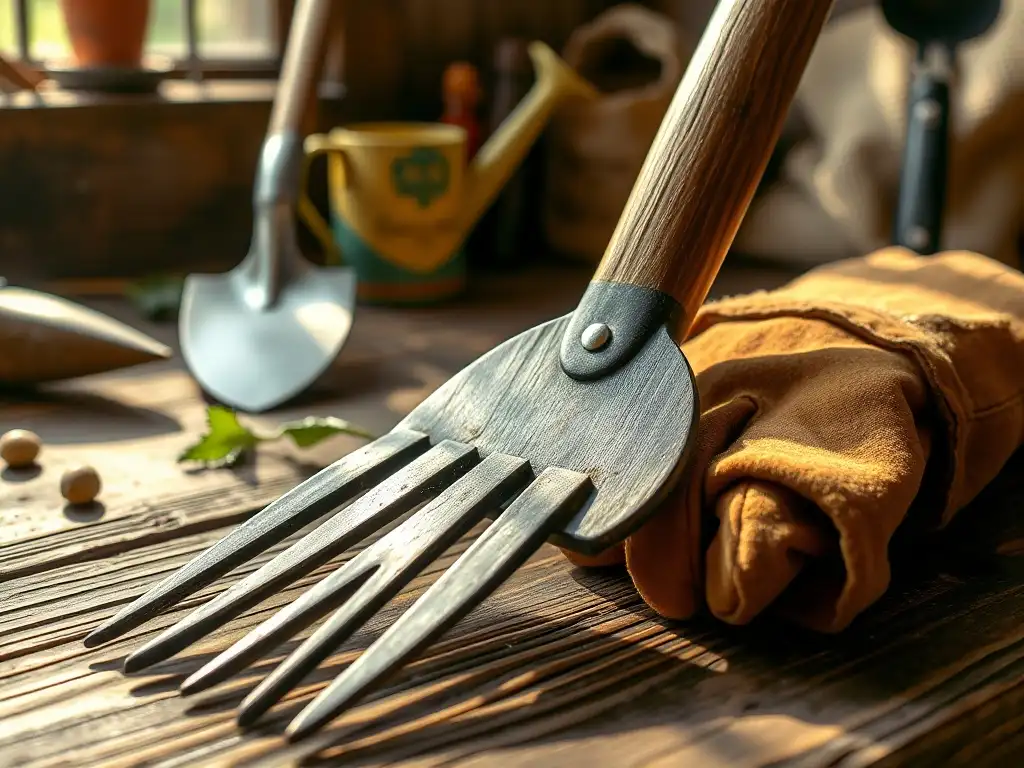
Proper care ensures your hand rake remains a reliable tool for years, maximizing its value and minimizing the need for frequent replacements. This section focuses on practical steps to extend the life of your best hand rake for soil preparation. Investing in quality tools is only half the battle; proper maintenance is crucial for optimal performance and longevity.
Cleaning and Storing Your Hand Rake After Each Use
After each use, promptly clean your hand rake to prevent soil buildup and corrosion. This simple step significantly extends its lifespan. Here's a step-by-step guide:
- Remove Excess Soil: Use a stiff brush or even your hand to knock off large clumps of soil and debris. Pay close attention to the tines, ensuring you remove all clinging particles. A strong jet of water from a hose can also be helpful for removing stubborn dirt.
- Thorough Cleaning: For a more thorough clean, especially after working with sticky clay soil, consider using a bucket of soapy water. Submerge the rake and gently scrub the tines with a brush. Rinse thoroughly with clean water to remove all traces of soap.
- Drying: Allow the rake to air dry completely before storing. Avoid leaving it in direct sunlight or damp areas, as this can accelerate rust and damage the wooden handle (if applicable). A dry cloth can speed up the drying process.
- Storage: Store your hand rake in a cool, dry place, away from moisture and direct sunlight. Hanging it on a wall or placing it in a tool shed provides optimal storage. Keeping it away from other tools prevents accidental damage. A light coating of vegetable oil on metal parts can also help prevent rust.
Repairing Minor Damage: Extending the Life of Your Tool
Even with careful use, minor damage can occur. Addressing these promptly prevents escalating problems and extends the tool's lifespan.
- Loose Tines: If a tine becomes loose, gently tighten it using pliers or a wrench, depending on the rake's construction. If the tine is severely bent or broken, it might be best to replace it if possible, or consider replacing the entire rake if repairs are too extensive.
- Damaged Handle: For wooden handles, periodically check for cracks or splinters. Sand down any rough areas and apply a wood sealant to prevent further damage and moisture absorption. For metal handles, check for bending or cracks. Minor bends might be repairable with gentle pressure, but severe damage necessitates replacement.
- Rust: For metal rakes, the early signs of rust should be addressed immediately. Use a wire brush to remove loose rust, then apply a rust converter or a protective coating like paint or oil to prevent further corrosion. Regular cleaning minimizes rust formation.
Remember, early intervention is key. Addressing minor issues promptly prevents them from becoming major problems requiring costly repairs or replacement. A well-maintained hand rake for soil preparation will serve you faithfully for many gardening seasons.
When to Replace Your Hand Rake
Despite your best efforts, there comes a time when replacing your hand rake is necessary. Several indicators signal the need for a new tool:
- Severely Bent or Broken Tines: Multiple broken or severely bent tines compromise the rake's effectiveness and safety. Attempting to repair extensive damage is usually impractical and could lead to injury.
- Extensive Rust: If rust has severely compromised the structural integrity of the rake, leading to weakness or breakage, replacement is necessary. This is a safety concern as well as a performance issue.
- Cracked or Broken Handle: A damaged handle affects the rake's functionality and can pose a safety risk. Repairing a severely damaged handle is often impractical.
- Ineffective Performance: If your hand rake no longer effectively prepares the soil—for example, if the tines are too dull or bent to penetrate the earth properly—it's time to invest in a new one. Choosing the best hand rake for soil preparation is crucial for effective gardening.
Regular maintenance, proactive repairs, and knowing when to replace your hand rake ensures you always have a reliable tool for optimal soil preparation, contributing to a thriving garden. This proactive approach saves you time, money, and frustration in the long run.
Beyond the Rake: Complementary Tools for Soil Preparation
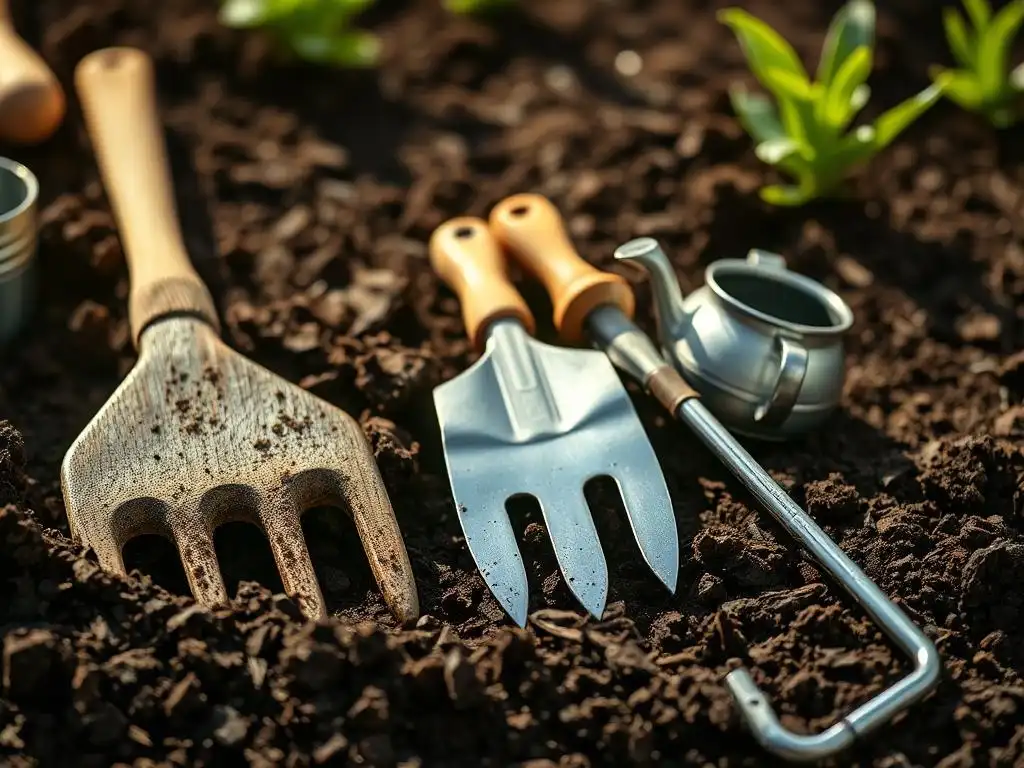
Choosing the best hand rake for soil preparation is only half the battle. Effective soil preparation often requires a suite of tools working in harmony. While a hand rake excels at smoothing, leveling, and removing debris, other tools are crucial for achieving optimal soil conditions for planting. This section explores complementary tools that significantly enhance the effectiveness of your hand rake and contribute to a thriving garden.
Essential Gardening Tools to Pair with Your Hand Rake
A high-quality hand rake, even the best hand rake for soil preparation, is most effective when used alongside other essential gardening tools. These tools address different aspects of soil preparation, leading to better results. Consider these additions to your gardening arsenal:
- Trowel: A trowel is invaluable for smaller, more precise tasks. It's perfect for removing stubborn rocks or weeds missed by the rake, and for creating individual planting holes with the right depth and spacing. A sturdy trowel with a comfortable grip is a worthwhile investment.
- Garden Fork: For breaking up compacted soil, a garden fork is superior to a rake. Its tines penetrate deep, aerating the soil and improving drainage. This is especially important in clay soils, where a rake alone might struggle. Using a fork before raking creates a much better seedbed.
- Cultivator: A cultivator, with its narrow, pointed tines, is excellent for weeding and loosening soil between rows of plants. It's a more precise tool than a rake for working in established garden beds. This prevents unnecessary disturbance of the soil around existing plants.
- Soil Sieve: For fine-tuning your soil preparation, especially for seed starting, a soil sieve is incredibly helpful. It removes larger debris and stones, creating a consistently fine seedbed for optimal germination.
The combination of these tools, used strategically, allows for efficient and thorough soil preparation. Remember to choose high-quality tools made from durable materials for longevity and ease of use. Investing in the right tools now will save you time and effort in the long run, and contribute to a healthier, more productive garden. This holistic approach to soil preparation, beyond just the best hand rake for soil preparation, is key to gardening success.
Improving Soil Health: Organic Amendments and Soil Testing
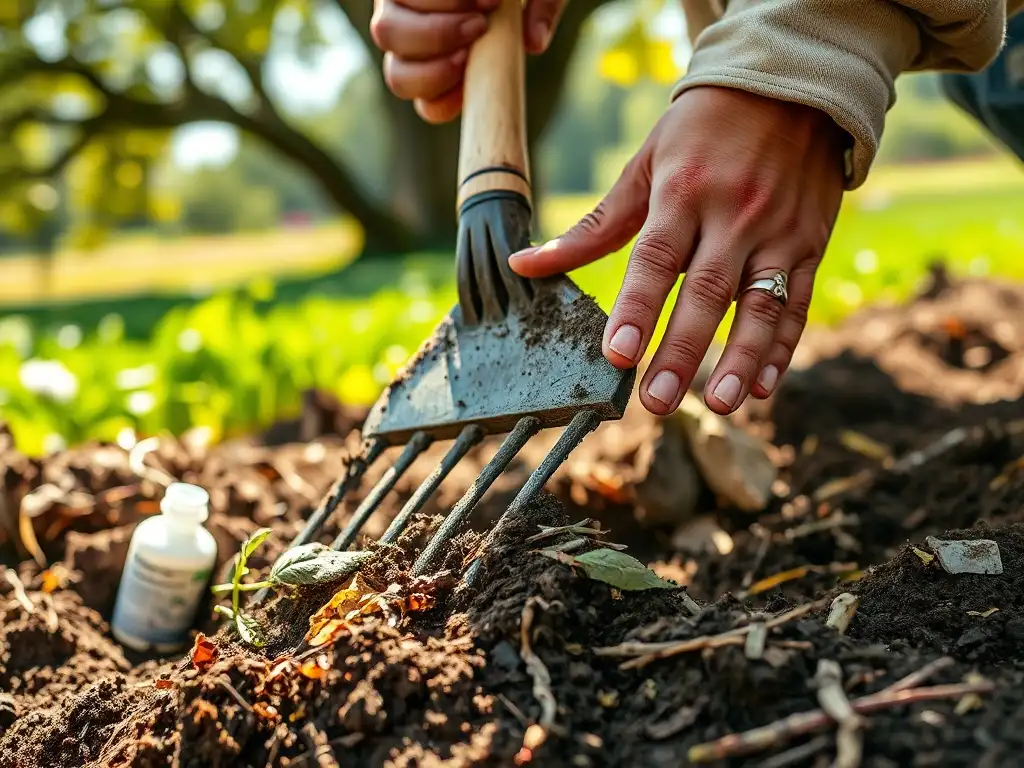
Even with the best hand rake for soil preparation and a complete set of tools, the success of your garden hinges on healthy soil. Simply leveling and smoothing the soil isn't enough; you need to consider the soil's composition and nutrient levels. This section focuses on enriching your soil with organic amendments and the importance of soil testing for informed decision-making.
Organic Amendments and Soil Testing
Healthy soil is the foundation of a thriving garden. Organic amendments significantly improve soil structure, water retention, and nutrient content. These amendments provide essential nutrients and enhance the overall health of your soil.
- Compost: Compost is the gold standard of organic amendments. It's rich in nutrients and improves soil structure, drainage, and water retention. Adding compost before raking helps create a fertile and well-draining seedbed.
- Worm Castings: These are the excrement of earthworms and are incredibly nutrient-rich. They’re a fantastic addition to any soil, improving its structure and fertility.
- Aged Manure: Well-rotted manure adds organic matter and nutrients to the soil. Ensure it's fully composted to avoid burning your plants.
- Soil Testing: Before incorporating any amendments, consider a soil test. This will reveal the specific nutrient deficiencies in your soil, allowing you to apply the most appropriate amendments in the correct quantities. This prevents over-fertilizing and ensures your plants receive the precise nutrients they need, maximizing your yield.
A soil test provides crucial insights into your soil's pH level, which directly impacts nutrient availability. Knowing your soil's pH allows you to adjust it if necessary, using lime to raise the pH or sulfur to lower it. This precision ensures optimal plant growth and maximizes the effectiveness of your soil preparation efforts. Investing time and effort into improving your soil's health, in conjunction with using the best hand rake for soil preparation, is crucial for long-term gardening success. Remember, healthy soil equals healthy plants!
Frequently Asked Questions about Hand Rakes for Soil Preparation
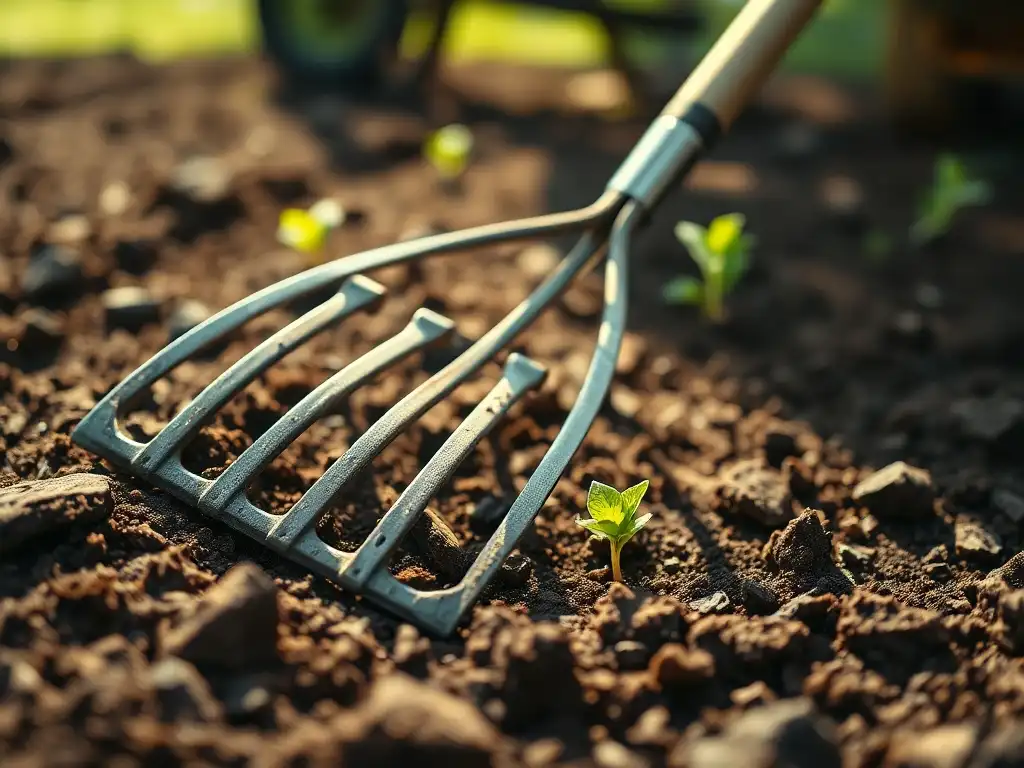
This section addresses common queries regarding the selection and effective use of hand rakes for optimal soil preparation, crucial for achieving a bountiful harvest in your home garden. Choosing the right hand rake can significantly improve your gardening experience, leading to healthier plants and a more rewarding gardening journey. Let's delve into some frequently asked questions.
What is the difference between a leaf rake and a soil rake?
The key difference between a leaf rake and a soil rake lies in the tine design and spacing. Leaf rakes typically feature long, flexible tines spaced widely apart. This design is ideal for gathering large quantities of lightweight materials like leaves and grass clippings. They are not suitable for soil preparation because the wide spacing allows soil to pass through easily, hindering effective tilling or leveling.
Conversely, soil rakes, sometimes called garden rakes or landscape rakes, boast shorter, sturdier tines set closer together. This configuration allows for finer soil manipulation. The closer tine spacing enables better soil aeration, leveling, and the breaking up of clumps, preparing the seedbed for planting. The tines are also designed to withstand the stress of working with denser soil.
Think of it this way: a leaf rake is for gathering, while a soil rake is for working. Choosing the right tool for the job is key to efficient and effective gardening. Using a leaf rake for soil preparation would be like trying to use a spoon to eat soup – it's possible, but incredibly inefficient!
How do I choose the right tine spacing for my soil type?
Selecting the appropriate tine spacing directly impacts your soil preparation success. The ideal spacing depends heavily on your soil type and the specific task.
| Soil Type | Recommended Tine Spacing | Rationale |
|---|---|---|
| Sandy Soil | Wider spacing | Sandy soil is loose and drains well. Wider spacing prevents clogging. |
| Clay Soil | Closer spacing | Clay soil is dense and compact. Closer spacing helps break up large clumps. |
| Loamy Soil | Medium spacing | Loamy soil is a balance; medium spacing offers versatility. |
Consider the following:
- Heavy Clay Soil: Requires a rake with closely spaced, strong tines to effectively break up the compacted earth. A rake with fewer, thicker tines might be more durable for this task.
- Light Sandy Soil: Benefits from a rake with wider spacing to avoid excessive disturbance and potential damage to existing soil structure. A lighter-weight rake with more flexible tines might be preferable here.
- Rocky Soil: Opt for a rake with strong, widely spaced tines to avoid bending or breaking the tines while still effectively removing rocks and debris.
For the best "Best hand rake soil preparation," carefully assess your soil's characteristics before purchasing.
Can I use a hand rake for weeding?
Yes, a hand rake can be a surprisingly effective tool for weeding, particularly for tackling shallowly rooted weeds. The process involves gently raking the soil surface to loosen the weeds' root systems. This method is most effective for smaller weeds and in areas where you don't want to heavily disturb the surrounding soil. However, it’s important to note some limitations:
- Deeply Rooted Weeds: A hand rake is not ideal for removing deeply rooted weeds. For those, a weeding fork or trowel is more appropriate.
- Large Weeds: Large, established weeds may be difficult to remove completely with just a hand rake. You might need to combine raking with manual removal.
- Delicate Plants: Be cautious when using a hand rake near delicate seedlings or established plants, as you could unintentionally damage their roots.
The technique is best employed as a preventative measure or for tackling newly emerged weeds. Regular, gentle raking can help keep weeds at bay, reducing the need for more intensive weeding methods. This approach promotes a healthier garden ecosystem and reduces the reliance on harsh chemical weed killers, aligning with the sustainable principles of CultivateYourFood. 🌱
Conclusion: Mastering Soil Preparation with the Right Hand Rake
Mastering soil preparation is crucial for successful gardening, impacting everything from seed germination to plant health and yield. Choosing the right hand rake significantly improves efficiency and effectiveness in this vital step. A well-prepared seedbed, free of debris and clods, ensures optimal root development and nutrient uptake. This translates to healthier, more vigorous plants and a bountiful harvest.
Investing in a high-quality hand rake designed for soil preparation is an investment in the success of your garden. Remember to consider factors like tine spacing, head size, and handle length to find the perfect fit for your gardening style and the specific needs of your garden beds. With the right tool in hand, you'll be well on your way to cultivating a thriving and productive garden.
Choosing the Right Tool for the Job: Summary and Recommendations
Selecting the best hand rake for soil preparation depends on several factors. The type of soil you're working with plays a crucial role. Heavy clay soils require a rake with strong, closely spaced tines to break up compacted earth. Lighter, sandy soils may benefit from a rake with wider tine spacing for smoother leveling. Consider the size of your garden beds. A smaller head is more maneuverable in tight spaces, while a larger head is more efficient for larger areas.
The handle length should also be tailored to your height and comfort. A longer handle reduces bending and strain, especially during prolonged use. Finally, the material of the rake head and handle impacts durability and longevity. Steel is robust and long-lasting but can be heavier; aluminum is lighter but may be less durable. Prioritize a rake made from high-quality, sustainable materials to align with environmentally conscious gardening practices.
Top Picks for Sustainable Soil Management
Choosing a hand rake aligned with sustainable gardening practices involves considering not only its effectiveness but also its environmental impact. Look for rakes made from recycled materials or sustainably sourced wood. Steel rakes, while durable, should be sourced from responsibly managed suppliers.
Aluminum rakes offer a lighter option but should be chosen from brands committed to responsible aluminum sourcing and recycling programs. Consider the longevity of the tool; a high-quality, well-maintained rake will last for years, reducing the need for frequent replacements and minimizing waste. Investing in a durable, sustainable rake is a commitment to both your garden's health and the environment's well-being.
This aligns perfectly with the principles of sustainable gardening and contributes to a more environmentally responsible approach to soil preparation. Remember, a well-maintained rake will serve you for many seasons, reducing your environmental footprint over time. This mindful selection ensures your gardening efforts remain aligned with sustainable practices, contributing to a healthier planet.
Frequently Asked Questions
What is the best type of hand rake for soil preparation?
The best type depends on your needs. For fine soil preparation, a bow rake is excellent. For larger clods and coarser work, a leaf rake with sturdy tines might be more suitable.
How do I choose the right size hand rake for my garden?
Consider the size of your garden beds. A larger rake is more efficient for larger areas, while a smaller one is better for detailed work or smaller spaces. Think about your physical strength when choosing a size.
What materials are hand rakes typically made from?
Hand rakes are commonly made from wood or metal, with tines made of metal or plastic. Wooden handles offer comfort, while metal handles provide greater durability.
How can I maintain my hand rake to prolong its life?
After each use, clean your rake thoroughly to remove soil and debris. Store it in a dry place to prevent rust and damage. Regularly check for loose or broken tines.
Besides soil preparation, what other tasks can a hand rake be used for?
Hand rakes are also useful for removing weeds, gathering leaves, leveling soil, and spreading mulch in your garden. They are versatile tools for a variety of gardening tasks.
Final Reflection: Cultivating the Ground, Cultivating Ourselves
The art of soil preparation, far from being a mere gardening task, mirrors the careful cultivation needed for personal growth and societal progress. A well-prepared seedbed, as we've explored, is essential for bountiful harvests; similarly, a thoughtfully prepared mind and community are crucial for a flourishing future. The seemingly simple act of choosing the right hand rake becomes a potent metaphor for the deliberate choices we make in shaping our lives and the world around us.
The impact of mindful soil preparation extends far beyond the garden gate. It speaks to a deeper connection with nature, a respect for the land that sustains us, and a recognition of the interconnectedness of all things. The glory of gardening: hands in the dirt, head in the sun, heart with nature. To nurture a garden is to feed not just the body, but the soul.
This quote resonates deeply, highlighting the profound spiritual and emotional benefits of engaging in such seemingly simple tasks. The meticulous work of preparing the soil, choosing the right tools, and nurturing growth fosters a sense of purpose and accomplishment that transcends the physical act itself.
Consider the lessons learned within these pages. You now possess a deeper understanding of the nuances of hand rakes and their specific applications in soil preparation. But more importantly, you've gained insight into the power of mindful action and the importance of selecting the right tools for the task at hand, whether that task be cultivating a garden or cultivating your own potential. Now, go forth and cultivate. Choose your tools wisely, approach your endeavors with intention, and watch as your efforts bear fruit, both in your garden and in your life.
Unleash Your Inner Gardener: Prepare the Perfect Soil Today!
Thank you for exploring the world of hand rakes and their vital role in soil preparation! You're now ready to cultivate a thriving garden. Let's get started.
- Begin prepping your soil with your favorite hand rake. Get your hands dirty and enjoy the satisfaction of creating the perfect growing environment.
- Share your soil preparation journey with us! Post a picture of your freshly raked garden bed on social media using #CultivateYourFood – we'd love to see your progress.
- Experiment with different raking techniques; you might discover a new favorite method!
What soil preparation tip are you most excited to try?