
Sandy Soil Success: Natural Methods for Water Retention and Nutrients

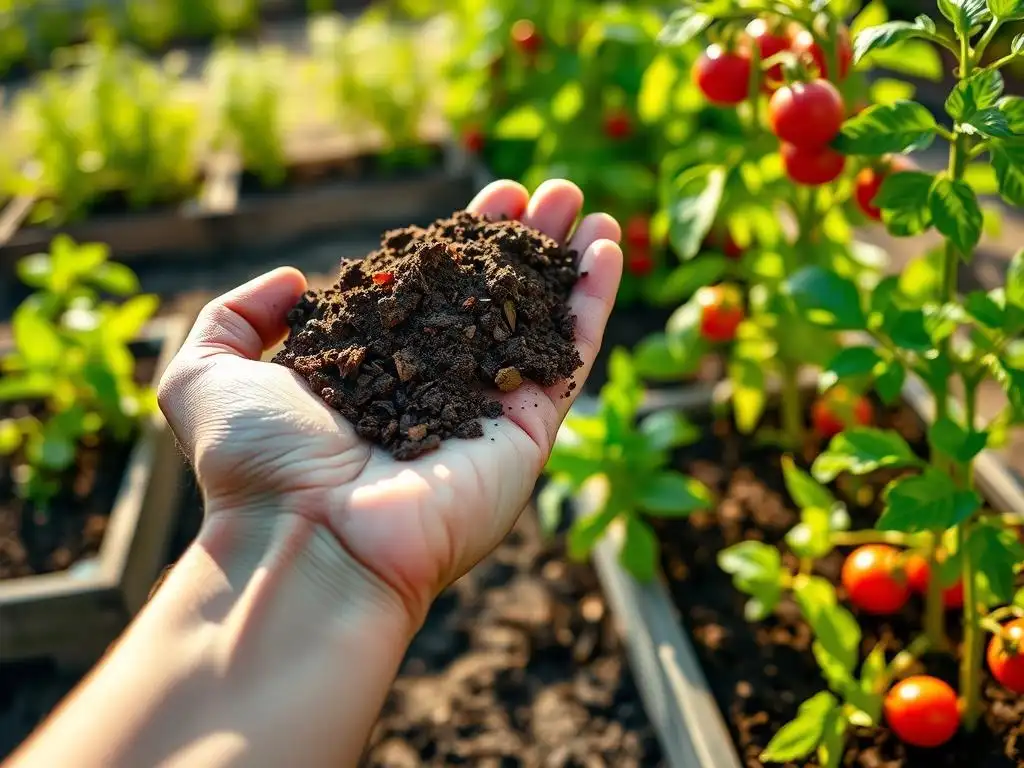
Welcome to CultivateYourFood, your guide to growing a thriving garden using sustainable methods! Are you struggling with sandy soil and its notorious water drainage? Discover how to dramatically improve sandy soil water retention using natural techniques, unlocking the secrets to a bountiful harvest. Explore our comprehensive guide on soil and composting to transform your garden from sandy wasteland to a flourishing oasis. Let's cultivate a greener, healthier future, together.
- Understanding Your Sandy Soil: Challenges and Opportunities
- Enhancing Water Retention in Sandy Soil: Natural Solutions
- Optimizing Nutrient Availability in Sandy Soil
- Monitoring and Maintaining Sandy Soil Health
-
Frequently Asked Questions
- How can I improve water retention in my sandy soil without using chemicals?
- What organic materials are best for improving sandy soil?
- How much organic matter should I add to my sandy soil?
- Does mulching really help with sandy soil water retention?
- Besides improving water retention, what other benefits does adding organic matter provide?
- Final Reflection: Cultivating a Thriving Future in Sandy Soil
- Unlock Your Soil's Potential: Grow a Thriving Garden
Understanding Your Sandy Soil: Challenges and Opportunities
Sandy soil, with its loose, granular texture, presents unique challenges and opportunities for home gardeners seeking to cultivate thriving fruits, vegetables, and herbs. While often perceived as infertile and difficult to manage, sandy soil can be transformed into a productive growing medium with the right techniques. This article focuses on natural methods for improving water retention and nutrient levels in sandy soil, enabling you to successfully cultivate a bountiful organic garden. We will explore the characteristics of sandy soil, identify common nutrient deficiencies, and understand the significant impact poor water retention has on plant growth.
By employing the strategies outlined here, you can overcome the limitations of sandy soil and unlock its potential for sustainable and flourishing home cultivation. This will allow you to improve sandy soil water retention and create a thriving garden ecosystem. Let's delve into the specifics.
Identifying Sandy Soil Characteristics: Texture and Drainage
Sandy soil is easily recognized by its coarse texture. When you rub a handful of dry soil between your fingers, it feels gritty and lacks the cohesiveness of clay or loam. The large particle size of sand results in significant pore spaces, leading to excellent drainage. While this sounds beneficial, it's a double-edged sword. Excellent drainage means water percolates rapidly through the soil, leaving plant roots quickly dehydrated. This rapid drainage also means nutrients are easily leached away before plants can absorb them. You can easily test your soil:
- The Feel Test: As mentioned, rub a sample of dry soil between your fingers. Does it feel predominantly gritty with little to no clay-like stickiness?
- The Water Test: Pour a cup of water onto a small amount of soil. Does the water drain away almost immediately, leaving the soil surface dry?
- The Jar Test: Mix a sample of soil with water in a jar, let it settle, and observe the layers. A predominantly sandy soil will show a large layer of sand at the bottom, with little or no silt or clay.
This rapid drainage is the primary reason why improving sandy soil water retention is crucial for successful gardening.
Nutrient Deficiencies in Sandy Soil: Common Issues
The excellent drainage of sandy soil, while beneficial for aeration, unfortunately leads to rapid leaching of essential nutrients. Water carrying dissolved nutrients quickly moves through the large pore spaces, leaving plants deprived of vital elements for healthy growth. Common nutrient deficiencies in sandy soils include:
- Nitrogen (N): Essential for leaf growth and overall plant vigor. Sandy soils are prone to nitrogen deficiency because it's highly mobile and easily leached.
- Phosphorus (P): Crucial for root development, flowering, and fruiting. Phosphorus can become fixed in the soil, making it less available to plants, even if present.
- Potassium (K): Supports overall plant health, disease resistance, and fruit quality. Like nitrogen, potassium is highly mobile and easily lost through leaching.
- Micronutrients: Elements like iron, zinc, manganese, and copper are also often deficient in sandy soils, impacting various plant processes.
Addressing these nutrient deficiencies is a key aspect of improving sandy soil water retention and overall soil health. Organic amendments can significantly improve nutrient availability and retention.
The Impact of Poor Water Retention on Plant Growth
Poor water retention in sandy soils severely impacts plant growth in several ways:
- Wilting and Stress: Plants in sandy soil frequently experience wilting due to rapid water loss. This constant stress reduces growth rate, fruit production, and overall plant health.
- Reduced Root Development: Insufficient moisture hinders root development, limiting the plant's ability to access nutrients and water. Shallow roots are more susceptible to drought stress.
- Increased Susceptibility to Pests and Diseases: Stressed plants are more vulnerable to pests and diseases, further compromising their health and yield.
- Uneven Growth: Fluctuations in soil moisture can lead to uneven plant growth, with some areas thriving while others struggle.
Improving water retention is not just about making the soil wetter; it's about creating a soil environment where water is held available for the plants throughout the growing season, reducing stress and promoting robust growth. This directly relates to improving sandy soil water retention and producing a healthy harvest.
Enhancing Water Retention in Sandy Soil: Natural Solutions
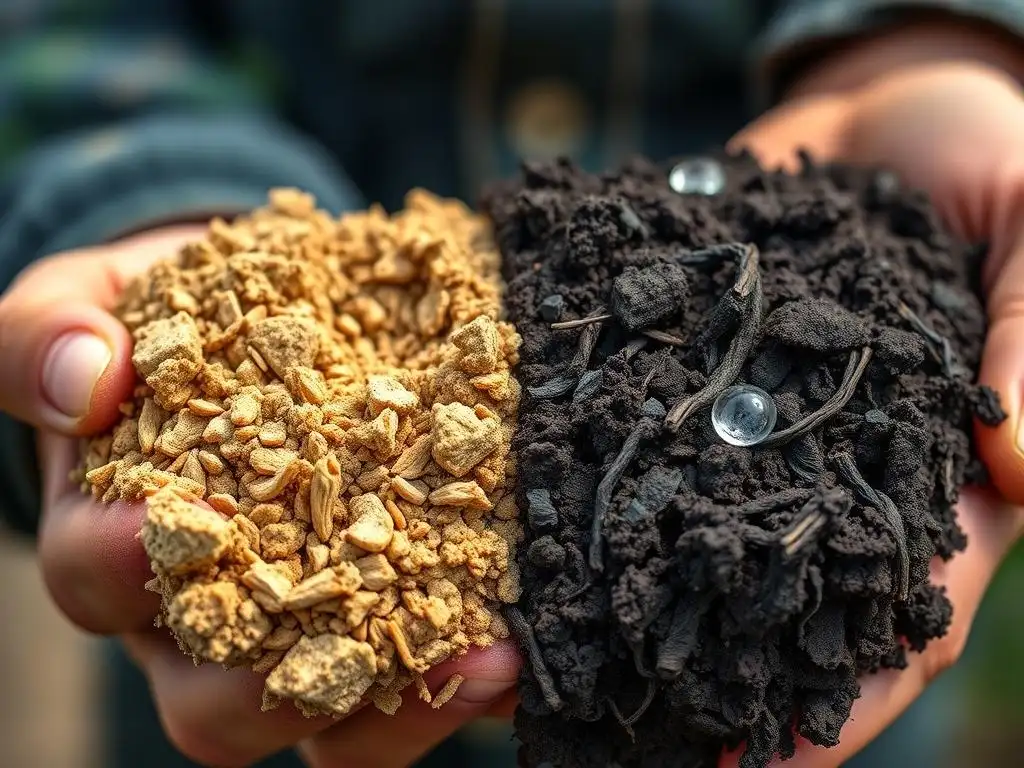
Sandy soil, with its large particle size and high porosity, presents unique challenges for home gardeners. Water drains rapidly, leaving plants thirsty and nutrients vulnerable to leaching. However, improving sandy soil water retention is achievable through natural methods, focusing on increasing organic matter and improving soil structure. This section details effective techniques to transform your sandy soil into a thriving garden bed. This guide focuses on improving sandy soil water retention naturally, without resorting to chemical amendments.
Organic Matter: The Key to Improved Soil Structure
Organic matter is the cornerstone of healthy sandy soil. It acts like a sponge, absorbing and holding water, making it available to plants over time. Furthermore, organic matter improves soil structure by binding sand particles together, creating a more stable and less prone to compaction. This enhanced structure also improves aeration, benefiting root growth and overall plant health. The goal is to increase the soil's water holding capacity and improve its ability to retain nutrients. A healthy sandy soil should exhibit a crumbly structure, not a loose, free-flowing one.
Composting for Sandy Soil: Types of Compost and Application
Different types of compost offer varying benefits for sandy soil. Well-rotted compost, rich in humus, is ideal. It provides a slow-release source of nutrients and improves water retention significantly. Compost made from a variety of materials, including kitchen scraps, yard waste, and even shredded paper, offers a balanced nutrient profile.
Avoid using fresh compost, as it can tie up nitrogen and hinder plant growth. Application involves incorporating the compost into the top 6-12 inches of soil before planting. Aim for a rate of 2-4 inches of compost per square foot, depending on the existing soil condition. Regular additions of compost over time are more beneficial than one large application.
Cover Cropping for Sandy Soil Improvement: Best Choices and Techniques
Cover cropping is another excellent method for improving sandy soil water retention. Cover crops with extensive root systems, like rye, clover, and vetch, help to bind the soil particles and improve its structure. Their decaying roots also add significant amounts of organic matter to the soil, enhancing its water-holding capacity. Choose cover crops adapted to your climate and growing season.
Planting cover crops in the fall, followed by tilling them under in the spring, is a highly effective strategy. This technique provides a continuous source of organic matter and improves soil health over time. The key is to select cover crops that thrive in sandy conditions and to ensure proper planting and management techniques.
Mulching Techniques for Sandy Soil: Materials and Application Methods
Mulching is a crucial practice for sandy soil management, helping to conserve moisture and suppress weeds. Organic mulches, such as straw, wood chips, and shredded leaves, are particularly beneficial. They create a protective layer on the soil surface, reducing evaporation and preventing water loss. Apply a 2-4 inch layer of mulch around plants, taking care not to pile it directly against the stems.
Regularly replenish the mulch layer as it decomposes to maintain its effectiveness. Mulching not only improves water retention but also moderates soil temperature, protecting plants from extreme heat and cold. The choice of mulch will depend on your local availability and personal preferences.
Improving Soil Structure with Natural Amendments
While organic matter is paramount, other natural amendments can further enhance sandy soil structure and water retention. These amendments help to bind sand particles and create a more stable soil profile, ultimately improving water infiltration and retention.
Utilizing Clay Amendments: Types and Application Rates
Adding clay to sandy soil might seem counterintuitive, but small amounts of clay can significantly improve structure. Bentonite clay, a type of swelling clay, is particularly effective. It helps to bind sand particles together, creating larger aggregates that retain more water. However, it's crucial to use clay amendments sparingly. Too much clay can make the soil heavy and compact, negating the benefits. Start with small amounts (a few handfuls per square foot) and monitor the results. The application method involves mixing the clay thoroughly into the soil before planting. Careful monitoring and adjustment are vital for optimal results.
Utilizing Gypsum for Sandy Soil Improvement: Benefits and How to Use
Gypsum (calcium sulfate) improves soil structure by enhancing aggregate stability. It doesn't directly increase water-holding capacity, but it helps the soil to better retain the water it already holds. Gypsum also improves nutrient availability and helps to reduce soil salinity. Apply gypsum according to package instructions, usually at a rate of 100-200 pounds per 1000 square feet. Incorporate it into the soil before planting or as a topdressing. Gypsum is a slow-acting amendment, so noticeable improvements may take time. Regular soil testing is recommended to monitor its effectiveness.
Optimizing Nutrient Availability in Sandy Soil
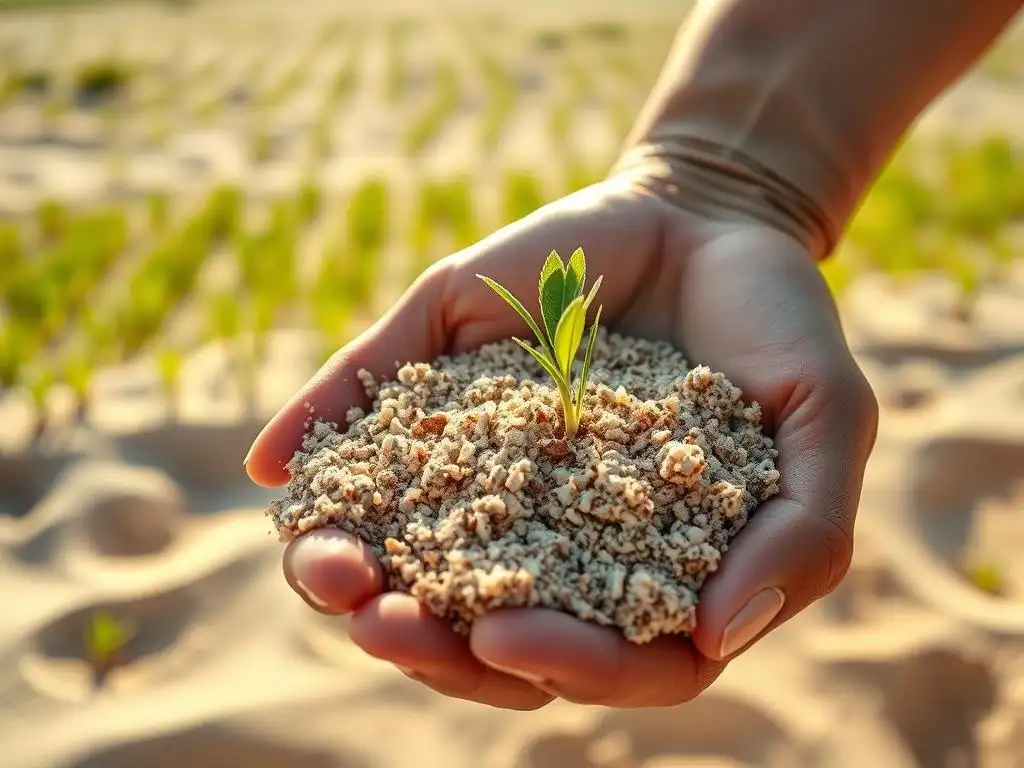
Sandy soil, while well-draining, presents a unique challenge for gardeners: its loose structure allows nutrients and water to leach away quickly. This section focuses on practical, natural methods to improve nutrient retention and availability in sandy soil, ensuring your plants thrive. We'll explore how to choose the right fertilizers, utilize compost, and implement effective irrigation techniques to bolster your sandy soil's nutrient profile and improve its water retention capabilities. Successfully addressing these issues is key to achieving abundant harvests in this type of soil. Remember, improving sandy soil water retention is a crucial step toward better nutrient management.
Natural Fertilizers for Sandy Soil: Choosing the Right Options
Choosing the right fertilizer is paramount for sandy soil. Unlike clay soils which retain nutrients, sandy soils require fertilizers that release nutrients slowly and resist leaching. Avoid fast-release chemical fertilizers, as these will quickly wash away with irrigation or rainfall. Instead, opt for organic options that offer sustained nutrient release.
- Compost: A cornerstone of organic gardening, compost improves soil structure, increases water retention, and provides a slow release of essential nutrients. Mature compost is ideal, as it's less likely to burn delicate seedlings. Aim for a dark, crumbly texture indicating complete decomposition.
- Manure: Well-rotted animal manure (cow, horse, sheep) is another excellent choice. Ensure it's fully composted to avoid burning plants and introducing weed seeds. Chicken manure, while nutrient-rich, is potent and should be used sparingly and well-composted.
- Seaweed: Seaweed meal is a fantastic source of micronutrients and helps improve soil structure. Its slow release makes it perfect for sandy soils.
- Bone Meal: A good source of phosphorus, crucial for root development and flowering. Use it sparingly, as it's a slow-release fertilizer.
Managing Nutrient Leaching in Sandy Soil
Nutrient leaching is a significant concern in sandy soil. The loose structure allows water to easily carry away dissolved nutrients, depriving plants of essential food. Effective management strategies are crucial for maximizing nutrient uptake and improving sandy soil water retention.
Efficient Irrigation Techniques for Sandy Soil: Water Conservation Strategies
Efficient irrigation is vital for minimizing nutrient leaching in sandy soil. Avoid overhead watering, which can lead to significant runoff. Instead, consider:
- Drip irrigation: This method delivers water directly to the plant's roots, minimizing evaporation and runoff. It also allows for precise water control, preventing overwatering.
- Soaker hoses: Similar to drip irrigation, soaker hoses provide slow, even watering, reducing water waste and nutrient leaching.
- Mulching: Applying a thick layer of organic mulch (straw, wood chips, shredded leaves) helps retain moisture, reduce evaporation, and suppress weeds. This indirectly helps to improve sandy soil water retention by reducing the need for frequent watering and thus minimizing nutrient loss.
Preventing Nutrient Run-off: Best Practices
Nutrient run-off contaminates waterways and harms the environment. To prevent this:
- Contour planting: Planting along the contours of the land helps slow water flow, reducing runoff.
- Cover cropping: Planting cover crops (like clover or rye) during fallow periods protects the soil from erosion, improves soil structure, and adds organic matter, which enhances water retention.
- Buffer strips: Establishing vegetated buffer strips around fields intercepts runoff, filtering out nutrients and sediment before they reach waterways.
Utilizing Green Manure: Benefits and Selection for Sandy Soil
Green manure crops, also known as cover crops, play a significant role in improving sandy soil. Planting these crops and then tilling them into the soil adds organic matter, improving soil structure and water retention. This process enhances nutrient availability and reduces the need for synthetic fertilizers, ultimately improving sandy soil water retention.
The best green manure choices for sandy soil include those with extensive root systems that help bind the soil particles together, improving overall soil structure and water retention capacity. Legumes, such as clover and vetch, are particularly beneficial because they fix nitrogen from the atmosphere, enriching the soil and reducing the need for nitrogen-based fertilizers. Other good options include rye, oats, and barley. The choice of green manure will depend on the specific climate and growing season.
Compost Tea Brewing for Sandy Soil: A Natural Nutrient Boost
Compost tea is a liquid fertilizer brewed from compost, teeming with beneficial microorganisms. These microorganisms enhance nutrient uptake by plants, making nutrients more readily available. For sandy soil, compost tea offers a significant advantage: it helps improve the soil's ability to retain nutrients and water, addressing both challenges simultaneously. The process involves steeping compost in water for a period of time, creating a nutrient-rich solution that can be applied directly to the soil or plants. Regular applications of compost tea can contribute significantly to improving sandy soil water retention and overall soil health.
Monitoring and Maintaining Sandy Soil Health
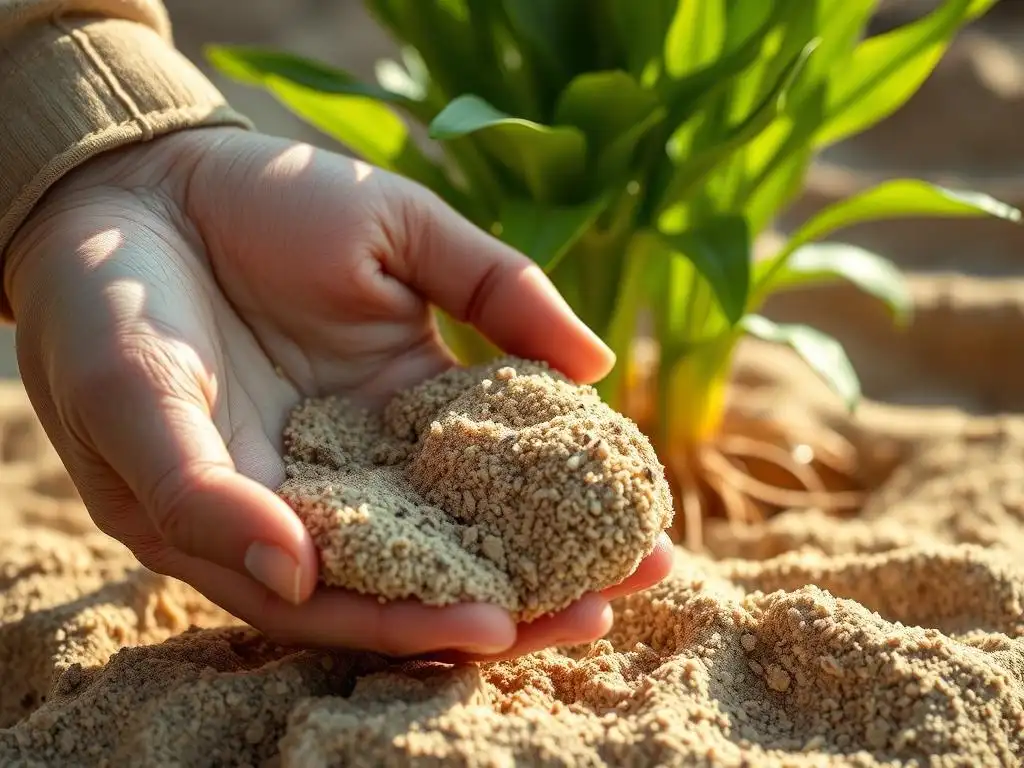
Improving sandy soil water retention is an ongoing process, requiring diligent monitoring and adjustments. Simply amending the soil once isn't enough; consistent observation and proactive measures are crucial for long-term success in cultivating a thriving garden. This section details practical strategies for maintaining the health of your sandy soil, ensuring your plants receive the water and nutrients they need to flourish.
Observing Plant Growth and Adjusting Strategies
Careful observation of your plants is the cornerstone of successful sandy soil management. Visual cues can reveal much about your soil's health and the effectiveness of your water retention strategies. Wilting, even after watering, indicates poor water retention. Yellowing leaves might suggest nutrient deficiencies, while stunted growth could be a sign of both inadequate water and nutrient uptake.
For example, let's say you've planted tomatoes in your sandy soil and after a week of regular watering, you notice the leaves are drooping during the hottest part of the day, despite the soil feeling moist just below the surface. This is a clear indication that the sandy soil is draining too quickly, and your watering strategy needs adjustment.
You might need to water more frequently, using smaller amounts each time to avoid runoff, or consider adding more organic matter to improve water retention further. Conversely, if your plants appear lush and healthy, it suggests your current methods are working well.
Keep a detailed garden journal! Note down watering schedules, the amount of water used, rainfall, and any observed plant stress symptoms. This data will be invaluable in refining your soil management techniques over time. This meticulous record-keeping allows you to correlate plant growth with specific soil conditions and management practices, leading to more informed decisions. Don't underestimate the power of observation – it's your most valuable tool in this endeavor.
Regular Soil Testing: Assessing Nutrient Levels and pH
While visual observation provides valuable insights, regular soil testing offers quantitative data to guide your sandy soil improvement efforts. Sandy soils are notoriously low in nutrients and prone to leaching, making regular testing even more crucial. Testing helps you accurately assess nutrient levels (nitrogen, phosphorus, potassium, etc.) and pH. The ideal pH for most plants is slightly acidic to neutral (6.0-7.0), but this can vary depending on the specific plants you're growing.
Consider using a home soil testing kit for quick, convenient results, or send a sample to a professional laboratory for a more comprehensive analysis. These tests will pinpoint any nutrient deficiencies, allowing you to apply targeted amendments. For instance, if your test reveals low phosphorus levels, you can incorporate phosphorus-rich compost or bone meal to address this deficiency.
Similarly, if the pH is too high or too low, you can adjust it with appropriate amendments like lime (to raise pH) or elemental sulfur (to lower pH). Remember that frequent testing – at least once a year, and preferably twice – is key to maintaining optimal soil conditions for healthy plant growth. Consistent monitoring allows for proactive adjustments, preventing nutrient imbalances from negatively impacting your plants.
Long-Term Strategies for Sandy Soil Improvement: Ongoing Care
Improving sandy soil water retention is a marathon, not a sprint. Long-term success demands a commitment to ongoing care and continuous improvement. The strategies discussed earlier – regular watering adjustments based on observation and soil test results – are crucial. However, a few other long-term strategies are equally vital:
- Mulching: Applying a thick layer of organic mulch (e.g., wood chips, straw) helps retain soil moisture, suppresses weeds, and gradually improves soil structure over time. The mulch acts as a protective barrier, reducing evaporation and providing shade to the soil.
- Cover Cropping: Planting cover crops (e.g., clover, rye) between growing seasons adds organic matter, improves soil structure, and enhances nutrient availability. These plants are then tilled into the soil, enriching it further.
- Composting: Regularly adding compost to your sandy soil is essential for improving its water retention capacity and nutrient content. Compost enhances soil structure, creating better spaces for water to be retained.
- No-Till Gardening: Avoid tilling whenever possible, as it disrupts soil structure and can exacerbate water drainage problems in sandy soils. No-till gardening practices help maintain soil structure and improve water infiltration.
Remember, consistent application of these long-term strategies, combined with diligent monitoring and adjustments, will yield significant improvements in your sandy soil's water retention and overall health. It's a journey of continuous learning and adaptation, but the rewards of a thriving, sustainable garden are well worth the effort. The key is patience and persistence in your efforts to improve sandy soil water retention.
Frequently Asked Questions
How can I improve water retention in my sandy soil without using chemicals?
Several natural methods can enhance water retention. Adding organic matter like compost significantly improves soil structure. Mulching also helps retain moisture and suppress weeds.
What organic materials are best for improving sandy soil?
Compost, well-rotted manure, and leaf mold are excellent choices. These materials add humus, improving soil structure and water-holding capacity. Avoid fresh manure, which can burn plants.
How much organic matter should I add to my sandy soil?
The amount depends on your soil's condition, but aim for at least 2-4 inches of organic matter worked into the top layer. Amend the soil gradually over time for best results. Regular additions are key.
Does mulching really help with sandy soil water retention?
Yes, mulching is highly effective. It creates a barrier that reduces evaporation, keeping the soil cooler and moister. Use organic mulches like straw, wood chips, or shredded leaves.
Besides improving water retention, what other benefits does adding organic matter provide?
Adding organic matter improves nutrient availability, boosts soil microbial activity, and enhances overall soil health. It also improves drainage (surprisingly!), preventing waterlogging.
Final Reflection: Cultivating a Thriving Future in Sandy Soil
The quest for improved water retention in sandy soil is not merely a gardening challenge; it's a vital step towards sustainable agriculture and resilient landscapes. The methods explored in this article – from mulching and cover cropping to the strategic use of compost and biochar – offer practical, nature-based solutions to a widespread problem impacting food security and environmental health. These aren't just techniques; they are pathways to a healthier planet.
The impact of soil health on our lives is profound and often overlooked. We are intrinsically connected to the land, and the vitality of our soil directly reflects the well-being of our communities and ecosystems. The land is what gives us our identity, our sustenance, and our very being.
This simple truth underscores the importance of nurturing our sandy soils, not just for bountiful harvests, but for the preservation of a healthy environment for generations to come. The shift towards sustainable soil management practices is not just a trend; it's a necessary evolution.
Now, consider your own relationship with the earth. What small changes can you implement in your own garden, or even in your daily choices, to support healthier soil? Perhaps it's starting a compost bin, planting a cover crop, or simply choosing to buy locally sourced produce. Every action, no matter how small, contributes to a larger movement towards a more sustainable and resilient future. Let's cultivate a thriving future, one handful of healthy soil at a time.
Unlock Your Soil's Potential: Grow a Thriving Garden
Congratulations on taking the first steps toward improving your sandy soil! You've gained valuable knowledge that will help you cultivate a healthier, more productive garden. Now, let's put that knowledge into action.
- Prioritize compost: Begin by generously amending your soil with compost. This is the single most effective step you can take to improve your sandy soil.
- Plant cover crops: Research cover crops suitable for your region to further enhance soil structure and nutrient content. These plants will help improve the soil's ability to retain water and nutrients.
- Join our community: Share your experiences, questions, and tips with fellow gardeners in our online forum. We're eager to hear about your progress!
What's your next step in transforming your sandy soil into a thriving garden?