
The Best Books for Learning About Companion Planting and Polyculture

Ready to unlock the secrets of a thriving, organic garden? At CultivateYourFood, we believe everyone can grow their own delicious fruits, vegetables, and herbs. But where do you start? This is where our curated list of the best companion planting books comes in—your guide to mastering the art of polyculture and boosting your harvest. Discover the surprising techniques that will transform your gardening experience and yield abundant results. Let's dive into the world of sustainable gardening together!
- Understanding the Benefits of Companion Planting and Polyculture Gardening
-
Top 5 Best Companion Planting Books for Beginners in 2024
- "Carrots Love Tomatoes: Secrets of Companion Planting" by Louise Riotte - A Classic Guide to Companion Planting
- "The Vegetable Gardener's Bible" by Edward C. Smith - Comprehensive Guide to Vegetable Gardening, Including Companion Planting
- "Gaia's Garden: A Guide to Home-Scale Permaculture" by Toby Hemenway - Permaculture Principles and Companion Planting
- "The Complete Guide to Organic Gardening" by Barbara Pleasant - Organic Gardening Techniques and Companion Planting Strategies
- "Square Foot Gardening" by Mel Bartholomew - Applying Companion Planting Principles in Small Spaces
- Choosing the Right Companion Planting Book for Your Needs and Skill Level
- Resources Beyond Books: Online Courses and Workshops on Companion Planting
- Building Your Own Companion Planting Library: A Step-by-Step Guide
- Advanced Techniques in Companion Planting and Polyculture
- Conclusion: Reap the Rewards of Companion Planting and Polyculture
- Frequently Asked Questions
- Final Reflection: Cultivating a Greener Future, One Book at a Time
- Unleash Your Garden's Potential: Grow More, Worry Less
Understanding the Benefits of Companion Planting and Polyculture Gardening
Companion planting and polyculture gardening techniques are gaining immense popularity among home gardeners seeking sustainable and productive harvests. This article explores the wealth of knowledge available in book form to help you master these enriching methods. Whether you're a seasoned gardener looking to refine your techniques or a beginner eager to learn, understanding the principles of companion planting and polyculture is key to cultivating a thriving and resilient garden.
This guide will delve into some of the best books currently available that can elevate your gardening experience, helping you cultivate healthier plants, increase yields, and minimize the need for chemical interventions, all while embracing environmentally friendly practices. We'll examine the benefits, the science, and the practical application of these methods, ultimately guiding you towards selecting the perfect resource to jumpstart your journey into a more diverse and productive garden.
Choosing the right book can significantly impact your success, so let's explore what makes these selected publications stand out. This review will focus on books that provide practical advice, clear explanations, and inspiring examples to help you achieve your gardening goals.
Why Choose Companion Planting? Maximizing Yields and Reducing Pests
Companion planting, the art of strategically planting certain species together, offers a multitude of advantages. The benefits extend far beyond simply maximizing space. Careful selection of plant pairings can lead to significantly increased yields. For example, planting basil near tomatoes is a classic technique; the basil repels tomato hornworms while also improving the tomato's flavor.
Similarly, marigolds planted amongst vegetables repel many common garden pests like aphids and nematodes. This natural pest control reduces or eliminates the need for harmful chemical pesticides, aligning perfectly with sustainable and organic gardening principles. Furthermore, some companion plants improve soil health through nitrogen fixation or by attracting beneficial insects that prey on pests.
The symbiotic relationships fostered through companion planting create a more robust and resilient ecosystem within your garden, leading to healthier and more productive plants. The effectiveness of these pairings is well-documented in numerous studies, demonstrating the clear benefits of thoughtful planning and execution. Understanding these relationships is crucial for maximizing the potential of your garden and minimizing the reliance on external inputs.
The Science Behind Successful Polyculture: Biodiversity and Soil Health
Polyculture, the practice of growing multiple species together in a single area, mirrors the natural complexity of ecosystems. Unlike monoculture (growing a single species), polyculture promotes biodiversity above and below ground. This increased biodiversity contributes to improved soil health in several ways. A diverse array of plant roots helps to prevent soil erosion and improves water retention.
Different plants have varying nutrient requirements, leading to a more balanced uptake of nutrients from the soil. The decomposition of diverse plant matter adds a richer mix of organic material, enhancing soil structure and fertility. Furthermore, a polyculture system supports a wider range of beneficial insects and microorganisms, creating a more resilient and self-regulating environment. This natural balance reduces the vulnerability to pests and diseases that often plague monoculture systems.
The science behind polyculture emphasizes the synergistic interactions between different species, leading to a more sustainable and productive gardening approach. Understanding these ecological principles is essential for creating a thriving and resilient garden ecosystem. Many successful polyculture systems mimic natural plant communities, offering valuable insights for home gardeners.
Beginner's Guide to Companion Planting: Easy Strategies for Success
Starting with companion planting doesn't require extensive knowledge or experience. Beginners can achieve great results by focusing on a few key pairings and gradually expanding their understanding. A simple approach is to start with well-established companion plant combinations, such as basil and tomatoes, or marigolds and vegetables. These pairings are relatively easy to manage and offer readily apparent benefits.
As you gain experience, you can explore more complex polyculture designs. Careful observation of your garden will help you understand the dynamics between different plants and identify any potential issues. Remember to choose plants that have compatible needs in terms of sunlight, water, and soil conditions. Keep detailed notes about your planting choices, their growth, and any pest or disease issues you encounter.
This information will be invaluable as you refine your companion planting strategies over time. Numerous resources, including the books reviewed in this article, offer detailed guides and charts to help beginners navigate the world of companion planting with confidence. Embrace the learning process, and enjoy the rewards of a thriving and productive garden.
Top 5 Best Companion Planting Books for Beginners in 2024
This section dives into the top five books that offer invaluable insights into the world of companion planting, perfect for gardeners of all skill levels, from novice to expert. We'll explore each book's strengths, weaknesses, and where you can find them. We've focused on providing the best companion planting books for 2024, ensuring you're equipped with the most up-to-date information.
"Carrots Love Tomatoes: Secrets of Companion Planting" by Louise Riotte - A Classic Guide to Companion Planting
This book is a cornerstone in the companion planting literature. Riotte's work is renowned for its practical advice and clear explanations of the principles behind successful companion planting. It's a valuable resource for understanding the symbiotic relationships between different plant species and how these relationships can enhance growth, yield, and pest control. The book uses simple language, making it accessible even for those completely new to gardening. It's considered by many to be one of the best companion planting books available.
Detailed Review of "Carrots Love Tomatoes": Strengths and Weaknesses
Strengths:
- Clear and concise explanations of companion planting principles.
- Easy-to-follow charts and diagrams illustrating beneficial plant pairings.
- Practical advice applicable to a wide range of vegetable gardens.
- Focuses on organic and sustainable gardening practices.
- A wealth of information on pest control through companion planting.
Weaknesses:
- Some information might be outdated given advancements in horticultural research.
- Limited coverage of specific companion planting strategies for less common vegetables.
- The book's age may mean some of the illustrations are not as visually appealing as in more modern publications.
Where to Buy "Carrots Love Tomatoes" (Affiliate Link)
[Affiliate Link Placeholder - Information pending] This placeholder will be replaced with an affiliate link upon publication.
"The Vegetable Gardener's Bible" by Edward C. Smith - Comprehensive Guide to Vegetable Gardening, Including Companion Planting
While not solely focused on companion planting, "The Vegetable Gardener's Bible" dedicates a significant portion to this crucial aspect of sustainable gardening. Smith provides a comprehensive overview of vegetable gardening, integrating companion planting seamlessly into his broader approach. This book stands out for its detailed information on various gardening techniques and its holistic view of plant health and ecosystem management. It's a great choice for those looking for a more all-encompassing guide that includes companion planting as a key component.
In-depth Look at Smith's Approach to Companion Planting and Polyculture
Smith's approach emphasizes the interconnectedness of plants within a garden ecosystem. He doesn't just list beneficial pairings; he explains the why behind them, drawing upon scientific principles and practical experience. His detailed descriptions of various gardening techniques, including soil preparation, fertilization, and pest management, enhance the overall effectiveness of his companion planting recommendations.
He also touches upon the principles of polyculture, integrating companion planting into a more diverse and resilient garden design. This broader perspective makes his book a valuable resource for those interested in creating truly sustainable and productive gardens. The book also includes helpful troubleshooting sections, addressing common problems and offering solutions based on sound horticultural practices.
Finding "The Vegetable Gardener's Bible" at the Best Price (Affiliate Link)
[Affiliate Link Placeholder - Information pending] This placeholder will be replaced with an affiliate link upon publication.
"Gaia's Garden: A Guide to Home-Scale Permaculture" by Toby Hemenway - Permaculture Principles and Companion Planting
This book isn't solely focused on companion planting, but it delves deeply into the underlying principles that make it successful. Hemenway masterfully weaves together permaculture design, ecological understanding, and practical gardening advice. He presents companion planting not just as a technique, but as a natural outcome of designing a thriving, self-regulating garden ecosystem.
The book encourages observation of natural systems, mimicking their complexities to create a resilient and productive space. Instead of simply listing which plants go well together, Hemenway explains why certain combinations work, emphasizing the symbiotic relationships and beneficial interactions between different species. This deeper understanding empowers gardeners to make informed decisions, even when faced with unfamiliar plants or conditions.
He advocates for a holistic approach, considering factors like soil health, water management, and pest control within the overall design. This makes "Gaia's Garden" a valuable resource for those seeking a more profound understanding of companion planting within a broader permaculture framework.
Hemenway's Unique Perspective on Polyculture and Ecosystem Design
Hemenway's approach to polyculture is revolutionary. He doesn't just suggest planting different species together; he encourages thinking about the entire garden as a miniature ecosystem. His focus is on creating a system where plants support each other, reducing the need for external inputs like fertilizers and pesticides.
This is achieved by carefully selecting plants with complementary needs and characteristics. For instance, he might suggest pairing nitrogen-fixing legumes with heavy feeders to improve soil fertility naturally. He also details strategies for managing pests and diseases through diverse plantings, creating a less hospitable environment for unwanted organisms.
This holistic, ecosystem-based approach distinguishes "Gaia's Garden" from other companion planting guides, offering a more sustainable and long-term perspective on gardening. His emphasis on observation and adaptation to local conditions makes the book relevant to a wide range of climates and gardening situations. The book provides a framework for designing a truly self-sustaining garden, a goal many companion planting enthusiasts strive for.
Purchasing "Gaia's Garden" and Supporting Sustainable Practices (Affiliate Link)
[Information on where to purchase the book and supporting sustainable practices pending]
"The Complete Guide to Organic Gardening" by Barbara Pleasant - Organic Gardening Techniques and Companion Planting Strategies
Barbara Pleasant’s comprehensive guide offers a practical and detailed approach to organic gardening, with a significant section dedicated to companion planting. Unlike some books that offer only brief overviews, Pleasant provides in-depth information on various companion planting strategies, explaining the benefits and drawbacks of different plant combinations. She clearly outlines the principles behind successful companion planting, such as choosing plants with complementary growth habits and nutrient needs. The book is rich with specific examples, detailing which plants work well together and why.
This practical approach makes it easy for both beginners and experienced gardeners to implement companion planting techniques in their own gardens. The focus on organic methods ensures that the advice aligns with sustainable and environmentally friendly practices. The book also includes valuable information on pest and disease management within an organic framework, further strengthening its relevance to companion planting.
Pleasant's Emphasis on Organic Methods and Their Impact on Companion Planting
Pleasant’s commitment to organic practices is central to her approach to companion planting. She emphasizes the importance of healthy soil and balanced ecosystems, arguing that these are fundamental to successful companion planting. By avoiding synthetic fertilizers and pesticides, gardeners can create a more harmonious environment where beneficial insects and microorganisms thrive, supporting the overall health of the garden.
This organic approach also aligns with the principles of biodiversity, which is crucial for a resilient and productive garden. Pleasant provides clear instructions on organic pest and disease control methods, including companion planting strategies that naturally deter pests or attract beneficial insects. Her emphasis on building healthy soil through composting and other organic practices directly supports the success of companion planting, creating a fertile and balanced environment for plant growth.
Locating "The Complete Guide to Organic Gardening" (Affiliate Link)
[Information on where to purchase the book pending]
"Square Foot Gardening" by Mel Bartholomew - Applying Companion Planting Principles in Small Spaces
Mel Bartholomew's Square Foot Gardening is a classic for a reason. While not solely focused on companion planting, it cleverly integrates the principles into its space-saving methodology. The book champions maximizing yields in small areas, a feat often achieved through strategic plant pairings.
Bartholomew advocates for dense planting, which naturally leads to the consideration of companion plants to mitigate competition and enhance growth. The book doesn't explicitly list companion plant combinations like some others, but its emphasis on efficient space utilization subtly encourages the thoughtful selection of plants that benefit one another, preventing overcrowding and promoting healthy growth. Understanding Bartholomew's system inherently leads gardeners to consider the positive and negative interactions between different species, laying a strong foundation for incorporating more advanced companion planting techniques.
The practical, step-by-step approach makes it accessible to beginners, while experienced gardeners will appreciate the efficient use of space and resource optimization. The core principle—maximizing yield per square foot—directly aligns with the benefits of companion planting, making it a valuable resource for anyone interested in both.
Bartholomew's Method for Maximizing Yields in Limited Areas
Bartholomew's method revolves around dividing a 4x4 foot square planting bed into one-foot squares. Each square is then planted with a specific number of plants, depending on the mature size of the plant. This system drastically increases planting density compared to traditional row gardening.
To avoid competition and maximize yields within this dense arrangement, careful plant selection is crucial. This is where companion planting principles come into play. By strategically placing plants with complementary needs and growth habits together, Bartholomew's method leverages the synergistic effects of companion planting to increase overall productivity.
For example, he might suggest placing fast-growing lettuce between slower-growing tomatoes to utilize the space efficiently and provide shade for the soil around the tomatoes. This detailed approach to planning and planting ensures that every square foot is used to its full potential, demonstrating the practical application of companion planting in a limited space. The book provides detailed charts and diagrams to guide gardeners through the process, making it easy to understand and implement, even for novice gardeners seeking to improve their yields using companion planting strategies.
Link to Purchase "Square Foot Gardening" (Affiliate Link)
[Specific information pending - Affiliate link to be inserted here] This space is reserved for an affiliate link to purchase Square Foot Gardening by Mel Bartholomew. The inclusion of an affiliate link allows CultivateYourFood to support the creation of high-quality content while providing readers with easy access to the book.
Choosing the Right Companion Planting Book for Your Needs and Skill Level
Selecting the best companion planting books requires careful consideration of your existing knowledge and gardening goals. Are you a complete novice, just starting your first vegetable patch, or a seasoned gardener looking to refine your techniques? The ideal book will cater to your specific needs and skill level.
Factors to Consider When Selecting a Companion Planting Book
Several key factors determine the suitability of a companion planting guide. First, assess your current gardening experience. A beginner might benefit from a book with simplified explanations, plenty of illustrations, and a focus on fundamental principles. More experienced gardeners might prefer a book that delves deeper into the scientific basis of companion planting, exploring complex interactions between plants and offering advanced strategies.
Secondly, consider the climate and growing zone where you garden. A book focused on companion planting in a Mediterranean climate won't be as useful to someone gardening in the Pacific Northwest. Look for books that specifically address your region's unique challenges and opportunities. Many books categorize plants by their needs (sunlight, water, soil type) which can help you choose plants suitable for your location.
Thirdly, examine the scope of the book. Some books focus solely on companion planting, while others integrate it within a broader discussion of organic gardening practices. Determine whether you need a dedicated companion planting guide or a more comprehensive resource. A narrow focus can be beneficial for specific needs, while a broader approach offers a more holistic perspective on sustainable gardening.
Finally, review the book's writing style and presentation. Clear, concise writing, combined with helpful diagrams, charts, and possibly even photographs, makes learning more enjoyable and effective. A well-structured book with a logical flow of information will enhance your understanding and retention of the material. Consider looking at reviews to see if others found the book easy to understand and visually appealing.
Resources Beyond Books: Online Courses and Workshops on Companion Planting

While books provide a valuable foundation, don't overlook the wealth of knowledge available through online resources. Many reputable organizations and individual experts offer online courses and workshops specifically focused on companion planting and polyculture. These interactive learning experiences often include practical exercises, Q&A sessions, and opportunities to connect with other gardeners.
These courses often go beyond the basics, offering in-depth exploration of specific techniques and providing personalized feedback. Some platforms even offer certifications upon completion, enhancing your credentials as a skilled gardener. The dynamic nature of online learning allows for continuous updates and the incorporation of the latest research in the field. This contrasts with the static nature of printed books, which can become outdated more quickly.
Building Your Own Companion Planting Library: A Step-by-Step Guide
Developing a comprehensive library on companion planting is a rewarding process that enhances your gardening knowledge over time. Here's a step-by-step guide:
- Start with the Fundamentals: Begin with one or two introductory books that provide a solid understanding of the basic principles of companion planting. Focus on books with clear explanations and visually appealing layouts.
- Specialize: Once you have a grasp of the fundamentals, expand your library by focusing on specific topics or regions. This could involve books dedicated to companion planting for specific vegetables (e.g., tomatoes, peppers), herbs, or flowers. Consider books that address your specific climate and growing conditions.
- Explore Different Approaches: Diversify your resources by including books that explore different perspectives and techniques within companion planting. Some books might emphasize ecological principles, while others focus on practical applications.
- Supplement with Online Resources: Don't limit yourself to books. Incorporate online courses, webinars, and articles to stay up-to-date with the latest research and techniques in companion planting.
- Curate Your Collection: Regularly review your collection and consider discarding books that are outdated or no longer relevant to your gardening practices. Maintain a system for organizing your books and online resources to make it easy to find the information you need when you need it. This could involve a simple spreadsheet or a dedicated shelf in your home library.
This structured approach helps you build a dynamic and ever-evolving resource that supports your gardening journey, ensuring you always have access to the best information available. Remember, learning about companion planting is an ongoing process, and a well-curated library is an invaluable asset for any serious gardener.
Advanced Techniques in Companion Planting and Polyculture
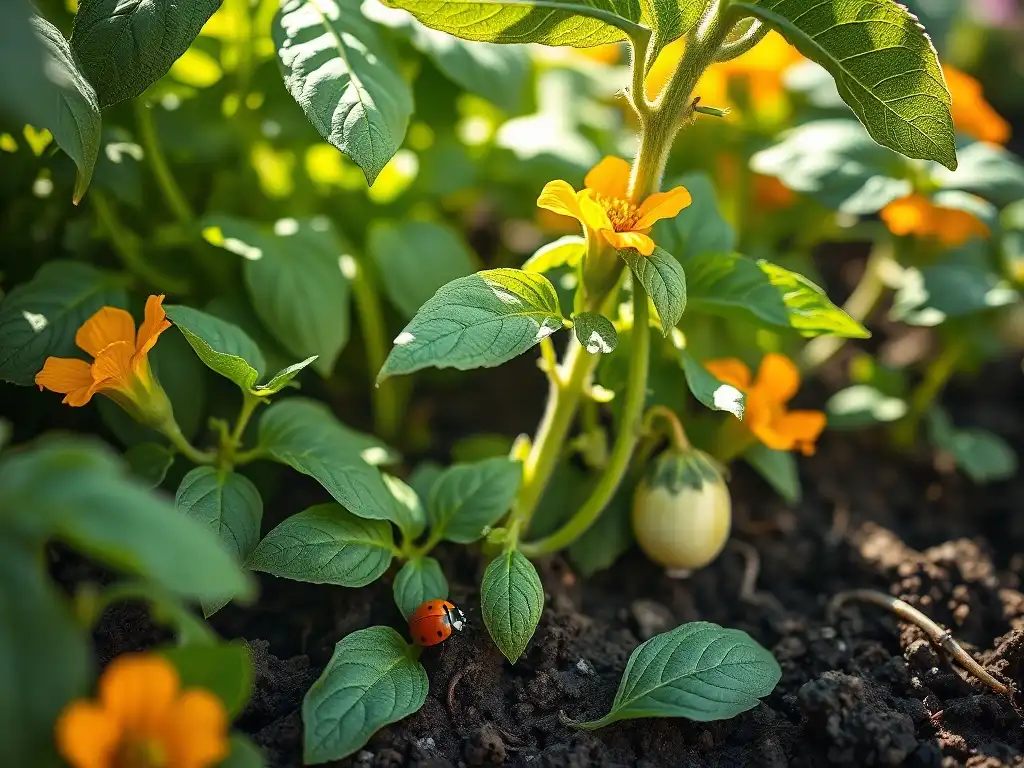
This section delves into more advanced concepts within companion planting and polyculture, moving beyond basic pairings to explore strategic garden design and problem-solving. We'll examine how to maximize yields and resilience in your garden using these techniques. Mastering these skills will elevate your gardening game, leading to healthier plants and bountiful harvests.
Designing Your Ideal Polyculture Garden: A Practical Approach
Designing a successful polyculture garden requires careful planning and consideration of several factors. It's not simply about randomly planting different species together; it's about creating a synergistic ecosystem. Think of it as creating a miniature version of a natural forest or meadow, where diverse plants support each other.
First, assess your growing conditions. Sunlight exposure, soil type, and water availability will significantly influence your plant choices. For example, a sunny, well-drained location is ideal for many companion plant pairings like tomatoes and basil, while shadier areas might be better suited for leafy greens and herbs like mint.
Next, choose your plants strategically. Consider plants with diverse root systems (deep vs. shallow) to optimize nutrient uptake and prevent competition for resources. Include plants with different growth habits (vines, shrubs, groundcovers) to create a layered effect that maximizes space utilization.
Here's a sample polyculture garden design, demonstrating these principles:
| Layer | Plant | Role | Benefits |
|---|---|---|---|
| Canopy | Apple Tree | Pollinator attractor, shade provider | Provides shade for understory plants, attracts beneficial insects |
| Understory | Currants | Nitrogen fixer, pest deterrent | Improves soil fertility, repels certain pests |
| Groundcover | Clover | Nitrogen fixer, soil improver | Enriches the soil, suppresses weeds |
| Groundcover | Chamomile | Pest repellent, soil conditioner | Deters pests, improves soil structure |
Remember to account for plant maturity and spacing requirements. Overcrowding can lead to disease and competition, negating the benefits of polyculture. Regular monitoring and adjustments are crucial for a thriving polyculture system. Successful polyculture requires observation and adaptation; don't be afraid to experiment and learn from your successes and failures. Each year you'll refine your approach, resulting in a more efficient and productive garden.
Troubleshooting Common Companion Planting Challenges
Even with careful planning, challenges can arise in companion planting. Understanding common problems and their solutions is crucial for success. One common issue is pest infestations. While some companion plants repel pests, others might attract them if not carefully managed. For instance, while marigolds are excellent pest deterrents, they might also attract aphids if not monitored regularly. Regular inspection and prompt action, such as introducing beneficial insects or using organic pest control methods, are essential.
Another challenge is competition for resources. Plants with similar nutrient requirements or growth habits can compete for water, sunlight, and nutrients. Careful plant selection and spacing are key to mitigating this issue. Proper soil preparation and amendment also plays a significant role in preventing resource competition. Ensuring adequate soil fertility and moisture retention can prevent plants from struggling for resources.
Finally, disease can be a problem in densely planted systems. Good air circulation is crucial to prevent fungal diseases. Avoid overcrowding plants and ensure adequate spacing to promote airflow. Choosing disease-resistant varieties can also significantly reduce the risk of disease outbreaks. Proactive measures, such as crop rotation and sanitation, are also vital in maintaining plant health within a companion planting system. Remember, prevention is always better than cure in companion planting, just as in any other aspect of gardening.
Harvesting and Preserving Your Companion-Planted Crops
Harvesting your companion-planted crops is as important as the planning and planting stages. Timing is crucial to maximize flavor and nutritional value. Many plants, such as herbs and leafy greens, are best harvested when young and tender. Others, like tomatoes and peppers, require more time to mature fully.
Careful observation and knowledge of the specific growth cycles of your chosen plants are essential. Harvesting techniques also vary depending on the plant. Some, like basil, can be harvested continuously by pinching off leaves, while others, like beans, require a more complete harvest at a specific stage of maturity. You can extend the enjoyment of your harvest through various preservation techniques. Freezing, canning, drying, and pickling are all excellent methods to preserve the abundance of your companion-planted crops.
This allows you to enjoy the fruits (and vegetables!) of your labor long after the growing season ends, extending the benefits of your carefully planned garden. Remember to always practice safe food preservation methods to avoid spoilage or contamination. Properly preserved produce can enhance your culinary endeavors all year round.
Conclusion: Reap the Rewards of Companion Planting and Polyculture
This journey through the best companion planting books has hopefully equipped you with the knowledge and resources to transform your garden. Understanding the intricate relationships between plants opens up a world of possibilities, moving beyond simple monoculture to embrace the vibrant synergy of polyculture. Remember, choosing the right book is just the first step; the real reward lies in the implementation and observation within your own green space.
Long-Term Benefits of Implementing Companion Planting and Polyculture in Your Garden
The benefits of companion planting and polyculture extend far beyond a bountiful harvest in a single season. These techniques contribute to the long-term health and sustainability of your garden, offering a multitude of advantages:
- Increased Soil Health: Polyculture mimics natural ecosystems, promoting biodiversity in the soil. This leads to improved soil structure, increased water retention, and a richer nutrient profile, reducing the need for chemical fertilizers. Over time, you'll notice healthier, more resilient soil that requires less maintenance. For example, legumes like beans and peas fix nitrogen in the soil, benefiting subsequent plantings.
- Reduced Pest and Disease Pressure: Strategic companion planting can act as a natural pest deterrent. Certain plants repel insects that might harm others, reducing the need for pesticides. The diverse plant community also makes it harder for diseases to spread rapidly, fostering a more resilient ecosystem. Marigolds, for instance, are known for their pest-repelling properties.
- Enhanced Pollination: A diverse garden attracts a wider range of pollinators, leading to improved fruit and seed set. Different flowering plants bloom at different times, providing a continuous source of nectar and pollen for bees, butterflies, and other beneficial insects throughout the growing season. This translates directly into higher yields and a more vibrant garden ecosystem.
- Water Conservation: Polyculture often leads to improved water retention in the soil due to increased organic matter and root systems. This means you may need to water less frequently, saving you time and water resources, particularly beneficial in drier climates. The interconnected root systems of different plants also help to stabilize the soil, reducing erosion.
- Reduced Weed Pressure: Certain companion plants can suppress weed growth, reducing the need for herbicides and manual weeding. This contributes to a more efficient and sustainable gardening practice, lessening the workload and environmental impact.
- Year-Round Interest: By carefully selecting companion plants with varying growth cycles and heights, you can create a garden that offers visual interest and harvests throughout the year. This extends the enjoyment and productivity of your garden beyond a single growing season.
Implementing companion planting and polyculture requires some initial research and planning, but the long-term rewards are undeniable. By embracing these sustainable practices, you're not only cultivating food, but also nurturing a thriving and resilient ecosystem in your backyard. The investment in learning and experimenting will pay dividends for years to come, creating a more rewarding and environmentally friendly gardening experience. This holistic approach to gardening is a testament to the power of working with nature, not against it. 🌱
Frequently Asked Questions
What is companion planting, and why should I care?
Companion planting is the art of strategically planting different species together to improve growth, yield, and pest control. It's a sustainable and organic way to boost your garden's health and productivity. Benefits include reduced pest pressure and improved soil health.
Are there any downsides to companion planting?
While generally beneficial, companion planting requires research and planning. Some plant combinations might compete for resources, and understanding plant needs is crucial for success. Careful selection is key to avoiding negative interactions.
What are some of the best companion plant combinations?
Many excellent combinations exist! For example, basil and tomatoes are a classic pairing, with basil repelling pests and tomatoes benefiting from the basil's scent. Marigolds are also excellent for pest control in many gardens.
Where can I find reliable information on companion planting?
The website CultivateYourFood offers valuable resources, and this article highlights the best books for learning about companion planting and polyculture. These books provide in-depth knowledge and practical guidance.
How do I choose the right companion planting book for my needs?
Consider your experience level and the specific plants you're growing when selecting a book. Look for books with clear instructions, practical advice, and plenty of illustrations. Read reviews to gauge the book's quality and usefulness.
Final Reflection: Cultivating a Greener Future, One Book at a Time
The knowledge contained within the pages of these carefully selected companion planting and polyculture books isn't just about bountiful harvests; it's about building a more sustainable and resilient food system. These practices, once considered niche, are now vital tools in addressing the urgent challenges of climate change and food security. The future of our food depends on understanding and implementing these time-tested techniques.
The shift towards companion planting and polyculture represents a profound change in our relationship with the natural world. It's a move away from the industrialized, monoculture farming that has depleted our soils and biodiversity, and a return to a more holistic and interconnected approach. As Wendell Berry so eloquently stated, The land is what we have in common. We must not let it be destroyed.
This simple yet powerful statement underscores the importance of the knowledge shared in these books, urging us to become active participants in the preservation of our planet's resources.
You now hold the key to unlocking a more sustainable and rewarding gardening experience. Consider the practical applications of companion planting and polyculture in your own garden, however small. Start with one book, one experiment, one small change. By embracing these principles, you're not just growing food; you're cultivating a deeper connection with nature, contributing to a healthier planet, and building a more resilient future for generations to come.
Unleash Your Garden's Potential: Grow More, Worry Less
Thanks for exploring the wonderful world of companion planting and polyculture with us! You've now discovered the secrets to healthier, more productive gardens. Ready to put this knowledge into action?
Here's how you can take the next steps:
- Start planning your next planting season now! Grab a notebook and sketch out your garden beds, considering which plants will thrive together. Design a truly synergistic garden that maximizes space and resources.
- Share your favorite companion planting tips with fellow gardening enthusiasts in the comments below. Let's build a thriving community of gardeners, sharing knowledge and experiences!
- Consider experimenting with a small polyculture patch this year – even a single raised bed can make a huge difference. Document your progress and share your results with the community to inspire others!
What exciting companion planting combinations are you most eager to try this year?