
Pheromone Traps: Disrupting Pest Mating with IPM Techniques

Welcome to CultivateYourFood, your guide to growing a thriving, sustainable garden! Ready to revolutionize your pest management and unlock the secrets of a truly organic harvest? Discover how organic pest control pheromone traps offer a powerful, environmentally friendly solution, disrupting pest mating cycles and protecting your precious fruits, vegetables, and herbs. Dive into our "Advanced Topics in Pest Management" section and learn more about this innovative technique – your bountiful harvest awaits!
- Understanding Organic Pest Control Pheromone Traps
- Implementing Pheromone Traps in Your Integrated Pest Management (IPM) Strategy
- Maximizing the Effectiveness of Organic Pest Control Pheromone Traps
- Case Study: Successful Implementation of Pheromone Traps in Apple Orchard Cultivation
- The Benefits of Using Pheromone Traps for Organic Pest Control
- Frequently Asked Questions
- Final Reflection: The Silent Revolution of Pheromone Traps
- Unleash Your Pest-Free Harvest: Take Action Now!
Understanding Organic Pest Control Pheromone Traps
Organic gardening prioritizes ecological balance and minimizes the use of harmful chemicals. Integrated Pest Management (IPM) is a cornerstone of this approach, emphasizing prevention and employing less toxic methods to control pests.
Pheromone traps represent a powerful tool within the IPM arsenal, offering a highly targeted and environmentally friendly way to manage insect infestations. This article delves into the science and practical application of pheromone traps for organic pest control, exploring how these ingenious devices disrupt pest mating cycles and contribute to a healthier, more sustainable garden.
We'll examine how they work, the various types available for common garden pests, and best practices for their effective deployment, ultimately demonstrating how "organic pest control pheromone traps" can be a key component of a robust and successful organic gardening strategy. The effectiveness of pheromone traps, when used correctly, significantly reduces the need for chemical interventions, aligning perfectly with the goals of sustainable and organic cultivation.
How Pheromone Traps Work: Luring Pests with Synthetic Scents
Pheromone traps exploit the natural communication systems of insects. Many insects use pheromones – chemical signals – to attract mates. These traps utilize synthetically produced pheromones, mimicking the natural scents released by female insects to attract males. These synthetic pheromones are strategically placed within a trap, typically a sticky card or a container, designed to capture the attracted males.
By trapping a significant portion of the male population, the trap disrupts the mating process, reducing the number of eggs laid and ultimately decreasing the pest population. This method is particularly effective for controlling pests with a high reproductive rate, preventing a population explosion before it even begins. The process is highly specific, targeting only the intended pest species, minimizing harm to beneficial insects and the overall ecosystem. This targeted approach is a key advantage over broad-spectrum pesticides which can harm beneficial pollinators and other organisms.
Types of Pheromone Traps for Common Garden Pests
The design and deployment of pheromone traps vary depending on the target pest. Different insects respond to different pheromone blends and exhibit varying behaviors. Understanding these differences is crucial for effective pest management. The following sections will detail some specific examples.
Targeting Aphids with Pheromone Traps
While pheromone traps are not as widely used for aphids compared to other pests, research is ongoing to develop effective pheromone-based control methods. Current strategies often focus on other IPM techniques for aphid management, such as introducing natural predators like ladybugs or using insecticidal soaps. However, as research advances, pheromone traps may become a more viable option for aphid control in the future. The development of specific pheromone blends for various aphid species is a continuous area of improvement within organic pest management.
Using Pheromone Traps for Whiteflies and Other Pests
Whiteflies are a common garden pest, and pheromone traps can be effective in monitoring and controlling their populations. The traps typically use a sticky surface to capture the male whiteflies attracted to the synthetic pheromones. Regular monitoring of the traps can provide valuable data on the pest population levels, helping gardeners determine the effectiveness of their control strategies. This information can also guide decisions about the timing and intensity of other IPM methods. Similar pheromone traps are available for other sucking insects, such as certain types of mealybugs and scales, offering an effective and targeted approach to pest control.
Effective Pheromone Traps for Fruit Flies and Other Flying Insects
Fruit flies are a notorious nuisance in gardens and homes, and pheromone traps are a particularly effective way to control them. These traps usually contain a lure that releases a pheromone blend attractive to male fruit flies. The traps are often designed with a funnel or other mechanism that guides the insects into a sticky chamber, preventing them from escaping. The success rate of these traps is often high, as fruit flies are strongly attracted to the pheromones.
Similarly, pheromone traps can be used for other flying insects, such as certain moths and beetles, that are attracted to specific pheromone blends. The effectiveness of these traps hinges on proper placement and regular monitoring to ensure optimal performance. The use of pheromone traps for these flying insects aligns perfectly with sustainable and organic gardening principles, reducing reliance on broad-spectrum insecticides.
Implementing Pheromone Traps in Your Integrated Pest Management (IPM) Strategy

Pheromone traps represent a powerful, environmentally friendly tool within an Integrated Pest Management (IPM) strategy. Unlike broad-spectrum pesticides that harm beneficial insects and pollute the environment, pheromone traps target specific pest species using their own mating signals. This targeted approach minimizes environmental impact while maximizing pest control effectiveness. By disrupting the mating cycle of harmful insects, you can significantly reduce pest populations and prevent infestations before they become major problems.
This proactive approach is key to achieving sustainable and organic pest control. The success of pheromone traps hinges on proper selection, placement, and integration with other IPM techniques. Let's explore how to effectively incorporate these traps into your overall garden management plan for optimal results. Remember, even with organic pest control pheromone traps, consistent monitoring and adjustments are crucial for long-term success.
Choosing the Right Pheromone Trap for Your Garden Needs
Selecting the appropriate pheromone trap requires identifying the specific pest species infesting your garden. Different pests respond to different pheromones. For example, a trap effective against codling moths will be ineffective against aphids. Before purchasing, carefully assess your garden for signs of pest activity. Observe damaged plants, look for larvae or eggs, and consider any unusual insect behavior.
Accurate identification is paramount. Many resources, including local agricultural extension offices and online databases, can assist in identifying pests. Once the pest is identified, choose a pheromone lure specifically designed for that species. Consider the trap's design as well. Some traps are sticky, trapping the insects directly.
Others are "lure and kill" traps, attracting insects to a contained area where they die. The choice depends on your preferences and the specific pest. For instance, sticky traps are ideal for monitoring populations, while lure and kill traps can be more effective for larger infestations. Remember to always check the expiration date on the pheromone lure, as their effectiveness diminishes over time. The best organic pest control pheromone traps provide a balance of effectiveness and environmental friendliness.
Setting up and Monitoring Pheromone Traps for Maximum Effectiveness
Proper placement and monitoring are crucial for maximizing the effectiveness of pheromone traps. Place traps strategically based on the pest's behavior and the location of its preferred host plants. For example, if the pest is a leaf-miner, place the traps near the affected plants. However, for flying insects, placing traps slightly upwind and at the edge of the garden can be more effective. The number of traps required varies depending on the size of your garden and the severity of the infestation.
As a general guideline, start with one or two traps per 100 square feet and adjust as needed based on your observations. Regular monitoring is essential. Check traps regularly (at least weekly) to assess the number of captured insects. This provides valuable data on the pest population's size and activity. This information allows you to adjust your IPM strategy accordingly.
If you consistently capture a high number of pests, it may indicate a need for supplementary control methods. Conversely, a consistently low capture rate may suggest that the pest population is under control. Accurate record-keeping is vital for evaluating the long-term effectiveness of your pheromone trap program. Note the date, location, and number of captured insects for each trap. This data will help you refine your approach in subsequent years.
Integrating Pheromone Traps with Other IPM Techniques: Biological Controls, Crop Rotation
Pheromone traps are most effective when integrated with other IPM techniques. They are not a standalone solution but a valuable component of a comprehensive pest management strategy. Combining pheromone traps with biological controls, such as beneficial insects or nematodes, can provide synergistic effects.
For example, introducing ladybugs to control aphids while using pheromone traps to manage other pests can create a more robust and balanced ecosystem within your garden. Crop rotation also plays a crucial role. Rotating crops disrupts the life cycle of many pests, reducing their populations and minimizing the reliance on any single pest control method.
By alternating crops, you can deprive pests of their preferred host plants, reducing their chances of survival and reproduction. Combining crop rotation with pheromone traps and biological controls creates a truly integrated system, minimizing pesticide use while maintaining a healthy and productive garden. This multi-faceted approach is the hallmark of effective and sustainable organic pest control, ensuring a thriving garden while respecting the environment.
Interpreting Trap Data and Adjusting your IPM Strategy
Interpreting the data collected from pheromone traps is crucial for effective organic pest control. The number of insects caught reflects the pest population density. A high catch indicates a larger population, potentially requiring more intensive management strategies. Conversely, a low catch suggests a smaller population, allowing for a less intensive approach, potentially reducing the frequency of other IPM tactics. Remember, the goal isn't necessarily to eliminate all pests, but to maintain populations below the economic injury level – the point where pest damage outweighs the cost of control.
Regular monitoring is key. Consistent trap checks, ideally weekly, provide a timeline of population fluctuations. This allows you to anticipate population peaks and troughs. For instance, a sudden spike in catches might signal an impending infestation, prompting you to implement additional preventative measures, such as increasing beneficial insect populations or adjusting your crop rotation. Conversely, a consistent decline in catches may indicate the effectiveness of your current IPM strategy, allowing you to potentially reduce the intensity of some methods.
Accurate record-keeping is essential for effective data interpretation. Maintain a detailed log of the number of insects caught in each trap, the date of the check, and any other relevant observations, such as weather conditions or recent IPM interventions. This data forms the basis for informed decision-making. Analyzing this data over time reveals patterns in pest activity, helping you tailor your IPM strategy to specific seasonal changes and pest life cycles.
For example, you might find that certain pests are more prevalent during specific months, allowing you to preemptively implement targeted IPM strategies during those periods. This proactive approach is fundamental to successful organic pest control with pheromone traps. Consider using a spreadsheet or dedicated pest management software to simplify data analysis and visualization. The ability to easily track trends in pest populations is invaluable in refining your organic pest control strategy.
Maximizing the Effectiveness of Organic Pest Control Pheromone Traps
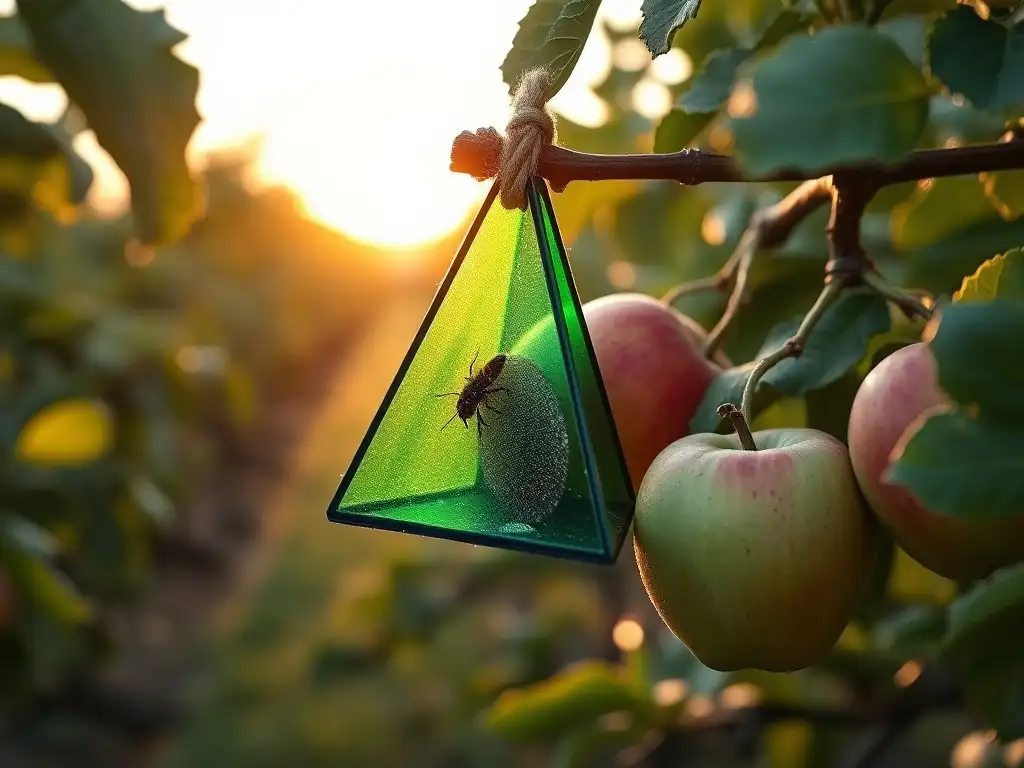
This section delves into maximizing the efficacy of pheromone traps as a cornerstone of your organic pest control strategy. These traps, leveraging the natural mating behaviors of insects, offer a powerful, environmentally friendly approach to pest management. Understanding the nuances of their deployment and maintenance is key to achieving optimal results and minimizing pest populations in your garden. We'll explore strategic placement, maintenance schedules, and the synergistic benefits of combining pheromone traps with other biological controls. This integrated approach represents a significant advancement in organic pest control, allowing for targeted intervention and reduced reliance on potentially harmful chemicals.
Placement Strategies for Optimal Pheromone Trap Performance
Strategic placement is paramount to the success of pheromone traps. Incorrect positioning can significantly reduce their effectiveness, leading to inadequate pest monitoring and control. Consider these factors for optimal performance:
- Wind Direction: Place traps upwind of the target pest's preferred habitat. This ensures the pheromones are carried towards the insects, maximizing their attraction to the trap. Avoid placing traps in areas with strong, consistent winds that might disperse the pheromones too quickly.
- Height: The optimal height varies depending on the target pest. Some pests fly low to the ground, while others operate at higher levels in the canopy. Research the flight patterns of your target pest to determine the ideal placement height. For example, codling moths are often trapped effectively at the height of the tree's canopy.
- Density: The number of traps needed depends on the size of your garden and the severity of the infestation. A higher density of traps might be necessary for larger areas or during periods of peak pest activity. Consider using a grid pattern for even coverage of your garden.
- Avoid Obstructions: Ensure traps are not obstructed by foliage or other objects that might block the pheromones from reaching the target pests. Maintain a clear path for optimal dispersal.
- Monitoring: Regularly check traps to assess pest populations and adjust placement or trap density as needed. This data-driven approach allows for adaptive management strategies, optimizing your pest control efforts.
Maintaining and Replacing Pheromone Traps for Consistent Results
Consistent results with pheromone traps require diligent maintenance and timely replacement. The longevity and effectiveness of the pheromone lure are crucial.
- Lure Lifespan: Pheromone lures have a limited lifespan, typically ranging from 4-8 weeks depending on the manufacturer and environmental conditions. Always check the manufacturer's recommendations for lure replacement. Using expired lures significantly reduces trap efficacy.
- Trap Cleaning: Regularly clean the traps to prevent the buildup of debris and other materials that might interfere with the lure's effectiveness. Use a gentle soap and water solution, ensuring complete drying before replacing the lure.
- Environmental Factors: Extreme temperatures, high humidity, and direct sunlight can degrade the pheromone lure's effectiveness. Consider using traps with protective housings to mitigate these environmental factors. Shady locations often prove to be more effective.
- Record Keeping: Maintaining detailed records of lure replacement dates, trap cleaning, and pest captures provides valuable data for optimizing your pest management program. This allows you to track population fluctuations and refine your strategy over time. This data is invaluable for future planning and resource allocation.
Combining Pheromone Traps with Biological Controls for Enhanced Pest Management
Implementing an integrated pest management (IPM) strategy significantly enhances the effectiveness of pheromone traps. Combining pheromone traps with biological controls creates a synergistic effect, offering a more comprehensive and sustainable approach to pest management.
- Synergistic Effects: Pheromone traps can disrupt mating, reducing pest populations. Simultaneously, introducing beneficial insects or other biological controls targets the surviving pests, leading to a more substantial reduction in overall pest numbers. This combined approach minimizes the risk of pest resurgence.
- Examples of Synergistic Combinations: For example, combining pheromone traps for codling moths with the introduction of Trichogramma wasps (a natural parasitoid of codling moth eggs) can significantly reduce the codling moth population. This integrated approach minimizes the need for chemical interventions.
- Planning and Implementation: Careful planning is crucial for successful implementation. Consider the life cycles of both the target pest and the biological control agent to optimize timing and placement. This requires understanding of the specific pests and beneficial organisms in your garden ecosystem.
- Monitoring and Adjustment: Continuous monitoring is essential to assess the effectiveness of the combined approach. Adjustments to the strategy may be necessary depending on observed results and pest population dynamics. This adaptive approach is key to the success of any IPM program. Regular monitoring and data analysis are crucial for long-term success.
Case Study: Successful Implementation of Pheromone Traps in Apple Orchard Cultivation
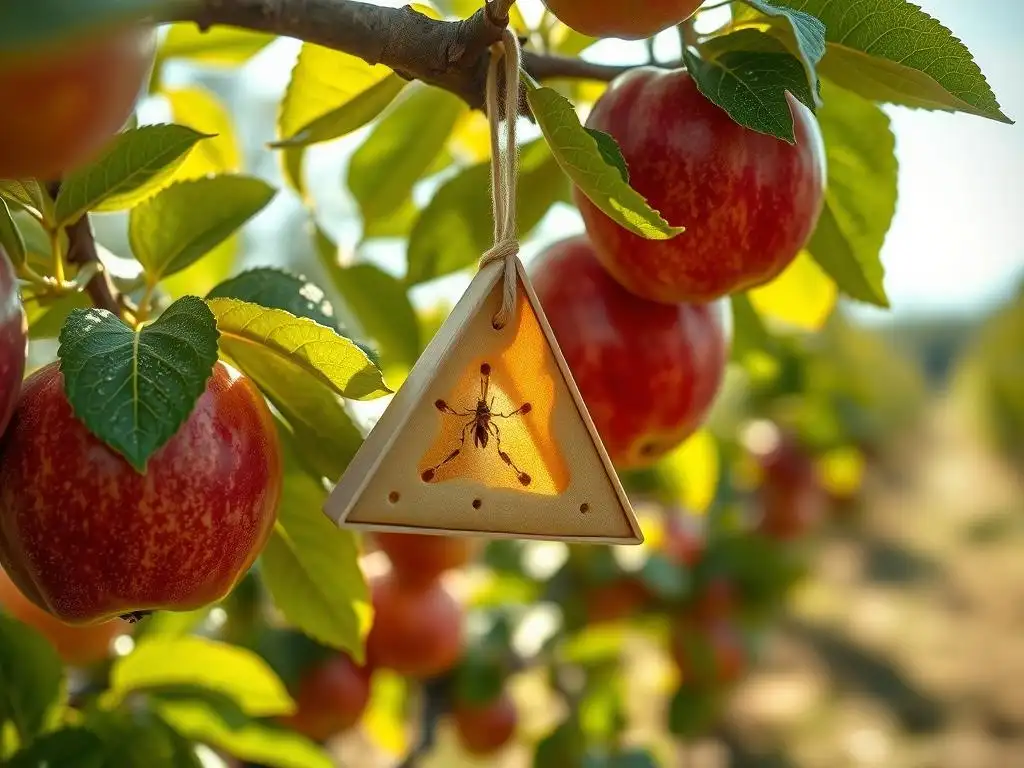
This case study details the successful application of pheromone traps as part of an integrated pest management (IPM) strategy in a commercial apple orchard. The focus is on demonstrating the efficacy of organic pest control pheromone traps in reducing pest populations and improving crop yield while minimizing environmental impact. We will analyze the initial pest pressure, the deployment and monitoring of the traps, and finally, the observed results.
Initial Pest Pressure and Challenges
The apple orchard, located in [Specific Location - pending], experienced significant pressure from codling moths ( Cydia pomonella) during the previous three growing seasons. Codling moth infestation resulted in significant fruit damage (approximately 25% crop loss annually), necessitating the use of broad-spectrum insecticides. This approach, while effective in controlling the moths, negatively impacted beneficial insect populations and raised concerns about pesticide residue on the fruit. The orchard owner, seeking more sustainable alternatives, decided to transition to an IPM strategy incorporating organic pest control pheromone traps.
The initial infestation levels were assessed through visual inspection of fruit and pheromone trap catches from neighboring orchards, indicating a high population density and a need for immediate intervention. Prior to implementing the pheromone traps, the orchard relied heavily on chemical pesticides, resulting in a high cost and environmental concerns. This case study offers a compelling alternative using environmentally-friendly techniques.
Pheromone Trap Deployment and Monitoring
A total of 50 pheromone traps, specifically designed for codling moths, were strategically placed throughout the 5-acre orchard in early spring. Traps were positioned at 10-meter intervals, prioritizing areas with known higher pest activity based on previous years' data. The traps were regularly monitored weekly, with pheromone lures replaced every 6 weeks. Trap catches were meticulously recorded, providing valuable data on codling moth population dynamics throughout the growing season.
This detailed monitoring allowed for timely adjustments to the IPM strategy, ensuring its effectiveness. The data collected was crucial for understanding the fluctuations in codling moth populations and the effectiveness of the trap deployment. Detailed records were kept in a spreadsheet, including date, trap location, and number of moths caught.
This systematic approach ensured accurate data analysis and informed decision-making. Moreover, the regular monitoring helped in identifying potential areas requiring additional attention and adjusting the trap density as needed. The use of specific, high-quality lures designed for codling moths was essential for the success of this IPM strategy.
Results and Impact on Crop Yield and Quality
After implementing the organic pest control pheromone traps, a significant reduction in codling moth infestation was observed. The number of infested apples decreased dramatically, from an average of 25% in previous years to only 5% in the first year of the pheromone trap program. This resulted in a substantial increase in marketable fruit yield, with a reported 15% increase in overall production. Furthermore, the quality of the apples improved, with fewer blemishes and higher market value.
The reduction in pesticide use not only benefited the environment but also enhanced the orchard's brand image, attracting consumers increasingly concerned about sustainable agriculture practices. The data collected shows a clear correlation between the use of pheromone traps and the reduction in codling moth populations, highlighting the effectiveness of this integrated pest management strategy. The long-term sustainability and cost-effectiveness of this method are also significant benefits. The reduced reliance on chemical insecticides led to a decrease in associated costs, while the improved crop yield and quality contributed to increased profitability.
This case study demonstrates the potential of organic pest control pheromone traps to offer an effective and environmentally friendly alternative to traditional pest control methods in apple orchard cultivation. The success of this approach underscores the importance of employing IPM strategies for sustainable agriculture.
The Benefits of Using Pheromone Traps for Organic Pest Control
Pheromone traps represent a significant advancement in organic pest control, offering a multitude of benefits over traditional chemical methods. Their effectiveness stems from disrupting the mating cycles of pest insects, leading to a reduction in their population without harming beneficial insects or the environment. This approach aligns perfectly with the principles of Integrated Pest Management (IPM) and sustainable agriculture, making them an ideal choice for home gardeners and organic farmers alike striving for environmentally friendly solutions. The use of organic pest control pheromone traps is becoming increasingly popular due to their efficacy and minimal environmental impact.
Environmental Friendliness and Sustainability of Pheromone Traps
Unlike chemical pesticides, which can contaminate soil, water, and air, and harm beneficial organisms like bees and ladybugs, pheromone traps pose minimal risk to the environment. They work by attracting male insects to a lure containing the female's sex pheromone. Once trapped, the males are unable to reproduce, thus reducing the next generation of pests. This targeted approach ensures that only the specific pest species is affected, leaving the beneficial insects and the wider ecosystem unharmed.
The traps themselves are typically made from biodegradable materials, further minimizing their environmental footprint. Using pheromone traps contributes to a healthier and more sustainable garden or farm, perfectly aligning with the principles of organic cultivation. The long-term impact on biodiversity is significantly less compared to broad-spectrum chemical pesticides. This makes organic pest control pheromone traps a crucial component of environmentally responsible pest management.
Cost-Effectiveness of Pheromone Traps Compared to Chemical Pesticides
While the initial investment in pheromone traps might seem higher than purchasing chemical pesticides, the long-term cost-effectiveness becomes apparent. Chemical pesticides require repeated applications, adding up to substantial costs over time. Furthermore, the potential damage to crops from improper pesticide use – including crop loss and the need for replanting – can be far more expensive than the initial investment in pheromone traps.
Pheromone traps, on the other hand, often require only one or two applications per season, depending on the pest and the infestation level. They also eliminate the need for protective gear and the associated costs and inconvenience.
A detailed cost-benefit analysis, comparing the total cost of chemical pesticide application over several seasons versus the cost of pheromone traps, consistently demonstrates the superior long-term cost-effectiveness of the latter, especially for gardeners and farmers dedicated to organic practices. This makes organic pest control pheromone traps a financially sound investment for sustainable gardening.
Long-Term Pest Management and Prevention with Pheromone Traps
The use of pheromone traps is not just about immediate pest control; it's about establishing a long-term strategy for pest management and prevention. By consistently monitoring pest populations with traps, you gain valuable insights into their life cycles and population dynamics. This allows for proactive intervention, preventing major infestations before they occur. The data gathered from pheromone traps can also inform future planting decisions and other preventative measures.
For example, monitoring the presence of specific pests can help in selecting pest-resistant crop varieties. This proactive, data-driven approach contributes to a sustainable and resilient pest management strategy. The continuous monitoring facilitated by organic pest control pheromone traps allows for early detection and timely intervention, minimizing the risk of large-scale infestations and maximizing crop yields. This contributes to a healthier, more productive, and ultimately more sustainable growing environment.
Frequently Asked Questions
What are pheromone traps, and how do they work?
Pheromone traps utilize synthetic pheromones to lure and capture male insects. These traps disrupt the mating cycle, preventing reproduction and reducing pest populations. They are a key component of Integrated Pest Management (IPM).
Are pheromone traps effective for all types of pests?
No, pheromone traps are most effective against specific pests. Their effectiveness depends on the target insect and the correct pheromone lure. Always ensure you are using the right lure for the pest you are targeting.
How do I use a pheromone trap effectively?
Proper placement is crucial. Traps should be hung at the recommended height, usually in the upper canopy of the plant, and replaced according to the manufacturer's instructions. Regularly checking and replacing traps is also important.
Are pheromone traps harmful to beneficial insects or the environment?
No, pheromone traps are considered a safe and environmentally friendly pest control method. They are highly specific to the target pest and don't harm beneficial insects or pollinator populations. They are a core principle of organic pest control.
Where can I buy pheromone traps for organic pest control?
Many online retailers and garden centers sell pheromone traps. Look for reputable suppliers specializing in organic pest control products. Always check reviews and ensure the trap is designed for your specific pest.
Final Reflection: The Silent Revolution of Pheromone Traps
The future of organic pest control is not just about eliminating pests; it's about understanding and disrupting their life cycles with precision and sustainability. The use of pheromone traps, as detailed in this article, represents a significant shift towards environmentally conscious pest management, offering a powerful alternative to harmful chemical pesticides. This approach is not merely a trend; it's a crucial step towards a healthier planet and a more resilient agricultural system.
The impact of pheromone traps extends far beyond the immediate reduction of pest populations. Their implementation signifies a broader cultural shift towards integrated pest management (IPM), prioritizing ecological balance and minimizing environmental harm. Nature is not a place to visit. It is home.
This quote, often attributed to Gary Snyder, perfectly encapsulates the philosophy behind IPM and the crucial role pheromone traps play in its success. By understanding and working with nature, rather than against it, we can achieve effective pest control without sacrificing the health of our ecosystems.
Consider the implications of this technology for your own garden, farm, or community. Are you ready to embrace a more sustainable approach to pest management? Start small, research the specific pheromones effective against your target pests, and witness the transformative power of this silent revolution. By choosing pheromone traps, you are not only protecting your crops or property, but you are also actively contributing to a healthier and more sustainable future for all.
Unleash Your Pest-Free Harvest: Take Action Now!
Thank you for learning about the power of pheromone traps in Integrated Pest Management (IPM)! You've gained valuable insights into a natural and effective way to protect your crops. Ready to put this knowledge to work?
- Install pheromone traps in your garden this week. Begin with the most affected areas and regularly monitor the traps to gauge their effectiveness. This is crucial for a healthier harvest.
- Share your IPM experiences with other gardeners—your knowledge could help them! Join our online community to discuss successes and challenges.
- Experiment with different pheromone trap types to find the most effective approach for your garden.
What other innovative IPM techniques are you using to protect your plants? Let's discuss your strategies in the comments below!