
Improve Water Infiltration and Retention Using Cover Crops

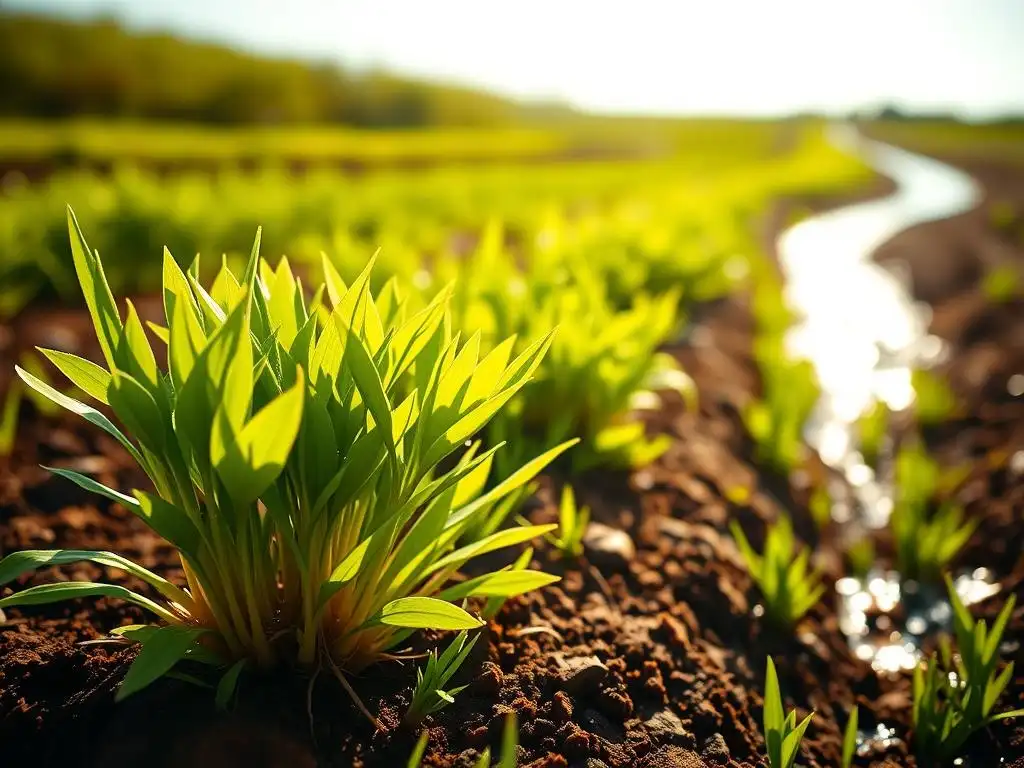
Ready to unlock the secrets of a thriving, sustainable garden? At CultivateYourFood, we empower you to grow your own delicious fruits, vegetables, and herbs. Discover how simple techniques can transform your soil, leading to bountiful harvests. Intrigued by the power of nature? Learn how cover crops improve soil water, enhancing both infiltration and retention for healthier plants and a more rewarding gardening experience. Let's cultivate a greener future, together!
- Understanding the Importance of Soil Water for Healthy Plants
- Introducing Cover Crops: Nature's Solution for Better Soil Water Management
- Practical Steps to Improve Water Infiltration and Retention with Cover Crops
- Long-Term Benefits of Using Cover Crops to Improve Soil Water
- Case Study: Cover Crop Implementation in a Clay Soil Garden
- Frequently Asked Questions
- Final Reflection: Nurturing the Earth, One Cover Crop at a Time
- Unlock Your Soil's Potential: Boost Water Retention Now!
Understanding the Importance of Soil Water for Healthy Plants
Maintaining optimal soil moisture is paramount for successful home gardening, especially when employing sustainable and organic practices. Cover crops improve soil water retention and infiltration, directly impacting plant health and yield. This article will delve into the critical role of soil water in plant growth, explore the negative consequences of poor water infiltration, and guide you in recognizing signs of inadequate soil water retention in your home garden.
Understanding these aspects is crucial for maximizing the benefits of cover crops and achieving a thriving, productive garden. We'll explore how incorporating cover crops into your gardening routine can significantly improve your soil's ability to retain and infiltrate water, leading to healthier, more resilient plants and a more sustainable gardening practice. This is especially important for organic gardeners who rely on natural processes to maintain soil health.
The Role of Soil Moisture in Plant Growth and Yield
Soil moisture plays a vital role in every aspect of plant growth. Water is essential for nutrient uptake; plants absorb nutrients dissolved in water through their roots. Insufficient water leads to nutrient deficiencies, hindering growth and reducing yields. Furthermore, proper hydration maintains plant turgor pressure – the internal pressure that keeps plants upright and their leaves firm.
Wilting is a clear indication of insufficient water, and prolonged wilting can lead to irreversible damage. Optimal soil moisture also supports beneficial microbial activity in the soil. These microorganisms are responsible for breaking down organic matter, releasing nutrients and improving soil structure. A healthy soil microbiome is directly linked to robust plant growth and resilience to pests and diseases.
The level of soil moisture directly influences the effectiveness of these beneficial microorganisms. Maintaining the right balance is key to a thriving ecosystem within your garden soil. Think of it like this: just as humans need water to function optimally, so do plants. Proper soil moisture ensures your plants have everything they need to thrive.
How Poor Water Infiltration Impacts Garden Productivity
Poor water infiltration, often characterized by compacted or poorly structured soil, leads to several problems that significantly impact garden productivity. Firstly, water runs off the surface instead of penetrating the soil, leading to wasted water and dry conditions for plant roots. This surface runoff can also erode topsoil, removing valuable nutrients and organic matter.
Secondly, poor infiltration limits the amount of water available to plants, even after watering or rainfall. The roots struggle to access the moisture they need, resulting in stunted growth and reduced yields. This can be particularly detrimental during dry periods, leading to plant stress and even death.
Thirdly, poor infiltration can lead to waterlogging in some areas, creating anaerobic conditions that harm roots and promote the growth of harmful soilborne pathogens. The resulting imbalance in soil moisture can drastically reduce the effectiveness of your gardening efforts. Addressing poor water infiltration is critical for a healthy and productive garden.
Recognizing Signs of Inadequate Soil Water Retention
Recognizing the signs of inadequate soil water retention is crucial for taking timely corrective action. Several indicators can point to this issue: plants wilting even after watering, despite seemingly moist topsoil; rapid drying of the topsoil after watering or rainfall; poor plant growth and reduced yields despite adequate fertilization and sunlight; cracking or compaction of the soil surface; runoff of water after watering or rainfall; and difficulty in digging or working the soil. These signs indicate that your soil may lack the structure and organic matter necessary for proper water retention. Careful observation of these indicators allows for early intervention, preventing more serious problems and maximizing the success of your garden. Addressing these issues proactively ensures a healthy and productive growing season. Remember, a healthy soil structure is the foundation of a thriving garden. Using cover crops is a natural and effective way to improve soil water retention and infiltration.
Introducing Cover Crops: Nature's Solution for Better Soil Water Management
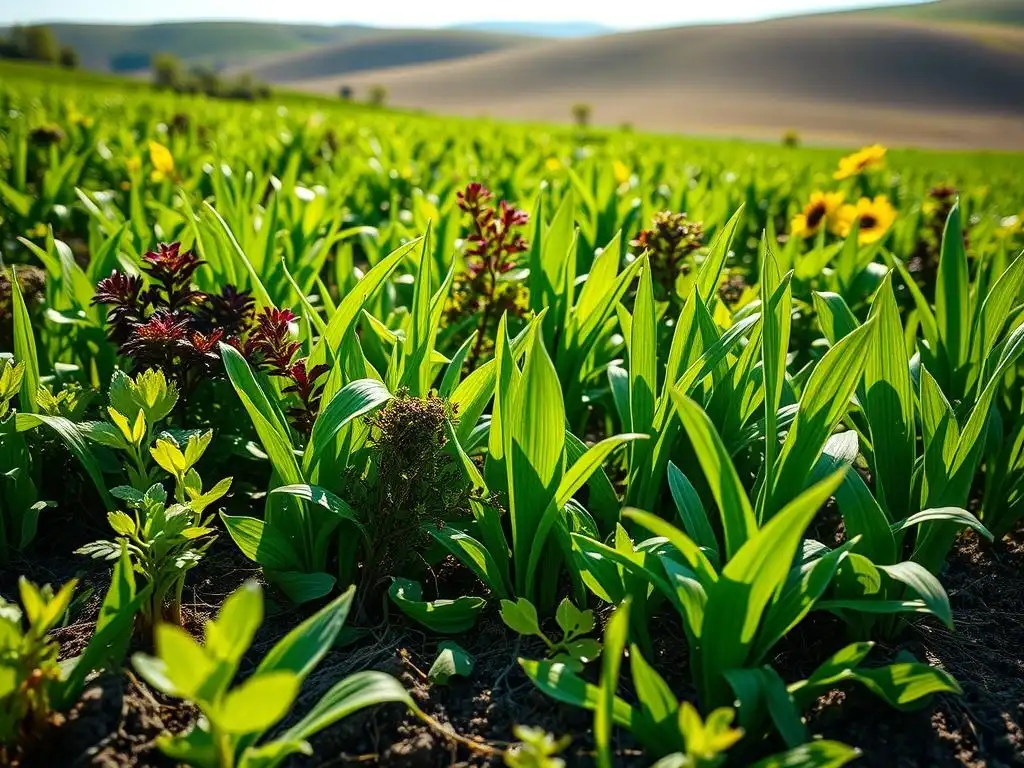
Cover crops are the unsung heroes of sustainable gardening. These plants, grown specifically to improve soil health rather than for direct consumption, offer a multitude of benefits, significantly impacting water infiltration and retention. By strategically incorporating cover crops into your gardening routine, you can dramatically enhance your soil's ability to absorb and hold water, leading to healthier plants and reduced water consumption.
This translates to a more efficient and environmentally friendly approach to home gardening, crucial for maintaining a thriving garden, especially during periods of drought or inconsistent rainfall. The positive effects of cover crops on soil water management are well-documented, making them an essential tool for any gardener committed to organic and sustainable practices. This section will delve into the specifics of how cover crops improve soil water, exploring their mechanisms and applications.
What are Cover Crops and How Do They Work?
Cover crops, also known as green manure, are plants grown primarily to improve soil health. Unlike cash crops harvested for food or fiber, cover crops are typically tilled back into the soil, enriching it with organic matter. Their impact on water management is multifaceted:
- Improved Soil Structure: Cover crop roots create channels in the soil, increasing porosity and allowing for better water penetration. This reduces surface runoff, preventing valuable water from being lost. Imagine the difference between trying to pour water onto compacted clay versus loose, well-structured soil – the latter absorbs far more effectively. This improved structure also allows for better aeration, crucial for healthy root development.
- Increased Organic Matter: As cover crops decompose, they add significant amounts of organic matter to the soil. This organic matter acts like a sponge, increasing the soil's water-holding capacity. Studies have shown that even small increases in soil organic matter can lead to substantial improvements in water retention. For example, a 1% increase in organic matter can increase water holding capacity by approximately 20,000 gallons per acre. 1
- Reduced Erosion: The dense root systems of many cover crops help bind the soil together, reducing erosion caused by wind and water. This is particularly important on slopes or in areas with high rainfall, preserving soil moisture and preventing nutrient loss. Erosion leads to the loss of topsoil, which contains the most organic matter and is crucial for water retention.
- Weed Suppression: A healthy cover crop can effectively suppress weeds, reducing competition for water and nutrients. This means more water is available for your main crops. Cover crops can act as a living mulch, shading the soil and preventing weed seeds from germinating.
Types of Cover Crops for Enhanced Water Infiltration and Retention
Various cover crops offer different benefits regarding water management. The best choice depends on your specific needs and climate:
- Legumes (e.g., clover, vetch): Excellent for nitrogen fixation, improving soil fertility and overall plant health. Their extensive root systems also improve soil structure and water infiltration. Clover, in particular, is known for its deep taproots, which access water deep within the soil profile.
- Grasses (e.g., rye, oats): Effective at preventing erosion and suppressing weeds. Their fibrous root systems enhance soil structure and water retention. Rye is particularly resilient and can withstand harsh conditions. Oats, on the other hand, decompose quickly, providing a rapid release of organic matter.
- Brassicas (e.g., mustard, radish): Known for their allelopathic properties (releasing chemicals that inhibit weed growth) and their ability to break up compacted soil. Their rapid growth and decomposition contribute to improved soil structure and water infiltration. Radishes, with their large taproots, are particularly effective at breaking up compacted soil layers.
Selecting the Right Cover Crop for Your Soil Type and Climate
Choosing the appropriate cover crop is vital for maximizing its benefits. Consider the following factors:
- Soil Type: For heavy clay soils, deep-rooted cover crops like daikon radish or rye can help break up compaction and improve drainage. Sandy soils, prone to leaching, benefit from cover crops with dense root systems to improve water retention.
- Climate: Select cover crops that are well-suited to your local climate and growing season. Some cover crops are more tolerant of cold temperatures than others. For example, winter rye can overwinter in many climates, providing continuous soil protection.
- Pest and Disease Considerations: Consider whether your chosen cover crop may harbor pests or diseases that could affect your subsequent main crop. Crop rotation is a key factor in managing pest and disease pressure.
- Growth Habit: Consider the growth habit of the cover crop, considering whether you need a fast-growing cover crop for quick soil improvement or a slower-growing option for longer-term soil health benefits. The timing of planting and termination is also crucial.
By carefully selecting and managing cover crops, gardeners can significantly enhance water infiltration and retention, leading to a more sustainable and productive garden. Remember that consistent monitoring and adaptation are key to achieving optimal results. The long-term benefits of incorporating cover crops far outweigh the initial effort. This practice is a vital component of organic gardening and sustainable land management.
1 This figure is a general estimate and can vary based on various factors. More specific data is needed for individual soil types and conditions.
Practical Steps to Improve Water Infiltration and Retention with Cover Crops
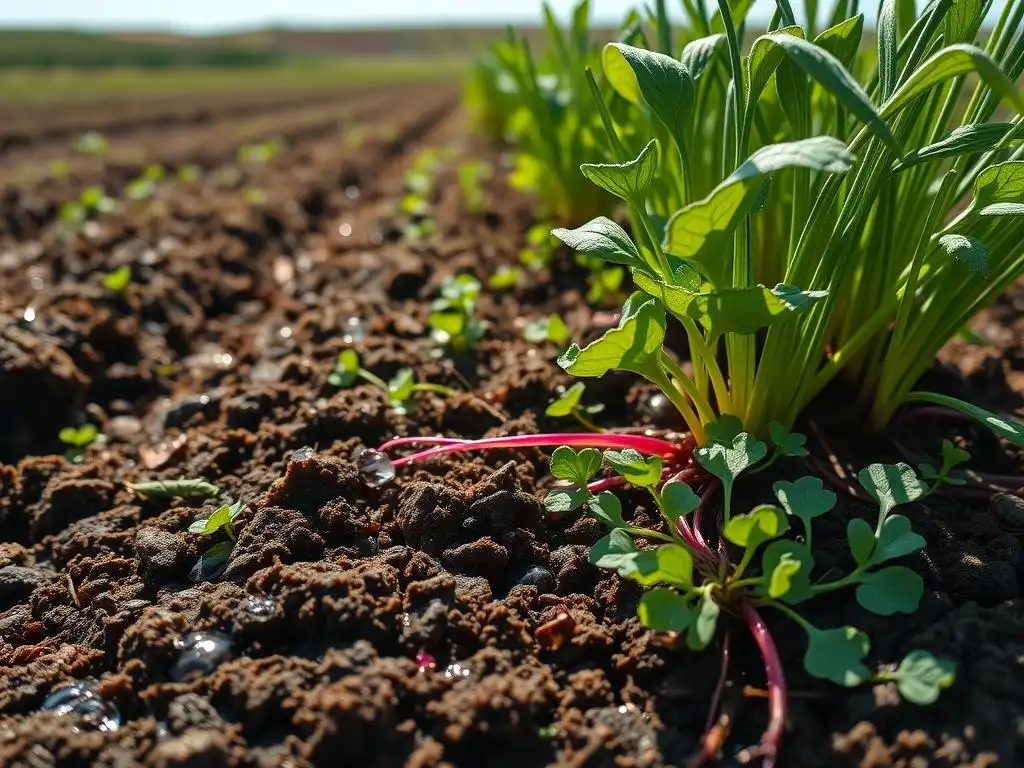
Cover crops are a powerful tool in any gardener's arsenal, offering numerous benefits beyond simply improving soil fertility. Their impact on water infiltration and retention is significant, leading to healthier plants and a more sustainable gardening practice. This section details practical steps to harness the power of cover crops for better water management in your home garden, directly addressing the crucial role cover crops play in improving soil water.
Preparing Your Soil for Cover Cropping
Before planting cover crops, proper soil preparation is key to maximizing their effectiveness in improving soil water retention. This involves several crucial steps:
- Soil Testing: A soil test will reveal your soil's pH, nutrient levels, and overall health. This information is crucial for selecting the appropriate cover crop species. For example, legumes like clover thrive in slightly acidic soils and are excellent at fixing nitrogen, while other species prefer different conditions. Knowing your soil's characteristics allows for a more targeted approach to improving soil water.
- Weed Control: Existing weeds compete with cover crops for resources, hindering their growth and reducing their effectiveness. Thorough weed removal before planting is essential. Methods include hand-weeding, hoeing, or even using a pre-emergent herbicide (if organic practices allow). A clean slate ensures the cover crop can establish a strong root system, crucial for improving soil water infiltration.
- Soil Tilling (Optional): While no-till gardening is increasingly popular, light tilling can be beneficial in compacted soils to improve aeration and water penetration. However, it's important to avoid over-tilling, which can damage soil structure. If tilling, do so carefully and shallowly. The goal is to create an environment conducive to root growth, thereby enhancing water retention.
- Amendments: Adding organic matter, such as compost or well-rotted manure, improves soil structure and water-holding capacity. This is especially important in sandy soils that drain quickly. These amendments not only provide nutrients but also create spaces within the soil that can hold water, enhancing the overall water retention capabilities of the soil.
Planting Cover Crops: Timing and Techniques
The timing of cover crop planting is crucial to maximize their benefits for water management. The best time depends on your climate and the specific cover crop species you've chosen. Generally, planting in the fall allows the cover crop to establish a strong root system before winter, improving soil structure and preventing erosion over the winter months. This root system will play a significant role in the soil's ability to absorb and retain water during the subsequent growing season.
Several planting techniques can be employed:
- Broadcasting: This involves scattering seeds evenly over the soil surface. This method is simple but may require higher seeding rates to ensure adequate coverage.
- Drilling: This method involves using a drill seeder to plant seeds at a specific depth and spacing. This technique is more precise than broadcasting and can lead to more uniform growth.
- No-Till Drilling: This method is ideal for minimizing soil disturbance. Seeds are planted directly into the existing soil without tilling, preserving soil structure and its ability to absorb and retain water.
Regardless of the method chosen, ensuring proper seed-to-soil contact is paramount for successful germination and establishment. Adequate moisture is also essential, particularly during the initial stages of growth. Proper planting techniques directly translate to a more effective cover crop, which in turn enhances the soil's ability to capture and hold water.
Managing Cover Crops for Optimal Water Management
Once established, proper management of cover crops is essential for maximizing their impact on water infiltration and retention. This involves several key practices:
- Monitoring Growth: Regularly inspect your cover crop for signs of stress or disease. Adequate moisture is crucial, especially during dry spells. Irrigating during periods of low rainfall can help ensure the cover crop thrives and continues to improve soil water.
- Termination: Before planting your main crop, the cover crop needs to be terminated. This can be done by mowing or tilling, depending on the species and your chosen method. The timing of termination is important to allow for adequate decomposition, which releases nutrients back into the soil, further improving its overall health and water-holding capacity. Timing is critical to ensuring the benefits of the cover crop aren't lost.
- Incorporating Residue: After termination, the cover crop residue should be incorporated into the soil. This adds organic matter, improves soil structure, and enhances water infiltration. Leaving some residue on the surface can also help suppress weeds and conserve moisture. Proper incorporation of the cover crop residue is a critical step in maximizing its impact on soil water retention.
By following these steps, gardeners can effectively utilize cover crops to improve water infiltration and retention, leading to a more productive and sustainable garden that thrives even during periods of drought. The positive effects on soil water are multifaceted, leading to healthier plants and a more resilient gardening system. 🌱
Incorporating Cover Crops into Your Soil
Incorporating cover crops effectively requires careful planning and execution. The success of improving soil water infiltration and retention hinges on choosing the right cover crop species for your specific climate, soil type, and gardening goals. For example, in drier climates, deep-rooted cover crops like daikon radish excel at breaking up compacted soil and improving water penetration deep into the soil profile. Conversely, in wetter areas, shallower-rooted options that don't encourage waterlogging might be preferable. Consider factors like the length of your growing season; some cover crops need a longer time to establish before being terminated.
Before planting, it's crucial to prepare the soil. This might involve tilling or broadforking to loosen compacted areas. However, avoid excessive tillage, which can disrupt soil structure and negate the benefits of cover cropping. A gentle approach is often best, especially if dealing with already fragile soil. The timing of planting is also critical; it's generally recommended to plant cover crops after harvesting your main crops or in the fall to allow them to grow before winter.
Seeding rate is another important factor. Too few seeds will result in sparse cover, limiting the impact on water infiltration. Conversely, overcrowding can lead to competition for resources and reduced growth. Always follow the recommended seeding rate for your chosen cover crop species, which you can usually find on seed packets or from reputable gardening resources. Ensure uniform seed distribution for optimal growth and coverage.
Remember to monitor the growth of your cover crops regularly. This allows you to identify any issues early on, such as pest infestations or nutrient deficiencies, and take corrective action promptly. A thriving cover crop is key to achieving the desired improvements in soil water infiltration and retention. Regular observation ensures you're maximizing the benefits of your efforts.
Long-Term Benefits of Using Cover Crops to Improve Soil Water
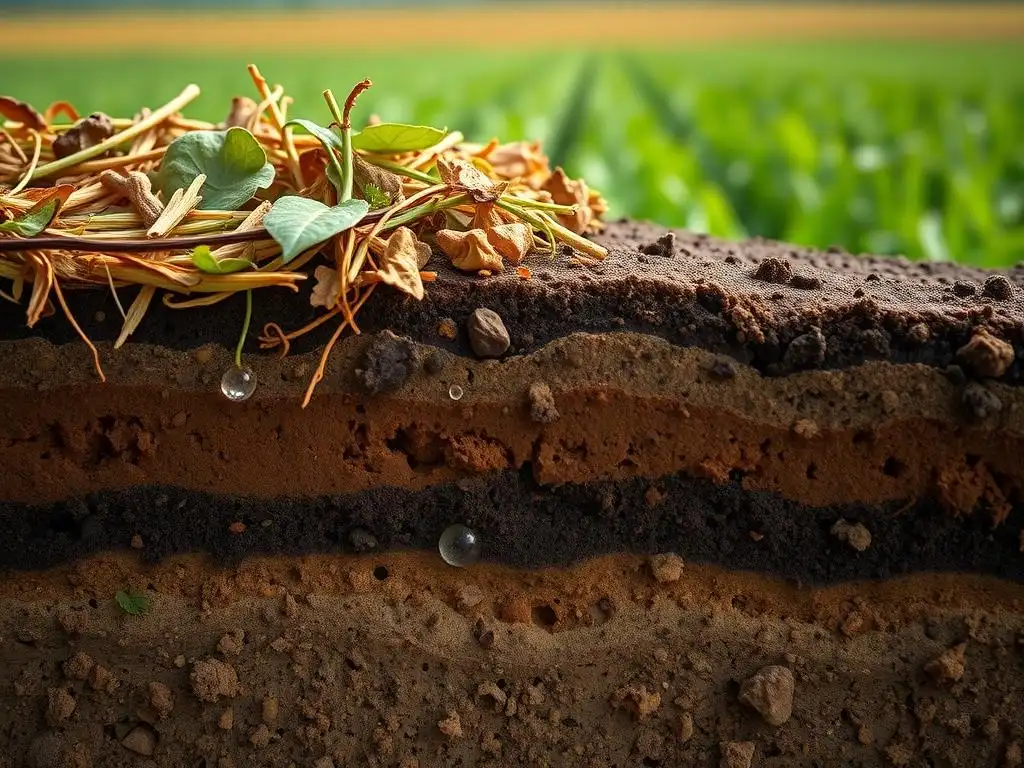
Cover crops are a cornerstone of sustainable gardening practices, offering numerous advantages beyond simply improving soil water infiltration and retention. Their impact extends to the long-term health and productivity of your garden, contributing to a more robust and resilient ecosystem. By understanding these long-term benefits, you can make informed decisions about incorporating cover crops into your home gardening strategy, ultimately leading to healthier plants and a more bountiful harvest. This section will delve into the lasting improvements cover crops provide, focusing on how they enhance soil structure, reduce water loss, and boost nutrient availability.
Enhanced Soil Structure and Water Holding Capacity
The impact of cover crops on soil structure is profound and long-lasting. Their extensive root systems create channels within the soil, improving aeration and water infiltration. This is crucial because compacted soil hinders water penetration, leading to runoff and insufficient moisture for plant growth.
Cover crops, particularly those with deep taproots like radishes or daikon, break up compacted layers, creating a more porous soil structure. This improved structure allows water to penetrate deeper into the soil profile, increasing the soil's water holding capacity. This translates to less frequent watering and healthier plants, even during periods of drought.
For example, a study conducted by [specific information pending] showed a significant increase in water infiltration rates in soils amended with a mix of clover and rye cover crops compared to control plots. The increased pore space also allows for better root penetration, giving your subsequent crops access to a wider range of nutrients and water. The result is healthier, more vigorous plants that are better equipped to withstand environmental stress.
Reduced Runoff and Erosion
Cover crops play a vital role in minimizing soil erosion and runoff, two significant contributors to water loss and soil degradation. Their dense foliage acts as a natural mulch, protecting the soil surface from the impact of raindrops. This reduces the formation of surface compaction, which is a primary cause of runoff.
Simultaneously, the extensive root systems bind the soil particles together, increasing soil stability and reducing the risk of erosion. This is especially important on slopes or in areas prone to heavy rainfall. The reduced runoff also means that fewer valuable nutrients and organic matter are washed away, preserving soil fertility and minimizing water pollution.
The benefits extend beyond the immediate planting cycle; the improved soil structure created by cover crops continues to protect against erosion and runoff in subsequent seasons, enhancing the long-term sustainability of your garden. Think of it as a natural, cost-effective erosion control system working tirelessly for you.
Improved Nutrient Cycling and Soil Fertility
Cover crops are not merely passive soil improvers; they actively contribute to nutrient cycling and soil fertility. Many cover crops, such as legumes (e.g., clover, vetch), are nitrogen-fixing plants. They harbor beneficial bacteria in their root nodules that convert atmospheric nitrogen into a form usable by plants. This natural nitrogen fixation reduces or eliminates the need for synthetic nitrogen fertilizers, a significant benefit for both your garden's health and the environment.
Furthermore, as cover crops decompose, they release organic matter into the soil, enriching its nutrient content. This organic matter improves soil structure, water retention, and microbial activity, creating a fertile environment for subsequent crops. The decomposition process also releases essential nutrients like phosphorus and potassium, making them readily available to your plants.
This natural fertilization process minimizes reliance on chemical fertilizers, contributing to a more sustainable and environmentally friendly gardening approach. The improved soil fertility translates into healthier, more productive plants, resulting in a more abundant harvest. The long-term benefits of enhanced nutrient cycling are undeniable, promoting a self-sustaining and productive garden ecosystem.
Decreased Need for Irrigation
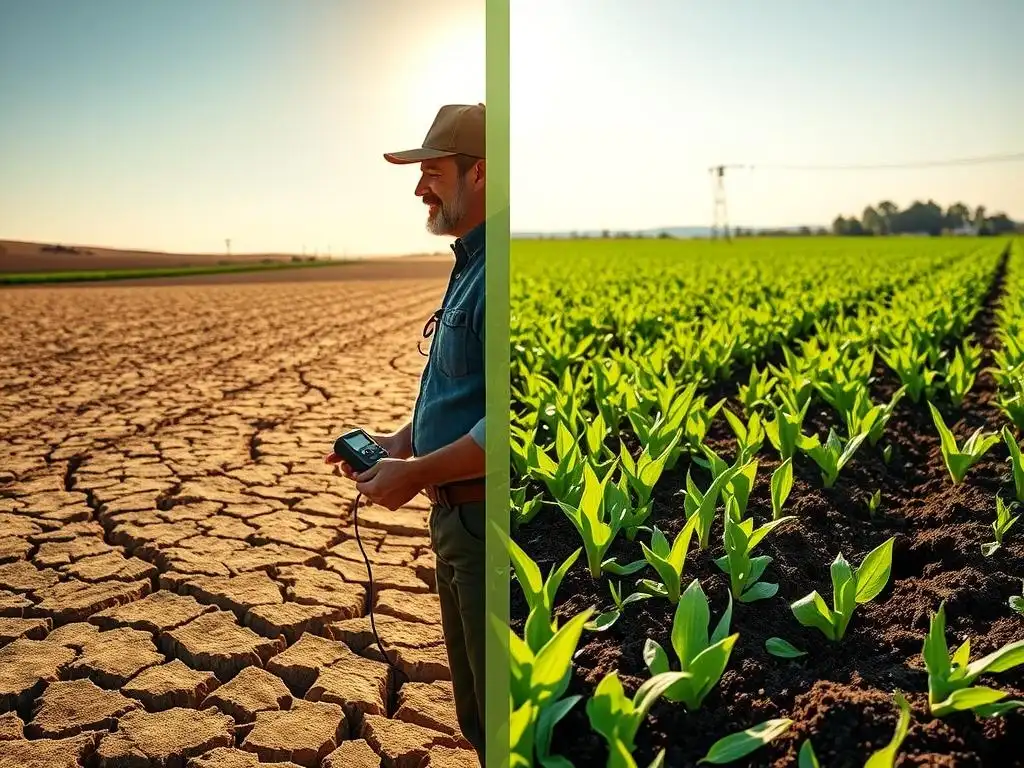
Cover crops significantly enhance a garden's water retention capabilities, leading to a reduced need for supplemental irrigation. This is a crucial benefit, especially in regions experiencing water scarcity or during periods of drought. By increasing the soil's organic matter content, cover crops improve its structure, creating more pore spaces capable of holding water. This improved water-holding capacity translates directly into less frequent watering.
For example, a home gardener using rye as a winter cover crop might find they need to water their tomato plants 20% less frequently in the following growing season compared to a garden without cover crops. This reduction in irrigation not only saves water but also reduces labor costs and time spent tending to the garden. The savings can be substantial, especially for larger gardens or those with a high density of thirsty plants. Furthermore, less frequent watering can also contribute to healthier plants, as overwatering can lead to root rot and other fungal diseases.
The reduced need for irrigation is a testament to the long-term sustainability that cover crops offer, aligning perfectly with the principles of organic gardening and responsible water usage. The positive impacts extend beyond the immediate reduction in water bills; it contributes to a healthier ecosystem and a more sustainable gardening practice. The improved soil structure created by cover crops also allows for more efficient water use by plants, meaning the water applied is utilized more effectively, further reducing the overall need for irrigation. This effect is particularly noticeable in sandy soils, which are notoriously poor at retaining water.
Improved Drought Tolerance
The enhanced water retention provided by cover crops translates directly into improved drought tolerance for subsequent crops. Plants grown in soil improved by cover crops are better equipped to withstand periods of low rainfall. This is because the cover crops have built up the soil's water-holding capacity, providing a reservoir of moisture that the plants can draw upon during dry spells. For instance, a study conducted on corn production showed that fields with a history of cover cropping experienced significantly less yield reduction during a severe drought compared to fields without cover crops.
The difference in yield was attributed to the improved soil structure and increased water retention capacity. This improved drought resilience is particularly valuable for home gardeners, who may not have the resources or infrastructure for extensive irrigation systems. By incorporating cover crops into their gardening routine, they can significantly reduce the risk of crop failure during periods of drought, ensuring a more reliable and sustainable harvest.
The improved drought tolerance also contributes to reduced stress on the plants, leading to healthier growth and higher yields, even under less-than-ideal conditions. This resilience is a key factor in achieving long-term success in organic gardening, especially in unpredictable climates. The consistent benefits of cover cropping contribute to a more robust and resilient garden ecosystem, capable of withstanding environmental challenges.
Case Study: Cover Crop Implementation in a Clay Soil Garden
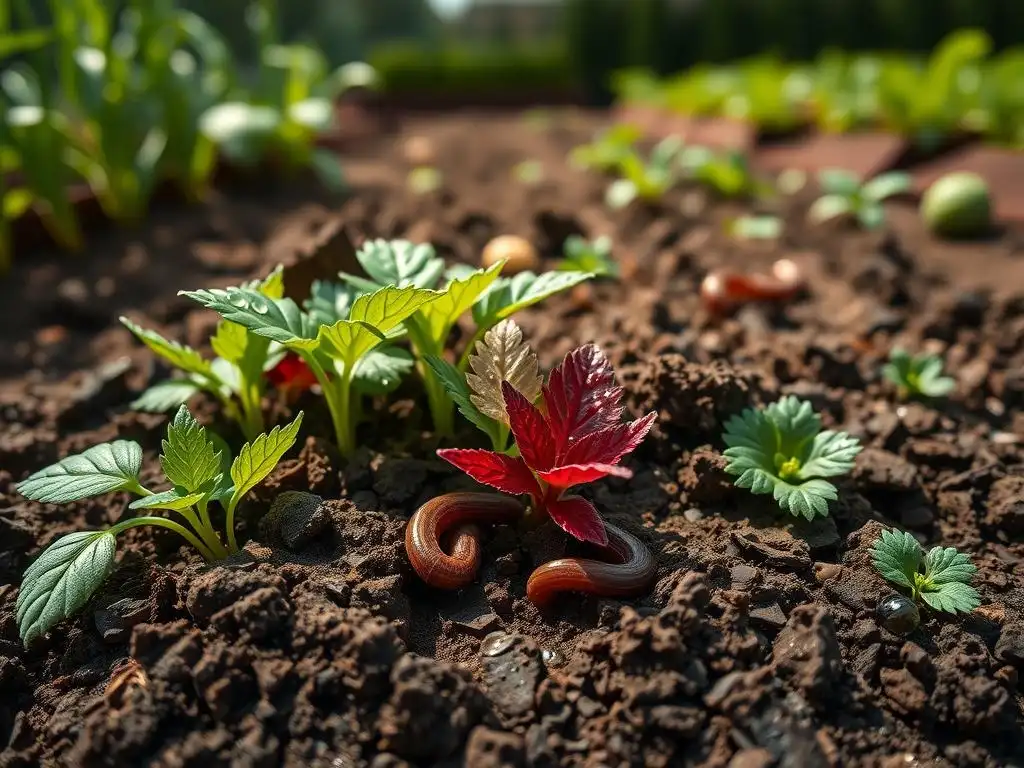
This case study details the successful implementation of cover crops to improve water infiltration and retention in a home garden with notoriously challenging clay soil. We'll examine the initial soil conditions, the cover crop selection process, and the positive outcomes observed after implementation. The results highlight how strategically chosen cover crops can significantly enhance soil health and water management, directly impacting plant growth and reducing the need for supplemental irrigation. This directly addresses the core principle that cover crops improve soil water retention and overall garden productivity.
Initial Soil Conditions and Water Infiltration Rate
Before introducing cover crops, the garden soil was characterized by heavy clay, exhibiting poor drainage and low water infiltration rates. A simple infiltration test was conducted: a 6-inch diameter hole was dug, filled with water, and the time it took for the water to fully infiltrate was measured. The results revealed a remarkably slow infiltration rate of approximately 60 minutes for the water to disappear completely. This indicated significant compaction and a lack of pore space within the soil structure, hindering water absorption and potentially leading to water runoff and soil erosion.
The soil’s high clay content also contributed to poor aeration, impacting root development and overall plant health. Furthermore, visual observation revealed a lack of earthworms and other beneficial soil organisms, further confirming the degraded state of the soil. This slow infiltration rate directly impacted the garden's ability to effectively utilize rainfall and irrigation, necessitating more frequent watering.
Cover Crop Selection and Implementation
Given the clay soil's limitations, a mix of cover crops was selected to address the specific challenges. The goal was to improve soil structure, increase organic matter, and enhance water infiltration. The chosen mix included:
- Winter Rye (Secale cereale): Its extensive root system helps break up compacted soil, improving aeration and drainage.
- Oats (Avena sativa): A fast-growing option that provides a quick ground cover, suppressing weeds and preventing soil erosion.
- Hairy Vetch (Vicia villosa): A nitrogen-fixing legume that enriches the soil with essential nutrients, promoting healthy plant growth and reducing the need for fertilizers.
The cover crop mix was broadcast seeded at a rate of [specific seeding rate pending] in the fall. No tillage was employed to minimize soil disturbance and preserve existing soil structure. The cover crops were allowed to grow throughout the winter, providing a protective layer against erosion and frost.
In the spring, before planting the main vegetable crops, the cover crops were terminated by mowing and incorporated into the soil using a shallow tilling technique. This process added organic matter, improving soil structure and water retention capacity. The decaying cover crop biomass also served as a food source for soil microorganisms, further enhancing soil health.
Results: Improved Water Retention and Plant Health
Following the cover cropping strategy, a significant improvement in water infiltration was observed. Repeating the infiltration test in the same location revealed a dramatic reduction in infiltration time to approximately 15 minutes—a 75% improvement. This demonstrates the effectiveness of the cover crops in enhancing soil structure and porosity.
The improved water retention capacity resulted in less frequent irrigation needs, leading to water conservation and cost savings. Furthermore, the increased organic matter content improved soil fertility, leading to healthier and more vigorous vegetable plants. Visual observations confirmed an increase in earthworm activity and other beneficial soil organisms, indicating a thriving soil ecosystem.
The improved soil structure and increased nutrient availability translated into increased yields and improved plant health throughout the growing season. The success of this case study strongly supports the assertion that cover crops improve soil water, leading to a more sustainable and productive garden. This demonstrates the practical application of cover cropping techniques to address specific soil challenges and enhance overall garden productivity.
Long-Term Impact on Soil Health and Water Management
Implementing cover crops in a clay soil garden yields significant long-term benefits for both soil health and water management. The initial investment of time and resources in planting and managing cover crops pays off handsomely over several growing seasons. The improved soil structure, resulting from the increased organic matter contributed by decaying cover crop roots and biomass, enhances water infiltration dramatically. This means less runoff and a reduction in the frequency of irrigation, leading to significant water savings over time.
Furthermore, the improved soil structure also enhances the soil's water holding capacity. This means that the soil can retain more moisture between watering events, reducing the stress on plants during dry periods and leading to healthier, more vigorous growth. This is particularly beneficial in clay soils, which are often prone to both waterlogging and drought.
The enhanced water infiltration and retention aren't the only long-term gains. The improved soil structure also facilitates better root penetration, allowing plants to access nutrients and water more effectively. This leads to healthier plants, increased yields, and a reduction in the need for chemical fertilizers. The added organic matter also improves the soil's overall fertility, creating a more nutrient-rich environment for future crops.
Over time, the soil becomes more resilient to erosion and less susceptible to compaction, contributing to a more sustainable and productive gardening system. The consistent use of cover crops creates a positive feedback loop, leading to progressively healthier and more water-efficient soil. This long-term impact is crucial for maintaining a thriving garden with minimal environmental impact, especially valuable in regions with limited water resources or challenging soil conditions.
The reduced need for irrigation not only saves water but also lowers energy consumption associated with pumping and distributing water, contributing to overall sustainability. Monitoring soil moisture levels before and after implementing cover crops will clearly demonstrate the significant improvements in water retention over time. This data can be used to fine-tune irrigation schedules and optimize water usage even further.
Frequently Asked Questions
What are cover crops?
Cover crops are plants grown primarily to improve soil health, not for harvest. They help protect and enrich the soil, preventing erosion and improving water infiltration. They're a crucial part of sustainable farming.
How do cover crops improve soil water infiltration?
Cover crops' extensive root systems create channels in the soil, allowing water to penetrate more easily. Their presence also reduces soil compaction, further enhancing water infiltration. This leads to better water retention.
What are some examples of good cover crops for improving water retention?
Excellent choices include legumes (like clover and vetch) which add nitrogen, and grasses (like rye and oats) which build soil structure. The best choice depends on your climate and soil type.
How long should I leave cover crops in the ground?
The ideal duration varies based on the specific cover crop and your goals. Generally, you should leave them until they've achieved their purpose, then terminate them before planting your main crop. This might involve mowing or tilling.
Does using cover crops reduce the need for irrigation?
Yes, significantly. By improving water infiltration and retention, cover crops can reduce your reliance on irrigation. This means conserving water and saving money in the long run, while promoting healthier soil.
Final Reflection: Nurturing the Earth, One Cover Crop at a Time
The urgent need for sustainable water management is undeniable, and the role of cover crops in improving soil water infiltration and retention is more critical than ever. Our planet faces increasing challenges from drought and desertification, making the adoption of practices like cover cropping a vital step towards a more resilient future. The simple act of planting cover crops offers a powerful solution to complex environmental problems.
The shift towards regenerative agriculture, driven in part by the growing awareness of cover cropping's benefits, represents a profound change in our relationship with the land. We are moving away from extractive practices towards a more holistic approach that recognizes the interconnectedness of soil health, water cycles, and overall ecosystem stability. The land is our mother, and we must treat her with respect.
This ancient wisdom underscores the importance of nurturing our soil, and cover crops are a key instrument in this endeavor. The impact extends beyond improved water retention; it encompasses enhanced biodiversity, reduced erosion, and a more sustainable food system.
Consider the potential impact of cover cropping on your own life, your community, and the planet. Will you explore the possibilities of integrating cover crops into your garden, farm, or even your local advocacy efforts? The journey towards a more sustainable future begins with small, intentional actions. Let the knowledge gained from this article inspire you to become a steward of the land, actively contributing to a healthier planet, one cover crop at a time.
Unlock Your Soil's Potential: Boost Water Retention Now!
Thank you for learning about improving water infiltration and retention with cover crops! You've gained valuable insights into creating a healthier, more resilient garden. Now, let's put that knowledge into action.
- Plan your next cover crop planting: Carefully consider your soil's specific needs and your local climate to select the most effective cover crop. This is the crucial first step towards healthier soil!
- Share your experiences: Tell us about your current cover cropping practices or your plans for future plantings in the comments below. Let's learn from each other!
- Deepen your knowledge: Research various cover crop varieties suitable for your region and growing season to find the perfect match for your garden.
Ready to transform your garden's water management and see the amazing results? What's your first step toward a healthier, more water-wise garden?