
How to Create a BugFriendly Garden: Encouraging a Variety of Insects

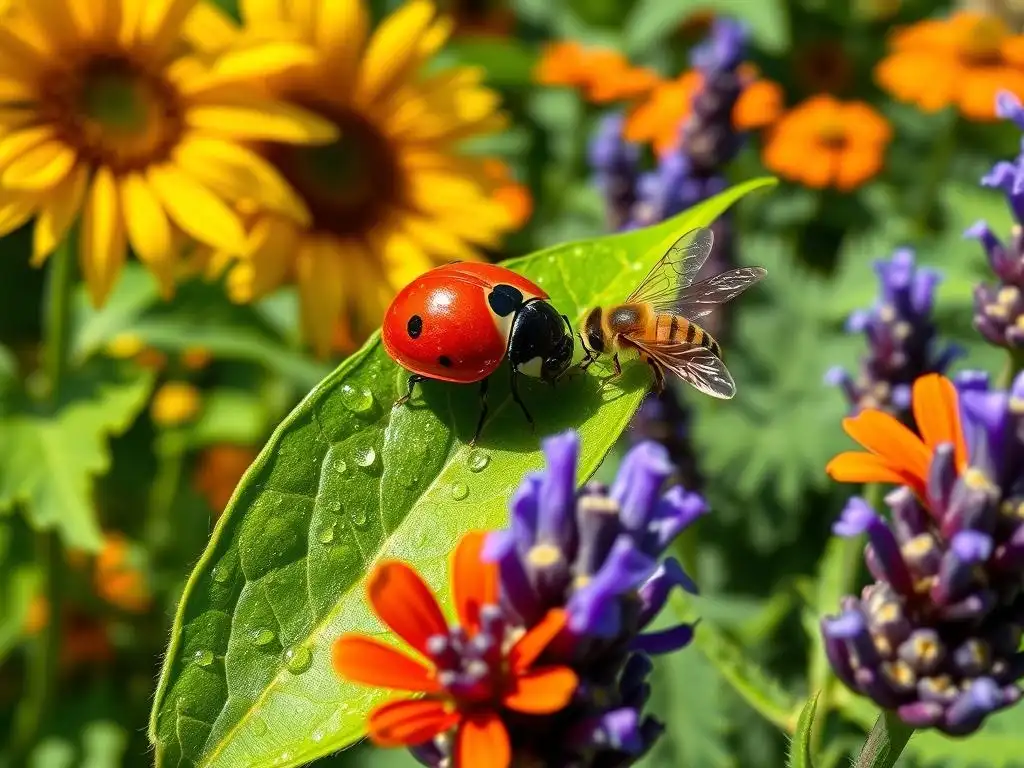
Ready to transform your backyard into a thriving ecosystem? At CultivateYourFood, we empower you to grow your own fruits, vegetables, and herbs organically. But did you know that attracting the right insects is key to a bountiful harvest? Discover how to create a truly bug-friendly garden and unlock the secrets to naturally boosting your yields by learning how to Attract beneficial garden insects. Let's dive into the fascinating world of sustainable gardening!
- Understanding Beneficial Insects and Their Role in a Healthy Garden
- Creating a Habitat that Attracts Beneficial Insects
- Choosing the Right Plants to Attract Beneficial Insects
- Implementing Integrated Pest Management (IPM) Strategies
- Maintaining a Bug-Friendly Garden Year-Round
- Monitoring and Evaluating Your Success in Attracting Beneficial Insects
- Frequently Asked Questions
- Final Reflection: Cultivating a Thriving Ecosystem, One Insect at a Time
- Unleash Your Inner Gardener: Attract Beneficial Insects Today!
Understanding Beneficial Insects and Their Role in a Healthy Garden
Creating a thriving, productive garden doesn't always mean waging war against every insect you encounter. In fact, a truly successful and sustainable garden relies on a delicate balance of nature, including a diverse population of beneficial insects. This article explores how to attract beneficial garden insects, thereby reducing your reliance on harmful pesticides and creating a healthier, more resilient ecosystem in your own backyard.
We'll delve into identifying key beneficial insects, understanding the importance of biodiversity in pest control, and recognizing the natural predators that can keep common garden pests in check. By understanding and encouraging these beneficial insects, you'll be taking a crucial step towards achieving a truly sustainable and productive garden, attracting beneficial garden insects, and minimizing the need for chemical interventions. This approach aligns perfectly with the principles of organic gardening and helps build a robust, self-regulating garden ecosystem.
Let's learn how to cultivate a garden that's not only productive but also teeming with life! 🐞
Identifying Key Beneficial Insects: Ladybugs, Lacewings, and More
Many insects play a crucial role in maintaining the health of your garden. Some of the most important beneficial insects include:
- Ladybugs (Coccinellidae): These iconic beetles are voracious predators of aphids, mealybugs, and other soft-bodied insects. A single ladybug can consume hundreds of aphids in its lifetime! Their presence is a strong indicator of a healthy garden ecosystem.
- Lacewings (Neuroptera): Both adult and larval lacewings are effective predators, feeding on aphids, mites, whiteflies, and other small pests. Their larvae are particularly effective hunters, with their distinctive pincers.
- Praying Mantises (Mantodea): These fascinating insects are ambush predators, capturing and consuming a wide range of insects, including many common garden pests. While they may occasionally prey on beneficial insects, their overall impact on pest control is significant.
- Ground Beetles (Carabidae): These nocturnal beetles are important ground-dwelling predators, feeding on slugs, snails, caterpillars, and other ground-level pests. They are often overlooked but play a vital role in maintaining soil health.
- Hoverflies (Syrphidae): While the adult hoverflies feed on nectar and pollen, their larvae are voracious aphid predators, making them valuable allies in the garden.
Attracting these beneficial insects requires providing them with the resources they need to thrive, including food sources (nectar and pollen), shelter, and nesting sites. We will explore these aspects in more detail later in the article.
The Importance of Biodiversity for Pest Control
A diverse range of beneficial insects is key to effective pest control. Relying on a single species for pest control is risky; if that species is affected by disease or environmental changes, your pest control efforts could fail. A diverse insect community, on the other hand, provides a natural form of insurance. If one species declines, others are available to fill the gap, maintaining a balance within the ecosystem.
This biodiversity also promotes resilience against outbreaks of specific pests. A healthy, biodiverse garden is far less susceptible to significant pest problems. Think of it as a natural form of integrated pest management (IPM).
Recognizing Common Garden Pests and Their Natural Predators
Understanding the common pests in your garden and their natural predators is crucial for implementing effective, natural pest control strategies. For example:
| Common Garden Pest | Natural Predator(s) |
|---|---|
| Aphids | Ladybugs, Lacewings, Hoverflies |
| Whiteflies | Lacewings, Ladybugs |
| Mealybugs | Ladybugs |
| Spider Mites | Predatory Mites, Lacewings |
| Cabbage White Butterfly | Braconid Wasps, Tachinid Flies |
| Slugs and Snails | Ground Beetles, Birds, Toads |
By identifying the pests in your garden and understanding their natural enemies, you can focus your efforts on attracting and supporting the beneficial insects that will naturally keep those pests in check, thereby reducing or eliminating the need for harmful pesticides. This integrated approach to pest management will lead to a healthier and more vibrant garden.
Creating a Habitat that Attracts Beneficial Insects
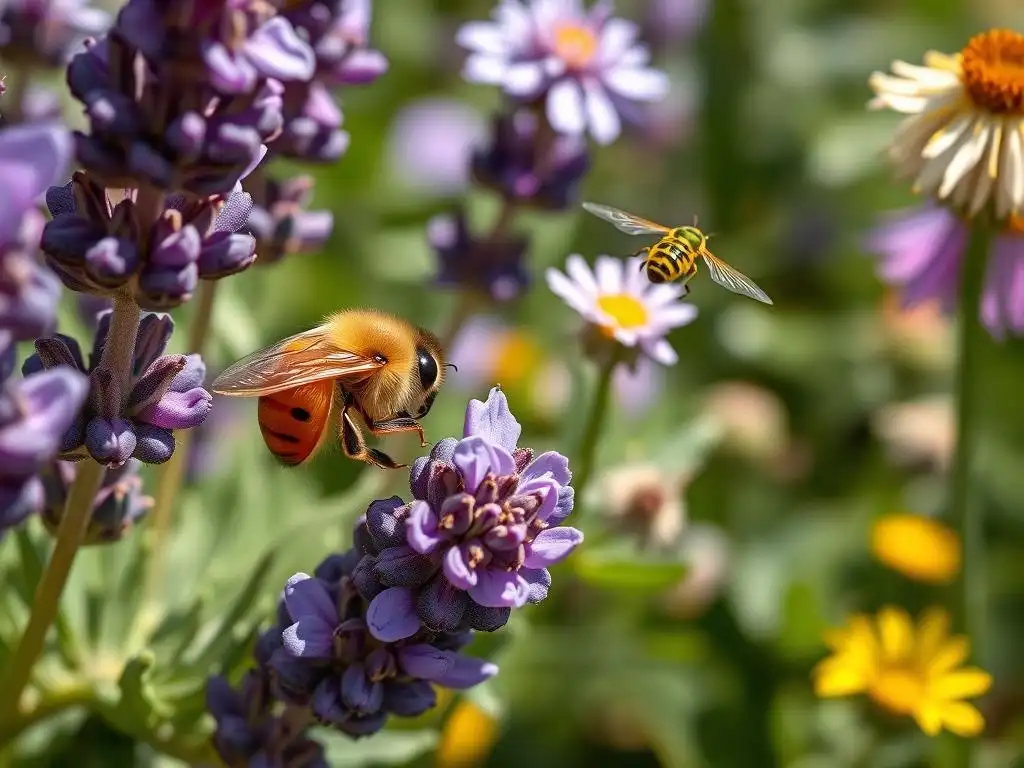
This section focuses on practical strategies to attract beneficial insects to your garden, significantly reducing the need for harmful pesticides while boosting your harvest. By creating a welcoming environment, you'll foster a natural ecosystem that protects your plants and promotes biodiversity. Remember, attracting beneficial garden insects is key to a thriving, sustainable garden.
Providing Diverse Food Sources: Nectar-Rich Plants and Pollen
Beneficial insects, like ladybugs, lacewings, and hoverflies, require a consistent supply of nectar and pollen to survive and reproduce. Simply put, a diverse range of flowering plants is crucial for attracting these helpful creatures. Think about planting a variety of species with staggered bloom times to ensure a continuous food source throughout the growing season. This means you won't have a sudden surge of insects followed by a scarcity.
Consider incorporating these nectar and pollen powerhouses into your garden design:
- Early bloomers: Crocus, Snowdrops, and Pussy Willows provide early-season sustenance.
- Mid-season bloomers: Calendula, Borage, and Yarrow offer a vibrant display and attract a wide range of pollinators.
- Late bloomers: Sedum, Aster, and Goldenrod extend the food supply well into autumn, supporting insects through their life cycle.
The key is variety! Different insect species prefer different plant types. A monoculture, even of attractive plants, won't support a diverse insect population as effectively. Aim for a mix of plant heights, colors, and bloom times to maximize your attraction efforts. Even including a small wildflower patch can significantly increase the diversity of beneficial insects in your garden.
Offering Shelter and Nesting Sites: Utilizing Hollow Stems and Leaf Litter
Beyond food, beneficial insects need safe havens from predators and harsh weather. Providing suitable shelter is just as important as providing food sources when it comes to attracting beneficial garden insects. Leaving some areas of your garden slightly unkempt can greatly benefit insect populations.
Here's how you can create inviting shelters:
- Leave standing dead stems: Many insects overwinter in hollow stems of plants like sunflowers or fennel. Don't rush to clean up your garden in the fall; leave some stalks standing for beneficial insects to use as winter shelter.
- Create a "bug hotel": These structures, often made from stacked wood, bamboo, and other natural materials, provide numerous nooks and crannies for insects to nest. You can easily find plans online or create your own using readily available materials.
- Maintain leaf litter: A layer of leaf litter provides ideal habitat for many beneficial insects, including ground beetles and spiders that prey on garden pests. Don't rake up every fallen leaf; leave some areas undisturbed.
- Use mulch: Organic mulches, such as wood chips or straw, provide insulation and moisture retention, creating a more hospitable environment for beneficial insects.
Creating Water Sources: Shallow Dishes and Drip Irrigation
Access to water is essential for the survival of all living things, including beneficial insects. Providing a reliable water source, particularly during dry spells, can make a significant difference in attracting and retaining these helpful creatures.
Here are some simple ways to supply water:
- Shallow dishes: Place shallow dishes filled with water and pebbles or small stones. The stones provide a place for insects to land and drink without drowning. Change the water regularly to prevent the breeding of mosquitoes.
- Drip irrigation: A drip irrigation system provides consistent moisture to your plants and creates humid microclimates that are attractive to many beneficial insects.
- Avoid pesticides: The use of broad-spectrum pesticides can harm beneficial insects along with the pests you're trying to control. Opt for organic pest control methods whenever possible. Remember, a healthy ecosystem is a key part of attracting beneficial garden insects.
By combining these strategies, you can significantly increase the number of beneficial insects in your garden, creating a thriving and sustainable ecosystem that protects your plants and minimizes the need for chemical interventions. Remember, attracting beneficial garden insects is a long-term investment in the health of your garden.
Choosing the Right Plants to Attract Beneficial Insects
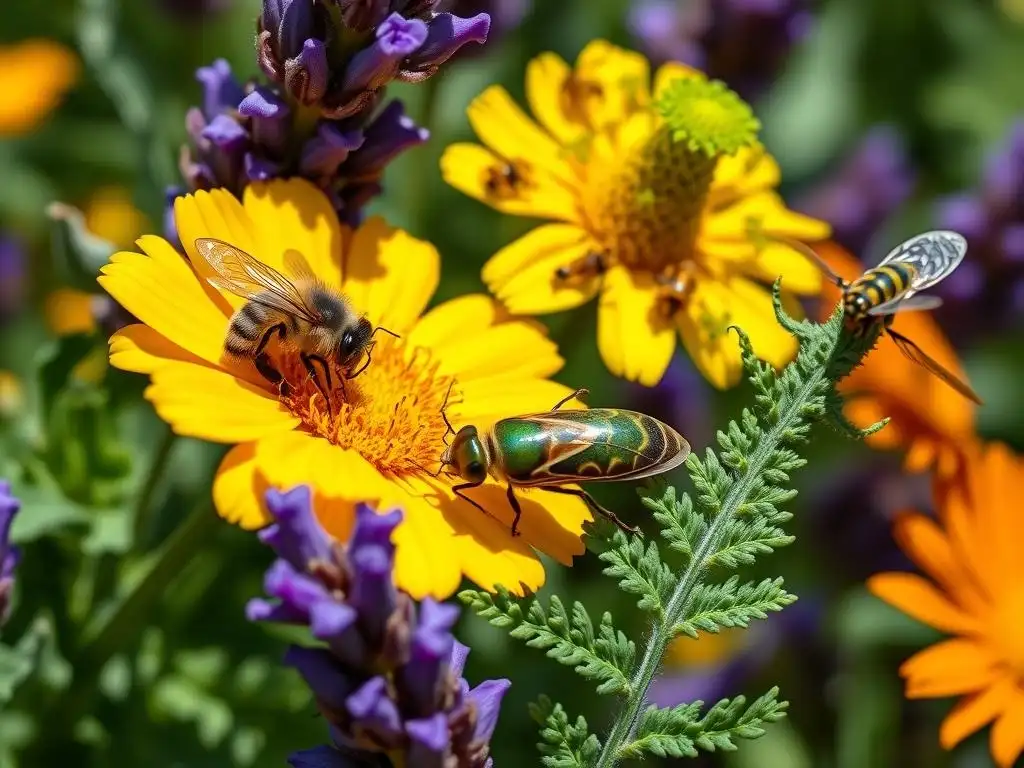
Attracting beneficial garden insects is crucial for a thriving, healthy ecosystem in your home garden. These insects, like ladybugs, lacewings, and hoverflies, are natural predators of common garden pests, significantly reducing the need for harmful chemical interventions. The key to attracting these helpful creatures lies in providing them with the resources they need to survive and thrive: food and shelter. This section focuses on plant selection, a cornerstone of attracting a diverse and beneficial insect population. Proper plant selection is a cornerstone of successful, sustainable gardening.
Selecting Plants with High Nectar and Pollen Production
Beneficial insects, like pollinators, require ample nectar and pollen sources. Plants with abundant blooms are essential for sustaining their populations. Consider the following:
- Sunflowers: These giants offer copious amounts of pollen and nectar, attracting a wide variety of insects, including bees and beneficial beetles. A single sunflower can support dozens of insects simultaneously.
- Dill: A favorite among beneficial insects, dill provides both nectar and pollen, and its feathery foliage offers shelter.
- Calendula: These vibrant flowers are not only visually appealing but also a magnet for pollinators and predatory insects like ladybugs.
- Borage: Known for its star-shaped blue flowers, borage is a bee haven and also attracts hoverflies, which are excellent aphid predators.
Remember to choose a diverse range of plants with staggered blooming times to ensure a continuous food source throughout the growing season. This constant supply of nectar and pollen is key to maintaining a healthy population of beneficial insects throughout the year. Strategic planting ensures your garden's ecosystem remains robust and resilient.
Incorporating Native Plants for Maximum Insect Attraction
Native plants are particularly effective at attracting beneficial insects. These plants have coevolved with local insect populations over many years, creating a symbiotic relationship where the insects are perfectly adapted to utilize the plants as food and habitat. Using native plants in your garden is a sustainable and effective way to attract beneficial garden insects.
Native plants often require less maintenance than non-native species, as they are already adapted to the local climate and soil conditions. This reduces the need for supplemental watering and fertilization, contributing to a more environmentally friendly garden. Choosing native plants ensures a harmonious balance within your garden ecosystem, promoting biodiversity and reducing the need for external inputs. This approach is crucial for sustainable gardening practices.
Avoiding Pesticides and Insecticides: Protecting Beneficial Insects
The use of pesticides and insecticides is detrimental to beneficial insects, often causing more harm than good. These chemicals indiscriminately kill both pests and beneficial insects, disrupting the delicate balance of your garden ecosystem. The long-term impact can lead to increased pest populations, as the natural predators are eliminated.
Instead of reaching for chemical solutions, consider employing integrated pest management (IPM) techniques. This holistic approach prioritizes preventative measures and uses targeted interventions only when necessary. Methods like handpicking pests, introducing beneficial insects, and using natural pest control methods like neem oil are much more sustainable and environmentally friendly. Protecting beneficial insects ensures a healthy garden ecosystem and reduces reliance on harmful chemicals. The goal is to create a thriving, self-regulating environment where beneficial insects maintain pest populations naturally. This is a key component of attracting beneficial garden insects and promoting ecological balance.
Implementing Integrated Pest Management (IPM) Strategies
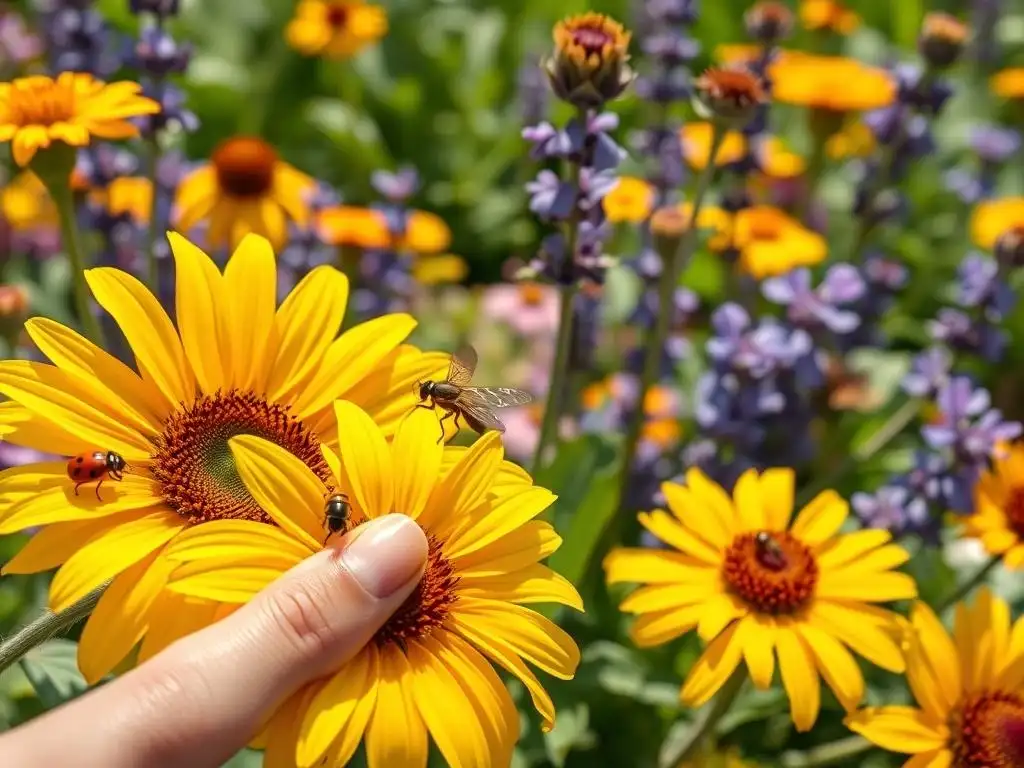
Integrated Pest Management (IPM) is a cornerstone of attracting beneficial garden insects while minimizing the need for harmful pesticides. The core philosophy is to create a balanced ecosystem where beneficial insects thrive and naturally control pest populations. This approach requires a proactive, rather than reactive, stance towards pest control.
Instead of spraying at the first sign of trouble, IPM focuses on preventing pest problems in the first place and utilizing less-toxic methods when necessary. This strategy not only protects beneficial insects but also safeguards the health of your plants, soil, and ultimately, yourself. Successfully attracting beneficial garden insects is intrinsically linked to implementing effective IPM strategies.
Monitoring Insect Populations: Regular Garden Inspections
Regular garden inspections are crucial for early detection of both pest and beneficial insects. This allows for timely intervention with minimal disruption to the ecosystem. Aim for at least weekly inspections, more frequently during peak growing seasons. Pay close attention to the undersides of leaves, stems, and buds, as many insects hide in these areas.
Keep a detailed garden journal, noting the types and numbers of insects observed, their location in the garden, and any signs of damage to plants. This record will prove invaluable in tracking insect populations over time and assessing the effectiveness of your IPM strategies. For example, a sudden increase in aphid numbers might indicate a need to introduce ladybugs or lacewings, while a healthy population of praying mantises suggests a natural control mechanism is already in place. Remember, accurate identification is key.
Knowing which insects are beneficial and which are harmful allows for targeted action, preventing unnecessary interventions that might harm beneficial insects. Using a magnifying glass and insect identification guides can greatly improve your accuracy. Don't forget to check the soil surface and leaf litter as well, as many beneficial insects overwinter or pupate in these areas.
Implementing Natural Pest Control Methods: Introducing Predators and Parasites
Introducing natural predators and parasites is a highly effective method of attracting beneficial garden insects and controlling pest populations. This biocontrol approach leverages the natural food chain to regulate insect numbers. For instance, ladybugs are voracious aphid predators, while lacewings effectively control various soft-bodied insects. Parasitic wasps lay their eggs inside pest larvae, effectively killing them.
Attracting these beneficial insects requires creating a habitat that meets their needs. This includes providing diverse flowering plants that offer nectar and pollen (a crucial food source), as well as shelter in the form of leaf litter, brush piles, or insect hotels. Consider planting specific plants known to attract specific beneficial insects.
For instance, dill and fennel attract lacewings, while yarrow attracts hoverflies. The diversity of your plantings is key here; a monoculture is less likely to attract a diverse range of beneficial insects. Remember that introducing beneficial insects is not a one-time action; it requires ongoing monitoring and replenishment as needed.
Using Organic Pest Control Options: Natural Sprays and Barriers
While attracting beneficial garden insects is the primary goal of IPM, sometimes additional intervention is necessary. Organic pest control options offer a less toxic alternative to chemical pesticides. These methods include using insecticidal soaps, neem oil, or diatomaceous earth. Insecticidal soaps disrupt the cell membranes of soft-bodied insects, while neem oil acts as a growth inhibitor and repellent.
Diatomaceous earth, a naturally occurring sedimentary rock, causes dehydration and death in insects by damaging their exoskeletons. Always follow the instructions carefully when using these products, and remember that they can also harm beneficial insects if not used judiciously. Physical barriers, such as row covers or netting, can also protect plants from pests while allowing beneficial insects to access the plants. These barriers are particularly effective against flying insects.
Choosing the right organic pest control method depends on the specific pest and the stage of plant growth. It's essential to carefully consider the potential impact on beneficial insects before applying any treatment. Remember, the goal is to maintain a balance – not to eradicate all insects. A healthy ecosystem includes both beneficial and some pest insects.
Maintaining a Bug-Friendly Garden Year-Round
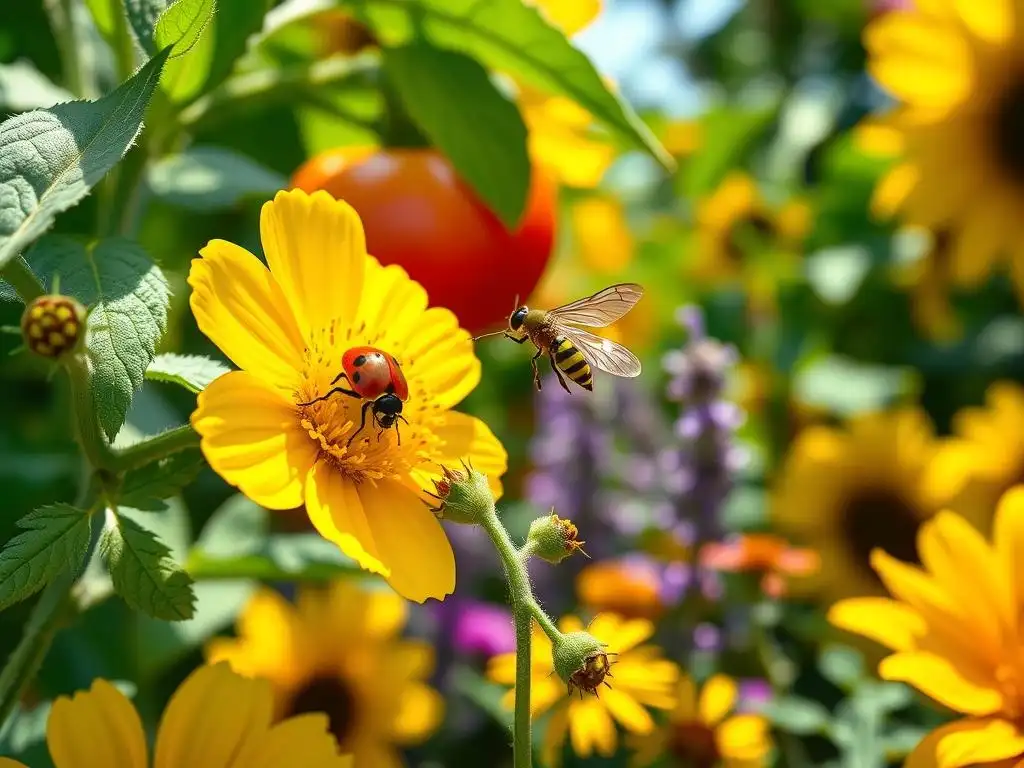
Maintaining a thriving ecosystem of beneficial insects in your garden requires a year-round commitment. Simply attracting them during the growing season isn't enough; you need to ensure their survival through the harshest months. This involves providing crucial resources even when your plants are dormant.
A successful strategy considers both shelter and food sources throughout the entire year, adapting to the specific needs of your local insect populations and the prevailing climate. The goal is to foster a resilient and self-sustaining insect community that contributes to a healthy and productive garden. Attracting beneficial garden insects is a continuous process, not a one-time event.
Providing Overwintering Habitats: Leaving Some Plant Debris
Many beneficial insects overwinter as larvae, pupae, or adults in sheltered locations within the garden. Instead of completely clearing your garden beds in autumn, consider leaving some plant debris. This "messy" approach provides crucial habitats for these insects to survive the cold months. Examples include leaving hollow stems of plants like sunflowers or fennel, leaving leaf litter in less-used areas, and even creating small brush piles in a corner of the garden. These seemingly untidy areas become essential havens, offering protection from harsh weather and predators. Think of it as providing "insect apartments" for the winter! Remember, this doesn't mean leaving diseased or infested plants; focus on healthy, sturdy plant material that offers sufficient shelter. The benefits far outweigh the aesthetic concerns, resulting in a healthier and more diverse insect population come spring. Leaving some plant debris significantly improves the chances of attracting beneficial garden insects in the long term.
Planning for Seasonal Blooms: Continuous Nectar and Pollen Sources
Beneficial insects, like pollinators and predators, require a continuous supply of nectar and pollen throughout the growing season. Simply planting a few flowers won't suffice. To attract beneficial garden insects effectively, plan for a succession of blooms. This means selecting plants with varying bloom times, ensuring a constant source of food from early spring to late autumn.
Consider integrating plants that bloom early, such as crocuses and snowdrops, followed by spring-blooming perennials like lavender and alyssum, then summer-blooming annuals like zinnias and sunflowers, and finally, late-blooming plants like asters and goldenrod. This staggered approach ensures that there's always something in flower to sustain your beneficial insect population. A diverse range of plant species attracts a broader spectrum of insects, enhancing the overall biodiversity of your garden. Careful planning is key to maintaining a continuous supply of nectar and pollen, thereby successfully attracting beneficial garden insects year after year.
Adapting Strategies Based on Local Climate and Insect Species
The success of attracting beneficial garden insects is highly dependent on your specific location and the insect species prevalent in your area. What works in a Mediterranean climate might not be effective in a northern climate. Research the beneficial insects native to your region and their specific needs. For example, some insects prefer sunny areas, while others favor shade. Some require specific types of plants for nectar and pollen, while others need particular host plants for their larvae. Understanding these nuances is crucial for optimizing your strategy. Local nurseries and agricultural extension offices can provide valuable information on native beneficial insects and suitable plants for your region. By adapting your approach to your unique environment and the specific needs of your local insect community, you maximize the chances of creating a truly thriving and sustainable bug-friendly garden. This localized approach is critical for attracting beneficial garden insects effectively and naturally.
Monitoring and Evaluating Your Success in Attracting Beneficial Insects
Attracting beneficial garden insects is a journey, not a destination. Consistent monitoring is crucial to understand the effectiveness of your efforts and make necessary adjustments. This involves actively observing your garden and tracking the presence and abundance of beneficial insects over time. Remember, a diverse insect population is a sign of a healthy ecosystem, contributing significantly to a thriving and productive garden. Regular monitoring allows you to celebrate your successes and identify areas needing improvement, ensuring a robust and resilient garden ecosystem.
Tracking Insect Populations: Observing the Impact of Your Efforts
Tracking insect populations requires a systematic approach. Start by selecting specific areas within your garden to focus your observations. These might be areas with particular plant species known to attract specific beneficial insects, or areas where you've implemented specific attractants like pollen-rich flowers or water sources.
Begin by creating a simple log or spreadsheet. Record the date, location within the garden, the specific insect species observed (if identifiable, otherwise note general characteristics), and an estimate of their abundance (e.g., few, many, abundant). Consider using a standardized scale for abundance, for example:
| Abundance Level | Description |
|---|---|
| 1 | Scarce; observed only occasionally |
| 2 | Few; seen sporadically |
| 3 | Moderate; regularly observed |
| 4 | Abundant; frequently encountered |
| 5 | Extremely Abundant; very numerous |
Regular observations, ideally weekly, are recommended during the growing season. Take photos to aid in identification and tracking changes over time. This detailed record will provide invaluable insights into the effectiveness of your strategies to attract beneficial garden insects and help you understand seasonal fluctuations in insect populations. Remember, some insects are more active during specific times of the day or under particular weather conditions, so note these observations as well. This consistent data collection will allow you to analyze trends and make informed decisions about future gardening practices.
Identifying Areas for Improvement: Adjusting Your Approach Based on Observations
Your monitoring efforts will reveal areas for improvement. Perhaps you've noticed a scarcity of ladybugs, despite planting their favorite plants. This might indicate a lack of suitable prey (aphids) or inadequate shelter. Alternatively, you might have an abundance of beneficial insects in one area but none in another. Analyzing the differences between these areas can pinpoint issues.
For example, if one area of your garden is thriving with pollinators but another lacks them, you might need to assess the availability of nectar and pollen sources. Consider planting more flowering plants known to attract these beneficial insects in the less-populated area. Insufficient water sources might also be a factor. Adding a shallow dish of water with pebbles for insects to land on could significantly improve the situation. Similarly, a lack of shelter could be limiting the presence of beneficial insects. Consider adding brush piles, leaf litter, or other natural shelters to provide refuge.
The data you collect will guide these adjustments. If your initial attempts to attract beneficial garden insects haven't yielded the desired results, don't be discouraged! This is an iterative process. Use the information gathered to refine your approach, experiment with different plant combinations, and continue monitoring to assess the impact of your changes. The key is persistence and adaptation. 🐛
Celebrating a Thriving Ecosystem: A Healthy Garden with Beneficial Insects
A garden teeming with beneficial insects is a testament to your commitment to sustainable and organic gardening practices. The presence of diverse insect populations, such as ladybugs, lacewings, hoverflies, and parasitic wasps, signals a healthy ecosystem capable of naturally controlling pests and promoting plant health. This is a significant achievement! 🎉
Observe the interactions between different insect species. Notice how ladybugs feed on aphids, or how parasitic wasps control caterpillars. This natural balance is the cornerstone of a thriving garden. The reduced need for chemical pesticides translates to a healthier environment for you, your family, and the entire ecosystem. Document your successes—share your experiences with other gardeners, inspire others to create their own bug-friendly havens, and continue to refine your techniques based on your ongoing observations.
Your dedication to attracting beneficial garden insects not only ensures a productive garden but also contributes to the broader biodiversity of your surroundings. Enjoy the fruits (and vegetables!) of your labor! 🍅
Frequently Asked Questions
What are beneficial garden insects?
Beneficial insects are those that help control pests and pollinate plants. Examples include ladybugs, lacewings, and bees. They are crucial for a healthy garden ecosystem.
How do I attract beneficial insects to my garden?
Provide diverse habitats with flowers that offer nectar and pollen. Plant native plants, and avoid using harmful pesticides. Water sources are also attractive to many beneficial insects.
What plants attract the most beneficial insects?
Many herbs like dill, fennel, and yarrow are excellent choices. Also consider flowering plants like sunflowers, coneflowers, and goldenrod, which provide nectar and pollen. Diversity is key!
When is the best time to plant to attract beneficial insects?
Planting for beneficial insects should ideally begin in early spring to provide food sources as early as possible. However, you can plant throughout the growing season to ensure a continuous supply of food and habitat.
What if I still have pest problems even after attracting beneficial insects?
Beneficial insects are a part of a holistic pest control strategy. If pests persist, explore organic pest control methods such as companion planting, neem oil, or insecticidal soap before resorting to harsher chemicals.
Final Reflection: Cultivating a Thriving Ecosystem, One Insect at a Time
Creating a bug-friendly garden isn't just about attracting pretty butterflies; it's about building a resilient and vibrant ecosystem that supports the very foundation of our food systems and natural world. The health of our gardens, and indeed our planet, is inextricably linked to the diversity of insect life within them. Ignoring this crucial connection has far-reaching consequences for biodiversity and the sustainability of our agricultural practices.
The shift towards embracing beneficial insects in our gardens represents a profound change in our relationship with the natural world. We've moved away from a mindset of eradication and control towards one of understanding and collaboration. This change is vital, not only for the survival of countless insect species, but also for our own well-being. The fate of insects is inextricably linked to the fate of humanity,
a sentiment echoed by countless scientists and conservationists, highlights the urgency of this shift. By actively creating habitats that support beneficial insects, we are not only enriching our gardens but also contributing to a larger, more sustainable future.
Now, consider your own garden, balcony, or even a single window box. What small changes can you make to welcome a wider variety of insects? Perhaps it's planting a native flowering plant, leaving a patch of "wild" space, or simply refraining from the use of harmful pesticides. Every action, no matter how small, contributes to a larger movement towards ecological balance and a healthier planet. Let's cultivate a world where our gardens are not only beautiful but also teeming with life, a testament to the interconnectedness of all living things.
Unleash Your Inner Gardener: Attract Beneficial Insects Today!
Thank you for learning how to create a haven for beneficial insects! You've gained the knowledge to transform your garden into a vibrant ecosystem. Ready to put your new skills to the test?
- Create a "bug hotel": Begin by finding a sunny spot and building a simple shelter using natural materials like sticks, leaves, and hollow stems to provide homes for a variety of insects. This is the most important first step!
- Plant a diverse range of flowers: Attract a wider variety of beneficial insects with a colorful mix of blooms that provide nectar and pollen throughout the growing season. A diverse selection ensures a continuous food source.
- Share your success: Inspire others by posting pictures of your thriving insect habitats on social media using #BugFriendlyGarden and #CultivateYourFood!
What's the first step you'll take to welcome more beneficial insects into your garden?