
Building a Permaculture Community: Sharing Knowledge and Resources

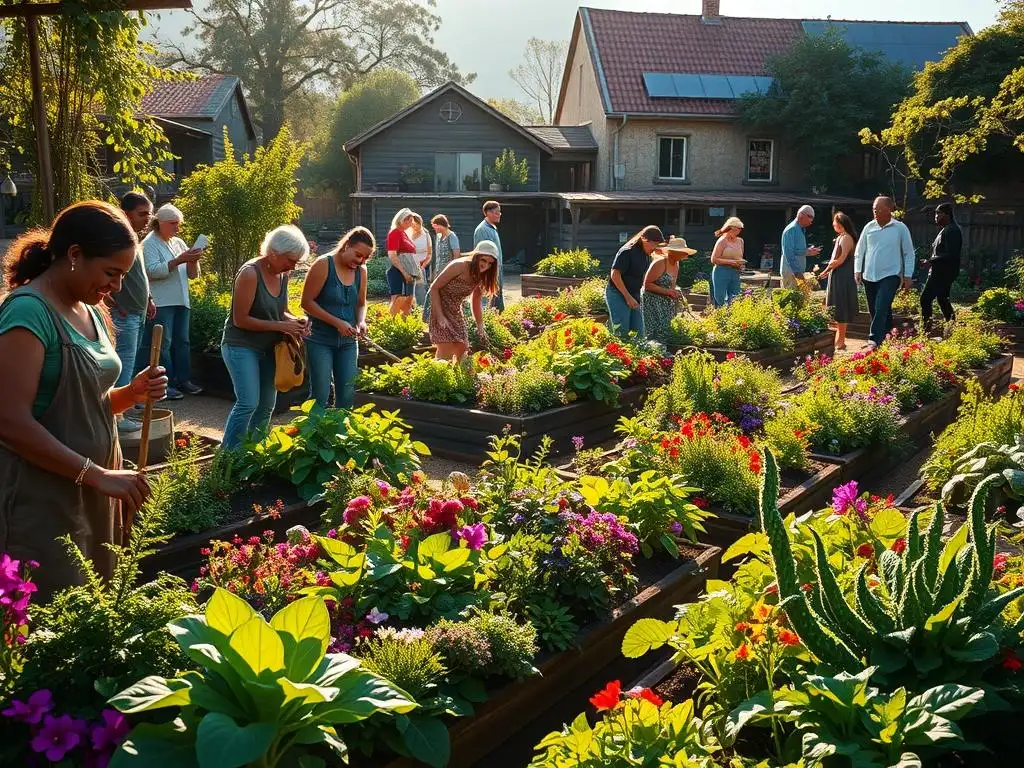
Ready to transform your backyard into a thriving ecosystem? CultivateYourFood is your guide to sustainable and organic home gardening. We're passionate about empowering you to grow your own fruits, vegetables, and herbs, and this journey begins with learning how to share permaculture gardening resources. Discover advanced techniques and practical tips that will not only enrich your garden but also connect you with a vibrant community of fellow growers. Dive in and unlock the secrets to a bountiful harvest!
- Understanding the Power of Shared Permaculture Gardening Resources
- Establishing a Permaculture Resource Sharing Network
- Sharing Practical Permaculture Gardening Resources
- Developing a Sustainable Permaculture Knowledge Base
- Building a Thriving Permaculture Community
- Frequently Asked Questions
- Final Reflection: Cultivating a Shared Future Through Permaculture
- Unleash Your Inner Gardener: Cultivate a Thriving Permaculture Community
Sharing knowledge and resources is fundamental to the success of permaculture gardening. This article explores the immense benefits of building a permaculture community, emphasizing the collaborative spirit at the heart of sustainable and organic food production. We'll delve into how sharing resources not only boosts individual yields and reduces environmental impact but also fosters a strong sense of community and mutual support amongst fellow permaculture enthusiasts.
Learning from each other's successes and failures is crucial for navigating the challenges of permaculture and maximizing its potential. By actively participating in a permaculture community, you'll unlock a wealth of knowledge and support, transforming your home garden into a thriving ecosystem and contributing to a more sustainable future. This approach to permaculture gardening directly addresses the need to effectively Share permaculture gardening resources, a key element for successful and fulfilling home gardening.
The Benefits of Collaborative Permaculture
Collaboration within a permaculture community offers numerous advantages. Sharing experiences, techniques, and even surplus produce creates a synergistic effect, benefiting all participants. For example, one gardener might excel at composting, while another has mastered pest control using natural methods. By sharing their expertise, both gardeners can improve their individual practices significantly. This collaborative spirit extends beyond practical skills.
The emotional support and sense of community fostered within a permaculture group can be invaluable, particularly for beginners navigating the learning curve of sustainable gardening. This mutual support system can help overcome challenges, share solutions, and celebrate successes, creating a positive and encouraging environment. Moreover, sharing resources like seeds, tools, and even plant starts can significantly reduce individual costs and environmental impact. Imagine the collective impact of reducing packaging waste by sharing seeds or reusing pots amongst group members! This collaborative approach is not just efficient; it's also incredibly rewarding.
Building Trust and Fostering a Supportive Network for Permaculture Practices
Building a thriving permaculture community requires cultivating trust and mutual respect among its members. This involves open communication, honest feedback, and a willingness to learn from both successes and failures. Regular meetings, workshops, or even informal gatherings can provide valuable opportunities to connect with like-minded individuals, share experiences, and build strong relationships. Establishing clear guidelines and expectations for sharing resources can also help prevent misunderstandings and ensure a smooth collaboration.
For example, a system for borrowing tools or exchanging seedlings could be established, ensuring fairness and accountability. The emphasis should always be on building a supportive network where members feel comfortable sharing their knowledge and seeking help when needed. A strong sense of community can significantly increase the likelihood of long-term success and engagement in permaculture practices. This trust-based approach is essential for maintaining a healthy and productive permaculture community, encouraging sustained engagement and resource sharing.
Access to Diverse Permaculture Knowledge and Expertise
One of the greatest advantages of joining a permaculture community is the access to a diverse range of knowledge and expertise. Each member brings their unique skills, experiences, and perspectives to the group, creating a rich tapestry of information. This diversity can be particularly beneficial when tackling specific challenges, such as dealing with local pests or adapting permaculture principles to different climates and soil types.
Members can learn from each other's successes and failures, avoiding costly mistakes and accelerating their learning curve. Furthermore, access to a wider network of contacts can provide valuable resources, such as finding rare plant varieties or connecting with experts in specific areas of permaculture. This collective intelligence significantly enhances the overall effectiveness and sustainability of each individual's gardening efforts.
The shared knowledge within a permaculture community is a powerful asset, accelerating learning and fostering innovation in sustainable gardening practices. This access to diverse expertise and collective knowledge represents a significant advantage for anyone seeking to improve their permaculture gardening skills and yields.
Establishing a Permaculture Resource Sharing Network
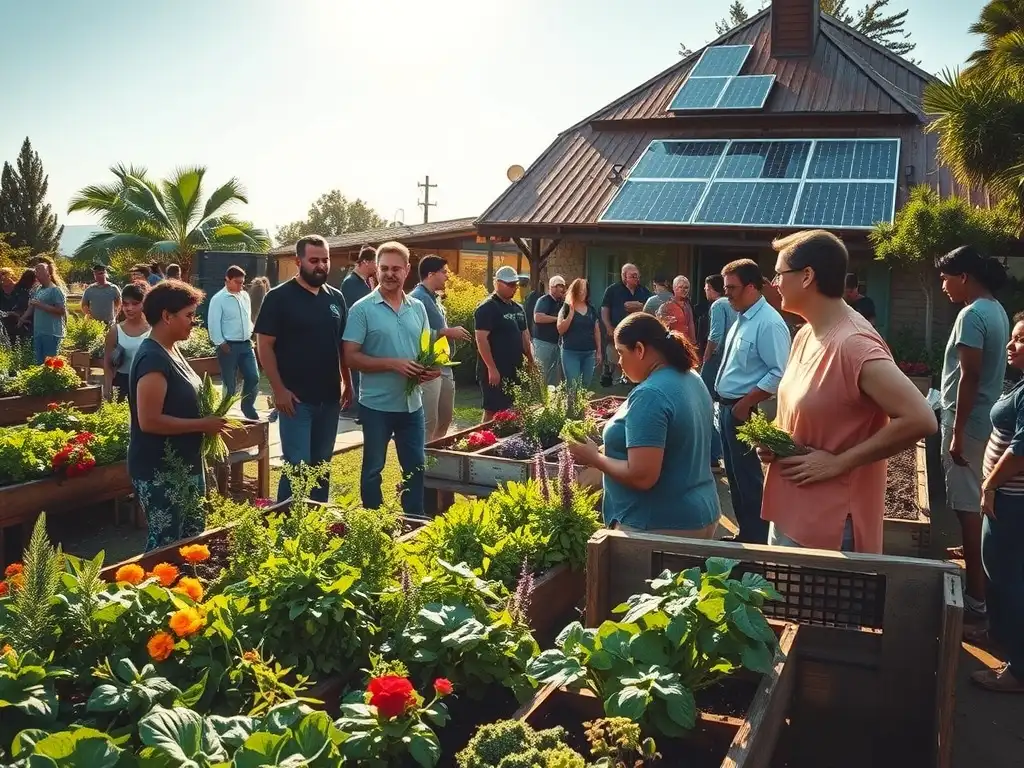
Building a thriving permaculture community hinges on effective resource sharing. This isn't just about sharing seeds or plants; it's about fostering a collaborative environment where knowledge, experience, and materials flow freely, strengthening the collective resilience and success of individual gardeners. Sharing permaculture gardening resources is crucial for building a strong, supportive community. This section outlines practical steps to establish a robust network within your local area. The benefits extend beyond individual gardens, contributing to a more sustainable and interconnected community as a whole.
Identifying Local Permaculture Groups and Communities
Finding existing permaculture groups is the first step in building your resource-sharing network. Begin by searching online for terms like "permaculture [your city/region]", "sustainable gardening groups [your city/region]", or "[your city/region] permaculture workshops". Check social media platforms like Facebook and Instagram for local groups or pages dedicated to permaculture.
Many communities also have dedicated websites or online forums where local gardeners connect and share information. Don't underestimate the power of word-of-mouth; talking to local farmers' markets, nurseries, and even your neighbors might uncover hidden permaculture communities in your area. Actively participating in these established groups allows you to tap into a wealth of existing knowledge and connections.
Consider attending local workshops or events. These are excellent opportunities to meet like-minded individuals, learn new techniques, and build relationships that can form the backbone of your resource-sharing network. Networking at these events can be incredibly fruitful, providing access to a range of expertise and resources that might not be readily available online. Remember to actively participate, ask questions, and share your own knowledge and experiences – reciprocal sharing is key to building a strong and sustainable community.
Utilizing Online Platforms for Permaculture Knowledge Exchange
The internet offers powerful tools for connecting with permaculture enthusiasts globally and locally. Online forums, dedicated permaculture websites, and social media groups provide platforms for sharing knowledge, asking questions, and exchanging resources. These digital spaces can facilitate discussions on a wide range of topics, from composting techniques and pest control strategies to seed saving and plant propagation. Utilizing these platforms effectively requires active participation: sharing your own experiences, answering questions posed by others, and contributing to ongoing discussions.
Beyond simple text-based forums, consider platforms that support visual content sharing. Pictures and videos can be invaluable in demonstrating permaculture techniques and showcasing successful projects. Sharing your garden's progress, highlighting challenges overcome, and documenting successful harvests can inspire and educate other members of the community. Remember to always properly attribute any resources or information you share, giving credit where it's due and fostering a culture of ethical knowledge exchange. The more you contribute, the more you will gain from the collective wisdom of the online community.
Creating a Hyperlocal Seed and Plant Exchange Program
A hyperlocal seed and plant exchange is a cornerstone of a thriving permaculture community. This program promotes biodiversity by encouraging the sharing of locally adapted varieties, better suited to your specific climate and soil conditions. Starting such a program requires careful planning and organization. Begin by gauging interest within your existing permaculture group or community. Consider conducting a survey or poll to assess the types of seeds and plants people are willing to share and those they would like to acquire.
The logistics of the exchange need careful consideration. A designated time and location are crucial. This could be a community garden, a local park, or even a rotating schedule amongst participating members' homes. Clear guidelines for seed and plant preparation are necessary to ensure the health and viability of the exchanged materials.
Consider providing information sheets on proper seed storage, plant labeling, and disease prevention. Transparency and clear communication are paramount to building trust and fostering a successful exchange program. The success of this initiative relies on the collective participation and commitment of your community members, building a strong foundation for future collaborative efforts. Remember, the goal is not just resource exchange but also the development of a strong, supportive network.
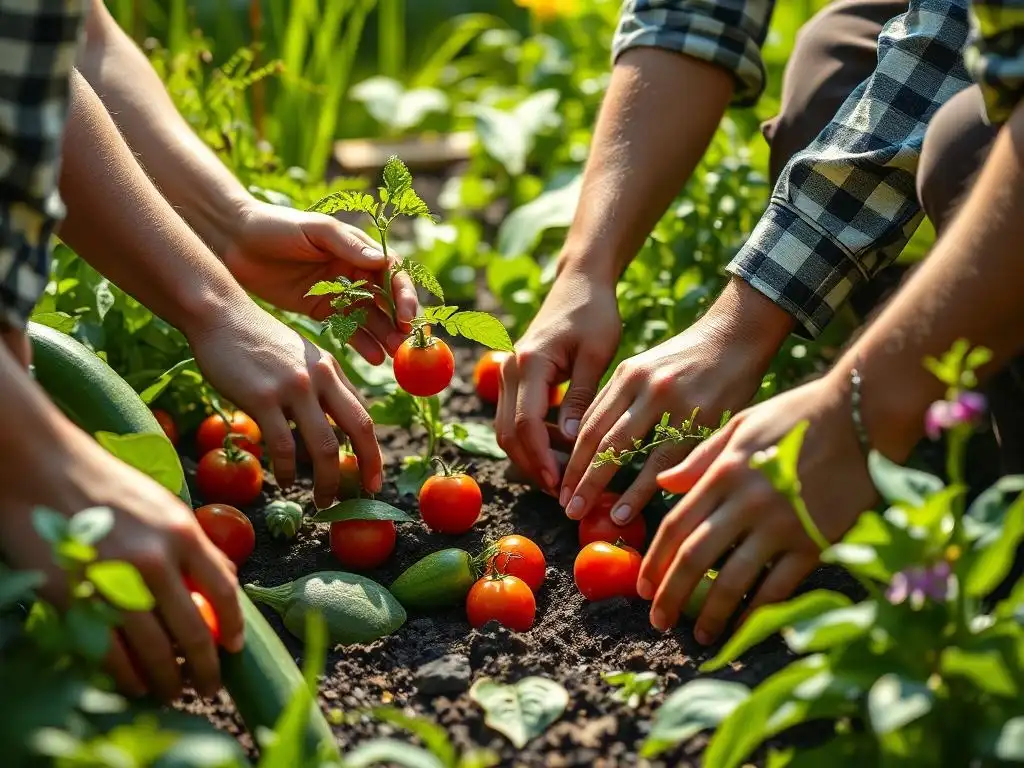
This section focuses on the practical aspects of sharing resources within a permaculture community, emphasizing the mutual benefits and the strengthening of collective knowledge regarding sustainable gardening practices. Sharing isn't just about giving away excess produce; it's about building resilience and fostering a vibrant, supportive network. Effective resource sharing within a permaculture community boosts overall productivity and reduces individual burdens, aligning perfectly with permaculture ethics. The key is to establish clear communication channels and guidelines to ensure fair and equitable distribution of resources.
Effective composting is a cornerstone of permaculture gardening, enriching soil and minimizing waste. Sharing composting knowledge and resources within a community significantly enhances its overall success. This can involve several approaches:
- Workshops and Demonstrations: Organize regular workshops demonstrating various composting methods, from simple backyard bins to more advanced techniques like Bokashi composting. These sessions should cover everything from material selection to proper turning techniques and troubleshooting common problems. Hands-on experience is invaluable.
- Shared Composting Facilities: Consider establishing a community composting area, especially beneficial for those with limited space. This shared facility could house different composting systems, allowing members to experiment and learn from each other's successes and failures. Clear guidelines on acceptable materials and maintenance responsibilities are crucial for smooth operation.
- Material Exchange: Facilitating the exchange of composting materials, like "brown" (carbon-rich) materials (e.g., shredded leaves, straw) and "green" (nitrogen-rich) materials (e.g., grass clippings, vegetable scraps), can significantly benefit community members. This reduces individual burdens and ensures a consistent supply of materials for everyone.
- Troubleshooting and Advice: A dedicated communication channel (e.g., a community forum or email list) for sharing composting tips, troubleshooting problems, and seeking advice from experienced composters can be extremely valuable. This collaborative problem-solving approach strengthens the community's composting expertise.
For example, a community could organize a "Compost Swap Day," where members bring their excess compost materials and take home what they need. This fosters a sense of community while promoting resource efficiency.
Collaborative Pest Control Strategies in Permaculture Gardens
Pest control in permaculture relies on ecological balance and preventative measures, rather than harsh chemicals. Sharing knowledge and resources for sustainable pest management strengthens the entire community's resilience against pests and diseases.
- Identifying Pests and Diseases: Regular community inspections of gardens can help identify potential threats early on. Sharing photos and descriptions through a community platform facilitates quick identification and prevents the spread of pests and diseases.
- Sharing Natural Pest Control Methods: Members can share their experiences and recipes for natural pest control solutions, such as homemade insecticidal soaps, neem oil sprays, or companion planting strategies. Documenting successful approaches and sharing them within the community builds a collective knowledge base.
- Beneficial Insect and Predator Attraction: Strategies for attracting beneficial insects and other natural predators, such as ladybugs or lacewings, can be shared. This could involve planting specific flowering plants that attract these beneficial creatures, creating a more integrated and self-regulating pest control system.
- Rotating Crops and Cover Cropping: Sharing information on effective crop rotation techniques and the use of cover crops to improve soil health and suppress pest populations is vital. This approach helps prevent pest buildup and promotes long-term soil health.
A detailed pest and disease log, maintained collaboratively by the community, would be an invaluable resource, tracking occurrences and successful control methods over time. This contributes to a more informed and proactive approach to pest management.
Exchanging Sustainable Gardening Tools and Equipment
Sharing tools and equipment not only saves money but also reduces environmental impact by avoiding unnecessary purchases. This aspect of resource sharing is particularly valuable for expensive or specialized tools.
- Tool Library: Establishing a community tool library, where members can borrow tools they don't frequently use, is a highly effective method. A clear system for borrowing, returning, and maintaining tools is essential.
- Shared Equipment Purchases: For larger equipment, like tillers or compost tumblers, members can pool resources to purchase and share these items, reducing individual costs and environmental footprint.
- Tool Sharpening and Repair Workshops: Regular workshops on tool sharpening and repair can extend the lifespan of tools and reduce waste. Sharing expertise in tool maintenance promotes sustainability and fosters a sense of community.
- Seed and Plant Exchange: Beyond tools, a vital aspect of resource sharing is exchanging seeds and plants. This promotes biodiversity and allows members to try new varieties without incurring the cost of purchasing them.
Regular community events, such as a "Tool Swap Meet," can facilitate this exchange, fostering a stronger sense of community while promoting resourcefulness and sustainability. This approach aligns perfectly with the principles of sharing permaculture gardening resources, building a more resilient and self-sufficient community.
Developing a Sustainable Permaculture Knowledge Base
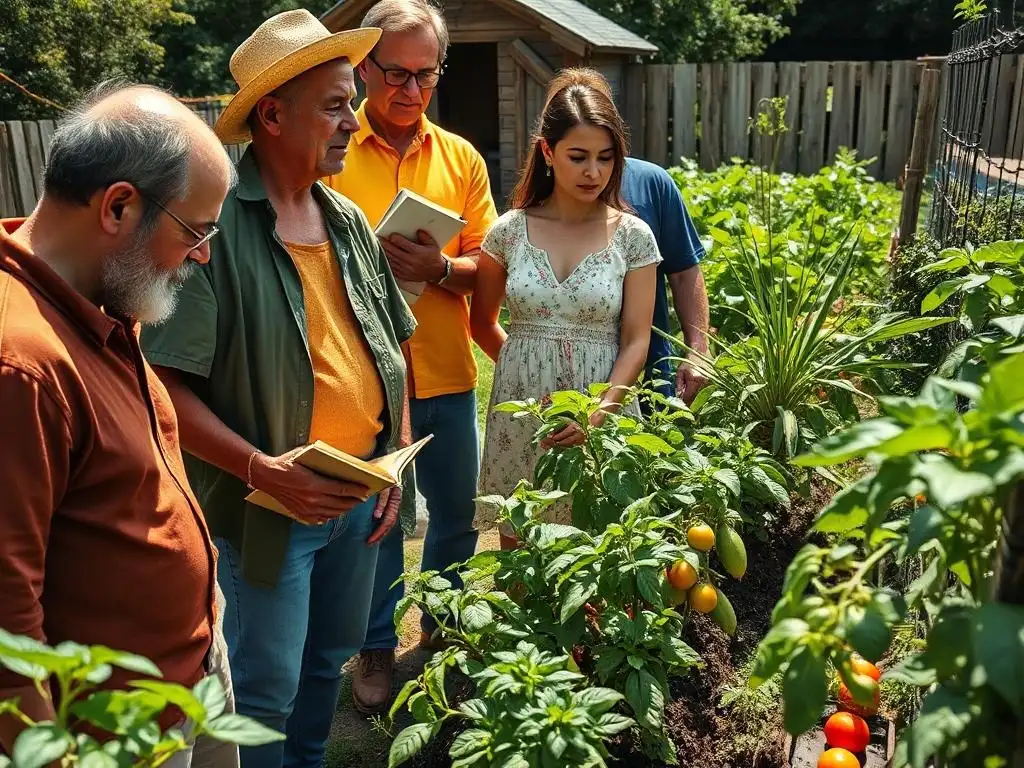
Sharing permaculture gardening resources effectively requires a robust and accessible knowledge base. This isn't just about sharing individual tips; it's about building a collective understanding and experience that benefits everyone involved. A truly sustainable system relies on the continuous learning and adaptation of its members. This section explores key components for developing such a knowledge base within your permaculture community. The strength of a permaculture community lies in its shared wisdom and collective resilience.
Documenting Local Permaculture Successes and Challenges
One of the most valuable resources for a budding permaculture community is the documented experience of its members. This means going beyond simple anecdotal evidence and creating a structured system for recording successes, failures, and lessons learned. Consider using a shared online platform or even a physical notebook where individuals can detail their gardening projects.
This documentation should include specific details:
- Plant species: Precise names (e.g., Solanum lycopersicum 'Brandywine') are crucial for reproducibility.
- Planting dates: Record the exact dates of planting and harvesting.
- Soil conditions: Note soil type, pH, and any amendments used.
- Watering techniques: Detail watering frequency, methods (drip irrigation, hand watering), and water source.
- Pest and disease management: Record any pest or disease outbreaks, the methods used to control them (organic methods are preferred! ), and their effectiveness.
- Yields: Quantify the harvest to track productivity over time. This allows for comparison between different techniques and varieties.
For example, one member might document a successful experiment with companion planting basil and tomatoes, noting increased tomato yield and reduced pest infestation. Another might detail the challenges faced with growing a specific type of squash in a particular microclimate, providing valuable insights for others. This shared knowledge allows the community to learn from each other's experiences, accelerating the learning curve and reducing potential setbacks. The more detailed the records, the more valuable they become for future planning and problem-solving. Think of it as a collective permaculture gardening journal, evolving constantly.
A centralized online resource library can significantly enhance the accessibility and longevity of your community's knowledge. This library could be as simple as a shared Google Drive folder or a more sophisticated platform dedicated to permaculture information sharing. The key is to make the resources easily searchable and organized.
The library could contain:
- PDFs of research articles and books: Providing access to relevant scientific literature enhances the credibility and depth of your community's knowledge.
- Videos and tutorials: Visual aids can be extremely effective in teaching permaculture techniques.
- Photographs and diagrams: Illustrative material can greatly improve understanding.
- Spreadsheet templates: Templates for tracking gardening data, composting progress, and other relevant metrics can streamline data management.
- Links to reliable online resources: Curated links to reputable permaculture websites and organizations can expand the scope of your library.
This digital resource hub fosters collaboration and allows members to contribute and access information anytime, anywhere. Regular updates and contributions ensure the library remains current and relevant, reflecting the evolving understanding of permaculture within your community. The goal is to create a dynamic, living library that grows and adapts with the community itself.
Organizing Workshops and Educational Events on Permaculture Practices
Hands-on learning is invaluable in permaculture. Organizing regular workshops and educational events allows for the practical application of the knowledge shared within the community. These events can take many forms:
- Seed starting workshops: Teach members how to start seeds indoors, fostering self-sufficiency and reducing reliance on external nurseries.
- Composting workshops: Demonstrate different composting methods and troubleshoot common problems.
- Pest control workshops: Share effective and environmentally friendly pest management strategies.
- Harvesting and preservation workshops: Teach techniques for preserving the harvest, reducing food waste, and extending the season's bounty.
- Guest speaker events: Invite experts to share their knowledge and inspire the community.
These events provide opportunities for direct interaction, mentorship, and skill-sharing, strengthening community bonds while enhancing practical permaculture skills. Regularly scheduled workshops provide a sense of continuity and encourage consistent engagement. Consider rotating topics to cater to diverse interests and skill levels within the community. The emphasis should be on creating a supportive and inclusive environment where everyone feels comfortable participating and contributing. The success of these workshops is directly linked to the strength and knowledge sharing within the community.
Building a Thriving Permaculture Community
This section explores practical strategies for building a strong and supportive permaculture community, focusing on sharing knowledge and resources to enhance individual gardening success and foster collective growth. Effective community building is crucial for the long-term sustainability and impact of permaculture practices. Sharing permaculture gardening resources is not just about exchanging seeds or tools; it's about cultivating a network of support, collaboration, and shared learning.
Organizing Regular Community Gatherings and Work Parties
Regular community gatherings are essential for fostering a sense of belonging and shared purpose. These events provide opportunities for knowledge exchange, skill-building, and social connection, strengthening the bonds within the permaculture community. Consider these suggestions for organizing effective gatherings:
- Themed Workshops: Organize workshops focused on specific permaculture techniques, such as seed saving, composting methods, or natural pest control. These could be led by experienced members or invited experts. For example, a workshop on "Building Raised Beds Using Recycled Materials" could attract participants eager to learn sustainable construction techniques.
- Skill-Sharing Sessions: Encourage members to share their unique skills and expertise. One gardener might excel at propagating herbs, while another is a master composter. Dedicated time for these skill-sharing sessions ensures that diverse knowledge is shared broadly.
- Community Work Parties (Swaps): Organize regular work parties focusing on tasks like weeding, harvesting, or building community infrastructure, like a shared compost area or tool shed. These collaborative events foster teamwork and build camaraderie, while simultaneously accomplishing essential gardening tasks. A "Seed Swap" event, where gardeners exchange seeds from their harvests, is a fun and productive way to share resources and genetic diversity.
- Frequency and Location: Aim for a balance between regular events (monthly or bimonthly) and occasional larger gatherings. Choose accessible locations that are convenient for most community members. A shared community garden or a member's spacious yard could be ideal.
- Socializing: Don't forget the importance of socializing! Include time for informal chats, sharing experiences, and building relationships. Potlucks or casual gatherings after work parties can strengthen community bonds.
Developing a Mentorship Program for New Permaculture Gardeners
A mentorship program is invaluable for nurturing new permaculture gardeners and ensuring the continued growth of the community. Experienced gardeners can guide newcomers, providing personalized support and accelerating their learning curve. Here's how to establish a successful mentorship program:
- Matching Mentors and Mentees: Carefully match experienced gardeners (mentors) with beginners (mentees) based on their interests and gardening experience. Consider using a simple online form or questionnaire to gather information about individual needs and preferences.
- Structured Guidance: Provide a framework for the mentorship, including regular check-ins, shared gardening tasks, and opportunities for observation and learning. A simple checklist of key permaculture principles and techniques could be helpful for both mentors and mentees.
- Diverse Mentorship Styles: Recognize that mentorship styles vary. Some mentors might prefer hands-on guidance, while others favor more independent learning. Flexibility and open communication are key to successful pairings.
- Ongoing Support: Provide ongoing support for both mentors and mentees, addressing any challenges or questions that may arise. Regular community meetings provide a platform for sharing successes and addressing difficulties collaboratively.
- Recognition and Appreciation: Acknowledge the contributions of mentors and celebrate the achievements of mentees. This positive reinforcement encourages continued participation and fosters a supportive community environment.
Celebrating successes, both big and small, is crucial for maintaining enthusiasm and motivation within the permaculture community. Sharing achievements, acknowledging challenges overcome, and fostering a culture of continuous learning ensures long-term engagement and growth.
- Harvest Festivals: Organize harvest festivals to celebrate the bounty of the community's collective efforts. These events provide opportunities for sharing food, recipes, and stories of gardening triumphs. A friendly competition for the "biggest pumpkin" or "most unique herb" could add a fun element.
- Progress Reports and Presentations: Encourage members to share their gardening progress through presentations, photo displays, or written reports. This public acknowledgment of individual and collective accomplishments fosters a sense of pride and shared achievement.
- Community Blogs and Newsletters: Establish a community blog or newsletter to share updates, gardening tips, and success stories. This platform allows members to stay connected and learn from each other's experiences, even when they can't attend every gathering.
- Workshops and Educational Events: Continuously offer workshops and educational events to deepen members' knowledge and skills. This ensures that the community remains dynamic and adaptable to new challenges and opportunities. Invite guest speakers or experts to introduce innovative permaculture techniques.
- Feedback and Evaluation: Regularly solicit feedback from community members to assess the effectiveness of the community's initiatives and identify areas for improvement. This iterative process ensures that the community remains responsive to the needs of its members and continues to thrive. Utilize surveys or informal feedback sessions to gather valuable insights.
Frequently Asked Questions
What is permaculture gardening?
Permaculture gardening is a sustainable approach to gardening that mimics natural ecosystems. It emphasizes designing systems that are productive, resilient, and self-regulating, minimizing human intervention. It focuses on working with nature, not against it.
Sharing resources can be done through various avenues, including online forums, local workshops, seed exchanges, and mentoring. You can also create content such as blog posts or videos to share your knowledge and experience. Collaborate with others in your community.
Valuable resources include practical guides, seed saving techniques, composting methods, pest control strategies, design plans, and personal experiences. Sharing local knowledge specific to your climate and region is particularly helpful.
You can find resources through online permaculture communities, books and articles, local permaculture groups, and educational institutions. Experienced permaculture practitioners are invaluable sources of information and practical advice.
Why is sharing permaculture gardening resources important?
Sharing resources fosters collaboration and knowledge dissemination, accelerating the adoption of sustainable practices. It builds a strong, resilient community capable of supporting each other and improving environmental sustainability. It helps spread best practices widely.
The principles of permaculture, far from being niche practices, offer a vital blueprint for navigating the complexities of our current ecological and social crises. Building resilient communities, fostering self-sufficiency, and regenerating our planet are no longer luxuries; they are necessities. The interconnectedness of these elements, explored throughout this article, highlights the urgent need for collaborative action.
The journey of sharing permaculture knowledge and resources is not merely about growing food; it's about cultivating a deeper connection with the land, with each other, and with the future. This shared endeavor fosters a sense of belonging and mutual support, vital for overcoming the challenges we face. As Wangari Maathai so eloquently stated, Planting a tree is more than just planting a tree. It is a symbol of hope, a symbol of faith in the future.
This resonates deeply with the spirit of permaculture, extending beyond the garden to encompass a holistic approach to life.
Consider the seeds of knowledge you've sown today. What small step can you take to further the permaculture movement? Will you share a technique with a neighbor? Will you dedicate a corner of your yard to a thriving ecosystem? Will you join a local permaculture group? The future of our planet, and the well-being of our communities, depends on our collective commitment to sustainable practices. Let's cultivate a future where sharing resources and knowledge is not just a practice, but a way of life.
Unleash Your Inner Gardener: Cultivate a Thriving Permaculture Community
Thank you for exploring the world of permaculture with us! We hope you gained valuable insights into building a thriving and resilient community. Now, let's put that knowledge into practice.
- Start a permaculture project at home: Even a small raised bed or a few fruit trees can make a significant difference. Consider what small changes you can implement today.
- Share this article: Let's inspire others to join this sustainable movement. Share it with friends who appreciate sustainable living.
- Document your permaculture journey: Keep a journal, start a blog, or create a photo log to track your progress and share your experiences. This will be a valuable resource for you and others interested in permaculture.
What small step will you take today to build a more sustainable and interconnected world?