
Storing Freshly Harvested Peppers: Tips for Extending Shelf Life

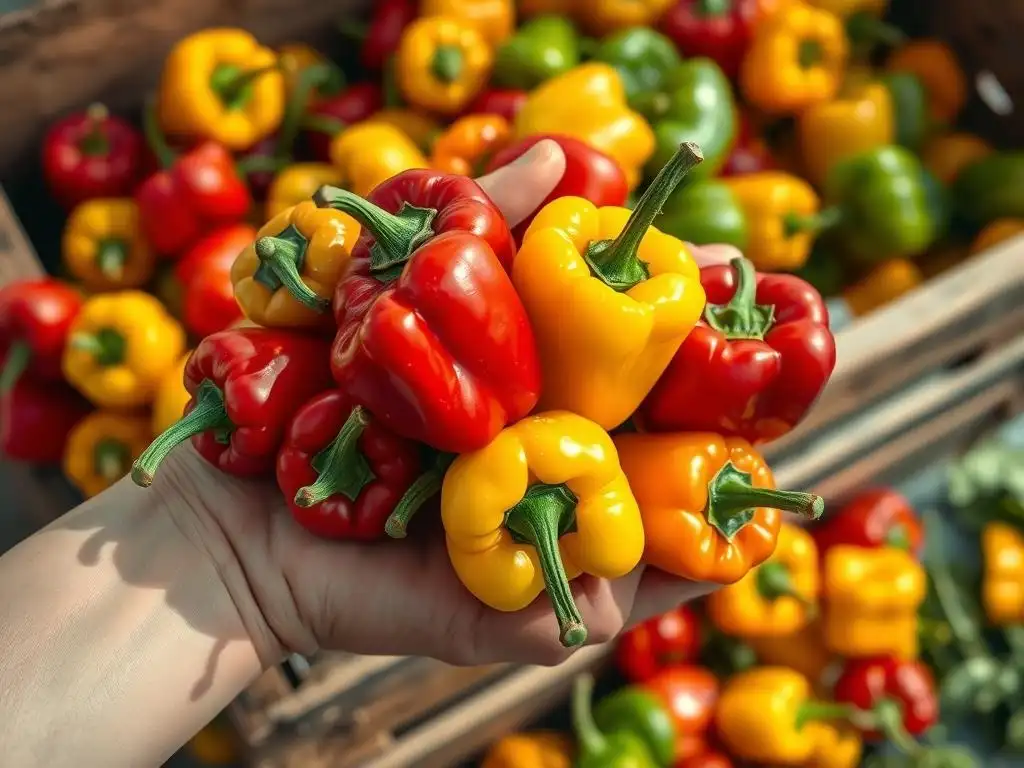
Ready to unlock the secrets to a bountiful harvest and enjoy the fruits (and vegetables!) of your labor for longer? At CultivateYourFood, we're passionate about helping you grow your own organic produce. This website is your guide to sustainable gardening, from seed to table. But what happens after you've harvested those vibrant peppers? Learn how to store harvested peppers longer and keep that delicious flavor locked in – discover the surprising techniques inside!
- Understanding Pepper Ripening and Harvesting for Optimal Storage
- Proper Cleaning and Preparation for Storage
-
Methods for Storing Harvested Peppers: Extending Freshness
- Storing Peppers at Room Temperature: Short-Term Preservation
- Refrigerating Peppers: Maintaining Freshness for Longer
- Freezing Peppers: A Guide to Long-Term Storage of Peppers
- Using a Root Cellar for Pepper Storage: A Traditional Approach
- Dehydrating Peppers: Preserving Flavor and Extending Shelf Life
- Preventing Spoilage and Maintaining Quality
- Creative Ways to Use Stored Peppers
- Troubleshooting Common Storage Problems
- Frequently Asked Questions
- Final Reflection: Preserving the Harvest, Preserving Our Future
- Unlock Your Pepper's Potential: Extend the Harvest!
Understanding Pepper Ripening and Harvesting for Optimal Storage
Storing harvested peppers longer is a common goal for home gardeners eager to enjoy the fruits (or vegetables!) of their labor for as long as possible. This guide delves into the crucial aspects of pepper cultivation that directly impact their post-harvest lifespan. From understanding the ideal ripening stage for optimal storage to employing gentle harvesting techniques, we'll equip you with the knowledge to keep your peppers fresh and flavorful for weeks to come.
Proper handling begins long before you even think about putting them in the fridge; it starts with understanding the pepper plant's lifecycle and recognizing the optimal time for harvest. We’ll explore the critical link between harvesting practices and the ultimate shelf life of your peppers, ensuring you maximize the rewards of your gardening efforts. Let's get started on learning how to store harvested peppers longer!
Harvesting Peppers at the Right Time: Impact on Shelf Life
The timing of your pepper harvest significantly impacts how long they'll remain fresh. Harvesting too early results in underdeveloped peppers with shorter shelf lives, while harvesting too late can lead to overripe, easily bruised peppers prone to spoilage. The ideal time is when the peppers have reached their mature size and color, but are still firm to the touch. This varies slightly depending on the pepper variety; some sweet peppers may be best harvested when fully colored, while some hot peppers may be harvested slightly earlier for a milder flavor profile.
Consider these factors:
- Variety: Different pepper varieties have different maturation times and optimal harvest stages. Research the specific needs of your chosen pepper type.
- Color: The color of the pepper is a crucial indicator of ripeness. Refer to seed packet information or online resources for the expected color at maturity for your specific variety.
- Firmness: A ripe pepper should be firm and plump, without any soft spots or blemishes. Avoid harvesting peppers that are overly soft or wrinkled.
- Aroma: Some pepper varieties develop a distinct aroma when they reach peak ripeness. Use your senses to gauge maturity.
Ignoring these factors can drastically reduce the time you can store harvested peppers longer. Careful observation and understanding of your pepper plants are key to success.
Identifying the Perfect Ripeness for Extended Storage
Determining the perfect ripeness for extended storage requires a keen eye and a gentle touch. While fully mature peppers generally store better, overripe peppers are more susceptible to damage and decay. The sweet spot lies in harvesting peppers that are just at the peak of their ripeness, exhibiting their characteristic color and firmness.
Here's a simple guide:
| Pepper Type | Color at Optimal Ripeness | Texture | Additional Notes |
|---|---|---|---|
| Bell Peppers | Deep red, green, yellow, or orange (depending on variety) | Firm, smooth | Avoid peppers with blemishes or soft spots. |
| Jalapeños | Deep green to red (depending on variety) | Firm, slightly glossy | Harvest when fully colored, but still firm. |
| Serrano Peppers | Bright green to red (depending on variety) | Firm, slightly glossy | Similar to jalapeños, firm is key for storage. |
| Habaneros | Orange, red, or yellow (depending on variety) | Firm, slightly glossy | Harvest just before they become overly soft. |
Remember, a slightly underripe pepper will often ripen further after harvest, but an overripe pepper will only deteriorate faster. The goal is to hit that sweet spot of optimal ripeness for maximum storage life.
Gentle Harvesting Techniques to Prevent Damage
Even the most perfectly ripe peppers will have a shortened shelf life if damaged during harvesting. Employing gentle harvesting techniques is crucial to preserving their integrity and extending their storage potential. Avoid yanking or pulling the peppers; this can cause bruising or tearing.
Follow these steps for a gentle harvest:
- Use sharp, clean tools: Use clean pruning shears or a sharp knife to cleanly cut the pepper from the stem, leaving a small portion of the stem attached.
- Avoid bruising: Handle the peppers gently, avoiding squeezing or dropping them.
- Separate peppers carefully: Place harvested peppers in a clean container, separating them to prevent bruising from contact with each other.
- Pre-cooling: For optimal storage, pre-cool harvested peppers immediately after harvesting by placing them in a cool, shaded area for a short period before refrigeration. This helps to slow down respiration and extend their shelf life.
By following these simple steps, you can significantly reduce the risk of damaging your peppers and maximize their storage time. Remember, a little extra care during harvest goes a long way in ensuring you can store harvested peppers longer and enjoy their flavor for weeks to come!
Proper Cleaning and Preparation for Storage
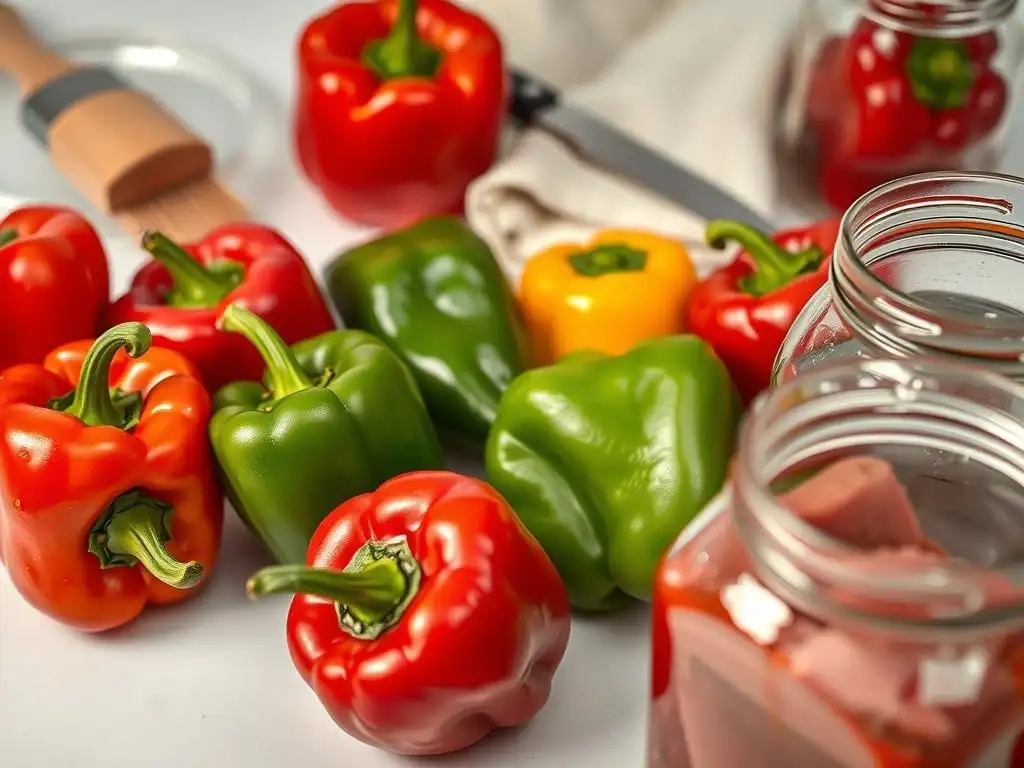
Proper cleaning and preparation are crucial steps in extending the shelf life of your harvested peppers. Neglecting these initial stages can significantly reduce storage time, leading to premature spoilage and wasted produce. Think of it as prepping your peppers for a long, healthy "nap" before they grace your next culinary creation. The goal is to remove any potential contaminants and damaged areas that could accelerate decay. This process is vital for achieving optimal results when you store harvested peppers longer.
Washing and Drying Peppers for Long-Term Preservation
Thorough washing is the first line of defense against bacteria and fungi that can shorten the storage life of your peppers. Begin by gently rinsing your peppers under cool, running water. Avoid using harsh detergents or soaps, as these can leave residues that affect the flavor and potentially harm your health. A soft vegetable brush can be helpful for removing stubborn dirt or debris from the pepper's surface. Pay particular attention to crevices and folds where contaminants may accumulate.
Once washed, the drying process is equally important. Excess moisture creates a breeding ground for mold and bacteria. Pat the peppers gently dry with a clean, absorbent cloth or paper towels. Avoid rough handling, as this can bruise the peppers and hasten their deterioration.
Alternatively, you can carefully arrange the washed peppers on a clean, wire rack or a single layer on a clean kitchen towel in a well-ventilated area to air dry completely. Complete drying is essential for preventing spoilage and ensuring your peppers store harvested peppers longer. Proper drying is a key component of successfully storing your peppers for an extended period. Remember, even a small amount of residual moisture can significantly impact their longevity.
Removing Stems and Removing Damaged Areas
Removing the stems is a critical step in preserving the peppers. The stem is a common entry point for bacteria and fungi. Use a sharp knife to carefully cut away the stem, ensuring a clean, even cut to minimize damage to the pepper itself. Discard the stems immediately to prevent cross-contamination.
Inspect each pepper carefully for any signs of damage, such as bruises, cuts, or blemishes. Even small imperfections can serve as entry points for decay. Use a sharp knife to carefully cut away any damaged areas. If the damage is extensive, it’s best to use that pepper immediately rather than attempting to store it.
Remember, the goal is to preserve only the healthiest parts of your harvest to maximize your chances of successfully storing harvested peppers longer. Removing these compromised areas reduces the risk of rapid spoilage, ensuring the remaining peppers maintain their quality for a longer duration. This meticulous selection and preparation significantly contribute to the success of your pepper preservation efforts.
| Step | Description | Importance |
|---|---|---|
| Washing | Rinse peppers under cool running water, using a soft brush if needed. | Removes dirt, debris, and surface contaminants that can cause spoilage. |
| Drying | Pat dry with a clean cloth or air dry on a rack. | Prevents mold and bacterial growth due to excess moisture. |
| Stem Removal | Carefully cut away the stem with a sharp knife. | Removes a common entry point for bacteria and fungi. |
| Damage Removal | Cut away any bruised, cut, or blemished areas. | Prevents the spread of decay from damaged areas to the rest of the pepper. |
| Storage Selection | Choose only undamaged, firm peppers for storage. | Only the healthiest peppers will store well. |
This careful approach to cleaning and preparation significantly improves your chances of successfully storing your harvest and enjoying fresh, flavorful peppers for weeks to come. Remember, the key to maximizing storage time is meticulous attention to detail at every stage. By following these steps, you'll be well on your way to storing harvested peppers longer.
Methods for Storing Harvested Peppers: Extending Freshness
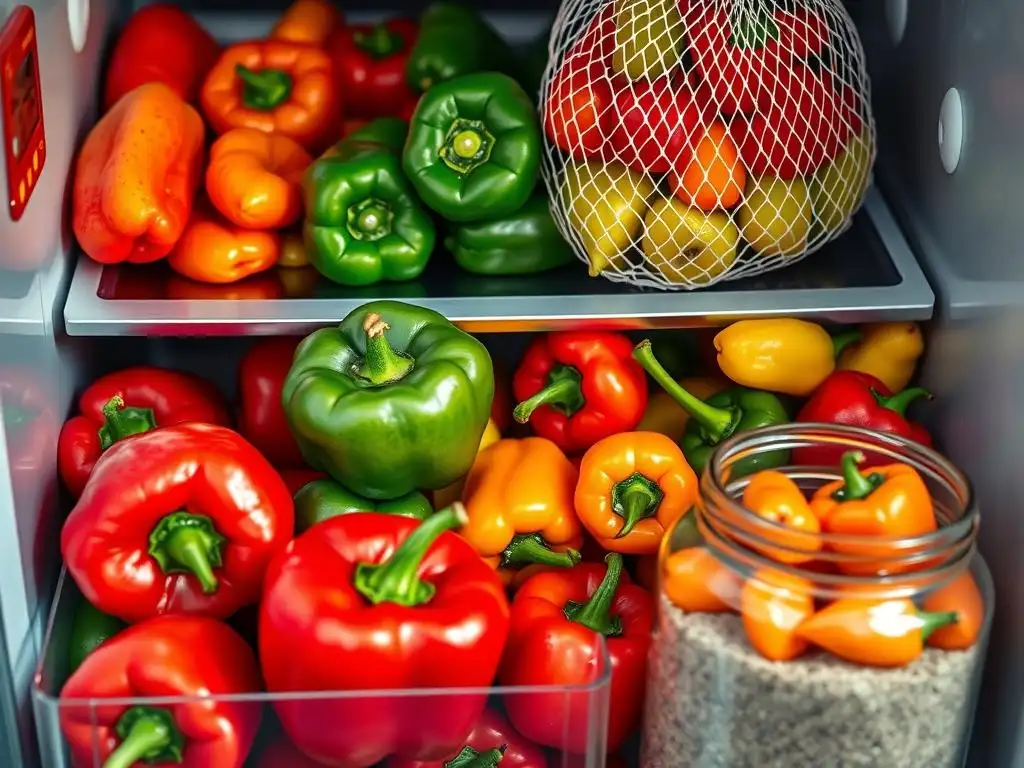
This section details various methods for storing harvested peppers, focusing on maximizing their shelf life and preserving their flavor and quality. Proper storage significantly impacts the longevity of your pepper harvest, allowing you to enjoy the fruits (or should we say, vegetables!) of your labor for weeks, even months, depending on the method employed. We'll explore techniques ranging from simple room temperature storage to more involved freezing methods, helping you to effectively store harvested peppers longer.
Storing Peppers at Room Temperature: Short-Term Preservation
Room temperature storage is ideal for peppers harvested in peak condition, intended for immediate consumption within a few days. This method is best suited for peppers that are firm, undamaged, and completely dry. Avoid storing peppers with any blemishes or signs of bruising, as these areas are prone to rapid spoilage.
The optimal environment involves a cool, dark, and well-ventilated space. Avoid direct sunlight, which can accelerate ripening and lead to wilting. A pantry or cupboard away from heat sources is suitable. Proper airflow is crucial to prevent the buildup of moisture, which fosters fungal growth and decay.
Keep the peppers spread out in a single layer on a paper towel or a mesh bag to enhance air circulation. Avoid piling them on top of each other, as this can lead to bruising and faster deterioration. This method typically extends the shelf life of peppers for 2-4 days, depending on the variety and ambient temperature. Remember to check regularly for signs of spoilage, such as softening, discoloration, or mold.
Refrigerating Peppers: Maintaining Freshness for Longer
Refrigeration significantly extends the shelf life of harvested peppers compared to room temperature storage. This method is suitable for a wider range of pepper types and conditions, allowing you to enjoy your harvest for up to 2 weeks, or even longer for some varieties.
Before refrigerating, gently clean the peppers, removing any visible dirt or debris. Avoid washing them thoroughly, as excess moisture can contribute to spoilage. Pat them dry with a clean paper towel. Then, store them in a perforated plastic bag or a loosely sealed container to allow for proper air circulation. Overly tight sealing can trap moisture and lead to accelerated decay.
Place the peppers in the crisper drawer of your refrigerator, where the temperature and humidity are better regulated. This drawer typically maintains a slightly higher humidity level compared to other areas of the refrigerator, helping to prevent the peppers from drying out too quickly. Regularly check for any signs of spoilage and discard any peppers showing signs of deterioration. Proper refrigeration is key to successfully store harvested peppers longer.
Freezing Peppers: A Guide to Long-Term Storage of Peppers
Freezing is the most effective method for long-term preservation of harvested peppers. This technique allows you to enjoy the flavors of your harvest for several months, extending the benefits of your gardening efforts well beyond the growing season.
Freezing peppers involves blanching them briefly in boiling water to deactivate enzymes that cause degradation during freezing. This step significantly improves the quality and texture of the peppers upon thawing. Blanch for 1-2 minutes depending on the size and thickness of the peppers. Immediately plunge them into ice water to stop the cooking process.
After blanching, thoroughly dry the peppers. You can then freeze them whole, sliced, or chopped, depending on your intended use. Pack them into freezer-safe bags or containers, removing as much air as possible to minimize freezer burn. Proper labeling with the date of freezing is crucial for optimal quality control.
Frozen peppers can be stored for up to 12 months, maintaining their flavor and nutritional value. However, remember that the texture might change slightly upon thawing. Frozen peppers are best used in cooked dishes, sauces, or stews, where textural changes are less noticeable. This approach offers an excellent strategy to store harvested peppers longer and enjoy their bounty throughout the year. 🌶️
Using a Root Cellar for Pepper Storage: A Traditional Approach
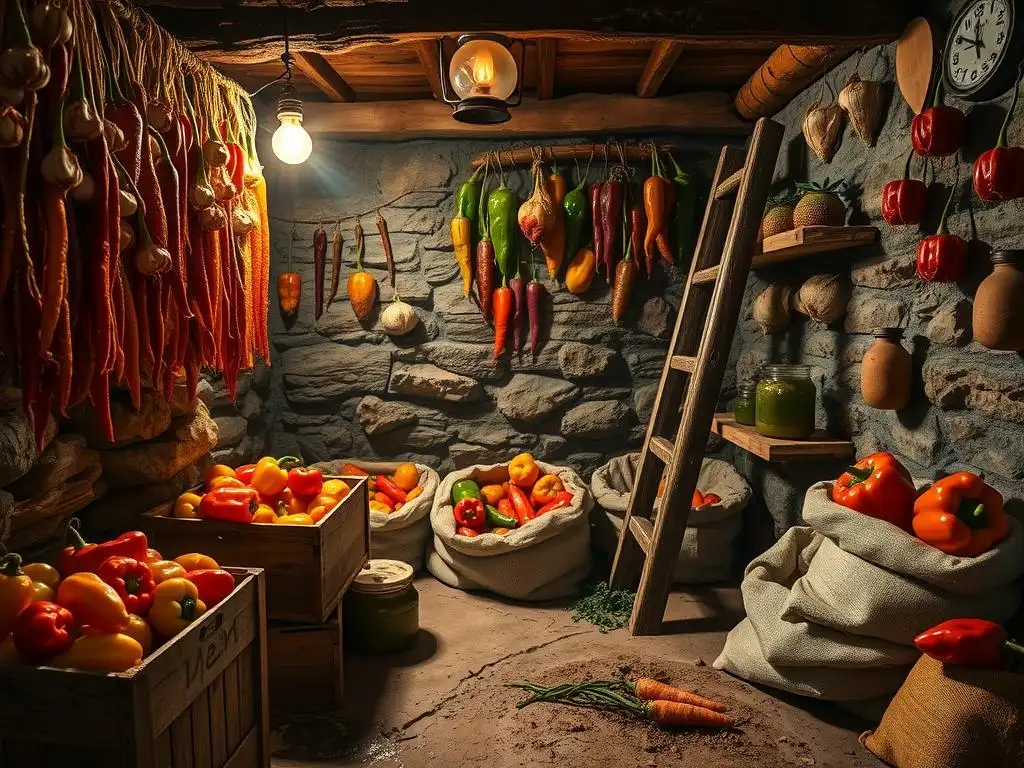
Root cellars, with their consistently cool and humid environments, offer an excellent method for storing harvested peppers and extending their shelf life significantly. The ideal temperature range for pepper storage in a root cellar is between 35°F and 40°F (1.7°C and 4.4°C), with humidity levels around 80-90%. These conditions slow down the peppers' metabolic processes, preventing spoilage and preserving their flavor and texture for a considerably longer period than at room temperature. Proper preparation is key.
Before storing, carefully inspect each pepper for any signs of damage, bruising, or disease. Discard any peppers exhibiting these issues to prevent the spread of rot to the rest of your harvest. Gently clean the peppers with a damp cloth, ensuring they are free of soil and debris. Avoid washing them thoroughly, as excess moisture can promote fungal growth.
Once cleaned, peppers should be stored in single layers in baskets, wooden crates, or on shelves to ensure good air circulation. Overcrowding can lead to increased moisture and the development of mold. Spacing your peppers appropriately is crucial for maintaining optimal storage conditions and preventing premature decay.
Regularly check your stored peppers for any signs of spoilage. Remove any decaying peppers promptly to prevent the spread of rot to healthy ones. With proper care, a root cellar can extend the storage life of your peppers for several months, providing you with fresh peppers well into the colder months.
This traditional method offers a sustainable and effective way to store harvested peppers longer, minimizing waste and maximizing the enjoyment of your homegrown harvest. Remember to monitor the temperature and humidity levels in your root cellar regularly, adjusting ventilation as needed to maintain the ideal storage conditions. This vigilance will ensure the longevity and quality of your pepper storage.
Dehydrating Peppers: Preserving Flavor and Extending Shelf Life
Dehydrating peppers is a fantastic method to extend their shelf life dramatically, sometimes for up to a year or more, while preserving much of their original flavor. This technique significantly reduces the moisture content, inhibiting the growth of spoilage microorganisms. To dehydrate peppers effectively, start by selecting firm, ripe peppers without blemishes. Wash them gently and thoroughly, then slice them into thin, even pieces. Thicker slices will take longer to dry and may not dehydrate completely, increasing the risk of spoilage. For particularly hot peppers, consider wearing gloves to protect your skin from irritation.
The drying process can be accomplished using several methods. You can utilize a food dehydrator, which offers precise temperature control and consistent airflow. Alternatively, you can air-dry the peppers, placing them on a clean, well-ventilated surface, ideally in a dark, warm, and dry area. This method requires more time and careful monitoring to prevent mold or insect infestation. Regardless of the method chosen, it's crucial to ensure that the peppers are thoroughly dried. They should be brittle and easily crumble when squeezed.
Once dehydrated, store the peppers in airtight containers in a cool, dark, and dry place. Mason jars or vacuum-sealed bags work exceptionally well. Proper storage prevents moisture absorption, which can lead to mold growth and spoilage.
Dehydrated peppers retain their intense flavor and can be rehydrated for use in various culinary applications, making them a versatile and long-lasting addition to your pantry. This method offers a sustainable and effective way to "store harvested peppers longer," allowing you to enjoy the fruits of your labor throughout the year. Remember to always prioritize cleanliness throughout the entire process to prevent contamination and ensure the longevity of your dehydrated peppers.
Preventing Spoilage and Maintaining Quality
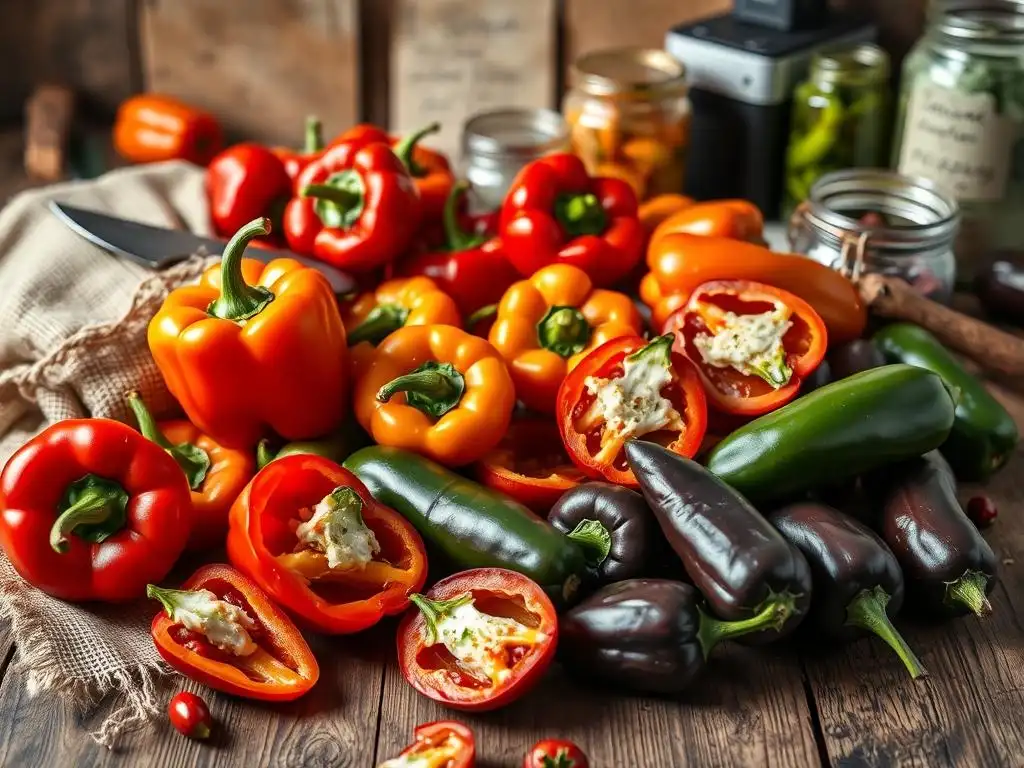
Preserving the freshness and quality of your freshly harvested peppers is key to enjoying their vibrant flavors and nutritional benefits for as long as possible. Understanding the factors that contribute to spoilage and implementing preventative measures is crucial for maximizing the shelf life of your peppers. This section will explore essential techniques to keep your peppers at their peak condition, helping you effectively store harvested peppers longer.
Identifying Signs of Spoilage in Stored Peppers
Recognizing the early signs of spoilage is vital to prevent widespread decay within your pepper stash. Look out for these key indicators:
- Soft Spots: A soft or mushy texture, especially near the stem, is a clear indication of spoilage. These areas are often accompanied by discoloration.
- Discoloration: Changes in color, such as browning, blackening, or significant loss of vibrancy, signal deterioration. This can start in small areas and gradually spread.
- Wrinkling: Wrinkling or shriveling indicates moisture loss and the beginning of the pepper's degradation.
- Mold Growth: The appearance of fuzzy or powdery growths, typically white, gray, or green, is a sign of fungal infection and should be addressed immediately. Discard any affected peppers.
- Unpleasant Odor: A sour or foul smell is an unmistakable sign of significant spoilage. Do not consume peppers with this characteristic.
Consider this example: you harvested a batch of bell peppers, vibrant green and firm. After a week, you notice a few peppers have developed slightly soft spots near the stems and a subtle browning. This signals the need for immediate action, such as removing the affected peppers and checking the storage conditions. Early detection prevents the spoilage from spreading to the rest of your harvest. Proper storage techniques, detailed in the following sections, significantly reduce the likelihood of these issues.
Proper Ventilation to Prevent Mold Growth
Adequate airflow is paramount to prevent the growth of mold and other microorganisms that thrive in humid environments. Mold spores are ubiquitous, and peppers stored in poorly ventilated containers are at a high risk of spoilage. To ensure proper ventilation:
- Avoid airtight containers: While seemingly protective, airtight containers trap moisture, leading to condensation and mold growth. Opt for containers with small ventilation holes or loosely woven baskets.
- Space peppers appropriately: Don't overcrowd your storage container. Allow ample space between peppers to facilitate air circulation and prevent moisture buildup.
- Use breathable materials: Consider storing your peppers in paper bags or mesh bags, which allow for better air circulation compared to plastic bags.
Remember, preventing mold is about creating an environment less favorable for its growth. Even small changes in storage practices can significantly extend the lifespan of your peppers. For example, a simple switch from a plastic bag to a paper bag can make a substantial difference. This approach aligns with sustainable practices, minimizing waste and maximizing the use of your harvest.
Maintaining Optimal Temperature and Humidity Levels
Temperature and humidity are crucial factors in determining the shelf life of stored peppers. Maintaining ideal conditions significantly impacts the peppers' texture, flavor, and overall quality, allowing you to store harvested peppers longer. Here's how to optimize these conditions:
- Cool, dark place: Store your peppers in a cool, dark, and dry location, ideally between 50°F and 70°F (10°C and 21°C). Avoid direct sunlight, which can accelerate spoilage.
- Avoid temperature fluctuations: Consistent temperatures are vital. Avoid storing peppers near heat sources or in areas prone to temperature fluctuations.
- Moderate humidity: High humidity promotes mold growth, while low humidity leads to dehydration and shriveling. Aim for moderate humidity levels, avoiding excessively dry or damp environments. A slightly humid environment is generally preferred for peppers, maintaining a balance between moisture retention and mold prevention.
By carefully controlling temperature and humidity levels, you can significantly extend the shelf life of your peppers while maintaining their quality. Think of it as creating a microclimate tailored to their needs. This precise approach is crucial for those aiming to maximize the bounty of their homegrown pepper harvest. Consistent, optimal conditions will reward you with fresher, tastier peppers for much longer.
Creative Ways to Use Stored Peppers
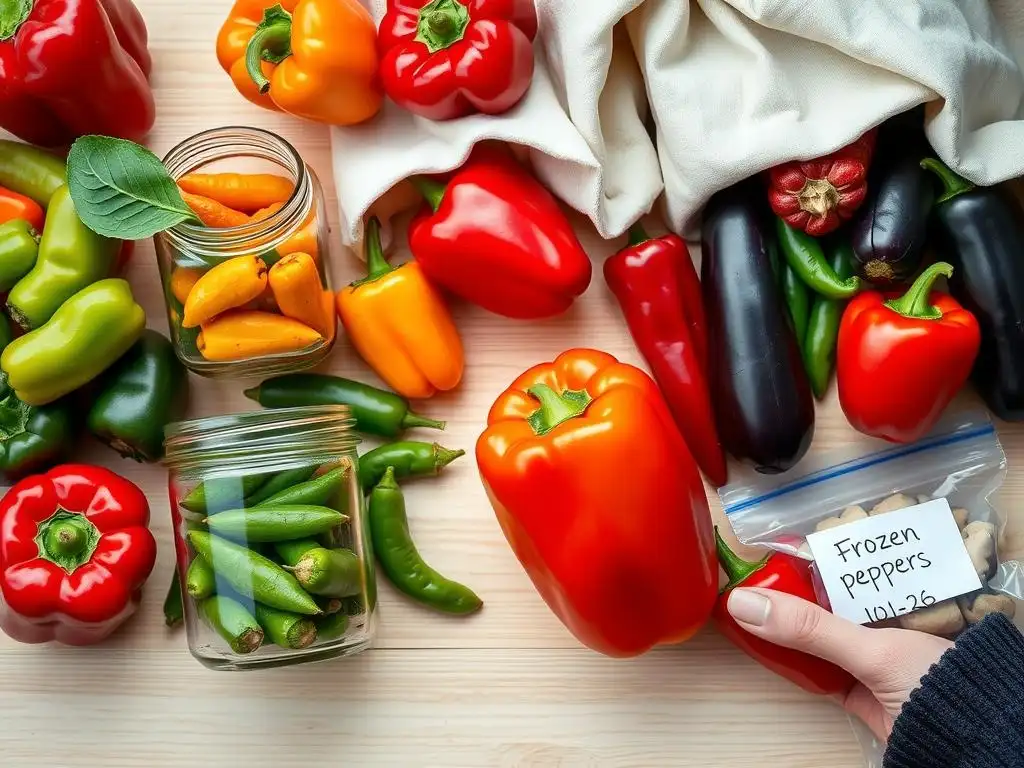
This section explores inventive methods to utilize your stored peppers, maximizing their flavor and minimizing waste. Proper storage techniques, as discussed in previous sections, significantly extend the shelf life of your harvested peppers, allowing you to enjoy them in a variety of ways beyond immediate consumption. Let's delve into some creative applications for your bountiful pepper harvest.
Remember, even slightly overripe peppers can be transformed into delicious culinary creations. The key is to understand the characteristics of your peppers and adapt your usage accordingly. For example, slightly wrinkled bell peppers might be perfect for roasting, while those with blemishes might be ideal for sauces or purees.
Recipes for Preserved Peppers: Utilizing Stored Produce
Preserving peppers extends their usability significantly, allowing you to enjoy the flavors of your summer harvest well into the colder months. Here are a few popular methods:
- Pickled Peppers: Pickling is a classic preservation method that infuses peppers with tangy, flavorful brine. The process involves submerging clean peppers in a vinegar-based solution with spices like garlic, dill, and peppercorns. Pickled peppers add a delightful crunch and zest to sandwiches, salads, and charcuterie boards. Different pepper varieties lend themselves to unique pickled flavors; jalapeños offer a fiery kick, while sweet bell peppers provide a milder, sweeter taste.
- Roasted Peppers: Roasting mellows the flavor of peppers and brings out their natural sweetness. Simply toss peppers with olive oil, salt, and pepper, then roast them in a hot oven until the skin is blistered and charred. Roasted peppers can be added to pasta dishes, pizzas, or enjoyed as a simple side dish. The roasted peppers can also be pureed into a vibrant sauce or spread.
- Pepper Jelly: Pepper jelly is a sweet and spicy spread perfect for pairing with cheeses, crackers, or meats. This recipe typically combines cooked peppers with sugar, pectin, and vinegar to create a thick, flavorful jelly. The level of spiciness can be adjusted by using different pepper types and quantities.
- Fermented Peppers: Fermenting peppers creates a tangy, probiotic-rich condiment. This process involves submerging peppers in a saltwater solution, allowing beneficial bacteria to develop and preserve the peppers. Fermented peppers add a unique depth of flavor to many dishes. The fermentation process also helps to preserve the nutritional value of the peppers.
Innovative Uses for Overripe Peppers
Don't discard those slightly overripe peppers! They can still be incredibly useful in the kitchen. Their slightly softer texture makes them ideal for certain applications.
- Pepper Puree/Sauce: Overripe peppers are perfect for making sauces and purees. Simply blend them with other ingredients like onions, garlic, and herbs to create a flavorful base for soups, stews, or pasta sauces. The sweetness of the overripe peppers will add depth to the sauce. This is a great way to use up a variety of slightly imperfect peppers.
- Homemade Hot Sauce: Overripe peppers, especially hot varieties, are a great base for homemade hot sauce. Their increased softness makes blending easier, and their intense flavor contributes to a robust hot sauce. Experiment with different pepper combinations to create your unique blend. Remember to handle hot peppers with care, using gloves to prevent skin irritation.
- Compost: If your peppers are truly beyond use, add them to your compost pile. They will break down and enrich your soil, providing valuable nutrients for your future pepper plants. This is a sustainable way to minimize food waste and improve the health of your garden. This is a great way to complete the cycle of growing your own food.
Remember to always practice safe food handling techniques when working with peppers, especially hot varieties. Enjoy experimenting with these creative ideas to make the most of your stored pepper harvest! Storing harvested peppers longer doesn't just mean preservation; it means unlocking a world of culinary possibilities.
Troubleshooting Common Storage Problems
This section addresses common issues encountered when storing freshly harvested peppers and offers practical solutions to maximize their shelf life and maintain their quality. Proper storage techniques, while crucial, aren't foolproof. Understanding and addressing potential problems proactively is key to enjoying your harvest for longer. Let's explore some of the most frequently reported challenges and how to overcome them. Successfully storing harvested peppers longer hinges on careful attention to detail.
Dealing with Early Spoilage: Identifying and Solving Issues
Early spoilage in peppers is often a sign of improper handling or storage conditions. Several factors contribute to this problem, including:
- Improper Harvesting: Harvesting peppers at the wrong stage of ripeness can significantly impact their shelf life. Picking peppers too early or too late reduces their natural defenses against spoilage. Aim for harvesting peppers at their peak ripeness, as indicated by their characteristic color and firmness.
- Contamination: Bacteria and fungi are major culprits. Even a small amount of soil or debris left on the peppers can accelerate decay. Thoroughly cleaning peppers before storage is essential. A gentle rinse under cool water is usually sufficient; avoid scrubbing aggressively.
- High Humidity: Excessive moisture creates a breeding ground for microorganisms, leading to rapid spoilage. Ensure proper air circulation around stored peppers to prevent the build-up of humidity. This can involve using well-ventilated containers or employing appropriate drying techniques.
- Temperature Fluctuations: Extreme temperature changes disrupt the delicate cellular structure of the peppers, causing them to deteriorate faster. Maintaining a consistent temperature within the ideal range is crucial for extending shelf life.
Addressing these issues requires a multi-pronged approach:
- Careful Selection: Choose only healthy, firm peppers free from blemishes or damage for storage. Discard any peppers showing signs of decay or bruising.
- Thorough Cleaning: Gently wash the peppers under cool running water, removing any dirt or debris. Pat them dry with a clean cloth or paper towel before storage.
- Optimal Storage Environment: Maintain a cool, dry, and well-ventilated environment for storage. Ideal temperatures range from 45-50°F (7-10°C).
- Proper Containers: Use breathable containers like paper bags or mesh bags to allow for air circulation, preventing moisture buildup. Avoid airtight containers that can trap moisture and accelerate spoilage. Consider using a refrigerator for longer storage.
By addressing these points, you can significantly reduce the incidence of early spoilage and enjoy your peppers for a longer period. Remember, prevention is key!
Preventing Pepper Wrinkling and Wilting
Wrinkling and wilting are common problems, often indicating moisture loss. This can be attributed to several factors:
- Dehydration: Peppers, like other produce, lose moisture over time. This loss leads to wilting and wrinkling, affecting both their appearance and taste.
- Improper Storage: Storing peppers in unsuitable conditions, such as excessively dry environments or poorly ventilated containers, accelerates dehydration.
- Exposure to Ethylene Gas: Ethylene gas, a natural plant hormone, accelerates ripening and senescence (aging). Storing peppers near ethylene-producing fruits and vegetables can hasten wilting.
Here's how to prevent or minimize wrinkling and wilting:
- High Humidity Storage: While avoiding excessive humidity is crucial to prevent spoilage, maintaining a certain level of humidity is vital to prevent dehydration. Consider using a slightly damp paper towel inside the storage container.
- Proper Temperature Control: Maintaining a consistent, cool temperature is essential for slowing down moisture loss.
- Avoid Ethylene Sources: Keep peppers away from ethylene-producing fruits and vegetables like apples, bananas, and tomatoes.
- Short-Term Storage: For short-term storage (a few days), leaving peppers unwashed on the counter in a cool, dark place might work. For longer storage, refrigeration is recommended.
- Consider blanching (for freezing): Blanching peppers before freezing helps to retain their texture and prevent wilting upon thawing.
By carefully managing humidity, temperature, and minimizing exposure to ethylene, you can significantly reduce wrinkling and wilting, ensuring your peppers remain fresh and vibrant for longer. Remember, consistent attention to storage conditions is key to success in storing harvested peppers longer.
Frequently Asked Questions
How can I store harvested peppers to keep them fresh longer?
The best way to store harvested peppers is in a cool, dark, and dry place. Avoid storing them in the refrigerator unless they are already ripe and ready to eat, as this can slow ripening and lead to spoilage.
What's the ideal temperature for storing peppers?
The ideal temperature range is between 50-55°F (10-13°C). Temperatures above this can lead to faster spoilage, while temperatures below can damage the peppers.
Can I store peppers in the refrigerator?
While refrigeration can slow down spoilage, it's generally better for ripe peppers already intended for immediate use. Unripe peppers stored in the fridge may not ripen properly.
How can I tell if my stored peppers are going bad?
Look for signs of wrinkling, discoloration, or soft spots. Any strong, unpleasant odor is also an indication that your peppers have gone bad and should be discarded.
What's the best way to store different types of peppers?
Generally, the storage methods are similar for most types. However, larger peppers like bell peppers might benefit from being stored individually to prevent bruising, while smaller peppers can be stored in bunches.
Final Reflection: Preserving the Harvest, Preserving Our Future
The vibrant colors and intense flavors of freshly harvested peppers are a fleeting joy, easily lost to spoilage if not properly handled. But understanding the simple techniques outlined in this article—from proper harvesting to optimal storage conditions—can significantly extend the lifespan of these culinary treasures, ensuring we can savor their taste for weeks to come. This isn't just about extending the shelf life of peppers; it's about minimizing food waste and maximizing the value of our harvests.
The impact of food preservation techniques, like those discussed here, extends far beyond the individual kitchen. It speaks to a larger conversation about sustainability, resource management, and our relationship with the food we consume. Waste not, want not,
an old adage, rings truer than ever in a world facing increasing food insecurity. This simple act of preserving our peppers becomes a microcosm of a larger effort to reduce waste and appreciate the bounty of nature. The knowledge passed down through generations about preserving harvests is a testament to the enduring human connection to the land and the food it provides.
Consider the peppers you’ve harvested, or plan to harvest. Think about the potential for extending their freshness, not just for your immediate enjoyment, but for sharing with others, for future meals, for reducing your environmental footprint. Take the time to implement these simple techniques; you'll not only enjoy the deliciousness of your peppers for longer, but you'll also be contributing to a more sustainable and mindful approach to food. Let the vibrant colors and flavors of your harvest inspire you to preserve more than just peppers—preserve the values of resourcefulness, appreciation, and mindful consumption.
Unlock Your Pepper's Potential: Extend the Harvest!
Congratulations on taking the first steps towards preserving the vibrant flavors of your homegrown peppers! You've learned how to keep those delicious peppers at their peak freshness. Ready to put your new skills to the test?
- Prioritize proper storage: Immediately sort your peppers, discarding any damaged or bruised ones. Then, store them using the optimal method for your specific pepper variety, remembering the importance of proper air circulation and humidity. This simple step will significantly extend their shelf life.
- Preserve your harvest creatively: Explore pickling, freezing, or dehydrating a portion of your harvest to enjoy the flavors throughout the year. It's a rewarding culinary experience!
- Share your pepper-preserving successes (and any challenges you encounter!) with our community in the comments below. Let's learn from each other's experiences!
What's your favorite method for keeping peppers fresh and flavorful? Let's discuss!