
Fresh From the Garden: The Key to a Flavorful and Healthy Diet

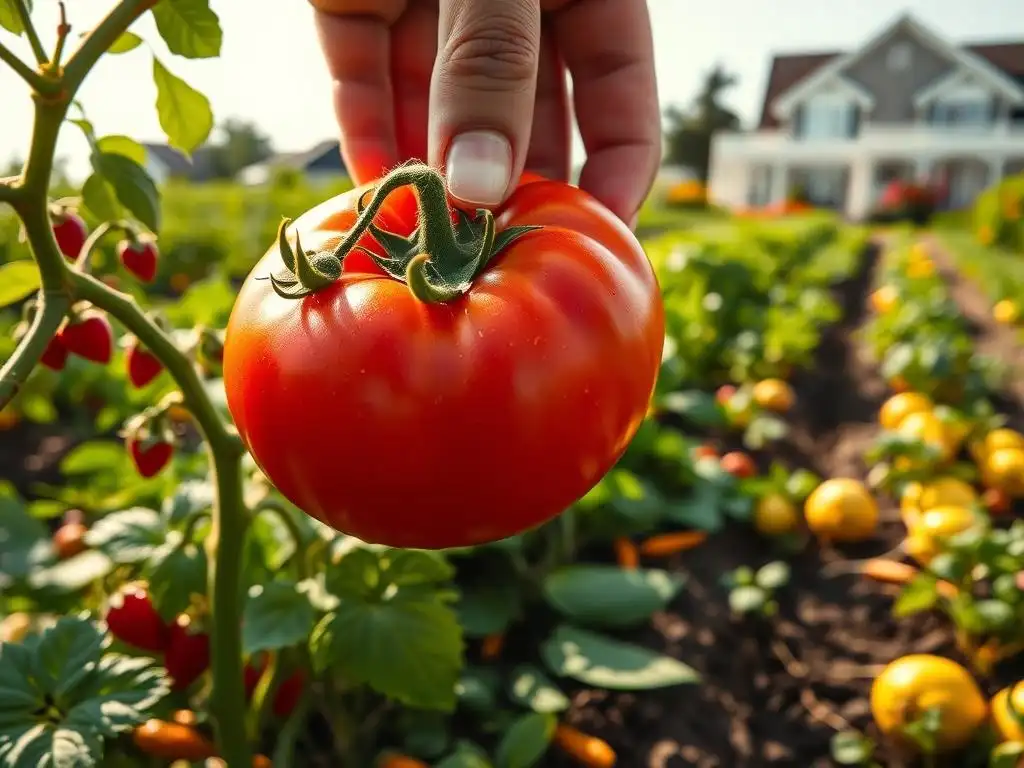
Welcome to CultivateYourFood, your guide to a greener, healthier life! Are you dreaming of juicy tomatoes bursting with flavor and crisp lettuce straight from your garden? Then you've come to the right place. Learn how to grow organic vegetables at home and unlock the secrets to cultivating your own bountiful harvest, embracing sustainable practices from planting to pest control. Discover the incredible benefits of homegrown goodness and embark on a journey towards a more flavorful and fulfilling life – the adventure starts now!
- The Nutritional Powerhouse of Homegrown Organic Vegetables
-
Grow Organic Vegetables at Home: A Step-by-Step Guide
- Selecting the Right Vegetables for Your Garden
- Preparing Your Soil for Optimal Growth
- Planting and Sowing Techniques for Success
- Essential Organic Gardening Practices: Watering, Weeding, and Fertilizing
- Protecting Your Crops from Pests and Diseases Naturally
- Harvesting Your Bountiful Organic Vegetables
- Enhancing Your Diet with Homegrown Produce
- The Economic and Environmental Benefits of Growing Your Own Food
- From Seed to Plate: A Celebration of Flavor and Health
-
Frequently Asked Questions
- What are the benefits of growing organic vegetables at home?
- What is the best time of year to start growing organic vegetables?
- What kind of soil is best for growing organic vegetables?
- What are some common challenges when growing organic vegetables at home and how can I overcome them?
- Where can I learn more about organic gardening techniques?
- Final Reflection: Cultivating a Healthier Future, One Seed at a Time
- Unleash Your Inner Gardener: Grow Your Own Flavor!
The Nutritional Powerhouse of Homegrown Organic Vegetables
Growing your own organic vegetables is more than just a hobby; it's a powerful step towards a healthier and more flavorful diet. This article delves into the compelling reasons why cultivating your own organic produce is a key ingredient for a vibrant and nutritious lifestyle, focusing on the superior nutritional value, reduced pesticide exposure, and maximized freshness inherent in homegrown organic vegetables. We'll explore the science behind the benefits and provide practical tips to help you embark on this rewarding journey towards a healthier you, using sustainable and organic practices.
Learning to grow organic vegetables at home empowers you to take control of your food source, ensuring the quality and safety of what you and your family consume. The benefits extend beyond simply eating healthier; it fosters a deeper connection with nature and provides a sense of accomplishment and satisfaction unmatched by store-bought produce.
Superior Nutrient Density in Homegrown Produce
Numerous studies suggest that homegrown vegetables, particularly those grown organically, boast significantly higher nutrient density compared to their commercially grown counterparts. This is largely attributed to several factors. First, homegrown vegetables are often harvested at their peak ripeness, maximizing nutrient content. Commercially grown produce is frequently harvested prematurely to withstand transportation and extended shelf life, resulting in lower nutrient levels.
Secondly, organic farming practices prioritize soil health. Healthy soil rich in beneficial microorganisms provides plants with readily available nutrients, leading to more nutrient-dense produce. Conversely, conventional farming often relies heavily on synthetic fertilizers which, while providing quick growth, can result in vegetables with lower nutrient concentrations and potentially harmful chemical residues.
Finally, the absence of pesticides in organic gardening ensures that the vegetables aren't stripped of their natural defenses, which can impact nutrient production and overall plant health. Think of it like this: a plant under constant pesticide attack has to divert energy towards survival instead of maximizing nutrient production. The result? A less nutritious vegetable reaching your table. The difference in vitamin and mineral content can be substantial, contributing significantly to a more nutritious diet. For example, studies have shown that homegrown tomatoes often contain higher levels of lycopene, a powerful antioxidant.
Minimizing Pesticide Exposure with Organic Gardening
One of the most significant advantages of growing your own organic vegetables is the drastic reduction in pesticide exposure. Conventional farming practices often involve the extensive use of synthetic pesticides, many of which have been linked to various health problems. These chemicals can accumulate in the produce, leading to potential long-term health risks for consumers.
By choosing organic gardening, you eliminate this risk entirely. Organic gardening relies on natural pest control methods, such as companion planting, beneficial insects, and natural pest repellents. This approach not only protects your health but also safeguards the environment by avoiding the harmful effects of synthetic pesticides on pollinators and other beneficial organisms. Furthermore, growing your own food significantly reduces the environmental impact associated with transporting produce long distances. This lowers your carbon footprint and contributes to a more sustainable lifestyle. The peace of mind knowing your food is free from harmful chemicals is invaluable.
The Impact of Freshness on Nutrient Retention
The freshness of homegrown vegetables is another critical factor contributing to their nutritional superiority. Commercially grown produce often travels long distances before reaching your grocery store, leading to significant nutrient loss during transportation and storage. Homegrown vegetables, on the other hand, are consumed shortly after harvesting, maximizing nutrient retention. This immediacy preserves the delicate vitamins and minerals, ensuring you receive the maximum nutritional benefit from your vegetables.
The difference in taste is also notable. A freshly picked tomato, bursting with flavor and nutrients, is a far cry from its store-bought counterpart that has spent days, or even weeks, traveling and sitting on a shelf. The vibrant taste and optimal nutritional value of homegrown vegetables are a testament to the power of freshness. The benefits extend beyond nutrition; the sensory experience of eating something you've grown yourself is immensely rewarding. The satisfaction of biting into a homegrown, sun-ripened tomato is an experience that reinforces the importance of this sustainable and healthy practice.
Grow Organic Vegetables at Home: A Step-by-Step Guide
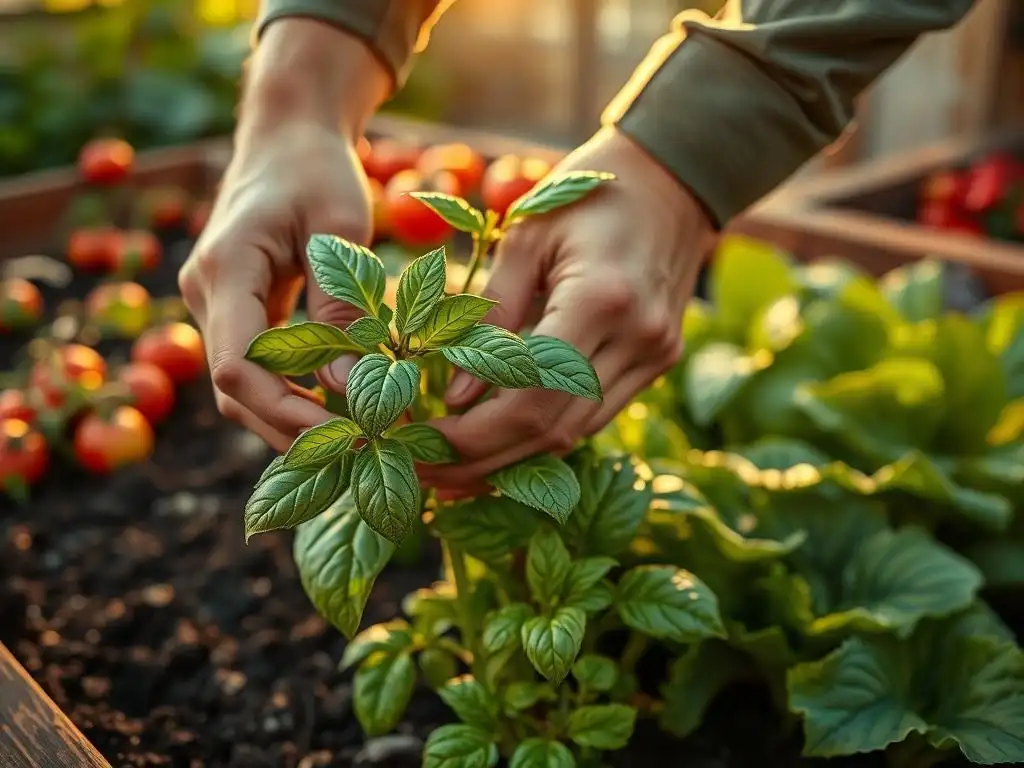
This section provides a practical guide on how to successfully grow organic vegetables at home, focusing on key steps for beginners. We'll cover selecting appropriate vegetables, preparing nutrient-rich soil, and employing effective planting techniques. Remember, growing your own organic vegetables is a rewarding journey that connects you with nature and provides fresh, healthy food for your family. Let's get started!
Selecting the Right Vegetables for Your Garden
Choosing the right vegetables is crucial for a successful harvest. Consider your climate, available space, and personal preferences. Some vegetables are easier to grow than others, especially for beginners. Start with easy-to-grow options before branching out to more challenging varieties.
Here's a table to help you decide:
| Vegetable | Difficulty Level | Sunlight Needs | Space Requirements | Harvest Time | Notes |
|---|---|---|---|---|---|
| Lettuce | Easy | Partial Shade | Small | Quick | Multiple harvests possible; thrives in cooler weather. |
| Radishes | Easy | Full Sun | Small | Quick | Fast-growing and perfect for beginners. |
| Spinach | Easy | Partial Shade | Small to Medium | Quick | Similar to lettuce, prefers cooler weather. |
| Bush Beans | Easy | Full Sun | Medium | Moderate | Produces abundant yields. |
| Tomatoes | Medium | Full Sun | Medium to Large | Moderate | Requires support (stakes or cages). |
| Zucchini/Summer Squash | Medium | Full Sun | Medium to Large | Moderate | Produces prolifically; requires regular harvesting. |
Remember to check the days to maturity for each variety to plan your planting schedule accordingly. Consider succession planting – planting a new batch of fast-growing vegetables every few weeks – to ensure a continuous supply of fresh produce throughout the growing season. This strategy is especially beneficial for leafy greens and root vegetables.
Preparing Your Soil for Optimal Growth
Healthy soil is the foundation of successful organic vegetable gardening. Organic matter is key to providing essential nutrients and improving soil structure. Before planting, amend your soil with compost, well-rotted manure, or other organic materials. This improves drainage, aeration, and water retention, creating an ideal environment for your vegetable roots.
Several methods can be used for soil improvement:
- Composting: Create your own compost using kitchen scraps and yard waste. This is a sustainable and cost-effective way to enrich your soil. 🍎🥕🍂
- Cover Cropping: Plant cover crops like clover or rye to improve soil health and fertility before planting your vegetables. These crops add organic matter and prevent soil erosion.
- Soil Testing: A soil test can reveal nutrient deficiencies and pH imbalances, allowing you to tailor your soil amendments accordingly. This ensures your vegetables receive the optimal nutrients for growth.
The ideal soil pH for most vegetables is between 6.0 and 7.0. You can adjust the pH using lime (to raise pH) or sulfur (to lower pH), following the recommendations from your soil test. Always prioritize organic amendments to maintain a healthy and sustainable growing environment. Remember that consistent soil improvement is an ongoing process, not a one-time event.
Planting and Sowing Techniques for Success
Successful planting involves understanding the specific needs of each vegetable. Some vegetables are best started from seed directly in the ground, while others thrive when started indoors as seedlings.
- Direct Sowing: Many vegetables, such as radishes, lettuce, and beans, can be directly sown into the prepared soil. Follow the seed packet instructions for planting depth and spacing. Ensure consistent moisture levels for germination.
- Seed Starting Indoors: Vegetables like tomatoes, peppers, and broccoli often benefit from being started indoors 6-8 weeks before the last expected frost. Use seed-starting mix, not garden soil, and provide adequate light and warmth. Gradually harden off seedlings before transplanting them outdoors.
- Transplanting Seedlings: When transplanting seedlings, gently handle them to avoid damaging the roots. Water thoroughly after planting to help them establish themselves. Space plants according to the recommended spacing on the seed packet or plant tag.
Careful attention to detail during planting significantly influences the success of your organic vegetable garden. Remember to practice regular weeding, watering, and pest control to ensure a healthy and bountiful harvest. With patience and dedication, you'll soon be enjoying the fruits (and vegetables!) of your labor. 🎉
Essential Organic Gardening Practices: Watering, Weeding, and Fertilizing
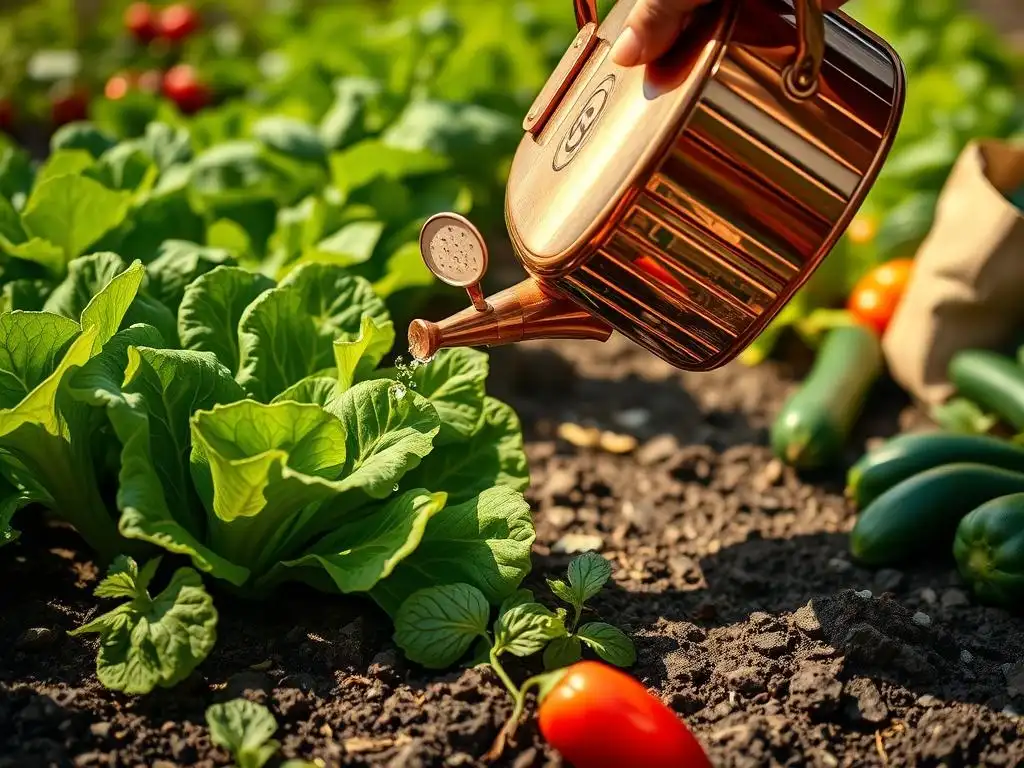
Growing organic vegetables at home requires a mindful approach to watering, weeding, and fertilizing. Consistent and appropriate watering is crucial. Overwatering can lead to root rot, while underwatering stunts growth. The best practice is to water deeply but infrequently, allowing the soil to dry slightly between waterings.
Observe your plants closely; drooping leaves are a clear sign of thirst, while yellowing leaves might indicate overwatering. Consider using a soaker hose or drip irrigation system for efficient water delivery, minimizing water waste and ensuring even moisture distribution. Remember that watering needs vary depending on the climate, soil type, and specific plant requirements. For example, leafy greens generally need more frequent watering than root vegetables.
Weeding is another essential aspect of organic vegetable gardening. Weeds compete with your plants for water, nutrients, and sunlight, hindering their growth and potentially introducing pests and diseases. Regular weeding, ideally by hand to avoid disturbing the soil structure, is vital. Mulching, using organic materials like straw or wood chips, suppresses weed growth, conserves moisture, and improves soil health.
Mulch also helps regulate soil temperature, protecting plants from extreme heat or cold. Different mulching materials offer varying benefits; for instance, straw decomposes more quickly than wood chips, providing a nutrient boost. The choice of mulch depends on your specific needs and preferences.
Organic fertilization focuses on enriching the soil with natural nutrients. Compost, a readily available and highly beneficial organic fertilizer, improves soil structure, water retention, and nutrient content. You can create your own compost using kitchen scraps and yard waste, or purchase pre-made compost. Other organic fertilizers include aged manure, bone meal, and seaweed extract.
Avoid synthetic fertilizers, which can harm beneficial soil organisms and contaminate groundwater. When applying fertilizer, follow package instructions carefully, as over-fertilizing can be as detrimental as under-fertilizing. Regular soil testing helps determine nutrient deficiencies and guides your fertilization strategy. Remember that healthy soil is the foundation of healthy plants.
Protecting Your Crops from Pests and Diseases Naturally
Protecting your organic vegetable garden from pests and diseases naturally is key to successful cultivation. Instead of relying on chemical pesticides, which can harm beneficial insects and contaminate your produce, embrace preventative measures and natural pest control methods. Crop rotation helps break pest and disease cycles, as many pests and pathogens are specific to certain plant families. Rotating your crops yearly reduces their populations and minimizes the risk of infestation. Companion planting strategically places plants that repel pests near vulnerable crops. For example, basil is known to repel aphids and tomato hornworms, while marigolds deter nematodes.
Beneficial insects, such as ladybugs and lacewings, are natural predators of many common garden pests. Attracting these beneficial insects to your garden through the provision of habitat and food sources is an effective pest control strategy. Creating a diverse garden ecosystem encourages biodiversity and helps maintain a natural balance. Another effective method is handpicking pests, which is particularly useful for dealing with small infestations. Regularly inspect your plants for signs of pests or diseases, and remove affected leaves or plants promptly to prevent the spread.
Natural pest control solutions include insecticidal soap, neem oil, and diatomaceous earth. These are effective against many common garden pests, but always follow the instructions carefully. Remember that these solutions are most effective when applied preventively or early in an infestation. Proper sanitation, removing plant debris and weeds, helps reduce the overwintering sites for pests and diseases, minimizing their impact on your crops the following season. A healthy and resilient garden is less susceptible to pest and disease problems.
Harvesting Your Bountiful Organic Vegetables
Harvesting your homegrown organic vegetables is a rewarding experience, culminating your efforts in growing your own food. The timing of harvest depends on the specific vegetable and its maturity. Many vegetables are ready for harvest when they reach a certain size or show specific characteristics. For instance, tomatoes are typically ready when they turn deep red and give slightly to gentle pressure. Cucumbers are ready when they are firm and have reached their desired size. Leafy greens can be harvested continuously, picking outer leaves to encourage further growth.
Different vegetables require different harvesting techniques. Some, like carrots and potatoes, require digging, while others, like beans and peas, can be easily picked by hand. Always use clean tools to avoid introducing diseases or contamination. Harvesting at the optimal time ensures the best flavor and nutritional value. Overripe vegetables may lose flavor and nutritional content, while underripe vegetables may be less palatable. Regular harvesting also stimulates the plant to produce more, extending the harvest season.
Proper storage is essential to maintain the freshness and quality of your harvested vegetables. Some vegetables, like tomatoes and peppers, store well at room temperature, while others, such as leafy greens and root vegetables, should be refrigerated. Proper storage techniques, such as using airtight containers or wrapping vegetables in paper towels, help extend their shelf life. Consider preserving your harvest through methods like canning, freezing, or pickling to enjoy your homegrown bounty throughout the year. The joy of harvesting and enjoying your own organically grown vegetables is a testament to the rewards of home gardening.
Enhancing Your Diet with Homegrown Produce
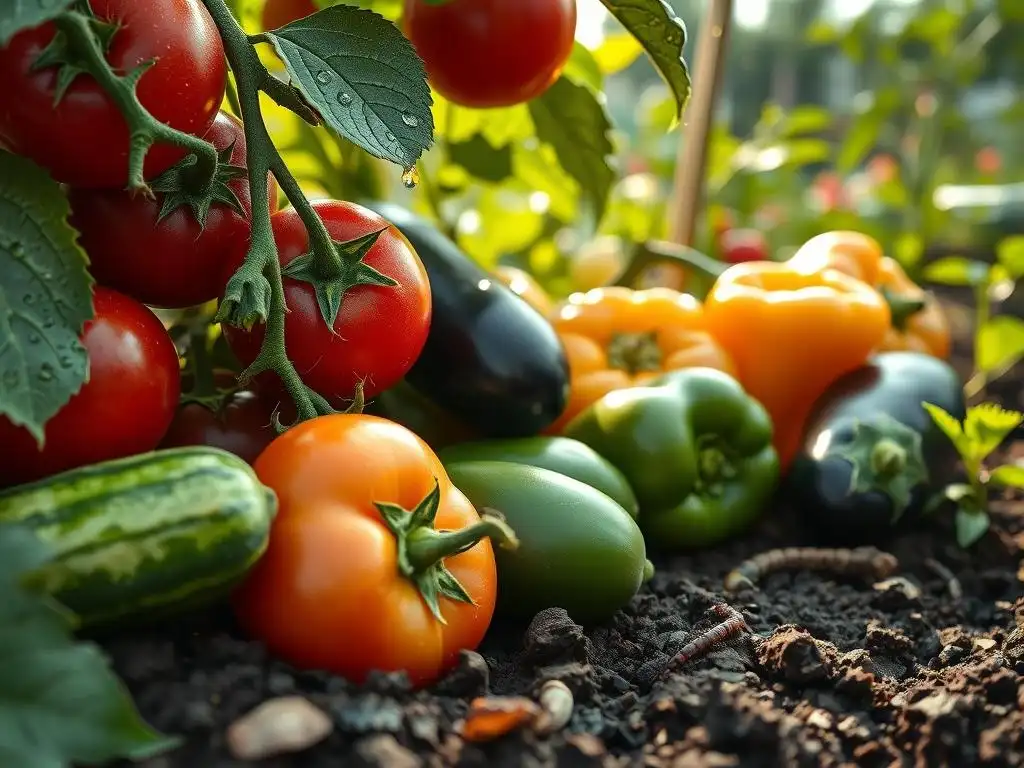
Growing organic vegetables at home offers unparalleled benefits for your diet. The freshness and nutritional value of homegrown produce surpasses that of commercially grown vegetables, often picked before reaching peak ripeness for optimal shipping and shelf life. This results in a noticeable difference in taste and texture.
You'll experience a vibrant burst of flavor in every bite, a testament to the superior quality of organically grown vegetables. Furthermore, by controlling the growing process, you eliminate exposure to pesticides and herbicides, ensuring a healthier, cleaner product for your family. This is crucial for those seeking to minimize their exposure to harmful chemicals and improve their overall well-being.
Studies show that homegrown produce often contains higher levels of certain vitamins and antioxidants compared to store-bought options. The nutritional boost from fresh, organically grown vegetables can contribute significantly to a healthier and more balanced diet. This translates to improved energy levels, enhanced immunity, and a reduced risk of chronic diseases.
Incorporating Fresh Vegetables into Daily Meals
Integrating homegrown vegetables into your daily meals is surprisingly simple and rewarding. Consider these strategies:
- Start with the basics: Begin by adding a simple side salad to your lunch or dinner. Use a variety of your homegrown greens, tomatoes, and cucumbers for a refreshing and nutritious addition. Experiment with different dressings to enhance the flavor profile.
- Boost your breakfast: Add chopped vegetables like spinach, bell peppers, or zucchini to your omelets or frittatas for a healthy and flavorful start to the day.
- Sneak them in: Puree vegetables like carrots, squash, or beets into soups, sauces, and even smoothies for a hidden nutritional boost. Your family won't even notice!
- Embrace versatility: Use your homegrown herbs to season your dishes. Fresh basil, oregano, and thyme add incredible depth of flavor to pasta sauces, grilled meats, and roasted vegetables.
- Plan your meals: Consider your harvest schedule when planning your weekly meals. This ensures you're using your freshest produce at its peak. Think of it as a fun culinary challenge! 🥕
Here's a sample weekly meal plan incorporating homegrown vegetables:
| Day | Breakfast | Lunch | Dinner |
|---|---|---|---|
| Monday | Omelet with spinach and homegrown herbs | Salad with cucumbers and tomatoes | Roasted chicken with zucchini and carrots |
| Tuesday | Smoothie with beets and berries | Leftover roasted chicken and vegetables | Pasta with homegrown tomato sauce and basil |
| Wednesday | Yogurt with homegrown berries | Salad with mixed greens and herbs | Veggie burgers on whole-wheat buns |
Creative Recipes Featuring Homegrown Ingredients
The possibilities are endless when it comes to using your homegrown produce. Don't limit yourself to simple side dishes. Experiment with more elaborate recipes that showcase the unique flavors of your harvest. Consider these ideas:
- Gazpacho: A refreshing cold soup made with homegrown tomatoes, cucumbers, and peppers.
- Vegetable curry: A vibrant and flavorful curry featuring a medley of your favorite homegrown vegetables.
- Homemade pesto: A classic sauce made with fresh basil, pine nuts, garlic, and parmesan cheese. Perfect for pasta, sandwiches, or as a dip.
- Grilled vegetable skewers: Marinate your homegrown vegetables and grill them for a delicious and healthy side dish or appetizer. Experiment with different marinades to find your favorite.
- Stuffed peppers: Fill bell peppers with a mixture of rice, vegetables, and herbs for a hearty and satisfying meal.
Remember to embrace experimentation! Don't be afraid to try new recipes and flavor combinations. The beauty of homegrown produce is its versatility. The more you experiment, the more creative and delicious your meals will become. Growing organic vegetables at home provides a unique opportunity to connect with your food and develop a deeper appreciation for its flavors and nutritional benefits.
Preserving Your Harvest for Year-Round Enjoyment
Growing organic vegetables at home doesn't mean you only get to enjoy your harvest during the growing season. With a little effort, you can preserve your bounty and savor the taste of your garden all year long. Here are a few popular preserving methods:
- Freezing: Freezing is a simple and effective way to preserve many vegetables, particularly leafy greens, peas, and beans. Blanch vegetables before freezing to maintain their color, texture, and nutritional value.
- Canning: Canning is a more involved process but allows for long-term storage of many vegetables, including tomatoes, pickles, and jams. Proper canning techniques are essential to ensure food safety.
- Dehydrating: Dehydrating is a great way to preserve herbs and some vegetables, such as tomatoes and onions. Dried vegetables can be used in soups, stews, and other dishes.
- Pickling: Pickling is a delicious way to preserve vegetables such as cucumbers, onions, and peppers. Pickled vegetables add a tangy and flavorful element to sandwiches, salads, and other dishes.
- Fermenting: Fermenting vegetables like sauerkraut and kimchi creates a tangy and probiotic-rich food that offers additional health benefits.
Proper preservation techniques are crucial to maintain the quality and safety of your homegrown produce. Research and understand the specific requirements for each method before you begin. By preserving your harvest, you can enjoy the fruits (and vegetables!) of your labor long after the growing season ends, ensuring a continuous supply of fresh, healthy, and delicious food throughout the year. This commitment to growing organic vegetables at home translates to a healthier, more sustainable lifestyle, and a richer culinary experience.
Planning Your Garden for Continuous Harvesting
Planning your garden for continuous harvesting is key to enjoying a steady supply of fresh, organic vegetables throughout the growing season. This isn't about planting everything at once; instead, it's about strategically staggering your plantings to ensure a consistent yield. Think of it as a relay race, where one crop finishes and another takes its place. This approach maximizes your garden space and minimizes periods without fresh produce.
One effective technique is succession planting. This involves planting a new crop of the same vegetable every few weeks. For example, you might plant lettuce seeds every three weeks to ensure a continuous supply of fresh leaves. Similarly, you can succession plant bush beans, radishes, and spinach, extending their harvest periods significantly. The precise timing will depend on your climate and the specific vegetable, but seed packets usually provide recommended spacing and planting dates.
Another crucial aspect is understanding the growth cycle of your chosen vegetables. Some vegetables, like lettuce and radishes, mature quickly, allowing for multiple harvests in a single season. Others, such as tomatoes and peppers, are longer-season crops that require more planning. By carefully selecting a mix of fast- and slow-growing vegetables, you can create a more balanced and consistent harvest.
Consider using a garden planner or a simple calendar to track your planting schedule. Note down the planting dates, expected harvest times, and any necessary spacing adjustments. This visual aid will help you keep track of your crops and ensure that you're always planting something new. Many free online resources and apps offer garden planning tools to make this process easier. You can even create your own simple spreadsheet to manage this information effectively.
Finally, remember the importance of crop rotation. Rotating your crops annually helps to prevent soil depletion and reduces the risk of pest and disease buildup. This means that you shouldn't plant the same vegetable in the same spot year after year. A well-planned rotation ensures soil health and contributes to a more sustainable and productive garden, ultimately increasing the chances of a successful and continuous harvest of your organically grown vegetables. This is a vital aspect of growing organic vegetables at home, contributing to the overall health and productivity of your garden.
The Economic and Environmental Benefits of Growing Your Own Food
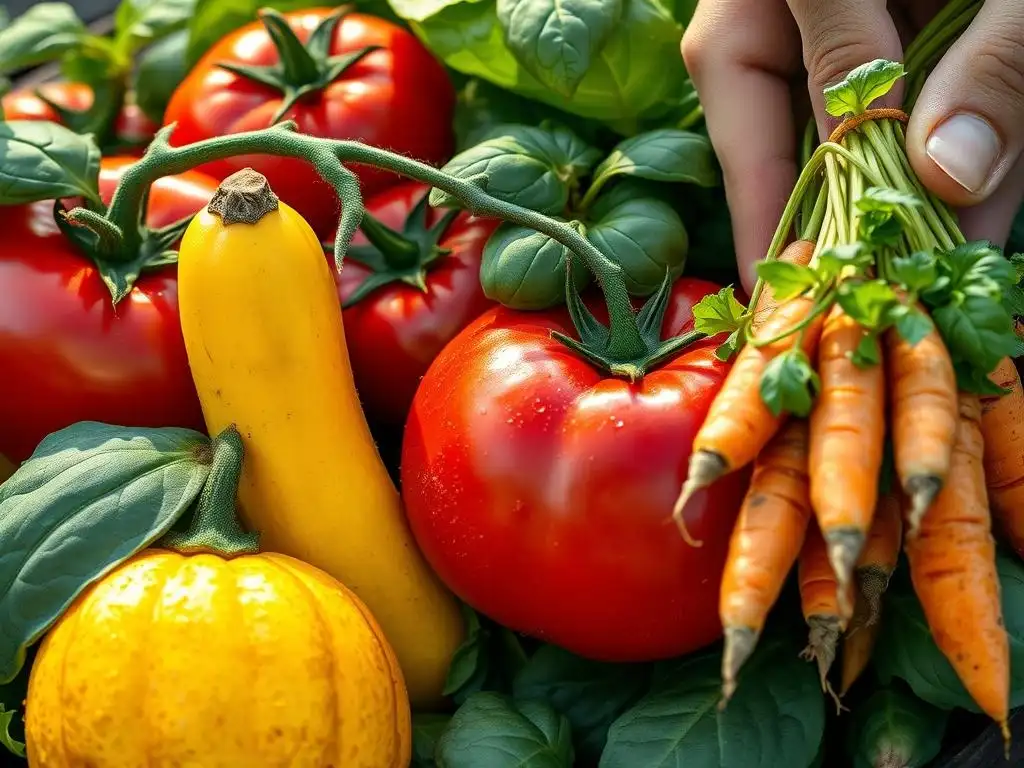
Growing your own organic vegetables at home offers a compelling blend of economic and environmental advantages. By taking control of your food production, you not only improve your diet but also contribute to a more sustainable and financially responsible lifestyle. This section delves into the tangible benefits of cultivating your own produce, highlighting the significant impact on both your wallet and the planet.
Reducing Grocery Bills with Homegrown Vegetables
One of the most immediate benefits of growing your own vegetables is the reduction in grocery bills. The cost of fresh, organic produce can be surprisingly high, especially for families. By cultivating your own vegetables, you can significantly lower your spending on groceries, especially on frequently used items like lettuce, tomatoes, and herbs.
For example, a family that spends $100 per week on groceries might reduce that cost by 20-30% by growing even a small portion of their vegetables at home. This translates to significant savings annually, money that can be redirected towards other household expenses or invested in further gardening improvements. The initial investment in seeds, soil, and tools is quickly recouped through consistent harvests, making home gardening a financially smart decision in the long run.
Furthermore, growing heirloom varieties, often cheaper than hybrid seeds, can provide both economic and flavorful advantages. Consider the potential savings: a single head of organic lettuce can cost upwards of $4 at the grocery store, while growing your own from seed costs mere cents. The difference is stark, and the savings accumulate over time.
Minimizing Your Carbon Footprint Through Sustainable Gardening
Growing organic vegetables at home significantly minimizes your carbon footprint. Commercially grown produce often travels long distances, resulting in substantial greenhouse gas emissions from transportation. By cultivating your own food locally, you eliminate these emissions entirely. Furthermore, sustainable gardening practices such as composting and rainwater harvesting further reduce your environmental impact.
Composting reduces reliance on manufactured fertilizers, which often have high carbon footprints due to their production and transportation. Rainwater harvesting conserves water resources and eliminates the need for energy-intensive water pumping. The reduction in packaging waste associated with store-bought produce is another significant advantage. By choosing organic methods, you avoid the environmental damage caused by synthetic pesticides and herbicides, preserving biodiversity and protecting pollinators.
The cumulative effect of these practices can make a considerable difference in your overall environmental impact, allowing you to actively contribute to a healthier planet. Data from various environmental studies show a marked reduction in carbon emissions associated with homegrown, organically produced vegetables compared to commercially grown produce. This makes home gardening a powerful tool in the fight against climate change.
Contributing to a Healthier Planet with Organic Practices
Growing organic vegetables at home supports a healthier planet by promoting biodiversity, protecting soil health, and reducing pollution. Organic gardening techniques prioritize natural pest control methods, reducing reliance on harmful chemicals that can contaminate soil and water sources. Unlike conventional farming, organic practices avoid the use of synthetic pesticides and fertilizers, which can have detrimental effects on ecosystems. Instead, organic gardeners utilize natural methods such as companion planting, crop rotation, and beneficial insects to maintain plant health and control pests.
This approach helps preserve the delicate balance of nature and protects beneficial insects, birds, and other wildlife that play crucial roles in maintaining ecosystem health. Moreover, organic gardening improves soil health by enriching it with organic matter through composting and cover cropping. Healthy soil is essential for carbon sequestration, playing a vital role in mitigating climate change.
By choosing to grow organic vegetables at home, you directly contribute to a healthier planet, fostering biodiversity and promoting sustainable agricultural practices. The benefits extend beyond your garden, contributing to a broader environmental positive impact. 🌱 This commitment to organic practices makes home gardening not just a personal endeavor, but a contribution to global environmental sustainability.
From Seed to Plate: A Celebration of Flavor and Health
This section explores the unique benefits of growing your own organic vegetables, focusing on the tangible improvements to your diet and overall well-being. We'll delve into the superior taste of homegrown produce and the profound connection to nature that gardening fosters. Finally, we'll discuss the rewarding experience of sharing your harvest, building community and strengthening relationships. Growing organic vegetables at home isn't just about sustenance; it's about enriching your life in countless ways.
The Taste Difference Between Homegrown and Store-Bought Produce
There's a palpable difference between a supermarket tomato and one freshly picked from your garden. The store-bought variety, often harvested before fully ripe to withstand transportation, frequently lacks the vibrant flavor and juicy texture of a homegrown counterpart. This difference stems from several factors. Firstly, homegrown vegetables are harvested at their peak ripeness, allowing sugars and other flavor compounds to fully develop. Secondly, the absence of chemical fertilizers and pesticides allows the natural flavors of the plant to shine through, unmasked by artificial additives.
Consider this: a homegrown heirloom tomato bursts with sweetness and acidity, its skin yielding to a satisfying texture. The same variety from the grocery store might be firm but bland, lacking the complexity of flavor that comes from sun-ripened growth and nutrient-rich soil. This superior taste translates directly to a more enjoyable and satisfying meal, encouraging healthier eating habits. The intense flavors of homegrown produce can even inspire culinary creativity, leading to more diverse and nutritious meals. Many gardeners report a significant increase in their vegetable consumption simply because the taste is so much more rewarding.
The Joy of Connecting with Nature Through Gardening
Gardening offers a unique opportunity to reconnect with nature, fostering a sense of mindfulness and calm. The act of nurturing a plant from seed to harvest is inherently therapeutic. The daily tasks of watering, weeding, and observing plant growth provide a rhythm and routine that can be incredibly grounding, offering a welcome respite from the stresses of modern life. Studies have shown that spending time in nature reduces stress hormones and improves mental well-being. Gardening allows you to actively participate in this process, reaping both physical and mental health benefits.
Furthermore, the cyclical nature of gardening—from planting to harvesting, and then composting—offers a profound connection to the natural world. You witness firsthand the intricate processes of growth, decay, and renewal, fostering a deeper appreciation for the environment and the interconnectedness of all living things. The satisfaction of tending to your garden and witnessing the fruits (and vegetables!) of your labor is a powerful antidote to the alienation often felt in urban environments. It's a tangible connection to the source of your food, a sense of accomplishment, and a deep sense of peace.
One of the most rewarding aspects of growing your own organic vegetables is the ability to share your bounty with loved ones. The simple act of giving away homegrown produce fosters a sense of community and strengthens relationships. Imagine the joy of presenting a basket of fresh basil or a bag of plump tomatoes to a friend or neighbor—it's a gesture of generosity that transcends the simple act of gift-giving. It's a sharing of the fruits of your labor, a connection to the earth, and a demonstration of care and appreciation.
Moreover, sharing your harvest can spark conversations and inspire others to embark on their own gardening journeys. You can share tips, recipes, and stories, building connections with your community and encouraging a more sustainable way of life. Consider organizing a neighborhood potluck featuring homegrown ingredients – a delicious and meaningful way to celebrate the harvest and strengthen community bonds.
The act of sharing is not only a testament to the abundance of your garden, but also a celebration of the joy and connection that gardening brings. It's a truly enriching experience that extends far beyond the simple act of growing organic vegetables at home.
Frequently Asked Questions
What are the benefits of growing organic vegetables at home?
Growing your own organic vegetables offers numerous benefits, including fresher, tastier produce, reduced exposure to pesticides, and a greater connection to your food source. You also gain a sense of accomplishment and save money in the long run.
What is the best time of year to start growing organic vegetables?
The optimal time depends on your climate and the specific vegetables you're growing. Many vegetables thrive when planted in spring or early summer after the last frost. Check your local frost dates for guidance.
What kind of soil is best for growing organic vegetables?
Well-draining soil rich in organic matter is ideal for growing healthy organic vegetables. You can improve your soil by adding compost, aged manure, or other organic amendments. Regular soil testing is also beneficial.
What are some common challenges when growing organic vegetables at home and how can I overcome them?
Common challenges include pest infestations, diseases, and weed control. Implementing organic pest control methods, such as companion planting and beneficial insects, along with diligent weeding and crop rotation, can help mitigate these issues.
Where can I learn more about organic gardening techniques?
CultivateYourFood.com provides comprehensive information on sustainable and organic gardening practices, covering planting, harvesting, composting, and pest control to help you successfully grow organic vegetables at home. Explore our articles and resources!
Final Reflection: Cultivating a Healthier Future, One Seed at a Time
The resurgence of home gardening isn't just a trend; it's a vital step towards reclaiming our connection with food and fostering a healthier planet. From seed to table, the journey of growing your own organic vegetables offers unparalleled flavor and nutritional benefits, a stark contrast to the often-processed and chemically-laden options available in supermarkets. This direct engagement with the food cycle empowers us to make conscious choices that impact both our well-being and the environment.
The impact of knowing exactly where your food comes from, the effort involved in nurturing its growth, and the sheer joy of harvesting your own produce is transformative. It's a profound shift from passive consumption to active participation in a sustainable food system. The best way to find yourself is to lose yourself in the service of others.
While this quote speaks to a broader context, the act of growing food for oneself and potentially others embodies this spirit of selfless contribution, fostering a deeper appreciation for the interconnectedness of life.
Now, consider your own kitchen garden. What seeds will you sow? What flavors will you cultivate? This isn't just about growing vegetables; it's about cultivating a healthier relationship with food, fostering a deeper connection with nature, and building a more sustainable future. Take the first step, no matter how small. Plant a single seed, and watch as it blossoms into a harvest of both nourishment and personal fulfillment.
Unleash Your Inner Gardener: Grow Your Own Flavor!
Thanks for exploring the joys of fresh, homegrown food! We hope you're inspired to improve your health and enjoy more flavorful meals. Ready to get started?
- Start small: Begin with an easy-to-grow herb like basil, or a single tomato plant. You'll be amazed by the difference fresh ingredients make in your cooking.
- Share your success: Post a picture of your thriving garden or a delicious meal featuring your homegrown produce on social media and inspire others to grow their own. Use #CultivateYourFood.
- Explore our resources: Discover more tips and tricks on our website to help you cultivate a flourishing garden.
What's keeping you from planting your own seeds today?