
The Funding of Growth: How to Secure Resources for Your Community Garden

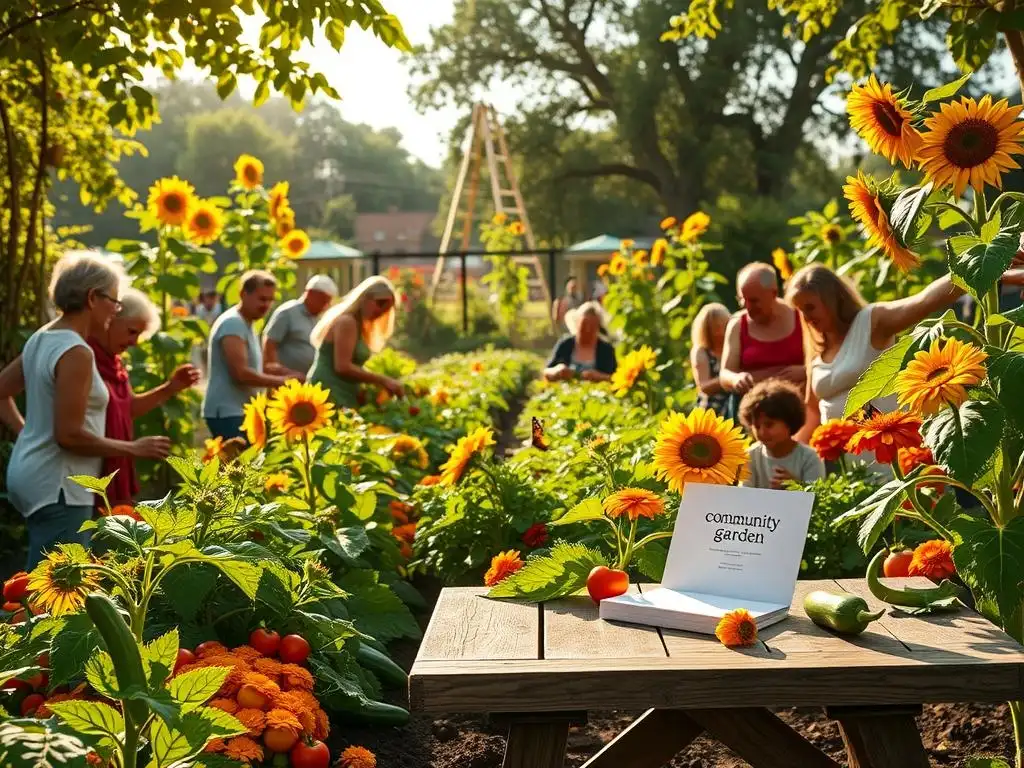
Ready to transform your urban landscape into a thriving oasis? At CultivateYourFood, we empower you to grow your own fruits, vegetables, and herbs using sustainable methods. But where do you start when your dream community garden needs a financial boost? Discover the secrets to securing funding and learn about the various Community garden funding options available to bring your vision to life. Let's cultivate a greener future, together!
- Securing Funding for Your Community Garden Project: An Overview
- Exploring Grant Opportunities for Community Gardens
- Leveraging Sponsorships and Corporate Partnerships
- Community Fundraising Strategies for Community Garden Projects
- Innovative Funding Approaches for Community Gardens
- Managing Your Community Garden Finances: Budgeting and Reporting
- Securing Long-Term Funding for Community Garden Sustainability
-
Frequently Asked Questions
- What are some common funding sources for community gardens?
- How can I write a successful grant proposal for my community garden?
- Are there any fundraising events I can organize to support my community garden?
- What kind of budget should I expect when planning a community garden?
- How can I find mentors or advisors to help with my community garden funding efforts?
- Final Reflection: Cultivating a Future Through Community Gardens
- Unlock Your Garden's Potential: Grow Your Community, Grow Your Resources!
Securing Funding for Your Community Garden Project: An Overview
Cultivating a thriving community garden requires more than just fertile soil and enthusiastic volunteers; it demands robust financial planning and resource acquisition. This article explores the crucial aspect of securing funding for your community garden project, guiding you through the process of budgeting, identifying potential funding sources, and ultimately, ensuring the long-term sustainability of your shared green space. Successfully navigating the world of grant applications, sponsorships, and fundraising initiatives is paramount to transforming your vision of a vibrant, productive community garden into a flourishing reality.
We'll delve into practical strategies and real-world examples to help you secure the resources necessary to cultivate a successful and impactful community garden, enriching your neighborhood and fostering a stronger sense of community. This guide focuses on providing actionable steps and diverse funding avenues for "Community garden funding options," helping you build a sustainable and fruitful project.
Understanding Your Funding Needs: Budgeting for Success
Before embarking on the search for funding, a meticulously crafted budget is essential. This budget acts as a roadmap, guiding your funding requests and demonstrating the financial viability of your project to potential funders. A comprehensive budget should encompass all anticipated costs, categorized for clarity and transparency. Consider these key areas:
- Land Acquisition or Lease: This could include rental fees, land purchase costs, or negotiated agreements with landowners. [Specific cost data pending, dependent on location and land size]
- Infrastructure Development: Costs associated with building raised beds, installing irrigation systems, constructing fences, and providing essential tools and equipment. [Approximate cost range: $500 - $5000, depending on scale and materials]
- Planting Materials: Seeds, seedlings, soil amendments, and other planting supplies. [Estimated cost: $200 - $1000, depending on the size and variety of plants]
- Ongoing Maintenance: Costs related to regular upkeep, including weeding, watering, pest control, and fertilization. [Monthly maintenance budget: $50 - $200, depending on the garden size and labor costs]
- Educational Programs and Workshops: Funding for workshops, educational materials, and community events designed to promote gardening knowledge and engagement. [Approximate budget per workshop: $50 - $150]
- Volunteer Appreciation: Consider allocating funds for volunteer appreciation events or small gifts to show gratitude for their contributions. [Annual budget for volunteer appreciation: $100 - $300]
Creating a detailed, itemized budget allows you to accurately assess your funding requirements and present a persuasive case to potential sponsors. Don't forget to include contingency funds to account for unexpected expenses. Remember, a well-structured budget significantly increases your chances of securing funding. A clear breakdown of expenses showcases responsible financial planning, building trust and confidence with potential investors.
Identifying Funding Sources: Grants, Sponsorships, and More
Securing funding for your community garden involves exploring a diverse range of avenues. The most common include:
- Grants: Numerous organizations offer grants specifically for community garden projects. Research local, regional, and national grant-making foundations that align with your project's goals. Thoroughly review grant guidelines and deadlines to ensure your application is competitive. Successful grant applications often require strong narratives, detailed budgets, and clear project timelines.
- Sponsorships: Approach local businesses, corporations, or individuals who might be interested in sponsoring your community garden in exchange for recognition. This could involve naming rights for specific garden areas, logo placement on signage, or promotional opportunities. Tailor your sponsorship proposals to the potential sponsor's interests and demonstrate the mutual benefits of the partnership.
- Crowdfunding: Utilize online crowdfunding platforms to reach a wider audience and solicit donations from individuals who support your community garden initiative. Develop a compelling campaign story and offer various donation tiers with corresponding rewards.
The success of your funding efforts hinges on a well-defined plan, a strong narrative showcasing the project’s impact, and a persistent approach to securing diverse funding streams. Remember, persistence and a well-crafted approach are key to securing the resources needed to cultivate a thriving community garden.
Exploring Grant Opportunities for Community Gardens
Securing funding for a community garden project can feel daunting, but numerous avenues exist beyond personal investment. Understanding the landscape of available grants is the first crucial step. This section focuses on identifying and accessing resources specifically designed to support community gardening initiatives. The availability and specifics of grants vary significantly based on geographic location and the project's focus. Therefore, diligent research is paramount. Success hinges on identifying grants aligned with your project's goals and eligibility criteria.
Finding Relevant Grants: Online Databases and Resources
Numerous online resources compile grant opportunities. These databases often allow you to filter results by location, cause area (such as environmental sustainability or community development), and funding amount. Effective grant searching requires strategic keyword use. Instead of simply searching "community garden funding," try more specific terms like "urban agriculture grants," "community food security funding," or "environmental restoration grants." Remember, many grants support broader initiatives that include community gardens as a component.
Consider using the following approaches to maximize your search effectiveness:
- Government Grant Databases: Many national and local governments maintain online databases listing available grants. These often include details on application deadlines, eligibility requirements, and reporting procedures. Explore both federal and local government websites, as smaller, localized grants may be easier to secure.
- Foundation Databases: Private foundations frequently award grants to community-based projects. Databases like [Foundation name pending] and [Foundation name pending] allow users to search for grants based on various criteria, including geographic location and project type. These databases often provide summaries of the foundation's giving priorities, helping you tailor your proposal.
- Specialized Grant-Finding Services: Several organizations specialize in connecting grant seekers with potential funders. These services often offer personalized assistance, helping you identify suitable grants and refine your application materials. While some are free, others charge a fee for their services.
Crafting a Compelling Grant Proposal: Key Elements and Strategies
A well-written grant proposal is crucial for securing funding. It's not merely about outlining your project; it's about demonstrating its impact and sustainability. A strong proposal clearly articulates the problem your community garden addresses, the proposed solution, and the expected outcomes. Remember, funders want to see a return on their investment, so emphasizing measurable results is key.
Here's a breakdown of essential elements for a successful grant proposal:
| Element | Description | Example |
|---|---|---|
| Executive Summary | A concise overview of your project, highlighting its key aspects and anticipated impact. | "This project will establish a 1-acre community garden, providing fresh produce to [Number] families and creating [Number] volunteer opportunities." |
| Needs Assessment | Demonstrates the need for your project, providing data to support its urgency and relevance. | "Our community lacks access to affordable, fresh produce, with [Percentage]% of residents experiencing food insecurity." |
| Project Description | Details your project's goals, activities, timeline, and budget. | "Phase 1: Land acquisition and preparation; Phase 2: Planting and maintenance; Phase 3: Community outreach and education." |
| Evaluation Plan | Outlines how you will measure the project's success, ensuring accountability and demonstrating impact. | "We will track the amount of produce harvested, number of volunteers involved, and community feedback via surveys." |
| Budget Justification | Provides a detailed breakdown of all project expenses, explaining the rationale behind each cost. | Include itemized costs for seeds, tools, water, and volunteer training. |
Grant Writing Tips for Community Garden Projects: Maximizing Your Chances
Grant writing is a skill that improves with practice. However, certain strategies significantly enhance your chances of success. Focus on clarity, conciseness, and compelling storytelling. Avoid jargon and technical terms that might confuse non-experts. Remember, your proposal is competing with many others, so making it easy to read and understand is vital.
- Tailor your proposal: Each grant has specific requirements and priorities. Carefully read the guidelines and tailor your proposal to meet those specific needs. Generic proposals rarely succeed.
- Highlight community involvement: Emphasize the community's role in the project, showcasing local support and engagement. This demonstrates the project's sustainability and impact.
- Showcase sustainability: Explain how the community garden will be maintained long-term, ensuring its continued success beyond the grant funding period.
- Proofread meticulously: Errors in grammar and spelling can undermine your credibility. Have multiple people review your proposal before submission. A well-polished proposal demonstrates professionalism and attention to detail – qualities that funders value. Consider using a grant writing checklist to ensure you haven't missed any crucial elements. Remember, securing funding for your community garden is an investment in your community's well-being and a testament to the power of collaborative efforts. The effort will be worthwhile! 🎉
Leveraging Sponsorships and Corporate Partnerships
Securing funding for your community garden often requires looking beyond traditional grant applications. Sponsorships and corporate partnerships represent a powerful avenue for obtaining crucial resources. This section explores strategies for attracting sponsors, crafting compelling sponsorship packages, and negotiating mutually beneficial agreements. Successfully navigating these steps can significantly bolster your community garden's financial stability and impact, ensuring its long-term sustainability. This is a key aspect of exploring all community garden funding options.
Attracting Sponsors: Identifying Potential Partners
The key to successful sponsorship lies in identifying organizations whose values align with your community garden's mission. Think beyond simply approaching large corporations; consider local businesses that benefit directly from a thriving community. For example, a local nursery might sponsor your garden in exchange for increased visibility and brand awareness among gardening enthusiasts. Similarly, a health food store could sponsor your garden's educational workshops, aligning their brand with healthy eating and community well-being.
To effectively identify potential partners, conduct thorough research. Create a list of local businesses, focusing on those with a strong community presence and an interest in sustainability or healthy living. Consider also approaching organizations that support environmental initiatives or community development projects. Analyze their marketing strategies and target audience to ensure a good fit. A well-targeted approach increases the likelihood of securing sponsorship. This strategic identification is a crucial part of securing sustainable community garden funding options.
Remember to consider the potential synergies between your garden and potential sponsors. A strong synergy increases the likelihood of a successful partnership.
Developing a Sponsorship Package: Benefits for Sponsors
Your sponsorship package should clearly articulate the value proposition for potential sponsors. It's not just about asking for money; it's about offering a mutually beneficial exchange. This requires highlighting tangible benefits for sponsors, showcasing how a partnership with your community garden will increase their brand awareness, enhance their community image, and potentially drive sales.
Consider offering different sponsorship tiers, each with increasing levels of benefits. These tiers might include:
| Sponsorship Tier | Donation Amount | Benefits |
|---|---|---|
| Seedling | $100 - $500 | Logo placement on garden signage, social media mention, website listing |
| Sprout | $500 - $1000 | Above, plus invitation to a garden event, featured in newsletter |
| Blossom | $1000 - $5000 | Above, plus dedicated garden plot naming rights, prominent website feature |
| Harvest | $5000+ | Above, plus speaking opportunity at a community event, premium social media campaign |
This tiered approach allows sponsors to choose a level of involvement that aligns with their budget and marketing objectives, making it easier for them to commit. Crafting a compelling sponsorship package is essential for securing various community garden funding options.
Negotiating Sponsorship Agreements: Securing Commitment
Once you've identified potential sponsors and developed a compelling sponsorship package, it's time to negotiate agreements. This involves clear communication, mutual respect, and a focus on creating a win-win scenario. Before approaching potential sponsors, have a well-defined agreement ready. This should include:
- Specifics of the sponsorship: Clearly outline the benefits the sponsor will receive in exchange for their contribution.
- Payment terms: Detail how and when payments will be made.
- Reporting and acknowledgment: Specify how the community garden will acknowledge the sponsor's contribution (e.g., signage, social media mentions, newsletter features).
- Termination clause: Include a clause outlining the conditions under which the agreement can be terminated.
Remember to be flexible and willing to negotiate. Finding common ground is key to building a successful and long-lasting partnership. A well-structured agreement protects both parties and ensures the success of your fundraising efforts, increasing your access to diverse community garden funding options. Thorough negotiation builds trust and fosters sustainable partnerships.
Community Fundraising Strategies for Community Garden Projects
Securing funding for a community garden project can feel daunting, but with a strategic approach, you can cultivate the resources necessary for a thriving green space. This section explores various community fundraising strategies, focusing on leveraging digital platforms, organizing local events, and building strong community engagement. Successful community garden funding options require a multifaceted strategy, combining online and offline approaches to reach a diverse pool of potential donors. Let's delve into the specifics.
Crowdfunding Platforms: Kickstarter, GoFundMe, and Others
Crowdfunding platforms like Kickstarter and GoFundMe offer powerful tools for raising funds online. These platforms allow you to present your community garden project to a wide audience and solicit donations. However, success on these platforms requires a compelling campaign. Consider these key elements:
- A captivating video: A short, high-quality video showcasing your vision for the garden, its impact on the community, and the project's needs is crucial. Think vibrant visuals of the planned space, happy community members, and perhaps even some time-lapse footage of plant growth. This visual storytelling is key to engaging potential donors.
- A detailed project description: Clearly articulate the project's goals, budget breakdown, timeline, and the positive impact it will have on the community. Use strong, evocative language to paint a picture of the garden's potential. Highlight the environmental benefits, community building aspects, and the fresh produce it will provide.
- Compelling reward tiers: Offer a range of rewards to incentivize donations. These could include personalized thank-you notes, early access to the garden's harvest, invitations to workshops, or even naming rights for specific garden plots. Think creatively – what would appeal most to your potential donors?
- Active promotion: Don't just set up your campaign and wait for donations. Actively promote your crowdfunding campaign through your existing networks – social media, email lists, local community groups, and word-of-mouth. Regular updates on the campaign's progress will also keep donors engaged and encourage further contributions.
For example, a successful campaign might offer a "Bronze" tier for a $25 donation (thank you note and recognition on the garden's website), a "Silver" tier for $50 (a bag of homegrown produce), and a "Gold" tier for $100 (invitation to a garden party and a personalized garden plot plaque). The key is to offer a variety of rewards that cater to different levels of giving. Remember to clearly outline what each donation level unlocks.
Organizing Local Fundraising Events: Farmer's Markets and Festivals
Local events present excellent opportunities to connect directly with your community and raise funds. Farmer's markets and local festivals are ideal venues to showcase your project and interact with potential donors face-to-face. Consider these fundraising event ideas:
- Bake sales and plant sales: Offer delicious baked goods made with homegrown ingredients or sell seedlings and plants grown at the garden (if applicable). This provides a tangible link between your project and the community.
- Community potlucks: Organize a potluck where community members contribute dishes, creating a festive atmosphere and raising funds through ticket sales or donations.
- Workshops and classes: Offer gardening workshops, cooking classes using garden produce, or other relevant skills-based workshops. Charge a fee for participation, contributing directly to your funding goals.
- Raffles and silent auctions: Solicit donations of goods or services from local businesses and individuals for a raffle or silent auction. This can generate significant funds and increase community awareness.
The success of these events hinges on effective planning and promotion. Ensure you have sufficient volunteers, appealing offerings, and clear signage promoting your community garden and fundraising efforts. Remember to obtain any necessary permits or licenses for your chosen event location. Don't forget to collect contact information from attendees to build your community network for future fundraising and volunteer recruitment!
Engaging Volunteers and Community Members: Building Support
Building a strong community around your garden project is crucial for long-term sustainability and securing funding. Engaging volunteers and community members fosters a sense of ownership and increases the likelihood of receiving both financial and in-kind contributions.
- Volunteer recruitment: Clearly define volunteer roles and responsibilities, highlighting the skills and time commitment required. Offer incentives such as recognition, training opportunities, and access to the garden's harvest.
- Community outreach: Actively promote your project through local newsletters, community bulletin boards, social media, and partnerships with local organizations. Highlight the benefits of the garden to different community segments. For example, emphasize the educational opportunities for schools, the health benefits for seniors, and the job creation potential for young adults.
- Transparency and accountability: Maintain open communication with donors and volunteers, providing regular updates on project progress and financial reports. This builds trust and encourages continued support. Consider creating a dedicated website or social media page to share updates and engage with the community.
- Building partnerships: Collaborate with local businesses, schools, and other organizations to leverage their resources and networks. This can lead to donations, in-kind contributions (such as tools or materials), and volunteer support. A collaborative approach amplifies your fundraising efforts and builds a stronger community network.
By actively cultivating community support and engaging volunteers, you create a powerful foundation for securing funding and ensuring the long-term success of your community garden project. Remember, building relationships is just as important as securing funding – a thriving community is the best guarantee for a thriving garden.
Innovative Funding Approaches for Community Gardens
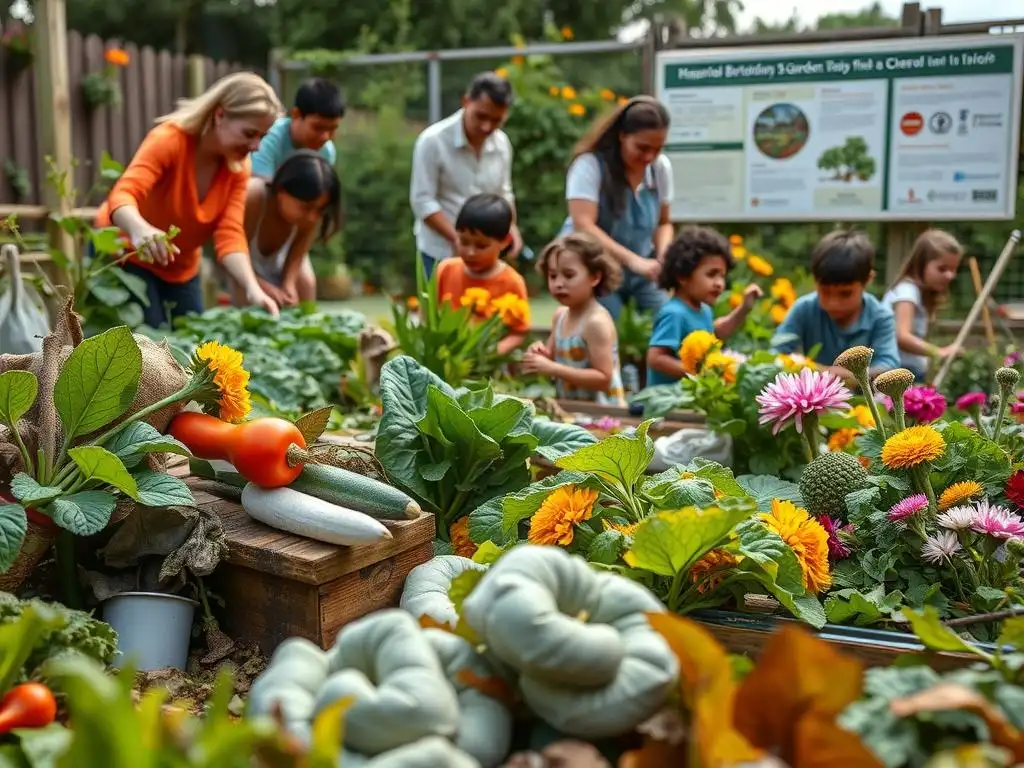
Securing funding for a community garden requires creativity and a multifaceted approach. While traditional grant applications remain crucial, exploring innovative funding streams significantly increases your chances of success. This section delves into strategies beyond the typical grant application, focusing on generating excitement and securing diverse resources. Understanding and utilizing these diverse community garden funding options is key to sustainable growth.
Creative Fundraising Ideas: Unique and Engaging Approaches
Beyond the standard bake sale, consider these unique fundraising ideas to boost your community garden's coffers and engage the wider community. Think outside the box to create events that resonate with your neighborhood's specific interests and demographics.
- Community Potluck and Auction: Host a potluck where attendees bring dishes made with produce from the garden (if available) and participate in a silent auction featuring donated goods or services. This fosters a sense of community while raising funds. Data from similar events shows that potlucks combined with auctions can generate significantly higher revenue than potlucks alone. For example, a small community garden in [City Name] raised $1,200 with this combined event.
- Gardening Workshops and Classes: Offer paid workshops on various gardening techniques, composting, or specific plant care. Charge a fee per participant, ensuring the workshops are valuable and attract a broad audience. Consider offering tiered pricing to make it accessible to different income levels. These workshops also provide a valuable service to the community while generating income. The success rate of these workshops is directly linked to effective marketing and promotion.
- Subscription Boxes: Create subscription boxes filled with fresh produce from the garden (seasonal availability permitting), homemade jams, or other garden-related products. This provides a recurring revenue stream and strengthens community engagement through regular deliveries. Data suggests that subscription models offer predictable income, allowing for better budgeting and financial planning.
Seeking In-Kind Donations: Materials, Labor, and Services
In-kind donations represent a valuable resource often overlooked. These contributions, while not monetary, significantly reduce costs associated with establishing and maintaining the garden. Actively seeking in-kind support can drastically improve your budget.
- Materials: Request donations of tools, seeds, compost, soil, mulch, fencing, and other gardening supplies from local businesses, hardware stores, or nurseries. Many are willing to support community initiatives. Highlight the community benefit and the potential for brand exposure in your request.
- Labor: Recruit volunteers from the community, local schools, or organizations. Offer workshops or community workdays in exchange for their time and expertise. A well-organized volunteer program not only reduces labor costs but also fosters a sense of ownership and investment in the garden's success. Consider creating a volunteer schedule and providing necessary training to ensure efficiency and safety.
- Services: Seek donations of professional services such as landscaping, legal advice, or accounting support. Many professionals are happy to donate their time to worthy community causes. Clearly articulate your needs and how their expertise can benefit the garden.
Building Partnerships with Local Businesses and Organizations: Mutual Benefits
Collaborating with local businesses and organizations creates mutually beneficial relationships, generating funding and expanding the garden's reach. This approach requires strategic outreach and a clear understanding of the potential partnerships.
- Corporate Sponsorships: Approach local businesses for sponsorships in exchange for recognition on signage, website, or promotional materials. Highlight the positive image associated with supporting a community garden. Tailor your sponsorship packages to different budget levels, offering various benefits.
- Grants from Foundations and Non-profits: Research local foundations and non-profit organizations that support community development, environmental initiatives, or food security programs. Craft compelling grant proposals that clearly outline your garden's mission, impact, and budget. The success rate of grant applications is significantly improved with well-researched proposals and compelling narratives.
- Collaborations with Schools and Universities: Partner with local schools or universities to engage students in gardening projects, providing educational opportunities and valuable volunteer support. This fosters community engagement and creates a sustainable pipeline of volunteers. Formal agreements should be established to define responsibilities and expectations.
Remember, securing funding for a thriving community garden requires a persistent and multifaceted approach. By combining traditional methods with innovative strategies, you can significantly increase your chances of success and build a vibrant, sustainable community resource.
Managing Your Community Garden Finances: Budgeting and Reporting
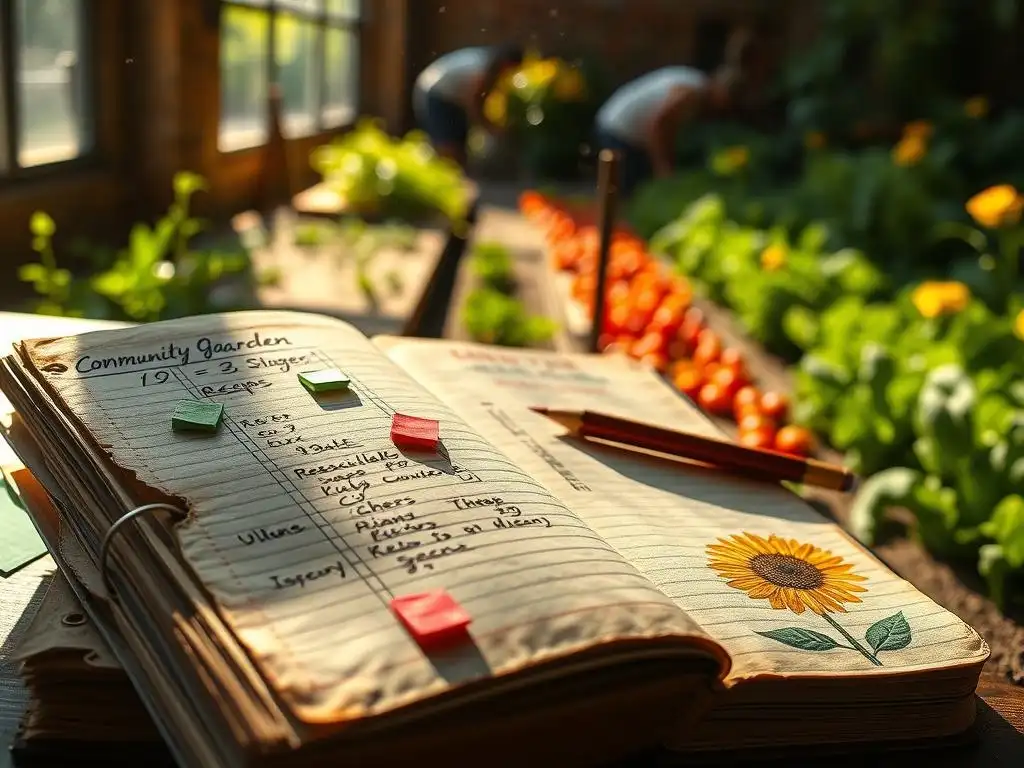
Successfully establishing and maintaining a thriving community garden hinges on effective financial management. Securing initial funding is only the first step; ongoing financial planning, meticulous budgeting, and transparent reporting are crucial for long-term sustainability. This section delves into the practical aspects of managing your community garden's finances, focusing on budgeting, expense tracking, and reporting to ensure responsible stewardship of resources. Understanding these processes is key to securing future community garden funding options.
Developing a Realistic Budget: Tracking Income and Expenses
Creating a detailed budget is paramount. This isn't just about predicting income; it's about comprehensively outlining all anticipated expenses. Start by categorizing your expenses:
- Start-up Costs: These include initial land preparation (if applicable), purchasing tools and equipment (shovels, watering cans, wheelbarrows), seeds, seedlings, and initial soil amendments. A realistic estimate for start-up costs will vary greatly depending on the scale of your project and the availability of donated materials. For example, a small community garden might require $500-$1000, while a larger project could easily need $5000 or more.
- Recurring Expenses: These are ongoing costs like water bills (consider installing water-efficient irrigation systems to minimize expenses), fertilizer and soil amendments, pest control (organic options are preferred), insurance, and any maintenance or repair costs for tools and equipment. Remember to factor in potential unexpected repairs.
- Income Streams: Community gardens can generate income through various avenues. These might include membership fees, produce sales at farmers' markets or directly to consumers, fundraising events, grants, and donations. Projecting realistic income is crucial for balancing your budget. Consider different pricing models and the potential yield of your crops.
| Expense Category | Estimated Cost (Year 1) | Estimated Cost (Year 2) | Notes |
|---|---|---|---|
| Start-up Costs | $800 | $0 | Includes tools, soil, seeds |
| Water | $200 | $250 | May increase due to potential expansion or hotter weather conditions |
| Fertilizer & Amendments | $150 | $150 | Consider composting to reduce these costs over time |
| Maintenance & Repairs | $100 | $150 | Allocate funds for unexpected repairs |
| Marketing & Outreach | $50 | $75 | Essential for attracting members and generating additional income |
| Total Estimated Expenses | $1300 | $625 |
Developing a comprehensive budget, like the example above, allows you to track your financial health effectively. Regularly reviewing and adjusting your budget based on actual income and expenses is essential for responsible financial management. Consider using spreadsheet software or dedicated budgeting apps to streamline this process.
Maintaining Financial Transparency: Reporting to Stakeholders
Maintaining financial transparency builds trust and ensures accountability. Regular reporting to stakeholders, including community members, volunteers, and any funding organizations, is crucial. This reporting should include:
- Detailed Income and Expense Statements: These statements should clearly outline all income sources and expenses, categorized as shown in the budget example above. Use clear and concise language, avoiding technical jargon.
- Regular Financial Updates: Provide updates at least annually, and more frequently if significant financial decisions are made or if funding is being sought. This could involve newsletters, community meetings, or online updates.
- Audits (if applicable): Depending on the scale of your project and the level of funding received, conducting regular audits can enhance transparency and accountability.
Transparency fosters trust and demonstrates the responsible use of funds. Open communication ensures that community members understand how their contributions are being utilized and fosters a sense of shared ownership. This is vital for securing future community garden funding options and maintaining strong community support.
Ensuring Financial Sustainability: Long-Term Planning
Financial sustainability is crucial for a community garden's long-term success. This involves developing a comprehensive long-term financial plan that considers:
- Diversification of Income Streams: Relying solely on one income source is risky. Explore multiple avenues to generate income, such as membership fees, produce sales, fundraising, grants, and sponsorships. This reduces reliance on any single source and provides financial resilience.
- Cost-Effective Practices: Implement cost-saving measures, such as composting, water conservation techniques, and using reclaimed materials. This minimizes expenses and maximizes resources.
- Grant Writing and Fundraising: Actively seek out grant opportunities and engage in fundraising activities to supplement income. This requires developing compelling proposals and building strong relationships with potential funders. Regular grant applications, coupled with successful fundraising events, can significantly contribute to long-term financial stability.
- Contingency Planning: Develop a plan to handle unexpected expenses or revenue shortfalls. This might involve setting aside a reserve fund or establishing a system for emergency fundraising.
Long-term planning is not just about securing funding; it's about building a financially resilient community garden that can withstand economic fluctuations and continue to serve its community for years to come. This proactive approach strengthens the chances of securing future community garden funding options and ensures the garden's enduring legacy.
Securing Long-Term Funding for Community Garden Sustainability
Sustaining a thriving community garden requires a multi-faceted approach to funding, moving beyond short-term grants and embracing long-term financial stability. This ensures the garden's continued operation and its ability to serve the community for years to come. Securing diverse funding streams is crucial for resilience against unexpected challenges and allows for strategic planning and expansion. The following strategies can help secure the financial future of your community garden initiative.
Exploring Endowments and Trusts: Ensuring Ongoing Support
Endowments and trusts offer a powerful mechanism for long-term funding of community gardens. An endowment is a fund of money or property that is invested to generate income for a specific purpose, in this case, the upkeep and development of your garden. The principal remains intact, while the interest or investment returns provide a consistent stream of revenue. Trusts, similarly, can be established to manage assets and distribute income to support the garden's activities.
Establishing an endowment or trust often involves working with a financial institution or a philanthropic organization specializing in managing such funds. The process typically requires developing a detailed proposal outlining the garden's mission, financial needs, and long-term sustainability plan. This proposal should clearly demonstrate the garden's impact on the community and its commitment to responsible stewardship of the funds.
The size of the endowment or trust will depend on the garden's needs and the resources available. Even smaller endowments can contribute significantly to long-term financial stability. Consider exploring partnerships with local foundations or wealthy individuals who share your vision for community gardening.
Developing a Sustainable Business Model for Your Community Garden: Generating Revenue
Beyond securing donations and grants, developing a sustainable business model is essential for the long-term financial health of your community garden. This involves generating revenue through various activities that complement the garden's core mission. Diversification is key to minimizing reliance on any single revenue stream.
Here are some examples of revenue-generating activities:
- Produce Sales: Selling surplus produce at farmers' markets, through a community supported agriculture (CSA) program, or directly to local restaurants can provide a significant income stream. Consider offering different types of produce to cater to diverse preferences and maximize sales. Pricing strategies should reflect the quality of the produce and the value proposition of supporting a local, sustainable initiative.
- Workshops and Educational Programs: Offering workshops on gardening techniques, composting, or other related topics can generate revenue while also promoting community engagement and education. These workshops can target different skill levels, from beginners to experienced gardeners, creating a wider appeal.
- Membership Fees: Implementing a tiered membership system offers access to garden plots, tools, and other benefits, providing a recurring revenue stream. Offering different membership levels (e.g., individual, family, organizational) caters to various needs and budgets.
- Fundraising Events: Organizing events like plant sales, potlucks, or community festivals can raise funds and foster community spirit. These events can be themed around seasonal harvests or specific gardening topics, making them engaging and attractive to participants.
The success of these initiatives hinges on careful planning, efficient management, and effective marketing. Regular evaluation and adjustments to the business model are necessary to ensure its ongoing effectiveness.
Building a Strong Community Base: Ensuring Long-Term Engagement and Support
A strong community base is crucial for the long-term success of any community garden. Engaged community members are more likely to volunteer their time, donate resources, and advocate for the garden's continued operation. Building and maintaining this strong community foundation is a continuous process that requires consistent effort and thoughtful strategies.
- Volunteer Recruitment and Retention: Actively recruit volunteers through various channels, including social media, local newsletters, and community events. Show appreciation for volunteers’ contributions through recognition events, training opportunities, and team-building activities. This will help foster a sense of ownership and commitment.
- Community Outreach and Engagement: Organize regular community events, workshops, and social gatherings to promote interaction and build relationships. Use social media and other communication channels to share updates, announcements, and success stories. This transparency builds trust and encourages participation.
- Partnerships with Local Organizations: Collaborate with local schools, businesses, and non-profit organizations to expand the garden's reach and access to resources. These partnerships can provide access to funding, volunteers, and other valuable support. Consider partnering with organizations that share similar values and goals to maximize impact.
- Community Needs Assessment: Regularly assess the needs and preferences of the community to ensure the garden remains relevant and responsive to local demands. This ongoing feedback mechanism helps adapt programs and activities to better serve the community.
Cultivating a strong community around your community garden is an investment that pays off in terms of sustained engagement, increased volunteer support, and ultimately, long-term financial sustainability. Remember, a thriving community garden is not just about growing food; it's about building community. 🌱
Frequently Asked Questions
What are some common funding sources for community gardens?
Many options exist! You can explore grants from local foundations and government agencies, crowdfunding platforms, and sponsorships from local businesses. Consider writing compelling proposals highlighting your community impact.
How can I write a successful grant proposal for my community garden?
A strong proposal clearly articulates your project goals, budget, and community impact. Highlight the sustainability of your garden and its benefits to the community. Include strong visuals and a realistic timeline.
Are there any fundraising events I can organize to support my community garden?
Absolutely! Consider hosting a farmers' market, a plant sale, or a community potluck. These events are great for raising funds and building community engagement around your garden.
What kind of budget should I expect when planning a community garden?
Your budget will depend on the scale of your project. Factor in costs for land preparation, materials, tools, seeds, and ongoing maintenance. Explore volunteer opportunities to reduce labor costs.
How can I find mentors or advisors to help with my community garden funding efforts?
Seek guidance from established community gardens, local non-profits, and agricultural extension services. Networking with experienced individuals can provide valuable insights and support during your funding process.
Final Reflection: Cultivating a Future Through Community Gardens
Securing funding for community gardens isn't just about acquiring resources; it's about investing in the future of our communities. The vibrant spaces we create through these shared green havens offer far more than just fresh produce; they foster social connection, environmental stewardship, and a renewed sense of belonging. This is a crucial investment, particularly in a world grappling with food insecurity and social isolation.
The impact of community gardens extends far beyond the tangible benefits of locally grown food. They are spaces of learning, collaboration, and empowerment, weaving together diverse threads of our society. A garden is a friend you can always count on.
This simple truth speaks to the enduring power of these spaces to provide solace, opportunity, and a sense of shared purpose. The ongoing challenge, however, lies in ensuring their sustainability, and that requires a continued commitment to exploring and securing diverse funding streams.
Now, consider your own community. What seeds of change could a thriving community garden plant? What unique resources exist within your network that could help bring this vision to life? I encourage you to take the lessons learned in this article – from grant writing to crowdfunding strategies – and apply them to your own initiative. Let's work together to cultivate a future where every community has access to the nourishment and connection that a flourishing garden provides.
Unlock Your Garden's Potential: Grow Your Community, Grow Your Resources!
Thank you for learning about securing funding for your community garden! We hope you found this information valuable. Now, let's put that knowledge into action and cultivate a thriving space.
- Craft a compelling grant proposal: A strong proposal is crucial for securing funding. Instead of simply requesting money, vividly describe your garden's positive impact on the community. Highlight the benefits for residents, such as increased access to fresh produce, improved community cohesion, and enhanced green spaces.
- Build relationships with local businesses: Partner with businesses that share your garden's mission. For example, a local nursery might donate plants, or an organic food store could sponsor workshops.
- Share your story: Promote your garden's progress and needs through social media and local news. Engaging your community will foster support and involvement.
What innovative partnerships could you create to further your community garden's goals? Consider collaborating with schools for educational programs, or partnering with local restaurants to source produce. The possibilities are vast!