
Compost Material Cheat Sheet: What Can and Can't Go in Your Pile

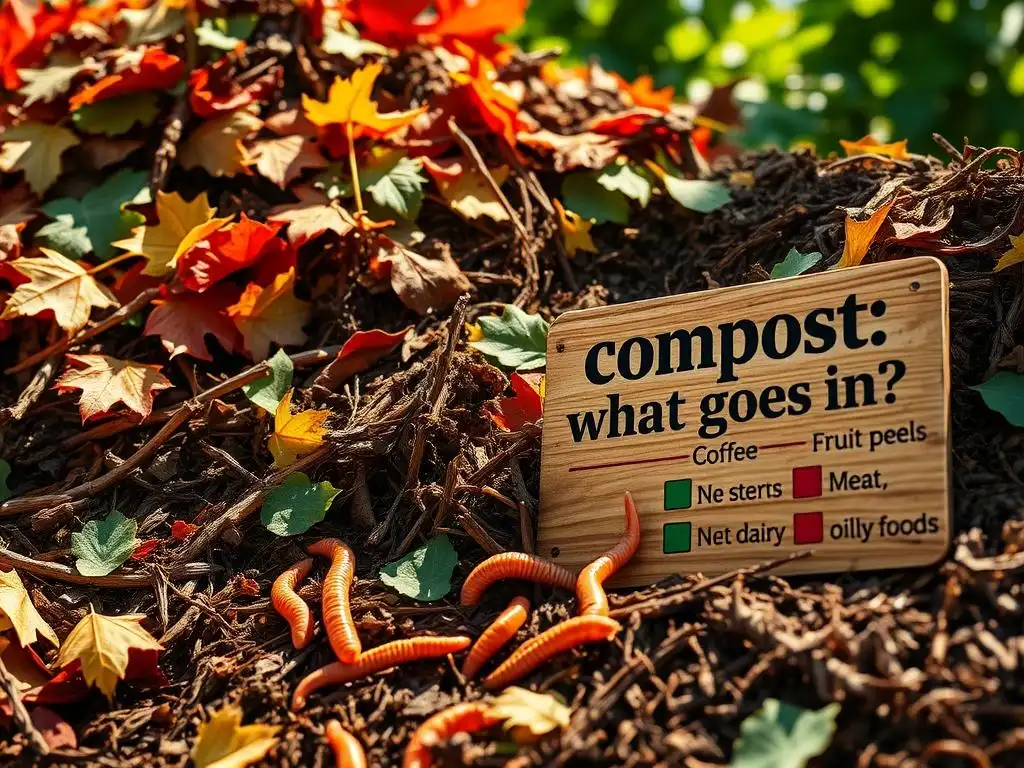
Welcome to CultivateYourFood, your guide to a thriving home garden! Ready to unlock the secrets to bountiful harvests using nature's best methods? We believe everyone can cultivate their own food, sustainably and organically. This begins with understanding the essentials, like crafting the perfect compost pile. Dive into our Best compost materials guide, a comprehensive cheat sheet that will transform your gardening game and help you build rich, healthy soil – the foundation for all your delicious homegrown produce. Let's get growing!
- Best Compost Materials Guide: Green Materials for Your Compost Pile
- Best Compost Materials Guide: Brown Materials for Your Compost Pile
- Achieving the Perfect Compost Ratio: Balancing Greens and Browns
- Materials to Absolutely Avoid in Your Compost Pile
- Frequently Used Compost Materials: A Quick Reference Guide
- Boosting Your Compost: Accelerating the Decomposition Process
- Harvesting and Using Your Finished Compost: Benefits and Applications
- Frequently Asked Questions
- Final Reflection: Cultivating a Richer Future, One Compost Pile at a Time
- Unlock Your Garden's Potential: Start Composting Today!
Best Compost Materials Guide: Green Materials for Your Compost Pile
Creating a thriving compost pile is the cornerstone of sustainable gardening, enriching your soil and reducing waste. This comprehensive guide serves as your ultimate cheat sheet, detailing the best compost materials – specifically focusing on the "green" components – to ensure a healthy and efficient decomposition process. We'll delve into the specifics of nitrogen-rich additions, ideal kitchen and yard waste options, and materials that accelerate the composting process. Mastering this aspect of composting is crucial for maximizing nutrient-rich soil for your fruits, vegetables, and herbs.
Understanding which materials to include and exclude is key to achieving that rich, dark compost your plants will crave. This guide will equip you with the knowledge to become a composting pro, transforming your organic waste into valuable garden gold. Let's dive into the world of green composting! 🎉
Understanding Green Compost Materials: Nitrogen-Rich Additions
Green materials are the nitrogen-rich components of your compost pile. They provide the essential building blocks for microorganisms to thrive and break down organic matter. Think of them as the "fuel" for the composting process. Without sufficient green materials, your compost pile will decompose slowly, if at all. A balanced ratio of green to brown materials is vital for optimal decomposition. Too many greens can lead to a smelly, slimy pile due to anaerobic decomposition.
The key characteristic of green materials is their high nitrogen content. Nitrogen is a crucial nutrient for plant growth, and incorporating sufficient green matter ensures your finished compost is packed with this vital element. Examples include:
- Freshly cut grass clippings
- Fruit and vegetable scraps
- Coffee grounds and tea bags (remove staples)
- Manure (from herbivores only!)
- Seaweed (if readily available)
It's important to note that some green materials decompose faster than others. Freshly cut grass, for example, breaks down quickly, whereas tougher materials like corn stalks may take longer. A good strategy is to layer materials of varying decomposition rates to maintain a consistent decomposition process.
Ideal Green Materials: Kitchen Scraps & Yard Waste
Your kitchen and garden are treasure troves of ideal green compost materials. These readily available resources can significantly boost your compost pile's nitrogen levels. Properly managing kitchen scraps and yard waste can dramatically reduce your household waste and create nutrient-rich compost for your garden.
Here’s a breakdown of excellent options:
| Kitchen Scraps | Yard Waste | Notes |
|---|---|---|
| Fruit and vegetable peels & scraps | Grass clippings | Avoid diseased or pest-ridden plants. |
| Coffee grounds and tea bags | Leaves (shredded for faster decomposition) | Avoid using chemically treated grass or leaves. |
| Eggshells (crushed) | Flower trimmings | Eggshells add calcium to your compost. |
| Cooked food scraps (in moderation) | Weeds (remove seeds) | Cooked foods should be added sparingly to avoid attracting pests. |
| Spent grains from brewing (excellent!) | Small branches and twigs (chopped) | Ensure you chop branches to speed up decomposition. |
Remember to chop or shred larger items to accelerate the decomposition process. This increases the surface area, allowing microorganisms to access the material more effectively.
Best Green Materials for Quick Decomposition
Certain green materials are known for their rapid decomposition rates, helping to speed up the overall composting process. Including these materials in your pile can help to maintain a healthy, active environment, accelerating the creation of rich, usable compost. These materials are typically softer and more easily broken down by microorganisms.
Some of the top contenders for quick decomposition include:
- Freshly mowed grass: High in nitrogen and moisture, it breaks down rapidly.
- Fruit and vegetable scraps (soft): Items like banana peels and melon rinds decompose quickly.
- Coffee grounds: These decompose relatively fast, adding nitrogen and improving soil structure.
- Food scraps (cooked, finely chopped): Smaller pieces break down faster than larger chunks.
By strategically incorporating these materials, you can significantly reduce the overall composting time and enjoy nutrient-rich compost sooner. Remember to always maintain a proper balance with brown materials for optimal results.
Avoiding Problematic Greens
While many green materials are beneficial for your compost pile, some should be avoided or used sparingly. Overly nitrogen-rich materials can lead to an imbalance, resulting in foul odors and slow decomposition. For example, while grass clippings are excellent, adding too many can create a slimy, smelly mess. The ideal ratio of greens to browns is crucial for a healthy compost heap. Aim for a balance to ensure efficient decomposition and avoid unpleasant surprises. Think of it like baking a cake – you need the right proportion of ingredients for the best results!
One common problematic green is diseased plants. Introducing diseased plants to your compost pile risks spreading the disease to healthy plants later. Composting diseased material at home might not reach temperatures high enough to kill pathogens effectively. Instead, it's best to dispose of diseased plants in the trash or, if local regulations allow, in a designated area away from your garden. This prevents the spread of diseases and protects the health of your future crops. It’s a small sacrifice for a healthy garden.
Another material to handle with caution is dairy products and meats. While some composting systems, especially industrial ones, can handle these, they’re generally best avoided in home composting. These materials attract unwanted pests like rodents and flies, creating a significant nuisance. They also decompose slowly and can create foul odors, disrupting the overall composting process and potentially contaminating your finished compost. Focus on plant-based materials for a cleaner, more efficient composting experience.
Finally, consider the quantity of green materials added at once. A sudden influx of greens can overwhelm the composting process, leading to anaerobic conditions (lack of oxygen). This, again, creates unpleasant smells and inhibits proper decomposition. Adding greens gradually and in appropriate proportions with browns is key for achieving a successful compost pile. Remember, patience and consistent monitoring are crucial for creating nutrient-rich compost.
Best Compost Materials Guide: Brown Materials for Your Compost Pile
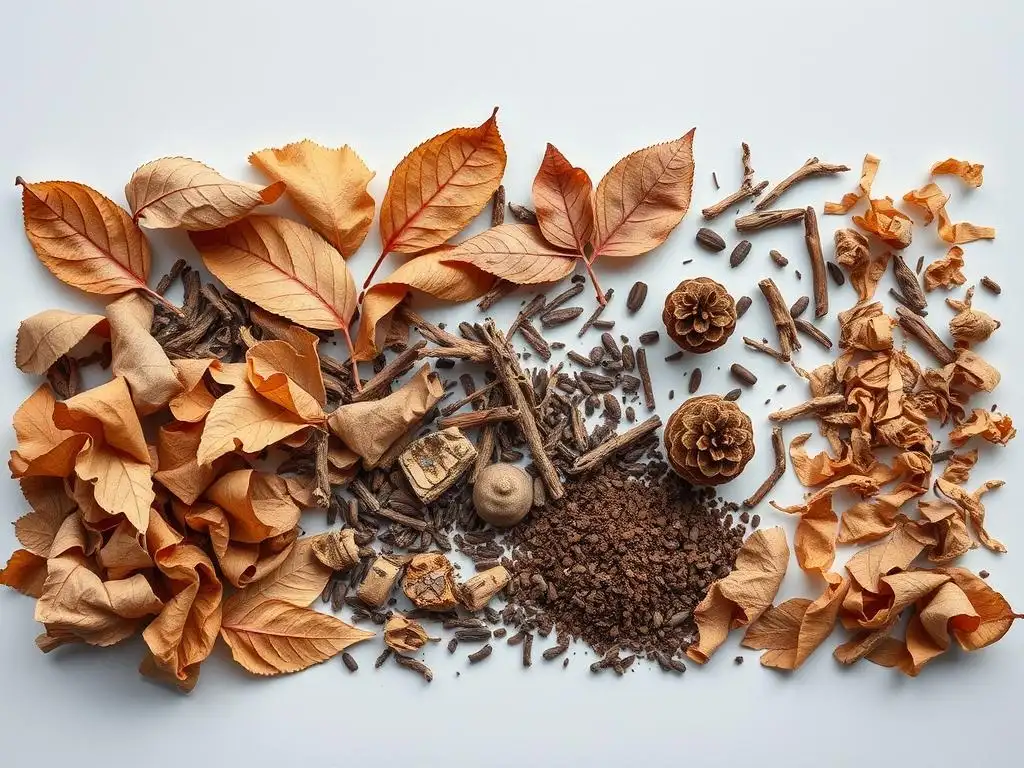
This section focuses on the crucial "brown" components of your compost pile – the carbon-rich materials that balance the nitrogen-rich "greens." A well-balanced compost pile, with the right ratio of browns to greens, is essential for efficient decomposition and a nutrient-rich end product. Getting this ratio right is key to achieving the best compost for your garden. This guide will help you identify the best brown materials for your compost and understand their role in the composting process.
Understanding Brown Materials: Carbon-Rich Additions
Brown materials are the structural backbone of your compost heap. They provide the carbon necessary for the microorganisms that break down organic matter to thrive. Think of them as the "fuel" for the composting process. Without sufficient brown materials, your pile will become overly wet, slimy, and may even smell unpleasant due to anaerobic decomposition (decomposition in the absence of oxygen).
This results in a slow and inefficient composting process. The ideal carbon-to-nitrogen ratio for effective composting is generally considered to be around 30:1, although this can vary depending on factors like temperature and moisture. Maintaining this balance is crucial for success. The carbon in brown materials also helps to aerate the compost pile, preventing compaction and promoting healthy microbial activity.
Ideal Brown Materials: Dried Leaves & Cardboard
Dried leaves are a readily available and excellent source of brown material. They are readily broken down by microorganisms and contribute significantly to the carbon content of your compost. Aim for a mix of different leaf types for a more diverse microbial environment. Avoid diseased or pest-ridden leaves, as these could contaminate your compost.
Cardboard, when properly prepared, is another fantastic brown material. Ensure it's free of any plastic coatings, tape, or labels. Tear it into smaller pieces to aid decomposition. Avoid glossy or waxed cardboard, as these are difficult to break down. Using cardboard is a great way to recycle and add bulk to your compost pile. It's especially useful for building up the base layers of a new compost bin.
| Material | Carbon-to-Nitrogen Ratio (Approximate) | Advantages | Disadvantages | Preparation |
|---|---|---|---|---|
| Dried Leaves | 60:1 | Abundant, readily available, easily decomposes | Can be blown away, may need shredding for faster breakdown | Rake and collect; shredding optional |
| Uncoated Cardboard | 50:1 | Abundant, readily available, good for aeration | Must be free of coatings, labels, and tape | Tear into smaller pieces; remove labels and tape |
Best Brown Materials for Balanced Decomposition
Beyond leaves and cardboard, several other materials contribute significantly to a balanced and efficient composting process. These include:
- Shredded Paper: Newspaper, office paper (uncoated), and shredded paper are all excellent choices. Avoid glossy or colored paper.
- Straw: Provides good structure and carbon.
- Wood Chips: Smaller wood chips decompose faster than larger ones. Avoid treated wood.
- Sawdust: (Untreated only) Similar to wood chips; smaller pieces are better. Avoid sawdust from treated lumber or wood that has been painted or stained.
- Pine Needles: A good source of carbon, but they decompose more slowly than leaves.
Remember, consistent monitoring of your compost pile's moisture and carbon-to-nitrogen ratio is crucial for optimal decomposition. Regular turning helps to maintain proper aeration and temperature, accelerating the breakdown of materials and creating rich, nutrient-dense compost. By incorporating a variety of brown materials, you'll ensure a healthy and efficient composting process, yielding the best compost for your garden 🌱.
Avoiding Problematic Browns
While many brown materials are beneficial to your compost pile, some should be avoided altogether. These materials can hinder the decomposition process, attract pests, or introduce harmful substances into your compost. Understanding which materials to exclude is crucial for creating high-quality compost.
One significant category to avoid is diseased or pest-ridden plants. Introducing diseased plants can spread pathogens throughout your compost pile, potentially contaminating your garden soil later on. This can lead to further plant diseases and reduced yields in your vegetable patch. For example, plants affected by blight or fungal diseases should never be added. Instead, these plants should be disposed of responsibly, such as through burning (if local regulations permit) or by bagging them securely for disposal with regular household waste.
Similarly, avoid adding any plant material treated with chemical pesticides or herbicides. These chemicals can persist in the compost, potentially harming beneficial microorganisms and negatively impacting the soil health of your garden. The residues can also be toxic to your plants and even pose risks to you and your family. Organic pest control methods are always preferable for a sustainable and healthy garden ecosystem.
Another problematic category includes oily or fatty foods. These materials attract unwanted pests and can create unpleasant odors. While small amounts of some food scraps are generally fine, large quantities or particularly greasy items should be omitted. This includes things like heavily oiled pizza boxes or used cooking oil. These items not only slow down the decomposition process but also can create anaerobic conditions, leading to foul smells and potentially harmful byproducts. Always prioritize composting materials that are naturally occurring and easily broken down.
Finally, glossy or waxed paper products should be excluded. These materials do not readily decompose and can contaminate the compost. This includes things like many fast food containers and some types of paper bags. While newspaper and cardboard are generally excellent additions, be sure to select only unwaxed and uncoated materials. Always check the packaging for any indications of coatings before adding it to your compost. A healthy compost pile relies on proper material selection to ensure efficient decomposition and a rich, nutrient-dense end product.
Achieving the Perfect Compost Ratio: Balancing Greens and Browns
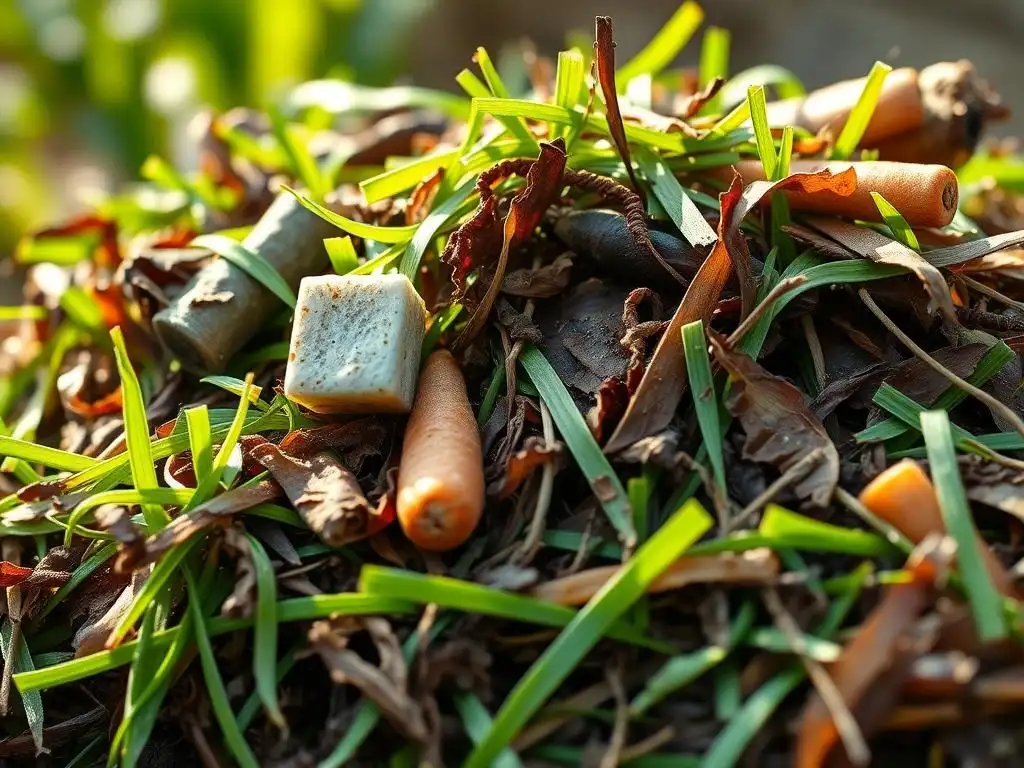
Creating a thriving compost pile hinges on achieving the right balance between "greens" and "browns." This isn't just about aesthetics; it's about the crucial carbon-to-nitrogen (C:N) ratio necessary for effective decomposition. Getting this ratio right ensures your compost breaks down efficiently, avoiding unpleasant smells and maximizing the nutrient-rich end product. Think of it as the recipe for compost success!
The Ideal Carbon-to-Nitrogen Ratio for Effective Composting
The ideal C:N ratio for composting is generally considered to be around 30:1. This means you need roughly 30 parts carbon-rich materials (browns) for every 1 part nitrogen-rich materials (greens). This ratio fuels the microbial activity that breaks down organic matter. Too much nitrogen, and your pile will become anaerobic (lacking oxygen), leading to foul odors and slow decomposition. Too much carbon, and the decomposition process will be sluggish.
Let's break down the roles of greens and browns:
- Browns (Carbon-rich): These provide the energy source for the microorganisms doing the composting. Examples include dried leaves, shredded paper, cardboard (remove tape and stickers! ), straw, and wood chips. These materials are relatively slow to decompose.
- Greens (Nitrogen-rich): These are the nutrient-rich materials that feed the microorganisms. Examples include grass clippings, vegetable scraps, fruit peels, coffee grounds, and tea bags (remove staples). These materials decompose relatively quickly.
Think of it like this: the browns are the fuel, and the greens are the food for the composting microbes. A balanced ratio ensures a healthy and efficient composting process.
Troubleshooting Your Compost Pile: Too Many Greens or Browns
Even with careful planning, imbalances can occur. Recognizing the signs of an unbalanced compost pile is crucial for adjusting your strategy.
| Problem | Cause | Solution |
|---|---|---|
| Foul odor, slow decomposition | Too many greens (high nitrogen) | Add more brown materials like dried leaves or shredded cardboard. |
| Slow decomposition | Too many browns (high carbon) | Add more green materials like grass clippings or vegetable scraps. |
| Mushy, slimy pile | Insufficient air circulation, too wet | Turn the pile more frequently, add more brown materials for aeration. |
| Dry, crumbly pile | Insufficient moisture | Water the pile regularly, ensuring it's consistently moist but not soggy. |
Further Troubleshooting Tips
If you're still struggling, consider the following: Are you layering your greens and browns properly? Proper layering promotes better airflow. Are you turning your compost pile regularly? Turning introduces oxygen and speeds up decomposition. Is your pile too wet or too dry? Consistent moisture is essential for microbial activity.
Adjusting Your Compost Mix for Optimal Decomposition
Maintaining the optimal C:N ratio requires ongoing monitoring and adjustments. Regularly assess your compost pile's condition—smell, moisture, and decomposition rate—to identify imbalances. Don't be afraid to experiment! The best way to learn is through practice. Keep detailed notes of what you add and the results you observe.
Over time, you'll develop an intuitive sense of the perfect blend for your specific composting environment and the materials available to you. Remember, consistency is key! Regularly adding both greens and browns will keep your compost pile healthy and productive, yielding rich, nutrient-laden compost to nourish your garden. This is the essence of achieving the best compost materials for your garden, resulting in a robust and effective composting system.
Materials to Absolutely Avoid in Your Compost Pile
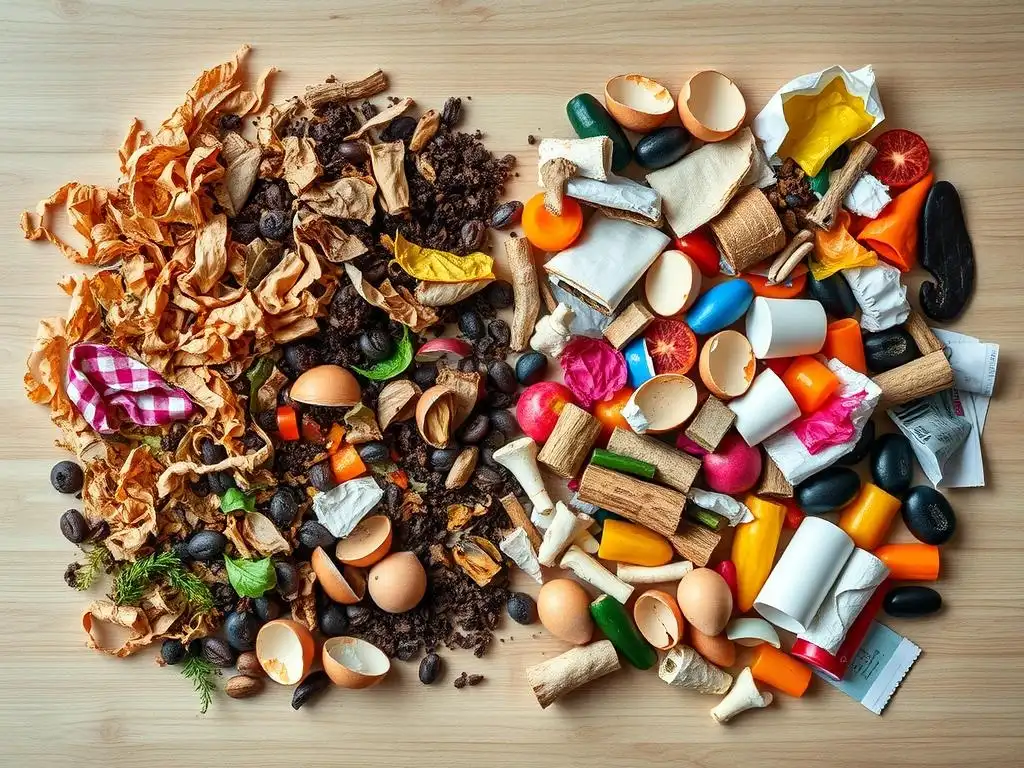
This section details materials that should never be added to your compost pile, regardless of how tempting it might seem to repurpose them. Including these items can severely hinder the composting process, contaminate your compost, and even harm the environment. This guide helps you build the best compost materials pile possible by avoiding common mistakes. Remember, a successful compost relies on a balance of "browns" (carbon-rich) and "greens" (nitrogen-rich) materials, and the complete avoidance of these problematic substances.
Contaminants that Harm Your Compost and Soil Health
Certain materials introduce harmful substances into your compost, rendering it unusable for your garden. These contaminants can leach into the soil, harming plant growth and potentially even impacting groundwater. Avoiding these is crucial for creating healthy, nutrient-rich compost.
- Dairy Products: Milk, yogurt, cheese, and other dairy products attract pests and create foul odors. They also take a very long time to decompose, leading to anaerobic conditions (lack of oxygen) which hinder the composting process. The resulting slime can also be a breeding ground for harmful bacteria.
- Meat, Fish, and Bones: These attract unwanted animals like rodents and raccoons, causing significant disruption. The decomposition process also produces unpleasant smells and can attract flies. Moreover, incomplete decomposition can lead to the spread of pathogens.
- Oils and Fats: These materials are very slow to break down and can create a greasy, unpleasant mess within your compost pile. They also repel beneficial microorganisms essential for decomposition.
- Diseased Plants: Composting diseased plants can spread pathogens to healthy plants in your garden. It's crucial to dispose of diseased plants responsibly, such as by burning them (if permitted by local regulations) or disposing of them in the trash.
- Treated Wood: Pressure-treated wood contains chemicals that are toxic to plants and soil organisms. Avoid adding any wood treated with preservatives, paints, or stains to your compost.
- Pet Waste: Dog and cat feces can carry harmful parasites and bacteria that pose a health risk to humans and other animals. Never add pet waste to your compost pile.
Dealing with Problematic Materials: Safe Disposal Options
Knowing what not to compost is only half the battle. Proper disposal of these problematic materials is equally important. Here are some responsible disposal methods:
- Dairy Products & Meat/Fish/Bones: These should be disposed of in your regular household trash.
- Oils and Fats: These can often be recycled through specific municipal programs or disposed of properly with your regular trash, avoiding direct contact with compostable materials.
- Diseased Plants: Ideally, burning (if legally allowed and safe to do so) or double-bagging and placing them in the trash are the safest options.
- Treated Wood: Check with your local waste management facility for proper disposal options. This might involve special disposal sites or specific recycling programs.
- Pet Waste: Dispose of pet waste in sealed bags in your regular trash. Never leave it exposed, as it can attract pests and contaminate the environment.
Protecting Your Compost Pile from Contamination
Preventing contamination is far easier than dealing with the consequences. Here are some proactive measures to safeguard your compost pile:
- Proper Location: Place your compost pile away from areas where pets might defecate or where children play. Consider a location sheltered from rain to reduce the risk of spreading contaminated runoff.
- Regular Monitoring: Regularly inspect your compost pile for any unwanted materials or signs of infestation. Addressing any issues promptly can prevent larger problems.
- Compost Bin: Using a enclosed compost bin helps contain materials and minimizes the risk of contamination from animals or the environment. This is particularly important if you are composting materials that may attract pests.
- Layering: Proper layering of “greens” and “browns” helps create an environment less hospitable to harmful bacteria and pests.
Remember, prioritizing the health and safety of your garden and environment is key to successful composting. By carefully selecting your compost materials and following safe disposal practices, you'll create rich, healthy compost that nourishes your plants and contributes to a sustainable lifestyle. This will also help you achieve the best compost materials results. 🌱
Frequently Used Compost Materials: A Quick Reference Guide
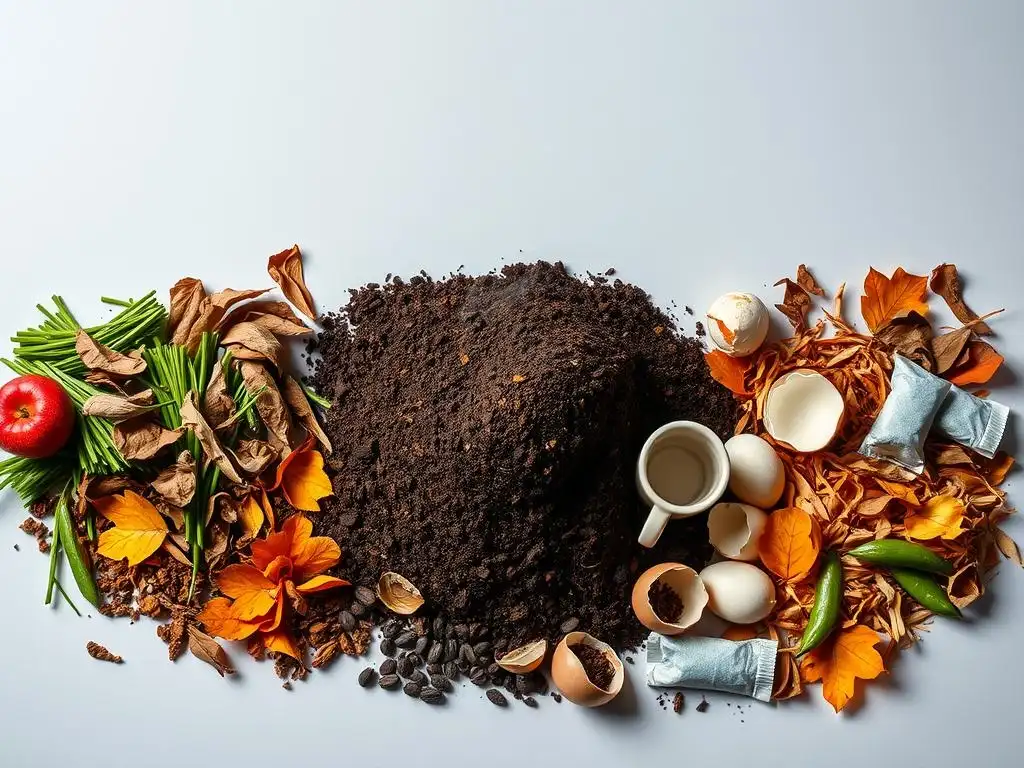
This section provides a quick reference guide to common materials suitable for your compost pile, helping you build rich, nutrient-rich soil. Remember, the best compost materials are those readily available and easily managed. This guide focuses on maximizing the effectiveness of your composting efforts, aligning with sustainable and organic practices. We'll explore both fast and slow-decomposing materials, crucial for balanced composting. This is your ultimate guide to becoming a composting expert!
Quick Guide to Acceptable Compost Materials
Creating a thriving compost pile involves understanding which materials break down effectively. The following table categorizes common garden and kitchen waste suitable for composting:
| Material Category | Examples | Notes | Decomposition Rate |
|---|---|---|---|
| Green Materials (Nitrogen-rich) | Grass clippings, vegetable scraps, fruit peels, coffee grounds, tea bags (remove staples) | These materials provide nitrogen, essential for microbial activity. Avoid diseased plants. | Fast |
| Brown Materials (Carbon-rich) | Dried leaves, shredded paper, cardboard (no glossy print or wax), wood chips, sawdust (untreated) | These provide carbon, balancing the nitrogen from green materials. Avoid treated wood. | Slow to Moderate |
| Other Acceptable Materials | Eggshells (crushed), hair, wool, cotton rags (un-dyed), coffee filters (unbleached) | These add beneficial minerals and nutrients. Avoid synthetic materials. | Moderate to Slow |
Remember to maintain a proper carbon-to-nitrogen ratio (ideally around 30:1) for optimal decomposition. Too much nitrogen can lead to foul odors and slow decomposition, while too much carbon can result in a slow, sluggish process. Monitor your pile and adjust the ratio as needed. A successful compost pile is a dynamic system!
Quick Guide to Materials to Avoid in Your Compost Pile
Just as crucial as knowing what can go into your compost is knowing what cannot. Including unsuitable materials can hinder the composting process, attract pests, or even contaminate your soil. Avoid these materials at all costs:
- Diseased Plants: These can spread disease to your garden.
- Meat, Fish, and Dairy: These attract pests and create foul odors due to slow decomposition and potential for attracting unwanted animals.
- Oily or Fatty Foods: These can inhibit the decomposition process and attract pests.
- Pet Waste: Contains harmful pathogens that can contaminate your compost and soil.
- Treated Wood: Contains chemicals that can harm beneficial microorganisms and contaminate your soil.
- Glossy Paper or Cardboard: The coating on these materials prevents decomposition.
- Synthetic Materials: Plastics, rubber, and other synthetics will not break down and contaminate the compost.
- Weed Seeds: Avoid adding weeds that have gone to seed, to prevent them from spreading in your garden.
By carefully avoiding these materials, you ensure a healthy and productive compost pile, free from unwanted issues. Always prioritize the health and integrity of your compost. This is key to creating the best soil amendment for your garden.
Understanding Material Breakdown Rates: Fast vs. Slow Decomposers
The decomposition rate of compost materials varies significantly. Understanding this helps you manage your pile effectively and achieve optimal results. Fast decomposers like grass clippings and fruit scraps provide readily available nutrients, while slow decomposers like wood chips add structure and long-term fertility.
- Fast Decomposers: These materials break down quickly, releasing nutrients rapidly. Examples include: grass clippings, vegetable scraps, coffee grounds, and fruit peels. These are crucial for maintaining microbial activity and generating heat in the compost pile. Think of them as the "fuel" for the composting process.
- Slow Decomposers: These materials decompose more slowly, providing a sustained release of nutrients over time. Examples include: dried leaves, shredded paper, cardboard, and untreated wood chips. These add structure to the compost and contribute to its long-term fertility. They are essential for maintaining a balanced carbon-to-nitrogen ratio.
Maintaining a balance between fast and slow decomposers is vital for successful composting. A balanced pile will decompose efficiently and produce nutrient-rich compost. Regularly monitoring your pile and adjusting the ratio of materials as needed will optimize the process and yield the best results. This attention to detail ensures you'll produce high-quality compost, benefiting your garden immensely. 🌱
Boosting Your Compost: Accelerating the Decomposition Process
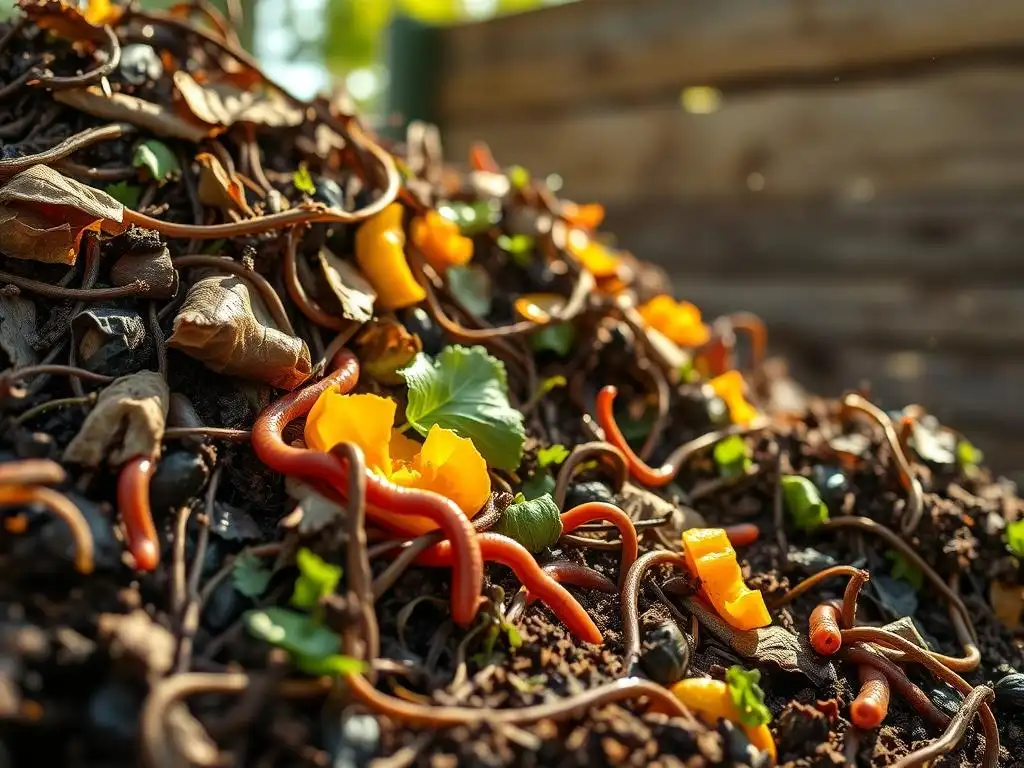
Efficient composting isn't just about what you add; it's about how you manage the process. A well-managed compost pile breaks down faster, producing nutrient-rich soil amendment sooner. This section focuses on techniques to accelerate decomposition, transforming your pile from a slow simmer to a vibrant, bustling ecosystem. This is crucial for anyone aiming to become a master composter and achieve the best results possible, making this the best compost materials guide you'll find.
Techniques for Faster Composting: Turning & Moisture Control
The speed of decomposition hinges on two key factors: adequate moisture and consistent aeration. Turning your compost pile regularly is crucial for introducing oxygen, which fuels the microbial activity responsible for breaking down organic matter. Think of it as giving your compost pile a good workout! Aim for turning your pile at least once a week, more frequently in warmer months. A pitchfork or garden spade works well for this task. You'll notice a difference in the temperature – a warm pile is a happy pile!
Maintaining optimal moisture is equally important. Your compost should feel like a wrung-out sponge. Too dry, and decomposition slows down significantly. Too wet, and anaerobic conditions develop, leading to foul odors and slowed decomposition. Regularly check the moisture level and add water as needed, especially during dry spells. A simple way to check is to grab a handful of compost; it should clump together when squeezed, but water shouldn't drip out.
Adding Beneficial Microorganisms: Compost Tea & Inoculants
Nature provides a wealth of microscopic allies to accelerate composting. Beneficial microorganisms, like bacteria and fungi, are the workhorses of decomposition. You can boost their numbers by introducing compost tea or inoculants to your pile.
Compost tea is a liquid solution brewed from mature compost, teeming with beneficial microbes. It's easy to make at home and can be added to your compost pile to jumpstart microbial activity.
Inoculants are commercially available products containing specific strains of beneficial microorganisms. These can be particularly helpful if you're starting a new compost pile or if your pile seems to be struggling. They essentially provide a head start for the decomposition process. Always follow the manufacturer's instructions for application. Adding these can dramatically improve your compost's quality and speed up the process.
Optimizing Your Compost Pile for Success
Optimizing your compost pile for success involves a holistic approach. It’s about creating the perfect environment for beneficial microorganisms to thrive, leading to faster decomposition and higher-quality compost. Consider these additional tips to transform your composting game:
- Layer appropriately: Alternate “green” (nitrogen-rich) materials like grass clippings with “brown” (carbon-rich) materials such as dried leaves. This ensures a balanced carbon-to-nitrogen ratio, crucial for efficient decomposition. A ratio of roughly 2:1 (brown to green) is often recommended.
- Pile size matters: A larger pile retains heat better, accelerating the decomposition process. Aim for a pile at least 3 feet wide and 3 feet tall.
- Location, location, location: Choose a shady spot to prevent the pile from drying out too quickly.
- Monitor regularly: Regularly inspect your pile for signs of issues like excessive moisture or foul odors. Addressing problems early can prevent larger issues down the road.
By implementing these strategies, you'll not only accelerate the composting process, but also produce richer, more nutrient-dense compost, transforming your garden and ensuring you have the best compost materials guide at your fingertips. Remember, patience and consistent attention are key to achieving optimal results.
Harvesting and Using Your Finished Compost: Benefits and Applications
This section delves into the rewarding culmination of your composting journey: harvesting and utilizing your nutrient-rich finished compost. Successfully creating compost is only half the battle; understanding how to harvest and apply it effectively is crucial for maximizing its benefits in your garden. This guide will walk you through recognizing when your compost is ready, and how best to integrate it into your soil for optimal plant health. This is a key element for any aspiring home gardener seeking the best compost materials guide.
Recognizing Finished Compost: Signs of Successful Decomposition
Knowing when your compost is ready is essential for reaping its full benefits. Overly decomposed compost can lose valuable nutrients, while under-decomposed compost may contain pathogens harmful to your plants. Several key indicators signal that your compost is ready for harvesting:
- Dark, rich color: Finished compost will have a dark brown or black hue, indicating a complete breakdown of organic matter. A lighter color suggests incomplete decomposition.
- Crumbly texture: The compost should be easily crumbled in your hand, resembling moist soil. Clumpy or soggy compost signifies insufficient aeration or excessive moisture.
- Earthy smell: A pleasant, earthy aroma is a hallmark of properly decomposed compost. Unpleasant odors – such as ammonia or sulfur – indicate problems with decomposition, possibly due to an imbalance in the carbon-to-nitrogen ratio or excess moisture.
- Absence of recognizable materials: You should not be able to easily identify the original ingredients. Large pieces of food scraps or yard waste indicate incomplete decomposition.
- Temperature stability: The compost pile's temperature should have stabilized to ambient temperature, signifying the end of the active decomposition phase. A consistently warm pile suggests ongoing decomposition.
Successfully achieving this stage relies on maintaining proper balance in your compost bin. For example, ensuring a good mix of "brown" (carbon-rich) and "green" (nitrogen-rich) materials is crucial. Too many greens lead to foul odors and slow decomposition, while too many browns result in a slow, inefficient process. Monitoring moisture levels is also critical; compost should be as moist as a wrung-out sponge. This careful management is key to achieving the best compost materials for your garden.
Using Your Compost to Enhance Your Garden Soil
Applying your finished compost is straightforward but requires a mindful approach. Avoid piling it directly onto plants, as this can burn their roots. Instead, incorporate it into the soil before planting or as a top dressing. Here's how:
- Pre-planting incorporation: Till or mix the compost into the top 6-12 inches of your garden beds several weeks before planting. This allows the soil to settle and the nutrients to become readily available to plant roots. This method is excellent for larger gardens and vegetable patches.
- Top dressing: Spread a thin layer (1-2 inches) of compost over the surface of your garden beds after planting. This acts as a mulch, retaining moisture, suppressing weeds, and slowly releasing nutrients as it decomposes. This is ideal for established plants and flowerbeds.
- Mixing with potting soil: Combine your compost with commercially available potting mix to enhance its nutrient content and drainage. A 50/50 mix is a good starting point, but adjust based on your specific needs. This is particularly beneficial for container gardening.
Remember, consistency is key. Regular applications of compost improve soil structure, drainage, and aeration over time. The best compost materials guide emphasizes the importance of consistent, proper application for optimal results.
Benefits of Using Homemade Compost: Healthier Plants & Soil
Using homemade compost offers several significant advantages over commercial fertilizers:
| Benefit | Description |
|---|---|
| Improved Soil Structure | Enhances soil aeration, drainage, and water retention, creating a healthier environment for roots. |
| Nutrient-Rich Soil | Provides essential nutrients for plant growth, reducing reliance on chemical fertilizers. |
| Enhanced Microbial Activity | Boosts beneficial soil microorganisms, improving nutrient cycling and disease suppression. |
| Reduced Erosion | Improves soil stability, reducing the risk of soil erosion. |
| Sustainable Gardening | Reduces waste and promotes environmentally friendly gardening practices. This aligns perfectly with the best compost materials guide. |
| Cost-Effective | Reduces or eliminates the need for expensive commercial fertilizers. |
| Increased Plant Health | Results in healthier, more vigorous plants with greater disease resistance and improved yields. |
Using homemade compost is an investment in the long-term health of your garden and the environment. It’s a cornerstone of sustainable gardening and a testament to the power of recycling organic materials. It's a crucial component in the overall strategy outlined in any “best compost materials guide.” The benefits extend beyond just healthier plants; it contributes to a more sustainable and eco-friendly approach to gardening.
Frequently Asked Questions
What are the best materials for composting?
The best materials for a balanced compost pile are a mix of "greens" (nitrogen-rich, like grass clippings and fruit/vegetable scraps) and "browns" (carbon-rich, like dried leaves and twigs). A good ratio is roughly equal parts.
Can I compost meat and dairy products?
No, avoid adding meat, dairy, oils, and fats to your compost pile. These attract pests and create unpleasant odors, and may not break down properly. Focus on plant-based materials.
How do I know if my compost is ready?
Your compost is ready when it's dark brown, crumbly, and earthy-smelling. It should resemble soil and be relatively free of recognizable food scraps. The process can take several months.
What are some common mistakes to avoid when composting?
Avoid adding diseased plants to your pile (they could spread). Also, don't create a pile that's too wet or too dry; aim for a moist, but not soggy, consistency. Proper layering of greens and browns is crucial.
Where can I find more information on sustainable and organic composting practices?
Visit CultivateYourFood.com for more detailed guides and resources on best compost materials, sustainable gardening techniques, and organic pest control strategies. We offer comprehensive guides to help you succeed.
Final Reflection: Cultivating a Richer Future, One Compost Pile at a Time
The mindful practice of composting isn't just about waste reduction; it's about actively participating in the cyclical nature of life, fostering healthier ecosystems, and building a more sustainable future. Our planet's resources are finite, and the growing awareness of this reality necessitates a shift in our relationship with waste. Composting, a seemingly simple act, represents a powerful step towards a more responsible and regenerative way of living.
The journey from kitchen scraps to nutrient-rich soil is a microcosm of the larger ecological transformations we need to embrace. It's a tangible reminder of the interconnectedness of all living things and the importance of respecting the natural processes that sustain us. We do not inherit the earth from our ancestors, we borrow it from our children.
- Native American Proverb. This quote underscores the responsibility we have to leave the world a better place than we found it, and composting is a direct contribution to that goal. It's a practice that connects us to the land, encourages mindful consumption, and fosters a deeper appreciation for the natural world.
Now, consider your own backyard, your own community. What small changes can you make to incorporate the principles of composting into your daily life? Start small – perhaps with a single bin for kitchen scraps – and watch as your understanding of waste management, and your connection to the natural world, grows. Embrace the transformative power of composting, and let it inspire you to cultivate a richer, more sustainable future, one compost pile at a time.
Unlock Your Garden's Potential: Start Composting Today!
Embark on your composting journey! You've gained valuable knowledge about creating nutrient-rich soil for your garden. Now it's time to put that knowledge into practice.
- Begin composting immediately! Gather suitable materials and start building your compost pile. Even a small pile will significantly benefit your garden.
- Share your enthusiasm! Inspire friends and family to join you in this rewarding endeavor. A community of composters can make a real difference.
- Explore different composting methods. Consider vermicomposting or researching other techniques to find the best approach for your space and lifestyle.
Ready to transform your yard waste into valuable garden fertilizer? What will be the first ingredient you add to your compost pile?