
Unlock the Secrets to Bountiful Beet Harvests in Your Backyard Garden

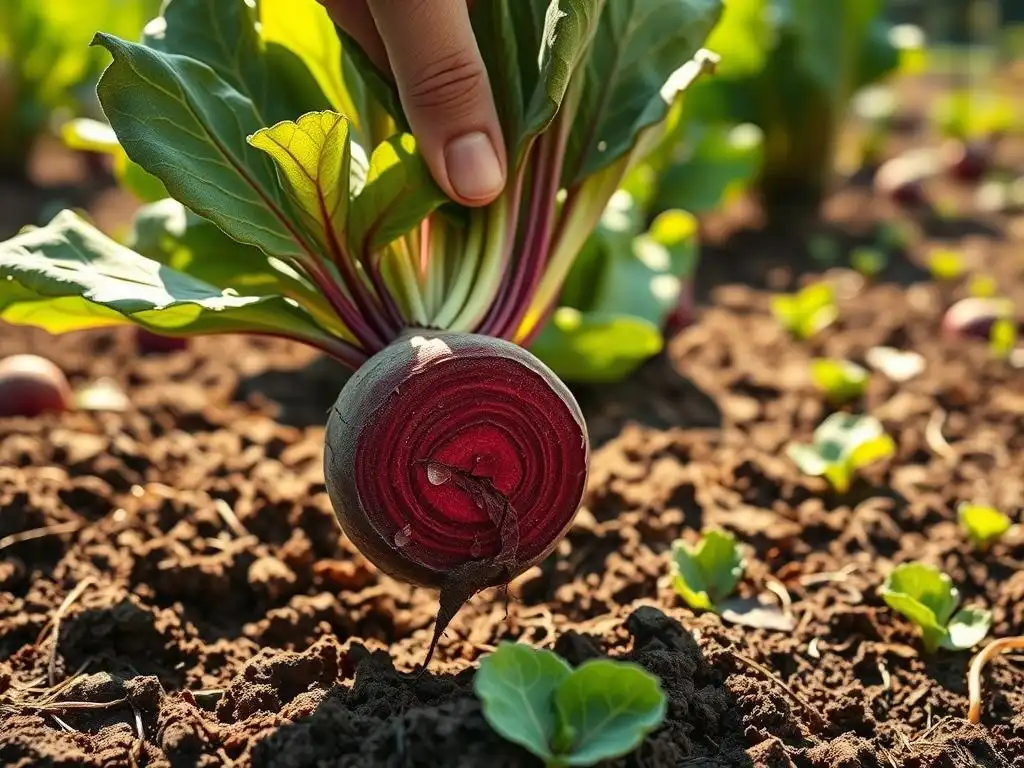
Ready to transform your backyard into a thriving oasis of flavor? At CultivateYourFood, we empower you to grow your own delicious fruits, vegetables, and herbs using sustainable, organic methods. Discover the secrets to abundant harvests, starting with our expert guide on organic beet garden harvesting tips – learn how to maximize your yield and enjoy the sweetest, most nutritious beets you've ever tasted. Let's cultivate a greener, more flavorful future, together!
- Planning Your Organic Beet Garden: Soil Preparation and Seed Selection
- Planting Your Beet Seeds: Timing and Technique for Success
- Organic Beet Care: Nurturing Healthy Plants for a Rich Harvest
- Identifying Signs of a Mature Beet Ready for Harvesting
- Harvesting Your Organic Beet Harvest: Techniques for a Bountiful Yield
- Troubleshooting Common Beet Growing Challenges
- Recipes and Culinary Uses for Your Bountiful Beet Harvest
- Preserving Your Beet Harvest: Canning, Freezing, and Pickling Techniques
- Frequently Asked Questions
- Final Reflection: Harvesting Abundance: More Than Just Beets
- Unleash Your Inner Beet Whisperer: Grow the Bounty You Deserve!
Planning Your Organic Beet Garden: Soil Preparation and Seed Selection
Unlocking the secrets to bountiful beet harvests in your backyard garden begins long before you see those vibrant crimson roots peeking through the soil. This comprehensive guide will equip you with the knowledge and techniques to cultivate healthy, delicious beets using organic methods, maximizing your yield and minimizing environmental impact. We'll cover everything from selecting the perfect beet variety for your climate to harvesting your prize-winning crop, focusing on practical, sustainable practices that align with the principles of organic gardening.
This guide will help you master the art of organic beet garden harvesting, offering tips and tricks to achieve a truly bountiful harvest. Get ready to transform your backyard into a thriving beet patch!
Choosing the Right Beet Variety for Your Climate and Soil
The first step to a successful organic beet harvest is selecting the right beet variety. Different varieties thrive in different conditions, so understanding your climate and soil type is crucial. Consider these factors:
- Climate: Some beet varieties are better suited to cooler climates, while others tolerate warmer temperatures. Choose a variety that matches your local growing season. Early-season varieties like 'Early Wonder' mature quickly, ideal for shorter growing seasons. Later-season varieties, like 'Detroit Dark Red', offer a longer growing period and larger roots.
- Soil Type: Beets prefer loose, well-drained soil rich in organic matter. Heavy clay soils can hinder root development, leading to misshapen or stunted beets. Sandy soils, while well-draining, may not retain enough moisture. Amend heavy clay soils with compost to improve drainage and aeration. For sandy soils, incorporate organic matter to improve water retention.
- Maturity Time: Consider your growing season length when selecting a variety. Check the seed packet for days to maturity to ensure the beets will have enough time to reach full size before the first frost.
Choosing the right variety is half the battle! A little research upfront will significantly increase your chances of success. 🥕
Preparing the Ideal Soil for Organic Beet Growth
Preparing your soil is paramount for healthy beet growth. Beets need loose, well-drained soil to develop those beautiful, round roots. Here's how to prepare the perfect organic beet bed:
- Soil Test: Before planting, conduct a soil test to determine its pH and nutrient levels. Beets prefer a slightly acidic to neutral pH (6.0-7.0). Amend the soil with lime to raise the pH if needed, or sulfur to lower it.
- Compost Incorporation: Generously amend your soil with compost. Compost improves soil structure, drainage, and fertility, providing essential nutrients for healthy beet growth. Work at least 2-3 inches of compost into the top layer of soil.
- Weed Control: Remove all weeds and grass before planting. Weeds compete with beets for nutrients and water, reducing yields. Consider using mulch to suppress weed growth after planting.
- Soil Aeration: Ensure the soil is well-aerated. Compacted soil restricts root growth. Loosen the soil with a garden fork or tiller before planting.
Remember, healthy soil equals healthy beets! Investing time in soil preparation will pay off in a bountiful harvest. 🌱
Selecting High-Quality Beet Seeds for Maximum Yield
Choosing high-quality beet seeds is essential for a successful harvest. Here's what to look for:
- Source: Purchase seeds from reputable seed companies specializing in organic seeds. Look for seeds that are certified organic to ensure they meet specific standards.
- Seed Viability: Check the seed packet for the germination rate. Higher germination rates translate to more seedlings and a higher yield.
- Variety Selection: As mentioned earlier, choose a variety suited to your climate and soil conditions. Consider trying a few different varieties to see which performs best in your garden.
- Seed Starting: You can start beets indoors 4-6 weeks before the last expected frost, or direct sow outdoors after the soil has warmed up. Direct sowing is often preferred to avoid transplant shock.
By carefully selecting your seeds, you're setting the stage for a prosperous beet harvest. Happy planting! 👩🌾
Planting Your Beet Seeds: Timing and Technique for Success
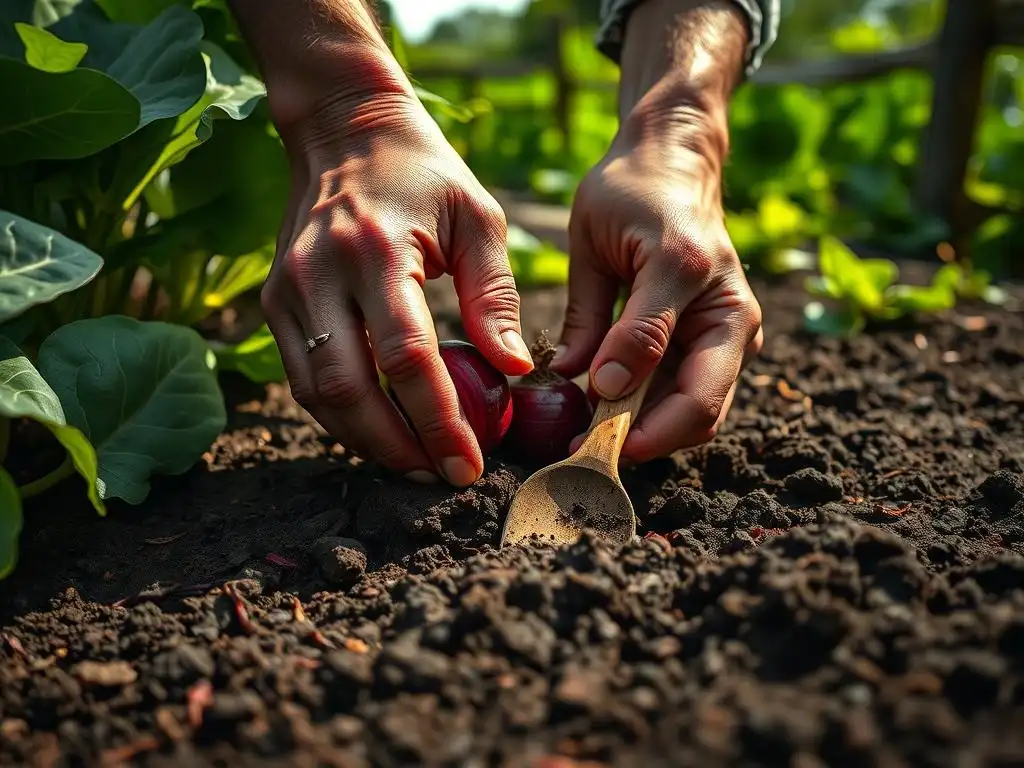
This section delves into the crucial aspects of planting beet seeds, focusing on optimizing your chances of a bountiful, organic beet harvest. Successfully planting beets hinges on understanding the ideal timing and employing the right techniques. Let's explore these key elements for achieving superior results in your organic beet garden.
Optimal Timing for Planting Beet Seeds in Your Region
The ideal time to plant beet seeds depends heavily on your geographic location and its corresponding climate. Beets thrive in cool weather, tolerating light frost but not extreme heat. Generally, you should aim for planting in early spring or late summer/early fall.
Early spring planting allows beets to mature before the summer heat sets in. In regions with mild winters, a fall planting can also yield excellent results, providing a harvest in early spring. However, fall planting requires careful consideration of your first frost date; ensure there's enough time for the beets to mature before the ground freezes.
To determine the optimal planting time in your region, consult your local agricultural extension office or a reliable online gardening resource specific to your area. They can provide precise planting dates based on your last frost date and average temperatures. This precise timing is crucial for maximizing your organic beet garden's yield and quality. Remember, accurately predicting your region's weather patterns is paramount for successful organic beet cultivation.
Direct Sowing vs. Starting Beet Seeds Indoors: A Comparison
While starting beet seeds indoors is possible, direct sowing is generally preferred for beets due to their taproot's sensitivity to transplanting. Transplanting often damages the delicate taproot, hindering the beet's growth and potentially leading to smaller, misshapen vegetables.
| Method | Advantages | Disadvantages | Organic Suitability |
|---|---|---|---|
| Direct Sowing | Minimal disturbance to taproot, higher success rate | Requires careful soil preparation, slower germination | Excellent |
| Starting Indoors | Allows for earlier harvest (in some climates) | Higher risk of root damage during transplanting | Good, but more work |
Direct sowing ensures the taproot develops undisturbed, promoting healthy growth and a higher yield of well-formed beets. This method aligns perfectly with organic gardening principles, minimizing stress on the plants. However, if you live in a region with a very short growing season, starting seeds indoors might offer a slight advantage, but proceed with extreme caution during transplanting.
Proper Spacing and Depth for Planting Beet Seeds
Proper spacing and planting depth are essential for healthy beet growth and optimal yields in your organic beet garden. Overcrowding leads to competition for resources, resulting in smaller beets. Insufficient spacing can also increase the risk of fungal diseases.
Plant beet seeds approximately ½ inch deep and 1-2 inches apart. Thinner seeds can be spaced slightly closer. Once seedlings emerge, thin them to a spacing of 2-4 inches apart, depending on the variety. This thinning process is crucial for allowing each beet ample space to develop its full potential. Remember to carefully remove the unwanted seedlings, avoiding damage to the remaining plants. This careful spacing contributes significantly to the success of your organic beet harvest. Consistent spacing ensures each beet receives adequate sunlight, nutrients, and water, leading to a more abundant and high-quality harvest.
Organic Beet Care: Nurturing Healthy Plants for a Rich Harvest
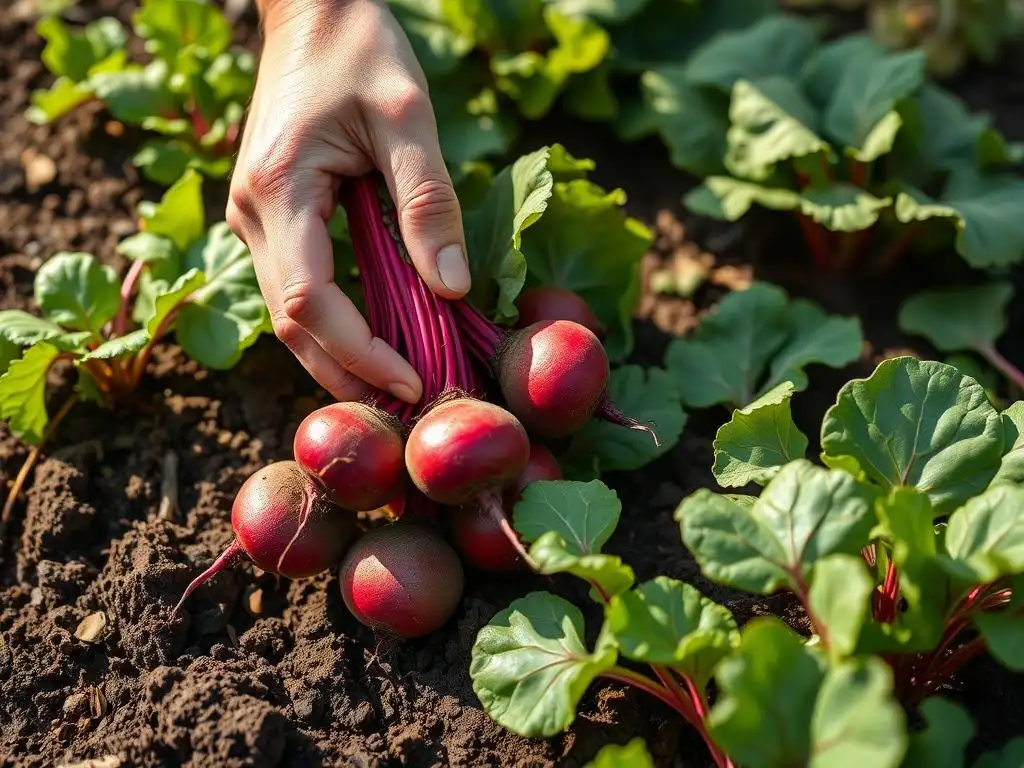
This section delves into the crucial aspects of organic beet cultivation, focusing on techniques that ensure healthy plant growth and a bountiful harvest. We'll explore watering, fertilization, and pest control strategies, all within the framework of sustainable, organic gardening practices. Remember, healthy plants are the foundation of a successful organic beet garden, maximizing your yield and minimizing environmental impact. Let's get started!
Watering Your Beet Plants: Maintaining Consistent Moisture
Consistent moisture is paramount for optimal beet growth. Beets thrive in evenly moist soil, but they dislike soggy conditions which can lead to root rot. The ideal soil moisture level is consistently damp but not waterlogged. Overwatering can be just as detrimental as underwatering, leading to cracked or poorly formed beets.
To achieve this balance, consider the following:
- Soil Type: Sandy soils drain quickly and require more frequent watering than clay soils, which retain moisture for longer periods. Observe your soil's drainage characteristics to adjust your watering schedule accordingly.
- Climate: Hot, dry climates necessitate more frequent watering than cooler, more humid environments. Monitor your local weather forecast and adjust watering accordingly. Consider using a moisture meter to gauge soil moisture levels.
- Mulching: Applying a layer of organic mulch, such as straw or shredded leaves, helps retain soil moisture, reducing the frequency of watering and suppressing weed growth. A 2-3 inch layer is generally sufficient.
- Watering Techniques: Water deeply and less frequently rather than shallowly and often. Deep watering encourages deeper root growth, making the beets more drought-tolerant. Drip irrigation or soaker hoses are excellent methods for delivering water directly to the roots, minimizing water waste.
Fertilizing Your Beet Garden Organically: Boosting Growth Naturally
Organic fertilization provides essential nutrients for healthy beet growth without the harmful effects of synthetic fertilizers. Avoid using chemical fertilizers, as they can negatively impact the soil's health and the overall quality of your beets.
Here are some effective organic fertilization strategies:
- Compost: Incorporating well-rotted compost into your soil before planting provides a slow-release source of nutrients. Aim for at least 2-3 inches of compost per square foot.
- Manure: Aged manure, such as cow or horse manure, is a rich source of organic matter and nutrients. Ensure the manure is well-composted to avoid burning the plants.
- Cover Crops: Planting cover crops like legumes (peas, beans) before planting beets helps improve soil fertility by fixing nitrogen. These crops can be tilled into the soil before planting your beets.
- Side-dressing: Applying a light side-dressing of compost tea or liquid seaweed fertilizer during the growing season can provide an additional boost of nutrients. Follow product instructions carefully.
Remember that over-fertilizing can be detrimental, leading to excessive leaf growth at the expense of root development. Start with a moderate amount of organic fertilizer and adjust as needed based on plant growth.
Protecting Your Beet Plants from Pests and Diseases Organically
Protecting your beet crop from pests and diseases organically requires a proactive approach focusing on prevention and natural pest control methods. Chemical pesticides are harmful to beneficial insects and can contaminate your soil and beets.
Here are some effective organic pest and disease management strategies for your organic beet garden:
- Crop Rotation: Rotating your crops annually helps prevent the buildup of pests and diseases in the soil. Avoid planting beets in the same location year after year.
- Companion Planting: Planting certain companion plants, such as onions or marigolds, can deter some pests. These plants release compounds that repel insects or attract beneficial insects that prey on beet pests.
- Beneficial Insects: Encourage beneficial insects, such as ladybugs and lacewings, by providing habitat such as wildflowers or herbs. These insects help control aphids and other pests.
- Handpicking: Regularly inspect your plants for pests and handpick any that you find. This is especially effective for slugs and snails.
- Neem Oil: Neem oil is a natural insecticide that can be effective against various pests, including aphids. Always follow product instructions carefully.
By implementing these organic beet garden harvesting tips, you can cultivate healthy, vibrant beet plants and enjoy a bountiful harvest of delicious, nutritious beets. Remember, patience and consistent care are key to success in organic gardening! 🥕
Identifying Signs of a Mature Beet Ready for Harvesting
Knowing when to harvest your beets is crucial for maximizing their flavor and quality. Ignoring the signs of maturity can lead to tough, woody beets that are less palatable. This section focuses on the key visual and tactile indicators that signal your beets are ready for picking, helping you achieve a bountiful harvest. Organic beet garden harvesting tips are all about careful observation and gentle handling.
Recognizing the Key Indicators of Beet Maturity
The most reliable indicator of beet maturity is the size of the beet itself. Different beet varieties mature at different sizes, so check the seed packet or plant tag for an indication of the expected size. Generally, beets ready for harvest will be at least 2-3 inches in diameter, though some varieties can grow much larger. Smaller beets will be tender, while larger ones may become tough and stringy.
Beyond size, look at the beet's leaves. Healthy, mature beet leaves are usually a deep green and vibrant. If the leaves begin to yellow or wilt significantly, it could be a sign that the beet is nearing the end of its growing cycle, although this isn't always a perfect indicator. Sometimes, wilting is due to lack of water, not maturity.
Finally, gently feel the beet. A mature beet will feel firm to the touch. Avoid beets that feel soft or spongy, as this suggests they may be rotting or damaged. Organic beet garden harvesting tips emphasize careful handling to avoid bruising the delicate roots. A gentle squeeze will help you assess firmness without damaging the beet.
Determining the Optimal Harvest Time for Your Beet Variety
The optimal harvest time varies depending on the specific beet variety and the growing conditions. Early season varieties may be ready for harvest in as little as 50 days, while later-season varieties can take up to 75 days or more. Always check the seed packet for your specific variety's suggested harvest time.
Consider your local climate as well. Cooler temperatures will generally extend the growing season, allowing for a longer harvest window. Conversely, warmer temperatures can accelerate growth, potentially shortening the time between planting and harvest. Observing the growth progress of your beets and comparing it to expected growth timelines helps you determine the optimal harvest time. Consistent monitoring is key to organic beet garden harvesting tips.
Remember that you don't have to harvest all the beets at once. You can harvest beets as they reach maturity, extending your harvest over several weeks. This staggered harvesting approach ensures a continuous supply of fresh, flavorful beets throughout the season. This approach is particularly effective with successive sowings.
Avoiding Common Mistakes in Beet Harvesting
One common mistake is harvesting beets too early. This results in small, underdeveloped beets that lack flavor. Patience is key! Allow the beets to reach their full size before harvesting.
Another mistake is damaging the beets during harvesting. Beets are relatively delicate, and rough handling can bruise or break them. Use a garden fork or trowel to gently loosen the soil around the beets before carefully lifting them out. Avoid pulling on the leaves, as this can damage the beet itself. Always handle beets with care.
Finally, some gardeners make the mistake of leaving beets in the ground too long. Over-mature beets become tough, woody, and lose their sweetness. Regular monitoring is crucial to prevent this. Regular checks using the methods described above will help you avoid this common mistake. The goal is to harvest the beets at their peak flavor and texture. Following these organic beet garden harvesting tips will ensure a successful and rewarding harvest.
Harvesting Your Organic Beet Harvest: Techniques for a Bountiful Yield
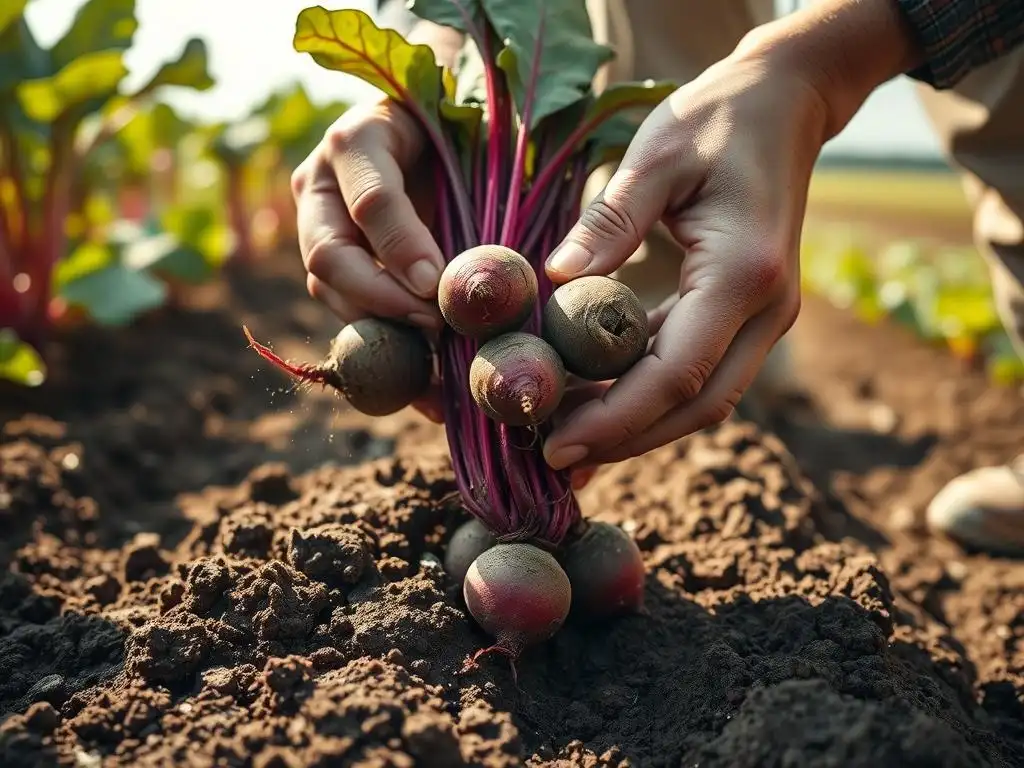
This section focuses on the crucial aspects of harvesting your organic beets, ensuring you get the most out of your hard work. Proper harvesting techniques are key to obtaining high-quality, delicious beets, and maximizing your yield. We'll explore gentle harvesting methods and strategies for preserving the quality of your organic beet harvest.
Gentle Harvesting Techniques to Preserve Beet Quality
Harvesting beets requires a delicate touch. Rough handling can bruise the beets, reducing their shelf life and affecting their flavor. The goal is to extract the beets from the ground without damaging the roots or the delicate foliage.
Here's a step-by-step guide to gentle organic beet harvesting:
- Timing is Everything: Harvest your beets when they reach the desired size, typically 2-3 inches in diameter, depending on the variety. Check the size by gently pulling up a few test beets. Overly mature beets can become tough and woody. The ideal time for harvesting is usually 50-70 days after sowing, but always refer to the seed packet instructions.
- Loosen the Soil: Use a garden fork or trowel to gently loosen the soil around the beet plant. This prevents the beet from breaking as you pull it. Avoid using a sharp shovel, as this can easily damage the roots.
- The Gentle Lift: Gently grasp the beet leaves, pulling upwards with a steady motion. If the beet resists, loosen the soil further. The goal is to lift the entire beet from the ground, keeping the root intact.
- Brush Off Gently: Once the beet is out of the ground, gently brush off any excess soil. Avoid scrubbing, as this can damage the skin.
- Handle with Care: Place the harvested beets in a cool, shady location to prevent sunscald. Avoid piling them on top of each other, as this can lead to bruising.
Remember, patience and a gentle hand are key to preserving the quality of your organic beet harvest. Using these techniques ensures your beets remain firm, flavorful, and ready for immediate consumption or storage.
Storing Your Harvested Beets for Extended Freshness
Proper storage is crucial for extending the shelf life of your freshly harvested organic beets. Improper storage can lead to spoilage and significantly reduce the quality and taste of your hard-earned bounty. Here are some tips to maintain freshness:
- Immediate Cooling: After harvesting, immediately place your beets in a cool, dark, and well-ventilated area. A root cellar is ideal, but a refrigerator will also work well.
- Trimming the Greens: Remove the beet greens immediately after harvesting. Leaving the greens attached will draw moisture from the beets, leading to quicker spoilage. However, the beet greens are edible and can be used in salads or cooked as a nutritious side dish!
- Proper Storage in the Refrigerator: Store your beets in a plastic bag or container with some ventilation to prevent moisture buildup. They will generally keep for 2-3 weeks in the refrigerator.
- Freezing Options: For longer storage, beets can be frozen. Wash, peel, and cut them into cubes or slices before freezing. Freezing preserves the beets for several months, maintaining their nutritional value and flavor.
Tips for Maximizing Your Organic Beet Harvest Yield
A bountiful harvest depends on several factors, going beyond just the harvesting techniques. These tips focus on maximizing your yield throughout the growing season:
- Soil Preparation: Rich, well-drained soil is crucial for healthy beet growth. Amend your soil with compost to improve its structure and nutrient content. Beets prefer slightly acidic soil (pH 6.0-7.0).
- Seed Spacing: Proper spacing is essential to prevent overcrowding and ensure each beet has enough space to grow to its full potential. Follow the spacing recommendations on your seed packet. Overcrowding leads to smaller beets.
- Watering: Consistent watering is essential, especially during dry periods. Beets need about 1 inch of water per week. Avoid overwatering, which can lead to root rot.
- Weed Control: Regularly weed your beet bed to prevent competition for nutrients and water. Mulching can help suppress weeds and retain soil moisture.
- Pest and Disease Management: Monitor your beets for pests and diseases and take appropriate action if necessary. Organic pest control methods, such as companion planting and insecticidal soaps, are recommended.
By following these tips and employing gentle harvesting techniques, you can significantly increase your organic beet harvest yield, ensuring a rewarding experience and a delicious supply of homegrown beets throughout the season and beyond. 🥕
Troubleshooting Common Beet Growing Challenges
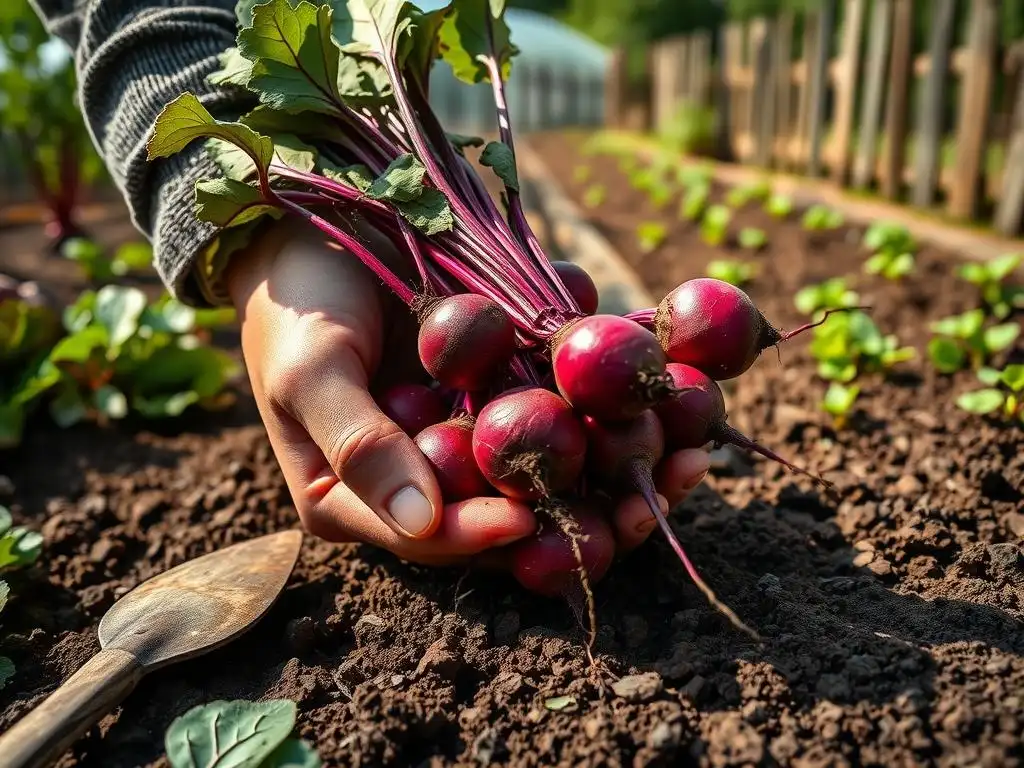
This section delves into the most frequent problems encountered when cultivating beets organically, offering practical solutions to ensure a successful harvest. We'll explore how to identify issues early and implement effective, sustainable remedies to maximize your beet yield. Remember, a healthy, thriving beet garden is the key to abundant, delicious harvests!
Addressing Common Beet Growing Problems and Their Solutions
Beetroot cultivation, while rewarding, can present certain challenges. Let's examine some common issues and their solutions, focusing on organic and sustainable practices.
One frequent problem is beet cracking. This occurs when the soil is inconsistently moist, leading to rapid growth spurts followed by periods of drought. The beet's outer skin can't keep up, resulting in cracks. The solution? Maintain consistent soil moisture through regular, deep watering, especially during dry spells. Mulching also helps retain moisture and regulate soil temperature. Consider using organic mulch like straw or shredded leaves. Another culprit is planting beets too close together. Overcrowding restricts growth and increases the likelihood of cracking. Proper spacing (around 4 inches apart) is crucial.
Another common issue is poor germination. This can stem from several factors, including using old seeds with low viability, planting too deeply, or encountering soil conditions that are too compacted or dry. To improve germination rates, always choose high-quality, fresh seeds from a reputable supplier. Plant seeds at a depth of about ½ inch in well-prepared, loose soil. Consider soaking seeds in water for a few hours before planting to help break the seed coat and aid germination.
Finally, beet leaves turning yellow could indicate nutrient deficiencies, particularly boron or magnesium. Yellowing leaves can also be a sign of pests or diseases. Regular soil testing can help identify nutrient imbalances. Amend your soil with organic compost or other natural fertilizers rich in these micronutrients to address deficiencies. Closely inspect the plants for any signs of pests or diseases and implement appropriate organic pest control measures (discussed in the next section). Remember, prevention is key. Rotating crops yearly helps prevent the buildup of pests and diseases.
Organic Pest and Disease Control for Beet Plants
Organic beet cultivation necessitates a proactive approach to pest and disease management. We avoid harmful chemicals, focusing instead on preventative measures and natural controls.
Leaf Miners: These tiny insects burrow into beet leaves, creating unsightly trails. Regularly inspect your plants, and handpick any affected leaves. Encourage beneficial insects like ladybugs and lacewings, which prey on leaf miners. Floating row covers can also protect plants from infestation.
Flea Beetles: These small beetles can decimate young beet seedlings. Row covers provide excellent protection in the early stages of growth. Diatomaceous earth, a natural insecticide, can also be effective. Simply dust the soil around the plants.
Powdery Mildew: This fungal disease appears as a white, powdery coating on leaves. Good air circulation reduces the risk of powdery mildew. Avoid overhead watering, opting for drip irrigation instead. A baking soda solution (1 tbsp baking soda, ½ tsp liquid soap, 1 gallon water) can be sprayed on affected leaves as a natural fungicide.
Root Rot: This fungal disease thrives in wet, poorly drained soil. Ensure proper soil drainage and avoid overwatering. Choosing disease-resistant beet varieties can also help minimize the risk.
Dealing with Poor Beet Growth and Low Yields
Several factors can contribute to poor beet growth and low yields. Addressing these issues holistically is crucial for a bountiful harvest.
Insufficient Sunlight: Beets require at least six hours of direct sunlight daily. Choose a sunny location in your garden. Shade from nearby trees or buildings can significantly impact growth.
Nutrient Deficiencies: As mentioned previously, nutrient deficiencies, particularly of boron and magnesium, can lead to poor growth and low yields. Regular soil testing is essential to identify and address these imbalances. Supplementing with organic compost or other natural fertilizers can provide the necessary nutrients.
Soil Compaction: Beets need well-drained, loose soil for optimal root development. Compacted soil restricts root growth, leading to smaller, poorly formed beets. Regular tilling or incorporating organic matter like compost can improve soil structure and drainage.
Weed Competition: Weeds compete with beets for water, nutrients, and sunlight. Regular weeding is crucial to ensure that your beets receive the resources they need to thrive. Mulching can help suppress weed growth.
Remember, patience and observation are key to successful organic beet gardening. By understanding and addressing potential challenges proactively, you can significantly improve your chances of enjoying a plentiful harvest of delicious, homegrown beets. Happy gardening!
Recipes and Culinary Uses for Your Bountiful Beet Harvest
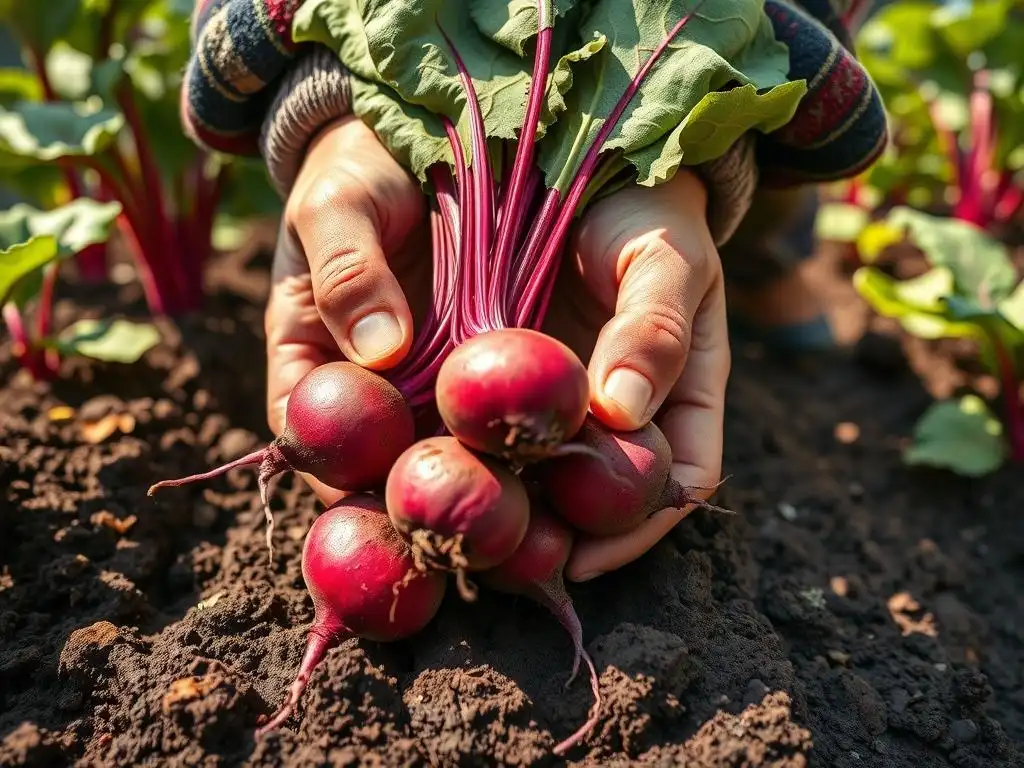
With your organic beet garden thriving thanks to your diligent application of organic beet garden harvesting tips, it's time to celebrate the fruits (or rather, roots!) of your labor. But what to do with all those vibrant beets? Let's explore some delicious and creative ways to enjoy your harvest. The possibilities extend far beyond the classic boiled beet!
Delicious and Creative Recipes Featuring Freshly Harvested Beets
The sweetness of freshly harvested beets lends itself to a myriad of culinary applications. Their earthy flavor profile pairs beautifully with both sweet and savory dishes. Here are a few ideas to inspire your culinary adventures:
- Roasted Beet and Goat Cheese Salad: Roasting beets intensifies their sweetness. Toss roasted beet wedges with crumbled goat cheese, toasted walnuts, and a simple vinaigrette for a sophisticated and flavorful salad. Consider adding some baby spinach or arugula for a peppery kick. This recipe is a fantastic way to showcase the vibrant color of your homegrown beets.
- Beetroot Hummus: A vibrant twist on a classic! Blend cooked beets with chickpeas, tahini, lemon juice, garlic, and olive oil for a creamy and intensely colored hummus. Serve with pita bread or crudités for a healthy and delicious appetizer or snack. The earthy sweetness of the beets complements the savory hummus perfectly.
- Beet and Orange Salad with Candied Walnuts: This salad offers a delightful combination of sweet and savory flavors. Combine thinly sliced beets with segments of orange, candied walnuts, and a light vinaigrette. The contrasting textures and flavors create a truly memorable salad.
- Beetroot and Caraway Soup: This hearty soup is perfect for a chilly evening. Sauté onions and carrots, then add diced beets, vegetable broth, and caraway seeds. Simmer until the beets are tender, then blend until smooth. A dollop of crème fraîche or yogurt adds a lovely finishing touch.
- Beet Kvass: For a unique fermented beverage, try making beet kvass. This traditional Slavic drink boasts a tangy, slightly sweet flavor and is packed with beneficial probiotics. It's a refreshing and healthy alternative to sugary sodas. Note that this requires some patience for the fermentation process.
Remember to always wash your beets thoroughly before preparing them. The earthiness of organically grown beets is part of their charm, but thorough cleaning ensures they are free from any lingering soil. Enjoy experimenting with different recipes and discover your favorite way to savor your bountiful beet harvest!
Preserving Your Beet Harvest: Canning, Freezing, and Pickling Techniques
To fully enjoy the fruits of your labor throughout the year, preserving your beet harvest is crucial. Proper preservation techniques ensure that your hard work doesn't go to waste. Let's explore some effective methods for long-term storage:
Preserving Your Beet Harvest: Canning, Freezing, and Pickling Techniques
Several methods exist for preserving beets, each with its own advantages and disadvantages. Choosing the right method depends on your preferences and available resources.
Canning: Canning is an excellent method for long-term storage, providing a shelf-stable product for up to a year or more. It involves sterilizing jars, packing cooked beets (often in a brine or vinegar solution), and processing them in a pressure canner to eliminate harmful bacteria. This method requires specialized equipment and careful adherence to safety guidelines to prevent spoilage and botulism.
Freezing: Freezing is a simpler method than canning, requiring less equipment and time. Cooked beets can be frozen whole, sliced, or diced. Blanching the beets before freezing helps maintain their color and texture. Frozen beets are best used within 6-12 months for optimal quality.
Pickling: Pickling is a great way to add a unique flavor profile to your beets. Pickled beets, whether sweet or spicy, are a delicious addition to salads, sandwiches, or as a standalone snack. The pickling process involves submerging cooked beets in a brine solution containing vinegar, sugar, and spices. Pickled beets can be stored in the refrigerator for several weeks.
Remember to always follow safe food preservation practices. Improper canning techniques can lead to spoilage and potential health risks. If you are new to canning, consider taking a food preservation course or consulting reliable resources to ensure your safety and the quality of your preserved beets. With proper techniques, you can enjoy the delicious taste of your organic beets year-round!
Frequently Asked Questions
How do I know when my beets are ready for harvesting?
Beets are typically ready for harvest 60-70 days after sowing, depending on the variety. Check for firm, mature roots that are at least 2 inches in diameter. You can gently tug on a beet; if it comes up easily, it's ready.
What's the best way to harvest beets from my organic garden?
Use a garden fork or trowel to carefully loosen the soil around the beets, avoiding damage to the roots. Gently lift the beets from the ground, brushing off excess soil. Harvesting on a cool, damp day is ideal.
How do I store harvested organic beets?
Store your harvested beets in a cool, dark, and well-ventilated area. You can also wrap them in damp paper towels and place them in a plastic bag in the refrigerator for up to two weeks.
Can I harvest beet greens and beet roots at the same time?
Yes, you can harvest both the beet greens and roots simultaneously. Harvest the greens when they are young and tender, typically before the roots are fully mature. This will also help promote larger root development.
What are some organic pest control methods for my beet garden?
Companion planting with herbs like rosemary or thyme can deter pests. Regular weeding helps prevent competition for resources and reduces pest habitats. Handpicking pests is also an effective organic pest control method.
Final Reflection: Harvesting Abundance: More Than Just Beets
The secrets to a bountiful beet harvest extend far beyond the soil itself; they represent a deeper connection to nature and the satisfaction of nurturing life from seed to table. In a world increasingly disconnected from its food sources, understanding the simple yet profound act of growing your own organic beets offers a powerful antidote to the complexities of modern living. It's a reminder that even in small spaces, we can cultivate abundance and reap the rewards of mindful cultivation.
The journey of growing organic beets, from preparing the soil to harvesting the vibrant roots, has profoundly impacted my own understanding of patience, resilience, and the interconnectedness of all things. The process is a microcosm of life itself, with its challenges and triumphs mirroring our own personal growth. The glory of gardening: hands in the dirt, head in the sun, heart with nature. To nurture a garden is to feed not just the body, but the soul.
This quote perfectly encapsulates the enriching experience of tending to a beet patch, and the profound sense of accomplishment that comes with harvesting the fruits (or rather, roots!) of your labor.
Now, I invite you to consider your own connection to the food you consume. Will you embark on the rewarding journey of cultivating your own organic beets? Perhaps this year, you'll plant a single seed, and experience firsthand the joy of nurturing life and harvesting the sweet rewards of your efforts. Let the lessons learned from this humble root vegetable inspire you to connect more deeply with the natural world and cultivate abundance in all aspects of your life.
Unleash Your Inner Beet Whisperer: Grow the Bounty You Deserve!
Thank you for learning about cultivating incredible beet harvests! We hope you feel empowered to grow more vibrant, delicious beets than you ever thought possible. Ready to put your knowledge into practice?
- Plant your beet seeds this weekend! Even a small patch can yield amazing results. Proper soil preparation and appropriate spacing are key for optimal growth.
- Share your beet-growing journey with our community on social media using #CultivateYourBeets – we'd love to see your progress!
- Explore the wide variety of beet options available; you might discover a new favorite!
What delicious recipe will you create with your bountiful beet harvest this fall?