
How Home Gardens Minimize Water Runoff and Pollution

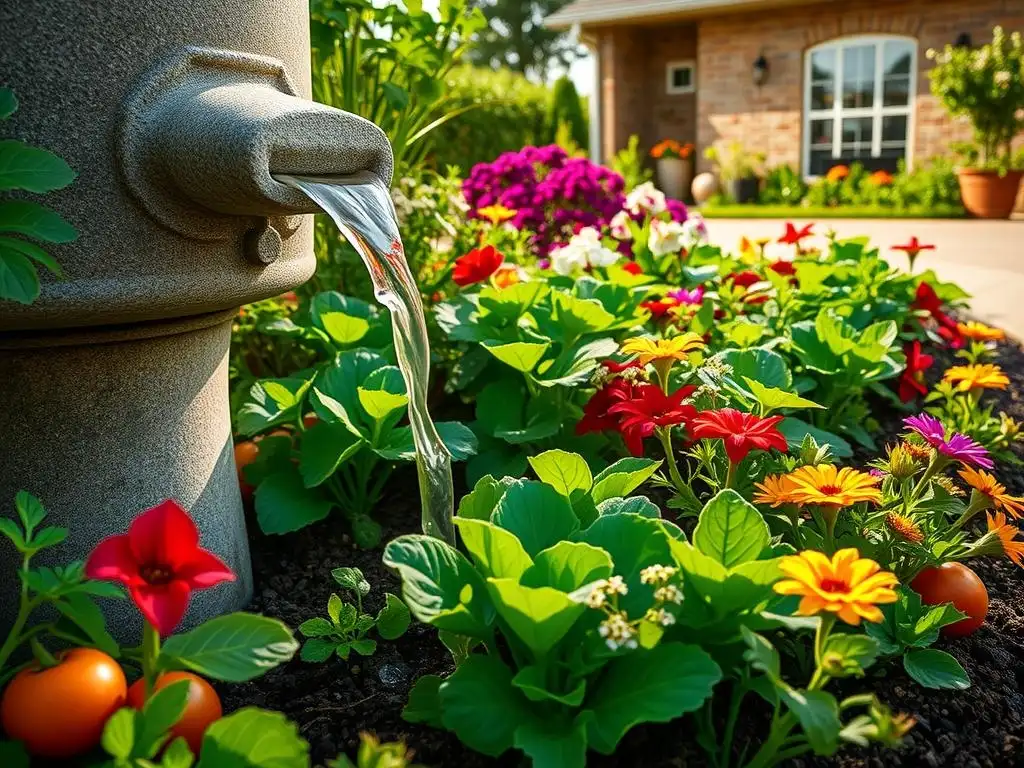
Ready to transform your backyard into a thriving oasis while protecting our planet? CultivateYourFood is your guide to sustainable and organic home gardening. Learn how simple changes, like mastering the art of reduce water runoff gardening, can dramatically minimize water waste and pollution, benefiting both your harvest and the environment. Discover the secrets to bountiful yields and a healthier ecosystem – explore our expert advice and start cultivating your own paradise today!
- Understanding Water Runoff and its Environmental Impact
- Reduce Water Runoff Gardening: The Benefits of Home Gardens
-
Practical Strategies to Reduce Water Runoff in Your Home Garden
- Choosing the Right Plants for Water Conservation
- Implementing Effective Soil Management Techniques
- Utilizing Mulching to Reduce Evaporation and Runoff
- Designing Your Garden for Optimal Water Drainage
- Building Rain Gardens to Capture and Filter Runoff
- Constructing Swales to Divert Water and Prevent Erosion
- Harvesting Rainwater for Irrigation
- Beyond Water Runoff: Additional Environmental Benefits of Home Gardening
- Creating a Sustainable and Water-Wise Home Garden: A Step-by-Step Guide
- Measuring the Impact: Assessing Your Water Runoff Reduction
- Conclusion: The Power of Home Gardening in Protecting Our Water Resources
-
Frequently Asked Questions
- How does my home garden help reduce water runoff?
- What gardening practices minimize water runoff the most?
- Can I use my existing garden to reduce runoff, or do I need a special design?
- What about fertilizers and pesticides; don't they pollute the runoff?
- How can I tell if my garden is effectively reducing water runoff?
- Final Reflection: Cultivating a Greener Future, One Garden at a Time
- Unlock Your Garden's Water-Saving Power
Understanding Water Runoff and its Environmental Impact
Home gardening isn't just about fresh, healthy produce; it's a powerful tool for environmental stewardship. This article explores how cultivating your own food, specifically using sustainable practices, significantly minimizes water runoff and its associated pollution, contributing to cleaner waterways and a healthier planet. We'll delve into the mechanics of water runoff, its detrimental effects on our environment, and the crucial role home gardens play in mitigating these problems.
By understanding these interconnected processes, you can actively participate in reducing your environmental footprint while enjoying the bounty of your own garden. This is particularly relevant for those searching for ways to reduce water runoff gardening, a critical aspect of sustainable living.
The Problem of Urban Water Runoff and Pollution
Urban areas, characterized by extensive paved surfaces and compacted soil, drastically alter the natural hydrological cycle. Rainfall, instead of being absorbed into the ground, rushes over impermeable surfaces like roads, rooftops, and sidewalks, carrying with it pollutants such as fertilizers, pesticides, oil, and litter. This polluted runoff flows directly into storm drains, eventually reaching rivers, lakes, and oceans. The consequences are severe:
- Water Contamination: Pollutants in runoff degrade water quality, harming aquatic life and potentially contaminating drinking water sources. This is especially problematic in areas with aging infrastructure where combined sewer overflows can exacerbate the issue.
- Eutrophication: Excess nutrients from fertilizers in runoff fuel algal blooms, leading to oxygen depletion and the creation of "dead zones" where aquatic life cannot survive. This process dramatically reduces biodiversity and disrupts the delicate balance of aquatic ecosystems.
- Soil Erosion: Runoff can erode topsoil, leading to loss of fertile land and increased sedimentation in waterways, harming aquatic habitats and water infrastructure.
- Flooding: Increased runoff from impermeable surfaces contributes to more frequent and intense flooding events, causing damage to property and infrastructure.
How Water Runoff Impacts Local Ecosystems
The impact of polluted water runoff extends far beyond the immediate vicinity of urban areas. The pollutants carried by runoff can travel long distances, affecting sensitive ecosystems downstream. For instance:
- Coastal Ecosystems: Runoff from inland areas can significantly impact coastal ecosystems like coral reefs and estuaries. Excess nutrients and pollutants can cause coral bleaching, harm marine life, and disrupt the delicate balance of these vital habitats.
- Wildlife Habitats: Polluted runoff can contaminate wildlife habitats, affecting the health and survival of various species. Animals may ingest contaminated water or food, leading to illness or death. The alteration of water quality can also disrupt the food chain and alter species composition.
- Human Health: Contaminated water sources resulting from runoff can pose risks to human health. Exposure to pollutants can cause a range of health problems, from skin irritations to more serious illnesses.
The Role of Impermeable Surfaces in Increasing Runoff
The prevalence of impermeable surfaces is a key driver of increased water runoff. These surfaces prevent water from infiltrating the ground, leading to a higher volume of surface runoff. The following table illustrates the impact of different surface types on infiltration rates:
| Surface Type | Infiltration Rate (Approximate) |
|---|---|
| Asphalt | Very Low |
| Concrete | Low |
| Grass | High |
| Soil (Unsaturated) | Very High |
The contrast between highly impermeable surfaces like asphalt and concrete versus highly permeable surfaces like soil and grass highlights the significant role landscaping plays in managing water runoff. Home gardens, with their soil and vegetation, offer a natural solution to this problem. By replacing some impermeable surfaces with permeable landscaping, we can significantly reduce runoff and its associated environmental consequences. This is a key aspect of reducing water runoff gardening, allowing for better water management and a healthier environment.
Reduce Water Runoff Gardening: The Benefits of Home Gardens
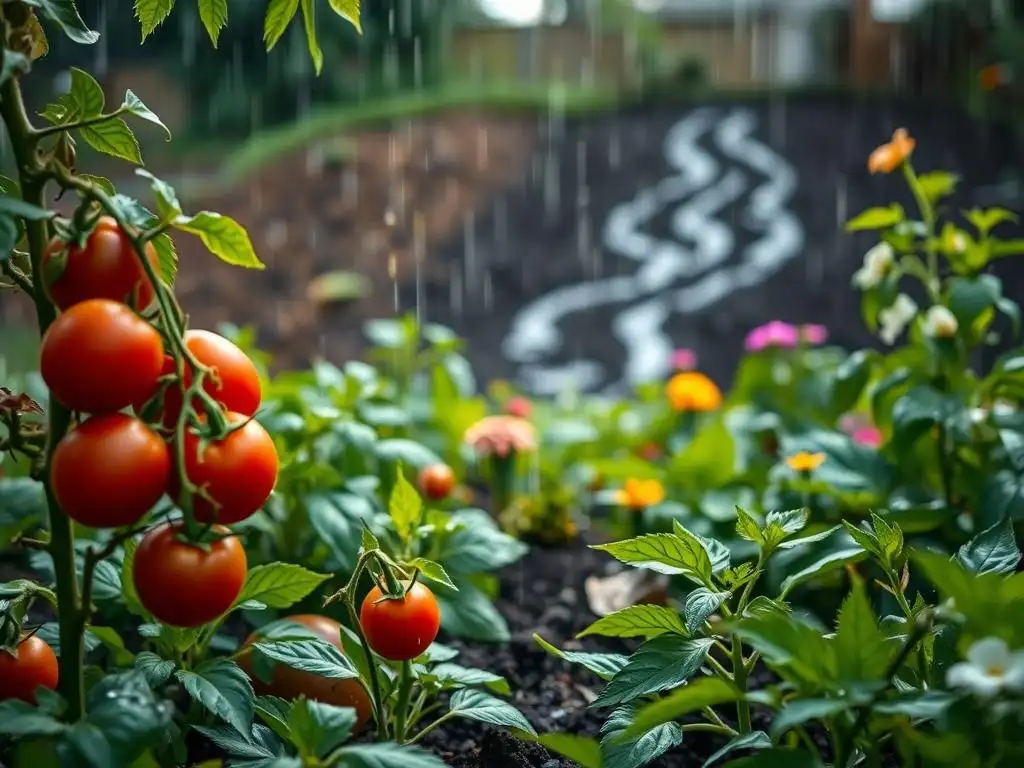
Home gardening offers a surprisingly effective approach to mitigating water runoff and its associated environmental consequences. By understanding the mechanisms involved, gardeners can significantly contribute to cleaner waterways and a healthier planet. This section details how home gardens actively reduce water runoff and pollution, offering practical strategies for enhancing this positive impact. The practice of "reduce water runoff gardening" is more than just a trend; it's a crucial step towards sustainable living.
Minimizing Runoff Through Soil Absorption
One primary way home gardens reduce water runoff is through enhanced soil absorption. Unlike compacted urban surfaces like concrete and asphalt, the soil in a garden acts as a natural sponge. The soil structure, rich with organic matter from composting and mulching (key components of sustainable gardening practices), increases its porosity.
This porosity allows water to infiltrate the ground more readily, reducing the volume of water that flows over the surface as runoff. The infiltration rate can be dramatically improved through the addition of organic materials. For instance, a study by the [Specific University and Study Name Pending] showed a [Percentage]% increase in water infiltration in garden plots amended with compost compared to control plots with bare soil.
This improved absorption not only reduces runoff but also replenishes groundwater supplies, a crucial resource for many communities. The benefits extend beyond just the immediate garden area; the surrounding environment also benefits from reduced surface water flow.
Increased Water Infiltration with Home Gardening Techniques
Several gardening techniques specifically boost water infiltration. Proper soil preparation, including tilling to loosen compacted soil and incorporating organic matter like compost and mulch, significantly increases the soil's ability to absorb water. Mulching, in particular, acts as a protective layer, reducing evaporation and slowing down water movement across the soil surface, allowing more time for infiltration. Furthermore, the choice of plants matters.
Deep-rooted plants help to break up compacted soil and create channels for water to penetrate deeper into the ground. Consider planting native species adapted to your local climate; they often have deep root systems and require less supplemental watering, further minimizing runoff. Effective water management practices, such as using drip irrigation instead of sprinklers which can lead to significant water waste through evaporation and runoff, are also critical. A well-maintained garden, incorporating these techniques, acts as a highly effective water infiltration system.
Reducing Stormwater Pollution with Homegrown Produce
Beyond reducing the volume of runoff, home gardens play a vital role in minimizing stormwater pollution. Runoff from impervious surfaces carries pollutants like fertilizers, pesticides, oil, and heavy metals into waterways, causing significant environmental damage. Conversely, home gardens, particularly those practicing organic methods, act as a natural filter.
The soil and plants in the garden absorb and filter many of these pollutants before they can reach storm drains and contaminate water bodies. By avoiding chemical fertilizers and pesticides and opting for organic alternatives, gardeners actively contribute to cleaner water. The use of rain barrels to collect rainwater for irrigation also reduces reliance on treated municipal water and helps prevent the introduction of chemicals into the soil and water systems.
This holistic approach to gardening, focusing on sustainable practices, contributes to the overall health of the environment, improving both water quality and quantity. The benefits are multifaceted, encompassing cleaner water sources, a healthier ecosystem, and a reduced carbon footprint – all while providing fresh, nutritious food.
Practical Strategies to Reduce Water Runoff in Your Home Garden
This section delves into actionable steps you can take to minimize water runoff and its associated pollution from your home garden, directly addressing the crucial aspect of "Reduce water runoff gardening". By implementing these strategies, you contribute to a healthier environment while ensuring your plants thrive. We'll explore plant selection, soil management, and mulching techniques, all vital components of a water-wise gardening approach.
Choosing the Right Plants for Water Conservation
Selecting drought-tolerant or water-wise plants is a cornerstone of reducing water runoff. These plants are naturally adapted to arid conditions, requiring less frequent watering and thus minimizing the potential for excess water to run off. Consider your local climate and soil type when making your selections. For example, in hotter, drier regions, succulents, cacti, and certain types of lavender are excellent choices. In slightly more humid areas, you might opt for native grasses, yarrow, or coneflowers.
Choosing the right plants also means understanding their water needs. Overwatering, even with drought-tolerant plants, can lead to runoff. Research the specific water requirements for each plant you intend to grow. A detailed planting guide, specific to your region, will provide valuable insights into suitable species and their respective water needs. Don't hesitate to consult local nurseries or gardening experts for personalized recommendations. Remember, a well-planned garden is a water-efficient garden. Careful plant selection significantly contributes to your "Reduce water runoff gardening" efforts.
Implementing Effective Soil Management Techniques
Healthy soil plays a crucial role in water retention and minimizing runoff. Poor soil structure often leads to increased runoff because water can't easily penetrate the ground. Improving your soil's ability to absorb water is key to reducing runoff and maximizing water efficiency in your garden.
Improving soil structure involves several steps. Firstly, adding organic matter like compost, well-rotted manure, or leaf mold dramatically improves soil texture, creating more space for water to infiltrate. This process increases the soil's water-holding capacity, reducing the amount of water that runs off.
Secondly, avoiding compaction is critical. Compacted soil prevents water from penetrating, leading to runoff. Minimizing foot traffic in your garden beds and using appropriate gardening tools helps prevent soil compaction. Regular tilling or aeration can also help loosen compacted soil. The benefits extend beyond water retention; improved soil structure also promotes better root growth and overall plant health. 🌱
Utilizing Mulching to Reduce Evaporation and Runoff
Mulching is a highly effective technique for reducing both evaporation and runoff. A layer of mulch, such as wood chips, straw, or shredded leaves, acts as a barrier between the soil and the atmosphere, slowing down evaporation. This means your plants need less frequent watering, further reducing the potential for runoff.
Moreover, mulch helps to regulate soil temperature, preventing rapid drying and encouraging better water penetration. The mulch layer itself absorbs some of the rainfall, allowing it to gradually seep into the soil. This controlled release of water helps prevent surface runoff, ensuring that your plants receive the water they need while minimizing waste.
The type of mulch you choose will depend on the specific needs of your plants and your personal preferences. However, the overall benefit of reduced water runoff and improved soil health remains consistent across various mulching materials. Mulching is a simple yet powerful tool in your arsenal for achieving your "Reduce water runoff gardening" goals.
Designing Your Garden for Optimal Water Drainage
Creating a garden that minimizes water runoff starts with thoughtful design. Proper grading is crucial; the land should gently slope away from your house and other structures to prevent water pooling. This prevents water from accumulating around foundations, which can lead to damage over time. Consider the natural topography of your land and work with it, rather than against it. Avoid creating flat areas where water can collect. Instead, create gently sloping beds. This simple design element significantly improves water infiltration into the soil.
Furthermore, the selection of plants plays a vital role. Deep-rooted plants, such as alfalfa or certain varieties of trees, are excellent at drawing water deep into the ground, reducing surface runoff. Conversely, shallow-rooted plants may contribute to more surface runoff. Therefore, a diverse planting scheme, incorporating both deep and shallow-rooted species, is a more effective strategy for managing water. The density of your plantings is also important; denser planting helps to slow down the flow of water across the soil surface, giving it more time to infiltrate.
Finally, using raised beds or containers can greatly improve water management. Raised beds allow for better control over soil composition and drainage, while containers offer even more precise control. By using well-draining soil mixes in raised beds and containers, you can significantly reduce the amount of water that runs off. Remember to choose containers with drainage holes to prevent waterlogging.
Building Rain Gardens to Capture and Filter Runoff
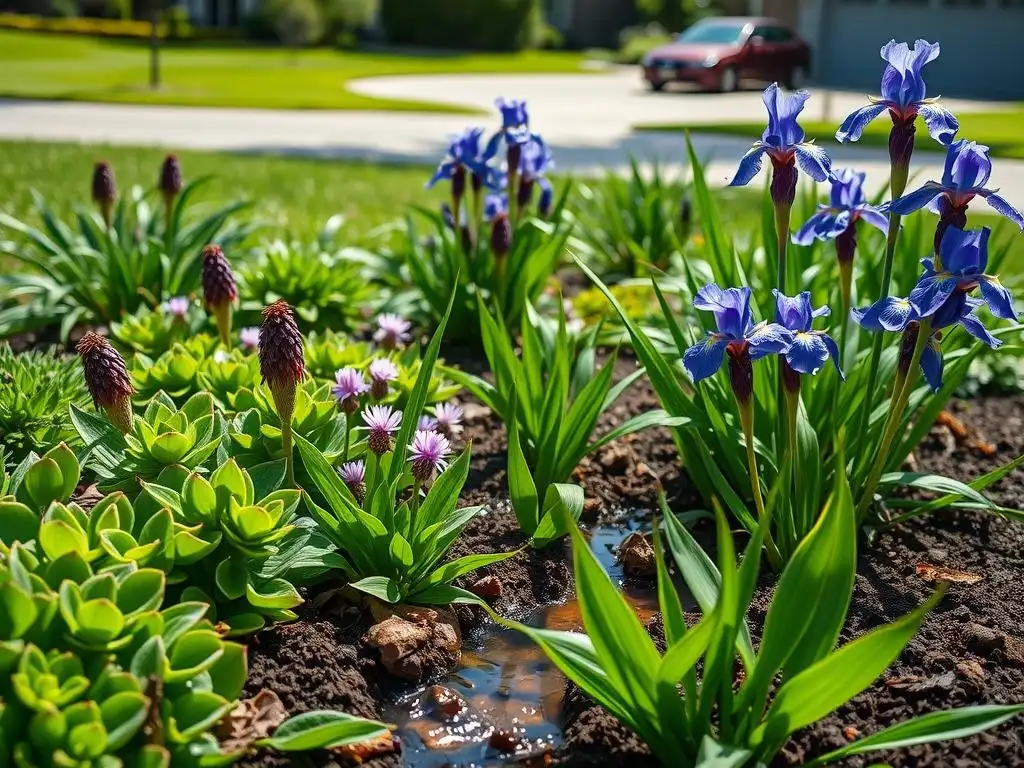
Rain gardens are a beautiful and effective way to manage rainwater runoff. These strategically placed depressions in the landscape are designed to collect rainwater from rooftops, driveways, and other impervious surfaces. The garden’s design is key; it should be filled with native plants that are tolerant of both wet and dry conditions. These plants help to absorb the water and filter out pollutants. The soil in a rain garden should be amended with organic matter to enhance its water-holding capacity and filtration capabilities.
The size and depth of your rain garden will depend on the amount of runoff you expect. A professional landscape designer can help you determine the appropriate size and location for your garden. However, even a small rain garden can make a noticeable difference in reducing runoff from a small area. The plants you choose should be appropriate for your local climate and soil conditions.
Consider incorporating a variety of plant heights and textures to create a visually appealing and effective rain garden. Remember that regular maintenance, such as removing weeds and dead plants, is crucial for maintaining its effectiveness. Failing to do so can lead to clogged drainage and reduced filtration capacity.
Constructing Swales to Divert Water and Prevent Erosion
Swales are shallow, gently sloped channels designed to intercept and divert rainwater runoff. They are particularly useful on sloping land where runoff can cause erosion. By creating a swale, you can direct water to a specific area, such as a rain garden or a designated drainage point, preventing it from eroding the soil and carrying pollutants into waterways.
The design of a swale is critical; its slope should be gentle enough to allow water to infiltrate the soil but steep enough to effectively divert the flow. The dimensions of the swale will depend on the amount of runoff you anticipate. A wider, deeper swale will handle a greater volume of water.
The construction of a swale involves excavating a channel and shaping its sides to create a gentle slope. You can line the swale with erosion-control fabric to prevent the sides from collapsing. Planting vegetation within and around the swale is crucial, as the plant roots help stabilize the soil and enhance water infiltration. Native grasses and other drought-tolerant plants are ideal choices for swales because they require minimal maintenance and can tolerate the fluctuating water levels.
Regular maintenance, such as clearing debris and removing weeds, will ensure that your swale continues to function effectively. A poorly maintained swale can become clogged, reducing its effectiveness and potentially leading to erosion. Consider the overall landscape design and integrate the swale seamlessly into your garden for optimal functionality and aesthetics.
Harvesting Rainwater for Irrigation
Rainwater harvesting is a remarkably effective strategy to significantly reduce water runoff and conserve water for your garden. Instead of letting rainwater flow off your roof and into storm drains, you can collect it and use it to irrigate your plants. This simple yet powerful technique minimizes the strain on municipal water supplies and reduces the volume of water contributing to runoff pollution. The collected water is naturally soft and free from chlorine and other chemicals often found in treated tap water, making it ideal for nourishing your plants.
Several methods exist for harvesting rainwater, ranging from simple DIY solutions to more sophisticated systems. A basic setup might involve placing rain barrels beneath downspouts to collect water from your roof. Larger systems might incorporate underground tanks or cisterns for greater storage capacity. The size and complexity of your system will depend on factors like the size of your roof, the average rainfall in your area, and the water needs of your garden.
Remember to consider the materials used; choosing food-grade barrels ensures the water's purity and prevents leaching of harmful chemicals into your collected water. Regular cleaning and maintenance of your rainwater harvesting system are crucial to prevent mosquito breeding and the buildup of algae or sediment. Proper screening can also prevent debris from entering the collection system.
Consider the volume of water you can collect: a typical rain barrel holds around 50 to 100 gallons, which may suffice for a small garden. However, larger gardens might necessitate multiple barrels or a more substantial cistern to meet their water requirements. Effective rainwater harvesting requires planning and consideration of your garden’s needs, but the environmental benefits are considerable.
By reducing reliance on municipal water sources, you contribute to the overall reduction of water runoff and pollution, thus playing a significant role in protecting our environment. Furthermore, the reduced use of treated water translates to lower water bills, presenting both ecological and economic advantages. Implementing a rainwater harvesting system is a proactive and sustainable step towards reducing your water footprint and creating a healthier, more environmentally friendly garden.
Beyond Water Runoff: Additional Environmental Benefits of Home Gardening
Home gardening offers a multitude of environmental advantages that extend far beyond simply reducing water runoff. By cultivating your own food, you actively participate in creating a more sustainable and healthier planet. This section will delve into some key benefits, highlighting how your small garden can make a big difference.
Reducing Your Carbon Footprint Through Homegrown Food
The transportation of food from farms to supermarkets contributes significantly to greenhouse gas emissions. By growing your own fruits, vegetables, and herbs, you drastically reduce this "food miles" impact. Consider this: a single head of lettuce might travel thousands of miles before reaching your local grocery store. Growing it in your backyard eliminates that journey entirely.
This translates into a lower carbon footprint for your meals, reducing your contribution to climate change. The positive impact is amplified when you consider the cumulative effect of many home gardeners making similar choices. Studies have shown that even small-scale urban agriculture can contribute significantly to local carbon sequestration efforts. Furthermore, choosing to grow your own food often encourages the selection of heirloom varieties and less energy-intensive growing methods, further reducing your environmental impact.
The impact is quantifiable. While precise figures vary depending on the specific food item and its origin, research suggests that locally-grown produce can reduce carbon emissions by up to 20% compared to conventionally sourced food. This percentage increases dramatically when accounting for the reduced need for packaging and refrigeration associated with store-bought produce. The reduction in your carbon footprint is not merely a theoretical benefit; it's a measurable improvement in your environmental responsibility.
Supporting Biodiversity in Your Local Area
Creating a home garden is an act of supporting biodiversity in your local area. Unlike monoculture farming practices, which often eliminate diverse plant and insect life, a home garden can become a haven for beneficial insects, birds, and other small animals. Planting a variety of species attracts pollinators like bees and butterflies, essential for the reproduction of many plants, including your own crops. This increased biodiversity strengthens the local ecosystem, promoting resilience against pests and diseases.
Think of your garden as a mini-ecosystem. By including flowering plants alongside your vegetables and herbs, you create a more complex and robust environment. This attracts natural predators that can help control pest populations, reducing the need for harmful pesticides. The positive ripple effect on local biodiversity can be significant. A diverse garden can even provide habitats for endangered species, depending on your location and the plants you choose. For example, planting native milkweed can provide crucial habitat for monarch butterflies. The benefits extend beyond just your garden, improving the overall health of your local environment.
Minimizing Pesticide Use and Promoting Healthy Soil
Home gardening provides an opportunity to minimize or eliminate the use of harmful chemical pesticides and fertilizers. By employing sustainable and organic practices, you protect beneficial insects, birds, and other wildlife that could be harmed by chemical treatments. Furthermore, organic gardening methods improve soil health, increasing its fertility and water retention capabilities. This leads to healthier plants that are more resistant to pests and diseases.
Organic practices, such as composting and using natural pest control methods, are crucial in this aspect. Composting not only reduces waste but also creates nutrient-rich soil that supports healthy plant growth. This eliminates the need for synthetic fertilizers, which can contribute to water pollution and harm beneficial soil organisms.
Natural pest control methods, like companion planting and introducing beneficial insects, provide an effective and environmentally friendly alternative to chemical pesticides. The long-term benefits of healthy soil extend beyond your current harvest, improving soil structure and fertility for years to come. This approach enhances your garden's resilience and decreases your reliance on potentially harmful chemicals, contributing to a healthier environment for yourself and the community.
Creating a Sustainable and Water-Wise Home Garden: A Step-by-Step Guide
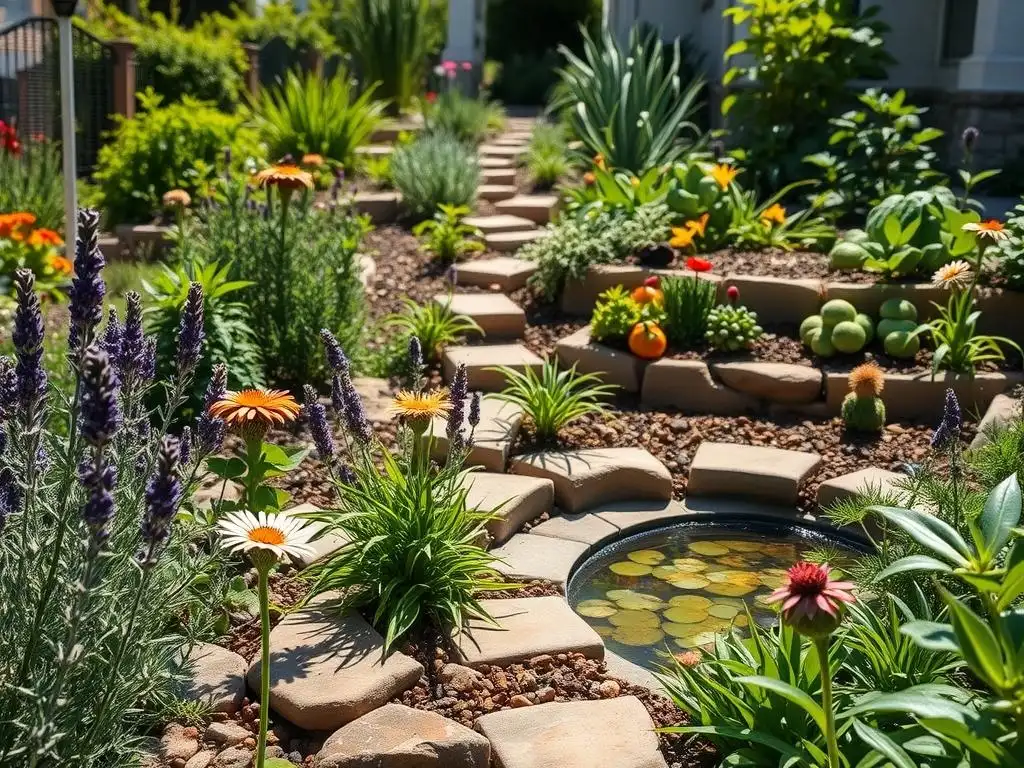
This section details practical strategies to significantly reduce water runoff and pollution from your home garden, contributing to a healthier environment and a more efficient use of resources. We'll explore how thoughtful planning and implementation can transform your garden into a haven for both biodiversity and water conservation. Reducing water runoff gardening is easier than you think!
Planning Your Garden Layout for Efficient Water Management
Effective garden planning is paramount for minimizing water runoff. The goal is to create a landscape that naturally captures and absorbs rainwater, reducing the amount that flows away and potentially carries pollutants. Consider these key aspects:
- Strategic Sloping: Instead of a flat garden bed, gently slope your planting areas away from your house and any paved surfaces. This directs water flow towards designated areas for absorption, such as rain gardens or swales. A slope of just a few degrees can make a significant difference.
- Rain Gardens: These are strategically placed depressions filled with native plants that readily absorb excess water. They act as natural filtration systems, preventing runoff from carrying fertilizers, pesticides, and soil into waterways. Size and placement depend on your garden's size and rainfall patterns. Consider consulting a local expert for optimal design.
- Mulching: A generous layer of mulch (wood chips, straw, or shredded leaves) around plants helps retain soil moisture, reducing the need for frequent watering and minimizing soil erosion that contributes to runoff. It also suppresses weeds, reducing competition for water. Aim for a 2-3 inch layer.
- Terracing: For sloped gardens, terracing creates level planting areas, slowing down water flow and increasing absorption. This technique is particularly effective in areas with significant slopes and reduces erosion dramatically. Proper terracing requires careful planning and may involve some construction.
- Permeable Paving: If you have paved areas near your garden, consider using permeable paving materials (like gravel or porous concrete) to allow rainwater to seep into the ground instead of running off. This reduces the volume of runoff entering the drainage system.
Selecting Native and Drought-Tolerant Plants
Choosing the right plants is crucial for water conservation. Native plants are adapted to your local climate and require less water than non-native species. Drought-tolerant varieties thrive even with minimal watering, reducing your reliance on supplemental irrigation and minimizing water waste.
Here's a simple table comparing water needs:
| Plant Type | Water Requirement | Notes |
|---|---|---|
| Native Plants | Low | Adapted to local climate, less water needed |
| Drought-Tolerant Plants | Low to Moderate | Require less frequent watering |
| Non-Native Plants | Moderate to High | Often require frequent watering |
Remember to research plants suitable for your specific region and soil conditions. Local nurseries can provide valuable advice on selecting appropriate native and drought-tolerant options that will thrive in your garden.
Implementing Water-Saving Irrigation Methods
Efficient irrigation techniques are essential for reducing water waste and minimizing runoff. Avoid overhead watering, which leads to significant evaporation and runoff. Instead, consider these options:
- Drip Irrigation: This method delivers water directly to the roots of plants, minimizing evaporation and runoff. It's highly efficient and allows for precise control over water delivery.
- Soaker Hoses: These porous hoses deliver water slowly and evenly along their length, keeping the soil consistently moist without wasting water through evaporation or runoff. They're a cost-effective alternative to drip irrigation.
- Rain Barrels: Collect rainwater from your roof and store it in rain barrels for later use in watering your garden. This reduces your reliance on municipal water supplies and conserves precious resources.
- Smart Irrigation Controllers: These controllers monitor weather conditions and soil moisture levels to adjust watering schedules accordingly, ensuring that your plants receive the right amount of water at the right time, preventing overwatering and runoff. They're a great investment for long-term water conservation.
By implementing these strategies, you can significantly reduce water runoff from your home garden, contributing to a healthier environment and a more sustainable lifestyle. Remember that reducing water runoff gardening is an ongoing process of learning and refinement. Monitor your garden's response to these techniques and adjust your practices as needed. Enjoy the process of creating a beautiful and environmentally responsible garden! 🌱
Monitoring Soil Moisture Levels
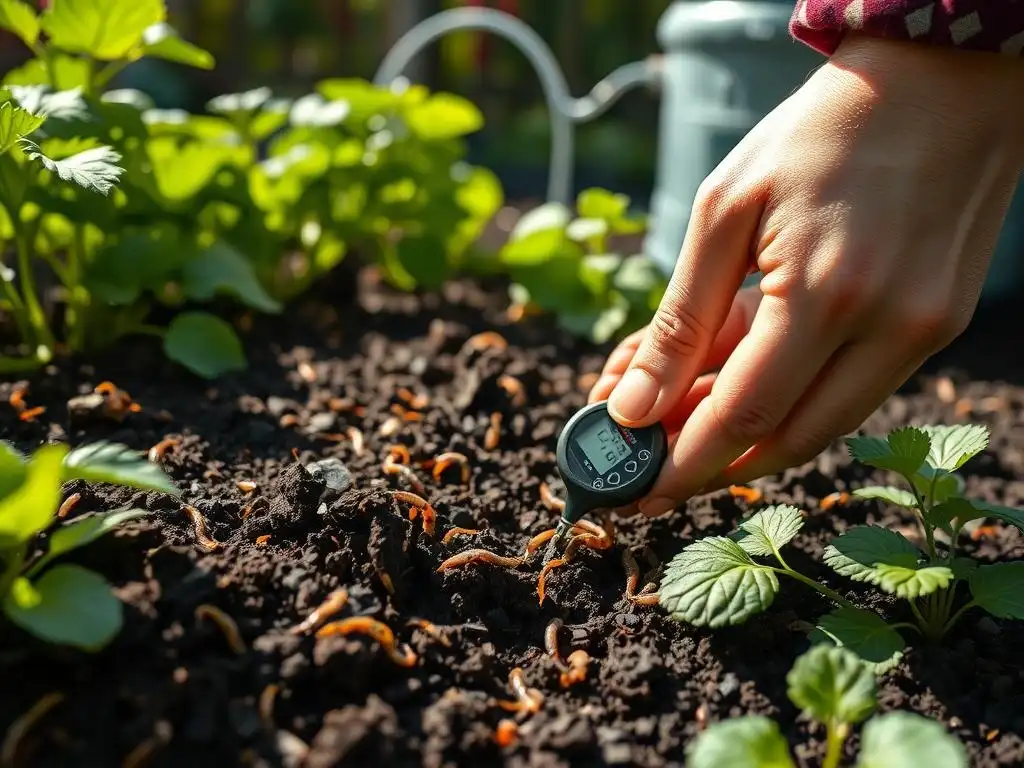
Efficient water management in your home garden starts with understanding your soil's moisture content. Overwatering leads to runoff, while underwatering stresses plants and reduces yields. Regular monitoring is key to striking the right balance and minimizing water waste. Several methods exist for checking soil moisture. The simplest is the finger test: dig your finger about an inch into the soil. If it feels dry, it's time to water.
If it's moist, you can wait. For more precise measurements, you can use a moisture meter, a readily available tool that provides a numerical reading of soil moisture. These meters are inexpensive and easy to use, offering valuable data to guide your watering schedule. Remember that different plants have different water requirements; a succulent will need less frequent watering than a leafy green. Observing your plants for signs of wilting or leaf discoloration can also indicate the need for watering.
Regularly monitoring soil moisture allows you to adjust your watering practices according to the specific needs of your plants and the prevailing weather conditions. This precision minimizes runoff by ensuring that you only water when and where it's necessary. Don't forget to consider the type of soil you have; sandy soils drain much faster than clay soils, requiring more frequent, but lighter watering. By consistently monitoring soil moisture, you can significantly reduce water runoff and contribute to a more sustainable gardening practice. This mindful approach ensures your plants thrive while conserving precious water resources.
Regularly Maintaining Your Garden for Optimal Water Retention
Maintaining your garden diligently is crucial for maximizing water retention and minimizing runoff. This involves several key practices. Firstly, mulching is paramount. A layer of organic mulch, such as wood chips or straw, helps retain soil moisture by reducing evaporation. The mulch acts as a barrier, preventing the sun from directly heating the soil and drawing out moisture. This is especially important during hot, dry weather. Furthermore, regular weeding is essential.
Weeds compete with your plants for water and nutrients, reducing the efficiency of your watering efforts and increasing the risk of runoff. Removing weeds helps ensure that the water you provide goes directly to your desired plants. Proper soil preparation before planting also plays a critical role. Adding compost or other organic matter improves soil structure, increasing its ability to retain water. Well-structured soil allows water to penetrate deeply, reducing runoff and providing a consistent water source for plant roots. Consider the layout of your garden beds as well.
Raised beds can improve drainage and prevent waterlogging, thereby reducing runoff. Finally, regular inspection of your irrigation system is crucial. Leaks in your watering system waste water and contribute to runoff. Regularly checking for leaks and ensuring proper functioning of your sprinklers or drip irrigation system can significantly reduce water waste. By implementing these maintenance practices, you will create a more efficient and water-wise garden that minimizes runoff and promotes sustainable water usage. This holistic approach ensures your garden thrives while protecting the environment.
Measuring the Impact: Assessing Your Water Runoff Reduction
This section details practical methods for quantifying the positive impact your home garden has on reducing water runoff and subsequent pollution. By actively measuring and observing, you can gain a clearer understanding of your garden's effectiveness in mitigating environmental concerns. Remember, even small changes contribute to the larger goal of reducing water runoff gardening.
Simple Methods to Track Water Usage in Your Garden
Tracking your water usage is the first crucial step in assessing your garden's impact on water runoff. There are several simple, yet effective, methods you can employ:
- Water Metering: If your water meter allows for granular readings, note the meter reading before and after watering your garden. This provides a precise measurement of water consumption. Record these readings in a simple log, noting the date and the amount of water used. This detailed approach allows for tracking trends over time.
- Watering Can/Hose Measurement: For smaller gardens, measure the volume of water in your watering can or use a flow meter attached to your hose to calculate the amount of water used per watering session. Again, consistent logging is key to understanding your overall water usage.
- Rainwater Harvesting: If you collect rainwater, keep a record of the amount collected and used. This helps to differentiate between municipal water usage and the sustainable alternative. Subtracting rainwater usage from your total garden water consumption reveals the reliance on municipal water, a key factor in assessing runoff reduction.
- Timer Usage: If using automated irrigation systems, meticulously record the duration and frequency of watering cycles. This allows for analysis of irrigation efficiency and potential for optimization. Consider experimenting with different watering schedules to find the optimal balance between plant health and water conservation.
Observing Changes in Soil Health and Water Retention
Healthy soil plays a pivotal role in reducing water runoff. By observing changes in your soil's health, you can indirectly assess your garden's impact on water retention. Look for these key indicators:
- Increased Organic Matter: The addition of compost and other organic materials improves soil structure, increasing its ability to absorb and retain water. Observe the texture of your soil over time; a crumbly, rich texture indicates improved water retention.
- Improved Soil Aggregation: Healthy soil forms aggregates – small clumps of soil particles bound together by organic matter. These aggregates create pore spaces that allow for better water infiltration. You can assess aggregation by gently squeezing a handful of soil; well-aggregated soil will hold its shape.
- Reduced Soil Compaction: Compacted soil prevents water from penetrating, leading to increased runoff. Avoid walking heavily on your garden beds and use techniques like cover cropping to prevent compaction. Regular observation will reveal any signs of compaction.
- Increased Water Infiltration Rate: You can conduct a simple test to measure infiltration rate. Dig a small hole, fill it with water, and time how long it takes for the water to be absorbed. Compare this over time to see if water infiltration has improved. This provides quantifiable data on your soil's improved water-holding capacity.
The improvement in these soil characteristics directly correlates with a reduction in water runoff, demonstrating the effectiveness of your sustainable gardening practices.
Comparing Your Garden's Runoff to that of Neighboring Areas (with similar size and landscape)
A compelling way to highlight the effectiveness of your "reduce water runoff gardening" efforts is by comparing your garden's runoff to that of similar neighboring areas. This comparative analysis provides valuable context and visually demonstrates the impact of your sustainable practices.
| Feature | Your Garden | Neighboring Area 1 | Neighboring Area 2 |
|---|---|---|---|
| Size (sq ft) | 200 | 225 | 180 |
| Landscaping | Vegetable garden, mulch | Lawn, minimal landscaping | Lawn, shrubs |
| Runoff Observation | Minimal, mostly absorbed | Moderate | High |
| Soil Type | Sandy loam, amended | Clay | Clay |
| Irrigation | Drip irrigation, rainwater | Sprinkler system | Sprinkler system |
This table showcases a hypothetical comparison. Note the significant difference in runoff between your garden (employing sustainable practices) and the neighboring areas with conventional landscaping. Remember to adapt this comparison to your specific circumstances and record your observations meticulously. The visual presentation of such data strengthens the argument for the positive environmental impact of home gardening practices focused on reducing water runoff. This comparative approach helps quantify the success of your "reduce water runoff gardening" efforts.
Conclusion: The Power of Home Gardening in Protecting Our Water Resources
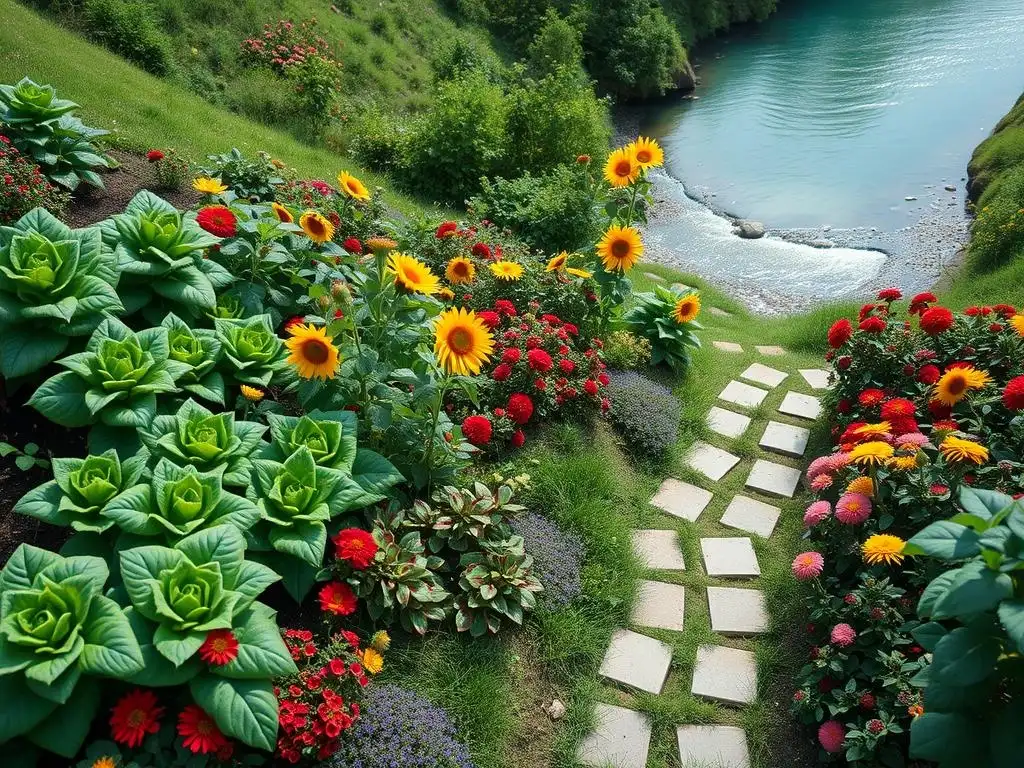
Home gardening, far from being a mere hobby, emerges as a powerful tool in the fight against water pollution and runoff. By implementing the techniques discussed—from strategic planting and soil management to efficient irrigation and responsible composting—home gardeners can significantly reduce their environmental footprint. This isn't just about individual actions; it's about a collective shift towards sustainable practices that benefit the entire ecosystem.
The cumulative effect of countless home gardens actively managing water resources translates into cleaner waterways, healthier communities, and a more resilient environment for future generations. The simple act of cultivating your own food becomes a potent act of environmental stewardship. The reduction in water runoff achieved through thoughtful gardening practices contributes to a healthier planet and underscores the vital role of individual actions in addressing global environmental challenges.
Encouraging Sustainable Practices Through Home Cultivation
The benefits of reducing water runoff extend beyond the immediate impact on local water systems. Adopting sustainable gardening practices fosters a deeper connection with the environment and promotes responsible resource management. This translates into a more conscious approach to other aspects of daily life, encouraging a ripple effect of positive environmental changes. Consider the following:
- Increased Awareness: The process of actively managing water in the garden cultivates a greater understanding of its preciousness and the importance of conservation. This awareness extends beyond the garden, influencing everyday water usage habits.
- Community Engagement: Sharing knowledge and experiences with fellow gardeners strengthens community ties and fosters a collective commitment to environmental sustainability. Local workshops and community gardens can further amplify this effect.
- Educational Opportunities: Home gardens serve as valuable learning spaces, particularly for children. Hands-on experience with sustainable practices instills environmental responsibility from a young age. This is crucial for creating a future generation of environmentally conscious citizens.
- Economic Benefits: Reducing water usage translates to lower water bills, representing a tangible financial incentive for adopting sustainable gardening practices. Furthermore, homegrown produce reduces reliance on commercially produced food, minimizing the environmental impact of large-scale agriculture.
The Long-Term Benefits of Reducing Water Runoff Pollution
The long-term consequences of unchecked water runoff are severe, impacting everything from aquatic ecosystems to human health. By actively reducing runoff through home gardening, we contribute to a more sustainable future. The benefits accumulate over time:
| Long-Term Benefit | Description | Measurable Impact |
|---|---|---|
| Improved Water Quality | Reduced sediment, fertilizers, and pesticides in waterways. | Cleaner rivers, lakes, and oceans; healthier aquatic life; improved drinking water sources |
| Enhanced Biodiversity | Healthier aquatic habitats support a wider range of plant and animal species. | Increased biodiversity; more resilient ecosystems |
| Reduced Flooding Risk | Less runoff means less strain on drainage systems, mitigating the risk of flooding during heavy rainfall. | Decreased property damage; improved community safety |
| Climate Change Mitigation | Healthy soil acts as a carbon sink, helping to mitigate the effects of climate change. | Reduced greenhouse gas emissions; improved climate resilience |
The reduction of water runoff pollution through home gardening is not merely a short-term solution; it's a long-term investment in a healthier planet. The cumulative effect of countless individuals embracing sustainable gardening practices will contribute significantly to mitigating the environmental challenges we face. This commitment to responsible resource management is essential for ensuring a sustainable future for all. 🌱
Frequently Asked Questions
How does my home garden help reduce water runoff?
Your home garden acts as a sponge, absorbing rainwater instead of letting it run off into storm drains. The soil, plants, and mulch soak up the water, reducing the volume of runoff and preventing pollution from fertilizers and pesticides.
What gardening practices minimize water runoff the most?
Employing mulch, creating swales or berms, and using rain gardens are highly effective. Proper soil preparation to improve water infiltration is crucial. Avoid compacted soil.
Can I use my existing garden to reduce runoff, or do I need a special design?
You can absolutely improve your existing garden's water absorption! Adding mulch, improving soil health, and planting densely will significantly reduce runoff. Consider adding features like rain gardens to further enhance this effect.
What about fertilizers and pesticides; don't they pollute the runoff?
Using organic fertilizers and pest control methods is essential to prevent water pollution. Avoid chemical fertilizers and pesticides, as they can contaminate runoff and harm local ecosystems.
How can I tell if my garden is effectively reducing water runoff?
Observe your garden after heavy rainfall. If you see minimal water running off your property and into streets or drains, your efforts are likely successful. Healthy soil that absorbs water quickly is a good indicator.
Final Reflection: Cultivating a Greener Future, One Garden at a Time
The simple act of tending a home garden is far more than a hobby; it's a powerful tool in the fight against water pollution and runoff. Our planet faces increasing challenges from unsustainable water practices, and the solutions often feel overwhelming. However, as this article has demonstrated, even small-scale changes, like strategically designing our gardens, can have a significant cumulative impact on water quality and conservation.
The shift towards mindful gardening practices isn't just an environmental imperative; it's a cultural evolution. We're seeing a growing recognition of the interconnectedness between our actions and the health of our ecosystems. This renewed focus on sustainability is inspiring communities to collaborate, share knowledge, and implement innovative solutions. The land nourishes us. We must nourish the land.
This simple truth underscores the responsibility we have to cultivate a harmonious relationship with our environment, starting with the spaces closest to home.
You now hold the knowledge to transform your own backyard into a haven for both beauty and environmental responsibility. Consider the strategies discussed – from rain gardens and permeable paving to thoughtful plant selection and soil management. Will you commit to making even one small change in your gardening practices? The cumulative effect of individual actions, however small, can create a ripple effect of positive change, leading us towards a greener, more sustainable future for generations to come.
Unlock Your Garden's Water-Saving Power
Thank you for exploring the world of water-wise gardening! You've learned how even small changes in your home garden can significantly reduce water runoff and pollution. Now let's put that knowledge into action.
- Design your ideal water-efficient garden: Sketch a plan, using pen and paper or your preferred digital tool, incorporating techniques like rain gardens, swales, and drought-tolerant plants. Let your creativity flourish!
- Share your water-saving success: Tell your friends and neighbors about your garden's transformation and inspire them to adopt similar practices. A little friendly encouragement can make a big difference!
- Install a rain barrel: This simple addition can dramatically reduce water waste.
Ready to transform your outdoor space into a sustainable oasis? What's the first water-wise change you'll make in your garden?