
The Art of Succession Planting: Get More from Your Short Season Garden

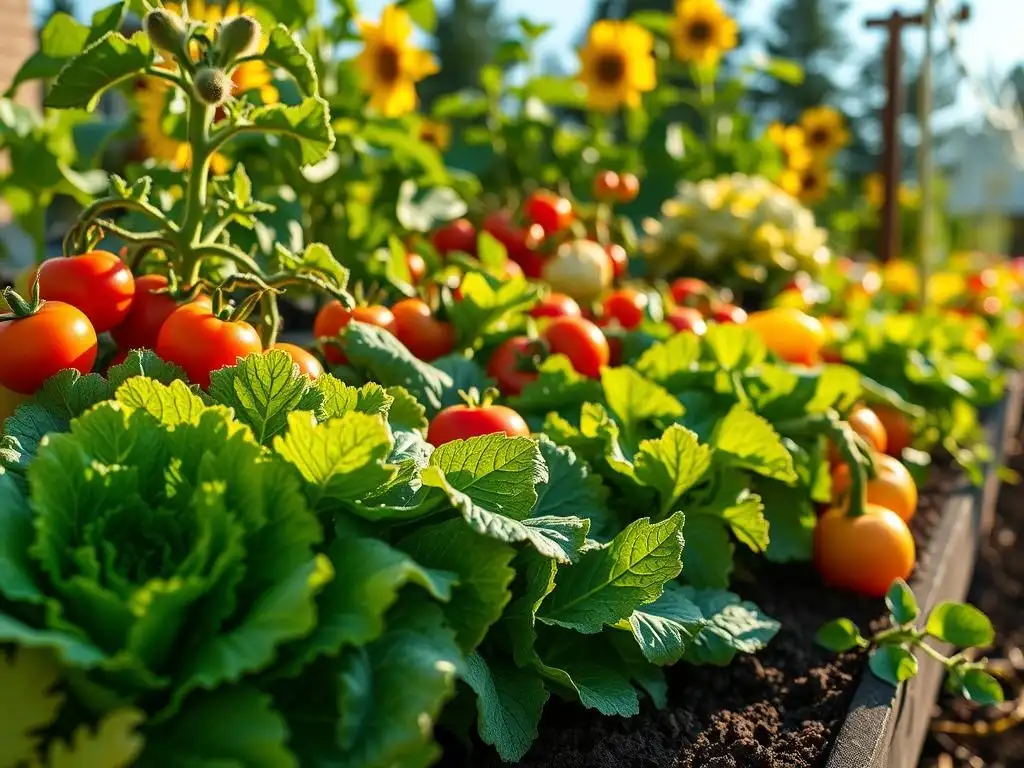
Welcome to CultivateYourFood, your guide to a thriving, sustainable garden! Are you ready to unlock the secrets of maximizing your harvest, even with a short growing season? Discover the power of succession planting and learn how to transform your small space into a bountiful oasis of fruits, vegetables, and herbs. This innovative technique, explored in our "Gardening in Different Climates" section, will leave you amazed at what you can achieve. Let's get growing!
- Understanding Succession Planting for Short Season Gardens
- Planning Your Succession Planting Schedule
- Essential Crops for Short Season Succession Planting
- Techniques for Successful Succession Planting
- Troubleshooting Common Succession Planting Challenges
- Harvesting and Enjoying Your Bountiful Short Season Garden
- Advanced Succession Planting Strategies for Short Seasons
- Frequently Asked Questions
- Final Reflection: Harvesting Abundance from Every Season
- Unlock Your Garden's Full Potential: A Bountiful Harvest Awaits!
Understanding Succession Planting for Short Season Gardens
Succession planting is a gardening technique crucial for maximizing yields in areas with short growing seasons. Unlike traditional planting where all crops go in at once, succession planting involves strategically staggering the planting of crops throughout the season. This ensures a continuous harvest, preventing the situation where your entire garden produces at the same time, leading to an abundance of produce you can't possibly use, followed by a barren patch. This article will explore the art of succession planting, focusing on how to optimize your short-season garden to enjoy fresh, homegrown fruits, vegetables, and herbs all summer long.
We'll cover everything from choosing the right crops to the planning involved in creating a thriving, productive garden, even with limited growing time. Mastering this technique will significantly improve your harvest and provide a more sustainable approach to home gardening. Let's dive into the details!
What is Succession Planting and Why Use It?
Succession planting is the practice of planting new crops in sequence as others finish their growing cycle. Instead of planting everything at once, you plant successive waves of crops, ensuring a continuous harvest throughout the growing season. This is especially beneficial for gardeners with short growing seasons, as it maximizes the use of available time and space. Think of it like a relay race – as one plant finishes its run (its growing cycle), another is ready to take its place.
Why is this important, especially for short-season gardeners? Consider these benefits:
- Extended Harvest: Instead of a short burst of abundance followed by nothing, you enjoy a continuous supply of fresh produce.
- Improved Space Utilization: You're making the most of your garden beds throughout the entire season.
- Reduced Pest Pressure: Staggered planting can help disrupt pest cycles. A mass planting of a single crop can attract large numbers of pests, while a more diverse and staggered approach can reduce this risk.
- Better Soil Health: Different crops have different nutrient needs. Rotating crops helps maintain soil health and prevents depletion of specific nutrients.
- Increased Yields: By planting multiple crops throughout the season, you can potentially increase your overall yield compared to a single planting.
Maximizing Your Short Growing Season with Strategic Planting
Strategic planning is key to successful succession planting in a short season. You need to carefully consider the days to maturity for each crop and plan your planting schedule accordingly. This often involves using a planting calendar specific to your region's frost dates and average temperatures. Consider these factors:
- Frost Dates: Knowing your last spring frost and first fall frost dates is essential. This determines the window of opportunity for growing different crops.
- Crop Maturity: Choose crops with varying maturity times. Fast-maturing crops can be planted early, followed by longer-season varieties.
- Crop Rotation: Rotate crops to prevent the build-up of pests and diseases and maintain soil health.
- Succession Planting Schedule: Create a detailed schedule outlining when to plant each crop, taking into account the factors mentioned above. This might involve a spreadsheet or a hand-drawn garden plan. This is where the real planning comes in. A well-thought-out plan is the backbone of a successful short-season garden.
Consider this example: Plant fast-maturing lettuce in early spring, followed by a slower-maturing crop like tomatoes in the same space once the lettuce is harvested.
Choosing the Right Crops for Succession Planting
Selecting the right crops is crucial for maximizing your short season. Prioritize fast-maturing varieties and those that tolerate cooler temperatures for early planting and those that thrive in warmer temperatures for later planting. Here's a breakdown of some excellent choices:
| Crop Category | Early Season Options | Mid-Season Options | Late Season Options |
|---|---|---|---|
| Leafy Greens | Lettuce, spinach, radishes, arugula | Kale, chard | Mustard greens, Asian greens |
| Root Vegetables | Radishes, carrots (early varieties) | Beets, turnips | Parsnips (if climate allows) |
| Warm-Season Crops | Bush beans, zucchini, summer squash | Tomatoes, peppers, eggplant | [Specific information pending] |
Remember to account for the specific needs of each crop – sunlight requirements, water needs, and spacing. Careful planning and observation will ensure your short-season garden thrives, providing you with a bountiful harvest despite the limited growing time. 🌱
Planning Your Succession Planting Schedule
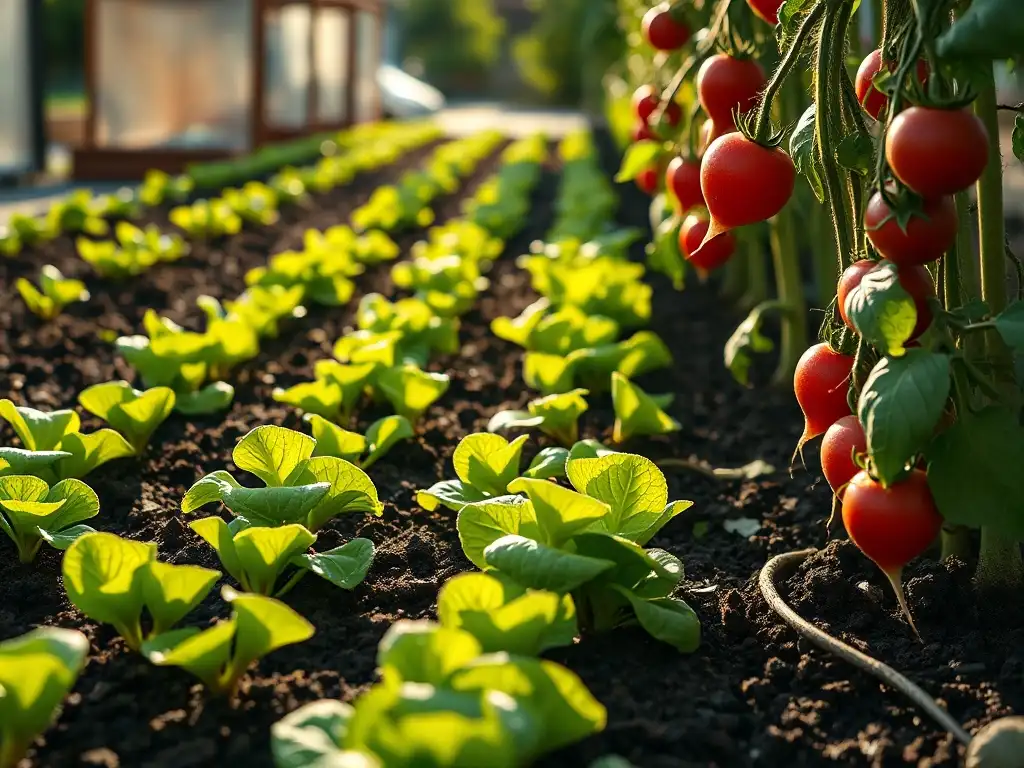
Succession planting, a cornerstone of maximizing yields in short-season gardens, requires meticulous planning. Understanding your specific climate and the needs of your chosen plants is crucial for success. This section details the steps to create a personalized succession planting schedule optimized for your short growing season, ensuring a continuous harvest throughout the summer. Mastering this technique allows you to reap the rewards of a bountiful harvest despite limited time. The key to successful succession planting lies in careful planning and precise execution. Let's dive into the specifics.
Assessing Your Frost Dates and Growing Season Length
Before even considering which plants to grow, you must determine your region's average last frost date in spring and first frost date in autumn. This information, readily available from local agricultural extension offices or online weather resources, defines the length of your growing season. For example, a garden with a growing season of only 90 days will require a drastically different planting strategy than one with a 120-day season.
Knowing your frost dates is paramount for selecting appropriate plant varieties and calculating appropriate planting intervals. Accurate frost date information is the foundation of effective succession planting in a short season.
To illustrate: let's consider a gardener in zone 5 with a last frost date of May 15th and a first frost date of September 15th. This provides a 120-day growing season. This knowledge informs every decision, from choosing fast-maturing varieties to planning overlapping planting schedules. Without this crucial information, your succession planting efforts may be significantly hampered, leading to reduced yields or even crop failure. Accurate frost date assessment is the bedrock of successful gardening, particularly in short-season environments.
Creating a Succession Planting Calendar: A Step-by-Step Guide
Creating a personalized succession planting calendar is a crucial step in maximizing your short-season garden's potential. This calendar acts as your roadmap, guiding you through the planting process and ensuring a continuous harvest. Here's a step-by-step guide to creating your own:
- List your desired crops: Start by listing all the fruits, vegetables, and herbs you want to grow. Prioritize those with shorter growing seasons for early planting.
- Check plant maturity times: Research the days to maturity for each plant. This information is typically found on seed packets or plant tags.
- Determine planting intervals: Calculate the planting intervals based on the plant's maturity time and your desired harvest frequency. For example, if lettuce matures in 45 days and you want a continuous harvest, you might plant a new batch every 2-3 weeks.
- Account for succession planting: Plan your planting schedule to ensure continuous growth. Consider planting fast-growing crops like radishes and lettuce early, followed by longer-season crops like tomatoes or peppers.
- Create your calendar: Use a calendar or spreadsheet to visually map out your planting schedule. Include the plant's name, planting date, expected harvest date, and any special notes (like companion planting). Remember to consider space requirements for each plant.
This detailed approach allows you to optimize your space and time, ensuring a steady supply of fresh produce throughout the growing season. A well-structured calendar is your best tool for effective succession planting in a short-season garden. Remember to adjust your planting schedule as needed, based on weather conditions and your observations.
Staggering Planting Dates for Continuous Harvesting
The core principle of succession planting for short-season gardens is staggering planting dates to ensure a continuous harvest. This means planting seeds or seedlings of the same crop at different times, creating overlapping growth cycles. This strategy avoids the situation where all your produce ripens at once, overwhelming your consumption capacity and leading to spoilage.
For instance, let's consider bush beans. Instead of planting all your bean seeds at once, plant a small batch every 2-3 weeks throughout the growing season. This approach ensures a steady supply of fresh beans throughout the summer and autumn. The same principle applies to other fast-growing vegetables like lettuce, spinach, and radishes. Careful staggering ensures a constant flow of fresh produce, maximizing your harvest from a short growing season.
The benefit? A more abundant and prolonged harvest, even within a limited timeframe. This approach is particularly crucial for short-season gardens, maximizing the limited time available. Remember to monitor your plants for signs of disease or pest infestations, adjusting your schedule as necessary. Careful observation and timely action are crucial for success.
Essential Crops for Short Season Succession Planting
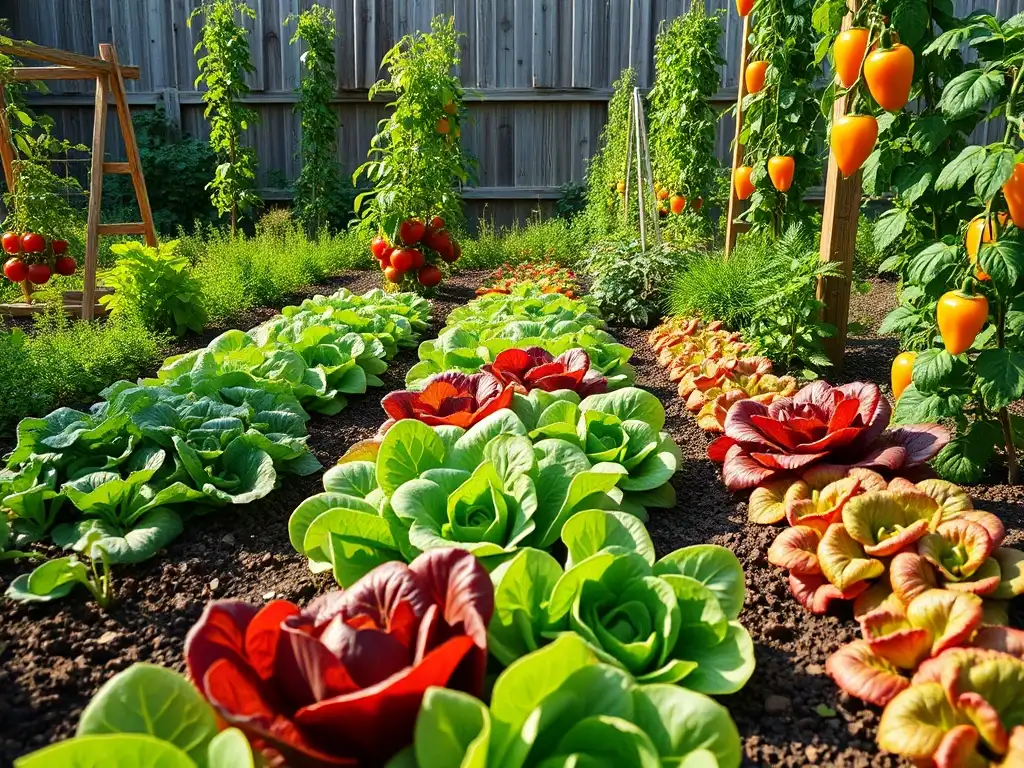
Succession planting is a crucial technique for maximizing yields in short-season gardens. By strategically planting crops at intervals, you can ensure a continuous harvest throughout the growing season, even when faced with limited time before the first frost. Mastering this technique requires careful planning and selection of appropriate varieties. Choosing the right crops is the first step to success in implementing a succession planting strategy for a short season garden. This section will explore ideal crop choices for different stages of the growing season.
Fast-Maturing Vegetables for Quick Turnaround
Fast-maturing vegetables are your best friends when working with a short growing season. These varieties reach maturity quickly, allowing for multiple harvests in a single season. Radishes, for example, are ready to harvest in as little as 25 days from planting. Consider these fast-growing options for your short season succession planting plan:
- Radishes: A classic choice, offering quick gratification and a variety of colors and sizes. Plant successive crops every two weeks for a continuous supply.
- Lettuce (leaf varieties): Many leaf lettuce varieties mature in just 4-6 weeks. Choose heat-tolerant varieties for later succession plantings.
- Spinach: A cool-season crop, but some varieties mature quickly enough for early and late plantings in a short season. Choose varieties specifically bred for quick growth.
- Bush Beans: These beans mature faster than pole beans, making them ideal for shorter seasons. Harvest regularly to encourage continued production.
- Summer Squash (zucchini, yellow squash): While these are warm-season crops, some varieties mature quickly, allowing for a short harvest window. Plant successions every 2-3 weeks.
Remember to choose varieties specifically labeled as "fast-maturing" or "early maturing" for optimal results in your short season garden. Proper spacing and consistent watering are also key to maximizing yields.
Cool-Season Crops for Early and Late Planting
Cool-season crops thrive in cooler temperatures, making them perfect for early spring and late summer/early fall plantings in a short season garden. They can tolerate some frost, extending your harvest window. Planning for cool-season succession planting will allow you to maximize the limited time available. Here are some excellent choices:
- Kale: Incredibly hardy and tolerant of cooler temperatures, kale can be planted early and late in the season. Harvest outer leaves as needed, allowing the plant to continue growing.
- Chard: Similar to kale in its hardiness, chard offers colorful stalks and leaves for salads and cooking.
- Carrots: While taking longer to mature than some other crops, carrots can be sown early in the season for a late-summer/early-fall harvest.
- Beets: Beets are another root crop that can be successfully planted early and late in a short-season.
- Lettuces (head varieties): While leaf lettuces are quicker, head lettuces can be planted early for a mid-summer harvest and again in late summer for a fall harvest.
Careful attention to the specific planting times in your region is crucial for success with cool-season succession planting. Consult local gardening resources or a planting calendar for your area. The timing will vary depending on your climate and the specific variety you choose.
Heat-Tolerant Vegetables for Summer Succession
While summer might seem short in a short-season climate, you can still extend the harvest by carefully selecting heat-tolerant varieties for summer succession planting. These crops withstand the higher temperatures and often produce prolifically, even in shorter growing seasons. Remember, careful planning and selection are crucial to success.
- Tomatoes (determinate varieties): Determinate tomato varieties grow to a certain height and then produce all their fruit at once, making them easier to manage in a short season.
- Peppers: Many pepper varieties are fairly heat-tolerant and can produce a decent harvest even in a shorter summer.
- Eggplant: Eggplant also benefits from the warmer temperatures of summer, making it a good choice for summer succession planting.
- Beans (pole beans): While pole beans take longer to mature than bush beans, they can produce a continuous harvest throughout the summer if planted early.
- Cucumbers: Choose heat-tolerant cucumber varieties for a successful summer harvest.
Remember that even heat-tolerant varieties will need adequate watering during hot spells. Mulching can help to retain soil moisture and regulate soil temperature, improving the success of your summer succession planting. Proper spacing and support structures (for pole beans and some vining cucumbers) are also vital. Careful observation and adjustment based on your specific climate and plant performance will greatly influence your success.
Techniques for Successful Succession Planting
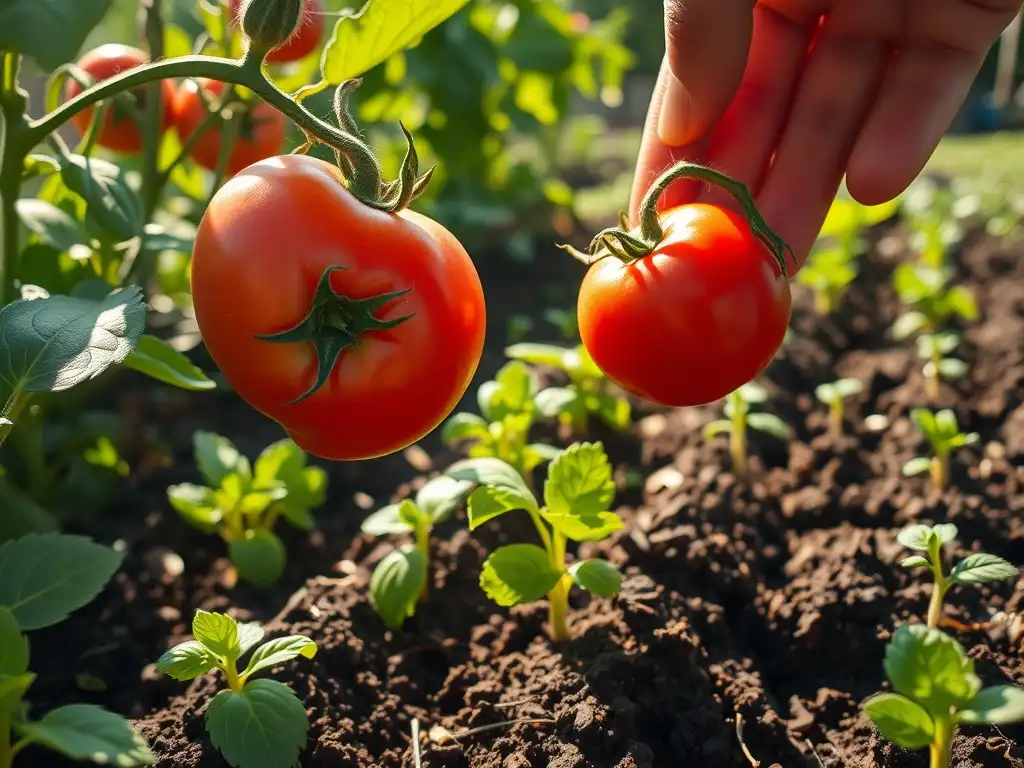
This section delves into the practical techniques that ensure a bountiful harvest even within a short growing season. Mastering these methods is key to maximizing your yield and enjoying fresh produce throughout the season. We'll explore seed starting, transplanting, and soil health maintenance – the cornerstones of successful succession planting for your short season garden.
Seed Starting for a Head Start
Starting seeds indoors gives your plants a significant advantage in a short growing season. This head start allows them to reach maturity before the first frost or the onset of hot summer temperatures. Consider these factors for optimal results:
- Timing is crucial: Consult seed packets for the recommended days to maturity (DTM). Calculate backward from your expected last frost date to determine the ideal starting date. For example, if your last frost is May 15th and your chosen plant has a 60-day DTM, you should start seeds indoors around March 17th.
- Choosing the right medium: Use a seed-starting mix, not garden soil. Seed-starting mixes are lighter and drain better, preventing damping-off (a fungal disease that kills seedlings).
- Providing adequate light: Seedlings need at least 6-8 hours of light daily. Supplemental lighting, such as grow lights, is often necessary, especially during the shorter days of early spring. Rotate seedlings regularly to ensure even growth.
- Hardening off: Before transplanting outdoors, gradually acclimate seedlings to outdoor conditions over 7-10 days. This process, called hardening off, reduces transplant shock and improves survival rates. Start by placing seedlings outdoors for a few hours each day, gradually increasing the exposure time.
Transplanting Techniques for Established Seedlings
Careful transplanting is vital to minimize stress on your delicate seedlings. Follow these steps for successful transplanting:
- Choose the right time: Transplant on a cloudy day or in the late afternoon to reduce the impact of strong sunlight. Avoid transplanting during periods of extreme heat or cold.
- Prepare the soil: Ensure your soil is well-prepared with adequate drainage and nutrients. Amend the soil with compost to improve its structure and fertility.
- Dig the right-sized hole: The hole should be large enough to comfortably accommodate the seedling's root ball without bending or cramping the roots.
- Gentle handling: Handle seedlings gently by their leaves or stems to avoid damaging the roots. Gently loosen the root ball before planting to encourage root expansion.
- Watering after transplanting: Water thoroughly after planting to settle the soil around the roots and help the seedlings establish themselves. Consistent watering is crucial during the initial weeks after transplanting.
Maintaining Soil Health for Continuous Growth
Healthy soil is the foundation of a thriving succession planting garden. Continuous cropping demands attention to soil health to prevent nutrient depletion and maintain optimal growing conditions. Here's how to keep your soil in top shape:
- Composting: Incorporate compost regularly to replenish nutrients and improve soil structure. Compost provides essential nutrients and beneficial microorganisms that support plant growth.
- Crop rotation: Rotate your crops annually to prevent the buildup of pests and diseases and to maintain soil fertility. Different plant families have different nutrient needs, and rotating them helps to balance the soil's nutrient profile.
- Cover cropping: Consider planting cover crops during fallow periods to improve soil health, prevent erosion, and suppress weeds. Cover crops such as clover or rye add organic matter to the soil and improve its structure.
- Mulching: Apply a layer of mulch to suppress weeds, conserve moisture, and regulate soil temperature. Organic mulches, like straw or shredded leaves, also improve soil health over time. This is especially important in a short season garden where moisture retention is critical.
By diligently following these techniques, you can significantly enhance the success of your succession planting strategy, even within the constraints of a short growing season. Remember that observation and adaptation are key – learn from your experiences and adjust your methods as needed to optimize your yield and enjoy the rewards of a bountiful harvest. 🥕🍅🌶️
Troubleshooting Common Succession Planting Challenges
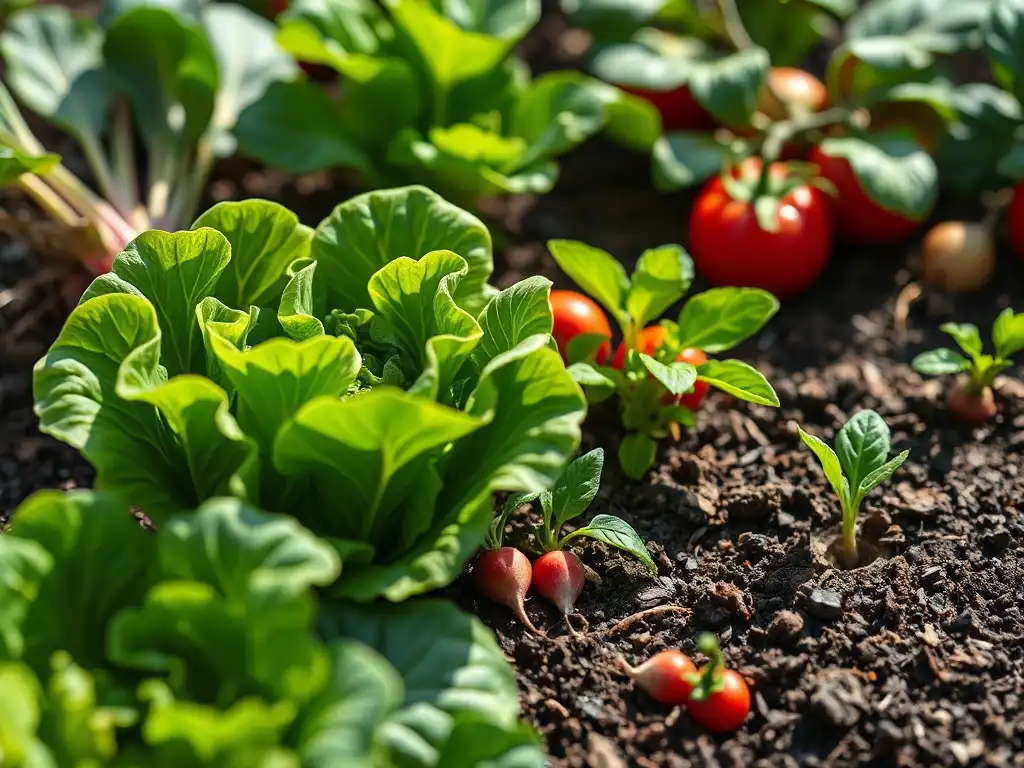
Succession planting, while offering a bountiful harvest even in short seasons, presents unique challenges. Mastering this technique requires careful planning and proactive problem-solving. This section addresses some common hurdles and provides practical solutions to maximize your yield. Understanding these challenges is key to successfully implementing succession planting for a short season garden. We'll explore pest and disease management, adapting to unpredictable weather, and maintaining soil health.
Dealing with Pests and Diseases in a Succession Planting System
A densely planted succession garden can be a haven for pests and diseases if not carefully managed. The close proximity of different crops increases the risk of infestation spreading rapidly. Therefore, proactive measures are crucial. The best defense is a strong offense; healthy plants are far less susceptible.
This involves ensuring your soil is rich in organic matter, promoting strong root systems. Consider using companion planting techniques. For example, planting basil near tomatoes can deter certain pests. Regularly inspect your plants for signs of infestation or disease. Early detection is key for effective treatment.
A diverse planting plan also helps. Rotating crops yearly helps break pest and disease cycles. Avoid planting the same family of plants in the same spot consecutively. For example, if you planted tomatoes this year, avoid planting peppers or eggplants in the same location next year.
Consider using organic pest control methods. Introducing beneficial insects like ladybugs can help control aphids. Diatomaceous earth can also be effective against many crawling insects. Always identify the pest or disease before applying any treatment to ensure you are using the most appropriate and effective method. Overuse of chemical pesticides can disrupt the beneficial insect populations and harm the soil ecosystem, undermining the sustainable principles of your garden.
Adapting to Unpredictable Weather Conditions
Short-season gardens are particularly vulnerable to unpredictable weather patterns. Late frosts, unexpected heat waves, or heavy rainfall can significantly impact the success of your succession planting. Therefore, developing strategies to mitigate these risks is vital for maximizing yields in a short season garden using succession planting.
Planning for potential weather extremes is crucial. Consider using frost protection methods like row covers or cloches for vulnerable seedlings. For heat waves, providing adequate shade and watering during the hottest parts of the day can protect your plants. Well-drained soil is essential to prevent waterlogging during periods of heavy rainfall. Raised beds can improve drainage and allow for better control of soil moisture.
Monitoring weather forecasts closely is essential. Being prepared to adjust your planting schedule or implement protective measures proactively can make a significant difference. Knowing your microclimate within your garden can also be incredibly helpful. Some areas might receive more sun or be better sheltered from wind than others. This knowledge can guide your planting decisions and help you select the most suitable locations for different crops.
Managing Soil Nutrient Depletion
Succession planting, by its nature, involves intensive use of the soil. Repeated harvests can quickly deplete essential nutrients, leaving subsequent crops lacking vigor. Proper soil management is, therefore, critical for long-term success. This isn't just about the yield of your current crop but also about the health of your soil for future planting seasons.
Regular soil testing is recommended to monitor nutrient levels. This allows you to tailor your fertilization strategy to meet the specific needs of your crops. Composting is a cornerstone of sustainable gardening. Adding compost to your soil enriches it with organic matter, improving drainage, water retention, and nutrient availability. Cover cropping between planting cycles can also help restore soil health. Cover crops like clover or rye can add nitrogen to the soil and prevent erosion.
Consider crop rotation to minimize nutrient depletion. Different plant families have different nutrient requirements. Rotating crops helps to maintain a balanced nutrient profile in the soil. This also helps prevent the buildup of specific pests and diseases associated with particular plant families. Sustainable practices such as these ensure your soil remains fertile and productive year after year, supporting the success of your short-season succession planting efforts.
Harvesting and Enjoying Your Bountiful Short Season Garden
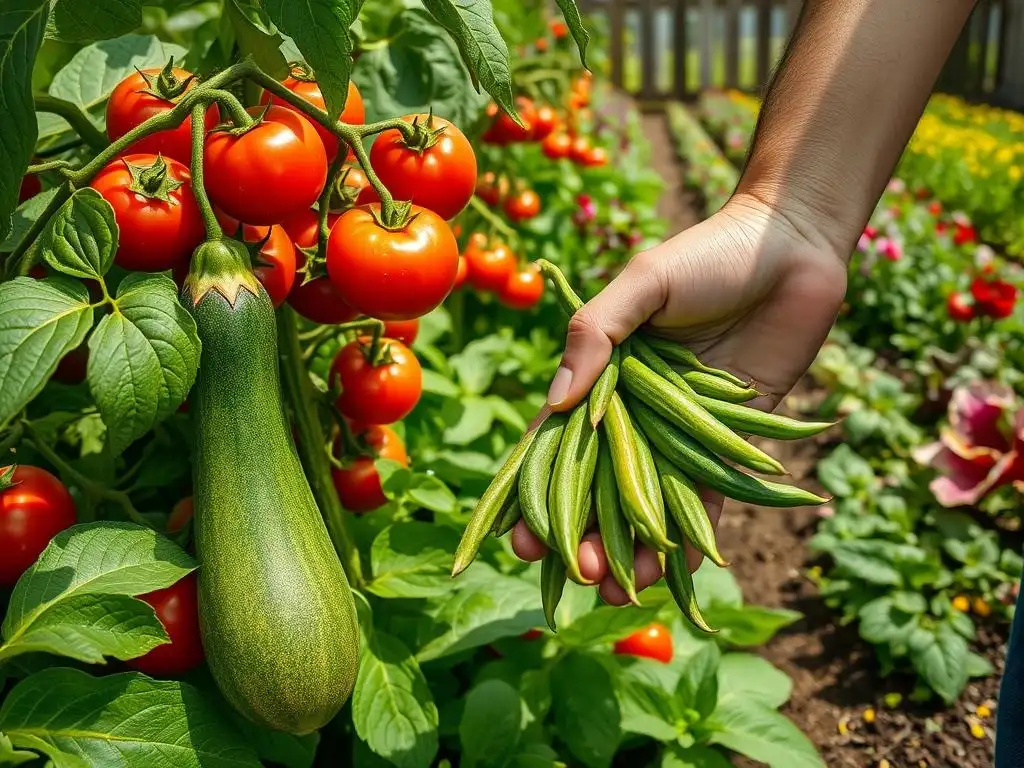
Succession planting, a cornerstone of maximizing yields in short-season gardens, culminates in a bountiful harvest. However, the true art lies not just in planting strategically, but in harvesting efficiently and preserving your bounty for months to come. This section will guide you through the process, ensuring you reap the rewards of your efforts throughout the year.
Recognizing Signs of Maturity in Your Crops
Knowing when to harvest is crucial for maximizing flavor and nutritional value. Each crop has unique indicators of ripeness. For example, tomatoes should exhibit deep color and a slight give when gently squeezed. Cucumbers should be firm and fully colored, while peppers are ready when they reach their characteristic color (green, red, yellow, etc.)
and have a glossy sheen. Leaf vegetables like lettuce and spinach are ready for harvest when they reach their desired size and leaves are firm and vibrant. Root vegetables, such as carrots and beets, are usually ready for harvest when they reach their mature size, typically indicated on the seed packet.
Understanding these visual cues is essential. Harvesting too early can result in a less flavorful product, while harvesting too late can lead to tough, bitter vegetables or fruits that are past their prime. Regularly check your plants, paying close attention to their growth and color. Consider using a garden journal to track planting dates and note the ripening progress of each crop. This meticulous observation is key to successful succession planting and maximizing the yield from your short season garden. Careful observation means better harvests and minimizes waste. 🥕
Proper Harvesting Techniques to Maximize Yield
The way you harvest impacts your overall yield and the health of your plants. Gentle handling prevents damage to the plant and encourages continued production. For example, when harvesting tomatoes, gently twist the fruit from the vine instead of pulling or yanking. This prevents damage to the plant and reduces the risk of disease.
Similarly, when harvesting leafy greens, use clean scissors or a sharp knife to cut the leaves cleanly, leaving the root system intact to promote regrowth, especially important in succession planting strategies. This ensures a continuous supply throughout the growing season. Harvesting root vegetables requires careful digging to avoid damaging the roots. Use a garden fork to loosen the soil around the roots, gently lifting them from the ground without breaking them.
Here's a helpful table summarizing harvesting techniques for common short-season crops:
| Crop Type | Harvesting Technique | Notes |
|---|---|---|
| Tomatoes | Twist gently from the vine | Avoid pulling or yanking. |
| Cucumbers | Cut with a sharp knife leaving a short stem attached | Prevents damage to the vine and encourages further growth. |
| Leafy Greens | Cut leaves with scissors or a sharp knife | Leave some leaves behind to promote regrowth. |
| Root Vegetables | Dig carefully with a garden fork | Avoid damaging the roots during harvest. |
| Peppers | Cut the pepper from the stem with a sharp knife | Harvest when fully colored and glossy. |
| Herbs (e.g., Basil) | Pinch or cut stems above a leaf node | Encourages bushier growth and prevents flowering. |
Remember, proper harvesting is a crucial step in maximizing your yield and ensuring the health of your plants for future harvests. Efficient harvesting techniques in your short season garden are vital to the success of your succession planting.
Preserving Your Harvest for Year-Round Enjoyment
The abundance of a short-season garden can be preserved for enjoyment throughout the year using various techniques. Freezing is a simple method for preserving many fruits and vegetables. Blanching (briefly boiling) vegetables before freezing helps retain their color, texture, and nutrients. Canning, while requiring more preparation, allows you to enjoy your harvest for an extended period. Pickling is another excellent option, especially for cucumbers and peppers. Dehydration is ideal for herbs and some fruits, preserving their flavor and aroma.
Consider this: A well-planned succession planting strategy, combined with effective preservation methods, transforms a short growing season into a year-round supply of fresh produce. This is especially important for those who appreciate the flavors and nutritional benefits of homegrown food. The satisfaction of enjoying your own homegrown vegetables, months after the last frost, is unparalleled. This sustainable approach minimizes food miles and reduces your carbon footprint.
Further Preservation Tips
For optimal preservation, ensure your produce is clean and dry before processing. Properly label and date your preserved goods for easy tracking. Research specific preservation techniques for different crops to maximize quality and shelf life. Experiment with different methods to find what works best for you and your favorite vegetables and fruits.
Advanced Succession Planting Strategies for Short Seasons
This section delves into sophisticated techniques to maximize your short-season garden's yield through succession planting. We'll move beyond basic scheduling and explore strategies that leverage intercropping, protective measures, and season extension technologies. Remember, the goal is to keep a continuous harvest flowing even with a limited growing period. Mastering these techniques can significantly improve your harvest and reduce reliance on external food sources.
Intercropping and Companion Planting for Enhanced Growth
Intercropping and companion planting are powerful tools in the succession planting arsenal, especially for short-season gardens. They allow you to grow multiple crops simultaneously in the same space, optimizing land use and potentially boosting yields. This strategy isn't just about cramming plants together; it's about carefully selecting compatible species that benefit each other.
For instance, planting fast-maturing radishes between slower-growing carrots maximizes space utilization. The radishes are harvested early, leaving ample room for the carrots to develop. This is a classic example of succession planting intertwined with intercropping.
Another successful combination is planting legumes (like beans or peas) with heavier feeders (like broccoli or tomatoes). Legumes fix nitrogen in the soil, enriching it for the subsequent crops. This reduces your need for synthetic fertilizers, aligning with our sustainable gardening principles. Careful planning is key; ensure sufficient spacing to avoid competition for resources later in the season.
Consider this example:
| Crop | Planting Date | Harvest Date | Spacing | Companion Plant | Benefits |
|---|---|---|---|---|---|
| Radishes | May 1 | May 25 | 2 inches apart | Carrots | Early harvest frees space for carrots. |
| Lettuce | May 15 | June 15 | 6 inches apart | Strawberries | Shade for strawberries, quick early harvest |
| Bush Beans | June 1 | July 15 | 1 foot apart | Tomatoes | Nitrogen fixation, improves soil fertility. |
| Broccoli | June 15 | August 15 | 18 inches apart | Bush Beans | Benefits from improved soil from bush beans. |
Careful observation and experimentation are crucial. Keep detailed notes on which combinations thrive and which struggle in your specific microclimate. This iterative process will refine your intercropping and companion planting strategies year after year, improving your succession planting efficiency.
Utilizing Row Covers and Other Protective Measures
Row covers, also known as floating row covers, are lightweight fabrics that protect plants from frost, pests, and strong winds. In a short-season garden, this protection is invaluable. They extend the growing season at both ends, allowing you to start seeds earlier in the spring and extend the harvest into the fall.
Using row covers is a simple yet highly effective succession planting technique. For example, you can start your seedlings indoors and then transplant them under row covers once the threat of frost has passed. This gives your plants a head start, allowing for earlier harvests and multiple plantings within the season.
Beyond row covers, other protective measures such as cloches (bell-shaped covers) or even simple plastic sheeting can be used to create microclimates that foster plant growth. These methods are particularly useful for protecting tender seedlings from unexpected temperature fluctuations common in short growing seasons. Remember to remove these covers when temperatures become consistently warm to avoid overheating the plants. The goal is to provide protection, not create a sauna!
Extending Your Growing Season with Cold Frames and Greenhouses
For more advanced season extension, consider investing in cold frames or greenhouses. Cold frames are low-cost structures that provide a more controlled environment than row covers, allowing you to extend the growing season significantly. They trap solar heat, creating a warmer microclimate inside. This allows you to start seeds much earlier in the spring and continue growing crops well into the fall.
Greenhouses offer even greater control over temperature and humidity. They are more expensive than cold frames but allow for year-round growing, even in regions with extremely short growing seasons. In a short-season garden, a greenhouse can be a game-changer, enabling you to start seedlings weeks ahead of the last frost and continue harvesting long after the first frost.
By strategically combining succession planting with cold frames or greenhouses, you can create a nearly continuous harvest throughout the year, maximizing your yield and enjoying fresh produce even during the coldest months. This is the ultimate strategy for those seeking to overcome the challenges of a short growing season and reap abundant harvests. Consider the increased yield and longer harvest period as a significant return on your investment in these structures.
Frequently Asked Questions
What is succession planting?
Succession planting is a gardening technique where you plant crops in stages throughout the growing season. This ensures a continuous harvest and maximizes the use of your garden space. You're essentially replacing plants as they finish their growing cycle.
Why is succession planting ideal for short-season gardens?
Short growing seasons demand efficient use of time. Succession planting allows you to get multiple harvests from the same space, making the most of the limited time available before the first frost.
What crops are best suited for succession planting in a short season?
Fast-maturing vegetables like lettuce, radishes, spinach, and bush beans are excellent choices for succession planting in short-season gardens. Consider crops with varying maturity times to extend your harvest.
How do I plan a succession planting schedule for my short-season garden?
Start by choosing fast-growing and cool-season crops for early planting. Then, plan for subsequent plantings of warm-season crops as the weather warms. Use a garden planner or calendar to track planting and harvest dates.
Are there any challenges associated with succession planting?
Maintaining consistent soil fertility and water management are crucial. Careful planning and monitoring are needed to address pest and disease issues that can arise from continuous planting.
Final Reflection: Harvesting Abundance from Every Season
The art of succession planting isn't just a gardening technique; it's a philosophy of maximizing potential, especially crucial in short-season gardens. In a world increasingly focused on sustainable practices and food security, understanding how to coax multiple harvests from limited growing time is more vital than ever. This knowledge empowers us to cultivate abundance, even within seemingly restrictive conditions.
Succession planting has profoundly impacted my own gardening journey, shifting my perspective from a focus on single harvests to a continuous cycle of growth and renewal. It's taught me patience, observation, and the deep satisfaction of reaping rewards throughout the entire growing season. The glory of gardening: hands in the dirt, head in the sun, heart with nature. To nurture a garden is to feed not just the body, but the soul.
This quote perfectly encapsulates the transformative power of tending a garden, and succession planting amplifies that experience tenfold.
Now, consider your own garden – or even a small window box. What could you achieve by implementing the principles of succession planting? Experiment with staggered plantings, explore companion planting, and embrace the learning process. Don't be afraid to fail; each failed attempt brings you closer to mastering this rewarding technique. The abundance you cultivate will be a testament not only to your gardening skills, but also to your commitment to nurturing life and maximizing the potential of even the shortest growing season.
Unlock Your Garden's Full Potential: A Bountiful Harvest Awaits!
Get ready to maximize your garden's yield, even with a short growing season! We're excited you're exploring succession planting. Now it's time to put your new knowledge into action.
- Start planning your succession planting schedule today! Grab a pen and paper, or use your favorite gardening app, to map out when you'll plant each crop. Stagger plantings of fast- and slow-growing varieties to ensure a continuous harvest throughout the season. This is the key to a truly successful garden!
- Share your gardening journey with us! Join our CultivateYourFood community on Facebook and Instagram. Let's inspire each other with tips, tricks, and photos of our thriving gardens—celebrating both successes and challenges!
- Consider alternative planting methods to boost your yield. If space is limited, vertical gardening or container gardening can significantly increase your harvest. You might be surprised by how effective these techniques can be!
What's your biggest challenge in maintaining a consistent harvest? How will succession planting help you overcome it? We'd love to hear your thoughts and discuss strategies together!