
Natural Pest Control: Protecting Your Plants Without Harming the Environment

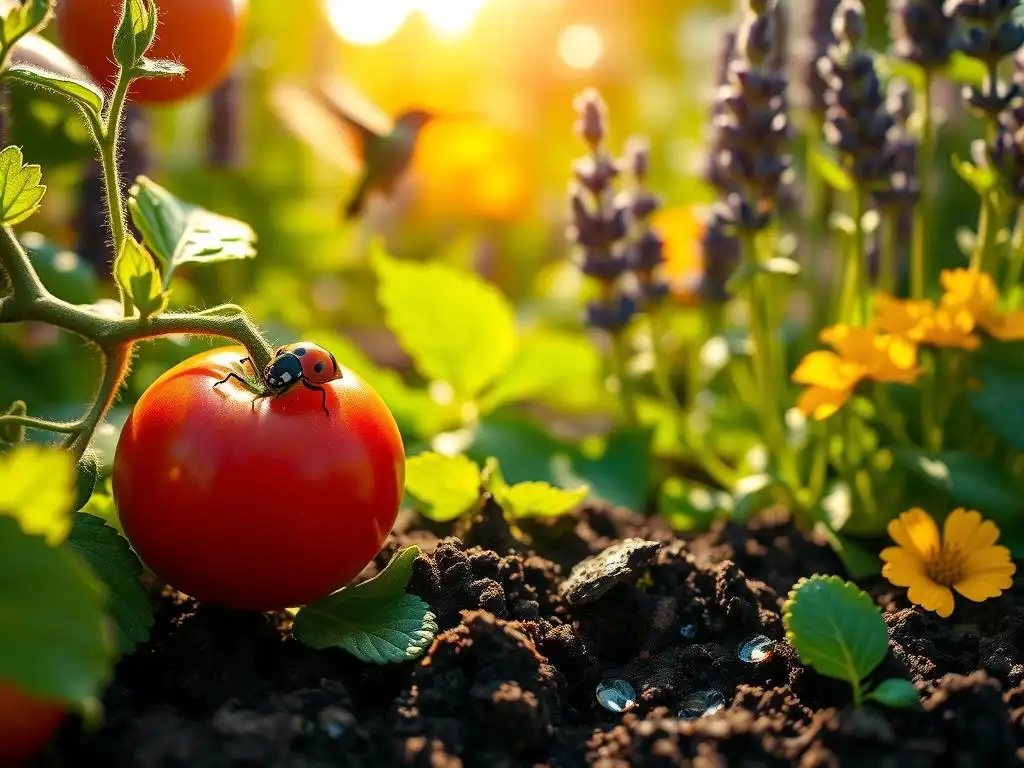
Welcome to CultivateYourFood, your guide to a thriving, sustainable home garden! Are you ready to ditch the harmful chemicals and embrace the power of nature? Discover the secrets to organic pest control home garden success, learning effective and environmentally friendly methods to protect your fruits, vegetables, and herbs. We'll show you how to cultivate a bountiful harvest while nurturing the health of your planet. Let's get started on your journey to a greener, more delicious garden!
- Understanding Organic Pest Control Home Garden Strategies
- Effective Natural Pest Control Methods for Your Home Garden
- Preventing Pest Infestations: Proactive Organic Gardening
- Advanced Organic Pest Control Techniques
- Organic Pest Control Home Garden: Long-Term Sustainability
- Frequently Asked Questions
- Final Reflection: Nurturing a Healthier Ecosystem, One Garden at a Time
- Unleash Your Inner Green Thumb: Protect Your Garden Naturally!
Understanding Organic Pest Control Home Garden Strategies
Protecting your homegrown fruits, vegetables, and herbs from pests is crucial for a successful and bountiful harvest. However, the desire for healthy plants shouldn't come at the expense of the environment. This article explores the world of organic pest control home garden strategies, offering effective and sustainable methods to keep your plants thriving without resorting to harmful chemicals. We'll delve into identifying common threats, assessing the damage they inflict, and selecting the appropriate organic solutions to safeguard your garden's health and the environment's well-being.
This guide provides a comprehensive approach to organic pest management, empowering you to cultivate a vibrant and flourishing garden using environmentally friendly techniques. We'll examine various natural pest control methods, emphasizing preventative measures and targeted interventions to minimize pest populations while maximizing plant health and yield. Remember, a healthy garden starts with a holistic approach that prioritizes both plant well-being and environmental sustainability.
Identifying Common Garden Pests and Diseases
Identifying the specific pests and diseases affecting your plants is the first crucial step in effective organic pest control. Accurate identification allows for targeted treatment, maximizing effectiveness and minimizing unnecessary interventions. Common garden pests range from insects like aphids, spider mites, and whiteflies, to larger creatures such as slugs, snails, and caterpillars. Diseases, on the other hand, can manifest as fungal infections (like powdery mildew or blight), bacterial infections, or viral diseases. Each requires a different approach to management.
A helpful strategy is to keep a detailed garden journal, noting observations of unusual plant behavior, including:
- Visual inspection: Regularly inspect your plants for signs of damage, such as holes in leaves, discoloration, wilting, or unusual growths.
- Pest identification: Use field guides, online resources, or contact your local agricultural extension office for help in identifying specific pests. Take clear photos for easier identification.
- Disease symptoms: Note the specific symptoms of any disease, such as spots, mold, or wilting patterns, to help pinpoint the cause.
Understanding the life cycle of the pest or disease is also important. For example, knowing when aphids are most active can help you time your interventions more effectively.
Assessing Pest Damage and Plant Health
Once you've identified the pests or diseases present, the next step is to assess the extent of the damage and the overall health of your plants. This assessment will help you determine the best course of action. Consider these factors:
| Factor | Description | Impact on Pest Control Strategy |
|---|---|---|
| Severity of Infestation | The number of pests present and the extent of damage to the plants. | Minor infestations may require only preventative measures, while severe infestations need immediate action. |
| Plant Health | The overall vigor and health of the plant. Stressed or weakened plants are more susceptible to pests and diseases. | Strengthening plant health through proper care can reduce pest susceptibility. |
| Spread of Infestation | Whether the pests or diseases are isolated to a single plant or spreading to others. | Localized infestations allow for targeted treatment, whereas widespread infestations require broader interventions. |
This assessment allows you to prioritize your efforts. For example, a minor infestation on a healthy plant might only require a simple, preventative method like companion planting, while a severe infestation on a weakened plant may require a more intensive approach. Remember, a healthy plant is better equipped to withstand pest attacks.
Choosing the Right Organic Pest Control Method
With the pest identified and the damage assessed, you can choose an appropriate organic pest control method. Several options exist, each suited for specific pests and situations. These include:
- Physical removal: Manually picking pests off plants or using sticky traps for flying insects. This is effective for small infestations.
- Biological control: Introducing beneficial insects, such as ladybugs or lacewings, that prey on harmful pests. This is a long-term, preventative strategy.
- Cultural control: Practices like crop rotation, companion planting, and proper watering and fertilization can prevent pest infestations.
- Natural pesticides: Using plant-derived sprays or other natural substances, such as neem oil or insecticidal soap, to control pests. Always follow instructions carefully.
The choice of method depends on several factors, including the type and severity of the infestation, the plant species, and your personal preferences. Remember to always prioritize preventative measures, such as maintaining healthy plants and practicing good garden hygiene, to minimize the need for more intensive control methods. A proactive approach is always the most effective and environmentally friendly way to manage pests in your organic home garden.
Effective Natural Pest Control Methods for Your Home Garden
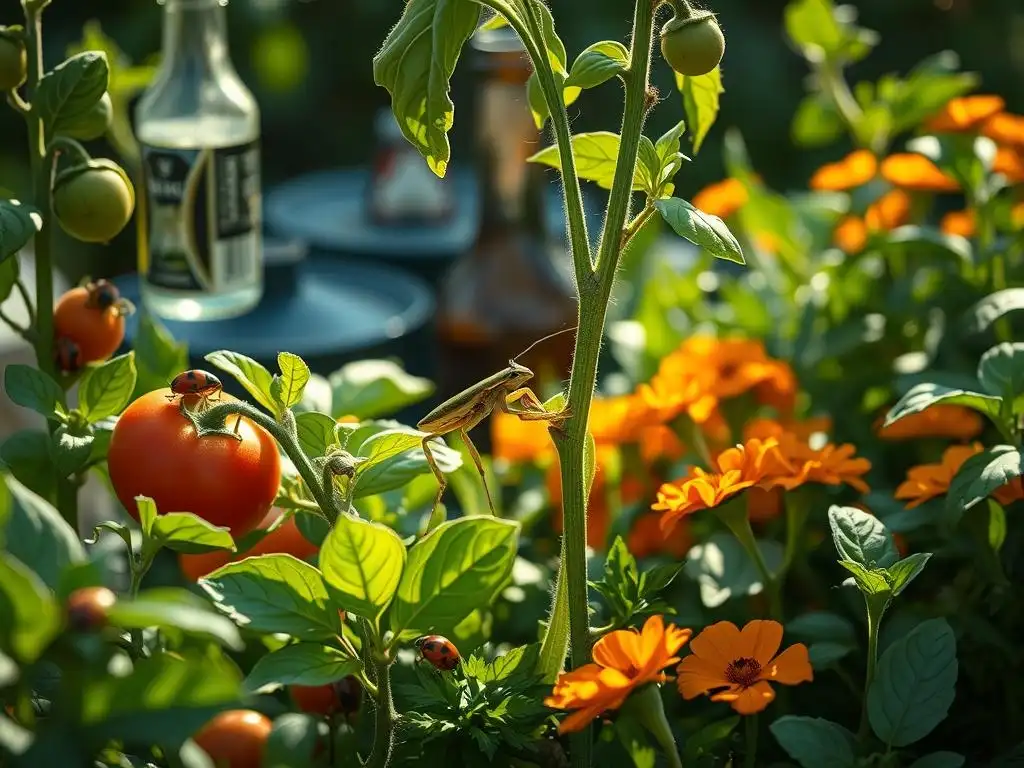
This section delves into specific, effective, and environmentally friendly methods for managing pests in your home garden. We'll explore how to leverage natural forces to protect your fruits, vegetables, and herbs, minimizing the impact on beneficial insects and the surrounding ecosystem. Remember, consistent monitoring and early intervention are key to successful organic pest control. This approach prioritizes preventative measures and targeted treatments, reducing the need for harsh chemicals. Adopting these organic pest control home garden strategies will help you cultivate a thriving and healthy garden.
Beneficial Insects: Nature's Pest Control
Beneficial insects are your allies in the battle against garden pests. Instead of eliminating all insects, focus on attracting and supporting the ones that prey on common garden nuisances. This bio-control method is a cornerstone of organic pest control home garden practices.
Many beneficial insects, such as ladybugs, lacewings, and praying mantises, feed on aphids, mealybugs, and other sap-sucking pests. Others, like parasitic wasps, lay their eggs inside pest larvae, effectively controlling their populations. Attracting these beneficial insects involves creating a welcoming habitat.
Here's how you can attract beneficial insects to your garden:
- Plant nectar-rich flowers: Include plants like dill, yarrow, and sunflowers to provide food sources for adult beneficial insects.
- Provide shelter: Leave some areas of your garden slightly unkempt to offer hiding places for beneficial insects. Avoid over-cleaning.
- Avoid broad-spectrum insecticides: These chemicals indiscriminately kill beneficial insects along with pests.
- Introduce beneficial insects directly: You can purchase and release beneficial insects, though this is generally a supplementary measure.
Consider the following table showcasing some common garden pests and their beneficial insect predators:
| Pest | Beneficial Insect Predator(s) |
|---|---|
| Aphids | Ladybugs, lacewings, hoverflies |
| Mealybugs | Ladybugs, lacewings |
| Spider mites | Predatory mites, lacewings |
| Whiteflies | Ladybugs, parasitic wasps |
| Cabbage worms | Braconid wasps |
By cultivating a diverse and healthy ecosystem in your garden, you'll naturally attract and support a thriving population of beneficial insects, reducing the need for other pest control measures. This is a sustainable and effective approach to organic pest control home garden management.
Diatomaceous Earth: A Natural Insecticide
Diatomaceous earth (DE) is a naturally occurring sedimentary rock composed of fossilized diatoms. When finely ground, it becomes a powerful, yet safe, insecticide. DE works by physically abrading the exoskeletons of insects, causing dehydration and death. It's a non-toxic option for many common garden pests. The key to effective use is to choose food-grade diatomaceous earth, ensuring it’s safe for consumption by humans and pets.
Applying DE is straightforward. Dust it directly onto affected plants, focusing on areas where pests are concentrated. Remember to apply it on dry days, as moisture reduces its effectiveness. Reapplication may be necessary after rain or watering. DE is particularly effective against crawling insects like slugs, snails, and ants. It's also useful for controlling some flying insects, such as whiteflies, if applied thoroughly.
While generally safe, always wear a dust mask when applying DE to avoid inhaling the fine particles. This precaution is essential for protecting your respiratory system.
It's important to note that DE is not a quick-acting insecticide. It takes time for the abrasive effect to work, so patience is key. Regular applications are often necessary for optimal results. This makes it a preventative measure as much as a reactive one in your organic pest control home garden strategy.
Neem Oil: A Versatile Organic Pesticide
Neem oil, extracted from the seeds of the neem tree ( Azadirachta indica), is a broad-spectrum organic pesticide with insecticidal, fungicidal, and even some miticidal properties. It disrupts the life cycle of many insects, preventing them from feeding, mating, and laying eggs. It's a versatile and effective tool in your organic pest control home garden arsenal.
Neem oil works by interfering with the insect's hormonal system, effectively preventing them from developing into adults. It also acts as a repellent, deterring insects from feeding on treated plants. Unlike some synthetic pesticides, neem oil is relatively safe for beneficial insects and pollinators when used as directed. However, it is important to note that high concentrations or frequent applications might negatively impact some beneficial species.
When using neem oil, always dilute it according to the product instructions. Over-dilution reduces its effectiveness, while excessive concentration can harm plants. Apply neem oil as a foliar spray, ensuring complete coverage of the plant's leaves and stems. Evening applications are best to minimize evaporation and reduce the risk of harming pollinators.
Regular applications, usually every 7-14 days, may be necessary depending on the severity of the infestation. Always test a small area of your plants before applying neem oil to the entire plant to ensure there are no negative reactions. This proactive step is crucial for successful organic pest control home garden practices.
Homemade Organic Sprays: Recipes and Applications
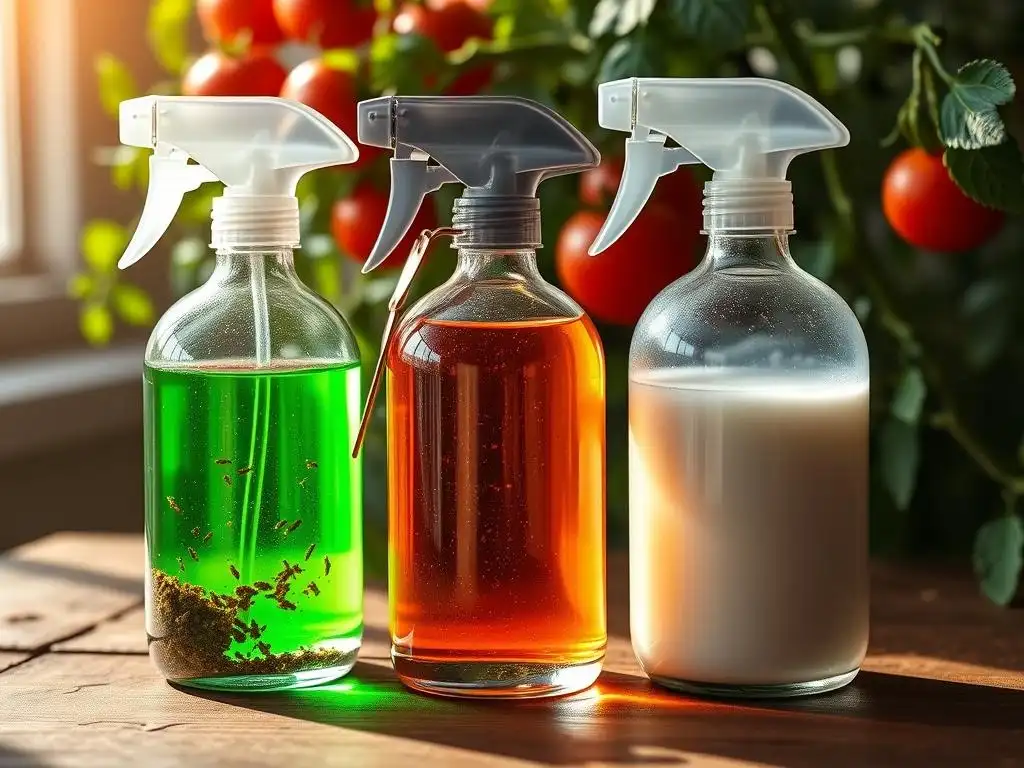
Creating your own organic pest sprays is a rewarding and effective way to manage pests in your home garden. These sprays utilize readily available ingredients, minimizing environmental impact and avoiding harmful chemicals. The effectiveness varies depending on the pest and the plant, so experimentation is key. Remember to always test a small area of your plant first to ensure there's no adverse reaction.
One popular recipe is a simple neem oil spray. Neem oil, derived from the neem tree, acts as a natural insecticide and fungicide. To make it, mix 1 tablespoon of neem oil with 1 teaspoon of liquid dish soap (avoid harsh detergents) and 1 quart of water.
Shake well before each use and apply as a foliar spray, ensuring thorough coverage of the plant's leaves and stems. Repeat applications may be necessary, depending on the severity of the infestation. Remember to apply neem oil sprays in the evening or on cloudy days to avoid scorching the plants from the sun.
Another effective spray utilizes garlic. Garlic's pungent aroma repels many common garden pests. To create a garlic spray, blend several cloves of garlic with a quart of water. Let the mixture sit for at least 24 hours, then strain it through a cheesecloth. Add a teaspoon of liquid soap to help the mixture adhere to the plant leaves. This spray is best used preventatively or at the first sign of infestation.
For aphids and other soft-bodied insects, a simple solution of water and dish soap can be surprisingly effective. Mix 1-2 teaspoons of mild dish soap with 1 quart of water. Again, ensure thorough coverage of the affected plant parts. This solution works by disrupting the insects' cell membranes, leading to dehydration and death. However, it's crucial to use this sparingly, as overuse can damage your plants.
Remember to always label your homemade sprays clearly, noting the ingredients and date of preparation. Proper storage is also crucial; keep them in a cool, dark place. Experimentation with different recipes and application techniques will help you find what works best for your specific garden and pest problems. Note that while these sprays are generally safe, some plants may be more sensitive than others.
Using Companion Planting for Natural Pest Repellent
Companion planting leverages the synergistic relationships between different plant species to deter pests and improve overall garden health. Certain plants release chemicals or have physical characteristics that repel or attract beneficial insects, creating a natural defense system within your garden. Careful planning and placement are essential for effective companion planting.
Marigolds, for example, are renowned for their pest-repelling properties. Their strong scent deters nematodes, whiteflies, and other common garden pests. Planting marigolds throughout your garden, especially near susceptible plants like tomatoes and peppers, can significantly reduce pest pressure. Similarly, basil is known to repel aphids, tomato hornworms, and flies. Planting basil near tomatoes is a classic example of successful companion planting.
Other effective companion plants include:
| Plant | Pests Repelled | Benefits |
|---|---|---|
| Lavender | Moths, fleas, mosquitoes, flies | Attracts beneficial insects, fragrant |
| Mint | Cabbage moths, aphids, beetles | Repels pests, improves soil quality |
| Chamomile | Aphids, spider mites | Attracts beneficial insects, improves soil |
| Nasturtiums | Aphids, whiteflies, squash bugs | Edible flowers, attracts beneficial insects |
| Garlic & Onions | Many soft-bodied insects, some root pests | Deters pests, adds flavor to the garden |
Strategic placement is key. Consider the growth habits and mature sizes of your plants. Ensure adequate spacing to avoid overcrowding. Careful observation of your garden will reveal which companion plants are most effective in your specific environment and for the pests you’re encountering. Remember that companion planting is a long-term strategy; the benefits become more pronounced over time. It's a sustainable and aesthetically pleasing approach to organic pest control, enhancing both the health and beauty of your home garden.
Preventing Pest Infestations: Proactive Organic Gardening
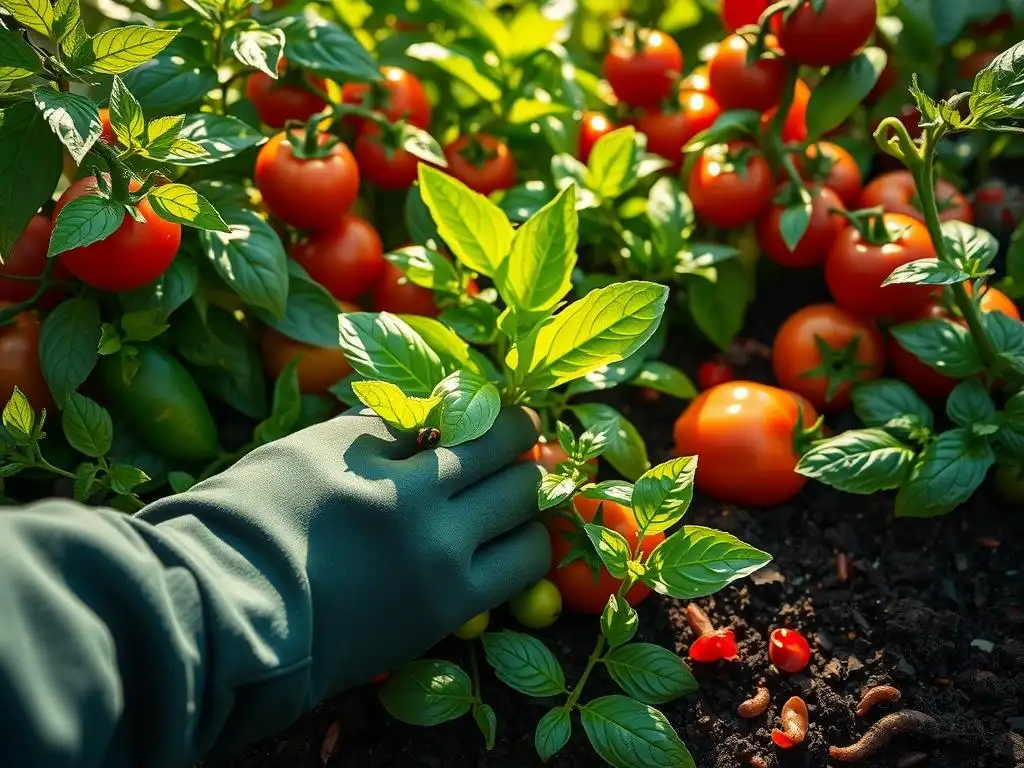
Proactive organic pest control for your home garden is far more effective than reactive measures. Instead of battling pests after they've invaded, focus on creating an environment where they're less likely to thrive in the first place. This holistic approach minimizes the need for harsh chemicals, aligning perfectly with the principles of organic pest control home garden practices. Think of it as building a robust defense system for your plants, rather than deploying a constantly fighting army. This section will outline key strategies for establishing a pest-resistant garden.
Maintaining a Healthy Garden Ecosystem
A thriving garden ecosystem is your first line of defense against pests. A balanced environment encourages beneficial insects, like ladybugs and lacewings, that prey on common garden pests. These natural predators are far more effective and environmentally friendly than chemical pesticides. To foster this balance:
- Diversify your plantings: Avoid monocultures (planting only one type of plant). A diverse garden provides a wider range of food sources for beneficial insects and reduces the appeal to specific pests that thrive on large, uniform crops. Think of it like a buffet—a variety of options for beneficial insects, while less appealing to specialized pests that only feed on one type of plant.
- Attract beneficial insects: Plant flowers that attract pollinators and beneficial insects. These plants provide nectar and pollen, encouraging these helpful creatures to stay in your garden and keep pest populations in check. Consider adding plants like dill, fennel, and yarrow, known for attracting beneficial insects.
- Compost regularly: Healthy soil is crucial. Composting adds vital nutrients and improves soil structure, leading to stronger, more resilient plants less susceptible to pests and diseases. Regular composting also helps maintain a balanced soil microbiome, supporting beneficial microorganisms that inhibit pest development.
- Avoid over-fertilizing: While nutrients are essential, over-fertilizing can weaken plants, making them more vulnerable to pests. Stick to organic fertilizers and follow package instructions carefully. Over-fertilized plants often produce lush, succulent growth that is more attractive to some pests.
Proper Watering and Soil Management
Appropriate watering and soil management are fundamental aspects of organic pest control home garden strategies. These practices directly impact plant health and resilience, making them less attractive targets for pests.
- Consistent watering: Avoid both overwatering and underwatering. Overwatering can lead to root rot and fungal diseases, weakening plants and making them more susceptible to pests. Underwatering stresses plants, making them equally vulnerable. Aim for consistent moisture, adjusting watering frequency based on weather conditions and plant needs.
- Well-draining soil: Poor drainage leads to waterlogged soil, creating ideal conditions for fungal diseases and attracting pests that thrive in damp environments. Amend heavy clay soils with organic matter like compost to improve drainage and aeration.
- Mulching: Applying a layer of mulch (organic matter like straw or wood chips) helps retain soil moisture, suppress weeds (which can harbor pests), and regulate soil temperature. This creates a more stable and less stressful environment for your plants. Mulch also helps to prevent soil erosion and maintain a healthy balance of microorganisms in the soil.
Choosing Disease-Resistant Plant Varieties
Selecting disease-resistant plant varieties is a proactive approach to minimizing pest problems. Strong, healthy plants are naturally more resistant to pests and diseases. When choosing plants for your garden, prioritize varieties known for their resilience.
- Research plant varieties: Before planting, research the specific needs and disease resistance of different plant varieties. Many seed catalogs and online resources provide this information. Look for descriptions that highlight resistance to common pests and diseases in your region.
- Source plants from reputable suppliers: Obtain plants from reputable nurseries or seed companies that prioritize disease-free stock. This reduces the risk of introducing pests or diseases into your garden from the start.
- Rotate crops: Rotating crops annually helps prevent the buildup of pests and diseases in the soil. Different plant families have different pest and disease susceptibilities, so rotating crops helps disrupt pest life cycles and reduces the risk of infestations. This is an essential part of long-term sustainable organic pest control home garden practices. 🌱
Remember, a healthy garden ecosystem is the cornerstone of successful organic pest control. By focusing on preventative measures, you can significantly reduce the need for chemical interventions, creating a thriving and environmentally friendly garden.
Regularly Inspecting Plants for Early Detection
Regularly inspecting your plants is the cornerstone of effective organic pest control. Early detection significantly increases your chances of successfully managing a pest infestation before it escalates. Think of it as preventative medicine for your garden. Instead of reacting to a full-blown infestation, you're addressing the problem while it's still small and manageable. This proactive approach minimizes the need for harsh chemicals and reduces the overall stress on your plants.
A thorough inspection involves more than just a casual glance. Take your time, get down to the plant's level, and carefully examine all parts: leaves (both upper and lower surfaces), stems, buds, flowers, and the soil surrounding the base of the plant. Look for any unusual discoloration, holes, wilting, webbing, or the presence of insects themselves. Even tiny signs, like tiny holes in leaves or unusual droppings, can indicate early pest activity.
The frequency of your inspections will depend on several factors, including the type of plants you're growing, the current weather conditions, and the time of year. During periods of rapid growth (spring and summer), more frequent checks – ideally every 2-3 days – are recommended. During less active periods, you might be able to get away with inspections once a week.
However, remember that consistent monitoring is key. A missed inspection could allow a small problem to grow into a major headache. Consider keeping a small notebook or using a gardening app to track your inspections and any issues you observe.
This will build a valuable record of your garden's health over time and help you identify recurring pest problems. This data can inform your future preventative strategies for organic pest control in your home garden, helping you to refine your approach year after year. The more you know about your plants' typical growth patterns, the more easily you can spot deviations that may signal pest activity.
Advanced Organic Pest Control Techniques
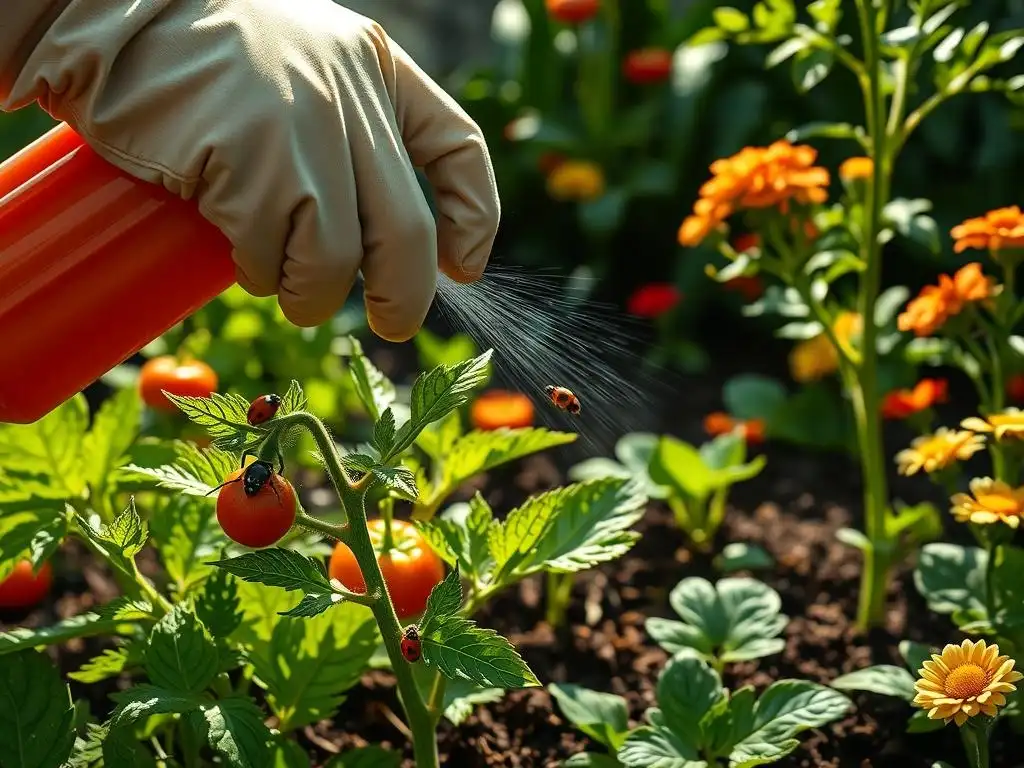
This section delves into sophisticated, yet readily accessible, organic pest control strategies for your home garden. We'll explore methods that go beyond simple deterrents, offering proactive and effective solutions for a thriving, pest-free environment. Remember, a healthy ecosystem is the best defense against pests, so these techniques focus on fostering that balance. Effective organic pest control home garden management requires a multi-pronged approach, and these techniques represent advanced steps in that process.
Biological Control Methods: Introducing Natural Predators
Biological control harnesses the power of nature to combat pests. Instead of using harmful chemicals, we introduce beneficial insects and other organisms that naturally prey on or parasitize the pests threatening your crops. This is a cornerstone of effective organic pest control home garden strategies.
This method requires careful planning and identification. You need to accurately identify the target pest to select the appropriate natural predator. For example:
- Aphids: Ladybugs, lacewings, and parasitic wasps are highly effective predators of aphids. Introducing these beneficial insects can significantly reduce aphid populations without the need for pesticides. Consider purchasing these beneficial insects from reputable suppliers and releasing them strategically throughout your garden. Remember to provide them with suitable habitats and food sources to encourage them to stay and reproduce.
- Whiteflies: Minute pirate bugs and parasitic wasps are excellent for controlling whiteflies. Similar to aphid control, introducing these beneficial insects requires careful consideration of their needs and a proper understanding of their life cycle.
- Caterpillars: Bacillus thuringiensis (Bt) is a naturally occurring bacterium that is toxic to caterpillars, but harmless to humans and other beneficial insects. It's a highly specific biological control agent that can effectively target specific caterpillar species without harming your beneficial insect population.
| Pest | Beneficial Predator(s) | Method of Introduction | Considerations |
|---|---|---|---|
| Aphids | Ladybugs, Lacewings, Parasitic Wasps | Purchase & Release | Provide habitat (e.g., flowering plants) |
| Whiteflies | Minute Pirate Bugs, Parasitic Wasps | Purchase & Release | Monitor populations regularly |
| Caterpillars | Bacillus thuringiensis (Bt) | Spray Application | Follow application instructions carefully |
| Slugs & Snails | Nematodes | Soil Application | Maintain soil moisture for optimal nematode activity |
Successful biological control often requires patience. It may take some time to see results, but the long-term benefits of a healthy, balanced ecosystem far outweigh the initial investment. Remember to monitor your plants regularly to assess the effectiveness of the introduced predators.
Crop Rotation: Breaking Pest Cycles
Crop rotation is a crucial element of organic pest control home garden practices. It involves planting different crops in the same area each year, disrupting the life cycle of soilborne pests and diseases. Many pests have specific host plants, and rotating crops prevents the buildup of these pests in the soil.
For example, if you planted tomatoes one year, which are susceptible to certain nematodes and fungal diseases, switching to a non-solanaceous plant like beans or a legume the following year will help break the cycle. This tactic prevents the pests from establishing a large population and significantly reduces the likelihood of infestation in subsequent years. This is an excellent preventative measure for long-term sustainable organic gardening. Planning your crop rotation requires an understanding of the pest life cycles associated with the plants you grow.
Crop rotation is a fundamental principle of sustainable agriculture, reducing reliance on chemical interventions and improving soil health.
Careful planning is essential. Consider creating a rotation plan that diversifies your crops and breaks the cycles of common pests in your region. Consult resources specific to your region and climate for optimal crop rotation schedules. Detailed records of your planting scheme will also aid in future planning and help optimize your harvests.
Using Row Covers and Physical Barriers
Physical barriers offer a simple yet effective way to protect your plants from pests. Row covers, for instance, act as a physical barrier, preventing many insects from reaching your plants. These lightweight fabrics allow air and sunlight to penetrate while keeping pests at bay. They are particularly useful for protecting seedlings and young plants, which are more vulnerable to damage.
Other physical barriers include:
- Mesh netting: This can be used to cover individual plants or entire beds, creating a physical barrier against flying insects and birds.
- Hardware cloth: Useful for protecting root vegetables from burrowing pests such as rodents.
- Sticky traps: These traps can be effective in monitoring pest populations and catching small insects like aphids and whiteflies. While they don't eliminate the problem entirely, they can help control smaller infestations.
Proper installation is crucial for effectiveness. Secure the row covers and netting properly to prevent pests from getting underneath or around them. Regularly check the barriers for damage or holes, repairing them as needed. This simple method can dramatically reduce the need for other pest control measures, promoting a healthy and organic garden. Moreover, these methods are cost-effective and readily available to most gardeners.
Organic Pest Control Home Garden: Long-Term Sustainability
Effective organic pest control in your home garden isn't a one-time fix; it's a continuous process demanding consistent monitoring, adaptation, and a commitment to sustainable practices. The goal isn't eradication, which is often impossible and environmentally damaging, but rather management of pest populations to a level that doesn't significantly impact your harvest. This section explores how to achieve this long-term sustainability. We'll examine strategies for monitoring your garden's health, adapting your pest control approach based on observations, and finding reliable resources to support your efforts in organic pest control for your home garden.
Monitoring and Evaluation of Pest Control Success
Regular monitoring is the cornerstone of successful organic pest control. It allows you to detect infestations early, assess the effectiveness of your chosen methods, and make necessary adjustments. This involves a multi-pronged approach:
- Visual Inspection: Daily or at least weekly, carefully examine your plants, looking for signs of damage (e.g., holes in leaves, wilting, discoloration) and the presence of pests themselves. Pay close attention to both the upper and lower surfaces of leaves, as well as stems and buds. A magnifying glass can be invaluable for spotting tiny insects or eggs.
- Trapping: Use simple traps like sticky traps or pheromone traps to monitor pest populations. The number of pests caught can indicate the severity of an infestation and the success of your control methods. Remember to record the number of pests caught each time you check the traps.
- Soil Monitoring: Healthy soil is crucial for healthy plants, which are more resistant to pests. Regularly check your soil's moisture, texture, and nutrient levels. Consider a soil test to identify any deficiencies that might weaken your plants and make them more susceptible to pests.
- Record Keeping: Maintain a detailed record of your observations. Note the date, the type and severity of any pest infestations, the control methods used, and the apparent effectiveness of those methods. This data will be invaluable in refining your strategy over time. For example:
| Date | Pest Observed | Severity | Control Method Used | Results |
|---|---|---|---|---|
| 2024-07-20 | Aphids on Tomatoes | Moderate | Neem oil spray | Significant reduction after 3 days |
| 2024-07-27 | Spider mites on Peppers | Mild | Ladybugs introduced | No further signs of infestation |
| 2024-08-03 | Cabbage worms on Kale | Severe | Bacillus thuringiensis (Bt) | Partial success; some damage remains |
This detailed record-keeping will allow you to track the effectiveness of different organic pest control techniques over time, enabling you to refine your approach and maximize its long-term success. Remember, consistent monitoring is key to sustainable organic gardening.
Adapting your Organic Pest Control Strategy
Organic pest control demands flexibility. What works for one pest or one season might not work for another. Your strategy needs to be adaptable based on your observations and the evolving conditions in your garden. Here's how to adapt effectively:
- Pest Identification: Accurate identification is critical. Different pests require different control methods. Consult reliable resources to correctly identify any pests you find. Misidentification can lead to ineffective or even harmful control measures.
- Integrated Pest Management (IPM): IPM is a holistic approach that combines various methods to manage pests. It prioritizes prevention and uses less harmful control methods only when necessary. This might involve a combination of cultural controls (e.g., crop rotation, companion planting), biological controls (e.g., beneficial insects), and only then, mechanical controls (e.g., handpicking) or organic pesticides as a last resort.
- Rotation and Diversity: Rotate your crops annually to disrupt pest life cycles and reduce the buildup of pests specific to certain plants. Planting a diverse range of crops also helps to create a more resilient and balanced ecosystem in your garden, making it less susceptible to widespread pest infestations.
- Monitoring Effectiveness: Regularly assess the effectiveness of your chosen methods. If a particular method isn't working, don't hesitate to switch to a different approach. Remember that persistence and adaptation are crucial for long-term success. The use of multiple methods simultaneously can often yield the best results.
Resources for Sustainable Gardening Practices
Numerous resources can help you implement and maintain an effective organic pest control strategy. These include:
- Local agricultural extension offices: These offices often provide valuable information and advice tailored to your specific region and climate. They can offer guidance on local pests, appropriate control methods, and sustainable gardening practices.
- Master gardeners: Master gardeners are experienced volunteers who can provide expert advice on a wide range of gardening topics, including organic pest control.
- Online resources and books: Many reputable websites and books offer detailed information on organic gardening and pest control techniques. Be sure to choose reliable sources that are backed by scientific evidence.
- Community gardens: Participating in or visiting community gardens can be a great way to learn from other experienced gardeners and share ideas and techniques. This collaborative approach can significantly enhance your understanding of organic pest control.
By combining careful monitoring, adaptive strategies, and the utilization of available resources, you can establish a thriving and sustainable home garden free from harmful pesticides, protecting both your plants and the environment. Remember, the journey towards successful organic pest control is ongoing, and continuous learning is essential.
Frequently Asked Questions
What is organic pest control?
Organic pest control focuses on preventative measures and the use of natural substances to manage pests in your garden, avoiding harmful synthetic pesticides. This protects beneficial insects and the environment.
How can I prevent pests naturally in my home garden?
Healthy plants are less susceptible to pests. Ensure proper watering, sunlight, and soil nutrition. Companion planting can also deter certain pests.
What natural remedies are effective against common garden pests?
Many options exist! Neem oil, diatomaceous earth, and insecticidal soaps are effective against various pests. Always follow instructions carefully.
Are natural pest control methods as effective as chemical pesticides?
While often requiring more consistent effort, organic methods can be just as effective, particularly when implemented proactively. They offer the benefit of long-term soil health.
Where can I find more information on organic pest control for my home garden?
Explore resources like the CultivateYourFood website for detailed guides, tips, and techniques on sustainable gardening practices, including organic pest control strategies.
Final Reflection: Nurturing a Healthier Ecosystem, One Garden at a Time
The shift towards organic pest control isn't just a trend; it's a vital necessity for the health of our planet and the future of our food systems. Ignoring the detrimental effects of synthetic pesticides on biodiversity and human health is no longer an option. We must actively choose sustainable alternatives to protect both our gardens and the wider environment.
The journey towards embracing natural pest control methods has been profoundly rewarding, not only for the vibrant health of my own garden but also for the deeper understanding it fostered of the intricate web of life within it. We do not inherit the earth from our ancestors, we borrow it from our children.
This quote encapsulates the responsibility we bear to cultivate a sustainable relationship with nature, ensuring future generations can also enjoy the bounty and beauty of a thriving ecosystem. The simple act of choosing organic pest control is a powerful step in fulfilling this responsibility.
Now, consider your own garden, balcony, or even a single potted plant. What small changes can you implement to make it a haven for beneficial insects and a sanctuary free from harmful chemicals? Will you try companion planting, introduce beneficial nematodes, or perhaps simply learn to identify and address pest problems before they escalate? The path to a healthier, more sustainable future begins with individual actions, and your garden is the perfect place to start cultivating that change.
Unleash Your Inner Green Thumb: Protect Your Garden Naturally!
Thank you for learning about natural pest control! We hope you feel empowered to protect your plants without harmful chemicals. Ready to try it?
- Begin by inspecting your garden for pests. Early detection of even a small infestation can significantly impact its success.
- Experiment with a natural pest control method. Diatomaceous earth, neem oil, or companion planting are excellent starting points.
- Share your experiences and tips with other gardeners in the comments below! Let's build a thriving community of natural gardening enthusiasts.
What simple, natural solution will you try first?