
The Smart Shopper's Secret: Growing Your Own Fruits, Vegetables, and Herbs

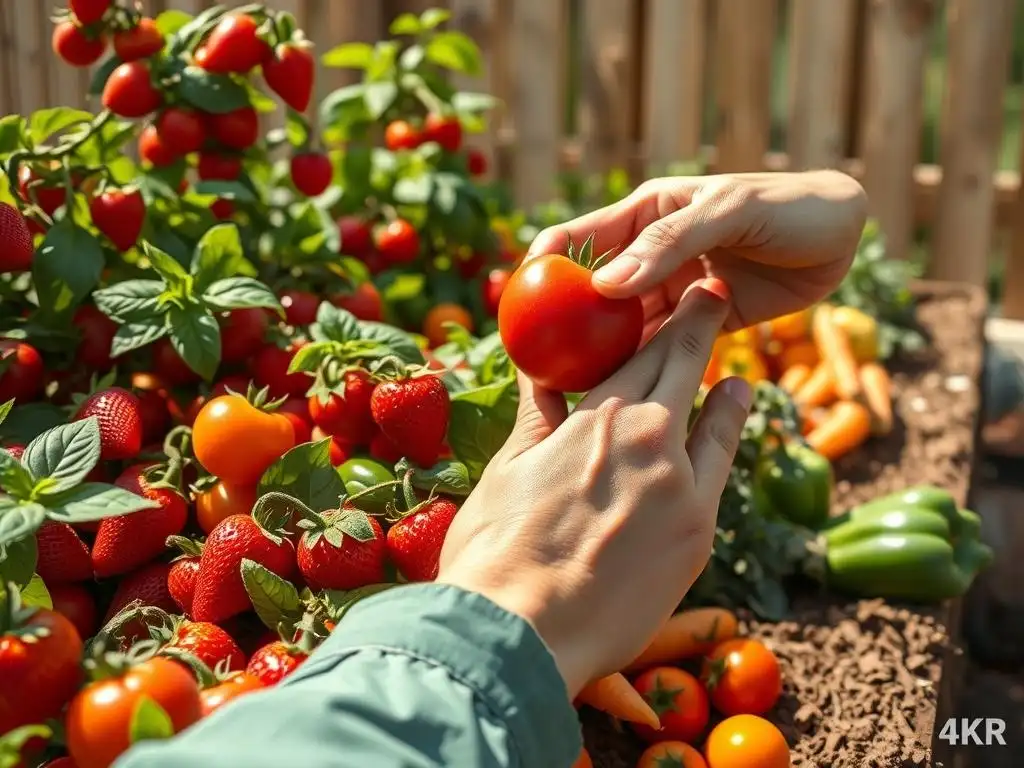
Welcome to CultivateYourFood, your guide to a greener, healthier, and more delicious life! Tired of expensive grocery bills and questionable produce? Discover the secrets to growing your own fruits cheaply, and unlock the surprising simplicity of cultivating your own vibrant fruits, vegetables, and herbs using sustainable, organic methods. Learn how to transform your backyard (or even balcony!) into a thriving oasis, from planting to harvesting, and everything in between. Ready to embark on this rewarding journey? Let's get started!
- Why Grow Your Own Fruits Cheaply? The Economics of Homegrown Produce
- Getting Started: Planning Your Home Garden for Maximum Yield
- Maximizing Your Harvest: Techniques for Abundant Produce
- Beyond the Harvest: Long-Term Cost Savings and Benefits
- Frequently Asked Questions
- Final Reflection: Harvesting Abundance, Cultivating Independence
- Unlock Your Inner Gardener: Grow Your Own Food Today!
Why Grow Your Own Fruits Cheaply? The Economics of Homegrown Produce
Growing your own fruits, vegetables, and herbs isn't just a rewarding hobby; it's a surprisingly savvy financial decision. In a world of rising food prices and fluctuating grocery costs, cultivating your own produce offers a powerful pathway to significant savings and increased food security. This article delves into the economic advantages of home gardening, demonstrating how you can effectively "grow your own fruits cheaply" and reap the financial rewards of your efforts.
We'll explore the substantial savings you can achieve, expose the hidden costs of store-bought produce, and analyze the long-term return on investment (ROI) of home gardening, proving that it's a smart investment in your budget and your well-being. Learn how to transform your backyard into a productive and profitable food source, minimizing your reliance on expensive supermarkets and maximizing your family's access to fresh, healthy food.
Reducing Grocery Bills: Significant Savings on Fruits and Vegetables
One of the most immediate benefits of growing your own food is the reduction in your grocery bill. The cost of fruits and vegetables, particularly organic options, has steadily increased in recent years. By cultivating even a small garden, you can dramatically decrease your spending on these items. Consider the following: a single head of organic lettuce can cost upwards of $4 at the grocery store, while growing your own from seed costs mere pennies. Similarly, a pound of homegrown tomatoes often outperforms their store-bought counterparts in both flavor and cost-effectiveness.
The savings accumulate quickly. Imagine the cost savings over a year of growing your own staples like tomatoes, lettuce, peppers, herbs, and berries. Even a modest garden can provide a substantial portion of your family's fresh produce needs, leading to hundreds, if not thousands, of dollars in savings annually. This is especially impactful for families striving to manage their budgets effectively. The more varieties you cultivate, the greater the potential savings. Careful planning and selection of high-yield crops will maximize your harvest and, consequently, your savings.
The price tag on your grocery store produce only tells part of the story. Many factors contribute to the final cost, often hidden from the consumer. These include:
- Transportation: Fruits and vegetables travel vast distances from farm to store, incurring significant transportation costs that are passed on to the consumer.
- Packaging: The extensive packaging used to preserve and present produce adds considerably to the overall cost.
- Markups: Retailers add markups to cover their operating expenses and profit margins, further increasing the price you pay.
- Spoilage: A significant percentage of produce spoils before reaching the consumer, adding to the overall cost and contributing to food waste.
By growing your own food, you eliminate these hidden costs entirely. You control the entire process, from planting to harvest, ensuring that your produce is fresh, locally grown, and significantly more affordable. This contributes not only to your financial well-being but also to a more sustainable and environmentally conscious lifestyle.
Long-Term Investment vs. Immediate Expenses: The ROI of Home Gardening
While there are initial costs associated with starting a home garden (seeds, soil, tools), these are a long-term investment that yields significant returns over time. Think of it as an investment in your health and your finances. The initial outlay is dwarfed by the ongoing savings you'll realize year after year. Furthermore, the value extends beyond mere monetary savings; the fresh, healthy produce you grow contributes to better health, potentially reducing healthcare costs in the long run.
The return on investment (ROI) of home gardening can be substantial, especially when considering the long-term benefits. The initial investment in tools and materials can be spread over many years, making the annual cost per harvest remarkably low. Moreover, the joy and satisfaction of nurturing plants from seed to harvest are invaluable, providing a sense of accomplishment and connection to nature that money can't buy. The more you cultivate, the higher the potential ROI becomes, making home gardening a truly rewarding and cost-effective endeavor.
Getting Started: Planning Your Home Garden for Maximum Yield
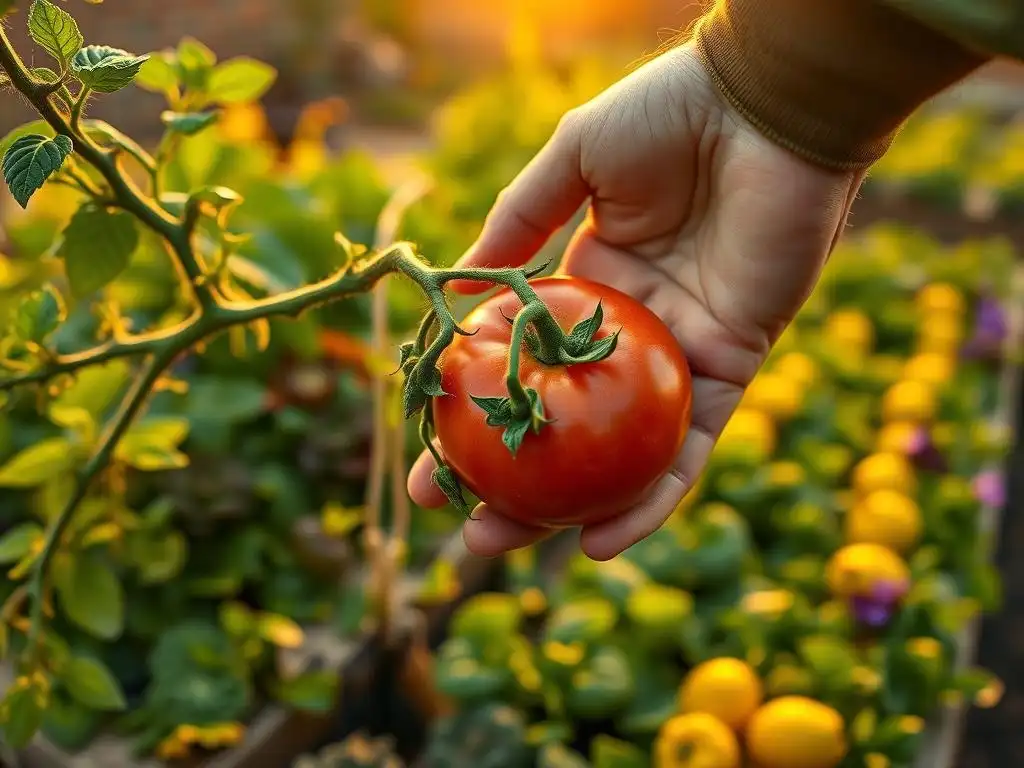
Growing your own fruits cheaply starts with smart planning. A well-planned garden maximizes space and resources, leading to a higher yield per square foot and a significant return on your investment. This translates directly to lower costs per unit of produce. Careful consideration of several key factors is crucial for success.
Choosing the Right Fruits, Vegetables, and Herbs for Your Space and Climate
Your local climate significantly impacts which plants will thrive. Choosing varieties suited to your specific area is paramount for minimizing losses and maximizing yield. For example, attempting to grow watermelons in a short-growing season climate is likely to result in poor harvests, wasting valuable resources. Instead, focus on fast-maturing varieties or those known for their adaptability to your region.
Consider the space you have available. Vertical gardening techniques, such as trellises for climbing plants like tomatoes and cucumbers, can dramatically increase your yield in limited spaces. Compact varieties of fruits and vegetables are also excellent choices for smaller gardens. Researching space-saving techniques and plant varieties is a key component of growing your own fruits cheaply.
Don't forget the sun exposure! Many fruits and vegetables require at least six hours of direct sunlight daily. Carefully map your garden's sun exposure throughout the day to ensure that sun-loving plants receive adequate sunlight. This seemingly simple step can have a huge impact on your harvest.
Budget-Friendly Gardening Supplies: Sourcing Seeds, Tools, and Soil Affordably
One of the biggest misconceptions about home gardening is that it's expensive. In reality, growing your own fruits cheaply is achievable with smart sourcing strategies.
Seeds are significantly cheaper than buying established plants. Consider saving seeds from your harvest each year to further reduce costs. Many seed companies also offer affordable seed packets, and online forums and communities often swap or share seeds, creating a low-cost, sustainable seed supply.
Tools don't need to be expensive. Many essential gardening tools can be found at secondhand stores, yard sales, or even repurposed from household items. A sturdy shovel, a trowel, and a watering can are usually sufficient to get started. Prioritize quality over brand name – a well-maintained, inexpensive tool will last for years.
Composting is a game-changer for reducing costs. By composting kitchen scraps and yard waste, you create nutrient-rich soil amendments for free, eliminating or significantly reducing the need to purchase expensive commercial fertilizers. This sustainable practice is both economical and environmentally friendly. A simple compost bin can be built from readily available materials, further minimizing upfront costs.
Seed Starting vs. Seedlings: Cost Comparison and Practical Considerations
Starting seeds from scratch can be significantly cheaper than buying seedlings. However, it requires more time, space, and attention to detail. Seedlings, while more expensive upfront, offer a head start and can be a better option for busy gardeners or those with limited space.
| Method | Upfront Cost | Time Commitment | Space Requirement | Success Rate |
|---|---|---|---|---|
| Seed Starting | Low | High | Moderate to High | Moderate |
| Seedlings | Moderate to High | Low | Low | High |
To grow your own fruits cheaply, consider the trade-offs. If you have the time and space, starting seeds offers significant long-term cost savings. If time is a constraint, purchasing seedlings might be a more practical approach despite the higher initial cost. Careful planning and consideration of your resources are key to making an informed decision. The ultimate choice depends on your individual circumstances and gardening goals.
Maximizing Your Harvest: Techniques for Abundant Produce
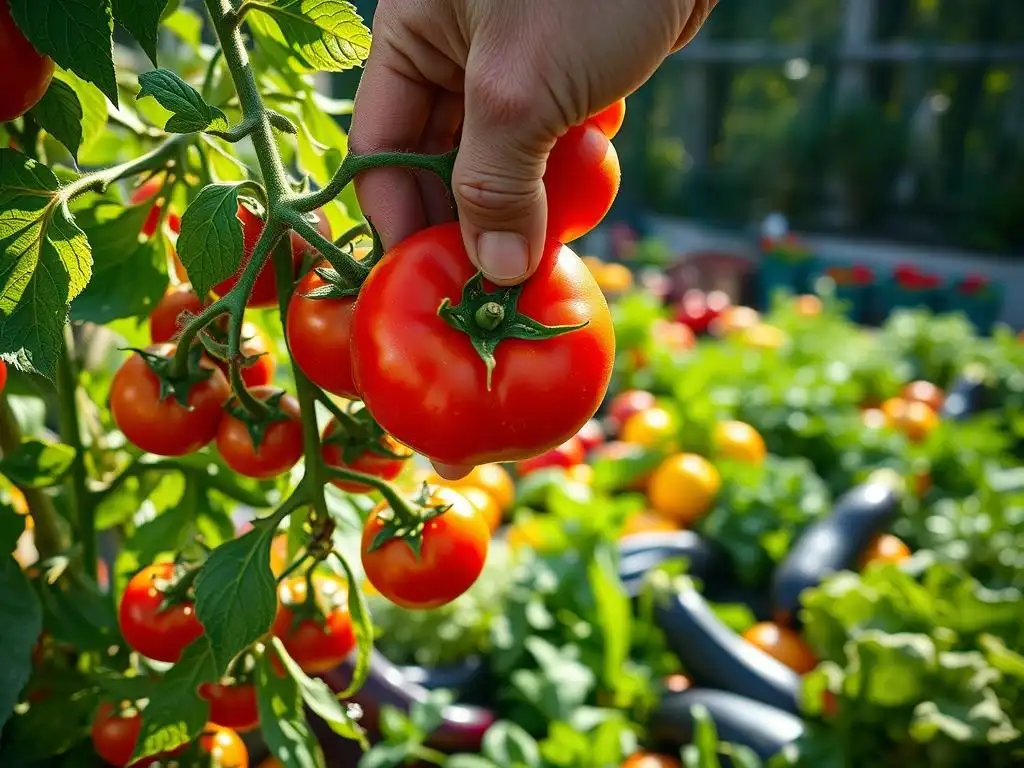
Growing your own fruits cheaply isn't just about initial costs; it's about maximizing your yield to get the most from your investment of time and effort. This section focuses on practical techniques to boost your harvest, ensuring you reap the rewards of your homegrown bounty and truly experience the economic benefits of growing your own food.
Optimizing Planting Techniques for Increased Yields: Spacing, Watering, and Soil Enrichment
Proper planting is fundamental to a bountiful harvest. Cramped plants compete for resources, leading to smaller fruits and vegetables. Adequate spacing allows for optimal sunlight penetration, airflow, and root development. For example, tomatoes benefit from spacing of at least 2-3 feet apart, while lettuce can be planted more closely, around 6-12 inches. Research the specific spacing requirements for each plant you're growing. This information is readily available online and in gardening guides.
Consistent watering is also crucial. Underwatering leads to stunted growth and reduced yields, while overwatering can cause root rot and disease. Aim for consistent moisture, but avoid waterlogged soil. Consider using a drip irrigation system or soaker hoses for efficient watering, minimizing water waste and ensuring even moisture distribution. This is particularly important during dry spells.
Soil enrichment is another key factor. Healthy soil provides essential nutrients for vigorous growth. Before planting, amend your soil with compost or other organic matter to improve its structure, drainage, and nutrient content. Regular soil testing can help you identify nutrient deficiencies and address them effectively. For instance, adding bone meal can increase phosphorus levels, beneficial for fruiting plants. Remember, healthy soil directly translates to healthy plants and a bigger harvest, making growing your own fruits cheaply a more realistic goal.
Natural Pest Control: Protecting Your Crops Without Expensive Chemicals
Protecting your crops from pests without resorting to expensive chemical pesticides is essential for both your budget and the health of your produce. Natural pest control methods are effective and environmentally friendly, allowing you to grow your own fruits cheaply while maintaining the integrity of your garden.
Several strategies can be implemented. Companion planting involves strategically positioning certain plants together to deter pests. For example, basil planted near tomatoes can repel tomato hornworms. Other methods include introducing beneficial insects like ladybugs, which prey on aphids and other common garden pests.
Regularly inspecting your plants for signs of infestation allows for early intervention, preventing widespread damage. Homemade pest sprays using ingredients like neem oil or insecticidal soap are also effective and far cheaper than commercial alternatives. These simple, cost-effective methods can greatly reduce the need for expensive chemical pesticides, further enhancing the economic benefits of your homegrown food.
Preserving Your Harvest: Cost-Effective Methods for Extending the Life of Your Produce
A significant portion of the economic advantage of growing your own fruits cheaply lies in preserving your harvest. The abundance of produce during peak season can be overwhelming, but proper preservation techniques can extend the life of your fruits and vegetables, ensuring you enjoy the benefits year-round.
Simple methods like freezing, canning, and drying are cost-effective and require minimal equipment. Freezing is ideal for fruits and vegetables like berries, peas, and beans. Canning is excellent for tomatoes, jams, and pickles. Dehydration is perfect for herbs, tomatoes, and other fruits.
Proper storage techniques, such as keeping fruits and vegetables in cool, dark places, also significantly extend their shelf life. By implementing these preservation methods, you effectively extend the economic benefits of your harvest, ensuring that growing your own fruits cheaply translates into long-term savings and a continuous supply of fresh, homegrown food. This significantly reduces reliance on expensive, store-bought produce throughout the year.
Beyond the Harvest: Long-Term Cost Savings and Benefits
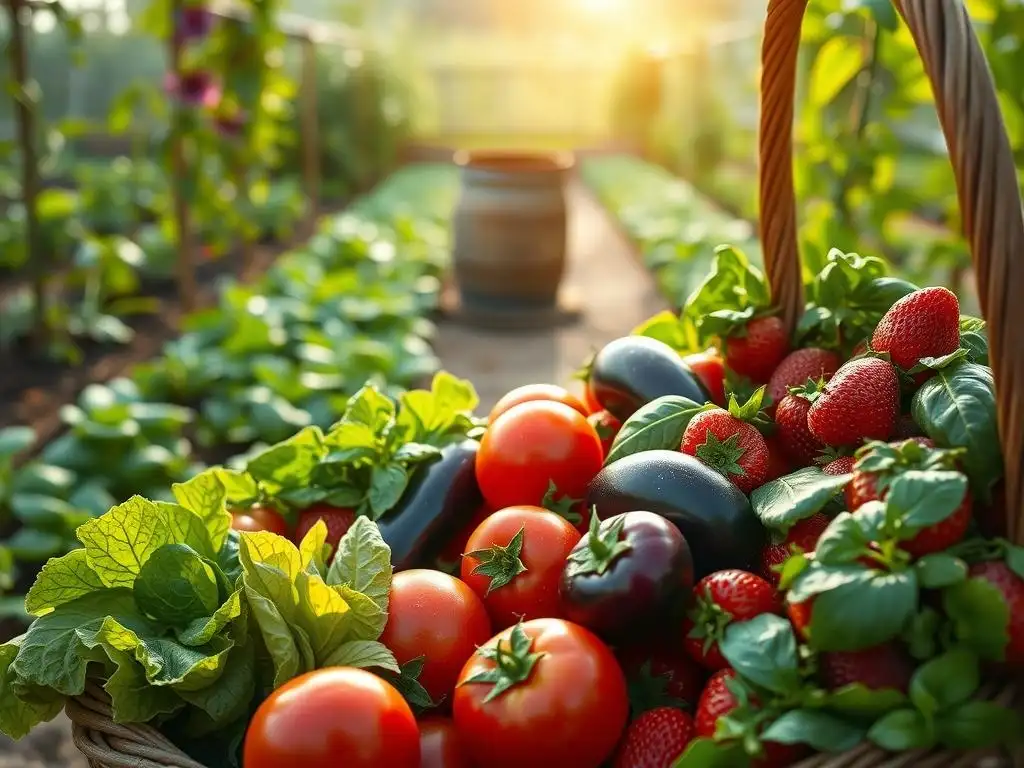
Growing your own fruits, vegetables, and herbs isn't just about the immediate gratification of a fresh harvest; it's a long-term investment in your financial well-being. While the initial setup costs might seem significant, the cumulative savings over time far outweigh the upfront expense, especially when considering the "grow your own fruits cheaply" approach. This section delves into the sustained economic benefits that extend beyond the immediate harvest.
We'll explore how a home garden contributes to a more sustainable and budget-friendly lifestyle, reducing reliance on expensive grocery stores and promoting self-sufficiency. The key is to view your garden as an asset, not just a hobby.
Homegrown Herbs: Saving Money on Spices and Flavor Enhancers
The cost of fresh herbs from the supermarket can be surprisingly high. A small bunch of basil or cilantro can easily set you back several dollars, and these prices often fluctuate wildly depending on the season and availability. By growing your own herbs, you can significantly reduce your grocery bill while simultaneously enjoying superior flavor. Consider these cost comparisons:
| Herb | Estimated Grocery Store Cost (per bunch) | Estimated Homegrown Cost (per year, assuming continuous growth) | Savings per Year (estimated) |
|---|---|---|---|
| Basil | $3 - $5 | $0.50 - $1.50 (seeds and initial potting mix) | $2 - $4.50 |
| Cilantro | $3 - $4 | $0.50 - $1.50 (seeds and initial potting mix) | $1.50 - $3.50 |
| Parsley | $2 - $3 | $0.50 - $1.50 (seeds and initial potting mix) | $0.50 - $2.50 |
| Rosemary | $4 - $6 | $1 - $3 (small plant) | $1 - $5 |
| Thyme | $3 - $5 | $1 - $3 (small plant) | $0 - $4 |
The savings accumulate quickly, especially if you regularly use herbs in your cooking. Moreover, homegrown herbs are generally fresher and more flavorful than their store-bought counterparts, enhancing your culinary creations. This translates to a more satisfying and potentially healthier diet, adding further value to your homegrown bounty. Furthermore, many herbs, like mint and oregano, are incredibly prolific and can easily be propagated from cuttings, minimizing ongoing costs.
Composting: Reducing Waste and Creating Free Fertilizer
Composting is a cornerstone of sustainable gardening and a significant contributor to long-term cost savings. By composting kitchen scraps and yard waste, you drastically reduce your household waste, potentially saving money on trash disposal fees. More importantly, you create a valuable resource: rich, organic fertilizer that eliminates the need to purchase expensive commercial fertilizers. This translates directly into significant savings over the lifetime of your garden. The cost of a bag of high-quality compost can range from $5 to $15 or more, depending on the type and volume. With consistent composting, you can essentially eliminate this recurring expense.
Consider the volume of organic waste generated by an average household: fruit peels, vegetable scraps, coffee grounds, eggshells, and yard clippings. All of these materials can be transformed into nutrient-rich compost, feeding your plants and saving you money. The process is simple and rewarding, contributing to a more environmentally friendly and economically sound gardening practice. The initial investment in a compost bin or system is minimal compared to the long-term savings on fertilizer purchases.
The Ongoing Value of a Home Garden: A Sustainable and Economical Lifestyle Choice
The economic advantages of growing your own food extend far beyond the immediate savings on grocery bills. Cultivating your own fruits, vegetables, and herbs fosters a sustainable lifestyle that prioritizes self-sufficiency and reduces reliance on external systems. This approach becomes increasingly valuable in times of economic uncertainty or fluctuating food prices.
A home garden offers a level of security and resilience that is difficult to replicate with solely store-bought produce. It's a long-term investment that pays dividends in terms of both financial stability and peace of mind. The “grow your own fruits cheaply” philosophy isn't just about saving money; it's about building a more resilient and self-sufficient future.
By understanding and implementing these long-term cost-saving strategies, you can transform your garden from a hobby into a valuable asset that contributes significantly to a healthier and more economically sound lifestyle. The ongoing benefits far outweigh the initial investment, making home gardening a truly worthwhile endeavor.
Growing your own fruits, vegetables, and herbs isn't just about saving money; it's about fostering community and building relationships. A bountiful harvest often exceeds a single household's needs, presenting a fantastic opportunity to share the abundance. Bartering and gifting your homegrown produce can significantly reduce your overall food costs in the long run, even if it's not a direct monetary saving.
Consider your neighbors, friends, and family. Perhaps your neighbor has a knack for baking and is willing to trade a loaf of bread for some of your homegrown tomatoes. Or maybe a friend with chickens would happily exchange fresh eggs for your surplus of zucchini. These exchanges, while not involving cash, represent a significant reduction in your grocery bill, replacing the cost of purchasing those items.
Think beyond your immediate circle. Local farmers' markets often have a vibrant bartering culture. You could exchange your surplus of herbs for artisanal cheeses or freshly baked goods. This not only diversifies your diet but also strengthens your connection with your local food system. The social aspect of bartering adds immense value, transforming a simple exchange into a mutually beneficial community interaction.
Moreover, gifting your produce can cultivate strong relationships. Sharing your homegrown bounty with elderly relatives or struggling families is a rewarding way to contribute to your community and reduce food insecurity. This act of generosity not only fosters goodwill but also eases the financial burden of providing for yourself and others. The intangible benefits of community building and strengthening social bonds are invaluable and should be considered a major element in the long-term cost savings of growing your own food.
It's a testament to the fact that the true value of homegrown food often extends far beyond its nutritional content. The ability to share and connect through food strengthens community resilience and builds a more sustainable food system for everyone involved. The savings might not appear in your bank account, but they are substantial nonetheless.
Frequently Asked Questions
How can I grow my own fruits cheaply?
The most cost-effective way to grow your own fruit is to start with seeds or cuttings from existing plants, rather than buying expensive starter plants. Choose easy-to-grow varieties suited to your climate and utilize free or low-cost resources like compost and rainwater.
What are the best low-maintenance fruit plants for beginners?
Beginners should consider berries like strawberries or raspberries, which are relatively easy to grow and require less specialized care. Dwarf fruit trees also offer a good balance of yield and manageability.
How much space do I need to grow my own fruit?
The space required depends on what you're growing. Vertical gardening techniques can maximize space, especially for vining plants. Even small patios or balconies can support a few productive plants. Plan your garden layout carefully.
What are the biggest challenges to growing my own fruit cheaply?
Initial investment in tools and supplies can be a hurdle, but these are often one-time costs. Pest and disease control can also be challenging, but using organic methods can minimize expenses and environmental impact.
Where can I find more information on growing my own fruit sustainably and cheaply?
Visit the CultivateYourFood website for more in-depth articles and guides on sustainable gardening practices, including budget-friendly tips and techniques for growing a wide variety of fruits, vegetables, and herbs.
Final Reflection: Harvesting Abundance, Cultivating Independence
The rising cost of groceries and the increasing awareness of sustainable living have made growing your own food more relevant than ever before. It's no longer just a hobby for the countryside; it's a powerful tool for reclaiming control over your food security and your family's health. This shift towards self-sufficiency is not merely a trend; it's a vital step towards a more resilient and equitable future.
The journey of cultivating your own fruits, vegetables, and herbs is deeply rewarding, extending far beyond the simple act of harvesting. It connects us to the natural world, fostering a deeper appreciation for the origins of our food and the effort involved in its production. The glory of gardening: hands in the dirt, head in the sun, heart with nature. To nurture a garden is to feed not just the body, but the soul.
This quote perfectly encapsulates the profound impact of this simple act, reminding us of the intrinsic value beyond mere cost savings. It's about nurturing a connection to the earth and building a more sustainable lifestyle.
Now, consider your own space, even a small balcony or window box, and imagine the possibilities. What seeds of change will you plant? Will you start with a single herb, a tomato plant, or perhaps a vibrant patch of strawberries? The journey begins with a single step, a single seed, and the unwavering belief in your ability to cultivate abundance, not just in your garden, but also in your life. Embrace the challenge, embrace the learning, and embrace the incredible rewards of growing your own food.
Unlock Your Inner Gardener: Grow Your Own Food Today!
Thank you for exploring the joys and rewards of growing your own food! You've learned valuable tips for cultivating a thriving garden, even in limited spaces. Now, let's put that knowledge into practice.
- Start small, but start now: Begin with an easy-to-grow herb or vegetable, such as basil or lettuce, and plant it this week. Experience the wonder of watching your food grow!
- Share your gardening journey: Post a picture of your first sprout on social media and inspire others to grow their own food. Use #CultivateYourFood to connect with our community.
- Explore our beginner's guide: Learn more about home gardening with our free, comprehensive guide, packed with helpful tips and techniques.
Ready to transform your kitchen into a vibrant source of fresh food? What will you plant first?