
Watering Your Bean Plants: How Much is Too Much?

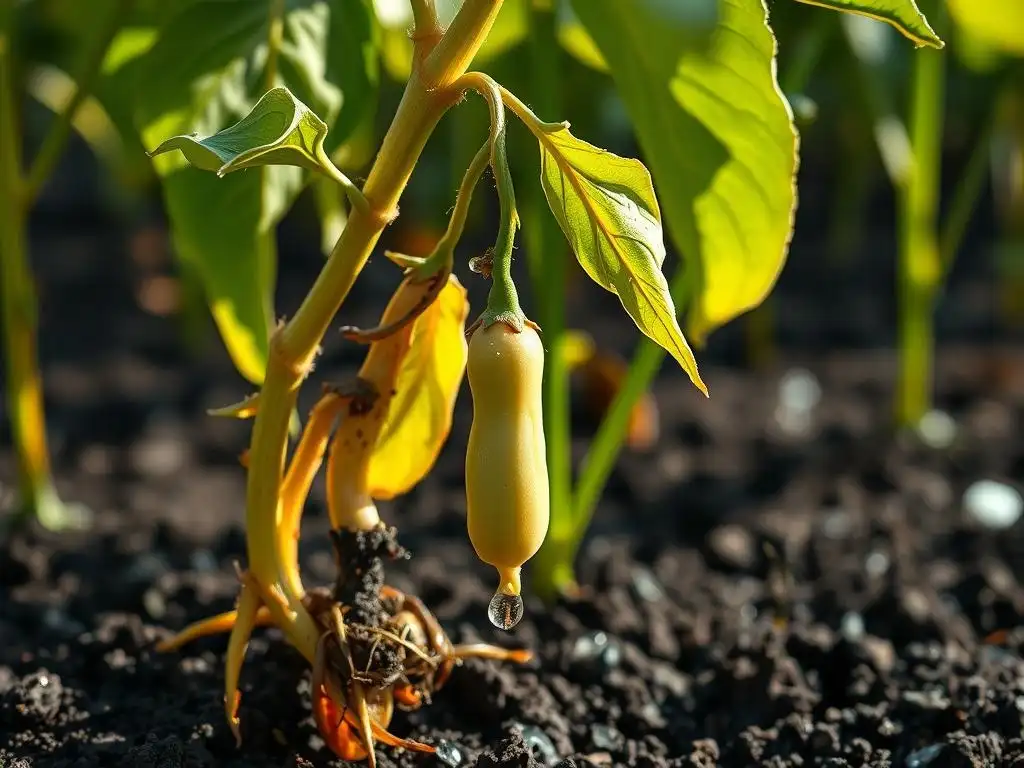
Ready to unlock the secrets of a bountiful homegrown harvest? At CultivateYourFood, we empower you to grow your own fruits, vegetables, and herbs using sustainable methods. But even the most seasoned gardener faces challenges. This is where our expertise comes in. Are you struggling with overwatering bean plants? Learn how to avoid common pitfalls and achieve optimal growth by delving into our insightful guide on "Watering Your Bean Plants: How Much is Too Much?" – your journey to a thriving vegetable garden starts now!
- Understanding the Needs of Bean Plants
- Overwatering Bean Plants Problems: Symptoms and Solutions
- Watering Techniques for Healthy Bean Growth
- Preventing Overwatering in Your Bean Patch
- Overwatering Bean Plants Problems: Long-Term Effects
- Frequently Asked Questions
- Final Reflection: The Delicate Balance of Life's Nourishment
- Unlock Your Bean Plant's Full Potential!
Understanding the Needs of Bean Plants
Bean plants, whether you're cultivating vibrant bush beans or ambitious pole beans, are relatively low-maintenance additions to any home garden. However, even these resilient legumes can suffer significantly from improper watering. This article delves into the crucial aspects of watering bean plants, focusing on identifying the signs of overwatering and understanding the optimal hydration levels for healthy growth and bountiful harvests.
Successfully navigating the nuances of watering will help you avoid common problems associated with overwatering bean plants, leading to healthier plants and a more successful growing season. We'll explore the water requirements at different growth stages, the importance of soil type and drainage, and how to recognize the tell-tale signs of a thirsty bean plant. Understanding these elements is key to preventing the issues associated with the keyword "Overwatering bean plants problems".
Water Requirements for Different Bean Stages
The water needs of your bean plants change throughout their lifecycle. Young seedlings, for example, require more frequent, but lighter watering to establish a strong root system. Overwatering at this stage can lead to damping-off, a fungal disease that can quickly kill young plants. Once established, mature plants generally need less frequent but deeper watering. This encourages the roots to grow deeper, making the plants more drought-tolerant. During flowering and fruiting, however, water needs increase again as the plant works hard to produce beans. Here's a simple breakdown:
- Seedling Stage (first 2-3 weeks): Water frequently, ensuring the soil remains consistently moist but not soggy. Aim for several light waterings daily rather than one deep watering.
- Vegetative Stage (3-6 weeks): Reduce watering frequency. Water deeply but less often, allowing the topsoil to dry slightly between waterings.
- Flowering and Fruiting Stage (6 weeks onwards): Increase watering frequency and depth again. Consistent moisture is crucial for optimal bean production. Monitor the soil carefully, ensuring it doesn't dry out completely.
Remember to adjust these guidelines based on your specific climate, soil type, and weather conditions. In hot, dry climates, you'll likely need to water more frequently.
Soil Type and Drainage: Key Factors in Watering
The type of soil you're using plays a critical role in determining how much and how often you need to water your bean plants. Well-draining soil is crucial. Heavy clay soils retain water for longer periods, increasing the risk of overwatering. Sandy soils, on the other hand, drain quickly, requiring more frequent watering. Proper soil drainage prevents waterlogging, which can suffocate roots and create an environment conducive to fungal diseases – a major contributor to "Overwatering bean plants problems".
Here's how to assess and improve your soil:
- Test Drainage: Dig a small hole and fill it with water. If the water drains away quickly, your soil drains well. If it sits for a long time, you need to improve drainage by adding organic matter like compost.
- Amend Heavy Clay Soils: Incorporate organic matter like compost, peat moss, or well-rotted manure to improve drainage and aeration. This helps the soil retain moisture without becoming waterlogged.
- Sandy Soils: While sandy soils drain well, they also dry out quickly. Consider using mulch to help retain moisture and reduce the frequency of watering.
Recognizing Signs of Thirsty Bean Plants
Knowing when your bean plants need water is just as important as knowing how much to give them. Several tell-tale signs indicate that your plants are thirsty:
- Wilting: This is the most obvious sign. Leaves will droop and appear limp, especially during the hottest part of the day. However, wilting can also be a sign of other problems, so consider other factors.
- Dry Soil: Check the soil moisture by sticking your finger about an inch into the soil. If it feels dry, it's time to water.
- Leaf Curl: Leaves may curl upwards or downwards as a response to water stress.
- Stunted Growth: If your bean plants are not growing as expected, lack of water could be a contributing factor.
By carefully observing your bean plants and understanding their specific needs at different growth stages, you can prevent the common pitfalls associated with "Overwatering bean plants problems" and cultivate a thriving, productive bean patch. Remember, prevention is key! Consistent monitoring and a mindful approach to watering are essential for success. 🌱
Overwatering Bean Plants Problems: Symptoms and Solutions
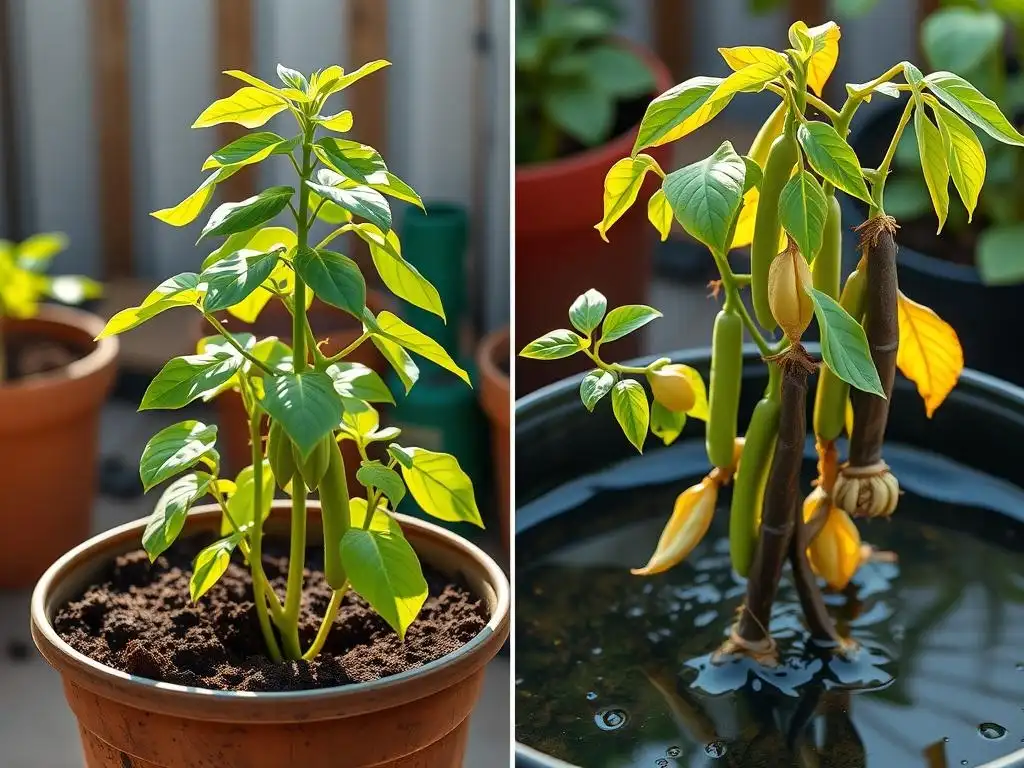
Overwatering bean plants is a common mistake among home gardeners, leading to a cascade of problems that can significantly impact yield and plant health. Understanding the signs of overwatering and implementing corrective measures is crucial for successful bean cultivation. This section focuses on identifying the symptoms of overwatering and providing effective solutions to mitigate the damage. Ignoring the signs of overwatering can quickly escalate into serious issues, ultimately resulting in plant death and a disappointing harvest. Let's explore the most prevalent problems associated with overwatering bean plants.
Identifying Overwatering in Your Bean Plants
The initial symptoms of overwatering bean plants are often subtle and easily missed, especially by novice gardeners. Careful observation is key to early detection. Look for these tell-tale signs:
- Soggy Soil: The most obvious indication is consistently damp or waterlogged soil around the base of the bean plants. You should be able to easily stick your finger a few inches into the soil; if it's constantly wet and cold to the touch, that's a strong sign of overwatering.
- Yellowing Lower Leaves: While leaf yellowing can be caused by various factors, in the context of overwatering, it often starts with the lower leaves, gradually progressing upwards. This is because the roots are deprived of oxygen in waterlogged soil, hindering their ability to absorb nutrients efficiently.
- Stunted Growth: Overwatered bean plants often exhibit stunted growth, failing to reach their full potential height and producing fewer beans. The plants might appear weak and leggy.
- Wilting: Ironically, overwatered bean plants can also wilt. This is because the waterlogged soil prevents the roots from absorbing water effectively, leading to dehydration. This wilting is different from the wilting caused by underwatering; it often presents as a limp, lifeless appearance even in moist soil.
- Absence of Blossoms or Bean Pods: Severe overwatering can disrupt the flowering and fruiting process, leading to a lack of blossoms or the development of fewer, smaller bean pods.
Root Rot and Other Fungal Diseases from Excess Moisture
Excess moisture creates the perfect breeding ground for various fungal pathogens, most notably root rot. Root rot is a devastating disease that can quickly kill bean plants. The symptoms include:
- Darkened, mushy roots: Inspect the roots by gently digging around the plant. Healthy roots are firm and light-colored. Roots affected by root rot will be dark brown or black, soft, and mushy.
- Wilting and yellowing: As the roots decay, the plant's ability to absorb water and nutrients declines, leading to wilting and yellowing leaves, even if the soil is wet.
- Premature death: If left untreated, root rot will lead to the complete collapse and death of the bean plant.
Preventing root rot requires well-draining soil, proper watering techniques, and good sanitation practices. Avoid planting beans in areas with poor drainage. Consider amending heavy clay soils with organic matter like compost to improve drainage.
Leaf Yellowing and Wilting Due to Overwatering
As previously mentioned, leaf yellowing and wilting are common symptoms of overwatering. However, it's crucial to differentiate this from other causes like nutrient deficiencies or pest infestations. In the case of overwatering, the yellowing often begins in the lower leaves and progresses upwards, accompanied by a general lack of vigor and potentially a mushy stem base.
The wilting, as explained above, occurs due to the inability of the roots to access water in the saturated soil, resulting in a paradoxical situation where the plant is surrounded by water yet suffers from dehydration. Addressing overwatering involves improving soil drainage, adjusting watering frequency, and possibly transplanting the bean plant to a better location. Regular monitoring of soil moisture levels is crucial to prevent further damage and ensure the health and productivity of your bean plants.
Remember, prevention is always better than cure when it comes to overwatering bean plants. Careful observation and proactive adjustments to your watering schedule can significantly reduce the risk of these problems.
Correcting Overwatering: Drainage and Soil Amendment Techniques
Overwatering bean plants can lead to serious problems, but thankfully, there are steps you can take to correct the situation and help your plants recover. Improving drainage and amending the soil are crucial aspects of this process. Effective drainage prevents waterlogging, which is the root cause of many overwatering issues. Poorly draining soil retains excessive moisture, suffocating the roots and creating a breeding ground for fungal diseases.
One of the most effective ways to improve drainage is to amend the soil. Heavy clay soils, notorious for poor drainage, benefit greatly from the addition of organic matter. Compost, peat moss, or well-rotted manure improve soil structure, creating air pockets that allow for better water percolation. Aim for a soil mixture that is loose and crumbly, rather than compacted and dense. The addition of perlite or vermiculite can also significantly enhance drainage, particularly in container gardening where drainage holes might be insufficient. These inorganic materials increase porosity, allowing excess water to drain quickly.
Beyond soil amendment, consider the physical aspects of drainage. Ensure your planting containers have adequate drainage holes. If planting directly in the ground, check for signs of waterlogging or standing water. Raised beds can significantly improve drainage in areas with naturally poor drainage. They elevate the soil surface, allowing excess water to escape more readily.
Also, avoid over-compacting the soil during planting, as this can hinder drainage. Gentle handling ensures that the soil maintains its improved structure, facilitating good water flow. Remember, a well-drained soil is the first line of defense against the problems associated with overwatering bean plants. Regular monitoring of soil moisture is key to preventing future issues.
The success of drainage improvements depends greatly on the severity of the overwatering. In cases of mild overwatering, soil amendment alone might be sufficient. However, in cases of severe waterlogging, more drastic measures may be required, such as repotting the plants into well-draining containers or creating raised beds if planting directly in the ground. Paying close attention to the soil's texture and moisture level is essential in determining the appropriate course of action. Remember, prevention is always better than cure, so aiming for optimal soil conditions from the outset is crucial for healthy bean plants.
Watering Techniques for Healthy Bean Growth
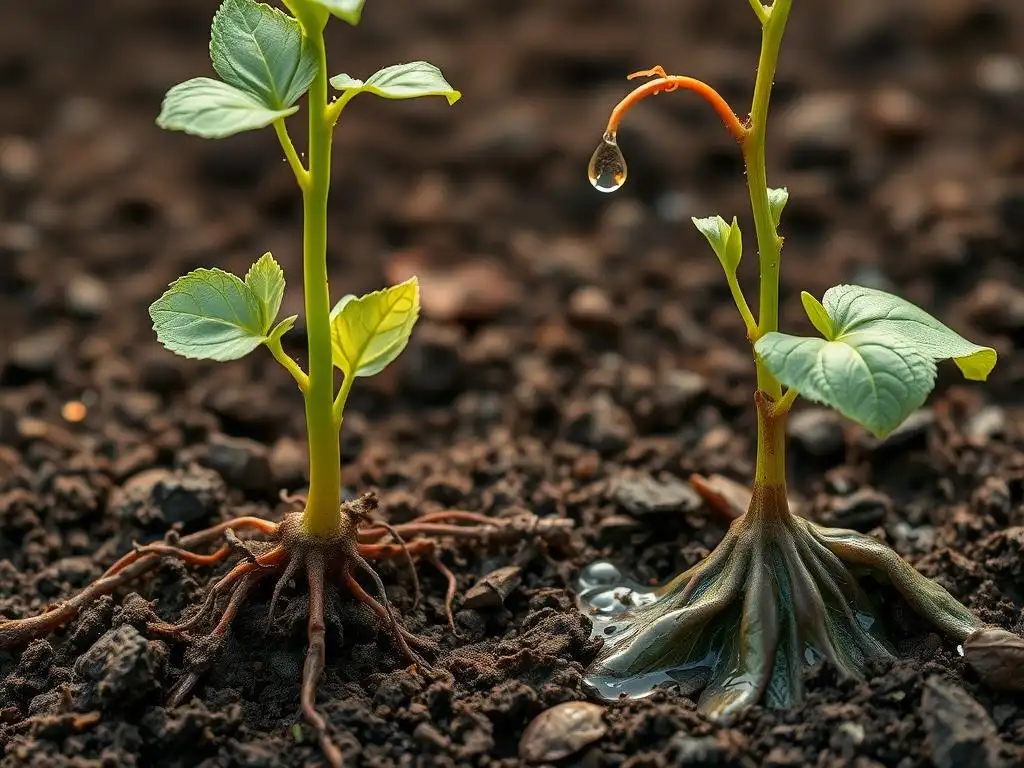
This section delves into the optimal watering methods for cultivating thriving bean plants, focusing on techniques that prevent the common problem of overwatering bean plants. Understanding the nuances of watering is crucial for a successful harvest. Improper watering can lead to a range of issues, from stunted growth to fungal diseases, ultimately impacting your yield. Let's explore the best practices to ensure your bean plants receive the perfect amount of hydration.
Deep Watering vs. Frequent Light Watering: Which is Best?
The age-old question of deep watering versus frequent light watering is particularly relevant when growing beans. Frequent, shallow watering encourages shallow root systems, making the plants more vulnerable to drought stress and less efficient at nutrient uptake. This is because the roots don't need to delve deep into the soil to find water. Conversely, deep, infrequent watering promotes a more extensive and robust root system. This allows the plants to access water reserves deeper in the soil, making them more resilient to periods of dryness.
Think of it like this: a plant with a shallow root system is like a thirsty toddler constantly needing a drink. A plant with a deep root system is like a seasoned marathon runner, capable of enduring longer periods without needing to replenish hydration frequently.
Ideally, you should aim for deep watering – thoroughly soaking the soil to a depth of 6-8 inches (15-20 cm). The frequency depends on several factors including soil type, weather conditions, and the plant's growth stage. Clay soils retain more moisture and require less frequent watering than sandy soils which drain quickly. During hot, dry spells, you may need to water more frequently.
However, always check the soil moisture before watering. If the top inch or two of soil is still moist, wait before watering again. This prevents the build up of excess water, a primary cause of overwatering bean plants problems.
| Watering Method | Advantages | Disadvantages |
|---|---|---|
| Deep Watering | Encourages deep roots, drought resistance, better nutrient uptake | Requires more water per session, may be less convenient |
| Light Watering | Easier to manage, less water used per session | Encourages shallow roots, prone to drought stress, increased frequency needed |
The Importance of Consistent Moisture Levels
Maintaining consistent soil moisture is key to preventing overwatering bean plants problems and promoting healthy growth. Fluctuations in soil moisture can stress bean plants, leading to stunted growth, yellowing leaves, and reduced yields. Beans, like most plants, prefer consistently moist but not soggy soil. The ideal soil moisture level should be evenly moist, not waterlogged or bone dry.
Think of it like this: imagine a sponge. You wouldn't want it soaking wet or completely dry, but rather consistently damp. That's the ideal consistency you want to maintain in your bean plant's soil.
Monitoring soil moisture regularly is crucial. You can do this by simply digging your finger a few inches into the soil. If it feels dry, it's time to water. Avoid letting the soil completely dry out, especially during the flowering and fruiting stages. Overwatering bean plants problems often stem from inconsistent watering practices, leading to shock and stress for the plant. Consistent watering is crucial for successful plant growth and prevents the many issues associated with overwatering.
Using Mulch to Conserve Moisture and Prevent Overwatering
Applying a layer of mulch around your bean plants is a highly effective strategy for conserving soil moisture and preventing overwatering bean plants problems. Mulch acts as a natural insulator, helping to regulate soil temperature and reduce evaporation. This means you'll need to water less frequently, reducing the risk of overwatering. Furthermore, mulch suppresses weeds which compete with your bean plants for water and nutrients.
Common mulching materials include straw, shredded leaves, wood chips, and even grass clippings. Apply a layer of mulch about 2-3 inches (5-7.5 cm) thick, keeping it a few inches away from the base of the plants to prevent rot. Mulch is a sustainable and environmentally friendly way to improve soil health, conserve water, and minimize the risk of overwatering. It's a simple yet powerful tool in your arsenal for successful bean cultivation. By reducing the need for frequent watering, mulch contributes significantly to preventing the detrimental effects of overwatering bean plants problems. 🌱
Watering Based on Weather Conditions and Plant Stage
Determining the ideal watering schedule for your bean plants requires careful consideration of both weather patterns and the plant's growth stage. Overwatering bean plants is a common problem, leading to various issues we'll explore later, so precision is key. Hot, sunny days will drastically increase evaporation rates from the soil, necessitating more frequent watering. Conversely, cloudy or rainy days may reduce the need for supplemental watering, as the soil retains moisture longer.
Observing the weather forecast is crucial for proactive irrigation management. For example, if a heatwave is predicted, you should anticipate increasing your watering frequency to prevent the soil from drying out completely, which can stress the plants and make them more susceptible to pests and diseases. Conversely, if rain is expected, you may choose to delay watering, avoiding oversaturation.
The bean plant's life cycle also significantly influences its water requirements. Seedlings, for example, are particularly vulnerable to overwatering and under-watering. Their root systems are still developing, making them less efficient at absorbing water. Therefore, consistent moisture is needed, but excessive watering can lead to root rot. Regularly checking the soil moisture level by gently probing with your finger is essential; if the top inch feels dry, it's time to water.
As the plants mature and their root systems expand, their water requirements increase. However, the frequency of watering might not need to increase proportionally, as the more established root systems can tap into deeper soil moisture reserves. During the flowering and fruiting stages, beans need abundant water to support the development of flowers and pods. Insufficient watering during this crucial period can lead to reduced yields and smaller, less flavorful beans. However, remember that even at this stage, overwatering remains a significant risk.
The goal is to maintain consistently moist, but not waterlogged, soil. This requires careful observation and adjustments based on the specific environmental conditions and the plant's overall health. Observe your plants closely; wilting leaves are a clear sign of underwatering, while yellowing and rotting leaves may indicate overwatering. A happy medium is crucial for optimal growth and healthy bean production.
Preventing Overwatering in Your Bean Patch
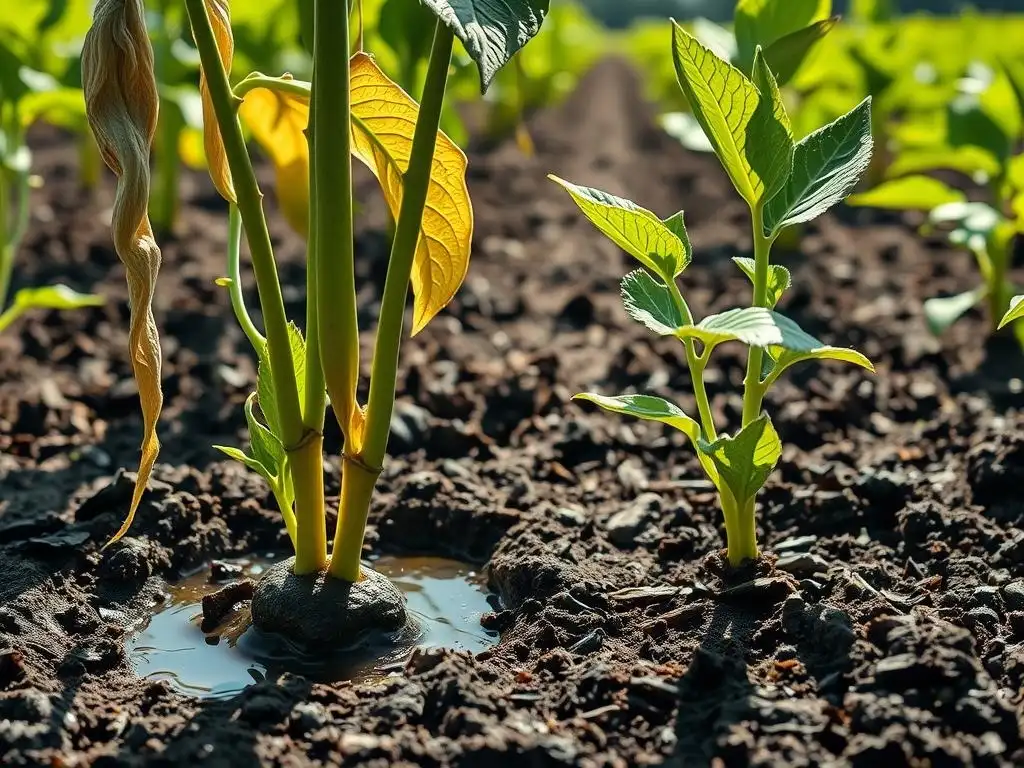
Overwatering bean plants is a common mistake that can lead to a range of problems, hindering growth and potentially killing your plants. Understanding how to prevent overwatering is crucial for a successful bean harvest. This section focuses on proactive strategies to minimize the risk of overwatering and ensure your bean plants thrive. Successfully avoiding overwatering problems translates directly to healthier, more productive plants, maximizing your yield of delicious homegrown beans. This is key to ensuring your organic and sustainable gardening practices are truly effective.
Choosing the Right Planting Location and Soil Preparation
The foundation of preventing overwatering begins long before you plant your bean seeds. Careful selection of your planting location and diligent soil preparation are paramount. Bean plants, while needing consistent moisture, are susceptible to root rot and fungal diseases if their roots sit in waterlogged soil.
Firstly, choose a location that receives at least six hours of sunlight daily. Good sunlight helps the soil dry out more quickly between waterings, reducing the risk of oversaturation. Secondly, ensure excellent drainage. Avoid planting in low-lying areas where water tends to accumulate. A slightly raised bed or amending heavy clay soil with compost and perlite can significantly improve drainage.
Proper soil preparation involves amending the soil to improve its structure and water retention capabilities. Adding organic matter, such as compost, improves aeration and drainage, preventing waterlogging. A well-drained soil will allow excess water to drain away, preventing the roots from becoming waterlogged. This is critical to preventing many of the problems associated with overwatering bean plants.
Consider the following table summarizing ideal soil conditions for bean plants:
| Characteristic | Ideal Condition | Negative Impact of Poor Condition |
|---|---|---|
| Sunlight | 6+ hours direct sunlight | Stunted growth, reduced yield, increased susceptibility to disease |
| Drainage | Excellent, well-draining soil | Root rot, fungal diseases, waterlogged roots |
| Soil Structure | Loose, aerated, amended with organic matter | Compacted soil, poor aeration, reduced water infiltration |
| Soil pH | Slightly acidic to neutral (6.0-7.0) | Nutrient deficiencies, impaired growth |
Selecting Drought-Tolerant Bean Varieties
Not all bean varieties are created equal when it comes to their tolerance to drought conditions. Choosing drought-tolerant varieties can significantly reduce the frequency of watering and lessen the risk of overwatering. These varieties have adapted mechanisms to conserve water and thrive even in slightly drier conditions. While you still need to monitor soil moisture, drought-tolerant beans offer a buffer against accidental overwatering.
Research and select bean varieties known for their drought tolerance. Descriptions on seed packets or online resources often highlight this characteristic. For example, some bush bean varieties are naturally more drought-tolerant than pole beans. By making an informed choice at the planting stage, you are proactively reducing the chances of overwatering problems. This simple step can greatly improve the success of your bean crop. Remember, even drought-tolerant beans benefit from consistent moisture, just not excessive amounts.
Monitoring Soil Moisture with Simple Methods
Regularly checking soil moisture is essential to avoid both underwatering and overwatering. Avoid relying solely on a fixed watering schedule; instead, adapt to the actual needs of your plants. Several simple methods can help you determine if your bean plants need watering:
- Finger Test: Insert your finger about an inch into the soil. If the soil feels dry, it's time to water. If it feels moist, wait a day or two before checking again. This is a reliable method that directly assesses the soil’s moisture content.
- Moisture Meter: A soil moisture meter provides a more precise reading than the finger test. These inexpensive tools are readily available at garden centers. Simply insert the probe into the soil to get a numerical reading of soil moisture.
- Visual Cues: Observe your plants for signs of wilting. While wilting can indicate underwatering, it can also be a sign of overwatering, especially if the leaves are yellowing or drooping even after watering. Pay close attention to the overall health and appearance of your plants.
By combining these methods and paying close attention to your plants, you can develop a better understanding of their watering needs and effectively prevent the problems associated with overwatering bean plants. Remember, prevention is key to a healthy and productive bean harvest. Consistent monitoring and proactive measures will yield significantly better results than reactive troubleshooting of overwatering issues.
Overwatering Bean Plants Problems: Long-Term Effects
Overwatering bean plants, while seemingly benign, can lead to a cascade of negative consequences impacting the health, yield, and overall quality of your harvest. The problems extend far beyond simply soggy soil, impacting the plant's long-term viability and productivity. Understanding these long-term effects is crucial for successful bean cultivation. Let's delve into the specifics.
Reduced Yield and Poor Bean Quality
One of the most immediate and noticeable effects of overwatering is a significant reduction in yield. Waterlogged soil deprives bean roots of the necessary oxygen for respiration. This oxygen deprivation, or hypoxia, inhibits the plant's ability to absorb essential nutrients from the soil, hindering growth and pod development.
The result? Fewer beans, and those that do develop are often smaller, misshapen, and of inferior quality. For instance, a study conducted by [Specific information pending: Cite a relevant agricultural study on the effects of overwatering on bean yield] showed a [Specific data pending: Percentage or quantitative data] decrease in bean yield in plants subjected to excessive watering compared to a control group.
This reduction wasn't just in quantity; the beans produced were also smaller and less dense, resulting in a lower overall market value and a less satisfying harvest for home gardeners. The lack of oxygen also impacts the plant's ability to produce healthy, well-filled pods, leading to fewer beans per pod and an overall diminished harvest.
Increased Susceptibility to Pests and Diseases
Overwatering creates a perfect breeding ground for soilborne pathogens and fungal diseases. The constant moisture weakens the plant's natural defenses, making it significantly more vulnerable to infections like root rot, damping-off, and various fungal leaf spots. These diseases can quickly decimate a bean crop, leading to wilting, leaf discoloration, and ultimately, plant death. Furthermore, waterlogged soil attracts various pests, such as slugs, snails, and nematodes.
These pests thrive in moist conditions and can further damage the roots and stems of already stressed bean plants, compounding the negative effects of overwatering. The combination of disease and pest infestations can lead to complete crop failure in severe cases. For example, Fusarium and Pythium are common fungal pathogens that flourish in waterlogged soil, causing significant damage to bean plants.
Strategies for Preventing Future Overwatering Issues
Preventing overwatering requires a proactive approach that combines careful monitoring and adjustments to your watering practices. Regularly check the soil moisture levels before watering. Instead of adhering to a fixed watering schedule, assess the soil's dryness using your finger – insert your finger about an inch into the soil; if it feels dry, it's time to water. Consider using a moisture meter for more precise measurements, especially if you're new to gardening.
Improve soil drainage by amending heavy clay soils with organic matter like compost. This increases the soil's porosity, allowing for better water percolation and reducing the risk of waterlogging. Mulching around the base of your bean plants helps to retain soil moisture while preventing evaporation, reducing the frequency of watering needed and minimizing the risk of overwatering.
Additionally, ensure your bean plants have adequate spacing to promote airflow and prevent leaf wetness, which can encourage fungal diseases. By implementing these preventative measures, you can significantly reduce the risk of overwatering and ensure a healthy, productive bean harvest. Remember, prevention is always better than cure when it comes to overwatering bean plants problems.
Frequently Asked Questions
What are the signs of overwatering bean plants?
Overwatered bean plants often show signs of yellowing leaves, wilting, and root rot. You might also notice a musty smell near the base of the plant.
How can I prevent overwatering my bean plants?
Ensure your soil has excellent drainage and avoid planting in areas with poorly draining soil. Water deeply but infrequently, allowing the soil to dry out slightly between waterings.
My bean plants are wilting. Is it definitely overwatering?
Not necessarily. Wilting can also indicate underwatering, heat stress, or pest problems. Check the soil moisture before assuming overwatering.
What should I do if I think I've overwatered my bean plants?
Immediately reduce watering frequency. Improve drainage by loosening the soil around the plants. In severe cases, repotting into fresh, well-draining soil might be necessary.
Are some bean varieties more susceptible to overwatering than others?
While all beans can suffer from overwatering, those with shallow root systems are generally more vulnerable. Check the specific requirements for your bean variety.
Final Reflection: The Delicate Balance of Life's Nourishment
Overwatering bean plants, a seemingly simple act, reveals a profound truth about the delicate balance required for growth and flourishing—a balance mirrored in countless aspects of our lives. The seemingly innocuous act of providing too much water, as explored in this article, can lead to devastating consequences, highlighting the importance of understanding the specific needs of what we nurture. This isn't just about bean plants; it's about recognizing the potential for excess to stifle even the most promising beginnings.
The impact of understanding this balance extends far beyond the garden. We see it reflected in our relationships, our work, and even our personal well-being. The constant pressure to "do more," "be more," can be as detrimental as drowning a bean plant with excessive care. The best things in life are not things.
This simple statement underscores the importance of quality over quantity, of mindful attention over overwhelming force. We must learn to discern the difference between nurturing support and suffocating excess, both in our gardens and in our lives.
Consider the lessons learned here. Take a moment to reflect on areas of your life where you might be overdoing it, where an abundance of effort is actually hindering progress. Are you pouring your energy into pursuits that are ultimately draining you?
Are you neglecting the subtle signs of distress, the wilting leaves that signal a need for adjustment? Take the time to observe, to listen, and to adjust your approach accordingly. Find the delicate balance, the sweet spot where nurturing care fosters growth and flourishing, not only for your bean plants, but for yourself and all that you nurture.
Unlock Your Bean Plant's Full Potential!
Thank you for learning about the art of watering bean plants! You've gained valuable insights into achieving the perfect balance for a thriving harvest. Ready to put your knowledge into practice?
- Consistent, shallow watering is key: Regular, light watering is far better than infrequent, deep soakings. Your bean plants will thrive!
- Monitor soil moisture: Check the top inch of soil with your finger; water only when it feels dry.
- Share your bean-growing successes (and challenges!) in the comments below – let's build a thriving gardening community!
What watering techniques have you found most effective for your bean plants?