
Container Plants with Slow Growth: Identifying the Causes and Solutions

Welcome to CultivateYourFood, your guide to nurturing a thriving garden, naturally! Are you struggling with slow-growing container plants? We understand the frustration. Discover the surprising reasons behind stunted growth and learn practical, sustainable solutions to revitalize your containers and harvest bountiful yields. Unlock the secrets to healthy, happy plants with our expert advice on everything from planting and harvesting to effective composting and pest control. Let's cultivate success together!
- Understanding Slow Growth in Container Plants
- Common Causes of Slow Growth in Container Plants
- Diagnosing and Addressing Slow Growth Issues
-
Solutions for Slow-Growing Container Plants
- Repotting Root-Bound Container Plants for Optimal Growth
- Choosing the Right Container Size for Your Plants
- Improving Soil Quality with Organic Amendments
- Implementing a Proper Watering Schedule for Container Plants
- Supplementing with Essential Nutrients for Healthy Growth
- Providing Adequate Sunlight Exposure for Container Plants
- Addressing Pest and Disease Problems Affecting Growth
- Preventing Slow Growth in the Future
- Case Studies: Slow Growing Container Plants Fix
- Frequently Asked Questions
- Final Reflection: Cultivating Patience, Harvesting Resilience
- Unleash Your Green Thumb: Revitalize Your Slow-Growing Plants
Understanding Slow Growth in Container Plants
Container gardening offers a fantastic way to cultivate fruits, vegetables, and herbs, even in limited spaces. However, gardeners often encounter the frustrating issue of slow-growing plants, hindering the harvest and overall enjoyment of their efforts. This article delves into the common reasons behind slow growth in container plants, providing practical solutions to help you nurture thriving, productive plants.
We will explore various factors, from inadequate sunlight and nutrient deficiencies to improper watering and pest infestations, equipping you with the knowledge and strategies to overcome these challenges and achieve abundant harvests in your container garden. Understanding these issues is key to successfully implementing sustainable and organic practices in your container garden, ultimately maximizing your yield and minimizing waste. This guide focuses on identifying the problem and providing effective, environmentally conscious solutions for slow-growing container plants, helping you achieve the bountiful harvest you deserve.
Recognizing Symptoms of Slow-Growing Container Plants
Slow growth in container plants isn't always immediately obvious. It's crucial to learn to distinguish between normal growth patterns and actual problems. Several symptoms indicate that your plants might be struggling. These include:
- Stunted growth: Plants significantly smaller than expected for their age and variety.
- Yellowing leaves: Chlorosis, often a sign of nutrient deficiency or overwatering.
- Wilting: Even with regular watering, wilting can point to root issues or insufficient water uptake.
- Sparse foliage: Fewer leaves than expected, indicating a lack of vigor.
- Small or underdeveloped fruits/vegetables: If your plants are fruiting or producing vegetables, the size and quantity might be significantly less than normal.
- Delayed flowering or fruiting: A noticeable delay in the typical flowering and fruiting stages for the specific plant.
Observing these symptoms carefully is the first step towards diagnosing the underlying cause and implementing the appropriate solution. Remember to compare your plants to healthy examples of the same variety to get a better sense of what constitutes "slow" growth. Don't hesitate to consult reliable gardening resources or experienced gardeners if you're unsure. 🌱
Identifying the Root Causes of Stunted Growth in Containers
Several factors contribute to slow growth in container plants. Understanding these root causes is vital for effective intervention. Let's examine the most common culprits:
- Insufficient Sunlight: Most plants need at least 6 hours of direct sunlight daily. Containers placed in shady areas will inevitably exhibit slow growth. Consider moving your containers to sunnier locations or supplementing with grow lights if necessary. The amount of sunlight needed varies greatly depending on the plant species; research the specific requirements of your plants.
- Nutrient Deficiencies: Containers have limited soil volume, meaning nutrients can be depleted quickly. Regular fertilization with a balanced, organic fertilizer is crucial. Observe your plants carefully for signs of specific nutrient deficiencies (e.g., yellowing leaves might indicate a nitrogen deficiency). Soil testing can help determine the precise nutrient levels and guide your fertilization strategy.
- Improper Watering: Both underwatering and overwatering can severely hinder growth. Underwatering leads to wilting and stress, while overwatering suffocates roots and promotes root rot. The ideal watering schedule depends on factors like plant type, container size, soil type, and weather conditions. Always check soil moisture before watering, ensuring that the soil is consistently moist but not soggy.
- Poor Drainage: Poorly draining soil suffocates roots, leading to slow growth and eventual plant death. Ensure your containers have adequate drainage holes and use well-draining potting mix.
- Pest and Disease Infestations: Pests and diseases can significantly impact plant health and growth. Regularly inspect your plants for signs of infestations, such as insect damage, discoloration, or unusual growths. Implement appropriate pest control measures, prioritizing organic and sustainable methods whenever possible. Early detection and intervention are key to preventing serious problems.
Addressing these potential causes systematically will greatly improve your chances of revitalizing your slow-growing container plants. Remember that a combination of factors may be at play, requiring a multifaceted approach to remedy the situation. Careful observation and diligent attention to detail are essential for successful container gardening.
Common Causes of Slow Growth in Container Plants
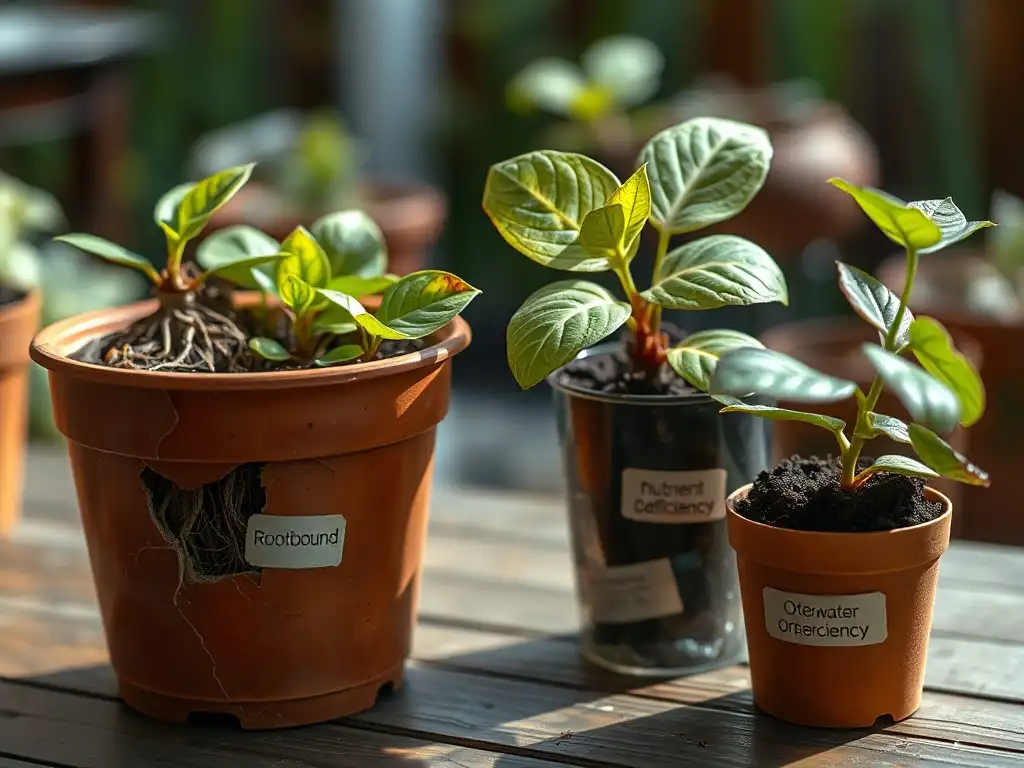
Slow-growing container plants can be frustrating, but understanding the underlying causes is the first step towards a thriving garden. This section delves into some of the most frequent culprits hindering the growth of your container plants, offering practical solutions for each problem. Remember, even with slow-growing varieties, noticeable stunted growth indicates an issue that needs addressing. Let's explore the key factors impacting your plants' development.
Insufficient Sunlight for Container Plants
Sunlight is crucial for photosynthesis, the process by which plants convert light energy into chemical energy for growth. Insufficient sunlight is a primary reason for slow growth in container plants. Many plants require at least six hours of direct sunlight daily to thrive. Others tolerate partial shade, but even these will show stunted growth if light is severely limited.
The intensity and duration of sunlight can vary significantly depending on your location, the time of year, and the placement of your containers. North-facing locations generally receive less sunlight than south-facing ones. Tall buildings or trees can also cast shadows, reducing the amount of sunlight reaching your plants.
To diagnose insufficient sunlight, observe your plants' growth patterns. Plants reaching towards the light (etiolation) are a clear indicator of insufficient sunlight. Leaves may also appear pale or yellow, further suggesting a light deficiency.
Solutions involve careful container placement. Rotate containers regularly to ensure even sunlight exposure. If insufficient sunlight is a persistent problem, consider supplemental lighting, especially during winter months or in areas with limited sunlight. Using grow lights can significantly improve growth rates, even for slow-growing varieties. Remember to choose plants appropriate for the available light conditions in your space.
Improper Watering Techniques and Their Impact on Growth
Overwatering and underwatering are both major contributors to slow growth in container plants. Container plants dry out much faster than those planted in the ground due to the limited soil volume. This requires more frequent watering, but it's crucial to avoid both extremes.
Overwatering leads to root rot, a condition where roots suffocate due to a lack of oxygen in waterlogged soil. Symptoms include yellowing leaves, wilting, and a foul odor emanating from the soil. Underwatering, on the other hand, causes plants to wilt and become stressed, hindering their growth. Leaves may appear dry and brittle, and the soil will be completely dry to the touch.
Proper watering involves checking soil moisture before watering. Insert your finger a few inches into the soil; if it's dry, it's time to water. Water thoroughly until water drains from the drainage holes, ensuring the entire root system is moistened. Avoid letting the containers sit in standing water, as this can lead to root rot. The frequency of watering will depend on factors such as plant type, container size, soil type, and weather conditions. Consider using self-watering containers or installing a drip irrigation system for more consistent moisture levels.
Nutrient Deficiencies and Their Effect on Plant Development
Nutrient deficiencies are another common cause of slow growth. Container plants have a limited soil volume, and nutrients can be quickly depleted, especially if you're not using high-quality potting mix or regularly fertilizing. Different nutrients play specific roles in plant growth, and a deficiency in any one can result in stunted growth and other symptoms.
For example, a nitrogen deficiency results in pale green or yellow leaves, while a phosphorus deficiency can lead to stunted growth and purplish leaves. Potassium deficiency often manifests as brown leaf edges and tips. Micronutrient deficiencies, such as iron or magnesium, also cause specific symptoms.
Regular fertilization is essential to prevent nutrient deficiencies. Use a balanced, slow-release fertilizer specifically formulated for container plants. Always follow the instructions on the fertilizer packaging, as over-fertilizing can also damage plants. Consider using organic fertilizers like compost tea or worm castings to improve soil health and nutrient availability. Regular soil testing can help identify specific nutrient deficiencies and guide your fertilization strategy. This proactive approach ensures your slow-growing container plants receive the nutrients they need for optimal growth. Remember to choose a potting mix rich in organic matter to provide a good foundation for healthy growth.
Poor Soil Quality and its Role in Slow Growth
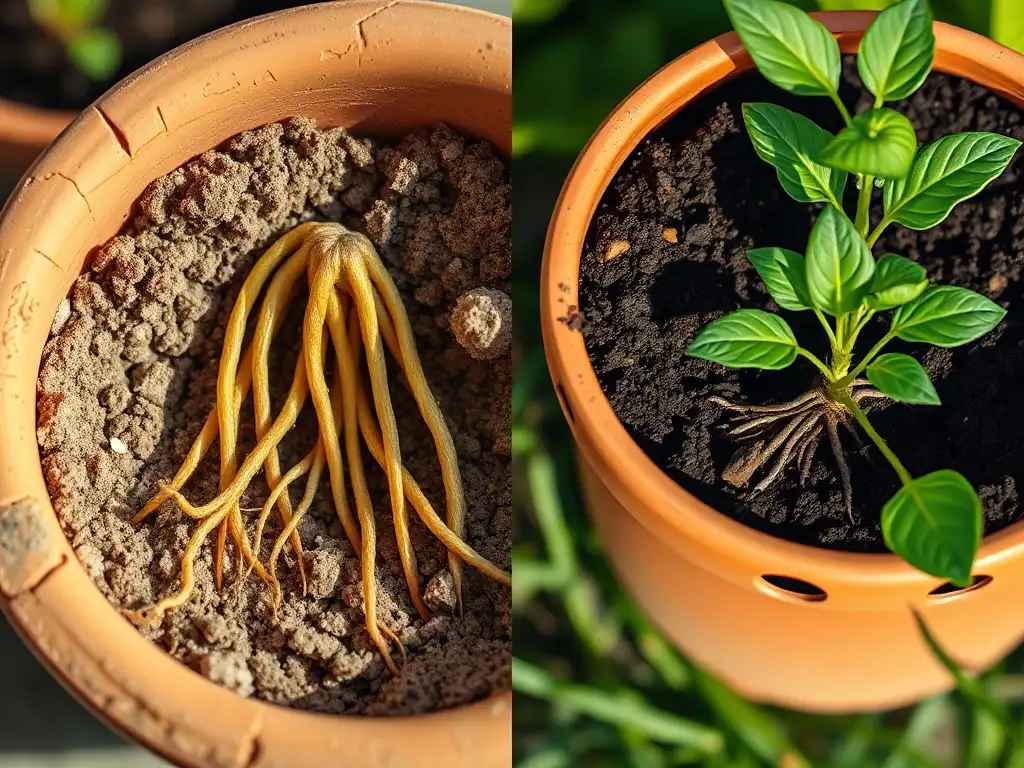
Poor soil quality is a significant contributor to slow growth in container plants. Container gardening relies entirely on the soil you provide; unlike in-ground planting, there's no vast reservoir of nutrients readily available. If the soil is lacking in essential nutrients like nitrogen, phosphorus, and potassium – crucial for healthy growth – your plants will struggle. Furthermore, compacted or poorly draining soil can suffocate roots, preventing them from accessing water and nutrients effectively.
This leads to stunted growth, yellowing leaves, and overall plant weakness. Using a low-quality potting mix, or reusing old, depleted potting mix without amending it, are common culprits. For example, a tomato plant grown in compacted clay soil will show significantly slower growth compared to one planted in a well-draining, nutrient-rich potting mix. Addressing this involves choosing a high-quality, well-draining potting mix specifically designed for containers.
Amending the soil with compost or other organic matter improves drainage, aeration, and nutrient content. Regular soil testing can help identify nutrient deficiencies and guide appropriate fertilization strategies. Remember, healthy soil is the foundation for healthy, thriving plants. Investing in good quality soil is an investment in your plants’ success.
Root Bound Plants and How to Identify Them
Root-bound plants are another common reason for slow growth in containers. When roots become tightly packed within their container, they lack space to expand, restricting their ability to absorb water and nutrients. This leads to a cascade of problems: stunted growth, wilting, yellowing leaves, and reduced flowering or fruiting. Identifying a root-bound plant often involves carefully inspecting the roots.
If you gently remove the plant from its container and observe a dense, circling mass of roots around the root ball, with little or no soil visible, then the plant is likely root-bound. The roots might even be growing out of the drainage holes. For instance, a herb like rosemary, known for its vigorous root system, will quickly become root-bound in a small pot, exhibiting slow growth and poor health. The solution is to repot the plant into a larger container with fresh potting mix.
Before repotting, gently loosen the root ball to encourage outward root growth. Consider using a container at least 2-3 inches larger in diameter than the previous one. This provides ample space for the roots to expand and access more resources, leading to improved growth and overall plant health. Remember to choose a container with adequate drainage holes.
Incorrect Container Size and Plant Selection
Choosing the right container size is crucial for the healthy growth of your plants. Using a container that's too small for a mature plant will inevitably lead to root-bound issues, as discussed above. Conversely, using a container that's too large can also be detrimental. A plant in an oversized pot will expend energy developing a vast root system before it focuses on top growth, resulting in slower growth above ground. The excess soil can also retain too much moisture, increasing the risk of root rot.
Furthermore, selecting plants that are unsuitable for container gardening can also contribute to slow growth. Some plants have particularly large root systems or require specific soil conditions that are difficult to replicate in containers. For example, planting a large, fast-growing zucchini plant in a small pot will almost certainly result in stunted growth, as the plant quickly outgrows its confines. Careful planning is key.
Select plants that are appropriate for container gardening, considering their mature size and root systems. Choose containers that are appropriately sized for the plant's eventual size, ensuring adequate space for root development without excessive soil volume. Thorough research into the specific needs of your chosen plants will help you avoid issues related to container size and plant selection. This careful selection process will significantly improve the chances of your container plants thriving.
Diagnosing and Addressing Slow Growth Issues
Slow-growing container plants can be frustrating, but understanding the underlying causes is the first step towards a thriving garden. This section delves into common problems hindering growth in container plants, offering practical solutions to revitalize your plants and achieve optimal yield. Remember, healthy plants are the foundation of a successful harvest, regardless of whether you're growing tomatoes, basil, or strawberries. Let's explore the key areas to investigate when your container plants exhibit slow growth.
Assessing Your Container Plants for Nutrient Deficiencies
Nutrient deficiencies are a leading cause of slow growth in container plants. Unlike in-ground gardens, the limited soil volume in containers depletes nutrients quickly. Plants exhibiting nutrient deficiency often display specific visual symptoms. For instance, yellowing leaves (chlorosis) can indicate a lack of nitrogen, while purple discoloration on leaves might signal phosphorus deficiency. A lack of magnesium can lead to yellowing between leaf veins.
To accurately diagnose nutrient deficiencies, consider the following steps:
- Visual Inspection: Carefully examine your plants for any discoloration, stunted growth, or unusual leaf shapes. Take detailed notes and photos to track progress.
- Soil Testing: A soil test kit can provide valuable insights into the nutrient levels in your container soil. This helps identify specific deficiencies. Look for kits that test for nitrogen (N), phosphorus (P), potassium (K), and other essential micronutrients.
- Plant-Specific Needs: Research the specific nutrient requirements of your plants. Different plants have varying nutrient demands. For example, heavy feeders like tomatoes require more fertilization than herbs like mint.
Addressing nutrient deficiencies involves amending your soil with appropriate fertilizers. Use a balanced fertilizer (e.g., 10-10-10) or a fertilizer formulated specifically for the type of plant you are growing. Always follow the instructions on the fertilizer packaging carefully to avoid over-fertilizing, which can harm your plants. Consider using organic fertilizers for a sustainable approach. Remember to water thoroughly after fertilizing to ensure the nutrients reach the roots effectively.
Evaluating Soil Health and Drainage in Containers
Poor soil health and inadequate drainage are major contributors to slow growth in container plants. Compacted soil restricts root growth, hindering nutrient and water uptake. Poor drainage leads to waterlogged conditions, which suffocates roots and creates an environment conducive to root rot.
Here's how to evaluate your container's soil and drainage:
- Soil Texture: The soil should be well-draining yet retain enough moisture. A good mix often includes potting soil, compost, and perlite or vermiculite to improve aeration and drainage. Avoid using garden soil directly in containers as it tends to compact and retain too much water.
- Drainage Test: Water your container thoroughly and observe how quickly the water drains. If water sits for an extended period, your drainage is inadequate. Adding drainage holes to the bottom of your container is crucial. Consider adding a layer of gravel at the base for improved drainage.
- Soil Compaction: If the soil feels hard and compacted, gently loosen it with a hand cultivator or fork. Regularly amending your soil with organic matter like compost can improve its structure and drainage over time.
To improve soil health and drainage, consider these actions:
- Repotting: If the soil is excessively compacted or poorly draining, repotting your plants into fresh, well-draining soil is often the best solution.
- Topdressing: Adding a layer of fresh compost or other organic matter to the top of the soil can improve soil structure and nutrient content.
- Amendments: Incorporating perlite or vermiculite into your potting mix improves aeration and drainage.
Inspecting for Root Bounding in Potted Plants
Root-bound plants, where roots have completely encircled the root ball, are significantly restricted in their ability to absorb water and nutrients. This leads to stunted growth and reduced vigor. Recognizing root-bound plants is crucial for preventing further issues.
Signs of root-bound plants include:
- Slow or stunted growth: Despite adequate watering and fertilization, the plant shows little or no growth.
- Roots emerging from drainage holes: This is a clear indication that the roots have outgrown the container.
- Circular root growth: When gently removing a plant from its container, the roots may form a tight, dense circle around the root ball.
Addressing root-bound plants requires repotting into a larger container with fresh potting mix. Gently loosen the roots before repotting to encourage outward growth. Choose a container that is only slightly larger than the previous one to avoid excessive soil moisture. Consider adding a layer of gravel at the bottom for improved drainage. Ensure the new container has adequate drainage holes to prevent waterlogging. Properly addressing root-bound conditions will significantly improve the health and growth of your plants.
Determining the Appropriate Sunlight Requirements for your Plants
Sunlight is crucial for photosynthesis, the process by which plants convert light energy into chemical energy for growth. Insufficient sunlight is a common culprit behind slow-growing container plants. Different plants have varying sunlight needs; some thrive in full sun (6-8 hours of direct sunlight daily), others prefer partial shade (2-4 hours of direct sunlight), and some even flourish in full shade (less than 2 hours of direct sunlight). Understanding your plant's specific light requirements is paramount. Before planting, research your chosen species thoroughly. Seed packets, plant tags, or reputable online resources will clearly state the ideal sunlight exposure.
For instance, herbs like basil and rosemary require at least 6 hours of direct sunlight to thrive, while leafy greens like lettuce and spinach prefer partial shade to avoid bolting (premature flowering). Ignoring these needs can lead to leggy growth, pale leaves, and significantly stunted development. Observing your plant's current location and its growth pattern can provide valuable clues. If your plant is exhibiting signs of etiolation (long, weak stems and pale leaves), it's likely not receiving enough light. Conversely, leaves that are scorched or brown at the edges might indicate too much direct sunlight.
To address sunlight deficiencies, you might need to relocate your container plants to a sunnier spot in your garden or even supplement with grow lights, especially during shorter winter days. Regularly monitoring the amount of sunlight your plants receive, adjusting their position as needed, will ensure they get the optimal amount of light for healthy growth. Remember to gradually introduce plants to increased sunlight exposure to prevent shock.
Start with a few hours of direct sun and increase the duration as the plant adapts. Careful observation and timely adjustments are key to addressing this common cause of slow growth in container plants. Remember, a little preventative care goes a long way towards ensuring healthy and vigorous growth.
Solutions for Slow-Growing Container Plants
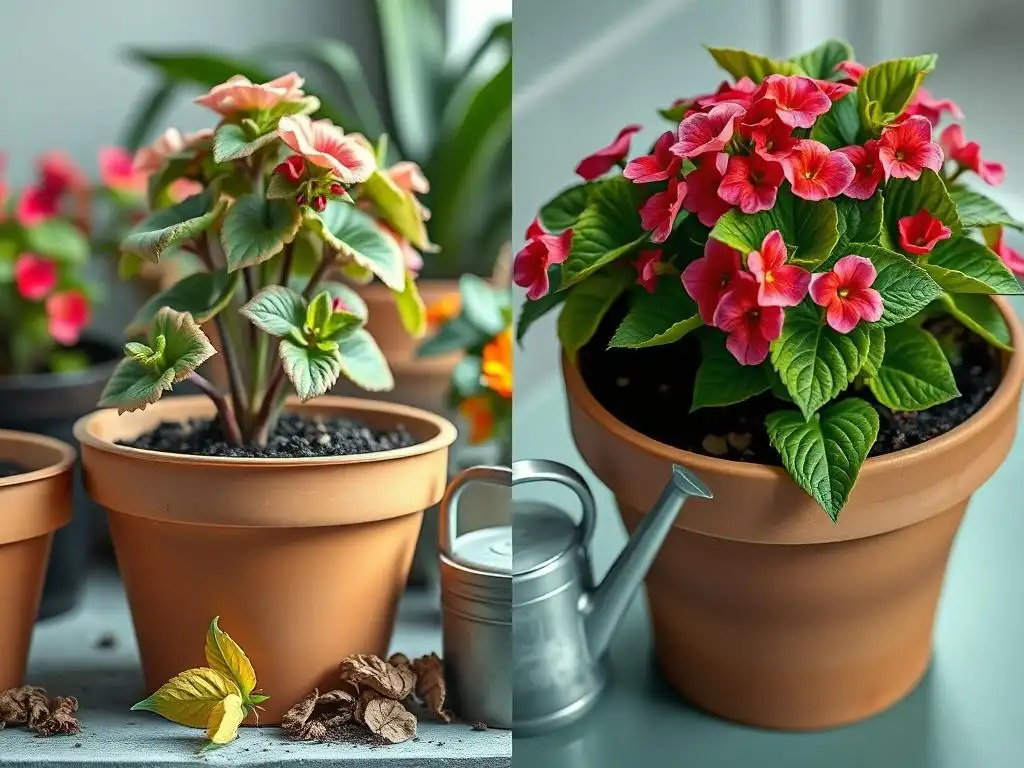
Slow-growing container plants can be frustrating, but understanding the underlying causes and implementing the right solutions can revitalize your garden. This section focuses on practical steps to address common issues leading to stunted growth in container plants. Let's explore effective strategies to promote vigorous growth and abundant harvests.
Repotting Root-Bound Container Plants for Optimal Growth
Root-bound plants, a frequent culprit behind slow growth, occur when roots become tightly packed within their container, restricting access to water and nutrients. Identifying root-bound plants is crucial for implementing effective solutions. Look for roots circling the soil ball, emerging from drainage holes, or visibly constricting the plant's growth.
Addressing this requires careful repotting. The process involves gently removing the plant from its current container, loosening any circling roots, and transplanting it into a larger pot with fresh, well-draining potting mix. Here's a step-by-step guide:
- Gently remove the plant: Carefully loosen the soil around the root ball before lifting the plant. Avoid damaging the roots as much as possible.
- Inspect the root system: Examine the roots for circling or constricted growth. Gently tease apart any tightly wound roots to encourage outward growth. Avoid aggressively pulling or damaging the roots.
- Choose a suitable pot: Select a pot that is only slightly larger than the previous one (about 2-3 inches in diameter) to avoid over-potting. Ensure the new container has adequate drainage holes.
- Prepare the new potting mix: Use a high-quality, well-draining potting mix specifically formulated for container gardening. Avoid using garden soil, which can compact and retain too much water.
- Plant and water: Place the plant in the new pot, ensuring the top of the root ball is level with the top of the container. Fill in with the potting mix, gently firming the soil around the base. Water thoroughly after planting.
This process allows the roots to expand, access more nutrients, and ultimately promote healthy, vigorous growth. Regular monitoring and timely repotting are key to preventing root-bound issues and maintaining the health of your slow-growing container plants. Remember to choose a pot with adequate drainage to prevent waterlogging, another common cause of slow growth in container plants.
Choosing the Right Container Size for Your Plants
Selecting the appropriate container size is paramount for healthy plant growth. Using pots that are too small restricts root development, leading to stunted growth and nutrient deficiencies. Conversely, pots that are too large can lead to overwatering and poor drainage, also hindering growth.
The ideal container size depends on the mature size of the plant. Research the specific needs of your plant species to determine the appropriate pot size. Generally, a pot that's slightly larger than the root ball allows for healthy root expansion without excessive empty space. Consider these factors:
- Plant species: Different plants have different root systems and growth habits. Some plants thrive in smaller containers, while others require more space.
- Root system: Plants with extensive root systems require larger containers to accommodate their growth.
- Growth rate: Fast-growing plants need more frequent repotting into larger containers than slow-growing plants.
Using the right sized container is a fundamental aspect of successful container gardening and directly impacts the health and vigor of your plants. Proper sizing prevents many issues associated with slow-growing container plants.
Improving Soil Quality with Organic Amendments
Poor soil quality is another significant contributor to slow-growing container plants. Container plants rely entirely on the potting mix within their containers, so ensuring nutrient-rich, well-draining soil is crucial. Organic amendments can significantly improve soil structure and nutrient content.
Here are some beneficial organic amendments:
- Compost: Adds essential nutrients and improves soil structure. Mature compost is ideal, as it’s less likely to harbor weed seeds or harmful pathogens.
- Worm castings: Rich in nutrients and beneficial microbes, improving soil fertility and water retention.
- Coco coir: A sustainable alternative to peat moss, offering excellent water retention and aeration.
- Perlite or vermiculite: Improve drainage and aeration, preventing waterlogging.
Incorporating these amendments into your potting mix before planting, or as a top dressing later, will provide your plants with the nutrients and optimal conditions they need to thrive. Regular soil testing can help determine specific nutrient deficiencies and guide amendment choices. Remember that organic amendments are key to sustainable and healthy container gardening, promoting vigorous growth and reducing the risk of slow-growing container plants. The improved soil structure and nutrient availability directly contribute to plant health and overall yield.
Implementing a Proper Watering Schedule for Container Plants
Containers dry out much faster than in-ground plantings. This is due to the limited soil volume and increased exposure to sun and wind. Underwatering is a major culprit behind slow-growing container plants. A common mistake is infrequent, deep watering. While this might seem effective, it encourages roots to grow only deep down, avoiding the surface layers that often dry out first. This leads to inconsistent moisture levels and stress for the plant.
Instead, aim for frequent, shallow watering. Check the soil moisture regularly, using your finger to test the top few inches. Water thoroughly when the soil feels dry to the touch, ensuring the water drains out the bottom of the container. Avoid letting the soil completely dry out, as this can lead to irreversible damage.
The frequency of watering will depend on factors like temperature, humidity, sunlight exposure, and the type of plant. During hot, sunny days, you might need to water twice a day, whereas on cooler, cloudy days, once a day might suffice. Consider using a moisture meter for more accurate readings, especially if you're dealing with many containers or are new to container gardening.
Remember that different plants have different water requirements; research your specific plants for optimal watering practices. Consistent moisture is key to vigorous growth. Overwatering, however, is equally detrimental and can lead to root rot, another significant cause of slow growth.
Supplementing with Essential Nutrients for Healthy Growth
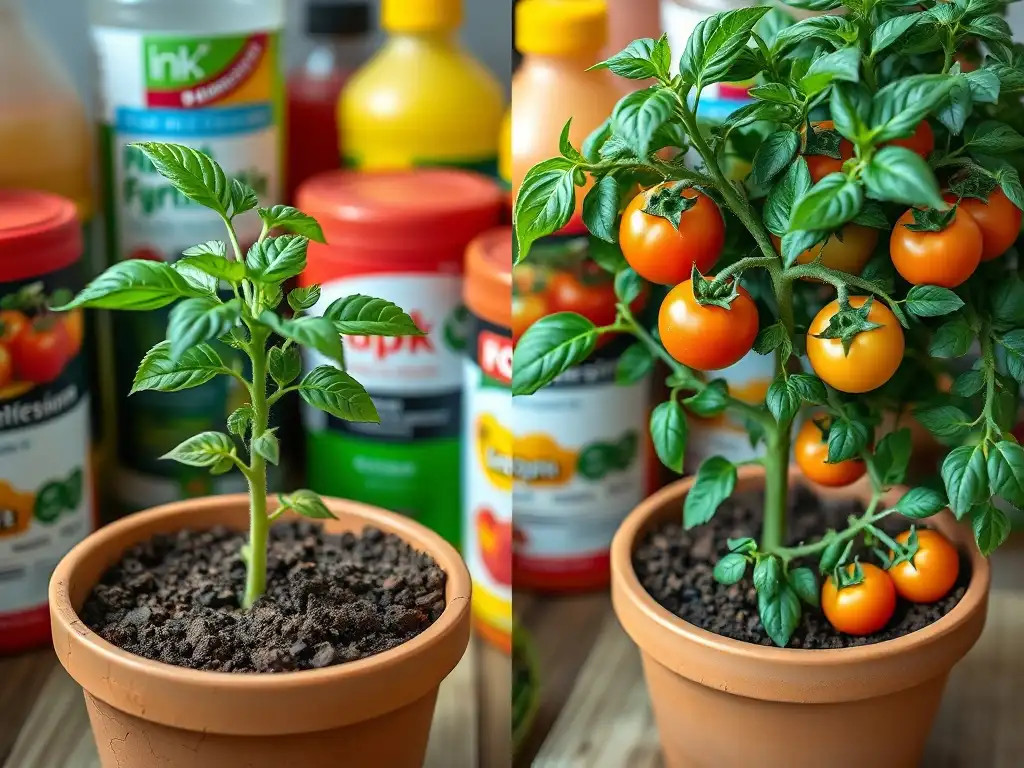
Slow growth in container plants often signals nutrient deficiency. Container plants have a limited soil volume, meaning their nutrient supply is quickly depleted. Unlike in-ground plants, they don't have access to a larger reservoir of nutrients. This depletion is exacerbated by the constant leaching of nutrients through drainage. Therefore, regular fertilization is crucial for healthy growth.
Choosing the right fertilizer is vital. Opt for a balanced, slow-release fertilizer specifically formulated for container plants. These fertilizers provide a steady stream of nutrients over an extended period, avoiding nutrient burn which can also stunt growth. Avoid using fertilizers with high salt content, as this can damage the plant's roots. Follow the instructions on the fertilizer packaging carefully, adjusting the application rate based on your plant's needs and the size of the container.
Consider performing a soil test to determine the specific nutrient deficiencies your plants might have. This allows for targeted fertilization, providing only the necessary nutrients without over-fertilizing. You can also use organic fertilizers such as compost tea or worm castings to improve soil health and provide sustained nutrition. Remember that over-fertilization can be just as harmful as under-fertilization, leading to burned roots and stunted growth.
Providing Adequate Sunlight Exposure for Container Plants
Sunlight is essential for photosynthesis, the process by which plants produce energy for growth. Insufficient sunlight is a common reason for slow-growing container plants. Many plants require at least six hours of direct sunlight daily to thrive. If your container plants are receiving less than that, their growth will inevitably be affected.
Assess your plants' sunlight requirements. Different plants have varying needs; some prefer full sun, while others do better in partial shade. Research the specific needs of your plants to ensure they are placed in the appropriate location. Consider rotating your containers regularly to ensure even sunlight exposure to all sides of the plant.
If you lack sufficient sunlight in your garden, consider supplementing with grow lights, especially during the winter months or for plants with high light requirements. Observe your plants carefully. Signs of insufficient sunlight include pale, yellow leaves, elongated stems (etiolation), and poor flower production.
Relocating your plants to a sunnier spot or supplementing with artificial light can significantly improve their growth. Remember that even slight changes in sunlight exposure can make a big difference in the overall health and growth of your container plants. Careful monitoring and adjustments are key to ensuring your plants receive the optimal amount of sunlight.
Addressing Pest and Disease Problems Affecting Growth
Slow growth in container plants is often a symptom of underlying pest or disease infestations. Identifying and treating these issues promptly is crucial for revitalizing your plants. A careful inspection is the first step. Look for signs of insect activity, such as chewed leaves, webbing, or the presence of insects themselves.
Common culprits include aphids, spider mites, whiteflies, and mealybugs. These pests suck sap from the plant, weakening it and hindering growth. Diseases, on the other hand, can manifest as discoloration, wilting, leaf spots, or root rot. Fungal diseases are particularly prevalent in container gardens due to the moist environment.
Effective pest control often begins with preventative measures. Maintaining good air circulation around your plants by spacing them appropriately helps to deter many pests. Regularly inspecting your plants allows for early detection and treatment before infestations become severe. For minor infestations, a strong spray of water can dislodge many soft-bodied insects.
Neem oil is a natural insecticide effective against a wide range of pests, and insecticidal soaps are also a good option for controlling many common plant pests. Always follow the instructions on the product label carefully. For more severe infestations, or if you suspect a disease, you might need to resort to stronger chemical treatments. However, remember that organic and sustainable practices are always preferred on CultivateYourFood.
Dealing with diseases requires a different approach. Proper watering techniques are key to preventing fungal diseases. Avoid overwatering, ensuring good drainage to prevent soggy soil. Remove and dispose of infected plant parts promptly to prevent the spread of disease. In some cases, applying a fungicide may be necessary, but again, organic options should be prioritized whenever possible.
Remember, identifying the specific pest or disease is crucial for effective treatment. If you're unsure, consider consulting a local gardening expert or taking a sample to your local nursery for diagnosis. Early intervention and appropriate treatment are essential to restore the vigor of your slow-growing container plants and prevent further damage. The health of your plants is paramount in achieving a thriving container garden. Using appropriate, sustainable solutions will contribute to the overall health of your garden and the environment.
Preventing Slow Growth in the Future
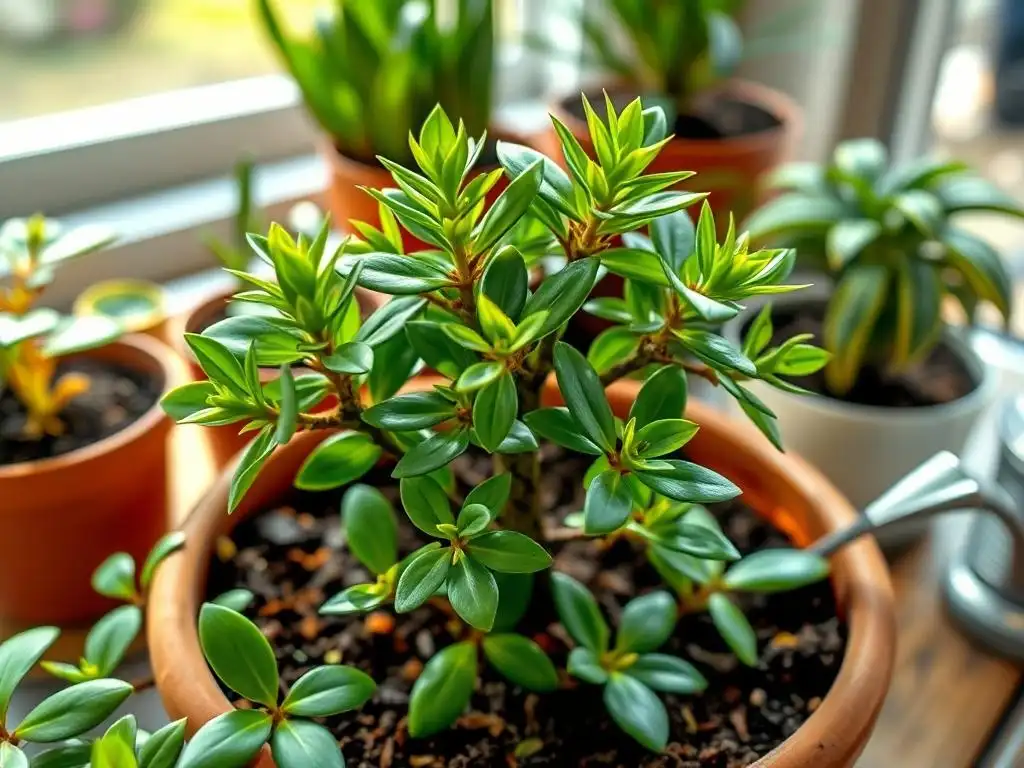
Slow-growing container plants can be frustrating, but understanding the underlying causes allows for proactive solutions. This section focuses on preventative measures to ensure your container plants thrive from the start, avoiding the need for later interventions. By carefully selecting plant varieties, using appropriate containers, and implementing a robust maintenance plan, you can significantly reduce the chances of encountering slow growth. This proactive approach is key to successful container gardening, guaranteeing healthy and productive plants. Remember, prevention is always better than cure when it comes to your container garden's health.
Selecting Appropriate Plant Varieties for Container Gardening
Choosing the right plant variety is paramount. Not all plants are suited to container life, and forcing an unsuitable species into a confined space often leads to slow growth or even plant death. Consider these factors:
- Root System: Plants with compact root systems are generally better suited for containers. Avoid plants known for aggressive root growth, as these will quickly become root-bound, restricting nutrient and water uptake. Look for varieties specifically bred for containers. For example, dwarf varieties of tomatoes or peppers are often excellent choices.
- Mature Size: Select plants whose mature size is appropriate for the size of your container. Overcrowding leads to competition for resources, resulting in stunted growth. Check plant labels carefully for mature height and spread.
- Sunlight Requirements: Ensure the plant's sunlight needs align with the location of your container. A plant needing full sun placed in a shady spot will struggle and exhibit slow growth. Match the plant's light requirements to the available sunlight in your chosen location.
- Water Needs: Consider the plant's water requirements. Plants with high water needs in small containers will dry out quickly, leading to stress and slower growth. Choose plants whose watering needs match your ability and time commitment.
Choosing the Right Container Materials and Drainage
The material and design of your container significantly impact plant health. Poor drainage is a major contributor to slow growth, leading to root rot and nutrient deficiencies.
| Container Material | Pros | Cons | Drainage Considerations |
|---|---|---|---|
| Terracotta/Clay | Porous, allows for good air circulation | Can dry out quickly, prone to cracking | Ensure adequate drainage holes; consider self-watering options |
| Plastic | Lightweight, inexpensive, durable | Can retain too much moisture, less breathable | Ample drainage holes are essential; avoid overwatering |
| Wood | Attractive, biodegradable | Can rot, requires treatment, may leach chemicals | Ensure proper sealing and drainage; use treated lumber |
| Metal (galvanized steel) | Durable, long-lasting | Can overheat in direct sunlight, may rust | Good drainage is crucial; consider paint for rust prevention |
Proper drainage is critical. Containers must have sufficient drainage holes to prevent waterlogging. Adding a layer of gravel or broken pottery shards at the bottom of the container improves drainage and prevents soil compaction.
Implementing a Preventative Maintenance Plan for Container Plants
Regular maintenance is key to preventing slow growth. This includes:
- Fertilization: Container plants require regular fertilization, as the limited soil volume quickly depletes nutrients. Use a balanced, slow-release fertilizer appropriate for the type of plant. Follow package instructions carefully, avoiding over-fertilization which can also harm your plants.
- Watering: Consistent watering is vital, but avoid overwatering. Check soil moisture regularly before watering, and allow the top inch of soil to dry out before providing more water. The frequency of watering will depend on factors such as container material, plant type, and weather conditions.
- Pest and Disease Control: Regularly inspect your plants for pests and diseases. Address any issues promptly to prevent them from spreading and impacting growth. Proactive pest and disease control is much more effective than reactive treatment.
- Repotting: Root-bound plants will exhibit slow growth. Regularly check for root-bound plants and repot them into larger containers when necessary. This provides more space for root development and access to nutrients and water. This is especially important for fast-growing species.
By implementing these preventative measures, you can greatly increase the chances of having healthy, vigorously growing container plants. Remember, a little proactive care goes a long way in ensuring your success in container gardening. The key to avoiding the need for a "slowgrowing container plants fix" is careful planning and consistent attention to your plants' needs.
Optimizing Soil and Nutrient Management for Container Gardens
Container gardening presents unique challenges regarding soil and nutrient management. Unlike in-ground planting, the limited soil volume in containers means nutrients are depleted faster, and water retention can be problematic. To prevent slow growth in the future, focusing on optimizing these aspects is crucial. This involves careful selection of the potting mix and a thoughtful fertilization strategy.
The first step is choosing a high-quality potting mix specifically designed for containers. Avoid using garden soil, as it's too dense and can compact easily, restricting root growth and oxygen flow. A good potting mix will be light and airy, with excellent drainage and water retention capabilities. Look for mixes containing peat moss, coco coir, perlite, or vermiculite, which contribute to proper aeration and drainage. Many commercial mixes also include slow-release fertilizers, providing a sustained nutrient supply for several weeks or even months. However, even with these mixes, supplemental feeding is usually necessary.
Regular fertilization is paramount for thriving container plants. The frequency and type of fertilizer depend on the specific plant's needs and the potting mix used. Always follow the instructions on the fertilizer packaging, as over-fertilizing can be just as damaging as under-fertilizing. Over-fertilization can lead to salt buildup in the soil, which can damage roots and cause leaf burn.
Opt for balanced fertilizers, providing a good ratio of nitrogen (N), phosphorus (P), and potassium (K). These three macronutrients are essential for healthy growth, flowering, and fruiting. Consider using slow-release fertilizers or liquid feeds, applied at intervals, to ensure a consistent nutrient supply without shocking the plant's root system. For instance, a slow-release granular fertilizer applied at planting time can provide nutrients for several months, whereas liquid feeds can provide a quick boost when needed.
Furthermore, consider the pH of your potting mix. Different plants have different pH preferences; testing your soil's pH and adjusting it accordingly with appropriate amendments is crucial for optimal nutrient uptake. Many plants prefer a slightly acidic soil (pH between 6.0 and 7.0), but this can vary widely depending on the species. Regular soil testing can help you monitor the pH and nutrient levels and make necessary adjustments to maintain a healthy growing environment for your plants.
This proactive approach significantly reduces the chances of encountering slow growth due to nutrient deficiencies or imbalances in the future. Remember to avoid overwatering, as this can leach out essential nutrients and create anaerobic conditions that hinder root development. Proper watering techniques, alongside optimized soil and nutrient management, form the cornerstone of healthy and vigorous container plants.
Case Studies: Slow Growing Container Plants Fix
This section delves into specific examples of slow-growing container plants and analyzes the underlying causes and implemented solutions. Understanding these case studies will provide practical insights into diagnosing and addressing similar issues in your own container garden. Remember, a "slowgrowing container plants fix" often requires careful observation and targeted interventions.
Case Study 1: Slow Growth in a Rosemary Plant Due to Root Binding
A rosemary plant, potted in a 6-inch container for two years, exhibited significantly stunted growth. Leaves were smaller than usual, and new growth was minimal despite regular watering and fertilization. Upon inspection, the root system was found to be severely root-bound; the roots had completely encircled the soil within the container, preventing further expansion and nutrient uptake. This is a common problem with rosemary, a plant known for its deep and extensive root system.
The solution involved repotting the rosemary into a larger, 12-inch container filled with fresh, well-draining potting mix. Care was taken to gently loosen the root ball before transplanting to encourage root expansion. After repotting, the plant was watered thoroughly and placed in a sunny location. Within a month, new growth was visible, indicating successful resolution of the root-binding issue. This highlights the importance of regular repotting for plants with vigorous root systems, preventing growth restriction and ensuring healthy development. The improved growth rate exemplifies a successful "slowgrowing container plants fix" strategy.
Case Study 2: Nutrient Deficiency Symptoms in a Tomato Plant
A cherry tomato plant grown in a 5-gallon container showed signs of nutrient deficiency. Leaves were yellowing, particularly between the veins (interveinal chlorosis), and the plant was producing few, small fruits. This is a classic symptom of nutrient deficiency, often a cause of slow growth in container plants. Soil testing revealed a deficiency in nitrogen and potassium. This is quite common in containers, as nutrients are used up more quickly than in the ground.
To address the deficiency, a liquid feed containing nitrogen and potassium was applied weekly, following the manufacturer's instructions. Additionally, a slow-release granular fertilizer was incorporated into the top layer of the soil to provide a sustained nutrient supply. Within several weeks, the yellowing subsided, new leaves appeared greener, and fruit production increased significantly. This case study demonstrates that addressing nutrient deficiencies is crucial for optimal plant growth. Regular soil testing and targeted fertilization provide an effective "slowgrowing container plants fix" for nutrient-starved plants. 🌱
Case Study 3: Inadequate Sunlight Affecting a Geranium Plant
A geranium plant, positioned in a shady corner of a patio, showed slow growth and leggy stems. The leaves were pale green and spaced far apart, indicating insufficient light. Geraniums are sun-loving plants, and inadequate sunlight directly impacts their growth rate and overall health. This is a common issue for container gardening, especially in shaded areas or during periods of less sunlight.
The solution involved relocating the geranium to a sunnier location that received at least six hours of direct sunlight daily. Within a few weeks, the plant exhibited improved growth, producing more compact foliage and vibrant blooms. This case demonstrates the importance of appropriate light exposure for healthy plant growth. Providing adequate sunlight is a simple but effective "slowgrowing container plants fix" for light-dependent plants. ☀️ Remember to gradually acclimate your plants to increased sunlight to avoid sun scorch.
This analysis of various case studies illustrates that diagnosing the cause of slow growth in container plants requires careful observation and understanding of the plant's specific needs. By addressing the underlying issue, whether it be root binding, nutrient deficiency, or inadequate sunlight, you can effectively implement a "slowgrowing container plants fix" and promote healthy, vigorous growth in your container garden.
Frequently Asked Questions
What are some common causes of slow growth in container plants?
Several factors can contribute to slow growth, including nutrient deficiencies in the soil, improper watering, inadequate sunlight, rootbound conditions, and pest infestations. Addressing these issues is crucial for healthy growth.
How can I tell if my container plant is rootbound?
Check if roots are circling the bottom of the pot or emerging from the drainage holes. If so, your plant is rootbound and needs repotting into a larger container with fresh soil.
What are the best slow-growing plants for containers?
Many plants are naturally slow-growing and suitable for containers. Consider herbs like rosemary and thyme, succulents, or dwarf varieties of shrubs and trees. Research specific varieties for your climate and space.
How can I improve the soil in my containers to promote growth?
Use a high-quality potting mix that's well-draining and rich in organic matter. Consider adding compost or other soil amendments to improve nutrient content and water retention. Regular feeding with a balanced fertilizer is also beneficial.
What are some natural ways to fix slow growth caused by pests?
Inspect your plants regularly for pests. For minor infestations, try handpicking pests or using organic pest control methods like neem oil or insecticidal soap. Severe infestations may require stronger measures.
Final Reflection: Cultivating Patience, Harvesting Resilience
The struggle to maintain vibrant container plants, especially those with inherently slow growth, is a microcosm of the larger challenges we face in nurturing anything precious. From the meticulous care required to the occasional setbacks encountered, the journey mirrors our own personal growth and the resilience needed to overcome obstacles. Understanding the underlying causes of slow growth, as explored in this article, isn't just about healthier plants; it's about understanding the delicate balance required for sustained success.
The frustration of a struggling plant often reflects a deeper frustration with our own limitations. We strive for immediate results, forgetting that the most rewarding endeavors often require patience and persistence. The oak sleeps in the acorn; the bird waits in the egg; and in the highest vision of the soul a waking angel stirs. Dreams are the seedlings of realities.
This quote beautifully encapsulates the essence of slow growth, reminding us that even the most magnificent creations begin small and require time to flourish. The process itself, with its challenges and triumphs, is as valuable as the final result.
So, as you tend to your container plants, remember to cultivate patience within yourself. Observe your plants closely, learn from their responses, and adjust your approach accordingly. Don't be discouraged by slow growth; instead, see it as an opportunity for deeper understanding and connection. Embrace the journey, celebrate the small victories, and remember that the resilience you cultivate in tending to your plants will translate to other areas of your life, fostering a richer, more fulfilling experience.
Unleash Your Green Thumb: Revitalize Your Slow-Growing Plants
Thanks for learning about nurturing your container plants! We hope you feel empowered to overcome any growth challenges. Ready to see amazing results?
- Prioritize a tailored watering schedule: Carefully observe your plants. Are they thirsty, or is drainage the issue? Adjust your watering frequency to promote optimal growth. This is key to vibrant, healthy plants.
- Improve your soil: Amend your existing soil with compost or other organic matter to improve drainage and nutrient content. A richer soil can make a big difference!
- Share your successes (and challenges!) with our community on social media using #CultivateYourFood. Let's learn together!
Have you discovered the secret to thriving container plants? What's your best tip for promoting healthy growth?