
DIY Hydroponic Herb Garden: Build Your Own System

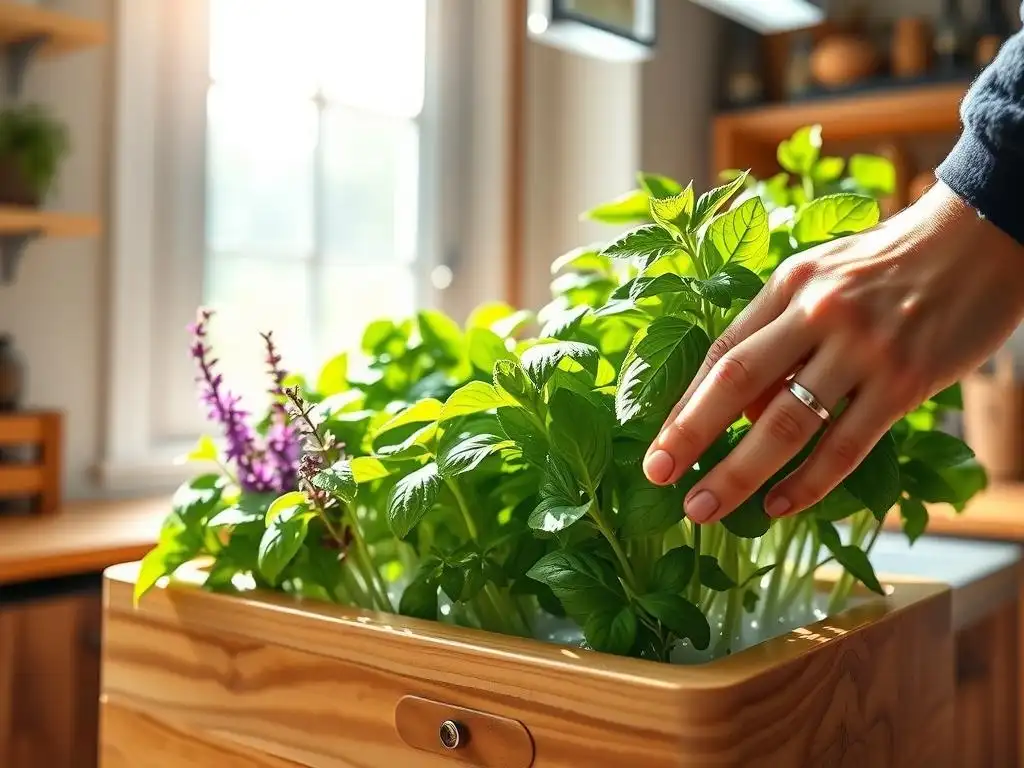
Ready to transform your kitchen into a thriving oasis of fresh herbs? At CultivateYourFood, we empower you to grow your own organic produce, sustainably and easily. Discover the secrets to a bountiful harvest, starting with our comprehensive guide on how to build a hydroponic herb garden – even if you only have a small space! Learn how to cultivate vibrant herbs year-round and experience the unparalleled flavor of homegrown goodness. Let's get started on your journey to self-sufficiency.
- Planning Your Indoor Hydroponic Herb Garden
- Building Your DIY Hydroponic System: A Step-by-Step Guide
- Maintaining Your Hydroponic Herb Garden for Optimal Growth
- Expanding Your Hydroponic Herb Garden
-
Frequently Asked Questions
- How much space do I need to build a hydroponic herb garden?
- What materials are needed to build a DIY hydroponic herb garden?
- What are the benefits of building a hydroponic herb garden?
- How often should I change the nutrient solution in my hydroponic herb garden?
- What are some common challenges when building a hydroponic herb garden?
- Final Reflection: Cultivating Growth, One Herb at a Time
- Unleash Your Inner Gardener: Grow Fresh Herbs Today!
Planning Your Indoor Hydroponic Herb Garden
Building your own hydroponic herb garden is a rewarding experience, allowing you to enjoy fresh, flavorful herbs year-round, regardless of the weather or available outdoor space. This guide will walk you through the process of designing and constructing a thriving indoor hydroponic herb garden using sustainable and organic methods. We'll explore the best herbs for hydroponic systems, compare different system types, and outline the necessary equipment and supplies.
By the end, you'll have a clear understanding of how to build your own hydroponic herb garden and successfully cultivate your favorite herbs indoors. This detailed approach will equip you with the knowledge to cultivate a flourishing and productive herb garden, even within the confines of your home. This method is perfect for those looking to build a hydroponic herb garden and embrace sustainable gardening practices.
Choosing the Right Herbs for Hydroponics
Not all herbs are created equal when it comes to hydroponic cultivation. Some thrive in this soilless environment, while others may struggle. When selecting herbs for your hydroponic garden, consider their growth habits and nutrient requirements. Fast-growing, relatively low-maintenance herbs are generally the best choices for beginners.
Here's a list of herbs that excel in hydroponic systems:
- Basil: A popular choice, basil grows quickly and produces abundant leaves. Different varieties offer diverse flavor profiles.
- Mint: Mint is a vigorous grower, but it needs to be contained to prevent it from taking over your system. Consider planting it in a separate container or using a dedicated section within your hydroponic setup.
- Cilantro/Coriander: This herb is relatively easy to grow hydroponically, providing a fresh supply of leaves for culinary use.
- Parsley: Parsley, both flat-leaf and curly, grows well in hydroponics, although it may require slightly more attention to nutrient levels.
- Chives: Chives are another excellent choice for hydroponic gardening, offering a continuous harvest of flavorful green shoots.
Remember to research specific cultivar needs for optimal growth. Some varieties might be better suited than others for your chosen hydroponic system. For example, certain basil varieties might be more resilient to nutrient deficiencies common in DWC systems.
Selecting Your Hydroponic System: Deep Water Culture (DWC) vs. Wick System
Choosing the right hydroponic system is crucial for the success of your herb garden. Two popular and relatively easy-to-build systems for beginners are Deep Water Culture (DWC) and Wick systems. Each has its own advantages and disadvantages:
| System Type | Advantages | Disadvantages |
|---|---|---|
| Deep Water Culture (DWC) | Relatively simple to build and maintain; provides excellent oxygenation. | Requires more vigilance to prevent nutrient imbalances and root rot. |
| Wick System | Very low maintenance; ideal for smaller setups. | Growth rate can be slower; less oxygen available to roots. |
The best system for you depends on your experience level, the number of herbs you want to grow, and the amount of time you're willing to dedicate to maintenance. DWC systems, while requiring more attention, generally offer faster growth rates. Wick systems are ideal for a low-maintenance approach but may result in slower growth. Consider your available time and resources when making your decision.
Essential Equipment and Supplies for Your Hydroponic Herb Garden
Before you begin, gather all the necessary equipment and supplies. This will ensure a smooth and efficient building process. The specific materials will vary depending on the chosen hydroponic system (DWC or Wick). However, some common elements include:
- Reservoir: A container to hold the nutrient solution. Size depends on the number of plants.
- Grow Media (for some systems): Inert materials like clay pebbles or perlite provide support for the plant roots. Not needed for all systems.
- Net Pots: Small containers to hold the plants within the grow media or directly above the nutrient solution.
- Air Pump and Air Stone (for DWC): Essential for oxygenating the nutrient solution in a DWC system.
- Grow Lights (LEDs recommended): Provide supplemental light, especially crucial for indoor setups.
- Nutrient Solution: A balanced blend of essential nutrients tailored to the needs of your chosen herbs.
- pH Meter: To monitor and adjust the pH of the nutrient solution for optimal absorption.
- Timer (optional but recommended): To automate the lighting cycle.
Having all these materials ready before you start building will streamline the process and ensure a successful outcome. Remember to research the specific requirements for your chosen hydroponic system and herbs to select the appropriate equipment and supplies. Accurate measurements and careful planning are key to building a successful hydroponic herb garden.
Designing Your Hydroponic Setup: Space Optimization and Lighting
Designing your hydroponic herb garden requires careful consideration of space and lighting, two crucial factors influencing plant growth and overall system efficiency. Optimizing space is particularly important for indoor setups, where square footage is often limited. Careful planning ensures you maximize yield while minimizing wasted space. This involves selecting the right hydroponic system type – a Deep Water Culture (DWC) system might be ideal for a few herbs, while a vertical system can greatly increase plant density in a smaller footprint.
Consider the dimensions of your available space. Measure the area carefully before purchasing any equipment. Sketch a layout to visualize the system's placement, factoring in walkways for easy access to your plants. You’ll need to account not only for the growing area itself but also for necessary equipment like pumps, reservoirs, and lighting fixtures. Remember to leave enough space for maintenance and harvesting. A cramped setup makes these tasks difficult and can lead to accidental damage.
Lighting is another critical aspect. Herbs, like other plants, require specific light wavelengths and intensity for optimal growth. While some herbs tolerate lower light conditions, most thrive under intense, full-spectrum lighting. LED grow lights are a popular choice for hydroponic systems due to their energy efficiency and ability to provide the required spectrum. Consider the light intensity (measured in PPFD – Photosynthetic Photon Flux Density), the duration of light exposure (photoperiod), and the distance between the lights and your plants. Insufficient lighting leads to weak, leggy growth, while excessive light can cause bleaching or burning.
The type of light fixture will also affect space optimization. For instance, vertical systems often benefit from linear LED lights, while compact systems might use smaller, focused lights. Plan your lighting setup to ensure even coverage across all plants. Avoid shadows or areas of insufficient light, as this will hinder growth and yield.
Experimentation and careful observation are key to finding the optimal lighting configuration for your specific setup and chosen herbs. Regular monitoring of your plants' growth and adjusting the lighting as needed will ensure their health and productivity. Consider using a light meter to accurately measure the light intensity at different points within your system.
Building Your DIY Hydroponic System: A Step-by-Step Guide
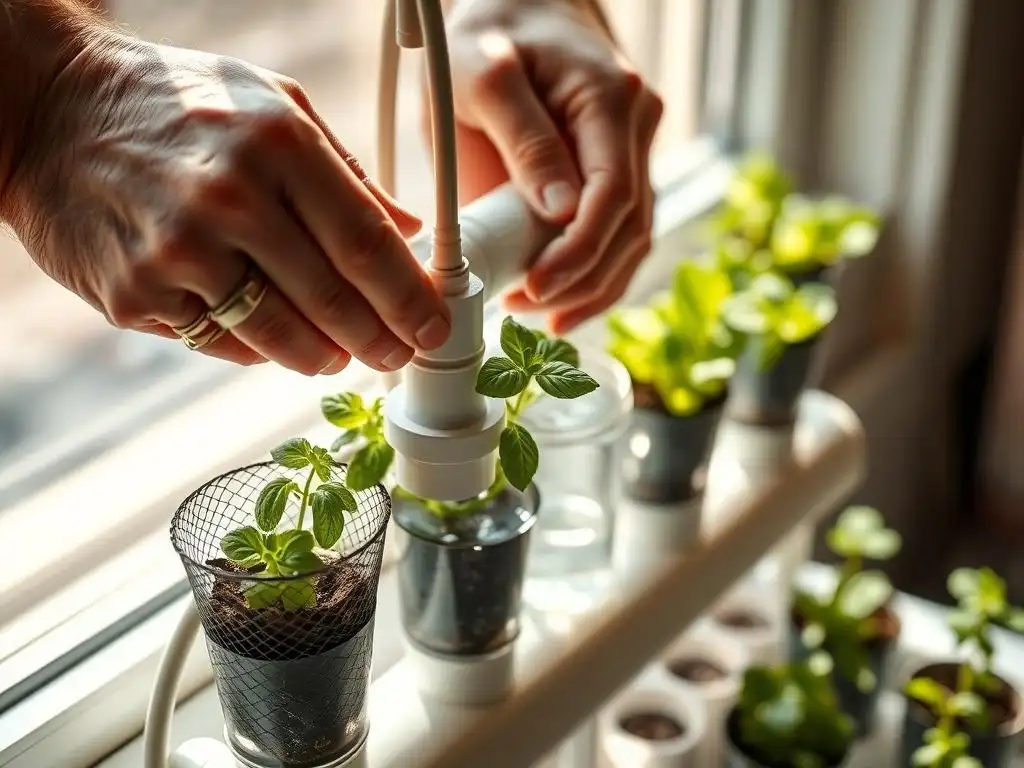
This section details the practical steps involved in constructing your own hydroponic herb garden. We'll cover assembling the system, preparing the nutrient solution, and planting your chosen herbs. Remember, building a hydroponic system requires careful planning and attention to detail. Success hinges on maintaining a clean and consistent environment for optimal herb growth. Let's get started on building your own hydroponic herb garden!
Step 1: Assembling Your Chosen Hydroponic System
This step focuses on the physical construction of your hydroponic system. The specific steps will vary depending on the design you've chosen (wick system, deep water culture, nutrient film technique, etc.). However, some common elements apply across most DIY hydroponic setups. Let's assume you're building a simple wick system, a great beginner-friendly option for a small herb garden.
This method is characterized by its simplicity and minimal equipment requirements. You'll need a container (a recycled plastic bin works well), a growing medium (perlite or vermiculite are good choices), a wicking material (cloth strips or rope), and a reservoir for your nutrient solution.
Before assembling, thoroughly clean all components to prevent the introduction of contaminants that could harm your herbs. Ensure the container is adequately sized for your chosen herbs and has drainage holes (if you are using a container other than a pre-made hydroponic system). The size of your container will dictate how many herbs you can grow and how frequently you need to replenish your nutrient solution. For a small herb garden, a 5-gallon container might be ideal.
Next, position your wicking material to draw the nutrient solution from the reservoir up to the growing medium. This needs to be done carefully to ensure even moisture distribution. Uneven wicking can lead to uneven growth and potentially damage your plants. Experimentation might be needed to find the optimal wicking arrangement for your specific setup and the type of herbs you're growing.
Finally, fill the container with your chosen growing medium, ensuring it's evenly distributed. The growing medium should be sufficient to support the roots of your herbs and provide adequate drainage. Avoid overfilling, as this can lead to root rot.
Step 2: Setting Up Your Nutrient Solution Reservoir
The nutrient solution is the lifeblood of your hydroponic system. It provides the essential nutrients your herbs need for healthy growth. Using a pre-mixed hydroponic nutrient solution is recommended, especially for beginners. These solutions are formulated to contain the correct balance of macronutrients (nitrogen, phosphorus, potassium) and micronutrients (iron, manganese, zinc, etc.) that your plants will require.
The reservoir should be large enough to hold sufficient nutrient solution for several days, depending on the size of your system and the number of plants. For a small system, a 1-2 gallon reservoir may be adequate. Ensure the reservoir is made of a food-grade material that won't leach harmful chemicals into your nutrient solution. Cleanliness is paramount; any contamination in the reservoir can quickly spread throughout your system.
Before adding the nutrient solution, carefully measure the pH level using a pH meter. The ideal pH range for most hydroponic systems is between 5.5 and 6.5. Adjust the pH as needed using pH up or pH down solutions, following the instructions on the packaging carefully. Regular monitoring and adjustment of the pH is crucial for optimal nutrient uptake by your herbs. Neglecting pH control can severely hinder plant growth. Remember to always wear appropriate safety gear when handling pH adjusting solutions.
Once the pH is correct, add the pre-mixed nutrient solution to the reservoir, ensuring it completely covers the wicking material. You might need to recalibrate and adjust the pH slightly after adding the nutrient solution. Keep a close eye on the nutrient solution level and replenish as needed, avoiding letting it fall too low.
Step 3: Planting Your Herb Seeds or Seedlings
This final step involves carefully planting your herb seeds or seedlings into your prepared hydroponic system. If using seeds, sow them at the recommended depth according to the seed packet instructions. Ensure they are evenly spaced to allow for adequate growth and prevent overcrowding. Overcrowding can lead to competition for resources and hinder overall growth.
If using seedlings, gently transfer them from their original containers into the growing medium, ensuring the roots are not damaged. Avoid disturbing the roots as much as possible during transplanting, as this can shock the plant. Water the seedlings gently after planting to settle the growing medium around the roots.
After planting, monitor your herbs regularly. Check the nutrient solution level and pH frequently. Observe the plants for any signs of nutrient deficiencies or pest infestations. Take appropriate action to address any issues promptly. Regular monitoring allows you to take preventative measures and maintain a healthy and productive hydroponic herb garden. Remember to keep detailed records of your system's performance, including pH levels, nutrient solution changes, and plant growth rates. This information will help you optimize your system's efficiency over time and ensure a bountiful harvest. Enjoy your fresh, homegrown herbs!
Step 4: Installing Your Lighting System for Optimal Growth
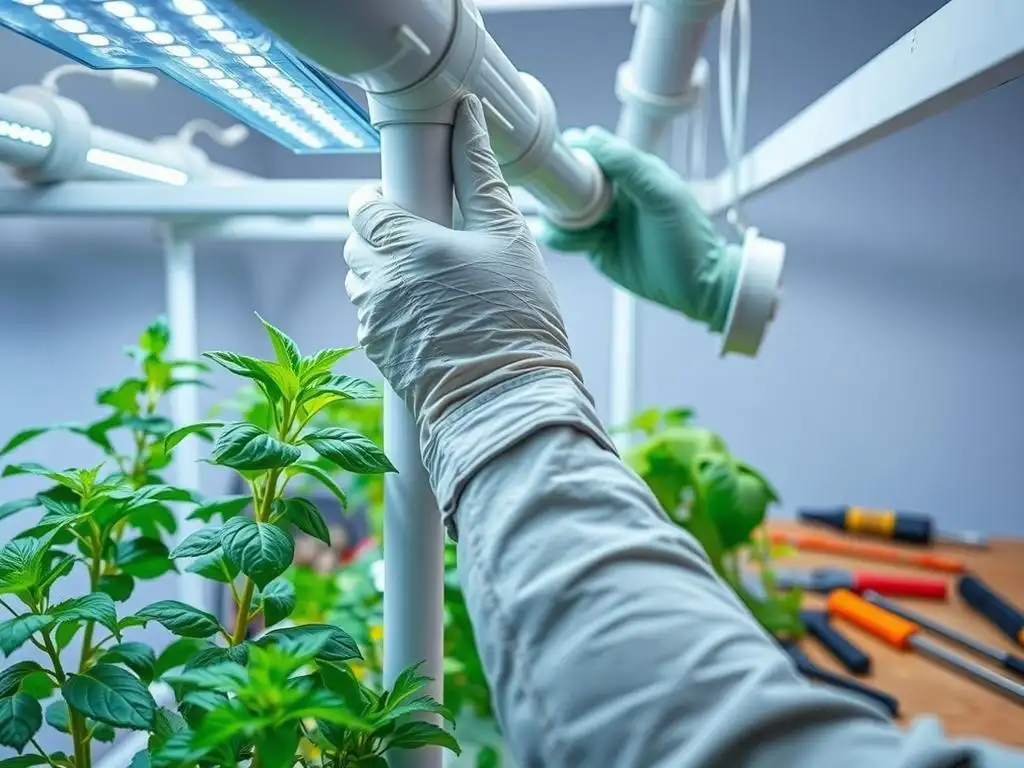
Hydroponic herb gardening requires careful consideration of lighting, as your plants won't be receiving natural sunlight. The right lighting system is crucial for healthy growth and abundant harvests. Different herbs have varying light requirements, so research the specific needs of your chosen herbs before selecting your lighting setup. For example, basil thrives under bright, intense light, while mint tolerates slightly lower light levels.
Several lighting options exist for your hydroponic setup. LED grow lights are a popular choice due to their energy efficiency and longevity. They produce less heat than traditional fluorescent or high-pressure sodium (HPS) lights, making them ideal for indoor environments. When choosing LEDs, look for lights with a full spectrum, mimicking natural sunlight to ensure optimal photosynthesis. The intensity and duration of light exposure are also critical factors. Most herbs benefit from 12-16 hours of light per day. You can use timers to automate the lighting cycle, ensuring consistency and eliminating the need for manual adjustments.
The placement of your grow lights is essential. The distance between the lights and your plants should be carefully adjusted to prevent burning or insufficient light. Start with a slightly higher distance and gradually lower the lights as the plants grow, ensuring they receive the optimal light intensity. Regularly monitor your plants for signs of light stress, such as leaf scorching or etiolation (leggy growth).
Adjust the light height accordingly to maintain healthy growth. Remember to always prioritize safety and follow the manufacturer's instructions when installing and operating your chosen lighting system. Proper ventilation is also important to prevent overheating, especially with high-intensity lights.
Step 5: Monitoring and Adjusting Your Hydroponic System
Building a hydroponic herb garden is only half the battle; maintaining it is equally crucial for success. Regular monitoring and adjustments are essential to ensure your plants thrive. A successful hydroponic system requires a proactive approach to problem-solving. Consistent monitoring allows for early detection of potential issues, preventing them from escalating and harming your plants.
First, monitor the nutrient solution's pH level. The pH level should remain within a specific range (typically 5.5 to 6.5 for most herbs) for optimal nutrient uptake. Use a pH meter to regularly check the solution and adjust it using pH up or down solutions if necessary. Secondly, monitor the nutrient solution's level. Ensure the reservoir maintains the appropriate water level to keep the plant roots submerged.
Regularly refill the reservoir as needed to avoid nutrient depletion and root stress. Thirdly, observe your plants closely. Look for signs of nutrient deficiencies (yellowing leaves, stunted growth), pest infestations, or diseases. Address any problems promptly to prevent them from spreading.
Consider implementing a data logging system. This could be as simple as a notebook where you record daily observations, including pH levels, nutrient solution levels, and any adjustments made. For a more advanced approach, you could use a digital monitoring system that automatically tracks these parameters and alerts you to any potential problems. This allows for more efficient management of your hydroponic system, freeing up your time while ensuring your plants receive the best possible care.
Remember, consistent monitoring and timely adjustments are key to cultivating a thriving and productive hydroponic herb garden. Regular maintenance will save you headaches and ensure a bountiful harvest of fresh, flavorful herbs. 🌱
Maintaining Your Hydroponic Herb Garden for Optimal Growth
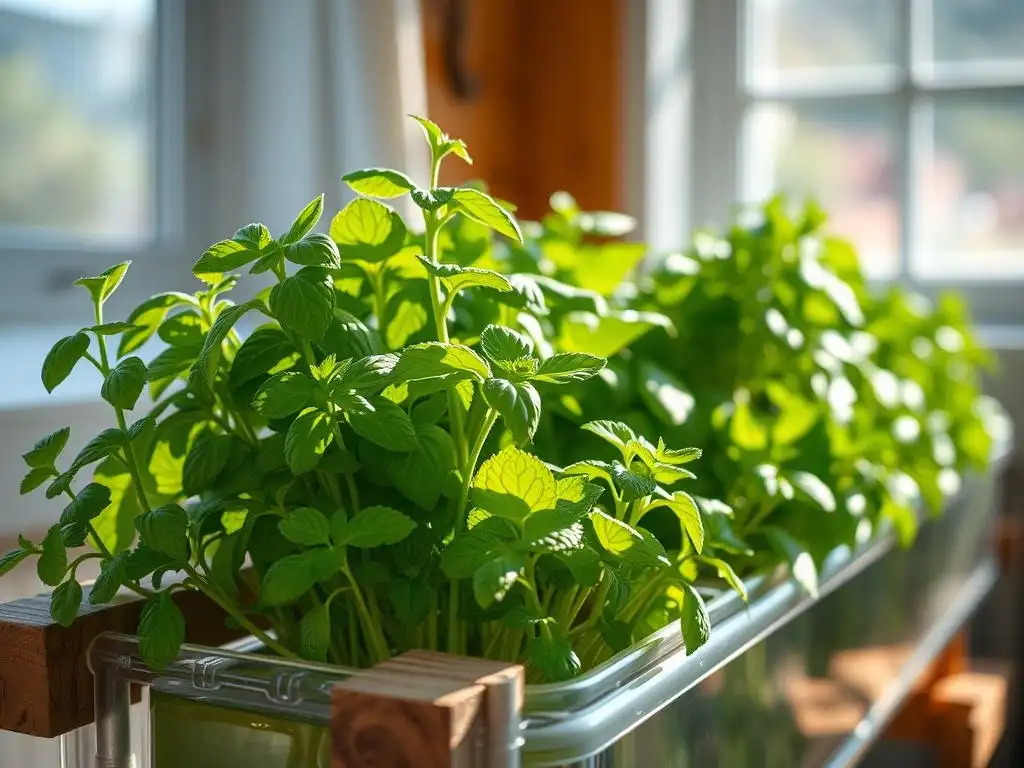
Building your hydroponic herb garden is just the first step! Maintaining it for optimal growth requires consistent attention to several key factors. This section will detail crucial maintenance practices to ensure a thriving, flavorful harvest. Neglecting these steps can lead to stunted growth, nutrient deficiencies, and ultimately, a disappointing yield. Let's dive into the essential aspects of hydroponic herb garden maintenance.
Maintaining Nutrient Solution Levels and pH Balance
The nutrient solution is the lifeblood of your hydroponic system. Maintaining the correct levels and pH is critical for healthy herb growth. Insufficient nutrient solution leads to nutrient deficiencies, while excessive levels can cause nutrient burn. The ideal pH range for most hydroponic herbs is between 5.5 and 6.5. Deviations from this range can hinder nutrient uptake.
Regularly check the nutrient solution level. Evaporation is a constant concern, particularly in warmer environments. Replenish the solution as needed, using distilled or filtered water to avoid introducing harmful minerals or chlorine. Using a simple water level indicator or mark on your reservoir can greatly simplify this task.
Monitoring pH is equally important. A pH meter is an invaluable tool; invest in a quality one for accurate readings. If the pH is too high or too low, adjust it using pH up or pH down solutions, following the instructions carefully. Always adjust slowly and monitor the pH after each adjustment to avoid drastic changes. Remember to always add the solution to the water, not vice versa, to prevent splashing and uneven mixing.
Here's a simple table summarizing ideal nutrient solution maintenance:
| Parameter | Ideal Range | Monitoring Frequency | Adjustment Method | Consequences of Neglect |
|---|---|---|---|---|
| Nutrient Solution Level | Maintain full | Daily | Add distilled/filtered water | Stunted growth, wilting |
| pH | 5.5 - 6.5 | Every 2-3 days | pH up/down solutions | Nutrient deficiencies, burn |
Regularly changing the entire nutrient solution (every 2-4 weeks, depending on your system and the type of nutrients used) is also crucial to prevent the buildup of salts and harmful microorganisms. This prevents the accumulation of harmful substances and ensures your plants have access to fresh, properly balanced nutrients.
Providing Adequate Light for Hydroponic Herbs
Light is another critical factor influencing the growth and yield of your hydroponic herbs. Herbs require a significant amount of light to photosynthesize efficiently. Insufficient light will result in weak, leggy growth, and a reduced harvest.
The intensity and duration of light are crucial. Most herbs need at least 6-8 hours of light per day. LED grow lights are a popular choice for hydroponic systems due to their energy efficiency and customizable light spectrums. Ensure your lights are positioned at the correct distance from your plants to avoid light burn. Too close, and the leaves will scorch; too far, and they won't receive enough light. The distance will depend on the type of light, so consult the manufacturer's instructions.
Consider using a timer to automate the lighting schedule, ensuring consistent light exposure throughout the day. This maintains the plants' natural circadian rhythm, contributing to healthier growth. Consistent lighting is key to maximizing yield and ensuring consistent quality in your herb production. Experimentation might be necessary to find the optimal light intensity and duration for your specific herbs and your chosen system.
Preventing and Addressing Common Hydroponic Herb Garden Problems
Even with meticulous care, problems can arise in your hydroponic herb garden. Being proactive and knowing how to address common issues is crucial for success.
- Nutrient Deficiencies: Yellowing leaves, stunted growth, and discoloration are common signs. Test your nutrient solution's pH and nutrient levels. Adjust as needed and consider supplementing with specific nutrients if deficiencies are identified.
- Root Rot: This fungal disease thrives in overly moist conditions. Ensure proper drainage and avoid overwatering. If root rot is detected, remove affected plants immediately to prevent its spread. Good air circulation around the roots is also important to prevent fungal growth.
- Pest Infestations: Aphids, spider mites, and fungus gnats are common hydroponic pests. Regularly inspect your plants for signs of infestation. Use organic pest control methods, such as insecticidal soap or neem oil, to address infestations promptly. Preventing infestations through good hygiene and proactive measures is always preferable to treating them.
- Algae Growth: Algae can grow in your reservoir, competing with your herbs for nutrients. Keep the reservoir covered to minimize light exposure, which is crucial for algae growth. Regularly cleaning the reservoir and replacing the nutrient solution will also help prevent algae blooms.
By addressing these potential issues promptly and proactively, you can significantly increase the chances of a successful and abundant harvest from your DIY hydroponic herb garden. Remember, consistent monitoring and attentive care are key to maximizing your yield and enjoying the freshest, most flavorful herbs possible. Happy growing!
Harvesting Your Homegrown Hydroponic Herbs
Harvesting your hydroponic herbs is a rewarding experience, signifying the success of your homegrown efforts. The timing of your harvest depends largely on the specific herb and its intended use. Generally, herbs are at their most flavorful when harvested just before they flower.
This is because the plant's energy is still focused on leaf production rather than seed production, resulting in more tender leaves with a more concentrated flavor profile. For example, basil, known for its vibrant aroma, should be harvested regularly, pinching off the top sets of leaves to encourage bushier growth and prevent it from bolting (going to seed). This regular harvesting can be done every few weeks, taking only about a third of the plant at each harvest to prevent stressing it.
Different herbs have different harvesting techniques. For instance, while basil benefits from frequent pinching, rosemary and thyme often prefer a more selective harvest, where only individual stems are cut back. This allows for more controlled growth and prevents the plant from becoming too sparse. Always use clean, sharp scissors or pruning shears to prevent the spread of disease. A clean cut also minimizes damage to the plant, encouraging healthier regrowth.
Consider the intended use of the herbs; if using them fresh, harvest only what you need. For drying, you can harvest larger quantities. Remember to leave enough foliage on the plant to ensure continued growth and productivity. This balance between harvesting and maintaining the plant's health is crucial for long-term success in your hydroponic herb garden.
Over-harvesting can weaken the plant and reduce its yield in the long run. Proper harvesting techniques, combined with consistent monitoring, will ensure a bountiful and flavorful supply of herbs from your hydroponic system. Enjoy the fruits (or rather, herbs!) of your labor!
Expanding Your Hydroponic Herb Garden
This section focuses on strategies for increasing the size and yield of your existing hydroponic herb garden, building upon the foundational system you've already constructed. We'll explore methods to seamlessly integrate more plants without compromising the health and productivity of your current setup. Remember, careful planning and gradual expansion are key to success in hydroponics.
Adding More Herbs to Your System
Adding more herbs to your established hydroponic system requires a thoughtful approach. Simply cramming more plants into your existing setup will likely lead to nutrient deficiencies and competition for resources, ultimately hindering growth. Instead, consider these options:
- Modular Expansion: If you've built a modular system, adding more units is the easiest solution. Simply replicate the design of your existing unit and connect it to your existing reservoir and pump. This ensures consistent nutrient delivery to all plants.
- Vertical Growth: Maximize your space by utilizing vertical growth techniques. Consider adding vertical supports or trellises to allow your herbs, like basil or mint, to climb upwards, significantly increasing the yield within the same footprint.
- Strategic Placement: Carefully analyze the current layout of your herbs. Are there any gaps or underutilized areas within your system? You might be able to strategically add a few more plants without extensive modifications. Remember to maintain adequate spacing to prevent overcrowding and ensure proper airflow.
- Nutrient Monitoring: As you add more plants, monitor your nutrient solution more frequently. Increased plant mass will lead to faster nutrient depletion. Regular testing with a hydroponic nutrient testing kit and appropriate adjustments are crucial to avoid nutrient deficiencies.
- Example: Let's say you initially built a system with 4 basil plants. After a month, you could add 2 more basil plants and 2 oregano plants, provided you have sufficient space and adjust your nutrient solution accordingly. Always prioritize the health of your existing plants before adding more.
Upgrading Your Hydroponic System for Increased Capacity
Expanding beyond simple additions might necessitate upgrading your entire hydroponic system. This could involve building a larger reservoir, installing a more powerful pump, or even switching to a more advanced hydroponic technique.
- Larger Reservoir: A larger reservoir provides a greater volume of nutrient solution, reducing the frequency of solution changes and mitigating the risk of nutrient depletion. Consider doubling or tripling your reservoir size depending on the number of additional plants you plan to add.
- More Powerful Pump: A more powerful pump is necessary to ensure adequate circulation in a larger system. Insufficient circulation can lead to uneven nutrient distribution and reduced plant growth. Choose a pump with a higher flow rate appropriate for the increased volume of your system.
- Advanced Techniques: Consider upgrading to a Deep Water Culture (DWC) system or a Nutrient Film Technique (NFT) system if you are aiming for a significantly larger setup. These systems are generally more efficient in terms of nutrient delivery and water usage compared to simpler methods. Proper planning and research are essential before making a switch.
Exploring Different Hydroponic Techniques for Herb Growing
Different hydroponic techniques offer varying levels of complexity and efficiency. Expanding your herb garden might involve exploring alternative methods better suited for larger scales.
- Deep Water Culture (DWC): DWC is a relatively simple technique suitable for larger setups. Plants are suspended with their roots submerged in an oxygenated nutrient solution. This method is efficient but requires careful monitoring of oxygen levels and nutrient solution pH.
- Nutrient Film Technique (NFT): NFT involves a thin film of nutrient solution continuously flowing over the roots of the plants. This technique is highly efficient in terms of water and nutrient usage, ideal for larger, more productive systems.
- Drip System: A drip system delivers nutrient solution directly to the roots of each plant, offering precise control over watering and nutrient delivery. This method is well-suited for larger gardens and allows for customization based on individual plant needs. It requires more initial setup and maintenance compared to DWC.
- Choosing the Right Technique: The optimal technique depends on your resources, experience level, and the scale of your expansion. Research each technique thoroughly before making a decision. Begin with a small-scale trial run before committing to a large-scale conversion. Consider factors like initial investment, maintenance requirements, and potential yield when making your selection. The right choice will significantly impact the success of your expanded hydroponic herb garden.
Frequently Asked Questions
How much space do I need to build a hydroponic herb garden?
The space needed depends on your system's size. A small, DIY system can fit on a windowsill, while larger setups require more floor space. Consider the number of herbs and your available area.
What materials are needed to build a DIY hydroponic herb garden?
You'll need PVC pipes, net pots, grow medium (like clay pebbles), a water reservoir, a pump, and nutrient solution. Specific materials vary depending on your chosen system design.
What are the benefits of building a hydroponic herb garden?
Hydroponics offers faster growth, higher yields, and consistent harvests compared to soil-based gardening. You also use less water and space.
How often should I change the nutrient solution in my hydroponic herb garden?
The frequency depends on the system and herb growth. Generally, changing the solution every 1-2 weeks is recommended to prevent nutrient depletion and the buildup of harmful substances.
What are some common challenges when building a hydroponic herb garden?
Potential issues include pH imbalances, nutrient deficiencies, algae growth, and pest infestations. Research and monitoring are crucial for preventing and addressing these challenges.
Final Reflection: Cultivating Growth, One Herb at a Time
Building your own hydroponic herb garden isn't just a hobby; it's a tangible connection to the food we consume and a powerful statement about sustainable living. In a world increasingly concerned with food security and environmental impact, the ability to cultivate fresh, healthy herbs at home offers a potent solution, empowering individuals to take control of their food sources and reduce their carbon footprint. This simple act of creation transcends the purely practical; it's a testament to human ingenuity and our inherent desire to nurture life.
The journey of building a hydroponic system, from initial planning to the first harvest, is a deeply rewarding experience. It's a lesson in patience, observation, and the interconnectedness of nature. The process fosters a deeper appreciation for the delicate balance required to sustain life, mirroring the larger ecological challenges we face. As the ancient proverb states: The best time to plant a tree was 20 years ago. The second best time is today.
This applies equally to embarking on a hydroponic gardening adventure; the rewards are well worth the effort, no matter when you begin.
Now, consider your own space, your own potential. Imagine the vibrant green of basil, the fragrant scent of rosemary, the peppery bite of mint, all flourishing under your care. Don't just read about hydroponics—experience it. Take the leap, gather your materials, and begin building your own thriving herb garden. The journey will be educational, fulfilling, and ultimately, a testament to your own capacity for growth and innovation. The freshest herbs await.
Unleash Your Inner Gardener: Grow Fresh Herbs Today!
Thank you for exploring the world of hydroponic herb gardening! You now possess the knowledge to cultivate delicious and healthy herbs year-round. Ready to begin?
- Assemble your hydroponic system: Gather your materials and follow the provided instructions, adapting them as needed to suit your specific setup. This is the first step towards enjoying fresh, homegrown flavors.
- Join our community: Share your progress and ask questions in our CultivateYourFood forum—let's grow together! Connect with fellow hydroponic enthusiasts and share your successes and challenges.
- Expand your herb selection: Once your system is operational, experiment with a wider variety of herbs. What exciting new flavors will you discover?
What herb will you grow first in your new hydroponic garden?