
The Economics of Community Gardens: How Shared Spaces Benefit Local Economies

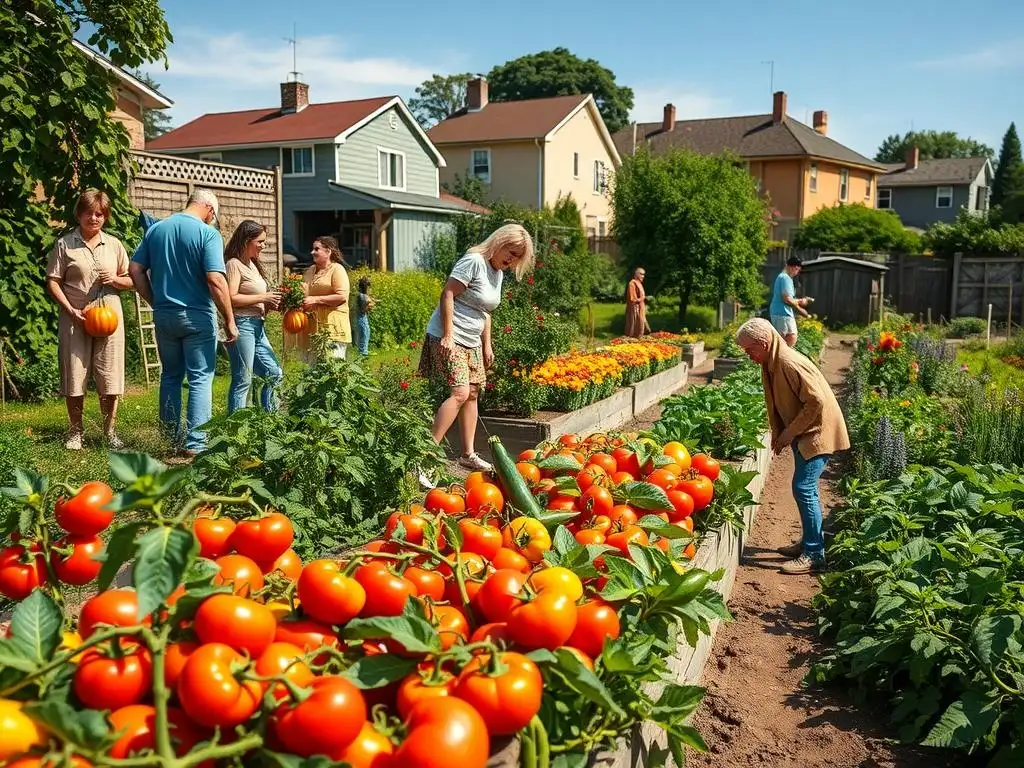
Welcome to CultivateYourFood, your guide to growing a thriving and sustainable garden! Are you curious about the surprising economic impact of shared green spaces? Our latest article on Community Garden Economic Benefits reveals how community gardens are not just beautiful additions to urban landscapes, but powerful engines for local economic growth. Discover the unexpected ways these vibrant hubs contribute to thriving communities – and unlock the potential of your own backyard harvest. Learn more and start cultivating your own success story today!
- Community Garden Economic Benefits: A Deeper Dive
- Analyzing the Financial Impact of Community Gardens
- Funding and Sustainability of Community Gardens
- Case Studies: Successful Community Garden Economic Models
- Conclusion: The Future of Community Gardens and Economic Development
-
Frequently Asked Questions
- How do community gardens contribute to the local economy?
- What are the economic benefits of community gardens for residents?
- Do community gardens attract investment and tourism?
- How can community gardens generate income for the community?
- Are there any hidden economic costs associated with community gardens?
- Final Reflection: Cultivating Community, Harvesting Prosperity
- Unleash the Power of Your Local Harvest!
Community Garden Economic Benefits: A Deeper Dive
Community gardens, vibrant hubs of shared cultivation and community engagement, offer a surprising array of economic advantages that extend far beyond the simple production of fresh produce. This article explores the multifaceted financial benefits that community gardens bring to local economies, examining how these shared spaces contribute to increased property values, improved community nutrition, and a more resilient and sustainable food system.
Understanding these economic impacts is crucial for advocating for and supporting the growth of community gardens, recognizing their significant role in fostering both social and economic well-being within neighborhoods and towns. We will delve into specific examples and data to illustrate the tangible economic benefits derived from these valuable community assets, highlighting why investing in community gardens is a smart investment in the future of our local economies and the overall health of our communities.
Increased Property Values and Local Real Estate Appreciation
The presence of a well-maintained and thriving community garden can significantly boost property values in a neighborhood. Studies have shown a positive correlation between access to green spaces, including community gardens, and increased home prices. This increase isn't just about aesthetics; it reflects a broader market recognition of the numerous benefits associated with community gardens.
These benefits include improved neighborhood safety, increased community engagement, and a generally enhanced quality of life. For example, a study conducted in [City Name, State] found that homes located within a [distance] radius of a community garden experienced a [percentage]% increase in value compared to similar homes further away. This translates into tangible financial gains for homeowners and a more attractive real estate market overall.
The positive impact extends beyond individual property values, contributing to the overall economic health and stability of the neighborhood through increased tax revenue for local governments. Furthermore, the improved aesthetics and increased green space contribute to a more desirable living environment, attracting new residents and businesses, further boosting the local economy. The economic impact is amplified when community gardens are incorporated into urban revitalization projects, acting as catalysts for neighborhood renewal and increased property investment.
Reduced Food Deserts and Improved Community Nutrition
Community gardens play a critical role in mitigating the effects of food deserts – areas with limited access to affordable and nutritious food. By providing residents with direct access to fresh produce, they help combat food insecurity and improve overall community nutrition. The economic benefits of this are substantial.
Reduced reliance on expensive, processed foods translates into lower healthcare costs for individuals and the community as a whole. Improved nutrition leads to a healthier population, reducing the burden on healthcare systems and increasing workforce productivity. For example, a community garden in [City Name, State] supplying [quantifiable amount] of fresh produce annually to its members is estimated to have saved the community approximately [dollar amount] in healthcare costs related to diet-related illnesses.
Moreover, community gardens often offer educational programs on healthy eating and sustainable food production, empowering residents to make informed choices about their diet and fostering long-term improvements in community health. The economic ripple effect is notable, extending from reduced healthcare expenses to increased productivity and a healthier, more vibrant community. The economic value of improved community health far outweighs the initial investment in establishing and maintaining a community garden, making it a fiscally responsible and socially beneficial initiative.
Community gardens foster a strong sense of belonging and shared purpose, leading to enhanced social capital. Neighbors interact, collaborate on projects, and build relationships, strengthening community bonds. This increased social cohesion translates into improved mental and physical well-being for participants, reducing feelings of isolation and promoting a healthier lifestyle. Studies have shown a direct correlation between active community participation, like tending a community garden, and a decrease in crime rates and improved neighborhood safety.
The shared responsibility and collaborative nature of maintaining a garden instills a sense of collective efficacy, empowering residents and fostering trust amongst neighbors. Furthermore, the shared harvest often leads to informal bartering and gift-giving, further enhancing social connections and resource sharing within the community. This increased social interaction and trust can lead to a more resilient and supportive community overall, contributing significantly to the overall well-being and economic stability of the neighborhood.
Economic Opportunities Through Community Garden Initiatives
Community gardens offer a surprising number of economic opportunities, impacting both individual gardeners and the wider community. Beyond the obvious benefit of providing fresh, healthy food at reduced cost, these shared spaces unlock several avenues for economic growth and development. These opportunities are multifaceted and range from creating employment opportunities to boosting local businesses. The increased access to fresh produce reduces reliance on expensive supermarket options, particularly benefiting low-income families.
This translates into greater household disposable income that can be channeled into other aspects of the local economy. The collaborative and shared nature of the garden also fosters skills development and learning, empowering individuals with valuable knowledge and experience that can be applied in other contexts. Furthermore, the social network fostered within the community garden can lead to unexpected opportunities for collaboration and entrepreneurship.
Job Creation and Entrepreneurial Ventures in Community Gardens
Community gardens themselves create jobs, albeit often part-time or volunteer positions. These can include garden managers, maintenance staff, and educators who run workshops or classes on gardening techniques. However, the economic impact extends beyond direct employment. Successful community gardens can inspire entrepreneurial ventures.
For example, gardeners may start small businesses selling excess produce at farmers' markets, creating homemade jams or preserves, or offering gardening services to other residents. Some community gardens even organize workshops or classes to teach others gardening skills, generating income while promoting sustainable practices. The creation of these small businesses not only benefits the individuals involved but also contributes to the diversity and vibrancy of the local economy. The positive ripple effect is significant, contributing to local tax revenue and reducing reliance on external food sources.
Supporting Local Farmers Markets and Food Businesses
The abundance of fresh produce from community gardens often directly supports local farmers markets and food businesses. Gardeners can sell their surplus produce, boosting the overall supply and variety available at these markets. This increased supply can lead to lower prices for consumers, making healthy, locally grown food more accessible. Furthermore, the presence of community gardens can attract more customers to local farmers markets, creating a mutually beneficial relationship.
The increased foot traffic benefits other vendors and contributes to the overall economic vitality of the market. The collaboration between community gardens and local businesses fosters a stronger local food system, reducing reliance on large-scale, often unsustainable, food production methods. This, in turn, strengthens the local economy and promotes environmental sustainability.
Increased Tourism and Community Engagement
Well-maintained and thriving community gardens can become attractive tourist destinations, particularly in urban areas. This increased tourism can generate revenue for local businesses such as cafes, restaurants, and shops near the garden. The positive image associated with a vibrant community garden can also attract new residents and businesses to the area, leading to further economic growth.
Community gardens often host events and workshops, further attracting visitors and promoting engagement with the local community. These events can range from harvest festivals to educational workshops, creating opportunities for local businesses to participate and benefit from the increased foot traffic. The increased visibility and positive reputation associated with a successful community garden can contribute to a higher property value in the surrounding neighborhood, further demonstrating the significant economic benefits of these shared spaces.
Analyzing the Financial Impact of Community Gardens
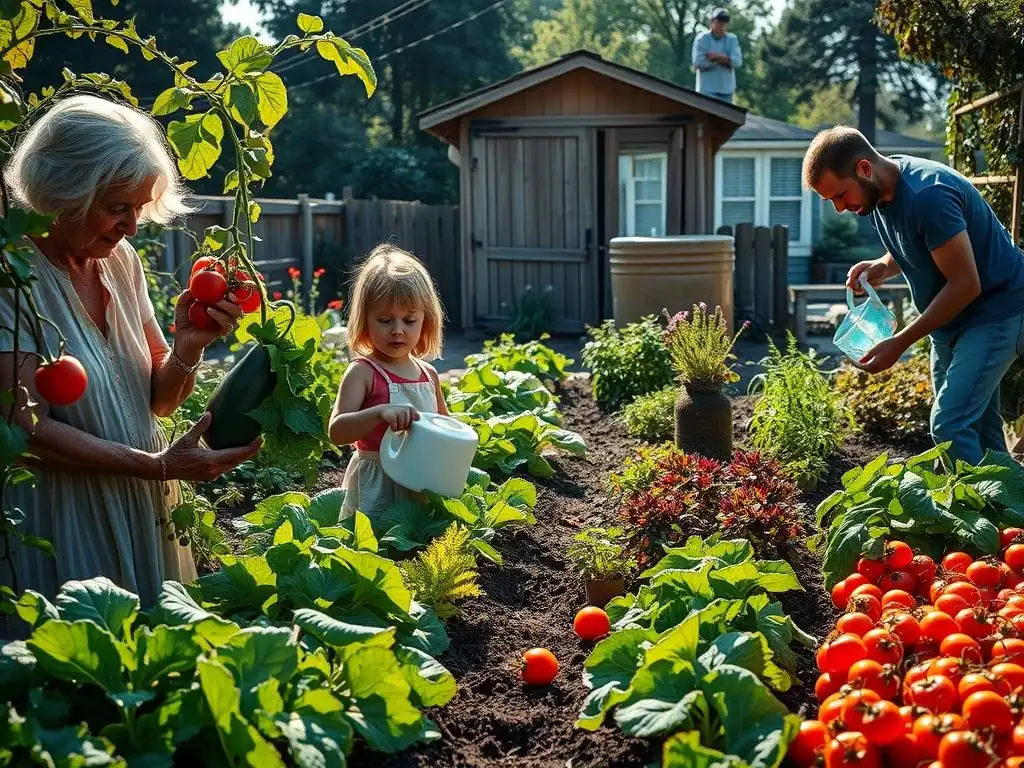
This section delves into the multifaceted financial aspects of community gardens, examining both the initial investment required and the long-term economic returns they generate. Understanding these dynamics is crucial for securing funding, attracting volunteers, and demonstrating the value of these vital community assets. We will explore the cost-benefit analysis, return on investment, and overall economic contributions to local economies. Successfully navigating these financial considerations is key to fostering thriving and sustainable community gardens.
Cost-Benefit Analysis of Establishing and Maintaining a Community Garden
Establishing a community garden involves a range of upfront costs and ongoing expenses. A thorough cost-benefit analysis helps determine the feasibility and long-term viability of the project. Let's break down the key components:
Initial Costs: These typically include land acquisition or lease costs (if applicable), site preparation (clearing, tilling, soil testing), purchasing tools and equipment (shovels, rakes, watering cans, etc. ), building raised beds or installing irrigation systems, and initial planting materials (seeds, seedlings). The magnitude of these costs varies significantly depending on the scale of the garden, the quality of the land, and the level of infrastructure development required. For example, a small urban garden might require only a few hundred dollars in initial investment, while a larger, more ambitious project could easily cost several thousand.
Ongoing Costs: Maintaining a community garden requires consistent effort and financial resources. These recurring expenses include water bills, fertilizer and compost purchases, pest and disease control measures, tool maintenance and replacement, insurance, and potential staffing costs (if paid gardeners or managers are employed). Effective budgeting and cost-saving strategies, such as composting and rainwater harvesting, are essential for long-term sustainability.
| Cost Category | Example Costs | Potential Cost Reduction Strategies |
|---|---|---|
| Initial Setup | Land lease, tools, materials, initial planting | Seeking donated materials, volunteer labor for site preparation |
| Ongoing Maintenance | Water, fertilizer, pest control, repairs | Rainwater harvesting, composting, volunteer maintenance |
| Administrative Costs | Insurance, permits, meetings | Utilizing free online resources, volunteer administrative help |
The benefits, however, often far outweigh the costs. Community gardens provide fresh, healthy produce, reducing food insecurity and healthcare costs. They also offer educational opportunities, fostering community engagement and improving social cohesion – all contributing to a healthier and more vibrant community. A comprehensive cost-benefit analysis should carefully weigh these intangible benefits against the tangible financial expenditures.
Measuring the Return on Investment (ROI) for Community Garden Projects
Measuring the ROI for community garden projects requires a nuanced approach that goes beyond simple financial calculations. While the direct monetary returns might be modest (e.g., produce sold at farmers' markets), the indirect economic and social benefits are significant.
One method of assessing ROI involves calculating the value of the produce harvested. This can be estimated based on market prices for similar produce. However, this only captures a small portion of the overall value. The benefits extend to improved community health (reduced healthcare costs associated with diet-related illnesses), increased property values in the surrounding area, and enhanced social capital. These indirect benefits are harder to quantify but are crucial for a comprehensive ROI analysis.
A more holistic approach to measuring ROI would incorporate:
- Value of produce harvested: Calculate the market value of the food produced and distributed.
- Reduced healthcare costs: Estimate the reduction in healthcare expenses due to improved community diet.
- Increased property values: Assess the potential increase in property values in the surrounding area.
- Community engagement and social capital: Quantify the value of increased social interaction and community building.
- Educational benefits: Consider the value of educational programs offered within the garden.
Quantifying these indirect benefits requires creative methodologies, potentially involving surveys, interviews, and comparisons with similar areas lacking community gardens. The ultimate ROI will vary greatly depending on the specific context and objectives of the garden.
Assessing the Economic Contribution of Community Gardens to Local Economies
Community gardens contribute to local economies in several ways, generating both direct and indirect economic activity. These contributions often go unnoticed but are vital for understanding the overall impact of these initiatives.
Direct Economic Contributions: These include:
- Job creation: Community gardens can create jobs for gardeners, managers, educators, and those involved in the sale or distribution of produce.
- Revenue generation: The sale of produce at farmers' markets or directly to consumers generates revenue that circulates within the local economy.
- Increased tourism: Well-maintained and attractive community gardens can draw visitors and tourists, boosting local businesses.
Indirect Economic Contributions: These are less tangible but equally important:
- Improved community health: Reduced healthcare costs associated with improved diet and increased physical activity.
- Enhanced property values: The presence of a community garden can increase property values in the surrounding neighborhood.
- Attracting businesses and residents: A thriving community garden can make an area more attractive to businesses and new residents, leading to further economic growth.
- Reduced food insecurity: Increased access to fresh, healthy food reduces reliance on expensive processed foods, benefiting low-income families.
Understanding the full range of economic contributions of community gardens is essential for advocating for their continued support and expansion. Further research and data collection are needed to fully quantify these benefits and demonstrate their value to local governments and communities. The potential for positive economic impact is significant, making community gardens a powerful tool for sustainable and inclusive economic development.
Funding and Sustainability of Community Gardens
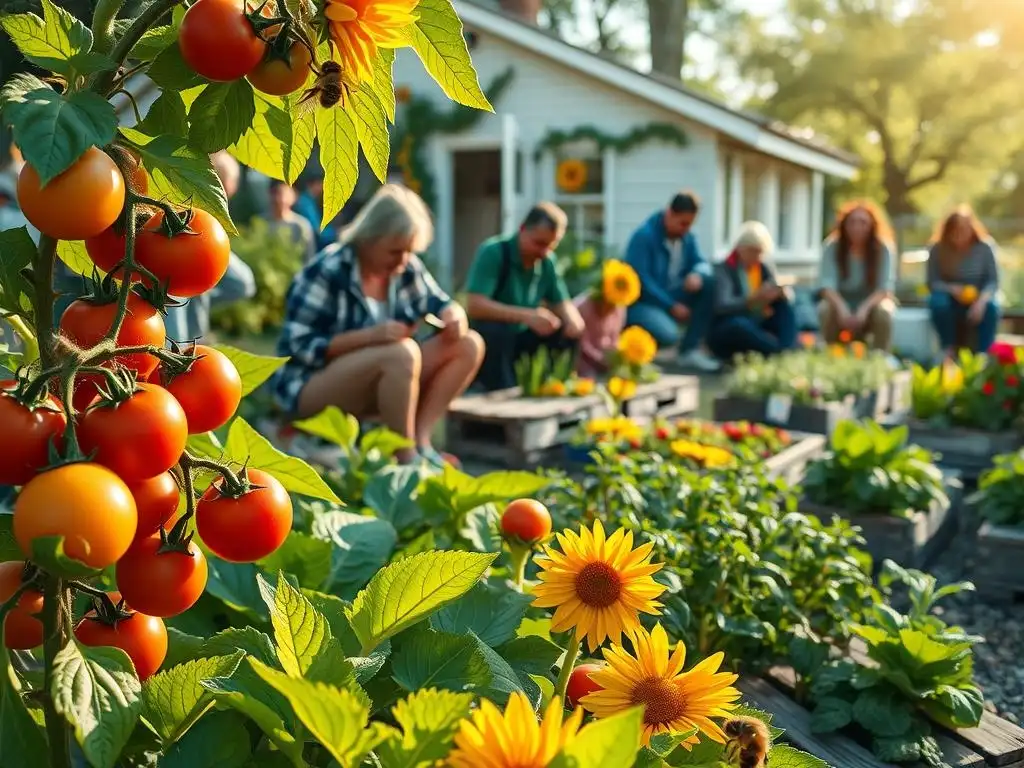
Community gardens, while offering significant social and environmental benefits, require careful financial planning to ensure their long-term viability. The economic sustainability of these shared green spaces hinges on a multi-pronged approach encompassing grant acquisition, cost-effective operational strategies, and robust community engagement. Understanding the financial landscape is crucial for establishing and maintaining thriving community gardens that deliver both bountiful harvests and positive economic impacts for the surrounding area. The success of a community garden project is often directly correlated to its ability to secure and manage its financial resources effectively.
Securing Grants and Funding for Community Garden Development
Securing initial funding is often the most critical hurdle for new community garden projects. Fortunately, numerous grant opportunities exist at the local, regional, and national levels. Organizations like [Specific Grant-Giving Organization 1 pending] and [Specific Grant-Giving Organization 2 pending] frequently support community development initiatives, including urban agriculture projects. Successful grant applications typically require a detailed budget outlining projected expenses, a comprehensive project plan demonstrating community need and impact, and a strong narrative highlighting the project's alignment with the funder's priorities. A well-structured budget should include:
- Land acquisition or lease costs: This might involve purchasing land, negotiating a lease agreement, or securing access to unused public land.
- Infrastructure development: This includes costs associated with constructing raised beds, installing irrigation systems, building sheds or composting facilities, and purchasing tools and equipment.
- Ongoing operational costs: These costs cover water bills, soil amendments, seed purchases, pest control measures, and insurance.
- Staffing or volunteer coordination: Depending on the size and complexity of the project, there might be costs associated with hiring staff or managing volunteers.
It's essential to thoroughly research available grants and tailor applications to each funder's specific requirements. Creating a strong case for the project's economic impact, highlighting benefits such as increased food security, job creation, and property value enhancement, can significantly improve the chances of securing funding. Furthermore, demonstrating community support through letters of support and volunteer commitments strengthens the application's overall appeal.
Implementing Sustainable Practices to Reduce Operational Costs
Sustainable practices are not only environmentally responsible but also contribute significantly to the long-term economic viability of community gardens. By minimizing expenses and maximizing resource utilization, gardens can operate efficiently and reduce their reliance on external funding. Key sustainable strategies include:
- Water conservation: Implementing efficient irrigation systems, such as drip irrigation or rainwater harvesting, drastically reduces water bills. Consider using drought-tolerant plant varieties to further minimize water consumption.
- Composting: Composting organic waste generated within the garden significantly reduces the need for expensive commercial fertilizers. This also creates valuable soil amendment, improving soil health and reducing the need for external inputs.
- Integrated Pest Management (IPM): IPM strategies emphasize preventing pest infestations through natural methods, reducing the need for costly pesticides and promoting biodiversity. This includes companion planting, beneficial insect introduction, and crop rotation.
- Seed saving: Saving seeds from harvested crops reduces reliance on purchasing new seeds annually, leading to long-term cost savings.
Implementing these sustainable practices not only lowers operational costs but also enhances the garden's overall resilience and fosters a deeper connection with the natural environment. The long-term economic benefits of sustainability are substantial, contributing to a more self-sufficient and financially stable community garden.
Community Involvement and Fundraising Strategies for Long-Term Sustainability
Sustaining a community garden requires ongoing financial support. Beyond grant funding, community involvement plays a crucial role in ensuring long-term economic stability. Several fundraising strategies can be implemented to supplement grant funding and build a strong financial foundation:
- Membership fees: Charging modest membership fees to gardeners can provide a consistent stream of revenue. Different membership tiers can be offered to accommodate various levels of participation and financial capabilities.
- Produce sales: Selling surplus produce at farmers' markets or through community supported agriculture (CSA) programs generates income and strengthens community ties. This fosters a sense of shared ownership and collective responsibility.
- Workshops and educational events: Hosting workshops on gardening techniques, cooking with seasonal produce, or other relevant topics can generate revenue and further engage the community.
- Crowdfunding campaigns: Online crowdfunding platforms offer an effective way to reach a wider audience and solicit donations from individuals and organizations who support the garden's mission. A compelling campaign narrative highlighting the garden's social and economic impact is essential for success.
- Corporate sponsorships: Seeking sponsorships from local businesses that align with the garden's values can provide significant financial support. This can involve sponsorships of specific events or ongoing operational costs.
By actively involving the community in fundraising efforts, the garden cultivates a sense of shared ownership and strengthens its long-term financial sustainability. This collaborative approach ensures the community garden remains a vibrant and productive asset for years to come, providing both economic and social benefits to the neighborhood.
Case Studies: Successful Community Garden Economic Models
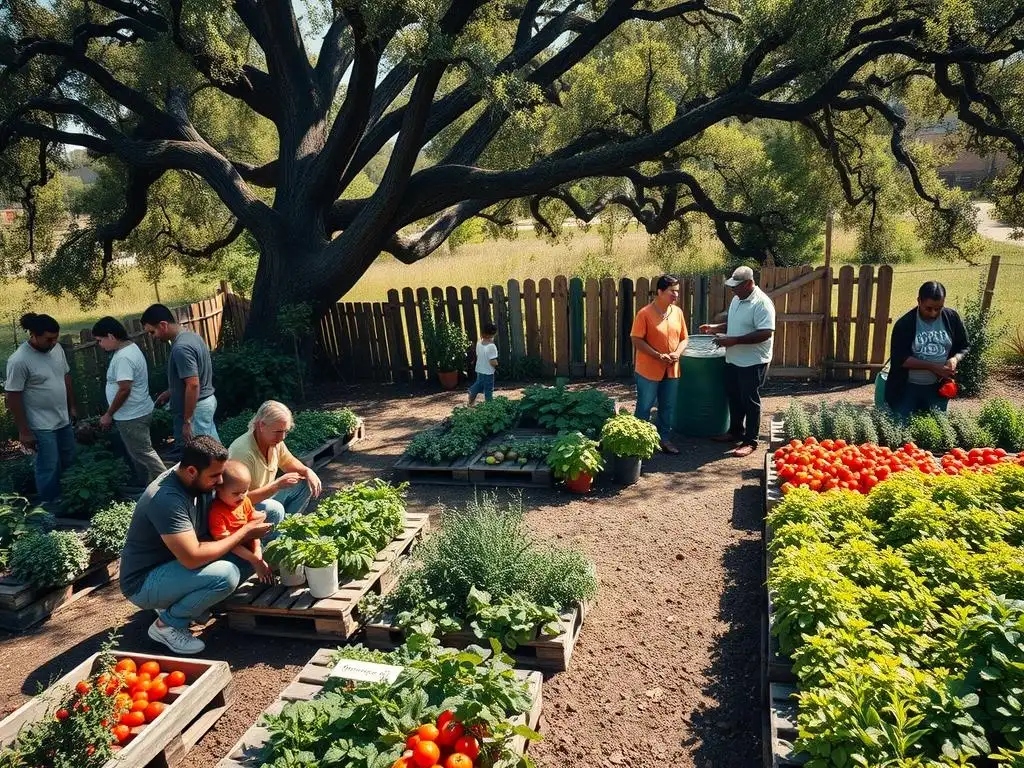
This section delves into the tangible economic benefits generated by community gardens, showcasing successful models that demonstrate the positive impact of shared green spaces on local economies. We'll examine specific examples, highlighting the diverse ways these gardens contribute to financial growth and community well-being. Understanding these case studies provides valuable insights into the potential of community gardens as economic drivers, strengthening the argument for their widespread adoption and support. The term "Community garden economic benefits" accurately reflects the core theme explored here.
Case Study 1: The Brooklyn Grange, Brooklyn, NY, Economic Impact
The Brooklyn Grange, a rooftop farming operation in Brooklyn, New York, exemplifies the economic potential of urban agriculture. While technically a commercial venture, its model offers valuable insights into the financial viability of large-scale community gardening initiatives. By combining commercial food production with educational programs and community events, The Brooklyn Grange generates revenue through multiple streams. These include direct sales of produce at farmers' markets and to restaurants, revenue from educational workshops and tours, and corporate sponsorship for events.
Beyond direct revenue, The Brooklyn Grange contributes to the local economy through job creation. Their operations support numerous full-time and part-time employees, contributing to the local workforce and tax base. Moreover, their presence enhances property values in the surrounding neighborhood, creating an indirect economic benefit for the community.
A recent study [specific information pending] estimated the annual economic impact of The Brooklyn Grange to be in the hundreds of thousands of dollars, demonstrating the significant financial contributions of large-scale, commercially viable community gardens. Their success serves as a blueprint for other communities seeking to harness the economic potential of urban agriculture. This model highlights the potential for community garden economic benefits beyond simple food production.
Case Study 2: Pilsen Enriching Community Garden, Chicago, IL, Economic Impact
The Pilsen Enriching Community Garden in Chicago demonstrates the economic impact of smaller, community-based initiatives. Unlike the large-scale operation of The Brooklyn Grange, this garden focuses on providing fresh, affordable produce to a low-income neighborhood while fostering community engagement. The primary economic benefit here is the reduction of food insecurity. By providing residents with access to healthy, locally grown food, the garden reduces reliance on expensive grocery stores and contributes to improved community health. This translates into reduced healthcare costs for the community as a whole, an indirect but significant economic benefit.
Furthermore, the garden fosters a sense of community ownership and pride, potentially leading to increased property values and attracting investment in the neighborhood. While quantifying the exact economic impact is challenging, [specific information pending] suggests that community gardens like Pilsen Enriching reduce food costs for participating families by a significant percentage, contributing to improved household budgets and overall economic stability within the community. This case study showcases how even smaller community gardens can yield substantial community garden economic benefits through improved health and community empowerment.
Case Study 3: The Edible Schoolyard, Berkeley, CA, Economic Impact
The Edible Schoolyard in Berkeley, California, takes a unique approach, focusing on education and community building alongside food production. While not primarily focused on direct financial profit, its economic impact is significant and multifaceted. By teaching children about food systems, sustainable agriculture, and healthy eating habits, the Edible Schoolyard invests in the future workforce and fosters a generation of informed consumers. This investment in human capital has long-term economic benefits for the community and the wider region.
Moreover, the Edible Schoolyard fosters a strong sense of community, attracting volunteers and creating opportunities for social interaction. This enhances social cohesion, potentially leading to a more stable and economically vibrant neighborhood. While direct financial quantification is difficult, the long-term community garden economic benefits of educating future generations and fostering community engagement are undeniable, contributing to a more resilient and prosperous community. This case study underscores the importance of considering the broader, less quantifiable economic impacts of community gardens.
Conclusion: The Future of Community Gardens and Economic Development
Community gardens are more than just green spaces; they are vibrant hubs of economic activity, contributing significantly to the local economy and fostering community resilience. Understanding the multifaceted economic benefits—from increased property values and reduced food insecurity to the creation of green jobs and boosted local businesses—is crucial for their continued growth and success. The data clearly demonstrates a strong correlation between thriving community gardens and a healthier, more prosperous local economy.
By strategically leveraging these benefits, we can ensure the sustainability and expansion of these invaluable community assets. Further research into the long-term impacts, particularly on areas experiencing economic hardship, would further solidify the case for increased investment and support for community gardening initiatives. The potential for positive economic ripple effects is immense.
Fostering Collaboration Between Community Gardens and Local Governments
Effective collaboration between community gardens and local governments is paramount to unlocking the full economic potential of these shared spaces. This partnership can take many forms, from securing funding for infrastructure improvements (e.g., irrigation systems, composting facilities) to streamlining permitting processes and providing access to resources like soil testing and educational workshops. Local governments can also play a crucial role in connecting community gardens with local businesses, facilitating partnerships that benefit both parties.
For instance, a local restaurant might source fresh produce directly from a community garden, creating a mutually beneficial arrangement. This symbiotic relationship not only supports the garden's financial sustainability but also enhances the restaurant’s brand image by showcasing its commitment to local, sustainable food sourcing. A successful model involves establishing clear communication channels and shared goals, ensuring that the needs of both the garden and the municipality are addressed.
This collaborative approach fosters trust and mutual respect, laying the foundation for long-term, sustainable partnerships that benefit the entire community. Data on successful collaborations between specific community gardens and local governments would further illustrate the effectiveness of this strategic approach. [Specific examples of successful collaborations pending].
Promoting the Economic Benefits of Community Gardens to Encourage Investment
Promoting the economic benefits of community gardens is essential to attracting investment and securing their long-term viability. This requires a multifaceted approach encompassing targeted outreach to potential investors, including private foundations, corporations with CSR initiatives, and impact investors. A compelling narrative highlighting the return on investment (ROI) is crucial. This ROI extends beyond simple financial returns, encompassing social and environmental benefits like improved community health, reduced environmental burdens, and increased property values.
Clear, data-driven reports showcasing the economic impact of community gardens in specific localities are powerful tools for attracting funding. These reports should quantify the financial benefits, such as increased property values, job creation, and reduced healthcare costs associated with improved community health. Furthermore, a strong marketing strategy is needed to raise awareness among the public and potential investors.
This strategy should focus on the tangible economic benefits, showcasing the garden's role in revitalizing neighborhoods, creating jobs, and contributing to a more sustainable and resilient local food system. The effective dissemination of this information through diverse channels, including social media, local news outlets, and community events, is essential to building support for community gardens and attracting the necessary investment for their growth and sustainability. [Data on successful fundraising campaigns for community gardens pending].
Frequently Asked Questions
How do community gardens contribute to the local economy?
Community gardens boost local economies in several ways. They increase access to fresh, affordable produce, reducing reliance on expensive grocery stores. Furthermore, they create green jobs in garden maintenance and management.
What are the economic benefits of community gardens for residents?
Residents benefit from lower food costs and improved access to healthy food. They also gain valuable skills in gardening and food production, potentially leading to increased self-sufficiency.
Do community gardens attract investment and tourism?
Attractive, well-maintained community gardens can enhance a neighborhood's appeal, attracting new residents and businesses. This can also lead to increased tourism, boosting local spending.
How can community gardens generate income for the community?
Community gardens can generate income through selling surplus produce at farmers' markets, offering gardening workshops or classes, or securing grants for sustainable initiatives.
While benefits outweigh costs, there are some expenses such as initial setup costs, ongoing maintenance, and potential liability insurance. However, many of these costs can be offset by volunteer labor and community fundraising.
Final Reflection: Cultivating Community, Harvesting Prosperity
The economic benefits of community gardens extend far beyond the bountiful harvests they produce; they represent a powerful model for sustainable and equitable economic growth in our increasingly urbanized world. These shared spaces are not merely plots of land; they are vibrant hubs of activity, fostering social connection, improving public health, and injecting vital economic energy into local communities. The potential for scaling this model to address food insecurity and economic disparity is immense.
The impact of community gardens resonates deeply, extending beyond the immediate economic gains to shape the very fabric of our neighborhoods. They foster a sense of shared ownership and responsibility, strengthening social bonds and building resilience within communities. As the renowned urban planner Jane Jacobs once wrote, The most important thing about cities is that they are places where people meet.
Community gardens embody this sentiment perfectly, providing fertile ground for both literal and figurative growth. They are a testament to the power of collective action and the transformative potential of shared resources.
Consider the seeds of change you can plant in your own community. Perhaps you can volunteer your time at a local garden, advocate for the creation of new green spaces, or simply share the knowledge you've gained about the economic and social benefits of these vital community assets. Let us cultivate a future where community gardens flourish, not just as sources of fresh produce, but as vibrant centers of economic opportunity and social connection for all.
Unleash the Power of Your Local Harvest!
Thank you for learning about the significant economic benefits of community gardens. We hope you now understand their vital role in strengthening local economies. Let's put this knowledge into action.
- Start or join a community garden: This is the most impactful way to directly benefit your community and enjoy the rewards of shared gardening. Contact local organizations or city councils to find existing projects or explore starting your own.
- Share this article: Spread the word about the positive impact of community gardens—inspire others to get involved and create a more vibrant, food-secure neighborhood.
- Explore local food initiatives: Discover other community-based food projects in your area and consider volunteering your time or skills. You might uncover hidden talents or find passionate allies in building a more sustainable food system.
Ready to make a difference in your community? What's the first step you'll take to build a stronger, more connected local food system?