
Companion Planting for Pollinator Attraction: Boost Your Garden's Ecosystem

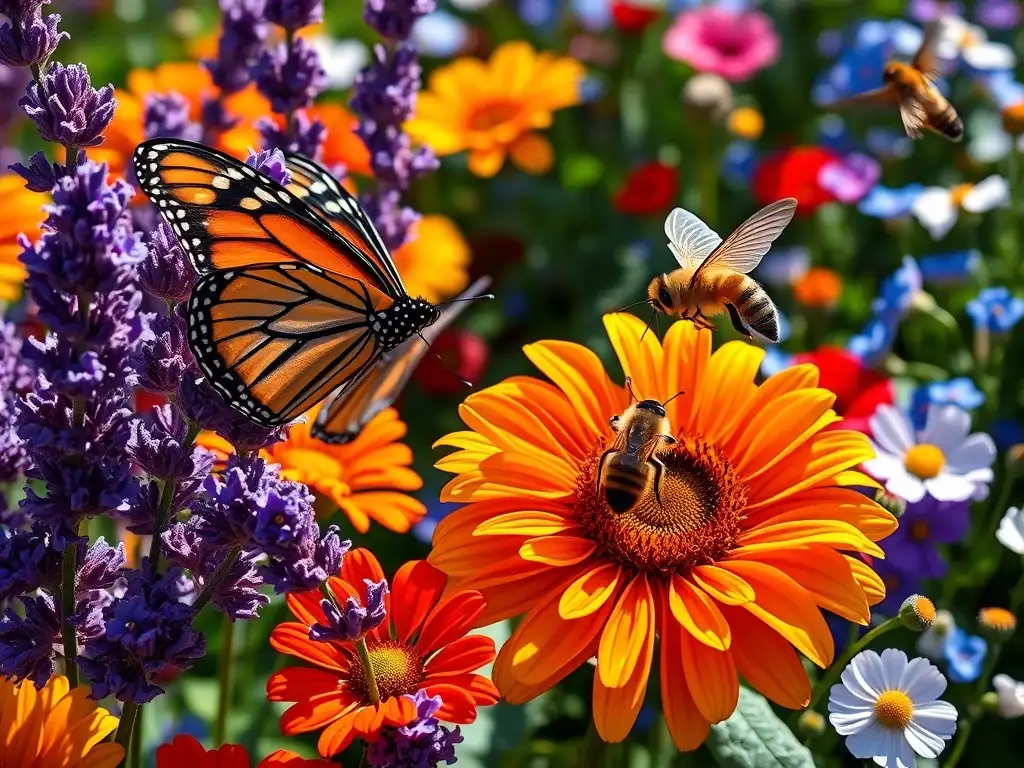
Welcome to CultivateYourFood, your guide to growing a thriving, sustainable garden! Are you ready to unlock the secrets to a bountiful harvest? Discover how companion planting can dramatically improve your yields and attract beneficial pollinators, creating a vibrant and healthy ecosystem in your backyard. Dive into our "Advanced Techniques" section and learn how to harness the power of nature to boost your garden's success with our expert guide on attracting pollinators through strategic planting. Let's get growing!
Understanding the Importance of Pollinators
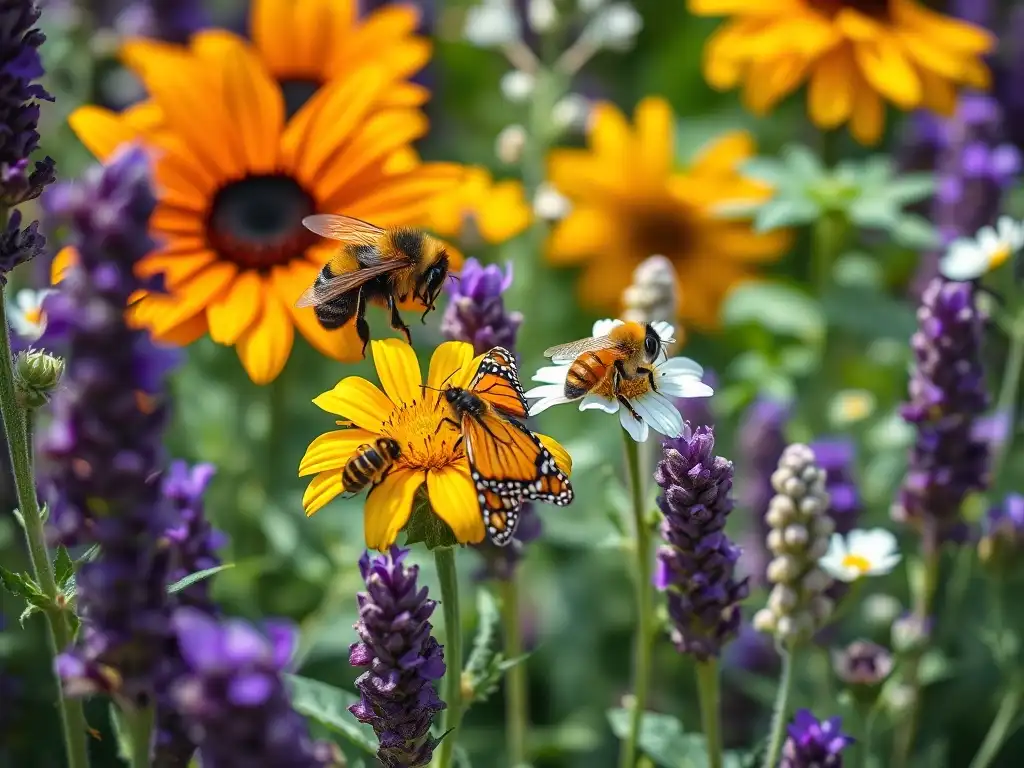
Pollinators, the unsung heroes of our food system, are crucial for the successful cultivation of fruits, vegetables, and herbs. Their diligent work transferring pollen between plants is essential for fruit and seed production, directly impacting the yield and quality of our homegrown harvests. This article delves into the fascinating world of companion planting specifically designed to attract these vital insects and other beneficial creatures, boosting your garden's biodiversity and productivity while embracing sustainable and organic practices.
We'll explore how strategic planting choices can create a thriving ecosystem right in your backyard, leading to a more abundant and resilient garden. Understanding the symbiotic relationship between plants and pollinators is the first step towards cultivating a truly flourishing and self-sustaining garden ecosystem. Attracting pollinators through companion planting is not only beneficial for your harvest but also contributes to the broader health of the environment.
The Role of Pollinators in Fruit and Vegetable Production
Pollinators, primarily bees, butterflies, moths, and other insects, play a vital role in the reproductive cycle of a vast majority of flowering plants. They transfer pollen grains from the male part (stamen) of a flower to the female part (pistil), enabling fertilization and subsequent fruit or seed development. Without effective pollination, many of our favorite fruits and vegetables – including apples, tomatoes, cucumbers, and berries – simply wouldn't exist, or would produce significantly less fruit.
The impact extends beyond quantity; pollination also influences the quality of the fruit, affecting size, flavor, and seed development. Consider the difference between a perfectly formed, juicy tomato and one that is small, misshapen, and lacking in flavor – the result of inadequate pollination can be quite dramatic. This underscores the critical importance of actively supporting pollinator populations in our gardens.
Choosing the Right Companion Plants for Pollinator Attraction
Strategic companion planting involves selecting plant combinations that benefit each other. For attracting pollinators, the key is to provide a diverse range of flowering plants that offer continuous bloom throughout the growing season. This ensures a constant source of nectar and pollen, keeping pollinators consistently engaged and returning to your garden.
Consider incorporating a mix of plants with varying bloom times and colors, catering to a wider array of pollinator species. For example, early bloomers like crocuses and snowdrops can provide essential early-season food sources, while later bloomers like sunflowers and coneflowers maintain the attraction throughout the summer and fall. The diversity in plant species will also support a greater variety of beneficial insects, creating a more robust and resilient ecosystem.
Creating a Pollinator-Friendly Habitat: Beyond Companion Planting
While companion planting is a powerful tool, creating a truly thriving pollinator habitat requires a holistic approach. This goes beyond just choosing the right plant combinations. It involves providing additional resources that support their life cycle. This includes:
- Providing a water source: A shallow dish of water with pebbles for the pollinators to land on is crucial, especially during dry spells.
- Minimizing pesticide use: Pesticides can be devastating to pollinators. Opt for organic pest control methods instead.
- Leaving some areas wild: Allowing some areas of your garden to grow wild provides shelter and nesting sites for pollinators.
- Planting native species: Native plants are best adapted to your local climate and often support the greatest diversity of pollinators.
By implementing these strategies in conjunction with companion planting, you can create a vibrant and sustainable garden that attracts and supports a healthy pollinator population, leading to significantly improved harvests and a healthier environment.
Frequently Asked Questions
What is companion planting?
Companion planting is a gardening technique where you plant beneficial plant species together. This can improve pollinator attraction, increase yields, and deter pests. It's all about creating a thriving ecosystem in your garden.
How does companion planting attract pollinators?
By planting a diverse range of flowering plants with varying bloom times, you provide a continuous food source for pollinators like bees and butterflies throughout the growing season. This encourages them to stay and pollinate your crops.
Which plants are best for attracting pollinators?
Many herbs and flowers are excellent pollinator attractors! Consider planting lavender, borage, sunflowers, and calendula, among others. Choose plants with bright colors and strong scents to attract a wider variety of pollinators.
What are some examples of successful companion planting combinations?
Basil planted near tomatoes helps repel pests and improve tomato flavor. Marigolds planted amongst vegetables deter certain insects. Experiment to find combinations that work best in your garden and climate.
Where can I learn more about sustainable and organic companion planting techniques?
Explore resources like CultivateYourFood.com for in-depth information on sustainable and organic gardening practices, including detailed guides on companion planting for enhanced pollinator attraction and overall garden health.
Final Reflection: A Blooming Future Through Companion Planting
The strategic use of companion planting isn't just a gardening trend; it's a vital step towards securing a healthy and thriving ecosystem. Our planet's pollinators are facing unprecedented challenges, and the simple act of thoughtfully arranging plants in our gardens can make a significant difference in their survival and, consequently, our own food security.
The impact of companion planting extends far beyond the individual garden; it's a ripple effect that contributes to the larger conversation surrounding biodiversity and environmental responsibility. Witnessing the increased buzz of bees and butterflies in my own garden, drawn in by the carefully chosen companions, has been profoundly rewarding. We do not inherit the earth from our ancestors; we borrow it from our children.
– Native American Proverb. This quote underscores the responsibility we have to nurture the environment, and companion planting offers a tangible way to fulfill that responsibility. It's a small action with a powerful message.
Now, consider your own garden, balcony, or even a single pot. What steps can you take to create a haven for pollinators? Perhaps you'll experiment with planting basil alongside tomatoes, or marigolds near your roses. Every flower, every herb, every thoughtfully chosen plant contributes to a larger tapestry of life. Let's work together, one garden at a time, to build a future where pollinators thrive and our ecosystems flourish.
Unleash Your Garden's Buzz: Attract More Pollinators Now!
Thank you for exploring the fascinating world of companion planting to attract pollinators! You've learned how to create a thriving ecosystem in your own backyard. Ready to put your new knowledge into practice?
- Start planting your pollinator garden today! Choose a few companion plants from the article and get them in the ground – watch your garden come alive with color and activity.
- Share your pollinator-friendly garden's progress on social media using #CultivateYourBuzz – inspire others to create their own buzzing havens!
- Keep track of your pollinator visitors. Use a notebook or a phone app to record which insects you attract and when. This will help you understand which plants are most effective in your garden.
What unexpected pollinators did you attract, and which companion plant proved most effective? Let's discuss your experiences in the comments below!