
Choosing the Right Potting Mix for Succulents: A Guide for Container Gardens

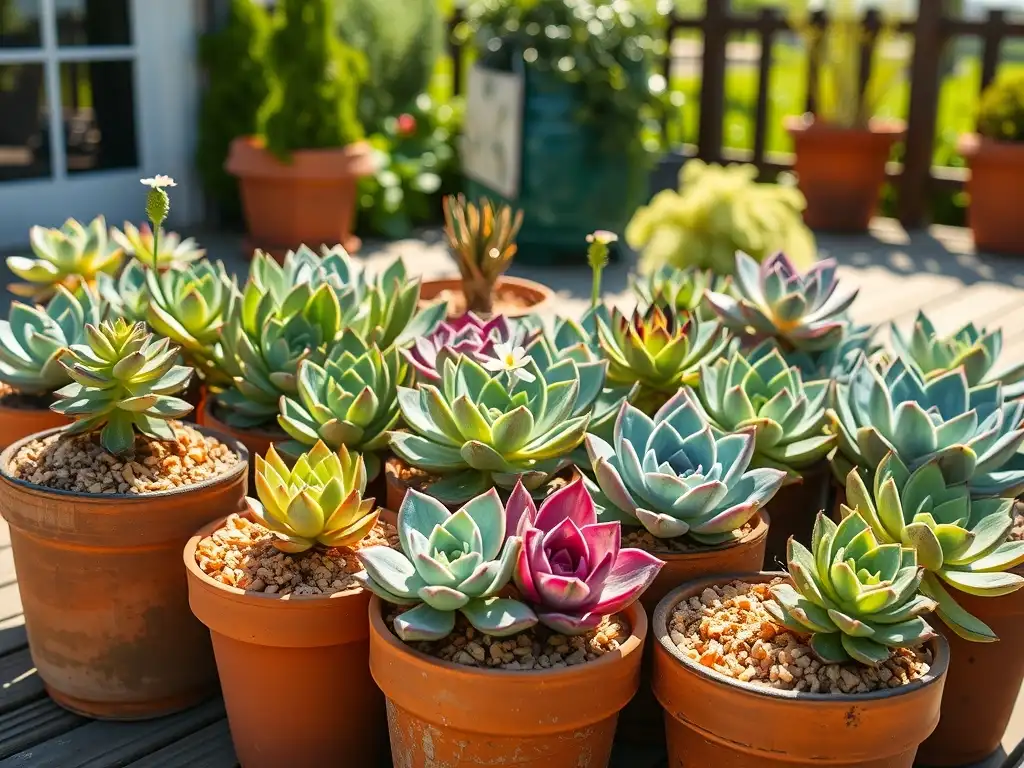
Welcome to CultivateYourFood, your guide to a greener, more flavorful life! Ready to transform your home into a thriving oasis of fruits, vegetables, and herbs? We believe everyone can enjoy the rewards of sustainable gardening, and we're here to help you every step of the way. But first, let's dive into the fascinating world of container gardening – and discover the secrets to crafting the perfect potting mix. Our comprehensive best succulent potting mix guide will unlock the key to healthy, happy succulents, ensuring your container garden flourishes. Let's get growing!
- Understanding the Unique Needs of Succulent Soil
- The Best Succulent Potting Mix Guide: Key Ingredients
- Creating Your Own Custom Succulent Potting Mix: A Step-by-Step Guide
- Troubleshooting Common Issues with Succulent Potting Mixes
- Maintaining Your Succulents' Potting Mix: Long-Term Care
- Frequently Used Terms in Succulent Potting Mixes (Glossary)
- Frequently Asked Questions
- Final Reflection: Cultivating Success: The Enduring Power of the Perfect Potting Mix
- Unleash Your Inner Gardener: Thrive with the Perfect Potting Mix!
Understanding the Unique Needs of Succulent Soil
Choosing the right potting mix is crucial for the success of your succulent container garden. Unlike many other plants, succulents have very specific needs when it comes to soil composition. This guide will delve into the essential characteristics of a best succulent potting mix, helping you create the perfect environment for thriving succulents. We'll explore why standard potting mixes often fail to meet these needs, focusing on the critical aspects of drainage and aeration to prevent common succulent problems like root rot and poor growth.
By the end, you'll be equipped to confidently select or create a potting mix that promotes healthy, vibrant succulents in your home garden. This is key to achieving success in container gardening with these unique plants, making your "best succulent potting mix guide" a valuable resource for years to come. Let's get started!
Why Standard Potting Mix Doesn't Work for Succulents
Standard potting mixes, often designed for a wide range of plants, typically retain too much moisture. Succulents, however, are adapted to arid and semi-arid conditions and are highly susceptible to root rot if their roots sit in consistently wet soil. The high organic matter content in many commercial potting mixes can also compact over time, reducing crucial drainage and aeration. This leads to suffocated roots, which inhibits nutrient uptake and ultimately, plant health.
Think of it like this: Would you want to live in a house constantly flooded with water? Succulents feel the same way! They need a well-draining soil to thrive. The best succulent potting mix prioritizes this crucial element.
Essential Drainage for Succulent Health: Preventing Root Rot
Root rot, a common affliction for succulents planted in improperly draining soil, is caused by fungal pathogens that thrive in consistently damp conditions. These pathogens attack the succulent's roots, leading to decay, wilting, and ultimately, plant death. Excellent drainage is paramount to preventing this. A well-draining succulent potting mix allows excess water to quickly escape, preventing the saturation that encourages fungal growth.
This is achieved by incorporating materials that promote rapid water percolation, such as perlite, pumice, and coarse sand. The ratio of these inorganic components to organic matter is key; a higher proportion of inorganic material is generally preferred for succulents. Remember, a slightly dry soil is much better than a soggy one for these desert-loving plants. 💦
The Importance of Aeration in Succulent Potting Mixes
Beyond drainage, aeration plays a crucial role in the health of succulent roots. Well-aerated soil allows for sufficient oxygen circulation around the roots, essential for their proper function. Compacted soil, on the other hand, restricts oxygen flow, leading to stressed and unhealthy roots. Incorporating materials like perlite and pumice, in addition to providing drainage, also increases the air pockets within the soil, enhancing aeration.
This improved oxygen supply fuels the roots' ability to absorb nutrients and water effectively, contributing to overall succulent vigor. A well-aerated mix is just as important as a well-draining mix – they work hand-in-hand to create the ideal environment for your succulents to flourish. 🌱
The Best Succulent Potting Mix Guide: Key Ingredients
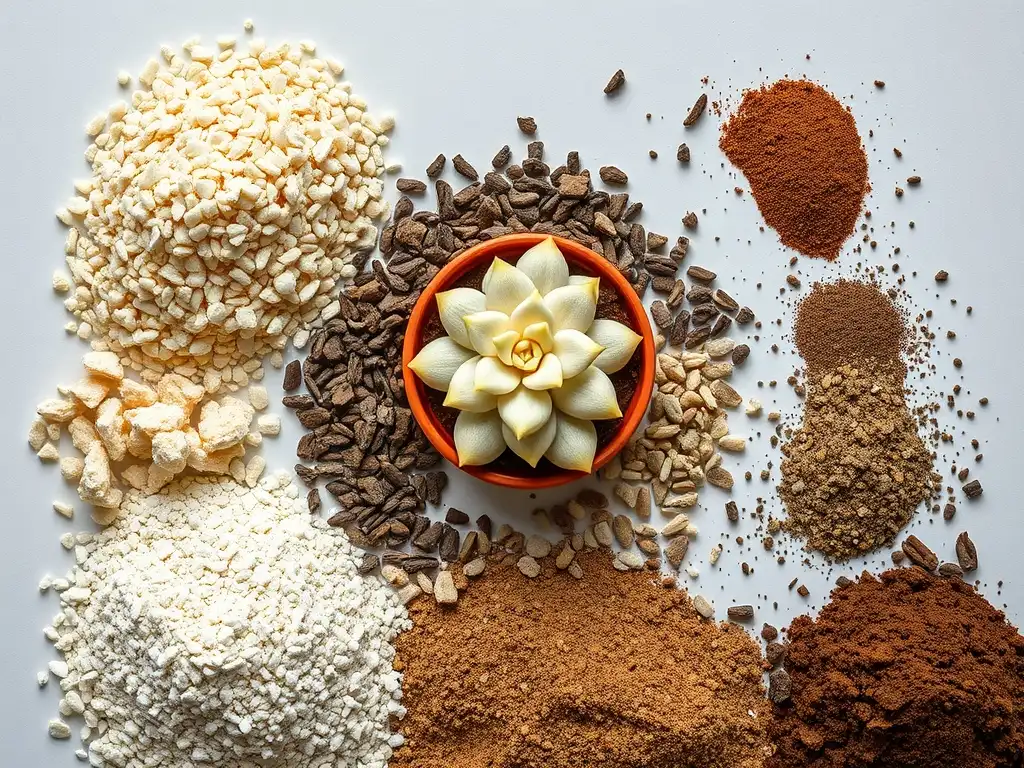
Finding the best succulent potting mix is crucial for the health and longevity of your plants. Unlike many other plants, succulents thrive in well-draining, airy soil that prevents waterlogging. This guide will break down the essential components of a superior succulent potting mix, helping you create the perfect environment for your prickly friends. Choosing the right blend is key to avoiding common succulent problems like root rot, a frequent consequence of improperly draining soil. This guide will help you master the art of succulent soil creation, leading to healthier, happier plants.
Choosing the Right Aggregate: Perlite, Pumice, and Other Options
The foundation of any good succulent potting mix lies in its aggregate – the inorganic material that improves drainage and aeration. Perlite and pumice are popular choices, each offering unique benefits.
Perlite, a volcanic glass heated to create lightweight, porous beads, excels at improving drainage and aeration. Its lightweight nature also makes it easy to handle and incorporate into the mix. However, perlite can sometimes break down over time, reducing its effectiveness.
Pumice, another volcanic rock, is a more durable option. Its larger, irregular particles provide excellent drainage and aeration, and it retains its structure longer than perlite. However, pumice can be more expensive and might be less readily available than perlite.
Other options include coarse sand, which improves drainage but can be prone to compaction, and vermiculite, which retains moisture – although this should be used sparingly in succulent mixes. The ideal aggregate choice depends on your specific needs and the climate you're growing in; arid climates might benefit more from pumice's superior water retention properties, while humid areas might find perlite's quick-draining properties more suitable.
The optimal ratio of aggregate to other components typically ranges from 50% to 70%, ensuring excellent drainage and preventing water retention. Experimentation is key; observe your succulents' response to different mixes to refine your approach.
Incorporating Organic Matter: Compost and its Benefits for Succulents
While succulents prefer well-draining soil, a small amount of organic matter can provide essential nutrients and improve soil structure. Compost, when used judiciously, offers several advantages. It introduces beneficial microorganisms that enhance nutrient availability and improve soil health. However, overusing compost can lead to water retention, a major pitfall for succulents.
The key is moderation. A small percentage (around 10-20%) of well-rotted compost can enrich the mix without compromising drainage. Ensure the compost is completely decomposed to prevent the introduction of pathogens or weed seeds. Using a high-quality, well-aged compost is crucial for optimal results. Observe your plants carefully; if you notice signs of overwatering despite good drainage, reduce the amount of compost in future mixes. The balance between drainage and nutrient provision is crucial for achieving optimal succulent growth.
The Role of Sand in Succulent Soil: Improving Drainage and Texture
While often included in succulent potting mixes, sand's role should be carefully considered. Coarse, horticultural sand can improve drainage and texture, particularly when combined with other aggregates. However, fine sand can easily compact, defeating the purpose of improving drainage and potentially leading to root rot. Therefore, always opt for coarse sand to ensure proper aeration.
Using too much sand can make the mix excessively gritty and difficult to work with. A balanced approach, incorporating sand as a supplementary component rather than the primary ingredient, is recommended. Remember, the focus should remain on achieving optimal drainage and aeration, and sand plays a supporting role in this endeavor. Consider sand as a textural enhancer, adding a bit of grit to aid in preventing compaction, but prioritize the larger aggregate materials for superior drainage. The ideal ratio of sand is usually less than 20% of the total mix, preventing compaction while enhancing drainage.
Creating Your Own Custom Succulent Potting Mix: A Step-by-Step Guide
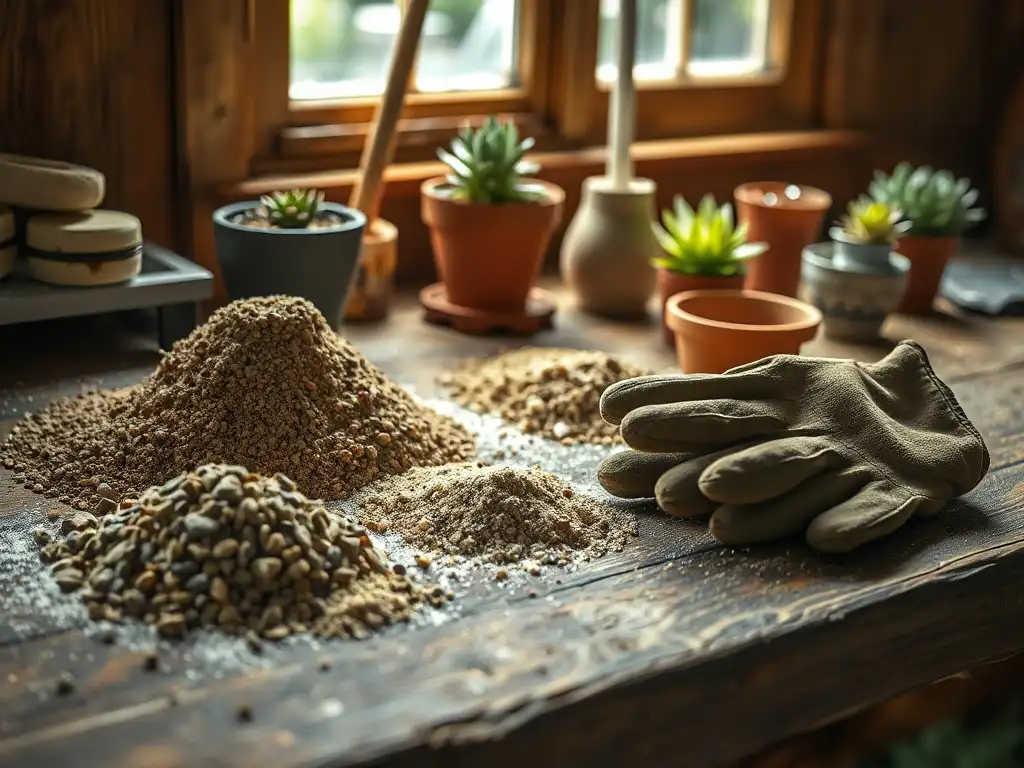
Creating your own succulent potting mix offers unparalleled control over drainage and aeration, crucial factors for the healthy growth of these drought-tolerant plants. Commercial mixes often retain too much moisture, leading to root rot, a common succulent killer. By making your own blend, you can tailor the recipe to the specific needs of your succulents, ensuring optimal thriving. This section provides three different recipes, catering to different experience levels and succulent types. Remember, proper drainage is paramount; avoid mixes that stay soggy for extended periods. This guide will help you achieve the best succulent potting mix for your needs.
Recipe 1: A Basic Succulent Potting Mix for Beginners
This recipe is ideal for beginners venturing into succulent cultivation. It's simple, easy to replicate, and provides a solid foundation for healthy succulent growth. The key is achieving excellent drainage while retaining some moisture.
This basic mix prioritizes drainage and aeration. It's a great starting point, perfect for those just beginning their succulent gardening journey.
- Ingredients:
- 2 parts Potting soil (Avoid mixes labeled "moisture-retentive")
- 1 part Perlite
- 1 part Coarse sand (playground sand is ideal; avoid fine sand which can compact)
- Instructions:
- Thoroughly combine all ingredients in a large container. Ensure even distribution to prevent pockets of dense soil.
- Test the drainage. Take a small handful of the mix and gently squeeze it. It should crumble easily and not retain significant moisture. If it feels too compact, add more perlite or sand.
- Before planting, moisten the mix slightly. Avoid overwatering; aim for a damp, not soggy, consistency.
Recipe 2: Enriched Succulent Potting Mix for Optimal Growth
This recipe builds upon the basic mix by adding organic matter to enhance nutrient availability and improve the soil's structure. This is perfect for established succulents or those seeking vigorous growth. The added compost provides essential nutrients for healthier, more vibrant plants.
This enhanced mix provides superior aeration and drainage while boosting nutrient content for robust growth. It's suitable for more experienced succulent enthusiasts aiming for optimal plant health.
- Ingredients:
- 1 part Potting soil (low-moisture retention)
- 1 part Perlite
- 1 part Coarse sand
- ½ part Compost (well-rotted, not fresh)
- Instructions:
- Mix the potting soil, perlite, and sand thoroughly.
- Gently fold in the compost, ensuring even distribution. Avoid overmixing, as this can compact the mix.
- Test the drainage as described in Recipe 1. Adjust the proportions if needed.
- Before planting, lightly moisten the mix.
Recipe 3: Potting Mix for Specific Succulent Types
Certain succulent types have specific needs. Some, like Echeveria, thrive in well-draining mixes, while others, like Sedum, can tolerate slightly more moisture retention. This section highlights adjustments for different types. Always research the specific requirements of your succulents.
This recipe focuses on adapting the basic mix to accommodate the diverse needs of various succulent species. Understanding individual preferences is key to success.
| Succulent Type | Potting Mix Adjustment | Rationale |
|---|---|---|
| Echeveria | Increase perlite to 1.5 parts, reduce potting soil to 1 part. | Requires exceptionally well-draining mix to prevent root rot. |
| Sedum | Maintain basic recipe or slightly reduce perlite. | Tolerates slightly more moisture retention than other succulents. |
| Cacti (Desert Types) | Increase coarse sand to 1.5 parts, reduce potting soil | Requires extremely well-draining, gritty mix to mimic natural desert conditions. |
Remember to always monitor your plants for signs of overwatering or underwatering. Adjust your watering schedule based on the conditions and the type of succulent. By carefully crafting your own succulent potting mix, you'll be well on your way to cultivating a thriving collection. 🌱
Sterilizing Your Potting Mix: Preventing Diseases and Pests
Sterilizing your succulent potting mix is a crucial step in creating a healthy and thriving environment for your plants. While not strictly necessary for all situations, sterilization significantly reduces the risk of introducing harmful pathogens, fungi, and pests that can wreak havoc on your carefully cultivated succulents. These unwanted guests can cause root rot, damping-off (a fungal disease affecting seedlings), and infestations that weaken or even kill your plants. The effort invested in sterilization is a small price to pay for the peace of mind and the increased likelihood of healthy succulent growth.
There are several methods for sterilizing your potting mix, each with its own advantages and disadvantages. The most common and effective method involves using heat. This can be achieved by either baking the soil in an oven or microwaving it. For oven sterilization, spread your dry potting mix ingredients thinly on a baking sheet and bake at 180°C (350°F) for about 30 minutes. Make sure to stir the mix halfway through to ensure even heating.
The high temperature effectively kills most harmful organisms. Alternatively, for microwave sterilization, place the dry mix in a microwave-safe bowl, add a little water to create moisture (this helps the heat penetrate better), and microwave on high for several intervals, stirring and checking the temperature between intervals. Be cautious to avoid overheating, which can burn the mix. Remember to allow the sterilized mix to cool completely before use.
Another less common, but equally effective method is solarization. This involves placing the potting mix in a clear plastic bag and leaving it in direct sunlight for several weeks during the hottest part of the year. The intense heat generated within the bag effectively sterilizes the mix. This method is environmentally friendly and requires no energy input, but it is time-consuming and dependent on weather conditions. It's important to note that while solarization is effective against many pests and diseases, it may not eliminate all pathogens.
Regardless of the chosen sterilization method, always wear a mask to prevent inhaling dust particles, especially if you have respiratory sensitivities. After sterilization, it's recommended to allow the mix to sit for a few days to re-establish its natural microbial balance. This helps ensure that beneficial microorganisms, crucial for healthy soil structure and nutrient cycling, are not completely eliminated during the sterilization process.
While sterilization is a powerful tool, it's important to remember that a completely sterile environment is not necessarily the best for plant health. A balanced microbial community contributes significantly to robust plant growth. Therefore, the goal is not absolute sterility, but rather the significant reduction of harmful organisms.
Troubleshooting Common Issues with Succulent Potting Mixes
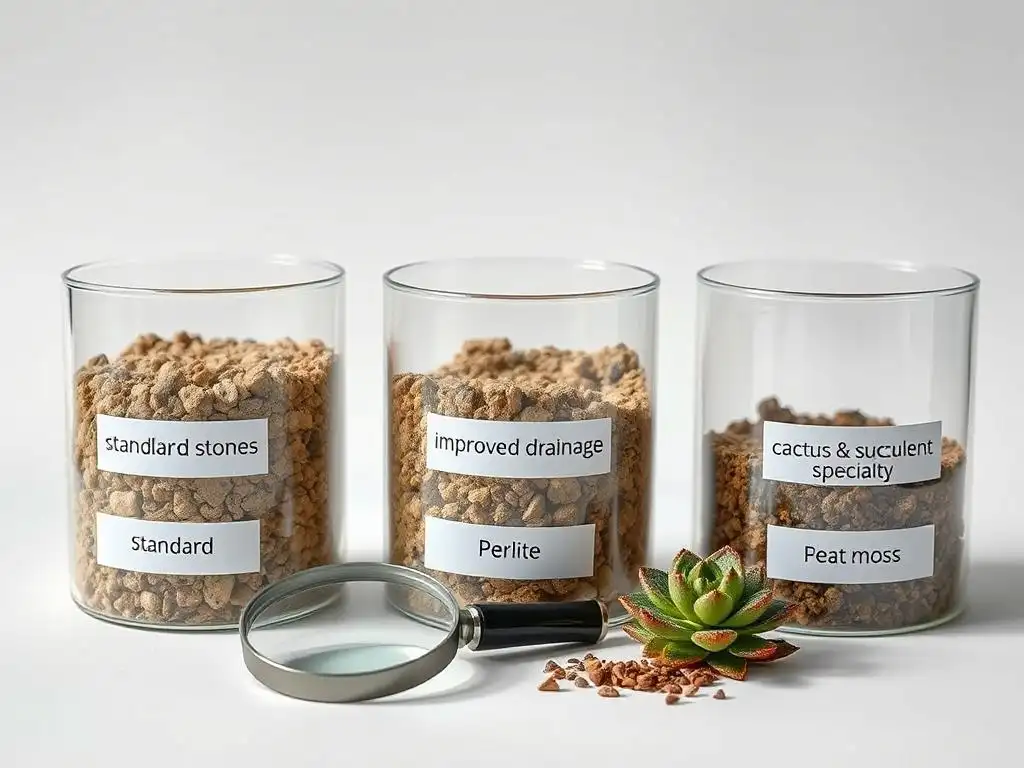
This section addresses common problems encountered when using potting mixes for succulents, providing solutions to ensure optimal plant health and growth. Remember, even the best succulent potting mix guide can't account for every situation, so careful observation is key. Using the right mix is only half the battle; proper watering and drainage are equally crucial for succulent success.
Dealing with Overwatering and Soggy Soil
Overwatering is a frequent culprit in succulent demise. Succulents, adapted to arid climates, store water in their leaves and stems, making them highly susceptible to root rot in consistently moist soil. Symptoms include mushy, discolored leaves, and a foul odor emanating from the soil.
If you discover your succulent's soil is soggy, immediate action is necessary. First, carefully remove the plant from its pot, gently shaking off excess soil to inspect the roots. Trim away any dark, mushy roots using clean, sterilized pruning shears. Allow the roots to air dry for several hours before repotting in a fresh, well-draining succulent potting mix.
Ensure the new pot has adequate drainage holes. Going forward, water only when the top inch of soil is completely dry, and avoid letting the pot sit in standing water. Consider using a pot with a drainage tray to collect excess water and prevent root rot. This proactive approach will dramatically improve the health of your succulent.
Remember, prevention is better than cure! Choosing a well-draining potting mix from the start is crucial. A mix formulated specifically for cacti and succulents will generally include ingredients like perlite, pumice, and coarse sand to enhance drainage and aeration.
Identifying Signs of Poor Drainage in Your Succulent Pots
Poor drainage is a silent killer for succulents. It manifests subtly at first, but if left unchecked, can lead to severe root rot. The most obvious sign is persistently damp soil, even days after watering. You may also notice a white, salt-like crust on the soil surface – a sign of mineral buildup from excessive watering and poor drainage. Your succulents might also exhibit stunted growth, yellowing leaves, or a generally unhealthy appearance.
To diagnose poor drainage, you can perform a simple test. Water your succulents thoroughly and observe how quickly the water drains from the pot. If the water sits on top of the soil for an extended period, or if you see water pooling at the bottom of the pot, your drainage is inadequate. This could be due to several factors: insufficient drainage holes in the pot, compacted soil, or a potting mix that retains too much moisture. Addressing these issues requires selecting the right pot (with adequate drainage), using a well-draining potting mix, and ensuring the soil isn't compacted.
Proper drainage is paramount for succulent health; it prevents waterlogging, which leads to root rot and ultimately, plant death. Regularly checking the drainage of your succulent pots is a crucial aspect of successful succulent cultivation.
Adjusting Your Potting Mix Based on Succulent Growth Habits
Different succulents have varying water requirements and growth habits. While a general-purpose cactus and succulent mix works well for many, tailoring the mix to specific succulent needs can further enhance their growth. For example, succulents with thick, fleshy leaves might tolerate slightly more moisture than those with thin, delicate leaves.
Consider adding more perlite or pumice to the mix for succulents that are particularly susceptible to overwatering. Conversely, you might slightly increase the amount of organic matter (like coco coir) for succulents that prefer slightly more moisture retention, but always ensure good drainage remains a priority. This careful adjustment allows you to optimize the potting mix to match the unique needs of each succulent species, leading to healthier, more vibrant plants.
This detailed, nuanced approach allows you to move beyond simply following a “best succulent potting mix guide” and truly cultivate your succulents’ health. Careful observation and adjustment are key to success.
Maintaining Your Succulents' Potting Mix: Long-Term Care
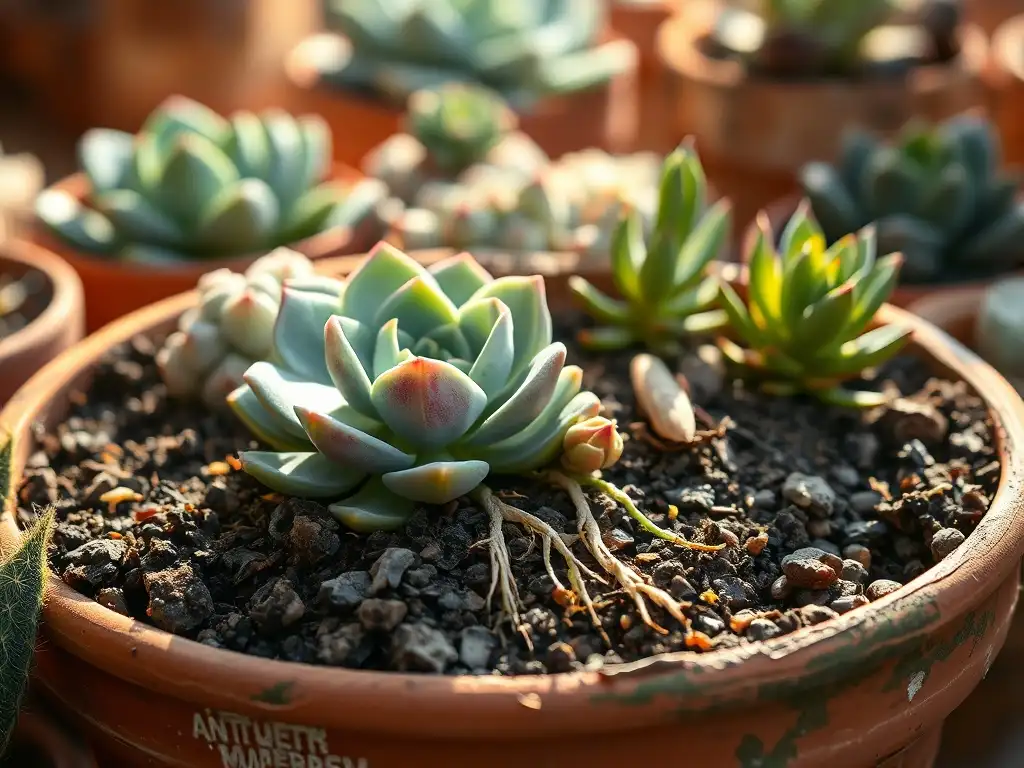
Maintaining a healthy succulent requires more than just the initial potting; ongoing care of the potting mix is crucial for thriving plants. A well-maintained mix ensures proper drainage, aeration, and nutrient availability, preventing common succulent problems like root rot and stunted growth. This section details essential long-term care practices for your succulent's potting mix, helping you achieve optimal growth and a flourishing container garden. This guide will help you become a master of succulent care, ensuring your plants receive the best possible environment to thrive.
Repotting Your Succulents: When and How
Knowing when to repot your succulents is key to their health. Over time, the potting mix breaks down, losing its structure and drainage capacity. Additionally, nutrient depletion occurs, leaving your succulents starved of essential minerals. Signs you need to repot include:
- Root-bound plants: Roots circling the bottom of the pot, indicating a lack of space for growth.
- Poor drainage: Water sits on top of the soil for extended periods, a sign of compacted mix.
- Stunted growth: Slow or no growth despite adequate watering and sunlight.
- Nutrient deficiency: Pale or yellow leaves, indicating a lack of essential nutrients.
Repotting should ideally be done in spring or early summer, providing the best conditions for root establishment. The process involves carefully removing the succulent from its pot, gently loosening the roots, and placing it in a slightly larger container with fresh, well-draining succulent potting mix. Remember to use a pot with drainage holes to prevent waterlogging. Avoid overwatering immediately after repotting; allow the soil to dry slightly before the next watering. This careful repotting process is a vital part of providing the best succulent potting mix for sustained healthy growth.
Top-dressing Your Succulents: Refreshing the Soil Surface
Top-dressing offers a less disruptive alternative to full repotting. This involves removing the top layer (about ½ inch to 1 inch) of old potting mix and replacing it with fresh, high-quality succulent mix. This simple technique refreshes the soil surface, improving drainage, aeration, and nutrient content without the stress of disturbing the roots.
Top-dressing is particularly beneficial for succulents that are not yet root-bound but show signs of nutrient depletion or compacted soil. It’s a quick and easy way to maintain your succulent's long-term health and vibrancy, ensuring the continued availability of essential nutrients. This method is a great preventative measure to avoid the need for more extensive repotting in the future.
Recognizing Signs Your Succulents Need a Potting Mix Change
Several telltale signs indicate your succulents need a potting mix change. These are not just aesthetic issues; they reflect underlying problems impacting the plant's health and growth. Pay close attention to these signals to ensure timely intervention:
- Soggy Soil: Persistently damp soil, even days after watering, signifies poor drainage and potentially root rot. This is a critical sign that your current potting mix isn't suitable and needs immediate replacement with a better-draining blend.
- Mold or Fungus: The appearance of mold or fungus on the soil surface indicates poor aeration and excessive moisture, creating a breeding ground for pathogens. This necessitates a complete change of the potting mix to prevent further damage.
- Wilting Despite Watering: Even with regular watering, wilting suggests the roots cannot access water efficiently, often due to a compacted or water-logged potting mix. This is a clear indicator that a change in potting mix is required.
- Unusual Leaf Color: Pale, yellow, or brown leaves can signal nutrient deficiencies in the soil. While it could be other issues, a change to a nutrient-rich succulent potting mix is a good starting point to address the problem. Consider adding slow-release fertilizer to your new mix as well.
- Root Rot: The appearance of mushy or dark roots indicates a serious problem requiring immediate action. This calls for a complete repotting with fresh, sterile potting mix, ensuring the removal of any affected roots.
By carefully monitoring your succulents and proactively addressing these signs, you can ensure your plants receive the optimal growing environment and flourish in their container gardens. Remember, the right potting mix is just one piece of the puzzle; consistent care and attention are essential for long-term success. 🌱
Frequently Used Terms in Succulent Potting Mixes (Glossary)
This section clarifies common terms found in descriptions of succulent potting mixes, helping you understand the ingredients and choose the best succulent potting mix for your needs. A well-draining mix is crucial for succulent health, preventing root rot, a common problem for these drought-tolerant plants. This guide will empower you to become a more informed consumer when selecting the best succulent potting mix.
Perlite
Perlite is a volcanic glass that has been heated to a high temperature, causing it to expand into small, white, lightweight beads. Its inclusion in succulent potting mixes is vital for several reasons:
- Improved Drainage: Perlite's porous nature creates excellent air pockets within the soil, preventing waterlogging and ensuring proper drainage. This is crucial for succulents, which are susceptible to root rot in overly moist conditions. Think of it as tiny, airy pebbles helping the water flow through the mix.
- Enhanced Aeration: The air pockets created by perlite also improve aeration around the roots. This promotes healthy root development and prevents the build-up of harmful anaerobic bacteria that thrive in waterlogged soil. Good aeration is key to strong, vigorous succulent growth.
- Lightweight Mix: Perlite significantly reduces the overall weight of the potting mix, making it easier to handle and transport, especially beneficial for larger containers. This is a practical advantage, especially for those with physical limitations.
- Neutral pH: Perlite is chemically inert, meaning it doesn't significantly alter the pH of the soil, keeping it within the ideal range for most succulents. Maintaining a stable pH is crucial for nutrient uptake and overall plant health.
Many commercial succulent potting mixes incorporate perlite as a key component, often alongside other materials like pumice and coarse sand. The percentage of perlite can vary, but a good mix will typically contain at least 20-30%.
Pumice
Pumice, another volcanic rock, is a common ingredient in high-quality succulent potting mixes. Unlike perlite, which is essentially expanded glass, pumice is a solidified volcanic foam with a slightly rougher texture. Its benefits for succulents are similar to perlite, but with some key differences:
- Superior Drainage and Aeration: Pumice offers even better drainage and aeration than perlite due to its more porous and irregular structure. The larger, more irregular pores allow for even better water flow and oxygen circulation around the roots.
- Nutrient Retention (to a degree): While primarily known for drainage, pumice can retain some nutrients, unlike perlite which is entirely inert. This slight nutrient retention can be beneficial, particularly in mixes with lower organic matter content.
- Slightly Higher pH: Pumice can slightly increase the pH of the mix compared to perlite. This is usually a minor effect and is unlikely to pose a problem for most succulents, but it's something to consider if you have very sensitive species.
- More Durable: Pumice tends to be more durable than perlite, breaking down less over time. This means the drainage and aeration benefits are maintained for a longer period.
Choosing a mix with pumice often indicates a higher-quality product designed specifically for succulents' demanding drainage requirements. The combination of perlite and pumice in a mix often provides the best balance of drainage, aeration, and minimal nutrient retention.
Grit
The term "grit" in succulent potting mixes usually refers to coarse sand, gravel, or other similar inorganic materials. While the exact composition can vary, the purpose remains consistent: to improve drainage and aeration.
- Drainage Improvement: Grit enhances drainage by increasing the spaces between soil particles, preventing water from becoming stagnant around the roots. This is especially crucial in heavier clay-based soils where water retention is a significant problem.
- Aeration Enhancement: Similar to perlite and pumice, grit enhances aeration, promoting healthy root growth and preventing root rot. The larger particles create larger air pockets within the mix.
- Cost-Effectiveness: Grit is often a more cost-effective option than perlite or pumice, making it a popular choice in budget-friendly succulent potting mixes.
However, it's important to note that the quality of grit can vary significantly. Avoid using fine sand, as it can compact easily and hinder drainage. Opt for coarser materials with a larger particle size for optimal results. The size and type of grit used will impact the overall drainage and aeration of your succulent potting mix. Always check the ingredient list to see the type and size of grit used.
Frequently Asked Questions
What is the best potting mix for succulents?
A well-draining mix is crucial. A good option is a commercial cactus and succulent potting mix, or a homemade blend of potting soil, perlite, and coarse sand. Avoid mixes that retain too much moisture.
Why is drainage so important for succulents?
Succulents are prone to root rot if their roots sit in wet soil. Excellent drainage prevents this by allowing excess water to escape quickly. This is vital for their health.
Can I use regular potting soil for succulents?
Regular potting soil is generally too dense and retains too much water for succulents. It's better to amend it with perlite or other materials to improve drainage significantly.
What are the benefits of using perlite in succulent potting mix?
Perlite adds aeration and drainage to the mix. It helps prevent compaction and ensures that water flows freely through the soil, preventing waterlogging.
How often should I water my succulents after repotting?
Wait until the soil is completely dry before watering again after repotting. This allows the roots to establish themselves in the new potting mix and minimizes the risk of root rot.
Final Reflection: Cultivating Success: The Enduring Power of the Perfect Potting Mix
The right potting mix isn't just about healthy succulents; it's about fostering a thriving ecosystem in your container garden, a miniature world reflecting the delicate balance of nature. Choosing the right blend directly impacts the health, longevity, and overall beauty of your plants, a testament to the power of understanding even the smallest details in gardening.
The journey of selecting the perfect succulent potting mix is more than just a practical exercise; it's a reflection of our growing connection with nature and our desire to nurture life, however small. The glory of gardening: hands in the dirt, head in the sun, heart with nature. To nurture a garden is to feed not just the body, but the soul.
This quote perfectly encapsulates the profound satisfaction derived from cultivating healthy plants, a satisfaction amplified by understanding the crucial role of the potting mix. The ongoing influence of this knowledge extends beyond individual gardens, encouraging a deeper appreciation for the interconnectedness of all living things and the importance of mindful cultivation.
Now, consider your own container gardens. What kind of soil are you using? Does it drain properly? Are your succulents thriving, or are they struggling? Take this opportunity to reassess your approach. Experiment with different mixes, observe the results, and learn from your successes and failures. Remember, the journey of cultivating healthy succulents is a continuous learning process, and the reward of a vibrant, thriving garden is well worth the effort. Embrace the challenge, and watch your succulent collection flourish!
Unleash Your Inner Gardener: Thrive with the Perfect Potting Mix!
Thank you for learning how to create the perfect potting mix for your succulents! You now have the knowledge to nurture healthy, thriving plants. Ready to try out your new skills?
- Craft your ideal succulent mix: Gather your materials and create a custom potting mix tailored to your succulents' specific needs. This is the most important step! Remember to pay attention to the proportions of each ingredient.
- Share your succulent success: Show off your flourishing plants and your perfectly crafted mix on social media – inspire other plant lovers! Use #CultivateYourSucculents
- Explore advanced techniques: Learn more about soil science, including different soil amendments, and discover what works best for various succulent varieties.
What challenges or successes do you anticipate with your next succulent planting project? Let's discuss in the comments!