
The Organic Gardener's Toolkit: Essential Equipment and Resources

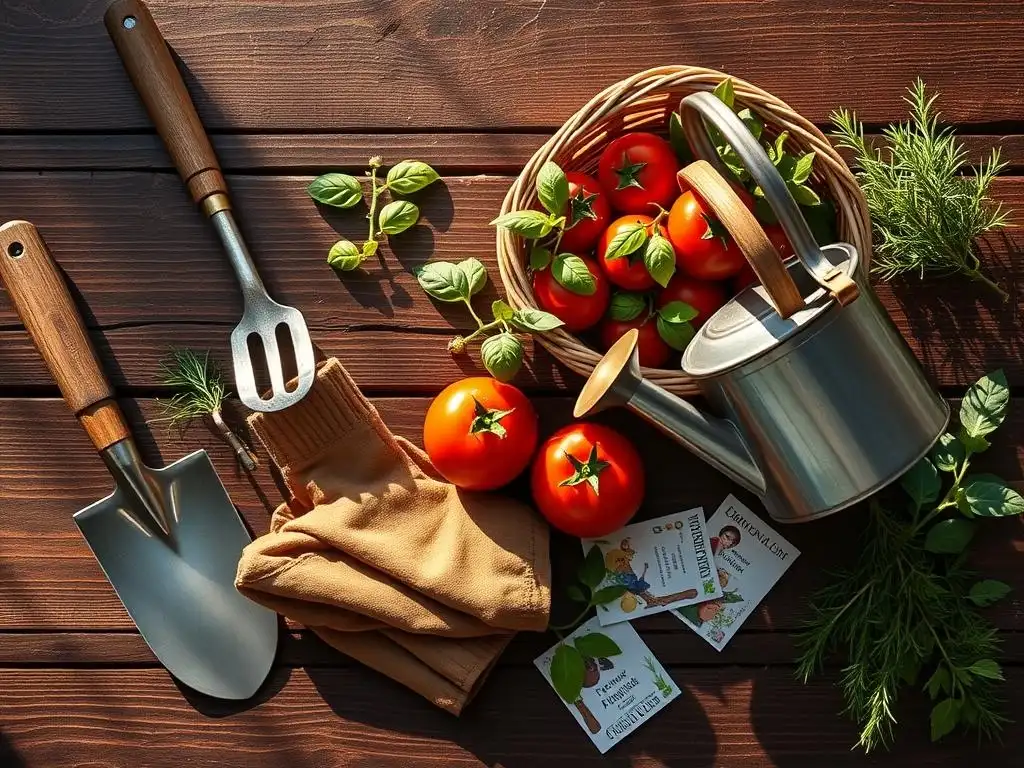
Welcome to CultivateYourFood, your guide to a thriving, sustainable garden! Ready to transform your backyard into a bountiful oasis? We'll help you cultivate delicious fruits, vegetables, and herbs using organic methods. Discover the secrets to success with our comprehensive guide on organic gardening essential tools, equipping you with everything you need to grow your own food from seed to harvest. Let's get started on your journey to a greener, healthier, and more rewarding life!
- Building Your Organic Gardening Arsenal: Essential Tools for Success
- Organic Pest and Disease Control: Natural Solutions and Protective Gear
- Composting and Soil Enrichment: Essential Tools and Techniques
- Harvesting and Storage: Tools for Preserving Your Organic Bounty
- Advanced Organic Gardening Tools and Resources: Taking it to the Next Level
- Maintaining Your Organic Gardening Tools: Care and Longevity
- Frequently Asked Questions
- Final Reflection: Cultivating a Greener Future, One Tool at a Time
- Unleash Your Inner Gardener: Grow Your Green Oasis!
Building Your Organic Gardening Arsenal: Essential Tools for Success
Embarking on the rewarding journey of organic gardening requires more than just fertile soil and a green thumb. Success hinges on having the right tools at your disposal – tools that not only make the process easier but also ensure you're adhering to sustainable and organic practices. This comprehensive guide will equip you with the knowledge to assemble an effective organic gardener's toolkit, covering everything from soil preparation to harvesting and pest control.
We'll explore essential equipment, highlighting their importance in cultivating healthy, thriving plants while minimizing environmental impact. Mastering these tools and techniques is key to achieving abundant harvests and a flourishing organic garden, making your efforts both productive and environmentally responsible. This guide will help you understand the "organic gardening essential tools" needed to create a thriving garden, focusing on sustainable and eco-friendly practices.
Selecting the Right Soil: Organic Amendments and Testing
The foundation of any successful organic garden is healthy soil. Before even thinking about planting, you need to understand your soil's composition and amend it accordingly. Organic gardening emphasizes soil health, so testing is crucial. A simple soil test kit can reveal your soil's pH level and nutrient content. Knowing this information allows you to tailor your amendments for optimal plant growth.
Several organic amendments significantly improve soil structure and fertility. Compost is king! It's a rich source of nutrients and improves drainage and aeration. Aged manure, another excellent amendment, adds vital nutrients and organic matter. Other options include:
- Worm castings: These provide a potent source of micronutrients.
- Rock dust: Adds essential minerals to the soil.
- Seaweed: A natural source of various nutrients and growth stimulants.
The amount of each amendment will depend on your soil test results. For example, if your soil is highly acidic (low pH), you might add lime to raise the pH. Conversely, if your soil is alkaline (high pH), you might add sulfur to lower it. Remember, organic gardening is a process of continuous improvement; regular soil testing and amendment are vital for long-term success.
Choosing the Best Organic Seeds and Seedlings for Your Garden
Selecting the right seeds and seedlings is paramount for a successful organic garden. Choosing organic seeds ensures that your plants haven't been exposed to synthetic pesticides or fertilizers, upholding the integrity of your organic growing practices. Consider factors such as:
- Variety Selection: Choose varieties known for their resilience and suitability to your climate and growing conditions. Heirloom varieties are particularly popular among organic gardeners for their unique flavors and adaptability.
- Seed Starting: Starting seeds indoors gives you a head start on the growing season and allows for better control over the growing environment.
- Seedling Selection: When buying seedlings, choose healthy, robust plants with vibrant green foliage and no signs of disease or pests. Look for locally sourced seedlings whenever possible to ensure they’re adapted to your specific region.
- Seed Spacing: Proper spacing is crucial for optimal growth and to prevent overcrowding. Always follow the spacing recommendations on the seed packet or seedling tag.
Remember to carefully read the seed packet instructions for planting depth, spacing, and germination time. Accurate information ensures healthy growth and reduces the risk of problems down the line. Organic gardening is about working with nature, and choosing the right seeds and seedlings is a key step in that process. By selecting high-quality organic seeds and seedlings, you’re setting the stage for a bountiful and healthy harvest.
Essential Hand Tools for Organic Gardening: Cultivating Success
Organic gardening thrives on close interaction with the soil and plants. A well-stocked arsenal of hand tools is crucial for success, allowing for precise work and minimizing soil disturbance. Choosing high-quality, durable tools will pay dividends in the long run, ensuring years of reliable service. Investing in ergonomic designs will also protect your body from strain during extended gardening sessions. Remember, the right tools make all the difference in creating a thriving organic garden. This section delves into some of the most essential hand tools every organic gardener should own.
Spades and Trowels: The Foundation of Soil Preparation
Spades and trowels are the workhorses of soil preparation. A sturdy spade is essential for digging, turning, and amending larger areas of soil. When selecting a spade, consider the blade's material – stainless steel is generally preferred for its durability and resistance to rust. The length of the handle is also crucial; it should comfortably fit your height to prevent back strain.
A good-quality spade will make the often-arduous task of soil preparation far more manageable. For more precise work, a trowel is indispensable. Trowels are perfect for transplanting seedlings, weeding, and creating small planting holes. Look for a trowel with a comfortable grip and a strong, sharp blade.
Different trowels cater to different needs; some have wider blades ideal for moving larger amounts of soil, while others have pointed blades perfect for precise planting. Using the right spade and trowel will significantly improve the efficiency and effectiveness of your soil preparation efforts. Consider investing in both a long-handled spade for larger areas and a smaller, more maneuverable spade for confined spaces. Similarly, having both a wide and a pointed trowel will allow you to tackle a wider variety of tasks efficiently.
Hand Rakes and Cultivators: Maintaining Soil Health
Maintaining healthy soil is paramount in organic gardening. Hand rakes and cultivators play a vital role in this process. Hand rakes are used for a variety of tasks, from leveling soil after planting to removing debris and weeds from delicate areas. They are especially useful for breaking up clods of soil and smoothing the surface for optimal seed-to-soil contact.
Consider the rake's tine spacing and material; closer spacing is better for finer work, while more durable materials like steel are better suited for tougher tasks. Cultivators, on the other hand, are designed to aerate the soil and remove weeds. They come in various designs, from simple claw cultivators to those with multiple tines. The choice depends on the soil type and the scale of your garden.
For example, a cultivator with narrow tines is better for loosening soil around established plants without damaging their roots. Regular use of hand rakes and cultivators helps to maintain soil structure, improve drainage, and suppress weed growth, all contributing to a healthier and more productive garden. These tools are crucial for consistent soil health maintenance throughout the growing season. Proper use prevents soil compaction, promoting vigorous plant growth.
Watering Cans and Hose-End Sprayers: Efficient Irrigation Techniques
Efficient irrigation is essential for healthy plant growth, particularly in organic gardening where water conservation is often a priority. Watering cans are ideal for providing targeted watering to seedlings and young plants, minimizing water waste. Choose a watering can with a rose head that produces a gentle spray to avoid washing away delicate seedlings. The material of the watering can is also important; galvanized steel is durable and long-lasting, but plastic options are lighter and easier to handle.
For larger gardens or established plants, hose-end sprayers offer a more efficient solution. They allow for wider coverage and can be adjusted to deliver varying amounts of water depending on the plant's needs. Look for a sprayer with adjustable nozzles to control the spray pattern and water pressure. Consider features like a pressure regulator to prevent damage to delicate plants.
Remember, consistent and appropriate watering is key to successful organic gardening. Overwatering can lead to root rot, while underwatering can stress plants and make them more susceptible to pests and diseases. The choice between watering cans and hose-end sprayers depends on the size of your garden and the specific needs of your plants. A combination of both is often the most effective approach.
Organic Pest and Disease Control: Natural Solutions and Protective Gear
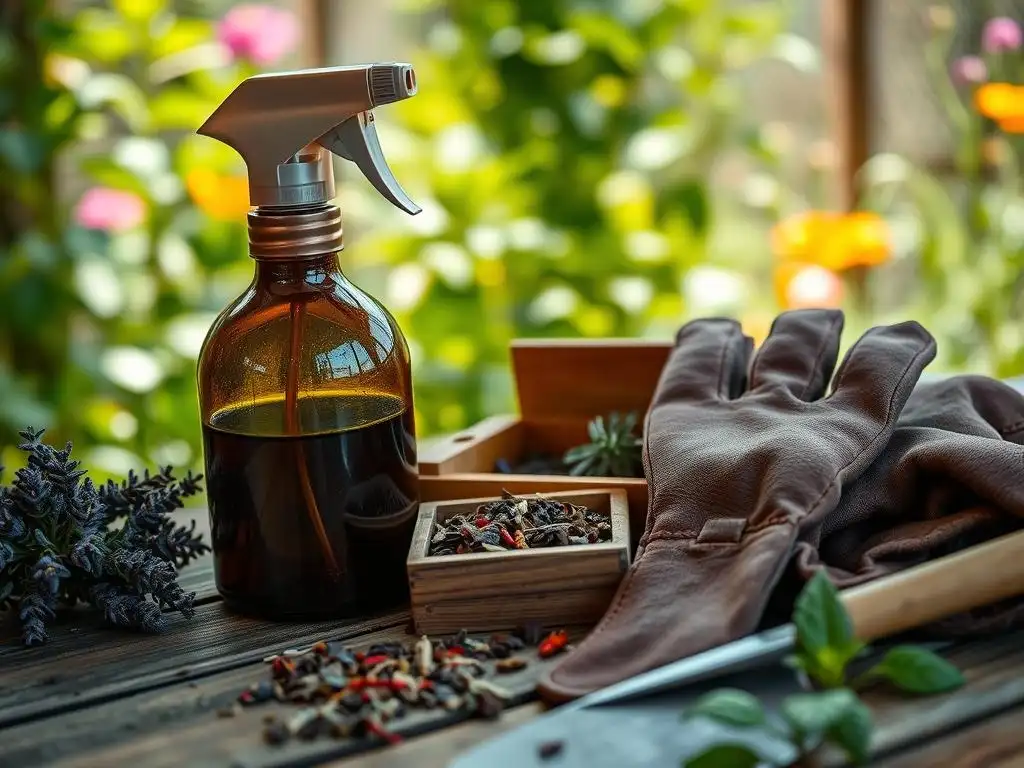
Organic gardening prioritizes ecological balance, minimizing the use of synthetic chemicals. Effective pest and disease management relies heavily on preventative measures and natural solutions. This section explores the essential tools and techniques for maintaining a healthy and thriving organic garden without resorting to harmful chemicals. Understanding the nuances of organic pest control is crucial for achieving optimal yields and protecting the environment. This approach requires vigilance and a proactive strategy, but the rewards are a healthier garden and healthier food.
Beneficial Insects and Natural Predators: Biological Pest Control
Biological pest control harnesses the power of nature to regulate pest populations. Introducing beneficial insects into your garden can significantly reduce the need for chemical interventions. Ladybugs, for example, are voracious aphid predators, consuming hundreds throughout their lifecycle. Lacewings are similarly effective against a range of soft-bodied insects.
Introducing these beneficial insects can be as simple as purchasing them from a reputable supplier and releasing them strategically within your garden. However, creating a habitat that attracts these beneficial insects naturally is even better. This involves planting a diverse range of flowering plants, providing shelter such as leaf litter or brush piles, and avoiding the use of broad-spectrum insecticides that could harm them.
The success of biological control depends on several factors including the timing of introduction, the density of the pest population, and the overall health of the garden ecosystem. Regular monitoring is crucial to assess the effectiveness of the introduced beneficial insects and to adjust your strategy accordingly. For instance, if you notice a significant increase in pest activity despite the presence of beneficial insects, you may need to supplement with other organic control methods. Remember, a healthy, diverse ecosystem is the best defense against pests.
Organic Pesticides and Repellents: Safe and Effective Solutions
While biological control is often the preferred method, sometimes supplementary organic pesticides and repellents are necessary. These products are derived from natural sources and are significantly less harmful to beneficial insects, pollinators, and the environment than synthetic pesticides. Neem oil, for example, is a widely used organic insecticide derived from the neem tree.
It disrupts the life cycle of various insects, acting as both a repellent and a contact insecticide. It's effective against a wide range of pests, including aphids, whiteflies, and mealybugs. However, always follow the instructions carefully and apply it sparingly to minimize any potential impact on beneficial insects.
Another effective organic option is insecticidal soap, a solution of potassium salts of fatty acids that disrupts the cell membranes of insects. It's particularly effective against soft-bodied insects like aphids and spider mites. Remember, organic pesticides and repellents are not a quick fix. They often require repeated applications and integrated pest management strategies for optimal effectiveness. Always choose products certified as organic and follow the instructions carefully. Consider rotating different organic pesticides to prevent pest resistance.
Protective Clothing and Gear for Organic Gardeners
Even with organic methods, handling plants, soil, and potentially pest-infected materials requires appropriate protective gear. This isn't about avoiding all contact with nature, but rather about minimizing exposure to potential irritants or allergens. A wide-brimmed hat is essential to protect your face and neck from the sun and flying insects. Gloves protect your hands from thorns, stings, and potential irritants in the soil. Long sleeves and pants protect your skin from insect bites and plant sap.
Eye protection is also crucial, especially when handling organic pesticides or working with tools that could potentially throw debris into your eyes. Consider using safety glasses or goggles. A face mask can be beneficial when handling materials that could cause respiratory irritation, such as compost or dusty soil. Remember, safety in the garden is paramount. Choosing the right protective gear ensures you can enjoy the benefits of organic gardening without compromising your health and well-being. Regularly inspect and clean your protective gear to maintain its effectiveness and hygiene.
Composting and Soil Enrichment: Essential Tools and Techniques
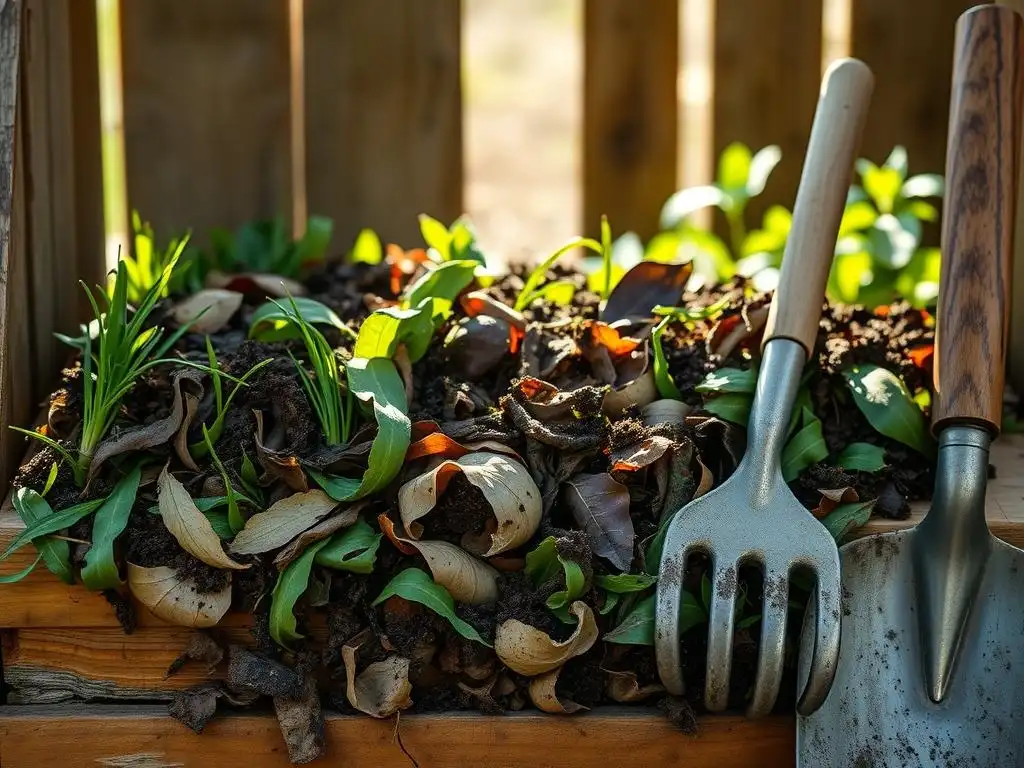
Creating nutrient-rich soil is paramount for successful organic gardening. This section focuses on the essential tools and techniques to build and maintain healthy compost, a cornerstone of organic soil enrichment. Mastering composting not only reduces waste but also provides your plants with the vital nutrients they need to thrive, minimizing the need for chemical fertilizers. This directly supports the principles of sustainable and organic gardening practices. Let's explore the key equipment you'll need.
Composting Bins and Systems: Choosing the Right Setup
Choosing the right composting bin is crucial for efficient decomposition. The best system depends on factors like space availability, the volume of your compostable materials, and your personal preferences. Several options exist, each with its own set of advantages and disadvantages.
Several popular options include:
- Three-bin composting systems: These systems typically consist of three separate bins: one for active composting, one for curing, and one for storing finished compost. This setup allows for a more organized and efficient composting process. The separation streamlines the process and ensures you always have mature compost available.
- Tumbling composters: These rotating bins facilitate aeration and mixing, speeding up the decomposition process. They are particularly useful for smaller spaces and require less manual intervention compared to static bins. However, they are generally more expensive than static bins.
- Static compost bins: These are the simplest and often most affordable option. They can be as simple as a pile contained by wooden pallets or purpose-built bins of various designs. While requiring more manual turning, they provide a lot of flexibility in size and design.
Consider these factors when choosing a composting bin:
| Feature | Description | Considerations |
|---|---|---|
| Size | The volume of the bin determines how much compost you can process at once. | Consider the amount of yard waste and kitchen scraps you produce. |
| Material | Wood, plastic, and metal are common materials. Wood is biodegradable, while plastic is more durable. | Wood requires more maintenance; plastic can leach chemicals (choose food-grade). |
| Aeration | Adequate airflow is vital for decomposition. | Choose a bin design that promotes good airflow, or consider adding aeration features. |
| Accessibility | Easy access to the bin is important for turning and harvesting compost. | Consider your physical abilities and the location of the bin. |
Remember, regardless of the system, maintaining proper moisture levels and carbon-to-nitrogen ratio is essential for successful composting.
Compost Turners and Aerators: Maintaining Optimal Decomposition
Efficient decomposition requires regular aeration. This introduces oxygen, crucial for the aerobic microorganisms responsible for breaking down organic matter. While turning a static pile by hand is an option, compost turners significantly simplify this task.
Compost turners come in various forms:
- Handheld compost turners: These are simple tools that allow for easy turning of the compost pile. They are ideal for smaller compost bins and piles.
- Pitchforks and shovels: While not specifically designed for composting, these tools can be effective for turning the compost pile, especially larger ones. However, they can be more laborious.
- Automated compost turners: These are specialized machines for large-scale composting operations. They are typically not necessary for home composting.
Regular turning, ideally once or twice a week, is vital. A well-aerated compost pile will have a dark brown color and a pleasant earthy smell, indicating healthy decomposition. An unpleasant odor, on the other hand, suggests anaerobic conditions (lack of oxygen) and potential problems.
Soil Testing Kits: Monitoring Soil Health and Nutrient Levels
Understanding your soil's composition is fundamental to organic gardening success. Soil testing kits provide valuable insights into pH levels, nutrient deficiencies, and overall soil health. This allows for informed decisions regarding amendments and fertilization.
Different kits offer varying levels of detail:
- Basic pH testing kits: These are simple and affordable, providing a quick assessment of your soil's pH level.
- Advanced soil testing kits: These provide a more comprehensive analysis of nutrient levels, including essential elements like nitrogen, phosphorus, and potassium. They often provide recommendations for soil amendments.
Regular soil testing, ideally before planting each season, helps you:
- Identify nutrient deficiencies.
- Adjust soil pH to optimal levels for your chosen plants.
- Optimize fertilizer application, reducing waste and environmental impact.
- Prevent potential problems before they arise, leading to healthier plants.
The information provided by soil testing kits is invaluable for achieving optimal soil fertility and promoting vibrant plant growth, aligning perfectly with the principles of organic gardening. 🌱
Harvesting and Storage: Tools for Preserving Your Organic Bounty
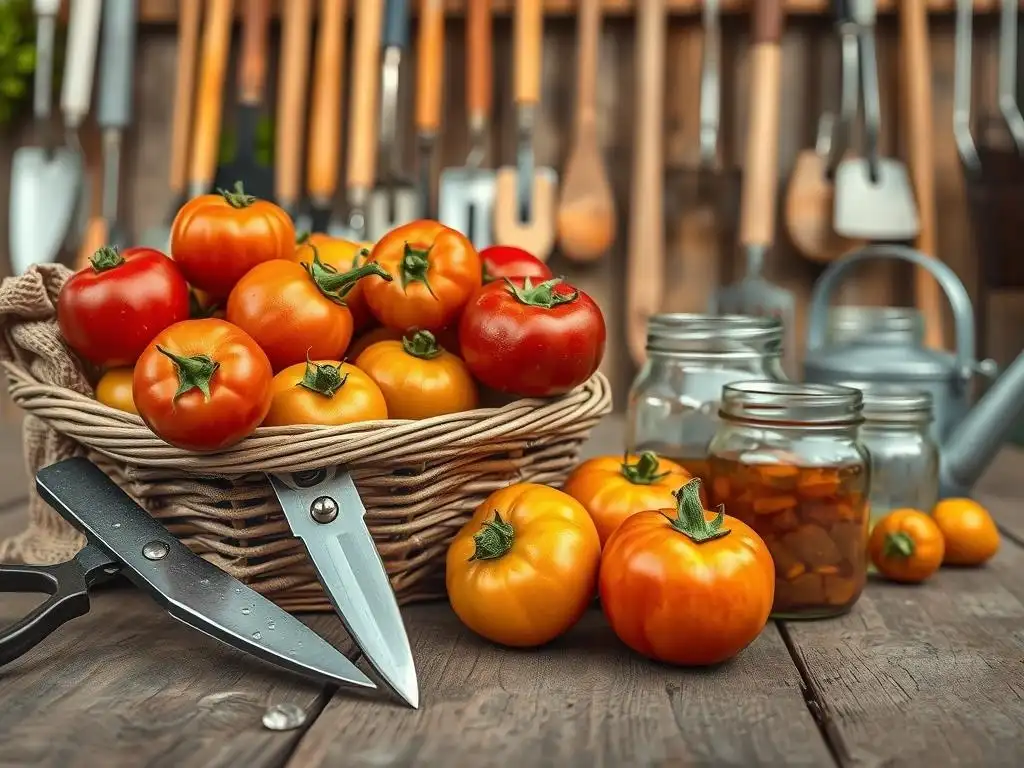
This section focuses on the essential tools and techniques for harvesting and preserving your organically grown fruits, vegetables, and herbs. Proper harvesting and storage are crucial for maximizing the yield and quality of your organic produce, minimizing waste, and ensuring you can enjoy the fruits (and vegetables!) of your labor throughout the year. Efficient harvesting and preservation techniques are key components of successful organic gardening, and the right tools can make all the difference. Mastering these techniques will significantly contribute to your overall organic gardening success. Let's delve into the specifics.
Harvesting Baskets and Containers: Protecting Your Produce
Gentle handling of your harvested produce is paramount. Bruising and damage reduce shelf life and quality. Therefore, selecting the right harvesting baskets and containers is a critical first step. Avoid using plastic containers whenever possible, opting instead for sustainable alternatives.
Here's a comparison of suitable options:
| Container Type | Advantages | Disadvantages | Sustainability Rating |
|---|---|---|---|
| Woven Baskets (Willow, Seagrass) | Gentle on produce, breathable, aesthetically pleasing, biodegradable. | Can be more expensive, may require occasional repair. | ⭐⭐⭐⭐⭐ |
| Wooden Boxes | Durable, reusable, aesthetically pleasing. | Heavier than baskets, may require cleaning and maintenance. | ⭐⭐⭐⭐ |
| Fabric Bags (Canvas, Burlap) | Lightweight, breathable, reusable, relatively inexpensive. | Can be less durable than baskets or boxes. | ⭐⭐⭐⭐ |
| Stainless Steel Bowls | Durable, easy to clean, prevents bruising (for delicate items). | Heavier, less breathable than other options. | ⭐⭐⭐ |
Remember to choose containers appropriate for the size and fragility of the produce being harvested. Delicate berries, for example, require gentler handling and more breathable containers than sturdy root vegetables. Using the right container prevents unnecessary damage during the harvesting process, extending the shelf life of your organic bounty. Consider investing in a variety of sizes and styles to accommodate different crops. Sustainable choices positively impact the environment and align with organic gardening principles.
Food Preservation Tools and Techniques: Extending Shelf Life
Once harvested, preserving your organic produce is vital to reduce food waste and enjoy the fruits of your labor throughout the year. Several methods exist, each requiring specific tools and techniques.
- Canning: This time-tested method involves sealing food in airtight jars after heating to eliminate spoilage microorganisms. Essential tools include a large stockpot for water bath canning, canning jars with lids and rings, a jar lifter, and a pressure canner for low-acid foods like vegetables. Proper sterilization is crucial for safe canning.
- Freezing: Freezing preserves the nutritional value and flavor of many fruits and vegetables. You'll need freezer-safe containers (glass or freezer bags are ideal) and a freezer with adequate space. Blanching vegetables before freezing helps to maintain their color and texture.
- Dehydrating: Dehydration removes moisture, inhibiting microbial growth. A food dehydrator is the most efficient method, but you can also dehydrate foods in a low oven with good ventilation. Properly dehydrated fruits and herbs can be stored for extended periods.
- Pickling and Fermenting: These methods use salt, vinegar, or other brines to preserve food. Appropriate containers (glass jars) and specific recipes are crucial for successful pickling and fermenting, which can extend the shelf life of certain vegetables significantly.
Choosing the right preservation method depends on the type of produce and your storage capabilities. Careful planning and the acquisition of suitable tools will enable you to maximize the shelf life of your organically grown food and enjoy its delicious flavors for months to come. Experiment with different methods to find what works best for you and your harvest. Remember, reducing food waste is a core tenet of sustainable organic gardening.
Advanced Organic Gardening Tools and Resources: Taking it to the Next Level
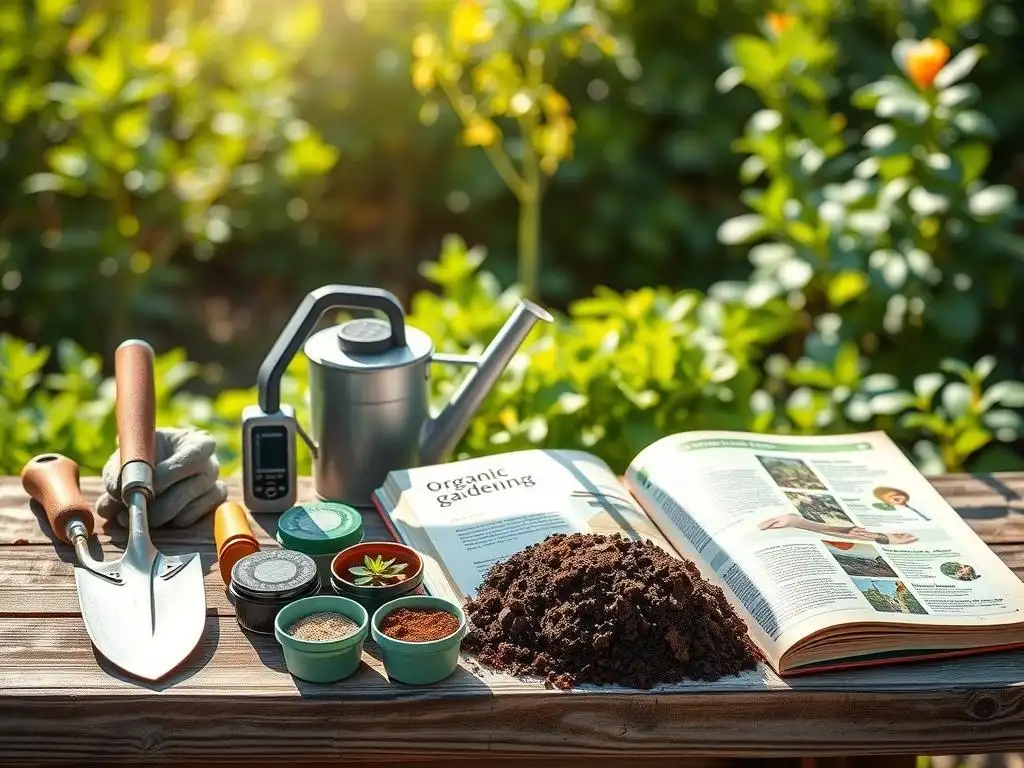
This section delves into more advanced tools and resources that can significantly enhance your organic gardening experience, boosting yields and simplifying maintenance. While basic tools are crucial for starting, these additions elevate your gardening game, allowing for more efficient and effective cultivation. We'll explore options that improve efficiency, extend the growing season, and optimize soil health – all vital aspects of successful organic gardening.
Greenhouse or High Tunnel Setup: Extending the Growing Season
A greenhouse or high tunnel is a game-changer for serious organic gardeners. These structures provide a controlled environment, extending the growing season significantly. This means you can start seeds earlier in the spring, protect plants from harsh weather conditions, and even grow certain crops year-round in some climates. The benefits extend beyond just extending the season; they also help to:
- Improve germination rates: Consistent temperature and humidity within a greenhouse dramatically improve seed germination success rates. You'll see fewer losses and healthier seedlings.
- Protect against pests and diseases: A controlled environment minimizes exposure to airborne diseases and many common garden pests. This reduces the need for pesticides, aligning perfectly with organic principles.
- Optimize growing conditions: You can fine-tune temperature, humidity, and light levels to suit the specific needs of your plants, leading to healthier growth and increased yields.
Consider the initial investment carefully. Greenhouse prices vary widely depending on size, material, and features. High tunnels, often a more affordable option, are essentially simpler, less expensive versions of greenhouses, often made from PVC pipes and plastic sheeting. Research different options to find the best fit for your space, budget, and gardening goals. Careful planning and construction are essential to ensure a durable and effective structure. For example, proper ventilation is crucial to prevent overheating and disease.
Irrigation Systems: Drip Irrigation and Soaker Hoses
Efficient watering is paramount in organic gardening. Hand-watering can be time-consuming and inefficient, leading to uneven watering and potential water waste. Investing in a drip irrigation or soaker hose system offers several advantages:
- Water conservation: These systems deliver water directly to the roots of plants, minimizing evaporation and runoff. This is especially beneficial during dry periods.
- Improved soil moisture: Consistent, even watering promotes healthy root development and prevents stress.
- Reduced weed growth: Targeted watering keeps the soil surface drier, inhibiting weed germination and growth.
- Disease prevention: Keeping foliage dry helps prevent fungal diseases that thrive in moist conditions.
Drip irrigation systems are more complex, involving a network of tubes and emitters. They are ideal for larger gardens or specific plant needs. Soaker hoses are simpler to install, offering a more straightforward solution for smaller gardens or raised beds. Choosing the right system depends on the size and layout of your garden. For instance, a complex layout might benefit from the precision of a drip system, while a simple raised bed might be efficiently watered with a soaker hose. Remember to consider water pressure and the type of plants you are growing when selecting your system.
Organic Fertilizer and Soil Amendments: Supplementing Your Garden
Healthy soil is the foundation of any successful organic garden. While composting provides a substantial boost, supplemental organic fertilizers and soil amendments can further enhance soil fertility and provide essential nutrients. Avoid synthetic fertilizers; instead, explore options like:
| Fertilizer Type | Benefits | Application |
|---|---|---|
| Worm Castings | Rich in nutrients, improves soil structure, enhances water retention | Sprinkle around plants, incorporate into soil |
| Bone Meal | Excellent source of phosphorus, promotes strong root development | Work into soil before planting, side-dress plants |
| Blood Meal | High in nitrogen, supports leafy green growth | Side-dress plants, incorporate into soil |
| Compost Tea | Provides readily available nutrients, beneficial microbes | Apply as a foliar spray or soil drench |
| Seaweed Extract | Rich in micronutrients, improves plant health and resilience | Foliar spray or soil drench |
These amendments offer different nutrient profiles, so understanding the needs of your specific plants is essential. For instance, nitrogen-rich blood meal is excellent for leafy greens, while phosphorus-rich bone meal promotes flowering and fruiting. Regular soil testing can help you determine the specific nutrient levels in your soil and guide your fertilizer choices, ensuring you are providing your plants with the optimal balance of nutrients for healthy growth and bountiful harvests. This data-driven approach to fertilization is a hallmark of effective organic gardening. Remember to always follow package instructions for application rates to avoid over-fertilizing. 🌱
Maintaining Your Organic Gardening Tools: Care and Longevity
Maintaining your organic gardening tools is crucial not only for their longevity but also for maintaining the health of your garden. Neglecting your tools can lead to rust, damage, and the spread of diseases among your plants. Proper care ensures your investment pays off in years of reliable service, contributing to a successful and sustainable organic gardening experience. This section focuses on practical steps to extend the life of your essential organic gardening tools.
Cleaning and Disinfecting Your Tools: Preventing Disease Spread
Regular cleaning and disinfecting are paramount in preventing the spread of plant diseases and pests. Dirty tools can harbor pathogens, fungal spores, and insect eggs, easily transferring these to healthy plants during your gardening activities. This is especially important when dealing with diseased plants. After each use, especially when working with potentially infected plants, follow these steps:
- Initial Cleaning: Remove visible soil and debris from your tools using a stiff brush, cloth, or even a high-pressure water hose (if appropriate for the tool). For particularly stubborn dirt, a bucket of soapy water can be effective.
- Disinfection: This is the crucial step to eliminate pathogens. Several methods exist:
- Bleach Solution: A 10% bleach solution (1 part bleach to 9 parts water) is highly effective. Submerge your tools for at least 10 minutes, then rinse thoroughly with clean water. Remember to always wear gloves when handling bleach.
- Alcohol: Isopropyl alcohol (70% or higher) is another excellent disinfectant. Simply wipe down your tools with a cloth soaked in alcohol.
- Vinegar: White vinegar (undiluted) can also be used as a natural disinfectant, though it may be less effective against certain pathogens. Apply and let it sit for a few minutes before rinsing.
- Drying: Thoroughly dry your tools after cleaning and disinfecting. Leaving them damp can encourage rust and corrosion. Wipe them down with a clean cloth and store them in a dry place.
It's important to note that the frequency of cleaning and disinfecting will depend on the type of work performed. For instance, tools used on diseased plants require more frequent disinfection than those used for general weeding or planting. A regular cleaning schedule, perhaps after each gardening session, is recommended for optimal results and to maintain your "organic gardening essential tools".
Tool Storage and Organization: Maximizing Efficiency and Lifespan
Proper storage protects your tools from damage and extends their lifespan. A disorganized tool shed can lead to lost or damaged equipment. Consider these storage tips to maximize efficiency and longevity:
- Designated Storage Area: Designate a specific, dry, and well-ventilated area for your tools. Avoid areas prone to moisture or temperature fluctuations.
- Tool Organization: Organize your tools logically for easy access. Wall-mounted racks, pegboards, or labeled containers are excellent options. Consider grouping tools by function (e.g., digging tools, pruning tools, weeding tools) for increased efficiency.
- Protective Coatings: Apply a light coat of oil (like linseed oil) to metal tools to prevent rust. Wooden handles should be treated periodically with a wood preservative to prevent cracking and splitting.
- Sharpening: Regularly sharpen your blades to ensure efficient cutting and prevent unnecessary strain on your tools and yourself. A dull blade requires more force, increasing the risk of damage.
- Regular Inspection: Periodically inspect your tools for damage or wear. Repair or replace any damaged parts promptly to prevent further deterioration. This proactive approach will help you maintain your "organic gardening essential tools" in top condition, contributing to a more productive and enjoyable gardening experience.
By following these simple steps, you can significantly extend the life of your organic gardening tools, ensuring they remain reliable companions in your sustainable gardening journey. Remember, investing time in tool maintenance is an investment in the success of your organic garden.
Frequently Asked Questions
What are the most essential tools for organic gardening?
The most essential tools include a high-quality trowel, a sturdy garden fork, and handheld clippers. These allow for efficient planting, soil preparation, and harvesting. Consider adding a watering can and gloves as well.
How can I avoid using chemical pesticides in my organic garden?
Employ natural pest control methods. This includes introducing beneficial insects, using companion planting techniques, and utilizing homemade organic sprays like neem oil or insecticidal soap. Prevention is key; maintain a healthy garden to deter pests.
What kind of soil is best for organic gardening?
Well-draining soil rich in organic matter is ideal. Amend your soil with compost, aged manure, or other organic materials to improve its structure, fertility, and water retention. Regular soil testing can help you understand your soil's needs.
What role does composting play in organic gardening?
Composting is crucial for organic gardening. It provides nutrient-rich soil amendments, improving soil health, fertility, and water retention. Compost also helps suppress diseases and attracts beneficial organisms.
Where can I find high-quality organic seeds and plants?
Look for reputable organic seed suppliers and local nurseries that specialize in organically grown plants. Check for certifications like USDA Organic to ensure the quality and authenticity of your seeds and plants. Supporting local businesses is also a great way to ensure freshness and sustainability.
Final Reflection: Cultivating a Greener Future, One Tool at a Time
The organic gardening movement is more than just a trend; it's a vital response to the urgent need for sustainable food systems and environmental stewardship. Our planet's health depends on our collective commitment to nurturing the earth, and the tools we use play a crucial role in this process. This article has highlighted the essential equipment and resources that empower individuals to cultivate their own organic gardens, no matter the scale.
The shift towards organic gardening reflects a growing awareness of the interconnectedness between our food, our environment, and our well-being. It's a movement fueled by a desire for healthier food choices, a deeper connection with nature, and a commitment to responsible land management. As Wendell Berry so eloquently stated, Eating is an agricultural act.
This simple truth underscores the profound impact our gardening choices have, not only on our own lives but on the wider ecosystem. The tools we choose, therefore, become symbolic of our commitment to this mindful approach.
Now, consider your own garden—or the potential for one. What tools resonate with you from this article? What steps can you take today to cultivate a more sustainable and fulfilling relationship with the earth? Perhaps it's starting a small herb garden on your windowsill, or committing to composting your food scraps. No matter the scale, every effort contributes to a larger movement towards a greener, healthier future. Let's cultivate that future, one tool, one seed, one harvest at a time.
Unleash Your Inner Gardener: Grow Your Green Oasis!
Thank you for exploring the world of organic gardening with us! We hope you feel empowered to cultivate your own thriving garden. Ready to put your new knowledge into practice?
- Start planning your garden now! Sketch out your plot, considering sun exposure and choosing seeds or seedlings that excite you. This crucial first step will pave the way for a bountiful harvest.
- Share your gardening journey! Tell us about your favorite organic gardening tips or your initial planting plans on our CultivateYourFood community forum. (link removed)
- Discover more organic gardening resources on our website – from pest control to composting, we offer extensive support to guide you.
Ready to transform your backyard or balcony into a vibrant, productive space? What's the first step you'll take towards your dream garden today?