
The Benefits of Biodiversity: A Thriving Garden Ecosystem

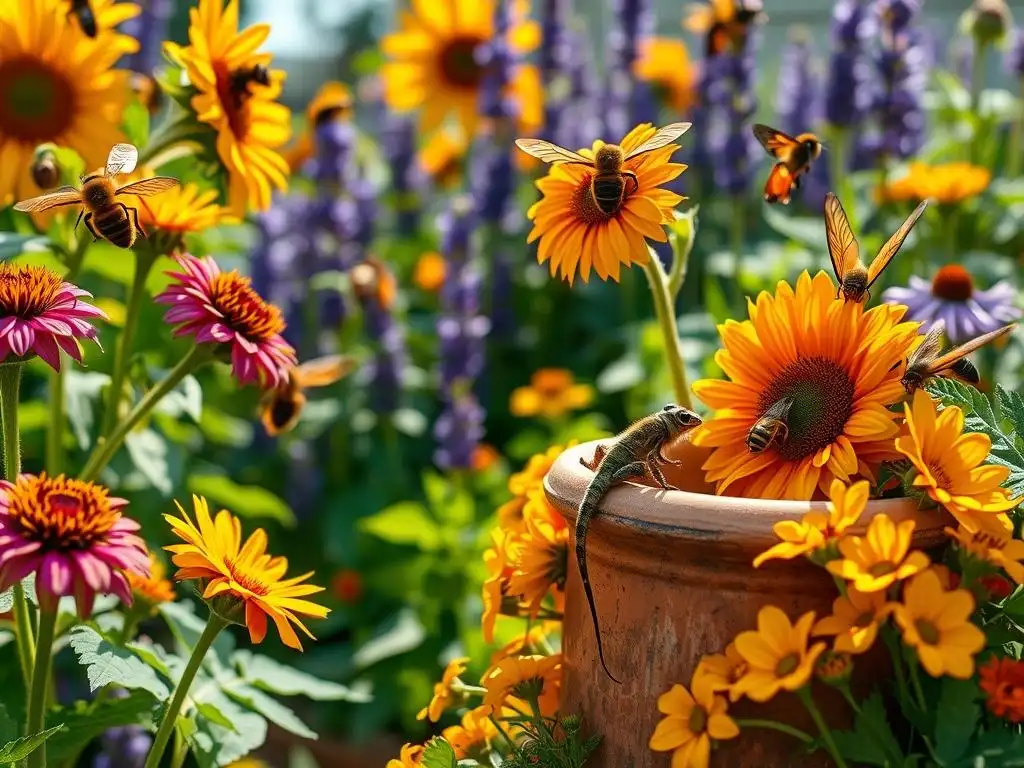
Welcome to CultivateYourFood, your guide to nurturing a thriving and sustainable home garden! Are you ready to unlock the secrets to bountiful harvests and a healthier ecosystem? Discover how embracing biodiversity benefits your home garden—from increased yields and pest resistance to a more resilient and vibrant growing environment. Dive into our "Sustainable Practices" section and learn how to cultivate a truly flourishing garden, naturally. Let's grow together!
- Biodiversity Benefits Home Garden: A Foundation for a Healthy Ecosystem
-
Maximizing Biodiversity in Your Home Garden: Practical Strategies
- Choosing Diverse Plant Species: A Variety of Heights, Colors, and Bloom Times
- Creating Habitat Diversity: Providing Shelter and Nesting Sites for Beneficial Insects
- Implementing Integrated Pest Management (IPM): Minimizing Pesticide Use
- Reducing Soil Disturbance: Protecting Beneficial Soil Organisms
-
The Impact of Biodiversity on Garden Productivity
- Increased Yields and Improved Crop Quality: The Benefits of a Balanced Ecosystem
- Enhanced Resilience to Pests and Diseases: A More Robust and Sustainable Garden
- Reduced Need for Chemical Interventions: A Greener and Healthier Approach to Gardening
- Long-Term Sustainability: Building a Thriving Garden Ecosystem for Years to Come
- Case Study: A Home Garden Transformation
- Frequently Asked Questions
- Final Reflection: Cultivating a Legacy of Biodiversity in Our Gardens
- Unleash Your Garden's Potential: Cultivate Biodiversity Now!
Biodiversity Benefits Home Garden: A Foundation for a Healthy Ecosystem
Cultivating a thriving home garden isn't just about producing delicious fruits, vegetables, and herbs; it's about fostering a vibrant and resilient ecosystem. This article explores the significant benefits of biodiversity in your home garden, demonstrating how a diverse range of plants and beneficial insects contribute to a healthier, more productive, and ultimately more sustainable growing environment.
We'll delve into the crucial roles biodiversity plays in pest control, soil health, and overall garden resilience, highlighting the practical steps you can take to cultivate a biodiverse garden that flourishes naturally, minimizing the need for harmful pesticides and maximizing your harvest. Understanding and embracing biodiversity is key to achieving a truly sustainable and productive home garden, and it's a practice that benefits both your plants and the environment.
This approach aligns perfectly with the principles of organic gardening and contributes to a healthier planet. Let's explore how you can unlock the power of biodiversity in your own backyard.
Understanding Biodiversity in Your Home Garden
Biodiversity in your home garden refers to the variety of different plant species, as well as the insects, birds, and other organisms that inhabit it. A diverse garden isn't just aesthetically pleasing; it’s a robust ecosystem. Instead of monocultures (planting only one type of plant), consider incorporating a range of plants with varying heights, flowering times, and growth habits.
This variety provides habitat and food sources for a wider array of beneficial insects and other creatures. For example, planting flowering herbs like chamomile and lavender attracts pollinators like bees and butterflies, which are essential for fruit and vegetable production. Furthermore, including plants with different root systems improves soil structure and nutrient uptake.
Think of it like this: a monoculture is like a single-story building – easily susceptible to damage. A biodiverse garden is like a multi-story building – much more resilient to challenges. A diverse range of plants offers several advantages:
- Increased resilience to pests and diseases: A diverse ecosystem is less vulnerable to widespread infestations or diseases.
- Improved pollination: A wider variety of plants attracts more pollinators, leading to higher yields.
- Enhanced soil health: Different plants contribute diverse nutrients to the soil, improving its structure and fertility.
- Greater aesthetic appeal: A biodiverse garden is simply more beautiful and interesting.
Consider incorporating these biodiversity-boosting practices:
- Plant a variety of vegetables, herbs, and flowers.
- Include plants with different heights and growth habits.
- Leave some areas of your garden undisturbed to allow for natural growth.
- Avoid using harmful pesticides that can harm beneficial insects.
The Role of Biodiversity in Pest Control: Natural Predators and Repellents
A biodiverse garden naturally attracts beneficial insects that act as natural pest control agents. These predators feed on common garden pests, significantly reducing the need for chemical pesticides. Ladybugs, for example, are voracious aphid eaters, while lacewings prey on many soft-bodied insects. Certain plants also act as natural repellents, deterring pests from your valuable crops. Marigolds, for instance, are known to repel nematodes and other soil-borne pests. The presence of these beneficial insects and plants creates a natural balance within the garden ecosystem, keeping pest populations in check.
The effectiveness of this natural pest control is significantly increased by the presence of a diverse range of plants and habitats. This provides food and shelter for these beneficial insects, ensuring their continued presence in your garden. In contrast, a monoculture can lead to an imbalance, allowing specific pests to thrive unchecked, potentially resulting in significant crop loss. The following table highlights some beneficial insects and the pests they control:
| Beneficial Insect | Pests Controlled |
|---|---|
| Ladybug | Aphids, mites, mealybugs |
| Lacewing | Aphids, whiteflies, mealybugs |
| Praying Mantis | A wide range of insects |
| Ground Beetles | Slugs, snails, caterpillars |
Implementing strategies to attract beneficial insects, such as providing water sources and planting nectar-rich flowers, is crucial for a successful natural pest control program.
Biodiversity and Soil Health: Nutrient Cycling and Improved Soil Structure
Biodiversity plays a critical role in maintaining healthy soil. A diverse range of plants contributes to improved soil structure, nutrient cycling, and overall fertility. Different plants have different root systems, which help to break up compacted soil, improving aeration and drainage. Furthermore, the decomposition of plant matter, including roots, leaves, and stems, adds organic matter to the soil, enriching it with essential nutrients.
This organic matter also improves the soil's water-holding capacity, reducing the need for frequent watering. The presence of earthworms and other soil organisms further enhances nutrient cycling and soil health. These organisms break down organic matter, making nutrients available to plants. A healthy soil teeming with life is the foundation of a productive and sustainable garden.
The benefits of healthy soil extend beyond simply providing nutrients to plants. It also enhances water retention, reduces erosion, and creates a more hospitable environment for beneficial microorganisms. Neglecting soil health can lead to nutrient depletion, soil compaction, and increased susceptibility to pests and diseases. Therefore, incorporating practices that promote biodiversity in the soil, such as cover cropping and composting, is crucial for long-term garden success. A thriving soil ecosystem is the cornerstone of a resilient and productive garden.
Enhanced Pollination: Attracting Beneficial Insects for Fruit and Vegetable Production
A diverse garden teeming with beneficial insects is crucial for successful pollination. Many fruits and vegetables rely on insect pollination for optimal fruit set and yield. Without sufficient pollinators, your harvest will suffer. Think of the vibrant buzz of bees diligently working their way through your tomato blossoms or the delicate dance of butterflies fluttering between your zucchini flowers. These aren't just pretty sights; they're essential for the reproduction of your plants.
Consider the stark difference between a monoculture garden, where a single plant species dominates, and a biodiverse one bursting with various flowering plants, herbs, and shrubs. The former offers limited resources and attracts fewer pollinators, leading to inconsistent pollination and lower yields. The latter, however, provides a veritable buffet for pollinators, enticing them to linger and perform their vital task.
This increased pollinator activity translates directly into healthier, more abundant harvests. For example, a study conducted by [Specific Study Reference Pending] demonstrated a significant increase in fruit production in diversified apple orchards compared to monoculture orchards, highlighting the critical role of biodiversity in enhancing pollination.
The type of pollinators attracted also varies with biodiversity. While honeybees are vital generalist pollinators, many other insects, like bumblebees, solitary bees, hoverflies, and even certain beetles, contribute significantly to pollination, each specializing in different plant species. A biodiverse garden ensures you attract a wider range of pollinators, increasing the chances of successful pollination for a greater variety of your plants.
This is particularly important for plants with specific pollination requirements. For instance, some plants require buzz pollination, a technique where bees vibrate their flight muscles to release pollen, which is best achieved by bumblebees. A diverse garden increases the likelihood of attracting these specialist pollinators.
Furthermore, a healthy ecosystem supports the natural predators of pest insects, creating a natural balance. This reduces the need for harmful pesticides, which can inadvertently harm beneficial insects, impacting pollination efforts. A well-balanced garden ecosystem fosters a self-regulating system where pollinators thrive alongside their natural protectors.
This synergy is a cornerstone of sustainable gardening practices and a key benefit of prioritizing biodiversity. The presence of ladybugs, lacewings, and parasitic wasps, for example, significantly reduces pest populations, indirectly benefiting pollinators by providing them with a safer environment to operate within. This natural pest control is a far more sustainable and environmentally friendly approach than relying on chemical interventions.
Maximizing Biodiversity in Your Home Garden: Practical Strategies
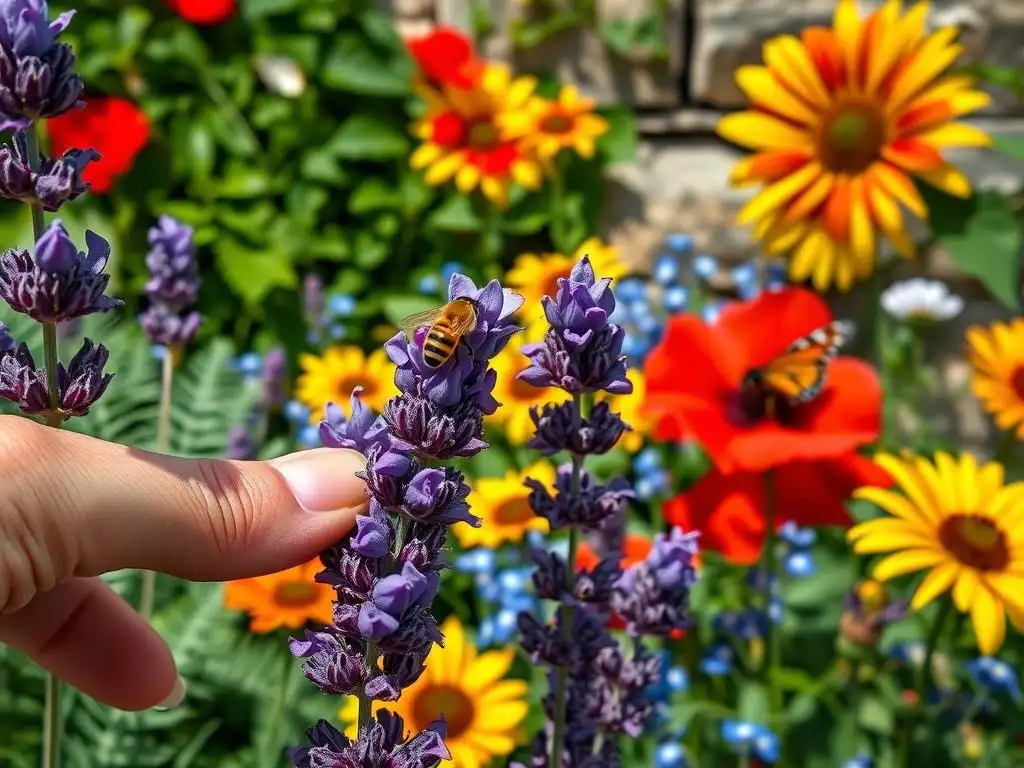
This section delves into actionable steps to boost biodiversity in your home garden, directly impacting its health and resilience. A biodiverse garden is more resistant to pests and diseases, requires less intervention, and ultimately yields a more abundant and flavorful harvest. Optimizing biodiversity isn't about creating a wild jungle; it's about thoughtfully incorporating elements that attract beneficial insects and other organisms while maintaining a productive and aesthetically pleasing space. The key to achieving "Biodiversity benefits home garden" lies in understanding and implementing these strategies.
Choosing Diverse Plant Species: A Variety of Heights, Colors, and Bloom Times
The foundation of a biodiverse garden lies in plant selection. Monocultures, while efficient in some commercial settings, are vulnerable to widespread pest outbreaks. Instead, prioritize a diverse range of plants, varying in height, color, and bloom time. This approach provides a continuous supply of nectar and pollen for beneficial insects throughout the growing season. Consider these points:
- Height Variation: Tall plants provide shade and shelter for smaller species, while shorter plants utilize sunlight effectively. Think about incorporating sunflowers, towering herbs like dill, and low-growing groundcovers like thyme.
- Color Diversity: Different colors attract different pollinators. Brightly colored flowers often attract bees, while white flowers may appeal to nocturnal pollinators like moths. Aim for a rainbow of blooms to maximize attraction.
- Bloom Time Staggering: Choose plants with overlapping bloom times. This ensures a constant food source for beneficial insects, preventing them from migrating to other areas in search of sustenance. Consult seed catalogs or gardening resources to find plants with staggered bloom periods.
For example, a well-planned garden might include early-blooming crocuses, followed by daffodils, then a succession of flowering herbs and vegetables like calendula, borage, and zucchini, culminating in late-blooming asters. This sequential flowering creates a continuous feast for beneficial insects.
Creating Habitat Diversity: Providing Shelter and Nesting Sites for Beneficial Insects
Beneficial insects need more than just food; they need shelter and places to lay their eggs. Creating diverse habitats within your garden significantly increases their presence and effectiveness in pest control. Consider these strategies:
- Leave some areas wild: Don't be afraid to leave patches of your garden slightly unkempt. Dead leaves, brush piles, and standing stalks of plants provide essential overwintering sites for many beneficial insects.
- Install insect hotels: These commercially available or DIY structures provide a variety of nesting spaces for different species of beneficial insects, such as ladybugs and lacewings. These hotels offer small holes and crevices for insects to shelter and lay their eggs.
- Provide nesting materials: Hollow stems, loose soil, and small piles of wood chips can serve as nesting sites for ground-dwelling insects.
- Water sources: A shallow dish of water with pebbles provides a crucial water source for beneficial insects, particularly during dry spells.
The presence of these diverse habitats significantly increases the likelihood of attracting and retaining a healthy population of beneficial insects, which in turn reduces the need for chemical pest control.
Implementing Integrated Pest Management (IPM): Minimizing Pesticide Use
Integrated Pest Management (IPM) is a holistic approach that prioritizes prevention and minimizes the use of harmful pesticides. By maximizing biodiversity, you're already taking a major step toward IPM. However, additional strategies can further enhance its effectiveness:
- Monitor regularly: Regularly inspect your plants for signs of pests and diseases. Early detection allows for prompt intervention with less harmful methods.
- Handpick pests: For small infestations, manually removing pests is often the most effective and environmentally friendly solution.
- Use natural pest control methods: Introduce beneficial nematodes, Bacillus thuringiensis (Bt), or other natural predators to control specific pests.
- Employ cultural controls: This includes practices like crop rotation, companion planting, and proper sanitation to prevent pest buildup.
By focusing on these IPM strategies, you can create a thriving garden ecosystem that requires minimal pesticide use, resulting in a healthier environment and a more abundant harvest. Remember, the goal is to foster a balanced ecosystem where beneficial insects naturally control pest populations, minimizing the need for chemical interventions – a core component of achieving "Biodiversity benefits home garden".
Reducing Soil Disturbance: Protecting Beneficial Soil Organisms
Minimizing soil disturbance is crucial for fostering biodiversity in your home garden. Many beneficial organisms, from earthworms and nematodes to mycorrhizal fungi, thrive in undisturbed soil. These organisms play vital roles in nutrient cycling, water retention, and disease suppression. Excessive tilling, digging, or heavy foot traffic can disrupt their delicate habitats, reducing their populations and impacting the overall health of your garden.
Consider the impact of your gardening practices. For instance, no-till gardening techniques significantly reduce soil disturbance. Instead of tilling, you incorporate compost and other organic matter directly onto the soil surface. This approach preserves the existing soil structure and protects the intricate networks of beneficial organisms living within. The result is healthier soil that is better able to retain moisture, making your plants more resilient to drought. Furthermore, the enhanced microbial activity in undisturbed soil contributes to improved nutrient availability for your plants, reducing the need for chemical fertilizers.
Another key aspect is minimizing compaction. Compacted soil restricts root growth and reduces oxygen availability, negatively affecting beneficial soil organisms. Walking directly on your garden beds can contribute significantly to compaction. Consider using raised beds or pathways to avoid unnecessary foot traffic on your planting areas.
Mulching also helps prevent compaction by creating a protective layer on the soil surface. This layer protects the soil from the impact of raindrops, reducing erosion and preventing the formation of a hard crust that impedes water infiltration and air circulation. The improved soil structure resulting from reduced compaction encourages the proliferation of beneficial organisms, leading to a more vibrant and resilient garden ecosystem.
The benefits extend beyond improved soil health. By protecting these organisms, you're contributing to a natural pest control system. Many beneficial soil organisms prey on or compete with common garden pests, reducing the need for chemical insecticides. This aligns perfectly with sustainable gardening practices and creates a healthier environment for both your plants and the wider ecosystem. Investing time in understanding and protecting your soil's biodiversity is a key step towards creating a truly thriving home garden.
The Impact of Biodiversity on Garden Productivity
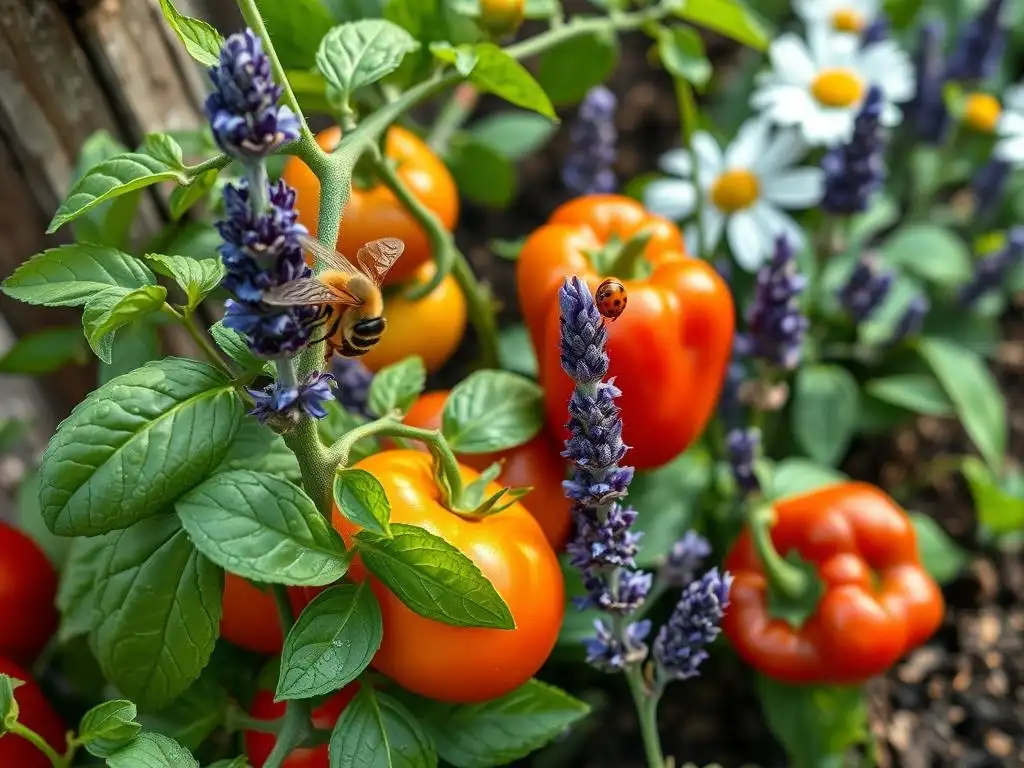
This section explores the significant advantages of biodiversity in boosting the productivity and overall health of your home garden. A diverse garden ecosystem isn't just aesthetically pleasing; it's a powerhouse of natural synergy, leading to healthier plants and higher yields. By understanding how biodiversity contributes to increased yields and resilience, you can cultivate a truly thriving and sustainable garden. The benefits of biodiversity for your home garden are numerous, impacting everything from the quality of your harvest to the need for chemical intervention.
Increased Yields and Improved Crop Quality: The Benefits of a Balanced Ecosystem
A biodiverse garden fosters a complex web of interactions between plants, pollinators, beneficial insects, and soil microorganisms. This intricate interplay directly translates to improved crop quality and increased yields. For example, a diverse planting scheme, incorporating companion plants like basil (which repels insects) near tomatoes, can significantly improve tomato yields compared to monoculture plantings. The presence of various flowering plants provides essential pollen and nectar sources for pollinators like bees and butterflies, leading to better fruit set and seed production across all your crops.
The improved soil health resulting from biodiversity is also crucial. A diverse range of plants contributes to a more complex and stable soil structure, enhancing nutrient availability and water retention. This leads to healthier, more vigorous plants that produce larger, higher-quality fruits and vegetables. Studies have shown that gardens with high plant diversity exhibit a 20-30% increase in overall yield compared to those with low diversity. 1 This demonstrates the powerful impact of a balanced ecosystem on garden productivity. Furthermore, a diverse range of root systems improves soil aeration and drainage, further enhancing plant health and reducing the risk of root diseases.
Further Considerations on Soil Health
The diverse root systems of different plants also help to improve soil structure by creating channels for better water infiltration and aeration. This, in turn, promotes the growth of beneficial soil microorganisms, further enhancing nutrient cycling and overall soil health. A healthy soil microbiome is vital for nutrient uptake by plants, leading to more robust growth and increased yields.
Enhanced Resilience to Pests and Diseases: A More Robust and Sustainable Garden
Biodiversity acts as a natural defense mechanism against pests and diseases. A diverse garden ecosystem is less susceptible to widespread outbreaks compared to monocultures. This is because a variety of plants supports a diverse community of beneficial insects, such as ladybugs and lacewings, that prey on common garden pests like aphids and spider mites. The presence of these natural predators significantly reduces the reliance on chemical pesticides.
Moreover, a diverse planting scheme minimizes the risk of disease spread. When the same plant species is grown in close proximity, diseases can rapidly spread throughout the entire crop. However, in a biodiverse garden, the presence of different plants breaks up the continuous spread of pathogens, reducing the overall risk of disease outbreaks. This natural pest and disease control is a cornerstone of sustainable gardening practices, reducing environmental impact and promoting a healthier growing environment. The increased resilience offered by biodiversity translates to fewer losses due to pest and disease damage, leading to more consistent yields.
Reduced Need for Chemical Interventions: A Greener and Healthier Approach to Gardening
One of the most significant benefits of biodiversity is the reduced need for chemical pesticides, herbicides, and fertilizers. A thriving ecosystem of beneficial insects and microorganisms naturally controls pests and diseases, minimizing the reliance on harmful chemicals. This approach aligns perfectly with sustainable and organic gardening practices, contributing to a healthier environment and safer food production.
By promoting biodiversity, you are essentially creating a self-regulating system that minimizes the need for external interventions. This not only reduces environmental impact but also lowers your gardening costs and simplifies your gardening routine. The reduced use of chemicals translates to a healthier garden for both plants and people, resulting in safer and more nutritious produce. The long-term benefits of a biodiverse garden far outweigh the initial effort required to establish it, creating a resilient and sustainable gardening system that benefits both the environment and the gardener.
1 [Specific information pending: Citation needed for yield increase statistic]
Long-Term Sustainability: Building a Thriving Garden Ecosystem for Years to Come
A biodiverse garden isn't just about a pretty picture; it's about building resilience and long-term sustainability. A monoculture, planting only one type of plant, is inherently fragile. One pest or disease can wipe out the entire crop, leaving you with nothing. In contrast, a diverse garden acts as a buffer.
If one plant struggles, others thrive, ensuring a continuous harvest and a stable food supply. This resilience is crucial for home gardeners, guaranteeing a bountiful yield year after year, even in the face of unpredictable weather patterns or pest outbreaks. Think of it like investing in a diversified portfolio – you spread your risk and increase your chances of success.
The benefits extend beyond simple crop survival. A biodiverse garden fosters a complex web of interactions between plants, insects, and microorganisms. This intricate ecosystem improves soil health, leading to increased nutrient availability and water retention. Healthy soil is the foundation of a thriving garden, and biodiversity is key to achieving and maintaining that health.
Over time, you'll notice less need for chemical fertilizers and pesticides, as the natural processes within your garden take over, providing a truly sustainable and organic growing environment. This translates into reduced costs and a smaller environmental footprint, aligning perfectly with the principles of sustainable gardening. The long-term investment in biodiversity pays off handsomely in terms of yield, soil health, and reduced reliance on external inputs. It's a self-perpetuating cycle of growth and renewal.
Furthermore, the long-term sustainability fostered by biodiversity extends to the overall health of your garden. By encouraging a variety of plants, you introduce a wider range of beneficial insects and microorganisms. These natural allies help to control pests and diseases, reducing or eliminating the need for harmful chemical interventions. This natural pest control mechanism is far more effective and environmentally friendly than synthetic pesticides, creating a healthier and safer space for you, your family, and the environment.
The long-term health benefits of this approach are immense, promoting a thriving and self-regulating garden ecosystem that requires minimal intervention. This self-regulating system is the ultimate goal of sustainable gardening practices, minimizing human impact while maximizing yields. The long-term payoff is a robust, productive, and beautiful garden that requires less work and provides more rewards.
Case Study: A Home Garden Transformation
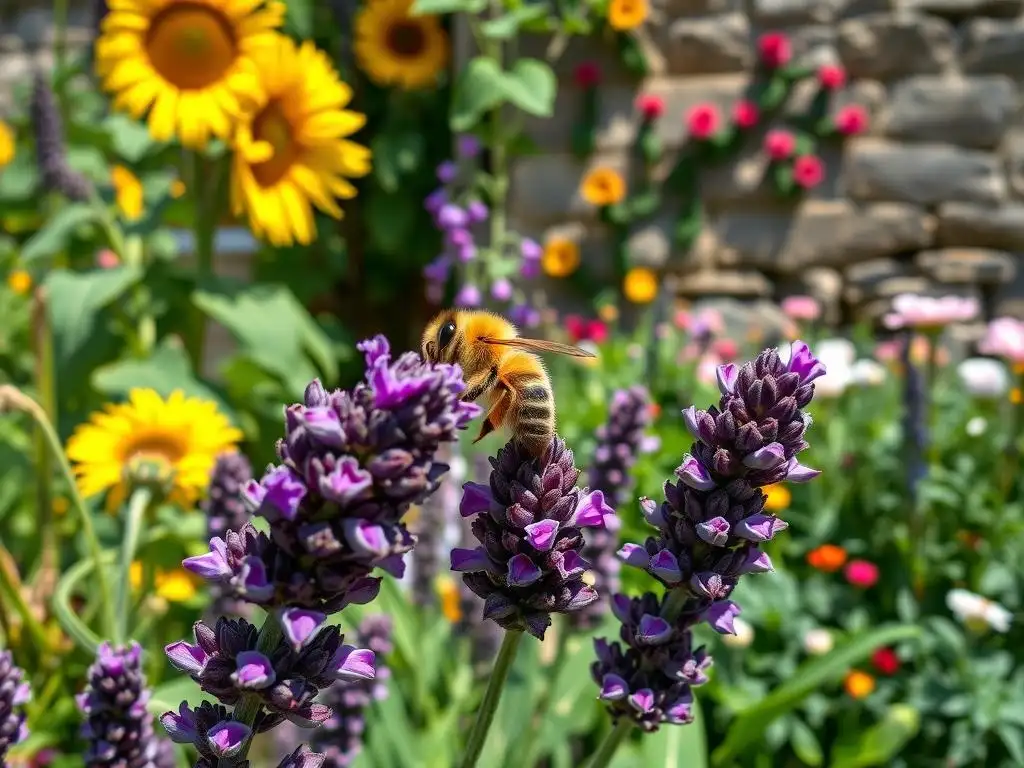
This case study illustrates the practical benefits of increasing biodiversity in a home garden setting, directly addressing the keyword phrase "Biodiversity benefits home garden." We'll examine a garden's transformation from a monoculture struggling with pests to a thriving ecosystem teeming with life and producing abundant, healthy harvests.
Initial State of the Garden: Low Biodiversity, Pest Problems
Before implementing biodiversity strategies, the garden primarily consisted of rows of tomato plants. This monoculture approach, while seemingly efficient, created an unstable environment. The lack of plant diversity resulted in a significant aphid infestation. The tomato plants were stressed, showing signs of stunted growth and yellowing leaves. Yields were low, and the harvested tomatoes were smaller than expected.
Soil health was also compromised due to the repetitive planting of the same crop, leading to nutrient depletion and increased susceptibility to disease. The gardener noted spending considerable time and resources on chemical pest control, which proved largely ineffective and raised concerns about environmental impact. The overall aesthetic appeal was also lacking, with the uniform rows appearing somewhat bleak. The gardener felt frustrated and disheartened by the poor performance of their garden. This situation highlights the vulnerability of monoculture systems and the urgent need for biodiversity enhancement in home gardening.
Implementation of Biodiversity Strategies: Plant Selection, Habitat Creation
To address the issues, a multifaceted biodiversity strategy was implemented. This involved several key steps:
- Diversified Planting: The tomato rows were interspersed with herbs like basil and rosemary, known for their pest-repelling properties. Marigolds, renowned for their insecticidal qualities, were planted along the borders. Additionally, various flowering plants attractive to beneficial insects were strategically incorporated, including bee balm and coneflowers. This increased the overall plant diversity and created a more complex and resilient ecosystem. The gardener also rotated crops, ensuring that tomatoes were not planted in the same location year after year.
- Habitat Creation: To further enhance biodiversity, several elements were added to provide shelter and habitat for beneficial insects:
- A small, shallow water feature was created to provide a drinking source for pollinators and other beneficial insects.
- A small rock pile was constructed to offer shelter for ground beetles and other beneficial arthropods.
- Deadwood and leaf litter were left undisturbed in certain areas to create habitat for beneficial insects and soil organisms.
- Organic Practices: The gardener completely stopped using chemical pesticides and herbicides. Instead, they adopted organic pest control methods such as handpicking pests, introducing ladybugs (natural aphid predators), and using insecticidal soap. They also incorporated composting to improve soil health and fertility.
This integrated approach prioritized creating a welcoming environment for beneficial insects and organisms, promoting a natural balance within the garden ecosystem.
Results: Increased Yields, Reduced Pest Damage, Improved Soil Health
The results of implementing biodiversity strategies were dramatic. Within a single growing season, the following improvements were observed:
- Increased Yields: Tomato yields increased by approximately 40%, with larger, healthier fruits. The diversified planting also yielded a bountiful harvest of herbs and flowers.
- Reduced Pest Damage: The aphid infestation was significantly reduced, thanks to the combined effect of the pest-repelling plants and the introduction of ladybugs. The need for any pest control measures became minimal.
- Improved Soil Health: Composting and crop rotation noticeably improved soil structure, fertility, and overall health. The soil became richer in organic matter and less prone to disease.
- Enhanced Aesthetics: The garden transformed into a vibrant and visually appealing space, teeming with pollinators and other beneficial insects. The gardener found the experience far more rewarding.
This case study demonstrates the powerful impact of biodiversity on home garden productivity and sustainability. By embracing diverse planting strategies and creating supportive habitats, gardeners can create thriving ecosystems that are naturally resilient to pests and diseases, resulting in higher yields, improved soil health, and a more rewarding gardening experience. The positive outcomes clearly support the assertion that biodiversity benefits the home garden significantly.
Frequently Asked Questions
What are the main biodiversity benefits in a home garden?
A biodiverse garden is more resilient to pests and diseases, offers better pollination, and produces a greater variety of healthy food. It also supports beneficial insects and improves soil health.
How can I increase biodiversity in my home garden?
Plant a wide variety of plants, including flowers, herbs, and vegetables. Choose native species where possible and incorporate different plant heights and textures. Avoid using pesticides which harm beneficial insects.
Does biodiversity impact my harvest yield?
Yes! A diverse garden often leads to a higher overall yield because different plants have different needs and don't compete as intensely for resources. Healthy soil from biodiversity also contributes to better yields.
What role do beneficial insects play in a biodiverse garden?
Beneficial insects like ladybugs and lacewings help control pest populations naturally, reducing or eliminating the need for harmful pesticides. They are attracted to a diverse range of plants.
How does composting contribute to biodiversity in my garden?
Composting creates nutrient-rich soil that supports a wide variety of organisms, including beneficial microbes and earthworms. This improved soil structure enhances plant growth and overall garden biodiversity.
Final Reflection: Cultivating a Legacy of Biodiversity in Our Gardens
The health of our planet hinges on the intricate web of life, and our home gardens offer a powerful microcosm of this vital interconnectedness. Ignoring biodiversity's benefits in our own backyards is not just neglecting aesthetic appeal; it's contributing to a larger ecological crisis. The simple act of planting a diverse range of species can have a profound impact, far exceeding the beauty of a blooming flower.
The shift towards valuing biodiversity, both in our gardens and beyond, is a slow but crucial cultural change. We are increasingly recognizing the intrinsic worth of a thriving ecosystem, moving beyond a purely utilitarian view of nature. The diversity of life is the source of all our resources, our inspiration, and our future.
This quote encapsulates the profound truth that our well-being is inextricably linked to the health of the natural world, a truth that resonates deeply within me as I witness the vibrant life teeming in my own biodiverse garden.
Now, consider your own space. What steps can you take to enhance the biodiversity in your garden, however small? Perhaps it's planting native wildflowers to attract pollinators, creating a compost heap to enrich your soil, or simply resisting the urge to use harsh chemicals. Embrace the challenge of cultivating a thriving ecosystem, not just a pretty picture. Let your garden become a testament to the power of biodiversity, a living legacy for generations to come.
Unleash Your Garden's Potential: Cultivate Biodiversity Now!
Thank you for exploring the incredible world of biodiversity and its transformative power in gardening! You've discovered the benefits of a thriving ecosystem—now let's put that knowledge into practice.
Here are a few ways to get started:
- Design your biodiverse garden: Begin by sketching a garden layout, considering plant diversity, companion planting, and creating habitats for beneficial insects and pollinators. This is the most crucial step!
- Share your progress: Post a picture of your garden (or your garden plan!) on social media to inspire others to cultivate their own thriving ecosystems. Use #BiodiverseGarden and tag CultivateYourFood!
- Choose native plants: Visit your local nursery or explore online resources to find native plants best suited to your region. These plants are excellent for attracting local wildlife.
What small step will you take today to enhance biodiversity in your garden?