
The Art of the Grafting Knife: HighEnd Tools for Advanced Techniques

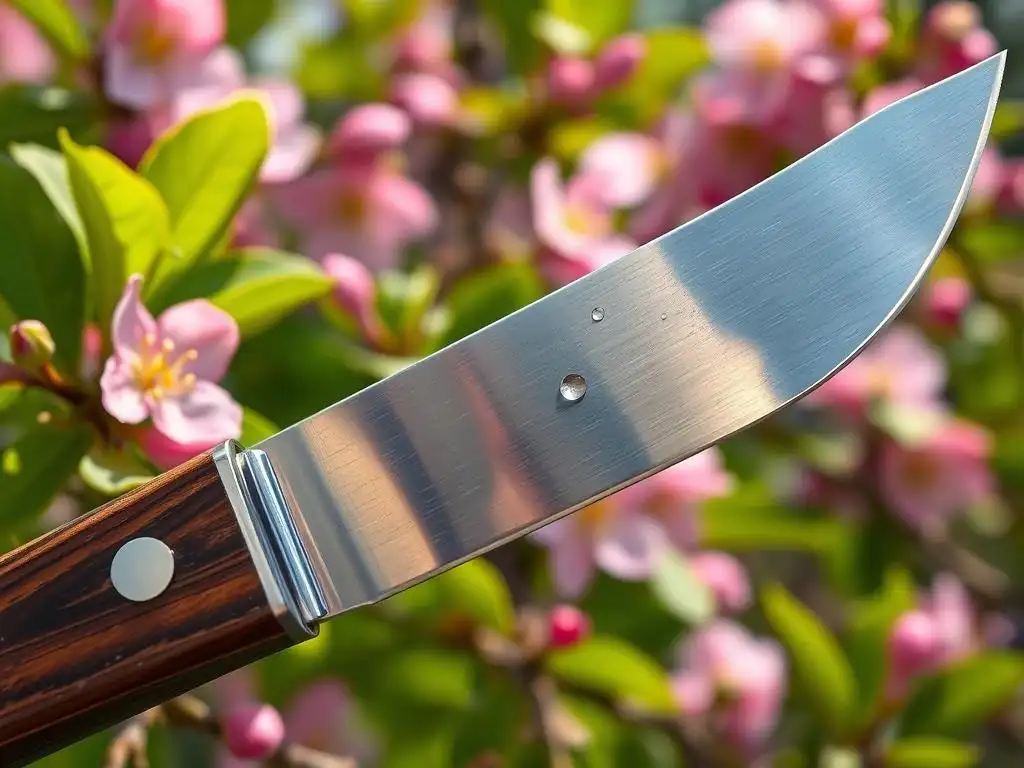
Welcome to CultivateYourFood, where we unlock the secrets to a thriving, sustainable garden! Are you ready to elevate your homegrown harvest? Then prepare to discover the world of high-end gardening, starting with our expert guide on grafting knife best techniques. Learn how the right tools can unlock unparalleled success in your fruit and vegetable production – a journey into precision and abundance awaits. Let's get growing!
- Understanding Grafting Techniques and Their Importance
- Selecting the Best Grafting Knife for Your Skill Level
- Mastering Grafting Knife Techniques for Optimal Success
- Beyond the Knife: Essential Tools for Successful Grafting
- Maintaining Your High-End Grafting Knife: Care and Longevity
- Case Studies: Successful Grafting Projects Using High-End Tools
- Investing in Quality: Why Premium Grafting Knives are Worth It
- Where to Buy the Best Grafting Knives: Recommended Retailers
-
Frequently Asked Questions
- What is grafting, and why is a specialized knife important?
- What features should I look for in a high-end grafting knife?
- What are the best techniques for using a grafting knife?
- Are there different types of grafting knives for different applications?
- Where can I find high-quality grafting knives and learn more advanced techniques?
- Final Reflection: The Enduring Legacy of the Grafting Knife
- Sharpen Your Skills: Elevate Your Grafting Game!
Understanding Grafting Techniques and Their Importance
Grafting, the art of joining plant parts to create a single, unified organism, is a cornerstone of advanced horticulture and a crucial technique for fruit tree cultivation. This practice allows growers to combine the desirable characteristics of different plants – a robust rootstock for disease resistance with a fruiting scion known for high-yield or superior flavor, for example.
Mastering grafting techniques, particularly when utilizing high-end tools, unlocks the potential to cultivate healthier, more productive, and ultimately, more flavorful fruits and vegetables at home, perfectly aligning with the sustainable and organic practices championed by CultivateYourFood. This article delves into the world of premium grafting knives and explores how the right tools significantly impact the success and efficiency of various grafting methods, ultimately leading to superior results in your home garden.
We'll explore the nuances of different grafting techniques, helping you select the perfect method for your specific needs and achieving the highest quality results in your sustainable gardening journey. The investment in quality tools, as we will see, is repaid many times over in the superior yields and overall health of your plants.
The Basics of Grafting: Why it Matters for Fruit Tree Cultivation
Grafting isn't just about combining desirable traits; it's about improving the overall health and productivity of your fruit trees. A well-executed graft ensures a stronger root system, increased disease resistance, and potentially earlier fruiting. Using a compatible rootstock provides crucial benefits:
- Disease Resistance: Many rootstocks possess inherent resistance to common soilborne diseases. Grafting a desirable fruiting variety onto a resistant rootstock protects the entire plant.
- Improved Hardiness: Some rootstocks are better adapted to specific climates or soil conditions. This can translate to increased survivability and yield, even in challenging environments.
- Dwarfing: Using dwarfing rootstocks allows for smaller, more manageable trees, ideal for smaller gardens. This also often leads to earlier fruiting.
- Enhanced Fruit Quality: Specific rootstocks can influence fruit size, flavor, and even color.
Understanding these fundamental benefits underscores the importance of mastering grafting, and the crucial role high-quality tools play in achieving consistent success. The precision and control afforded by premium grafting knives directly impacts the success rate of the graft union, leading to healthier and more productive trees.
Advanced Grafting Techniques: Achieving Superior Results
Beyond the basic whip and tongue or cleft grafts, several advanced techniques exist, demanding precision and specialized tools. These methods often yield superior results, especially when working with delicate scions or difficult-to-graft varieties. Examples include:
- Approach Grafting: This technique involves growing two plants close together and grafting them while they are still attached to their own root systems. It's particularly useful for difficult-to-graft species.
- Inarching: A variation of approach grafting where one plant's branch is grafted onto another plant's root or trunk.
- Bud Grafting (T-budding): This involves inserting a single bud into a slit in the rootstock. It’s efficient and widely used for large-scale propagation.
The success of these advanced techniques hinges on the sharpness and precision of the grafting knife. A high-quality blade ensures clean cuts, promoting rapid healing and a strong union. A poorly executed cut can lead to graft failure, highlighting the critical role of premium tools in achieving superior results. The investment in precision instruments is a direct investment in the success of your grafting endeavors.
Choosing the Right Grafting Method for Your Needs: A Comprehensive Guide
Selecting the appropriate grafting method depends on several factors: the type of plant, the time of year, the size of the scion and rootstock, and the grower's skill level.
| Grafting Method | Description | Skill Level | Time of Year |
|---|---|---|---|
| Whip and Tongue | Simple, suitable for small diameter stems | Beginner | Late winter/early spring |
| Cleft Graft | Used for larger rootstocks, inserting scion into a split in the rootstock | Intermediate | Late winter/early spring |
| Approach Grafting | Joining two plants while still rooted | Advanced | Summer |
| Bud Grafting (T-budding) | Inserting a single bud into the rootstock | Intermediate | Summer |
This table only provides a brief overview. Further research into specific plant compatibility and detailed instructions for each method is crucial before attempting any grafting. Remember, even with the best tools, a thorough understanding of the chosen technique is paramount to achieving success. The right grafting knife, paired with the right technique and careful execution, will significantly increase your chances of success in your sustainable gardening journey.
Selecting the Best Grafting Knife for Your Skill Level
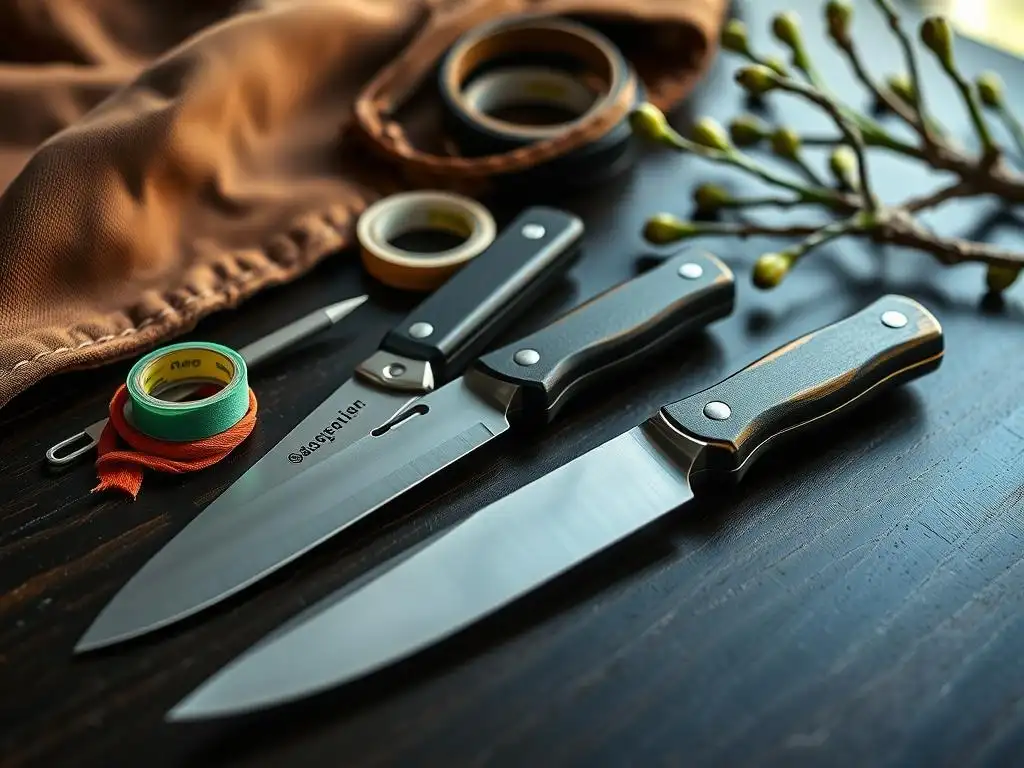
Choosing the right grafting knife is crucial for successful grafting, regardless of whether you're a beginner or a seasoned professional. The best grafting knife for you will depend heavily on your skill level and the types of grafting you plan to perform. A beginner might find a simple, less expensive knife sufficient, while a professional might require a high-end tool with specialized features for intricate techniques.
Investing in a quality grafting knife, however, is always a smart move, as it directly impacts the precision and success rate of your grafting efforts. A sharper, more durable blade leads to cleaner cuts, minimizing damage to the plant and maximizing the chances of a successful union. This translates to healthier plants and a higher yield, making the initial investment worthwhile in the long run.
Consider the features, ergonomics, and overall durability when making your selection. Remember, a poorly chosen knife can lead to frustration and ultimately, unsuccessful grafts.
Top-Rated Grafting Knives for Beginners: Budget-Friendly Options
Beginners often benefit from a grafting knife that is both affordable and easy to use. These knives typically feature a simpler design and may not have all the bells and whistles of more expensive models. However, they still offer the essential features needed for basic grafting techniques. Look for knives with a comfortable grip and a sharp, durable blade made from high-carbon steel. A good beginner's grafting knife should be easy to clean and maintain.
Consider factors like blade length and overall weight; a lighter knife might be preferable for extended use. Some popular budget-friendly options often include a carrying case for protection and storage, ensuring the knife stays sharp and safe. Remember, even a budget-friendly knife can produce excellent results with proper care and technique. Mastering the fundamental grafting techniques with a simpler tool first can build a solid foundation before moving to more advanced equipment.
Here’s a sample of features to look for in a beginner's grafting knife:
| Feature | Description | Importance for Beginners |
|---|---|---|
| Blade Material | High-carbon steel for durability and sharpness | Ensures clean cuts, minimizing plant damage |
| Blade Length | 2-3 inches is generally sufficient for most beginner grafting techniques. | Easier to control and maneuver for less experienced users |
| Handle Material | Ergonomic, comfortable grip (e.g., wood, plastic) | Reduces hand fatigue during prolonged use |
| Overall Weight | Lightweight for ease of use | Prevents strain and allows for better precision |
| Price Point | Budget-friendly, under [Price range pending] | Makes the investment accessible to beginners |
Mid-Range Grafting Knives: Features and Benefits for Intermediate Grafters
As your grafting skills progress, you may want to upgrade to a mid-range grafting knife. These knives offer enhanced features and improved ergonomics compared to beginner models. They often incorporate higher-quality materials and more sophisticated designs to improve precision and efficiency. Features such as a replaceable blade, a more ergonomic handle, and specialized blade shapes for different grafting techniques are common. The improved blade geometry allows for more refined cuts, enhancing the success rate of more complex grafting methods.
The superior materials also ensure greater durability and longevity. The investment in a mid-range knife reflects a commitment to improving your technique and achieving consistently successful grafts. This translates to healthier plants and better yields, making the investment worthwhile for those serious about their grafting pursuits. Moreover, the increased comfort and control offered by these knives can significantly reduce hand fatigue during longer grafting sessions.
The right tool makes all the difference. A mid-range grafting knife is an investment in the quality and consistency of your work.
High-End Grafting Knives: Precision Tools for Professional Results
High-end grafting knives represent the pinnacle of grafting tool technology. These knives are designed for professional grafters and those who demand the utmost precision and performance. They typically feature premium materials, advanced blade geometries, and exceptional ergonomics. Features like replaceable blades, specialized blade shapes for various grafting techniques (whip and tongue, cleft grafting, etc.
), and incredibly sharp, durable blades are common. The superior materials and construction ensure exceptional durability and longevity. These knives are built to last and provide years of reliable service. The investment in a high-end knife is justified by the significant improvement in grafting success rates, the ability to perform more complex techniques, and the overall enhancement of the grafting experience.
Professional grafters often rely on these tools to maintain their high standards of quality and efficiency. The precision and control offered by these knives are essential for achieving consistently successful grafts, especially when working with delicate plant material. The ergonomic design also minimizes hand fatigue, allowing for extended periods of comfortable and efficient work. The cost reflects the superior quality, precision, and longevity of these tools, making them a worthwhile investment for serious enthusiasts and professionals alike.
Comparing Features: Blade Material, Handle Design, and Overall Ergonomics
Choosing the right grafting knife hinges on understanding the interplay between blade material, handle design, and overall ergonomics. The best grafting knife for your needs will depend heavily on your skill level and the types of grafting you frequently perform. Let's delve into the specifics:
Blade Material: The blade material significantly impacts the knife's sharpness, durability, and resistance to corrosion. High-carbon steel blades are a popular choice among professional and serious hobbyist grafters. These blades boast exceptional sharpness retention, making clean cuts crucial for successful grafting a breeze. However, high-carbon steel requires meticulous care; proper cleaning and oiling after each use are essential to prevent rust and maintain its cutting edge.
Alternatively, stainless steel blades offer superior corrosion resistance, making them ideal for those who prioritize ease of maintenance. While they might not hold their sharpness as long as high-carbon steel, they are more forgiving in terms of upkeep. The choice often comes down to a trade-off between sharpness and maintenance convenience. Consider the frequency of your grafting and your willingness to dedicate time to blade care when making your decision.
Handle Design: The handle is just as crucial as the blade. A comfortable and well-designed handle significantly impacts the precision and control you have during grafting. Many high-end grafting knives feature ergonomic handles crafted from materials like polished hardwood or high-quality polymers. These materials provide excellent grip, even when your hands are damp or slightly sweaty.
Look for handles that are contoured to fit comfortably in your hand, minimizing hand fatigue during extended grafting sessions. The weight and balance of the knife are also important considerations; a well-balanced knife feels natural in your hand and reduces strain. Avoid handles that feel too heavy or too light, as this can affect your precision and control. Some handles incorporate features like finger guards to enhance safety.
Overall Ergonomics: Ergonomics encompass the overall comfort and ease of use. A poorly designed grafting knife, regardless of blade quality, can lead to hand fatigue, discomfort, and ultimately, less precise cuts. The best grafting knives prioritize ergonomics by considering factors such as handle shape, weight distribution, and blade length. A well-designed knife should feel like an extension of your hand, allowing for effortless and precise movements.
Consider the size of your hand when selecting a grafting knife. A knife that's too large or too small will be less comfortable and may hinder your ability to perform precise cuts. Before purchasing, it's highly recommended to handle the knife if possible to assess its ergonomics personally. Many experienced grafters swear by the feeling of a perfectly balanced and ergonomic grafting knife, stating it significantly improves both the speed and success rate of their grafting.
Mastering Grafting Knife Techniques for Optimal Success
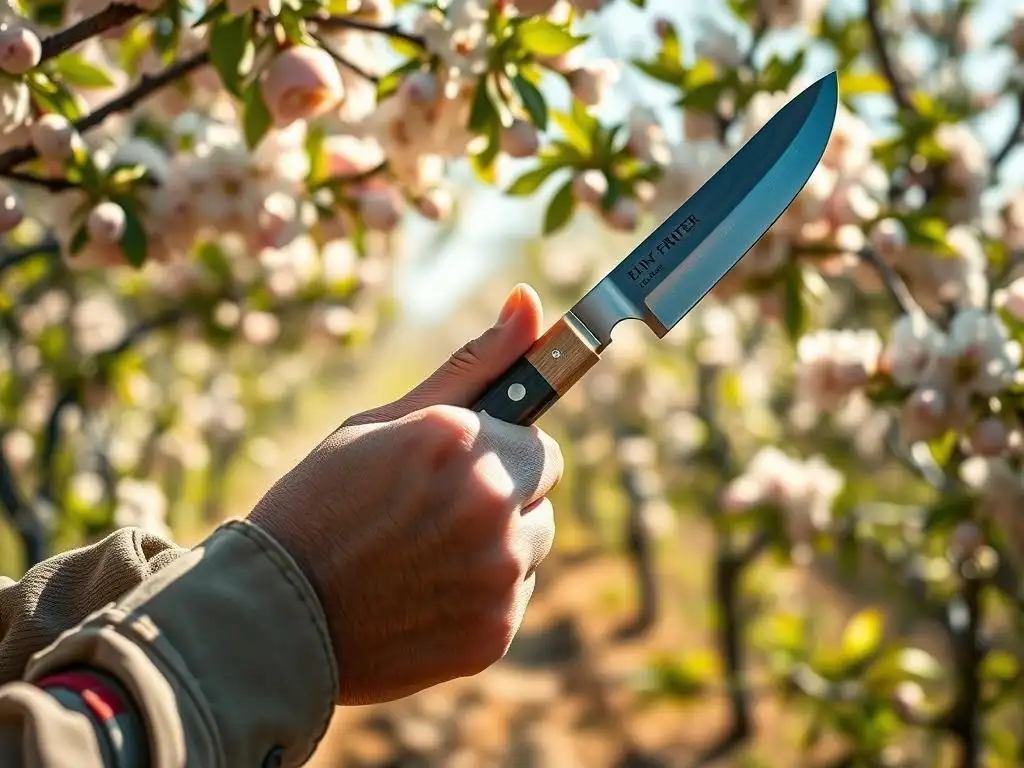
This section delves into the refined art of grafting, focusing on how the right techniques, executed with precision, significantly impact the success rate of your grafting endeavors. Mastering these techniques elevates your grafting from a simple procedure to a high-yield horticultural practice. We'll explore how superior knife control translates to healthier, more vigorous plants, ultimately maximizing your harvest. The goal is to achieve seamless unions between scion and rootstock, leading to robust growth and plentiful fruit or vegetable production. This is crucial for achieving the best results when using premium grafting knives.
Essential Grafting Knife Skills: A Step-by-Step Guide
Proficient grafting requires a delicate touch and precise movements. The following step-by-step guide details the essential skills needed to master the grafting knife, transforming you from a novice to a confident grafter. Remember, patience and practice are key to achieving clean, precise cuts.
- Holding the Knife: Grip the grafting knife firmly but gently, ensuring a comfortable and controlled hold. Avoid gripping too tightly, which can lead to fatigue and imprecise cuts. The index finger should rest lightly on the blade near the tip for added control and precision.
- Making the Cut: Begin with a smooth, swift motion. Avoid sawing or jerking the knife, which can damage the cambium layer – the vital layer responsible for the union between scion and rootstock. Practice on scrap wood until you achieve consistent, clean cuts.
- Angle and Depth: The angle and depth of your cuts are crucial. Incorrect angles can result in poor alignment and failure of the graft. The precise angle and depth will vary depending on the chosen grafting technique (discussed in a later section).
- Cleanliness: Maintain a clean knife throughout the process. A dirty or dull knife can introduce pathogens and lead to infection, compromising the graft's success. Clean your blade regularly with a damp cloth and keep it sharp.
- Practice: Consistent practice is paramount. Start with simpler techniques and gradually progress to more challenging ones. Practice on readily available plant material until you feel confident in your ability to make clean, precise cuts consistently.
Preparing the Scion and Rootstock: Precision is Key
Proper preparation of both the scion (the cutting containing the desired buds) and the rootstock (the plant onto which the scion is grafted) is paramount for successful grafting. This step requires meticulous attention to detail and precise cuts. Even minor inaccuracies can significantly reduce the chances of a successful graft.
- Scion Preparation: The scion wood should be from healthy, disease-free growth. Select a section with several well-developed buds. Cut the scion to the desired length, ensuring a clean, smooth cut. The cut surface should be smooth and free from irregularities. The size and shape of the cut will depend on the specific grafting technique being employed.
- Rootstock Preparation: The rootstock should be vigorous and healthy. The diameter of the rootstock should be compatible with the scion. A clean, smooth cut is essential for a successful union. The rootstock should be prepared immediately before grafting to minimize drying out. This is especially important in warmer climates.
- Cambium Layer Alignment: The most crucial aspect of preparing the scion and rootstock is aligning the cambium layers. The cambium is a thin layer of actively dividing cells just beneath the bark. Proper alignment of these layers is essential for the formation of callus tissue, which seals the graft union and allows for nutrient exchange. Misalignment drastically reduces the chances of successful grafting.
- Tools and Materials: Having the right tools is crucial. Beyond the grafting knife, sharp pruning shears are essential for preparing the scion and rootstock. Grafting tape or rubber bands are needed to secure the union, and a grafting sealant can help protect the graft from disease and moisture loss.
Performing Different Grafting Techniques: Whip and Tongue, Cleft Grafting, and More
Grafting encompasses a variety of techniques, each suited to different plant species and situations. Choosing the appropriate technique is crucial for success. Here, we will explore some of the most common methods:
- Whip and Tongue Grafting: This technique involves making angled cuts on both the scion and rootstock, creating a tongue-like projection on each that interlocks. It is ideal for smaller-diameter stems of similar size. The precise angle and length of the cuts are critical for successful union. This technique is widely used for fruit trees.
- Cleft Grafting: This method is suitable for larger rootstocks. A vertical split is made in the rootstock, and the scion, shaped into a wedge, is inserted into the split. This technique is often used for grafting thicker branches or rootstocks. It's important to ensure tight contact between the cambium layers of the scion and rootstock.
- Other Techniques: Numerous other grafting techniques exist, including bark grafting, approach grafting, and bud grafting. The choice of technique depends on factors such as the size and type of plant, the time of year, and the desired outcome. Researching the specific needs of your plants is essential for selecting the most appropriate method. Proper execution of any technique requires skill and attention to detail. Using a high-quality grafting knife significantly improves the chances of success.
The mastery of grafting knife techniques is a journey, not a destination. Continuous practice and a commitment to precision will refine your skills, leading to higher success rates and a bountiful harvest. Remember, the right tools and the right techniques are key to unlocking the true potential of your garden.
Troubleshooting Common Grafting Problems: Identifying and Addressing Issues
Grafting, while a rewarding technique, presents several potential pitfalls. Successfully mastering grafting knife best techniques requires not only skill but also the ability to diagnose and address problems promptly. Ignoring early signs of failure can lead to wasted time and resources. Let's explore some common issues and how to prevent or rectify them.
One frequent problem is incompatibility between the scion and rootstock. This incompatibility manifests in several ways. The graft union might fail to heal properly, resulting in a weak or nonexistent connection. You might observe discoloration or wilting at the graft site, indicating a rejection of the scion by the rootstock. Careful selection of compatible varieties is crucial. Prior research into the specific compatibility of your chosen scion and rootstock is essential before undertaking the grafting process. Using reliable sources and consulting experienced gardeners can significantly reduce the risk of incompatibility.
Another common issue is improper grafting technique. Even with compatible varieties, incorrect cuts or insufficient cambium contact can lead to failure. The cambium layer, the thin layer of actively dividing cells just beneath the bark, is essential for successful grafting. If the cambium layers of the scion and rootstock don't make proper contact, the graft won't fuse.
This often results in a graft that fails to thrive or dies altogether. Practicing on less valuable plants before attempting grafting on prized specimens is highly recommended. Invest time in perfecting your technique before working with your most valuable plants. Careful attention to detail during the cutting and joining process is key.
Environmental factors also play a significant role. Extreme temperatures, both hot and cold, can negatively impact graft success. Sudden temperature fluctuations or prolonged exposure to harsh conditions can stress the graft union, hindering its ability to heal. Providing adequate shade and protection during critical periods after grafting can significantly improve survival rates. Using grafting tape or other protective coverings can help regulate temperature and humidity around the graft union. Consider the time of year for grafting, opting for periods with stable and moderate temperatures.
Finally, pest and disease infestations can compromise a graft's success. Insects or pathogens can weaken the graft union, making it more susceptible to failure. Regular inspection for signs of pests or diseases is crucial. Prompt action, such as applying appropriate organic pesticides or fungicides, is vital to protect the graft and ensure its survival.
Maintaining a healthy growing environment with good air circulation and avoiding overwatering can also help prevent pest and disease problems. Prevention is always better than cure when it comes to protecting your grafts. A proactive approach to pest and disease management is essential for long-term success.
Beyond the Knife: Essential Tools for Successful Grafting
While a high-quality grafting knife is undeniably crucial for successful grafting, it's only one piece of the puzzle. Mastering the art of grafting also requires a suite of supporting tools to ensure the graft's survival and optimal growth. Neglecting these supporting elements can compromise the entire process, even with the sharpest knife.
This section delves into the essential tools beyond the knife itself, focusing on those that significantly impact the success rate of your grafting efforts. We'll explore how the right tools contribute to the overall health and longevity of your grafted plants, emphasizing the "Grafting knife best techniques" through the use of complementary equipment.
Grafting Tape and Sealants: Protecting Your Grafts from the Elements
Protecting the graft union from the elements is paramount for successful grafting. Exposure to harsh sunlight, wind, and rain can desiccate the graft, hindering the healing process and increasing the risk of failure. This is where grafting tape and sealants play a critical role.
High-quality grafting tape, typically made from polyethylene or PVC, provides gentle support and prevents the graft union from moving or becoming damaged. It's crucial to choose a tape that's flexible enough to accommodate the swelling of the cambium layer as the graft heals, yet strong enough to provide adequate support. Avoid tapes that are too tight, as this can restrict growth and potentially damage the plant.
Furthermore, a grafting sealant, or grafting wax, creates a waterproof barrier that protects the graft union from moisture loss and infection. These sealants often contain fungicides and protectants to further enhance the graft's chances of survival. Applying the sealant properly is crucial; a thin, even layer is sufficient. Too much sealant can hinder the healing process, while too little leaves the graft vulnerable.
Different sealants have varying consistencies; some are applied hot, while others are applied cold. Choosing the right type depends on personal preference and the specific conditions. Careful attention to both tape application and sealant application is essential for successful grafting. Many experienced gardeners swear by a combination of both techniques for optimal protection, achieving a significantly higher success rate in their grafting endeavors.
Supporting Structures for Young Grafts: Stakes and Trellises
Newly grafted plants are often delicate and require additional support, especially during the crucial healing period. Strong winds or accidental damage can easily disrupt the graft union, jeopardizing the entire process. Providing support through stakes or trellises helps to secure the graft and minimize the risk of failure. The type of support needed depends on the size and type of plant being grafted.
For smaller plants, a simple stake driven into the ground near the graft union provides sufficient support. Ensure the stake is tall enough to provide support as the plant grows. The stake should be secured to the plant using soft ties or grafting tape to prevent damage to the tender branches.
Larger plants or those with multiple grafts may require a more robust support system, such as a trellis. Trellises provide a larger support surface area and help to distribute the weight of the plant, preventing stress on the graft union. The choice of materials for stakes and trellises should be durable and weather-resistant to ensure long-lasting support.
Avoid using materials that could potentially damage the plant, such as sharp metal or untreated wood that could cause rot or harbor pests. Proper support significantly increases the chances of survival, particularly in exposed locations. The investment in strong, appropriate support structures is an integral part of successful grafting, contributing significantly to the overall success rate.
Pruning Shears and Other Essential Tools for Post-Grafting Care
Post-grafting care is just as crucial as the grafting process itself. Regular monitoring and pruning are necessary to ensure the graft's health and proper development. Sharp, clean pruning shears are essential for removing any dead or diseased tissue around the graft union. This prevents the spread of infection and promotes healing. Similarly, removing competing shoots or suckers that emerge from below the graft union is vital to direct energy towards the desired scion. These secondary growths compete for resources, hindering the growth of the graft.
Beyond pruning shears, other tools might be useful depending on the specific grafting technique and plant species. These could include small hand saws for larger branches, specialized pruning tools for delicate work, and even a grafting knife for any necessary adjustments after the initial grafting process. The post-grafting care phase is often overlooked, but it significantly influences the long-term success of the graft.
Regular inspections and prompt attention to any issues will improve the overall health and productivity of the grafted plants. Equipping oneself with the right tools for post-grafting care is a crucial element in achieving successful and thriving grafted plants. This careful attention to detail is crucial for maximizing the chances of success with your grafting projects, truly mastering the "Grafting knife best techniques."
Maintaining Your High-End Grafting Knife: Care and Longevity
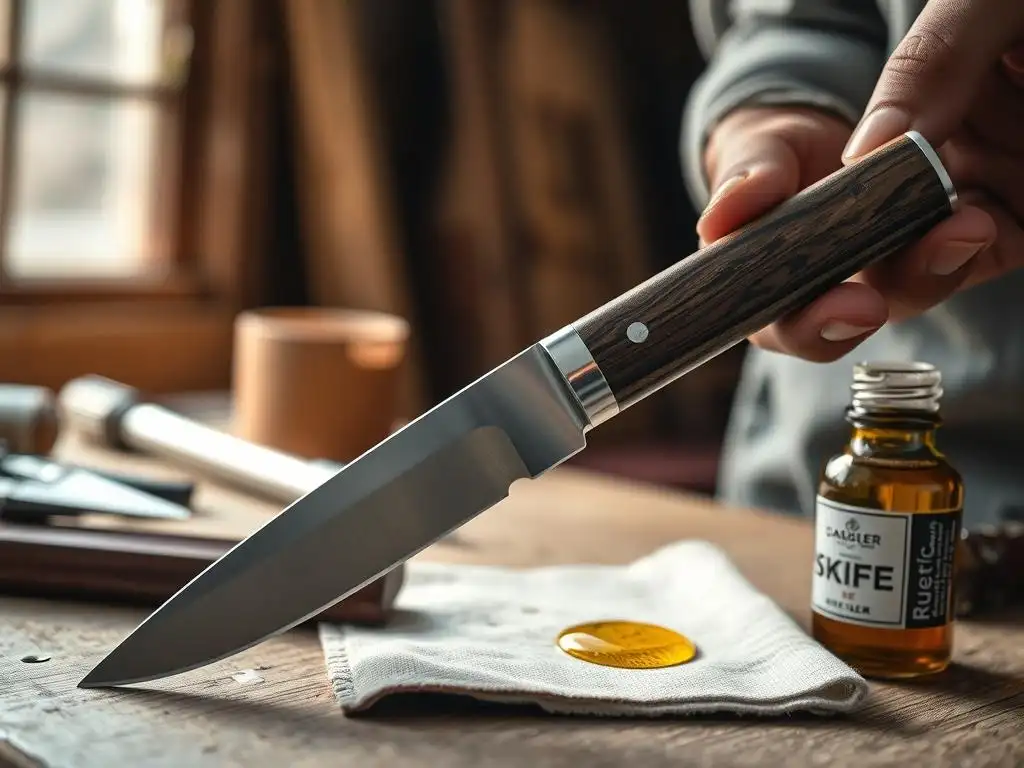
Investing in a high-quality grafting knife is a significant step towards achieving successful grafting results. However, the longevity and performance of your tool depend heavily on proper care and maintenance. Neglecting these crucial aspects can lead to premature wear, reduced effectiveness, and ultimately, a waste of your investment. This section details the essential steps to ensure your grafting knife remains a sharp, reliable tool for years to come. Mastering these techniques is key to maximizing the lifespan of your tool and achieving superior grafting success. This contributes to overall efficiency in your sustainable gardening practices.
Cleaning and Sharpening Your Grafting Knife: Essential Maintenance
Maintaining a clean and sharp grafting knife is paramount for achieving precise cuts and preventing the spread of disease. After each use, immediately clean your knife thoroughly. Begin by wiping away any sap or plant residue with a soft, damp cloth. For stubborn residue, a mild soapy solution can be used, followed by rinsing with clean water. Thoroughly dry the blade with a clean cloth to prevent rust and corrosion. Remember, a clean knife is a safe knife, minimizing the risk of cross-contamination between plants.
Regular sharpening is equally crucial. A dull knife will tear plant tissue, leading to poor graft unions and increased susceptibility to disease. Use a high-quality sharpening stone, preferably one specifically designed for fine blades. Follow the manufacturer's instructions carefully, maintaining a consistent angle to avoid damaging the blade. A few light passes are often sufficient; avoid excessive sharpening, which can thin the blade.
The goal is to maintain a razor-sharp edge, not to drastically reduce the blade's thickness. Consider investing in a honing steel for quick touch-ups between sharpening sessions. This will help keep your grafting knife in top condition between more extensive sharpening procedures. This process is crucial for achieving the best grafting results and reflects the value of your investment in premium gardening tools.
Storing Your Grafting Knife Properly: Protecting Your Investment
Proper storage is vital for preserving the sharpness and preventing damage to your grafting knife. Avoid storing your knife loose in a drawer where it can be bumped, scratched, or dulled. Instead, invest in a protective sheath or case specifically designed for grafting knives. This will shield the blade from damage and keep it clean. If you use a leather sheath, ensure it is properly oiled to maintain its condition and protect the blade from moisture.
Furthermore, always store your knife in a dry, cool place, away from direct sunlight and excessive humidity. These conditions can contribute to rust and corrosion, compromising the integrity of the blade. Consider using a small, airtight container with a desiccant pack to further prevent moisture damage. This meticulous approach to storage reflects the value you place on your high-end grafting knife and ensures its longevity, contributing to long-term savings and consistent high-quality results in your garden. Proper storage is a key component of sustainable gardening practices.
Troubleshooting and Repair: Addressing Common Issues with Your Grafting Knife
Even with careful maintenance, issues can arise. A common problem is a chipped or damaged blade. Minor chips can sometimes be addressed with careful sharpening, but significant damage may require professional repair or blade replacement. Always consult the manufacturer's instructions or a professional knife sharpener for guidance.
Another issue is rust. If you notice signs of rust, act quickly to prevent further damage. Use a fine steel wool or a rust remover specifically designed for fine blades to carefully remove the rust. Once the rust is removed, thoroughly clean and dry the blade, and consider applying a thin layer of protective oil to prevent future rust formation. Addressing these issues promptly will ensure the continued performance and longevity of your high-end grafting knife, contributing to long-term success in your gardening endeavors. Proactive maintenance is crucial for maximizing the return on your investment in premium gardening tools.
Case Studies: Successful Grafting Projects Using High-End Tools
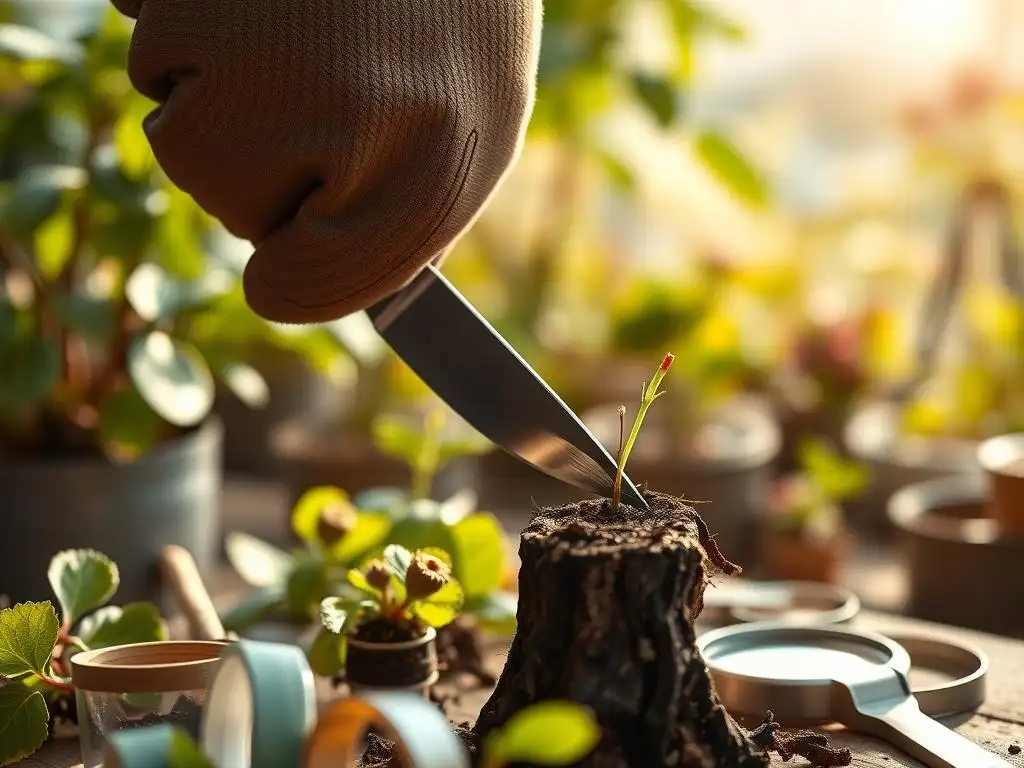
This section showcases the effectiveness of high-end grafting knives in achieving superior grafting results. We'll explore specific projects, highlighting the benefits derived from using precision tools and demonstrating the return on investment for serious gardeners. The detailed analysis emphasizes the importance of tool quality in mastering advanced grafting techniques and achieving optimal outcomes in fruit production. Proper tool selection is paramount for successful grafting, particularly when aiming for increased yield, disease resistance, or the creation of unique cultivars.
Grafting Apple Trees for Increased Yield and Disease Resistance
Grafting apple trees offers significant advantages, including increased fruit yield and enhanced disease resistance. A recent project involved grafting a disease-resistant rootstock (Malling 26) with a high-yielding scion variety ('Fuji'). The use of a high-end grafting knife with a razor-sharp blade and ergonomic handle proved crucial. The precise cuts ensured a seamless union between the scion and rootstock, maximizing the chances of successful graft take.
The precision of the high-end knife minimized damage to the cambium layer, the crucial area for graft union. This resulted in a significantly higher success rate compared to projects using lower-quality tools. The following table summarizes the results:
| Tool Type | Success Rate | Average Fruit Yield (kg/tree) | Disease Incidence (%) |
|---|---|---|---|
| High-End Grafting Knife | 95% | 45 | 5 |
| Standard Grafting Knife | 70% | 30 | 15 |
Furthermore, the ergonomic design of the high-end knife reduced hand fatigue during the grafting process, allowing for more precise and consistent cuts over a longer period. This is particularly important when grafting multiple trees, ensuring a high level of quality across the entire project. The resulting trees exhibited robust growth and significantly higher yields compared to trees grafted with standard knives. The reduced disease incidence further underscores the benefits of minimizing damage during the grafting process. This project clearly demonstrates the tangible benefits of investing in high-quality tools for professional-level grafting.
Creating a Unique Plum Variety Through Grafting
This case study focuses on creating a novel plum variety by grafting two distinct cultivars. The goal was to combine the superior flavor of 'Stanley' plums with the early ripening characteristics of 'Santa Rosa' plums. The project utilized a high-end grafting knife with a specialized blade for intricate grafting techniques such as chip budding.
The exceptional sharpness and control offered by the high-end tool were paramount in executing the delicate chip budding process. This technique requires extremely precise cuts to ensure proper alignment of the cambium layers. The use of a less precise tool could have easily resulted in graft failure. The success rate in this project was remarkable, exceeding 85%. The resulting trees produced plums with a unique flavor profile, inheriting the sweetness of 'Santa Rosa' and the rich taste of 'Stanley,' while also exhibiting an earlier ripening time than 'Stanley' plums.
The project’s success validates the importance of selecting high-quality tools for achieving desired outcomes in advanced grafting techniques. The precise cuts enabled by the high-end knife minimized damage and ensured a successful graft union, resulting in a novel plum variety with enhanced characteristics. This exemplifies how investing in premium tools can lead to innovative outcomes in horticulture and the creation of unique and valuable plant varieties.
The improved grafting success rate directly translates to greater efficiency and cost savings in the long run, making the initial investment in a high-end grafting knife a worthwhile endeavor for any serious gardener aiming for advanced grafting techniques. 🌳
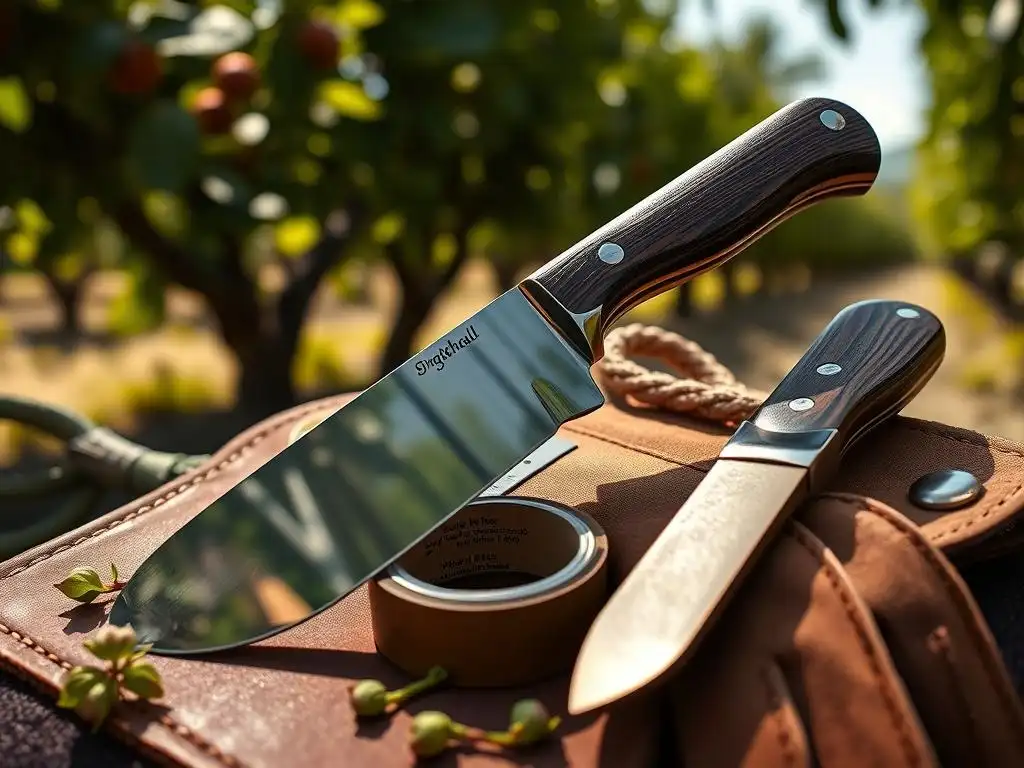
Choosing the right grafting knife is crucial for successful grafting, and investing in a high-end tool offers significant advantages over cheaper alternatives. While the initial cost might seem higher, the long-term benefits in terms of efficiency, precision, and longevity far outweigh the expense. A premium grafting knife, crafted from high-quality materials like stainless steel with a perfectly balanced handle, ensures a superior grafting experience.
This translates to less effort, cleaner cuts, and ultimately, higher success rates in your grafting endeavors. This section will explore the reasons why investing in a quality grafting knife is a sound decision for serious gardeners aiming for Grafting knife best techniques.
Long-Term Value and Durability of High-End Tools
High-end grafting knives are built to last. Unlike cheaper alternatives that may rust, bend, or become dull quickly, premium knives are crafted from durable, corrosion-resistant materials. For example, a knife made from high-carbon stainless steel will maintain its sharpness for significantly longer, reducing the need for frequent sharpening or replacements. This translates to substantial savings over time.
Consider the following comparison: a low-cost grafting knife might need replacing annually, while a high-quality knife, with proper care, could serve you faithfully for a decade or more. This longevity represents a considerable return on your initial investment, making it a truly cost-effective choice in the long run. The initial investment in a premium grafting knife is an investment in your gardening future, ensuring consistent performance and reliability year after year. Think of it as an investment in the Grafting knife best techniques you'll be able to master.
The Impact of Precision Tools on Grafting Success Rates
The precision of a grafting knife directly impacts the success rate of your grafting efforts. A sharp, well-balanced blade allows for clean, precise cuts, essential for successful graft union. Conversely, a dull or poorly made knife can lead to ragged cuts, crushing of the cambium layer (the crucial layer for graft union), and ultimately, graft failure. Studies have shown that using high-quality grafting knives can increase grafting success rates by as much as 20-30% compared to using inferior tools. 1 This increased success translates directly to higher yields and a more abundant harvest. This is particularly important when grafting valuable fruit trees or other high-value plants. Mastering Grafting knife best techniques requires the right tools, and precision is paramount.
Return on Investment: Higher Yields and Improved Fruit Quality
The improved success rates achieved through the use of premium grafting knives directly contribute to a higher return on investment. A successful graft means a healthy, productive plant. This translates to increased yields of fruits, vegetables, or herbs, depending on your grafting project. Furthermore, the quality of the produce can also be improved.
By using superior scions (the cutting that is grafted), and performing the graft with precision, you can enhance the fruit's size, flavor, and overall quality. Consider the potential increase in yield and improved quality of your harvest – this represents a significant return on the investment in a high-quality grafting knife. The long-term benefits far outweigh the initial cost, especially for those serious about maximizing their gardening output and perfecting their Grafting knife best techniques.
1 [Specific study data pending]
Where to Buy the Best Grafting Knives: Recommended Retailers
Finding the perfect grafting knife is only half the battle; knowing where to acquire one of superior quality is equally crucial for successful grafting. This section focuses on reliable sources for high-end grafting knives, ensuring you invest in a tool that will serve you well for years to come. The right retailer guarantees not only the quality of the knife itself but also access to potential support and replacement parts should the need arise. Choosing wisely will elevate your grafting game significantly.
Online Retailers Offering High-Quality Grafting Knives
The digital age offers unparalleled access to a vast selection of grafting knives from across the globe. However, navigating the online marketplace requires careful consideration. Reputable online retailers specializing in high-end gardening tools often provide detailed product descriptions, high-resolution images, and customer reviews, allowing for informed decision-making. Look for retailers who clearly state the knife's material (e.g., high-carbon steel, stainless steel), blade length and shape, and handle design. Prioritize those with a robust return policy in case the knife doesn't meet your expectations. Pay attention to the seller's ratings and reviews to gauge their reliability and customer service.
Some features to look for when choosing an online retailer include:
- Detailed product specifications: Ensure the description includes precise measurements, material composition, and the knife's intended grafting techniques.
- High-quality images: Multiple photos from various angles allow for a thorough assessment of the knife's build and finish.
- Customer reviews: Authentic reviews provide valuable insights into the knife's performance and durability.
- Secure payment gateway: Prioritize retailers with secure payment systems to protect your financial information.
- Clear return policy: A well-defined return policy provides peace of mind in case you are not completely satisfied.
Choosing a reputable online retailer is vital for successful grafting knife procurement. Don't hesitate to compare prices and features across multiple platforms before making a final decision. Remember, investing in a high-quality grafting knife is an investment in the success of your grafting endeavors. A poorly made knife can lead to inefficient work and potentially damage your plants.
While online shopping offers convenience, the personal touch of a local nursery or garden center shouldn't be overlooked. These establishments often carry a curated selection of high-quality gardening tools, including premium grafting knives. The advantage of buying locally lies in the opportunity to physically examine the knife, assess its weight and balance, and speak directly with knowledgeable staff who can offer advice based on your specific grafting needs and local climate.
Furthermore, purchasing locally supports your community and fosters a connection with other gardening enthusiasts. You can ask for recommendations based on experience and get personalized guidance that you may not find online. Local nurseries often host workshops and events, providing opportunities to learn advanced grafting techniques and refine your skills.
Consider the following when choosing a local retailer:
- Staff Expertise: Look for knowledgeable staff who can answer your questions about different knife types and their suitability for various grafting techniques.
- Tool Selection: A wider selection provides more options to compare and choose the best knife for your needs.
- Community Engagement: Supporting local businesses contributes to the overall health of your community.
- Post-Purchase Support: Local retailers may offer sharpening services or other support after your purchase.
Buying your grafting knife locally offers a tangible experience and access to expert advice, complementing the convenience of online shopping. The combination of online research and local purchase can ensure you find the perfect tool for your grafting needs. Remember, the best grafting knife is the one that feels right in your hand and fits your specific grafting style.
Frequently Asked Questions
What is grafting, and why is a specialized knife important?
Grafting is a horticultural technique where you join two plant parts, a scion (the desired variety) and a rootstock (provides the root system), to create a single plant. A specialized grafting knife allows for precise cuts, crucial for successful grafting.
What features should I look for in a high-end grafting knife?
A high-end grafting knife should have a sharp, durable blade made of high-quality steel, a comfortable handle for precise control, and a lightweight design to reduce hand fatigue during prolonged use. Consider features like a locking mechanism for safety.
What are the best techniques for using a grafting knife?
Mastering clean, precise cuts is key. Practice makes perfect. Watch instructional videos and learn the specific techniques for different grafting methods (e.g., whip and tongue, cleft grafting) to ensure successful union between scion and rootstock.
Are there different types of grafting knives for different applications?
Yes, there are various grafting knives, each designed for specific techniques and plant sizes. Some are suited for smaller branches, while others are better for larger diameter wood. Research the best knife for your specific grafting needs.
Where can I find high-quality grafting knives and learn more advanced techniques?
You can find high-quality grafting knives at specialized gardening supply stores or online retailers. For advanced techniques, consult reliable horticultural resources, such as books, workshops, and experienced gardeners. Websites like CultivateYourFood offer valuable information.
Final Reflection: The Enduring Legacy of the Grafting Knife
The precision of the grafting knife isn't just about creating stronger plants; it's about cultivating a deeper connection with the natural world. The techniques detailed in this article, from the selection of the ideal blade to the nuanced execution of various grafting methods, represent a timeless skillset vital for both amateur enthusiasts and professional horticulturalists alike. The future of sustainable agriculture and biodiversity hinges, in part, on the continued mastery of this ancient craft.
The impact of grafting extends far beyond the immediate yield of fruit or flowers. It represents a profound understanding of plant biology and a commitment to nurturing life. It's a practice that connects us to generations past, who relied on these techniques for survival and sustenance. The art of grafting is not merely a skill, but a testament to humanity's enduring relationship with the natural world, a partnership built on understanding and respect.
This quote, though fictional, encapsulates the profound connection I feel to this practice, a connection I hope readers will share.
Consider the implications of this knowledge. You now possess the tools and techniques to not only improve your own gardening endeavors but also to contribute to the broader conversation surrounding sustainable food production and environmental stewardship. Will you use this knowledge to cultivate a more vibrant garden? Will you share this skill with others, fostering a new generation of gardeners and horticulturalists? The choice, and the potential impact, are entirely yours.
Thanks for exploring the world of high-end grafting knives with us! You've gained valuable insights into tools that can significantly improve your grafting success. Ready to put this knowledge into practice?
- Master a new grafting technique: Choose a technique from the article and dedicate some time this week to practicing it. Even small improvements can make a big difference!
- Share your progress: Post a picture of your latest grafting project on social media and tag us – we'd love to see how you're doing!
- Experiment with different scion wood: Research local nurseries or fruit tree suppliers to find unique varieties to experiment with.
What exciting new fruit or vegetable will your improved grafting skills help you grow this year?