
Understanding Weed Biology: The Key to Successful Organic Control

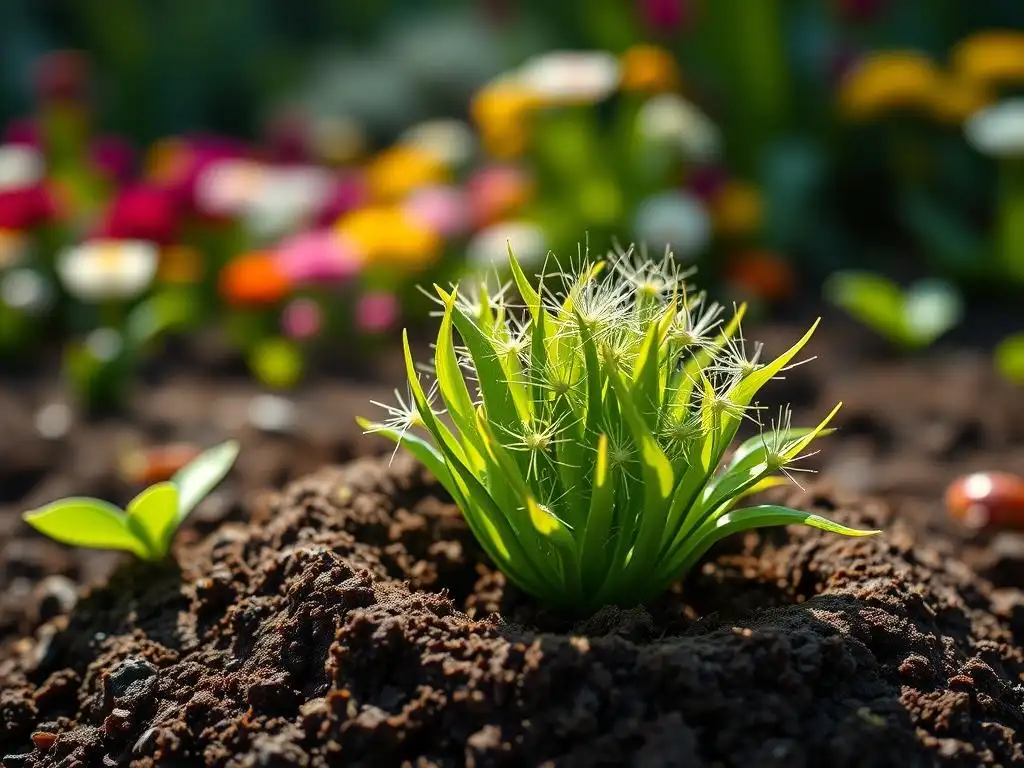
Welcome to CultivateYourFood, your guide to a thriving, sustainable garden! Are you tired of battling weeds with harsh chemicals? Discover the secrets to truly organic gardening with our in-depth exploration of organic weed control methods. Learn how understanding weed biology is the first step towards a flourishing, pesticide-free harvest – and say goodbye to unwanted plants for good. Let's cultivate a healthier garden, together.
-
Weed Biology Basics: Understanding Your Enemy
- Identifying Common Garden Weeds: Characteristics of Crabgrass, Dandelions, and Chickweed
- Weed Life Cycles: Annuals, Biennials, and Perennials
- Seed Germination and Dispersal: How Weeds Spread in Your Garden
- Weed Reproduction Strategies: Sexual and Asexual Reproduction in Weeds
- Nutrient Uptake and Competition: How Weeds Deplete Soil Resources
-
Effective Organic Weed Control Strategies
- Preventing Weed Growth: Soil Preparation and Mulching Techniques
- Hand Weeding: Effective Techniques for Small Gardens
- Hoeing and Cultivating: Mechanical Weed Control Methods
- Organic Mulches: Suppressing Weeds Naturally
- Cover Cropping: Protecting Soil and Preventing Weed Growth
- Solarization: Using the Sun's Power for Weed Control
- Beneficial Insects and Weed Control: Biological Control Methods
- Allelopathic Plants: Using Natural Weed Inhibitors
- Compost Tea for Soil Health and Weed Suppression
- Choosing the Right Organic Weed Control Method
- Combining Methods for Comprehensive Weed Management
- Maintaining a Weed-Free Organic Garden: Long-Term Strategies
-
Frequently Asked Questions
- What is the most important factor in successful organic weed control?
- Are there any organic methods to prevent weeds from germinating?
- What are some organic methods for controlling existing weeds?
- How can I prevent weeds from returning after I've removed them?
- Are organic weed control methods as effective as chemical herbicides?
- Final Reflection: Cultivating a Future Free from Harmful Herbicides
- Unlock Your Garden's Potential: Take Control of Weeds Naturally!
Weed Biology Basics: Understanding Your Enemy
Understanding weed biology is paramount to successful organic weed control. This isn't about simply pulling weeds; it's about strategically disrupting their life cycles and preventing future infestations. Effective organic weed control relies on a deep understanding of how weeds grow, reproduce, and spread, allowing for targeted interventions that minimize environmental impact while maximizing garden productivity.
This article will explore the fundamental aspects of weed biology, equipping you with the knowledge necessary to implement effective organic weed control methods in your own garden. We'll delve into identifying common weeds, understanding their life cycles, and examining how seeds germinate and disperse – crucial information for developing a comprehensive and sustainable weed management strategy. By understanding your enemy, you can develop a proactive and effective defense, ensuring a thriving and weed-free organic garden.
Identifying Common Garden Weeds: Characteristics of Crabgrass, Dandelions, and Chickweed
Successfully managing weeds begins with accurate identification. Knowing which weeds plague your garden allows for targeted control strategies. Let's examine three common garden invaders:
- Crabgrass (Digitaria spp.): This warm-season annual grass thrives in compacted soil and full sun. It spreads rapidly via seeds, forming dense mats that choke out desirable plants. Identifying features include its prostrate growth habit, hairy leaf sheaths, and distinctive seed heads. Crabgrass often appears in late spring and persists through summer.
- Dandelions (Taraxacum officinale): This perennial weed is easily recognized by its bright yellow flowers and deeply lobed leaves. Dandelions reproduce both through seeds (dispersed by wind) and through extensive taproots. Their ability to regenerate from even small root fragments makes them persistent invaders. They are particularly prevalent in disturbed soil.
- Chickweed (Stellaria media): This winter annual thrives in cool, moist conditions. It's characterized by its small, white flowers and delicate, oval leaves. Chickweed spreads rapidly through seeds and can self-seed prolifically. It's often found in shady areas and thrives in fertile soil.
Here's a table summarizing key identifying characteristics:
| Weed Type | Growth Habit | Reproduction | Preferred Conditions | Key Identifying Features |
|---|---|---|---|---|
| Crabgrass | Prostrate, annual | Seeds | Compacted soil, sun | Hairy leaf sheaths, distinctive seed heads |
| Dandelion | Erect, perennial | Seeds, taproot | Disturbed soil | Bright yellow flowers, deeply lobed leaves, taproot |
| Chickweed | Prostrate, annual | Seeds | Cool, moist, shade | Small white flowers, delicate oval leaves |
Understanding these differences allows for more effective targeting of your weed control efforts. For example, knowing that dandelions reproduce via taproots highlights the importance of thorough removal, preventing regrowth.
Weed Life Cycles: Annuals, Biennials, and Perennials
Weeds, like other plants, have different life cycles, significantly impacting their control. Understanding these cycles is crucial for effective organic weed management:
- Annuals: These weeds complete their entire life cycle (germination, growth, reproduction, and death) within a single growing season. Controlling annuals often involves preventing seed production. Examples include crabgrass and chickweed.
- Biennials: These weeds require two growing seasons to complete their life cycle. They typically produce leaves the first year and flowers and seeds the second. Controlling biennials often involves preventing them from flowering and setting seed.
- Perennials: These weeds live for more than two years, often possessing extensive root systems. They can regrow from their roots year after year, making them challenging to control. Dandelions are a classic example. Control often requires preventing regrowth from roots or depleting root reserves.
Knowing the life cycle allows for precise timing of control measures. For example, targeting annuals before they go to seed is crucial for preventing future infestations. Perennials, on the other hand, may require repeated efforts to deplete their root reserves.
Seed Germination and Dispersal: How Weeds Spread in Your Garden
Weed seeds are incredibly resilient and can remain viable in the soil for many years. Understanding seed germination and dispersal is essential for preventing future weed problems.
Seed germination is influenced by several factors:
- Moisture: Sufficient moisture is crucial for seed germination.
- Temperature: Different weeds have different temperature requirements for germination.
- Light: Some weed seeds require light for germination, while others germinate in darkness.
- Soil conditions: Soil structure, fertility, and pH can affect germination rates.
Weed seeds are dispersed through various methods:
- Wind: Many weed seeds are lightweight and easily dispersed by wind.
- Water: Rain and irrigation can carry weed seeds to new locations.
- Animals: Birds and other animals can spread weed seeds through their droppings.
- Humans: Activities such as tilling and cultivation can inadvertently spread weed seeds.
By understanding these factors, you can implement strategies to minimize seed germination and dispersal. These strategies include mulching to reduce light and moisture, practicing careful tillage, and removing weed seeds before they can germinate. Preventing the spread of seeds is a critical component of long-term organic weed control.
Weed Reproduction Strategies: Sexual and Asexual Reproduction in Weeds
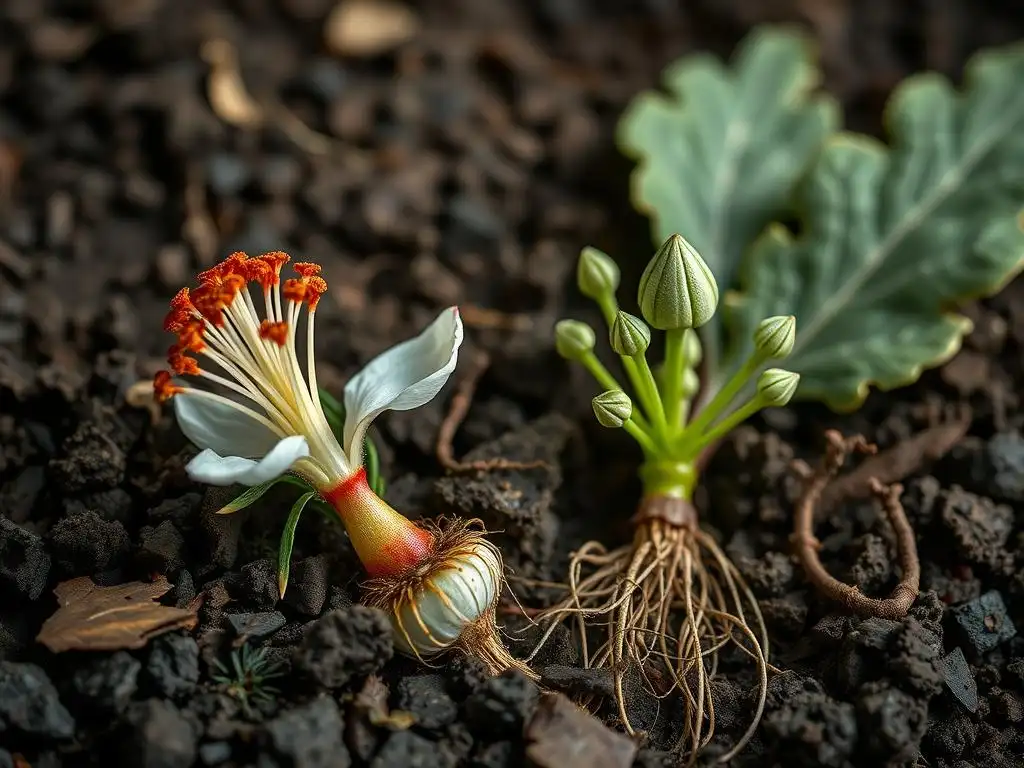
Weeds are remarkably efficient at reproduction, employing both sexual and asexual strategies to ensure their survival and spread. Understanding these mechanisms is crucial for effective organic weed control. Sexual reproduction involves the production of seeds, often in vast quantities. Consider the dandelion, a notorious weed, which can produce hundreds of seeds per flower head, each equipped with a fluffy parachute for wind dispersal.
This prolific seed production makes them incredibly difficult to eradicate completely. Furthermore, many weed seeds exhibit dormancy, meaning they can remain viable in the soil for years, germinating only under favorable conditions. This extended viability contributes significantly to their persistence. Effective organic weed control strategies must therefore consider both the immediate removal of mature plants and the long-term management of the seed bank in the soil.
Asexual reproduction, on the other hand, allows weeds to multiply without seeds. Many weeds propagate through vegetative means, such as rhizomes (underground stems), stolons (aboveground stems), or tubers. For example, Johnson grass ( Sorghum halepense) spreads aggressively through its extensive rhizome system, making it exceptionally challenging to eliminate. Similarly, Bermuda grass ( Cynodon dactylon) utilizes both rhizomes and stolons, quickly forming dense mats that outcompete desirable plants.
These asexual reproduction methods mean that even a small fragment of the weed can regenerate into a new plant, highlighting the importance of thorough removal of all plant parts during weeding. Organic methods focusing on preventing vegetative spread, like careful tilling or targeted removal of rhizomes, are therefore particularly important. The persistent nature of these vegetative reproduction methods underscores the need for consistent and diligent weed management.
Nutrient Uptake and Competition: How Weeds Deplete Soil Resources
Weeds are highly efficient at acquiring nutrients from the soil, often outcompeting desirable plants. Their vigorous growth and extensive root systems allow them to absorb significant amounts of water and essential nutrients like nitrogen, phosphorus, and potassium. This competitive nutrient uptake directly reduces the resources available to your cultivated plants, leading to stunted growth, reduced yields, and decreased overall plant health.
For instance, a dense patch of chickweed ( Stellaria media) can quickly deplete the soil's nitrogen, leaving your vegetable plants struggling to thrive. This competition is particularly acute in areas with nutrient-poor soils, where the impact of weeds is even more pronounced.
Furthermore, weeds often possess a higher nutrient uptake rate than many cultivated plants, particularly in the early stages of growth. This means they can rapidly absorb available nutrients before your crops have a chance to establish a strong root system. The result is a clear disadvantage for your plants, leading to reduced vigor and susceptibility to pests and diseases.
Effective organic weed control is therefore not just about removing unwanted plants; it's about ensuring that your cultivated plants have access to the resources they need to flourish. Practices like mulching, which helps conserve soil moisture and nutrients, can mitigate the competitive effects of weeds, giving your crops a better chance. Understanding the competitive nature of weed nutrient uptake is key to developing a successful organic weed control strategy that prioritizes the health and productivity of your garden.
Effective Organic Weed Control Strategies
This section delves into practical, effective organic weed control strategies, focusing on preventative measures and manual methods. Remember, a proactive approach is key to minimizing weed pressure and maximizing the yield of your organic garden. Understanding weed biology, as discussed previously, is fundamental to the success of these methods. The goal is to create a garden environment less hospitable to weeds while promoting the vigorous growth of your desired plants. This involves a multi-pronged approach, combining preventative techniques with diligent manual weed removal.
Preventing Weed Growth: Soil Preparation and Mulching Techniques
Preventing weed growth begins long before you plant your seeds or seedlings. Thorough soil preparation is crucial. This involves removing existing weeds completely, roots and all. Failing to remove the root system will lead to regrowth, negating your efforts. Consider using a broadfork to loosen compacted soil and aerate it, improving drainage and making it less hospitable to weed seeds. This also benefits your desired plants by providing better access to nutrients and water.
Following soil preparation, mulching is a highly effective preventative measure. Mulch acts as a physical barrier, preventing weed seeds from germinating and reaching sunlight. Organic mulches, such as straw, wood chips, shredded leaves, or compost, are ideal for organic gardening. They also improve soil health by retaining moisture, suppressing soil temperature fluctuations, and gradually enriching the soil as they decompose.
The thickness of your mulch layer is important. A layer of at least 2-3 inches is generally recommended to effectively suppress weeds. However, thicker layers may be necessary depending on the type of mulch and the weed pressure in your specific garden. Regularly replenish the mulch layer as it decomposes to maintain its effectiveness. This proactive approach significantly reduces the need for other weed control measures, saving you time and effort in the long run.
Hand Weeding: Effective Techniques for Small Gardens
Hand weeding is a labor-intensive but highly effective method, particularly for small gardens or areas with delicate plants. The key is to remove weeds before they go to seed, preventing them from spreading. This requires regular attention, ideally weeding at least once a week, or more frequently during periods of rapid weed growth.
Several techniques can improve the efficiency of hand weeding. For example, using a weeding fork or trowel allows for more precise removal of weeds, including their root systems. This minimizes the risk of leaving behind weed fragments that can regrow. Another effective technique is to use a hoe to loosen the soil around weeds before pulling them out, making removal easier. Remember to dispose of weeds properly, ideally composting them if they are not diseased or invasive.
Consistent hand weeding, combined with preventative measures like mulching, can dramatically reduce weed populations over time. This method is environmentally friendly and avoids the use of harmful chemicals, aligning perfectly with organic gardening principles. It also allows for close observation of your plants, enabling early detection of pests or diseases.
Hoeing and Cultivating: Mechanical Weed Control Methods
Hoeing and cultivating are mechanical weed control methods that are particularly effective for larger gardens or areas with less delicate plants. These methods involve using tools like hoes, cultivators, or tillers to disrupt the soil and remove or damage weeds. Hoeing is often used to slice weeds off at the soil surface, while cultivating involves deeper tillage to remove weeds and loosen the soil.
The timing of hoeing and cultivating is crucial. It's most effective when weeds are young and small, before they have established strong root systems. Regular hoeing or cultivating can significantly reduce weed populations, especially in areas between rows of plants. However, care must be taken to avoid damaging the roots of desired plants. Shallow tillage is generally recommended to minimize this risk.
Choosing the right tool for the job is important. Different hoes and cultivators are designed for various soil types and weed densities. A sharp hoe is essential for clean cuts, minimizing weed regrowth. Regular maintenance of your tools, such as sharpening blades, will ensure their effectiveness and prolong their lifespan. This mechanical approach, when used strategically, contributes significantly to effective organic weed control. Remember to always check your tools for any damage that may compromise your plants.
Organic Mulches: Suppressing Weeds Naturally
Organic mulches offer a highly effective and environmentally friendly approach to organic weed control. By covering the soil surface, they deprive weeds of sunlight, hindering germination and growth. This method not only suppresses weeds but also offers numerous other benefits for your garden. Different mulches provide varying degrees of weed suppression; for example, a thick layer of wood chips (at least 4 inches) is more effective than a thinner layer of straw.
The type of mulch you choose will also depend on your specific needs and the plants you're growing. For instance, a heavier mulch like wood chips might be preferable for suppressing aggressive weeds in a vegetable patch, while a lighter mulch like straw might be better suited for delicate herbs that need good air circulation. Remember that the effectiveness of mulch also depends on proper application. Ensure the mulch layer is consistent and thick enough to effectively block sunlight.
Regularly replenishing the mulch layer, especially after heavy rain or strong winds, is crucial to maintain its weed-suppressing capabilities. Furthermore, the decomposition of organic mulches enriches the soil, improving its structure and fertility, and promoting a healthier growing environment for your desired plants. This translates to less need for chemical fertilizers, strengthening your commitment to organic practices. Choosing the right mulch, such as shredded leaves, straw, or composted manure, also contributes to a more sustainable gardening practice, reducing reliance on synthetic materials.
Cover Cropping: Protecting Soil and Preventing Weed Growth
Cover cropping is a powerful technique in organic weed control that goes beyond simple weed suppression; it actively improves soil health while preventing weed establishment. Cover crops, such as winter rye, clover, or vetch, are planted to occupy the soil, preventing weeds from taking root. Their dense growth shades the ground, inhibiting weed germination and growth. Beyond weed control, cover crops offer a multitude of benefits.
They improve soil structure by adding organic matter, increasing water retention, and enhancing drainage. Their extensive root systems help prevent soil erosion and improve nutrient uptake by subsequent crops. Some cover crops, like legumes (e.g., clover), even fix nitrogen in the soil, reducing the need for nitrogen-based fertilizers. Effective cover cropping requires careful planning.
The choice of cover crop depends on your climate, soil type, and the subsequent crop you intend to plant. For instance, a fast-growing cover crop might be ideal for a short fallow period, while a slower-growing, nitrogen-fixing crop might be better for longer-term soil improvement. Proper timing of planting and termination (usually by mowing or tilling) is also crucial to maximize benefits and avoid competition with the main crop. Careful consideration of these factors ensures that cover cropping becomes a robust component of your organic weed control strategy, contributing significantly to a healthier, more productive garden.
Solarization: Using the Sun's Power for Weed Control
Solarization is a unique organic weed control method that leverages the sun's energy to eliminate weeds and soilborne pathogens. This technique involves covering the soil with clear plastic sheeting during the hottest part of the summer. The plastic traps solar radiation, raising the soil temperature to levels lethal to many weeds and disease-causing organisms. Effective solarization requires specific conditions. The soil must be thoroughly moistened before covering it with the plastic to maximize heat retention.
The plastic should be clear and heavy enough to prevent tearing while allowing sufficient sunlight penetration. The duration of solarization depends on factors such as temperature and soil type, typically ranging from several weeks to a couple of months. While highly effective against many weeds and pathogens, solarization isn't a panacea. Some weed seeds and persistent pathogens may survive the treatment. Furthermore, the process is most effective in hot, sunny climates.
In cooler climates, the soil may not reach sufficiently high temperatures for effective weed control. Careful planning and monitoring are essential for successful solarization. It's crucial to prepare the soil properly, choose the right plastic, and ensure sufficient sunlight exposure to achieve optimal results. While requiring more initial effort compared to other methods, solarization provides a long-term solution by reducing weed pressure and improving soil health, aligning perfectly with organic weed control principles.
Beneficial Insects and Weed Control: Biological Control Methods
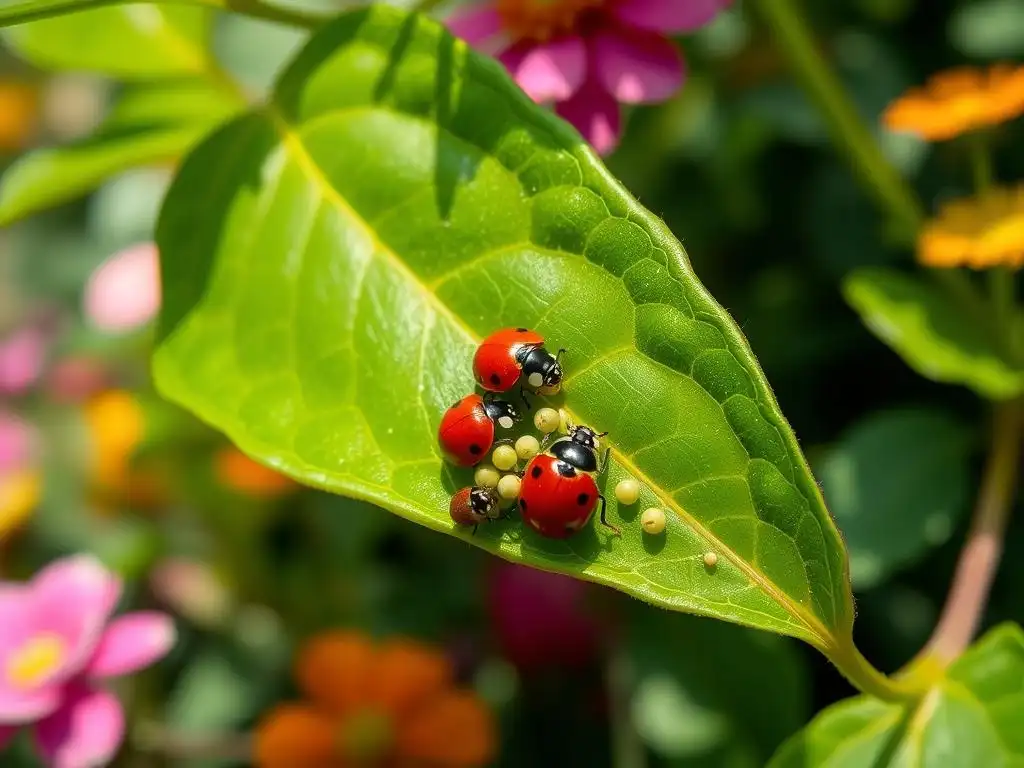
Biological control methods harness the power of nature to manage weeds. Introducing beneficial insects into your garden can significantly reduce weed populations without resorting to harmful chemicals. Ladybugs, for instance, are voracious aphid predators, and aphids are often found on weeds, weakening them and making them less competitive. Similarly, certain parasitic wasps target specific weed species by laying their eggs inside weed seeds or larvae, ultimately preventing germination or killing the weed.
The key to successful biological control is identifying the weeds present in your garden and selecting the appropriate beneficial insects that prey on them or parasitize them. This requires careful observation and potentially some research to match the right insect to the specific weed problem. Remember that introducing non-native insects can have unintended consequences, so always prioritize native species and consult with local experts or gardening resources before introducing any new organisms to your ecosystem. A healthy, diverse ecosystem naturally supports a balance of beneficial insects and pests, so fostering this biodiversity is crucial for long-term organic weed control.
Proper habitat creation, such as providing shelter and diverse flowering plants, can attract and support these beneficial insects. This integrated approach ensures a more sustainable and effective weed management strategy. Furthermore, avoid using broad-spectrum insecticides, as these will kill beneficial insects along with the pests.
Allelopathic Plants: Using Natural Weed Inhibitors
Allelopathy is a natural phenomenon where certain plants release biochemicals that inhibit the growth of neighboring plants, including weeds. This natural weed suppression can be strategically used in your organic garden. Examples of allelopathic plants include sunflowers, which release chemicals that can hinder the germination and growth of many common weeds. Similarly, rye is often used as a cover crop because its roots and decaying matter release compounds that suppress weed growth.
When planning your garden layout, consider incorporating allelopathic plants strategically to create natural barriers against weed encroachment. For example, planting a border of sunflowers around your vegetable patch can significantly reduce weed pressure. However, it's important to note that the effectiveness of allelopathic plants can vary depending on soil conditions, climate, and the specific weed species.
Careful observation and experimentation are crucial to determine which allelopathic plants work best in your particular environment. The application of allelopathy as an organic weed control method requires a long-term perspective, as its effects are not immediate. But over time, the consistent presence of allelopathic plants can contribute to a significant reduction in weed populations, leading to a healthier and less weed-infested garden.
Compost Tea for Soil Health and Weed Suppression
Compost tea, a liquid extract derived from composted organic matter, is a powerful tool for improving soil health and suppressing weed growth. The beneficial microbes present in compost tea outcompete many weed seeds and pathogens, creating a more favorable environment for your desired plants. These microbes enhance nutrient availability, strengthen plant immunity, and promote vigorous growth, making your plants more resilient to weed competition. Regular application of compost tea can lead to healthier, more productive plants that naturally outcompete weeds.
However, the effectiveness of compost tea can depend on the quality of the compost used, the brewing method, and the application technique. A high-quality compost, rich in diverse microbial life, is essential for creating a potent compost tea. The brewing process should also be carefully monitored to ensure proper aeration and avoid anaerobic conditions.
Furthermore, consistent application is key to maintaining the beneficial microbial population in the soil and suppressing weed growth. Using compost tea as part of a holistic organic weed control program can significantly reduce the need for other methods, promoting a sustainable and environmentally friendly approach to gardening. It's a natural and effective way to improve soil fertility, boost plant health, and naturally suppress weeds, leading to a thriving and weed-resistant garden.
Choosing the Right Organic Weed Control Method
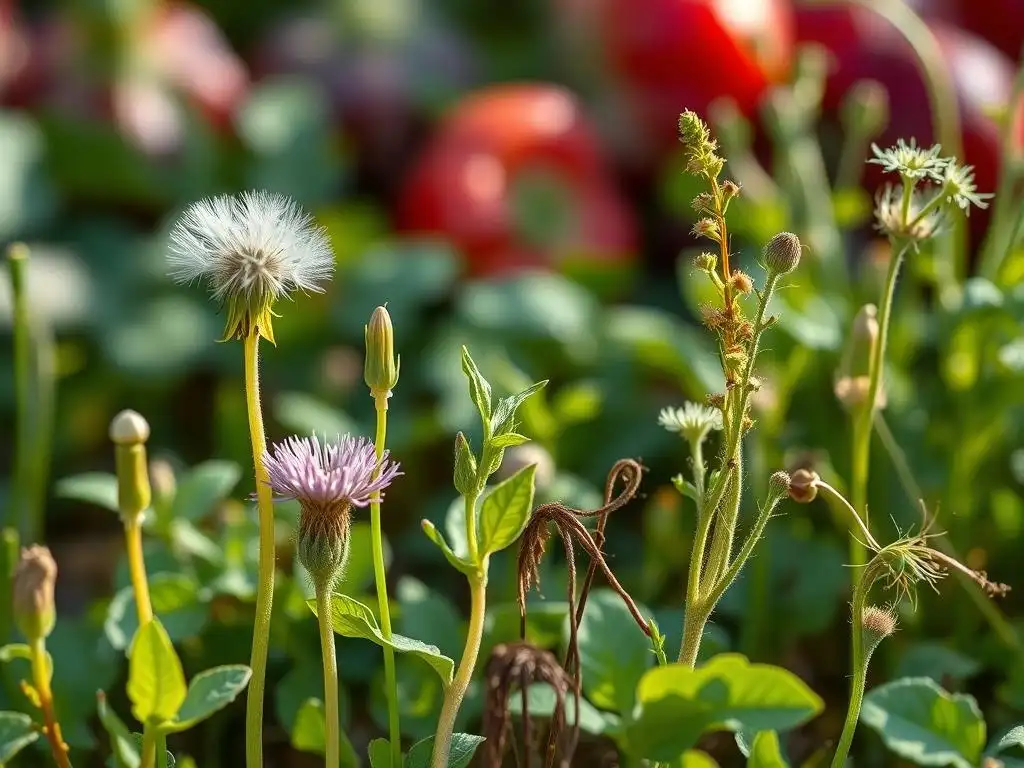
Choosing the right organic weed control method is crucial for maintaining a thriving and healthy garden. It's not a one-size-fits-all solution; the best approach depends heavily on several factors. Ignoring these nuances can lead to ineffective weed control and potentially harm your desired plants.
Effective organic weed management requires a holistic understanding of your garden's specific needs and the characteristics of the weeds themselves. This section will explore how to select the most appropriate methods for your unique situation, emphasizing the importance of sustainable and environmentally friendly practices. Remember, the goal is not total weed eradication, but rather maintaining a manageable level of weeds while promoting soil health and biodiversity.
Assessing Your Garden's Needs: Factors Influencing Organic Weed Control Choices
Several key factors influence the selection of appropriate organic weed control methods. These include:
- Weed type and density: Different weeds have different lifecycles and growth habits. Annual weeds, like chickweed, complete their life cycle in one year, while perennials, like dandelions, return year after year. High weed density requires more aggressive control measures than sparse infestations. Knowing your enemy – identifying the specific weeds plaguing your garden – is the first step to effective control.
- Soil type and condition: Soil composition impacts weed growth. Compacted soil, for example, can hinder the establishment of desirable plants, making it easier for weeds to take root. Improving soil health through composting and other organic practices can naturally suppress weed growth. Sandy soils may require different approaches than clay soils.
- Garden size and layout: A small, intensively managed garden allows for more hands-on weed control methods like hand-weeding and hoeing. Larger gardens may necessitate more labor-saving strategies, such as mulching or cover cropping. The layout, including the presence of pathways and raised beds, also influences method selection.
- Desired plants: The sensitivity of your desired plants to different weed control methods is crucial. Some organic methods, like strong vinegar solutions, can harm certain plants if not applied carefully. Thorough research is essential to ensure the chosen method won't damage your crops.
- Time commitment: Organic weed control often requires more time and effort than chemical methods. Realistic assessment of your available time is vital for choosing sustainable and manageable strategies. Consider the time needed for each method – hand weeding is time-intensive, while mulching requires a one-time initial investment but less ongoing maintenance.
Combining Methods for Comprehensive Weed Management
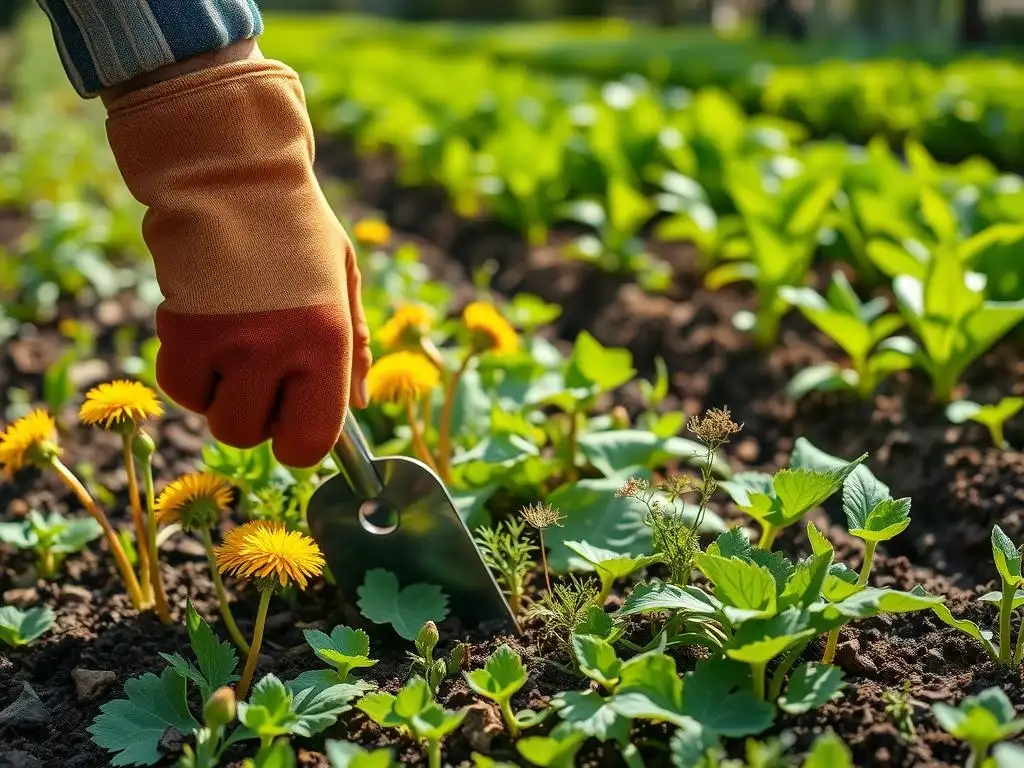
The most effective organic weed control strategies often involve a combination of methods. Relying on a single technique rarely provides long-term success. A well-rounded approach integrates preventative measures with proactive control. This integrated pest management (IPM) approach minimizes the need for aggressive interventions.
For example, a robust strategy might include:
- Preemptive measures: Improving soil health, using mulch to smother weeds, and practicing crop rotation to disrupt weed cycles. These prevent weeds from establishing themselves in the first place.
- Proactive control: Regular hand weeding, hoeing to disrupt young weed seedlings, and targeted application of organic herbicides like vinegar or boiling water for persistent weeds.
- Post-emergent control: Using cover crops to outcompete weeds and suppressing weed growth through the use of beneficial microbes.
This integrated approach allows for a flexible and adaptable strategy, tailored to the specific needs of your garden and the prevailing weed pressure. It's about creating a resilient ecosystem that naturally discourages weed growth.
Monitoring and Adapting Your Strategy: Dealing with Resistant Weeds
Even with a well-planned organic weed control strategy, some weeds might prove resistant. Regular monitoring is essential to identify and address these challenges. Persistent weeds may require a change in tactics. This could involve switching to a different organic herbicide, adjusting mulching techniques, or incorporating additional methods.
For instance, if hand-weeding proves ineffective against a particularly tenacious weed, consider using a combination of hoeing to cut the roots and applying a thick layer of mulch to prevent regrowth. If certain weeds persist despite your efforts, it may indicate a deeper soil issue requiring attention. Regular soil testing can help identify deficiencies that contribute to weed proliferation. Consistent observation and adaptation are key to successful long-term organic weed management.
Remember to document your successes and failures to refine your strategy over time. This iterative process leads to a more effective and sustainable approach to organic weed control. The goal is to develop a dynamic strategy that evolves with your garden and the challenges it faces.
Maintaining a Weed-Free Organic Garden: Long-Term Strategies
Successfully implementing organic weed control methods requires a holistic approach that goes beyond simply pulling weeds. It necessitates a long-term strategy focused on prevention and proactive management. This section explores effective, sustainable techniques to minimize weed pressure in your organic garden year after year. Remember, the goal isn't complete weed eradication (which is nearly impossible! ), but rather maintaining a manageable level of weeds that doesn't compromise your crops.
Preventing Weed Seed Germination: Long-Term Soil Management
The foundation of any successful weed control strategy lies in soil management. Weed seeds are ubiquitous in the soil, waiting for the right conditions to germinate. By manipulating these conditions, we can significantly reduce weed emergence. This involves several key practices:
- Mulching: Applying a thick layer of organic mulch (straw, wood chips, shredded leaves) suppresses weed growth by blocking sunlight and preventing seed germination. A 3-4 inch layer is generally recommended. This also improves soil health, moisture retention, and nutrient cycling—a win-win for your entire garden ecosystem! Consider using different mulches in different areas depending on the needs of your plants and the type of weeds you're fighting. For example, heavier mulches like wood chips might be better suited for areas with aggressive weeds.
- Cover Cropping: Planting cover crops (like clover, rye, or vetch) between growing seasons helps to smother weeds, improve soil structure, and add organic matter. These crops can be tilled into the soil or left to decompose as green manure, further enriching the soil and suppressing future weed growth. The choice of cover crop depends on your climate and soil conditions, but selecting species known for their vigorous growth and weed-suppressing qualities is crucial.
- Soil Solarization: In warmer climates, soil solarization can be a highly effective method. This involves covering the soil with clear plastic during the hottest part of the year to raise the soil temperature, killing weed seeds and soilborne pathogens. This is particularly beneficial for areas with persistent weed problems. Remember to ensure adequate moisture in the soil before covering it to maximize the effectiveness of the process.
Regular Maintenance and Monitoring: Keeping Weeds Under Control
Even with proactive soil management, some weeds will inevitably appear. Regular monitoring and timely intervention are crucial to prevent them from becoming established and overwhelming your garden. This involves:
- Hand Weeding: For small gardens or isolated weeds, hand weeding is an effective and environmentally friendly method. Consistent weeding, ideally before weeds go to seed, is key. Focus on removing weeds before they flower to prevent seed dispersal. Using a trowel or cultivator can help remove weeds more effectively, especially those with taproots.
- Hoeing: Hoeing is a mechanical method that cuts weeds off at or just below the soil surface. This is particularly effective for young weeds and can be used in conjunction with other methods. Regular hoeing can significantly reduce weed populations, especially when combined with mulching. However, be mindful of damaging your desired plants.
- Targeted Organic Herbicides: While organic gardening prioritizes prevention, some organic herbicides are available for targeted weed control. These are generally based on natural ingredients like vinegar or essential oils. Always read and follow the instructions carefully and use them judiciously, as they may not be as broadly effective as synthetic herbicides. The effectiveness of these methods depends heavily on the specific type of weed and environmental conditions.
Integrating Organic Weed Control into Your Overall Garden Plan
Successful organic weed control isn't a standalone practice; it's an integral part of your overall garden plan. Consider these points for a comprehensive approach:
- Crop Rotation: Rotating crops annually helps break weed cycles and reduces the build-up of specific weed species. Different plants have different nutrient needs and weed associations, so rotating them helps to prevent the dominance of particular weed types. Consider rotating crops with different growth habits and nutrient requirements to further optimize weed suppression.
- Healthy Soil: Healthy soil, rich in organic matter, supports vigorous plant growth, which naturally competes with weeds for resources. Focusing on soil health through composting, cover cropping, and other practices helps create a more resilient and weed-resistant environment. A soil teeming with beneficial microbes and organisms is better equipped to outcompete weeds.
- Weed Identification: Knowing your enemy is half the battle. Identify the weeds in your garden to understand their life cycles and develop targeted control methods. Understanding the specific needs and weaknesses of the weeds in your garden is crucial for effective management. For example, some weeds are annuals, while others are perennials, requiring different control strategies. 🌱
By integrating these long-term strategies and consistent maintenance, you can significantly reduce weed pressure in your organic garden, creating a thriving environment for your fruits, vegetables, and herbs. Remember that patience and persistence are key to success in organic weed control.
Frequently Asked Questions
What is the most important factor in successful organic weed control?
Understanding weed biology is key. Knowing a weed's life cycle (germination, growth, reproduction) allows you to target its weaknesses with the most effective organic methods at the right time. This prevents weeds from establishing themselves and spreading.
Are there any organic methods to prevent weeds from germinating?
Yes, mulching is highly effective. A thick layer of organic mulch like straw or wood chips deprives weed seeds of sunlight, preventing germination. Cover cropping with fast-growing plants also helps suppress weed growth.
What are some organic methods for controlling existing weeds?
Hand-weeding, hoeing, and cultivating are effective for small areas. For larger areas, consider using organic herbicides like vinegar or boiling water, but always follow instructions carefully.
How can I prevent weeds from returning after I've removed them?
Consistent mulching is crucial. Regularly monitor your garden for new weed growth and remove them promptly before they go to seed. Healthy soil also helps existing plants compete with weeds.
Are organic weed control methods as effective as chemical herbicides?
Organic methods may require more consistent effort and attention, but they are equally effective in the long run. They are also safer for the environment, your plants, and your health. Patience and persistence are vital for success.
Final Reflection: Cultivating a Future Free from Harmful Herbicides
Understanding weed biology is not merely an academic pursuit; it's the cornerstone of a sustainable and truly effective organic approach to weed control. The pervasive use of synthetic herbicides has demonstrably harmed our ecosystems and human health, making the shift towards biological solutions not just desirable, but essential for the future of our planet. This knowledge empowers us to move beyond reactive measures and embrace a proactive, ecologically sound strategy.
The journey towards understanding weed biology has profoundly shifted my perspective on the delicate balance within our ecosystems. It's revealed the intricate interconnectedness of plants, soil, and the wider environment, highlighting the unintended consequences of disrupting this delicate equilibrium. We abuse land because we regard it as a commodity belonging to us. When we see land as a community to which we belong, we may begin to use it with love and respect.
– Aldo Leopold. This quote perfectly encapsulates the shift in mindset required to move away from harmful practices and towards a more holistic approach to land management. This understanding extends beyond just weed control; it informs our relationship with the natural world as a whole.
Now, it's your turn. Consider the weeds in your own garden, not as enemies to be eradicated, but as indicators of imbalances in your soil or ecosystem. By understanding their biology, their needs, and their vulnerabilities, you can develop targeted, organic solutions that are both effective and environmentally responsible. Embrace the challenge of learning more, experimenting with different techniques, and becoming a steward of a healthier, more vibrant environment. Let's cultivate a future where organic weed control is not just a method, but a philosophy.
Unlock Your Garden's Potential: Take Control of Weeds Naturally!
Congratulations on taking the first steps toward a thriving, weed-free garden! You've learned about weed biology, and now you're ready to put that knowledge into practice. Let's get started!
- Begin identifying the weeds in your garden today. Keep a notebook handy to record your observations, noting the unique characteristics of each weed. This will help you develop a targeted, effective control strategy.
- Share your findings (and photos!) with our CultivateYourFood community forum! Connect with fellow organic gardeners, exchange tips, and learn from each other's experiences.
- Experiment with various organic weed control methods. From mulching to companion planting, discover what works best in your specific garden environment.
What organic weed control method are you most excited to try? Let's discuss!