
The Principles of Garden Design: Balance, Rhythm, and Unity


Ready to transform your backyard into a thriving, organic oasis? CultivateYourFood is your guide to growing your own fruits, vegetables, and herbs using sustainable methods. Discover the secrets to a bountiful harvest by exploring our expert advice, starting with the essential Organic garden design principles—learn how balance, rhythm, and unity create a garden that's as beautiful as it is productive. Uncover the techniques that will take your homegrown harvest to the next level – let's get growing!
- Understanding the Fundamentals of Organic Garden Design
-
Achieving Balance in Your Organic Garden Layout
- The Importance of Visual Balance in Organic Garden Design: Symmetry vs. Asymmetry
- Creating Balanced Plantings: Using Height, Color, and Texture
- Balancing Functionality and Aesthetics in Your Organic Garden: Maximizing Space and Yield
- Practical Examples of Balanced Organic Garden Designs: Cottage Garden Style and Formal Garden Designs
-
Establishing Rhythm and Repetition in Your Organic Garden
- The Role of Repetition in Creating Visual Interest: Repeating Plant Types and Colors
- Using Lines and Paths to Establish Rhythm: Creating Flow and Movement in the Garden
- Incorporating Focal Points to Enhance Rhythm: Water Feature or Ornamental Tree
- Rhythm and the Organic Garden: Seasonal Changes and Continuous Bloom
-
Creating Unity in Your Organic Vegetable Garden
- The Concept of Unity in Organic Garden Design: A Cohesive Whole
- Using a Unified Color Palette in Your Organic Garden: Harmonizing Plant Choices
- Choosing Compatible Plant Textures and Heights: Creating Visual Harmony
- Unity Through Material Selection: Use of Natural Stone or Wood
- Achieving Unity with Organic Gardening Practices: Consistency in Soil Management and Pest Control
-
Putting it All Together: Designing Your Organic Garden
- Step-by-Step Guide to Organic Garden Design: From Planning to Planting
- Choosing the Right Plants for Your Organic Garden: Considering Climate and Soil Conditions
- Integrating Organic Composting into Your Garden Design: Compost Bin Construction and Usage
- Maintaining Your Organic Garden: Ongoing Care and Sustainable Practices
- Resources for Successful Organic Garden Design
- Frequently Asked Questions
- Final Reflection: Cultivating Harmony: The Enduring Power of Organic Garden Design
- Unleash Your Inner Gardener: Design Your Dream Oasis
Understanding the Fundamentals of Organic Garden Design
Creating a thriving and beautiful organic garden isn't just about planting seeds; it's about thoughtful design. This article delves into the core principles of organic garden design, focusing on how to achieve a balanced, rhythmic, and unified space that's both aesthetically pleasing and productive. We'll explore the key elements that contribute to a successful organic garden, emphasizing sustainable practices and the integration of natural pest control methods.
By understanding these principles, you can cultivate a garden that not only yields abundant harvests but also harmonizes with the environment, enriching your outdoor space and promoting biodiversity. This guide will help you effectively implement organic garden design principles, leading to a healthier, more vibrant, and ultimately more rewarding gardening experience.
We’ll cover everything from soil health and plant selection to integrating beneficial insects and companion planting techniques – all crucial components of a truly successful organic garden. Mastering these techniques will significantly improve your chances of achieving a bountiful and aesthetically pleasing harvest, reflecting the best practices of organic gardening.
Defining Organic Gardening Principles: Sustainability and Aesthetics
Organic gardening prioritizes ecological balance and sustainability. It's more than just avoiding chemical pesticides and fertilizers; it's about creating a self-sustaining ecosystem within your garden. This involves understanding the interconnectedness of plants, soil, and beneficial organisms. Aesthetically, an organic garden can be just as visually appealing, if not more so, than a conventionally designed one.
Think vibrant colors, varied textures, and the natural beauty of thriving plants. The principles of organic gardening seamlessly blend functionality with beauty, resulting in a garden that is both productive and a pleasure to behold. A key aspect is minimizing waste and maximizing resource utilization.
Composting kitchen scraps and yard waste provides nutrient-rich soil amendments, reducing reliance on external inputs. Water conservation techniques, such as drip irrigation and mulching, further enhance the sustainability of your organic garden. The goal is to create a resilient and thriving garden that requires minimal intervention while maximizing yields and beauty.
Key Elements of Successful Organic Garden Planning: Soil Health and Plant Selection
The foundation of any successful organic garden is healthy soil. Rich, fertile soil teeming with beneficial microorganisms is essential for robust plant growth. This requires regular soil testing to understand its composition and nutrient levels. Amendments like compost, aged manure, and cover crops improve soil structure, drainage, and fertility.
Choosing the right plants for your specific location is equally critical. Consider your climate, sunlight exposure, and soil type when selecting plants. Prioritize varieties that are known for their resilience and adaptability to your local environment.
Careful plant selection also contributes to the overall aesthetic appeal of the garden, ensuring a harmonious blend of colors, heights, and textures. Planning the layout with consideration for plant spacing, sunlight requirements, and companion planting also plays a crucial role in maximizing yield and minimizing competition for resources. The careful selection of plants that are well-suited to your specific conditions is key to creating a visually stunning and highly productive organic garden.
Integrating Organic Pest Control Strategies into Your Design: Beneficial Insect Integration and Companion Planting
Organic pest control focuses on preventing pest problems before they arise and using natural methods to manage those that do occur. This often involves attracting beneficial insects like ladybugs and lacewings, which prey on common garden pests. Creating habitats that attract these beneficial insects, such as planting flowering plants that provide nectar and pollen, is crucial.
Companion planting, where certain plants are strategically placed near each other to deter pests or attract beneficial insects, is another effective organic pest control strategy. For example, planting basil near tomatoes is known to repel tomato hornworms. Employing these strategies proactively will minimize or eliminate the need for harmful chemical interventions, protecting both your plants and the environment.
Understanding the specific needs of your plants and the ecosystem within your garden enables you to create a balanced, resilient, and thriving organic garden that naturally manages pests without the use of harmful chemicals. The integration of beneficial insects and companion planting are not only effective pest control methods but also contribute to the overall biodiversity and aesthetic appeal of your organic garden.
Achieving Balance in Your Organic Garden Layout
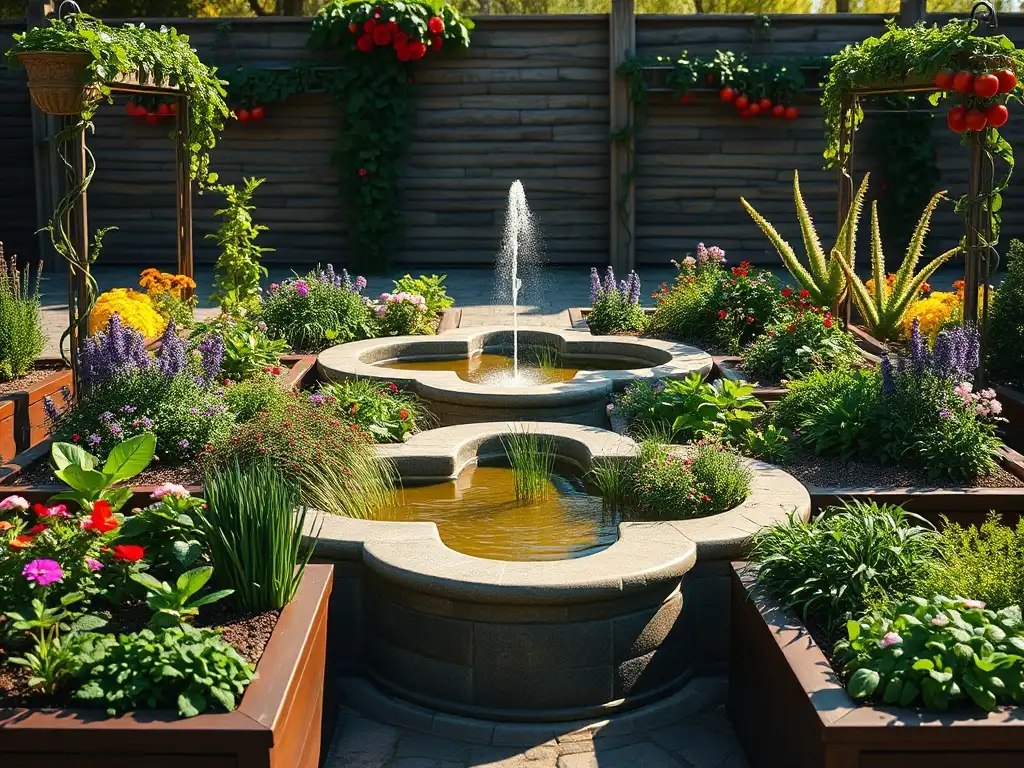
Creating a thriving and aesthetically pleasing organic garden hinges on understanding and applying fundamental design principles. Balance, a cornerstone of good garden design, ensures a visually harmonious and productive space. This section delves into the practical application of balance, specifically within the context of organic gardening, focusing on techniques that enhance both the visual appeal and the functionality of your garden. Mastering balance in your organic garden design will lead to a more satisfying and rewarding gardening experience.
The Importance of Visual Balance in Organic Garden Design: Symmetry vs. Asymmetry
Visual balance, in its simplest form, refers to the equal distribution of visual weight within a garden. This "weight" is determined by factors like size, shape, color, and texture of plants and other garden elements. There are two primary approaches to achieving visual balance: symmetry and asymmetry.
Symmetrical designs are characterized by a mirror-like arrangement on either side of a central axis. Think of a formal garden with identical flowerbeds flanking a central path. This approach creates a sense of order and formality, often preferred in traditional garden styles. However, perfect symmetry can sometimes feel rigid and less natural.
Asymmetrical balance, on the other hand, achieves equilibrium through a more dynamic arrangement. It uses elements of differing sizes, shapes, and colors to create a sense of visual balance without strict mirroring. A large, dark-leaved plant on one side might be balanced by a cluster of smaller, lighter-colored plants on the other. This approach often feels more relaxed and organic, aligning well with the ethos of sustainable gardening. For example, a large, sprawling zucchini plant on one side of a path could be balanced by three smaller tomato plants and a herb basket on the other.
Choosing between symmetrical and asymmetrical balance depends on your personal preference and the overall style you aim for. Both approaches can be successfully integrated into organic garden design, yielding visually appealing and productive spaces. The key is to carefully consider the visual weight of each element and ensure a harmonious distribution across your garden.
Creating Balanced Plantings: Using Height, Color, and Texture
Achieving a balanced planting scheme within your organic garden involves thoughtful consideration of plant height, color, and texture. These elements contribute significantly to the overall visual weight and harmony of your design.
- Height: Varying plant heights creates depth and visual interest. Taller plants can act as focal points, while shorter plants fill in gaps and provide textural contrast. Consider using trellises or other vertical structures to further enhance height variation. For instance, placing tall sunflowers behind shorter marigolds creates a visually pleasing layered effect.
- Color: Color plays a crucial role in creating visual balance. Intense colors, such as reds and oranges, tend to have more visual weight than paler hues. Strategically using a mix of warm and cool colors, as well as different shades of the same color, can create a dynamic and balanced palette. Think about using color theory to create pleasing combinations – complementary colors (e.g., blue and orange) often create a vibrant effect, while analogous colors (e.g., shades of green and yellow) offer a more harmonious feel.
- Texture: Texture adds another layer of visual interest and contributes to the overall balance of your garden. Combining plants with different textures – smooth, rough, fine, coarse – creates a more dynamic and engaging visual experience. For example, the feathery foliage of ferns contrasts beautifully with the coarse texture of succulents.
Balancing Functionality and Aesthetics in Your Organic Garden: Maximizing Space and Yield
While aesthetic appeal is important, a successful organic garden must also be functional. Balancing aesthetics with functionality involves maximizing space and yield while maintaining a visually pleasing design.
Consider the following strategies:
- Companion Planting: Employ companion planting techniques to maximize space and improve yields. Certain plant combinations mutually benefit each other, deterring pests or improving soil health. For example, basil planted near tomatoes is said to repel tomato hornworms. This not only enhances the garden's productivity but also adds visual interest through diverse plant forms and colors.
- Vertical Gardening: Utilize vertical space with trellises, hanging baskets, and raised beds to increase planting density without sacrificing visual appeal. Vertical gardening is particularly effective for space-constrained gardens, allowing for a greater variety of plants in a smaller area.
- Crop Rotation: Rotate crops annually to improve soil health and prevent pest and disease buildup. While this practice primarily focuses on functionality, it can also contribute to a more visually interesting garden by introducing different plant types and shapes each year. Proper planning ensures that the garden remains both productive and visually appealing over time.
By carefully integrating these principles, you can create an organic garden that is both beautiful and productive, showcasing the harmonious blend of functionality and aesthetics. Remember, the goal is to create a space that nurtures both your plants and your soul.
Practical Examples of Balanced Organic Garden Designs: Cottage Garden Style and Formal Garden Designs
Cottage garden style, a beloved choice for many organic gardeners, embodies a naturally balanced aesthetic. The hallmark of this style is its informal, seemingly haphazard arrangement of plants. However, this apparent randomness is carefully orchestrated. A successful cottage garden achieves balance through a variety of techniques.
For instance, the use of repeating colors and textures, like drifts of lavender interspersed with vibrant poppies and the soft grey-green of lamb's ear, creates a sense of visual equilibrium. The inclusion of varying heights – from low-growing groundcovers to taller perennials and climbing plants – adds further depth and balance to the design. Furthermore, the strategic placement of plants with different blooming periods ensures a continuous display of color throughout the growing season, maintaining a dynamic yet harmonious balance.
The overall effect is a charming and naturally balanced organic garden that thrives on its diversity and seemingly effortless charm. Successful examples often incorporate self-seeding annuals to maintain a continuous flow of blooms and a sense of natural evolution within the design. This reflects the principles of organic gardening, allowing nature to play a significant role in maintaining the garden's vitality and balance.
In contrast to the informal charm of a cottage garden, a formal organic garden design prioritizes symmetry and structured lines to achieve balance. This style often features meticulously arranged rows of vegetables or herbs, creating a visually appealing and efficient layout. Balance is achieved through mirroring elements on either side of a central axis, such as a pathway or a water feature. For example, two identical raised beds flanking a gravel path establish a clear and visually pleasing balance.
The use of repeating plant types and consistent spacing reinforces this symmetry. While the aesthetic is more structured, the principles of organic gardening are still upheld through soil health practices, companion planting, and pest control strategies. Formal gardens might incorporate geometric shapes, such as squares and circles, in the layout of planting beds or pathways, further contributing to the overall sense of balance and order.
The careful selection of plants with similar growth habits and mature sizes ensures that the balance remains consistent throughout the growing season, preventing one section from overshadowing another. This careful planning and execution is key to maintaining a balanced and visually stunning formal organic garden. The use of hedges or neatly trimmed shrubs can further enhance the structured lines and contribute to the overall balanced composition.
Establishing Rhythm and Repetition in Your Organic Garden
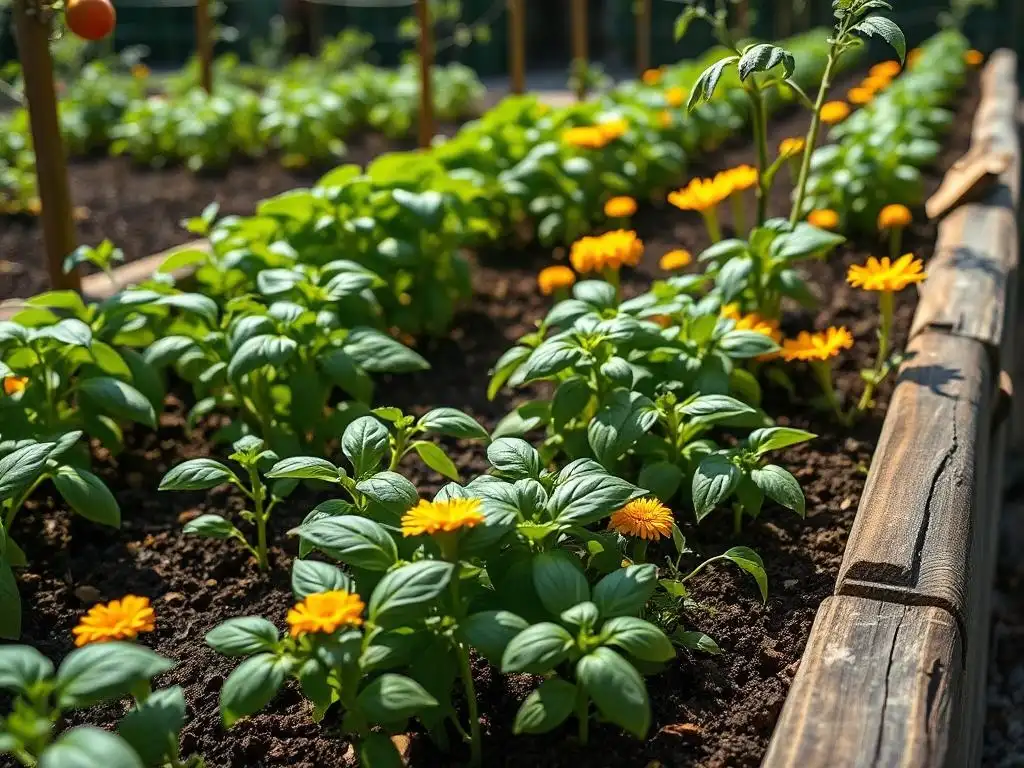
Creating a visually appealing and harmonious organic garden isn't just about planting pretty flowers; it's about understanding fundamental design principles. Rhythm, a crucial element in garden design, involves the repetition and variation of elements to create a sense of movement and visual interest. This section explores how to effectively use rhythm to enhance the aesthetic appeal and functionality of your sustainable garden. Proper application of rhythmic principles contributes significantly to the overall success of your organic garden design principles.
The Role of Repetition in Creating Visual Interest: Repeating Plant Types and Colors
Repetition is the backbone of rhythm. By repeating plant types, colors, or textures, you establish a visual beat that guides the eye through the garden. For example, planting a row of vibrant red tomatoes along the back fence creates a strong visual line and a sense of continuity. Similarly, repeating clumps of lavender throughout the garden establishes a calming, consistent theme. The key is to find a balance: too much repetition can become monotonous, while too little lacks coherence.
Consider the following example: Imagine a herb garden. Instead of scattering herbs randomly, grouping similar herbs together—basils in one area, mints in another—creates a sense of order and visual rhythm. This not only looks pleasing but also makes harvesting and maintenance more efficient. The strategic repetition of these plant types strengthens the overall organic garden design principles at play.
Furthermore, repeating colors can create a cohesive look. Using shades of purple throughout your flower beds, for instance, can establish a unified aesthetic, while strategically incorporating contrasting colors—like sunny yellow—can add visual excitement and prevent monotony. This mindful repetition is a cornerstone of successful organic garden design.
Using Lines and Paths to Establish Rhythm: Creating Flow and Movement in the Garden
Lines and paths are powerful tools for establishing rhythm in your garden. Straight lines create a sense of formality and order, while curved lines offer a more natural, flowing feel. Strategic placement of paths can guide the viewer's eye, creating a journey through the garden. The careful use of paths is integral to organic garden design principles, directing movement and highlighting key features.
For example, a meandering path lined with low-growing shrubs can lead the eye to a hidden seating area or a beautiful water feature. The path itself becomes a rhythmic element, its curves and turns creating a sense of anticipation and discovery. Similarly, straight lines created by hedges or rows of vegetables can provide structure and balance. Consider the practical implications as well: well-placed paths improve accessibility and make gardening tasks easier. This improves the functionality of your garden while enhancing its visual appeal – a hallmark of successful organic garden design principles.
Incorporating Focal Points to Enhance Rhythm: Water Feature or Ornamental Tree
Focal points are essential for creating rhythm and visual interest. These are elements that draw the eye and serve as anchors within the garden's overall design. A striking water feature, such as a small pond or fountain, can be a powerful focal point, its movement and sound adding a dynamic element to the overall rhythm. Similarly, a mature ornamental tree, strategically placed, can serve as a central element around which other plants are arranged.
Consider the placement of your focal point carefully. It should be positioned to complement the existing rhythm and lines of your garden, not disrupt them. For instance, a tall tree might serve as a natural endpoint to a long, straight path, creating a satisfying sense of closure.
Conversely, a smaller water feature might be nestled in a quieter corner of the garden, providing a peaceful respite. These focal points, when thoughtfully integrated, significantly enhance the overall impact of your organic garden design principles. The balance between the focal point and surrounding elements is key to achieving a harmonious and visually pleasing organic garden.
Rhythm and the Organic Garden: Seasonal Changes and Continuous Bloom
Creating a rhythmical garden isn't just about aesthetics; it's about mimicking nature's cycles and ensuring a continuous harvest. Organic gardening thrives on understanding and working with nature's rhythms, not against them. Think of the subtle shifts in color and texture throughout the growing season. This natural progression, from the vibrant greens of spring to the warm hues of autumn, provides a beautiful, inherent rhythm.
To enhance this natural rhythm in your organic garden design, consider planting varieties with staggered bloom times. This ensures a constant display of flowers, attracting beneficial insects and pollinators throughout the entire season. For example, early-blooming spring bulbs like daffodils can be followed by summer-flowering perennials like coneflowers and daylilies, leading into the late-season blooms of asters and chrysanthemums. This continuous cycle of color and life creates a visually appealing and ecologically sound garden.
The principle of rhythm also extends to the garden's structure. Consider the placement of plants of varying heights and textures. Taller plants can act as backdrops, while shorter plants create a foreground, leading the eye through the garden in a pleasing sequence. Repeating these patterns throughout the garden creates a sense of visual rhythm, much like a musical phrase repeated throughout a song.
This can be achieved through the repetition of plant types, colors, or even shapes. For instance, repeating a border of lavender along a pathway creates a strong visual rhythm, guiding the viewer through the garden space. This repetition creates a sense of order and harmony, enhancing the overall aesthetic appeal of your organic garden.
Furthermore, understanding the seasonal changes in your specific climate is crucial for establishing a successful rhythmical garden. Knowing which plants thrive in spring, summer, fall, and winter allows you to plan for a continuous display of life and color throughout the year. This might involve incorporating winter-hardy vegetables like kale and chard alongside summer-loving tomatoes and peppers.
By carefully selecting plants that thrive in your local climate and bloom at different times, you can create a garden that flows seamlessly through the seasons, providing a continuous source of beauty and sustenance. This is a key element of successful organic garden design, ensuring a vibrant and productive space throughout the year. Careful planning and observation of your local climate are essential for achieving this natural rhythm.
Creating Unity in Your Organic Vegetable Garden
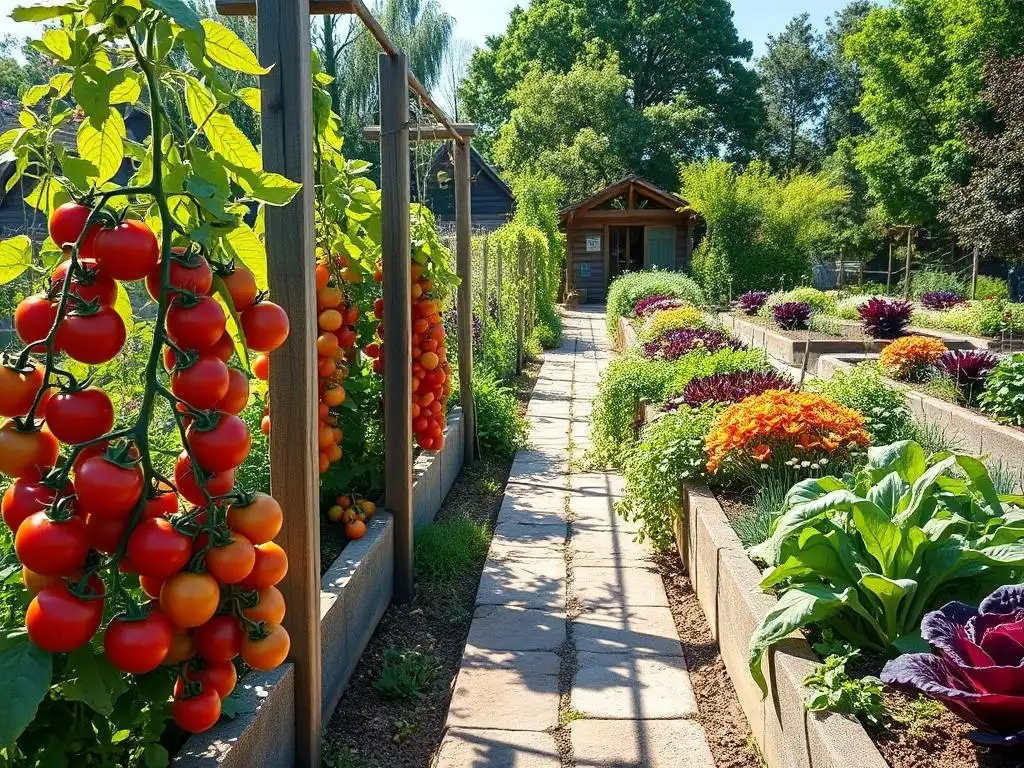
The Concept of Unity in Organic Garden Design: A Cohesive Whole
Creating a unified organic garden isn't just about aesthetics; it's about fostering a thriving ecosystem. Unity in garden design means achieving a sense of wholeness and harmony, where all elements work together seamlessly. This principle is particularly important in organic gardening, where biodiversity and interconnectedness are key to success.
A unified design promotes a balanced environment, reducing the need for chemical interventions and maximizing the health of your plants. Think of it like a well-orchestrated symphony – each instrument (plant) plays its part, contributing to a beautiful and functional whole. A lack of unity, on the other hand, can lead to a chaotic and less productive garden.
For example, a haphazard arrangement of plants with clashing colors and textures can create a visually jarring experience and potentially disrupt the delicate balance of the garden ecosystem. Achieving unity requires careful planning and consideration of various design elements, from plant selection to layout.
Successful organic garden design prioritizes the interconnectedness of plants, recognizing that they interact with each other and their environment in complex ways. A unified approach considers these interactions, ensuring that plants are placed in a way that supports their growth and overall health. This might involve companion planting, where beneficial plants are placed together to enhance growth and deter pests.
For instance, basil planted near tomatoes can repel certain insects, contributing to a healthier and more unified ecosystem within the garden. The principle of unity, therefore, extends beyond mere visual appeal to encompass the ecological harmony of the entire garden space.
Using a Unified Color Palette in Your Organic Garden: Harmonizing Plant Choices
Color plays a significant role in creating a unified and aesthetically pleasing organic garden. A harmonious color palette can tie the entire space together, creating a sense of calm and visual interest. When choosing plants for your organic garden, consider their flower and foliage colors.
Opt for a limited range of colors that complement each other, rather than a chaotic mix. Think about analogous colors (those located next to each other on the color wheel, such as blues and greens) or complementary colors (colors opposite each other on the color wheel, like orange and blue) to create visually appealing combinations.
For example, a garden featuring various shades of green, interspersed with bursts of yellow from sunflowers and marigolds, creates a naturally unified and vibrant look. Avoid using too many contrasting colors, as this can make the garden feel disjointed and overwhelming. Consider the flowering times of your chosen plants to ensure a continuous display of color throughout the growing season.
Remember that the color of your vegetables themselves also contributes to the overall palette, so selecting varieties with similar hues can enhance the unity of your design. Careful consideration of color can elevate your organic garden from a collection of plants to a cohesive and visually stunning landscape. This careful selection contributes significantly to the overall aesthetic appeal and reinforces the ‘organic garden design principles’ we are focusing on here.
Choosing Compatible Plant Textures and Heights: Creating Visual Harmony
Texture and height are equally important aspects of creating unity in your organic garden. Varying textures adds visual interest, but it's crucial to do so in a way that maintains harmony. Combining rough textures (like the leaves of artichokes) with smooth textures (like the leaves of lettuce) can create a dynamic yet cohesive look. Similarly, consider the height of your plants. Taller plants can act as backdrops, while shorter plants can fill in the gaps, creating layers and depth.
| Plant | Height (approx.) | Texture | Color Palette |
|---|---|---|---|
| Sunflowers | 6-12 feet | Rough | Yellow, Brown |
| Basil | 1-2 feet | Smooth | Green |
| Lettuce | 6-12 inches | Smooth | Green |
| Kale | 1-2 feet | Rough | Green, Purple |
| Zucchini | 1-3 feet | Rough | Dark Green |
Avoid placing plants of drastically different heights next to each other, as this can create a jarring visual effect. Instead, aim for a gradual transition in height, creating a sense of flow and rhythm. This principle of gradual transition is critical for achieving a sense of visual unity within the organic garden design.
Consider using trellises or other support structures for climbing plants to add vertical interest without disrupting the overall harmony of heights and textures. The careful consideration of both height and texture contributes to a more cohesive and visually appealing organic garden, showcasing the principles of organic garden design in action.
Unity Through Material Selection: Use of Natural Stone or Wood
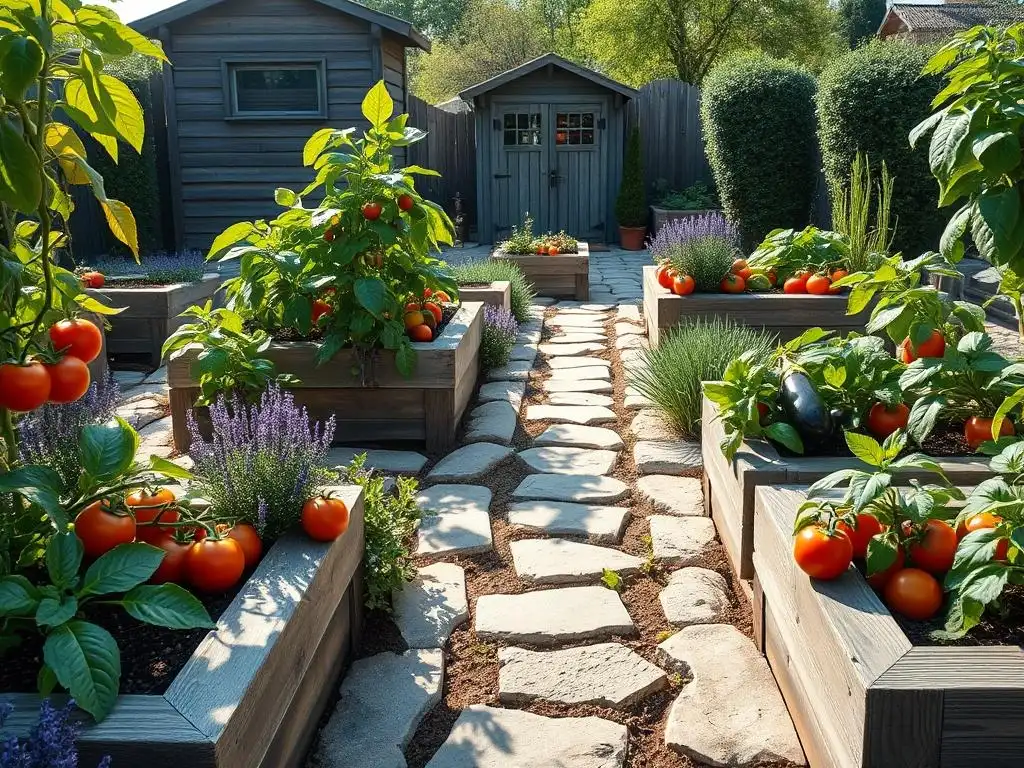
Creating a unified and aesthetically pleasing organic garden hinges significantly on the materials you choose. The use of natural materials like stone and wood fosters a sense of cohesion and harmony, perfectly complementing the organic ethos of your garden. Natural stone pathways, for instance, not only provide practical access throughout your garden but also contribute to a visually unified landscape. The earthy tones and textures of stone blend seamlessly with the natural environment, creating a feeling of continuity and understated elegance. Consider using locally sourced stone to minimize your environmental impact and further enhance the organic theme.
Furthermore, incorporating wood elements, such as raised beds constructed from reclaimed lumber or rustic trellises crafted from sustainably harvested wood, adds warmth and texture to the garden. The natural grain and color variations of wood create visual interest without detracting from the overall unity. Choose wood that is naturally resistant to rot and decay, or treat it with environmentally friendly preservatives to ensure longevity and minimize maintenance. A consistent use of wood throughout the garden—in edging, fencing, or even decorative elements—reinforces the feeling of unity and intentional design.
The natural beauty of wood complements the vibrant colors and textures of your plants, creating a harmonious and inviting space. Avoid using treated lumber or plastics, as these materials clash with the organic principles of your garden and detract from its overall aesthetic unity. Remember, the goal is to create a space that feels both functional and naturally beautiful.
Achieving Unity with Organic Gardening Practices: Consistency in Soil Management and Pest Control
Maintaining unity in your organic garden extends beyond the visual realm; it also encompasses the underlying principles of organic gardening itself. A unified approach to soil management and pest control is crucial for creating a healthy and thriving ecosystem. Consistency in these practices not only benefits the plants but also contributes to the overall aesthetic harmony of your garden.
For instance, consistently using compost tea as a fertilizer throughout your garden ensures that all plants receive the same beneficial nutrients, promoting uniform growth and a more visually balanced landscape. Avoid using different fertilizers or soil amendments in various sections of your garden, as this can lead to uneven growth and a less unified appearance.
Similarly, a consistent approach to pest control is vital for maintaining the health and beauty of your entire garden. Employing integrated pest management (IPM) techniques, such as companion planting and the introduction of beneficial insects, throughout your garden fosters a balanced ecosystem and minimizes the need for harmful chemical pesticides. This consistent approach not only protects your plants from pests but also contributes to the overall health and vibrancy of your garden, resulting in a more unified and visually appealing space.
Remember, a healthy and balanced ecosystem is a beautiful ecosystem. By maintaining consistent soil health and pest management practices, you contribute to a unified and thriving organic garden that is as aesthetically pleasing as it is productive.
Putting it All Together: Designing Your Organic Garden
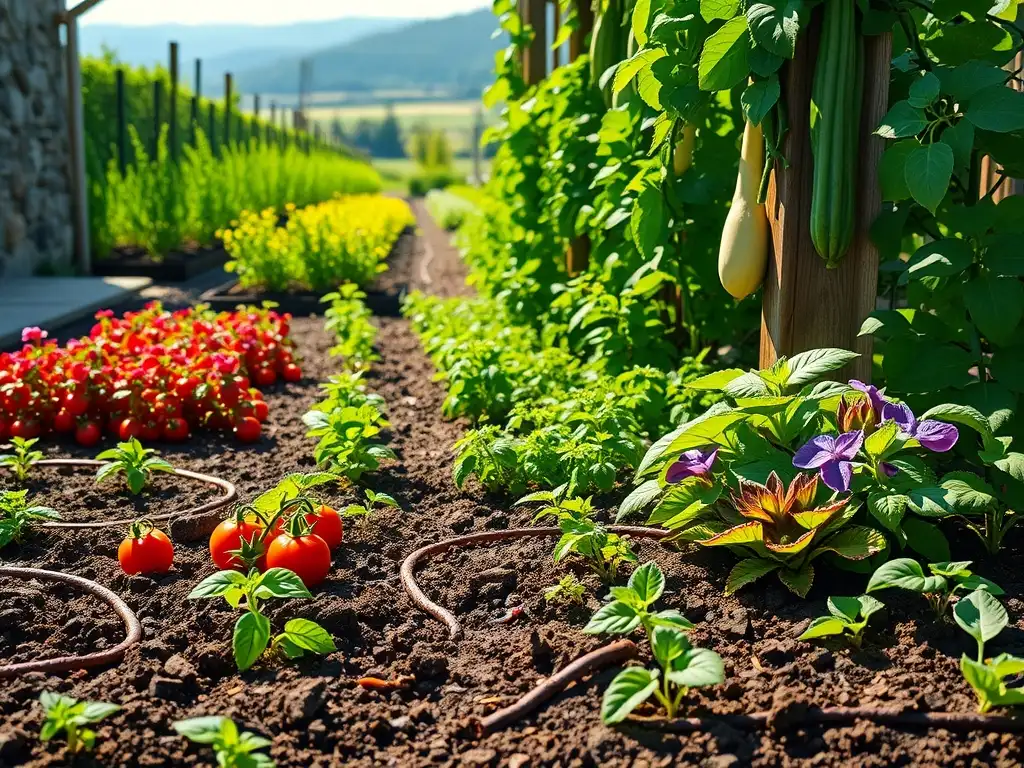
This section provides a practical, step-by-step guide to designing your own thriving organic garden, incorporating the principles of balance, rhythm, and unity discussed previously. We'll move from initial planning to the final planting, ensuring your design fosters a healthy and productive ecosystem. Remember, successful organic garden design principles hinge on understanding your specific environment and tailoring your approach accordingly.
Step-by-Step Guide to Organic Garden Design: From Planning to Planting
Designing an organic garden is an iterative process. Don't expect perfection on the first try! Start with a clear plan, adapt as you learn, and enjoy the journey. Here's a suggested approach:
- Site Analysis: Begin by carefully assessing your garden space. Consider sunlight exposure (at least six hours of direct sunlight is ideal for most vegetables), soil type (clay, sandy, loam), and water availability. Note existing structures, trees, and other features that might influence your design. A detailed sketch of your garden area is crucial at this stage.
- Layout and Planning: Sketch out your garden design, incorporating the principles of balance, rhythm, and unity. Consider companion planting – strategically placing plants that benefit each other. For example, basil repels insects that might attack tomatoes, so planting them together can reduce the need for pesticides. Remember to allocate space for pathways for easy access and maintenance.
- Soil Preparation: Organic gardening prioritizes soil health. Before planting, amend your soil with compost and other organic matter to improve its structure, drainage, and nutrient content. A soil test can pinpoint specific deficiencies that you can address.
- Plant Selection: Choose plants suitable for your climate and soil conditions. Consider the mature size of each plant to ensure adequate spacing. Opt for heirloom or open-pollinated varieties to maintain biodiversity and reduce reliance on commercial seeds.
- Planting and Maintenance: Follow recommended planting depths and spacings for your chosen plants. Regular watering, weeding, and mulching are essential for maintaining a healthy organic garden. Mulching helps retain moisture, suppress weeds, and regulate soil temperature.
- Pest and Disease Management: Employ preventative measures like crop rotation and companion planting to minimize pest and disease problems. If issues arise, prioritize organic pest control methods such as introducing beneficial insects or using insecticidal soap.
- Harvesting and Enjoyment: Harvest your produce at its peak ripeness and savor the fruits (and vegetables!) of your labor. Regular harvesting encourages further growth and prevents overripe produce.
Choosing the Right Plants for Your Organic Garden: Considering Climate and Soil Conditions
Selecting the right plants is paramount for a successful organic garden. Ignoring your specific climate and soil conditions will almost certainly lead to poor results. Consider these factors:
- Hardiness Zones: Determine your USDA Plant Hardiness Zone to identify plants that will thrive in your local climate. This information is readily available online.
- Sunlight Requirements: Different plants have varying sunlight needs. Ensure your chosen plants receive the appropriate amount of sun. Some vegetables, like lettuce, prefer partial shade, while tomatoes need full sun.
- Soil pH: Many plants have preferred soil pH ranges. A soil test will reveal your soil's pH, and you can amend it accordingly using organic methods like adding lime (to raise pH) or sulfur (to lower pH).
- Soil Drainage: Poorly drained soil can lead to root rot. If your soil drains poorly, you may need to amend it with organic matter like compost or create raised beds.
- Water Needs: Some plants are drought-tolerant, while others require consistent watering. Group plants with similar water needs together to simplify irrigation.
Here’s a simple table showcasing some examples:
| Plant | Sunlight Needs | Soil pH | Water Needs |
|---|---|---|---|
| Tomatoes | Full Sun | 6.0-6.8 | Moderate |
| Lettuce | Partial Shade | 6.0-7.0 | Moderate |
| Beans | Full Sun | 6.0-7.0 | Moderate |
| Zucchini | Full Sun | 6.0-7.5 | Moderate to High |
Remember to research specific plant needs before planting. Choosing plants well-suited to your environment will significantly increase your chances of success.
Integrating Organic Composting into Your Garden Design: Compost Bin Construction and Usage
Composting is a cornerstone of organic gardening. It provides a rich, nutrient-rich soil amendment, reducing the need for chemical fertilizers. Integrating your compost bin into your garden design enhances both functionality and aesthetics.
Several options exist for compost bin construction:
- Three-Bin System: This system involves three bins – one for fresh green waste, one for brown waste, and one for finished compost. This allows for a continuous composting process.
- DIY Pallet Compost Bin: Using reclaimed wooden pallets is an economical and environmentally friendly option. Simply arrange the pallets to form a three-sided enclosure.
- Compost Tumbler: A rotating compost tumbler simplifies the turning process, accelerating decomposition.
Regardless of the method you choose, ensure adequate airflow and moisture levels are maintained. The ideal compost mix contains a balance of "green" (nitrogen-rich) materials like grass clippings and vegetable scraps, and "brown" (carbon-rich) materials like dried leaves and twigs. Regular turning is crucial to maintain proper aeration and decomposition rates. A well-maintained compost pile will provide your organic garden with a continuous supply of nutrient-rich soil amendment, contributing to its overall health and productivity.
The finished compost can be added directly to your planting beds or used as a top dressing. The benefits extend beyond just soil enrichment; it also reduces landfill waste, contributing to a more sustainable gardening practice. Integrating composting seamlessly into your organic garden design principles is a vital step towards creating a truly thriving and environmentally responsible garden.
Maintaining Your Organic Garden: Ongoing Care and Sustainable Practices
Maintaining a thriving organic garden requires consistent effort and a commitment to sustainable practices. It's not a "set it and forget it" endeavor; rather, it's an ongoing dialogue between you, your plants, and the environment. Regular monitoring and proactive care are crucial for maximizing yields and ensuring the health of your ecosystem.
One key aspect of organic garden maintenance is soil health. Regular soil testing can reveal nutrient deficiencies, allowing you to amend the soil with compost, aged manure, or other organic matter as needed. Avoid using chemical fertilizers, as these disrupt the delicate balance of the soil microbiome and can harm beneficial organisms.
Instead, focus on building soil fertility naturally through composting and cover cropping. Cover crops, such as clover or rye, can be planted in between growing seasons to improve soil structure, suppress weeds, and add nutrients back into the soil. This practice significantly reduces the need for external inputs, a hallmark of sustainable organic gardening.
Another crucial element is water management. Organic gardening emphasizes water conservation. Efficient irrigation methods, such as drip irrigation or soaker hoses, minimize water waste and deliver water directly to the plant roots. Mulching around plants helps retain soil moisture, reducing the frequency of watering. Regularly inspect your irrigation system for leaks and adjust watering schedules based on weather conditions and plant needs. Overwatering can lead to root rot, while underwatering stunts growth. Finding the right balance is key.
Pest and disease control in an organic garden requires a proactive, rather than reactive, approach. Regularly inspect your plants for signs of pests or diseases. Early detection allows for prompt intervention, preventing widespread damage. Employ integrated pest management (IPM) strategies, which prioritize preventative measures such as companion planting (planting certain plants together to deter pests) and crop rotation. If pests or diseases become a problem, consider using organic pest control methods such as introducing beneficial insects, using insecticidal soaps, or applying neem oil. These methods target specific pests without harming beneficial insects or polluting the environment.
Finally, harvesting and composting are integral parts of maintaining a healthy organic garden. Harvest crops at their peak ripeness to ensure optimal flavor and nutritional value. Save seeds from your best plants for next year's planting. Compost all plant debris, kitchen scraps, and yard waste to create nutrient-rich compost for enriching your soil.
Composting is a cornerstone of sustainable organic gardening, closing the loop by recycling organic matter back into the system. This continuous cycle of growth, harvesting, and decomposition ensures soil fertility and minimizes waste, reflecting the core principles of organic gardening. By diligently practicing these maintenance techniques, you can cultivate a thriving, productive, and ecologically sound organic garden year after year.
Resources for Successful Organic Garden Design
This section provides a curated list of resources to help you implement the principles of organic garden design discussed earlier. From insightful books to practical online courses and reliable suppliers, these resources will empower you to create a thriving and aesthetically pleasing organic garden. Remember, successful organic garden design hinges on careful planning and the use of sustainable practices. Let's explore the options available to support your journey.
Recommended Books on Organic Gardening and Design
Choosing the right books can significantly impact your understanding and execution of organic garden design principles. Here are some titles that offer valuable insights into planning, planting, and maintaining a beautiful and productive organic garden:
- "The Organic Gardener's Handbook" by Barbara Pleasant: This comprehensive guide covers all aspects of organic gardening, from soil preparation to pest control, offering practical advice and detailed instructions for creating a thriving organic garden. It provides a strong foundation in understanding the principles of organic gardening, which are essential for effective design.
- "Gaia's Garden: A Guide to Home-Scale Permaculture" by Toby Hemenway: This book introduces permaculture principles, focusing on creating self-sustaining ecosystems in your garden. It offers unique perspectives on garden design, emphasizing natural processes and minimizing human intervention. Understanding permaculture concepts can greatly enhance your organic garden design.
- "Carrots Love Tomatoes: Secrets of Companion Planting for Successful Gardening" by Louise Riotte: This book delves into the art of companion planting, a key element of organic gardening and design. Learning about beneficial plant combinations can optimize space utilization and improve the overall health of your garden. It's a must-read for anyone aiming for a vibrant and productive organic garden.
- "The Vegetable Gardener's Bible" by Edward C. Smith: While not solely focused on organic practices, this book provides extensive information on vegetable gardening techniques, many of which are compatible with organic methods. Its detailed approach to planning and planting can be adapted to your organic garden design.
Online Courses and Workshops on Organic Garden Design
The digital world offers a wealth of learning opportunities for aspiring organic gardeners. Several online platforms provide courses and workshops that cover various aspects of organic garden design:
- Online courses focusing on organic gardening techniques: Many platforms offer comprehensive courses covering soil health, composting, pest management, and sustainable practices – all crucial for successful organic gardening. These courses often include video lectures, downloadable resources, and community forums for interaction with instructors and fellow learners.
- Workshops on specific organic garden design elements: Look for workshops focused on topics like garden layout, water conservation, and creating wildlife habitats within your garden. Hands-on workshops offer valuable practical experience.
- Interactive webinars and Q&A sessions with experts: Many experts in the field of organic gardening regularly host webinars and Q&A sessions, providing opportunities to ask questions and gain insights from experienced practitioners. These sessions can be invaluable for addressing specific challenges and refining your organic garden design.
Suppliers of Organic Seeds and Plants
Sourcing high-quality organic seeds and plants is fundamental to building a successful organic garden. Here's what to consider when choosing your suppliers:
- Local nurseries and garden centers specializing in organic produce: These businesses often carry a wide selection of regionally adapted organic seeds and plants, ensuring better chances of success in your specific climate. Supporting local businesses also contributes to the sustainability of your community.
- Online retailers specializing in organic seeds and plants: Many reputable online retailers offer a vast selection of organic seeds and plants, often with detailed descriptions and customer reviews. Choose suppliers with established reputations for quality and reliability.
- Seed saving and exchange programs: Participating in seed saving and exchange programs allows you to obtain unique varieties and contribute to the preservation of heirloom plants. This is a great way to further support sustainable and organic practices in your gardening endeavors.
Remember to always verify the organic certification of your chosen seeds and plants to ensure you are adhering to organic garden design principles. A well-planned organic garden not only produces healthy food but also contributes to environmental sustainability and a more beautiful living space. 🌱
Frequently Asked Questions
What are the core principles of organic garden design?
The core principles revolve around creating a balanced ecosystem. This means considering soil health, water conservation, pest control through biodiversity, and the aesthetic unity of your garden. It's about working with nature, not against it.
How does balance relate to organic garden design?
Balance involves even distribution of plants, both visually and functionally. This could mean balancing the height and color of plants or ensuring a diverse range of species to prevent pest outbreaks. It's about creating a harmonious whole.
What is the importance of rhythm in organic garden design?
Rhythm creates a sense of visual flow and movement through the use of repeating elements, like colors, textures, or plant heights. This creates a more pleasing and engaging space for both you and beneficial insects.
How can I achieve unity in my organic garden design?
Unity means creating a cohesive look and feel. This can be achieved through the use of a consistent color palette, similar plant forms, or repeating design elements. It ties all the parts of your garden together into a single, beautiful whole.
How do these design principles contribute to sustainable organic gardening?
These principles are integral to sustainability by promoting biodiversity, reducing the need for chemical interventions, and improving resource efficiency. A well-designed organic garden is healthier, more productive, and more resilient.
Final Reflection: Cultivating Harmony: The Enduring Power of Organic Garden Design
The principles of balance, rhythm, and unity in garden design aren't mere aesthetic choices; they are fundamental to creating thriving, ecologically sound spaces that resonate with both nature and the human spirit. These principles, when applied thoughtfully, transform a collection of plants into a vibrant ecosystem, mirroring the natural world's inherent beauty and resilience. This is more crucial now than ever, as we grapple with the urgent need for sustainable practices and a deeper connection with the natural world.
The influence of organic garden design extends far beyond the visual appeal of a well-maintained plot. It speaks to a deeper yearning for harmony – a harmony between human intention and natural processes. It's about understanding the interconnectedness of all living things and working with nature, not against it. This resonates deeply with me, as I've witnessed firsthand the transformative power of a garden designed with these principles in mind. A garden is a grand compromise between man and nature.
– Anonymous. This quote perfectly encapsulates the delicate balance we must strive for in our approach to gardening and, indeed, to life itself.
Consider the lessons learned here. Think about how you can apply the principles of balance, rhythm, and unity not just to your garden, but to other aspects of your life. Embrace the opportunity to cultivate harmony in your own unique space, whether it's a physical garden or a metaphorical one within your heart and mind. Let the beauty and resilience of nature inspire you to create a more balanced, harmonious, and fulfilling existence. Start small, observe carefully, and allow the natural world to guide your hand. The rewards, both tangible and intangible, will be immeasurable.
Unleash Your Inner Gardener: Design Your Dream Oasis
Thanks for exploring the art of garden design with us! You've now got the tools to create a truly harmonious and beautiful space. Ready to put your newfound knowledge into practice?
- Sketch your dream garden: Grab a pencil and paper (or your favorite digital design program!) and start visualizing your ideal garden layout, incorporating the principles of balance, rhythm, and unity we discussed. Let your creativity flow!
- Share your vision: Post a picture of your sketch or a description of your garden plan on our CultivateYourFood community forum – let's inspire each other!
- Add a unique focal point: Introduce a striking element, such as a captivating sculpture or a soothing water feature, to add personality and interest to your design.
What special touch will you add to make your garden truly unique?