
Troubleshooting Common Season Extension Problems

Welcome to CultivateYourFood, your guide to a thriving home garden! Are you dreaming of fresh, organic produce all year round? Then you're in the right place. We'll help you navigate the challenges, like the frustrating Extend growing season problems many gardeners face. Discover practical, sustainable solutions and unlock the secrets to extending your harvest, no matter the climate. Let's cultivate a greener, more abundant future, together!
- Understanding Season Extension Challenges: Why Your Plants Aren't Thriving
- Diagnosing and Solving Problems with Heating Systems for Season Extension
- Pest and Disease Management in Extended Seasons
- Optimizing Your Season Extension Setup for Success
- Preventing Future Season Extension Problems: Proactive Measures
-
Frequently Asked Questions
- What are the biggest challenges in extending the growing season?
- How can I protect my plants from frost damage?
- What are some ways to increase sunlight during shorter days?
- How can I deal with pests and diseases during an extended growing season?
- What are some low-cost methods for extending the growing season?
- Final Reflection: Harvesting the Potential of a Longer Growing Season
- Unlock a Longer Harvest: Take Action Now!
Understanding Season Extension Challenges: Why Your Plants Aren't Thriving
Extending your growing season can significantly increase your harvest and allow you to enjoy fresh produce for a longer period. However, protecting your plants from the vagaries of early frost and late-season chills presents unique challenges. This article delves into common problems encountered when attempting to extend the growing season, focusing on identifying early warning signs and troubleshooting solutions for various protective structures. Successfully navigating these hurdles requires careful planning, meticulous monitoring, and a proactive approach to plant care.
Understanding the nuances of season extension will empower you to cultivate a thriving garden, even when faced with unpredictable weather patterns. Let's explore the most frequent issues gardeners encounter when striving to extend their growing season using common protective methods, and how to effectively address them for a bountiful harvest. 🌱
Identifying Early Signs of Season Extension Failure
One of the biggest challenges in extending the growing season is recognizing problems before they significantly impact your plants. Early detection is crucial for effective intervention. Look out for these key indicators:
- Wilting or drooping: Even with protection, plants can still suffer from dehydration if the structure isn't properly ventilated or if temperatures fluctuate drastically. Consistent monitoring of soil moisture is essential.
- Discoloration: Yellowing, browning, or other unusual color changes in leaves can signal nutrient deficiencies, disease, or cold damage, even within a protective structure.
- Stunted growth: If your plants aren't growing at their expected rate, it could indicate a problem with temperature regulation, light penetration, or pest infestations within your season extension system.
- Pest or disease presence: While protective structures offer some barrier, they don't eliminate the risk of pests and diseases entirely. Regular inspections are vital to catch infestations early.
- Poor fruit set or blossom drop: If your plants are flowering but not producing fruit, it could be due to insufficient pollination, temperature fluctuations, or nutrient imbalances.
Addressing these issues promptly can prevent more significant problems down the line. Remember, proactive monitoring is key to a successful season extension.
Common Issues with Cold Frames and Low Tunnels
Cold frames and low tunnels, while effective, can present their own set of challenges:
- Insufficient ventilation: On sunny days, temperatures inside can rise dramatically, leading to plant stress and even death. Proper ventilation is crucial to prevent overheating. Insufficient ventilation can also lead to increased humidity, fostering fungal diseases.
- Poor drainage: Excess moisture can suffocate roots and promote rot. Ensuring adequate drainage is essential. This might require raised beds or amended soil to improve drainage.
- Inadequate insulation: On very cold nights, insufficient insulation can lead to frost damage. Adding extra layers of insulation, such as straw bales or blankets, can improve protection.
- Condensation: High humidity levels can lead to condensation buildup inside the structure, which can damage plants. Proper ventilation and the use of breathable materials can help mitigate this.
- Pest and rodent access: Small gaps or holes can provide entry points for pests and rodents. Regular inspection and sealing any potential entry points is necessary.
Problems with Row Covers and Floating Row Covers
Row covers and floating row covers, while lightweight and easy to use, also have potential pitfalls:
- Ripping or tearing: These covers are susceptible to damage from wind, heavy rain, or sharp objects. Proper anchoring and careful handling are essential.
- Insufficient weight: Lightweight covers may not provide sufficient protection against strong winds or heavy snowfall. Adding weights to the edges can improve stability.
- Poor light penetration: Some heavier row covers can reduce light penetration, potentially hindering plant growth. Choosing a cover with appropriate light transmission is crucial.
- Moisture build-up: Poor ventilation under the cover can lead to excess moisture, promoting fungal diseases. Ensuring adequate air circulation is essential.
- Condensation: Similar to low tunnels, condensation can be a problem. Ventilation and breathable materials can help minimize this issue. Careful selection of row cover material is key.
By understanding and addressing these common problems, you can significantly improve your success rate in extending your growing season and enjoying a longer, more abundant harvest. Remember, careful planning and regular monitoring are key to overcoming these challenges.
Diagnosing and Solving Problems with Heating Systems for Season Extension
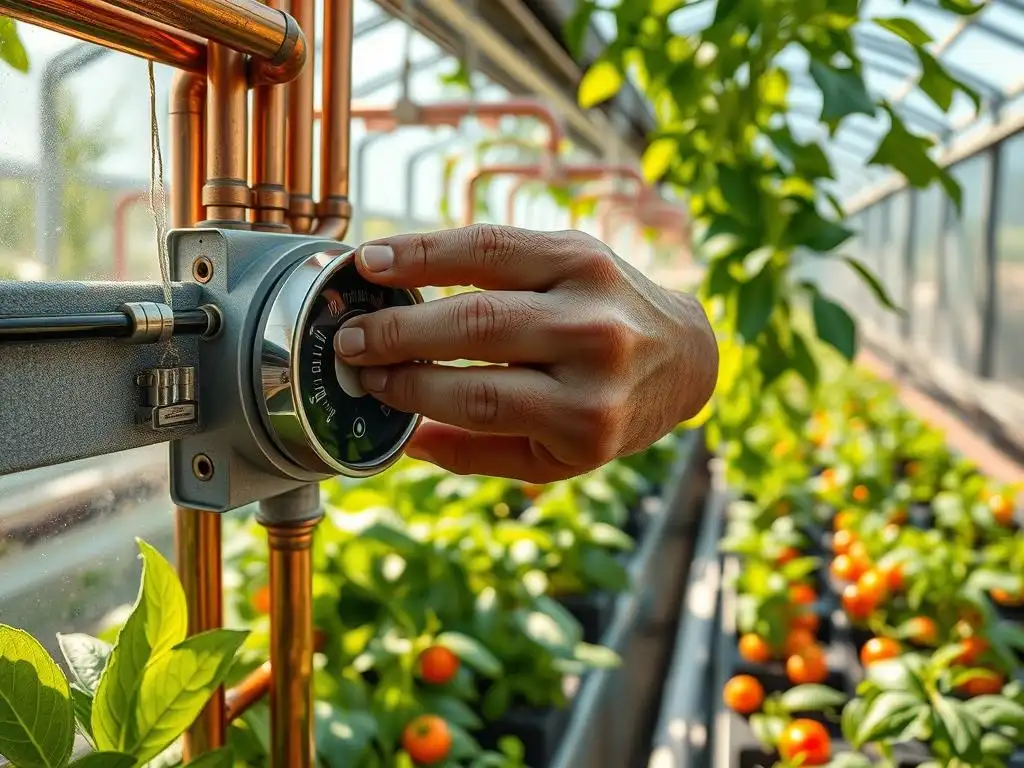
Extending the growing season often relies heavily on supplemental heating systems. Understanding how these systems function and troubleshooting common issues is crucial for success. Failure to address these problems can lead to stunted growth, reduced yields, and ultimately, a failed harvest. This section focuses on diagnosing and resolving problems with three common heating system types: electric heating mats, water-based systems, and geothermal systems. Each system presents unique challenges, requiring specific troubleshooting techniques. Proper maintenance and preventative measures are key to minimizing problems and maximizing the lifespan of your chosen system. Let's delve into the specifics.
Troubleshooting Issues with Electric Heating Mats
Electric heating mats offer a convenient and relatively inexpensive way to provide bottom heat for seedlings and delicate plants. However, several issues can arise. One common problem is uneven heating. This can be caused by faulty wiring, damaged mats, or improper installation.
To diagnose uneven heating, carefully inspect the mat for any visible damage, such as fraying wires or burned sections. Use a thermometer to measure the temperature at multiple points across the mat's surface. Significant temperature variations indicate a problem. Replacing a damaged mat is often the most effective solution. Ensure proper contact between the mat and the soil to facilitate even heat distribution. Too much air space can create hot spots.
Another issue is overheating. This can damage plants and even create a fire hazard. Overheating often results from improper thermostat settings or malfunctioning thermostats. Always follow the manufacturer's instructions for setting the thermostat, and regularly check the thermostat's functionality. Consider using a separate, independent thermometer to monitor the soil temperature near the heating mat for added safety. Remember that overheating can also be caused by incorrect placement of the mat, leading to excessive heat accumulation in a localized area. Always ensure adequate ventilation.
Finally, power outages can disrupt the heating process, potentially harming plants. Backup power solutions, such as a generator or uninterruptible power supply (UPS), can mitigate this risk. Regularly check the power supply to the mat and ensure all connections are secure.
Troubleshooting Issues with Water-Based Heating Systems
Water-based heating systems, often involving pipes circulating warm water, offer a more even and controllable heat source compared to electric mats. However, these systems can experience leaks, pump failures, and thermostat malfunctions.
Leaks are a significant concern. Regularly inspect all pipes and connections for any signs of leaks or damage. Small leaks can be repaired with appropriate sealant, but larger leaks may require professional assistance or replacement of damaged components. Preventative maintenance, such as flushing the system regularly to remove sediment buildup, can help prevent leaks. Remember to always turn off the system before performing any maintenance or repairs.
Pump failures can disrupt water circulation, leading to uneven heating or a complete loss of heat. Listen for unusual noises from the pump, such as grinding or humming. These sounds often indicate a problem. If the pump fails, it will need to be repaired or replaced. Regular maintenance, such as checking the pump's oil level (if applicable) and ensuring proper lubrication, can extend its lifespan.
Thermostat malfunctions can result in inconsistent temperatures. If the temperature fluctuates wildly or fails to reach the desired setting, the thermostat may need to be calibrated or replaced. Regularly check the thermostat's accuracy using a separate thermometer to ensure it is accurately reflecting the water temperature.
Troubleshooting Issues with Geothermal Heating Systems
Geothermal heating systems utilize the earth's relatively constant temperature to heat water for your greenhouse. While generally reliable, these systems can encounter problems with the ground loop, the heat exchanger, or the pump.
Issues with the ground loop are usually the most serious and costly to repair. These problems can include leaks, corrosion, or reduced heat transfer efficiency. Regular monitoring of the ground loop's performance is essential. Leak detection methods may involve specialized equipment and professional expertise. Corrosion can be mitigated through proper installation and the use of corrosion-resistant materials.
The heat exchanger transfers heat from the ground loop water to the greenhouse water. Problems with the heat exchanger, such as scaling or fouling, can reduce efficiency. Regular cleaning and maintenance are necessary to prevent these issues. A decrease in heat transfer efficiency might also indicate a problem with the heat exchanger.
Pump failures in geothermal systems are similar to those in water-based systems. Regular maintenance and monitoring are crucial to prevent failures and ensure efficient operation. Listen for unusual noises and check for any signs of leakage or overheating. A malfunctioning pump will need to be repaired or replaced. Remember to always follow the manufacturer's instructions for maintenance and repair.
Pest and Disease Management in Extended Seasons
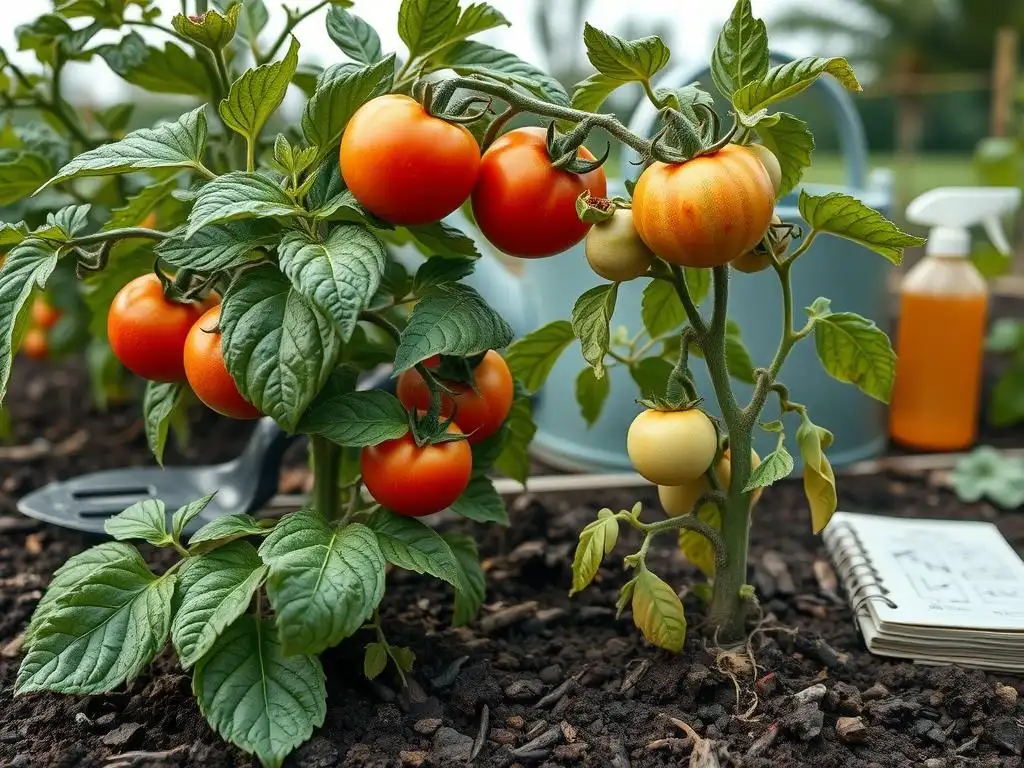
Extending your growing season, while offering bountiful harvests, also presents unique challenges in pest and disease management. The controlled environment created by season extension methods, such as greenhouses or row covers, can inadvertently foster conditions favorable for pest proliferation and disease outbreaks. Understanding these challenges and implementing proactive strategies is crucial for maintaining healthy plants and maximizing yields.
Effective pest and disease management is paramount for successfully extending the growing season and achieving a thriving garden. Ignoring these issues can quickly lead to significant crop losses, negating the benefits of your season extension efforts. This section details effective strategies to mitigate these risks.
Dealing with Increased Pest Pressure in Protected Environments
Protected environments, while shielding plants from harsh weather, often create ideal breeding grounds for certain pests. The lack of natural predators and the consistent, often warmer, temperatures can lead to rapid population growth. For example, aphids, whiteflies, and spider mites can quickly infest plants within greenhouses or under row covers. Early detection is key. Regularly inspect your plants, looking for signs of infestation such as wilting, discoloration, or the presence of insects themselves.
Effective pest management in these environments requires a multi-pronged approach. Consider these strategies:
- Biological Control: Introducing beneficial insects like ladybugs, lacewings, or parasitic wasps can naturally control pest populations. These predators feed on common garden pests, offering a sustainable and environmentally friendly solution. The effectiveness varies depending on the specific pest and the environment. Research the best beneficial insects for your region and the pests you're targeting.
- Physical Barriers: Using physical barriers like sticky traps or fine mesh netting can prevent pests from accessing your plants. This is particularly effective against flying insects like whiteflies. Regularly check and replace these barriers as needed.
- Crop Rotation: Rotating your crops yearly helps disrupt the life cycles of soilborne pests and reduces the likelihood of severe infestations. This simple practice significantly contributes to long-term pest management.
- Monitoring and Early Intervention: Regular monitoring allows for early detection of infestations, enabling prompt treatment before populations explode. Early intervention often requires less aggressive control measures, minimizing the risk to beneficial insects and the environment.
- Selective Pesticide Use (as a last resort): If other methods fail, consider using selective pesticides targeting specific pests. Always follow the label instructions carefully and prioritize organic or least-toxic options to minimize environmental impact. Note the potential harm to beneficial insects and pollinators.
Preventing and Treating Diseases in Extended Growing Seasons
Extended growing seasons increase the risk of fungal and bacterial diseases due to increased humidity and moisture within protected environments. These conditions are ideal for pathogen development. Common diseases include powdery mildew, gray mold (botrytis), and various leaf spots.
Proactive disease prevention is crucial. Here's how:
- Good Sanitation: Maintaining a clean and well-ventilated growing environment is paramount. Remove infected plant debris promptly and sterilize tools and containers regularly to prevent the spread of pathogens. This simple habit dramatically reduces disease risk.
- Proper Watering Techniques: Avoid overhead watering, which promotes fungal growth. Instead, water at the base of the plants to keep foliage dry. Good air circulation is essential to prevent humidity buildup.
- Disease-Resistant Varieties: Choose plant varieties known for their resistance to common diseases prevalent in your region. This proactive step greatly reduces the likelihood of significant outbreaks. Consult with local nurseries or gardening experts for recommendations.
- Biopesticides: Several biopesticides are available to combat various plant diseases. These are generally less harmful to the environment than conventional chemical fungicides and bactericides. Thorough research is needed to select the right product for your specific needs.
- Monitoring and Early Intervention (again crucial): Regular monitoring is essential for early detection of disease symptoms. Early intervention can often prevent widespread infection, minimizing crop loss and the need for aggressive treatments. Quick action is often the difference between a minor problem and a major setback.
Successful extension of the growing season hinges on effective pest and disease management. By implementing these strategies, you can significantly reduce the risks associated with extended cultivation and enjoy a healthy and abundant harvest. Remember that observation and proactive measures are key to maintaining a thriving garden throughout the extended season.
Optimizing Your Season Extension Setup for Success
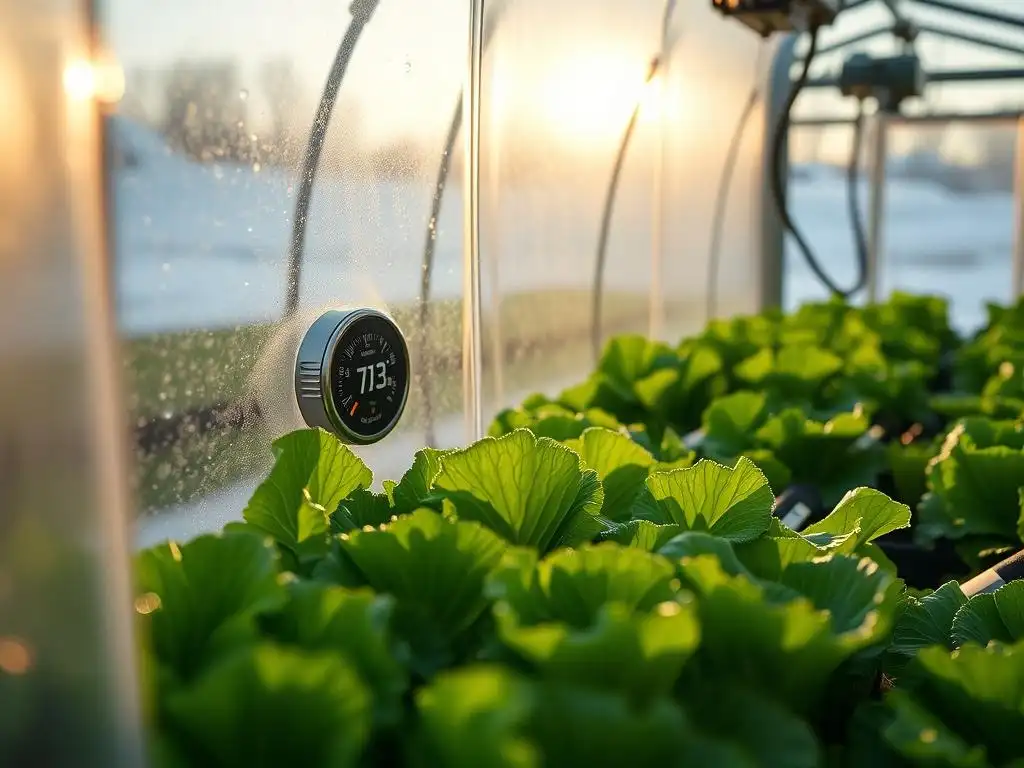
This section delves into crucial aspects of optimizing your season extension setup to overcome common problems and maximize yields. Successfully extending your growing season requires careful attention to detail, proactive problem-solving, and a deep understanding of your plants' needs. Ignoring these factors can lead to significant losses and frustration. Let's explore some key areas for improvement.
Improving Air Circulation and Ventilation in Protected Structures
Poor air circulation is a major contributor to many "Extend growing season problems." Stagnant air within greenhouses, cold frames, or high tunnels fosters the development of fungal diseases, pest infestations, and uneven temperature distribution. This ultimately compromises plant health and reduces yields.
Improving air circulation involves several strategies. First, consider the placement of your structure. Avoid locations prone to still air or pockets of cold air. Secondly, optimize ventilation. Adequate ventilation is crucial for regulating temperature and humidity, preventing the buildup of moisture, and reducing disease pressure. This can be achieved through strategically placed vents, fans, or even simple openings.
For example, a well-designed greenhouse might incorporate vents at both high and low levels to create a natural convection current. This allows for efficient air exchange without creating excessive drafts that can damage delicate plants. In smaller structures like cold frames, simply opening the lid on warmer days can significantly improve air circulation. Remember, consistent monitoring is key – adjust ventilation based on weather conditions and plant needs. A simple thermometer and hygrometer inside your structure can provide valuable data.
Maintaining Proper Humidity Levels for Extended Growing Seasons
Maintaining optimal humidity levels is another vital aspect of successfully extending your growing season. High humidity can lead to fungal diseases like powdery mildew and gray mold, while excessively low humidity can stress plants, making them more susceptible to pests and diseases. The ideal humidity range varies depending on the plant species, but generally falls between 40-70%.
Several techniques can help you regulate humidity. For example, using a humidifier in dry conditions or employing ventilation strategies (discussed above) to reduce humidity in damp environments. You can also strategically group plants to create microclimates, adjusting spacing to promote better airflow and reduce humidity in dense plantings. Regular monitoring with a hygrometer is crucial for maintaining the optimal range.
Consider the materials used in your structure. Some materials, like plastic sheeting, can trap more moisture than others, leading to higher humidity levels. Choosing appropriate materials can directly impact your ability to control humidity. Furthermore, the soil itself plays a role. Overwatering can lead to excessively high humidity around the plants, so proper watering techniques are essential.
Ensuring Adequate Light Penetration for Extended Growing Seasons
Light is essential for plant growth, and reduced light penetration is a common challenge during the shorter days of extended growing seasons. Insufficient light can lead to weak, leggy growth, reduced flowering, and poor yields. Therefore, maximizing light penetration in your protected structure is crucial for success.
Firstly, consider the location of your structure. Avoid shading from trees or buildings. Secondly, choose transparent materials that allow maximum light transmission. Glass is ideal, but polycarbonate panels offer a good balance of light transmission and durability. Regular cleaning of the covering material is also important, as dirt and debris can significantly reduce light penetration.
In addition to structural considerations, supplemental lighting can be highly beneficial, especially during the darkest months. LED grow lights are energy-efficient and provide a full spectrum of light that promotes healthy plant growth. Careful placement of these lights is essential to ensure even light distribution. Remember to research the specific light requirements of your chosen plants to tailor your supplemental lighting strategy accordingly. Failing to provide sufficient light will directly impact plant health and growth, leading to lower yields and potentially unsuccessful season extension.
Soil Management and Nutrient Deficiencies in Extended Growing Seasons
Extending your growing season often means pushing the limits of your soil's natural capabilities. Plants under protection, whether in a greenhouse or cold frame, may face nutrient depletion faster than those grown outdoors during optimal weather conditions. This is because the controlled environment can accelerate growth, leading to a higher demand for essential nutrients. Furthermore, the lack of natural replenishment through things like rain and wind-blown debris means you need to be more proactive in soil management.
One of the most common problems gardeners face when extending their growing season is nutrient deficiency. Plants exhibiting signs of nutrient stress, such as yellowing leaves (chlorosis), stunted growth, or discoloration, often indicate a lack of essential nutrients. This is especially crucial in extended seasons, as plants may deplete soil nutrients more quickly due to prolonged periods of growth. Identifying the specific nutrient deficiency is key to addressing the problem effectively.
For example, nitrogen deficiency results in pale green or yellow leaves, while phosphorus deficiency might cause stunted growth and dark green leaves. Potassium deficiency, on the other hand, frequently leads to leaf scorching and browning. Regular soil testing is crucial for identifying these deficiencies before they significantly impact your yields.
Soil testing kits are readily available and provide valuable insights into your soil's composition. These kits can measure pH levels, along with the levels of essential macronutrients (nitrogen, phosphorus, potassium) and micronutrients (iron, manganese, zinc, etc.). Understanding your soil’s pH is important because it affects nutrient availability. Many nutrients are less available to plants in soils that are too acidic or too alkaline. Amendments like lime (to raise pH) or sulfur (to lower pH) can be used to adjust the soil pH to the optimal range for your chosen plants.
Beyond regular testing, maintaining healthy soil structure is paramount for successful season extension. Well-structured soil allows for better water drainage, aeration, and nutrient uptake. Adding organic matter, such as compost, well-rotted manure, or leaf mold, is an excellent way to improve soil structure and increase its water-holding capacity. Organic matter also acts as a slow-release fertilizer, providing plants with a steady supply of nutrients throughout the extended growing season. Consider incorporating cover crops into your rotation during periods when you're not actively cultivating your main crops.
Cover crops help prevent soil erosion, improve soil structure, and add organic matter. They can also help suppress weeds and improve the overall soil health, making it more productive for your extended season crops. Remember that healthy soil is the foundation of a successful extended growing season. Prioritizing soil health will minimize nutrient deficiencies and maximize your harvest.
Preventing Future Season Extension Problems: Proactive Measures
Extending your growing season offers bountiful rewards, but unforeseen challenges can quickly derail your efforts. Proactive planning and preventative measures are crucial for maximizing success and minimizing frustration. Addressing potential issues before they arise is far more efficient than reacting to problems after they've taken hold. This section focuses on strategies to prevent common season extension problems, ensuring a smoother, more productive growing season. Understanding your climate and the specific needs of your chosen plants is paramount in this endeavor. Let's delve into specific techniques to enhance your success in extending your growing season.
Choosing the Right Season Extension Method for Your Climate
The effectiveness of any season extension method hinges heavily on its suitability to your local climate. A high-tunnel greenhouse might be perfect for a region with mild winters and ample sunlight, but it might prove inadequate in areas with heavy snowfall or prolonged periods of freezing temperatures. Similarly, row covers offer excellent frost protection in spring and fall, but are less effective against sustained cold snaps.
Consider these factors when selecting your method:
- Average temperatures: Research your region's average minimum and maximum temperatures throughout the year. This data will help you determine the level of protection needed.
- Sunlight availability: The amount of sunlight your location receives directly impacts plant growth. Choose a method that maximizes sunlight penetration while offering adequate protection. For example, clear polycarbonate panels are preferable to opaque materials for maximizing light transmission.
- Precipitation: Excessive rainfall or snow can damage or collapse flimsy structures. Ensure the chosen method can withstand expected precipitation levels. Reinforced structures and proper drainage are key considerations.
- Wind: Strong winds can damage or uproot plants, especially those growing in less stable structures. Consider windbreaks or anchoring systems for added protection.
- Budget: Season extension methods vary widely in cost. Choose a method that aligns with your budget and long-term goals.
Careful consideration of these factors ensures that you select a method that provides adequate protection while remaining practical and cost-effective for your specific location and gardening needs. Remember to factor in the time commitment required for maintenance and upkeep of each method.
Selecting Appropriate Plant Varieties for Extended Growing Seasons
Not all plants are created equal when it comes to extending the growing season. Some varieties are inherently more tolerant of cooler temperatures or shorter days than others. Choosing the right plants is just as crucial as choosing the right protection method. Failing to select suitable varieties can lead to stunted growth, poor yields, and ultimately, disappointment.
Here's a breakdown of key considerations:
- Hardiness zones: Familiarize yourself with your USDA hardiness zone to select plants appropriate for your climate. Many seed packets and plant tags will list the hardiness zones they thrive in.
- Days to maturity: Choose varieties with shorter days to maturity for cooler seasons or shorter growing periods. This allows for successful harvests before the onset of harsh weather.
- Cold tolerance: Select varieties specifically bred for cold tolerance. These plants are better equipped to handle fluctuations in temperature and can withstand cooler conditions more effectively.
- Light requirements: Consider the light requirements of your chosen plants. Ensure your season extension method provides adequate light, especially during shorter winter days.
Choosing plant varieties carefully can significantly increase your chances of a successful extended growing season. Researching specific varieties known for their cold tolerance and suitability for your climate is a crucial step in preventing future problems.
Regular Maintenance and Inspection of Season Extension Structures
Regular maintenance is crucial for the longevity and effectiveness of your season extension structure. Neglecting maintenance can lead to structural damage, reduced light penetration, and ultimately, compromised plant health. A proactive approach involves regular inspections and timely repairs.
This includes:
- Regular cleaning: Remove debris, leaves, and any accumulated snow or ice from the structure. This helps maintain optimal light penetration and airflow.
- Structural integrity checks: Inspect the structure for any signs of damage, such as cracks, holes, or weakened supports. Address these issues promptly to prevent further damage.
- Ventilation management: Ensure proper ventilation to prevent overheating or excessive humidity, which can lead to fungal diseases and pest infestations. This might involve opening vents or installing fans.
- Pest and disease monitoring: Regularly inspect plants for signs of pests or diseases. Early detection allows for prompt intervention, preventing widespread damage.
Regular maintenance is not just about fixing problems; it's about preventing them in the first place. A little preventative care goes a long way in ensuring a successful and productive extended growing season. Remember, a well-maintained structure is a key component in preventing future season extension problems and achieving optimal plant health.
Frequently Asked Questions
What are the biggest challenges in extending the growing season?
Extending the growing season often faces challenges like unpredictable weather, including late frosts or early freezes. Insufficient sunlight during shorter days can also hinder plant growth, and pest and disease pressure may increase.
How can I protect my plants from frost damage?
Use row covers or cloches to create a microclimate around your plants. Consider using frost blankets for added protection on particularly cold nights. Relocating frost-sensitive plants indoors is also an effective solution.
What are some ways to increase sunlight during shorter days?
Supplemental lighting such as grow lights can significantly extend the photoperiod. Choose a sunny location for your garden and prune overhanging branches to maximize sunlight exposure. Optimizing plant spacing allows for better light penetration.
How can I deal with pests and diseases during an extended growing season?
Regularly inspect your plants for signs of pests or diseases. Use organic pest control methods like companion planting or insecticidal soap. Ensure good air circulation to prevent fungal diseases. Crop rotation helps prevent soilborne diseases.
What are some low-cost methods for extending the growing season?
Cold frames offer a simple and affordable way to extend the season. Using mulch helps regulate soil temperature. Building a simple hoop house from PVC pipes and plastic sheeting provides a low-cost solution for frost protection.
Final Reflection: Harvesting the Potential of a Longer Growing Season
Extending the growing season isn't just about adding weeks to the calendar; it's about maximizing the potential of our land and fostering a more resilient food system. The challenges outlined in this article – from frost protection failures to inadequate soil warming – highlight the complexities of manipulating nature's rhythms. But overcoming these hurdles offers significant rewards, from increased yields to a wider variety of locally grown produce.
The struggle to extend the growing season reflects a deeper human desire to connect with nature and to control our food supply. This pursuit, while sometimes fraught with setbacks, speaks to our innate ingenuity and our commitment to sustainability. The glory of gardening: hands in the dirt, head in the sun, heart with nature. To nurture a garden is to feed not just the body, but the soul.
This quote perfectly encapsulates the emotional investment and profound satisfaction derived from successfully extending the growing season, even amidst the inevitable challenges.
Now, consider your own gardening practices. What limitations are you facing? What innovative solutions could you implement to overcome these obstacles? Perhaps it's investing in a more sophisticated frost protection system, improving your soil health, or simply experimenting with different varieties of cold-hardy plants. The journey to a longer growing season is a continuous learning process, filled with both triumphs and setbacks. Embrace the challenges, learn from your mistakes, and celebrate the bounty of a harvest extended beyond its natural limits. The rewards, both tangible and intangible, are well worth the effort.
Unlock a Longer Harvest: Take Action Now!
Thank you for exploring season extension techniques with us! We hope you found valuable information to help you extend your growing season. Now it's time to put that knowledge into practice.
Here's how to get started:
- Prioritize one key season extension strategy: Choose the most impactful technique from the article—such as low tunnels or cold frames—and fully implement it in your garden this year. This focused approach will yield the best results.
- Try a new plant variety: Challenge yourself to grow a crop you haven't tried before that thrives in an extended season. This could add exciting flavors and textures to your autumn harvest.
- Share your experience: Share your successes (or challenges!) with our community in the comments below. Let's learn from each other!
Ready to transform your garden and enjoy a longer harvest? What's the first step you'll take to extend your growing season?