
Organic Fertilizers for PNW Gardens: Nurturing Your Plants Naturally

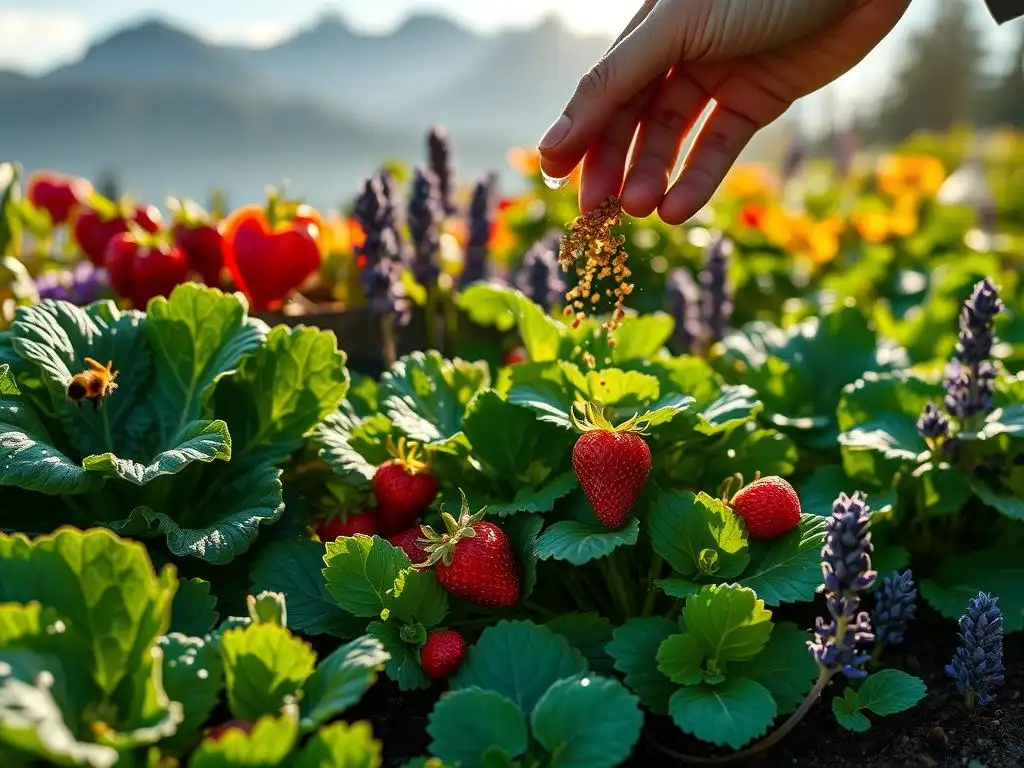
Welcome to CultivateYourFood, your guide to a thriving, sustainable garden! Ready to unlock the secrets to bountiful harvests? We're diving deep into the world of organic gardening, and our latest Regional Gardening Guides article focuses on the best PNW organic garden fertilizers to nourish your plants naturally. Discover the techniques and knowledge you need to cultivate a vibrant and healthy garden – let's get growing!
- Understanding PNW Soil and Fertilizer Needs
-
Best Organic Fertilizers for PNW Vegetables
- Compost: The Foundation of Organic PNW Gardening
- Worm Castings: A Nutrient-Rich Amendment for PNW Soils
- Seaweed Fertilizers: Harnessing the Ocean's Bounty for PNW Gardens
- Fish Emulsion: Providing Essential Nutrients for PNW Vegetables
- Bone Meal and Blood Meal: Natural Sources of Phosphorus and Nitrogen
- Organic Fertilizers for PNW Fruit Trees and Berries
- Organic Fertilizers for PNW Herbs
- Implementing an Organic Fertilization Plan for Your PNW Garden
- Sustainable Practices for PNW Organic Gardening
- Resources for PNW Organic Gardeners
-
Frequently Asked Questions
- What are the best organic fertilizers for PNW gardens?
- How do I choose the right organic fertilizer for my specific plants?
- Are store-bought organic fertilizers better than homemade ones?
- When is the best time to fertilize my PNW organic garden?
- How can I ensure my PNW organic garden is healthy and thriving using organic fertilizers?
- Final Reflection: Cultivating a Thriving PNW Garden, Naturally
- Unleash Your Garden's Potential: Grow Naturally!
Understanding PNW Soil and Fertilizer Needs
The Pacific Northwest (PNW), encompassing Oregon, Washington, and Idaho, boasts a diverse range of microclimates and soil types, presenting unique challenges and opportunities for organic gardeners. Successfully cultivating a thriving PNW garden requires a deep understanding of the region's specific soil conditions and the corresponding nutrient needs of your plants. This article will explore the nuances of PNW soil, common nutrient deficiencies, and the selection of organic fertilizers tailored to optimize plant health and yield while adhering to sustainable, organic practices. We'll delve into practical strategies for nurturing your plants naturally, ensuring a bountiful harvest year after year.
Choosing the right organic fertilizer is crucial for healthy growth and abundant yields in your PNW garden, and this guide will help you make informed decisions to achieve just that. Let's get started on your journey to a thriving, organically-fertilized PNW garden! 🌱
Unique Challenges of Pacific Northwest Gardening
Gardening in the PNW presents a unique set of obstacles compared to other regions. The region's climate, characterized by cool, wet winters and relatively mild, dry summers, influences soil composition and plant growth. Heavy rainfall can lead to leaching of essential nutrients from the soil, resulting in deficiencies that impact plant health. Furthermore, the prevalence of clay soils in certain areas can hinder drainage and aeration, creating an environment less conducive to healthy root development.
Conversely, sandy soils in other parts of the PNW can suffer from poor water retention, requiring more frequent watering and fertilization. Understanding these challenges is paramount to selecting the appropriate organic fertilizers to compensate for these natural limitations and promote vigorous growth. Addressing these issues with a strategic fertilization plan is key to success.
Soil Composition and Nutrient Deficiencies in the PNW
PNW soils are incredibly diverse. While some areas boast fertile, well-drained loam, others grapple with heavy clay or sandy soils with distinct nutrient profiles. Common nutrient deficiencies in PNW gardens include nitrogen (N), phosphorus (P), and potassium (K) – the essential macronutrients crucial for plant growth. Nitrogen deficiency manifests as pale, yellowing leaves, while phosphorus deficiency can stunt growth and delay flowering.
Potassium deficiency can cause weak stems and susceptibility to diseases. Additionally, micronutrient deficiencies, such as iron, zinc, and manganese, are not uncommon, particularly in alkaline soils. Regular soil testing is highly recommended to accurately assess your soil's nutrient content and identify any specific deficiencies before selecting an organic fertilizer. Knowing your soil's pH is also vital, as this affects nutrient availability.
Identifying Your Soil Type for Optimal Fertilizer Selection
Before selecting an organic fertilizer, accurately identifying your soil type is crucial. A simple soil test can provide valuable insights into its composition, pH level, and nutrient content. Based on this information, you can choose an organic fertilizer tailored to your specific needs. For example, clay soils benefit from fertilizers that improve drainage and aeration, while sandy soils require fertilizers that enhance water retention.
Furthermore, the pH of your soil influences the availability of certain nutrients. Adjusting the pH through organic amendments like compost or lime can improve nutrient uptake. By understanding your soil's characteristics and nutrient levels, you can make informed decisions regarding fertilizer selection, maximizing the effectiveness of your organic fertilization program and ensuring your PNW garden thrives. Remember, a healthy soil is the foundation of a healthy garden!
Best Organic Fertilizers for PNW Vegetables
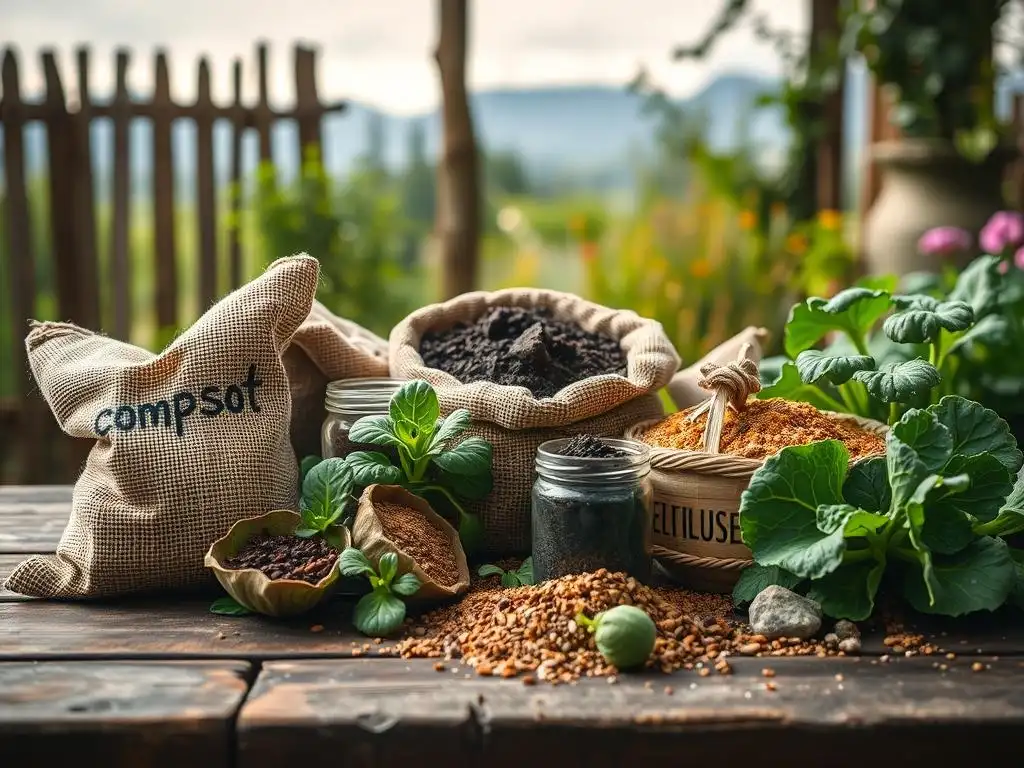
The Pacific Northwest (PNW) presents unique challenges and opportunities for organic gardening. Our region's climate, with its cool, wet winters and relatively mild summers, influences soil composition and plant growth. Choosing the right organic fertilizer is crucial for thriving PNW vegetable gardens. This section explores some of the best options for nurturing your plants naturally, focusing on readily available and effective choices for PNW organic garden fertilizers. We'll delve into the specifics of application and benefits, ensuring you have the knowledge to make informed decisions for your garden.
Compost: The Foundation of Organic PNW Gardening
Compost is the cornerstone of any successful organic gardening strategy, especially in the PNW. Our region's abundant rainfall can lead to nutrient leaching, making regular soil amendment crucial. Compost, derived from decaying organic matter like kitchen scraps, yard waste, and even coffee grounds, acts as a natural soil conditioner. It improves drainage in heavy clay soils, increases water retention in sandy soils, and provides a slow-release source of essential nutrients. This is particularly beneficial for PNW vegetables which often require consistent nutrient supply throughout the growing season.
Using compost in your PNW garden offers several advantages:
- Improved Soil Structure: Compost enhances soil aeration, allowing roots to breathe and access nutrients more effectively. This is vital for root vegetables like carrots and potatoes, which require loose, well-drained soil.
- Increased Water Retention: Compost helps retain moisture, reducing the frequency of watering, especially beneficial during drier summer months. This is particularly important for drought-sensitive crops like lettuce and tomatoes.
- Nutrient Supply: Compost provides a balanced blend of macronutrients (nitrogen, phosphorus, potassium) and micronutrients crucial for healthy plant growth. The slow-release nature prevents nutrient burn and ensures a consistent supply.
- Suppressed Pests and Diseases: The beneficial microorganisms in compost contribute to healthier soil, which can help suppress soilborne diseases and deter some pests.
For best results, incorporate a generous amount of compost into your garden beds before planting. Aim for a layer of at least 2-4 inches, mixing it thoroughly with the existing soil. You can also top-dress your plants with a layer of compost throughout the growing season to maintain soil fertility and moisture.
Worm Castings: A Nutrient-Rich Amendment for PNW Soils
Worm castings, also known as vermicompost, are the excrement of earthworms. These castings are a highly concentrated and readily available source of nutrients for your PNW organic garden fertilizers. They are richer in nutrients than regular compost, offering a significant boost to plant growth. They're particularly beneficial for seedlings and transplants, providing a gentle but potent nutrient injection.
Consider these key benefits of using worm castings in your PNW garden:
- High Nutrient Content: Worm castings are packed with essential nutrients, including nitrogen, phosphorus, potassium, and a wide range of micronutrients. This makes them an excellent supplement to compost, providing an extra nutritional boost.
- Improved Soil Health: Like compost, worm castings improve soil structure, aeration, and water retention. Their fine texture makes them easy to incorporate into the soil.
- Stimulates Microbial Activity: Worm castings are teeming with beneficial microorganisms that further enhance soil health and nutrient availability. These microbes break down organic matter, making nutrients more accessible to plants.
- Easy Application: Worm castings are readily available from many garden centers and online retailers, making them a convenient option for PNW gardeners. They can be applied as a top-dress or mixed into the soil.
Seaweed Fertilizers: Harnessing the Ocean's Bounty for PNW Gardens
Given our proximity to the Pacific Ocean, utilizing seaweed fertilizers presents a unique opportunity for PNW gardeners. Seaweed, rich in natural growth hormones, minerals, and trace elements, provides a holistic approach to plant nutrition. Seaweed extracts, available as liquids or dried granules, are gaining popularity as a sustainable and effective organic fertilizer.
Here's why seaweed fertilizers are a valuable asset for PNW organic gardening:
- Natural Growth Hormones: Seaweed contains cytokinins and auxins, plant hormones that stimulate cell division and root growth. This leads to healthier, more vigorous plants that are better equipped to withstand stress.
- Nutrient-Rich Profile: Seaweed is a source of various macro- and micronutrients, including nitrogen, potassium, and trace elements like iron and manganese, vital for optimal plant health.
- Improved Stress Tolerance: Seaweed extracts can enhance a plant's resilience to environmental stresses such as drought, cold temperatures, and pest infestations – factors relevant to the PNW climate.
- Soil Improvement: Seaweed fertilizers can improve soil structure and microbial activity, contributing to overall soil health.
Using a combination of these organic fertilizers – compost, worm castings, and seaweed extracts – will provide your PNW vegetable garden with the nutrients it needs to flourish, promoting healthy growth and abundant harvests. Remember to adjust application rates based on your soil's needs and the specific requirements of your chosen vegetables. Regular soil testing can help you monitor nutrient levels and optimize your fertilization strategy.
Fish Emulsion: Providing Essential Nutrients for PNW Vegetables
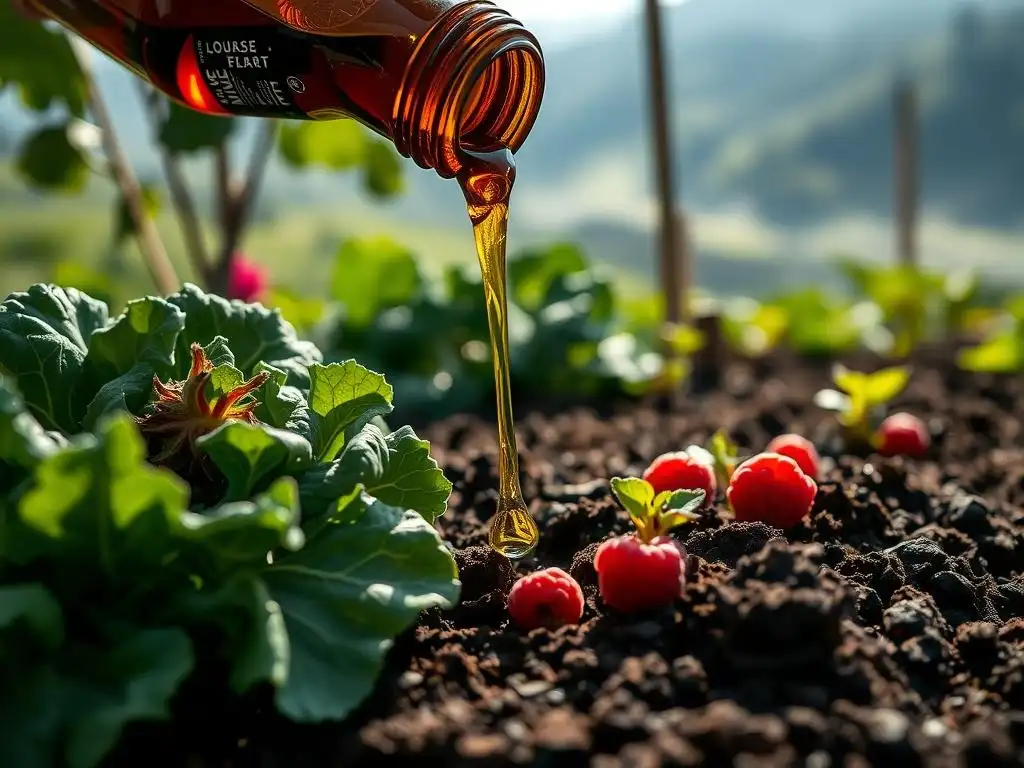
Fish emulsion, a byproduct of the fishing industry, is a fantastic organic fertilizer rich in nitrogen, phosphorus, and potassium – the essential macronutrients for vigorous plant growth. Its liquid form makes it readily available for plant uptake, unlike some slower-releasing fertilizers. For PNW vegetables, particularly those with high nutrient demands like tomatoes, peppers, and leafy greens, fish emulsion offers a significant boost. The readily available nutrients help these plants establish strong root systems early in the season, crucial for thriving in the often-cooler PNW climate.
Furthermore, fish emulsion contains beneficial micronutrients, such as iron and zinc, which contribute to overall plant health and resilience against common PNW garden pests and diseases. Using fish emulsion as a foliar spray can also effectively address nutrient deficiencies observed in your plants. Remember to dilute the emulsion according to the manufacturer's instructions to prevent burning your plants.
Applying it every 2-3 weeks during the growing season, especially after periods of heavy rainfall which can leach nutrients from the soil, ensures consistent nutrient delivery. Using fish emulsion as part of a comprehensive fertilization plan, alongside compost and other organic amendments, promotes a thriving and sustainable garden ecosystem. The rich smell might deter some, but the results are well worth it for healthy PNW vegetables.
Bone Meal and Blood Meal: Natural Sources of Phosphorus and Nitrogen
Bone meal and blood meal are two excellent organic fertilizers derived from animal byproducts, offering a slow-release source of essential nutrients for PNW gardens. Bone meal is primarily a source of phosphorus, crucial for robust root development and flowering, making it ideal for vegetables like root crops (carrots, potatoes) and fruiting plants (tomatoes, squash). The phosphorus in bone meal is not immediately available to plants, offering a sustained release of nutrients throughout the growing season. This slow release is particularly beneficial in the PNW climate, where cooler temperatures can slow down nutrient uptake.
Blood meal, on the other hand, is a rich source of nitrogen, essential for healthy leafy growth and vigorous vegetation. It provides a slower release of nitrogen compared to synthetic fertilizers, reducing the risk of nutrient burn and ensuring a steady supply throughout the growing season. Both bone meal and blood meal are excellent soil amendments, improving soil structure and aeration. They are ideal for incorporating into the soil during preparation or as a side dressing around plants.
However, remember to always follow the manufacturer's instructions regarding application rates. Over-application can be detrimental to plants and the environment. Combining these two products creates a balanced fertilizer, providing both phosphorus and nitrogen, which are critical for optimal growth of most PNW vegetables. For instance, a blend of bone meal and blood meal would be highly effective for brassicas like kale and broccoli, which require substantial nitrogen for leafy growth and phosphorus for robust root systems.
Organic Fertilizers for PNW Fruit Trees and Berries
The Pacific Northwest (PNW) presents unique challenges and opportunities for fruit tree and berry cultivation. Our region's climate, with its distinct wet and dry seasons, requires careful consideration when selecting organic fertilizers. Using the right fertilizer is crucial for healthy growth, abundant yields, and robust disease resistance in your PNW organic garden. Over-fertilizing can be just as detrimental as under-fertilizing, leading to excessive vegetative growth at the expense of fruit production or even causing nutrient burn.
Therefore, understanding your soil's composition and the specific needs of your plants is paramount. This section will guide you through choosing and applying organic fertilizers effectively for fruit trees and berries in your PNW garden. Remember, consistent soil testing is key to adapting your fertilization strategy over time.
Choosing the Right Fertilizer for Fruit Trees in the PNW
Selecting the appropriate organic fertilizer for your fruit trees depends on several factors: the age of the tree, the type of fruit, the soil's existing nutrient levels, and your specific gardening goals. Young trees, still establishing their root systems, require a fertilizer that focuses on vegetative growth. This typically involves a higher nitrogen (N) content. As the tree matures and begins fruiting, the balance shifts towards phosphorus (P) and potassium (K), essential for blossom development and fruit production.
A balanced organic fertilizer, often represented by an NPK ratio (e.g., 5-5-5 or 4-4-4), can be a good starting point for many fruit trees. However, this ratio is only a guideline. Compost, being a rich source of various organic nutrients, is an excellent base for your fertilizer program, supplementing it with other specific organic options as needed.
Here's a table illustrating potential organic fertilizer choices for different stages of fruit tree growth:
| Tree Age | Primary Nutrient Focus | Organic Fertilizer Options |
|---|---|---|
| Young (1-3 years) | Nitrogen (N) | Compost tea, alfalfa meal, blood meal |
| Mature (3+ years) | Phosphorus (P) & Potassium (K) | Bone meal, kelp meal, rock phosphate, compost |
| Fruiting Heavily | Balanced (N-P-K) | A blend of compost, bone meal, and kelp meal |
Remember to always follow the product's instructions for application rates. Over-fertilizing can harm your trees, while under-fertilizing can lead to poor growth and fruit production.
Organic Fertilizers for Berry Bushes in the Pacific Northwest
Berry bushes, like raspberries, blueberries, and strawberries, have slightly different nutrient requirements compared to fruit trees. They often prefer a slightly more acidic soil (pH 5.5-6.5 for blueberries, for example) and benefit from consistent fertilization throughout the growing season. Organic matter plays a crucial role in improving soil structure and drainage, essential for berry plants.
Compost remains a cornerstone of organic fertilization for berry bushes. Its rich humus content improves soil aeration and water retention, vital for these moisture-loving plants. Adding aged manure or worm castings further enhances the soil's fertility. For blueberries specifically, elemental sulfur can help maintain the optimal soil pH.
Consider the following organic fertilizer options for your PNW berry bushes:
- Compost: Provides a wide range of nutrients and improves soil structure.
- Aged Manure: Adds nitrogen and other essential nutrients. Avoid using fresh manure as it can burn the plants.
- Worm Castings: A highly concentrated source of nutrients and beneficial microorganisms.
- Kelp Meal: Provides trace minerals and improves soil health.
- Elemental Sulfur (for blueberries): Lowers soil pH.
Addressing Specific Nutrient Needs of Different Fruit Varieties
Different fruit varieties have varying nutrient preferences. For example, apples tend to be heavy feeders, requiring a more substantial amount of fertilizer, particularly phosphorus and potassium during fruiting. Cherries, on the other hand, may respond better to a more balanced approach. Blueberries, as mentioned earlier, require a more acidic soil environment.
Regular soil testing is crucial for identifying specific nutrient deficiencies. A soil test will provide a detailed analysis of your soil's pH and nutrient levels, allowing for a tailored fertilization plan. This personalized approach ensures optimal growth and fruit production for each fruit variety in your PNW organic garden. Consider consulting local agricultural extension offices for specific recommendations on soil testing and fertilizer application for your region and chosen fruit varieties. They can provide valuable insights tailored to the unique conditions of the PNW. Remember that observation is key; monitor your plants' growth and adjust your fertilization strategy accordingly.
Organic Fertilizers for PNW Herbs
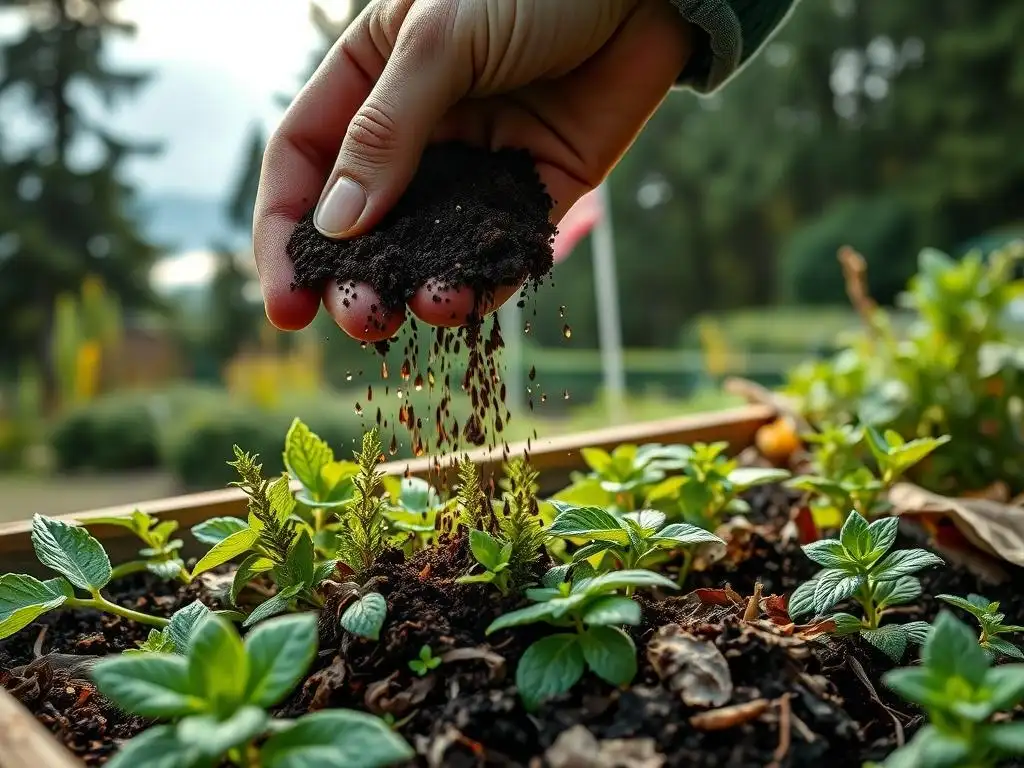
The Pacific Northwest (PNW) enjoys a unique climate, influencing the nutrient needs of herbs grown in this region. Understanding these specific requirements is crucial for maximizing yield and flavor using organic fertilizers. While many organic fertilizer options exist, choosing the right one depends heavily on the herbs being cultivated and the soil conditions. This section focuses on optimizing organic fertilization strategies for a thriving PNW herb garden.
Nutrient Requirements for Common PNW Herbs
Different herbs have varying nutrient demands. Some are heavy feeders, requiring a constant supply of essential nutrients, while others are more modest in their needs. Understanding these differences is key to effective organic fertilization.
For example, basil, a popular culinary herb, is a relatively heavy feeder, particularly needing nitrogen for vigorous leaf growth. A balanced organic fertilizer, rich in nitrogen, is ideal. Conversely, lavender, known for its drought tolerance, requires less frequent fertilization. Over-fertilizing lavender can actually hinder its growth and essential oil production. Similarly, mint, a vigorous grower, benefits from a good nitrogen source but also requires sufficient potassium for healthy root development and overall plant strength.
The following table summarizes the general nutrient preferences of some common PNW herbs:
| Herb | Nitrogen (N) | Phosphorus (P) | Potassium (K) | Other Considerations |
|---|---|---|---|---|
| Basil | High | Medium | Medium | Needs consistent moisture and well-drained soil. |
| Rosemary | Medium | Medium | Medium | Tolerates dry conditions; avoid overwatering. |
| Thyme | Low | Low | Low | Prefers well-drained, slightly alkaline soil. |
| Mint | High | Medium | Medium | Can be invasive; requires control. |
| Lavender | Low | Low | Low | Drought-tolerant; prefers well-drained soil. |
It's important to note that these are general guidelines. Soil testing is always recommended to determine the precise nutrient levels in your garden before applying any fertilizer. This ensures you're not over- or under-fertilizing, optimizing the health and productivity of your herbs. Remember to always follow the instructions on your chosen organic fertilizer product.
Tailoring Fertilization Strategies for Herb Gardens
Successful organic fertilization for PNW herbs requires a tailored approach, considering factors beyond just the plant's nutrient needs. Soil type, existing nutrient levels, and the time of year all play significant roles.
For instance, clay soils retain nutrients more effectively than sandy soils. Therefore, less frequent fertilization might be necessary in clay soils compared to sandy soils which require more frequent, smaller applications to avoid nutrient leaching. Similarly, the PNW's rainy season can lead to nutrient runoff, necessitating adjustments to the fertilization schedule. Application methods also matter. Side-dressing (applying fertilizer along the side of the plant) is often preferred over top-dressing (applying directly to the soil surface) to minimize the risk of burning delicate herb leaves.
Furthermore, the timing of fertilization is crucial. Early spring, as the herbs begin active growth, is a prime time for the initial fertilization. A second application might be necessary mid-season, depending on the herb's growth rate and soil analysis results. Avoid fertilizing late in the season, as this can stimulate new growth that may not have time to harden off before winter's arrival.
Promoting Robust Growth and Flavor with Organic Fertilizers
Using organic fertilizers not only nourishes your PNW herbs but also contributes to the overall health of your soil ecosystem. Organic matter improves soil structure, water retention, and nutrient availability, creating a more favorable environment for your herbs to thrive. This translates to stronger, more flavorful herbs.
Compost tea, a liquid fertilizer made from composted organic materials, is an excellent choice for boosting soil health and providing essential nutrients. It's a gentle way to feed your herbs, minimizing the risk of burning. Worm castings, rich in beneficial microorganisms and nutrients, are another fantastic organic amendment that improves soil structure and fertility.
Remember that the goal is not just to maximize yield but also to enhance the flavor and aroma of your herbs. Over-fertilizing can negatively impact flavor, resulting in bland or even bitter herbs. By carefully monitoring your herbs' growth and adjusting your fertilization strategy as needed, you can cultivate a vibrant and flavorful herb garden using sustainable, organic practices. Consistent observation and attention to detail are key to success in organic PNW gardening.
Implementing an Organic Fertilization Plan for Your PNW Garden
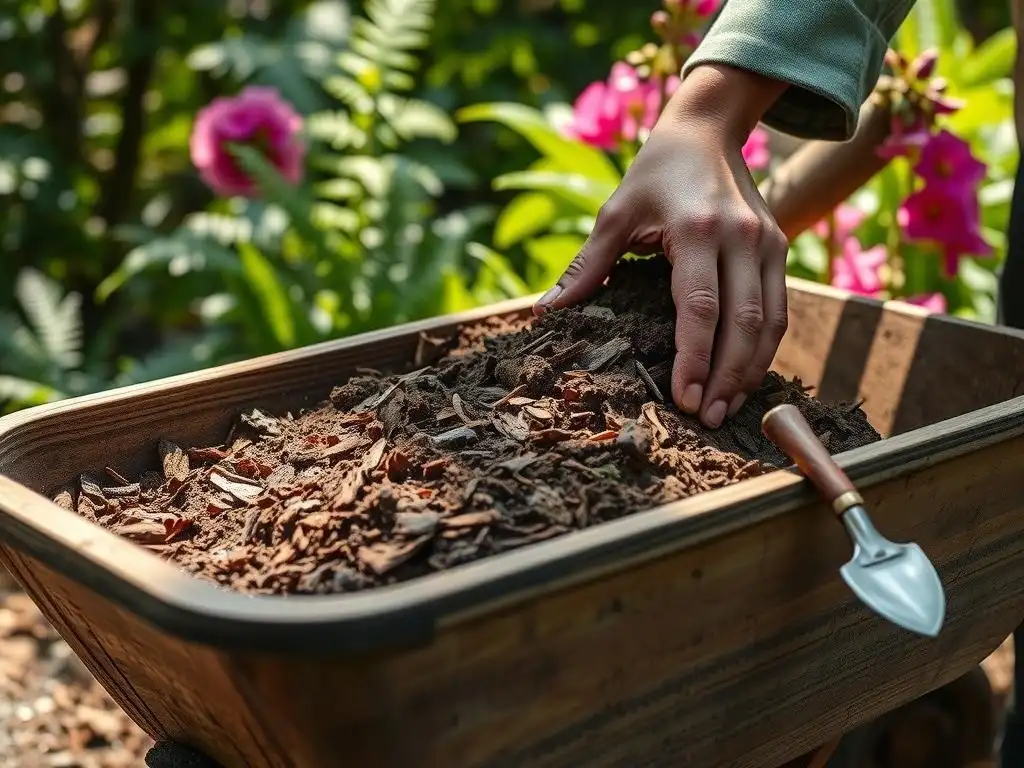
The Pacific Northwest (PNW) presents unique challenges and opportunities for organic gardening. Our region's climate, characterized by cool, wet winters and mild, sometimes dry summers, significantly impacts nutrient availability in the soil. Therefore, a well-planned organic fertilization strategy is crucial for thriving PNW gardens. This plan should consider soil testing, compost integration, and the specific nutrient needs of your chosen plants.
Successful PNW organic gardening hinges on understanding these factors and adapting your approach accordingly. Ignoring these nuances can lead to nutrient deficiencies or imbalances, hindering plant growth and yield. Let's explore how to create a robust and effective fertilization plan tailored to the PNW environment. The key is building healthy soil, which in turn fosters healthy plants.
Creating a Balanced Soil Ecosystem
A balanced soil ecosystem is the cornerstone of successful organic gardening in the PNW. This means fostering a diverse community of beneficial microorganisms, improving soil structure, and ensuring adequate levels of essential nutrients. This isn't a one-time fix; it's an ongoing process. Consider these key elements:
- Soil Testing: Before implementing any fertilization plan, conduct a soil test. This provides invaluable information on your soil's pH, nutrient levels (nitrogen, phosphorus, potassium, etc. ), and overall health. Knowing this baseline allows for targeted nutrient additions, preventing imbalances and maximizing efficiency. Many local agricultural extension offices offer affordable soil testing services.
- Compost Incorporation: Compost is king in organic gardening. It improves soil structure, aeration, and water retention – all vital in the often-wet PNW climate. Regularly amend your soil with high-quality compost, incorporating it deeply to enhance the soil's overall health and fertility. Aim for at least 2-4 inches of compost per year.
- Cover Cropping: Cover crops like clover, fava beans, or rye are excellent for improving soil health. They add organic matter, suppress weeds, and fix nitrogen in the soil, reducing the need for supplemental nitrogen fertilizers. Planting cover crops during the off-season helps replenish nutrients and protect the soil from erosion during the wetter months.
Developing a Seasonal Fertilization Schedule
The PNW's distinct seasons necessitate a tailored fertilization schedule. The needs of your plants change throughout the year, requiring a flexible approach.
| Season | Nutrient Focus | Organic Fertilizer Options | Considerations |
|---|---|---|---|
| Spring | Nitrogen (leaf growth) | Compost tea, aged manure, fish emulsion | Focus on leafy greens and early-season vegetables. |
| Summer | Phosphorus (flowering/fruiting) | Bone meal, rock phosphate, kelp meal | Support flowering and fruiting plants. |
| Fall | Potassium (winter hardiness) | Wood ash, greensand | Prepare plants for winter dormancy. |
| Winter | Minimal fertilization | Compost only | Soil rests; focus on soil improvement activities. |
Remember that this is a general guideline. The specific needs of your plants will vary depending on the species and their growth stage. Always observe your plants closely for signs of nutrient deficiency or excess.
Monitoring Plant Health and Adjusting Fertilizer Application
Regular monitoring is crucial for successful organic fertilization. Observe your plants for signs of nutrient deficiencies or excesses. Yellowing leaves, stunted growth, or unusual discoloration can indicate nutrient imbalances.
- Visual Inspection: Regularly inspect your plants for any signs of stress. Note the color of the leaves, their size, and overall plant vigor. This visual assessment provides early warning signs of potential nutrient issues.
- Leaf Analysis (Optional): For a more precise diagnosis, you can send leaf samples to a laboratory for analysis. This provides detailed information on nutrient levels within the plant tissue. While more costly, it can be invaluable for pinpointing specific deficiencies.
- Adjusting Application: Based on your observations and any soil test results, adjust your fertilization plan accordingly. Don't hesitate to modify the type, amount, or frequency of fertilizer applications to meet the evolving needs of your plants. Organic gardening is an iterative process; adapt your approach as needed to achieve optimal plant health. Remember that over-fertilizing can be just as detrimental as under-fertilizing. Always err on the side of caution and prioritize soil health. 🌱
Avoiding Over-Fertilization in the PNW Climate
The Pacific Northwest's unique climate presents specific challenges regarding fertilization. Our cool, wet winters and relatively mild summers influence nutrient uptake and decomposition rates differently than warmer, drier climates. Over-fertilizing in the PNW can lead to several detrimental effects, harming your plants and potentially polluting local waterways. Understanding these nuances is crucial for successful organic gardening.
One significant risk of over-fertilization is nutrient runoff. The high rainfall characteristic of the PNW can easily leach excess nutrients from the soil, carrying them into streams and rivers. This runoff contributes to water pollution, harming aquatic life and ecosystems. Nitrogen and phosphorus, common components of fertilizers, are particularly problematic in this regard. Excess nitrogen can cause algal blooms, depleting oxygen levels in the water and killing fish. Phosphorus contributes to eutrophication, a process that leads to excessive plant growth and ultimately degrades water quality.
Furthermore, over-fertilizing can burn your plants' roots. While organic fertilizers are generally gentler than their synthetic counterparts, an excessive amount can still damage delicate root systems. This is especially true for young seedlings or plants that are already stressed by other factors, such as disease or pest infestation. Symptoms of root burn can include wilting, yellowing leaves, and stunted growth. It's crucial to observe your plants closely for these signs, particularly after applying fertilizer.
Finally, excessive nutrients in the soil can create an imbalance in the soil microbiome. A healthy soil ecosystem relies on a diverse community of microorganisms that break down organic matter, cycle nutrients, and improve soil structure. An overabundance of a particular nutrient can disrupt this delicate balance, potentially inhibiting the growth of beneficial microbes and creating an environment more susceptible to disease. Maintaining a balanced approach to fertilization is key to fostering a thriving soil ecosystem.
Regular soil testing can help you monitor nutrient levels and avoid imbalances. Remember that healthy soil is the foundation of healthy plants. A sustainable approach, prioritizing the long-term health of your soil, is far more effective than attempting to quickly boost growth with excessive amounts of fertilizer. Patience and observation are key to successful organic gardening in the PNW.
Sustainable Practices for PNW Organic Gardening
This section delves into the sustainable practices crucial for thriving PNW organic gardens, focusing on fertilizer creation and water conservation. These practices are essential for minimizing environmental impact while maximizing plant health and yield, aligning perfectly with the principles of PNW organic garden fertilizers.
Composting at Home: Creating Your Own Organic Fertilizer
Composting is a cornerstone of sustainable gardening, allowing you to transform kitchen scraps and yard waste into a nutrient-rich fertilizer tailored to your PNW garden's needs. This eliminates waste, reduces reliance on commercially produced fertilizers, and significantly enriches your soil. The process is surprisingly simple and rewarding.
First, you'll need a composting bin or designated area. Options range from simple DIY bins constructed from pallets or wire mesh to more elaborate purchased models. The key is ensuring good airflow for decomposition. Next, gather your compostable materials. This includes:
- Greens: Vegetable scraps, fruit peels, coffee grounds, tea bags (remove staples! ), grass clippings. These materials are high in nitrogen.
- Browns: Dried leaves, twigs, shredded paper (no glossy or colored paper! ), cardboard (cut into smaller pieces). These provide carbon.
The ideal ratio is roughly equal parts green and brown materials. Layer them in your bin, alternating between greens and browns. Regularly turn the compost pile using a pitchfork or garden spade to aerate it and speed up decomposition. This also helps to maintain a balance between moisture and aeration. Keep the pile moist, like a wrung-out sponge. Too dry, and decomposition slows; too wet, and it becomes anaerobic (smelly! ).
The composting process typically takes several months, depending on factors like temperature and moisture. You'll know your compost is ready when it's dark brown, crumbly, and has an earthy smell. It's then ready to enrich your PNW organic garden beds, providing essential nutrients and improving soil structure. Using homemade compost is a key element of successful PNW organic garden fertilizers strategies.
Reducing Waste and Enriching Your Soil
Beyond composting, minimizing waste in your PNW garden contributes directly to soil health and reduces the need for external inputs. This is a crucial aspect of sustainable gardening and effective use of PNW organic garden fertilizers. Consider these practices:
- Seed Saving: Save seeds from your healthiest plants to reduce reliance on purchased seeds, promoting biodiversity and adapting your garden to your specific microclimate.
- Crop Rotation: Rotate your crops annually to prevent soil depletion and reduce pest and disease pressure. This simple technique can significantly improve soil fertility over time.
- Cover Cropping: Plant cover crops like clover or rye during fallow periods to improve soil structure, suppress weeds, and add organic matter. This strategy enhances the effectiveness of your PNW organic garden fertilizers.
- Worm Composting (Vermicomposting): This method uses worms to break down organic matter, resulting in a highly nutrient-rich "worm castings" fertilizer. Worm castings are exceptionally beneficial for plant growth and soil health.
Water Conservation Techniques in PNW Gardens
Water conservation is paramount, especially in the Pacific Northwest where water resources can be strained, particularly during drier summer months. Efficient water management is crucial for sustainable gardening and maximizing the benefits of your PNW organic garden fertilizers.
- Drip Irrigation: This method delivers water directly to plant roots, minimizing evaporation and runoff. It’s far more efficient than traditional sprinkler systems.
- Mulching: Apply a layer of mulch (wood chips, straw, shredded leaves) around plants to retain soil moisture, suppress weeds, and regulate soil temperature.
- Rainwater Harvesting: Collect rainwater in barrels or other containers to supplement your irrigation needs. This reduces reliance on municipal water supplies.
- Soil Testing: Regular soil testing helps you understand your soil's moisture-holding capacity and nutrient levels, allowing for more efficient irrigation and fertilization strategies. This ensures your PNW organic garden fertilizers are utilized most effectively. Knowing your soil's needs is crucial for responsible water management.
Using these sustainable practices, you can cultivate a thriving and environmentally responsible PNW organic garden, maximizing the benefits of your chosen fertilizers and minimizing your environmental footprint. Remember, creating healthy soil is the foundation for healthy plants and a sustainable garden.
Integrated Pest Management Strategies for Organic PNW Gardens
Integrated Pest Management (IPM) is crucial for successful organic gardening in the Pacific Northwest (PNW). The PNW's unique climate and diverse ecosystem present specific pest challenges, demanding a holistic approach that minimizes environmental impact while maximizing plant health. Instead of relying solely on chemical pesticides, IPM emphasizes prevention, monitoring, and targeted interventions.
One key aspect of IPM is understanding the local pest population. Regular monitoring of your garden is essential. This involves visually inspecting plants for signs of infestation, such as leaf damage, unusual growth patterns, or the presence of insects and their eggs. Keeping detailed records of your observations—including the type of pest, the affected plant, and the severity of the infestation—helps track pest activity over time and informs your management decisions. For instance, noting a sudden increase in aphid populations on your kale plants allows for timely intervention before the infestation becomes severe.
Prevention plays a vital role in IPM. Choosing pest-resistant plant varieties is a proactive step that significantly reduces the likelihood of infestations. Rotating crops annually disrupts pest life cycles and prevents the buildup of pests specific to certain plants. Maintaining healthy soil through composting and proper fertilization strengthens plants' natural defenses against pests. Furthermore, providing adequate spacing between plants improves air circulation and reduces humidity, creating less favorable conditions for many pests.
When pests do appear, the next step in IPM focuses on targeted interventions. This might involve handpicking insects off plants, using insecticidal soap or neem oil, or introducing beneficial insects like ladybugs or lacewings that prey on common garden pests. These methods are less harmful to the environment and beneficial insects compared to broad-spectrum pesticides. For example, introducing lacewings to control aphids is a highly effective and environmentally friendly approach.
Finally, consistent monitoring remains critical even after interventions. This allows for early detection of any resurgence of pests and enables timely adjustments to your management strategy. IPM is not a one-size-fits-all solution; it requires continuous observation, adaptation, and a willingness to experiment with different techniques to find what works best for your specific garden and the particular pest challenges you face in the PNW. Remember, patience and persistence are key to successful IPM in organic gardening. The goal is not pest eradication, but rather keeping pest populations below economically damaging levels.
Resources for PNW Organic Gardeners
This section provides valuable resources to help PNW gardeners cultivate thriving, organic gardens. Finding the right resources can significantly impact your success, ensuring your plants receive the nutrients they need while adhering to sustainable practices. We'll explore local suppliers, supportive communities, and helpful reading materials.
Local Suppliers of Organic Fertilizers
Locating high-quality, locally sourced organic fertilizers is crucial for supporting sustainable agriculture and reducing your environmental footprint. The availability of specific products varies greatly depending on your location within the PNW (Pacific Northwest). Therefore, direct searches within your specific county or region are highly recommended. However, some general strategies can help you find excellent options:
- Farmers Markets: Farmers markets are excellent places to discover local producers of compost, worm castings, and other organic fertilizers. Often, these producers can offer personalized advice tailored to the specific needs of PNW gardens. Look for producers who clearly label their products, outlining their sourcing and composting methods. Don't hesitate to ask questions! A knowledgeable producer is a valuable asset.
- Local Nurseries and Garden Centers: Many nurseries and garden centers in the PNW carry a range of organic fertilizers. Inquire about their sourcing and certifications (like OMRI Listed) to ensure the products meet your organic standards. Often, staff at these locations can provide valuable advice based on local conditions and common PNW gardening challenges.
- Online Marketplaces: While purchasing online might seem convenient, carefully consider shipping costs and the environmental impact of transportation when choosing this option. Look for suppliers committed to sustainable practices and local delivery options. Prioritize reviews to gauge the quality and reliability of the supplier.
- Compost Facilities: Many municipalities and private companies operate composting facilities. These often sell high-quality compost perfect for enriching your PNW garden soil. This is a fantastic way to recycle organic waste and support local sustainability initiatives. Check if your local facility offers pick-up or delivery services.
PNW Gardening Communities and Support Networks
Connecting with other PNW organic gardeners provides invaluable support, shared knowledge, and a sense of community. These networks offer opportunities to learn from experienced gardeners, exchange tips and tricks, and overcome common challenges.
- Local Gardening Clubs: Many towns and cities in the PNW have active gardening clubs. These clubs often host workshops, lectures, and field trips, providing opportunities to learn about organic gardening techniques specific to the region. They also create a space for networking and sharing experiences.
- Online Forums and Social Media Groups: Numerous online forums and social media groups cater to PNW gardeners. These platforms offer a convenient way to ask questions, share photos of your garden's progress, and connect with gardeners across the region. Be sure to search for groups focused specifically on organic gardening and the PNW.
- Master Gardener Programs: Many counties in the PNW offer Master Gardener programs through their local Cooperative Extension offices. These programs train volunteers to provide horticultural advice and education to the community. They are a fantastic resource for obtaining expert advice on organic gardening practices in your specific area.
Recommended Books and Websites for PNW Organic Gardening
Supplementing your practical experience with reliable information is key to successful organic gardening. Several excellent resources cater specifically to the unique challenges and opportunities of gardening in the PNW.
- Books: Look for books focusing on Pacific Northwest gardening, organic methods, and soil health. Pay attention to publication dates, ensuring the information is current and relevant to modern organic practices. Consider books focusing on specific aspects of PNW gardening, such as dealing with specific pests or cultivating certain crops in the region's climate.
- Websites: Numerous websites offer valuable information on organic gardening in the PNW. Look for sites maintained by reputable organizations, universities, or experienced gardeners. Be critical of the information you find online, verifying it against multiple sources before implementing any new techniques. Government websites and university extension programs are generally reliable sources.
Remember, successful organic gardening in the PNW requires a combination of knowledge, resources, and community support. By utilizing the resources outlined above, you can cultivate a thriving and sustainable garden, enriching your life and contributing to a healthier environment. 🌱
Frequently Asked Questions
What are the best organic fertilizers for PNW gardens?
Many options exist! For PNW organic gardening, consider compost, worm castings, and seaweed extracts. These provide essential nutrients naturally.
How do I choose the right organic fertilizer for my specific plants?
Consider your plants' needs. Leafy greens benefit from nitrogen-rich options, while flowering plants need phosphorus and potassium. Always follow product instructions.
Are store-bought organic fertilizers better than homemade ones?
Both have advantages. Store-bought fertilizers offer convenience and consistent nutrient ratios. Homemade options, like compost, are cost-effective and environmentally friendly.
When is the best time to fertilize my PNW organic garden?
The ideal time depends on the plant. Generally, fertilize in spring before significant growth and again in mid-summer. Avoid fertilizing in late fall or winter.
How can I ensure my PNW organic garden is healthy and thriving using organic fertilizers?
Combine fertilization with proper soil preparation, consistent watering, and pest and disease control. Regular soil testing can also help you adjust your fertilization strategy.
Final Reflection: Cultivating a Thriving PNW Garden, Naturally
The resurgence of interest in organic gardening practices in the Pacific Northwest reflects a growing awareness of the interconnectedness between soil health, plant vitality, and environmental sustainability. We've explored the unique challenges and opportunities presented by our region's climate and soil types, highlighting the crucial role of tailored organic fertilizer strategies in achieving thriving gardens. This isn't just about growing beautiful flowers or bountiful vegetables; it's about actively participating in a healthier ecosystem.
The shift towards organic fertilizers in the PNW is more than just a trend; it's a conscious choice reflecting a deeper understanding of the long-term benefits of nurturing our land. This commitment to sustainable practices resonates deeply with me, as I've witnessed firsthand the transformative power of healthy soil. The land is what gives us our identity, our sustenance, our very being.
This quote encapsulates the profound connection between our gardens and our well-being, a connection that organic gardening strengthens. The increasing popularity of workshops, community gardens, and online resources dedicated to organic PNW gardening further underscores this growing movement.
Now, consider your own garden—or even a single potted plant. What steps can you take to embrace more sustainable practices? Will you explore composting, experiment with different organic fertilizers, or perhaps connect with local resources to learn more? The journey towards a thriving, naturally nourished garden is a rewarding one, filled with learning, growth, and the immense satisfaction of nurturing life from the ground up. Let's cultivate a future where our gardens flourish, enriching both our lives and the environment we share.
Unleash Your Garden's Potential: Grow Naturally!
Thank you for exploring the world of organic fertilizers for Pacific Northwest gardens! We hope you've gained valuable insights into nurturing your plants naturally. Now it's time to put that knowledge into action.
- Start enriching your soil today! Begin planning your next planting cycle with organic fertilizers in mind. Consider your plants' nutritional needs and choose the best organic option to meet them.
- Share your experiences and insights! Join our community forum and connect with fellow Pacific Northwest gardeners. Let's learn and grow together!
- Experiment with a new organic fertilizer this season – try something different and see the results!
What organic fertilizer are you most excited to try in your Pacific Northwest garden this year, and why?