
Pruning Established Fruit Trees: Maintaining Health and Yield

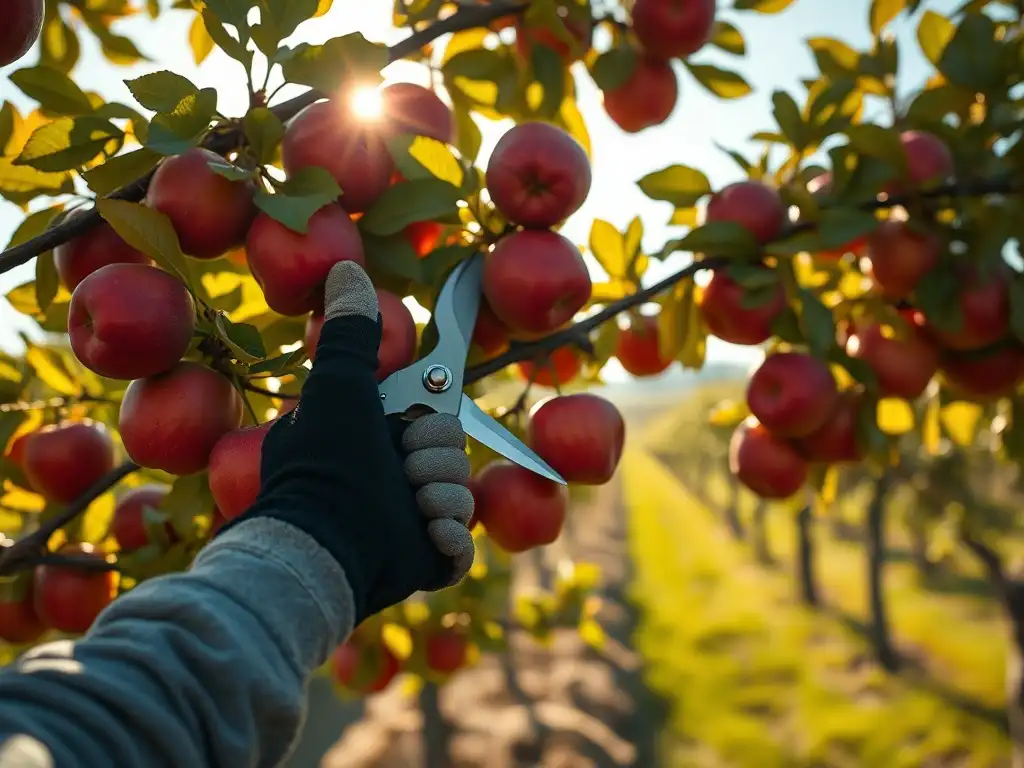
Welcome to CultivateYourFood, your guide to nurturing a thriving home garden! Ready to unlock the secrets to bountiful harvests and vibrant, healthy plants? We're passionate about sustainable and organic gardening, and we're here to help you achieve your greenest dreams. Learn the art of pruning established fruit trees and discover how this crucial practice can significantly improve the health and yield of your orchard. Dive in and unlock the knowledge to transform your backyard into a flourishing paradise!
- Understanding the Importance of Pruning Mature Fruit Trees
- When to Prune Established Fruit Trees
- Essential Pruning Techniques for Established Fruit Trees
- Pruning Different Types of Established Fruit Trees
- Post-Pruning Care for Established Fruit Trees
- Common Mistakes to Avoid When Pruning Established Fruit Trees
- Advanced Pruning Techniques for Maximizing Fruit Yield from Established Trees
- Resources for Further Learning on Pruning Established Fruit Trees
- Frequently Asked Questions
- Final Reflection: The Enduring Legacy of a Healthy Orchard
- Unleash Your Orchard's Potential: Prune for a Bountiful Harvest!
Understanding the Importance of Pruning Mature Fruit Trees
Pruning established fruit trees is a crucial aspect of sustainable orchard management and home gardening. Regular pruning significantly impacts the long-term health, productivity, and quality of your fruit harvest. This practice goes beyond simply removing dead or damaged branches; it's a strategic intervention that shapes the tree's structure, optimizes sunlight exposure, improves air circulation, and ultimately enhances fruit production.
Neglecting pruning can lead to a decline in fruit yield, an increase in disease susceptibility, and a reduction in overall tree vigor. This comprehensive guide will delve into the specific benefits of pruning established fruit trees, providing practical techniques to ensure healthy and productive trees for years to come. We will explore how pruning impacts fruit quality, sunlight penetration, disease prevention, and overall tree health, equipping you with the knowledge to effectively maintain your fruit-bearing trees.
Mastering this essential skill is key to maximizing your harvest and enjoying the fruits of your labor (quite literally! ).
Why Prune Established Fruit Trees? Improving Fruit Quality and Size
Pruning established fruit trees directly influences the size and quality of the fruit they produce. By removing competing branches and thinning out overcrowded areas, you allow the remaining fruit to receive more sunlight and nutrients. This leads to larger, more evenly developed fruit with improved flavor and color. Think of it like giving each fruit its own personal space to thrive! Overcrowded branches often result in smaller, less flavorful fruit, prone to blemishes and diseases. A well-pruned tree allows for better air circulation, reducing the humidity that favors fungal diseases and insect infestations. Furthermore, removing older, less productive branches encourages the growth of new, vigorous shoots that will bear more fruit in subsequent seasons. Studies have shown that properly pruned trees can yield up to 30% more fruit compared to neglected trees 1 . The improved quality translates to a more satisfying harvest and potentially higher market value if you're selling your produce.
Enhancing Sunlight Penetration for Better Growth
Sunlight is essential for photosynthesis, the process by which trees produce energy for growth and fruit development. Overgrown or poorly structured trees often have dense canopies that block sunlight from reaching the inner branches and fruit. Pruning opens up the tree's canopy, allowing sunlight to penetrate more deeply, reaching all parts of the tree. This increased sunlight exposure leads to improved photosynthesis, resulting in more vigorous growth, larger leaf surfaces, and an overall healthier tree.
Furthermore, improved sunlight penetration reduces the humidity within the canopy, creating a less favorable environment for fungal diseases and pests that thrive in shaded, damp conditions. The result is a more productive and resilient tree, less susceptible to diseases and better equipped to withstand environmental stressors. Strategic pruning techniques, such as heading back and thinning out, are crucial for maximizing sunlight penetration and ensuring the health of your established fruit trees.
Preventing Disease and Pest Infestation through Proper Pruning Techniques
Regular pruning plays a vital role in disease and pest management. By removing diseased, damaged, or dead branches, you eliminate potential breeding grounds for pests and pathogens. This simple act significantly reduces the risk of disease spread and infestation throughout the tree.
Pruning also improves air circulation within the canopy, reducing humidity and creating an environment less favorable to fungal diseases. Furthermore, proper pruning techniques can help to maintain a tree structure that is less prone to disease and pest problems. Open canopies allow for better monitoring of the tree's health, making it easier to identify and address problems early on.
Removing crossing or rubbing branches prevents wounds that can become entry points for diseases and pests. A well-maintained tree is a healthier tree, and pruning is a fundamental part of that maintenance. The benefits extend beyond disease prevention; it also simplifies harvesting, making it easier and safer to reach the fruit.
1 [Specific data pending - Source needed for the 30% yield increase claim]
Maintaining Tree Structure and Longevity
Pruning mature fruit trees is crucial for maintaining their structural integrity and extending their lifespan. Over time, the weight of fruit, branches, and the natural growth patterns of the tree can lead to weak points and potential damage from wind or heavy snow. Regular pruning helps to create a strong, balanced framework. This is achieved by strategically removing crossing branches, those growing inward, and any damaged or diseased wood.
By removing these problematic limbs, you reduce the risk of breakage and create better air circulation within the canopy, minimizing the chance of fungal diseases. A well-structured tree is also easier to manage during harvesting, reducing the risk of injury to both the tree and the harvester. Neglecting this aspect of pruning can lead to a shorter lifespan for the tree, requiring earlier replacement and disrupting the overall yield over time. Consider the long-term health of your tree as a vital aspect of your overall fruit production strategy.
A strong, healthy tree is far more productive than one weakened by structural issues. The cost of neglecting pruning far outweighs the benefits of delaying this essential practice. Careful planning and execution of pruning techniques are therefore investments in the future productivity and longevity of your fruit trees. Think of pruning as preventative maintenance; it's far easier and more cost-effective to address small issues before they become major problems that can compromise the entire tree.
The benefits extend beyond mere structural support. By removing older, less productive wood, you encourage the growth of new, vigorous shoots that will bear more fruit in subsequent years. This rejuvenation process is particularly important for older trees that may be showing signs of reduced yield.
This process also improves light penetration within the canopy, allowing more sunlight to reach the fruit and stimulate ripening. The improved air circulation, as mentioned earlier, helps prevent the buildup of humidity, which can lead to fungal diseases and rot. Therefore, maintaining the tree’s structure isn't just about aesthetics; it's a fundamental practice for ensuring the ongoing health and longevity of your fruit trees, leading to a more sustainable and profitable orchard.
Consider consulting with a local arborist or experienced orchardist for guidance on specific pruning techniques for your tree species and local climate. This expert advice can significantly improve your success in maintaining the structural integrity and longevity of your fruit trees.
When to Prune Established Fruit Trees
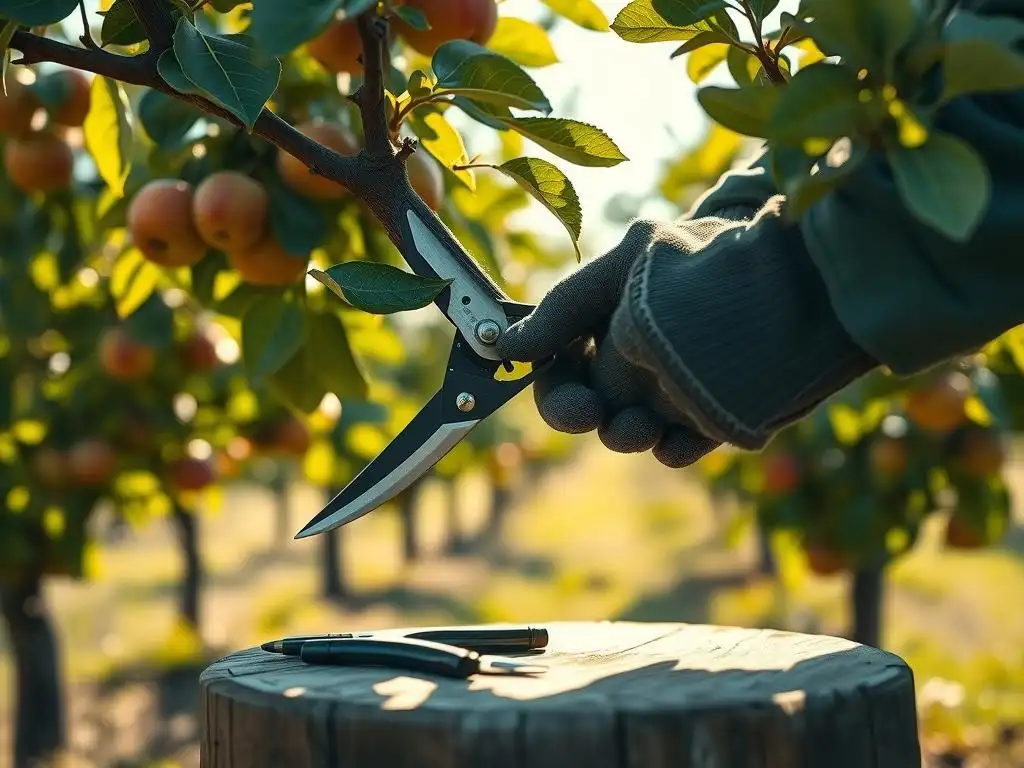
Pruning established fruit trees is crucial for maintaining their health, productivity, and longevity. However, timing is everything. Improper pruning at the wrong time of year can weaken the tree, reduce yield, and even invite disease. This section details the optimal time for pruning, considering various factors to ensure your fruit trees thrive.
Best Time of Year for Pruning Different Fruit Tree Varieties
The ideal pruning time varies slightly depending on the fruit tree species. Generally, late winter or early spring, before bud break, is the most common time. This allows the tree to heal before the growing season begins, minimizing the risk of infection. However, some varieties benefit from slightly different approaches:
- Stone Fruits (Peaches, Plums, Cherries): These are best pruned in late winter or very early spring, just as the danger of severe frost has passed. Pruning too early can expose them to frost damage, while pruning too late can encourage the spread of diseases like peach leaf curl.
- Pome Fruits (Apples, Pears): These trees are more tolerant and can often be pruned throughout the dormant season (late fall to early spring). However, early spring, just before bud break, remains the preferred time for most varieties.
- Citrus Trees: Citrus trees are typically pruned in late winter or early spring, after the last frost. However, light pruning can be done throughout the year to remove dead or diseased branches. Over-pruning citrus trees can negatively impact fruit production.
The table below summarizes the optimal pruning times:
| Fruit Tree Type | Best Pruning Time | Considerations |
|---|---|---|
| Stone Fruits (Peaches, Plums, Cherries) | Late winter/Early spring (before bud break) | Avoid frost damage; disease prevention crucial. |
| Pome Fruits (Apples, Pears) | Late winter/Early spring (before bud break) | More tolerant, but early spring is generally best. |
| Citrus Trees | Late winter/Early spring (after last frost) | Light pruning throughout the year may be necessary. |
Remember to always use sharp, clean pruning tools to prevent the spread of disease. Proper sanitation is key to successful pruning.
Factors Affecting Pruning Timing: Climate and Tree Health
While the general guidelines above provide a good starting point, several factors can influence the optimal pruning time for your specific trees. These include:
- Climate: In areas with harsh winters or late frosts, delaying pruning until slightly later in the spring may be necessary to protect new growth. Conversely, in milder climates, pruning can often be done earlier. Monitoring your local weather forecast is crucial.
- Tree Health: If a tree is already stressed due to disease, pest infestation, or drought, it's best to postpone pruning until the tree has recovered some of its vigor. Severe pruning on a weakened tree can further compromise its health. Address the underlying issue first, then prune lightly once the tree shows signs of recovery. Consider consulting an arborist for severe cases.
- Variety Specifics: Some fruit tree cultivars have different sensitivities to pruning timing. Research the specific needs of your varieties to ensure optimal results. This may involve checking the nursery tags or contacting local agricultural extension services.
Recognizing Signs of Overgrown or Neglected Fruit Trees
Neglecting to prune established fruit trees can lead to several easily identifiable problems:
- Overcrowding: Branches become tangled and intertwined, reducing sunlight penetration to the interior of the tree. This leads to poor fruit production and increased susceptibility to diseases. You'll notice a dense, cluttered canopy with limited space between branches.
- Weak, spindly growth: Without proper pruning, branches become excessively long and weak, making them susceptible to breakage under the weight of fruit or during strong winds. These branches often appear thin and lack vigor.
- Reduced fruit yield: Overgrown trees produce less fruit because insufficient sunlight reaches the fruiting spurs. The fruit that is produced might be smaller and of lower quality.
- Disease and pest infestation: Overcrowding creates ideal conditions for the spread of diseases and pests, as air circulation is restricted and moisture accumulates within the canopy. Look for signs of leaf discoloration, unusual growths, or insect activity.
Addressing these issues through timely and appropriate pruning will restore the tree's health and significantly improve its fruit production. Regular pruning is an investment in a healthy, productive orchard. 🌳
Essential Pruning Techniques for Established Fruit Trees
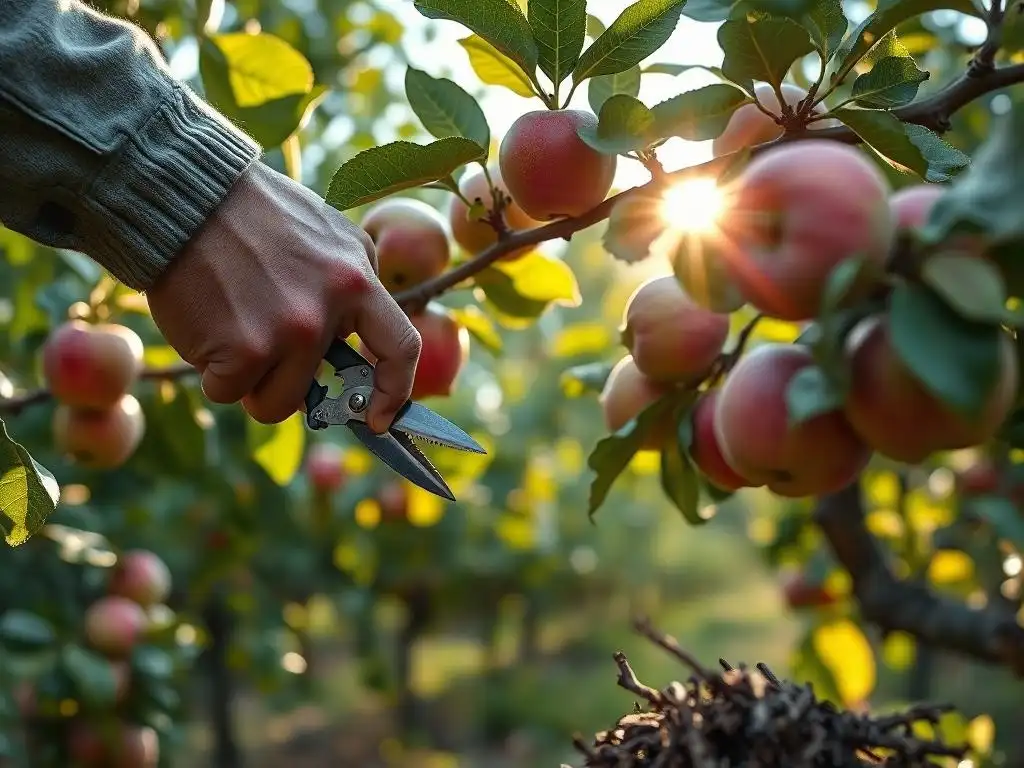
This section details the core techniques for pruning established fruit trees, focusing on maintaining tree health and maximizing fruit yield. Remember, proper pruning is crucial for the long-term health and productivity of your fruit trees. Ignoring this essential step can lead to reduced fruit production, disease susceptibility, and even tree death. The timing of pruning depends on the specific fruit tree species; however, late winter or early spring, before new growth begins, is generally ideal for most temperate fruit trees. Always use sharp, clean pruning tools to prevent the spread of disease.
Removing Dead, Damaged, or Diseased Branches: A Crucial First Step
Removing dead, damaged, or diseased branches is the first and arguably most important step in pruning established fruit trees. These branches not only detract from the overall appearance of the tree but also pose a significant risk. Dead wood provides a breeding ground for pests and diseases, potentially infecting healthy parts of the tree. Damaged branches, particularly those with broken or split limbs, are vulnerable to further damage and decay. Diseased branches can spread infection throughout the entire tree, significantly impacting fruit yield and potentially killing the tree.
Pruning out these problematic branches improves the tree's overall health and vigor. It also allows for better air circulation and sunlight penetration within the canopy, reducing the risk of fungal diseases such as powdery mildew and apple scab. When removing these branches, cut cleanly at the branch collar – the slightly swollen area where the branch joins the main trunk or another branch. Avoid leaving stubs, as these can attract pests and diseases. For larger branches, use a three-cut method to prevent bark tearing.
Thinning the Canopy: Improving Air Circulation and Sunlight Penetration
Thinning the canopy involves selectively removing branches to open up the interior of the tree. A dense canopy restricts air circulation and sunlight penetration, leading to weak, spindly growth, reduced fruit production, and increased susceptibility to diseases. The goal is to create a well-balanced structure with adequate spacing between branches, allowing for even sunlight exposure and promoting the development of strong, healthy shoots.
Consider the following when thinning the canopy:
- Remove crossing or rubbing branches: These branches can damage each other, creating wounds that are susceptible to infection.
- Remove branches growing inward: These branches shade the interior of the tree and compete for resources.
- Remove water sprouts and suckers: These vigorous, vertical shoots compete with fruiting branches for nutrients and energy.
- Prioritize the removal of smaller branches: This minimizes the stress on the tree.
Proper thinning will result in a tree with a more open, vase-shaped structure, allowing for better air circulation and sunlight penetration. This improved environment promotes stronger, healthier growth and increases fruit production. Remember to always use sharp, clean pruning tools to minimize the risk of disease transmission. A well-thinned canopy is crucial for preventing many common fruit tree diseases.
Heading Back Branches: Controlling Growth and Promoting Fruit Production
Heading back involves shortening the length of branches to control growth and stimulate fruiting. This technique is particularly useful for vigorous-growing trees or those that are producing too much vegetative growth at the expense of fruit production. By heading back branches, you encourage the development of shorter, fruiting spurs, which are the structures that produce fruit. Additionally, heading back can help maintain the desired tree shape and size.
When heading back branches, make the cut just above an outward-facing bud. This encourages growth in the desired direction and helps maintain the open structure of the tree. Avoid heading back branches too severely, as this can stimulate excessive vegetative growth and reduce fruit production. The amount of heading back required will vary depending on the tree species, its vigor, and its overall structure.
Observing the tree's growth patterns over time is essential for determining the appropriate amount of heading back. A well-executed heading back encourages a balance between vegetative growth and fruit production, ultimately leading to a healthier and more productive tree. Remember careful observation of your specific fruit trees is key to successful pruning.
Proper Tool Selection and Sterilization for Safe and Effective Pruning
Selecting the right tools is paramount for successful and safe pruning of established fruit trees. Using dull or inappropriate tools can lead to damaged branches, ragged cuts that are more susceptible to disease, and even injuries to yourself. Sharp, clean tools make all the difference in achieving a smooth, precise cut that promotes healing and minimizes the risk of infection.
For most pruning tasks on established fruit trees, you'll need a combination of tools. Hand pruners are ideal for smaller branches, up to about ¾ inch in diameter. Look for bypass pruners, which feature two blades that pass each other like scissors, providing a cleaner cut than anvil pruners (which have one blade that chops against an anvil). Loppers are necessary for branches ranging from ¾ inch to 1 ½ inches in diameter.
For larger branches, a pruning saw with a fine tooth is essential for a smooth, clean cut. Finally, a pole saw might be necessary to reach higher branches safely, particularly in taller trees. Always prioritize quality tools; they'll last longer and perform better. Investing in good quality tools is an investment in the health and longevity of your trees.
Sterilization is equally crucial. Failing to sterilize your tools between cuts risks spreading diseases from one branch to another, potentially decimating your entire tree. Before you begin, clean your tools thoroughly with a stiff brush to remove any sap, dirt, or debris. Then, sterilize them using one of several methods.
You can wipe them down with rubbing alcohol (70% isopropyl alcohol), a solution of bleach and water (1 part bleach to 9 parts water), or a commercial pruning tool disinfectant. Allow the tools to air dry completely before starting your pruning. Remember to re-sterilize your tools periodically throughout the pruning process, especially if you're working on multiple trees or have encountered any signs of disease.
This seemingly small step significantly contributes to the overall health and vitality of your orchard. Careful tool selection and consistent sterilization are fundamental aspects of responsible and effective fruit tree pruning. Neglecting these steps can have severe consequences for the health and productivity of your trees.
Pruning Different Types of Established Fruit Trees
This section delves into the specifics of pruning various established fruit trees, offering tailored techniques for maximizing yield and maintaining tree health. Remember, the goal is to balance fruit production with overall tree vigor. Over-pruning can weaken the tree, while under-pruning can lead to overcrowded branches and reduced fruit quality. Proper pruning of established fruit trees is crucial for long-term success in your home orchard. The timing of pruning also varies depending on the tree type; always research the best time for your specific climate and variety.
Pruning Apples and Pears: Techniques for Optimal Fruit Set
Apples and pears, members of the Malus and Pyrus genera respectively, require a slightly different approach to pruning than stone fruits. These trees produce fruit on spurs (short, stubby branches) and on one-year-old wood. The focus of pruning established apple and pear trees is to maintain a balance between removing old, unproductive wood and encouraging the growth of new fruiting wood.
Several key techniques are employed:
- Thinning: Remove overcrowded branches to improve air circulation and sunlight penetration. This reduces the risk of fungal diseases and improves fruit quality. Aim for spacing of at least 6-12 inches between branches, depending on the size of the mature tree.
- Heading Back: Lightly shorten the tips of some branches to stimulate the growth of new side shoots, which will bear fruit in the following season. Avoid drastic cuts, as this can weaken the tree.
- Removing Water Sprouts and Suckers: These vigorous, upright shoots compete with fruiting wood for resources. Remove them at their base to maintain tree structure and direct energy to fruit production.
- Removing Dead, Damaged, or Diseased Wood: This is crucial for maintaining tree health and preventing the spread of disease. Remove these branches back to their point of origin or a healthy lateral branch.
Consider the following example: An established apple tree showing signs of overcrowding and reduced fruit yield might benefit from thinning out approximately 20-30% of its interior branches. This would improve light penetration and air circulation, leading to better fruit development in subsequent seasons. Furthermore, selectively heading back some of the outer branches could encourage the growth of new spurs and improve the overall shape of the tree. Remember to always use sharp, clean pruning tools to minimize the risk of disease transmission.
Pruning Stone Fruits (Peaches, Plums, Cherries): Considerations for Bloom and Fruit Development
Stone fruits, including peaches, plums, and cherries, differ significantly from apples and pears in their fruiting habits. They primarily produce fruit on one-year-old wood. Therefore, pruning techniques focus on encouraging new growth while maintaining a well-structured tree.
Here's a breakdown of key considerations:
- Timing: Stone fruits are often pruned during the dormant season (late winter or early spring) before bud break. This minimizes the risk of disease and allows the tree to heal properly before the growing season.
- Thinning: Similar to apples and pears, thinning is important to improve air circulation and sunlight penetration. However, with stone fruits, the goal is to remove branches that are crossing, rubbing, or growing inward, as well as diseased or damaged wood.
- Renewal Pruning: Older stone fruit trees can benefit from renewal pruning, which involves removing some older branches to stimulate the growth of new, productive wood. This technique helps maintain fruit production over the long term. This often involves removing 1/3 to 1/2 of the older branches each year on a rotating basis.
- Heading Back: Limited heading back might be employed, but it's generally less critical than for apples and pears. Excessive heading back can stimulate excessive vegetative growth at the expense of fruit production.
For example, a mature peach tree exhibiting reduced fruit yield and dense branching might benefit from removing approximately one-third of its oldest branches, along with any crossing or diseased wood. This would open up the canopy, allowing more sunlight to reach the remaining branches and encouraging the growth of new fruiting wood. This renewal pruning, done strategically over several years, helps maintain fruit production and tree health.
Pruning Citrus Trees: A Different Approach to Pruning Established Trees
Citrus trees, such as oranges, lemons, and grapefruits, require a more nuanced approach to pruning than deciduous fruit trees. They typically bear fruit on older wood, and excessive pruning can significantly reduce fruit production.
Key aspects of pruning established citrus trees:
- Light Pruning: Citrus trees generally require only light pruning, focusing on removing dead, damaged, or diseased branches, as well as any branches that are crossing, rubbing, or growing inward.
- Shape and Structure: The primary goal of pruning citrus trees is to maintain their shape and structure, ensuring adequate sunlight penetration throughout the canopy. This often involves shaping the tree to allow for maximum air circulation.
- Avoid Heading Back: Unlike many other fruit trees, heading back citrus branches is generally avoided, as it can stimulate excessive vegetative growth and reduce fruiting.
- Seasonal Considerations: Light pruning can be carried out throughout the year, but major pruning is best avoided during the fruiting season.
Unlike the more aggressive pruning techniques used for apples and pears or stone fruits, the approach to established citrus trees emphasizes minimal intervention, focusing primarily on maintaining the tree's health and overall structure. For example, a mature lemon tree might only require the removal of a few dead branches and the thinning of a couple of crossing branches annually to maintain its shape and promote good air circulation. The focus is on preserving existing fruiting wood and promoting a healthy, productive tree.
Post-Pruning Care for Established Fruit Trees
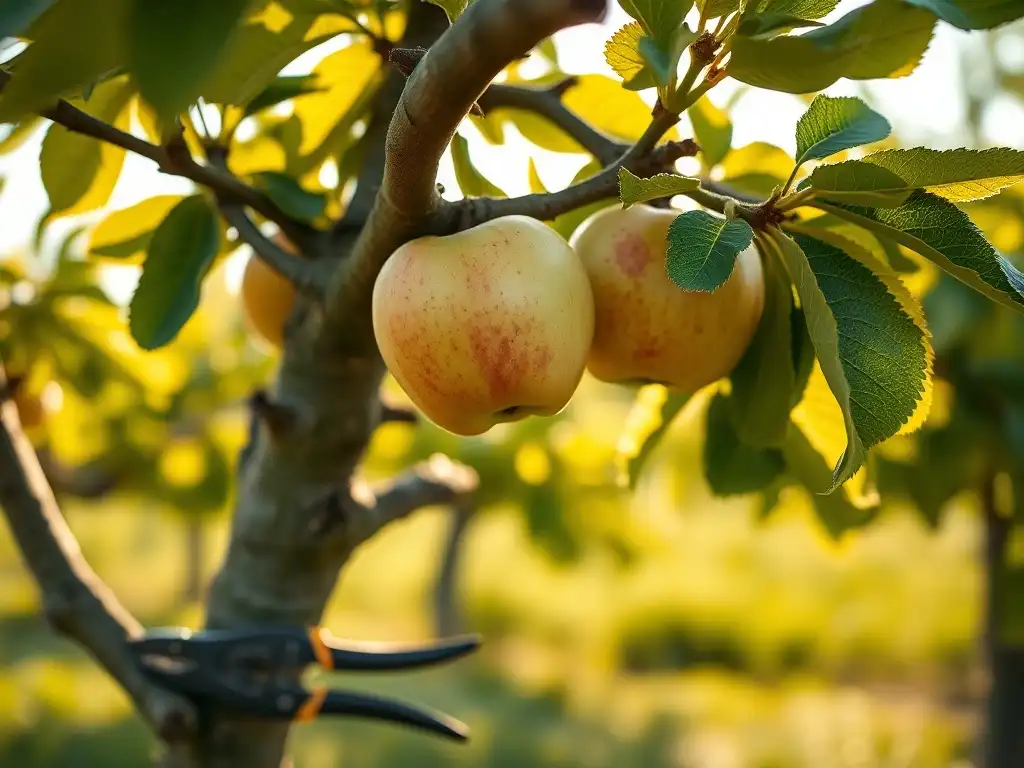
Pruning established fruit trees, while crucial for maintaining health and yield, leaves your trees vulnerable. Proper post-pruning care is essential to ensure their successful recovery and continued productivity. Neglecting this crucial step can lead to weakened trees, increased susceptibility to disease, and reduced fruit production. This section details the vital steps to take after pruning to promote vigorous growth and abundant harvests. The key is to support the tree's natural healing processes and provide the necessary nutrients and protection.
Protecting Your Trees from Disease and Pests After Pruning
Pruning creates open wounds on your fruit trees, making them susceptible to disease and pest infestations. These wounds provide entry points for pathogens and insects that can significantly impact the tree's health and longevity. Therefore, prompt and effective protection is critical. The best approach is a multi-pronged strategy combining preventative measures and timely intervention.
Several steps are crucial in protecting your trees. Firstly, sterilize your pruning tools between cuts using a solution of 1 part bleach to 9 parts water. This prevents the spread of disease from one branch to another. Secondly, apply a wound sealant to larger cuts (over ½ inch in diameter). This sealant helps to prevent water loss and pathogen entry.
Choose a sealant specifically formulated for fruit trees, avoiding petroleum-based products which can hinder healing. Thirdly, monitor your trees regularly for signs of disease or pest infestations. Early detection allows for prompt treatment, minimizing the damage. Look for signs like unusual leaf discoloration, wilting, insect activity, or unusual growths.
Finally, consider implementing preventative measures to minimize the risk of future infestations. This can include proper spacing of trees to improve air circulation, removing fallen leaves and fruit to eliminate potential breeding grounds for pests, and introducing beneficial insects that prey on common tree pests. A healthy and robust tree is better equipped to withstand disease and pest pressures.
Fertilizing and Watering After Pruning for Optimal Recovery
Pruning removes a significant portion of the tree's foliage and branches, impacting its ability to photosynthesize and absorb nutrients. Therefore, providing adequate fertilization and watering is crucial for optimal recovery and future growth. This ensures the tree has the resources needed to heal wounds, produce new growth, and set fruit.
The specific needs will vary depending on the species of fruit tree, the soil conditions, and the extent of pruning. However, a general guideline is to apply a balanced fertilizer specifically formulated for fruit trees. This should be done shortly after pruning, following the manufacturer's instructions carefully. Avoid over-fertilizing, which can damage the tree's root system.
Watering is equally important. Ensure the soil around the tree remains consistently moist but not waterlogged. Deep, infrequent watering is generally preferred over shallow, frequent watering, encouraging deeper root growth. Mulching around the base of the tree helps to retain soil moisture and suppress weeds. Regular monitoring of soil moisture levels is key to avoid both underwatering and overwatering. The aim is to provide a supportive environment for the tree to heal and thrive.
Monitoring Your Trees for Signs of Stress or Disease
Post-pruning monitoring is not a one-time event; it's an ongoing process. Regular observation allows for early detection of any problems that may arise. Early identification and intervention are crucial in minimizing potential damage and ensuring a successful recovery. What to look for:
- Wilting leaves: This could indicate insufficient watering, root damage, or disease.
- Leaf discoloration: Changes in leaf color, such as yellowing or browning, can be a sign of nutrient deficiencies or disease.
- Unusual growths: Galls, cankers, or other abnormal growths are often indicators of disease.
- Insect activity: Examine the branches and leaves for signs of insect infestations, such as webbing, holes in leaves, or the presence of insects themselves.
- Slow or stunted growth: A lack of new growth after pruning could indicate a problem with the tree's health.
If any of these signs are detected, take appropriate action. This may involve adjusting watering practices, applying appropriate treatments for diseases or pests, or seeking professional advice from an arborist or horticultural expert. Remember, proactive monitoring is a critical part of ensuring the long-term health and productivity of your established fruit trees. A healthy tree is a productive tree. Careful attention to detail in the post-pruning phase guarantees a bountiful harvest in the coming seasons.
Common Mistakes to Avoid When Pruning Established Fruit Trees
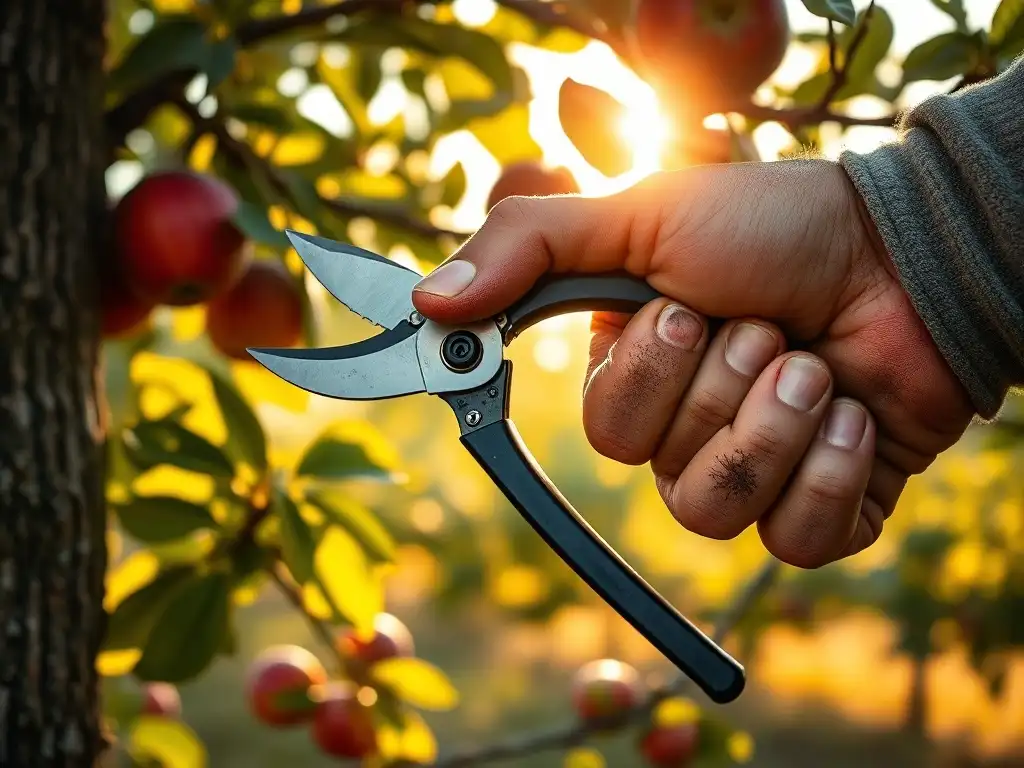
Pruning established fruit trees is crucial for maintaining their health, maximizing yield, and extending their lifespan. However, improper pruning techniques can lead to significant problems. Understanding common mistakes and how to avoid them is key to successful fruit tree management. This section focuses on the most frequent errors encountered by home growers when pruning established fruit trees, offering practical advice to prevent them.
Over-Pruning: The Risks and How to Avoid Them
Over-pruning is a prevalent mistake among novice fruit tree cultivators. It involves removing significantly more branches than necessary, often resulting in a weakened tree susceptible to diseases and reduced fruit production. The tree expends energy trying to heal the wounds from excessive pruning instead of producing fruit.
Imagine a mature apple tree, already established and bearing fruit. Removing ⅓ or more of its branches in a single pruning session is a recipe for disaster. This drastic reduction stresses the tree, making it vulnerable to pests and diseases. Furthermore, the sudden loss of leaf area reduces the tree's capacity for photosynthesis, directly impacting fruit development in the following season. The tree might even produce smaller, less flavorful fruit, or no fruit at all.
To avoid over-pruning, follow these guidelines:
- Plan your pruning: Before you even pick up your pruning shears, carefully inspect your tree and identify branches to remove. Create a mental picture (or even a sketch) of the desired shape and size before making any cuts.
- Prune gradually: Rather than attempting a major overhaul in one go, prune your established fruit trees incrementally over several years. This allows the tree to adjust gradually and minimize stress.
- Remove only dead, diseased, or crossing branches: Focus on removing branches that are detrimental to the tree's health or structure. Avoid unnecessary removal of healthy, productive branches.
- Know your tree's growth habit: Different fruit trees have different growth habits. Understanding your tree's natural growth pattern helps you determine the appropriate amount of pruning needed. For instance, a vigorous growing pear tree will require more pruning than a slower-growing cherry tree.
- Use sharp, clean tools: Sharp pruning shears make clean cuts that heal quickly, reducing the risk of infection. Clean your tools regularly to prevent the spread of diseases between trees.
Incorrect Pruning Techniques: Leading to Reduced Yields and Tree Damage
Incorrect pruning techniques, beyond simply over-pruning, can also severely impact your fruit trees. Improper cuts can lead to slow healing, increased susceptibility to diseases, and damage to the tree's structure.
For example, making flush cuts (cuts that are completely level with the branch collar) can cause damage to the branch collar, which is the area where the branch meets the main trunk. This can prevent proper healing and lead to decay. Instead, make angled cuts just outside the branch collar, leaving a slightly outward-facing slope to facilitate water runoff and healing.
Another common mistake is leaving stubs. Leaving short stubs when pruning branches invites disease and decay. Always make your cuts close to the branch collar, removing the entire branch in a single, clean cut.
Here’s a table summarizing correct vs. incorrect pruning techniques:
| Technique | Correct Method | Incorrect Method | Consequences |
|---|---|---|---|
| Branch Removal | Angled cut just outside the branch collar | Flush cut or leaving a stub | Slow healing, decay, disease |
| Heading Back | Cut just above an outward-facing bud | Cutting too far back or at an inappropriate point | Weak growth, reduced yield, distorted shape |
| Thinning Out | Removing entire branch at its base | Cutting into the branch | Slow healing, decay, potential for disease spread |
Neglecting Pruning Altogether: The Long-Term Consequences
Neglecting to prune established fruit trees altogether has serious long-term consequences. Without regular pruning, the tree becomes overcrowded, leading to reduced sunlight penetration, poor air circulation, and increased susceptibility to diseases and pests. This results in lower yields, smaller fruit, and an overall decline in the tree's health and longevity.
Over time, a neglected fruit tree will become a tangled mess of branches, hindering fruit production and making it difficult to harvest. The tree's overall structure will weaken, potentially leading to breakage under the weight of fruit or during strong winds. Disease and pest infestations will become increasingly prevalent, further compromising the tree's health. The yield will progressively decrease, culminating in a significantly reduced harvest or even the complete loss of fruit production. Ultimately, neglecting pruning will shorten the lifespan of your fruit trees. Regular, well-executed pruning is an investment in the long-term health and productivity of your orchard.
Advanced Pruning Techniques for Maximizing Fruit Yield from Established Trees
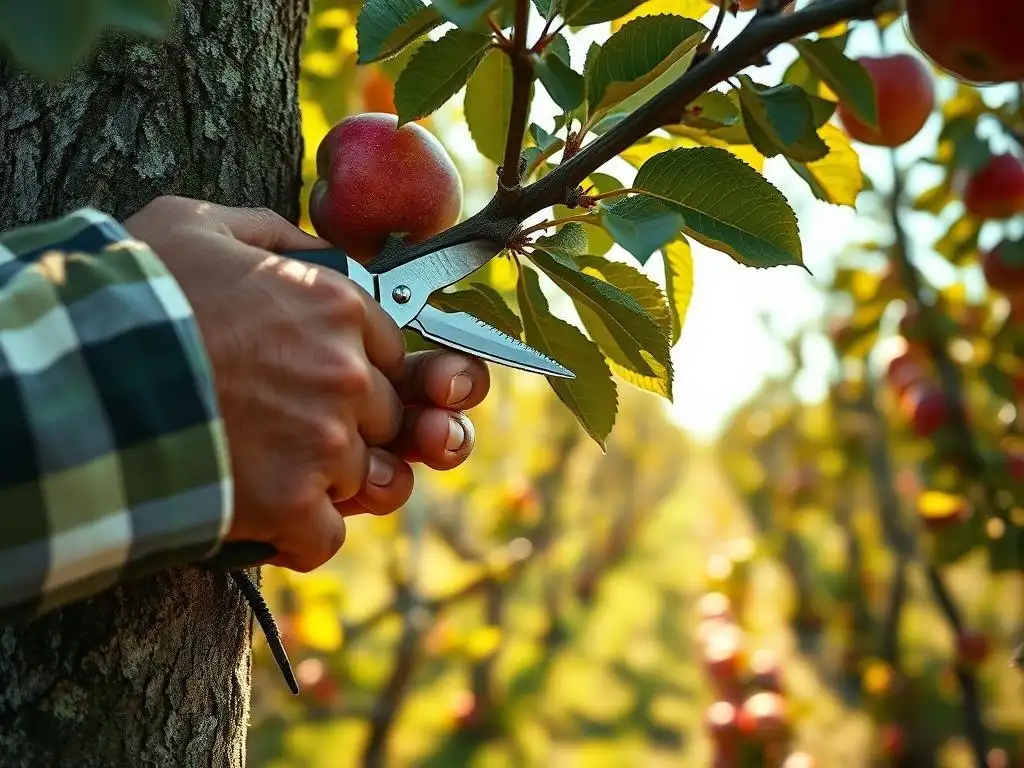
This section delves into advanced pruning strategies to optimize fruit production in your established fruit trees. We'll move beyond basic pruning and explore techniques that maximize yield while maintaining tree health and longevity. Remember, the goal is to balance fruit production with the long-term health of the tree. Improper pruning, even with advanced techniques, can be detrimental.
Renewal Pruning for Revitalizing Older Trees
Older fruit trees often experience reduced vigor and fruit production. Renewal pruning is a powerful technique to rejuvenate these trees, stimulating new growth and increased fruiting. This method involves removing a significant portion of older, less productive wood to encourage the growth of younger, more vigorous branches. This isn't a one-time event; it's a process that might span several years.
The process typically involves removing one-third to one-half of the oldest branches each year, focusing on those showing signs of decline, disease, or poor fruit production. Select branches that are crossing, rubbing, or growing inward, prioritizing those closest to the center of the tree. Make cuts just outside a lateral branch or bud to encourage new growth from that point.
It's crucial to spread this renewal pruning over several years. Removing too much wood at once can shock the tree and severely impact its health. Observe the tree's response after each pruning session, adjusting the intensity of future pruning based on its growth and vigor. Proper fertilization and watering are also vital components of a successful renewal pruning program. Monitor for signs of stress such as leaf yellowing or wilting.
Training and Shaping Mature Fruit Trees for Improved Structure and Fruit Production
Even mature trees benefit from ongoing training and shaping. This involves strategically removing branches to maintain an open canopy, improving air circulation and sunlight penetration. This is crucial for preventing diseases and pests, and it also leads to better fruit development. A well-structured tree promotes even fruiting along the branches, resulting in higher yields.
Different fruit tree varieties have different ideal shapes. Some, like apples, benefit from a vase or central leader shape, while others might thrive with a more open, espalier style. Understanding the specific needs of your fruit tree species is paramount. For instance, a poorly structured apple tree might have a dense center, leading to poor light penetration and reduced fruit set in the inner canopy. Regular pruning helps maintain an open center, ensuring sufficient sunlight reaches all branches. This results in a more productive tree with healthier fruit.
Consider these points when shaping mature trees:
- Air Circulation: Ensure ample space between branches for airflow to reduce the risk of fungal diseases.
- Sunlight Penetration: Maintain an open canopy to maximize sunlight reaching the fruiting spurs.
- Branch Strength: Remove weak or damaged branches to prevent breakage.
- Fruit Spur Distribution: Encourage fruiting spurs along the outer branches for optimal fruit production.
Using Specialized Pruning Techniques for Specific Fruit Tree Varieties
Different fruit tree varieties respond differently to pruning. Understanding the specific pruning needs of each variety is essential for maximizing yield and maintaining tree health. For example, stone fruits (peaches, plums, cherries) require different pruning approaches compared to pome fruits (apples, pears).
Stone fruits are generally more susceptible to diseases, so pruning should focus on maintaining an open canopy to improve air circulation and sunlight penetration. They also tend to bear fruit on younger wood, so removing older branches is often necessary to stimulate new growth. This contrasts with pome fruits, which can bear fruit on both young and older wood.
| Fruit Type | Pruning Focus | Key Considerations |
|---|---|---|
| Stone Fruits | Open canopy, removal of older wood, light pruning | Disease prevention, new growth stimulation |
| Pome Fruits | Balance between older and younger wood | Maintaining a strong framework, even fruit distribution |
| Citrus Trees | Minimal pruning, shaping, removal of dead branches | Sensitive to pruning, encourages vigorous growth |
Remember that consistent observation and careful pruning are key to maximizing the yield of your established fruit trees. Regular inspection will help identify any problems early on, allowing for timely intervention and preventing significant damage. Pruning is an ongoing process, not a one-time event. With careful attention and the right techniques, you can maintain healthy, productive fruit trees for years to come. 🍎🌳
Resources for Further Learning on Pruning Established Fruit Trees
Pruning established fruit trees effectively requires ongoing learning and adaptation to specific tree types and environmental conditions. While this guide provides a strong foundation, supplementing your knowledge with additional resources is crucial for maximizing yields and maintaining the long-term health of your trees. This section highlights valuable avenues for continued education on pruning techniques for established fruit trees.
Recommended Books and Online Resources on Fruit Tree Pruning
Investing in reputable books and accessing reliable online resources can significantly enhance your pruning skills. Many excellent resources offer detailed guidance, illustrated techniques, and regional-specific advice. Look for books and websites focusing on organic and sustainable fruit tree cultivation, as these often emphasize methods that minimize environmental impact while promoting tree health.
Here's a sample of the types of information you might find useful:
- Detailed guides on specific fruit tree varieties: Different fruit trees require slightly different pruning approaches. Resources specializing in apple, pear, cherry, or peach tree pruning will offer tailored instructions. Understanding the unique growth habits of each species is key to successful pruning.
- Visual aids and diagrams: High-quality illustrations and diagrams are invaluable for understanding proper pruning cuts and techniques. Look for resources with clear visuals demonstrating different pruning methods, such as thinning, heading, and renewal pruning.
- Regional variations in pruning practices: Climate and growing conditions influence the optimal timing and techniques for pruning. Local resources will often provide the most relevant guidance, considering factors like winter hardiness and disease susceptibility.
- Troubleshooting common pruning mistakes: Learning from others' experiences can save you time and effort. Resources addressing common pruning mistakes and their solutions can prevent damage to your trees and help you correct any errors you might make.
- Information on specialized pruning tools: The right tools are essential for efficient and precise pruning. Reliable resources will provide guidance on selecting and using appropriate pruning saws, loppers, and shears.
Local Agricultural Extension Services for Expert Advice
Beyond books and online resources, consider tapping into the expertise of your local agricultural extension service. These services, often affiliated with universities or government agencies, offer invaluable support to home gardeners and fruit growers. They provide personalized advice based on your specific location's climate and soil conditions, as well as the types of fruit trees you're cultivating.
Here's how local agricultural extension services can assist you with pruning established fruit trees:
- On-site consultations: Many extension services offer on-site consultations where an expert can assess your trees and provide tailored pruning recommendations. This personalized approach is particularly beneficial for complex situations or when dealing with unusual growth patterns.
- Workshops and training sessions: Extension services frequently host workshops and training sessions on various aspects of fruit tree care, including pruning. These events provide opportunities to learn from experts and interact with other gardeners.
- Access to local research and best practices: Extension services often compile research and best practices specific to your region, ensuring you're using methods appropriate for your local environment. This localized knowledge is crucial for optimizing your pruning strategies.
- Disease and pest identification: Extension services can help you identify potential diseases or pests affecting your fruit trees. Early detection and treatment are essential for maintaining tree health and yield. Proper pruning techniques can also play a role in minimizing the impact of diseases and pests.
- Access to local resources and networking: Extension services can connect you with other local fruit growers, creating opportunities for sharing knowledge and experiences. Networking with experienced growers can provide valuable insights and practical advice.
By utilizing these resources, you'll continuously refine your pruning techniques, ensuring the health, longevity, and maximum yield of your established fruit trees. Remember that consistent learning and adaptation are key to successful fruit tree cultivation.
Frequently Asked Questions
When is the best time to prune established fruit trees?
The best time to prune most established fruit trees is during the dormant season, typically late winter or early spring, before new growth begins. This minimizes stress on the tree and allows for proper healing.
How much should I prune my established fruit tree?
The amount of pruning depends on the tree's age, variety, and overall health. Generally, aim for selective pruning, removing only dead, diseased, or crossing branches. Avoid excessive pruning.
What tools do I need to prune established fruit trees?
You'll need sharp, clean pruning shears or loppers, depending on branch size. A pruning saw might be necessary for larger branches. Always sanitize your tools between cuts to prevent disease spread.
How can I tell if a branch needs to be removed?
Remove branches that are dead, diseased, damaged, or crossing. Also consider removing branches that grow inward, creating dense growth, or those that compete with other branches for sunlight and nutrients.
What are the benefits of pruning established fruit trees?
Pruning improves air circulation and sunlight penetration, which reduces disease and pest problems. It also encourages stronger growth, larger fruit size, and a higher overall yield.
Final Reflection: The Enduring Legacy of a Healthy Orchard
The art of pruning established fruit trees isn't merely a horticultural practice; it's a testament to our enduring relationship with nature, a partnership that demands both understanding and skillful intervention. Ignoring this vital task leads to diminished yields, weakened trees, and ultimately, the loss of a valuable resource. The health of our fruit trees directly reflects our commitment to nurturing the bounty they provide.
The impact of proper pruning extends far beyond the individual tree; it contributes to the overall health and sustainability of our food systems. It's a practice passed down through generations, a living tradition that connects us to the land and the rhythms of nature. As the old adage goes, The best time to plant a tree was 20 years ago. The second best time is today.
This applies equally to the ongoing maintenance of established trees, reminding us that consistent care yields the most rewarding results. The knowledge and skill involved in pruning are not just about technique; they represent a deep respect for the life cycle and the interconnectedness of all things.
Consider the legacy you wish to leave behind. Will it be one of neglected orchards and dwindling harvests, or one of thriving trees laden with fruit, a testament to your dedication and stewardship? Take the time to learn the art of pruning, to understand the needs of your trees, and to commit to the ongoing care they require. The rewards – both tangible and intangible – will far outweigh the effort, enriching not only your own life but also the lives of generations to come.
Unleash Your Orchard's Potential: Prune for a Bountiful Harvest!
Thank you for learning about pruning your established fruit trees! You now have the knowledge to significantly improve their health and yield. Ready to put this knowledge into practice?
- Grab your pruning shears and prune a branch today! Even a small amount of targeted pruning can make a significant difference.
- Share your before-and-after photos on social media using #CultivateYourFood and inspire others! Let's build a thriving community of gardeners.
- Experiment with different pruning techniques to find the best approach for your trees and gardening style.
What's the most rewarding aspect of tree care you anticipate this season?