
Extending the Tomato Season: Tips for a Longer Harvest

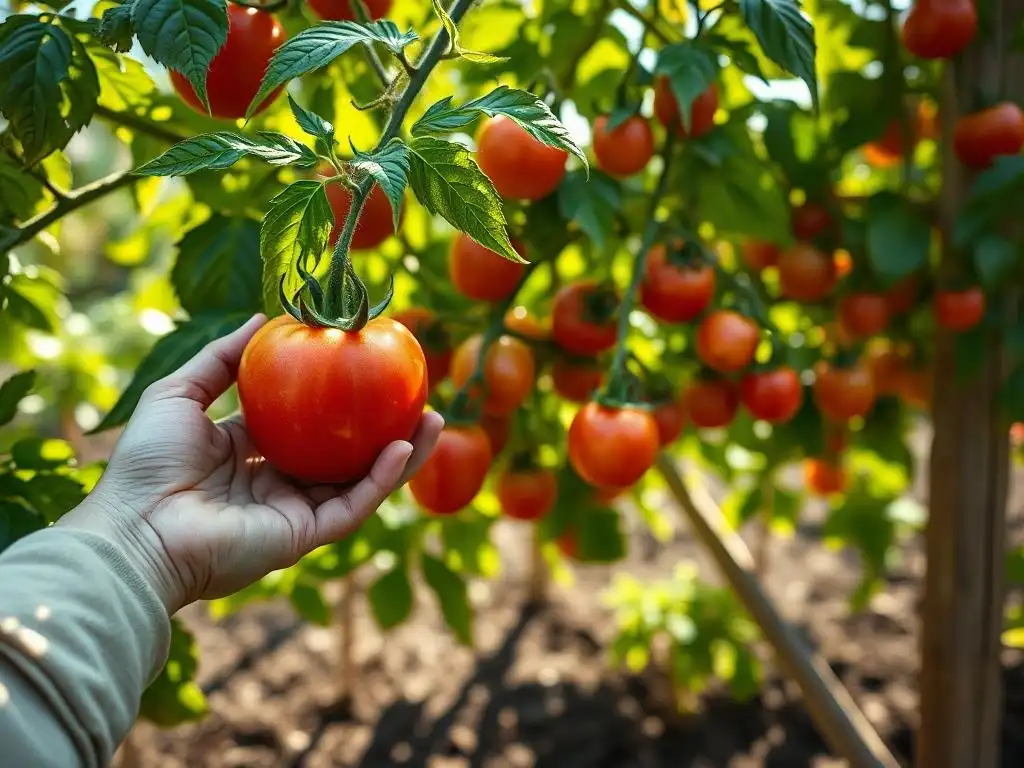
Ready to unlock the secrets to a bountiful harvest that lasts all season long? At CultivateYourFood, we're passionate about helping you grow your own delicious fruits, vegetables, and herbs organically. This dedication to sustainable practices extends to maximizing your yield, and that's why we're excited to share our expert advice on extending your tomato harvest season. Discover proven techniques and innovative strategies to keep those juicy tomatoes ripening well into the fall – dive in and learn how to truly cultivate your food!
- Understanding Your Tomato Variety and its Impact on Harvest Duration
- Protecting Tomatoes from Early Frost: Essential Strategies for Extended Harvest
- Optimizing Tomato Plant Care for a Longer Harvest
- Extending the Tomato Harvest Season with Innovative Techniques
- Pest and Disease Management for a Longer Tomato Harvest
- Post-Harvest Storage and Preservation for Extended Enjoyment
- Frequently Asked Questions
- Final Reflection: Harvesting the Bounty of Extended Seasons
- Unlock a Longer Tomato Harvest: Grow More, Enjoy Longer!
Understanding Your Tomato Variety and its Impact on Harvest Duration
Extending your tomato harvest season isn't just about clever tricks; it's about understanding the fundamental relationship between your chosen tomato variety and its inherent growth cycle. Some tomato plants are naturally predisposed to a longer fruiting period than others. This introductory section will explore how selecting the right tomato variety significantly impacts the length of your harvest, paving the way for a more abundant and prolonged yield.
We'll delve into the characteristics of different tomato types and how their maturity times directly correlate with the overall harvest duration. Mastering this crucial aspect forms the cornerstone of extending your tomato harvest season, allowing you to enjoy homegrown tomatoes well into the fall. This article will equip you with the knowledge to make informed decisions about which varieties best suit your climate and desired harvest length, ultimately maximizing your tomato production using sustainable and organic practices.
Let's explore the techniques to extend your tomato harvest season and savor the delicious fruits of your labor for longer! 🍅
Choosing Tomato Varieties for Extended Harvest Seasons
The key to a longer tomato harvest lies in selecting varieties with differing maturity times. Instead of relying on a single variety, consider planting a mix of early, mid-season, and late-season tomatoes.
- Early-season tomatoes: These varieties mature quickly, typically within 50-60 days. They'll provide an early burst of tomatoes, kicking off your harvest season. Examples include 'Early Girl' and 'Stupice'.
- Mid-season tomatoes: These offer a longer harvest window, producing fruit over several weeks. Look for varieties with a 70-80-day maturity. 'Roma' and 'Brandywine' are popular choices.
- Late-season tomatoes: These are slower to mature (80+ days), extending your harvest well into the fall. 'San Marzano' and 'Cherokee Purple' are known for their late-season performance.
By strategically combining these types, you create a staggered harvest, ensuring a continuous supply of ripe tomatoes throughout the growing season. This diversity mitigates the risk of a sudden drop in production and keeps your kitchen stocked with homegrown goodness. Remember to check the seed packet or plant tag for specific maturity information.
Evaluating Your Microclimate and its Influence on Tomato Growth
Your local microclimate plays a vital role in determining the length of your tomato season. Factors like sunlight exposure, soil temperature, and even wind patterns significantly influence tomato growth and fruiting. A south-facing location with ample sunlight is ideal, maximizing the amount of warmth your plants receive.
Consider these points:
| Factor | Impact on Tomato Harvest | Solution |
|---|---|---|
| Sunlight | Insufficient sunlight leads to slow growth and reduced yield | Choose a sunny location; consider supplemental lighting if necessary. |
| Soil Temperature | Cold soil hinders germination and growth | Use black plastic mulch to warm the soil; plant later in the season. |
| Wind Protection | Strong winds can damage plants and reduce fruit set | Plant in a sheltered location; use windbreaks. |
| Frost Protection | Early or late frosts can destroy plants | Use row covers or consider a greenhouse for extended protection. |
Careful consideration of these environmental factors will help you determine the optimal planting time and potential harvest duration for your specific location. Remember that even small changes in your microclimate can make a big difference in the success of your tomato crop.
Early and Late Season Tomato Planting Strategies
Extending the tomato harvest involves strategic planting, going beyond the traditional planting season.
- Early Season: Start seeds indoors 6-8 weeks before the last expected frost. This gives your seedlings a head start, allowing them to establish strong root systems and produce fruit earlier. Use a greenhouse or grow lights to ensure healthy growth.
- Late Season: For a late-season harvest, consider succession planting. This involves planting a new batch of tomatoes every few weeks throughout the growing season. This technique provides a continuous supply of tomatoes, even as the earlier plants begin to decline. Choose quick-maturing varieties for this strategy. Additionally, consider the use of techniques like high tunnels or cold frames to extend the growing season into the cooler months. Careful monitoring of weather patterns and frost dates is paramount for success.
By implementing these early and late-season planting strategies, you can significantly extend the duration of your tomato harvest, enjoying fresh, homegrown tomatoes for a much longer period. Remember to adapt these techniques to your specific climate and conditions for optimal results.
Protecting Tomatoes from Early Frost: Essential Strategies for Extended Harvest
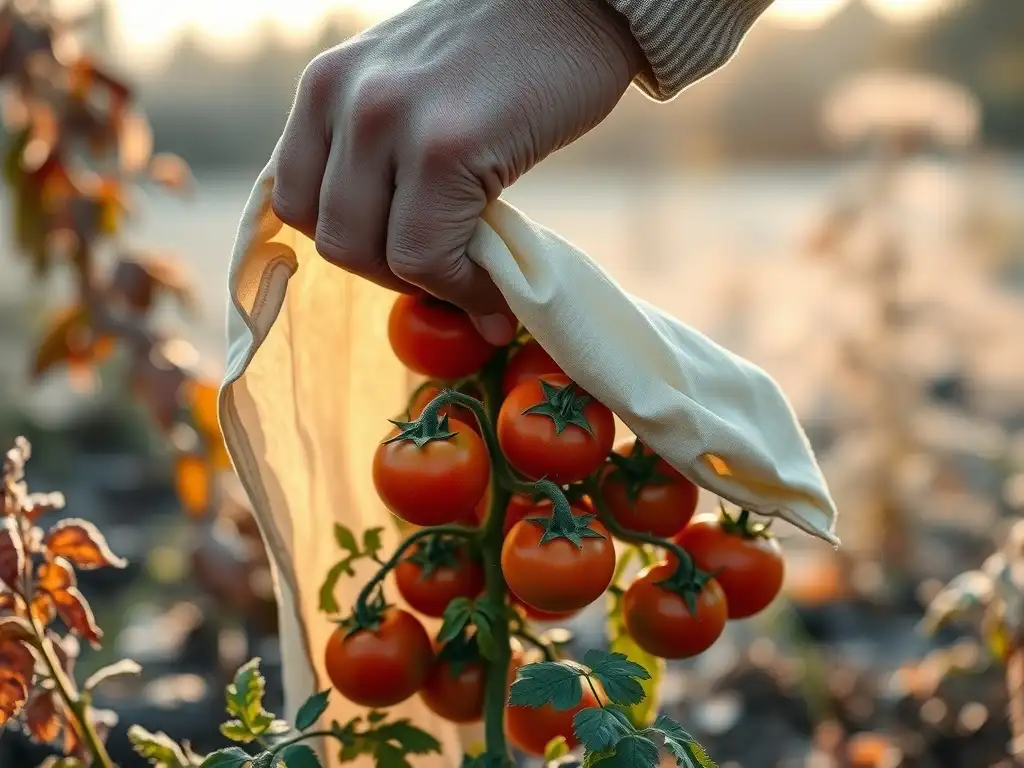
Protecting your tomato plants from early frost is crucial for extending the harvest season. Even a light frost can severely damage or kill tomato plants, ending your bounty prematurely. Therefore, implementing proactive frost protection strategies is key to enjoying ripe, delicious tomatoes well into the fall. This section will explore several effective methods to shield your precious plants from the damaging effects of early cold snaps, allowing you to extend tomato harvest season significantly.
Frost Protection Techniques: Row Covers, Cloches, and More
Several readily available and relatively inexpensive methods can effectively protect your tomato plants from frost. Row covers, for example, are lightweight fabrics that create a microclimate around the plants, trapping warmth and protecting them from freezing temperatures. These are particularly useful for covering entire rows or beds. Remember to remove the row covers during the day to allow for adequate sunlight and ventilation, preventing excessive moisture buildup which can lead to fungal diseases.
Another excellent option is using cloches, which are individual covers placed over each plant or a small group of plants. Cloches can be made from various materials, including clear plastic bottles with the bottoms cut off, or you can purchase commercially available cloches made from more durable materials. Cloches offer a more targeted approach to frost protection, allowing for flexibility in protecting only the most vulnerable plants or areas.
For larger plants, consider using a combination of methods. You might use a cloche to protect the main plant body, while employing a row cover over the base of the plant to protect the soil and roots from freezing. This layered approach significantly enhances the effectiveness of your frost protection measures. Careful monitoring of nighttime temperatures is essential to determine when to deploy these protective measures. A sudden drop in temperature below 40°F (4°C) is a clear signal to take action.
Utilizing Cold Frames for Extended Tomato Growth
Cold frames provide a more substantial level of frost protection compared to row covers or cloches. These structures, often made of wood or metal frames covered with transparent material (like glass or plastic), create a controlled environment that traps heat and protects plants from the elements. Cold frames are ideal for extending the growing season for a significant period, allowing you to harvest tomatoes well beyond the typical end of the season.
The key to success with a cold frame lies in proper ventilation; open the vents on warmer days to prevent excessive humidity and ensure adequate air circulation, avoiding the buildup of condensation and the risk of fungal diseases. Proper ventilation is crucial for preventing rot and extending the life of your plants. Regular monitoring of temperature and humidity inside the cold frame is crucial for optimal plant health and maximizing your tomato yield.
Proper Soil Preparation for Enhanced Cold Tolerance
While protective coverings are essential, preparing the soil correctly contributes significantly to a plant's cold tolerance. Well-drained soil is crucial; waterlogged soil is much more susceptible to freezing and damaging the roots. Amend heavy clay soils with organic matter like compost to improve drainage and aeration.
This not only enhances drainage but also provides essential nutrients, increasing the plants' overall resilience. Furthermore, adding a layer of mulch around the base of the tomato plants helps insulate the roots, protecting them from temperature fluctuations. This can be achieved using organic materials like straw, shredded leaves, or wood chips.
The mulch acts as a natural insulator, helping to maintain a more consistent soil temperature and minimizing the impact of cold snaps on the root system. Remember, a healthy root system is crucial for a plant's ability to withstand colder temperatures and continue producing fruit. By implementing these soil preparation techniques alongside protective coverings, you can significantly extend tomato harvest season and enjoy a longer, more abundant harvest.
Optimizing Tomato Plant Care for a Longer Harvest
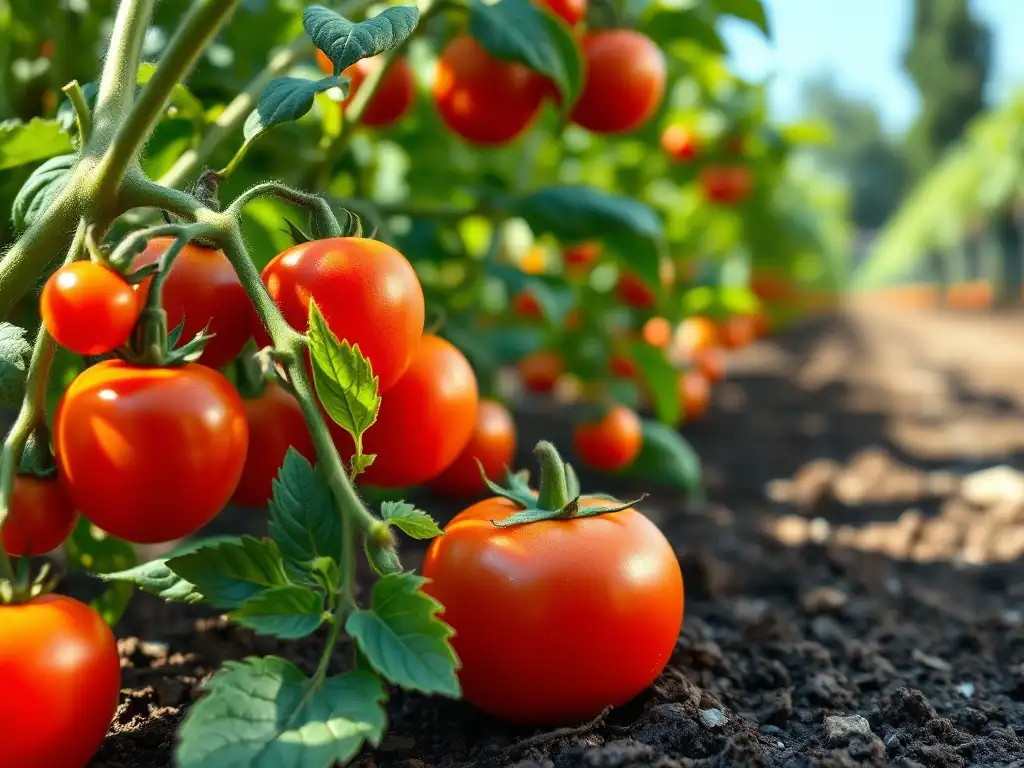
This section focuses on practical steps to extend your tomato harvest season, maximizing yield and quality throughout the growing period. We'll delve into specific techniques that directly impact the longevity of your tomato plants and their fruit production. Remember, consistent effort and attention to detail are crucial for success in extending the tomato harvest season.
Consistent Watering Techniques for Maximizing Tomato Yields
Maintaining consistent soil moisture is paramount for healthy tomato plants and a prolonged harvest. Overwatering leads to root rot, while underwatering stresses the plants, reducing fruit production and shortening their lifespan. The ideal watering technique involves deeply watering the soil at the base of the plant, avoiding wetting the foliage. This prevents fungal diseases and encourages deep root growth, essential for accessing nutrients and withstanding periods of drought.
Consider using a drip irrigation system or soaker hoses for efficient and even watering. This method delivers water directly to the roots, minimizing water waste and evaporation. Monitor soil moisture regularly, especially during hot, dry spells. A simple finger test – inserting your finger a couple of inches into the soil – can help determine if watering is needed. If the soil feels dry, it's time to water.
Aim for consistently moist but not soggy soil. Adjust your watering schedule based on weather conditions and the maturity of your plants; younger plants generally require more frequent watering than established ones. Consistent moisture management is key to extending the tomato harvest season. Neglecting this can significantly impact the overall yield and quality of your tomatoes.
Essential Nutrients and Fertilization Strategies for Extended Production
Providing your tomato plants with the right nutrients is vital for sustained fruiting throughout the season. Tomatoes are heavy feeders, requiring a balanced supply of macronutrients (nitrogen, phosphorus, and potassium) and micronutrients. A soil test can help determine the specific nutrient needs of your soil before planting. This preliminary step ensures you're addressing any deficiencies.
During the growing season, regular fertilization is crucial. Organic options like compost tea or well-rotted manure provide a slow-release source of nutrients, promoting healthy growth and extended fruit production. Alternatively, you can use balanced liquid fertilizers, following the manufacturer's instructions carefully. Avoid over-fertilizing, as this can burn the plants and lead to excessive foliage growth at the expense of fruit production.
A good rule of thumb is to fertilize every 2-3 weeks during the growing season. The frequency may need adjustments based on the soil test results and the plants' overall health. Remember to focus on the balance of nutrients for sustained, extended production. Nutrient deficiency will show up as yellowing leaves and stunted growth, directly impacting the longevity of your harvest.
Pruning and Training Tomatoes for Improved Air Circulation and Fruit Set
Proper pruning and training techniques significantly improve air circulation around the plant, reducing the risk of fungal diseases like blight, which can severely shorten the harvest season. For indeterminate tomato varieties (those that continue growing indefinitely), regular pruning is essential. Remove suckers (small shoots that grow between the main stem and branches) regularly to focus the plant's energy on fruit production.
There are several training methods: Staking involves supporting individual plants with stakes, tying the main stem to the stake as it grows. Caging uses wire cages to support the plant, allowing it to grow freely within the structure. Both methods enhance air circulation and make harvesting easier. Pruning and training also help to keep the plants manageable, preventing overcrowding, which is a breeding ground for diseases.
Proper air circulation is crucial to extending the tomato harvest season, preventing the spread of diseases, and ensuring a healthy plant. Without proper pruning, the plant becomes crowded and shaded, reducing fruit production and increasing disease risk. Regular maintenance pays off with a longer, healthier harvest.
Extending the Tomato Harvest Season with Innovative Techniques
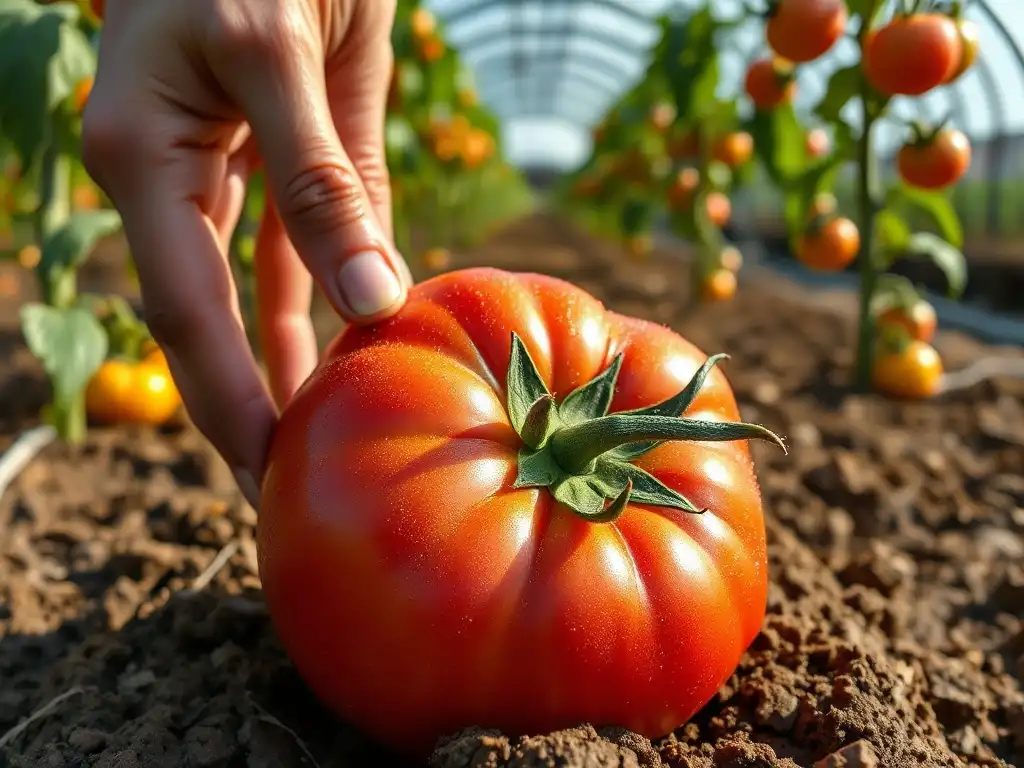
This section delves into practical strategies for extending your tomato harvest well into the fall, maximizing your yield and enjoying fresh, homegrown tomatoes for longer. We'll explore innovative techniques beyond the basics, focusing on methods proven to significantly extend tomato harvest season.
Utilizing Season Extension Structures: Greenhouses and High Tunnels
Greenhouses and high tunnels offer excellent protection from frost and temperature fluctuations, allowing you to extend your tomato growing season considerably. These structures create a microclimate, maintaining warmer temperatures and providing a longer growing period compared to outdoor cultivation. The choice between a greenhouse and a high tunnel depends on your budget and needs.
Greenhouses, often made of glass or polycarbonate, provide excellent insulation and light transmission, ideal for starting seeds early and extending the season well into late autumn. They can be more expensive to build and maintain than high tunnels.
High tunnels, on the other hand, are typically made of a more affordable polyethylene plastic film stretched over a framework. While less durable than greenhouses, they are more cost-effective and easier to construct. They are particularly effective in extending the growing season for heat-loving crops like tomatoes.
Consider these factors when choosing:
| Feature | Greenhouse | High Tunnel |
|---|---|---|
| Cost | Higher | Lower |
| Durability | Higher | Lower |
| Light Transmission | Excellent | Good |
| Insulation | Excellent | Good, but less than greenhouse |
| Ventilation | Easier to control | Can be challenging |
Successfully using these structures requires careful management of temperature and humidity. Regular ventilation is crucial to prevent disease and ensure optimal plant growth. Consider installing vents or fans to regulate the internal climate. Furthermore, proper soil preparation and fertilization within the structure are key to maximizing yields. Using drip irrigation within the structure can also enhance water efficiency and reduce stress on your plants. 😜
Employing Succession Planting for Continuous Tomato Production
Succession planting is a crucial strategy to extend tomato harvest season by staggering the planting of your tomato varieties. This technique involves planting new tomato seedlings at regular intervals throughout the growing season, ensuring a continuous supply of ripe tomatoes.
For example, you could start with an early-season variety in early spring, followed by a mid-season variety a few weeks later, and finally a late-season variety in early summer. This staggered approach ensures that you have tomatoes maturing throughout the season, even after the initial plants have finished producing. Careful planning is crucial, requiring knowledge of each variety's days to maturity.
This method requires meticulous record-keeping to track planting dates and expected harvest times. It also necessitates adequate space in your garden or greenhouse to accommodate multiple plantings. Proper spacing between plants is essential to prevent overcrowding and ensure optimal sunlight and airflow. Regular fertilization and pest control are also vital for maintaining healthy plants throughout the extended growing period.
Harvesting Techniques to Prolong the Tomato Season
Even with optimal growing conditions, proper harvesting techniques play a significant role in prolonging your tomato season. Careful harvesting minimizes plant stress and encourages continued fruit production.
- Harvest at the right stage of ripeness: Picking tomatoes too early can result in poor flavor and reduced shelf life. However, leaving them on the vine too long can lead to overripe fruit that's susceptible to rot. Aim for slightly underripe tomatoes that will continue to ripen off the vine.
- Avoid bruising the fruit: Handle tomatoes gently during harvest to avoid bruising, which can reduce their quality and shelf life. Use sharp pruning shears or scissors to remove fruit from the vine, instead of pulling or twisting.
- Remove damaged or diseased fruit promptly: This prevents the spread of disease and helps maintain the overall health of the plant.
- Regularly prune suckers: Removing suckers (small shoots that grow between the main stem and branches) helps direct the plant's energy towards fruit production, potentially increasing yields and extending the harvest season. This is particularly important for indeterminate tomato varieties.
- Protect plants from extreme weather: Extreme heat or cold can damage tomatoes and shorten the harvest season. Consider using shade cloth during hot spells or protective coverings during unexpected frosts to safeguard your plants and their precious fruit.
By implementing these techniques, you can significantly extend tomato harvest season, enjoying the delicious taste of homegrown tomatoes for much longer than you might have thought possible. Remember, careful planning, diligent maintenance, and smart harvesting practices are key to success. Happy gardening! 🍅
Pest and Disease Management for a Longer Tomato Harvest
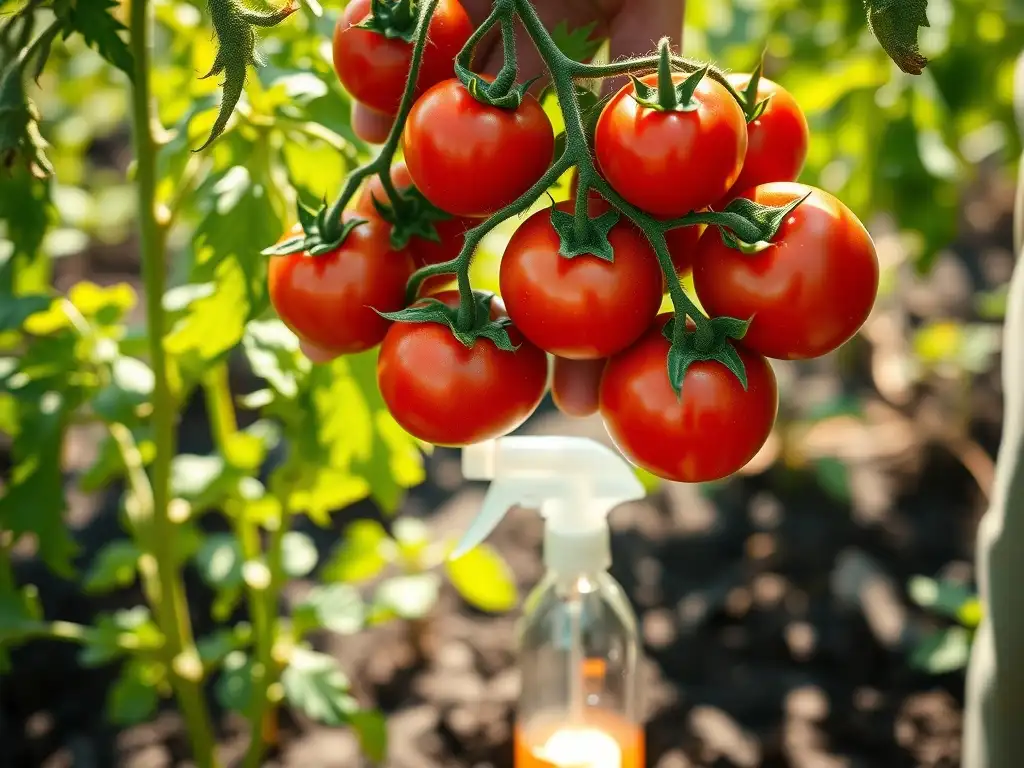
Extending your tomato harvest season requires a proactive approach to pest and disease management. A healthy plant is more likely to produce fruit for a longer period. Ignoring pests and diseases can quickly decimate your yield, shortening your harvest significantly. This section focuses on strategies to keep your tomato plants thriving and producing ripe tomatoes well into the fall. We'll explore identification, prevention, and organic control methods to ensure a bountiful and extended harvest.
Identifying and Preventing Common Tomato Pests and Diseases
Tomato plants are susceptible to a range of pests and diseases, each requiring a specific approach for effective management. Early detection is key to minimizing damage and preventing widespread infestation. Let's examine some common culprits:
- Blossom-End Rot: This physiological disorder, characterized by dark, leathery spots at the blossom end of the fruit, is often caused by inconsistent watering. To prevent it, maintain consistent soil moisture, avoiding both drought and waterlogging. Mulching can also help regulate soil moisture levels.
- Early Blight: This fungal disease manifests as brown, target-like spots on leaves and stems. Good air circulation is crucial in preventing early blight. Space plants appropriately and avoid overhead watering. Removing infected leaves promptly can also help slow its spread.
- Late Blight: A more aggressive fungal disease, late blight causes rapid leaf death and can destroy entire plants. It thrives in cool, humid conditions. Using disease-resistant varieties and applying copper fungicides (if using non-organic methods) are important preventative measures.
- Aphids: These small, sap-sucking insects can weaken plants and transmit viruses. Regularly inspect plants for aphids. Strong blasts of water can dislodge them, and introducing beneficial insects like ladybugs can help control their population naturally.
- Tomato Hornworms: These large caterpillars can devour entire leaves in a short time. Handpicking is an effective control method, especially for smaller infestations. Using Bacillus thuringiensis (Bt), a naturally occurring soil bacterium, is an organic option for larger infestations.
Organic Pest Control Methods for Extended Tomato Production
Organic pest control focuses on preventing pest and disease problems before they arise and using environmentally friendly methods to address infestations. Here are some effective organic strategies for extending your tomato harvest:
| Method | Description | Effectiveness | Notes |
|---|---|---|---|
| Companion Planting | Planting certain plants alongside tomatoes can deter pests. Basil, marigolds, and garlic are good examples. | High | Plant strategically for optimal effect. |
| Beneficial Insects | Introducing ladybugs, lacewings, and other beneficial insects can help control pest populations naturally. | Moderate | Requires careful selection and monitoring of beneficial insect populations. |
| Neem Oil | A natural insecticide derived from the neem tree, effective against various pests. | High | Apply as directed, avoiding direct sunlight. |
| Diatomaceous Earth | A fine powder made from fossilized diatoms, which damages insect exoskeletons. | Moderate | Apply as a dust around plants. Reapply after rain. |
| Crop Rotation | Rotating your tomato crops each year helps break pest and disease cycles. | High | Essential for long-term soil health and pest management. |
Remember to always follow product instructions carefully when using any organic pest control method. Regular monitoring of your plants is crucial for early detection and timely intervention.
Implementing Disease-Resistant Tomato Varieties for a Healthier Harvest
Choosing disease-resistant tomato varieties is a crucial step in extending your harvest. Many varieties are bred for resistance to specific diseases, significantly reducing the need for chemical interventions. Look for varieties labeled as resistant to common tomato diseases like early blight, late blight, fusarium wilt, and verticillium wilt.
Seed catalogs and garden centers often provide information on disease resistance. Investing in these varieties can save you time, effort, and potential crop losses, leading to a healthier and more extended tomato harvest. The selection of resistant varieties should be tailored to the specific diseases prevalent in your region.
Consult with local gardening experts or agricultural extension offices for advice on the best varieties for your area. This proactive approach contributes significantly to a longer and more successful tomato growing season. Choosing these varieties proactively reduces the need for extensive interventions later in the season, contributing to a healthier and more bountiful harvest.
Post-Harvest Storage and Preservation for Extended Enjoyment
Extending the tomato harvest season isn't just about keeping plants productive longer; it's also about maximizing the lifespan of your precious bounty after harvesting. Proper post-harvest handling significantly impacts how long you can enjoy your homegrown tomatoes. This section explores effective storage and preservation techniques to ensure your tomatoes stay fresh and flavorful for weeks, even months, after they're picked from the vine. Mastering these methods will help you truly extend tomato harvest season beyond the typical growing period.
Proper Tomato Harvesting Techniques for Extended Shelf Life
The way you harvest tomatoes directly influences their shelf life. Avoid pulling or twisting tomatoes from the vine, as this can damage the fruit and create entry points for rot. Instead, use a sharp knife or pruning shears to carefully cut the tomato from the vine, leaving a small stem attached. This minimizes bruising and helps maintain the tomato's integrity.
Gentle handling is key throughout the entire process. Avoid stacking tomatoes on top of each other, as this can lead to bruising and crushing, especially with larger varieties. Place harvested tomatoes in shallow containers, ensuring they don't touch each other. This allows for better air circulation and prevents the spread of rot. Consider using padded containers to further protect the delicate fruit.
Consider the ripeness level at harvest. While fully ripe tomatoes are ideal for immediate consumption, slightly underripe tomatoes often have a longer shelf life. This allows you to extend the enjoyment of your harvest by strategically harvesting some tomatoes a little earlier. Remember to regularly inspect your harvested tomatoes for any signs of damage or rot. Remove any affected tomatoes immediately to prevent contamination of the rest.
Effective Storage Methods for Maintaining Tomato Freshness
Once harvested, proper storage is crucial for maintaining tomato freshness. Room temperature is generally best for short-term storage (a few days), but avoid direct sunlight and heat. A cool, dark, and well-ventilated area is ideal. Never store tomatoes in the refrigerator, as the cold temperatures can damage their flavor and texture, leading to mealy flesh.
For longer storage (up to a week), consider using a single-layer storage system. A shallow basket lined with paper towels or a loosely woven container allows for good air circulation, preventing moisture buildup that can promote rot. Avoid airtight containers, which trap moisture and accelerate spoilage.
Different tomato varieties have varying shelf lives. Smaller, firmer tomatoes generally last longer than larger, softer ones. Keep track of which varieties store best and adjust your harvesting and storage strategies accordingly. For example, cherry tomatoes may last longer than beefsteak tomatoes due to their smaller size and thicker skin. This is an important factor to consider when planning your extend tomato harvest season strategy.
Tomato Preservation Techniques: Canning, Freezing, and Drying
Preservation techniques extend the enjoyment of your harvest far beyond the initial picking. Canning, freezing, and drying are all excellent methods for long-term storage.
Canning involves processing tomatoes in a boiling water bath to eliminate harmful bacteria and create an airtight seal. This allows for long-term storage at room temperature. However, canning requires careful adherence to safety guidelines to prevent botulism. Detailed instructions and safety procedures are readily available from reputable sources.
Freezing is another excellent option. Blanch tomatoes briefly in boiling water before freezing to help retain their color and texture. Freezing can preserve tomatoes for up to a year. Consider freezing tomatoes whole, diced, or as a purée, depending on your intended use.
Drying tomatoes is a simple method that concentrates their flavor. Halve or quarter tomatoes and lay them out on a drying rack in a warm, dry location. You can also use a food dehydrator to speed up the process. Dried tomatoes can be stored for several months in an airtight container. Each preservation method offers a different approach to extend tomato harvest season, allowing you to enjoy your homegrown tomatoes throughout the year. Experiment to find the methods that best suit your needs and preferences.
Frequently Asked Questions
How can I extend my tomato harvest season?
You can extend your tomato harvest by using season extenders like row covers or greenhouses to protect plants from frost. Planting succession crops ensures a continuous harvest, and proper watering and fertilization are crucial.
What are some low-cost methods to extend the tomato season?
Simple methods include using floating row covers to protect plants from cool temperatures and mulching to retain soil moisture and warmth. Careful plant selection choosing varieties suited to your climate also helps.
Which tomato varieties are best for extending the harvest?
Choose indeterminate tomato varieties, as these continue producing fruit throughout the season unlike determinate varieties. Look for varieties known for their disease resistance and ability to thrive in your specific climate.
How important is proper watering for a longer tomato harvest?
Consistent watering is key. Avoid both underwatering and overwatering; aim for consistently moist but not soggy soil. A drip irrigation system can help maintain even moisture levels.
What role does pest control play in extending the tomato harvest?
Controlling pests and diseases is essential. Regular inspection for pests and the use of organic pest control methods will prevent damage and ensure a healthy, productive plant for a longer harvest.
Final Reflection: Harvesting the Bounty of Extended Seasons
The pursuit of a longer tomato harvest isn't merely about extending the season; it's about extending the joy, the flavor, and the abundance of summer far beyond its traditional boundaries. This simple act of nurturing our plants, understanding their needs, and employing clever techniques, allows us to savor the taste of sun-ripened tomatoes well into the autumn months, a testament to the power of mindful gardening.
The impact of extending the growing season resonates far beyond the individual garden. It speaks to a deeper connection with nature, a desire to live more sustainably, and a growing awareness of the preciousness of our food sources. The glory of gardening: hands in the dirt, head in the sun, heart with nature. To nurture a garden is to feed not just the body, but the soul.
This quote perfectly encapsulates the profound satisfaction derived from extending the tomato harvest, a feeling that transcends the simple act of picking a fruit. It's about nurturing life, appreciating the cyclical nature of the seasons, and finding peace in the process.
Now, consider your own garden, or even a single potted tomato plant. What small changes can you make to coax a few more weeks, even months, of deliciousness from your tomatoes? Will you experiment with different varieties, explore protective coverings, or simply pay closer attention to your plants' needs? Embrace the challenge, embrace the learning, and embrace the extended bounty that awaits you. The reward? A longer season of vibrant flavor, a deeper connection with nature, and the satisfaction of harvesting your own sun-kissed treasures long after summer's official end.
Unlock a Longer Tomato Harvest: Grow More, Enjoy Longer!
Thanks for exploring the secrets to a longer tomato harvest! You now have the knowledge to maximize your yield. Ready to put these tips into action?
- Prioritize your best plants: Focus your efforts on your most productive tomato plants. This includes regular watering, feeding, and pest control.
- Extend your season with a late planting: Sow a fast-maturing variety now for a small, late-season harvest. This is also a great way to try new varieties!
- Share your experiences: Let's connect! Share your successes and challenges in extending your tomato season in the comments below – your tips could help others!
What exciting tomato-growing adventures await you this season?