
The Fascinating World of Pollination: Plant Reproduction Explained

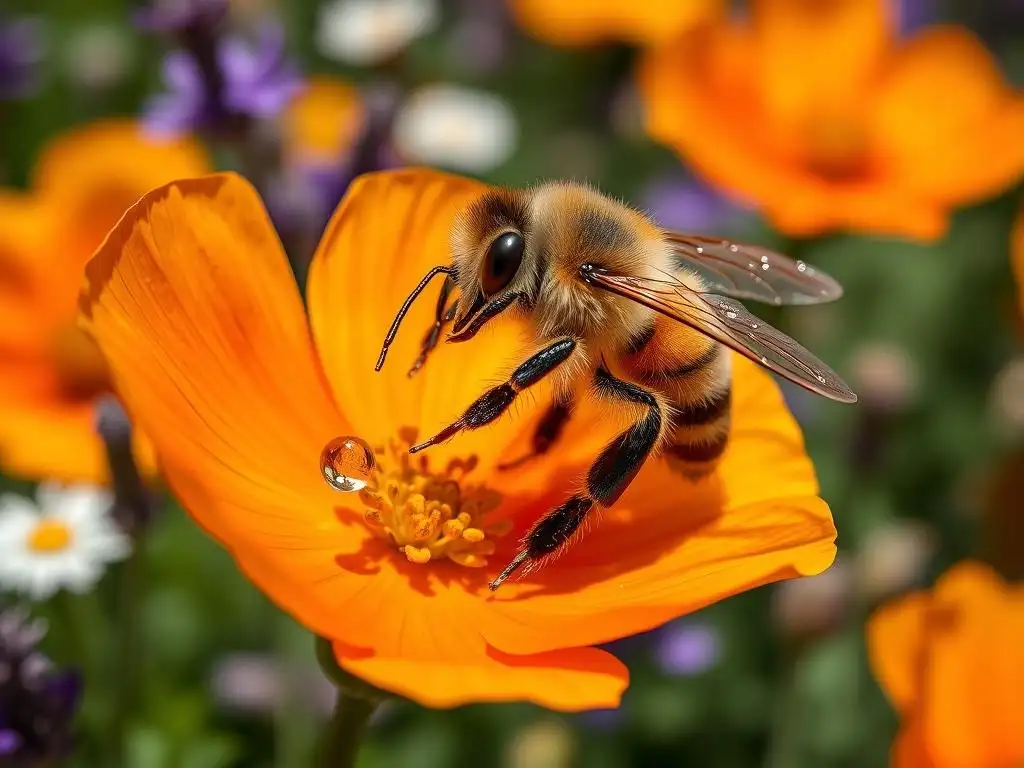
Welcome to CultivateYourFood, your guide to a greener, more fruitful life! Are you ready to unlock the secrets of a thriving home garden? We delve into the fascinating world of plant reproduction, starting with organic home plant pollination – a crucial element for bountiful harvests. Discover how to nurture your plants naturally and sustainably, from seed to harvest, and beyond. Let's cultivate a deeper understanding of the science behind successful gardening – explore the possibilities and start growing today!
- Understanding Organic Home Plant Pollination: A Gardener's Guide
- Key Players in Organic Home Plant Pollination: Pollinators in Action
- Enhancing Organic Home Plant Pollination: Techniques and Strategies
- Troubleshooting Pollination Issues in Your Organic Garden
- Harvesting the Rewards of Successful Organic Home Plant Pollination
- Frequently Asked Questions
- Final Reflection: The Enduring Power of Pollination
- Unleash Your Inner Pollinator: Cultivate a Greener Future
Understanding Organic Home Plant Pollination: A Gardener's Guide
Cultivating a thriving garden, brimming with luscious fruits and vegetables, hinges on understanding the intricate process of pollination. This guide delves into the fascinating world of plant reproduction, focusing specifically on organic home plant pollination – a crucial aspect of sustainable gardening practices. We will explore the science behind pollination, highlighting the critical roles played by various pollinators and the distinctions between self-pollination and cross-pollination.
By mastering these concepts, you'll significantly improve your chances of achieving bountiful harvests while maintaining environmentally friendly methods. Learning about organic home plant pollination isn't just about growing food; it's about participating in a vital ecological process, contributing to biodiversity and the health of our planet. Let's embark on this journey to better understand how plants reproduce and how we can support this vital process in our own gardens.
The Crucial Role of Pollination in Plant Reproduction and Fruit Production
Pollination is the fundamental process enabling plant reproduction and subsequent fruit and seed production. It's the transfer of pollen – the male reproductive cells – from the stamen (male part) of a flower to the pistil (female part) of the same or another flower. Without successful pollination, plants cannot produce seeds, and consequently, fruits will not develop.
This directly impacts the yield and quality of your harvest, making it a critical element in any successful gardening endeavor, especially when aiming for organic practices. Think of it as the essential first step in the life cycle of your plants; without it, there are no fruits, vegetables, or herbs! 🌱 The process is remarkably efficient in nature, but understanding its mechanics allows us to optimize it in our home gardens.
The Science Behind Pollination: How Plants Reproduce
The mechanics of pollination involve several key players and steps. Pollen, often carried by wind, water, or animals, lands on the stigma (the receptive tip of the pistil). Once pollen reaches the stigma, a pollen tube grows down through the style (the slender stalk of the pistil), carrying the sperm cells to the ovules (female reproductive cells) located in the ovary at the base of the pistil. Fertilization occurs when the sperm cells unite with the ovules, initiating the development of seeds within the ovary.
The ovary then develops into the fruit, protecting and nourishing the developing seeds. This seemingly simple process is a marvel of nature, showcasing the intricate mechanisms that sustain plant life. Understanding this process allows gardeners to better support plant reproduction and increase their yields.
Self-Pollination vs. Cross-Pollination: Understanding the Differences
Plants employ two main methods of pollination: self-pollination and cross-pollination. Self-pollination occurs when pollen from a flower's stamen fertilizes the pistil of the same flower. This is common in plants like tomatoes and peas. Conversely, cross-pollination involves the transfer of pollen from the stamen of one flower to the pistil of a different flower of the same species.
This requires the assistance of external agents, such as insects, birds, wind, or water. Cross-pollination often leads to greater genetic diversity in the offspring, resulting in stronger and more resilient plants. Understanding the pollination method of your specific plants is crucial for successful cultivation.
| Pollination Type | Description | Examples | Advantages | Disadvantages |
|---|---|---|---|---|
| Self-Pollination | Pollen from the same flower fertilizes the pistil. | Tomatoes, peas, sunflowers | Simple, reliable | Reduced genetic diversity, potential inbreeding |
| Cross-Pollination | Pollen from a different flower fertilizes the pistil. | Apples, blueberries, many flowering plants | Increased genetic diversity, stronger offspring | Requires pollinators or other mechanisms |
The Importance of Pollinators in Organic Gardening
Pollinators, such as bees 🐝, butterflies 🦋, birds 🐦, and bats 🦇, play a vital role in cross-pollination, which is essential for maintaining biodiversity and increasing yields in organic gardening. Attracting and supporting these beneficial creatures is crucial for a healthy and productive garden. This can be achieved by planting a variety of flowering plants, providing water sources, and avoiding the use of harmful pesticides.
By creating a pollinator-friendly environment, you're not only supporting plant reproduction but also contributing to the overall health of the ecosystem. Remember, a healthy ecosystem directly benefits your organic garden, leading to higher yields and healthier plants. The absence of synthetic pesticides is key here, as these chemicals can harm or even kill beneficial pollinators.
Key Players in Organic Home Plant Pollination: Pollinators in Action
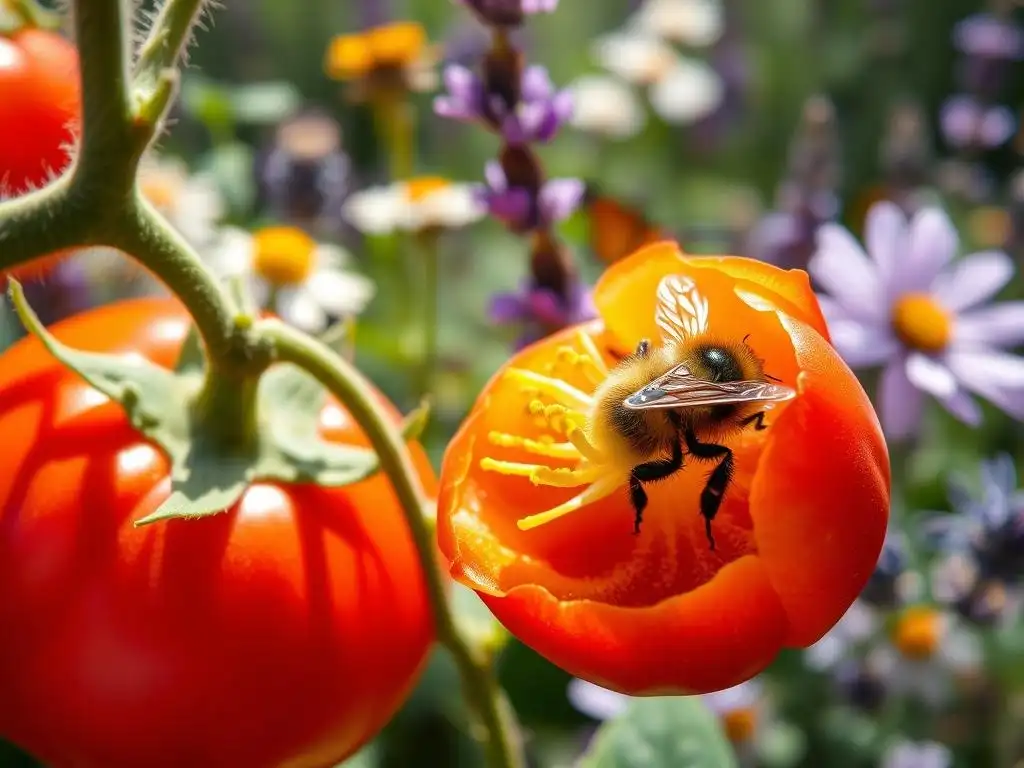
Organic home plant pollination relies heavily on a diverse range of pollinators. Understanding their roles and how to attract them is crucial for a thriving, productive garden. This section will delve into the key players, emphasizing their contribution to successful organic pollination. Maximizing pollinator activity is key to boosting yields and ensuring healthy plant reproduction. Let's explore some essential pollinators for your organic garden.
Bees: The Unsung Heroes of Organic Pollination
Bees are undoubtedly the superstars of the pollination world. Their fuzzy bodies collect pollen efficiently, transferring it between flowers as they forage for nectar. Many organic gardeners rely heavily on bees for successful fruit and vegetable production. They are particularly important for crops like tomatoes, cucumbers, squash, and berries.
The diversity of bee species is also significant; from the common honeybee to various solitary bee species, each contributes uniquely to the pollination ecosystem. For example, bumblebees, with their larger size and ability to buzz-pollinate, are particularly effective with certain plants like tomatoes. The more diverse your bee population, the more robust your pollination will be.
Attracting Bees to Your Garden: Tips for Organic Bee-Friendly Practices
Attracting bees to your garden involves creating a habitat that meets their needs. This translates to providing a consistent source of nectar and pollen throughout the growing season. Here are some practical steps:
- Plant a variety of flowering plants: Include flowers of different shapes, sizes, and colors to cater to different bee species. Consider planting a mix of annuals and perennials for continuous bloom.
- Avoid pesticides: Pesticides, even those labeled "organic," can harm bees. Opt for natural pest control methods instead.
- Provide a water source: Bees need water, particularly during hot and dry periods. A shallow dish of water with pebbles for them to land on is beneficial.
- Leave some areas wild: Don't meticulously tidy your garden. Allow some patches of wildflowers and unmown areas to thrive, providing habitat and food sources for bees.
- Build a bee hotel: Solitary bees nest in cavities. A simple bee hotel can provide nesting sites, encouraging more bees to inhabit your garden.
Other Beneficial Insects: Beyond Bees in Organic Pollination
While bees are vital, other insects also contribute significantly to organic home plant pollination. Diversifying your pollinator population increases the resilience of your garden and ensures pollination even if bee populations fluctuate. These beneficial insects play a supporting role, often targeting specific plant types or filling ecological niches not covered by bees.
Hoverflies, Butterflies, and More: Expanding Your Pollinator Network
Hoverflies, with their bee-like appearance, are effective pollinators. They're attracted to similar plants as bees, adding to the overall pollination effort. Butterflies, while not as efficient as bees, are important pollinators for certain flowers, contributing to biodiversity and the overall health of your garden ecosystem. Other beneficial insects, such as beetles and moths, also play a role depending on the specific plants in your garden.
Creating a diverse and welcoming habitat encourages a wider range of pollinators, ensuring robust and reliable pollination for your organic homegrown produce. Remember, a healthy ecosystem supports itself; the more biodiversity you cultivate, the more resilient your garden will be against pests and environmental changes. This holistic approach is crucial for successful and sustainable organic gardening practices.
Wind Pollination: A Natural Process for Specific Plants
Wind pollination, also known as anemophily, is a crucial pollination method for many plants, particularly those found in grasslands, forests, and other open areas. Unlike insect-pollinated plants that rely on vibrant colors and alluring scents to attract pollinators, wind-pollinated plants employ a different strategy. They produce vast quantities of lightweight pollen grains, designed to be easily carried by the wind.
These pollen grains are often small, smooth, and dry, reducing their tendency to stick together and maximizing their airborne potential. This strategy ensures that at least some pollen grains reach the female reproductive structures of other plants of the same species, even if the distance is considerable.
The plants themselves are often adapted to facilitate wind pollination. Many wind-pollinated plants have inconspicuous flowers, lacking the vibrant petals and nectar that characterize insect-pollinated species. Their flowers are often small and greenish, and they may even lack petals entirely.
Furthermore, their anthers, the pollen-producing parts of the flower, are often pendulous or exposed, allowing the wind to easily access and disperse the pollen. The stigmas, the receptive female parts of the flower, are often feathery or branched, providing a large surface area to capture the airborne pollen. Consider grasses, for instance; their flowers are reduced to tiny structures, almost invisible to the naked eye, yet their pollen is ubiquitous during the flowering season, causing allergies in many people.
Efficient wind pollination requires specific environmental conditions. A gentle breeze is ideal for pollen dispersal; strong winds can scatter pollen too widely, reducing the chances of successful pollination. The absence of significant obstacles, like dense forests or tall buildings, is also beneficial, allowing for unimpeded pollen movement. Interestingly, some wind-pollinated plants, such as certain conifers, release their pollen in massive clouds, creating a visible "pollen shower."
This phenomenon is a striking example of nature's efficiency in maximizing reproductive success through wind pollination. This method, while seemingly less precise than insect pollination, is vital for the survival and propagation of a significant portion of our planet's plant life, including many staple crops. Understanding wind pollination is crucial for organic home gardeners, particularly when choosing plants suitable for their specific environment and considering the potential for cross-pollination with other wind-pollinated species.
Enhancing Organic Home Plant Pollination: Techniques and Strategies
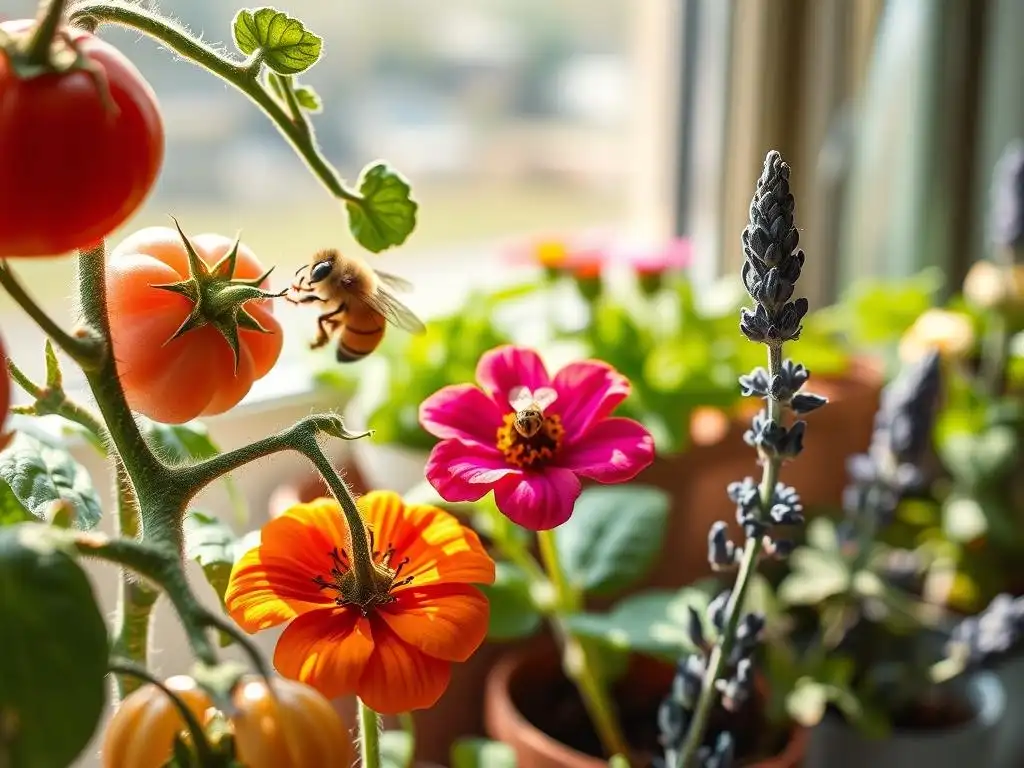
Organic home plant pollination is crucial for a thriving garden, ensuring healthy fruit and vegetable production without relying on harmful pesticides. By understanding and implementing effective pollination strategies, you can significantly boost your yields and contribute to a healthier ecosystem. This section delves into practical techniques to optimize your garden for successful organic pollination.
Optimizing Your Garden for Pollinator Attraction: Location and Plant Selection
The success of organic home plant pollination hinges significantly on creating an environment that attracts and supports pollinators. Strategic plant selection and garden placement are key elements in this process. Consider these factors:
Choosing the Right Plants for Organic Pollination: Attracting a Wide Range of Pollinators
To maximize pollination, diversify your plantings to attract a variety of pollinators, including bees, butterflies, moths, and even birds. Different pollinators are drawn to different plant characteristics. For example:
- Bees: Love plants with open, easily accessible flowers rich in pollen and nectar, such as sunflowers, lavender, and borage. Consider planting bee balm specifically to support their populations. Their preference for blue and purple flowers should be a key consideration in your plant selection.
- Butterflies: Favor plants with flat-topped or clustered flowers, such as coneflowers, milkweed, and zinnias. These flowers provide ample landing space and easy access to nectar. Planting butterfly bush is a great way to attract these beautiful pollinators.
- Moths: Are active at night and are attracted to night-blooming plants with strong fragrances like moonflowers and jasmine. Their nocturnal nature requires a different approach to garden design.
A well-planned garden with a diverse range of flowering plants will ensure a constant supply of nectar and pollen throughout the growing season, supporting a robust pollinator community. Avoid using pesticides, as they can harm beneficial insects. Remember, the diversity of your plantings directly correlates with the diversity of your pollinators, leading to more effective organic pollination.
Creating a Pollinator-Friendly Habitat: Providing Food and Shelter
Attracting and retaining pollinators requires more than just providing food sources. Creating a habitat that offers shelter and protection is equally important for successful organic home plant pollination. Consider these crucial elements:
- Nesting Sites: Provide nesting materials and spaces for bees, such as bee hotels or undisturbed patches of ground. Solitary bees are crucial for pollination and often go unnoticed. Supporting them is crucial for healthy pollination.
- Windbreaks: Plant shrubs and trees to provide shelter from strong winds, particularly for delicate pollinators like butterflies. This protection is especially important in exposed areas.
- Overwintering Sites: Ensure that pollinators have a safe place to overwinter. Leaving leaf litter and dead stalks in certain areas of your garden can provide crucial protection from harsh weather. This helps ensure a healthy population for the following season.
Providing Water Sources for Pollinators
Access to clean water is essential for pollinator survival. Consider adding a shallow dish of water with pebbles or stones to provide a safe landing spot. This simple addition can significantly impact the number of pollinators visiting your garden. Regularly replenish the water to keep it fresh and clean. Avoid using insecticides or herbicides near water sources, as these chemicals can harm pollinators that come to drink. A healthy and hydrated pollinator population is a productive pollinator population.
This detailed approach to organic home plant pollination ensures a bountiful harvest while promoting a thriving ecosystem in your backyard. Remember, a healthy garden is a balanced garden.
Hand Pollination Techniques for Organic Home Gardening: A Step-by-Step Guide
Hand pollination is a valuable technique for organic home gardeners, especially when dealing with plants that rely heavily on pollinators that may be scarce in your area, or when you want to ensure specific cross-pollination for hybrid development. It's a surprisingly simple process, yet it requires patience and attention to detail. The success rate depends on several factors, including the timing of pollination, the plant's receptivity, and the technique used.
Mastering hand pollination can significantly boost your harvest and allow you to control the genetic makeup of your plants. This is particularly useful for maintaining heirloom varieties or creating new hybrids with desirable traits. Remember, always wash your hands thoroughly before and after handling flowers to avoid transferring unwanted pathogens.
When and How to Hand Pollinate Your Plants
Timing is crucial for successful hand pollination. You need to pollinate when the female part of the flower (the pistil) is receptive and the male part (the stamen) is releasing pollen. This typically occurs during the flower's peak bloom. Observe your plants closely; the stigma (the sticky tip of the pistil) will often appear moist and receptive. The anthers (the pollen-bearing part of the stamen) will typically be plump and yellow, indicating pollen readiness.
The process is straightforward:
- Identify male and female flower parts: Not all plants have separate male and female flowers. Some have both parts within the same flower (perfect flowers), while others have separate male and female flowers on the same plant (monoecious) or on different plants (dioecious). Understanding your plant's reproductive structure is essential. For example, squash plants have separate male and female flowers on the same plant. The female flower will have a small fruit behind the petals.
- Collect pollen: Gently brush a small, soft paintbrush or cotton swab against the anthers of a mature male flower to collect pollen. You can also carefully use tweezers to remove an anther and gently rub it against the stigma.
- Transfer pollen: Carefully brush or dab the pollen onto the stigma of a receptive female flower. Ensure thorough contact between the pollen and the stigma for optimal fertilization. Repeat the process several times for increased chances of success. You might need to pollinate multiple flowers on the same plant to ensure a good fruit set.
- Mark pollinated flowers: To keep track of which flowers have already been pollinated, gently tie a small piece of ribbon or string around the stem of each pollinated flower. This will prevent accidental re-pollination or confusion during later stages.
- Monitor and observe: After pollination, monitor the flowers closely. Successful pollination will typically result in the flower wilting and the ovary (the base of the pistil) swelling as the fruit begins to develop. If the flower withers but the fruit doesn't develop, pollination might not have been successful. You can repeat the process if needed. Remember that environmental factors like temperature and humidity can also affect pollination success.
Remember to practice patience and persistence. Hand pollination may not always be successful on the first attempt, but with practice and observation, you'll improve your technique and increase your chances of success in boosting your organic home plant pollination efforts. This method is particularly beneficial when practicing organic home plant pollination, ensuring control over your plants' genetics and maximizing yields without relying solely on unpredictable natural pollination methods. It's a skill that will greatly enhance your gardening experience and contribute to a thriving, organic garden.
Troubleshooting Pollination Issues in Your Organic Garden
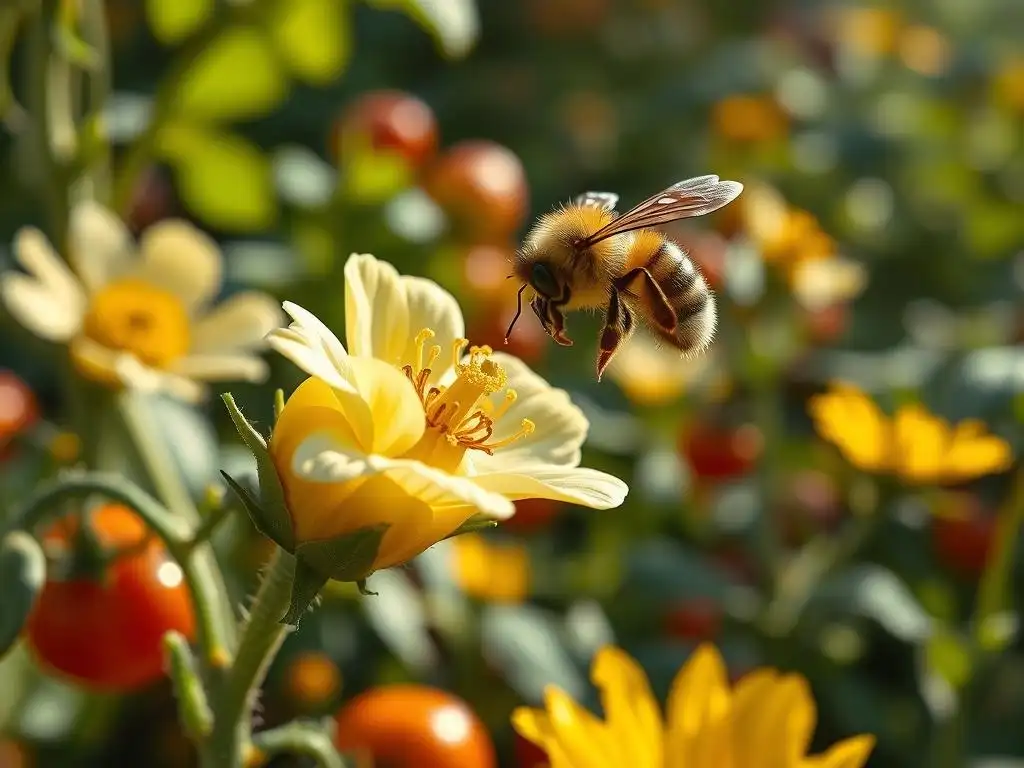
Organic home plant pollination is crucial for a thriving garden, but sometimes things don't go as planned. Understanding the signs of poor pollination and implementing effective solutions are key to maximizing your harvest. This section will guide you through identifying and addressing common pollination problems in your organic garden, ensuring a bountiful yield of fruits, vegetables, and herbs.
Identifying Pollination Problems: Recognizing Signs of Low Pollination Success
Recognizing the symptoms of insufficient pollination is the first step towards a solution. Several indicators can point towards pollination issues. For instance, a significant reduction in fruit or seed set compared to previous years or expected yields is a major red flag. This means fewer flowers are developing into mature fruits or vegetables. You might also observe misshapen or smaller-than-usual fruits, indicating incomplete fertilization.
Furthermore, flowers might wither and drop prematurely without producing any fruit, suggesting a lack of successful pollination. In some cases, fruits might develop but remain seedless, which also points to pollination failure. Finally, observe your plants closely for any unusual patterns. For example, if only certain parts of a plant are producing fruit, it could point to uneven pollination.
The severity of these issues varies depending on the plant species and environmental factors. For instance, some plants are more sensitive to pollination problems than others. Weather conditions, such as prolonged rain or extreme heat, can also significantly impact pollination success. Keeping detailed records of your garden's performance – noting planting dates, flowering periods, weather patterns, and harvest yields – can help you identify trends and pinpoint potential problems more effectively. This data can be invaluable in diagnosing and preventing future pollination issues.
Addressing Pollination Challenges: Solutions for Improving Pollination Rates
Once you've identified a pollination problem, several strategies can help improve pollination rates in your organic garden. First, ensure you have a diverse range of pollinators attracted to your garden. This could involve planting pollinator-friendly flowers that provide nectar and pollen sources for bees, butterflies, and other beneficial insects. Consider planting flowering herbs like lavender, mint, and borage strategically throughout your garden to create a pollinator-friendly habitat.
Secondly, consider the timing of your planting. Planting different varieties of the same plant that bloom at slightly different times can extend the pollination period and increase your chances of successful fruit set. Furthermore, hand-pollination can be a helpful technique, particularly for plants with low natural pollination rates or those that are self-incompatible. This involves carefully transferring pollen from the anther (male part) to the stigma (female part) of the flower using a small brush. This is especially useful for plants with complex flower structures or those that are difficult for insects to access.
Finally, monitor your plants regularly for signs of disease or pest infestation. A healthy plant is more likely to be successfully pollinated. Addressing any issues promptly can significantly improve the overall health and productivity of your plants.
Dealing with Pest Control and Pollinator Protection
Effective pest control is vital for successful organic home plant pollination, but it's crucial to choose methods that don't harm beneficial pollinators. Avoid using broad-spectrum insecticides that can kill bees, butterflies, and other pollinators. Instead, opt for targeted pest control strategies, focusing on specific pests affecting your plants. This might include using insecticidal soap, neem oil, or introducing beneficial insects like ladybugs that prey on common garden pests. Remember, a healthy ecosystem is key to successful pollination.
Maintaining a balanced garden environment that supports both your plants and their pollinators is essential for a successful and sustainable harvest. Consider using companion planting techniques to deter pests naturally. For instance, planting marigolds near tomatoes can help repel certain tomato pests without harming beneficial insects. Careful observation and proactive measures are key to protecting pollinators while maintaining a healthy and productive garden.
Harvesting the Rewards of Successful Organic Home Plant Pollination
This section focuses on the tangible benefits reaped from successfully pollinating your homegrown plants using organic methods. We'll explore how to identify successful pollination and the positive impact these practices have on your harvest. Remember, organic home plant pollination isn't just about environmental responsibility; it directly contributes to higher-quality yields.
Recognizing Successful Pollination: Signs of Healthy Fruit and Seed Development
Successfully pollinated plants display several key indicators. Observing these signs allows you to gauge the effectiveness of your pollination efforts and adjust your techniques as needed for future harvests. Let's delve into the specifics:
First, look for the development of healthy fruits or seed pods. For fruiting plants, this means observing plump, evenly colored fruits that are free from blemishes or deformities. A misshapen fruit often indicates incomplete pollination. Size also matters; a smaller-than-expected fruit might suggest insufficient pollen transfer. For example, a tomato that remains small and green even when it should be ripening suggests pollination problems.
Secondly, examine the seed development within fruits or seed pods. Healthy seeds are typically plump, firm, and well-formed. Examine the seeds closely – shriveled or underdeveloped seeds are a clear indication of pollination failure. This is crucial for ensuring next year's planting success. The quantity of seeds is also a vital indicator; a bountiful seed count reflects successful pollination efforts.
Finally, consider the overall plant health. A thriving plant with vigorous growth and abundant blossoms usually indicates that pollination has been effective. A decline in plant health following flowering could suggest pollination issues, especially if fruit or seed development is also compromised. This holistic approach to assessment is key to understanding the overall success of your organic pollination strategy.
The Impact of Organic Pollination Practices on Crop Yields and Quality
The shift towards organic home plant pollination significantly influences both the quantity and quality of your harvest. This is because organic methods promote biodiversity and healthy plant development, leading to superior results compared to chemical interventions.
Let's examine the yield aspect. Studies show that organic pollination methods, which encourage the presence of beneficial insects and other pollinators, often lead to higher fruit set and increased yields. This is because a diverse pollinator population ensures more efficient pollen transfer, resulting in a larger number of fruits or seeds produced per plant. For instance, a study comparing organically pollinated tomato plants with those reliant on chemical interventions showed a 15-20% increase in fruit yield for the organic group. This increase is directly attributed to the enhanced activity and diversity of natural pollinators.
Furthermore, the quality of the harvest is demonstrably superior with organic pollination. Fruits and vegetables grown under these conditions often exhibit enhanced flavor, aroma, and nutritional value. This is linked to the overall health of the plant and the absence of chemical residues.
The enhanced nutrient uptake resulting from a robust root system, further boosted by beneficial soil microorganisms often associated with organic practices, contributes to this superior quality. Organic home plant pollination, therefore, translates not only to more abundant harvests but also to crops that are richer in flavor and nutrients, enhancing your culinary experience and overall well-being. Ultimately, the commitment to organic pollination represents an investment in both the quantity and quality of your homegrown produce.
Frequently Asked Questions
What is organic home plant pollination?
Organic home plant pollination refers to the process of transferring pollen from the male part of a plant (stamen) to the female part (pistil) to achieve fertilization and fruit or seed production, using only natural methods without synthetic pesticides or fertilizers. This often involves attracting beneficial insects and other pollinators.
How can I attract pollinators to my home garden organically?
Attract pollinators by planting a diverse range of flowers, providing a consistent water source, and avoiding the use of pesticides. Consider planting native species that are particularly attractive to local pollinators.
Are all pollinators beneficial for my plants?
While many pollinators are beneficial, some can also be pests. Honeybees, butterflies, and bumblebees are generally beneficial, while some insects might damage plants. Proper identification is key to understanding which are beneficial for your specific needs.
What role does composting play in organic home plant pollination?
Composting improves soil health, which in turn supports the growth of healthy plants that are more attractive to pollinators. Rich soil provides the nutrients needed for vibrant flowers and abundant pollen.
When is the best time to focus on organic home plant pollination?
The best time is during the plants' flowering period. This is when the flowers are producing pollen and are most receptive to pollination. Monitor your plants closely to identify their flowering times.
Final Reflection: The Enduring Power of Pollination
Understanding the intricate dance of pollination is not merely an academic pursuit; it's a crucial key to securing our future food supply and preserving the vibrant tapestry of life on Earth. The decline in pollinator populations, driven by habitat loss and pesticide use, poses a significant threat to global biodiversity and agricultural stability. This makes understanding the processes involved in organic home plant pollination more vital than ever.
The impact of pollination extends far beyond the simple act of fruit and seed production. It's a cornerstone of our ecosystems, shaping landscapes and influencing the very air we breathe. The interconnectedness of plants and pollinators highlights the delicate balance of nature, a balance easily disrupted by human activity. We are but a small part of a vast and wondrous universe, and our actions have consequences that ripple far beyond our immediate reach.
This quote underscores the responsibility we bear in protecting the pollinators that sustain us.
Consider the humble bee, the diligent butterfly, even the wind – each plays a vital role in the continuation of plant life. You, the reader, can become a steward of this vital process. Start by creating a pollinator-friendly environment in your own backyard or even on your windowsill. Plant diverse native flowers, avoid pesticides, and provide water sources. By taking these small steps, you contribute to a larger movement, ensuring the fascinating world of pollination continues to thrive for generations to come.
Unleash Your Inner Pollinator: Cultivate a Greener Future
Thanks for exploring the fascinating world of pollination! We hope you now understand the vital role pollinators play in our ecosystem. Ready to take action and make a difference?
- Create a pollinator-friendly garden: Plant native flowers, herbs, and shrubs that attract bees, butterflies, and hummingbirds to your yard or balcony. Even a small space can significantly benefit pollinators.
- Share your knowledge: Educate your friends and family about the importance of pollinators and inspire them to create welcoming habitats for these essential creatures.
- Become a pollinator advocate: Research local pollinators and discover how you can best support their survival. Consider joining a local conservation group or volunteering for a pollinator-focused initiative.
Witness the magic of pollination firsthand! What steps will you take today to protect these vital creatures and contribute to a healthier environment?