
Gardening for Those with Respiratory Issues: Choosing Plants and Practices

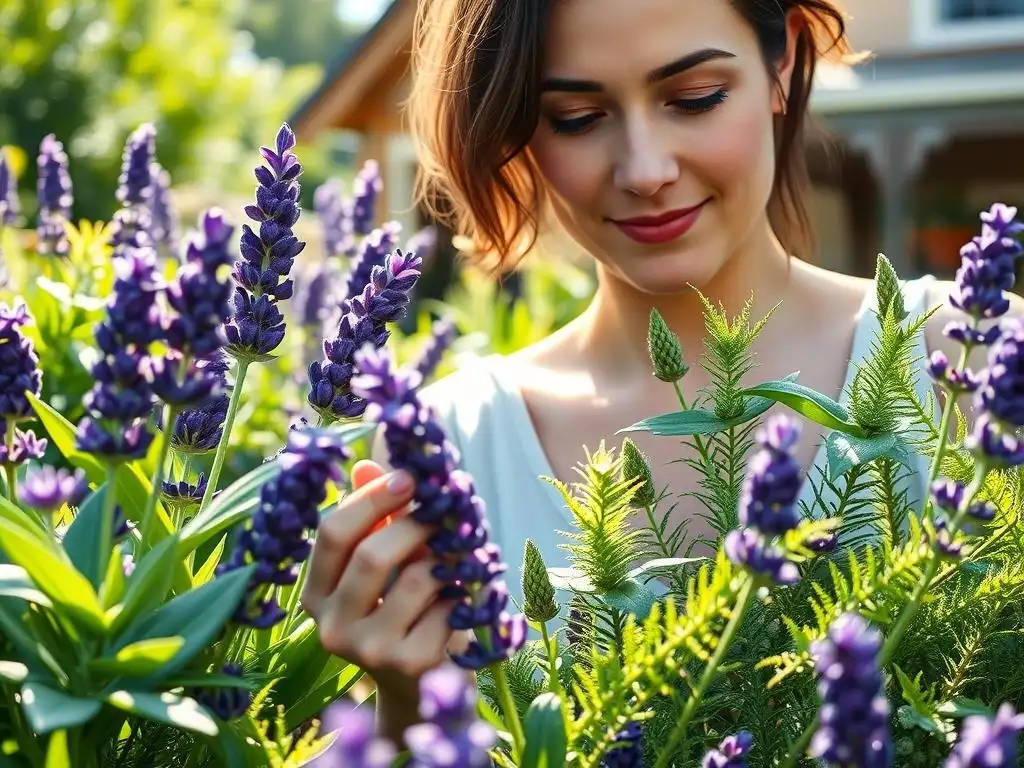
Welcome to CultivateYourFood, your guide to growing a thriving, sustainable garden! Are you passionate about fresh, organic produce but concerned about allergies or respiratory sensitivities? Then our Asthmasafe garden plants guide, found within our "Getting Started" section, is exactly what you need. Discover how to create a beautiful and healthy garden that nurtures both your body and the environment, even if you have asthma. Learn which plants to grow (and which to avoid! ), and unlock the secrets to a truly breath-taking harvest. Let's get growing!
- Understanding Asthma and Allergy Triggers in the Garden
- Creating an Asthma-Safe Garden Environment
- Asthmasafe Garden Plants Guide: Recommended Species
- Pest Control and Asthma: Safe and Effective Strategies
- Additional Tips for Asthma-Safe Gardening
- Frequently Asked Questions
- Final Reflection: Breathing Easy in a Verdant World
- Breathe Easy: Cultivate Your Healing Garden Today
Understanding Asthma and Allergy Triggers in the Garden
Gardening is a rewarding hobby offering fresh produce and a connection to nature. However, for individuals with respiratory conditions like asthma, choosing the right plants and employing suitable gardening practices is crucial to prevent exacerbations. This guide serves as an asthma-safe garden plants guide, helping you cultivate a thriving garden while minimizing allergy and asthma triggers. We'll explore common allergenic plants, airborne irritants, and how to identify your personal sensitivities to create a safe and enjoyable gardening experience.
Understanding the relationship between your garden and your respiratory health is the first step towards a flourishing, allergy-friendly green space. We'll provide actionable advice, enabling you to cultivate your food with confidence, even with asthma or other respiratory sensitivities. This is more than just a list of plants; it's a comprehensive approach to creating a healthy and productive garden tailored to your specific needs.
Common Allergenic Plants to Avoid for Asthma-Safe Gardening
Many common garden plants produce pollen that can trigger asthma attacks or allergic reactions. Knowing which plants to avoid is paramount for creating an asthma-safe environment. Some of the most notorious culprits include:
- Ragweed: A prolific pollen producer, ragweed is a significant trigger for many people with asthma and hay fever. Avoid planting this weed at all costs.
- Grasses: While some grasses are beneficial for soil health, their pollen can be highly allergenic. Consider alternatives like low-pollen-producing groundcovers.
- Trees (certain species): Oak, maple, and birch trees are notorious for their high pollen production. Research your local climate to identify trees that produce minimal pollen in your area.
- Flowers (certain species): While many flowers are beautiful, some are heavy pollen producers. Marigolds, daisies, and sunflowers, while visually appealing, might cause problems for some individuals. Opt for low-pollen varieties or consider double-flowered varieties which produce less pollen.
- Tomato Plants: While not a pollen-heavy plant, the fuzzy leaves of tomato plants can irritate the respiratory system for some. Consider wearing a mask while working closely with them.
It's important to consult local resources or allergy specialists to identify plants that are particularly problematic in your specific region. Remember, even small amounts of pollen can trigger symptoms for sensitive individuals.
Identifying Irritants: Pollen, Mold, and Other Airborne Particles
Beyond pollen from plants, several other airborne irritants can exacerbate asthma symptoms in the garden. These include:
- Pollen from other sources: Pollen isn't limited to plants; weeds, grasses, and even airborne mold spores can cause significant issues. Regularly cleaning and maintaining your garden can help minimize these triggers.
- Mold: Damp soil and decaying organic matter can create ideal conditions for mold growth. Good garden hygiene, including regular composting and proper drainage, is essential.
- Dust and other debris: Gardening often involves working with soil, which can contain dust mites and other particles that irritate the lungs. Wearing a mask can significantly reduce exposure.
- Pesticides and herbicides: Many chemical pesticides and herbicides can irritate the lungs and worsen asthma symptoms. Choose organic and natural pest control methods whenever possible.
This table summarizes the key irritants and mitigation strategies:
| Irritant | Description | Mitigation Strategy |
|---|---|---|
| Pollen (plant) | Airborne particles from flowering plants | Choose low-pollen plants, plant windbreaks |
| Pollen (other sources) | Pollen from weeds, grasses, and mold spores | Regular cleaning and maintenance, proper drainage |
| Mold | Fungus growing in damp environments | Good garden hygiene, proper composting, drainage |
| Dust and Debris | Soil particles, dust mites, etc. | Wear a mask, use a garden hose to minimize dust |
| Pesticides/Herbicides | Chemical compounds used for pest and weed control | Opt for organic and natural pest control methods |
Recognizing Personal Sensitivities: Individual Reactions to Plants
It’s crucial to understand that individual reactions to plants vary greatly. What might be harmless for one person can trigger a severe reaction in another. Keeping a personal garden journal can help you track your responses to specific plants and gardening activities. Note down:
- Specific plants: Which plants caused any reaction?
- Symptoms: What were the symptoms? (coughing, wheezing, shortness of breath, etc.)
- Time of year: When did the symptoms occur? (This helps identify seasonal allergens)
- Gardening activities: What were you doing when the symptoms appeared? (e.g., weeding, pruning, harvesting)
This information will help you identify your personal sensitivities and tailor your garden accordingly. Consider consulting with an allergist or pulmonologist for personalized advice. They can perform allergy tests to pinpoint your specific triggers and recommend strategies to manage your symptoms effectively. Remember, a safe and enjoyable gardening experience is possible, even with respiratory issues. By carefully selecting plants and employing appropriate practices, you can cultivate your food and enjoy the therapeutic benefits of nature without compromising your health. 🌱
Creating an Asthma-Safe Garden Environment
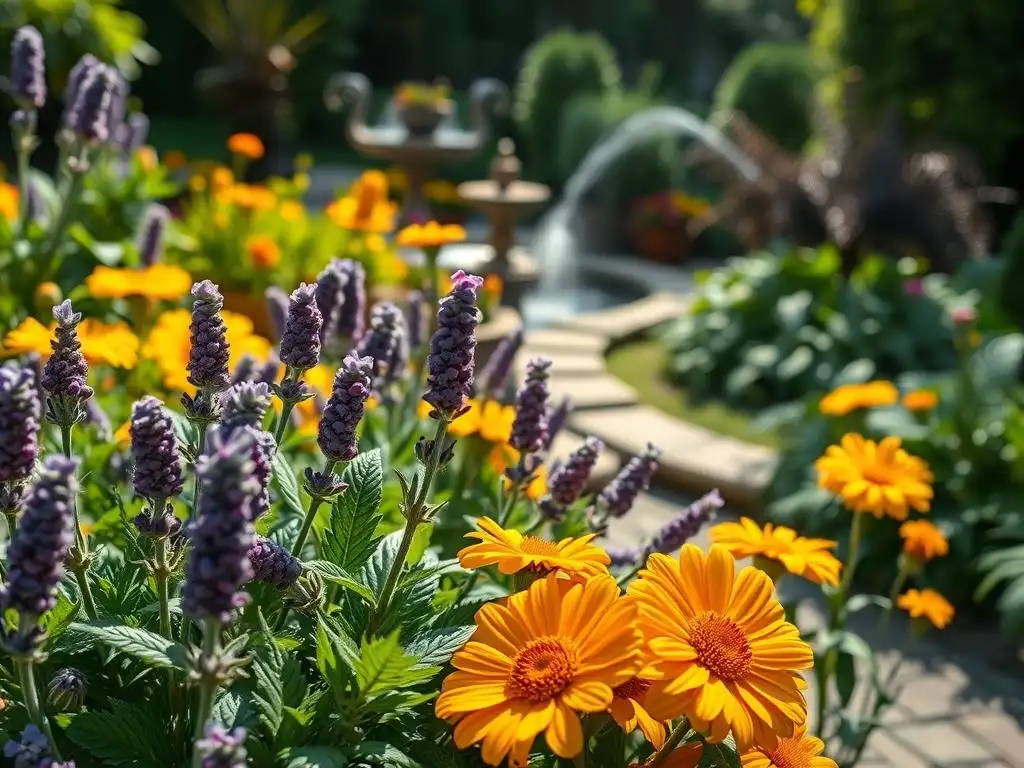
This section focuses on establishing a garden environment that minimizes triggers for individuals with asthma. Creating an asthma-safe garden isn't about eliminating all plants, but rather about making informed choices and implementing practices that reduce airborne irritants and promote respiratory health. This "Asthmasafe garden plants guide" will help you navigate these choices. Remember, individual sensitivities vary, so personal observation and awareness are key.
Selecting Low-Allergen Plants: An Asthmasafe Garden Plants Guide
Choosing the right plants is paramount in creating an asthma-friendly garden. Many plants, while beautiful, produce pollen that can exacerbate asthma symptoms. Others release volatile organic compounds (VOCs) that can irritate the lungs. This guide highlights plant categories known for their low allergenic potential:
- Non-flowering or low-pollen plants: Leafy greens like lettuce, spinach, and kale; root vegetables such as carrots, beets, and potatoes; and herbs like basil, rosemary, and thyme generally produce little to no pollen. These are excellent choices for an asthma-safe garden.
- Trees and shrubs with low pollen counts: While some trees are notorious pollen producers, others are relatively benign. Consider researching local varieties with low pollen production before planting. For instance, certain types of evergreens produce less pollen than deciduous trees. Consult local allergy resources for specific recommendations relevant to your region.
- Plants with less fragrant flowers: Strongly scented flowers, while aesthetically pleasing, can release potent VOCs that irritate respiratory systems. Choose less fragrant varieties or avoid heavily scented flowers altogether.
It's crucial to note that even low-pollen plants can trigger reactions in some individuals. Always monitor your symptoms after introducing new plants to your garden. Keep a detailed journal noting the plants present and any respiratory reactions experienced. This detailed record can help you pinpoint potential allergens and refine your plant selection over time. This personalized approach is essential to developing your own effective "Asthmasafe garden plants guide."
Best Practices for Reducing Irritants in Your Garden
Beyond plant selection, implementing specific gardening practices can significantly improve air quality in your garden space. These practices minimize the presence of airborne irritants that can trigger asthma symptoms:
- Regular weeding: Weeds can release pollen and harbor mold spores, both significant asthma triggers. Consistent weeding minimizes their presence and improves overall air quality.
- Composting: Proper composting breaks down organic matter, reducing the potential for mold and mildew growth. However, ensure the compost pile is well-ventilated to avoid anaerobic conditions that promote mold spore production. Avoid disturbing the compost pile when the wind is blowing to prevent the dispersal of spores.
- Watering techniques: Avoid overhead watering, which can spread pollen and mold spores. Instead, opt for drip irrigation or soaker hoses to minimize airborne irritants.
- Pest control: Choose natural pest control methods over chemical pesticides. Chemical pesticides can contain harsh chemicals that irritate the respiratory system. Consider using beneficial insects, companion planting, or organic solutions to manage pests.
Air Circulation and Sunlight Management for Asthma Relief
Optimizing air circulation and sunlight exposure within your garden can significantly improve respiratory comfort for asthma sufferers. Proper management of these factors enhances the overall health and well-being of your garden space.
- Strategic planting: Avoid overcrowding plants. Proper spacing allows for better air circulation, reducing the concentration of pollen and other airborne irritants.
- Windbreaks: Strategically placed windbreaks can redirect air currents, preventing the accumulation of irritants in certain areas of the garden.
- Sunlight exposure: Adequate sunlight is essential for healthy plant growth and can also contribute to a more comfortable gardening environment. However, be mindful of the timing of your gardening activities. Avoid working in the garden during peak pollen hours, typically early morning and late afternoon. Monitor your symptoms closely and adjust your gardening schedule as needed. Consider using a UV monitor to track the UV index and plan your outdoor activities accordingly. This proactive approach demonstrates a commitment to creating a truly asthma-safe garden environment.
Watering Techniques to Minimize Mold and Mildew
Mold and mildew thrive in damp, humid environments, triggering allergic reactions and exacerbating asthma symptoms. Therefore, proper watering techniques are crucial in creating an asthma-safe garden. Overwatering is a significant contributor to these fungal growths, so mindful irrigation is key. Instead of frequent, shallow watering which keeps the soil constantly moist, opt for deep, infrequent watering. This encourages deeper root growth, making plants more drought-tolerant and less susceptible to fungal diseases. Deep watering allows the soil to dry out between waterings, reducing the humidity that molds and mildews need to flourish.
Consider using a soaker hose or drip irrigation system. These methods deliver water directly to the roots, minimizing evaporation and preventing the leaves from getting wet. Wet foliage provides an ideal breeding ground for mold and mildew. Avoid overhead watering, especially in the evening, as this allows moisture to linger on plant leaves overnight, creating a perfect environment for fungal growth. The time of day you water also matters; watering in the morning allows the foliage to dry more quickly before nightfall.
Regularly check the soil moisture before watering. You can do this by sticking your finger a couple of inches into the soil. If the soil feels dry, it's time to water. Avoid watering based on a schedule; instead, let the needs of your plants dictate your watering routine. This approach prevents overwatering, a common cause of mold and mildew problems in gardens.
Remember, a slightly dry soil is preferable to consistently damp soil, especially for those with respiratory sensitivities. Proper watering, combined with good air circulation (discussed later), contributes significantly to a healthier, less mold-prone garden environment. This is a vital step in creating an asthma-safe haven in your outdoor space. Careful monitoring and adjustment of watering practices will greatly reduce the risk of triggering asthma symptoms through exposure to mold and mildew spores.
Asthmasafe Garden Plants Guide: Recommended Species
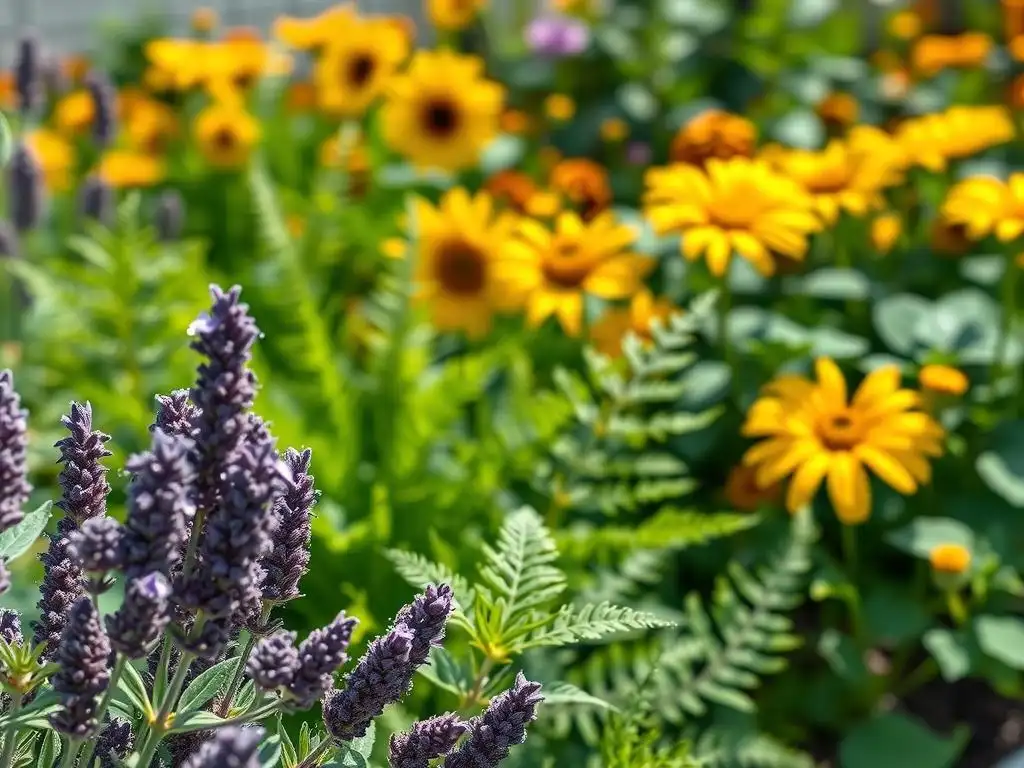
This section provides a detailed guide to selecting plants suitable for individuals with asthma or other respiratory sensitivities. Choosing the right plants is crucial for creating a garden that promotes well-being rather than exacerbating respiratory issues. Remember, individual reactions to plants can vary, so always proceed with caution and monitor your symptoms. This guide focuses on plants with low pollen counts and minimal allergenic properties, contributing to an asthma-safe garden environment.
Flowers with Low Pollen Counts for Asthma Sufferers
Many flowering plants are significant contributors to seasonal allergies and asthma triggers. However, some beautiful blooms produce little to no pollen, making them ideal for asthmasafe gardens. Prioritizing these options can significantly reduce the risk of triggering respiratory symptoms.
Here are some examples of low-pollen flowers that are generally well-tolerated by asthma sufferers:
- Impatiens: These cheerful, shade-loving annuals offer a vibrant splash of color with minimal pollen production. They come in a wide range of colors and are relatively easy to grow.
- Petunias: Known for their abundant blooms and diverse colors, petunias are another excellent choice for those with respiratory sensitivities. Their pollen is relatively heavy and less likely to become airborne.
- Sunflowers (Helianthus annuus): While sunflowers produce pollen, the amount is often considered manageable for many asthma sufferers, particularly compared to other flowering plants. Choose single-flowered varieties for less pollen than double-flowered types.
- Roses (Rosa spp.): Some rose varieties produce less pollen than others. Hybrid teas and floribundas tend to produce less pollen than older, more open rose varieties. Always check the specific cultivar's pollen count if available.
- Marigolds (Tagetes spp.): These bright and sunny flowers are not only visually appealing but also known for their pest-repelling properties, beneficial in a sustainable garden. They produce relatively little pollen.
It's crucial to note that even low-pollen plants can trigger reactions in some individuals. Always observe your own response to any new plant introduced into your garden. Consider starting with a small number of plants and gradually increasing as tolerated.
Herbs and Vegetables Safe for Respiratory Health
Many herbs and vegetables are not only beneficial for your health but also pose a low risk for triggering asthma symptoms. Cultivating these can provide fresh, nutritious ingredients for your meals while maintaining a healthy outdoor space.
The following are examples of herbs and vegetables generally considered safe for individuals with respiratory issues:
| Herb/Vegetable | Benefits | Pollen Level | Notes |
|---|---|---|---|
| Basil (Ocimum basilicum) | Culinary uses, insect repellent | Low | Fragrant leaves, minimal pollen production |
| Mint (Mentha spp.) | Culinary uses, medicinal properties | Low | Choose varieties carefully, as some are invasive |
| Rosemary (Salvia rosmarinus) | Culinary uses, medicinal properties | Low | Aromatic, drought-tolerant |
| Tomatoes (Solanum lycopersicum) | Rich in nutrients, culinary staple | Low | Avoid touching leaves, as they can irritate skin |
| Lettuce (Lactuca sativa) | Rich in nutrients, versatile in cooking | Low | Easy to grow, requires consistent watering |
Remember that proper hygiene practices remain crucial when handling any plant material, regardless of its pollen level. Washing your hands thoroughly after gardening is always recommended.
Trees and Shrubs with Minimal Allergenic Properties
Trees and shrubs can significantly impact air quality within a garden. Selecting species with minimal allergenic properties is essential for creating a breathable environment for those with respiratory problems.
While many trees produce pollen, some are less allergenic than others. Consider the following options for your asthmasafe garden:
- Holly (Ilex spp.): These evergreen shrubs produce berries rather than wind-borne pollen, making them a good choice for allergy sufferers.
- Conifers (e.g., Arborvitae, Juniper): Some conifers produce pollen, but it’s often heavier and less likely to become airborne compared to wind-pollinated flowering trees.
- Flowering shrubs with low pollen counts: Some flowering shrubs produce less pollen than others. Research specific varieties before planting, such as certain cultivars of azaleas or rhododendrons. Always check for specific pollen counts if available.
Important Considerations for All Plant Choices
Regardless of the plants you choose, maintaining a clean and well-maintained garden is crucial. Regularly remove dead leaves and flowers to minimize the presence of allergens. Consider using organic pest control methods to avoid the use of harsh chemicals that can irritate the respiratory system. Proper watering and soil management also contribute to a healthy and less allergenic garden environment.
Remember that this is a guide, and individual reactions may vary. Always monitor your symptoms and consult with your doctor or allergist for personalized advice. Creating an asthmasafe garden is a process of careful selection and observation, leading to a more comfortable and enjoyable outdoor experience.
Pest Control and Asthma: Safe and Effective Strategies
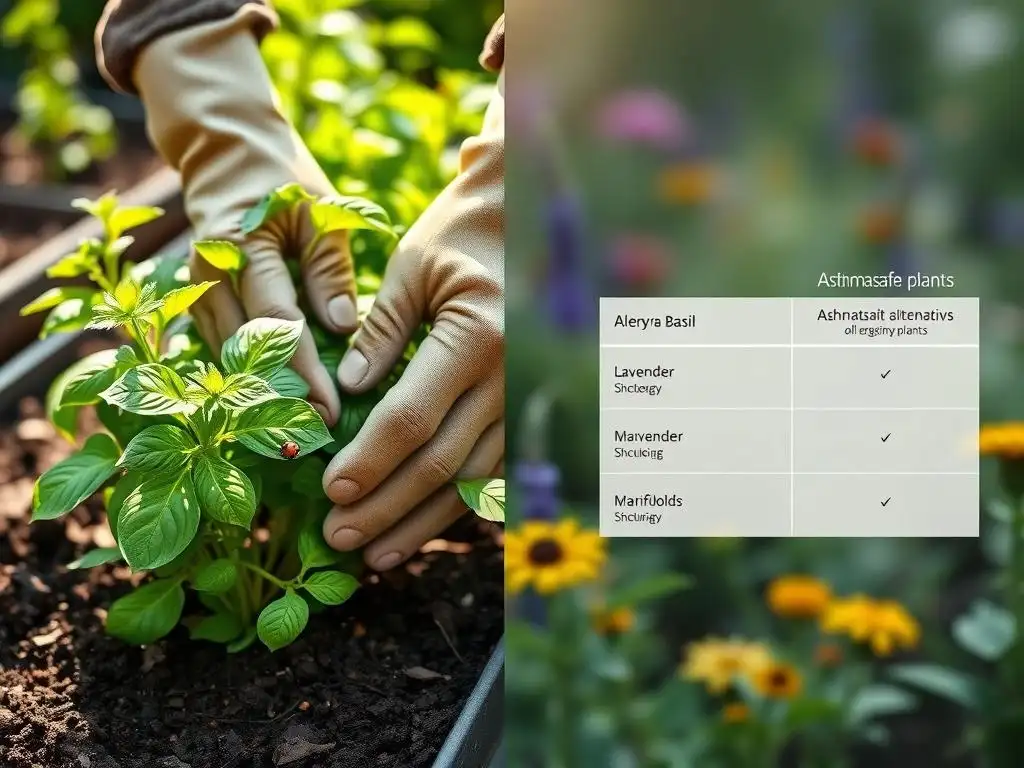
Gardening, especially organic gardening, can be incredibly rewarding, but dealing with pests is an unavoidable aspect. For individuals with asthma, choosing pest control methods is particularly crucial, as many chemical pesticides can trigger or worsen respiratory symptoms. This section provides a guide to asthma-safe pest control, focusing on preventative measures and natural solutions to minimize exposure to harmful chemicals. The goal is to create a thriving, productive garden while prioritizing respiratory health. This guide helps you cultivate an asthma-safe garden, ensuring a safe and enjoyable gardening experience.
Organic Pest Control Methods for Asthma-Safe Gardening
Organic pest control prioritizes natural methods that minimize harm to humans and the environment. These methods are generally safer for individuals with asthma than conventional chemical pesticides. Here are some effective strategies:
- Beneficial Insects: Introducing beneficial insects like ladybugs, lacewings, and praying mantises into your garden can significantly reduce pest populations naturally. These predatory insects feed on common garden pests, acting as a biological control method. They are an excellent, asthma-safe way to manage pest infestations.
- Companion Planting: Strategic planting of certain plants together can deter pests. For example, basil planted near tomatoes can repel tomato hornworms, while marigolds can repel many common garden pests. Careful planning of your garden layout can significantly reduce pest pressures naturally and safely.
- Neem Oil: Neem oil is a natural insecticide derived from the neem tree. It's effective against a wide range of pests and is generally considered safe for respiratory health when used as directed. Always follow the instructions carefully and ensure adequate ventilation during application.
- Diatomaceous Earth: Diatomaceous earth (DE) is a naturally occurring sedimentary rock that can be used as a pest control agent. It works by physically damaging the exoskeletons of insects, leading to dehydration and death. DE is generally considered safe for humans and pets, but it's essential to use food-grade DE and avoid inhaling the dust. Wear a mask during application to prevent any inhalation.
Avoiding Chemical Pesticides: Protecting Respiratory Health
Chemical pesticides, even those labeled as "low-toxicity," can pose significant respiratory risks for individuals with asthma. The volatile organic compounds (VOCs) in many pesticides can irritate the airways, triggering asthma attacks or exacerbating existing symptoms. Therefore, avoiding chemical pesticides entirely is the safest approach. This includes insecticides, herbicides, and fungicides. Read labels carefully, and choose organic alternatives whenever possible. Consider the potential long-term effects on your respiratory health and the environment. Protecting your respiratory health should be a priority when selecting pest control methods.
The potential for cross-contamination should also be considered. Even if you don't apply chemical pesticides to your own garden, wind drift from neighboring properties can still expose you to harmful chemicals. Location matters, and considering your environment's pesticide use can help you make informed decisions about your gardening practices.
Natural Remedies for Common Garden Pests
Many common garden pests can be effectively controlled using natural remedies. These remedies are generally less toxic and safer for individuals with asthma. Here are a few examples:
| Pest | Natural Remedy | Precautions |
|---|---|---|
| Aphids | Strong spray of water, insecticidal soap | Ensure thorough coverage, repeat as necessary. |
| Spider Mites | Neem oil, insecticidal soap | Follow product instructions carefully. |
| Cabbage Worms | Bacillus thuringiensis (Bt) – a naturally occurring bacterium | Use only Bt specifically formulated for cabbage worms; follow instructions. |
| Slugs and Snails | Diatomaceous earth, beer traps | Use food-grade DE; beer traps can attract unwanted wildlife. |
Remember, prevention is key. Regularly inspecting your plants for pests and addressing problems early can prevent major infestations. A healthy, thriving garden is less susceptible to pest problems, reducing the need for any intervention. By prioritizing natural and asthma-safe methods, you can enjoy the benefits of gardening without compromising your respiratory health. Cultivating an asthma-safe garden is achievable with careful planning and the right techniques.
Additional Tips for Asthma-Safe Gardening
This section offers further advice for creating and maintaining an asthma-safe garden, building upon the plant selection guidance already provided. Remember, even with careful plant selection, environmental factors can trigger asthma symptoms. Proactive measures are crucial for minimizing risks.
Protecting Yourself While Gardening: Protective Gear and Practices
Gardening, even in an asthma-friendly environment, involves potential irritants. Pollen, mold spores (especially after watering), and even dust from dry soil can trigger asthma attacks. Therefore, protective measures are essential. Investing in appropriate gear significantly reduces exposure to these triggers.
Consider these essential protective measures:
- A good quality dust mask: N95 respirators offer superior protection against airborne particles, including pollen and mold spores. Avoid simple cloth masks, as they provide minimal filtration. Always choose a mask that fits snugly and comfortably to ensure effective protection.
- Eye protection: Wearing safety glasses or goggles prevents pollen and other irritants from entering your eyes, which can trigger allergic reactions and subsequently worsen asthma symptoms.
- Long sleeves and pants: Protecting your skin minimizes direct contact with plants and reduces the likelihood of skin irritation which can exacerbate respiratory issues. Opt for lightweight, breathable fabrics to prevent overheating.
- Regularly washing clothes: After each gardening session, wash your clothes immediately to remove any lingering pollen or other irritants.
Beyond protective gear, consider these practices:
- Watering in the evening: Watering your garden in the evening minimizes the amount of pollen released into the air, reducing exposure during the daytime.
- Avoid gardening during peak pollen times: Pollen counts are typically highest in the early morning and late afternoon. Plan your gardening sessions for times when pollen levels are lower, often mid-morning or mid-afternoon. Check local pollen forecasts for optimal timing.
- Regularly clean gardening tools: Accumulated pollen and dust on tools can easily become airborne during use. Clean your tools regularly to minimize this risk.
Implementing these protective measures minimizes your exposure to common asthma triggers, creating a safer gardening experience. Remember, consistency is key to effective asthma management while enjoying your garden.
Post-Gardening Hygiene for Asthma Management
Maintaining good hygiene after gardening is just as important as protective measures during gardening. Pollen and other allergens can linger on your skin, hair, and clothing, continuing to trigger asthma symptoms long after you've finished working in your garden.
Here are some essential post-gardening hygiene practices:
- Shower immediately: A thorough shower helps to remove pollen, dust, and other irritants from your skin and hair. Pay particular attention to your hair, as it can trap significant amounts of pollen.
- Change clothes immediately: Remove and wash your gardening clothes immediately after your session to prevent allergen transfer to other areas of your home.
- Rinse your eyes: Gently rinse your eyes with clean water to remove any lingering pollen or irritants.
- Handwashing: Thorough handwashing with soap and water is crucial to remove any allergens that may have come into contact with your hands.
By diligently following these post-gardening hygiene practices, you can significantly reduce the risk of triggering an asthma attack and improve your overall respiratory health. This consistent approach is an integral part of maintaining an asthma-safe gardening routine.
Monitoring Symptoms and Managing Asthma Flare-Ups
Even with careful planning and preventative measures, asthma symptoms may still arise. Regular monitoring and prompt management of flare-ups are crucial for maintaining respiratory health.
- Keep your inhaler readily available: Always have your prescribed inhaler within easy reach while gardening.
- Recognize early warning signs: Pay close attention to early symptoms of an asthma attack, such as coughing, wheezing, shortness of breath, or chest tightness. Address these symptoms immediately.
- Keep a symptom diary: Note the timing and severity of your symptoms to identify patterns and potential triggers. This information is invaluable for refining your gardening practices and asthma management plan.
- Consult your doctor: If you experience persistent or worsening asthma symptoms, consult your doctor. They can adjust your treatment plan if necessary. Regular check-ups are essential for those with asthma.
Remember, an asthma-safe garden is a proactive endeavor. By combining careful plant selection with preventative measures and vigilant symptom monitoring, you can enjoy the benefits of gardening while minimizing the risk of asthma flare-ups. Prioritizing your respiratory health ensures a safe and enjoyable gardening experience.
Frequently Asked Questions
What plants are generally considered asthma-safe?
Many plants are considered low-allergen, including herbs like basil, rosemary, and thyme, and flowers such as sunflowers and zinnias. However, individual reactions can vary, so it's crucial to do your research on specific plants.
Are all flowering plants bad for asthma sufferers?
No, not all flowering plants trigger asthma. While some pollens are potent allergens, many non-allergenic flowers exist. Choosing low-pollen varieties and avoiding highly fragrant ones can minimize risks.
How can I minimize asthma triggers in my garden?
Employ practices like regular weeding to reduce mold spores and avoiding heavily scented plants. Good air circulation and proper composting (to prevent mold) are also beneficial.
What about composting – is it safe for asthmatics?
Composting can be safe if managed correctly. Use a closed compost bin to minimize spore dispersal, and avoid disturbing the compost frequently to reduce the risk of inhaling mold spores.
Where can I find more information on asthma-safe gardening?
Consult your doctor or allergist for personalized advice. Reliable online resources, like the American Lung Association, also provide valuable information on allergen avoidance and managing asthma triggers.
Final Reflection: Breathing Easy in a Verdant World
The air we breathe is fundamental to our health, and for those with respiratory conditions like asthma, choosing the right plants and gardening practices can be the difference between a peaceful sanctuary and a trigger-filled environment. Creating an asthma-safe garden isn't just about avoiding allergens; it's about actively cultivating a space that promotes healing and well-being. This is a crucial consideration in our increasingly urbanized world, where access to clean air and natural spaces is often limited.
The impact of our environment on respiratory health is undeniable, and the simple act of gardening can become a powerful tool for self-care and improved quality of life. Creating a haven of carefully selected plants can significantly reduce exposure to irritants and promote a sense of calm and control. As the poet Mary Oliver so eloquently put it: To pay attention, this is our endless and proper work.
This applies not only to appreciating the natural world but also to actively shaping it to support our well-being. By understanding which plants are beneficial and which should be avoided, we can transform our gardens into therapeutic spaces that nurture both body and soul.
Consider the plants you choose to surround yourself with. Think about the textures, the scents, and the overall atmosphere you wish to create. You have the power to design a garden that actively supports your respiratory health and fosters a deeper connection with the natural world. Take the time to research asthma-safe plants, experiment with different gardening techniques, and most importantly, listen to your body. Embrace the journey of creating a vibrant, healthy, and truly personal oasis—a space where you can breathe easy and thrive.
Breathe Easy: Cultivate Your Healing Garden Today
Thank you for learning about creating a garden that supports respiratory health. We hope you found our insights into plant selection and gardening practices valuable and helpful in improving your well-being. Now, let's put that knowledge into practice!
- Begin your healing garden journey: Start small! Choose one or two plants from our suggested list and dedicate a small space to them. Even a single potted plant on your balcony can make a difference.
- Share your experiences: Tell us about your garden—which plants you've chosen, and any challenges or successes you've encountered. We'd love to hear your story and build a supportive community.
- Expand your air-purifying collection: Research other plants known for their air-purifying qualities and consider adding them to your garden.
What plant will you add to your garden this week to improve your breathing?