
Transitioning from Summer to Fall in a Short Season Garden

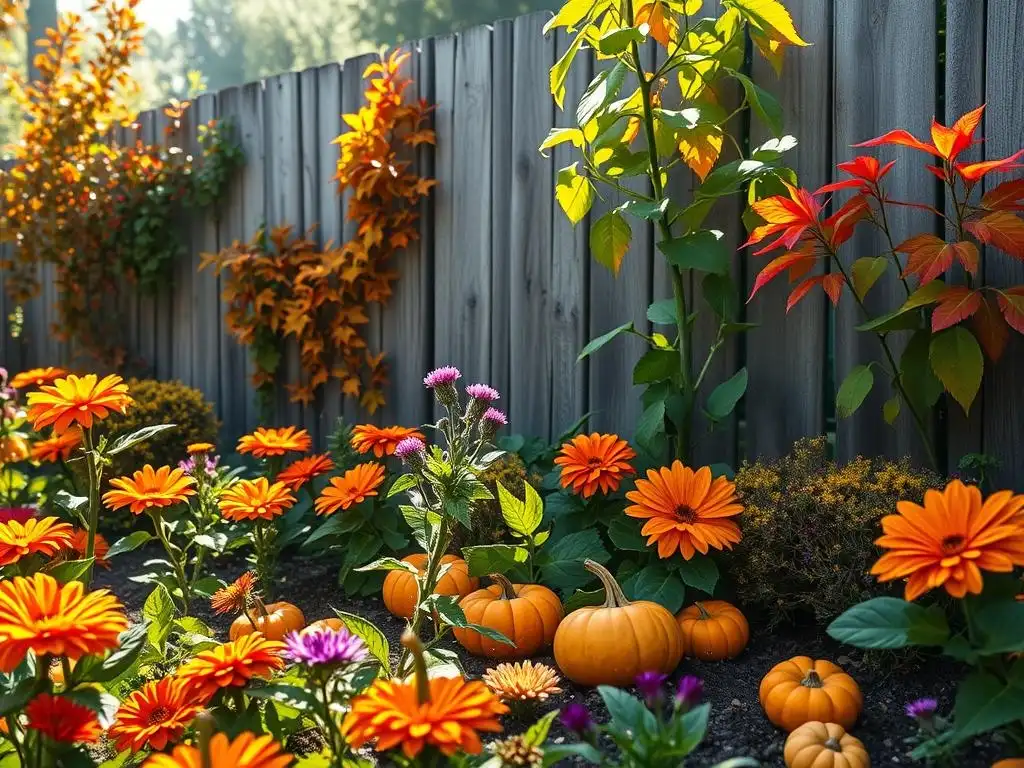
Welcome to CultivateYourFood, your guide to a thriving, sustainable garden! Are you ready to maximize your harvest despite shorter days? Learn the secrets to a successful Short season fall garden transition and unlock the potential of your garden even as the seasons change. Discover expert tips and techniques for seamlessly transitioning your garden from summer bounty to an autumn abundance, all while embracing organic and sustainable practices. Let's get growing!
- Maximizing Your Short Season Fall Garden: Planning for Success
- Planting Your Short Season Fall Garden: A Step-by-Step Guide
- Pest and Disease Management in Your Short Season Fall Garden
- Harvesting and Preserving Your Short Season Fall Harvest
- Planning for Next Year's Short Season Garden
-
Frequently Asked Questions
- What are the challenges of a short-season fall garden transition?
- Which vegetables are best suited for a short-season fall garden?
- How can I extend my growing season in a short-season fall garden?
- What pest control strategies are effective during the fall garden transition?
- How important is soil preparation for a successful short-season fall garden?
- Final Reflection: Harvesting the Bounty of a Fleeting Season
- Unleash Your Autumn Harvest: Next Steps for a Thriving Fall Garden
Maximizing Your Short Season Fall Garden: Planning for Success
Transitioning your garden from the vibrant summer months to the shorter days of fall requires careful planning and a strategic approach, especially when working with a short growing season. This guide will help you navigate the challenges and opportunities of cultivating a successful fall harvest, even if your growing season is limited. We will explore techniques to extend your growing season, selecting the right crops, and preparing your soil for optimal results.
Mastering these strategies will allow you to enjoy a bountiful fall harvest despite the shorter days and cooler temperatures, maximizing the potential of your short-season garden. This detailed guide focuses on optimizing your fall garden planning for a successful harvest, specifically addressing the unique needs of a short growing season and ranking high for the keyword "Short season fall garden transition." Let's dive in and get ready for a productive autumn!
Assessing Your Remaining Growing Season Length
Before you even think about planting, accurately determining the length of your remaining growing season is crucial. This involves understanding your area's first expected frost date. You can typically find this information online through your local agricultural extension office or weather service. Knowing this date allows you to select crops with appropriate maturity times.
For example, many leafy greens mature quickly, making them ideal for short-season fall gardens. Root vegetables like radishes and turnips also have shorter growing periods. Remember to factor in the time it takes for seeds to germinate and the plants to reach maturity. Don't forget to consider the average temperatures during your remaining growing season.
Some crops, even fast-maturing ones, might struggle if the temperatures drop too dramatically before harvest. Accurate assessment is key to successful short-season gardening. This precise calculation ensures you select plants with realistic maturation times, avoiding disappointing results due to early frosts. Consider using a gardening calendar or app to track your progress and make informed decisions.
Choosing the Right Fall Vegetables for a Short Season
Selecting fast-maturing varieties is paramount for short-season fall gardening. Here's a breakdown of excellent choices:
- Leafy Greens: Spinach, lettuce (especially fast-maturing varieties), kale, and arugula are excellent choices. These crops mature relatively quickly and can tolerate cooler temperatures.
- Root Vegetables: Radishes, turnips, and carrots (choose early-maturing varieties) are great options for short-season gardens.
- Other Vegetables: Bush beans, scallions, and certain types of Asian greens can also thrive in a shorter fall season.
Remember to check the seed packets or plant tags for the days-to-maturity information. Prioritize varieties explicitly labeled as "short-season" or "fast-maturing." Choosing the right varieties significantly improves your chances of a successful harvest before the first frost. Don't be afraid to experiment with different varieties to find what works best in your specific climate and soil conditions. Careful selection ensures a successful harvest, maximizing your yield in a limited timeframe.
Soil Preparation for a Late-Season Harvest: Improving Soil Drainage and Fertility
Even in a short season, healthy soil is the foundation of a successful fall garden. Proper soil preparation is crucial for optimal plant growth and yield. First, assess your soil's drainage. Poor drainage can lead to root rot, especially during the wetter fall months. Amend heavy clay soils with organic matter like compost to improve drainage and aeration.
Conversely, sandy soils may benefit from adding organic matter to improve water retention. Next, focus on fertility. A soil test can help determine the nutrient levels in your soil, guiding you in choosing the appropriate amendments. Compost is a fantastic all-around soil amendment, improving both drainage and fertility.
Adding well-rotted manure can also provide essential nutrients. Consider using a cover crop in the weeks leading up to planting your fall crops to improve soil health and suppress weeds. Preparing your soil thoughtfully ensures your plants have the best possible start, maximizing their growth potential during the limited fall season. This careful preparation sets the stage for a bountiful harvest, even with a short growing season.
Protecting Your Fall Crops from Early Frost: Using Row Covers and Cold Frames
Protecting your precious fall harvest from unexpected early frosts is crucial in a short-season garden. The delicate seedlings and maturing plants of your late-season vegetables are particularly vulnerable. A sudden drop in temperature can wipe out weeks, even months, of hard work. Fortunately, several readily available and effective methods exist to safeguard your crops. Row covers and cold frames are two excellent options that provide a simple yet powerful layer of protection against the chilling effects of frost.
Row covers, also known as floating row covers, are lightweight fabrics that drape over your plants. These covers act as insulators, trapping heat radiated from the soil and preventing the plants from experiencing the full force of the cold. They're relatively inexpensive and easy to install, making them a popular choice for home gardeners. Different weights of row covers are available, offering varying degrees of protection.
Lighter covers are best suited for mild temperature fluctuations, while heavier covers provide greater insulation against more severe frosts. Remember to anchor the row covers securely to prevent them from blowing away in the wind. Proper ventilation is also key; consider providing small openings to prevent moisture buildup and ensure adequate air circulation. Leaving the covers on during the day can also extend the growing season, providing some additional warmth and protection from pests.
Cold frames offer a more substantial level of protection than row covers. These structures, essentially miniature greenhouses, consist of a low, transparent cover (usually glass or plastic) placed over a raised frame. The transparent cover allows sunlight to penetrate, warming the soil and air inside. This creates a microclimate that is significantly warmer than the surrounding environment, providing a safe haven for your frost-sensitive plants.
Cold frames are particularly useful for extending the growing season of hardier plants like kale, spinach, and lettuce, allowing you to harvest them well into the fall. They can also be used to start seeds for your next spring planting, giving your seedlings a head start. Constructing a cold frame can be a rewarding DIY project, or you can purchase pre-fabricated models. Remember to monitor the temperature inside the cold frame regularly, adjusting ventilation as needed to prevent overheating.
Regular monitoring ensures optimal conditions for your plants' health and growth. Proper maintenance, such as cleaning the cover to maintain light penetration, will maximize the effectiveness of the cold frame and extend its lifespan. The initial investment in a cold frame can pay off handsomely in terms of extended harvest and increased yields.
Planting Your Short Season Fall Garden: A Step-by-Step Guide
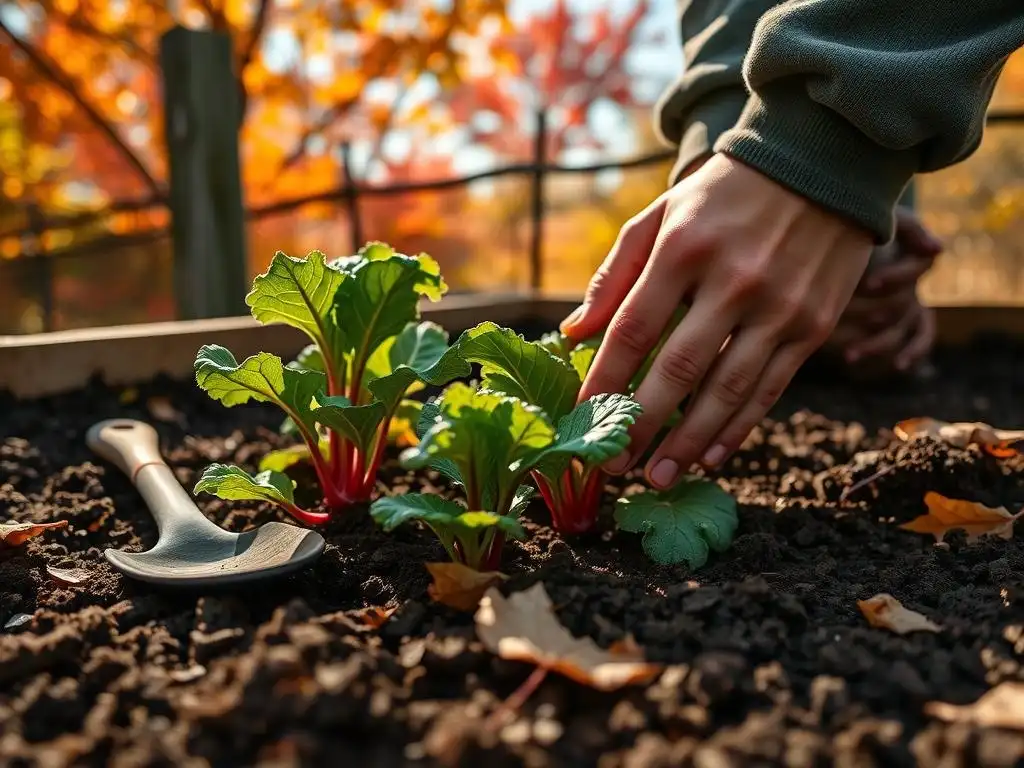
This section details the crucial steps involved in successfully planting a thriving fall garden, even within a short growing season. Mastering these techniques will maximize your yield and extend your harvest well into autumn. Remember, successful "short season fall garden transition" hinges on careful planning and execution.
Selecting and Sowing Fall Vegetable Seeds: Direct Sowing vs. Starting Indoors
Choosing between direct sowing and starting seeds indoors significantly impacts your fall harvest. The decision depends on your specific climate, the vegetables you're growing, and the length of your remaining growing season. Let's explore both methods:
Direct sowing is ideal for fast-maturing vegetables like radishes, spinach, lettuce, and some varieties of kale. These crops germinate quickly and don't require a long growing period. However, direct sowing requires consistently warm soil temperatures, which might be a challenge depending on your location and the onset of cooler fall weather. For example, if your first frost is expected in early October, you might need to plant fast-growing crops by mid-September to ensure a harvest before the frost.
Starting seeds indoors offers more control over the germination process, especially for slower-growing vegetables like broccoli, cauliflower, and Brussels sprouts. Starting these indoors, 4-6 weeks before the last expected frost, allows for a head start, increasing the chances of a successful harvest. However, this method requires additional resources like seed trays, growing lights, and careful monitoring of temperature and humidity. Consider using a seed starting mix, rather than garden soil, for optimal results.
Here's a table summarizing the pros and cons of each approach:
| Method | Pros | Cons | Suitable Vegetables |
|---|---|---|---|
| Direct Sowing | Simple, less resource-intensive | Dependent on soil temperature, slower growth | Radishes, spinach, lettuce, kale |
| Starting Indoors | More control over germination, faster growth | Requires more resources, more labor-intensive | Broccoli, cauliflower, Brussels sprouts, etc. |
Remember to always check the seed packet for specific instructions regarding planting depth, spacing, and germination time. Accurate information is key for a successful short season fall garden transition.
Transplanting Summer Vegetables for Extended Harvest
Extending the harvest of your summer vegetables into fall is possible through careful transplanting. Certain crops, like peppers and tomatoes, can continue producing fruit well into the autumn months if given the right conditions. However, successful transplanting requires careful consideration of several factors:
- Timing: Transplanting should occur before the first expected frost. Monitor weather forecasts closely to determine the optimal time.
- Preparation: Prepare your new planting location by enriching the soil with compost and ensuring adequate drainage.
- Technique: Carefully dig up the plants, minimizing root disturbance. Immediately water the plants after transplanting to reduce transplant shock. Consider using shade cloth to protect the plants from sudden temperature changes.
- Protection: Use row covers or other frost protection measures to safeguard plants from early frosts. This is especially important for heat-loving plants like peppers and tomatoes.
Successful transplanting can significantly extend your harvest period, offering a bounty of fresh produce even as the weather turns cooler. This strategy is crucial for achieving a longer harvest in a short growing season.
Optimizing Planting Spacing for Maximum Yield in Short Seasons
In short seasons, every inch of space counts. Optimizing planting spacing is crucial to maximize yield and ensure healthy plant growth. Overcrowding leads to competition for resources like sunlight, water, and nutrients, resulting in smaller yields and increased susceptibility to diseases.
The ideal spacing varies depending on the vegetable. For example, compact varieties of lettuce can be planted closer together than larger varieties of cabbage. Always refer to the seed packet or plant tag for recommended spacing. However, in a short season, you may need to slightly adjust the spacing, prioritizing the healthier growth of individual plants over the maximum number of plants per square foot. Consider using trellises or vertical gardening techniques to maximize space utilization.
Proper spacing also improves air circulation, reducing the risk of fungal diseases, a common problem in dense plantings. Remember, healthy plants yield more, even in a short season. Careful planning and efficient space utilization are cornerstones of a successful short season fall garden transition. 🌱
Watering and Fertilizing Your Fall Garden: Applying Compost Tea and Balanced Fertilizer
Fall gardening in short seasons requires a nuanced approach to watering and fertilizing. The cooler temperatures and shorter days mean plants need less water overall, but consistent moisture is crucial for successful growth. Overwatering can lead to root rot, a common problem in cooler, wetter fall conditions. Underwatering, on the other hand, stresses plants and reduces yields. The key is to monitor soil moisture regularly, feeling the top few inches of soil before watering.
If the soil feels dry, water deeply and thoroughly, allowing the water to penetrate the root zone. Avoid frequent, shallow watering, which encourages shallow root systems susceptible to drought stress. Remember to adjust your watering schedule based on rainfall; less supplemental watering is needed after a good rain. Mulching can help conserve soil moisture and regulate temperature, reducing the frequency of watering.
A balanced fertilizer is essential for providing your fall vegetables with the nutrients they need to thrive before the first frost. However, avoid using heavy fertilizers late in the season, as this can encourage lush growth that may not have time to mature before the cold sets in. Instead, opt for a balanced, slow-release fertilizer or compost tea. Compost tea is a fantastic organic option, rich in beneficial microbes that improve soil health and nutrient uptake.
It also helps enhance the soil's water retention capabilities, reducing the need for frequent watering. To make compost tea, steep a mixture of compost and water for several days, then dilute it before applying to your plants. Remember to apply compost tea in the evening or on cloudy days to minimize the risk of burning the plants. If using a granular fertilizer, follow the package instructions carefully and apply according to the specific needs of your chosen crops.
Observe your plants closely; if they show signs of nutrient deficiency (yellowing leaves, stunted growth), you may need to adjust your fertilization strategy. Remember that over-fertilizing can be just as harmful as under-fertilizing, so moderation is key. Prioritize soil health—a healthy soil naturally provides many of the essential nutrients your plants need.
Pest and Disease Management in Your Short Season Fall Garden
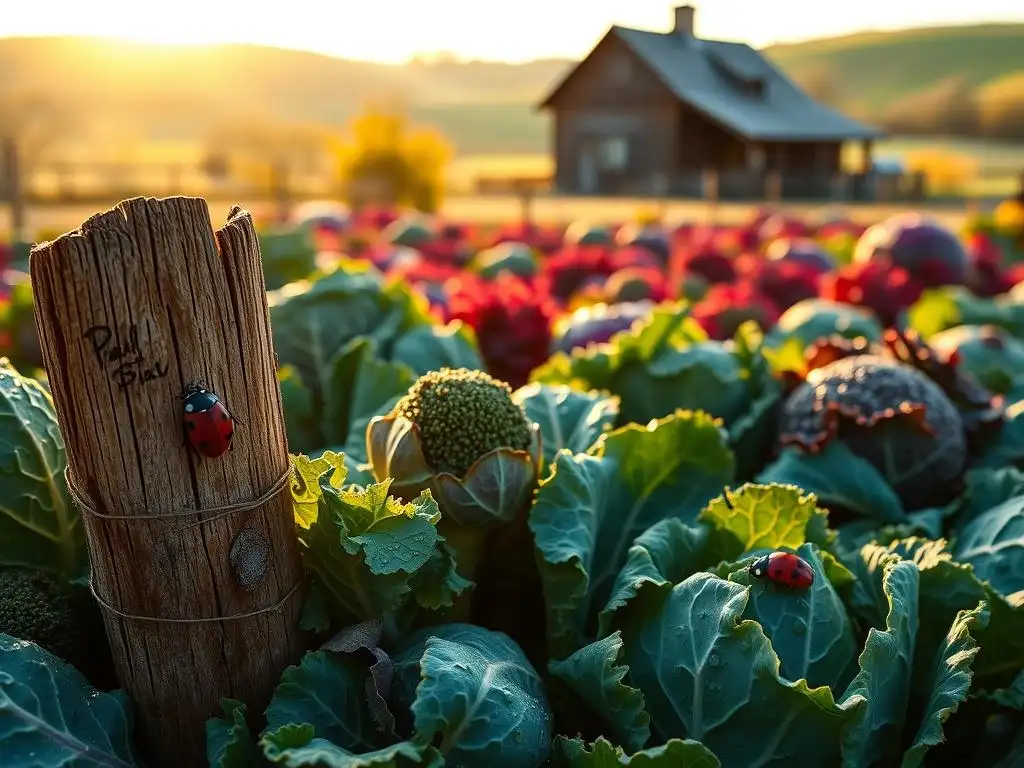
A short season fall garden presents unique challenges for pest and disease management. The compressed timeframe means less time for preventative measures and a quicker escalation of problems. Successful cultivation hinges on proactive strategies and swift responses. This section details effective techniques for maintaining a healthy and productive short season fall garden, focusing on organic methods to align with our sustainable approach. Effective pest and disease management is crucial for maximizing your yield in a short season fall garden, ensuring a bountiful harvest despite the time constraints.
Identifying Common Fall Pests and Diseases
Fall brings its own set of pests and diseases. Understanding these threats is the first step towards effective management. Common culprits include:
- Aphids: These small, soft-bodied insects suck sap from plants, causing stunted growth and leaf curling. They're particularly prevalent on brassicas and leafy greens.
- Cabbage worms: These caterpillars are voracious eaters, devouring leaves and creating holes in your vegetables, primarily affecting cabbage, broccoli, and cauliflower.
- Squash bugs: These piercing-sucking insects attack squash plants, causing wilting and stunted growth.
- Powdery mildew: This fungal disease appears as a white, powdery coating on leaves, hindering photosynthesis and reducing yields. It thrives in humid conditions.
- Early blight: This fungal disease affects tomatoes and potatoes, causing brown spots on leaves and stems, ultimately leading to plant death.
Regular inspection of your plants is vital. Look for unusual spots, discoloration, holes in leaves, or the presence of insects. Early detection allows for timely intervention, preventing widespread damage. Remember to check both the upper and lower surfaces of leaves. A magnifying glass can be helpful in identifying smaller pests. Consider keeping a garden journal to track pest and disease occurrences, aiding in future planning and preventative measures.
Organic Pest Control Strategies for Short Seasons
Organic pest control in a short season garden requires a swift and targeted approach. Here are some effective strategies:
- Handpicking: For smaller infestations, handpicking pests is an effective and environmentally friendly method. Dispose of collected pests away from your garden.
- Insecticidal soap: This readily available organic solution effectively controls soft-bodied insects like aphids and spider mites. Apply according to package instructions, ensuring thorough coverage.
- Neem oil: Another effective organic insecticide, neem oil disrupts the life cycle of many common garden pests. It's particularly useful against caterpillars and other chewing insects.
- Diatomaceous earth: This natural powder dehydrates and kills insects by damaging their exoskeletons. Apply as a dust around plants, focusing on the base and soil. Remember to use food-grade diatomaceous earth.
- Beneficial insects: Introducing beneficial insects like ladybugs (which prey on aphids) or lacewings can provide natural pest control. These insects are available from many garden centers.
Remember that timing is crucial in a short-season garden. Act quickly upon detecting pests to minimize damage before they overwhelm your plants. Repeated applications may be necessary, depending on the severity of the infestation and weather conditions.
Preventing Disease Through Proper Sanitation and Crop Rotation
Disease prevention is far more effective than treatment in a short season garden. Proactive measures significantly reduce the risk of outbreaks. Key strategies include:
- Sanitation: Remove all plant debris at the end of the season. This eliminates overwintering pathogens and reduces the risk of disease the following year. Dispose of diseased plants carefully, avoiding composting them.
- Crop rotation: Rotating crops annually helps break the disease cycle. Avoid planting the same species in the same location year after year, as this increases the risk of soilborne diseases.
- Proper watering: Avoid overhead watering, which can spread fungal diseases. Water at the base of plants to keep foliage dry. Ensure adequate drainage to prevent waterlogged soil, a breeding ground for many diseases.
- Seed selection: Choose disease-resistant varieties whenever possible. Many seed catalogs and nurseries provide information on disease resistance. This proactive step significantly reduces the likelihood of disease outbreaks.
- Spacing: Adequate spacing between plants promotes air circulation, reducing humidity and the risk of fungal diseases. Follow recommended spacing guidelines for each species.
Implementing these preventative measures minimizes the need for disease control treatments later in the season, ensuring a healthy and productive short season fall garden. Remember that a healthy garden is a productive garden, and preventative measures are the cornerstone of success in a short season growing environment.
Harvesting and Preserving Your Short Season Fall Harvest
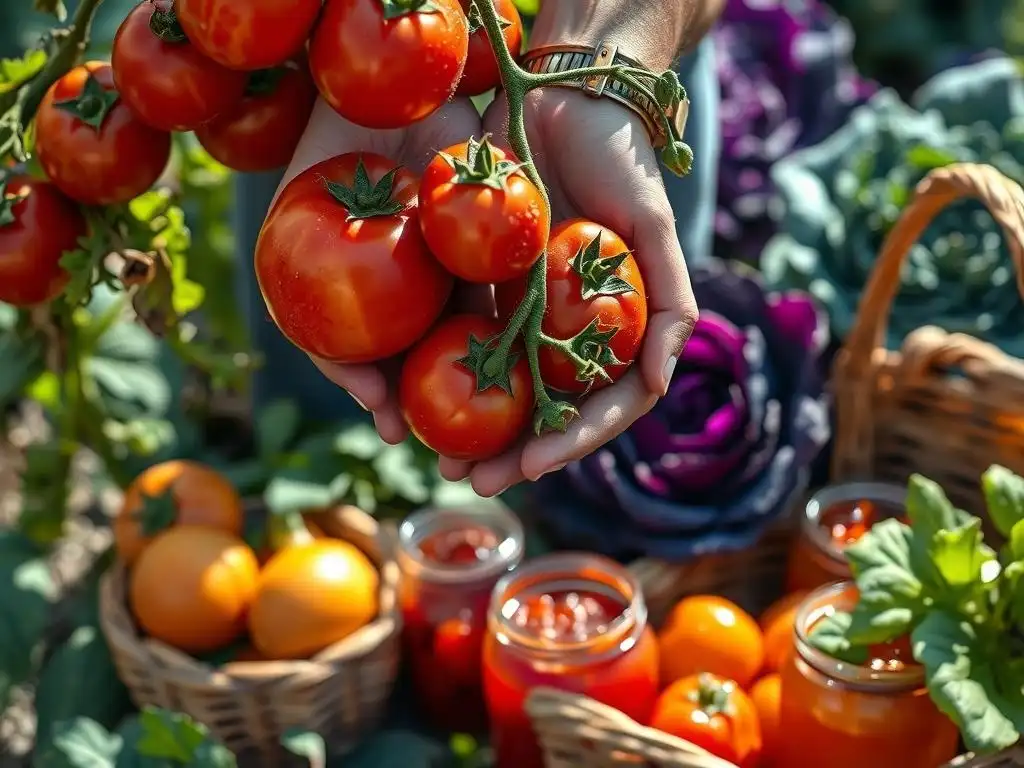
This section focuses on maximizing the yield and longevity of your short season fall garden. Efficient harvesting and preservation techniques are crucial for enjoying the fruits (and vegetables!) of your labor long after the first frost. Mastering these techniques is key to a successful short season fall garden transition. We'll explore optimal harvest times and simple, effective preservation methods.
Knowing When to Harvest Fall Vegetables for Optimal Flavor and Nutrition
Harvesting at the peak of ripeness is paramount for both flavor and nutritional value. This timing varies slightly depending on the specific vegetable and your local climate, but a few general guidelines apply. For example, root vegetables like carrots, beets, and parsnips often gain sweetness after the first frost. However, leaving them in the ground too long can lead to damage or spoilage.
Aim to harvest them before the ground freezes solid. You can gently test the soil with a trowel. If the soil is still workable and the roots are mature (check for size and color), it's time to harvest.
On the other hand, leafy greens like spinach and kale are best harvested before a hard frost, as frost will damage the leaves and make them bitter. Harvesting regularly encourages new growth, extending the harvest period. Many leafy greens can be repeatedly harvested until the first hard frost.
Here's a helpful table summarizing ideal harvest times for common fall vegetables:
| Vegetable | Optimal Harvest Time | Signs of Ripeness |
|---|---|---|
| Carrots | Before the ground freezes solid | Deep orange color, firm texture |
| Beets | Before the ground freezes solid | Dark red color, firm texture |
| Spinach | Before the first hard frost | Deep green leaves, tender texture |
| Kale | Before the first hard frost | Dark green leaves, firm texture |
| Broccoli | Before the first hard frost | Tight, dark green heads |
| Brussels Sprouts | After the first frost (for sweeter flavor) | Firm, tightly closed heads |
| Cabbage | Before the first hard frost | Firm, compact heads |
Remember to always check your specific vegetable's planting guide for optimal harvest times, as variations exist based on variety and growing conditions. Careful observation of your plants is crucial for determining their peak ripeness.
Simple Preservation Techniques for a Short Season Harvest: Freezing and Root Cellaring
Preservation methods significantly extend the enjoyment of your short season fall harvest. Two readily accessible and effective techniques are freezing and root cellaring.
Freezing: Freezing is a versatile method suitable for many fall vegetables. Blanching (briefly boiling) vegetables before freezing helps to inactivate enzymes that can lead to loss of flavor and texture over time. This step is particularly important for leafy greens and some root vegetables. Properly packaged and frozen, many vegetables will maintain their quality for 8-12 months.
Root Cellaring: Root cellaring involves storing root vegetables in a cool, dark, and humid environment. This traditional method can extend the shelf life of root vegetables for several months. A root cellar isn't always feasible, but a cool basement or even a well-ventilated area in a garage can suffice. The key is to maintain a consistent temperature just above freezing and adequate humidity.
Proper preparation is crucial. Before storing, gently clean your root vegetables and allow them to dry completely to prevent rot. Avoid bruising or damaging the produce during handling.
Extending the Shelf Life of Your Fall Produce: Proper Storage Conditions
Even without freezing or root cellaring, proper storage can significantly extend the shelf life of your fall harvest. Understanding the storage needs of various vegetables is vital. For example, some vegetables like potatoes and onions prefer a cool, dark, and dry environment, while others, like leafy greens, benefit from higher humidity.
Here are some general guidelines:
- Cool, dark, and dry: Potatoes, onions, garlic, squash, and sweet potatoes.
- Cool, dark, and slightly humid: Root vegetables like carrots, beets, and turnips.
- Cool, slightly humid, and well-ventilated: Leafy greens (in a perforated plastic bag or container).
Remember, proper handling and storage are your allies in maximizing the value of your short season fall garden. By following these guidelines, you can enjoy the bounty of your harvest for weeks, if not months, to come, making the most of your short season fall garden transition.
Planning for Next Year's Short Season Garden

This section focuses on strategic planning to maximize your short-season fall garden's potential next year. Successful short-season gardening requires foresight and adaptation. Let's explore key strategies to improve your yields and enjoy a bountiful harvest. Effective planning for a short season fall garden transition hinges on several crucial steps, ensuring you're ahead of the game come springtime.
Analyzing Your Fall Garden's Successes and Challenges
Before diving into preparations for next year's planting, take time to reflect on this year's performance. A thorough analysis of your fall garden's successes and challenges is crucial for future improvement. What varieties thrived? Which ones struggled? Did you encounter unexpected pest problems or diseases?
Detailed record-keeping is invaluable. For example, if your spinach bolted prematurely due to unexpected warm weather, you might consider planting a heat-tolerant variety next year or adjusting your planting schedule. Conversely, if a particular squash variety excelled, make a note to increase its planting next year. Consider using a simple table to organize your findings:
| Variety | Success/Challenge | Notes | Next Year's Plan |
|---|---|---|---|
| Bush Beans | Success | Abundant harvest despite early frost. | Plant more, perhaps experiment with a later variety |
| Lettuce | Challenge | Bolted quickly due to heat. | Plant a heat-tolerant variety or sow later. |
| Kale | Success | Thrived even with cooler temperatures. | Increase planting quantity. |
| Carrots | Challenge | Poor growth due to compacted soil. | Improve soil drainage and aeration. |
Consider factors beyond just plant performance. Did you have sufficient sunlight? Was your watering schedule effective? Identifying these limiting factors will help you address them proactively next year, leading to a more fruitful short season fall garden transition.
Learning from Your Experiences: Detailed Garden Journaling
Maintaining a detailed garden journal is paramount for short-season gardeners. This isn't just about noting what you planted and when; it's about documenting every aspect of your gardening experience. This includes:
- Planting dates: Record the exact dates you sowed seeds or planted seedlings.
- Germination rates: Note how quickly seeds sprouted, and if any variations occurred between varieties.
- Growth rates: Track the growth progress of your plants, noting any significant changes.
- Pest and disease occurrences: Document any pest infestations or diseases, including their severity and the steps you took to address them.
- Weather conditions: Record daily temperatures, rainfall, and sunlight hours. This is especially crucial for short-season gardening where weather fluctuations can significantly impact yield.
- Harvest dates and yields: Note the dates you harvested your crops and the quantity you obtained.
- Soil conditions: Record observations on soil moisture, texture, and any amendments you added.
A well-maintained journal becomes an invaluable resource, allowing you to analyze patterns, identify trends, and make informed decisions for future planting. This detailed approach will significantly contribute to a smoother short season fall garden transition. Think of it as a personal database of your gardening journey, filled with lessons learned and data-driven insights. The more detailed your journal, the better equipped you will be for next year.
Preparing Your Garden Beds for Winter: Adding Organic Matter and Cover Crops
Preparing your garden beds for winter is a crucial step for a successful next-season harvest. Even though your growing season is short, taking time to improve your soil structure during the off-season is vital for a thriving spring and fall garden. This involves two key strategies: adding organic matter and planting cover crops.
Adding organic matter, such as compost, well-rotted manure, or leaf mold, improves soil structure, drainage, and fertility. This enhances nutrient retention and provides a welcoming environment for beneficial soil microorganisms. Aim for a layer of at least 2-3 inches of organic matter spread evenly across your garden beds.
Planting cover crops helps prevent soil erosion, suppress weeds, and add nutrients back into the soil. Good choices for short-season climates include winter rye, clover, or fava beans. These crops will grow during the fall and winter months, protecting your soil from harsh weather conditions and improving its overall health.
In spring, you can simply till them under, adding their biomass to your soil as a natural fertilizer. This process significantly improves soil health and contributes to a more robust and productive garden in the next growing season, making for a more successful short season fall garden transition. Remember to choose cover crops suitable for your specific climate and soil conditions.
Frequently Asked Questions
What are the challenges of a short-season fall garden transition?
The biggest challenges are the short growing season, decreasing sunlight hours, and potentially cooler temperatures, which limit the types of plants that can successfully mature before the first frost. Careful planning and selection of fast-growing varieties are crucial.
Which vegetables are best suited for a short-season fall garden?
Fast-maturing varieties of leafy greens (like spinach and lettuce), root vegetables (radishes and turnips), and cold-hardy crops (kale and chard) are excellent choices. Consider varieties specifically bred for shorter seasons.
How can I extend my growing season in a short-season fall garden?
Utilize cold frames or row covers to protect plants from frost. Consider planting in raised beds for better soil warming. Starting seeds indoors earlier can also give your plants a head start.
What pest control strategies are effective during the fall garden transition?
Regular monitoring is key. Use organic pest control methods like beneficial insects or insecticidal soap. Clean up plant debris promptly to prevent pest overwintering.
How important is soil preparation for a successful short-season fall garden?
Soil preparation is vital. Amend the soil with compost to improve drainage and fertility. Ensure the soil is loose and well-draining to promote healthy root development and prevent waterlogging.
Final Reflection: Harvesting the Bounty of a Fleeting Season
The art of the short-season fall garden isn't just about squeezing in a few late harvests; it's about maximizing the potential of a limited timeframe and embracing the beauty of impermanence. This principle, so vital to successful short-season gardening, resonates deeply with our increasingly fast-paced lives, reminding us to appreciate the fleeting moments and find joy in the process, not just the outcome.
The transition from summer's abundance to autumn's crispness profoundly impacts not only our gardens but also our relationship with the natural world. We witness the cyclical nature of life firsthand, learning to adapt and appreciate the unique challenges and rewards each season brings. This cyclical rhythm, so often overlooked in our modern lives, offers a powerful lesson in resilience and acceptance. The glory of gardening: hands in the dirt, head in the sun, heart with nature. To nurture a garden is to feed not just the body, but the soul.
This quote perfectly encapsulates the emotional connection we forge with our gardens, especially when working within the constraints of a short season.
Now, as you reflect on the strategies and techniques discussed throughout this article, consider how you can apply these principles to other areas of your life. Embrace the challenges of limited time and resources, focusing on maximizing your potential and finding joy in the journey. Don't be afraid to experiment, to learn from your mistakes, and to celebrate the small victories along the way. Your short-season fall garden, however small, can be a powerful testament to your resilience, creativity, and connection to the natural world. Let it inspire you to cultivate abundance in all aspects of your life.
Unleash Your Autumn Harvest: Next Steps for a Thriving Fall Garden
Thanks for joining us on this journey into short-season fall gardening! You've learned valuable tips to maximize your harvest before winter arrives. Now it's time to put that knowledge into action.
Here's how to take your garden to the next level:
- Prioritize your fall planting: Create a detailed planting schedule based on your region's first frost date and the specific needs of your chosen crops. This is key to a bountiful autumn harvest.
- Share your gardening experiences: Join our CultivateYourFood community forum and share your fall planting progress, ask questions, and inspire others. Let's grow together!
- Try something new: Experiment with a new cold-hardy vegetable or flower this season. What unexpected flavors or blooms will you discover?
What surprising fall vegetable are you most excited to grow this year? Let's discuss in the comments!