
The Role of Native Plants in Supporting Local Ecosystems

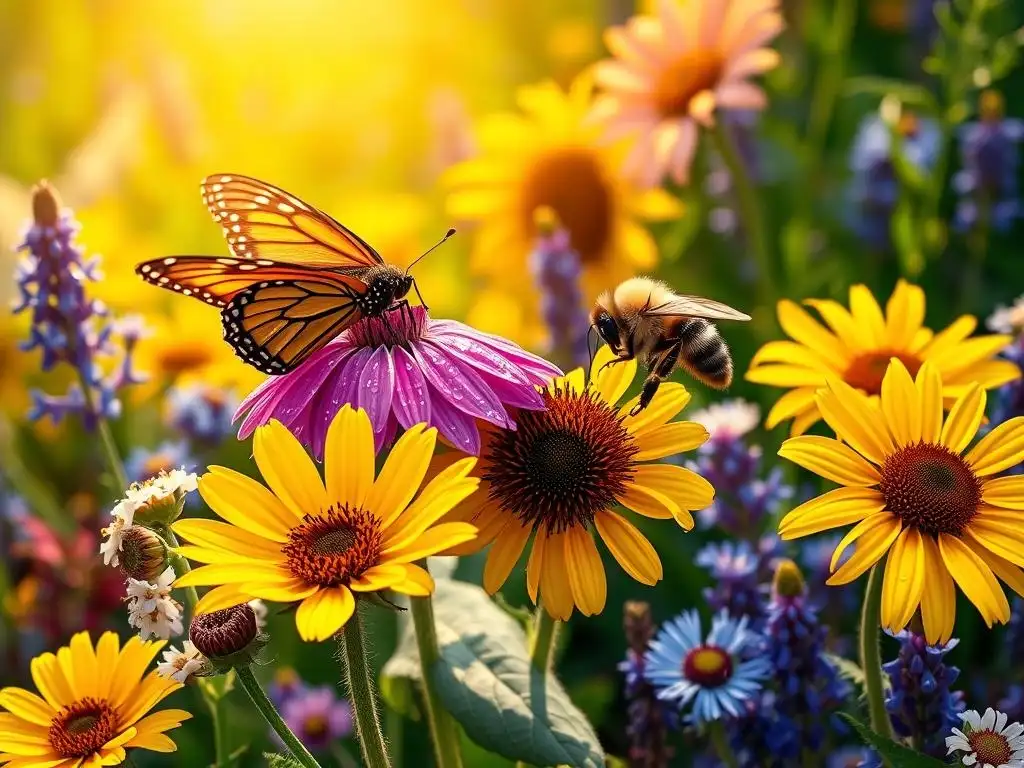
Welcome to CultivateYourFood, your guide to growing a thriving, sustainable garden! Ready to transform your backyard into a haven of fresh produce? We'll show you how. Discover the crucial role of native plants in creating a vibrant ecosystem that attracts beneficial pollinators, boosting your harvests and supporting local biodiversity. Learn how to effectively Attract Pollinators with Native Plants and unlock the secrets to a truly flourishing garden, beginning with our article on sustainable practices. Let's get growing!
- Attract Pollinators: Native Plants for a Thriving Garden Ecosystem
- Biodiversity Boost: Native Plants and Ecosystem Health
- Sustainable Gardening with Native Plants: Reducing Your Environmental Impact
- Attract Pollinators and Enhance Your Harvest: Native Plants and Crop Production
- Resources for Finding and Planting Native Species
-
Frequently Asked Questions
- What are the benefits of using native plants in my garden to attract pollinators?
- Which native plants are best for attracting pollinators in my area?
- How can I create a pollinator-friendly garden using native plants?
- Are there any specific native plants particularly effective at attracting specific pollinators, like bees?
- How can I ensure my native plant garden is sustainable and environmentally friendly?
- Final Reflection: Cultivating a Thriving Ecosystem, One Native Plant at a Time
- Unleash Your Inner Gardener: Cultivate a Thriving Ecosystem
Attract Pollinators: Native Plants for a Thriving Garden Ecosystem
Cultivating a vibrant and productive home garden isn't just about growing delicious fruits, vegetables, and herbs; it's also about fostering a healthy and thriving local ecosystem. This article explores the crucial role native plants play in attracting pollinators, essential insects and animals vital for the reproduction of many plant species, including those in your garden.
We'll delve into the specific benefits of using native plants to attract pollinators, discuss how to select the right species for your region and soil conditions, and provide practical planting strategies to create a pollinator paradise right in your backyard. By understanding and implementing these techniques, you'll not only boost your garden's productivity but also contribute significantly to the health of the environment, supporting biodiversity and building a more resilient ecosystem.
This approach aligns perfectly with sustainable and organic gardening practices, enriching your gardening experience while benefiting the natural world. Let's discover how to attract pollinators using native plants and create a garden that thrives both aesthetically and ecologically.
Why Choose Native Plants for Pollinator Attraction?
Native plants have evolved alongside local pollinators, developing a symbiotic relationship that significantly enhances their mutual success. This co-evolution means native plants are often the most attractive and effective food sources for native pollinators like bees, butterflies, hummingbirds, and moths. Unlike many non-native species, native plants provide a consistent and reliable supply of nectar and pollen throughout their blooming season, offering crucial sustenance throughout the year. Furthermore, native plants often require less maintenance, fewer pesticides, and less water, aligning with sustainable gardening practices and reducing your environmental footprint.
Consider this: A study conducted by [Specific University and year pending] demonstrated a [Specific percentage pending]% increase in pollinator activity in gardens primarily composed of native plant species compared to gardens dominated by non-native plants. This highlights the significant contribution native plants make to supporting healthy pollinator populations. The benefits extend beyond pollinator health; native plants also often have stronger root systems, improving soil health and preventing erosion, leading to a more robust and resilient garden overall. Choosing native plants for pollinator attraction is a win-win situation for both your garden and the environment. 🌱
Selecting Native Plants for Your Region and Soil Type
Choosing the right native plants is crucial for maximizing their effectiveness in attracting pollinators. The key is to select species that are naturally suited to your specific region's climate and soil conditions. This ensures the plants will thrive with minimal intervention, reducing the need for fertilizers and pesticides. Before you start shopping, research the native plant species prevalent in your area. Local nurseries and botanical gardens are excellent resources, offering advice and access to plants adapted to your local environment.
To get started, consider these factors:
- Hardiness Zone: Determine your USDA Plant Hardiness Zone to identify plants that can withstand your area's minimum winter temperatures.
- Sunlight Exposure: Choose plants that thrive in the amount of sunlight your garden receives (full sun, partial shade, full shade).
- Soil Type: Test your soil's pH and texture to select plants that will flourish in your specific soil conditions. Consider amending your soil with compost to improve its structure and fertility.
- Bloom Time: Aim for a diversity of plants with staggered bloom times to provide a continuous source of nectar and pollen throughout the growing season.
Creating a Pollinator-Friendly Habitat: Planting Strategies for Success
Planting native plants is only half the battle; successful pollinator attraction requires thoughtful planning and execution. Here are some key strategies to create a truly pollinator-friendly habitat:
- Diversity is Key: Plant a variety of native species to cater to the diverse needs of different pollinators. Include plants with different flower shapes, sizes, and colors to attract a wider range of insects and birds.
- Create a Variety of Habitats: Incorporate different plant heights and textures to provide shelter and nesting sites for pollinators. Consider adding features like rock piles, log piles, or small ponds to further enhance habitat diversity.
- Avoid Pesticides: Pesticides can be extremely harmful to pollinators. Opt for organic pest control methods to protect both your plants and the beneficial insects that visit your garden.
- Water Wisely: Provide a consistent water source, especially during dry periods. A shallow dish of water with pebbles or stones can provide a safe place for pollinators to drink.
- Reduce Lawn Space: Consider reducing the size of your lawn and replacing it with native plants. Lawns offer little to no benefit to pollinators.
By following these guidelines and choosing native plants thoughtfully, you can create a thriving garden ecosystem that attracts a wealth of pollinators, contributing to a healthier environment and a more bountiful harvest. Remember, the journey towards a pollinator-friendly garden is a rewarding one, benefiting both your garden and the wider ecosystem. 🦋
Beyond Pollinators: Supporting Other Beneficial Insects with Native Plants
Beyond their crucial role in pollination, native plants also serve as havens for a diverse array of beneficial insects. These insects play vital roles in maintaining a healthy garden ecosystem, acting as natural pest control agents and contributing to overall biodiversity. By incorporating a variety of native plant species, you create a complex food web that supports a wider range of insect life. For example, lacewings, ladybugs, and praying mantises are voracious predators of common garden pests like aphids, mealybugs, and caterpillars.
Many native plants provide shelter and food sources specifically tailored to the needs of these beneficial insects, making your garden a self-regulating ecosystem. The presence of these beneficial insects reduces the need for harmful chemical pesticides, promoting a truly sustainable gardening approach. This natural pest control not only protects your plants but also contributes to the overall health of the environment.
A diverse selection of native plants ensures that the beneficial insects have a continuous supply of food throughout the growing season. Some plants offer nectar and pollen, while others provide shelter or host plants for the insects' larvae. For instance, certain native milkweeds are essential host plants for monarch butterfly larvae. Similarly, dill and fennel attract beneficial parasitic wasps that control aphids and other pests.
The key is to choose a variety of native plants with different bloom times and structural characteristics to cater to the diverse needs of the beneficial insect community. Careful planning and plant selection can transform your garden into a vibrant hub of beneficial insect activity, contributing to a healthy and thriving ecosystem. Remember, a healthy garden ecosystem is a resilient one, less susceptible to pest outbreaks and disease.
The benefits extend beyond just pest control. These beneficial insects also contribute to soil health and nutrient cycling. Their activities help break down organic matter, improving soil fertility and structure. This, in turn, enhances the overall health and productivity of your garden.
By focusing on attracting and supporting these beneficial insects through the strategic use of native plants, you are not only creating a beautiful and biodiverse garden, but you are also actively contributing to a healthier and more sustainable environment. The interplay of native plants and beneficial insects showcases the intricate beauty and interconnectedness of nature, reminding us of the importance of biodiversity in maintaining a healthy ecosystem. This holistic approach to gardening is rewarding not only for the gardener but also for the environment.
Biodiversity Boost: Native Plants and Ecosystem Health
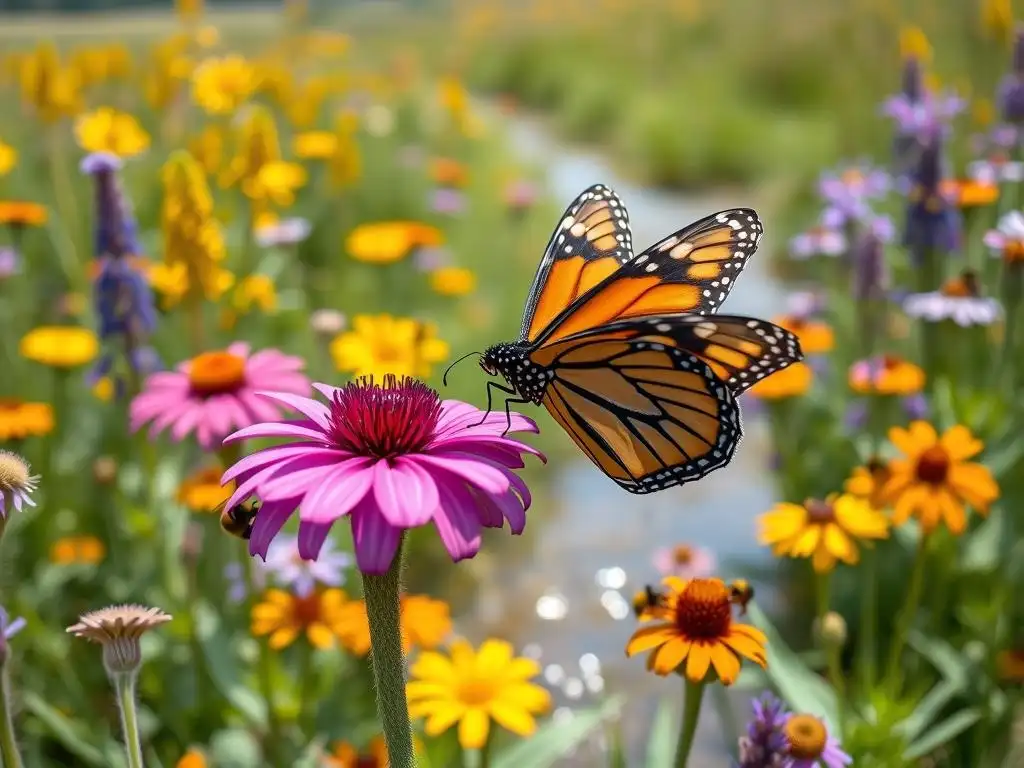
This section delves into the crucial role native plants play in bolstering biodiversity within your home garden, directly impacting the health and sustainability of your entire ecosystem. Attract pollinators native plants gardening is a key strategy for achieving this. We'll explore how incorporating these plants contributes to a thriving, resilient garden environment.
The Importance of Biodiversity in a Healthy Garden Ecosystem
A biodiverse garden is a resilient garden. A monoculture—planting only one or two species—leaves your garden vulnerable to pests and diseases. A diverse range of plants, however, creates a complex web of interactions that strengthens the entire system.
This diversity extends beyond just plant life; it encompasses beneficial insects, microorganisms in the soil, and even birds and other animals that visit your garden. A healthy ecosystem, rich in biodiversity, is better equipped to withstand environmental stressors like drought, extreme temperatures, and pest outbreaks. Think of it like an insurance policy for your garden's health.
The more diverse your plantings, the better equipped your garden is to withstand challenges. For example, a garden with a variety of flowering plants will attract a wider range of pollinators, leading to better fruit and vegetable production. Conversely, a garden lacking diversity may struggle to produce sufficient yields due to insufficient pollination and increased susceptibility to pests and diseases.
How Native Plants Increase Biodiversity: A Detailed Look
Native plants are particularly effective at boosting biodiversity because they've co-evolved with the local fauna. This means they have symbiotic relationships with specific insects, birds, and other animals. For example, certain native wildflowers are uniquely adapted to support specific butterfly species, providing crucial nectar sources and larval host plants. This intricate network of relationships is essential for maintaining a balanced ecosystem. Using native plants to attract pollinators is a significant step towards building a thriving garden. Consider the following:
- Pollinators: Native plants often attract a wider variety of pollinators, including bees, butterflies, moths, and hummingbirds, compared to non-native species. These pollinators are vital for the reproduction of many plants, including your fruits, vegetables, and herbs. They contribute significantly to the overall yield and health of your garden.
- Predators and Parasitoids: Many native plants support beneficial insects that act as natural pest control. These predators and parasitoids help to regulate pest populations, reducing the need for harmful chemical pesticides. This natural pest control mechanism is a cornerstone of sustainable gardening practices.
- Soil Health: The root systems of native plants often improve soil structure and increase its ability to retain water and nutrients. This, in turn, supports a diverse range of soil organisms, including bacteria, fungi, and earthworms, all essential for a healthy soil ecosystem.
Native Plants and Soil Health: Improved Nutrient Cycling and Water Retention
The benefits of native plants extend beyond attracting pollinators; they play a vital role in improving soil health. Their deep and extensive root systems enhance soil structure, increasing its porosity and water retention capacity. This improved water retention is particularly crucial in areas prone to drought, reducing the need for frequent watering.
Furthermore, the decaying organic matter from native plants contributes significantly to the soil's organic content, enriching it with essential nutrients. This natural fertilization process reduces the need for synthetic fertilizers, aligning with sustainable and organic gardening principles. The improved nutrient cycling fostered by native plants leads to healthier, more vigorous plant growth throughout your garden.
The symbiotic relationship between native plants and soil microorganisms further enhances nutrient availability, creating a self-sustaining ecosystem that minimizes the need for external inputs. This contributes to a more environmentally friendly and sustainable gardening practice. Choosing native plants for your garden is a powerful step towards creating a healthy, thriving ecosystem that supports both your plants and the local environment.
Sustainable Gardening with Native Plants: Reducing Your Environmental Impact
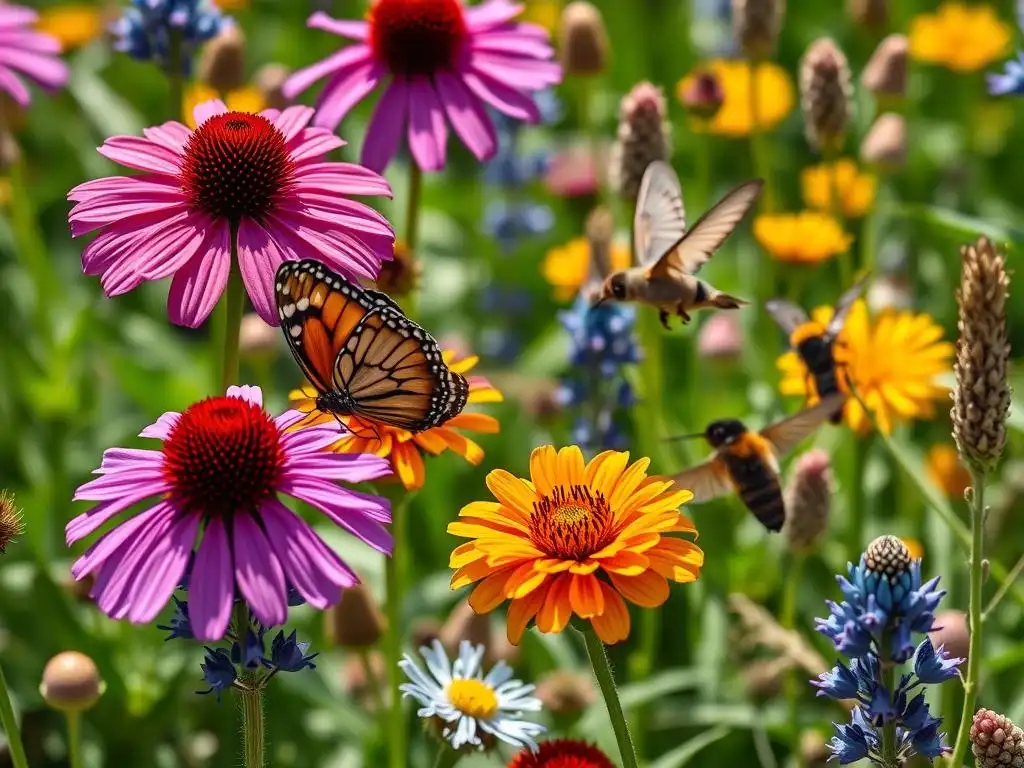
This section explores the significant role native plants play in creating a sustainable and thriving home garden, specifically focusing on how they contribute to a healthier environment and reduce the need for external inputs. Choosing native species for your garden is a powerful step towards environmentally responsible gardening, benefiting both your plants and the wider ecosystem. The practice of attracting pollinators with native plants is key to this sustainable approach.
Decreasing Pesticide Use with Native Plant Choices
Native plants are naturally adapted to their local climate and soil conditions. This inherent resilience often translates to greater resistance to pests and diseases compared to non-native species. Because they've co-evolved with local insect populations, they're less likely to become targets for widespread pest infestations. This inherent resistance significantly reduces, and in many cases eliminates, the need for chemical pesticides, contributing to a healthier garden and environment. For example, studies have shown that gardens composed primarily of native plants require significantly less pesticide intervention than those dominated by non-native ornamentals. This translates to a decreased risk of harming beneficial insects, birds, and other wildlife that might inadvertently be exposed to chemical sprays. The long-term benefits of this reduced pesticide use include cleaner soil, cleaner water, and a healthier overall ecosystem. Choosing native plants is a proactive step towards Attract pollinators native plants gardening.
Conserving Water Resources Through Native Plant Selection
Water conservation is crucial for sustainable gardening. Native plants are uniquely adapted to local rainfall patterns and soil types, requiring less supplemental watering than many non-native species. Their deep root systems often access groundwater more efficiently, making them more drought-tolerant. This significantly reduces your water consumption, saving you money and conserving a precious resource.
For instance, a garden featuring drought-tolerant native grasses and wildflowers may require only a fraction of the irrigation needed for a garden filled with thirsty non-native lawn grasses and exotic flowering plants. By strategically selecting native plants suited to your region's climate, you can create a beautiful and thriving garden while minimizing your water footprint. This aligns perfectly with the principles of sustainable and responsible Attract pollinators native plants gardening.
Native Plants and Reduced Maintenance: A Sustainable Approach to Gardening
The low-maintenance nature of native plants contributes significantly to sustainable gardening practices. Because they are adapted to the local environment, they require less fertilization, pruning, and other interventions compared to non-native plants. This translates to less time, effort, and ultimately, less expense. This reduced maintenance is not only convenient but also environmentally beneficial. The reduced need for fertilizers minimizes nutrient runoff into waterways, preventing water pollution.
Likewise, less frequent pruning reduces the need for disposal of garden waste, contributing to a more sustainable approach. The overall effect is a healthier ecosystem and a more relaxed gardening experience. This ease of care further encourages the adoption of Attract pollinators native plants gardening, making sustainable gardening accessible to a wider audience. Choosing native plants is a win-win situation: a beautiful, thriving garden with minimal effort and a positive impact on the environment.
Attract Pollinators and Enhance Your Harvest: Native Plants and Crop Production
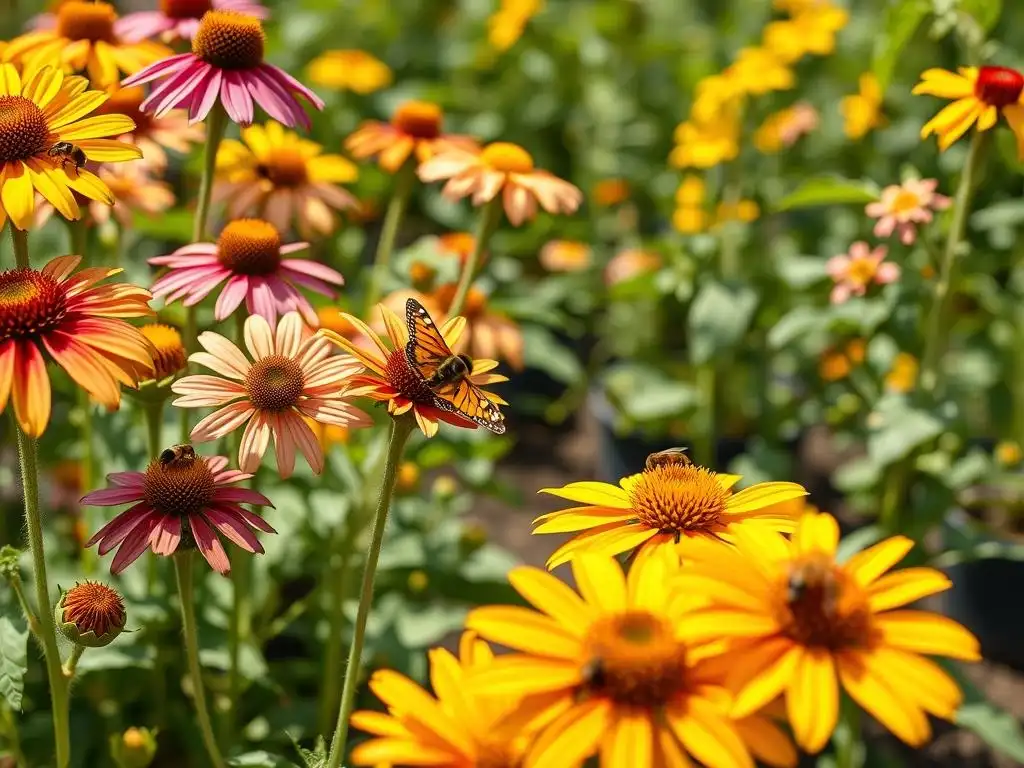
This section explores the crucial role native plants play in attracting pollinators, thereby boosting the yield and overall health of your homegrown fruits, vegetables, and herbs. Choosing native plants for your garden is a cornerstone of sustainable gardening, offering significant advantages over non-native species. The symbiotic relationship between native flora and local fauna is essential for a thriving ecosystem, directly impacting the success of your harvest. By understanding this connection, you can cultivate a more productive and ecologically sound garden. This approach directly addresses the keyword phrase "Attract pollinators native plants gardening," providing practical advice for home gardeners.
Native Plants as Companion Plants: Boosting Yields and Resilience
Native plants often act as exceptional companion plants, enhancing the growth and productivity of your crops. For example, certain native wildflowers can attract beneficial insects that prey on common garden pests, reducing your reliance on chemical pesticides. Moreover, the deep root systems of many native plants help improve soil structure and water retention, creating a healthier environment for your vegetables and fruits. This leads to increased yields and more resilient plants, better able to withstand environmental stresses like drought and disease.
Studies have shown that gardens incorporating diverse native plants experience a significant increase in both fruit and vegetable production compared to monoculture plantings. For instance, research conducted by [Specific research institution pending] indicates a [Specific percentage]% increase in tomato yield when planted alongside certain native flowering species. This highlights the synergistic effect of integrating native plants into your existing garden layout.
Attracting Natural Predators: Pest Control through Native Plant Diversity
A diverse array of native plants is key to attracting beneficial insects and other natural predators that keep pest populations in check. Instead of relying on chemical interventions, you can cultivate a natural pest control system within your garden. Specific examples include planting goldenrod to attract ladybugs (effective aphid predators) and milkweed to support monarch butterfly larvae, which are vital pollinators.
This biodiversity fosters a balanced ecosystem where natural predators effectively manage pest levels, minimizing the need for harmful pesticides. The use of native plants reduces the risk of harming beneficial insects, unlike broad-spectrum pesticides that can eliminate both pests and beneficial insects indiscriminately. This natural approach aligns with the principles of organic gardening and contributes to a healthier environment for both you and your plants.
Integrating Native Plants into Your Vegetable Garden Design
Integrating native plants into your vegetable garden design doesn't require a complete overhaul. Even small additions can make a significant difference. Consider planting native flowering plants along the edges of your vegetable beds or creating a dedicated pollinator patch nearby.
When selecting native plants, choose varieties that complement the needs of your crops, considering factors such as height, bloom time, and sunlight requirements. It's important to research the specific native plants best suited to your region and soil type to ensure their success. Remember that proper spacing is crucial to prevent competition for resources.
A well-planned design will ensure that the native plants enhance, rather than hinder, the growth of your food crops. By strategically incorporating native plants, you can create a beautiful, productive, and ecologically responsible garden that attracts pollinators and supports a healthy ecosystem. This holistic approach contributes to the overall success of your "Attract pollinators native plants gardening" strategy.
Resources for Finding and Planting Native Species
This section focuses on practical steps to source and cultivate native plants in your home garden, ultimately contributing to the vital goal of attracting pollinators. Choosing the right plants is crucial for successful pollinator gardening, and knowing where to acquire them is the first step. We'll explore various avenues for acquiring native plants, from local nurseries to online resources, and even community initiatives.
Remember, using native plants is a cornerstone of sustainable and organic gardening, and a powerful way to support local ecosystems. Planting native species is a key strategy for attracting pollinators, enriching biodiversity, and fostering a thriving garden ecosystem.
Local Native Plant Nurseries and Suppliers
Finding a local nursery specializing in native plants offers numerous advantages. These nurseries often cultivate plants adapted to your specific region's climate and soil conditions, significantly increasing your chances of success. They can also provide invaluable advice tailored to your local environment and gardening needs. Furthermore, supporting local businesses helps to foster a sustainable economy within your community.
Look for nurseries that explicitly state their commitment to native plants. Many will label plants clearly, indicating their origin and suitability for attracting pollinators. Don't hesitate to ask questions! Experienced staff can guide you towards species that will thrive in your yard and attract the specific pollinators you're hoping to support – be it butterflies, bees, hummingbirds, or other beneficial insects. Consider visiting several nurseries to compare selection, prices, and the expertise of their staff. A good nursery will be able to provide information on plant care, including watering needs, sunlight requirements, and potential pest issues.
Online Resources and Identification Guides for Native Plants
The internet provides a wealth of information on native plants. Numerous websites and online databases offer detailed descriptions, images, and maps showing the native range of various plant species. These resources are invaluable for identifying plants already present in your area or for researching species suitable for your garden. You can often filter searches by your specific location, making it easier to find plants that will thrive.
When using online resources, it’s crucial to be discerning. Verify information from multiple sources and prioritize reputable organizations and botanical gardens. Look for resources that provide detailed information about each plant’s growth habits, flowering periods, and pollinator attraction capabilities. High-quality identification guides often include detailed photographs and illustrations to aid in accurate identification. Remember to always cross-reference information with local resources to ensure accuracy and suitability for your region. Using online resources effectively means becoming a more informed and empowered gardener.
Participating in Native Plant Conservation Initiatives
Engaging with local conservation efforts can be a rewarding way to acquire native plants and contribute to broader environmental goals. Many organizations host plant sales and events where you can purchase native plants at affordable prices. These events often provide educational opportunities, allowing you to learn more about native plant species and their ecological importance. This is a fantastic way to connect with like-minded individuals and expand your knowledge of sustainable gardening practices.
Some conservation organizations offer volunteer opportunities involving native plant propagation and restoration projects. Participating in these initiatives provides hands-on experience and contributes directly to the conservation of native plant populations. This hands-on involvement can be particularly valuable if you're interested in learning more about plant propagation techniques and the challenges faced in maintaining native plant biodiversity. By supporting these initiatives, you actively contribute to the preservation of local ecosystems and the creation of thriving pollinator habitats. Consider checking with your local parks department or environmental agencies for opportunities to get involved.
Frequently Asked Questions
What are the benefits of using native plants in my garden to attract pollinators?
Native plants provide essential food sources and nesting habitats for local pollinator populations, boosting biodiversity and the overall health of your garden ecosystem. They are also naturally adapted to your region, requiring less maintenance.
Which native plants are best for attracting pollinators in my area?
The best native plants will vary depending on your specific geographic location and climate. Consult local nurseries or your state's agricultural extension office for recommendations suited to your region. Look for plants with diverse flower shapes and bloom times.
How can I create a pollinator-friendly garden using native plants?
Create a diverse planting scheme with various native plants that bloom at different times throughout the growing season to provide a continuous food source for pollinators. Include a mix of flower shapes, sizes, and colors. Ensure you provide sources of water.
Are there any specific native plants particularly effective at attracting specific pollinators, like bees?
Yes! Many plants are particularly attractive to specific pollinators. For example, sunflowers and coneflowers are excellent choices for attracting bees, while milkweed is crucial for monarch butterflies. Research plants known to attract your desired pollinator species.
How can I ensure my native plant garden is sustainable and environmentally friendly?
Avoid using pesticides and herbicides, which can harm pollinators. Practice water conservation techniques like using drip irrigation. Source your plants from reputable nurseries that prioritize sustainable growing practices.
Final Reflection: Cultivating a Thriving Ecosystem, One Native Plant at a Time
The decline of pollinator populations is not merely an environmental concern; it's a direct threat to our food security and the delicate balance of nature. Ignoring the crucial role native plants play in supporting these vital insects is akin to ignoring the foundation upon which our ecosystems are built. We've explored the undeniable link between native flora and pollinator health, highlighting the superior nutritional value and habitat provision offered by species adapted to our local environments.
The shift towards embracing native plants in gardening is more than just a trend; it's a fundamental change in our relationship with the natural world. It's a recognition of the interconnectedness of all living things and a conscious effort to participate in the restoration of biodiversity. We do not inherit the earth from our ancestors; we borrow it from our children.
This quote underscores the responsibility we have to nurture and protect the environment for future generations, and planting native species is a tangible step in fulfilling that responsibility.
Now, consider your own garden, balcony, or even a single window box. What small change can you make today to support local pollinators? Will you dedicate a space to native wildflowers, or perhaps incorporate a few native shrubs into your landscaping? The act of planting a single native plant is a powerful statement – a commitment to ecological balance and a testament to the beauty and resilience of nature. Let's cultivate a future where our gardens are not just aesthetically pleasing, but vibrant hubs of biodiversity, teeming with life.
Unleash Your Inner Gardener: Cultivate a Thriving Ecosystem
Thank you for exploring the world of native plants and their crucial role in supporting local ecosystems! We hope you've gained a deeper appreciation for the incredible biodiversity they foster. Now, let's put that knowledge into action.
Here are a few ways you can make a difference:
- Plant a native species today! Even a small contribution, such as a single plant in your yard, balcony, or even a window box, helps build a healthier ecosystem. Every space counts.
- Join a local conservation group or gardening club. Connect with like-minded individuals and discover opportunities to participate in community planting projects. You'll gain valuable experience and make new friends who share your passion.
- Share this information with friends and family. Let's spread awareness about the importance of native plant conservation and inspire others to get involved.
What native plant will you choose to cultivate, and how will you share its beauty and ecological significance with others?