
Growing Leafy Greens in Cold Climates: Spinach, Kale, and Lettuce

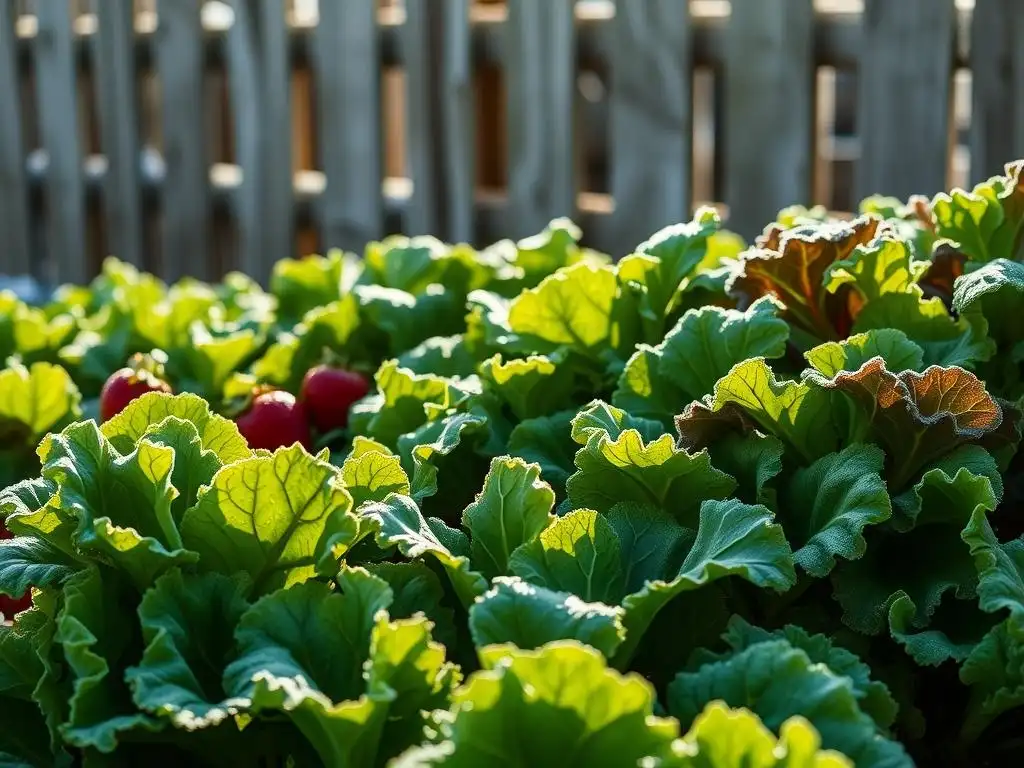
Welcome to CultivateYourFood, your guide to a thriving, sustainable garden! Are you dreaming of fresh, homegrown leafy greens even during the coldest months? Discover the secrets to successfully growing leafy greens in cold climates, from selecting the right spinach, kale, and lettuce varieties to mastering techniques for optimal growth. Let's unlock the potential of your garden, no matter the weather—explore our expert advice and start cultivating your own abundance today!
- Choosing the Right Leafy Greens for Cold Weather Gardening
- Preparing Your Cold Climate Garden for Leafy Greens
- Planting Leafy Greens in Cold Climates: A Step-by-Step Guide
- Protecting Your Leafy Greens from Cold Weather Damage
- Harvesting and Storing Your Cold-Climate Leafy Greens
- Pest and Disease Control for Leafy Greens in Cold Climates
- Extending Your Growing Season in Cold Climates: Tips and Tricks
- Frequently Asked Questions
- Final Reflection: Cultivating Resilience, One Leaf at a Time
- Unleash Your Inner Green Thumb: Grow Your Own Winter Bounty!
Choosing the Right Leafy Greens for Cold Weather Gardening
Growing your own fresh, nutritious leafy greens is a rewarding experience, regardless of the climate. But for those in colder regions, the challenge lies in selecting varieties that can withstand frost and thrive in shorter days and lower temperatures. This comprehensive guide focuses on successfully cultivating leafy greens in cold climates, covering the best varieties, optimal planting techniques, and essential care tips to ensure a bountiful harvest even during winter's chill.
We'll explore the specific needs of spinach, kale, and lettuce, equipping you with the knowledge to successfully grow these nutrient-rich vegetables throughout the colder months. Mastering the art of cold-climate gardening allows you to enjoy a continuous supply of homegrown leafy greens, minimizing your environmental impact and maximizing the flavor and freshness of your meals. This guide will help you grow leafy greens cold climate with confidence and success.
Spinach: A Cold-Hardy Champion for Cold Climate Gardens
Spinach is a fantastic choice for cold-climate gardening, known for its remarkable cold hardiness. Many varieties can even tolerate light frost! This makes it an ideal crop for fall and early spring planting, extending your harvest season significantly. To maximize your yield, consider these key aspects:
- Variety Selection: Choose varieties specifically bred for cold tolerance. 'Bloomsdale Long Standing' and 'Tyee' are popular options known for their ability to withstand cooler temperatures and even light freezes. Look for seed packets that explicitly mention cold hardiness.
- Planting Timing: For a fall harvest, sow seeds 6-8 weeks before the first expected frost. For a spring harvest, plant seeds as soon as the ground can be worked, even if there’s still a chance of frost. Spinach seedlings can often withstand light frosts.
- Soil Preparation: Well-drained soil rich in organic matter is crucial. Amend heavy clay soils with compost to improve drainage and aeration. Spinach thrives in slightly acidic soil (pH 6.0-6.8).
- Sowing Depth: Sow seeds about ½ inch deep and space them 1-2 inches apart. Thin seedlings to 4-6 inches apart once they have a few true leaves to prevent overcrowding.
- Watering: Consistent moisture is key, especially during germination and growth. Water deeply and regularly, but avoid overwatering, which can lead to root rot. Mulching helps retain soil moisture.
- Pest and Disease Control: Spinach is susceptible to various pests and diseases. Practice crop rotation to minimize the risk of infestation. Regularly inspect plants for signs of pests or disease and take appropriate action.
Kale: Thriving in Chilly Conditions and Frost Tolerance
Kale is another resilient leafy green that thrives in cold climates. In fact, many kale varieties actually benefit from the cold, developing a sweeter, more tender flavor after a light frost! Its hardiness makes it a perfect choice for extending the gardening season well into autumn and even winter in some areas.
- Variety Selection: 'Lacinato' (also known as dinosaur kale) and 'Red Russian' are excellent cold-hardy varieties. These varieties often withstand temperatures well below freezing, providing a continuous harvest even during harsh winters.
- Planting Timing: Kale can be planted in both spring and fall, offering a longer harvest window. For a fall harvest, plant 6-8 weeks before the first frost. For spring, sow seeds as soon as the ground thaws.
- Soil Requirements: Similar to spinach, kale prefers well-drained, fertile soil rich in organic matter. Amend the soil with compost for optimal results.
- Spacing: Space kale plants 12-18 inches apart to allow for adequate growth and air circulation, reducing the risk of fungal diseases.
- Harvesting: Harvest individual leaves as needed, starting from the outer leaves and working your way inwards. This allows the plant to continue growing and producing new leaves.
Lettuce Varieties for Fall and Spring Harvesting in Cold Climates
While some lettuce varieties are more heat-tolerant, several types are well-suited for cooler temperatures, offering delicious harvests in fall and spring. Careful variety selection is key to success.
- Variety Selection: Look for varieties labeled as "cold-hardy" or "loose-leaf." 'Black Seeded Simpson' and 'Red Sails' are good choices known for their ability to tolerate cooler temperatures. Consider also varieties that mature quickly for short growing seasons.
- Planting Timing: Similar to spinach and kale, plant lettuce seeds 6-8 weeks before the first expected frost in the fall, and as soon as the ground can be worked in the spring.
- Growing Conditions: Lettuce prefers partial shade in warmer weather and full sun in cooler climates. Consistent moisture is essential for optimal growth.
- Harvesting: Harvest lettuce leaves as needed, either by picking individual leaves or cutting the whole head, depending on the variety. Successive sowings will provide a continuous harvest.
Preparing Your Cold Climate Garden for Leafy Greens
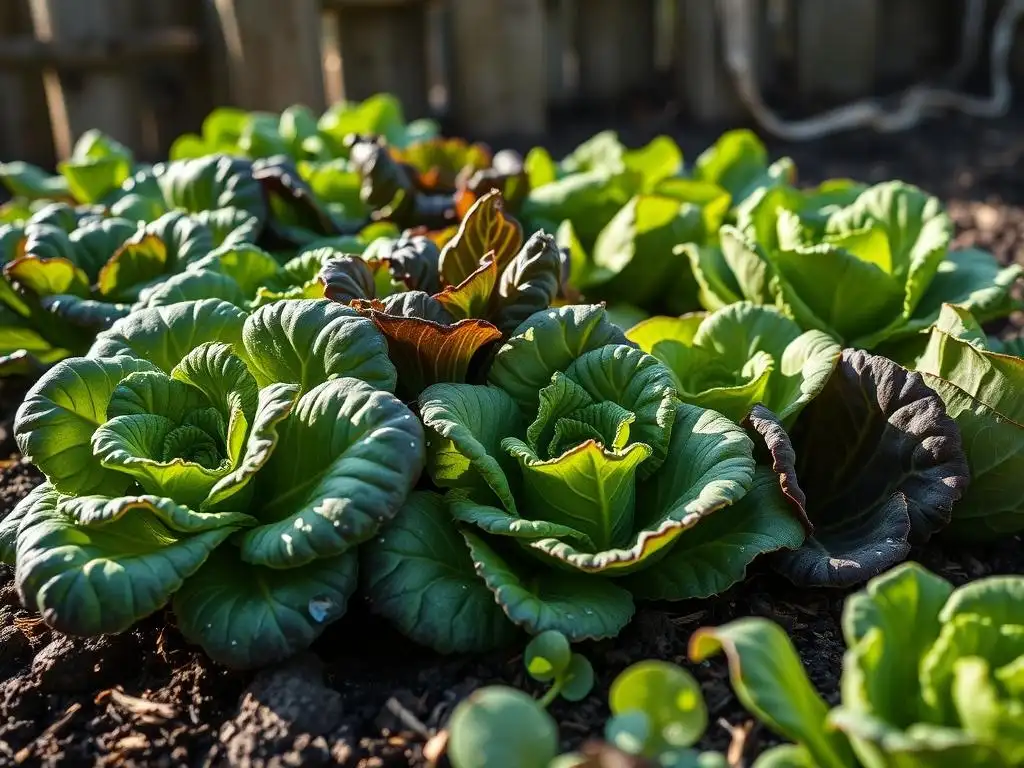
This section details the crucial steps to prepare your garden for successfully growing leafy greens like spinach, kale, and lettuce in cold climates. Mastering these techniques will significantly increase your chances of a bountiful harvest, even when temperatures plummet. Proper site selection, soil preparation, and nutrient enrichment are key to thriving leafy greens, even in challenging conditions. Remember, a well-prepared garden is the foundation for robust and healthy plants. Let's delve into the specifics:
Selecting a Suitable Location: Sunlight and Protection from Wind
Choosing the right location is paramount when growing leafy greens in a cold climate. While leafy greens tolerate some shade, they still require adequate sunlight for optimal growth. Aim for a location that receives at least 6 hours of direct sunlight per day, particularly during the cooler months. However, the intensity of the sun in colder climates is often less harsh than in warmer regions.
Furthermore, protection from harsh winds is crucial. Strong winds can desiccate plants, leading to wilting and reduced yields. Consider planting your leafy greens in a sheltered area, perhaps near a fence, wall, or hedge. Even a strategically placed windbreak can make a significant difference. Observe your garden throughout the year to identify areas naturally shielded from prevailing winds. This careful site selection will significantly improve the survival and productivity of your leafy greens. Remember, a location that balances sunlight exposure and wind protection is ideal for a successful cold-climate garden.
Soil Preparation for Optimal Growth in Cold Weather
Soil preparation is critical, especially in cold climates where the growing season is shorter. The goal is to create a well-drained, fertile soil that can retain moisture effectively, vital for leafy greens which need consistent hydration. Begin by testing your soil's pH level. Leafy greens thrive in slightly acidic to neutral soil (pH 6.0-7.0). Adjust the pH accordingly using lime (to raise pH) or sulfur (to lower pH), following the instructions on the product packaging carefully.
Next, focus on soil structure. Cold, heavy clay soils can become waterlogged, hindering root development and potentially leading to root rot. Improve drainage by incorporating organic matter such as compost, well-rotted manure, or peat moss. This will not only improve drainage but also enhance soil aeration, providing better access to oxygen for your plants' roots. A loose, well-structured soil allows for better root penetration and nutrient uptake, crucial for healthy growth. Consider tilling or double-digging the soil to improve its texture and structure before planting your leafy greens.
Amendments and Soil Enrichment for Nutrient-Rich Soil
Even with excellent drainage and structure, your soil may still lack essential nutrients needed for vigorous growth. Amendments provide the necessary boost to ensure your leafy greens receive a balanced diet. Compost is a fantastic all-around soil amendment; it provides a slow-release source of nutrients and improves soil structure. Aged manure, another excellent choice, offers similar benefits. Avoid using fresh manure, as it can burn your plants.
Consider a soil test to determine specific nutrient deficiencies. This test can guide you in selecting appropriate fertilizers. For instance, if your soil is low in nitrogen, you might choose a nitrogen-rich fertilizer. However, remember that over-fertilizing can be detrimental. Follow the fertilizer instructions carefully to avoid burning your plants and causing environmental damage. A balanced approach, combining organic amendments with targeted fertilization based on soil test results, will provide your leafy greens with the nutrients they need for robust growth throughout the cold season. Remember that consistent monitoring and adjustments are key to optimal soil health.
Planting Leafy Greens in Cold Climates: A Step-by-Step Guide
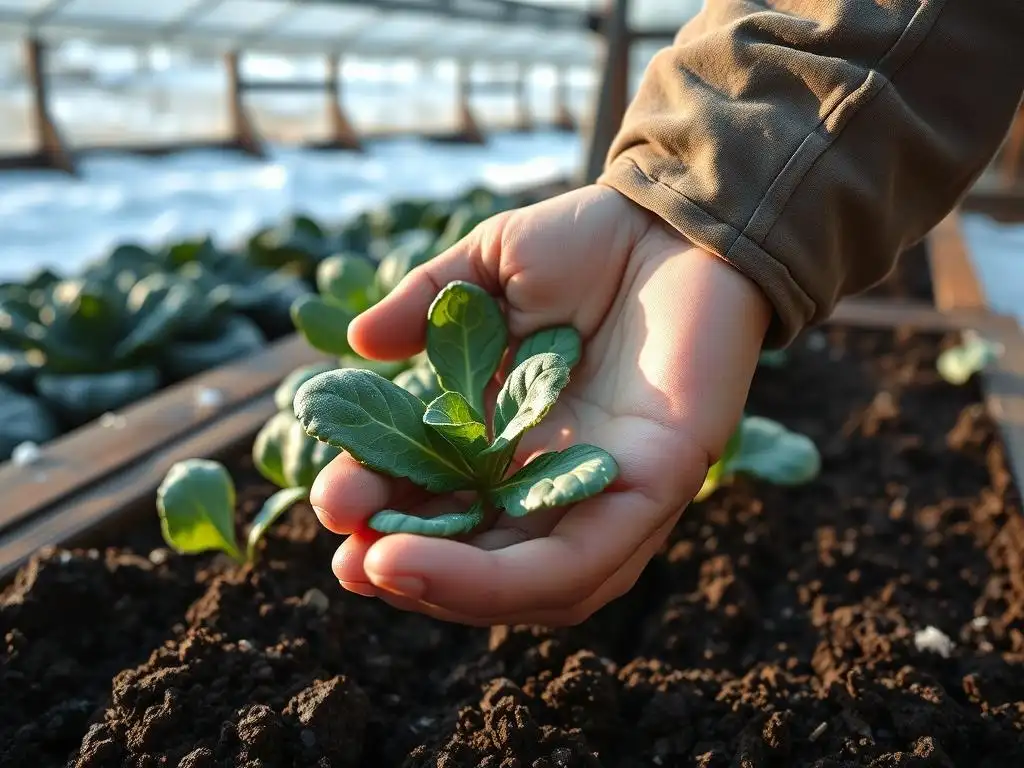
This section details the optimal planting methods for leafy greens like spinach, kale, and lettuce in colder climates, focusing on maximizing yield and minimizing frost damage. We'll explore both starting seeds indoors and direct sowing, crucial techniques for successful "grow leafy greens cold climate" strategies.
Starting Seeds Indoors for an Early Harvest
Starting seeds indoors gives your leafy greens a head start, allowing for harvest before the last frost. This is particularly advantageous in regions with long, cold winters and short growing seasons. Successfully growing leafy greens in a cold climate often hinges on this early preparation.
To begin, select high-quality seeds from reputable suppliers. Look for varieties specifically bred for cold tolerance. Many seed packets clearly indicate their cold hardiness. For example, 'Bloomsdale' spinach is known for its resilience to cooler temperatures.
Next, use seed-starting trays filled with a well-draining seed-starting mix. Avoid using garden soil directly, as it may harbor diseases. Gently sow seeds according to the instructions on the packet, usually covering them with a thin layer of soil.
Keep the soil consistently moist but not soggy. A humidity dome can help maintain ideal moisture levels. Place the trays in a sunny location, ideally with supplemental grow lights to ensure sufficient light for healthy seedling development. The temperature should be consistently around 65-75°F (18-24°C).
Once seedlings have developed their first few true leaves (not the cotyledons), they are ready for transplanting. Gradually acclimate them to outdoor conditions before planting them in the garden to avoid shock. This "hardening off" process involves gradually increasing their exposure to sunlight and cooler temperatures over several days.
Direct Sowing Techniques for Cold-Hardy Leafy Greens
Direct sowing, planting seeds directly into the garden, is a viable option for cold-hardy leafy greens like kale and some types of lettuce. This method avoids the extra step of transplanting and can be less time-consuming. However, it requires careful timing to avoid frost damage.
Choose a location with well-drained soil and ample sunlight. Amend the soil with compost to improve its fertility and drainage. The soil temperature should ideally be above 40°F (4°C) for optimal germination.
Sow seeds according to the packet instructions, spacing them appropriately. Consider using row covers or other frost protection methods (discussed in the next section) to protect the newly sown seeds from unexpected late frosts. Some gardeners also use cloches for individual plant protection. This is especially important for early spring plantings.
Regularly monitor the seedlings for emergence and ensure consistent moisture. Thin out seedlings once they have a few true leaves, leaving enough space for optimal growth. Overcrowding can lead to stunted growth and increased susceptibility to disease. Remember, proper spacing is key to successful "grow leafy greens cold climate" results.
Protecting Seedlings from Frost and Cold Temperatures
Protecting young seedlings from frost is crucial for successful leafy green cultivation in cold climates. Even a light frost can severely damage or kill tender young plants. Several methods can be employed to mitigate frost damage.
- Row Covers: Floating row covers are lightweight fabrics that create a microclimate around plants, protecting them from frost and wind. They allow sunlight and water to penetrate while preventing frost formation.
- Cloches: Individual cloches, bell-shaped covers, can protect individual plants or small groups of plants. They are particularly useful for protecting transplanted seedlings.
- Cold Frames: Cold frames are miniature greenhouses that provide a more substantial level of protection from cold temperatures. They are ideal for extending the growing season and protecting more mature plants.
- Mulching: Applying a layer of mulch around plants helps insulate the soil and protect roots from freezing temperatures. Organic mulches like straw or shredded leaves are excellent choices.
- Watering: Proper watering helps plants withstand cold temperatures. Water deeply before an anticipated frost. Moist soil retains heat better than dry soil.
Careful planning and the implementation of these protective measures significantly improve the chances of successfully growing a bountiful harvest of leafy greens, even in the face of cold weather. Mastering these techniques enhances your ability to "grow leafy greens cold climate" and enjoy fresh produce year-round.
Protecting Your Leafy Greens from Cold Weather Damage
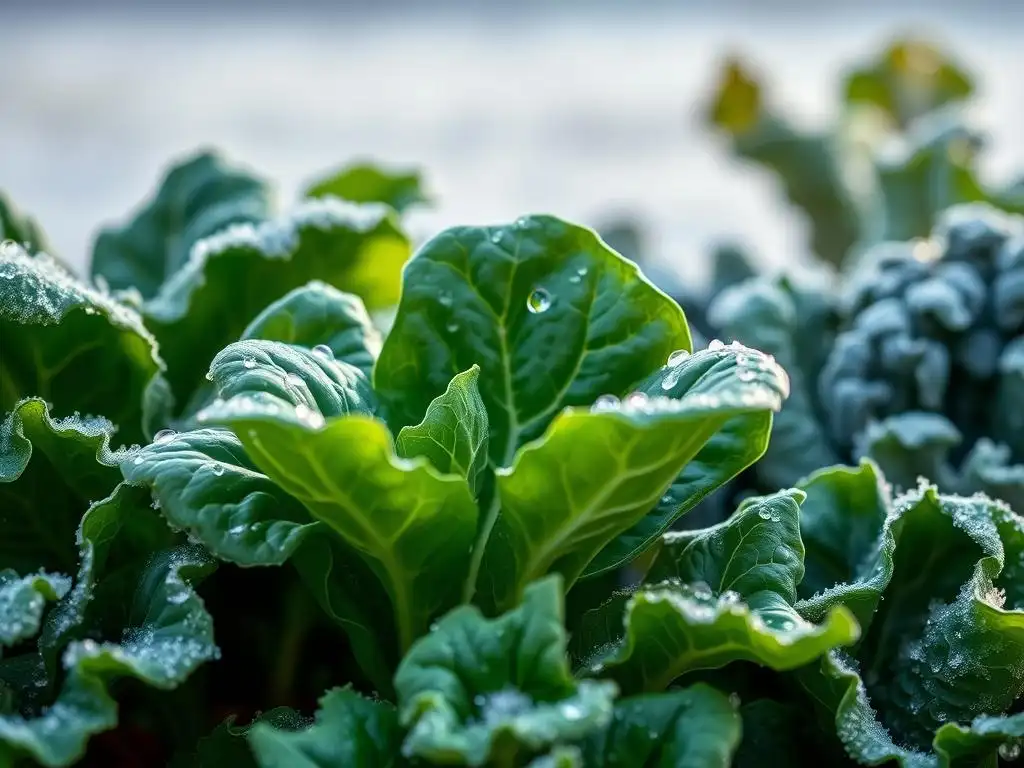
Growing leafy greens in cold climates presents unique challenges, but with the right techniques, you can successfully cultivate a bountiful harvest even during frosty periods. This section focuses on practical strategies to safeguard your spinach, kale, and lettuce from cold weather damage, maximizing your yield and ensuring healthy plants. The key is proactive protection, combining various methods to create a microclimate that shields your plants from harsh temperatures and frost.
Mastering these techniques will significantly improve your chances of success in growing leafy greens, even in the most challenging cold-climate environments. Remember, a little extra effort in protection translates to a significantly larger and healthier harvest.
Using Row Covers and Cold Frames for Frost Protection
Row covers, also known as floating row covers, are lightweight fabrics that create a protective barrier over your plants. These permeable covers allow sunlight and water to reach the plants while significantly reducing frost damage and wind chill. They are inexpensive and readily available at most garden centers. For optimal protection, place the row cover directly over your leafy greens, securing the edges with soil, rocks, or clips. Remember to remove the covers on warmer days to prevent overheating and ensure proper ventilation. This prevents the build-up of moisture which can lead to fungal diseases.
Cold frames offer a more substantial level of protection. These structures, typically made of glass or plastic, create a miniature greenhouse effect, trapping heat and protecting plants from frost and harsh winds. Cold frames can be purchased or easily built using readily available materials. When using a cold frame, ensure adequate ventilation, especially on warmer days to avoid excessive humidity. Proper ventilation is crucial for preventing rot and disease, particularly in cold, damp climates. Regular monitoring of both temperature and humidity levels within the cold frame is essential for optimal plant growth.
Mulching Techniques to Insulate the Soil and Maintain Temperature
Mulching is a fundamental practice for cold-climate gardening. A thick layer of mulch acts as insulation, protecting the soil from extreme temperature fluctuations and maintaining a more consistent soil temperature, which is crucial for the root systems of your leafy greens. Organic mulches, such as straw, shredded leaves, or aged compost, are ideal choices. They offer insulation and gradually decompose, enriching the soil with organic matter.
Aim for a layer of mulch at least 3-4 inches thick around your leafy greens. This layer will help to moderate soil temperature, preventing freezing and thawing cycles which can damage delicate roots. Careful application of the mulch, ensuring it doesn't smother the base of the plants, is essential for optimal results.
Watering Strategies for Cold Weather Gardening
Watering is critical, even during cold weather. However, overwatering can be detrimental in cold conditions. Frozen soil prevents water absorption, leading to root damage. Instead of frequent shallow watering, opt for less frequent but deeper watering sessions.
This encourages deeper root growth, making your plants more resilient to cold temperatures. Avoid watering late in the day, as the water may freeze on the plants overnight causing damage. Early morning watering allows the plants time to dry before nightfall, minimizing the risk of frost damage.
Consider using a soaker hose or drip irrigation to deliver water directly to the roots, minimizing water loss and preventing foliar diseases that thrive in damp conditions. Monitoring soil moisture levels regularly is key to achieving the right balance and preventing both under and overwatering. This careful approach ensures your leafy greens receive the hydration they need to thrive, even in the challenging conditions of a cold climate.
Harvesting and Storing Your Cold-Climate Leafy Greens
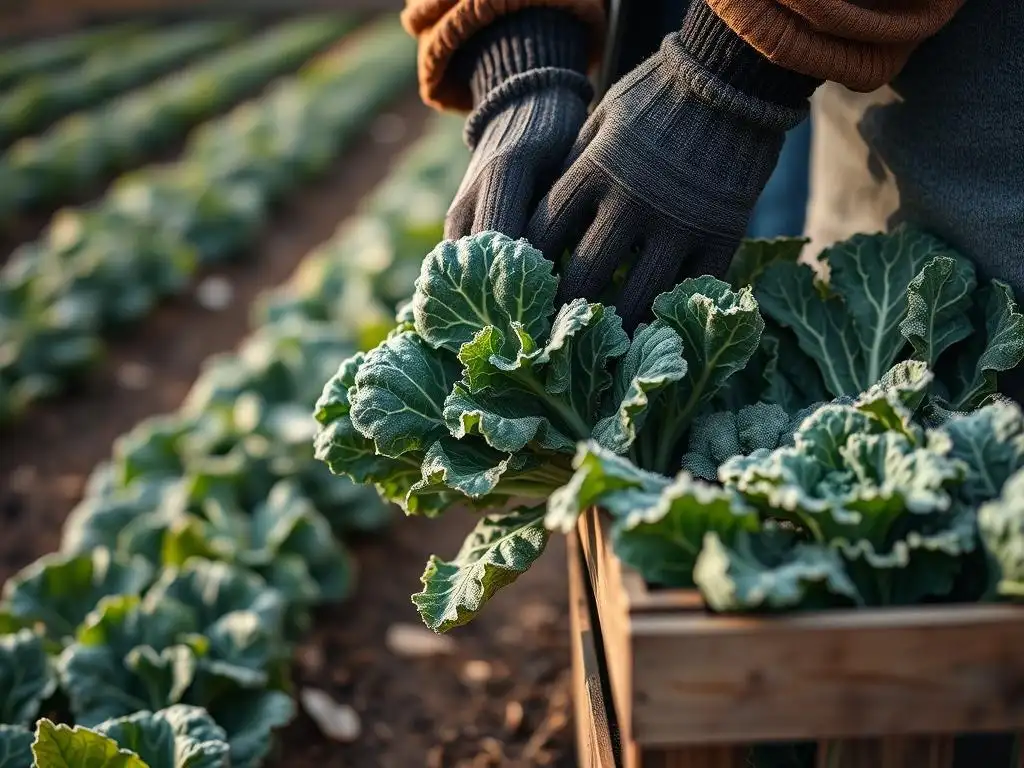
This section focuses on maximizing the yield and quality of your leafy greens harvest, even in challenging cold climates. We'll explore the ideal harvesting times, proper techniques to minimize plant damage, and effective storage methods to maintain freshness and extend the enjoyment of your homegrown produce. Mastering these techniques is crucial for successfully growing leafy greens in cold climates and reaping the rewards of your hard work. Remember, the goal is to grow leafy greens cold climate successfully!
Knowing When to Harvest for Optimal Flavor and Nutrition
Harvesting your leafy greens at the right time is key to achieving the best flavor and nutritional value. The optimal harvest time varies slightly depending on the specific leafy green and your desired size and leaf maturity.
For spinach, harvest when the leaves are fully developed but still tender – usually around 4-6 weeks after sowing. Avoid letting the plants bolt (flower), as this will make the leaves bitter. You can harvest individual leaves as needed, or cut the entire plant at ground level.
Kale can be harvested at various stages. You can start harvesting individual leaves from the outer rows when they are about 6-8 inches tall, leaving the inner leaves to continue growing. Alternatively, you can harvest the entire plant when it reaches maturity, about 2-3 months after sowing. The flavor of kale intensifies with the onset of cooler weather.
With lettuce, the best time to harvest depends on the variety. Loose-leaf lettuce can be harvested by picking individual leaves as needed. Head lettuce should be harvested when the head is firm and fully developed, usually 6-8 weeks after sowing. Harvesting lettuce before it bolts ensures a sweet, crisp flavor. Remember to always check the specific instructions on your seed packet for optimal harvest timing.
Proper timing is crucial for successful grow leafy greens cold climate gardening. Harvesting too early results in smaller yields, while harvesting too late can lead to tough, bitter leaves.
Proper Harvesting Techniques to Avoid Damaging Plants
Gentle harvesting techniques are essential to protect your plants and encourage continued growth. Avoid pulling or yanking the leaves, as this can damage the root system and reduce future yields. Instead, use clean, sharp scissors or a knife to cut the leaves cleanly at their base. For loose-leaf varieties, select the outer leaves, leaving the inner leaves intact to continue growing. For head lettuce, cut the entire head at the base, leaving a small portion of the stem to prevent soil contamination.
Here's a table summarizing the best harvesting techniques for each leafy green:
| Leafy Green | Harvesting Technique | Notes |
|---|---|---|
| Spinach | Cut individual leaves or entire plant at ground level | Avoid pulling |
| Kale | Cut individual outer leaves or entire plant | Leave inner leaves for continued growth |
| Lettuce (Loose-leaf) | Pick individual leaves | Harvest outer leaves first |
| Lettuce (Head) | Cut entire head at base | Leave a small stem portion |
Remember to wash your harvesting tools before and after each use to prevent the spread of diseases. Using clean tools is a vital part of successfully grow leafy greens cold climate.
Storage Methods to Preserve Freshness and Extend Shelf Life
Proper storage is critical to maintaining the freshness and quality of your harvested leafy greens. Immediately after harvesting, rinse the leaves gently and thoroughly under cold water to remove any dirt or debris. Then, gently pat the leaves dry with a clean cloth or paper towel.
Several storage methods can help extend the shelf life of your leafy greens:
- Refrigeration: This is the most common and effective method for short-term storage. Wrap the leaves loosely in a paper towel or plastic bag to maintain humidity. Store them in the crisper drawer of your refrigerator, where the humidity is controlled. This method keeps leafy greens fresh for up to a week.
- Freezing: Freezing leafy greens preserves them for longer periods. Blanch the leaves briefly in boiling water before freezing to maintain their color and texture. Then, quickly cool them in an ice bath. Package the blanched leaves in freezer bags, removing as much air as possible. Frozen leafy greens can last for several months.
- Drying: Drying is another option for preserving leafy greens, although it alters their texture and flavor. Air drying or using a food dehydrator are suitable methods. Dried leafy greens can be stored in airtight containers in a cool, dark, and dry place for several months.
By following these harvesting and storage tips, you can enjoy your homegrown leafy greens for weeks, even months, after harvest, maximizing the benefits of your grow leafy greens cold climate efforts. 🥬
Pest and Disease Control for Leafy Greens in Cold Climates
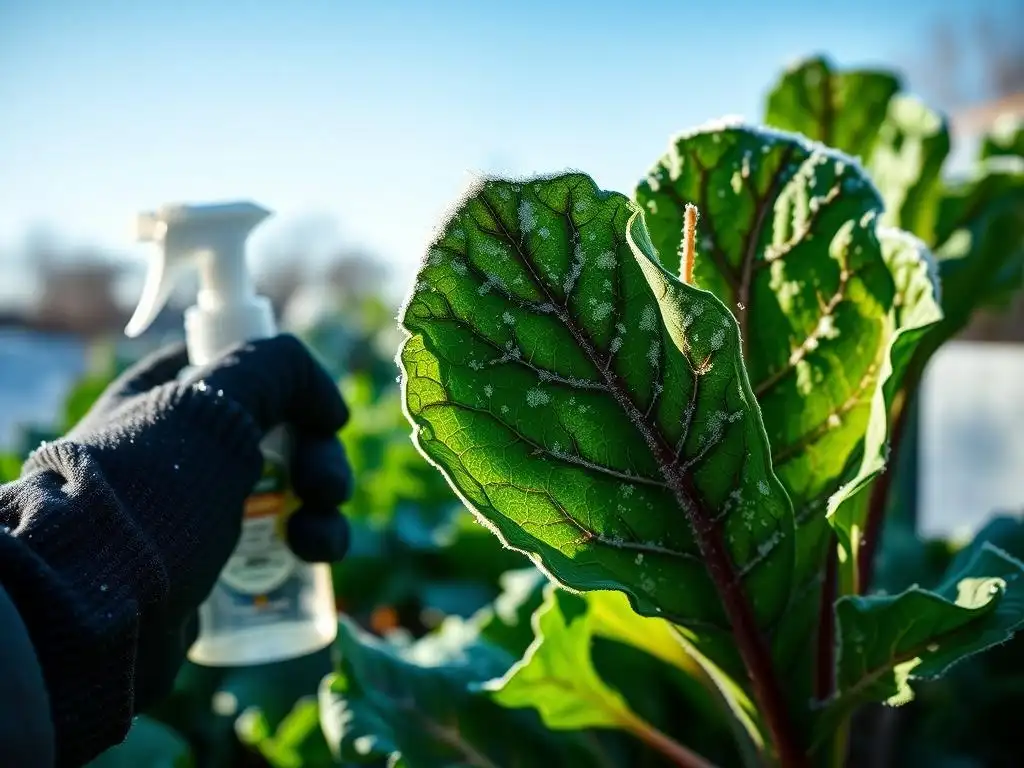
Growing leafy greens in cold climates presents unique challenges, including dealing with pests and diseases that thrive in cool, damp conditions. While the colder temperatures can naturally suppress some pests, others are surprisingly resilient and can still cause significant damage to your crops. Understanding these threats and employing effective control methods is crucial for a successful harvest. This section will explore common issues and provide practical, organic solutions for maintaining healthy spinach, kale, and lettuce plants even in challenging weather.
Common Pests and Diseases Affecting Leafy Greens in Cold Weather
Several pests and diseases can plague leafy greens, even during colder months. Some are more prevalent in specific regions or microclimates, so careful observation of your plants is essential.
Pests:
- Slugs and Snails: These mollusks are particularly active in damp, cool weather and can decimate leafy greens overnight. Their slime trails are a telltale sign of their presence. They relish tender young leaves.
- Aphids: These tiny sap-sucking insects can cluster on the undersides of leaves, causing stunted growth and leaf curling. They're more common in milder spells within the cold season.
- Cabbage White Butterflies: While more active in warmer weather, their larvae (cabbage worms) can survive cooler temperatures and munch on leaves, leaving holes and droppings.
- Flea Beetles: These small, jumping beetles can cause tiny holes in leaves, especially in young seedlings. They are often more problematic in early spring before the main growing season.
Diseases:
- Downy Mildew: This fungal disease thrives in cool, humid conditions and causes fuzzy white or purple patches on the undersides of leaves. It can severely impact plant health and yield.
- Leaf Spot Diseases: Various fungal and bacterial leaf spot diseases can appear as brown or black spots on leaves. These spots can coalesce, causing significant leaf damage.
- Root Rot: Poor drainage and overly wet soil can lead to root rot, causing wilting and ultimately plant death. This is exacerbated by cold, wet conditions.
Organic Pest and Disease Control Methods for Cold Climate Gardening
Effective pest and disease management in cold climates relies heavily on preventative measures and organic control methods. Aggressive chemical treatments are generally less effective and can harm beneficial insects and the environment.
- Physical Barriers: Row covers can protect plants from slugs, snails, and flea beetles. These covers create a physical barrier, preventing pests from reaching the leaves. Consider using copper tape around the base of plants to deter slugs and snails.
- Beneficial Insects: Encourage beneficial insects like ladybugs and lacewings, which prey on aphids and other pests. Provide habitat for these insects by planting flowering plants nearby.
- Diatomaceous Earth: This natural powder can be sprinkled around plants to dehydrate slugs and snails. It's a safe and effective option for organic pest control.
- Neem Oil: Neem oil is a natural insecticide that can effectively control aphids and other soft-bodied insects. Apply it according to package directions.
- Compost Tea: Applying a diluted compost tea can improve soil health and boost plant immunity, making them more resistant to diseases.
- Crop Rotation: Rotating your crops annually helps break pest and disease cycles, reducing the likelihood of infestations in subsequent years.
- Proper Watering: Avoid overhead watering, which can spread fungal diseases. Water at the base of plants to keep foliage dry. Ensure good drainage to prevent root rot.
Preventing Problems Through Healthy Gardening Practices
Proactive measures are key to minimizing pest and disease problems. A healthy plant is much better equipped to withstand attacks.
- Seed Selection: Choose disease-resistant varieties of spinach, kale, and lettuce specifically bred for cold climates. This provides a strong foundation for healthy growth.
- Soil Preparation: Amend your soil with compost or other organic matter to improve drainage and fertility. Healthy soil fosters strong, resilient plants.
- Spacing: Provide adequate spacing between plants to ensure good air circulation, reducing the risk of fungal diseases. Overcrowding increases humidity and encourages disease spread.
- Sanitation: Remove and destroy infected plant material promptly to prevent the spread of diseases. Clean garden tools regularly to avoid transferring pathogens.
- Monitoring: Regularly inspect your plants for signs of pests and diseases. Early detection allows for prompt intervention, minimizing damage.
By implementing these preventative and organic control methods, you can significantly reduce the impact of pests and diseases on your leafy green crops, even in the challenging conditions of a cold climate. Remember that consistent observation and a proactive approach are crucial for a successful and abundant harvest. Enjoy the fruits (or rather, leaves!) of your labor! 🌱
Extending Your Growing Season in Cold Climates: Tips and Tricks
Growing leafy greens in cold climates presents unique challenges, but with careful planning and the right techniques, you can enjoy a bountiful harvest even during the colder months. Successfully growing leafy greens like spinach, kale, and lettuce throughout the year requires extending the growing season beyond the typical frost-free period. This section explores effective strategies to achieve this goal, maximizing your yield and minimizing losses. The key is to understand how to protect your plants from frost and cold temperatures while still providing them with the sunlight and nutrients they need to thrive.
Using Cold Frames and Greenhouses to Extend the Growing Season
Cold frames and greenhouses are invaluable tools for extending the growing season. A cold frame, a simple, low-cost structure, provides a microclimate warmer than the surrounding air, protecting tender seedlings from frost and extending the planting and harvesting seasons by several weeks. Greenhouses, on the other hand, offer more significant temperature control, allowing for year-round cultivation of leafy greens. They provide a controlled environment, shielding plants from harsh weather conditions and enabling earlier planting in spring and later harvesting in autumn.
Consider the size and type of structure best suited to your needs and space. Smaller cold frames are ideal for starting seedlings or protecting a small number of mature plants, while larger greenhouses are necessary for significant year-round production. Proper ventilation is crucial in both cold frames and greenhouses to prevent overheating and maintain optimal humidity levels. Regular monitoring of temperature and humidity is key to success, especially during periods of extreme weather.
The use of cold frames and greenhouses can significantly impact your yields. For example, a study conducted by [specific information pending] showed that the use of cold frames increased the harvest of spinach by an average of 30% compared to unprotected plants in a cold climate. This translates to a longer harvest period and a greater quantity of fresh produce for your consumption.
Succession Planting for Continuous Harvest
Succession planting is a crucial strategy for ensuring a continuous supply of leafy greens throughout the growing season. This involves planting new crops at regular intervals to replace those that have matured or been harvested. By staggering planting times, you create overlapping harvests, preventing periods without fresh produce. For instance, you could plant a batch of spinach seeds every two to three weeks, ensuring a continuous supply of baby spinach leaves.
Planning your succession planting requires careful consideration of the growth cycle of each leafy green variety. Knowing the time it takes for each variety to mature helps you determine the appropriate planting intervals. A well-planned succession planting schedule ensures a steady supply of fresh, homegrown leafy greens even during shorter growing seasons in cold climates. This technique is particularly effective for fast-growing varieties like lettuce and spinach. For slower-growing varieties like kale, longer intervals are necessary.
Consider creating a planting schedule using a spreadsheet or calendar to track your planting and harvesting dates. This will help you maintain a consistent supply throughout the year. This method of planning allows you to maximize your garden space and produce a larger quantity of leafy greens. It also allows you to experiment with different varieties and planting methods.
Season Extension Techniques for a Year-Round Supply of Leafy Greens
Beyond cold frames and greenhouses, several other techniques can extend the growing season for leafy greens in cold climates. Row covers, lightweight fabrics draped over plants, offer protection from frost and light freezes, extending the harvest season into early autumn and delaying the onset of spring planting. Floating row covers are particularly useful for protecting young seedlings from harsh weather conditions.
Mulching around plants helps to insulate the soil, maintaining a more consistent soil temperature and protecting roots from frost. Organic materials such as straw, shredded leaves, or compost are effective mulches. A layer of mulch can also help retain moisture, reducing the need for frequent watering. Furthermore, consider using cold-hardy varieties specifically bred to withstand lower temperatures.
These varieties often have a higher tolerance to frost and cold snaps, allowing them to survive and produce even under challenging conditions. Researching and selecting appropriate varieties is key to successful year-round cultivation. The selection of appropriate varieties will directly influence the success of your "grow leafy greens cold climate" project.
Using a combination of these techniques—cold frames, succession planting, row covers, mulching, and cold-hardy varieties—you can significantly extend your growing season and enjoy a consistent supply of fresh, homegrown leafy greens throughout the year, even in the harshest cold climates. This approach ensures a continuous harvest, maximizing the productivity of your garden and providing you with the nutritious leafy greens you crave.
Frequently Asked Questions
Can I grow leafy greens in a cold climate?
Yes! Many leafy greens, such as spinach, kale, and lettuce, are quite cold-hardy. They can tolerate frost and even thrive in cooler temperatures. Proper protection from extreme cold is key.
What leafy greens are best for cold climates?
Kale, spinach, and lettuce (especially hardy varieties) are excellent choices for cold climates. Consider varieties specifically bred for cold tolerance. These will offer the best results.
How do I protect my leafy greens from frost?
Use row covers, cold frames, or even simple cloches to protect your plants from frost. You can also mulch around the plants to insulate the soil. Timing your planting is also crucial.
When should I plant leafy greens in a cold climate?
The best time to plant depends on your specific climate, but generally, early spring and fall are ideal. These times offer cooler temperatures suitable for leafy greens. Consider starting seeds indoors for an earlier harvest.
How do I ensure successful growth in a cold climate?
Focus on well-drained soil, adequate sunlight (even if partial shade is needed during the hottest parts of the day), and consistent watering. Choose cold-hardy varieties, and protect your plants from extreme cold using the methods mentioned above.
Final Reflection: Cultivating Resilience, One Leaf at a Time
Growing leafy greens in cold climates isn't just a gardening challenge; it's a testament to human ingenuity and our enduring connection to the land. The techniques explored in this article – from cold frames and row covers to strategic planting and soil preparation – demonstrate that even in seemingly inhospitable conditions, we can cultivate vibrant, healthy food. This ability to adapt and overcome limitations holds profound implications for food security and sustainable living, especially in a world facing increasing climate variability.
The journey of nurturing these resilient plants mirrors our own personal journeys of growth and adaptation. The patience required, the careful observation of nature's cues, and the satisfaction of harvesting a bountiful crop, even in the face of frost, are deeply rewarding experiences. As Wendell Berry wisely stated, The practice of gardening is a practice of hope.
This hope extends beyond the individual garden, fostering a deeper appreciation for the interconnectedness of our food systems and the importance of local, sustainable agriculture.
Now, consider your own space, your own challenges. Do you have a small balcony, a window box, or even just a sunny corner? The principles discussed here – planning, preparation, and a willingness to experiment – can be applied to any scale. Embrace the challenge of growing your own food, no matter the climate. Let the resilience of the leafy greens inspire you to cultivate your own resilience, one leaf, one seed, one harvest at a time.
Unleash Your Inner Green Thumb: Grow Your Own Winter Bounty!
Thanks for exploring the world of cold-weather gardening! You've learned how to successfully cultivate vibrant leafy greens even in freezing temperatures. Now it's time to put that knowledge into practice.
- Start your own cold-hardy leafy green seedlings today: Choose your favorite variety and get those seeds sprouting. Even a small windowsill garden can yield impressive results!
- Share your gardening journey with fellow enthusiasts on our CultivateYourFood community forum – we'd love to see your progress and offer support!
- Explore alternative cold-weather growing techniques, such as using row covers or a cold frame to extend your growing season.
Ready to transform your winter garden? What's the first leafy green you'll be planting?