
NoDig Gardening for Small Spaces: Maximizing Yield in Limited Areas

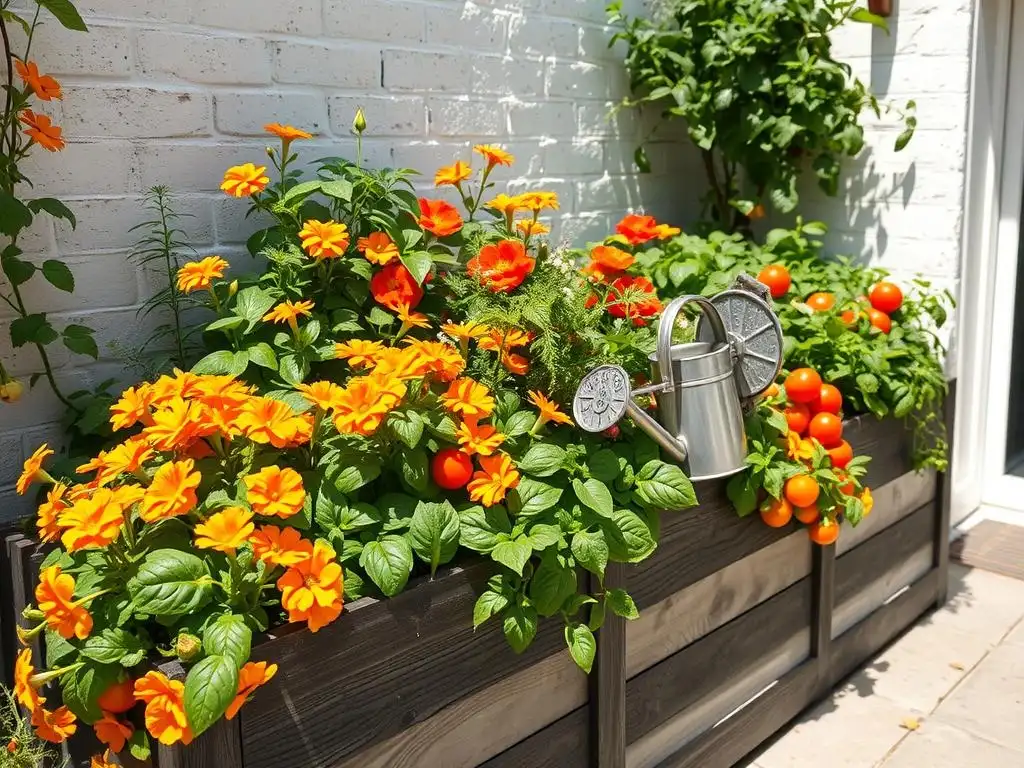
Welcome to CultivateYourFood, your guide to nurturing a thriving garden, no matter the size! Are you dreaming of fresh, organic produce but limited by space? Discover the secrets of small space no-dig gardening – a revolutionary approach to maximizing yields in even the smallest of plots. Learn how to cultivate a bountiful harvest using sustainable methods, from soil preparation to pest control, and transform your limited area into a vibrant oasis of flavor. Let's get growing!
-
Understanding the Benefits of No-Dig Gardening in Small Spaces
- Space Optimization: maximizing yields in compact gardens
- Reduced Soil Disturbance: Protecting Beneficial Microorganisms
- Improved Soil Health: Enhanced nutrient retention and water absorption
- Minimal Effort: Less Digging, More Gardening
- Improved Soil Structure and Health: Enhanced water retention and aeration
- Reduced Pest and Disease Problems: A healthier soil equals healthier plants
-
Planning Your Small Space No-Dig Garden
- Choosing the Right Location: Sunlight, access, and space considerations
- Selecting Suitable Plants: Compact varieties for small-space gardening
- Designing Your Garden Layout: Optimizing space utilization with vertical gardening and raised beds
- Sourcing Materials: Compost, mulch, and other organic materials for no-dig gardening
- Implementing Your No-Dig Garden: A Step-by-Step Guide
- Maintaining Your No-Dig Small Space Garden
- Advanced Techniques for Small Space No-Dig Gardening
- Harvesting and Extending the Season in Your Small Space No-Dig Garden
- Troubleshooting Common Issues in Small Space No-Dig Gardening
- Frequently Asked Questions
- Final Reflection: Cultivating Abundance, Even in the Smallest Spaces
- Unleash Your Tiny Garden's Potential!
Understanding the Benefits of No-Dig Gardening in Small Spaces
No-dig gardening, a revolutionary approach to cultivating food, offers unparalleled advantages, especially for those with limited space. This method, which prioritizes minimal soil disruption and the enhancement of natural soil processes, is perfectly suited for small urban gardens, balconies, and even window boxes. By focusing on building soil fertility from the top down, rather than through intensive tilling, no-dig gardening allows for maximized yields in surprisingly compact areas. This article explores how this technique can transform your small space into a thriving, productive garden, focusing on the key benefits and practical implementation for maximizing your harvest while minimizing your environmental impact. We will delve into the specifics of space optimization, the importance of preserving beneficial soil organisms, and how this method ultimately leads to healthier, more productive soil. Get ready to discover how to cultivate an abundance of fruits, vegetables, and herbs, even if your gardening space is limited! 🎉
Space Optimization: maximizing yields in compact gardens
No-dig gardening excels in small spaces because it promotes efficient use of every square inch. Unlike traditional methods that require extensive digging and tilling, which can compact the soil and hinder root growth, the no-dig approach builds layers of organic matter on top of the existing soil. This creates a deep, rich bed ideal for root penetration, allowing you to grow more plants in a smaller area.
For example, a raised bed constructed using the no-dig method can accommodate a significantly higher plant density compared to a traditionally prepared bed of the same size. This increased density directly translates to a greater yield. Furthermore, vertical gardening techniques, such as using trellises or hanging baskets, can be easily integrated with no-dig principles, further optimizing space utilization.
The key is layering: building up fertile soil layers rather than digging down. This allows for deep root development without needing to spread out horizontally as much.
Think of it like this: instead of fighting against limited space, you're working with it, creating a vertically productive ecosystem. This is especially beneficial for small-scale urban gardening where space is at a premium. Careful plant selection, utilizing compact varieties, and strategic spacing are also crucial for optimizing yield within the confines of a small garden.
Reduced Soil Disturbance: Protecting Beneficial Microorganisms
One of the most significant advantages of no-dig gardening is its minimal disruption of the soil ecosystem. Traditional digging methods can damage the intricate network of beneficial microorganisms, such as earthworms, fungi, and bacteria, that are essential for soil health and nutrient cycling. These organisms play a crucial role in breaking down organic matter, improving soil structure, and making nutrients available to plants. By avoiding tilling, the no-dig method protects this delicate ecosystem, fostering a vibrant and productive soil environment.
The undisturbed soil structure also enhances water retention and aeration, creating optimal growing conditions for your plants. This leads to healthier, more resilient plants that are better able to withstand stress and disease. The long-term benefits of preserving this underground biodiversity are immense, contributing to a self-sustaining and highly productive garden.
Studies have shown that no-dig gardens consistently exhibit higher populations of beneficial soil organisms compared to conventionally tilled gardens. This directly impacts the plants' ability to access nutrients and water, resulting in improved growth and yields.
Improved Soil Health: Enhanced nutrient retention and water absorption
The no-dig method fundamentally improves soil health by building a rich layer of organic matter on the surface. This organic matter, which can include compost, leaf mold, and other organic materials, acts as a sponge, enhancing water retention and reducing the need for frequent watering. The improved water retention also helps to prevent nutrient leaching, ensuring that your plants have consistent access to essential nutrients. Over time, this process leads to a more fertile and structurally sound soil, that is less prone to erosion and compaction.
The improved soil structure also promotes better aeration, allowing plant roots to breathe and thrive. This creates a positive feedback loop: healthier soil leads to healthier plants, which in turn contribute more organic matter to the soil, further enhancing its fertility. The result is a self-sustaining garden that requires less maintenance and produces higher yields.
The continuous addition of organic matter increases the soil's organic matter content significantly, which is a key indicator of soil health. This increase translates to improved water-holding capacity, nutrient availability, and overall soil structure, ultimately leading to more vigorous plant growth and higher yields. The difference in soil health between a no-dig garden and a traditionally tilled garden is often dramatic, visible in the improved texture, darker color, and increased water retention of the no-dig soil.
Minimal Effort: Less Digging, More Gardening
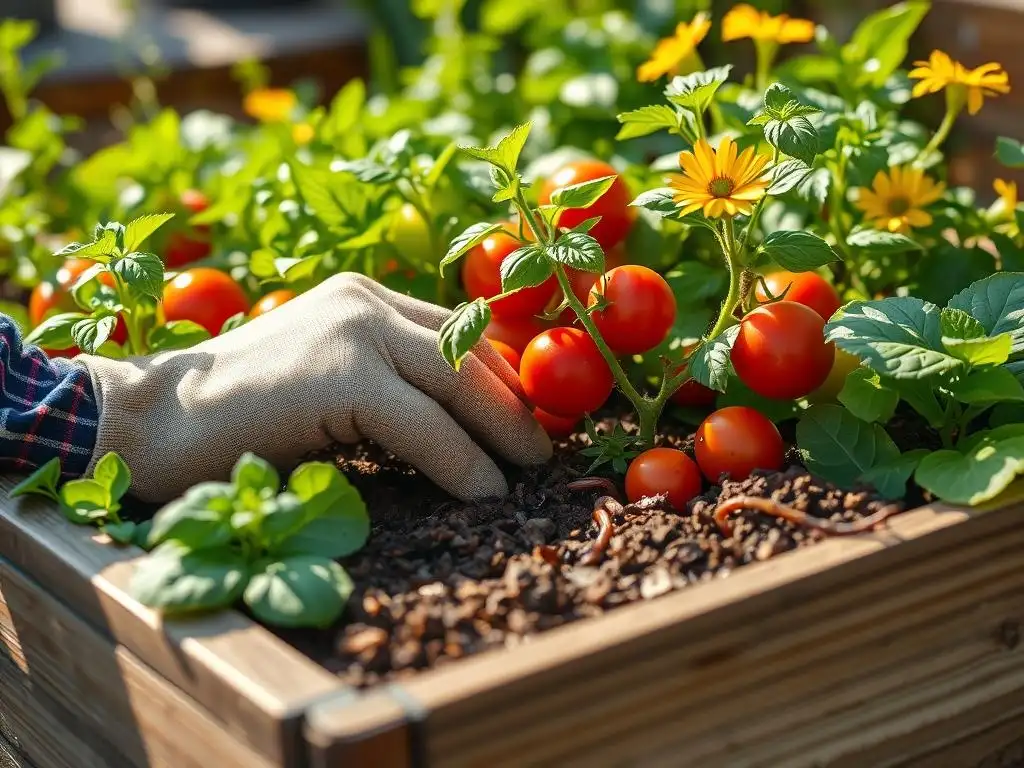
No-dig gardening significantly reduces the physical labor associated with traditional gardening methods. Instead of the strenuous back-breaking work of digging, turning, and amending soil, the no-dig approach involves layering organic matter directly onto the existing soil surface. This translates to less time spent on physically demanding tasks, making gardening accessible to a wider range of individuals, including those with limited mobility or physical strength.
This is especially beneficial in small spaces where every square foot counts and you want to maximize your time spent actually gardening, not preparing the soil. Think of it this way: you’re trading hours of digging for more time spent tending to your thriving plants. The time saved can then be used for other crucial gardening tasks like watering, weeding, and harvesting, ultimately leading to a more productive and enjoyable gardening experience.
The ease of the method also encourages consistent gardening practices, as the reduced effort makes it less daunting to maintain the garden bed throughout the growing season. It’s a win-win – less backache, more yield.
Improved Soil Structure and Health: Enhanced water retention and aeration
One of the most significant advantages of no-dig gardening is its profound positive impact on soil health. By layering organic matter on top of the existing soil, you're gradually improving its structure. This creates a rich, crumbly soil that is better able to retain moisture. Traditional digging disrupts the soil's natural structure, leading to compaction and reduced water retention.
In small spaces, where water conservation is paramount, this improved water retention is crucial. You'll find yourself watering less frequently, saving both time and water resources. Furthermore, the addition of organic matter improves soil aeration, allowing for better root penetration and nutrient uptake. Healthy, well-aerated soil also promotes a thriving ecosystem of beneficial microorganisms, further enhancing soil fertility and plant health.
This is particularly important in small space gardens where plants are often densely packed, creating competition for resources. The improved soil structure ensures that each plant has access to the nutrients and water it needs to flourish. The result? Healthier, more vigorous plants with increased yields.
Reduced Pest and Disease Problems: A healthier soil equals healthier plants
A healthy soil is the foundation for healthy plants, and no-dig gardening significantly contributes to this. By avoiding the disruption caused by digging, you protect the beneficial soil organisms that help control pests and diseases naturally. These organisms, including earthworms and beneficial fungi, are often disturbed or killed by traditional digging methods. In a no-dig garden, these beneficial organisms thrive, creating a more balanced ecosystem that naturally suppresses pests and diseases. This translates to reduced reliance on chemical pesticides and insecticides, aligning perfectly with sustainable and organic gardening principles. Less pest pressure means healthier plants, less stress for the gardener, and ultimately, a more abundant harvest. This is particularly important in small spaces, where pest infestations can quickly overwhelm plants due to their proximity to one another. The naturally enhanced resistance to pests and diseases offered by no-dig gardening creates a more resilient and productive garden, even in confined areas.
Planning Your Small Space No-Dig Garden
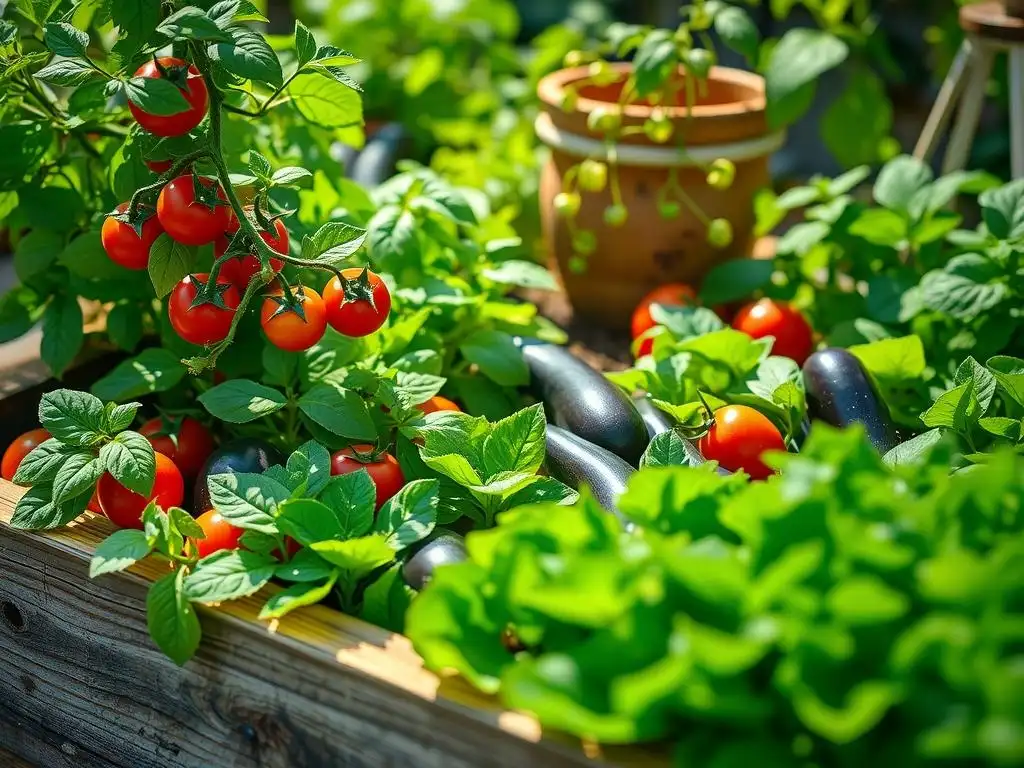
This section delves into the crucial planning stages for a successful small-space no-dig garden, maximizing yield while minimizing space requirements. We'll explore optimal location selection, choosing the right plants, and designing a layout that effectively utilizes every inch of your available area. Remember, even a small area can produce an abundance of fresh, organic produce with careful planning and the right techniques.
Choosing the Right Location: Sunlight, access, and space considerations
Sunlight is paramount for successful vegetable, fruit, and herb cultivation. Most plants require at least six hours of direct sunlight daily. Before you even think about planting, carefully assess your space for sun exposure throughout the day. Note the direction your space faces (south-facing generally receives the most sun in the Northern Hemisphere, and vice versa). Use a sun tracker app or simply observe the sunlight patterns over a week to determine the sunniest areas.
Access is another critical factor. You'll need easy access to your garden for planting, watering, weeding, and harvesting. A location close to a water source simplifies watering, saving time and effort. Consider the proximity to your home – easy access means you're more likely to tend to your garden regularly.
Finally, carefully measure your available space. Be realistic about the size of your garden. A smaller, well-planned garden will yield far more than a larger, poorly planned one. Consider using vertical space with trellises or hanging planters to maximize your growing area. Accurate measurements are key to successful small space no-dig gardening.
Selecting Suitable Plants: Compact varieties for small-space gardening
Choosing the right plants is vital for maximizing yield in limited areas. Opt for compact and dwarf varieties of your favorite fruits, vegetables, and herbs. These varieties are bred to produce a good harvest while staying within a smaller footprint.
Here's a table showing some excellent choices for small-space no-dig gardening:
| Plant Type | Compact Variety Suggestion | Notes |
|---|---|---|
| Tomatoes | Patio tomatoes, cherry tomatoes | Choose indeterminate varieties carefully; they can become quite large |
| Peppers | Mini bell peppers, chili peppers | These are generally compact and prolific |
| Cucumbers | Bush cucumbers | Avoid vining varieties unless you have a trellis |
| Strawberries | Alpine strawberries, everbearing | These require less space than standard varieties |
| Herbs | Parsley (curly), thyme, oregano | Many herbs are naturally compact |
| Leafy Greens | Baby spinach, loose-leaf lettuce | Harvest frequently to encourage continuous growth |
Remember to consider the mature size of the plants, even compact varieties, to avoid overcrowding. Overcrowding can lead to poor air circulation, increased pest problems, and reduced yields. Plan your planting carefully, considering the spacing needs of each plant.
Designing Your Garden Layout: Optimizing space utilization with vertical gardening and raised beds
Effective space utilization is key to success in small-space no-dig gardening. Consider using raised beds to maximize your growing area and improve drainage. Raised beds can be built from readily available materials like reclaimed wood or even large containers.
Vertical gardening is another excellent way to make the most of limited space. Use trellises, hanging baskets, or vertical planters to grow climbing plants like cucumbers, beans, and tomatoes. This allows you to grow more plants in a smaller area and adds visual interest to your garden.
Consider using a combination of raised beds and vertical gardening techniques to optimize space utilization. For example, you could have raised beds for compact plants like peppers and strawberries, and trellises alongside for climbing plants. A well-planned layout ensures that all your plants receive adequate sunlight and air circulation. Careful consideration of plant height and spread will help avoid shading issues and maximize your harvest.
Sketching out your garden design beforehand can help visualize the layout and identify any potential problems. Don't be afraid to experiment and find what works best for your space and your preferences. Remember, successful small space no-dig gardening is all about making the most of what you have!
Sourcing Materials: Compost, mulch, and other organic materials for no-dig gardening
Building a thriving no-dig garden, especially in a small space, hinges on the quality of your organic materials. Compost forms the very foundation of your no-dig bed, providing essential nutrients and improving soil structure. Finding a reliable source of high-quality compost is crucial. Consider local options first; many community gardens or waste recycling centers offer mature compost for sale, often at a lower cost than commercial options.
Alternatively, you can create your own compost bin using readily available materials like pallets or repurposed bins. Remember, the richer your compost, the healthier your plants will be. Aim for a dark, crumbly texture, indicating a well-decomposed mix of browns (leaves, twigs) and greens (grass clippings, food scraps).
Beyond compost, mulch plays a vital role in retaining moisture, suppressing weeds, and regulating soil temperature. For small-space no-dig gardens, consider using readily available mulches like shredded leaves, straw, or wood chips. These materials are readily available and relatively inexpensive. Avoid using fresh wood chips, however, as they can deplete nitrogen from the soil.
Aged wood chips are a much better choice. Similarly, consider using materials like cardboard or newspaper as a base layer before adding your compost and mulch; this helps suppress existing weeds and creates a more stable growing environment. Remember to layer your mulch appropriately to maximize its benefits; a thick layer (around 4-6 inches) is generally recommended.
The success of your small space no-dig garden also depends on the careful selection of other organic materials. For example, incorporating other organic matter like well-rotted manure adds extra nutrients. However, it’s important to use well-rotted manure to avoid introducing weed seeds or pathogens. If you don't have access to well-rotted manure, you could use other readily available organic amendments like worm castings, which are rich in nutrients and beneficial microorganisms.
These additions boost the overall health and fertility of your soil, contributing to a more productive and sustainable garden. Remember to research the specific needs of your chosen plants to determine the best combination of organic materials for your small-space no-dig garden. Proper sourcing and application of these materials are critical for success.
Implementing Your No-Dig Garden: A Step-by-Step Guide
This section details the practical steps involved in establishing a thriving no-dig garden, even in a small space. We'll cover preparing the area, layering compost, and planting your chosen fruits, vegetables, or herbs. Remember, patience and observation are key to success in no-dig gardening.
Preparing the Area: Clearing existing vegetation and preparing the ground
Before you begin layering your compost, you need to prepare the area. This involves clearing away existing vegetation and preparing the ground for your no-dig bed. For small spaces, accurate measurement is crucial to maximize yield. Use a measuring tape to determine the precise dimensions of your garden bed. Consider the sunlight exposure; most vegetables thrive in at least 6 hours of sunlight daily.
First, remove any existing grass, weeds, or other plants. You can do this by hand-pulling, using a hoe, or employing a sod cutter, depending on the size and type of vegetation. The goal is to create a clean, level surface. Avoid tilling or digging, as this is counter to the principles of no-dig gardening. Instead, simply clear the surface. For stubborn weeds, consider using a thick layer of cardboard or newspaper to suppress growth before layering your compost. This smothers the weeds and prevents them from returning.
Next, consider the drainage of your chosen area. No-dig gardens, while beneficial, can be susceptible to waterlogging if the ground is poorly drained. If you suspect poor drainage, amend the area by creating a slight slope or incorporating drainage materials like gravel at the base of your bed before layering the compost. This proactive step will prevent future problems.
Layering the Compost: Building a rich soil base for healthy growth
The heart of no-dig gardening lies in the compost layers. This creates a nutrient-rich environment that promotes healthy root growth and minimizes the need for fertilizers. The layering process is simple but requires careful attention to detail.
For small spaces, maximizing vertical space can increase your yield significantly. Consider building raised beds or using containers to increase your planting area. However, even in a small area, a properly layered no-dig bed will provide ample nutrients and support for your plants.
Here's a suggested layering sequence:
| Layer | Material | Thickness (cm) | Notes |
|---|---|---|---|
| Base Layer | Cardboard or several layers of newspaper | 10-15 | Suppresses weeds and retains moisture. |
| Compost Layer 1 | Well-rotted compost or aged manure | 10-15 | Provides initial nutrients and improves soil structure. |
| Compost Layer 2 | A mix of compost, leaf mold, and green waste | 10-15 | Adds further nutrients and organic matter; green waste adds nitrogen. |
| Top Layer | A thin layer of finished compost | 2-3 | Provides a seedbed and helps retain moisture. |
Remember to water each layer gently as you add it. This helps the layers settle and prevents them from becoming too dry. The exact thickness of each layer can be adjusted based on the specific materials you are using and the depth of your planting area. For example, in shallower containers, you may need to reduce the thickness of each layer.
Planting Your Seeds or Seedlings: Techniques for successful no-dig planting
Once your compost layers are in place, you can begin planting. No-dig planting is gentle on the soil and minimizes disturbance to the delicate ecosystem you've created.
For seeds, simply create small holes or shallow furrows in the top layer of compost, following the recommended spacing for your chosen plants. Gently place the seeds and cover them with a thin layer of compost. Water gently after planting.
For seedlings, carefully dig small holes large enough to accommodate the root ball without disturbing the underlying compost layers. Place the seedling in the hole, ensuring the root crown is at the same level as the surface of the compost. Gently firm the compost around the base of the seedling and water well.
Remember to consider companion planting. Certain plants benefit from being grown together, improving growth and pest control. Research companion planting combinations suitable for your chosen plants and the size of your small space. Careful planning will maximize your yield and ensure a successful harvest. Enjoy the fruits (and vegetables!) of your labor! 🥕🍅
Mulching Your Garden: Protecting the soil and suppressing weeds
Mulching is a cornerstone of no-dig gardening, offering numerous benefits for your small space. A good mulch layer acts as a protective blanket, shielding the soil from the harsh elements. This prevents excessive evaporation, keeping the soil consistently moist, which is especially crucial in small gardens where the soil can dry out quickly due to limited volume and increased exposure to sun and wind. This moisture retention translates directly to less frequent watering, saving you time and water resources. Furthermore, a consistent soil moisture level promotes healthy root development in your plants, leading to improved growth and yields.
Beyond moisture retention, mulch plays a vital role in suppressing weeds. A thick layer of organic mulch, such as straw, shredded leaves, or wood chips, physically blocks sunlight from reaching weed seeds, preventing germination. This significantly reduces weeding time and effort, a considerable advantage in the limited space of a small garden.
The decomposition of the mulch also enriches the soil over time, adding valuable nutrients and improving soil structure. This natural fertilization reduces or eliminates the need for chemical fertilizers, aligning perfectly with sustainable and organic gardening practices. Choosing the right mulch for your specific plants and climate is crucial; for example, a heavier mulch might be more suitable for colder climates to provide insulation and protect against frost.
The depth of your mulch layer is also important. Generally, a layer between 2-4 inches is ideal. A thinner layer might not effectively suppress weeds, while a thicker layer could smother your plants or create anaerobic conditions in the soil. Regularly checking and replenishing the mulch layer throughout the growing season is recommended, especially after heavy rains or strong winds which may displace some of the material. This maintenance ensures the continued benefits of the mulch throughout the growing season, maximizing the yield from your small no-dig garden.
Remember to avoid using fresh wood chips, as they can sometimes tie up nitrogen in the soil, potentially hindering plant growth. Instead, opt for well-rotted or composted wood chips for optimal results. Experiment with different mulching materials to determine what works best in your specific environment and for your chosen plants. 🌱
Maintaining Your No-Dig Small Space Garden
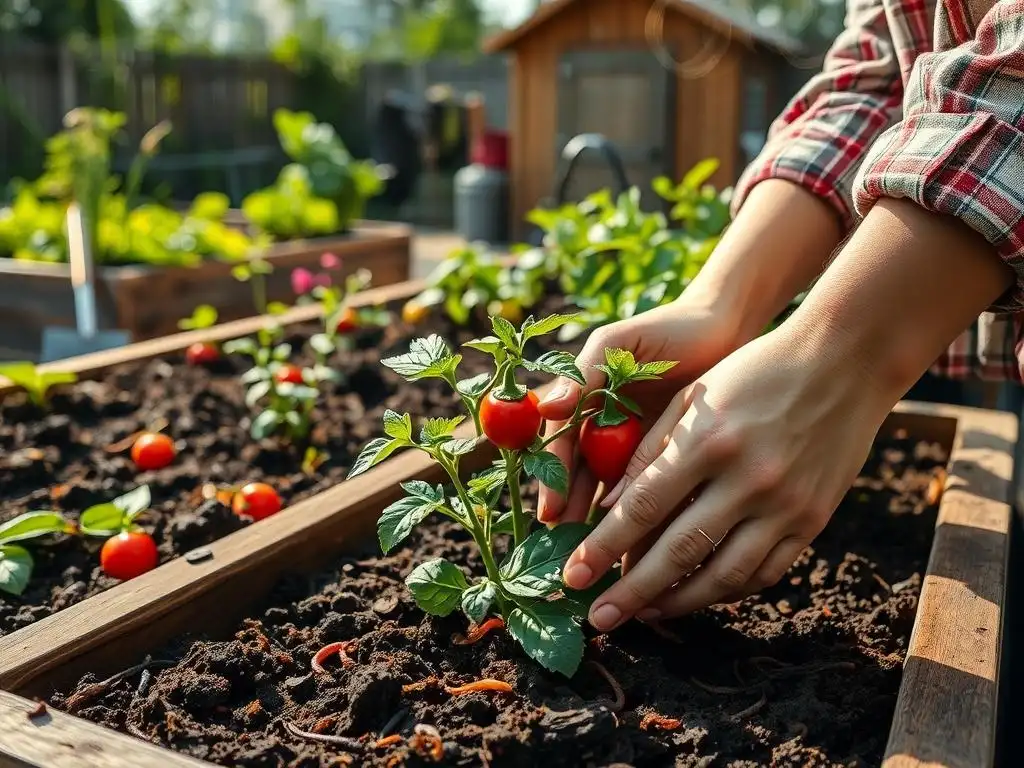
This section focuses on the ongoing care of your no-dig small space garden, ensuring optimal growth and yield despite limited area. We'll explore efficient watering strategies, natural weed control methods, and organic pest and disease management techniques crucial for thriving plants. Remember, consistent maintenance is key to maximizing your harvest in a small space no-dig garden.
Watering Techniques: Efficient Irrigation for Small-Space Gardens
Efficient watering is paramount in a small space no-dig garden, as limited soil volume means plants can dry out quickly. Overwatering, however, can lead to root rot. The key is to water deeply but infrequently, encouraging deep root growth.
Several techniques can optimize your watering strategy:
- Soaker hoses: These are highly effective for delivering water directly to the roots, minimizing evaporation and runoff. Place them carefully at the base of your plants, ensuring even coverage. A timer can automate the process, ensuring consistent watering even when you're away.
- Drip irrigation: Similar to soaker hoses, drip irrigation systems deliver water drop by drop, directly to the plant's roots. This method is particularly useful for larger small-space gardens or those with various plant heights and water needs. You can customize the drip rate and placement for each plant.
- Watering cans with rose heads: For smaller gardens, a watering can with a rose head attachment provides gentle, even watering. Avoid overhead watering, which can lead to fungal diseases and wash away beneficial soil microbes. Water in the morning to allow foliage to dry before nightfall.
Consider the specific needs of your plants. Some plants, like succulents, require less frequent watering than thirsty vegetables like tomatoes. Monitor the soil moisture regularly, using your finger to check the top few inches. Water only when the soil feels dry. Remember to mulch generously to help retain moisture and suppress weeds, further reducing the frequency of watering. A well-mulched no-dig bed will require less frequent watering than an unmulched one.
Weed Control: Natural Methods for Managing Weeds in No-Dig Gardens
Weed control in a no-dig garden relies heavily on preventative measures and natural methods. The goal is to minimize weed growth without disrupting the delicate soil ecosystem. Here are some effective strategies:
- Mulching: A thick layer of mulch (straw, wood chips, or shredded leaves) acts as a physical barrier, preventing weed seeds from germinating and suppressing existing weeds. This is arguably the most important aspect of weed control in a no-dig system.
- Regular weeding: While mulching is preventative, some weeds will inevitably emerge. Remove them promptly before they go to seed, preventing further spread. Hand weeding is preferred in a no-dig garden to avoid disturbing the soil structure.
- Cover cropping: Planting fast-growing cover crops between main crops can help suppress weeds and improve soil health. These crops can be incorporated into the soil later, adding organic matter.
The effectiveness of these methods depends on consistent application. Regularly inspect your garden for emerging weeds and address them quickly. With diligent mulching and regular weeding, you can keep weeds under control in your small-space no-dig garden. Remember that a healthy, thriving garden is less susceptible to weed infestation.
Pest and Disease Management: Organic Solutions for Common Garden Pests
Maintaining a healthy and balanced ecosystem is crucial for preventing pests and diseases in your small space no-dig garden. Organic pest and disease control methods prioritize natural solutions over harmful chemicals.
Here's a breakdown of some effective strategies:
| Pest/Disease | Organic Control Methods | Prevention |
|---|---|---|
| Aphids | Ladybugs, insecticidal soap, neem oil | Healthy plants, companion planting |
| Spider mites | Horticultural oil, neem oil, strong water spray | Good air circulation, regular monitoring |
| Cabbage worms | Bacillus thuringiensis (Bt), handpicking | Row covers, companion planting (e.g., dill) |
| Powdery mildew | Baking soda solution, neem oil, sulfur | Good air circulation, avoid overhead watering |
| Slugs & Snails | Diatomaceous earth, beer traps, handpicking | Barriers, regular removal of debris |
Remember, early detection is key. Regularly inspect your plants for signs of pests or diseases. Addressing problems early can prevent widespread infestations or outbreaks. A healthy soil ecosystem, rich in beneficial microbes, is also a strong defense against pests and diseases. By fostering this environment through composting and mulching, you create a naturally resilient garden. 🌱
Harvesting Your Produce: Getting the most from your small no-dig garden
Harvesting in a small no-dig garden requires a slightly different approach than in larger gardens. The proximity of plants means careful attention to avoid damaging neighboring crops. Timing is crucial; harvesting at the peak of ripeness maximizes flavor and nutritional value. For example, tomatoes should be harvested when they're fully colored and slightly soft to the touch, while leafy greens should be harvested before they bolt (flower), which can make them bitter.
Regular harvesting, even if it's just a few leaves or a single fruit, encourages continuous growth and prevents overcrowding. This is particularly important in small spaces where resources are limited. Think of it as a form of pruning—removing ripe produce stimulates the plant to produce more.
Consider using small, sharp scissors or pruners to avoid damaging the plants. This is gentler than pulling or yanking, preserving the plant's health and encouraging future growth. For root vegetables like carrots or radishes, carefully loosen the soil around the plant before gently pulling it up. Again, sharp tools and a mindful approach will minimize damage to surrounding plants. Remember to always wash your produce thoroughly before consumption, removing any soil or debris.
A small no-dig garden can be surprisingly productive if you harvest regularly and efficiently. The key is to be observant, understanding the ideal harvesting times for each plant, and employing careful techniques to avoid damage. This careful approach will ensure a bountiful harvest from your small space, maximizing the yield from your limited area. Proper harvesting is a key component of successful small space no-dig gardening. Don't be afraid to experiment and find what works best for your specific plants and garden layout. The goal is to reap a delicious and plentiful reward for your efforts.
Advanced Techniques for Small Space No-Dig Gardening
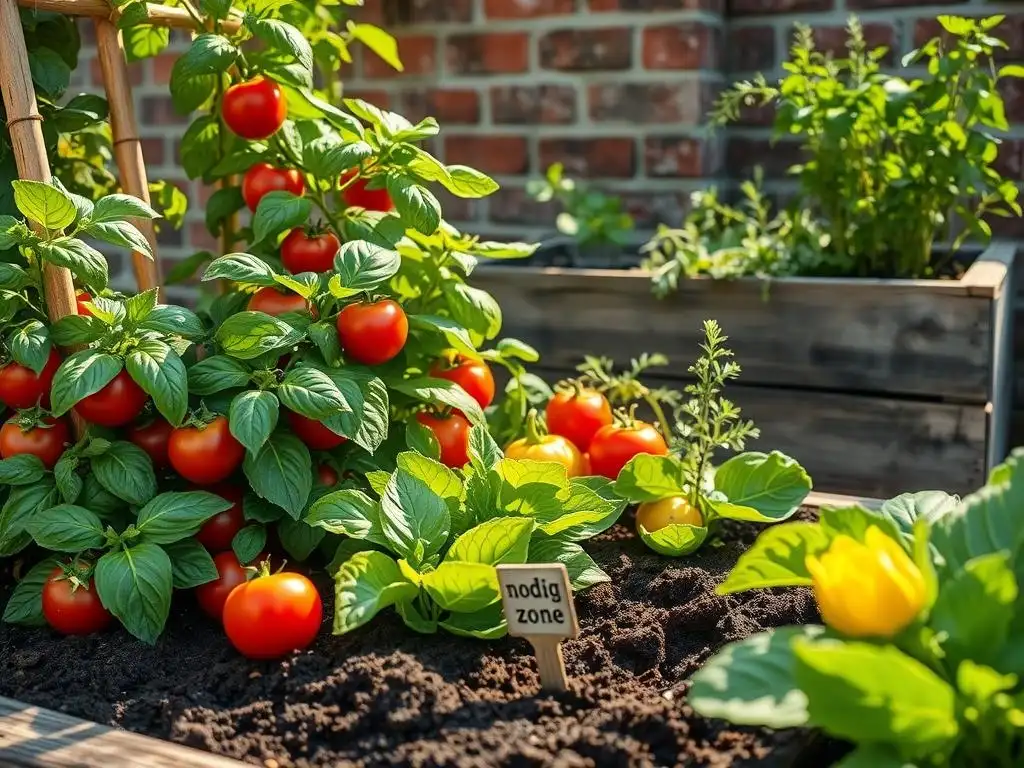
This section delves into advanced no-dig gardening techniques specifically tailored for maximizing yield in small spaces. We'll explore strategies that go beyond the basics, allowing you to cultivate a bountiful harvest even with limited square footage. Remember, the core principle of no-dig gardening – minimizing soil disturbance – remains paramount. These techniques simply enhance its application in compact environments.
Vertical Gardening: Maximizing vertical space for increased yields
Vertical gardening is a game-changer for small-space no-dig gardening. By utilizing vertical structures, you dramatically increase your planting area without expanding your footprint. This technique is particularly effective for vining plants like tomatoes, cucumbers, beans, and peas. Think upwards, not outwards!
Several methods can be employed:
- Trellises: Simple DIY trellises made from bamboo canes or repurposed materials offer excellent support for climbing plants. A well-structured trellis can significantly increase yield by allowing plants to grow upwards, receiving optimal sunlight exposure and preventing overcrowding at the base.
- Wall-mounted planters: These can be as simple as hanging baskets or as elaborate as custom-built vertical structures. Consider using fabric pots for easy drainage and mobility. Using a mix of herbs, leafy greens, and strawberries in these planters adds visual appeal and diversity to your small-space garden.
- Stackable planters: These tiered systems utilize vertical space efficiently. Choose planters made of sustainable and lightweight materials to avoid structural issues. Ensure adequate drainage in each level to prevent root rot.
Consider these factors for optimal vertical gardening:
| Factor | Description | Impact on Yield |
|---|---|---|
| Plant Selection | Choose climbing or vining varieties suited to vertical growth. | Higher yields per square foot |
| Sunlight Exposure | Ensure sufficient sunlight reaches all plants; adjust placement as needed. | Maximizes photosynthesis and fruit/vegetable production |
| Support Structure | Strong, stable support is crucial to prevent plant damage and maximize growth. | Prevents collapse and ensures optimal plant orientation |
| Watering | Regular and appropriate watering is vital to prevent drying out, especially in vertical systems. | Ensures healthy growth and prevents wilting |
Remember to monitor your plants closely for any signs of stress or disease. Early intervention is key in maintaining a healthy and productive vertical garden. Careful planning and selection of appropriate plants are crucial for success in vertical small space no-dig gardening.
Raised Bed Gardening: Creating optimal growing conditions in limited space
Raised beds are another excellent solution for small-space no-dig gardening. They offer several advantages:
- Improved Drainage: Raised beds improve drainage, crucial for many plants that don't tolerate waterlogged soil. This is especially important in compact areas where water may accumulate.
- Soil Enhancement: You can create a customized soil mix specifically tailored to your plants' needs within the raised bed, enhancing fertility and aeration.
- Weed Control: Raised beds make weed control significantly easier, saving you time and effort. The contained environment helps prevent weed encroachment.
- Accessibility: They make gardening more accessible, especially for those with mobility issues. You can build them at a comfortable height.
When building raised beds for small spaces, consider these factors:
- Size and Shape: Optimize the size and shape to fit your available space. Rectangular beds are often easier to manage in smaller areas.
- Materials: Choose sustainable and durable materials such as reclaimed wood, stone, or even repurposed containers.
- Depth: A depth of at least 12 inches is recommended to allow for sufficient root growth.
- Soil Mix: Utilize a rich, well-draining soil mix, incorporating compost and other organic matter. Avoid compacting the soil during construction.
Building a raised bed is a relatively straightforward process, allowing you to create an ideal growing environment for your plants, even in a limited space. The benefits of enhanced drainage and improved soil quality will contribute to significantly higher yields compared to in-ground gardening in many small-space situations.
Companion Planting: Utilizing beneficial plant relationships to enhance growth
Companion planting involves strategically planting different species together to improve growth, deter pests, and attract beneficial insects. This technique is particularly valuable in small-space gardening, where maximizing the efficiency of every square inch is vital.
Some classic companion plant pairings include:
- Marigolds and Tomatoes: Marigolds repel nematodes and other pests that can harm tomatoes.
- Basil and Tomatoes: Basil improves the flavor of tomatoes and repels some insects.
- Lettuce and Carrots: Lettuce provides shade for carrots, helping to keep the soil cool and moist.
- Beans and Corn: Beans fix nitrogen in the soil, benefiting corn.
Further Examples of Beneficial Companion Plants
Here are a few more examples of beneficial companion plant pairings to consider for your small-space no-dig garden:
- Rosemary and Cabbage: Rosemary repels cabbage moths.
- Chives and Roses: Chives deter aphids and other pests from roses.
- Mint and Strawberries: Mint can help repel pests that can attack strawberries.
Careful planning and selection of companion plants is essential for success. Research the specific needs and characteristics of your chosen plants to ensure compatibility. Proper spacing is also critical to avoid overcrowding and competition for resources. The synergistic effects of companion planting can significantly increase yields and the overall health of your small space no-dig garden. Remember, observation is key – monitor your plants and adjust your companion planting strategy as needed.
Utilizing Trellises and Supports: Providing support for climbing plants
Vertical gardening is a game-changer for small-space no-dig gardening. By training climbing plants like cucumbers, beans, tomatoes, and peas to grow upwards, you significantly increase your yield without expanding your footprint. This is particularly effective in small spaces where horizontal space is limited. Instead of sprawling across the ground, these plants utilize vertical space, maximizing the available area. This technique not only increases the quantity of produce but also improves air circulation, reducing the risk of fungal diseases that thrive in humid conditions. Properly supporting these climbing plants is crucial for their health and productivity.
A simple trellis made from bamboo canes or sturdy wooden stakes can be easily constructed and integrated into your no-dig bed. Consider the mature height of your plants when designing your trellis to ensure adequate support. For taller plants like climbing beans or tomatoes, a sturdy A-frame structure might be more suitable, providing robust support against strong winds and heavy fruit. Remember to space the support structures appropriately to prevent overcrowding and allow for easy access to harvest. For smaller plants like strawberries, a simple wire mesh or even a low fence can be sufficient.
Furthermore, consider using different types of supports depending on the plant. Tomatoes, for example, benefit from cages or stakes that allow for individual stems to be tied up, preventing damage and promoting even growth. Meanwhile, cucumbers might prefer a more flexible support like netting or a trellis with wider spacing. Regularly checking your supports and adjusting as necessary is essential to prevent plants from becoming tangled or damaged.
This will ensure optimal growth and a bountiful harvest, even in the most compact of gardens. This thoughtful approach to plant support is an important aspect of maximizing yield in small-space no-dig gardening. Improper support can lead to reduced yields and increased susceptibility to pests and diseases. Careful planning and execution of vertical support structures are key to success.
Harvesting and Extending the Season in Your Small Space No-Dig Garden
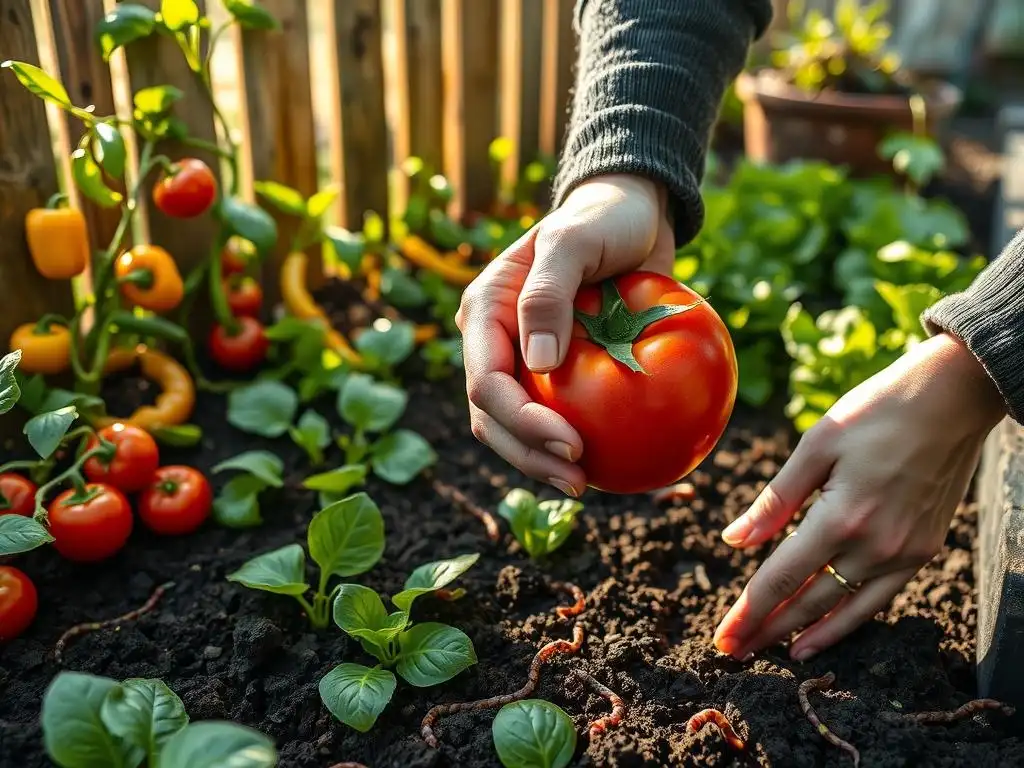
This section focuses on maximizing the yield from your small space no-dig garden, not just by planting efficiently, but by harvesting strategically and extending the growing season as much as possible. Efficient harvesting and preservation techniques are crucial for small-scale gardening, allowing you to enjoy the fruits (and vegetables!) of your labor throughout the year.
Harvesting Strategies: Timing and techniques for optimal harvest
Harvesting at the right time is key to maximizing flavor and yield in your small space no-dig garden. Different plants have different optimal harvest windows. For example, leafy greens like spinach and lettuce can be harvested continuously by picking outer leaves, allowing inner leaves to continue growing. This "successive harvesting" technique ensures a steady supply throughout the growing season. Conversely, root vegetables like carrots and radishes are typically harvested all at once when they reach maturity, indicated by size and color.
Understanding the maturity signs of each plant is crucial. Overripe produce loses flavor and nutritional value, while underripe produce won't taste as good. Look for indicators such as:
- Color changes: Many fruits and vegetables change color as they ripen. For example, tomatoes turn from green to red, while peppers change from green to their mature colors (red, yellow, orange, etc. ).
- Size and firmness: Root vegetables reach a certain size when mature. Fruits will often become softer and fuller as they ripen.
- Taste and aroma: The most reliable indicator! Taste-testing a few samples can help you determine optimal harvest time.
Here's a simple table illustrating some common harvesting techniques:
| Vegetable/Herb | Harvesting Technique | Maturity Indicators |
|---|---|---|
| Lettuce | Cut-and-come-again, outer leaves first | Mature size, vibrant color |
| Tomatoes | Harvest when fully colored and slightly soft | Deep color, slight give when gently squeezed |
| Carrots | Pull gently when leaves begin to yellow | Fully developed size, firm texture |
| Basil | Pinch off leaves regularly | Vibrant green color, strong aroma |
| Zucchini | Harvest young, before they become large | 6-8 inches long, tender skin |
Remember to use sharp tools for clean cuts to prevent damage to the plant and encourage further growth. Gentle handling minimizes bruising and extends the shelf life of your harvest.
Extending the Growing Season: Techniques to maximize the growing season in small spaces
Extending the growing season in a small space requires clever planning and the use of several techniques. One effective approach is to use row covers or cloches to protect plants from frost and extend their growing period into early spring and late autumn. These simple structures create a microclimate, allowing your plants to thrive even when temperatures drop.
Another effective technique is succession planting. This involves planting new crops as soon as others are harvested. By staggering planting times, you can ensure a continuous harvest throughout the season. For example, after harvesting early peas, you could plant a heat-loving crop like zucchini.
Consider using cold frames or mini-greenhouses to start seeds indoors earlier in the season, giving your plants a head start. These structures allow you to carefully control temperature and humidity, ensuring optimal germination and seedling growth. The use of these techniques allows for a longer harvesting period, improving the overall yield of your small space no-dig garden. Careful planning and selection of appropriate plant varieties are also crucial.
Preserving Your Harvest: Methods for storing and preserving your produce
Preserving your harvest is crucial for enjoying the fruits of your labor throughout the year. Several methods help extend the shelf life of your produce.
- Refrigeration: Many fruits and vegetables can be stored in the refrigerator for a few days to a week. Proper storage techniques, such as storing in airtight containers or plastic bags, are essential.
- Freezing: Freezing is an excellent method for preserving many fruits and vegetables for longer periods. Blanching vegetables before freezing helps retain their color, texture, and nutritional value.
- Canning: Canning is a more involved method but allows you to preserve produce for a year or more. It requires proper sterilization techniques to ensure safety.
- Drying: Drying is a simple and effective method for preserving herbs and some fruits and vegetables. Air drying, oven drying, or using a food dehydrator are all viable options. Dried herbs and vegetables can be stored in airtight containers in a cool, dark place.
The choice of preservation method depends on the type of produce and your available resources. Proper preservation techniques ensure you can enjoy the bounty of your small-space no-dig garden throughout the year. This extends the benefits of your hard work and minimizes food waste, making your gardening efforts even more rewarding.
Troubleshooting Common Issues in Small Space No-Dig Gardening
Small space no-dig gardening, while offering numerous benefits, presents unique challenges. Successfully maximizing yields in limited areas requires proactive problem-solving and a deep understanding of your plants' needs. This section addresses common issues and provides practical solutions for maintaining a thriving, productive garden, even in confined spaces. We'll focus on nutrient deficiencies, pest and disease management, and overcoming the inherent challenges of compact gardening.
Addressing Nutrient Deficiencies: Identifying and rectifying nutrient imbalances
Nutrient deficiencies are a common problem in small-space gardens, especially those employing no-dig methods. Because you're not turning the soil, nutrient replenishment relies heavily on topdressing and mulching. Identifying deficiencies early is crucial. Symptoms often manifest as changes in leaf color, growth stunting, or unusual leaf shapes.
For example, a yellowing of leaves between the veins (interveinal chlorosis) often indicates a lack of iron or magnesium. Nitrogen deficiency presents as stunted growth and pale green or yellow leaves. Phosphorus deficiency can lead to dark green, sometimes purplish leaves, with reduced flowering and fruiting. Potassium deficiency manifests as browning leaf edges and wilting.
Effective remediation begins with accurate diagnosis. Soil testing kits can provide valuable insights into your soil's nutrient composition. However, even without a test, observing plant symptoms can help you target specific nutrient needs. Once identified, you can address the deficiency through targeted amendments:
- Compost Tea: A rich source of readily available nutrients, compost tea can be applied as a foliar spray or watered into the soil.
- Seaweed Extract: Provides a balanced blend of micronutrients, boosting overall plant health and resilience.
- Targeted Fertilizers: Organic, slow-release fertilizers containing specific nutrients (e.g., iron chelates for iron deficiency) can be applied directly to the soil or as a foliar spray. Always follow label instructions carefully.
- Mulching with Nutrient-Rich Materials: Using materials like aged manure or leaf mold adds organic matter and nutrients over time.
Remember that prevention is key. Regular soil testing and proactive amendment application are far more effective than reacting to severe deficiencies. A healthy, balanced soil is the foundation of a thriving no-dig garden, regardless of its size. Consistent topdressing with compost and well-rotted manure throughout the growing season helps maintain a steady supply of essential nutrients.
Managing Pests and Diseases Effectively: Advanced strategies for pest and disease control
Pest and disease pressure can be amplified in small spaces due to increased plant density and limited air circulation. Proactive measures are critical to prevent infestations and outbreaks. In no-dig gardening, biological control methods often prove more effective than chemical pesticides, which can disrupt the delicate soil ecosystem.
Here are some effective strategies:
- Companion Planting: Strategically planting certain species together can deter pests. For example, marigolds repel nematodes, while basil helps repel aphids and whiteflies.
- Beneficial Insects: Encourage the presence of beneficial insects like ladybugs (aphid predators) and lacewings (pest control). Providing habitat, such as flowering plants, can attract these beneficial creatures.
- Natural Pest Control Sprays: Solutions like neem oil, insecticidal soap, and diluted solutions of baking soda and water can effectively control many common pests. Always test a small area first to ensure no damage to the plants.
- Crop Rotation: Rotating crops annually helps break pest and disease cycles.
- Hygiene: Regularly removing weeds and diseased plant material prevents the spread of pests and diseases. Promptly removing fallen leaves and debris is crucial.
Remember, early detection is crucial. Regularly inspect your plants for signs of pests or diseases. Addressing problems early will prevent widespread damage and minimize the need for more drastic interventions. A healthy, robust plant is better equipped to fight off pests and diseases.
Dealing with Compact Space Challenges: Solutions for overcrowding and limited space
Overcrowding is a significant issue in small space gardening. Plants competing for resources (light, water, nutrients) will yield less than those given adequate space. Several strategies can maximize yields in limited areas:
- Vertical Gardening: Utilizing vertical space with trellises, hanging baskets, or stacked planters significantly increases growing area.
- Space-Saving Plant Choices: Select compact or dwarf varieties of vegetables, herbs, and fruits that are bred for smaller spaces.
- Strategic Planting: Pay close attention to the mature size of each plant to avoid overcrowding. Consider intercropping, where different plants are grown together to maximize space utilization and minimize competition.
- Succession Planting: Plant crops in stages, harvesting one crop and immediately planting another in its place. This maximizes the use of space throughout the growing season.
- Container Gardening: Containers offer flexibility and allow you to customize your garden to fit your space. However, ensure containers are large enough to accommodate root growth and provide adequate drainage.
Careful planning and plant selection are critical in small-space no-dig gardening. By implementing these strategies, you can overcome the challenges of limited space and enjoy a bountiful harvest. Remember that even a small garden can yield surprisingly large amounts of fresh produce with the right techniques and careful consideration of the needs of your plants.
Frequently Asked Questions
What is No-Dig gardening?
No-Dig gardening is a sustainable gardening method that avoids the need for digging or tilling the soil. Instead, it involves layering organic matter directly onto the existing soil surface, improving soil health over time. This benefits the soil's structure and microbial life.
How does No-Dig gardening benefit small spaces?
No-Dig gardening is ideal for small spaces because it minimizes the physical effort required. It also allows for efficient use of space by maximizing vertical growth and minimizing soil disturbance. You can grow more in less space.
What kind of organic matter is best for No-Dig gardening in small spaces?
Compost, well-rotted manure, and leaf mold are excellent choices. Avoid fresh manure, which can burn plants. The goal is to create a rich, nutrient-dense layer to support plant growth.
Can I grow all types of plants using No-Dig gardening in a small space?
Yes, most vegetables, fruits, herbs, and flowers can be successfully grown using No-Dig methods. However, choose compact varieties to optimize space utilization in your small garden.
How can I prevent pests and diseases in my small-space No-Dig garden?
Healthy soil is key to disease resistance. Using diverse plantings and companion planting techniques can also help deter pests. Consider using natural pest control methods like beneficial insects and organic sprays.
Final Reflection: Cultivating Abundance, Even in the Smallest Spaces
No-dig gardening isn't just a trend; it's a vital solution for a world increasingly concerned with sustainable food production and the limitations of urban living. The principles of minimizing soil disturbance, maximizing organic matter, and fostering biodiversity are more relevant than ever, offering a pathway to grow healthy food even within the confines of a balcony, patio, or tiny backyard.
The shift towards no-dig methods reflects a growing awareness of the interconnectedness of our food systems and the environment. We're moving away from the intensive practices of the past, recognizing the importance of soil health and its impact on everything from plant growth to carbon sequestration. The land is our mother. We must treat her with respect.
This ancient wisdom underscores the profound connection between our actions and the well-being of the planet, a connection that no-dig gardening beautifully embodies. The joy of nurturing life in a small space, witnessing the transformation from seed to harvest, is a deeply rewarding experience that fosters a sense of connection to nature, even amidst the urban sprawl.
Now, consider your own space. Do you have a window box, a small patch of earth, or even just a few containers? No matter how limited your area, you have the power to cultivate abundance. Embrace the principles of no-dig gardening – build your soil, choose the right plants, and nurture them with care. Let this be your starting point for a journey of sustainable living, a journey that connects you to the earth and provides you with the freshest, most flavorful food imaginable. Start small, dream big, and watch your garden flourish.
Unleash Your Tiny Garden's Potential!
Thanks for exploring the world of no-dig gardening for small spaces! We hope you feel empowered to grow more with less effort. Ready to get started?
- Begin your no-dig garden bed this weekend. Choose a sunny spot, gather your compost and mulch, and let's grow!
- Share your no-dig journey with our community on social media using #NoDigSmallSpace. Let's inspire each other!
- Explore other space-saving gardening techniques on our website, CultivateYourFood.org, and discover even more ways to maximize your yield.
What's the first step you'll take to transform your limited space into a thriving garden?