
Plant Dormancy: Surviving Harsh Conditions


Welcome to CultivateYourFood, your guide to nurturing a thriving garden using sustainable and organic methods! Are you ready to unlock the secrets to a bountiful harvest, even during the harshest seasons? Our Plant Dormancy Survival Guide, featured in The Science of Gardening section, reveals the fascinating world of plant dormancy and equips you with the knowledge to protect your precious plants through winter and beyond. Discover the surprising strategies nature employs and learn how to help your plants not just survive, but thrive, ensuring a vibrant garden year after year. Let's get growing!
- Understanding Plant Dormancy: Why Plants Go Dormant
-
Plant Dormancy Survival Guide: Preparing Your Plants for Winter
- Assessing Your Plants' Dormancy Needs: Identifying Plant Species and their Dormancy Patterns
- Protecting Plants from Freezing Temperatures: Mulching, Cold Frames, and Indoor Overwintering
- Watering Strategies During Dormancy: Avoiding Overwatering and Underwater Stress
- Essential Nutrients for Dormancy: Feeding Your Plants for Spring Rejuvenation
- Breaking Dormancy: Awakening Your Plants in Spring
- Common Problems and Solutions During Plant Dormancy
- Plant Dormancy and Sustainable Gardening Practices
- Frequently Asked Questions
- Final Reflection: Embracing the Quiet Strength of Dormancy
- Unlock Your Garden's Winter Resilience
Understanding Plant Dormancy: Why Plants Go Dormant
Plants, much like animals, have evolved remarkable strategies to survive harsh environmental conditions. One of the most crucial survival mechanisms is plant dormancy, a period of suspended growth and development that allows plants to withstand unfavorable weather, such as freezing temperatures, drought, or intense heat. This article serves as your comprehensive Plant dormancy survival guide, delving into the intricacies of plant dormancy, exploring its various types, and understanding the environmental cues that trigger this essential biological process.
We'll cover everything from the basic definition of plant dormancy and its importance in plant survival to the different types of dormancy and the environmental triggers that initiate it. Understanding plant dormancy is key to successful gardening, particularly for those aiming to cultivate fruits, vegetables, and herbs using sustainable and organic practices.
By learning how to support your plants through their dormant periods, you'll dramatically increase their chances of thriving and yielding bountiful harvests. This knowledge is crucial for anyone striving to cultivate a resilient and productive garden.
What is Plant Dormancy? A Definition and its Importance
Plant dormancy is a state of reduced metabolic activity characterized by a temporary cessation of growth. It's a survival strategy that allows plants to endure periods of environmental stress that would otherwise prove lethal. During dormancy, plants significantly reduce their energy consumption, conserving resources until conditions become more favorable for growth. This involves a complex interplay of physiological and biochemical changes, including decreased respiration rates, reduced water uptake, and changes in hormone levels.
The importance of plant dormancy cannot be overstated; it's fundamental to the survival and propagation of many plant species, ensuring the continuation of plant life across diverse and challenging environments. Without dormancy, many plants simply wouldn't survive the winter or other periods of environmental hardship. Think of it as nature's built-in "pause" button, allowing plants to rest, repair, and prepare for future growth. 🌱
Types of Plant Dormancy: Seed Dormancy vs. Bud Dormancy
Plant dormancy manifests in various forms, with two primary types being readily distinguishable: seed dormancy and bud dormancy.
- Seed Dormancy: This refers to the state where seeds remain inactive even under favorable germination conditions. This dormancy can be imposed by the seed coat (physical dormancy), by the embryo's physiological immaturity (physiological dormancy), or by both. Seed dormancy is crucial for ensuring seed survival and preventing premature germination, allowing seeds to wait for optimal conditions before sprouting. Different types of seeds exhibit varying degrees and types of dormancy, influenced by factors like species, environmental cues, and seed maturity. Understanding the specific type of dormancy a seed exhibits is critical for successful seed germination techniques.
- Bud Dormancy: This type of dormancy affects the buds of plants, preventing the growth of new shoots and leaves. Bud dormancy is particularly prevalent in woody plants and allows them to withstand freezing temperatures and other winter conditions. Bud dormancy is broken when environmental conditions become favorable, leading to the resumption of growth and the emergence of new shoots. The timing of bud dormancy and its release is crucial for the overall health and productivity of the plant. This intricate process is governed by complex interactions between internal plant signals and external environmental cues.
Environmental Triggers for Dormancy: Temperature, Light, and Water Availability
The transition into and out of dormancy is not arbitrary; it's precisely regulated by a combination of environmental cues. These environmental triggers act as signals, informing the plant of the prevailing conditions and influencing its decision to enter or exit dormancy.
- Temperature: Temperature plays a pivotal role in initiating and breaking dormancy. Falling temperatures, particularly prolonged exposure to cold, are often the primary trigger for the onset of dormancy in many temperate-zone plants. Conversely, rising temperatures in spring signal the end of dormancy and the resumption of growth. The specific temperature thresholds vary greatly depending on the plant species.
- Light: Photoperiod, or the length of daylight, is another crucial factor. Shortening days in autumn often trigger dormancy in many plants, while lengthening days in spring signal the end of dormancy. The plant's internal "clock" responds to these changes in day length, initiating the physiological changes associated with dormancy.
- Water Availability: Water stress, such as drought conditions, can also induce dormancy. By reducing metabolic activity and water loss, plants can survive prolonged periods of drought. The resumption of growth is then triggered by the return of adequate water availability. This is a crucial adaptation, especially in arid and semi-arid regions. The interplay between these factors is complex and often species-specific, highlighting the intricate nature of plant dormancy.
Plant Dormancy Survival Guide: Preparing Your Plants for Winter
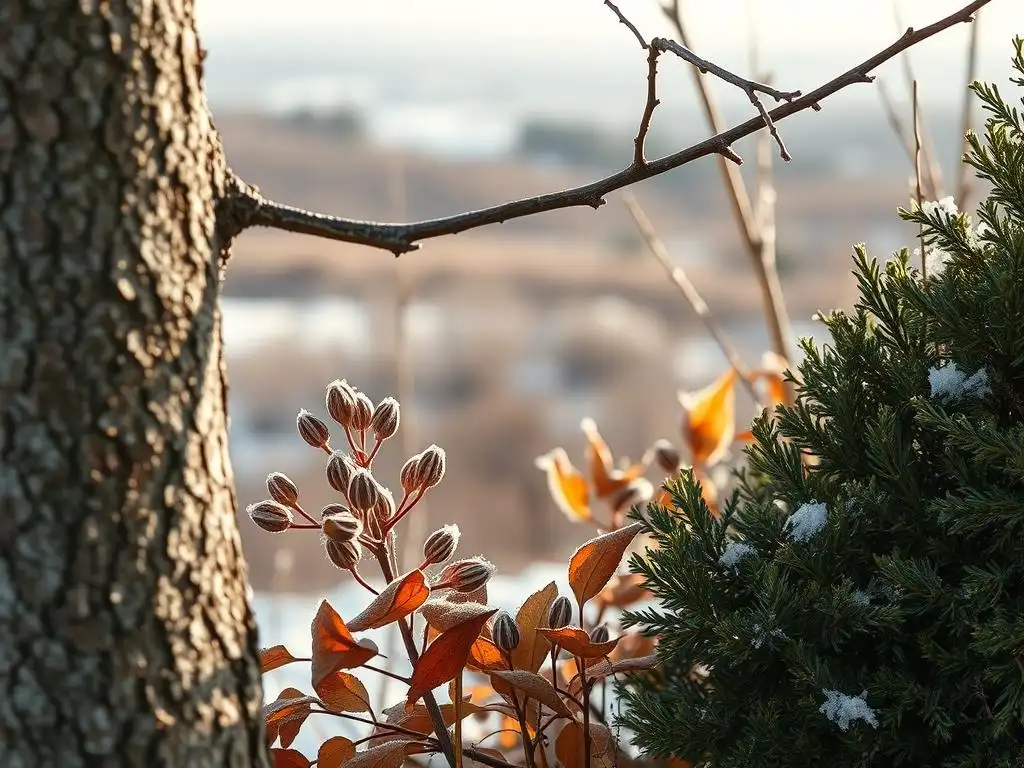
This section delves into the crucial aspects of preparing your plants for winter dormancy, ensuring their survival through harsh conditions and a successful return to active growth in spring. Understanding your plants' specific needs is paramount for successful overwintering. This guide provides practical strategies to protect your plants from freezing temperatures and maintain optimal moisture levels during their dormant period. A well-executed dormancy strategy significantly increases your chances of a bountiful harvest the following season. This is your complete Plant dormancy survival guide.
Assessing Your Plants' Dormancy Needs: Identifying Plant Species and their Dormancy Patterns
Understanding plant dormancy is key to successful overwintering. Not all plants exhibit the same dormancy patterns. Some, like deciduous trees, undergo complete dormancy, shedding their leaves entirely. Others, like evergreens, remain partially active, retaining their foliage. Knowing your plant's specific needs is crucial.
For example, let's compare two common garden plants:
- Tomatoes (Solanum lycopersicum): These are annuals, meaning they complete their life cycle in one growing season. They don't enter dormancy; instead, they die back with the first frost. Therefore, overwintering involves saving seeds for the next season, not protecting the existing plants.
- Lavender (Lavandula): This perennial herb enters a state of dormancy during winter, slowing down its growth significantly. However, it retains its woody structure and requires protection from extreme cold and excessive moisture to survive until spring.
Here's a table summarizing the dormancy needs of some common garden plants:
| Plant Type | Dormancy Type | Overwintering Strategy |
|---|---|---|
| Deciduous Trees | Complete Dormancy | Mulching, possibly wrapping or protective barriers |
| Evergreen Shrubs | Partial Dormancy | Mulching, protection from wind and heavy snow |
| Annual Flowers | No Dormancy | Seed saving |
| Perennial Herbs | Partial Dormancy | Mulching, potential indoor overwintering for tender varieties |
| Root Vegetables | Cold Storage Needed | Harvest and store in a cool, dark, and moist environment |
To effectively assess your plants' needs, consult reliable gardening resources specific to your region and the particular plant species you are cultivating. Accurate identification is crucial for appropriate overwintering techniques. Remember to consider factors such as your specific climate and microclimate within your garden.
Protecting Plants from Freezing Temperatures: Mulching, Cold Frames, and Indoor Overwintering
Freezing temperatures pose a significant threat to plants during dormancy. Several strategies can mitigate this risk:
- Mulching: Applying a layer of organic mulch (such as straw, shredded leaves, or wood chips) around the base of your plants provides insulation, protecting roots from freezing temperatures and preventing soil erosion. The thickness of the mulch layer should be adjusted based on the severity of your winter climate.
- Cold Frames: These simple structures provide a sheltered microclimate, extending the growing season and protecting tender plants from frost. Cold frames allow for airflow while shielding plants from harsh winds and freezing temperatures. They are particularly useful for overwintering less hardy perennials or seedlings.
- Indoor Overwintering: For particularly delicate plants, indoor overwintering might be necessary. This involves moving your plants indoors to a cool, bright location, away from heating vents. Careful monitoring of watering is crucial to prevent root rot. Indoor overwintering requires careful planning and attention to detail, ensuring sufficient light and appropriate humidity levels. This method is particularly suitable for tender perennials or plants that struggle to survive harsh winters.
Watering Strategies During Dormancy: Avoiding Overwatering and Underwater Stress
Maintaining proper soil moisture during dormancy is essential for plant survival. Both overwatering and underwatering can be detrimental.
Overwatering can lead to root rot, a severe fungal disease that can kill your plants. Underwatering, on the other hand, can cause desiccation, especially in evergreens which retain their leaves throughout winter.
The ideal watering strategy depends on several factors, including:
- Plant type: Evergreens generally require more moisture than deciduous plants during dormancy.
- Soil type: Well-draining soils require less frequent watering than heavy clay soils.
- Weather conditions: Periods of prolonged rain may eliminate the need for supplemental watering, while dry spells may necessitate additional irrigation.
A good rule of thumb is to water deeply but infrequently during dormancy, allowing the soil to dry slightly between waterings. Avoid overhead watering, as this can lead to fungal diseases. Instead, water at the base of the plant to avoid wetting the foliage. Monitoring soil moisture regularly, using a moisture meter or by feeling the soil, can help you determine when watering is necessary.
Remember, a slightly drier soil is preferable to waterlogged soil during the dormancy period. Adjust your watering schedule based on the specific needs of your plants and prevailing weather conditions. Observation and experience are your best guides in this crucial aspect of plant dormancy care.
Essential Nutrients for Dormancy: Feeding Your Plants for Spring Rejuvenation
Providing your plants with the right nutrients before dormancy significantly impacts their ability to survive the harsh winter months and bounce back vibrantly in spring. Think of it as giving your plants a nutritional boost before a long hibernation. This isn't about forcing growth; rather, it's about building resilience and storing energy reserves. Neglecting this crucial step can lead to weakened plants that are more susceptible to disease and pests, struggling to recover once the growing season begins.
The key is to focus on phosphorus and potassium. Phosphorus plays a vital role in root development and overall plant strength, crucial for enduring harsh conditions. A robust root system is essential for accessing water and nutrients even when the soil is frozen or dry. Potassium, on the other hand, enhances disease resistance and helps plants tolerate stress, including cold temperatures, drought, and salinity. While nitrogen is essential for growth, excessive nitrogen late in the season can encourage late-season growth, making plants more vulnerable to frost damage. Therefore, reducing nitrogen application before dormancy is vital.
A soil test can provide valuable insights into your soil's nutrient levels, guiding your fertilization strategy. Based on the results, you can choose an appropriate fertilizer, either organic or synthetic, that provides a balanced ratio of nutrients, emphasizing phosphorus and potassium. For example, a 0-20-20 fertilizer would be suitable, indicating a low nitrogen (0), moderate phosphorus (20), and moderate potassium (20) content. Always follow the manufacturer's instructions regarding application rates and methods.
Remember that over-fertilizing can also be detrimental. Too much fertilizer can damage roots and create an imbalance in the soil, negatively affecting plant health during and after dormancy. Therefore, a balanced and measured approach is key. Organic options, such as composted manure or bone meal, offer a slower-release of nutrients, reducing the risk of over-fertilization and providing a sustained supply of essential elements throughout the dormancy period.
This gentler approach aligns perfectly with sustainable and organic gardening practices, promoting soil health and long-term plant vitality. By providing the right nutrients before winter, you're setting your plants up for a successful and healthy spring awakening. 🌱
Breaking Dormancy: Awakening Your Plants in Spring
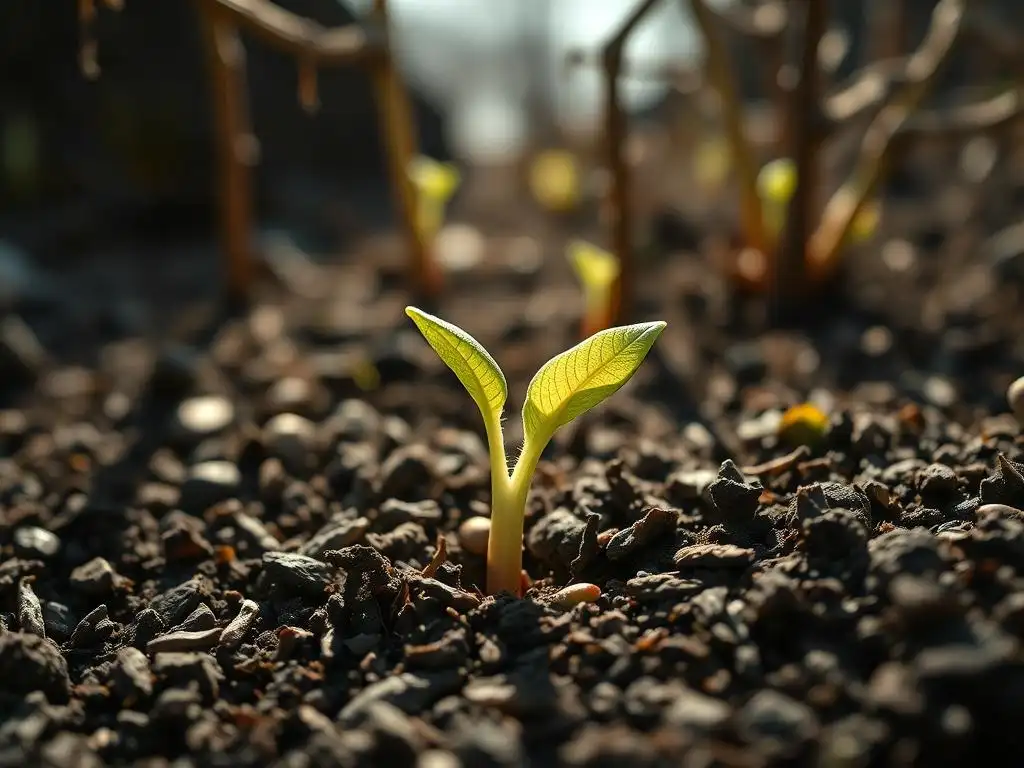
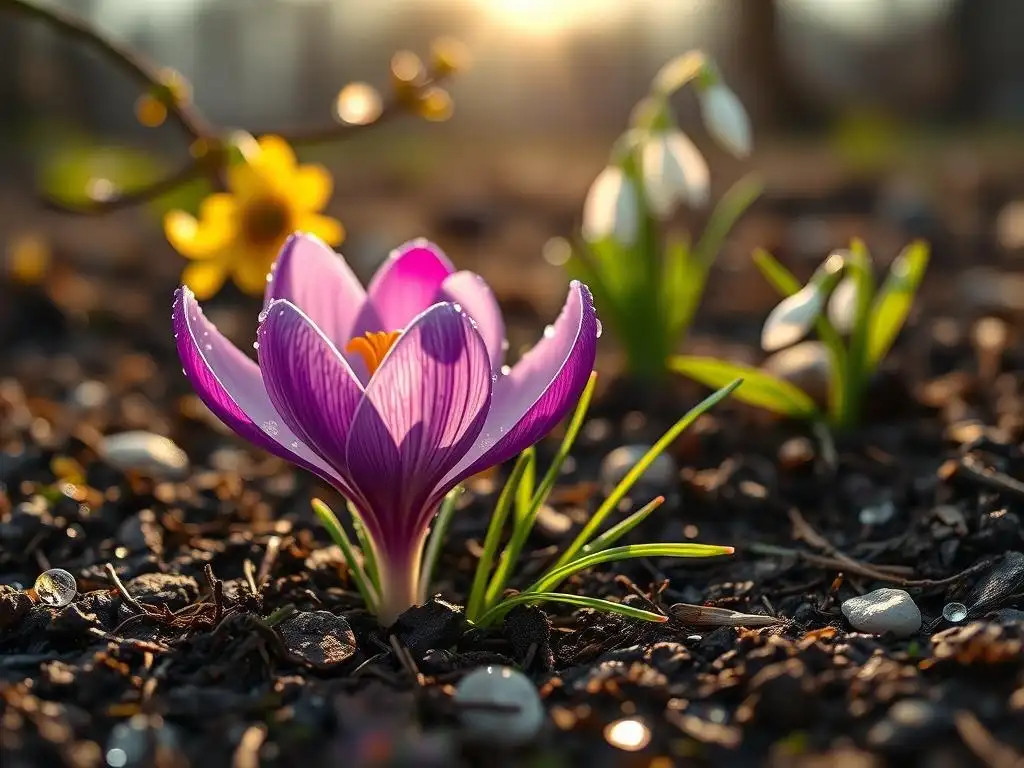
This section focuses on the crucial steps involved in successfully breaking plant dormancy and ushering in a period of vigorous growth. Understanding the nuances of this process is key to maximizing your harvest and ensuring the health of your plants. A successful spring awakening hinges on careful observation, gradual acclimatization, and timely pruning. This detailed guide will help you navigate the complexities of this important phase in the plant life cycle, offering a practical Plant dormancy survival guide.
Signs of Dormancy Breaking: Observing Changes in Your Plants
Before you actively intervene, it's crucial to observe your plants for natural signs that dormancy is ending. This isn't a single event but a gradual process. Early indicators are subtle but significant. Look for swelling buds – these are tiny, initially closed buds that begin to enlarge, hinting at the impending emergence of new growth.
You might also notice a slight change in color in the stems or branches, moving from the deep browns or greys of winter towards a greener hue. Furthermore, a careful examination of the roots (if accessible) might reveal renewed activity. Root systems start to absorb water and nutrients more readily as temperatures rise and soil moisture increases.
These initial signs are your cue to begin the gentle process of reawakening your plants. Remember that different plant species exhibit varying timelines for dormancy breaking; patience and observation are key to understanding your specific plants' needs. The appearance of small root hairs is a particularly good indicator of the start of renewed growth.
Gradual Acclimatization to Spring Conditions: Protecting Plants from Temperature Fluctuations
Spring weather can be unpredictable, with fluctuating temperatures that can severely stress plants emerging from dormancy. Sudden temperature drops or late frosts can cause significant damage, undoing weeks of careful preparation. Therefore, a gradual acclimatization process is essential. Start by increasing watering frequency gradually, ensuring the soil remains moist but not waterlogged.
Avoid overwatering, which can suffocate roots and impede growth. Initially, water deeply but less frequently to encourage strong root development. If you’ve overwintered plants indoors, begin by placing them in a sheltered outdoor location for short periods during the day, gradually increasing the exposure time over several days to weeks.
This allows them to adjust slowly to the increasing sunlight and temperature variations. Protecting plants with cloches or row covers during potential frost events provides an extra layer of defense, mitigating the risks associated with unpredictable spring weather. This gentle introduction to the outdoors is a critical step in your Plant dormancy survival guide.
Pruning and Cleaning: Preparing Plants for New Growth
Before new growth commences, it's essential to prune and clean your plants. This involves removing any dead, damaged, or diseased branches or stems. Pruning encourages air circulation, preventing fungal diseases and promoting healthy new growth.
Remove any debris around the base of the plants to reduce pest and disease risks. Use sharp, clean pruning shears to make clean cuts, avoiding ragged edges that can become entry points for pathogens. The specific pruning techniques will vary depending on the plant type – some require more extensive pruning than others.
For example, fruit trees often benefit from a more structured pruning approach to maximize fruit yield, whereas herbaceous plants might require only the removal of dead or damaged foliage. This stage is crucial for setting the stage for strong, healthy growth throughout the growing season, making it a key component of a successful Plant dormancy survival guide. Remember to compost any removed plant material, further enhancing your sustainable gardening practices.
Post-Dormancy Fertilization: Boosting Plant Growth and Health
Post-dormancy fertilization is a crucial step in ensuring your plants have the nutrients they need to thrive after their winter rest. Plants emerge from dormancy with depleted energy reserves, and providing them with a balanced nutrient boost jumpstarts their growth and flowering cycles. The timing and type of fertilizer are critical for success; applying the wrong fertilizer at the wrong time can actually harm your plants.
Several factors influence the best fertilization strategy for your plants. The type of plant is paramount. For example, a heavy feeder like tomatoes will require a richer fertilizer blend than a more modest herb like mint. Soil testing prior to fertilization is highly recommended.
A soil test will reveal the existing nutrient levels, guiding you toward a fertilizer that addresses any deficiencies. This prevents over-fertilizing, which can damage roots and lead to nutrient burn. You can conduct a soil test yourself using home kits, or you can send a sample to a professional soil testing laboratory for a more comprehensive analysis.
The best time to fertilize post-dormancy is usually after the last frost and when new growth begins to appear. However, this varies depending on your climate and the specific plants. Observe your plants carefully; when you see new shoots or leaves emerging, it's a good sign they are ready for a nutrient boost. Avoid fertilizing too early, as the plants may not be able to absorb the nutrients efficiently, leading to waste and potential harm.
Choosing the right type of fertilizer is also essential. Organic fertilizers, such as compost, manure, and bone meal, are excellent choices for sustainable gardening. They release nutrients gradually, providing a slow and steady supply that is less likely to burn the plants. Inorganic fertilizers, while offering a quick release of nutrients, can be more prone to causing damage if not used carefully.
Always follow the instructions on the fertilizer packaging carefully, paying close attention to the application rate and method. Remember that less is often more; it's always better to under-fertilize than to over-fertilize. Consistent, moderate feeding is much more beneficial to your plants' long-term health than sporadic, heavy applications.
Finally, remember to water thoroughly after fertilizing to help the nutrients reach the roots effectively. Regular watering post-fertilization is also vital for optimal plant health and nutrient uptake. Proper post-dormancy fertilization, informed by soil testing and a careful understanding of your plant's needs, is key to a vibrant and productive growing season. It's a crucial step in your plant dormancy survival guide, ensuring your plants not only survive but thrive. 🌱
Common Problems and Solutions During Plant Dormancy
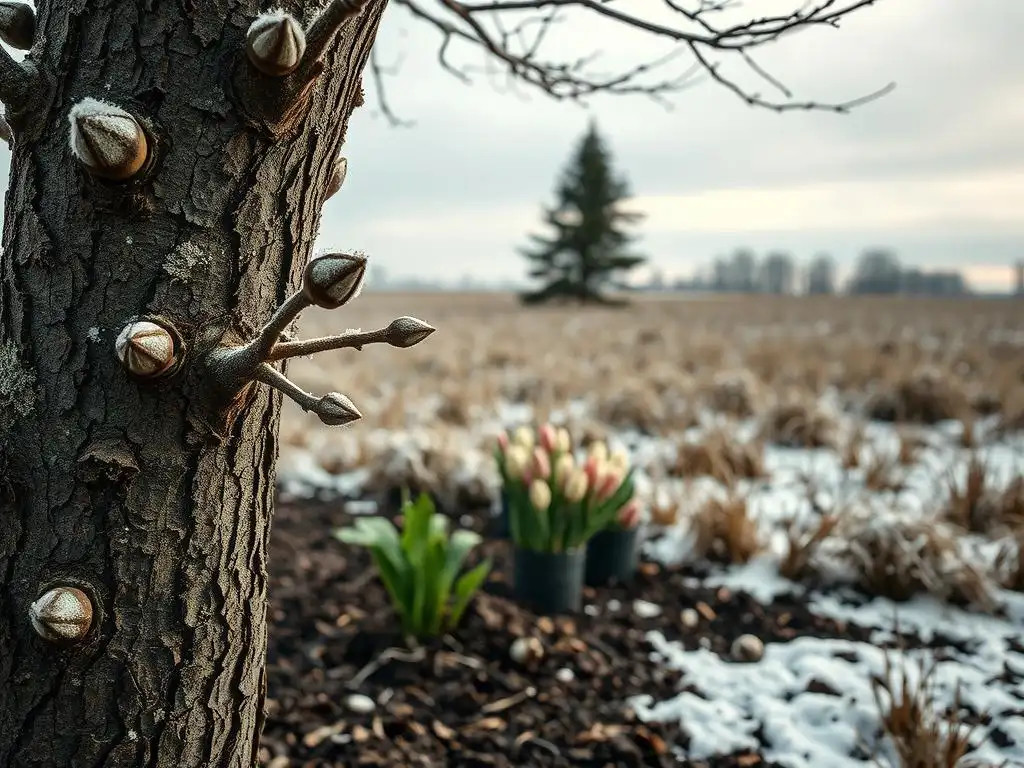
Plant dormancy, while a natural process crucial for survival, presents unique challenges for home gardeners. Understanding these challenges and implementing proactive solutions is key to ensuring your plants emerge healthy and vibrant in the spring. This section focuses on common issues encountered during dormancy and offers practical, sustainable solutions to help you navigate this critical period in your plants' life cycle. This comprehensive Plant dormancy survival guide will address crucial aspects of plant care during this period.
Dealing with Pests and Diseases During Dormancy: Prevention and Treatment
While plant activity slows significantly during dormancy, pests and diseases don't necessarily disappear. Many overwinter in the soil, on plant debris, or within the plant itself. Prevention is paramount. Thorough garden cleanup in the fall is crucial. This involves removing fallen leaves, weeds, and other plant debris where pests and pathogens might hide. Proper composting is essential to break down organic matter safely, preventing the build-up of disease-carrying organisms.
Dealing with existing infestations requires a careful and sustainable approach. Avoid harsh chemicals, opting instead for organic solutions. For example, neem oil can be effective against certain insects, while a solution of baking soda and water can sometimes help control fungal diseases. Remember to always follow product instructions carefully and avoid application during periods of freezing temperatures, as this can damage the plant. Regular inspection of your plants, even during dormancy, can help you detect problems early, allowing for timely intervention. Early detection is vital in creating an effective plant dormancy survival strategy.
Addressing Winter Damage: Repairing and Rejuvenating Plants
Winter's harsh conditions – freezing temperatures, strong winds, and heavy snow – can cause significant damage to plants. Signs of winter damage include broken branches, frost cracks in the bark, and desiccated leaves. Addressing this damage is crucial to the plant's recovery and future growth. Pruning damaged branches is often necessary, ensuring clean cuts to prevent disease. Avoid pruning until after the last frost to minimize the risk of further damage.
For frost cracks, you may need to gently clean the area and apply a protective sealant to prevent further damage and promote healing. Mulching around the base of the plant can help protect the roots from freezing temperatures and reduce soil moisture fluctuations. This protective layer also helps insulate the plant, minimizing the effects of harsh winds. Knowing how to effectively rejuvenate your plants following winter is a vital part of a successful plant dormancy survival guide.
Example: Repairing a Frost-Cracked Tree Trunk
Clean the cracked area with a brush and mild disinfectant. Apply a tree wound dressing to seal the crack and protect it from pathogens. Monitor the area regularly for signs of infection.
Preventing Rot and Mold: Maintaining Proper Soil Moisture Levels
Excess moisture is a major contributor to rot and mold during dormancy. While plants require some moisture to survive, overwatering can create ideal conditions for fungal growth. Proper soil drainage is vital. Amending heavy clay soils with organic matter, such as compost, can improve drainage and aeration.
Avoid watering during periods of freezing temperatures or heavy rainfall, as this can saturate the soil and increase the risk of root rot. Mulching can help regulate soil moisture by reducing evaporation and preventing waterlogging. However, it's important to find a balance: sufficient moisture to keep the roots from completely drying out, while preventing excess moisture that encourages rot.
Monitoring soil moisture levels using a moisture meter can be helpful, especially for plants in containers. Understanding how to maintain optimal soil conditions during plant dormancy is a cornerstone of any effective plant dormancy survival guide. This careful balance will help you avoid losses from rot and mold, ensuring healthy plants in the spring.
Plant Dormancy and Sustainable Gardening Practices
Plant dormancy, a period of suspended growth, is a crucial survival mechanism for many plants, allowing them to withstand harsh environmental conditions like freezing temperatures, drought, or intense heat. Understanding this natural process is vital for successful sustainable gardening. A key aspect of sustainable gardening is working with nature, not against it, and recognizing plant dormancy allows us to optimize our care and minimize resource use. This section will explore how to support plant dormancy using organic and sustainable methods, ensuring your plants emerge healthy and vibrant in the spring.
Dormancy and Organic Gardening: Minimizing Chemical Inputs
Organic gardening prioritizes natural processes and avoids synthetic chemicals. During plant dormancy, the temptation to apply chemical treatments might arise, particularly concerning pest and disease control. However, many chemical applications are unnecessary and can even be harmful during dormancy. Instead, focus on preventative measures taken before dormancy begins. This includes:
- Proper sanitation: Remove all plant debris and fallen leaves from the garden beds. This reduces overwintering sites for pests and diseases. Proper composting of this material is crucial for nutrient cycling.
- Resistant varieties: Choosing plant varieties known for their disease resistance reduces the need for intervention during and after dormancy.
- Natural pest control: Introducing beneficial insects or using natural repellents (like neem oil— applied before dormancy) can help manage pest populations without harsh chemicals.
Maintaining a healthy soil structure, rich in organic matter, also strengthens plant resilience, making them better equipped to survive dormancy and resist diseases. Avoid unnecessary soil disturbance during dormancy to maintain beneficial soil organisms. Remember, a healthy soil ecosystem is your best ally in organic gardening.
Water Conservation During Dormancy: Sustainable Watering Techniques
Water conservation is a cornerstone of sustainable gardening. While seemingly inactive, dormant plants still require some moisture, although significantly less than during their active growing season. Overwatering during dormancy can lead to root rot and other problems. The key is to maintain just enough moisture to prevent the soil from completely drying out.
Here's a sustainable approach to watering during dormancy:
- Monitor soil moisture: Regularly check soil moisture levels using your finger or a moisture meter. Water only when the top few inches of soil feel dry.
- Deep watering: When you do water, provide a deep, infrequent watering rather than frequent shallow watering. This encourages deeper root growth and improves drought tolerance.
- Mulching: Applying a layer of mulch (such as straw, shredded leaves, or wood chips) helps retain soil moisture and regulate soil temperature, reducing the need for frequent watering. This also suppresses weed growth.
- Consider microclimates: South-facing slopes tend to dry out faster than north-facing slopes. Adjust your watering schedule accordingly, considering the specific microclimate of your garden.
Composting and Dormancy: Preparing Compost for Spring Planting
Dormancy provides the perfect opportunity to prepare your compost for the upcoming growing season. The decomposition process continues even during colder months, albeit at a slower rate. Proper compost management enhances soil health and reduces the need for synthetic fertilizers.
Here are some tips for managing your compost during dormancy:
| Task | Description | Benefits |
|---|---|---|
| Turn the compost pile | Regularly turning the pile aerates the material, accelerating decomposition and preventing unpleasant odors. | Improves aeration, decomposition rate, and prevents anaerobic conditions. |
| Add "brown" materials | Supplement the pile with dry materials like shredded leaves or twigs to maintain a proper carbon-to-nitrogen ratio. | Balances nutrient levels and improves the overall quality of the finished compost. |
| Protect from freezing | In very cold climates, consider covering the pile to protect it from freezing temperatures. | Prevents freezing and maintains microbial activity. |
| Monitor moisture levels | Ensure the compost pile is adequately moist but not waterlogged. | Maintains optimal conditions for decomposition. |
By carefully managing your compost during dormancy, you'll have a valuable resource ready to enrich your garden beds when spring arrives, providing your plants with the best possible start to the growing season. This aligns perfectly with the principles of sustainable gardening and contributes to healthy, thriving plants.
Frequently Asked Questions
What is plant dormancy?
Plant dormancy is a survival mechanism where plants temporarily suspend growth and reduce metabolic activity to withstand harsh environmental conditions like cold winters or intense heat and drought. This allows them to conserve energy and survive until conditions improve.
How long does plant dormancy last?
The duration of dormancy varies greatly depending on the plant species and the environmental conditions. Some plants may be dormant for a few weeks, while others may remain dormant for several months.
How can I help my plants survive dormancy?
Proper preparation is key. This includes adjusting watering based on the season, providing winter protection (mulch, coverings), and ensuring the plants are healthy going into dormancy. Avoid fertilizing during dormancy.
What are the signs that my plant is entering dormancy?
Signs include leaf drop, reduced growth, and changes in stem color. Some plants may also develop protective coverings or go completely dormant, appearing lifeless above ground.
What should I do if my plant doesn't seem to be coming out of dormancy?
First, ensure environmental conditions are appropriate (temperature, moisture). If conditions are right and the plant shows no signs of life, it may unfortunately be dead. Examine the roots for signs of life before discarding it.
Final Reflection: Embracing the Quiet Strength of Dormancy
Understanding plant dormancy isn't just a botanical curiosity; it's a vital key to understanding resilience in the face of adversity. The strategies plants employ to survive harsh conditions – from freezing temperatures to drought – offer profound lessons applicable far beyond the garden. This survival mechanism, honed over millennia, speaks to the power of adaptation and the importance of strategic retreat.
The impact of plant dormancy extends beyond the individual plant; it shapes entire ecosystems and influences our understanding of survival itself. The cyclical nature of dormancy mirrors the rhythms of life, reminding us that periods of rest and renewal are essential for growth and longevity. The oak sleeps in the seed, the bird waits in the egg, and in the highest heaven, the soul waits for its hour.
This quote beautifully captures the essence of dormancy, not just as a period of inactivity, but as a time of potential, a gestation period for future flourishing.
Consider the lessons of dormancy in your own life. Are you allowing yourself the necessary periods of rest and reflection to prepare for future growth? Just as a plant carefully conserves its energy during dormancy, so too should you prioritize self-care and rejuvenation. Embrace the quiet strength of dormancy, and you will discover the resilience within yourself to weather any storm. Let the wisdom of the natural world guide you towards a life of balanced growth and enduring strength.
Unlock Your Garden's Winter Resilience
Thanks for exploring the fascinating world of plant dormancy with us! You've learned how to help your plants survive even the harshest winter conditions. Ready to put this knowledge into action?
- Prioritize your fall garden cleanup: This crucial step protects your plants. Removing dead leaves and debris prevents disease and pest infestations.
- Prepare your plants for winter's chill: Mulching and providing extra insulation, where needed, will safeguard your plants. Consider your spring planting plans now and order seeds or plants early to secure your choices.
- Share your winter garden prep tips: Join our community forum and share your experiences—let's help each other succeed!
What unique strategies will you use to ensure your garden thrives this winter?