
ColdTolerant Root Vegetables: A Winter Garden Staple

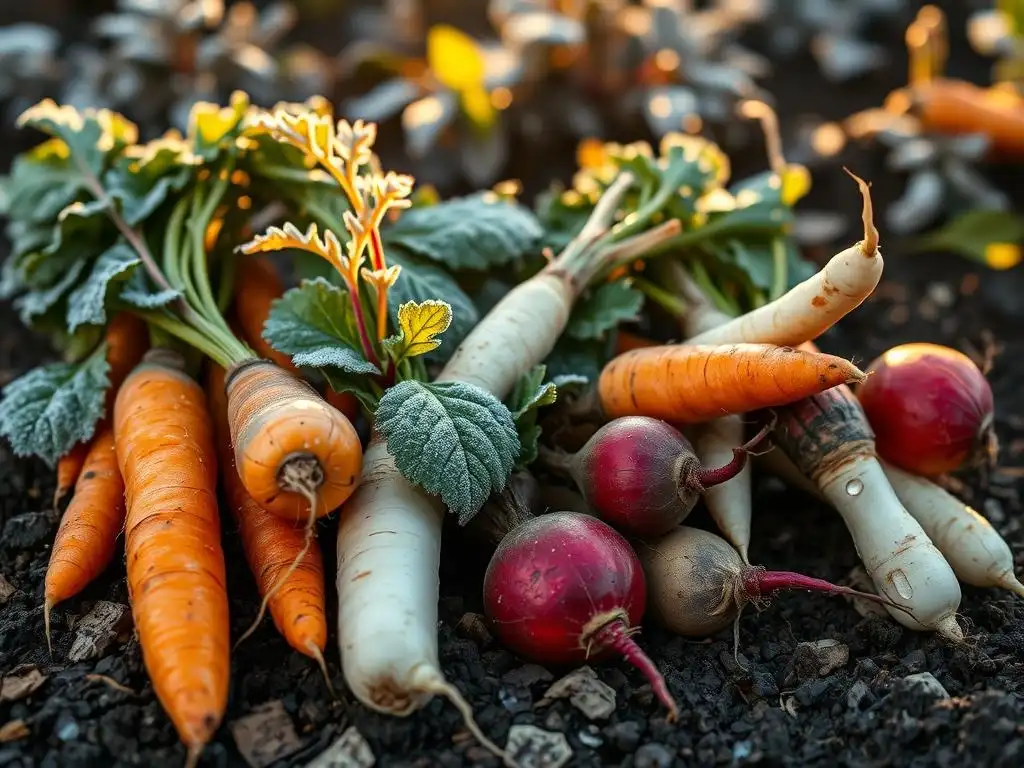
Ready to transform your backyard into a thriving winter garden? At CultivateYourFood, we empower you to grow your own food sustainably. Learn how to successfully grow cold-hardy root vegetables, even in the chilliest months, and unlock the secrets to a bountiful harvest, regardless of the season. Discover the surprising resilience of nature and the simple techniques that will leave you amazed! Dive into our expert guide on gardening in different climates and start cultivating your own delicious, organic produce today.
- Understanding Cold-Hardy Root Vegetables for Your Winter Garden
- Planning Your Cold-Hardy Root Vegetable Garden
- Growing Cold-Hardy Root Vegetables: A Step-by-Step Guide
- Harvesting and Storing Your Cold-Hardy Root Vegetable Harvest
- Recipes and Culinary Uses for Your Cold-Hardy Root Vegetables
- Troubleshooting Common Issues When Growing Cold-Hardy Root Vegetables
- Resources for Further Learning on Growing Cold-Hardy Root Vegetables
-
Frequently Asked Questions
- What are some examples of cold-hardy root vegetables I can grow?
- How do I prepare my garden for planting cold-hardy root vegetables?
- When is the best time to plant cold-hardy root vegetables?
- What are some common pests or diseases that affect cold-hardy root vegetables?
- How do I harvest and store cold-hardy root vegetables?
- Final Reflection: Cultivating Resilience, One Root Vegetable at a Time
- Unleash Your Winter Harvest: Grow Cold-Hardy Wonders!
Understanding Cold-Hardy Root Vegetables for Your Winter Garden
Cultivating a vibrant garden year-round requires strategic planning, especially when facing the challenges of colder climates. This article dives into the world of cold-hardy root vegetables, offering a comprehensive guide to successfully growing these nutritious crops even during winter months. We'll explore what defines cold hardiness, discuss specific varieties ideal for colder temperatures, and highlight the numerous benefits of incorporating these vegetables into your winter garden. Mastering the art of growing cold-hardy root vegetables will not only extend your harvest season but also provide you with fresh, flavorful produce throughout the year, reducing your reliance on store-bought options and embracing sustainable, organic practices.
This guide is designed to help you confidently add these resilient plants to your garden, regardless of your experience level, and contribute to your journey towards self-sufficient food production. Let's delve into the fascinating world of growing coldhardy root vegetables! 🥕
Defining Cold-Hardy Root Vegetables
The term "cold-hardy" refers to a plant's ability to withstand freezing temperatures or prolonged periods of cold weather without significant damage. Unlike their heat-loving counterparts, cold-hardy root vegetables can tolerate frost and even light snowfall, continuing to grow, albeit at a slower rate, in cooler conditions. This resilience is crucial for extending the growing season and ensuring a consistent supply of fresh produce throughout the winter.
The specific temperature tolerance varies between different varieties, with some thriving in temperatures just above freezing, while others can endure more extreme cold. Understanding these variations is key to selecting the right varieties for your specific climate and microclimate within your garden. Factors such as soil type, sun exposure, and wind protection also play a crucial role in determining the success of your cold-hardy root vegetable cultivation.
Selecting Cold-Tolerant Root Vegetable Varieties
Choosing the right variety is paramount to a successful winter harvest. Several root vegetables are known for their exceptional cold tolerance. These include, but are not limited to:
- Parsnips: Known for their sweet flavor that intensifies with cold, parsnips are incredibly cold-hardy and can even improve in taste after a light frost.
- Rutabagas (Swedes): These hearty root vegetables boast a slightly peppery flavor and can withstand freezing temperatures remarkably well.
- Turnips: Offering a range of sizes and flavors, turnips are relatively easy to grow and tolerate cold conditions effectively.
- Radishes (winter varieties): While most radishes are grown in spring, specific winter varieties are bred to withstand cooler temperatures and often develop a more intense flavor.
- Carrots (winter varieties): Similar to radishes, certain carrot varieties are specifically developed for cold hardiness and can survive through mild winters.
When selecting seeds or seedlings, always check the packaging or seed catalog for information on cold hardiness and the expected maturity date to ensure they are suitable for your specific climate and growing season. Consider the length of your frost-free period and choose varieties that will have ample time to mature before the first frost.
Advantages of Winter Cold-Hardy Root Vegetable Cultivation
Growing cold-hardy root vegetables in winter offers several significant advantages:
| Advantage | Description |
|---|---|
| Extended Harvest Season | Enjoy fresh produce even during winter months, reducing reliance on store-bought vegetables. |
| Improved Flavor | Many cold-hardy root vegetables develop a sweeter or more intense flavor after exposure to cold temperatures. |
| Reduced Pest and Disease Pressure | Cooler temperatures often reduce the activity of many common garden pests and diseases, leading to healthier plants and higher yields. |
| Sustainable Food Production | Growing your own food contributes to a more sustainable lifestyle, reducing your environmental impact and promoting food security. 🍅 🥬 |
| Reduced Food Costs | Harvesting your own winter vegetables can significantly reduce your grocery bill. |
By carefully selecting cold-hardy root vegetable varieties and understanding their specific needs, you can enjoy a bountiful winter harvest and experience the satisfaction of growing your own food, even during the colder months. Remember to prepare your soil properly, provide adequate protection from extreme weather, and monitor your plants regularly for optimal results.
Planning Your Cold-Hardy Root Vegetable Garden
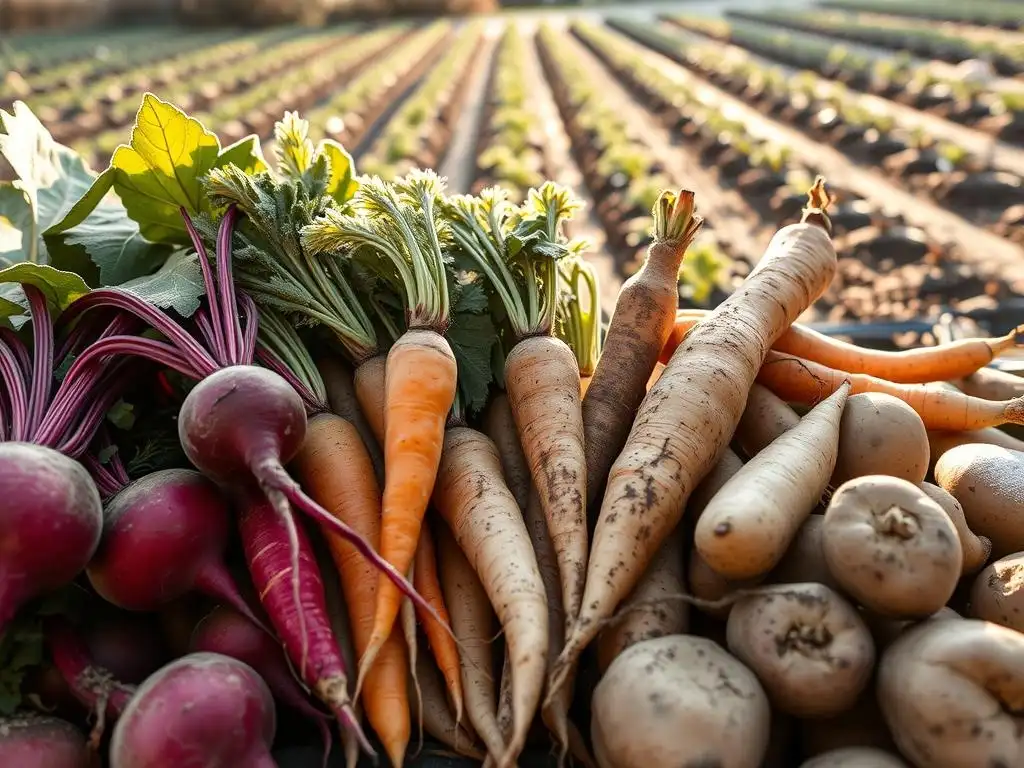
This section delves into the specifics of planning your cold-hardy root vegetable garden, ensuring a bountiful harvest even in chillier climates. Successfully growing coldhardy root vegetables requires careful consideration of several key factors. We'll explore these factors to help you maximize your yield and enjoy fresh, homegrown produce all winter long. This guide focuses on practical strategies for optimizing your cold-hardy root vegetable cultivation, offering actionable steps for beginners and experienced gardeners alike.
Variety Selection Based on USDA Hardiness Zone
Choosing the right root vegetable varieties is crucial for success. Your USDA Hardiness Zone dictates which plants will thrive and which will struggle. Different root vegetables possess varying degrees of cold hardiness. For example, parsnips ( Pastinaca sativa) are exceptionally cold-hardy, able to withstand freezing temperatures and even improve in flavor after a frost. Conversely, while beets ( Beta vulgaris) are relatively cold-tolerant, prolonged freezing can damage them.
Understanding your zone is paramount. Consult a USDA Plant Hardiness Zone Map to determine your specific zone. Seed packets and plant tags often list the ideal hardiness zones for each variety. Prioritize varieties suited to your zone for optimal germination and growth.
Here's a table summarizing the cold hardiness of some popular root vegetables:
| Vegetable | USDA Hardiness Zone Tolerance | Notes |
|---|---|---|
| Parsnips | 3-8 | Excellent cold hardiness; flavor improves after frost. |
| Rutabagas | 3-8 | Tolerates freezing temperatures well. |
| Turnips | 3-8 | Relatively cold-hardy; quicker maturity than many other root vegetables. |
| Beets | 4-9 | Tolerates some frost, but prolonged freezing can damage them. |
| Carrots | 2-10 | Moderately cold-hardy; better in cooler climates. |
| Radishes | 2-11 | Quick-growing and relatively cold-hardy, but prefer cooler conditions. |
Remember to always check the specific requirements for the cultivar (specific variety) you choose, as these can vary even within the same species. Don't be afraid to experiment with different varieties to find what works best in your garden!
Soil Preparation for Optimal Cold-Hardy Root Growth
Preparing the soil is just as important as choosing the right varieties. Cold-hardy root vegetables need well-drained, loose soil for optimal growth. Compacted soil leads to stunted roots, misshapen vegetables, and increased susceptibility to disease.
Amend heavy clay soils with generous amounts of organic matter, such as compost or well-rotted manure. This improves drainage and aeration, creating an ideal environment for root development. Sandy soils, conversely, benefit from the addition of organic matter to increase their water-holding capacity. The goal is to create a friable, fertile soil that provides the nutrients and structure these root vegetables need to flourish.
Before planting, conduct a soil test to determine its pH level. Most root vegetables prefer a slightly acidic to neutral pH (6.0-7.0). Adjust the pH if necessary using lime (to raise pH) or sulfur (to lower pH).
Tip: Consider incorporating cover crops, such as winter rye or clover, into your garden rotation to improve soil health and fertility. These crops help break up compacted soil, suppress weeds, and add organic matter.
Optimal Planting Timing for a Successful Harvest
Timing is everything when growing cold-hardy root vegetables. Planting too early exposes seedlings to frost damage, while planting too late may result in a smaller harvest before the first frost. The specific planting time varies depending on your USDA Hardiness Zone and the specific vegetable. Generally, you can begin planting many cold-hardy root vegetables in early spring or even late summer/early fall for a harvest during the cooler months.
For a fall harvest, aim to plant seeds 6-8 weeks before the first expected frost. This allows ample time for the roots to mature before the ground freezes. Consult your local frost dates to guide your planting schedule. For spring planting, wait until the soil has warmed up and all danger of frost has passed.
Here's a general guideline for planting times (adjust based on your specific location):
- Early Spring Planting (for a summer/early fall harvest): Carrots, beets, radishes.
- Late Summer/Early Fall Planting (for a winter/early spring harvest): Parsnips, rutabagas, turnips.
Remember to check seed packets for specific planting instructions and germination times. Proper planting depth and spacing are also crucial for healthy growth and optimal yields. Consistent watering, especially during dry periods, is essential for success. Careful planning and attention to detail will lead to a rewarding harvest of delicious, homegrown cold-hardy root vegetables.
Growing Cold-Hardy Root Vegetables: A Step-by-Step Guide
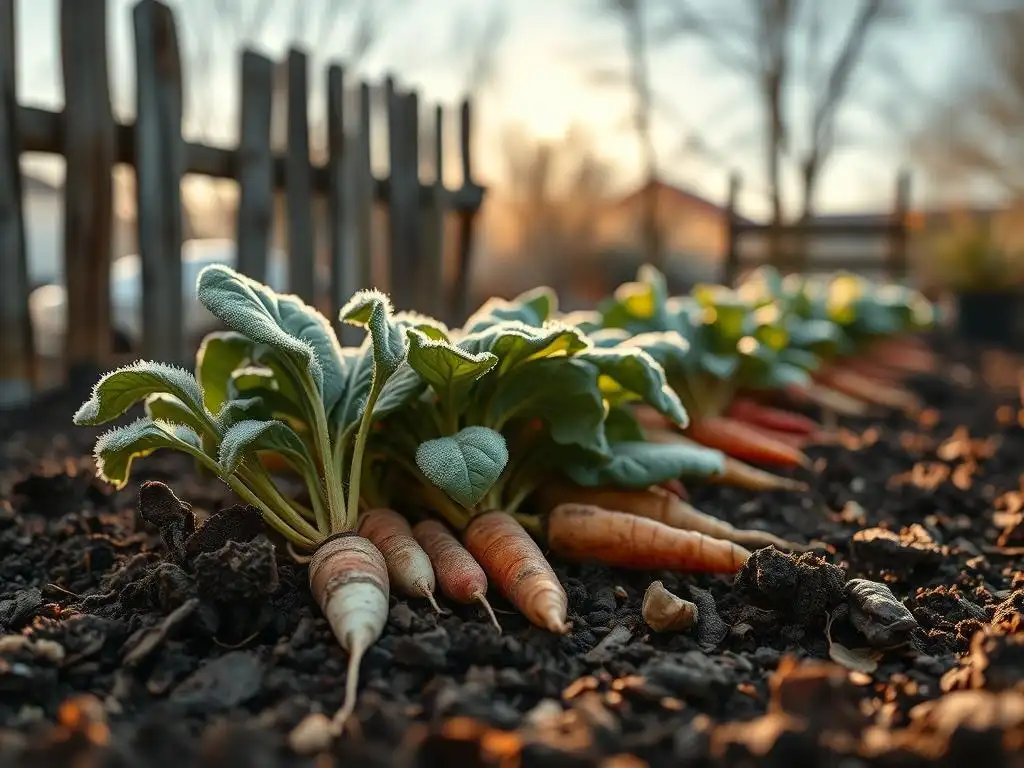
This section delves into the practical aspects of cultivating cold-hardy root vegetables, providing detailed instructions to help you successfully grow these nutritious crops even in cooler climates. Mastering these techniques will significantly improve your chances of a bountiful harvest, ensuring you enjoy fresh, homegrown produce throughout the colder months. We'll explore optimal planting methods, essential environmental considerations, and effective frost protection strategies to maximize your yield of cold-hardy root vegetables.
Seed Starting vs. Transplanting: Method Selection
Choosing between starting seeds indoors and transplanting seedlings versus direct sowing impacts your harvest timeline and overall success. Both methods have merits for growing cold-hardy root vegetables, depending on your climate and the specific vegetable.
Direct sowing, often preferred for hardy root crops like carrots and parsnips, allows the roots to establish themselves undisturbed, leading to straighter, less damaged roots. However, it requires warmer soil temperatures, delaying planting until later in the spring. Germination rates can also be lower compared to starting seeds indoors.
- Direct Sowing Advantages:
- Fewer disturbances to roots, resulting in straighter growth.
- Easier and faster process, especially for large areas.
- Reduced cost compared to purchasing seedlings.
- Direct Sowing Disadvantages:
- Slower growth compared to transplanting.
- Potential for lower germination rates.
- Dependent on favorable soil conditions.
Starting seeds indoors gives you a head start and increases germination success rates. This method is particularly beneficial for more delicate root vegetables or in areas with short growing seasons. However, transplanting requires careful handling to avoid damaging the fragile root systems. Overcrowding during the indoor phase can also stunt growth.
- Seed Starting Advantages:
- Higher germination rates.
- Earlier harvest potential.
- Better control over growing conditions.
- Seed Starting Disadvantages:
- Requires more effort and space.
- Increased risk of transplant shock.
- Potential for overcrowding and stunted growth.
The optimal method depends on your specific needs and the vegetable variety. For example, beets and turnips often perform well with both methods, while carrots and parsnips might benefit more from direct sowing to minimize root disturbance. Consider your climate, soil conditions, and the specific requirements of your chosen cold-hardy root vegetables when making your selection.
Sunlight and Water Requirements for Cold-Hardy Vegetables
Cold-hardy root vegetables generally thrive in full sun (at least 6-8 hours daily). However, some varieties, particularly those planted in hotter climates, can benefit from partial shade during the hottest part of the day to prevent bolting (premature flowering) and scorching. Adequate sunlight is crucial for photosynthesis, ensuring vigorous growth and high yields. Insufficient sunlight can lead to stunted growth, pale foliage, and reduced root development. Monitor your plants carefully, and adjust their position if necessary to ensure they receive optimal sun exposure. This is especially important when growing cold hardy root vegetables in containers.
Water requirements vary depending on soil type, climate, and the specific vegetable. Generally, cold-hardy root vegetables prefer consistently moist, but not waterlogged, soil. Overwatering can lead to root rot, while underwatering results in stunted growth and reduced yields. Regular watering, ideally in the morning to allow foliage to dry before nightfall, is essential, especially during dry spells.
Mulching helps retain soil moisture and suppress weeds, reducing the frequency of watering. Observe the soil moisture regularly – if the top inch feels dry, it's time to water. Consider installing a drip irrigation system for efficient and consistent watering, particularly beneficial for larger gardens.
Frost Protection Strategies for Cold-Hardy Root Crops
Even cold-hardy vegetables are susceptible to damage from extreme frost. Protecting your crops from frost is vital for a successful harvest. Several strategies can help mitigate frost damage:
- Row Covers: Lightweight row covers made from spun-bonded polypropylene provide excellent frost protection. These allow sunlight and moisture to penetrate while shielding plants from freezing temperatures. Remember to remove them during the day to allow proper ventilation and prevent overheating.
- Cold Frames: Cold frames create a microclimate that is warmer than the surrounding environment. They are particularly useful for extending the growing season and protecting young seedlings from frost. These structures can be as simple as a wooden frame covered with clear plastic or more elaborate designs.
- Mulching: A thick layer of mulch (straw, leaves, or shredded bark) insulates the soil, preventing it from freezing and protecting the roots from frost damage. Mulching is also beneficial for retaining soil moisture and suppressing weeds.
- Watering: Surprisingly, adequately watering your plants before a frost can actually help protect them. Water retains heat, and the soil's higher heat capacity helps buffer against freezing temperatures.
- Plant Selection: Choose varieties specifically known for their superior cold hardiness within your region. Check seed packets for information about frost tolerance.
Consistent monitoring of weather forecasts is crucial. Be prepared to implement frost protection strategies when freezing temperatures are predicted. Early intervention is key to minimizing potential damage to your precious cold-hardy root vegetables. Careful planning and proactive frost protection will significantly increase your chances of a successful winter harvest, allowing you to enjoy the fruits (or rather, roots!) of your labor throughout the colder months.
Essential Nutrients for Healthy Cold-Hardy Root Vegetable Growth
Cold-hardy root vegetables, while resilient to chilly temperatures, still require a balanced diet of essential nutrients to thrive and produce bountiful harvests. Understanding their nutritional needs is crucial for maximizing yield and quality. These vegetables, like parsnips, turnips, and rutabagas, are particularly demanding during their root development phase, which often overlaps with colder months.
Nitrogen (N) is vital for robust leaf growth, crucial for photosynthesis, which fuels root development. However, an excess of nitrogen can lead to lush foliage at the expense of root size and quality. Phosphorus (P) plays a pivotal role in root growth and development, promoting healthy root systems that can withstand cold temperatures and store energy efficiently. Potassium (K) is essential for disease resistance, improving the plant's ability to fight off fungal infections common in colder, wetter conditions.
Furthermore, potassium enhances the overall quality and storage life of the harvested roots. Magnesium (Mg) is crucial for chlorophyll production, ensuring healthy leaves that perform photosynthesis efficiently. This is particularly important during shorter daylight hours of the winter months. Finally, sufficient levels of calcium (Ca) and sulfur (S) contribute to robust cell walls, improving the plant's overall structural integrity and resistance to environmental stress, such as frost.
To ensure optimal nutrient levels, soil testing is highly recommended before planting. This allows for a tailored approach to fertilization, preventing nutrient deficiencies or excesses. Organic amendments like composted manure, aged leaves, or bone meal provide a slow-release source of nutrients, enriching the soil's structure and promoting beneficial microbial activity.
Following a crop rotation strategy is also beneficial, preventing nutrient depletion and the build-up of soil-borne diseases. By understanding and addressing the specific nutritional needs of cold-hardy root vegetables, gardeners can significantly improve their yield and the overall quality of their winter harvest. Remember to always follow package instructions for any fertilizers used, and err on the side of caution to avoid over-fertilizing.
Pest and Disease Management in Cold-Hardy Root Vegetable Gardens
While cold-hardy root vegetables are generally more resilient to pests and diseases than their warm-season counterparts, they are not immune. Successful cultivation requires proactive pest and disease management strategies. Common challenges include root maggots, aphids, and fungal diseases like powdery mildew and various rots.
Root maggots, the larvae of various fly species, can severely damage roots by tunneling into them. Preventing their infestation is crucial. This can be achieved through soil preparation techniques such as tilling and removing any weeds or plant debris that may harbor overwintering pests. Row covers can protect young seedlings from adult flies laying eggs.
Beneficial nematodes, tiny soil-dwelling organisms, can also be introduced to control root maggot populations. Aphids, while not exclusively a cold-weather pest, can still infest cold-hardy root vegetables. Regular inspection and manual removal of aphids, or the use of insecticidal soap, can effectively manage infestations without harming beneficial insects. Strong water sprays can dislodge aphids.
Fungal diseases, often favored by cold, wet conditions, pose another significant threat. Good air circulation around plants is essential to prevent fungal growth. Avoid overhead watering, opting for drip irrigation or soaker hoses to keep foliage dry. Crop rotation helps break the disease cycle by reducing the build-up of fungal spores in the soil.
Organic fungicides, such as copper spray or baking soda solutions, can be used as preventative measures or to treat early signs of infection. Remember to always identify the specific pest or disease before applying any treatment, as misidentification can lead to ineffective or even harmful interventions. Regular monitoring and proactive management strategies are key to protecting your cold-hardy root vegetables from pests and diseases, ensuring a healthy and productive harvest. Prevention is always the most effective approach.
Harvesting and Storing Your Cold-Hardy Root Vegetable Harvest
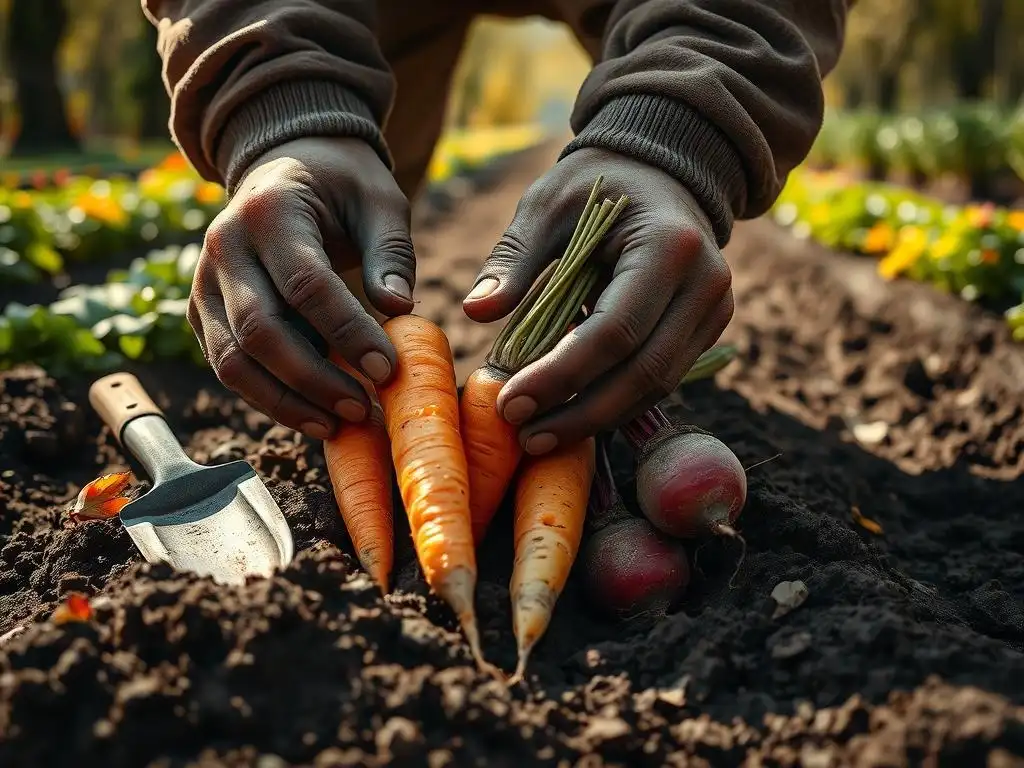
This section focuses on maximizing the yield and longevity of your cold-hardy root vegetable harvest. Successfully growing coldhardy root vegetables is only half the battle; proper harvesting and storage are crucial for enjoying the fruits (or rather, roots!) of your labor throughout the winter months. We'll explore optimal harvest timing, damage-minimizing techniques, and effective storage methods to keep your produce fresh and flavorful.
Harvest Timing for Optimal Flavor and Nutrition
The timing of your harvest significantly impacts the taste and nutritional value of your root vegetables. Harvesting too early results in smaller, less flavorful roots, while waiting too long can lead to tough, woody textures and reduced nutritional content. The ideal harvest time varies depending on the specific vegetable and the growing conditions. Generally, you should aim to harvest when the roots have reached their mature size and exhibit the desired characteristics for each variety.
For example, carrots are typically ready for harvest 70-80 days after sowing, when they reach a diameter of about 1 inch. However, you can leave them in the ground a little longer for larger roots, but be mindful of potential woodiness. Similarly, parsnips benefit from a longer growing season, often reaching optimal flavor after frost, even remaining in the ground until late winter or early spring in milder climates. This late-season harvest allows the sugars to concentrate within the root, resulting in a sweeter taste.
Consider these indicators for optimal harvest timing across several popular cold-hardy root vegetables:
| Vegetable | Harvest Timing Indicator | Optimal Harvest Time (approx.) |
|---|---|---|
| Carrots | Diameter reaches desired size, firm texture | 70-80 days after sowing |
| Parsnips | Mature size, sweet flavor (often after frost) | 100-120 days after sowing |
| Beets | Diameter reaches desired size, firm texture | 50-70 days after sowing |
| Rutabagas | Mature size, firm texture | 80-100 days after sowing |
| Turnips | Mature size, firm texture | 60-80 days after sowing |
| Potatoes (cold-hardy varieties) | Vines die back, skins are firm and easily slip off | 90-120 days after planting |
Remember to check the seed packet or plant tag for specific information regarding the variety you've planted, as these guidelines are general and may vary slightly. Careful observation of your plants and understanding their growth cycles will help you determine the perfect harvest moment. This attention to timing will reward you with the tastiest and most nutritious harvest possible.
Proper Harvesting Techniques to Minimize Damage
Gentle handling is key to preventing damage during harvesting. Rough handling can bruise or break the roots, leading to faster spoilage and reduced shelf life. Use a garden fork or trowel to carefully loosen the soil around the roots, avoiding sharp tools that could easily pierce the delicate vegetables.
For root crops like carrots and parsnips, it's best to loosen the soil around the plant before gently pulling them from the ground. This minimizes breakage and prevents damage to the root's delicate structure. For beets and turnips, the same careful approach applies, but you might find that using a trowel to lift the entire root ball is more effective. Avoid pulling too forcefully, as this can snap the roots. After harvesting, gently brush off any excess soil. Always handle your roots with care to preserve their quality and extend their shelf-life.
Storage Methods for Extending the Shelf Life of Winter Produce
Proper storage significantly extends the shelf life of your harvested root vegetables. Ideally, you should store your harvest in a cool, dark, and well-ventilated area with temperatures ranging between 32°F and 40°F (0°C and 4°C). High humidity can lead to rot, while excessively low humidity can cause wilting.
Several effective storage methods exist:
- Root Cellar: A dedicated root cellar provides the ideal environment for long-term storage.
- Refrigerator: The crisper drawer in your refrigerator is a suitable option for shorter-term storage, particularly for vegetables that don’t require long-term preservation.
- Cold Frame: A cold frame can extend the storage time of some root vegetables, especially if you live in a mild climate.
Regardless of your chosen storage method, proper preparation is essential. Before storing, ensure the roots are completely clean and dry. Any remaining soil or moisture can promote the growth of mold and bacteria. For long-term storage, consider adding layers of sand or sawdust between the root vegetables to help absorb excess moisture and prevent them from touching each other. Regularly check your stored vegetables for signs of spoilage and remove any damaged or rotting roots promptly to prevent the spread of decay. By following these guidelines, you can enjoy your homegrown cold-hardy root vegetables throughout the winter months. 🥕
Recipes and Culinary Uses for Your Cold-Hardy Root Vegetables
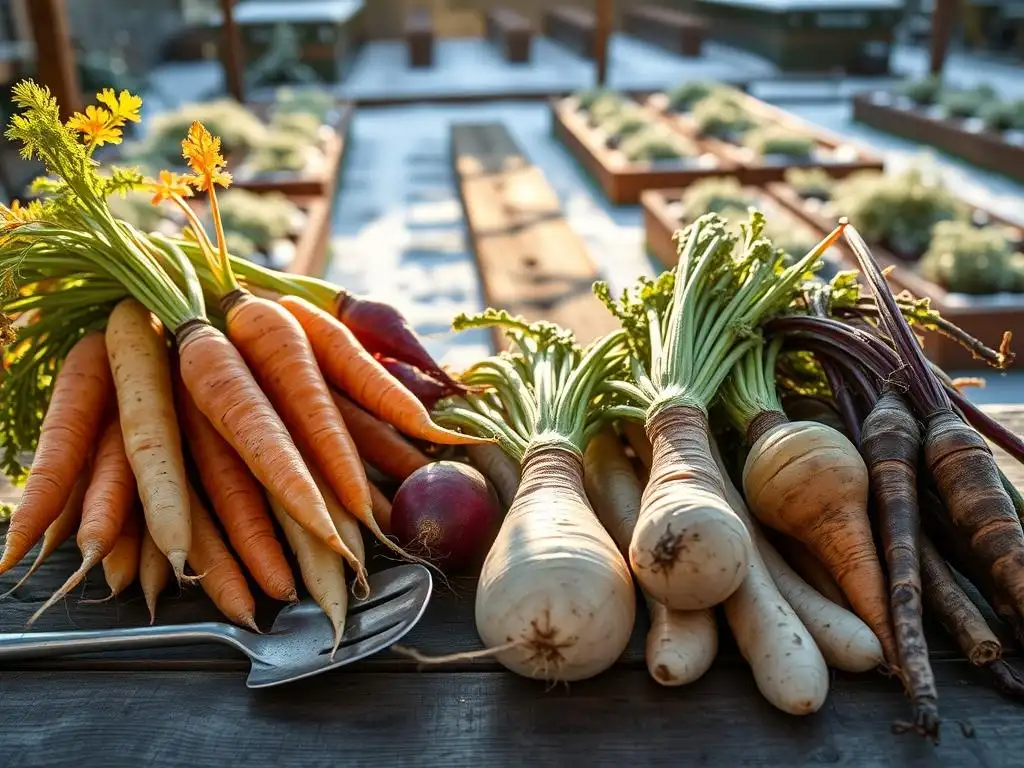
This section explores the delicious versatility of cold-hardy root vegetables, showcasing their unique flavors and textures in a range of culinary applications. From simple preparations to more elaborate dishes, these nutritious vegetables offer a wealth of culinary possibilities, extending the harvest season and adding a delightful variety to your winter meals. Learning to grow coldhardy root vegetables opens up a whole new world of flavor and kitchen creativity.
Recipes Featuring Cold-Hardy Root Vegetables
Cold-hardy root vegetables like parsnips, turnips, and rutabagas offer a unique flavor profile compared to their summer counterparts. Their slightly sweet and earthy notes lend themselves beautifully to both savory and sweet dishes. Let's explore some recipe ideas to inspire your winter cooking.
Here are a few examples:
- Roasted Root Vegetable Medley: This simple yet elegant dish highlights the natural sweetness of parsnips, carrots, and turnips. Toss the chopped vegetables with olive oil, herbs (rosemary and thyme work well), salt, and pepper, then roast at 400°F (200°C) until tender and slightly caramelized. The result is a flavorful side dish perfect for any winter meal. The roasting process intensifies the natural sugars, creating a delicious caramelization.
- Creamy Parsnip Soup: Parsnips form the base of a luxuriously creamy soup. Sauté onions and garlic, then add diced parsnips and vegetable broth. Simmer until tender, then blend until smooth. Season with salt, pepper, and a touch of nutmeg for warmth. A swirl of cream or a sprinkle of toasted nuts adds a final touch of elegance. This soup is incredibly nourishing and perfect for a chilly evening.
- Turnip and Apple Slaw: A surprisingly refreshing combination, this slaw uses thinly sliced turnips and apples, tossed with a light vinaigrette. The slight peppery bite of the turnips is balanced by the sweetness of the apples, creating a delightful contrast of flavors and textures. Adding toasted walnuts or pecans enhances the crunch factor.
- Rutabaga Mash: A hearty and flavorful alternative to traditional mashed potatoes, rutabaga mash offers a unique sweetness and subtle peppery note. Boil or steam the rutabaga until tender, then mash with butter, milk or cream, and season with salt and pepper. A touch of nutmeg or cinnamon adds warmth and depth.
Preserving Cold-Hardy Root Vegetables: Pickling, Canning, Freezing
Proper storage is crucial to extending the shelf life of your cold-hardy root vegetables harvest. While some varieties can be stored for several months in a cool, dark, and dry place, preserving methods like pickling, canning, and freezing allow you to enjoy your harvest throughout the year. This ensures you can continue to "grow coldhardy root vegetables" and enjoy their benefits long after the growing season ends.
Here’s a breakdown of each method:
- Pickling: Pickling is an excellent method for preserving turnips and other root vegetables. Pickling involves submerging the vegetables in a brine solution (vinegar, water, salt, and spices) which creates an acidic environment that inhibits the growth of bacteria. Pickled root vegetables add a zesty and tangy element to salads, sandwiches, and other dishes. Experiment with different spice combinations to create your signature pickles.
- Canning: Canning is a more involved process that requires specific equipment and knowledge to ensure food safety. Canning involves heating the vegetables in jars to kill any harmful bacteria, then sealing the jars to create an airtight environment. Canning is a reliable method for long-term preservation, allowing you to enjoy your harvest for months or even years. Proper canning techniques are essential to prevent spoilage and ensure the safety of the preserved food.
- Freezing: Freezing is a simple and convenient method for preserving root vegetables. Blanch the vegetables (briefly dip in boiling water, then immediately plunge into ice water) to deactivate enzymes that can cause deterioration during freezing. Then, package the blanched vegetables in freezer-safe bags or containers. Frozen root vegetables are easily incorporated into soups, stews, and other dishes. Freezing maintains the nutritional value and flavor of the vegetables, although texture may be slightly altered upon thawing.
Remember to always follow safe food preservation practices to avoid spoilage and ensure the safety of your preserved foods. Properly preserved cold-hardy root vegetables can provide a delicious and nutritious addition to your meals throughout the year, maximizing your harvest and extending the benefits of growing your own food.
Troubleshooting Common Issues When Growing Cold-Hardy Root Vegetables
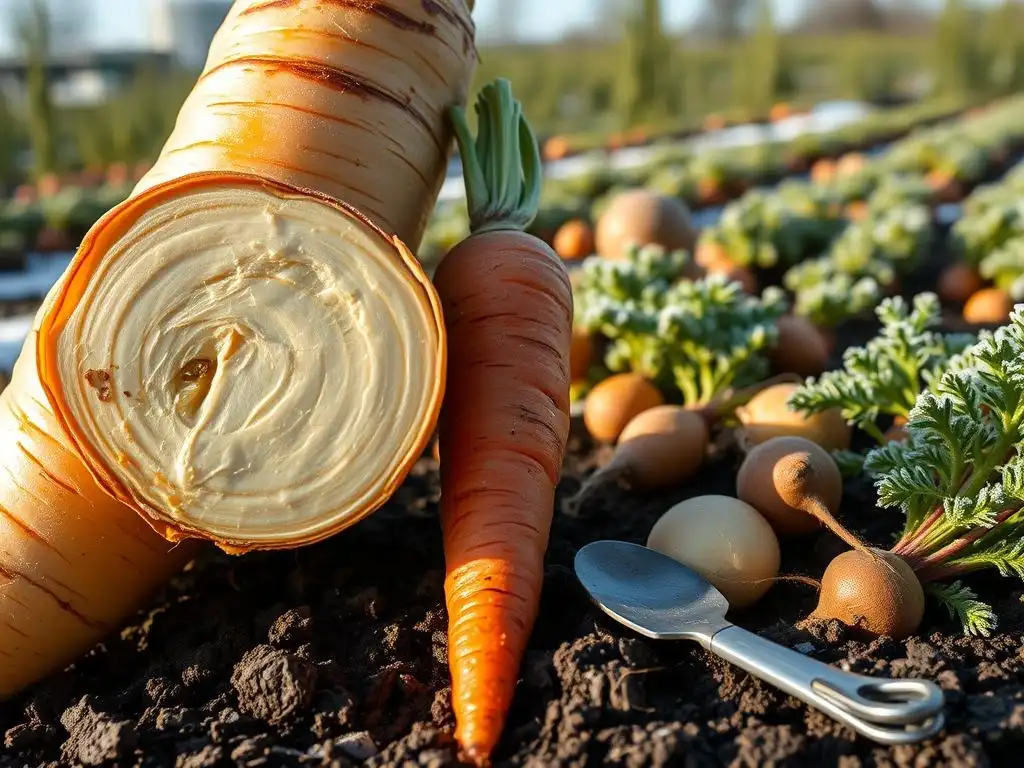
This section delves into the common challenges faced when cultivating cold-hardy root vegetables and provides practical solutions for successful harvests. Successfully growing coldhardy root vegetables requires attention to detail, especially concerning pest control, soil health, and temperature management. Let's examine these crucial aspects.
Pest and Disease Management Specific to Cold-Hardy Roots
Cold-hardy root vegetables, while resilient to cold temperatures, are still susceptible to various pests and diseases. Early detection and preventative measures are key to minimizing losses. Common pests include aphids, flea beetles, and root maggots. Diseases like root rot and powdery mildew can also significantly impact yields.
Effective pest management begins with preventative practices. This includes crop rotation to disrupt pest life cycles, using pest-resistant varieties, and maintaining good garden hygiene. Removing weeds and plant debris reduces pest habitats. Consider companion planting; for example, planting marigolds near your root vegetables can deter some pests.
For organic pest control, consider using insecticidal soaps or neem oil for aphids and flea beetles. Diatomaceous earth can be effective against slugs and snails. For root maggots, preventative measures like covering seeds with netting are crucial. Biological control methods, such as introducing beneficial nematodes, can also be explored. Remember to always follow product instructions carefully and choose methods appropriate for organic gardening practices.
Addressing more serious infestations or disease outbreaks may require a more targeted approach. Regularly inspect your plants for signs of pests or diseases. Early detection allows for prompt intervention, preventing widespread damage. Keep detailed records of your observations to track pest and disease activity over time. This information can be invaluable for planning future preventative strategies and selecting appropriate treatment methods.
| Pest/Disease | Symptoms | Organic Control Methods |
|---|---|---|
| Aphids | Sucking sap, leaf curling, stunted growth | Insecticidal soap, neem oil |
| Flea Beetles | Holes in leaves | Row covers, diatomaceous earth |
| Root Maggots | Wilting, stunted growth, damaged roots | Preventative measures (netting), beneficial nematodes |
| Root Rot | Rotting roots, wilting | Improve drainage, avoid overwatering |
| Powdery Mildew | White powdery coating on leaves | Baking soda spray, sulfur |
Addressing Soil and Nutrient Deficiency Issues
The success of growing coldhardy root vegetables is significantly influenced by soil health and nutrient availability. These crops require well-drained, loose soil rich in organic matter. Poor soil conditions can lead to stunted growth, reduced yields, and increased susceptibility to diseases.
Testing your soil is the first step in determining its nutrient content and pH. A soil test will identify any deficiencies in essential nutrients like nitrogen (N), phosphorus (P), and potassium (K). Amend your soil accordingly based on the test results. Adding compost or other organic matter improves soil structure, drainage, and nutrient retention. This is crucial for optimal root development.
Nutrient deficiencies manifest in various ways. Nitrogen deficiency can lead to pale green or yellow leaves, while phosphorus deficiency may result in stunted growth and dark green leaves. Potassium deficiency can cause leaf scorching and wilting. Addressing these deficiencies requires targeted fertilization. Organic fertilizers, such as compost tea, bone meal, or kelp meal, provide essential nutrients in a slow-release manner that is beneficial for the environment and the plants.
Remember that over-fertilizing can be just as harmful as under-fertilizing. Follow package instructions carefully and consider using a soil test to guide your fertilization strategy. Regular soil testing ensures you maintain the optimal nutrient balance for healthy plant growth. Proper soil preparation and ongoing nutrient management are essential aspects of cultivating thriving coldhardy root vegetables.
Managing Frost Damage and Temperature Fluctuations
Cold-hardy root vegetables tolerate freezing temperatures, but extreme fluctuations can still negatively impact growth and yield. Protecting plants from sudden drops in temperature is crucial, especially during the early stages of growth.
Row covers or low tunnels provide excellent protection against frost. These lightweight coverings create a microclimate that traps heat and shields plants from harsh winds. Floating row covers allow sunlight to penetrate while providing a barrier against frost. Consider using these covers during periods of anticipated frost or cold snaps.
For more severe cold snaps, consider using additional insulation techniques. Mulching around plants helps to insulate the soil and protect roots from freezing. Using a thick layer of organic mulch, such as straw or shredded leaves, can significantly reduce temperature fluctuations in the soil. This helps to maintain a more consistent root zone temperature, protecting the roots from frost damage.
Monitoring weather forecasts is vital. Be prepared to take protective measures when frost is predicted. Early detection and timely intervention can prevent significant damage to your cold-hardy root vegetable crops, ensuring a bountiful harvest. Consider using frost cloths or other temporary coverings as needed. Regular monitoring of temperature and proactive measures will contribute to the success of your winter garden.
Resources for Further Learning on Growing Cold-Hardy Root Vegetables
This section provides valuable resources to deepen your understanding and skills in cultivating cold-hardy root vegetables. We'll explore recommended reading material and highlight the importance of connecting with local gardening communities. Mastering the art of growing cold-hardy root vegetables requires both theoretical knowledge and practical experience, and these resources will help you achieve both. Successfully growing cold-hardy root vegetables like carrots, parsnips, and turnips depends on a combination of factors, including selecting the right varieties, proper soil preparation, and appropriate timing of planting and harvesting. Let's delve into some helpful resources to enhance your gardening journey.
Recommended Articles and Books on Cold-Hardy Root Vegetables
Finding reliable information on growing cold-hardy root vegetables is crucial for success. Many excellent resources exist, offering detailed guidance on various aspects of cultivation. Here are some examples, categorized for easier navigation:
Books:
- The Vegetable Gardener's Bible: This comprehensive guide often includes detailed sections on cold-hardy root vegetables, covering topics from seed selection to pest control. Look for editions that specifically address your climate zone.
- Square Foot Gardening: While not exclusively focused on root vegetables, this book's approach to efficient space utilization is highly beneficial for maximizing yields in smaller gardens, especially valuable when growing cold-hardy varieties.
- Regional Gardening Guides: Your local bookstore or library will likely carry books specific to your region. These are invaluable because they provide tailored advice considering your local climate, soil conditions, and pest pressures. These guides often include detailed planting calendars optimized for cold-hardy root vegetables.
Articles and Online Resources:
- University Extension Websites: Many land-grant universities offer extensive online resources on gardening, including detailed guides on growing various cold-hardy root vegetables. Search for “[your state] university extension gardening” to find relevant information.
- Online Gardening Forums and Blogs: Engaging with online gardening communities provides access to a wealth of shared experiences and practical tips. Participating in discussions allows you to learn from other gardeners' successes and challenges, especially regarding specific cold-hardy root vegetable cultivation. Look for forums and blogs focused on organic and sustainable gardening practices.
This list isn't exhaustive, but it provides a solid starting point for expanding your knowledge. Remember to always cross-reference information from multiple sources to ensure accuracy and relevance to your specific location and gardening conditions. Don't hesitate to explore further; the world of cold-hardy root vegetable cultivation is rich with information!
Local Gardening Resources and Community Networks
Connecting with your local gardening community is invaluable for successfully growing cold-hardy root vegetables. Local knowledge is often the most practical and relevant, especially when dealing with specific microclimates and regional pest issues. Here are some ways to tap into these resources:
- Local Master Gardener Programs: These programs often offer workshops and consultations on various gardening topics, including cold-hardy root vegetable cultivation. They can provide expert advice tailored to your region's conditions.
- Community Gardens: Participating in a community garden allows you to learn from experienced gardeners and share resources. Witnessing firsthand how others grow cold-hardy root vegetables in your area provides invaluable practical experience.
- Farmers' Markets and Local Nurseries: These are excellent places to connect with local farmers and gardeners. They can offer advice on suitable varieties for your area, as well as seeds and seedlings adapted to your local conditions. They often know which cold-hardy root vegetables thrive best in your specific microclimate.
- Online Local Gardening Groups: Search online for Facebook groups, forums, or other online communities dedicated to gardening in your area. These groups can provide a platform to ask questions, share experiences, and learn from others growing cold-hardy root vegetables in similar conditions.
Building relationships with fellow gardeners offers significant advantages. Sharing experiences, exchanging tips, and even swapping seeds can significantly enhance your gardening skills and success rate in growing cold-hardy root vegetables. Remember that growing successfully often involves adapting techniques based on your specific environment, and local knowledge is key to that adaptation. 🌱
Frequently Asked Questions
What are some examples of cold-hardy root vegetables I can grow?
You can successfully grow many varieties! Popular choices include carrots, parsnips, rutabagas, radishes, and turnips. These vegetables can tolerate freezing temperatures and even thrive in colder climates.
How do I prepare my garden for planting cold-hardy root vegetables?
Ensure your soil is well-drained and loose to prevent root deformation. Amend heavy clay soils with compost to improve drainage and aeration. Consider planting in raised beds for better control over soil conditions.
When is the best time to plant cold-hardy root vegetables?
The ideal planting time depends on your specific climate, but generally, fall is best for many varieties. This allows them to establish roots before winter and mature in the spring. Check the specific planting guidelines for your chosen vegetables.
What are some common pests or diseases that affect cold-hardy root vegetables?
Root vegetables are susceptible to various pests and diseases, including root maggots, wireworms, and fungal diseases. Good soil preparation, crop rotation, and companion planting can help prevent problems.
How do I harvest and store cold-hardy root vegetables?
Harvest when the vegetables reach maturity, typically indicated by their size. Gently lift them from the ground, avoiding damage. Store them in a cool, dark, and dry place for optimal longevity.
Final Reflection: Cultivating Resilience, One Root Vegetable at a Time
The ability to grow cold-hardy root vegetables is not merely a gardening skill; it's a vital act of resilience in a world facing increasing climate instability. Access to fresh, nutritious food, especially during harsh winters, becomes increasingly crucial, and the knowledge to cultivate it independently empowers individuals and communities alike. This simple act of planting and harvesting becomes a powerful statement of self-sufficiency and connection to the land.
The enduring appeal of root vegetables lies not only in their nutritional value but also in their symbolic representation of sustenance and perseverance. They represent the bounty that can be harvested even in the face of adversity, mirroring the human spirit's capacity to endure and thrive. The earth laughs in flowers.
– Ralph Waldo Emerson. This quote beautifully captures the joy and resilience inherent in nurturing life from the earth, even during the coldest months. The knowledge shared in this article, therefore, is more than just horticultural information; it's a legacy of resourcefulness passed down through generations, a testament to our enduring connection with nature.
Consider the seeds you plant this winter, not just as root vegetables, but as symbols of hope and self-reliance. Think about the skills you've gained and how they can contribute to a more sustainable and food-secure future.
Embrace the challenge, embrace the earth, and embrace the rewarding journey of cultivating your own cold-hardy harvest. The satisfaction of pulling a crisp carrot or juicy turnip from the frozen ground is a reward that extends far beyond the simple act of gardening; it's a connection to something larger than ourselves, a testament to the enduring power of nature and the human spirit.
Unleash Your Winter Harvest: Grow Cold-Hardy Wonders!
Thank you for exploring the world of cold-tolerant root vegetables with us! You've gained valuable knowledge to cultivate a bountiful winter garden, even in frosty conditions. Ready to put your new skills to the test?
- Start your winter garden today! Begin by creating a detailed planting plan, carefully considering sunlight and soil conditions to ensure optimal root vegetable growth. This is crucial for a successful harvest.
- Share your gardening journey with our community! Tell us about your favorite cold-hardy varieties, such as parsnips or rutabagas, and any unexpected challenges you've encountered. Let's learn from each other's experiences.
- Explore our extensive resource library for further tips on winter gardening, including frost protection techniques and pest control strategies. We have a wealth of information to help you succeed.
Which surprising cold-hardy root vegetable are you most excited to grow this season?