
Bonsai Plant Selection: CultivateYourFood's Top Picks for Beginners

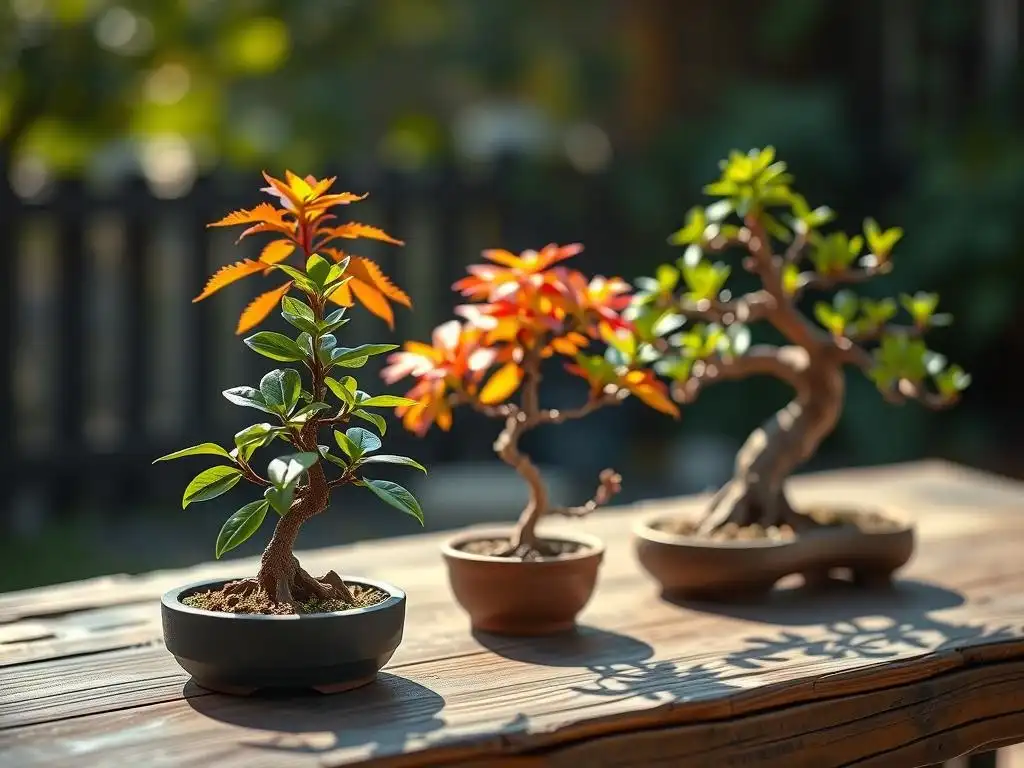
Welcome to CultivateYourFood, your guide to nurturing a thriving garden using sustainable and organic methods! Ready to explore the captivating art of bonsai? Our expert selection of the Best beginner bonsai trees will unlock a world of miniature landscapes right in your home. Discover the secrets to successfully cultivating these fascinating plants and embark on a rewarding journey of growth and beauty. Let's get started!
- Understanding the Best Beginner Bonsai Trees: A Guide to Species Selection
- Top 5 Best Beginner Bonsai Trees for 2024: CultivateYourFood's Recommendations
- Essential Tools for Successful Beginner Bonsai Cultivation
- Where to Buy Your First Bonsai Tree: Reputable Online and Local Retailers
- Beyond the Basics: Resources for Continued Bonsai Learning
- Frequently Asked Questions
- Final Reflection: Nurturing Growth, Inside and Out
- Unleash Your Inner Bonsai Master!
Understanding the Best Beginner Bonsai Trees: A Guide to Species Selection
Embarking on the journey of bonsai cultivation can be incredibly rewarding, but choosing the right starting tree is crucial for success. This guide, crafted by CultivateYourFood, focuses on selecting the best beginner bonsai trees, equipping you with the knowledge to cultivate these miniature marvels sustainably and organically at home. We'll explore species known for their resilience and ease of care, ensuring your bonsai journey begins smoothly and avoids early frustrations.
Understanding the specific needs of different species will empower you to make informed decisions, setting you up for a flourishing bonsai garden. We'll delve into both ideal choices and species best avoided by beginners, providing a comprehensive overview to help you select the perfect bonsai for your skill level and lifestyle. This article will help you rank highly in searches for "Best beginner bonsai trees" by focusing on practical advice and readily available species.
Choosing Easy-to-Care-For Bonsai for Beginners
Selecting the right bonsai tree is the first step towards a successful bonsai journey. For beginners, choosing a species known for its hardiness and adaptability is paramount. Focusing on these easy-to-care-for varieties will significantly increase your chances of success and foster a love for this art form. Several excellent options exist, each with its unique characteristics. Let's explore some of the top contenders:
Ficus Bonsai Care
The Ficus genus, particularly Ficus benjamina (weeping fig) and Ficus retusa (Chinese banyan), are consistently recommended for beginners. Their tolerance for a range of conditions and relatively fast growth makes them ideal for learning fundamental bonsai techniques.
- Resilience: Ficus are remarkably resilient and can withstand minor mistakes in watering and pruning.
- Growth Rate: Their relatively fast growth allows for quicker progress in shaping and styling.
- Leaf Size: They have manageable leaf sizes, making them easier to work with for beginners.
- Propagation: Ficus are relatively easy to propagate from cuttings, allowing you to expand your collection.
Chinese Elm Bonsai
Another excellent choice for beginners is the Ulmus parvifolia, commonly known as the Chinese Elm. These trees are known for their adaptability and strength.
- Hardiness: Chinese Elms are incredibly hardy and can tolerate a wide range of conditions.
- Wire Tolerance: Their branches are flexible and easily shaped using bonsai wire.
- Leaf Shape: Their small, attractive leaves add to their aesthetic appeal.
- Availability: Chinese Elm bonsai are widely available at nurseries and garden centers.
Avoiding Difficult Bonsai Species for Beginners
While many species are suitable for beginners, some are better left to more experienced practitioners. Attempting to cultivate these high-maintenance varieties early on can lead to frustration and potentially damage the tree. Understanding which species to avoid initially is just as important as knowing which to choose.
High-Maintenance Bonsai
Certain bonsai species demand significant expertise and attention. These often require precise environmental control, specialized pruning techniques, and meticulous care. Examples include:
- Japanese Maples (Acer palmatum): Known for their stunning foliage but demanding specific soil conditions and humidity levels.
- Junipers (Juniperus): Require precise watering and are susceptible to root rot.
- Pines (Pinus): Challenging due to their specific needs for sunlight and soil drainage.
These are just a few examples, and choosing a beginner-friendly species will increase your chances of success and enjoyment. Remember to research the specific needs of your chosen species before bringing it home. Happy cultivating! 🌳
Top 5 Best Beginner Bonsai Trees for 2024: CultivateYourFood's Recommendations
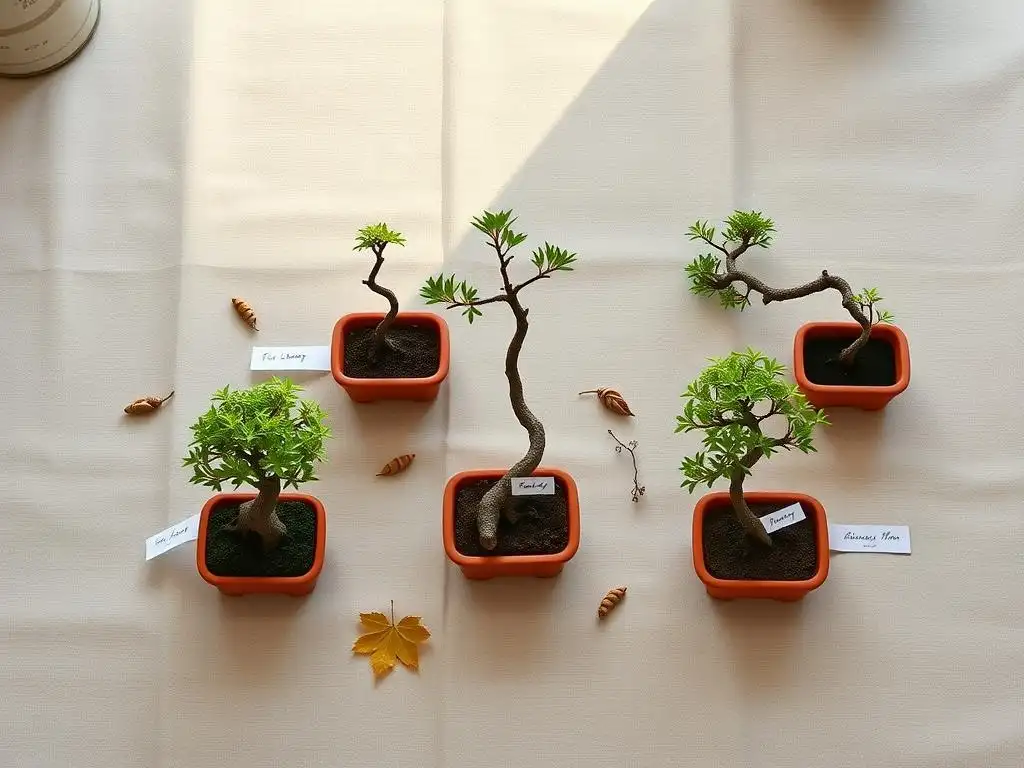
This section presents CultivateYourFood's top five recommendations for bonsai trees ideal for beginners in 2024. We've selected these based on their hardiness, adaptability to indoor environments, and relatively straightforward care requirements. Choosing the right bonsai is crucial for a successful and rewarding experience, so let's dive into our curated list. Remember, even with easy-care varieties, consistent attention and learning are key to bonsai cultivation.
#1: Ficus Ginseng Bonsai
The Ficus microcarpa Ginseng, often simply called Ficus Ginseng bonsai, is a popular choice for beginners due to its resilience and attractive, gnarled root system. Its thick, sturdy trunk and glossy leaves make it visually appealing, even for those new to the art of bonsai. The ginseng root adds an element of unique character right from the start.
Ficus Ginseng Care Tips and Tricks
- Watering: Avoid overwatering, which is a common mistake with Ficus Ginseng. Allow the soil to dry slightly between waterings. The frequency will depend on your environment, but generally, watering every 2-3 days during warmer months and less frequently in winter is a good starting point. Check the soil moisture with your finger; if the top inch feels dry, it's time to water.
- Sunlight: Bright, indirect sunlight is best. Direct sunlight can scorch the leaves. A south-facing window with a sheer curtain is ideal.
- Fertilizing: Feed your Ficus Ginseng with a balanced bonsai fertilizer every 2-4 weeks during the growing season (spring and summer). Reduce or cease fertilization during the dormant period (autumn and winter).
- Pruning: Regular pinching of new growth encourages bushier foliage and maintains the desired shape. More significant pruning should be done during the growing season.
- Repotting: Repotting is typically required every 2-3 years, or when the roots become root-bound. This is best done in early spring.
Where to Buy High-Quality Ficus Ginseng Bonsai Online
Choosing a reputable supplier is vital for ensuring the health and longevity of your bonsai. Look for vendors who provide detailed care instructions and guarantee the health of their plants. Consider factors like the size and maturity of the tree, as well as the overall condition of the root system and foliage. Read reviews before making a purchase to gauge the vendor's reliability and customer service.
#2: Chinese Elm Bonsai
The Chinese Elm ( Ulmus parvifolia) is another excellent choice for beginners. Known for its adaptability and tolerance of various growing conditions, it is relatively easy to care for and responds well to pruning and shaping. Its small leaves and fast growth rate make it ideal for practicing various bonsai techniques.
Chinese Elm Bonsai Styling Techniques
The Chinese Elm is highly versatile and lends itself well to many different bonsai styles, including formal upright, informal upright, and cascade styles. Its flexibility allows for creative shaping and wire bending. Beginners can start with simple pruning and shaping to establish the basic structure, gradually progressing to more advanced techniques as their skills develop.
- Wiring: Using aluminum bonsai wire allows for precise shaping of branches. Ensure that the wire is not too tight to avoid damaging the bark.
- Pruning: Regular pruning is essential for maintaining the desired shape and size. Remove crossing branches, deadwood, and any branches that disrupt the overall aesthetic.
- Leaf reduction: This technique involves selectively removing leaves to create a more refined and miniature appearance. It's a more advanced technique but can significantly enhance the visual appeal of the bonsai.
Essential Tools for Chinese Elm Bonsai Maintenance
Having the right tools is crucial for successful bonsai care. For a Chinese Elm, you'll need:
| Tool | Purpose |
|---|---|
| Bonsai shears | Precise pruning of small branches and leaves. |
| Concave cutters | Removing larger branches cleanly, minimizing damage to the surrounding bark. |
| Bonsai wire | Shaping and guiding the growth of branches. |
| Bonsai soil | Well-draining soil specifically formulated for bonsai. |
| Watering can with a rose | Gentle and even watering of the bonsai. |
This detailed guide provides a solid foundation for selecting and caring for your first bonsai. Remember, patience and consistent care are paramount to success in the fascinating world of bonsai cultivation. Enjoy the journey! 🌱
#3: Japanese Maple Bonsai (Acer palmatum)
The Japanese Maple bonsai is a stunning choice for beginners, offering vibrant foliage and a graceful form. However, it's crucial to understand that while beautiful, it requires more diligent care than some other beginner-friendly options. Its delicate nature means attention to detail is paramount for success. This commitment, though, is rewarded with a breathtaking miniature tree that adds an element of sophisticated elegance to any home.
The intricate branching patterns and the changing colors of the leaves throughout the seasons make it a truly captivating bonsai. Remember, patience and consistent care are key to nurturing this exquisite tree. Proper techniques will ensure its longevity and beauty.
Understanding Japanese Maple Bonsai Needs
Japanese Maples thrive in environments that mimic their natural habitat. This means providing partial shade, avoiding harsh direct sunlight, especially during the hottest parts of the day. These trees prefer consistently moist, but well-drained soil. Overwatering can be detrimental, leading to root rot, a common problem for bonsai. The soil should be rich in organic matter to provide essential nutrients.
Regular fertilization, using a balanced bonsai fertilizer, is crucial during the growing season. Pruning and shaping are also essential for maintaining the desired bonsai form, but should be done carefully to avoid damaging the delicate branches. Winter protection is also vital in colder climates to prevent damage from frost. Understanding these specific needs is paramount to successfully cultivating a Japanese Maple bonsai. Remember to research the specific needs of the cultivar you choose, as some are more tolerant of harsh conditions than others.
Choosing the Right Japanese Maple Bonsai Variety for Beginners
Not all Japanese Maples are created equal when it comes to bonsai cultivation. Some varieties are more robust and tolerant of beginners' mistakes than others. Look for cultivars known for their resilience and adaptability. Avoid overly delicate varieties with intricate leaf structures, as these can be more challenging to care for, especially for novice bonsai enthusiasts. Reputable nurseries often label their bonsai with information about the specific cultivar and its suitability for beginners.
Reading reviews and seeking advice from experienced bonsai growers can also be incredibly helpful in selecting the right variety. Choosing a healthy, well-established sapling is crucial for success. A thriving, pre-trained bonsai will give you a head start in your bonsai journey. The right selection can significantly increase your chances of success.
#4: Jade Plant Bonsai (Crassula ovata)
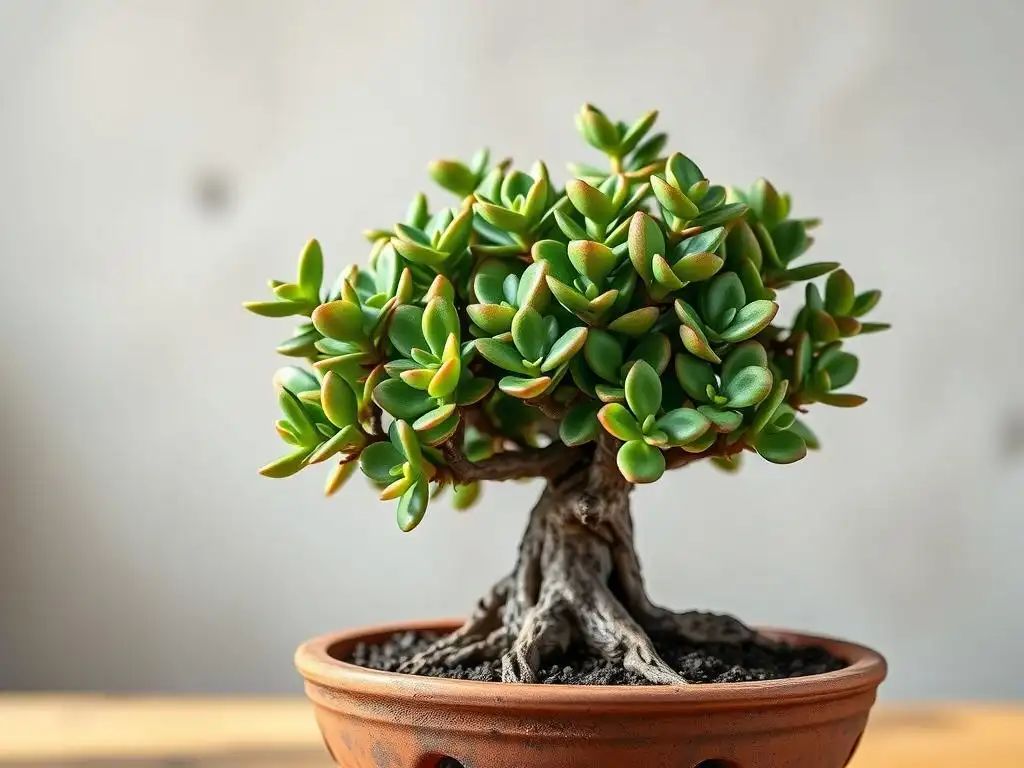
The Jade Plant bonsai (Crassula ovata) is a popular choice for beginners due to its hardiness and resilience. Its succulent nature makes it surprisingly forgiving of occasional neglect, making it an ideal option for those new to bonsai cultivation. Jade plants tolerate a wide range of conditions, making them relatively low-maintenance. Their thick, fleshy leaves store water, allowing them to withstand periods of drought.
This resilience makes them perfect for beginners who might inadvertently over- or underwater their bonsai. The jade plant's attractive, glossy leaves and its ability to develop a beautiful, gnarled trunk over time contribute to its appeal as a bonsai subject. Its simple yet elegant form lends itself well to various bonsai styles.
Jade Plant Bonsai Care
Jade plants are remarkably adaptable, but proper care will ensure their longevity and beauty. They prefer bright, indirect light. Direct sunlight can scorch their leaves, so it's essential to provide adequate protection, especially during the hottest parts of the day. Watering should be infrequent, allowing the soil to dry out completely between waterings. Overwatering is a common mistake that can lead to root rot.
Well-draining soil is crucial. Fertilizing should be done sparingly, during the growing season, using a balanced bonsai fertilizer. Pruning is straightforward, primarily focusing on shaping and maintaining the desired bonsai form. Jade plants are relatively pest-resistant, further contributing to their ease of care. With minimal effort, a jade plant bonsai can thrive for many years, rewarding its owner with its timeless beauty.
Propagating your Jade Bonsai
One of the fantastic aspects of Jade plants is their ease of propagation. This allows beginners to easily create new bonsai from cuttings. Simply take a healthy stem cutting, allow it to callus over for a few days, and then plant it in well-draining soil. With proper care, the cutting will root and develop into a new plant.
This propagation method is a fantastic way to expand your bonsai collection and share the joy of bonsai cultivation with others. It also provides a readily available backup should something happen to your main bonsai. The ease of propagation enhances the appeal of the Jade plant as a beginner bonsai, offering a low-risk, high-reward experience. Propagation is a valuable skill for any bonsai enthusiast, and the Jade plant provides the perfect opportunity to learn this technique.
#5: Serissa Bonsai (Serissa foetida)
The Serissa, often called the "snowrose," is a fantastic choice for beginners due to its relatively easy care and stunning, small white flowers. Its delicate appearance belies its resilience, making it a rewarding plant to cultivate as a bonsai. The small, dark green leaves are densely packed on the branches, creating a beautiful, miniature tree effect. One of the most attractive features of the Serissa bonsai is its ability to bloom multiple times a year, offering a constant display of delicate, fragrant blossoms.
This makes it a visually appealing and engaging project for those new to the art of bonsai. The Serissa’s adaptability to various growing conditions also contributes to its beginner-friendliness, though maintaining consistent care is still essential for optimal growth and flowering. Remember that even though it's considered beginner-friendly, consistent attention to its needs will lead to a healthier and more beautiful bonsai.
Serissa Bonsai Care
Caring for a Serissa bonsai involves maintaining consistent moisture levels, providing ample sunlight (but avoiding direct, harsh midday sun), and using a well-draining bonsai soil mix. Overwatering is a common mistake that can lead to root rot, so ensure the soil is allowed to dry slightly between waterings. Regular fertilization during the growing season (spring and summer) is crucial for healthy growth and abundant flowering. A balanced liquid bonsai fertilizer, diluted to half strength, should be applied every two weeks. Pruning is essential to maintain the desired shape and size of your bonsai.
Regular pinching of new growth throughout the growing season will encourage bushier growth and prevent legginess. Repotting is typically done every 2-3 years, or when the roots become root-bound, using a fresh bonsai soil mix. This process allows for root pruning, which helps control the size and shape of the root system. During winter, reduce watering and fertilization, as the Serissa enters a period of dormancy.
Protecting it from frost is also crucial for its survival. Careful attention to these details will ensure a thriving and beautiful Serissa bonsai for years to come. Remember to check your plant regularly for pests and diseases, addressing any issues promptly. A healthy Serissa bonsai will reward you with its beautiful blooms and elegant form.
Finding the Perfect Pot for your Serissa Bonsai
Choosing the right pot for your Serissa bonsai is crucial for its health and aesthetic appeal. The pot should be proportionate to the size of the tree, neither too large nor too small. A pot that's too large will retain too much moisture, increasing the risk of root rot, while a pot that's too small will restrict root growth and limit the tree's ability to thrive. The material of the pot also plays a role.
Traditional unglazed ceramic pots are popular choices for bonsai as they allow for better air circulation and drainage. However, glazed ceramic pots, plastic pots, and even attractive wooden containers can also be used, provided they have adequate drainage holes. The color and style of the pot should complement the tree's overall aesthetic. Subtle, earthy tones often enhance the natural beauty of the Serissa bonsai.
The pot should also be stable and sturdy enough to support the weight of the tree, especially as it grows and matures. Consider the overall design of your bonsai display when choosing a pot. The pot should be an integral part of the overall composition, enhancing rather than detracting from the beauty of the tree. The right pot will not only protect the roots but also enhance the visual appeal of your Serissa bonsai, adding to its overall charm and elegance.
Essential Tools for Successful Beginner Bonsai Cultivation
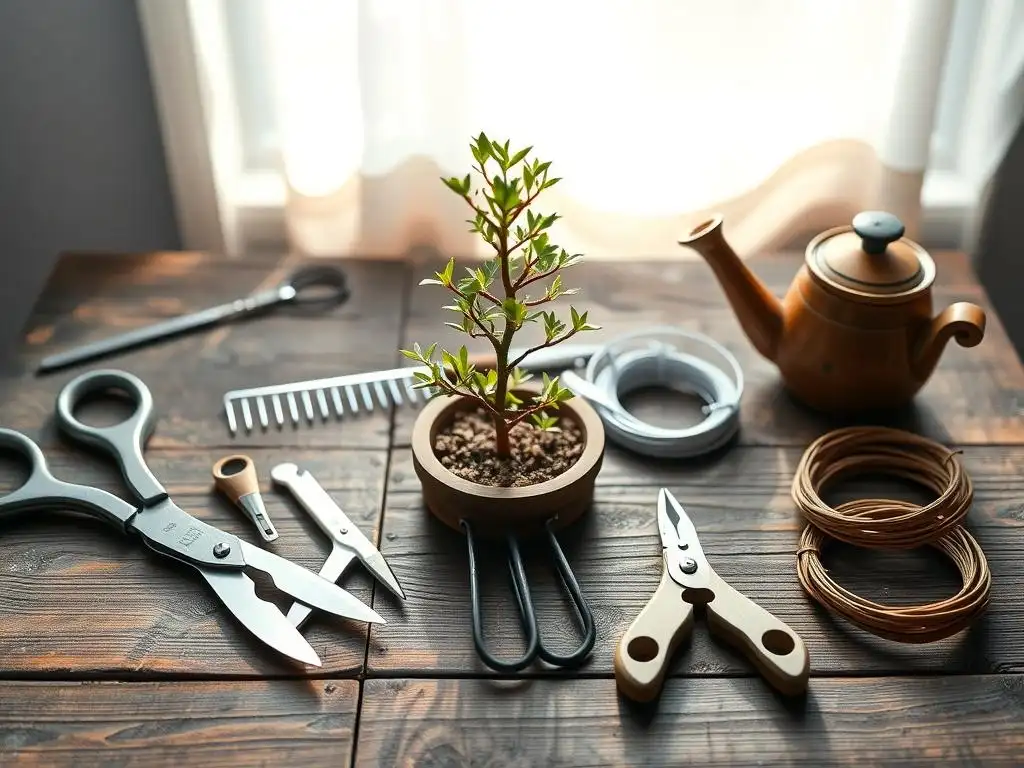
This section focuses on the fundamental tools necessary for cultivating bonsai, specifically geared towards beginners. While many specialized tools exist, mastering bonsai doesn't require an extensive collection initially. Focusing on a few key items will allow you to develop your skills and confidence before investing in more advanced equipment. The right tools ensure proper care and contribute significantly to the longevity and health of your miniature trees. Choosing the best tools for beginners often means selecting durable, affordable options that are easy to use and maintain.
Bonsai Pots
Selecting the appropriate bonsai pot is crucial for the health and aesthetic appeal of your bonsai. The pot's size, drainage, and style all play a vital role in the overall success of your bonsai cultivation. Choosing the right pot can significantly impact water retention, root development, and the overall visual harmony of your miniature tree. Avoid overly decorative pots initially; focus on functionality and proper drainage.
Recommended Bonsai Pots for Beginners
Beginners should prioritize pots with good drainage to prevent root rot, a common problem for novice bonsai enthusiasts. Unglazed terracotta pots are excellent choices because they allow for better air circulation and evaporation, preventing waterlogging. Look for pots with drainage holes of a suitable size – not too large to lose soil quickly, nor too small to impede proper water drainage.
| Pot Material | Pros | Cons | Price Range |
|---|---|---|---|
| Unglazed Terracotta | Excellent drainage, breathable, affordable | Can dry out quickly, prone to cracking | Budget-friendly |
| Glazed Ceramic | Attractive, durable, retains moisture better | Less breathable, can be more expensive | Mid-range |
| Plastic | Lightweight, inexpensive, durable | Less aesthetically pleasing, may not breathe as well | Budget-friendly |
Consider the size of your bonsai sapling when selecting a pot. The pot should be proportionally sized to the tree's root system, allowing for healthy root growth without overcrowding. A slightly larger pot allows for some growth before repotting becomes necessary. Remember, the best beginner bonsai pots are functional and affordable, allowing you to focus on learning the art of bonsai cultivation.
Bonsai Soil Mix
The soil mix is a critical element in bonsai cultivation. The ideal mix provides excellent drainage, aeration, and water retention – a delicate balance crucial for the health of the delicate root system. The correct mix supports healthy root growth, preventing both waterlogging and desiccation. Using the best soil mix for beginners means selecting a readily available and easy-to-manage option.
DIY Bonsai Soil Mix Recipe
Creating your own bonsai soil mix is easy and allows you to customize the blend to your specific needs and climate. A well-balanced mix typically consists of several key ingredients:
- Akadama: A volcanic clay that provides excellent drainage and aeration. This is often considered the cornerstone of many bonsai soil mixes.
- Kanuma: A reddish-brown volcanic soil that retains moisture better than Akadama. It's a good addition for balancing drainage with moisture retention.
- Pumice: A porous volcanic rock that adds further aeration to the mix, preventing compaction.
A simple and effective beginner's mix is a 7:3 ratio of Akadama to Kanuma. You can add about 10% pumice to further improve drainage. Remember to sterilize the soil components before mixing to prevent the introduction of soilborne diseases. The best soil mix for your bonsai will depend on the specific needs of your plant and your local climate. Experimentation and observation are key to fine-tuning your bonsai soil mix over time.
Bonsai Pruning Shears
Bonsai pruning requires precision and the right tools are crucial for success. Among the most important tools are bonsai pruning shears. These specialized shears are designed for delicate work, allowing for precise cuts without damaging the delicate branches and leaves of your miniature trees. The quality of your shears directly impacts the health and longevity of your bonsai.
Dull or poorly designed shears can lead to ragged cuts, which increase the risk of disease and infection. Investing in a good pair of bonsai shears is therefore an investment in the health and beauty of your bonsai collection. Properly maintained shears are essential for clean cuts, promoting healthy callus formation and preventing the spread of diseases.
Choosing the Right Pruning Shears for Different Bonsai Species
The ideal bonsai pruning shear will vary depending on the specific needs of your bonsai species. Different species have different branch structures and thicknesses, requiring different types of shears for optimal results. For instance, delicate species like Ficus or Serissa might benefit from smaller, finer shears that allow for intricate shaping and precise removal of individual leaves.
These shears often have shorter blades and a more comfortable grip, allowing for greater control and accuracy in delicate work. On the other hand, hardier species like Juniperus or Pinus might require more robust shears capable of handling thicker branches. These might have longer blades and a stronger build to effectively prune larger, woodier stems.
Consider the size and age of your bonsai. Young, actively growing bonsai will likely require more frequent pruning of smaller branches, whereas older, more established trees may require occasional pruning of larger branches. Having a range of shears—from small, fine-tipped shears to larger, more powerful ones—allows for adaptability and precision across different pruning tasks and bonsai species. This adaptability is key to maintaining the health and aesthetic appeal of your bonsai collection.
Remember, the goal is always a clean, precise cut that minimizes stress on the plant and promotes healthy growth. Choosing the right shears is a significant step towards achieving this goal. Regular sharpening of your shears is also critical for maintaining their effectiveness and preventing damage to your bonsai. A sharp blade makes a clean cut, reducing the risk of disease and improving the overall health of your tree.
Maintaining Your Bonsai Pruning Shears
Maintaining your bonsai pruning shears is just as important as choosing the right ones. Regular cleaning and sharpening are crucial to ensure their longevity and effectiveness. After each use, clean your shears with a soft brush or cloth to remove any sap or debris. This prevents the buildup of residue that can dull the blades and spread disease.
For more thorough cleaning, you can use a mild disinfectant solution. Regular sharpening, ideally after every few pruning sessions, is crucial. Using a honing steel or sharpening stone will keep your shears sharp, ensuring clean cuts that promote healthy callus formation and prevent damage to the delicate branches of your bonsai.
Sharpening not only improves the quality of your pruning but also extends the life of your shears, representing a cost-effective approach to maintaining your bonsai tools. Neglecting this maintenance can lead to dull blades, which can cause ragged cuts, increasing the risk of infection and harming the health of your bonsai. Therefore, proper maintenance is an essential aspect of successful bonsai cultivation.
Where to Buy Your First Bonsai Tree: Reputable Online and Local Retailers
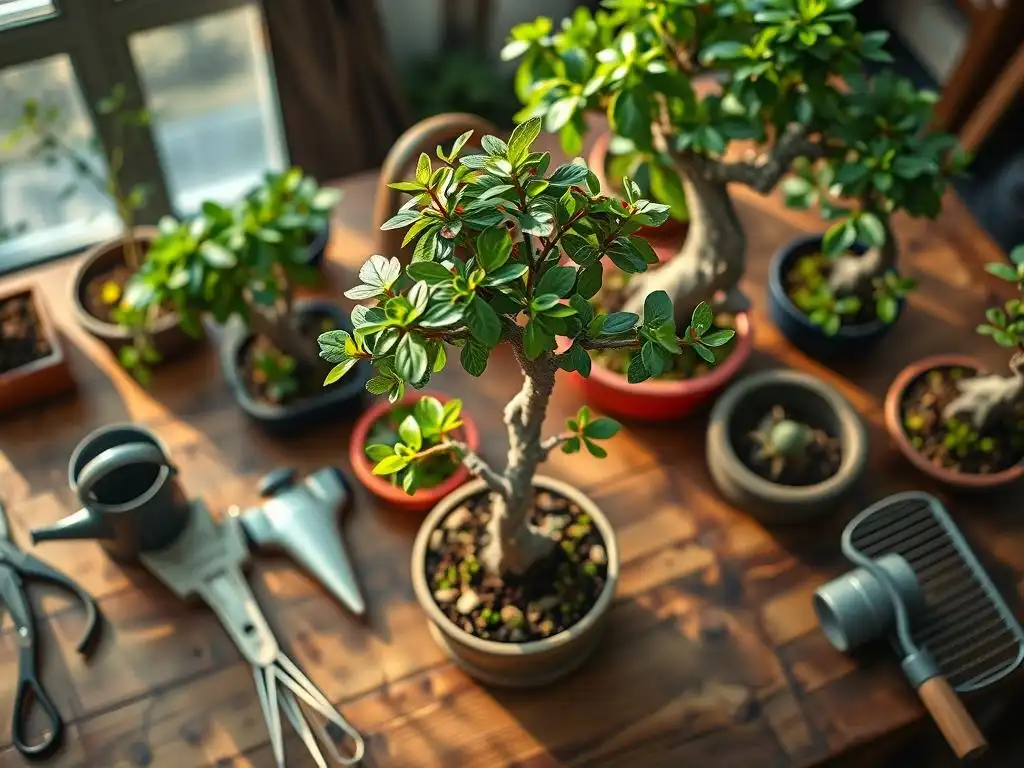
Choosing the right source for your first bonsai tree is crucial for its long-term health and your success as a beginner. A reputable retailer will provide healthy, well-established trees and potentially offer valuable advice. Let's explore your options:
Online Retailers Offering High-Quality Bonsai Trees
The internet offers a vast selection of bonsai, but careful consideration is needed to avoid disappointment. Look for online retailers with established reputations, positive customer reviews, and transparent shipping practices. These retailers often specialize in specific bonsai species, offering a wider variety than your local nursery might carry. Consider factors like:
- Species Selection: Do they offer a variety of beginner-friendly species known for their resilience? Japanese maples, Chinese elms, and Ficus are popular choices.
- Tree Size and Maturity: Beginners should opt for pre-bonsai or young bonsai trees, rather than mature, highly styled specimens which require advanced techniques. Look for descriptions indicating size and age.
- Shipping Practices: How are the trees packaged and shipped? Reputable sellers will prioritize safe and secure packaging to minimize damage during transit. Look for mentions of specialized packaging and fast shipping to ensure the plant remains healthy.
- Customer Support: Is there a readily available customer support system? A quick response to inquiries about tree care or shipping issues is a good sign of a reliable seller.
Choosing a suitable online retailer can be simplified by checking for certifications or affiliations with bonsai societies. This added layer of assurance indicates a higher standard of quality and knowledge. Pay close attention to detailed descriptions of the plants, including their species, age, and current health status. Remember, high-quality images are also a positive sign! Avoid retailers with vague descriptions or suspiciously low prices.
Local Nurseries and Garden Centers Specializing in Bonsai
While online retailers offer convenience and variety, local nurseries often provide a more personalized experience. Visiting a local nursery allows for hands-on inspection of the trees, enabling you to assess their overall health and vigor. You can also directly ask questions about care and maintenance.
When choosing a local nursery, ask about their experience with bonsai and the types of trees they carry. A knowledgeable staff member can guide you towards a suitable species for your climate and experience level. They can also provide valuable advice on soil, watering, and fertilization specific to your local environment, which is crucial for successful bonsai cultivation. Don't hesitate to inquire about their post-sale support; many nurseries offer ongoing advice to their customers.
This personal touch can be invaluable, especially for beginners. Look for nurseries that actively participate in local gardening communities or workshops – these often indicate a commitment to quality and customer support. A well-maintained nursery with healthy-looking plants is another positive indicator. The best beginner bonsai trees are often found in these local nurseries, offering the advantage of direct interaction and expert advice.
Beyond the Basics: Resources for Continued Bonsai Learning
Once you've selected your first bonsai tree and gotten your hands dirty with the initial care, the journey of bonsai cultivation truly begins! It's a rewarding, lifelong pursuit, and continuous learning is key to success. This section explores excellent resources to help you deepen your understanding and skills in bonsai care, ensuring your miniature trees thrive for years to come. Remember, the "best beginner bonsai trees" are only the starting point; proper care and ongoing education are essential for long-term success.
Bonsai Books and Online Courses for Beginners
Many excellent resources are available to guide beginners through the intricacies of bonsai cultivation. Choosing the right materials can significantly impact your learning curve and the health of your bonsai. Here's a breakdown of what to look for:
Books: Look for books that cater specifically to beginners. Avoid overly technical texts initially. Instead, focus on books with clear, step-by-step instructions, plenty of illustrations, and a focus on the fundamental techniques of pruning, wiring, and repotting. Many books also cover species-specific care, which can be incredibly helpful once you've gained some experience. Pay attention to the publication date; newer books often incorporate the latest research and best practices.
Online Courses: The digital age offers a wealth of bonsai learning opportunities. Many online platforms provide structured courses, often featuring video tutorials, downloadable guides, and even community forums for interaction with other bonsai enthusiasts. Look for courses taught by experienced bonsai masters who can provide valuable insights and personalized feedback. Consider the course curriculum; a well-structured course will cover essential topics like:
- Basic bonsai techniques (pruning, wiring, repotting)
- Species-specific care (depending on your chosen tree)
- Pest and disease management
- Soil selection and fertilization
- Troubleshooting common problems
Remember to check reviews before enrolling in any online course to ensure its quality and relevance to your skill level. The best online courses offer a blend of theoretical knowledge and practical application, allowing you to learn by doing. Many also offer ongoing support and access to a community of fellow learners.
Joining a Local Bonsai Club
Connecting with a local bonsai club offers invaluable benefits for beginner bonsai enthusiasts. It's a fantastic way to learn from experienced practitioners, share your experiences, and build a supportive community. Here's why joining a club is highly recommended:
- Hands-on Learning: Clubs often organize workshops and demonstrations where you can observe and participate in essential bonsai techniques. This hands-on experience is invaluable for mastering practical skills.
- Mentorship: Experienced bonsai enthusiasts are often willing to mentor beginners, offering personalized advice and guidance based on your specific needs and challenges.
- Networking: Connecting with other bonsai enthusiasts creates a supportive community where you can share knowledge, exchange tips, and receive encouragement. This is particularly helpful when facing difficulties or uncertainties in your bonsai journey.
- Access to Resources: Some clubs may have access to specialized tools, materials, or even propagation resources that you might not have access to otherwise.
- Showcasing Your Work: Many clubs organize exhibitions and competitions, providing a platform to showcase your bonsai and receive feedback from peers and experienced practitioners.
Finding a local club is relatively straightforward. A quick online search using keywords like "bonsai club [your city/region]" should yield results. Attend a meeting or two to see if the club's culture and learning style align with your needs and preferences. Remember, the best beginner bonsai trees are only as good as the care you provide, and a supportive community is a vital component of your bonsai journey. Embrace the learning process, and enjoy the beauty and tranquility of your miniature landscapes!
Frequently Asked Questions
What are the best bonsai trees for beginners?
Some of the easiest bonsai trees for beginners include Ficus, Chinese Elm, and Japanese Maple. These species are relatively tolerant of beginner mistakes and readily available.
How much sunlight do beginner bonsai trees need?
Most beginner bonsai trees need bright, indirect sunlight for at least several hours a day. Avoid direct, intense sunlight, which can scorch the leaves. A south-facing window (with some filtering) is often ideal.
How often should I water my bonsai tree?
Watering frequency depends on the species, pot size, and environmental conditions. Generally, aim for consistent moisture but avoid overwatering, which can lead to root rot. Check the soil regularly.
What type of soil is best for bonsai?
Bonsai need well-draining soil that retains some moisture. A special bonsai soil mix, often containing akadama, pumice, and organic matter, is recommended. Avoid using garden soil.
How often should I fertilize my beginner bonsai?
Fertilize your bonsai during the growing season (spring and summer) using a balanced, diluted bonsai fertilizer. Follow the product instructions carefully to avoid burning the roots. Reduce or stop fertilizing in the fall and winter.
Final Reflection: Nurturing Growth, Inside and Out
The art of bonsai isn't merely about cultivating miniature trees; it's about cultivating patience, resilience, and a deep connection with the natural world. In a fast-paced world that often prioritizes instant gratification, the slow, deliberate process of bonsai offers a powerful antidote, a tangible reminder of the beauty found in mindful growth. This careful selection of beginner-friendly species aims to make this rewarding journey accessible to everyone.
The enduring appeal of bonsai lies in its ability to transform a small space into a microcosm of nature's grandeur. It's a living testament to the power of nurturing and observation, a constant source of quiet contemplation. As we've explored the best options for beginners, I've been reminded of the profound wisdom embedded in this ancient practice. The best time to plant a tree was 20 years ago. The second best time is today.
This quote perfectly encapsulates the timeless relevance of bonsai, urging us to embrace the present moment and embark on this enriching journey, regardless of our experience.
Now, it's your turn. Consider which of these bonsai trees resonates most with you, and take the first step towards cultivating your own miniature world. Embrace the challenges, celebrate the small victories, and allow the process of nurturing a bonsai to nurture your own spirit. The journey is as rewarding as the destination, and the lessons learned will extend far beyond the confines of your pot. Begin your bonsai adventure today; you might be surprised by the growth you discover, both in your plant and within yourself.
Unleash Your Inner Bonsai Master!
Thank you for exploring the world of bonsai with CultivateYourFood! We hope you feel confident in choosing your first miniature tree. Ready to begin?
- Begin your bonsai journey: Select a beginner-friendly sapling from our recommendations and start cultivating your own miniature masterpiece. Imagine the quiet satisfaction of nurturing a living work of art!
- Share your excitement! Tell us (and your friends!) which bonsai you chose and why – we'd love to hear from you in the comments below.
- Dive deeper: Explore our website for expert tips and tricks on bonsai care and styling.
What challenges and rewards do you anticipate in your bonsai adventure?