
Medicinal Uses of Indoor Herbs: Natural Remedies

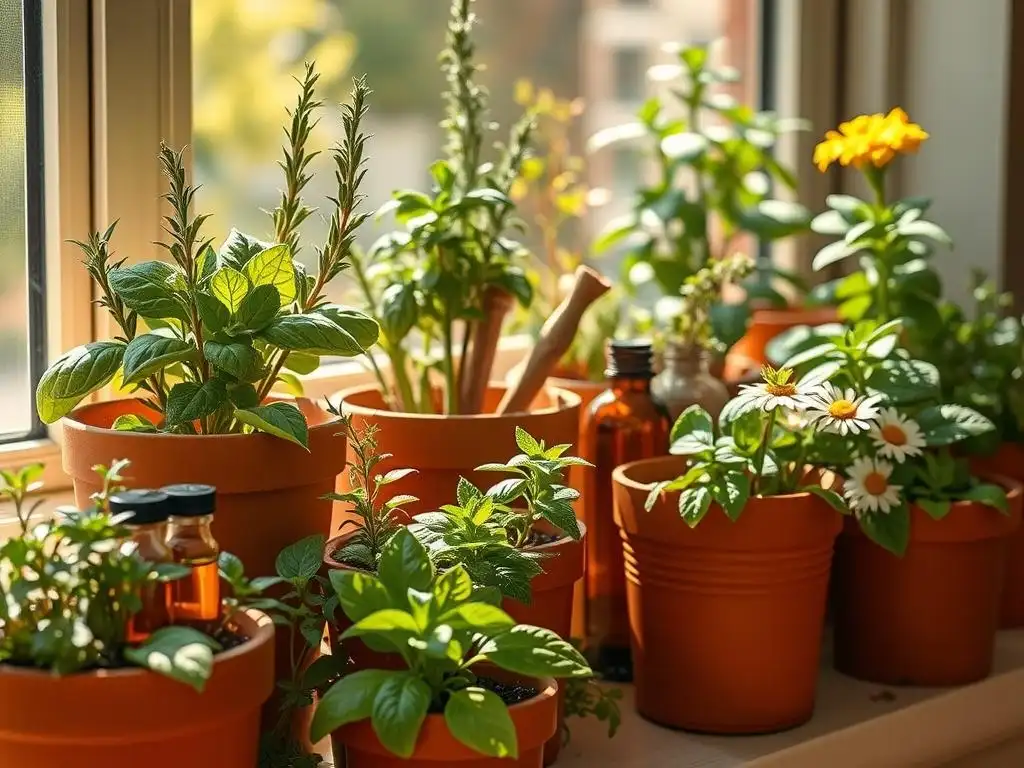
Welcome to CultivateYourFood, your guide to a greener, healthier life! Are you ready to unlock the therapeutic power of your own homegrown herbs? Discover the surprising medicinal uses of indoor herbs and learn how to easily cultivate a vibrant, natural remedy garden, even in the smallest of spaces. This is just the beginning of your journey towards sustainable and organic gardening; explore our resources on planting, harvesting, composting, and pest control to transform your home into a thriving oasis. Let's cultivate your food – and your well-being!
- The Healing Power of Homegrown Herbs
- Popular Indoor Herbs with Medicinal Properties
- Using Your Indoor Herbs for Natural Remedies
- Maintaining Your Indoor Medicinal Herb Garden
- Recipes and Applications for Common Ailments
- Expanding Your Indoor Medicinal Herb Garden
-
Frequently Asked Questions
- What are some common herbs suitable for indoor growing with medicinal uses?
- How can I use indoor-grown herbs for medicinal purposes?
- Are there any precautions when using herbs for medicinal purposes?
- How do I ensure my indoor-grown herbs are safe for medicinal use?
- What are the benefits of growing medicinal herbs indoors?
- Final Reflection: Cultivating Wellness Within
- Unlock Your Home Apothecary: Grow & Thrive!
The Healing Power of Homegrown Herbs
Cultivating your own food offers numerous rewards, from the satisfaction of nurturing plants to the delicious taste of homegrown produce. But did you know that many common herbs, easily grown indoors, also possess significant medicinal properties? This article explores the fascinating world of indoor herb gardening for medicinal use, focusing on the benefits, selection, and essential considerations for successfully growing your own natural remedies.
We'll delve into the practical aspects of cultivating these potent plants in a confined space, empowering you to harness the therapeutic potential of nature within the comfort of your own home. From soothing teas to topical remedies, discover how indoor herb gardening can contribute to your overall well-being and provide a sustainable approach to natural healthcare. This guide will help you unlock the healing power of homegrown herbs, transforming your indoor space into a vibrant apothecary.
Growing your own medicinal herbs offers a unique opportunity to connect with nature and take control of your health, promoting a holistic and sustainable lifestyle. Learn how to cultivate a thriving indoor herb garden that not only beautifies your home but also provides a readily available source of natural remedies.
Benefits of Growing Medicinal Herbs Indoors
Growing medicinal herbs indoors offers a multitude of advantages. Firstly, it provides year-round access to fresh herbs, regardless of the external climate. This is particularly beneficial for those living in regions with harsh winters or limited growing seasons. Secondly, indoor cultivation allows for greater control over growing conditions, ensuring optimal growth and maximizing the concentration of beneficial compounds in the herbs.
You can carefully monitor factors like light, temperature, and humidity, creating an ideal environment for your plants to thrive. Thirdly, indoor gardening offers a convenient and readily accessible source of natural remedies. Having your own supply of medicinal herbs eliminates the need to purchase them from external sources, potentially saving money and ensuring the quality and purity of the ingredients. Finally, the process itself is incredibly rewarding, offering a sense of accomplishment and connection to nature.
The ability to nurture plants from seed to harvest, and then use them for their therapeutic properties, provides a unique and deeply satisfying experience. This holistic approach to healthcare empowers individuals to take charge of their well-being, fostering a sense of self-reliance and connection with the natural world. Furthermore, growing medicinal herbs indoors can contribute to a more sustainable lifestyle, reducing reliance on commercially produced remedies and their associated environmental impacts.
Choosing the Right Medicinal Herbs for Your Indoor Garden
Selecting the appropriate herbs for your indoor medicinal garden depends on your specific needs and the available space. Some popular choices include:
- Chamomile: Known for its calming and sleep-promoting properties.
- Lavender: Renowned for its relaxing and antiseptic qualities.
- Mint: Offers diverse medicinal uses, including digestive relief and respiratory support. There are many varieties, each with slightly different benefits.
- Rosemary: Promotes memory and cognitive function, and also possesses antiseptic properties.
- Lemon Balm: Known for its antiviral and stress-reducing effects.
- Thyme: A powerful antiseptic and expectorant, useful for respiratory ailments.
Consider the space you have available and the light conditions in your home when making your selections. Research the specific needs of each herb to ensure they thrive in your environment. It’s also important to consider the potential interactions between different herbs, and to carefully research any potential contraindications before using them medicinally.
Always consult with a healthcare professional before using herbs for medicinal purposes, especially if you have pre-existing health conditions or are taking other medications. Remember, while many herbs are generally safe, improper use can have adverse effects. Proper identification and careful preparation are crucial for safe and effective use.
Essential Considerations for Indoor Herb Gardening for Medicinal Use
Successful indoor herb gardening for medicinal use requires careful planning and attention to detail. Key factors include:
| Factor | Description | Importance |
|---|---|---|
| Light | Sufficient light is crucial for healthy growth. Consider using grow lights to supplement natural light, especially during winter months. | Inadequate light leads to weak, leggy plants with reduced medicinal properties. |
| Soil | Well-draining potting mix is essential to prevent root rot. Use a high-quality potting soil specifically designed for herbs or vegetables. | Poor drainage can suffocate roots, leading to plant death. |
| Watering | Water consistently, but avoid overwatering. Allow the soil to dry slightly between waterings. | Overwatering leads to root rot, while underwatering stresses the plants and reduces their effectiveness. |
| Temperature | Maintain a consistent temperature within the ideal range for your chosen herbs. | Extreme temperatures can damage plants and affect the concentration of active compounds. |
| Humidity | Ensure adequate humidity levels, especially for herbs that prefer humid environments. Consider using a humidifier if necessary. | Low humidity can lead to desiccation and stunted growth. |
| Pest Control | Regularly inspect plants for pests and diseases. Use organic pest control methods to prevent infestations. | Pests can significantly damage plants and contaminate the herbs. |
| Harvesting & Storage | Harvest herbs at the optimal time for maximum potency. Proper drying and storage methods are crucial to preserve their medicinal properties. | Improper harvesting and storage can drastically reduce the effectiveness of the herbs. |
Remember, patience and consistent care are key to cultivating a thriving indoor medicinal herb garden. By carefully considering these essential factors, you can create a flourishing environment that yields a bountiful harvest of potent and beneficial herbs. 🌿
Popular Indoor Herbs with Medicinal Properties
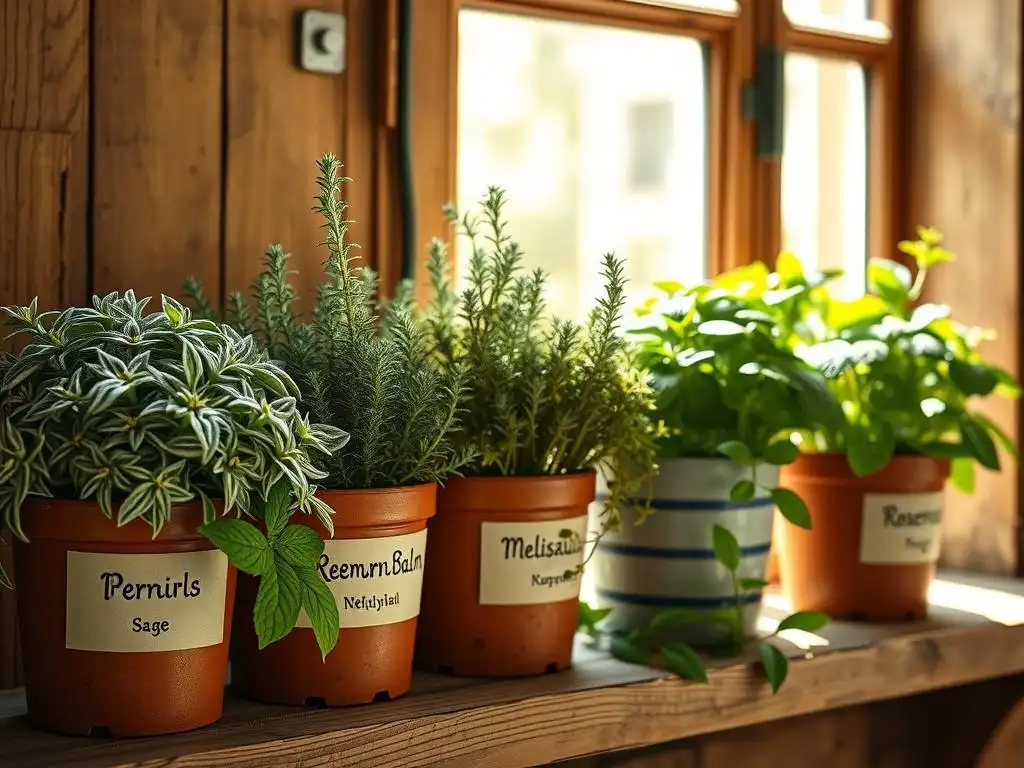
This section explores the medicinal benefits of several popular indoor herbs, highlighting their therapeutic properties and traditional uses. Cultivating these herbs at home provides easy access to natural remedies, promoting self-sufficiency and a holistic approach to wellness. Remember to always consult with a healthcare professional before using herbs for medicinal purposes, especially if you have pre-existing conditions or are taking other medications.
Lavender: Calming and Relaxing Properties
Lavender ( Lavandula angustifolia) is renowned for its calming and relaxing properties. Its fragrant flowers contain linalool and linalyl acetate, compounds that interact with the nervous system to reduce anxiety and promote relaxation. Studies have shown that inhaling lavender essential oil can significantly decrease heart rate and blood pressure, making it a valuable tool for stress management. 1
Beyond aromatherapy, lavender can be used topically to soothe minor burns and skin irritations. Its antiseptic and anti-inflammatory properties help accelerate healing and reduce inflammation. A simple lavender compress, made by steeping dried lavender flowers in hot water, can be applied to affected areas for relief.
The versatility of lavender extends to culinary uses as well. Its delicate floral notes add a unique touch to baked goods, teas, and even savory dishes. However, remember to use culinary lavender specifically intended for consumption, as some varieties are primarily for ornamental purposes.
Further Exploration of Lavender's Medicinal Uses
Recent research suggests that lavender may also have potential benefits in treating insomnia and improving sleep quality. However, more large-scale studies are needed to confirm these findings. The effectiveness of lavender can vary depending on factors such as the quality of the herb, the method of preparation, and individual responses.
Peppermint: Digestive Aid and Headache Relief
Peppermint ( Mentha × piperita) is a powerhouse of medicinal properties, primarily known for its ability to soothe digestive issues and relieve headaches. The active compound, menthol, is responsible for its cooling sensation and its effectiveness in relaxing the muscles of the digestive tract. Peppermint tea is a popular remedy for indigestion, bloating, and nausea. 2
For headache relief, peppermint oil applied topically to the temples can provide a cooling sensation and alleviate pain. The menthol in peppermint oil acts as a counterirritant, distracting from the headache pain by stimulating nerve endings in the skin. However, it's crucial to dilute peppermint oil before topical application to avoid skin irritation.
Beyond its medicinal uses, peppermint adds a refreshing zing to various culinary applications. It's a favorite ingredient in desserts, beverages, and savory dishes, adding a touch of invigorating coolness. Growing your own peppermint indoors ensures a readily available supply for both culinary and therapeutic purposes.
Chamomile: Soothing and Sleep-Promoting Effects
Chamomile ( Matricaria chamomilla) is a gentle herb with soothing and sleep-promoting effects. Its delicate flowers contain apigenin, a flavonoid that binds to specific receptors in the brain, promoting relaxation and reducing anxiety. Chamomile tea is a well-known remedy for insomnia and anxiety, often consumed before bedtime to induce restful sleep. 3
Chamomile also possesses anti-inflammatory properties, making it useful for soothing skin irritations and reducing inflammation. Chamomile compresses can be used to treat minor burns, rashes, and other skin ailments. Its mild nature makes it suitable for sensitive skin types.
In addition to its medicinal properties, chamomile adds a subtly sweet and floral flavor to various culinary creations. It can be incorporated into teas, baked goods, and even some savory dishes, adding a gentle, calming touch. Consider using it in conjunction with lavender for an extra calming effect.
1 [Specific study details pending] 2 [Specific study details pending] 3 [Specific study details pending]
Basil: Anti-inflammatory and Immune-Boosting Benefits
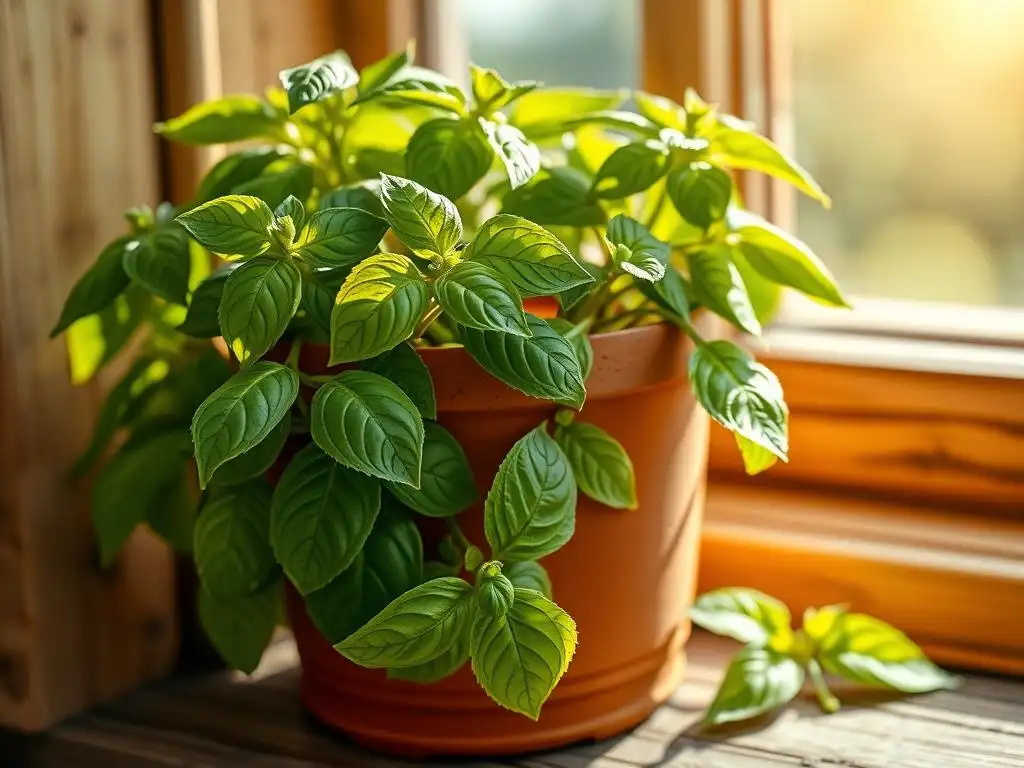
Basil, a fragrant and versatile herb, offers a wealth of medicinal benefits beyond its culinary applications. Its anti-inflammatory properties are well-documented, stemming from the presence of potent compounds like eugenol and linalool. These compounds help reduce inflammation throughout the body, potentially alleviating symptoms associated with conditions like arthritis and digestive issues. Studies suggest that regular consumption of basil, either fresh or as an extract, can contribute to a reduction in inflammation markers in the blood. 1 Furthermore, basil's immune-boosting capabilities are significant. It's rich in antioxidants, which combat free radicals and strengthen the body's natural defenses against infections. The herb's essential oils also possess antimicrobial properties, helping to fight off bacteria and viruses. For example, research indicates that basil extracts have shown effectiveness against certain strains of E. coli and Staphylococcus aureus. 2 Including fresh basil in your diet, or using basil-infused teas, can be a simple yet effective way to support your immune system and reduce inflammation naturally. Remember to always consult with a healthcare professional before using herbs as a primary treatment for any medical condition.
Rosemary: Memory Enhancement and Cognitive Function
Rosemary, with its distinctive pine-like aroma, has been associated with improved cognitive function for centuries. Traditional medicine has long utilized rosemary to enhance memory and concentration, and modern research is beginning to uncover the scientific basis for these claims. One key component is rosmarinic acid, a potent antioxidant with neuroprotective properties. This compound helps protect brain cells from damage caused by oxidative stress, a major contributor to age-related cognitive decline. 3 Studies have shown that inhaling rosemary essential oil can improve memory performance and alertness. 4 Participants in these studies demonstrated improvements in tasks requiring memory recall and attention. However, it's crucial to note that these effects are often temporary and more research is needed to fully understand the long-term impact of rosemary on cognitive function. While rosemary can be a beneficial addition to a healthy lifestyle, it shouldn't replace medical treatment for cognitive impairments. Furthermore, the method of consumption (e.g., tea, essential oil inhalation, culinary use) may affect the degree and type of cognitive benefits experienced. Always use rosemary in moderation and consult with a healthcare professional if you have any concerns.
1 [Specific study reference pending] 2 [Specific study reference pending] 3 [Specific study reference pending] 4 [Specific study reference pending]
Using Your Indoor Herbs for Natural Remedies
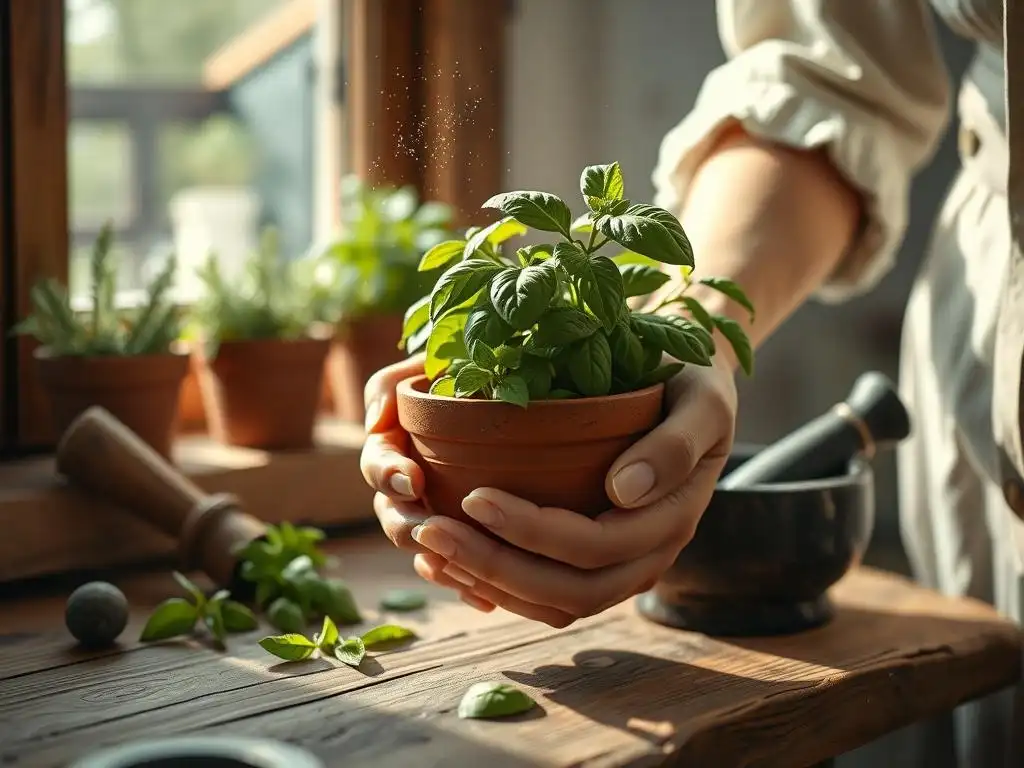
Cultivating your own indoor herb garden offers more than just fresh flavors for your culinary creations; it provides a readily available source of natural remedies for common ailments. Many common herbs grown indoors possess potent medicinal properties, offering a sustainable and organic approach to self-care. This section explores the diverse medicinal applications of popular indoor herbs and provides practical guidance on preparing various herbal remedies.
Understanding the therapeutic potential of your indoor herb garden empowers you to harness the healing power of nature within the comfort of your home. Remember to always consult with a healthcare professional before using herbal remedies, especially if you have pre-existing health conditions or are taking other medications. The information provided here is for educational purposes only and should not be considered medical advice.
Preparing Herbal Teas for Medicinal Purposes
Herbal teas, or infusions, are a simple yet effective way to utilize the medicinal properties of your indoor herbs. The process involves steeping fresh or dried herbs in hot water to extract their beneficial compounds. Different herbs offer a range of therapeutic benefits. For example, chamomile tea is well-known for its calming and sleep-promoting effects, while peppermint tea can aid digestion and soothe headaches. Ginger, easily grown indoors, offers potent anti-inflammatory and anti-nausea properties when brewed as a tea.
To prepare an herbal tea, start by selecting your desired herb(s). A general guideline is to use one teaspoon of dried herb or two teaspoons of fresh herb per cup of water. Place the herb in a mug or teapot and pour freshly boiled water over it. Cover the container and let it steep for 5-10 minutes, depending on the herb and desired strength. Strain the tea before drinking.
Experiment with different herbs and combinations to discover your preferred blends and their unique therapeutic benefits. Remember to always use clean and sanitized equipment for preparing herbal teas to prevent contamination. Proper hygiene is crucial when handling any herbs intended for medicinal use. You can enhance the flavor and effectiveness of your herbal teas by adding honey or lemon, but avoid using dairy products as they can interfere with the absorption of certain compounds.
Creating Herbal Infusions and Tinctures
Beyond simple teas, you can create more concentrated herbal preparations, such as infusions and tinctures, to harness the full therapeutic potential of your indoor herbs. Infusions are similar to teas but use a longer steeping time (typically several hours or even overnight) to extract a greater concentration of active compounds. Tinctures, on the other hand, involve soaking the herbs in alcohol to create a concentrated liquid extract.
Creating an infusion involves placing the herb in a jar, covering it with boiling water, and letting it steep for several hours or overnight. Strain the liquid and store it in a sealed container in the refrigerator. Infusions are a versatile form of herbal medicine, usable for both internal and external applications depending on the herb.
Tinctures, known for their longer shelf life, require a different approach. Finely chop the herbs and fill a jar about ¾ full. Cover the herbs with a high-proof alcohol (such as vodka or brandy), ensuring the herbs are completely submerged. Seal the jar tightly and store it in a cool, dark place for several weeks, shaking it regularly.
After several weeks, strain the tincture and store it in a dark-colored glass bottle. Always label your tinctures clearly with the herb used and the date of preparation. The concentration of tinctures allows for smaller doses, making them convenient and efficient for medicinal use. Accurate measurement is crucial when using tinctures for medicinal purposes.
Making Herbal Salves and Ointments for Topical Application
Herbal salves and ointments are excellent remedies for treating minor skin irritations, wounds, and muscle aches. These topical preparations combine the healing properties of herbs with a base of oil or beeswax, creating a soothing and effective treatment. Lavender, known for its calming and antiseptic properties, and calendula, with its anti-inflammatory and wound-healing capabilities, are excellent choices for topical preparations. These herbs are relatively easy to grow indoors, providing a convenient source for creating your own herbal salves and ointments.
Creating a simple herbal salve involves infusing an oil (such as olive oil or coconut oil) with your chosen herbs. Place the herbs in a jar, cover them with oil, and gently heat the mixture for several hours using a double boiler. Strain the infused oil and combine it with beeswax to create a salve-like consistency.
Allow the mixture to cool and solidify before storing it in a sealed container. The ratio of oil to beeswax can be adjusted to achieve the desired consistency. Always test a small amount of the salve on a small area of skin before applying it liberally to ensure you don't have an adverse reaction.
Proper storage is essential to maintain the quality and effectiveness of your herbal salves and ointments. Avoid exposing them to direct sunlight or extreme temperatures. The process of making herbal salves and ointments is both rewarding and allows for customization based on your specific needs and the herbs you cultivate.
Safety Precautions and Potential Interactions
Before embarking on a journey of self-healing with indoor herbs, understanding safety precautions and potential interactions is paramount. While many herbs offer remarkable medicinal benefits, improper use can lead to adverse effects. Always remember that these are natural remedies, not replacements for professional medical advice. If you have pre-existing health conditions, are pregnant, breastfeeding, or taking other medications, consulting a healthcare professional before using herbal remedies is absolutely crucial. They can assess potential interactions and ensure the safe and effective use of herbs.
One common concern revolves around allergic reactions. Some individuals might be allergic to specific herbs, even those commonly considered safe. Start with a small amount of any new herb to monitor for any allergic reactions like skin rashes, itching, swelling, or difficulty breathing. If any of these symptoms occur, discontinue use immediately and seek medical attention.
Herb-drug interactions are another significant consideration. Many herbs can interact with prescription and over-the-counter medications, potentially altering their effectiveness or causing harmful side effects. For example, St. John's Wort, often used to treat mild depression, can interact with numerous medications, including birth control pills and antidepressants. Similarly, chamomile, while generally safe, can interact with blood thinners. Thorough research or consultation with a healthcare professional is essential to avoid potentially dangerous interactions.
Dosage is also a critical factor. The effectiveness and safety of herbal remedies are highly dependent on the correct dosage. Using too little might yield insufficient results, while using too much can lead to toxicity or adverse effects. Always follow recommended dosages carefully, and if unsure, consult a qualified herbalist or healthcare practitioner for personalized guidance. Remember, "more" doesn't always mean "better" when it comes to herbal remedies.
Finally, the quality and source of your herbs significantly impact their safety and effectiveness. Opt for organically grown herbs from reputable sources to minimize exposure to pesticides and other harmful chemicals. Proper storage is also essential to maintain the herb's potency and prevent spoilage. Store dried herbs in airtight containers in a cool, dark, and dry place. Fresh herbs should be stored in the refrigerator in a plastic bag or container. Following these guidelines will help ensure you're using safe and effective herbs for your natural remedies. 🌿
Maintaining Your Indoor Medicinal Herb Garden
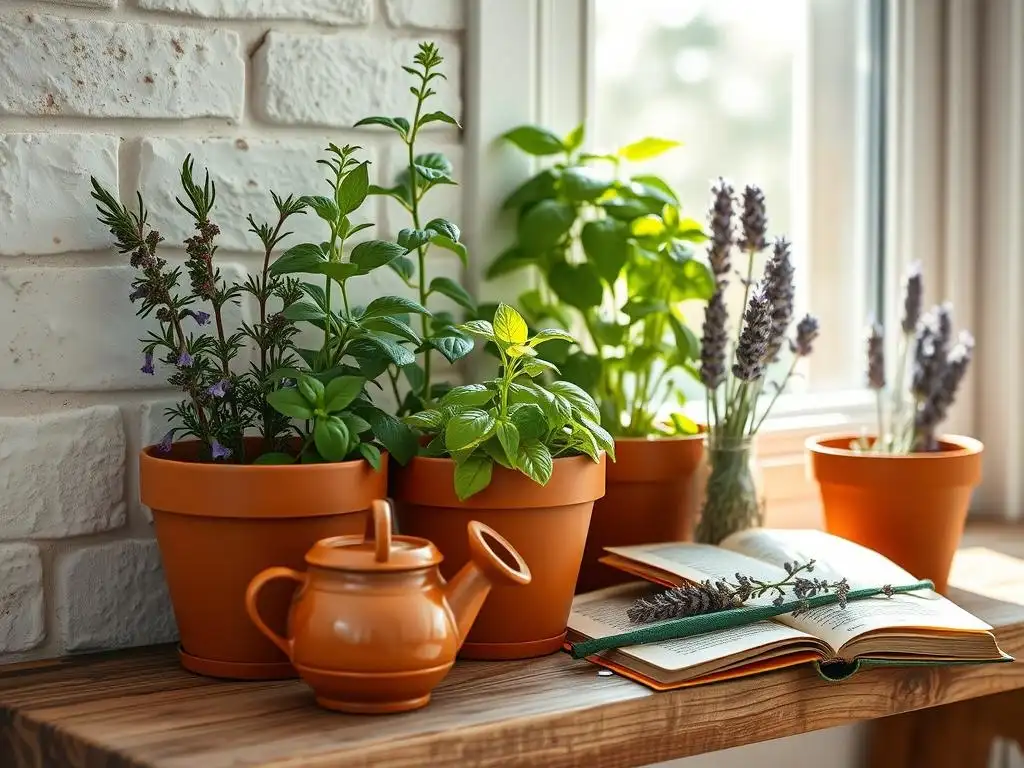
Cultivating a thriving indoor herb garden for medicinal purposes requires diligent care and attention. Unlike outdoor gardens, indoor environments require careful management of light, water, and pest control to ensure healthy plant growth and the preservation of the herbs' beneficial properties. This section focuses on the key maintenance practices to maximize the therapeutic potential of your indoor herbs. The quality of your harvest directly correlates with the care you provide, so let's delve into the specifics.
Providing Optimal Light and Watering for Medicinal Herbs
Light is paramount for successful indoor herb cultivation. Medicinal herbs, like their outdoor counterparts, require adequate sunlight for photosynthesis, which is crucial for producing the active compounds responsible for their medicinal properties. Insufficient light leads to weak, leggy growth and reduced potency. For optimal results, aim for at least 6-8 hours of bright, indirect sunlight daily. South-facing windows are ideal, but supplemental grow lights are often necessary, particularly during winter months or for herbs grown in less sunny locations. Consider using full-spectrum grow lights to mimic natural sunlight as closely as possible.
Watering is equally important. Overwatering can lead to root rot, a common problem for indoor plants, while underwatering results in wilting and stunted growth. The ideal watering schedule depends on several factors, including the type of herb, the size of the pot, the type of soil, and the ambient humidity. Always check the soil moisture before watering; stick your finger about an inch into the soil.
If it feels dry, it's time to water. Water thoroughly until water drains from the drainage holes, avoiding letting the plant sit in standing water. Consistent moisture, without oversaturation, is key. Regular misting can also increase humidity levels, beneficial for many herbs.
Protecting Your Herbs from Pests and Diseases
Indoor herb gardens are not immune to pests and diseases. Common culprits include aphids, spider mites, and fungal infections. Early detection and prompt action are crucial to prevent widespread infestations or infections that can compromise the quality and medicinal value of your herbs. Regular inspection of your plants is essential. Look for signs of pests, such as small insects, webbing, or discoloration of leaves. For disease prevention, ensure good air circulation around your plants to discourage fungal growth. Avoid overcrowding plants and ensure adequate spacing to allow for air movement.
Organic pest control methods are preferred for medicinal herbs. These include introducing beneficial insects like ladybugs to prey on aphids, using insecticidal soap, or neem oil sprays. For fungal infections, improving air circulation and using a diluted solution of baking soda and water can be effective. Always follow product instructions carefully and consider the potential impact on the medicinal properties of your herbs before applying any treatment. Prevention is always better than cure; maintaining a clean and healthy growing environment is the best defense against pests and diseases. This ensures your herbs remain potent and safe for medicinal use.
Harvesting and Storing Medicinal Herbs for Optimal Potency
The timing of harvest significantly impacts the potency of your medicinal herbs. Generally, the best time to harvest is just before the plant flowers, when the concentration of active compounds is typically highest. For leaves, harvest them in the morning after the dew has dried. For flowers, harvest them when they are fully opened but before they start to wilt.
Proper storage is crucial for preserving the medicinal properties of your harvested herbs. Air drying is a common method, involving hanging the herbs upside down in a cool, dark, and well-ventilated area. Ensure adequate airflow to prevent mold growth. Once completely dry, store the herbs in airtight containers in a cool, dark, and dry place.
Freezing can also preserve the herbs, but it can sometimes alter the flavor and aroma. Proper storage ensures the longevity and efficacy of your homegrown medicinal herbs, allowing you to utilize their therapeutic benefits for an extended period. Remember to label your containers with the type of herb and the harvest date for easy identification and tracking. Proper storage and careful harvesting maximize the therapeutic potential of your indoor herb garden.
Troubleshooting Common Issues in Indoor Medicinal Herb Gardens
Maintaining a thriving indoor medicinal herb garden requires vigilance and attention to detail. Several common problems can hinder growth and reduce the potency of your herbs. Let's explore some frequent issues and how to address them effectively.
One of the most prevalent challenges is pest infestations. Aphids, spider mites, and whiteflies are common culprits, attracted to the tender leaves of your herbs. Regularly inspecting your plants is crucial. Early detection allows for swift intervention, preventing a widespread infestation.
Natural pest control methods are highly recommended for medicinal herbs, as chemical pesticides can contaminate the plants and render them unsuitable for consumption. Consider introducing beneficial insects like ladybugs, which prey on aphids, or using insecticidal soap, a readily available and relatively safe option. Maintaining good air circulation around your plants can also help deter pest infestations. Overcrowding should be avoided, as it creates humid microclimates perfect for pest breeding.
Another common issue is nutrient deficiencies. Indoor herbs, especially those grown in containers, may require supplemental feeding. Nutrient-deficient plants often exhibit yellowing leaves, stunted growth, or discoloration. Soil testing can help identify specific deficiencies. However, using a balanced, organic fertilizer specifically formulated for herbs is a proactive approach. Over-fertilizing is also a problem; too much fertilizer can "burn" the roots and damage your plants. Always follow the instructions on fertilizer packaging carefully. Regular watering is also key to providing adequate nutrients to the roots.
Light and temperature are often overlooked but crucial factors. Most medicinal herbs require ample sunlight. Insufficient light leads to leggy growth and reduced essential oil production, diminishing the herbs' medicinal properties. Supplementing with grow lights, especially during winter months, is often necessary. Maintaining a consistent temperature is also important; sudden temperature fluctuations can stress the plants, making them more susceptible to diseases and pests. Aim for a consistent temperature range suitable for the specific herbs you are growing. Avoid placing your herbs near drafts or heating/cooling vents.
Finally, watering techniques significantly impact plant health. Overwatering leads to root rot, a fatal condition characterized by soggy soil and wilting plants. Underwatering, conversely, causes wilting and stunted growth. The best approach is to water thoroughly when the top inch of soil is dry, allowing excess water to drain from the pot.
Using well-draining potting mix is also essential. Avoid letting your herbs sit in standing water, as this creates an environment conducive to fungal growth and root rot. Observing your plants closely and adjusting your watering schedule according to their needs is key to success. Remember that different herbs have different water requirements.
By proactively addressing these common issues, you can cultivate a healthy and productive indoor medicinal herb garden, ensuring a reliable supply of potent and safe herbs for your natural remedies. Careful observation and timely intervention are key to maintaining the well-being of your plants and maximizing their medicinal benefits.
Recipes and Applications for Common Ailments
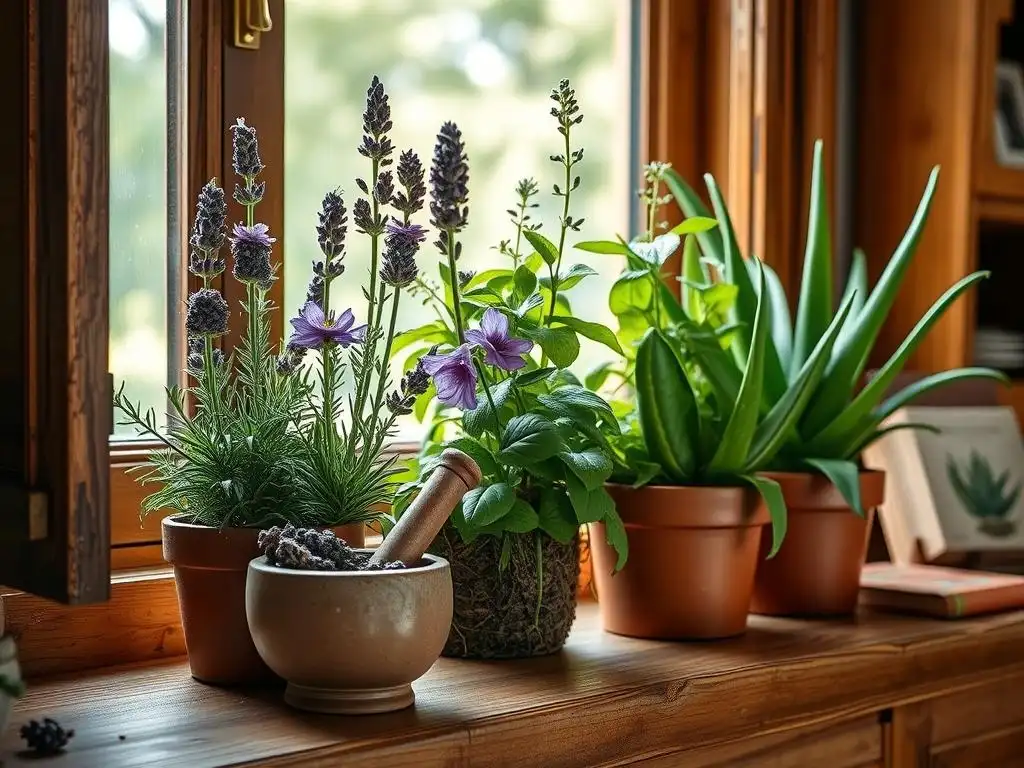
This section explores practical applications of common indoor herbs for treating minor ailments. Remember, while these herbs offer potential benefits, they are not a replacement for professional medical advice. Always consult a healthcare professional before using herbs for medicinal purposes, especially if you have pre-existing conditions or are taking other medications. The effectiveness of herbal remedies can vary depending on individual factors and the quality of the herbs used. Prioritizing organically grown herbs from your indoor garden ensures maximum potency and minimizes exposure to harmful pesticides.
Herbal Remedies for Coughs and Colds
Many indoor herbs possess expectorant and anti-inflammatory properties beneficial for easing coughs and cold symptoms. Consider these options:
- Peppermint: Peppermint tea, made with fresh peppermint leaves from your indoor garden, can soothe a sore throat and help clear congestion. The menthol in peppermint acts as a decongestant, opening up airways. For a simple recipe, steep 1-2 teaspoons of chopped fresh peppermint leaves in a cup of hot water for 10-15 minutes. Add a touch of honey for extra sweetness and soothing properties. You can also use peppermint essential oil (in a diffuser or diluted in a carrier oil for topical application) to relieve congestion. However, always dilute essential oils properly, as undiluted application can cause skin irritation.
- Eucalyptus: Eucalyptus leaves, though requiring a larger indoor growing space, offer potent decongestant properties. Similar to peppermint, you can make a tea by steeping fresh or dried leaves. However, exercise caution as eucalyptus can be irritating to some individuals. Always start with a small amount and monitor your reaction.
- Thyme: Thyme tea can be a soothing remedy for coughs and sore throats. Thyme possesses antimicrobial properties that can help combat infection. A simple thyme tea recipe uses 1-2 teaspoons of dried or fresh thyme leaves steeped in hot water.
| Herb | Primary Benefit | Usage Example | Precautions |
|---|---|---|---|
| Peppermint | Decongestant, soothing | Tea, essential oil (diluted) | Avoid if allergic to mint; use essential oils with caution |
| Eucalyptus | Decongestant | Tea (use sparingly) | Can be irritating to some; avoid if pregnant or breastfeeding |
| Thyme | Antimicrobial, cough suppressant | Tea | Avoid excessive consumption; may interact with medications |
Natural Sleep Aids Using Homegrown Herbs
Cultivating calming herbs indoors can promote better sleep. The gentle aroma and calming properties of these herbs can naturally improve sleep quality.
- Chamomile: Known for its relaxing properties, chamomile tea is a popular sleep aid. The delicate flowers can be easily grown indoors. Steep a teaspoon of dried or fresh chamomile flowers in hot water for 10 minutes before bed. The gentle floral aroma can be calming and promote relaxation.
- Lemon Balm: This herb has a refreshing citrus scent and mild sedative properties. A warm cup of lemon balm tea can aid in relaxation before sleep. It can be enjoyed on its own or combined with other calming herbs like chamomile.
- Lavender: While known more for its calming scent, lavender can also be consumed as a tea, although it's less potent than chamomile or lemon balm for sleep. Its primary benefit is the calming aroma—consider placing a small sachet of dried lavender under your pillow for aromatherapy.
Remember that consistency is key when using herbs for sleep. Regular use of these herbal teas, combined with good sleep hygiene, can significantly improve your sleep quality. Avoid consuming these teas too close to bedtime, as the need to urinate might disrupt your sleep.
Herbal Solutions for Digestive Issues
Several indoor herbs can help alleviate common digestive problems. Always consult a doctor if digestive issues persist.
- Ginger: Known for its anti-inflammatory properties, ginger can help soothe upset stomachs and nausea. Fresh ginger, easily grown indoors, can be added to tea or consumed raw. A small piece of fresh ginger, chewed slowly, can be effective for immediate relief.
- Mint (Peppermint or Spearmint): Mint can help relieve bloating and gas. Mint tea, made from fresh leaves, can be a soothing digestive aid. However, individuals with gastroesophageal reflux disease (GERD) should use mint with caution, as it can sometimes worsen symptoms.
- Fennel: Fennel seeds and leaves possess carminative properties, meaning they help expel gas from the digestive tract. Fennel tea can ease bloating and indigestion. The seeds can also be chewed after meals for digestive support.
Remember that the information provided here is for educational purposes only and should not be considered medical advice. Always consult a healthcare professional before using herbs for medicinal purposes. Enjoy the rewarding experience of cultivating your own medicinal herbs indoors!
Home Remedies for Minor Skin Irritations Using Indoor Herbs
Many common indoor herbs possess soothing and anti-inflammatory properties beneficial for treating minor skin irritations. These remedies offer a natural alternative to commercially produced skincare products, often containing harsh chemicals. Remember, these are home remedies and should not replace professional medical advice for serious skin conditions. Always perform a patch test on a small area of skin before applying any herbal remedy to a larger area.
One highly effective herb for skin irritations is aloe vera. Known for its cooling and healing properties, aloe vera gel can directly soothe sunburns, minor burns, insect bites, and rashes. Simply break off a leaf, extract the gel, and apply it generously to the affected area. The gel's high water content provides immediate relief, while its active compounds promote healing and reduce inflammation. For best results, keep the aloe vera plant in a sunny location to maximize its potency.
Another excellent choice is chamomile. Its calming and anti-inflammatory properties make it ideal for treating eczema, psoriasis, and other inflammatory skin conditions. You can prepare a chamomile compress by steeping a handful of chamomile flowers in hot water for 10-15 minutes. Once cooled slightly, soak a clean cloth in the infusion and apply it to the irritated skin for 15-20 minutes. The gentle warmth and chamomile's active compounds will help reduce redness, itching, and inflammation. Regular use can significantly improve the condition of sensitive skin.
Calendula, with its vibrant orange petals, is another powerful ally in skincare. This herb possesses potent antiseptic and anti-inflammatory properties, making it effective against cuts, scrapes, and minor wounds. Calendula infused oil or cream can be applied directly to the affected area to promote healing and prevent infection. You can also create a calendula infused oil at home by steeping dried calendula flowers in a carrier oil like olive oil or coconut oil for several weeks. This homemade remedy offers a natural and effective way to treat minor skin injuries.
Finally, consider lavender. While primarily known for its calming aroma, lavender also exhibits antibacterial and antifungal properties. Lavender essential oil, diluted with a carrier oil like jojoba or almond oil, can be applied topically to treat minor acne breakouts, fungal infections, and insect bites. Always dilute essential oils properly to avoid skin irritation.
A few drops in a carrier oil base is sufficient for topical application. Remember to perform a patch test before applying to a larger area. Using these simple home remedies, you can harness the power of your indoor herb garden to effectively treat minor skin irritations naturally and sustainably.
Expanding Your Indoor Medicinal Herb Garden
This section delves into practical strategies for broadening your indoor herb garden beyond the common basil and mint, focusing on maximizing the medicinal benefits of your homegrown bounty. We'll explore less common yet incredibly useful herbs, advanced cultivation techniques, and resources to further your knowledge. Remember, consistent care and attention are crucial for potent, healthy herbs.
Exploring Less Common Medicinal Herbs for Indoor Cultivation
Many medicinal herbs thrive indoors, offering a surprising array of therapeutic benefits. Let's explore some options beyond the usual suspects:
- Lemon Balm ( Melissa officinalis): Known for its calming properties, lemon balm can ease anxiety and improve sleep quality. It prefers bright, indirect light and well-drained soil. Consider using a hydroponic system for optimal moisture control. Harvesting its leaves regularly encourages bushier growth.
- Chamomile ( Matricaria chamomilla): A classic remedy for digestive issues and insomnia, chamomile is relatively easy to cultivate indoors. It requires plenty of sunlight and consistent watering, but avoid overwatering to prevent root rot. Drying the flowers for tea is a rewarding process.
- Rosemary ( Salvia rosmarinus): Famous for its memory-boosting properties and culinary uses, rosemary is a hardy herb that tolerates drier conditions. It prefers well-drained soil and ample sunlight. Pruning encourages bushier growth and maximizes essential oil production.
- Lavender ( Lavandula spp.): Known for its soothing aroma and ability to reduce stress and anxiety, lavender thrives in well-drained, slightly alkaline soil. It needs at least six hours of sunlight daily and benefits from regular pruning to maintain its shape and encourage flowering.
The following table summarizes the light and watering requirements for these herbs:
| Herb | Light Requirements | Watering Requirements |
|---|---|---|
| Lemon Balm | Bright, indirect light | Well-drained, consistent moisture |
| Chamomile | Plenty of sunlight | Consistent, avoid overwatering |
| Rosemary | Ample sunlight | Well-drained, less frequent watering |
| Lavender | At least 6 hours sunlight | Well-drained, moderate watering |
Remember, proper soil selection is paramount. A well-draining potting mix enriched with compost will ensure optimal growth and nutrient uptake. Regular fertilization with a balanced organic fertilizer will further enhance the potency of your herbs.
Advanced Techniques for Maximizing Herb Yield and Potency
To truly unlock the medicinal potential of your indoor herbs, consider these advanced techniques:
- Hydroponics and Aeroponics: These soilless methods offer precise control over nutrient delivery and moisture levels, leading to faster growth and higher yields. This is particularly beneficial for herbs with specific nutrient requirements.
- LED Grow Lights: Tailored spectrum LED grow lights provide optimal light for photosynthesis, maximizing herb growth and essential oil production. Different wavelengths impact various growth stages, so research the optimal spectrum for your chosen herbs.
- Clipping and Pruning: Regularly clipping or pruning your herbs encourages bushier growth and prevents them from becoming leggy. This also helps to maximize the production of essential oils, increasing their medicinal value.
- Organic Pest Control: Employ natural pest control methods to avoid harming beneficial insects and keep your herbs free from harmful chemicals. This ensures the purity of your medicinal herbs.
Careful monitoring of environmental factors like temperature and humidity is crucial for optimal growth and potency. Remember to regularly check for signs of pests or diseases and address them promptly using organic methods.
Resources for Further Learning About Indoor Medicinal Herb Gardening
Expanding your knowledge is key to successful indoor herb gardening. Consider exploring these resources:
- Books on medicinal herbs and their cultivation: Many comprehensive books offer detailed guidance on growing and utilizing medicinal herbs, including indoor cultivation techniques.
- Online forums and communities: Connect with other indoor gardeners to share experiences, tips, and troubleshooting advice. This collaborative approach can be invaluable.
- Workshops and courses: Participate in workshops or online courses focused on indoor gardening and medicinal herb cultivation to gain hands-on experience and expert guidance.
By combining the information provided here with continued learning and experimentation, you can cultivate a thriving indoor medicinal herb garden, providing a natural and accessible source of therapeutic remedies. Remember that while these herbs offer potential health benefits, they should not replace professional medical advice. Always consult a healthcare professional before using herbs for medicinal purposes.
Frequently Asked Questions
What are some common herbs suitable for indoor growing with medicinal uses?
Many herbs thrive indoors and offer medicinal benefits. Popular choices include basil (anti-inflammatory), mint (digestive aid), and chamomile (calming). Consider your needs and growing conditions when selecting herbs.
How can I use indoor-grown herbs for medicinal purposes?
Indoor-grown herbs can be used in various ways, including teas, salves, and infused oils. Always research proper preparation and usage to ensure safety and efficacy. Start with small amounts and monitor for any reactions.
Are there any precautions when using herbs for medicinal purposes?
Yes, consult a healthcare professional before using herbs medicinally, especially if you have pre-existing conditions or are taking other medications. Some herbs can interact negatively with drugs or exacerbate certain health issues.
How do I ensure my indoor-grown herbs are safe for medicinal use?
Maintain a clean growing environment free from pesticides and other contaminants. Properly wash and dry your herbs before use to remove any dirt or debris. Using organic growing practices is recommended.
What are the benefits of growing medicinal herbs indoors?
Growing your own herbs provides fresh, high-quality ingredients for medicinal use year-round, regardless of the weather. It also offers a sense of self-sufficiency and control over the ingredients you consume.
Final Reflection: Cultivating Wellness Within
The resurgence of interest in indoor herb gardening is not merely a trendy hobby; it's a powerful reclaiming of our connection to natural remedies and a vital step towards holistic well-being. The ease of access to information coupled with a growing awareness of the potential side effects of pharmaceuticals has fueled a renewed appreciation for the healing properties found within the humble houseplant. This shift signifies a return to ancient wisdom and a proactive approach to health maintenance.
The impact of readily available, easily cultivated medicinal herbs extends far beyond the individual. It fosters a sense of self-reliance and empowers individuals to take control of their health journey. This connection to nature, even in a small indoor space, cultivates a sense of calm and mindfulness, counteracting the stresses of modern life. The earth laughs in flowers.
– Ralph Waldo Emerson. This quote beautifully encapsulates the joy and healing potential inherent in nurturing these living, breathing remedies. The simple act of tending to these plants, watching them grow, and then utilizing their therapeutic properties creates a profound and deeply personal experience.
Consider the potential within your own home. Imagine the tranquility of a small herb garden, a source of both beauty and healing. You, too, can cultivate this wellness within your own four walls. Start small, research the herbs that resonate with your needs, and embark on this journey of self-discovery and natural healing. The rewards – both physical and emotional – are immeasurable.
Unlock Your Home Apothecary: Grow & Thrive!
Thank you for exploring the world of medicinal indoor herbs with us! We hope you've discovered new ways to nurture your well-being naturally. Now it's time to put your knowledge into practice.
- Start small, but start now! Choose one herb from the article that interests you and begin growing it. Even a single pot on a sunny windowsill can make a difference.
- Share your newfound herbal knowledge! Tell a friend or family member about the benefits of growing their own medicinal herbs. Inspire them to cultivate their own indoor garden.
- Continue learning! Research other herbs that may address your specific health needs. Consider joining an online gardening community to exchange tips and recipes.
Ready to transform your home into a haven of health and wellness? Which herb will you plant first?