
Attracting Beneficial Insects: How a Healthy Soil Food Web Supports Biodiversity

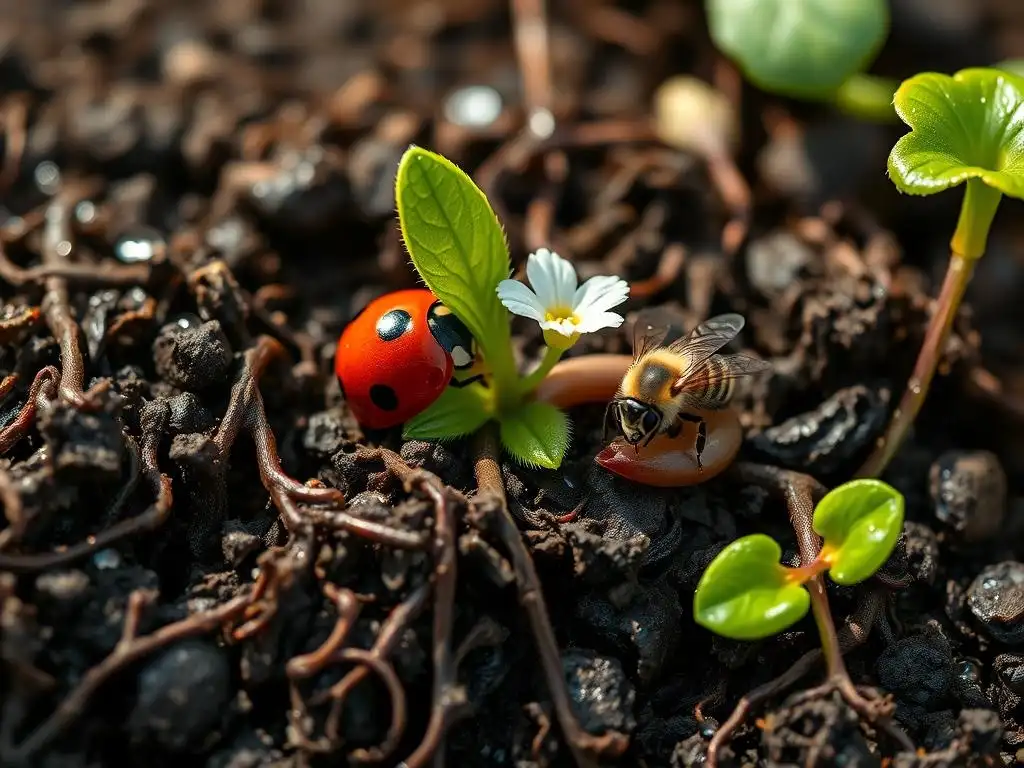
Ready to transform your backyard into a thriving ecosystem? At CultivateYourFood, we empower you to grow your own fruits, vegetables, and herbs using sustainable, organic methods. Discover the secrets to a bountiful harvest, starting with our latest article on Beneficial insects healthy soil. Learn how nurturing a vibrant soil food web is key to attracting beneficial insects and creating a naturally pest-resistant garden—a crucial step towards truly cultivating your food. Dive in and unlock the power of nature!
- Understanding the Soil Food Web and Beneficial Insects
- Creating a Thriving Habitat for Beneficial Insects Through Soil Health
- Beneficial Insects and Pest Control: A Natural Approach
- Maintaining a Healthy Soil Food Web for Long-Term Success
-
Frequently Asked Questions
- What are beneficial insects, and why are they important for my garden?
- How does healthy soil contribute to attracting beneficial insects?
- What specific beneficial insects should I aim to attract?
- What are some sustainable practices to improve soil health and attract beneficial insects?
- How long does it take to see a noticeable increase in beneficial insects after improving soil health?
- Final Reflection: Cultivating a Thriving Ecosystem, One Healthy Soil at a Time
- Unleash Your Garden's Natural Allies!
Understanding the Soil Food Web and Beneficial Insects
A thriving garden isn't just about healthy plants; it's about a vibrant ecosystem teeming with life both above and below the soil surface. This article explores the fascinating relationship between a healthy soil food web and the beneficial insects that are crucial for organic gardening success. We'll delve into how cultivating a rich, diverse soil microbiome directly impacts the abundance and diversity of beneficial insects, leading to naturally pest-resistant and high-yielding plants.
Understanding this intricate connection is key to achieving sustainable and productive harvests without relying on harmful chemical pesticides. By focusing on building a healthy soil food web, you're not only improving soil health but also creating a haven for the natural allies that will protect your crops from pests and diseases.
This approach is essential for truly sustainable and organic gardening practices, allowing nature to work its magic to benefit your garden. Let's explore how you can foster this beneficial relationship.
The Crucial Role of Soil Microbes in Attracting Beneficial Insects
The foundation of a healthy soil food web lies in its microbial community. Bacteria, fungi, protozoa, and nematodes – these microscopic organisms are the unseen heroes of the soil, working tirelessly to break down organic matter, recycle nutrients, and create a fertile environment. But their impact extends far beyond plant nutrition.
A diverse and abundant soil microbiome produces a range of beneficial substances that directly attract and support beneficial insect populations. For example, certain bacteria and fungi produce volatile organic compounds (VOCs) that act as attractants for beneficial insects like ladybugs and lacewings. These insects are voracious predators of common garden pests like aphids and spider mites.
Furthermore, a healthy soil provides ample food sources for the larvae and immature stages of these beneficial insects. Think of it as creating a natural buffet, ensuring a robust population of beneficial insects throughout the growing season. A lack of microbial diversity, often caused by the use of chemical pesticides or poor soil management, can lead to a decline in beneficial insect populations, making your garden more vulnerable to pest infestations.
How Healthy Soil Supports Insect Populations
Beyond attracting beneficial insects, healthy soil directly contributes to their survival and reproduction. Well-structured soil, rich in organic matter, provides ideal habitat for insects. It offers protection from extreme temperatures, ample moisture retention, and ready access to food sources.
This is especially important for the larval stages of many beneficial insects, which are often less mobile and more vulnerable to environmental stressors. For instance, a soil rich in mycorrhizal fungi – symbiotic fungi that form a network with plant roots – enhances nutrient uptake by plants, leading to healthier, more vigorous growth. This, in turn, provides a more abundant food source for herbivorous beneficial insects, like hoverflies, that feed on pollen and nectar.
These insects then provide valuable pollination services while also serving as a food source for larger predators higher up in the food web. The positive feedback loop created by a healthy soil is remarkable, ensuring a self-sustaining ecosystem that benefits both the plants and the beneficial insects that protect them. This also significantly reduces or eliminates the need for external interventions.
Identifying Key Beneficial Insects in Your Garden
Recognizing the beneficial insects in your garden is crucial to understanding the health of your soil food web. Some key players to look for include:
- Ladybugs: These brightly colored beetles are voracious predators of aphids and other soft-bodied insects.
- Lacewings: Both the adults and larvae of lacewings are effective predators, feeding on a wide range of pests.
- Hoverflies: Adult hoverflies pollinate plants, while their larvae feed on aphids and other pests.
- Ground beetles: These beetles are nocturnal predators that feed on slugs, snails, and other soil-dwelling pests.
- Praying mantises: These fearsome predators are ambush hunters that consume a variety of insects, including many garden pests.
Observing these insects in your garden is a strong indicator of a healthy and balanced ecosystem. The presence of a diverse range of beneficial insects signifies a thriving soil food web that is naturally protecting your plants from pests. This natural pest control is a cornerstone of organic gardening and a testament to the power of working with nature, rather than against it.
Creating a Thriving Habitat for Beneficial Insects Through Soil Health
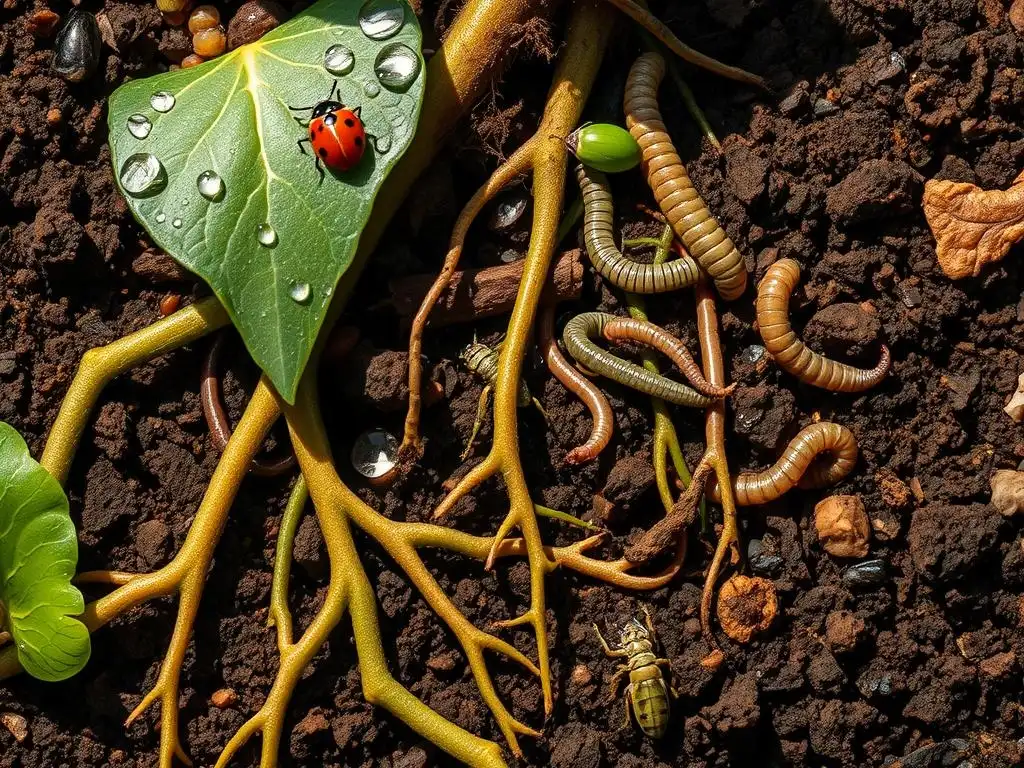
A healthy soil food web is the cornerstone of attracting beneficial insects to your garden. These insects, crucial for natural pest control and pollination, thrive in a diverse and vibrant soil ecosystem. The presence of beneficial insects is a strong indicator of soil health, acting as a bio-indicator reflecting the overall well-being of your garden's ecosystem. This section explores how soil health directly impacts the abundance and diversity of beneficial insects, contributing to a more sustainable and productive garden.
The key to attracting beneficial insects lies in mimicking their natural habitats, providing the resources they need to survive and reproduce. This includes providing shelter, food sources, and optimal environmental conditions. A focus on "beneficial insects healthy soil" practices is key to achieving this.
Improving Soil Structure for Beneficial Insect Habitats
Soil structure significantly influences beneficial insect populations. Compacted soil lacks the aeration and drainage necessary for many beneficial insect larvae and pupae to develop properly. Conversely, well-structured soil, rich in organic matter, creates a network of spaces and channels that provide ideal habitats for these insects. These spaces offer protection from predators and harsh weather conditions. For example, lacewing larvae, important aphid predators, thrive in loose, well-aerated soil where they can easily hunt for prey. Improving soil structure involves practices like:
- No-till gardening: Minimizing soil disturbance protects beneficial soil organisms and maintains soil structure.
- Cover cropping: Planting cover crops like clover or rye adds organic matter, improves soil structure, and provides food and habitat for beneficial insects.
- Adding compost: Compost improves soil drainage, aeration, and water retention, creating a more hospitable environment for beneficial insects. Adding a layer of compost 2-3 inches thick each year can significantly enhance soil structure.
- Avoiding overwatering: Soggy soil can suffocate beneficial insects and their larvae. Proper watering techniques, such as deep infrequent watering, promote healthy soil drainage and aeration.
Regular soil testing can help you determine your soil's structure and identify areas for improvement. This allows you to tailor your soil improvement efforts to your specific soil type and needs, maximizing your chances of attracting a diverse range of beneficial insects. Remember, a healthy soil structure is foundational to a thriving garden ecosystem.
Organic Soil Amendments that Attract Beneficial Insects
Organic soil amendments play a vital role in attracting beneficial insects by providing food sources and improving overall soil health. Certain amendments are particularly effective at supporting specific beneficial insect populations. For instance:
| Amendment | Beneficial Insects Attracted | Benefits |
|---|---|---|
| Compost Tea | Many beneficial nematodes, bacteria, and fungi | Improves soil fertility, enhances microbial activity, supports plant growth. |
| Manure (well-rotted) | Many beneficial insects, especially those that feed on decaying matter | Adds nutrients, improves soil structure, provides habitat for beneficial insects. |
| Seaweed Extract | Various beneficial insects, enhances plant health | Provides micronutrients, stimulates plant growth, improves insect resistance. |
| Bone Meal | Beneficial insects that need phosphorus | Provides phosphorus, essential for plant growth and insect development. |
The application of these amendments should be tailored to your specific needs and soil conditions. Always follow instructions carefully and avoid over-application, which can harm beneficial microorganisms. Remember to introduce these amendments gradually to avoid shocking the soil ecosystem. The consistent use of organic soil amendments provides a long-term solution for supporting beneficial insect populations in your garden. This approach contributes significantly to a healthy and vibrant "beneficial insects healthy soil" environment.
Mulching Strategies for Beneficial Insect Support
Mulching is a valuable practice that significantly benefits beneficial insects. A layer of mulch helps regulate soil temperature and moisture, creating a more stable environment for insects. Different mulch types offer varying benefits:
- Wood chips: Provide excellent habitat for ground-dwelling beneficial insects and help retain soil moisture.
- Straw: A good option for insulating the soil and suppressing weeds, providing habitat for some beneficial insects.
- Shredded leaves: Provide nutrients as they decompose, improving soil health and offering shelter for insects.
However, it's crucial to select appropriate mulch types. Some mulches can be detrimental; for example, freshly cut grass can become a breeding ground for pests if not properly composted. Maintaining a consistent mulch layer, ideally 2-4 inches thick, helps maintain soil moisture and temperature, creating a more stable and inviting habitat for beneficial insects.
This contributes to the overall health of your soil and the flourishing of a diverse insect community, supporting the "beneficial insects healthy soil" dynamic. The selection of mulch and its proper application are vital aspects of creating a thriving environment for beneficial insects in your garden.
Beneficial Insects and Pest Control: A Natural Approach
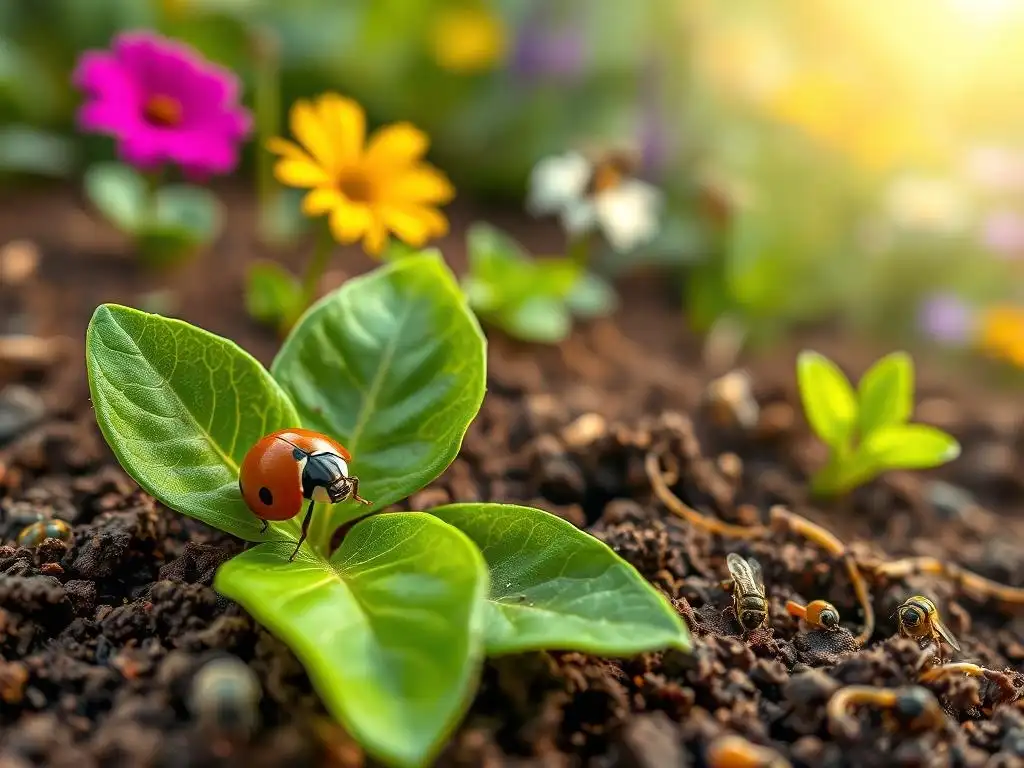
A thriving garden ecosystem relies heavily on a balanced approach to pest control. Instead of solely relying on chemical interventions, a holistic strategy that leverages the power of beneficial insects healthy soil is far more sustainable and effective in the long run. This section explores how attracting and supporting beneficial insects contributes to a naturally pest-resistant garden.
The presence of these insects significantly reduces the need for chemical pesticides, promoting both plant health and environmental well-being. Remember, a healthy soil food web is the foundation for a robust and resilient garden ecosystem, teeming with life both above and below the ground.
How Beneficial Insects Help Control Common Garden Pests
Many common garden pests—aphids, whiteflies, spider mites, and caterpillars—are effectively controlled by a variety of beneficial insects. These natural predators play a crucial role in maintaining a balanced ecosystem, preventing pest populations from exploding and causing significant damage.
For example, ladybugs ( Coccinellidae) are voracious aphid predators, consuming hundreds of aphids throughout their life cycle. Similarly, lacewings ( Chrysopidae) are highly effective against aphids, mealybugs, and other soft-bodied insects. Their larvae are particularly efficient hunters. Praying mantises ( Mantodea) are ambush predators, feeding on a wide range of insects, including many common garden pests. Their presence is a clear indicator of a healthy and biodiverse environment.
The effectiveness of these beneficial insects is directly linked to the health of the soil. Healthy soil provides the necessary nutrients and habitat for these insects to thrive and reproduce. This creates a natural cycle of pest control, minimizing the need for external interventions. Here's a table summarizing some common garden pests and their natural predators:
| Garden Pest | Beneficial Insect Predator(s) | Notes |
|---|---|---|
| Aphids | Ladybugs, Lacewings, Hoverflies | Aphids are a common problem, but easily controlled by these predators. |
| Whiteflies | Lacewings, Minute Pirate Bugs | Whiteflies often infest plants, causing yellowing and stunted growth. |
| Spider Mites | Predatory Mites, Lacewings | Spider mites are tiny but cause significant damage. |
| Caterpillars | Braconid Wasps, Tachinid Flies, Praying Mantises | Caterpillars are a significant threat to many plants. |
Reducing Reliance on Chemical Pesticides for Pest Control
Chemical pesticides, while offering immediate results, disrupt the delicate balance of the soil food web. They kill beneficial insects alongside harmful pests, leading to a weakened ecosystem more susceptible to future infestations. Moreover, chemical residues can contaminate soil, water, and crops, posing risks to human health and the environment.
By promoting a healthy soil teeming with beneficial insects, we can significantly reduce, and in many cases eliminate, the need for chemical pesticides. This transition requires patience and a shift in perspective, moving from reactive pest control to proactive ecosystem management. The long-term benefits—a healthier garden, reduced environmental impact, and safer food—far outweigh the initial effort.
Natural Pest Control Methods to Supplement Beneficial Insects
While beneficial insects are a cornerstone of natural pest control, other methods can be incorporated to create a truly integrated approach. These supplementary methods work synergistically with beneficial insects, enhancing their effectiveness and creating a more resilient garden ecosystem. These include:
- Crop rotation: This practice disrupts pest life cycles and reduces the buildup of pests in the soil.
- Companion planting: Certain plants repel pests or attract beneficial insects. Researching companion planting strategies specific to your region and garden can significantly enhance pest control.
- Handpicking pests: For small infestations, handpicking pests can be an effective and environmentally friendly solution.
- Neem oil: A natural insecticide derived from the neem tree, effective against a wide range of pests. Use sparingly and follow instructions carefully.
- Diatomaceous earth: A natural powder that dehydrates and kills insects.
By combining these natural pest control methods with the cultivation of a healthy soil food web rich in beneficial insects, you can create a thriving and resilient garden that requires minimal reliance on harmful chemical interventions. This integrated approach ensures a sustainable and environmentally responsible gardening practice, promoting both plant health and biodiversity. This strategy embodies the core principles of beneficial insects healthy soil management.
Maintaining a Healthy Soil Food Web for Long-Term Success
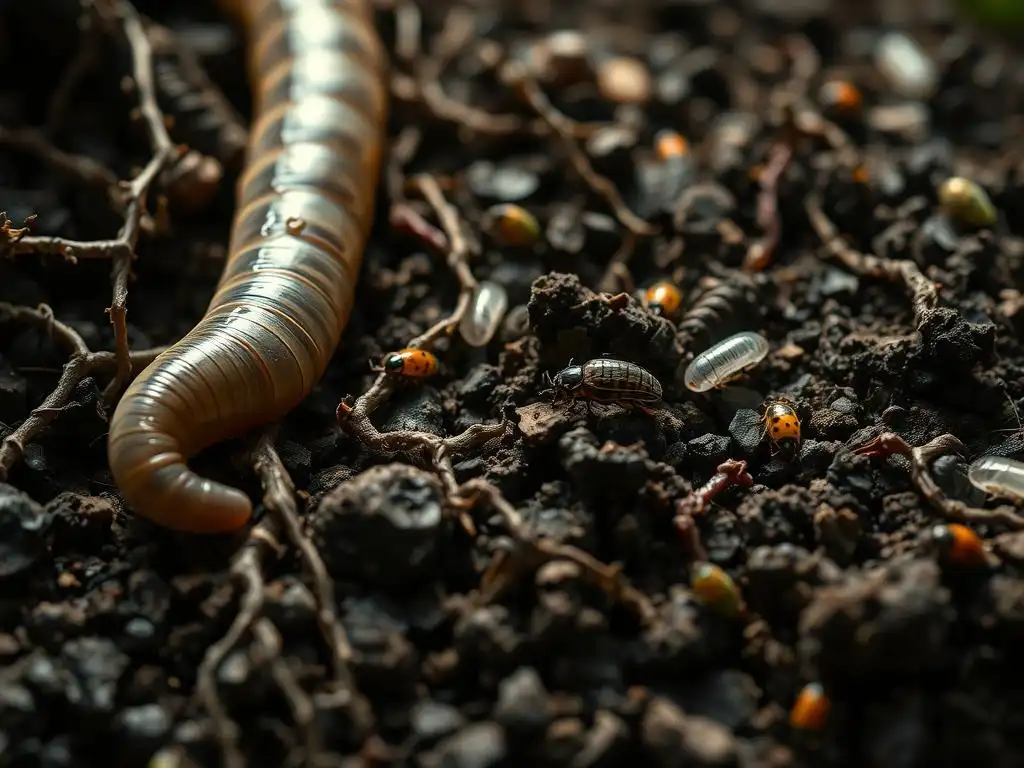
Maintaining a vibrant soil food web is crucial for attracting and supporting beneficial insects, leading to a healthier and more productive garden. This isn't a one-time fix; it's an ongoing process that requires consistent attention and adjustments. Think of your soil as a living ecosystem—a bustling city teeming with microscopic life working together. The more diverse and balanced this ecosystem, the healthier your plants will be, and the more naturally they'll be protected from pests.
A thriving soil food web is the cornerstone of sustainable gardening, offering a powerful alternative to chemical pesticides and fertilizers. By focusing on soil health, you're investing in a long-term solution that yields significant rewards. Let's explore how to keep this vital ecosystem thriving.
Monitoring Your Soil Health for Beneficial Insect Activity
Regular monitoring is key to understanding the health of your soil food web and its impact on beneficial insect populations. This involves more than just visually inspecting your plants; it requires a deeper look into the soil itself. Here's how you can effectively monitor your soil for beneficial insect activity:
- Visual Inspection: Regularly examine your soil and plants for signs of beneficial insects. Look for ladybugs, lacewings, praying mantises, and ground beetles. These are excellent indicators of a healthy soil ecosystem. Note their abundance and diversity. Are you seeing a variety of species, or are there only a few? A diverse population suggests a balanced and thriving environment.
- Soil Sampling: Consider taking soil samples to assess the overall health of your soil. While a full soil test might be a bit involved, a simple visual inspection can reveal much. Look for the presence of earthworms, which are crucial indicators of healthy soil structure and organic matter content. Their presence directly supports beneficial insect habitats. The more earthworms, the better!
- Plant Health: Healthy, vigorous plants are a testament to a healthy soil food web. Observe the growth rate, color, and overall appearance of your plants. Are they thriving, or do they appear stressed or unhealthy? Stressed plants are more susceptible to pests, while healthy plants are naturally more resilient.
- Keeping a Log: Maintain a detailed log of your observations. Record the date, the types of beneficial insects observed, their abundance, and any notes on the overall health of your plants and soil. This data will help you track changes over time and make informed adjustments to your gardening practices. This simple habit will be invaluable in understanding the long-term trends in your garden's ecosystem.
Adjusting Your Practices Based on Observations
Your observations will guide you in adjusting your practices to further enhance your soil food web and attract more beneficial insects. This might involve several strategies:
- Mulching: Applying a thick layer of organic mulch (such as straw, wood chips, or shredded leaves) helps retain soil moisture, suppress weeds, and provide habitat for beneficial insects. Mulch also improves soil structure and increases organic matter, which nourishes the soil microorganisms that support the food web.
- Composting: Composting kitchen scraps and yard waste creates nutrient-rich compost that improves soil fertility and provides food for beneficial insects. The process itself fosters a diverse community of microorganisms that are fundamental to a healthy soil ecosystem.
- Crop Rotation: Rotating crops helps to break pest cycles and improve soil health. Different plants have different nutrient requirements, and rotating them helps prevent nutrient depletion. This also contributes to a more diverse and resilient soil food web.
- Avoiding Pesticides: Chemical pesticides can harm beneficial insects along with pests. Opt for natural pest control methods whenever possible to protect the beneficial insects that are working in your favor. Remember, a healthy soil food web is your best defense against pests.
- Water Management: Proper watering is crucial for maintaining soil health. Avoid overwatering, which can lead to soil compaction and reduce oxygen levels, harming beneficial organisms. Likewise, underwatering stresses plants and makes them more vulnerable to pests.
The Long-Term Benefits of a Thriving Soil Food Web for Sustainable Gardening
Investing in a thriving soil food web offers numerous long-term benefits for sustainable gardening:
- Reduced Pest Problems: Beneficial insects help control pest populations naturally, reducing or eliminating the need for chemical pesticides. This leads to healthier plants and a safer environment for you, your family, and pollinators.
- Increased Soil Fertility: A healthy soil food web improves soil structure, aeration, and water retention, leading to increased nutrient availability for plants. This translates to healthier, more vigorous plants with higher yields.
- Enhanced Plant Health: Plants grown in healthy soil are more resistant to diseases and stress. They're better equipped to withstand environmental challenges and produce higher-quality yields.
- Reduced Reliance on Chemical Inputs: By fostering a healthy soil food web, you reduce your reliance on synthetic fertilizers and pesticides, promoting a more sustainable and environmentally friendly gardening approach. This aligns perfectly with the principles of organic gardening and reduces your environmental impact.
- Increased Biodiversity: A thriving soil food web supports a wider range of organisms, contributing to the overall biodiversity of your garden ecosystem. This enhanced biodiversity strengthens the resilience of your garden and makes it more sustainable in the long run. This biodiversity is a key component of "beneficial insects healthy soil."
Frequently Asked Questions
What are beneficial insects, and why are they important for my garden?
Beneficial insects are predators and pollinators that help control pests and improve plant health. They're vital for a thriving ecosystem and increased yields in your garden. A healthy population means less need for harmful pesticides.
How does healthy soil contribute to attracting beneficial insects?
Healthy soil teeming with diverse microorganisms provides ample food sources (like pollen and nectar) for beneficial insects. It also supports the plants that attract them, creating a favorable habitat. This rich soil is the foundation of a robust ecosystem.
What specific beneficial insects should I aim to attract?
Consider attracting ladybugs, lacewings, and ground beetles, which prey on common garden pests. Pollinators like bees and butterflies are also crucial for fruit and vegetable production. Attracting a variety of species ensures a strong defense against pests.
What are some sustainable practices to improve soil health and attract beneficial insects?
Use organic compost and mulch to enrich your soil. Avoid using synthetic pesticides, which harm beneficial insects. Plant a diversity of flowering plants to provide food and habitat. These actions promote a thriving soil food web.
How long does it take to see a noticeable increase in beneficial insects after improving soil health?
You may see some initial results within weeks, but establishing a robust population takes time. Consistent application of sustainable practices over several months will significantly increase the numbers and diversity of beneficial insects in your garden.
Final Reflection: Cultivating a Thriving Ecosystem, One Healthy Soil at a Time
The health of our soil is inextricably linked to the biodiversity of our planet, and the crucial role of beneficial insects in this delicate balance cannot be overstated. A thriving soil food web, teeming with microscopic life, provides the foundation for robust plant growth, which in turn supports a diverse array of insects vital for pollination, pest control, and overall ecosystem stability. Ignoring this interconnectedness has profound consequences for our food security and environmental health.
The impact of healthy soil on beneficial insect populations is a story unfolding before our very eyes, a testament to the power of nature's intricate designs. We are witnessing firsthand the decline of pollinators and the rise of pest infestations in areas with degraded soil. This underscores the urgent need for change. The land nourishes us. The land sustains us. The land is our mother.
This ancient wisdom holds true today, reminding us of our responsibility to nurture the soil that sustains all life.
Consider the implications of this knowledge for your own life. What steps can you take, no matter how small, to improve the health of your soil? From composting food scraps to choosing organic gardening practices, every action contributes to a larger movement towards environmental stewardship. Let us cultivate a future where healthy soil and thriving insect populations are the norm, not the exception. Let us be the generation that heals the earth, one beneficial insect at a time.
Unleash Your Garden's Natural Allies!
Thank you for exploring the world of beneficial insects and healthy soil! We hope you feel empowered to cultivate a thriving garden ecosystem. Ready to put your knowledge into practice?
- Attract beneficial insects now! Start by improving your soil; add compost, plant a pollinator-friendly flower patch, or try another soil-enhancing technique. Even small changes can make a big difference.
- Share your gardening journey! Let's connect! We'd love to hear about your experiences attracting beneficial insects—your successes and challenges alike. Sharing your story can inspire others.
- Try something new: Build a small "bug hotel" to provide shelter for beneficial insects.
What surprising beneficial insects have you discovered in your garden, and what simple steps did you take to attract them?