
Sustainable Practices for Short Season Gardening: EcoFriendly Tips

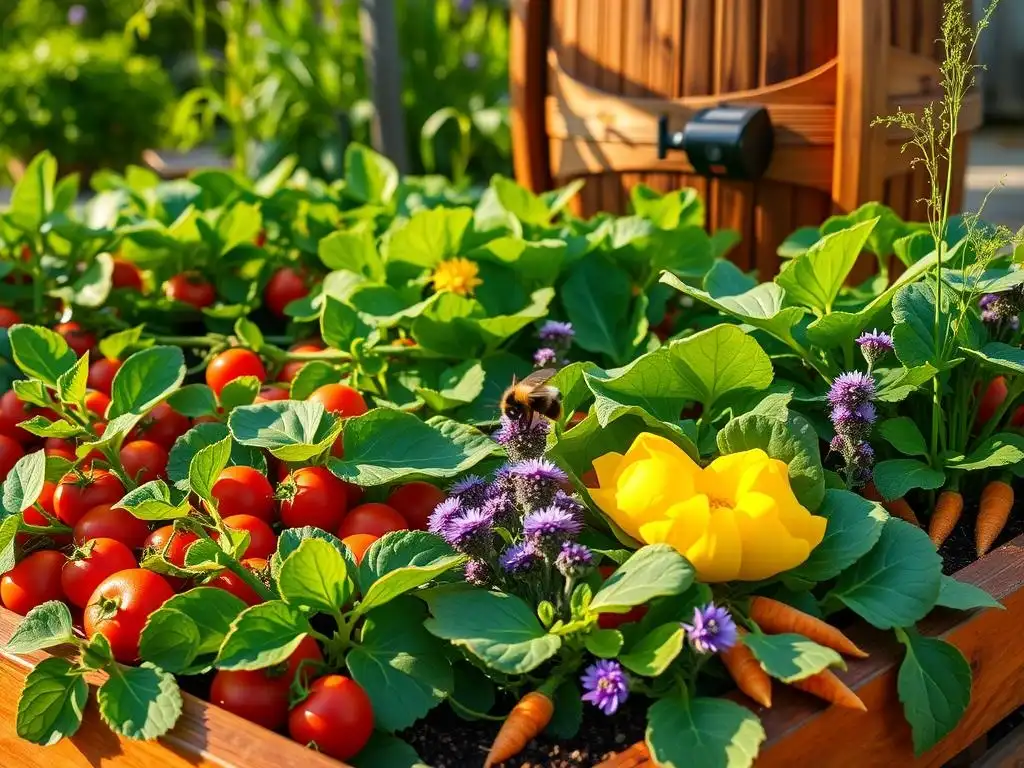
Welcome to CultivateYourFood, your guide to a thriving, eco-conscious garden! Are you ready to unlock the secrets of ecofriendly short season gardening? Discover how to maximize your harvest even with limited growing time, using sustainable techniques that nurture both your plants and the planet. Learn practical tips and tricks for planting, harvesting, and pest control – all while embracing organic practices. Let's cultivate a greener future, one delicious harvest at a time!
- Maximizing Your Short Growing Season: Eco-Friendly Strategies
- Eco-Friendly Pest and Disease Control in Short Seasons
- Sustainable Harvesting and Preservation for Short Season Produce
- Planning Your Eco-Friendly Short Season Garden
- Assessing Your Eco-Friendly Short Season Garden's Success
- Frequently Asked Questions
- Final Reflection: Cultivating a Greener Future, One Short Season at a Time
- Unlock Your Garden's Green Potential: Grow More, Sustainably!
Maximizing Your Short Growing Season: Eco-Friendly Strategies
Short growing seasons don't have to mean limited harvests! This guide explores sustainable and eco-friendly practices to maximize your yield in areas with shorter summers. We'll delve into techniques to optimize soil health, choose the right plant varieties, and extend your growing season using readily available and environmentally conscious methods.
By embracing these strategies, you can cultivate a thriving garden even in challenging climates, ensuring a bountiful harvest while minimizing your environmental impact. This approach to ecofriendly short season gardening allows you to enjoy fresh, homegrown produce regardless of your location, contributing to a more sustainable lifestyle. Let's get started on creating a flourishing, eco-conscious garden!
Soil Preparation for Efficient Growth in Short Seasons
Preparing your soil is paramount for success in short-season gardening. Healthy soil promotes vigorous growth, enabling your plants to make the most of the limited time available. This means going beyond simply tilling the land; it's about building a rich, nutrient-rich environment. Several key steps contribute to this:
- Composting: Start by incorporating ample compost into your soil. Compost adds vital nutrients, improves soil structure (enhancing drainage and aeration), and boosts beneficial microbial activity. Aim for at least 3-4 inches of well-rotted compost worked into the top layer of your garden beds. This organic amendment is crucial for ecofriendly gardening, reducing the need for chemical fertilizers.
- Soil Testing: Before planting, consider conducting a soil test to determine its pH and nutrient levels. This helps you tailor your soil amendments precisely, avoiding unnecessary additions and promoting efficient nutrient uptake by your plants. Knowing your soil's composition allows for a more targeted and sustainable approach to fertilization.
- Cover Cropping: If time allows before planting your main crops, consider planting a cover crop the previous fall or early spring. Cover crops like clover or rye help suppress weeds, improve soil structure, and add organic matter, leaving your soil healthier and better prepared for your short season crops. This practice minimizes soil erosion and enhances its fertility naturally.
- Mulching: After planting, apply a layer of mulch around your plants. Mulch helps retain soil moisture, suppress weeds, and regulate soil temperature, vital for short seasons where temperature fluctuations can be extreme. Organic mulches like straw or wood chips are excellent choices for ecofriendly gardening, breaking down slowly to further enrich the soil.
Selecting the Right Short-Season Varieties
Choosing the right plant varieties is crucial for maximizing your harvest in a short growing season. Focus on varieties specifically bred for quick maturation. These are often labeled as "early," "fast-growing," or "bush" types.
- Early Maturing Vegetables: Look for vegetable varieties with a short days-to-maturity listed on the seed packet or plant tag. Examples include bush beans, radishes, summer squash, and early-season tomatoes. These varieties will give you a harvest before the first frost.
- Fast-Growing Herbs: Many herbs also grow quickly and can be harvested multiple times throughout a short season. Consider planting basil, cilantro, dill, and chives. These provide fresh flavor and can be easily grown in containers or directly in the garden.
- Careful Consideration of your Climate: Consult local gardening resources or seed catalogs to determine which varieties are best suited to your specific microclimate and frost dates. This ensures you select plants that have the best chance of thriving in your short growing season.
Utilizing Cold Frames and Row Covers for Extended Seasons
Extending your growing season is key to maximizing yields in short-season climates. Cold frames and row covers are excellent eco-friendly tools for this purpose.
- Cold Frames: Cold frames provide a microclimate that protects plants from frost and extends the growing season both in spring and fall. They are relatively inexpensive to build or purchase, making them an accessible and sustainable option for many gardeners.
- Row Covers: Row covers are lightweight fabric coverings that protect plants from frost, wind, and some pests. They are easy to use and can be placed directly over rows of plants or individual plants, allowing for flexibility and targeted protection. These are especially helpful for extending the harvest of frost-sensitive crops.
- Season Extension Strategies: By utilizing cold frames and row covers strategically, you can effectively extend your growing season by several weeks, significantly increasing your overall harvest and extending the enjoyment of fresh, homegrown produce. This environmentally friendly approach allows you to maximize your garden's potential without relying on energy-intensive methods.
Water Conservation Techniques for Short Season Gardening
Efficient water management is crucial in short-season gardening, as plants need to mature quickly. Every drop counts when your growing window is limited. Implementing water conservation techniques not only saves water but also contributes to healthier plants and a more sustainable garden. Overwatering can lead to root rot, a significant problem for plants striving to reach maturity before the first frost. Conversely, underwatering stresses plants, hindering their growth and reducing yields. Finding the sweet spot is essential for success.
One highly effective method is drip irrigation. This targeted approach delivers water directly to the roots, minimizing evaporation and runoff. Unlike overhead watering, drip irrigation avoids wetting the foliage, reducing the risk of fungal diseases which thrive in damp conditions, a common issue in short-season climates where humidity can be high. Furthermore, drip irrigation systems can be automated, allowing for consistent watering even when you're away from your garden. This is particularly beneficial during crucial growth stages when consistent moisture is paramount.
Another excellent technique is the use of mulch. Organic mulches like straw, wood chips, or shredded leaves help retain soil moisture by reducing evaporation. A layer of mulch acts as an insulator, keeping the soil cooler in the sun and warmer at night, creating a more stable environment for root development. This is especially important in short seasons where temperature fluctuations can be extreme. The added benefit of mulch is its contribution to soil health, suppressing weeds and gradually enriching the soil as it decomposes.
Consider also employing water-wise plant selection. Opting for drought-tolerant varieties or those naturally suited to your climate will significantly reduce your water needs. Many vegetables and herbs are surprisingly resilient; research varieties bred for shorter growing seasons and drier conditions. This proactive approach minimizes water usage while still allowing you to enjoy a bountiful harvest. Remember to consult local gardening resources or nurseries for recommendations on suitable plants for your specific region and microclimate.
Finally, rainwater harvesting is a sustainable and eco-friendly solution. Collecting rainwater in barrels or other containers provides a free and readily available source of water for irrigation. This reduces reliance on municipal water supplies, conserving resources and lowering your carbon footprint. Rainwater is naturally soft and free of chemicals, making it ideal for nourishing your plants. Remember to filter the water to remove debris before using it for irrigation. The initial investment in a rainwater harvesting system pays off handsomely in the long run, both environmentally and financially.
Eco-Friendly Pest and Disease Control in Short Seasons
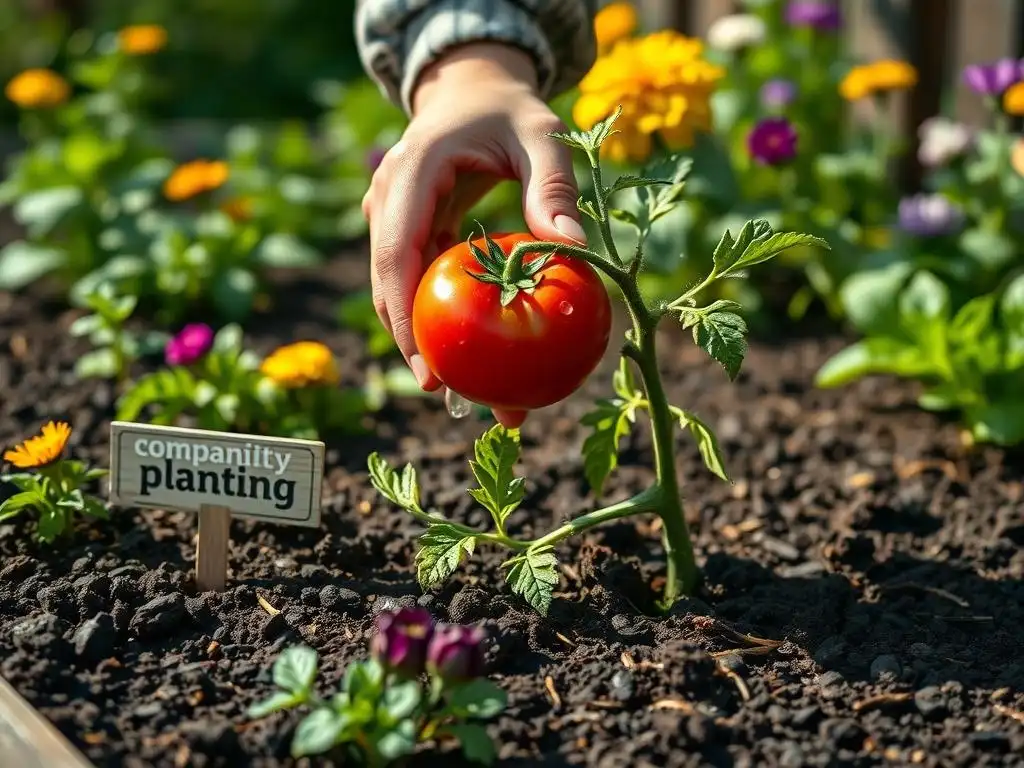
Short-season gardening presents unique challenges, especially when it comes to pest and disease management. The compressed growing period means less time for plants to recover from infestations or infections, making proactive and sustainable control methods crucial for a successful harvest. Traditional chemical pesticides, while effective, can harm beneficial insects, contaminate soil, and ultimately compromise the eco-friendly ethos of your garden. Therefore, embracing organic and natural approaches is paramount for eco-friendly short season gardening.
Natural Pest Control Methods for Short Season Crops
Effective pest management in short-season gardens relies heavily on preventative measures and timely interventions with natural solutions. Here are some key strategies:
- Companion Planting: Strategic placement of plants that repel pests can significantly reduce infestations. For example, planting marigolds alongside tomatoes helps deter tomato hornworms. Basil near peppers repels aphids and whiteflies. Researching companion planting combinations specific to your short-season crops is key. Experimentation and observation within your garden is crucial.
- Beneficial Insects: Encourage the presence of beneficial insects like ladybugs, lacewings, and praying mantises, which prey on many common garden pests. Providing habitat for these predators, such as leaving some areas of your garden slightly unkempt, will attract them naturally. Avoid broad-spectrum insecticides that could harm these allies.
- Physical Barriers: Row covers can protect seedlings from early-season pests like cutworms. Handpicking pests, especially in smaller gardens, can be surprisingly effective. Consider using sticky traps for flying insects like whiteflies.
- Organic Insecticidal Soaps: These soaps disrupt the cell membranes of soft-bodied insects, offering a safe and effective control method. Always follow label instructions carefully and apply as needed, focusing on pest-infested areas. Regular application may be necessary, especially during periods of high pest pressure.
Preventing Diseases in Short Season Gardens: Organic Solutions
Disease prevention is even more critical in short-season gardening due to the limited time for plant recovery. Focusing on building a strong and resilient plant foundation is paramount.
- Soil Health: Healthy soil is the cornerstone of disease resistance. Regular soil testing and amendment with compost and other organic matter improve soil structure, drainage, and nutrient availability, making plants less susceptible to disease. Avoid overwatering and ensure adequate spacing between plants for good air circulation.
- Seed Selection: Choose disease-resistant varieties adapted to your specific climate and short growing season. Seed companies often provide information on disease resistance, allowing you to make informed choices.
- Crop Rotation: Rotating your crops yearly helps to break disease cycles and reduce the build-up of pathogens in the soil. This simple practice is highly effective in preventing disease outbreaks.
- Sanitation: Remove and destroy infected plant material promptly to prevent the spread of diseases. Clean garden tools regularly to avoid transferring pathogens between plants. Maintaining a clean and tidy garden environment is vital.
Composting and Soil Enrichment for Healthy Plants
Healthy soil is the foundation of successful eco-friendly short season gardening, and composting plays a vital role. Composting enriches the soil with essential nutrients, improves its structure, and enhances water retention, all of which contribute to healthier, more resilient plants better equipped to withstand pests and diseases.
- Compost Tea: Brewing compost tea provides a liquid fertilizer rich in beneficial microbes that enhance plant health and disease resistance. This is a simple and effective way to boost your plants' immune systems. Specific instructions on brewing compost tea can be found in various gardening resources.
- Vermicomposting: Using worms to compost organic waste generates high-quality castings, which are exceptionally rich in nutrients and beneficial microbes. This method is particularly beneficial in smaller gardens.
- Cover Cropping: Planting cover crops during the off-season helps improve soil structure, add organic matter, and suppress weeds, ultimately reducing the need for chemical fertilizers and herbicides. Cover crops also help prevent soil erosion during the winter months. Choosing cover crops that are appropriate for your climate and soil type is essential.
The implementation of these eco-friendly strategies ensures a thriving and productive short-season garden while minimizing environmental impact, aligning perfectly with the principles of sustainable gardening. Remember, consistent observation and adaptation are key to mastering eco-friendly short season gardening techniques.
Sustainable Harvesting and Preservation for Short Season Produce
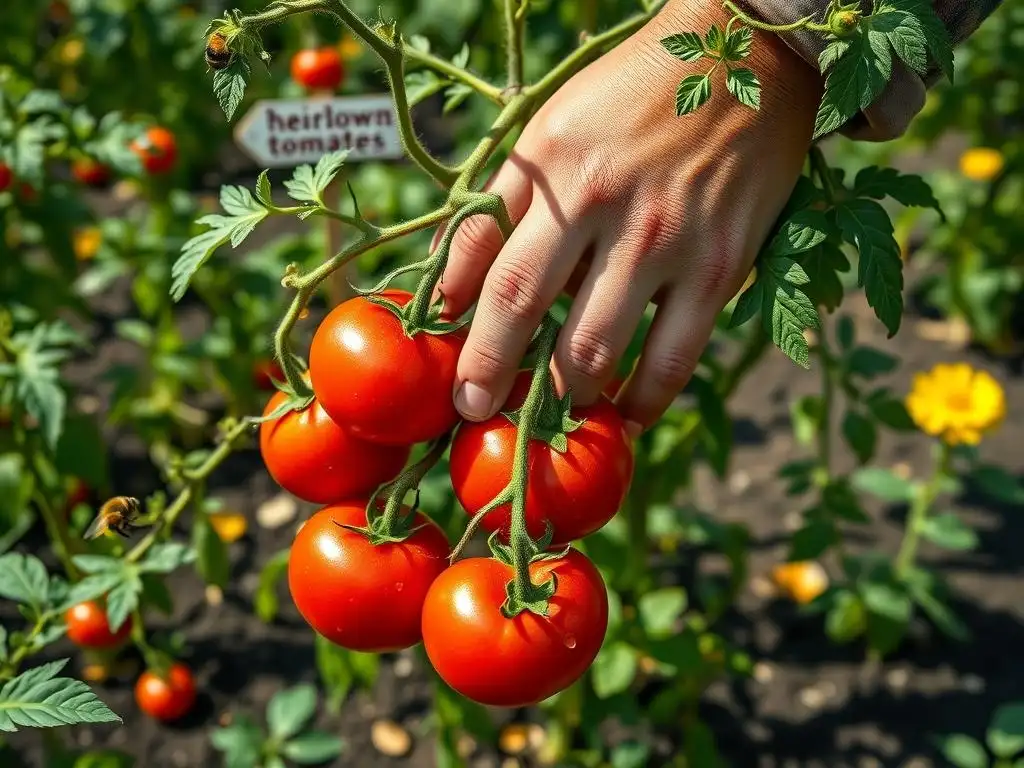
Short-season gardening presents unique challenges, demanding efficient and sustainable harvesting and preservation methods to maximize your yield and minimize waste. The limited growing window necessitates careful planning and execution to ensure you enjoy the fruits (and vegetables!) of your labor throughout the year. Ecofriendly short season gardening isn't just about planting; it's about a holistic approach that considers the entire lifecycle of your produce.
Timing Your Harvest for Optimal Flavor and Quality
Harvesting at the peak of ripeness is crucial for both flavor and nutritional value. This timing varies depending on the specific plant and prevailing weather conditions. For example, tomatoes should be harvested when they exhibit deep color and a slight give when gently squeezed. Similarly, peppers should be fully colored and firm.
However, certain greens like spinach and lettuce can be harvested multiple times, with successive cuts promoting new growth and extending the harvest period. Ignoring these optimal harvest times can lead to reduced flavor and nutritional content. Furthermore, waiting too long can result in overripe produce, which is more susceptible to spoilage and pest damage.
Consider keeping a detailed garden journal – a fantastic tool for ecofriendly short season gardening. Note down planting dates, estimated harvest times (based on seed packet information and your local climate), and actual harvest dates. Over time, this journal will become an invaluable resource, allowing you to fine-tune your planting schedule and harvest timing for future seasons. This detailed record-keeping is a key element of sustainable practices, ensuring you learn from past successes and challenges, improving yield and minimizing waste year after year.
Eco-Friendly Food Preservation Techniques for Short-Season Abundance
Preserving your harvest extends its usability beyond the short growing season. Several eco-friendly methods allow you to enjoy the bounty of your garden throughout the year. Canning, freezing, and dehydrating are all viable options, each with its own advantages and disadvantages.
- Canning: A traditional method ideal for preserving high-acid fruits and vegetables like tomatoes, jams, and pickles. It requires careful sterilization to ensure food safety. Glass jars are a reusable and sustainable option, reducing reliance on single-use plastics.
- Freezing: An excellent way to preserve many fruits and vegetables, maintaining their nutritional value and flavor. Blanching vegetables before freezing helps to deactivate enzymes that can lead to deterioration. Using reusable freezer bags instead of disposable plastic wrap further enhances the sustainability of this method.
- Dehydrating: Suitable for fruits, herbs, and some vegetables, dehydrating removes moisture, preventing spoilage. Dehydrated produce is lightweight, easy to store, and can be rehydrated when needed. This method minimizes waste and extends the shelf life of your produce considerably, a crucial aspect of ecofriendly short season gardening.
| Preservation Method | Suitable Produce | Advantages | Disadvantages | Sustainability Considerations |
|---|---|---|---|---|
| Canning | High-acid fruits & veggies | Long shelf life, retains flavor | Time-consuming, requires sterilization | Use reusable glass jars, avoid plastics |
| Freezing | Many fruits & vegetables | Preserves nutrients and flavor | Requires freezer space | Use reusable freezer bags |
| Dehydrating | Fruits, herbs, some veggies | Long shelf life, lightweight storage | Can alter texture | Air drying is the most sustainable option |
Reducing Food Waste from Short Season Gardening
Minimizing food waste is a cornerstone of sustainable gardening. Careful planning and efficient harvesting techniques are crucial. However, some produce inevitably becomes surplus. Composting is a fantastic solution, transforming food scraps into nutrient-rich soil amendment for your next season's planting. This closed-loop system reduces landfill waste and enriches your garden soil naturally, a key component of ecofriendly short season gardening.
Furthermore, consider donating excess produce to local food banks or community organizations; sharing your abundance benefits both your community and reduces your own waste. Accurate planning, mindful harvesting, and creative repurposing of excess produce are vital for a truly sustainable short-season gardening experience. Consider using surplus produce to make homemade jams, chutneys, or sauces, extending its lifespan and adding value to your harvest. Don't underestimate the power of a well-planned garden and a commitment to minimizing waste.
Planning Your Eco-Friendly Short Season Garden
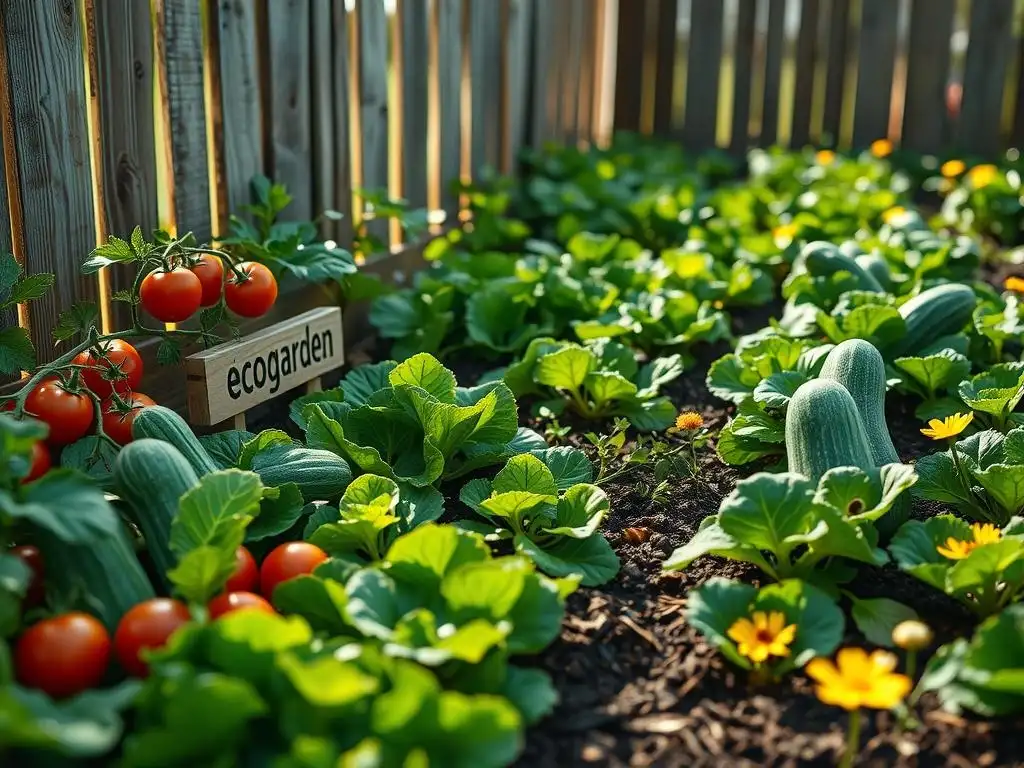
Creating a Sustainable Garden Plan for Short Seasons
Planning is paramount for successful eco-friendly short-season gardening. A well-structured plan maximizes yield and minimizes waste. Begin by assessing your frost dates. These mark the last expected frost in spring and the first in autumn, dictating your planting window. This window, often shorter than 100 days in many regions, necessitates careful selection of fast-growing, cold-hardy varieties.
Consider creating a detailed planting schedule. This schedule should account for the specific germination times and maturity dates of each chosen plant. For example, lettuce might have a shorter growing period than tomatoes, allowing for succession planting. This technique involves planting multiple crops sequentially in the same space throughout the growing season, optimizing space utilization and extending your harvest.
Utilize a garden journal or digital spreadsheet to track your progress. Record planting dates, germination rates, watering schedules, and any pest or disease issues encountered. This data will be invaluable in refining your strategy for the following year, contributing to a more efficient and sustainable gardening practice. Remember to factor in the needs of pollinators; plant flowers alongside your vegetables to attract beneficial insects 🐝.
Choosing the Right Location for Optimal Sunlight
Sunlight is crucial for short-season gardening. Plants need ample hours of sunlight daily to thrive and reach maturity before the first frost. Ideally, select a location that receives at least six to eight hours of direct sunlight per day. Observe your garden area throughout the day to identify the sunniest spots. Consider using a sun tracker app or a simple observation method to determine the most suitable location for your plants.
The orientation of your garden also plays a significant role. A south-facing garden (in the Northern Hemisphere) typically receives the most sunlight. However, factors like nearby buildings or trees can cast shadows, reducing the amount of sunlight your plants receive. Therefore, careful site selection is critical for maximizing the limited growing season. Even slight variations in sunlight exposure can significantly impact the yield, especially for sun-loving crops like peppers and tomatoes. Analyze your available space carefully and choose the location that provides the best balance of sunlight and protection from prevailing winds.
Utilizing Companion Planting for Enhanced Growth and Pest Control
Companion planting, a cornerstone of sustainable gardening, leverages the synergistic relationships between different plant species. By strategically planting certain plants together, you can improve growth, deter pests, and even attract beneficial insects. For example, basil is known to repel aphids and whiteflies, making it an excellent companion for tomatoes. Marigolds are also effective at repelling nematodes, improving soil health.
The benefits extend beyond pest control. Some plant combinations enhance nutrient uptake. Legumes, such as beans, fix nitrogen in the soil, benefiting neighboring plants. This natural fertilization reduces the need for synthetic fertilizers, aligning with eco-friendly practices. However, it’s crucial to research compatible plant pairings. Some plants may compete for resources or inhibit each other's growth. Careful planning and research are essential for successful companion planting.
Here's a simple table illustrating some beneficial companion plant pairings:
| Plant | Beneficial Companion | Detrimental Companion | Benefits |
|---|---|---|---|
| Tomatoes | Basil, carrots, parsley | Potatoes, fennel | Pest control, improved flavor |
| Lettuce | Radishes, carrots | Cabbage family | Increased growth, pest deterrence |
| Potatoes | Rosemary, beans, sunflowers | Tomatoes, broccoli | Pest control, improved yield |
Remember that successful eco-friendly short-season gardening requires careful planning, observation, and adaptation. By implementing these sustainable practices, you can maximize your harvest and create a thriving garden even within a limited growing season.
Assessing Your Eco-Friendly Short Season Garden's Success
This section focuses on evaluating the effectiveness of your eco-friendly short-season gardening efforts. Remember, sustainable gardening isn't just about growing food; it's about minimizing your environmental footprint while maximizing yield. A successful eco-friendly short season garden thrives on efficient resource use and minimal impact.
Measuring the Impact of Your Sustainable Practices
Quantifying the success of your sustainable practices provides valuable data for future gardening seasons. Consider these key performance indicators (KPIs):
- Yield per square foot: Track the amount of produce harvested from each square foot of your garden. This helps determine planting density effectiveness and overall productivity. For example, if you harvested 10 lbs of tomatoes from a 4 sq ft area, your yield is 2.5 lbs/sq ft. Compare this year's yield with previous years to see improvements. 📈
- Water usage: Monitor your water consumption throughout the growing season. Employing water-wise techniques like drip irrigation or rainwater harvesting should significantly reduce your water bill and ecological impact. Keep a log of how much water you use each week and compare it to previous years or to established water usage benchmarks for your region. 💧
- Pest and disease management: Note the instances of pest infestations or diseases. A successful eco-friendly garden relies heavily on preventative measures like companion planting and beneficial insects, minimizing the need for chemical pesticides. Document the types of pests encountered, their severity, and the methods you used to control them. Did your organic methods prove effective? If not, what adjustments are needed? 🐞
- Compost production: Measure the amount of compost generated. This indicates the effectiveness of your composting system in recycling organic waste and enriching your soil. A robust compost pile significantly reduces waste sent to landfills. Consider weighing your compost before and after the growing season to quantify the amount created. ♻️
- Soil health improvement: Assess soil quality using a soil test kit. Compare the results with previous years to gauge the impact of your composting and other soil-enriching practices. Look for improvements in organic matter content, nutrient levels, and overall soil structure. Healthy soil is the foundation of a thriving eco-friendly garden. 🌱
Adapting Your Strategies for Future Short Seasons
Analyzing the data gathered allows for informed adjustments to your gardening strategy for the next short season. For instance:
- Crop selection: If certain crops underperformed, consider replacing them with varieties better suited to your specific microclimate and short growing season. Research varieties known for their rapid growth and resilience.
- Planting schedule: Fine-tune your planting schedule based on the observed growth rates and harvest times. Starting seeds indoors earlier or employing succession planting can extend your harvest window.
- Water management: If water usage was higher than expected, investigate ways to improve water efficiency. Consider installing a more efficient irrigation system or employing drought-tolerant plant varieties.
- Pest and disease control: If pests or diseases were problematic, explore alternative organic control methods. Research beneficial insects, natural pesticides, or disease-resistant plant varieties.
- Soil improvement: Based on soil test results, adjust your composting and soil amendment strategies to optimize soil health and nutrient availability.
Sharing your experiences and knowledge with others is a vital component of promoting sustainable gardening practices. Consider these options:
- Local community garden groups: Join or start a local community garden group to share your successes, challenges, and best practices with fellow gardeners.
- Online forums and social media: Engage in online discussions and share your experiences and photos on social media platforms dedicated to sustainable gardening.
- Local workshops and presentations: Offer workshops or presentations at local community centers or libraries to educate others about eco-friendly short season gardening.
By documenting your successes and challenges, you contribute to the collective knowledge base of eco-friendly short season gardening, inspiring others to embrace sustainable practices and enjoy abundant harvests. Remember, the journey towards sustainable gardening is an ongoing process of learning, adapting, and sharing.
Frequently Asked Questions
What is "short season gardening"?
Short season gardening refers to growing crops within a limited growing season, typically in areas with shorter summers or cooler climates. It involves selecting fast-maturing varieties and employing techniques to maximize growth within the available time.
How can I make my short season garden more eco-friendly?
Focus on sustainable practices like using compost for soil enrichment, conserving water through efficient irrigation, and avoiding synthetic pesticides and fertilizers. Choose native plants adapted to your climate.
What are some suitable crops for short season gardening?
Radishes, lettuce, spinach, bush beans, zucchini, and many herbs are excellent choices for short seasons. Prioritize fast-growing varieties specifically bred for shorter growing periods.
How can I protect my plants from pests organically?
Employ natural pest control methods such as companion planting, introducing beneficial insects, and using homemade insecticidal sprays like neem oil. Avoid harmful chemical pesticides.
What role does composting play in eco-friendly short season gardening?
Composting is crucial! It provides nutrient-rich soil that promotes healthy plant growth, reduces reliance on external inputs, and minimizes waste. Homemade compost is the most eco-friendly option.
Final Reflection: Cultivating a Greener Future, One Short Season at a Time
The urgency of sustainable practices in gardening has never been clearer. Our planet's resources are finite, and the impact of conventional agriculture on the environment is undeniable. By embracing eco-friendly short-season gardening, we can actively participate in mitigating climate change and fostering a healthier ecosystem, one vibrant vegetable patch at a time.
The shift towards sustainable gardening isn't just about growing food; it's about cultivating a deeper connection with nature and our role within it. It's about recognizing the interconnectedness of all living things and understanding the profound impact our choices have on the world around us. The earth laughs in flowers.
– Ralph Waldo Emerson. This simple quote encapsulates the joy and responsibility inherent in nurturing life, and the beauty of a flourishing garden, grown sustainably, reflects that joy back to us. The practices discussed – from composting and water conservation to companion planting and pest control – are not merely techniques; they are expressions of our commitment to a more harmonious relationship with the natural world.
Now, consider your own garden, balcony, or even a single pot on a windowsill. What small changes can you implement to make your gardening practices more sustainable? Will you commit to composting your food scraps? Explore water-wise irrigation techniques? Perhaps you'll try your hand at companion planting or explore natural pest control methods. The journey towards sustainable gardening is a personal one, a continuous learning process filled with small victories and rewarding discoveries. Embrace the challenge, and let your garden become a testament to your commitment to a greener, more sustainable future.
Unlock Your Garden's Green Potential: Grow More, Sustainably!
Thank you for exploring the world of sustainable short-season gardening! You now possess the knowledge to cultivate a thriving, eco-friendly garden, even with a shorter growing season. Ready to put your expertise into practice?
- Start planning your sustainable garden today! Sketch out your planting layout, considering companion planting and efficient watering strategies. This is the first step towards a bountiful and environmentally conscious harvest.
- Share your gardening experiences! Connect with other passionate gardeners in our online community. Your successes and challenges can inspire others to adopt sustainable practices.
- Consider trying a new, eco-friendly gardening technique, such as starting seeds indoors under grow lights or exploring composting options.
What sustainable practice are you most excited to try in your garden this season? Let's discuss!