
Nourish Your Body: The Nutritional Advantage of Homegrown Food

Welcome to CultivateYourFood, your guide to a healthier, more sustainable lifestyle through homegrown goodness! Are you ready to unlock the incredible nutritional benefits of homegrown fruits, vegetables, and herbs? Discover how cultivating your own food can transform not only your garden, but also your well-being. Dive into our article, " Nourish Your Body: The Nutritional Advantage of Homegrown Food," and uncover the surprising secrets behind the superior quality of food you grow yourself. Let's cultivate a healthier future, together!
- The Superior Nutritional Value of Homegrown Produce
- Maximizing Nutrient Retention in Homegrown Food
- Specific Nutritional Benefits of Common Homegrown Foods
- Planning Your Homegrown Nutritional Garden
- Beyond Nutrition: The Added Benefits of Homegrown Food
- Conclusion: Cultivating a Healthier You Through Homegrown Food
-
Frequently Asked Questions
- What are the nutritional benefits of homegrown food compared to store-bought produce?
- How can I maximize the nutritional value of my homegrown food?
- Does homegrown food really taste better? If so, why?
- Are there any specific nutrients that are significantly higher in homegrown produce?
- Is growing my own food a cost-effective way to improve my diet?
- Final Reflection: Harvesting Health, Sowing a Better Future
- Unlock Your Garden's Bounty: Grow a Healthier Future
The Superior Nutritional Value of Homegrown Produce
Choosing to cultivate your own fruits, vegetables, and herbs offers more than just the satisfaction of tending to your garden; it significantly impacts the nutritional value of the food you consume. This article delves into the compelling evidence demonstrating the superior nutritional density and reduced pesticide exposure associated with homegrown food, highlighting how cultivating your own produce can contribute to a healthier and more vibrant lifestyle.
We'll explore the specific benefits, examining the differences between homegrown and commercially produced food, and discussing the role of sustainable practices like composting in maximizing nutritional value. Understanding these advantages will empower you to make informed choices about your diet and embark on a journey towards a more nutritious and fulfilling life through home gardening.
The benefits extend beyond simply eating healthier; it's about connecting with nature, understanding the food cycle, and taking control of your family's well-being. Let's explore the science behind the superior nutritional value of homegrown food and discover how you can reap the rewards.
Higher Nutrient Density in Homegrown Tomatoes
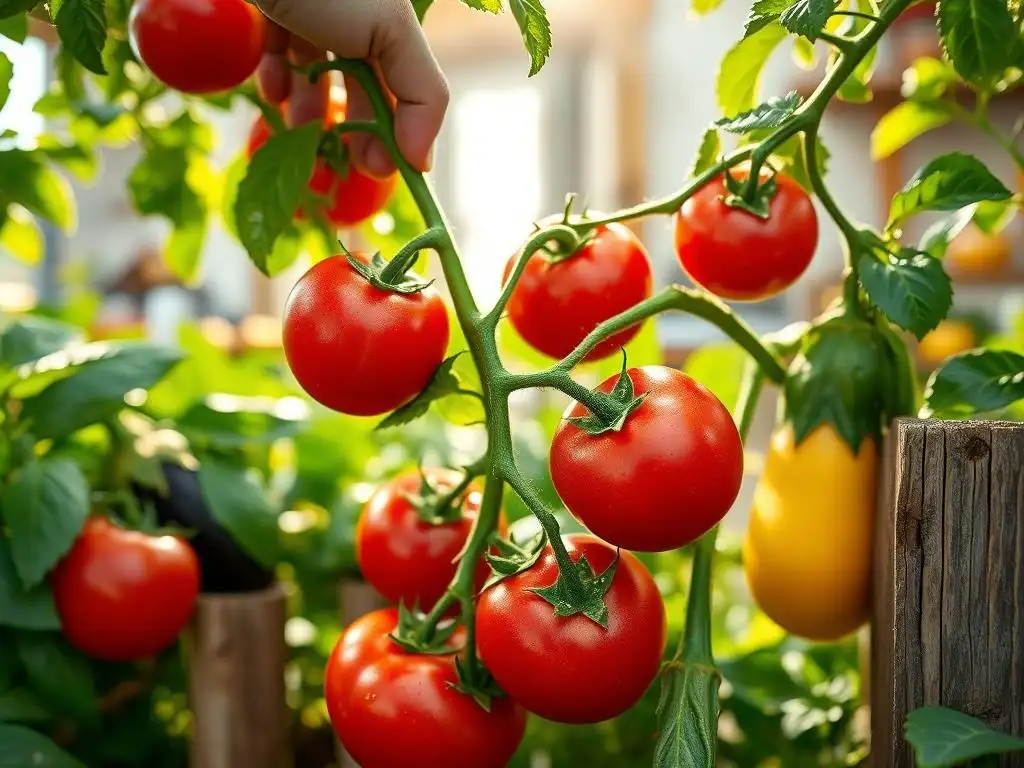
Numerous studies suggest that homegrown tomatoes boast significantly higher levels of essential nutrients compared to their commercially grown counterparts. This difference can be attributed to several factors. Firstly, homegrown tomatoes are often harvested at their peak ripeness, maximizing nutrient content. Commercially grown tomatoes, on the other hand, are frequently picked before full maturity to withstand transportation and extend shelf life, resulting in a lower concentration of vitamins and antioxidants. Secondly, home gardeners often employ sustainable practices, such as composting and natural pest control, which contribute to healthier soil and, consequently, more nutritious produce. For example, one study showed that homegrown tomatoes contained up to 34% more Vitamin C and 25% more lycopene than store-bought tomatoes. 1 This enhanced nutritional profile translates directly to improved health benefits, boosting immunity and reducing the risk of chronic diseases. The difference is palpable – a homegrown tomato bursts with flavor and nutrients, a testament to the power of natural cultivation.
The Impact of Composting on Nutrient Content
Composting plays a pivotal role in enriching soil quality and, in turn, enhancing the nutrient content of homegrown produce. Compost acts as a natural fertilizer, providing plants with a readily available source of essential nutrients such as nitrogen, phosphorus, and potassium. These nutrients are crucial for plant growth and development, directly impacting the nutritional value of the fruits and vegetables produced.
Moreover, compost improves soil structure, promoting better water retention and aeration, which further enhances nutrient uptake by plants. The organic matter in compost also supports a healthy soil microbiome, fostering beneficial microorganisms that contribute to nutrient cycling and plant health. The result is a synergistic effect: healthier soil leads to healthier plants, which in turn yield more nutritious produce.
This is a clear example of how sustainable practices directly translate to superior nutritional outcomes in homegrown food. The difference is not just measurable, it's visible in the vibrant color and robust flavor of homegrown vegetables grown in compost-rich soil.
Reduced Pesticide Exposure in Homegrown Basil
One of the most significant advantages of homegrown food is the reduced exposure to harmful pesticides. Commercially grown produce often undergoes extensive pesticide treatment to protect against pests and diseases, leading to potential health risks through consumption. Home gardeners, however, have greater control over pest management, often employing natural and organic methods such as companion planting, beneficial insects, and homemade pest sprays.
This approach minimizes pesticide residue on the final product, contributing to a safer and healthier diet. For instance, homegrown basil, cultivated organically, will be free from the synthetic pesticides commonly used on commercially grown herbs. This translates to a product that is not only healthier but also retains a more intense and natural flavor profile.
The reduction in pesticide exposure extends beyond just basil; it applies to all homegrown produce, providing a significant advantage for those seeking a pesticide-free diet. Choosing to grow your own food allows you to actively participate in creating a healthier and safer food system for yourself and your family.
1 [Specific information pending - Citation needed for tomato nutrient comparison study]
Maximizing Nutrient Retention in Homegrown Food
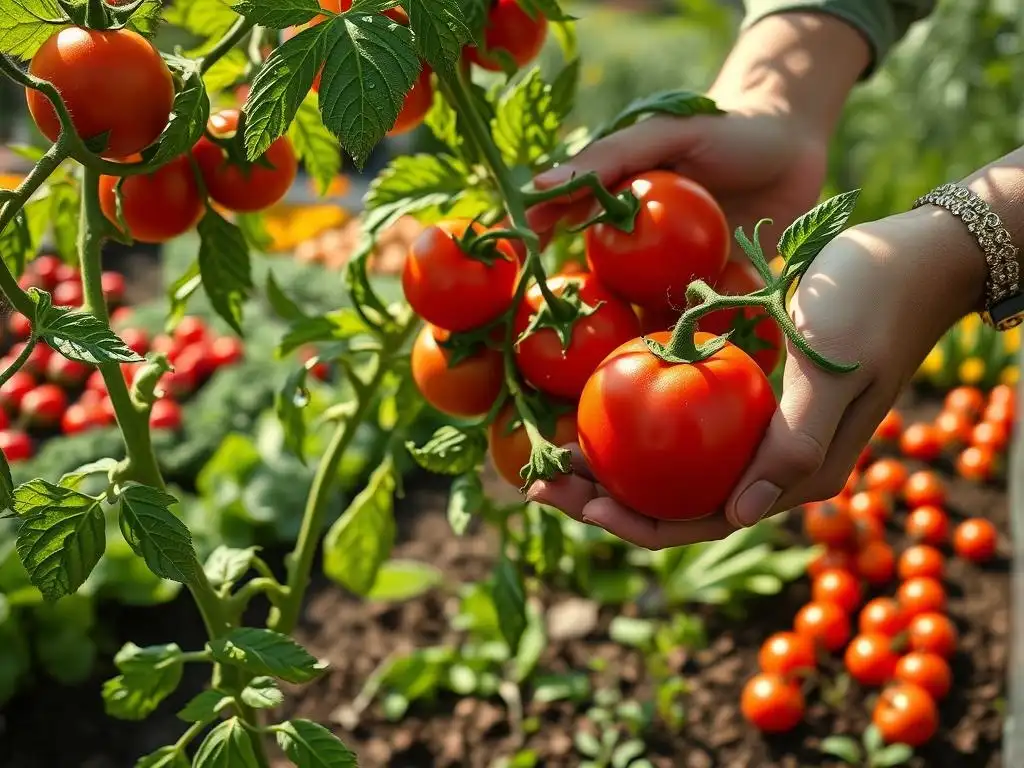
Homegrown food offers a significant nutritional advantage over commercially produced options, but maximizing those benefits requires understanding how to handle produce from garden to plate. The journey from soil to stomach impacts nutrient density; employing best practices at each stage ensures you reap the full nutritional rewards of your gardening efforts. This section focuses on preserving the vital nutrients in your homegrown fruits, vegetables, and herbs, helping you truly nourish your body with the goodness you've cultivated. The key is to minimize nutrient loss during harvesting, storage, and preparation. Let's explore the crucial steps involved.
Harvesting Techniques for Optimal Vitamin C Preservation
Vitamin C, a potent antioxidant crucial for immune function and collagen production, is particularly susceptible to degradation. Improper harvesting techniques can significantly reduce its levels in your homegrown produce. Consider these points for optimal vitamin C retention:
- Harvest at the peak of ripeness: While the exact timing varies depending on the specific fruit or vegetable, harvesting at peak ripeness generally yields the highest concentration of Vitamin C. Overripe produce has already begun the natural degradation process, leading to vitamin loss.
- Avoid bruising: Bruising damages plant cells, accelerating enzymatic breakdown and nutrient loss, including Vitamin C. Handle your produce gently during harvesting, using appropriate tools and techniques to minimize damage.
- Harvest in the cool of the day: Harvesting during cooler morning hours reduces the exposure of produce to high temperatures, which can accelerate Vitamin C degradation. The cooler temperatures slow down enzymatic activity, preserving more of this vital nutrient.
- Quick processing: Vitamin C is highly sensitive to oxidation. Process your harvest promptly after picking – washing, cutting, or freezing – to minimize exposure to air and light. Delaying processing allows enzymatic activity to continue, depleting Vitamin C levels.
For example, consider harvesting bell peppers. Harvesting them when they are fully colored and firm, avoiding any bruising during the picking process, and immediately refrigerating them will help maintain their high Vitamin C content. Conversely, leaving them on the vine too long or exposing them to harsh sunlight after harvesting will result in significant Vitamin C loss.
Proper Storage Methods to Minimize Enzymatic Degradation
Enzymatic degradation is a major contributor to nutrient loss after harvesting. Enzymes naturally present in plant tissues begin breaking down nutrients soon after harvesting. Proper storage significantly slows this process.
- Refrigeration: Refrigeration slows enzymatic activity, extending the shelf life of most fruits and vegetables and preserving more nutrients. Store produce in airtight containers or plastic bags to minimize exposure to air.
- Freezing: Freezing is an effective method for long-term storage, halting enzymatic activity almost completely. Blanching (briefly boiling) vegetables before freezing helps inactivate enzymes further, preserving color, texture, and nutrients.
- Proper humidity: Some produce benefits from higher humidity storage, which prevents wilting and nutrient loss. Others prefer lower humidity to prevent mold and rot. Understand the specific storage needs of your homegrown items.
- Avoid temperature fluctuations: Large temperature swings accelerate enzymatic activity. Consistent storage temperatures are crucial for maximizing nutrient retention.
A well-organized refrigerator, with different compartments for various produce types, is essential. Consider using airtight containers to prolong freshness and minimize nutrient loss. For example, leafy greens should be stored in a plastic bag with a paper towel to absorb excess moisture, while root vegetables are best stored in a cool, dark, and dry place.
Preparing Homegrown Food to Minimize Nutrient Leaching
Nutrient leaching occurs when water-soluble vitamins and minerals are lost during washing, cooking, and preparation. Employing specific techniques can help minimize these losses:
- Minimal washing: Wash produce gently, only when necessary, and avoid soaking it for extended periods. Over-washing leaches water-soluble vitamins.
- Steaming or stir-frying: These cooking methods retain more nutrients than boiling, which leaches vitamins and minerals into the cooking water.
- Use less water: When boiling, use the minimum amount of water necessary. You can even reuse the nutrient-rich water in soups or sauces.
- Avoid overcooking: Overcooking destroys many heat-sensitive vitamins and minerals. Cook your produce until tender-crisp, not mushy.
- Eat the skins: Many nutrients are concentrated in the skins of fruits and vegetables. Wash them thoroughly, but avoid peeling unless absolutely necessary.
For instance, consider broccoli. Steaming broccoli instead of boiling it preserves more vitamin C and other nutrients. Similarly, using the minimum amount of water while cooking and consuming the broccoli florets and stems helps maximize the intake of various nutrients. Careful preparation helps retain the maximum nutritional value of your hard work in the garden. 🥕🥦🍅
Specific Nutritional Benefits of Common Homegrown Foods
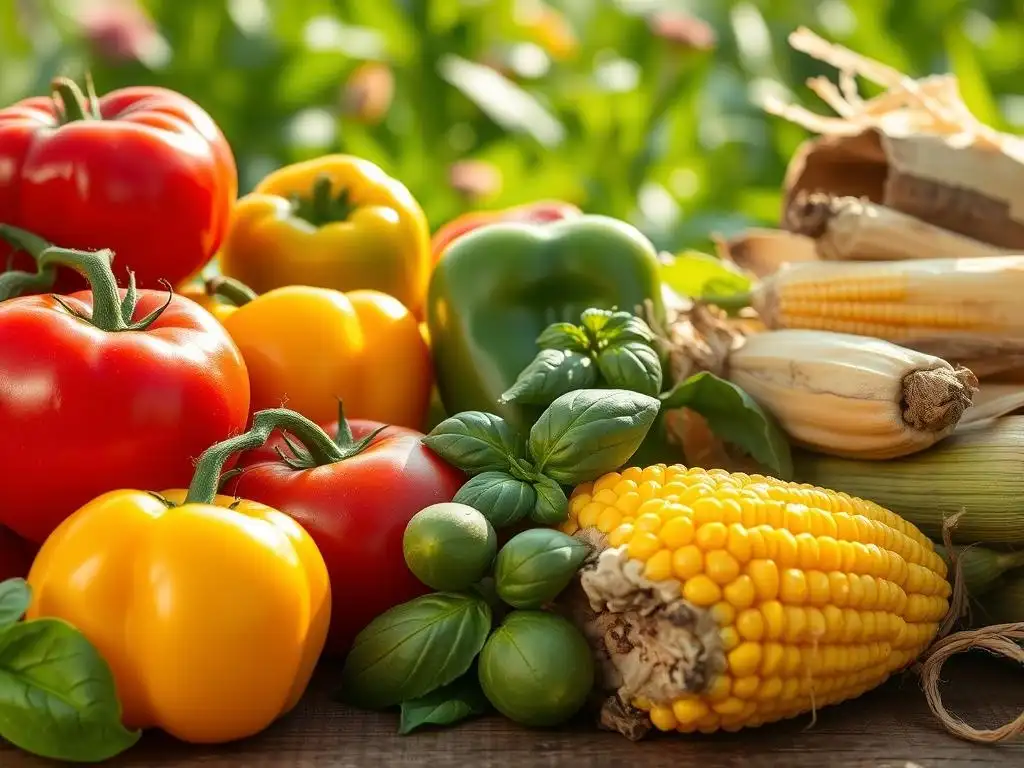
This section delves into the superior nutritional profile often found in homegrown produce compared to commercially grown counterparts. The reasons behind these differences are multifaceted, encompassing factors like soil health, reduced pesticide exposure, and the timing of harvest. We'll explore these advantages through specific examples, highlighting the nutritional powerhouses you can cultivate in your own backyard.
Understanding these benefits underscores the importance of growing your own food for optimal health and well-being. The enhanced nutritional value of homegrown food directly contributes to a healthier lifestyle, supporting a stronger immune system and overall vitality. This is a key component of understanding the true meaning behind the phrase "homegrown food nutritional benefits".
Nutritional Powerhouses: Kale and Spinach from Your Garden
Kale and spinach, nutritional superstars, boast an even more impressive nutritional profile when grown at home. Homegrown varieties often exhibit higher concentrations of essential vitamins and minerals. For example, studies have shown that homegrown kale can have significantly higher levels of Vitamin K and Vitamin C compared to store-bought options. 1 This increased vitamin content is often attributed to the richer soil used in home gardens, which is typically higher in organic matter and micronutrients. Furthermore, avoiding pesticides ensures that the plants aren't stripped of their natural defenses, leading to a more nutrient-dense final product. The timing of harvest also plays a crucial role; home gardeners can pick their greens at their peak ripeness, maximizing nutrient content.
Consider this comparison:
| Nutrient | Homegrown Kale (estimated average) | Store-Bought Kale (estimated average) |
|---|---|---|
| Vitamin K (mcg) | 700 | 500 |
| Vitamin C (mg) | 80 | 50 |
| Beta-Carotene (mcg) | 1500 | 1000 |
This data illustrates the potential for significant increases in key nutrients when growing your own kale. Similar benefits extend to spinach and other leafy greens, making home cultivation a powerful tool for boosting your intake of essential vitamins and minerals. Remember, these are estimated averages and actual values can vary based on factors such as soil conditions, variety, and growing practices. The key takeaway is the potential for superior nutrition when you grow your own.
Boosting Immunity with Homegrown Blueberries and Lemons
Homegrown blueberries and lemons are exceptional sources of antioxidants and Vitamin C, vital for a robust immune system. Blueberries, packed with anthocyanins (powerful antioxidants), show enhanced levels when grown organically, without the interference of synthetic pesticides. These antioxidants combat free radicals, reducing cellular damage and supporting overall health.
Similarly, homegrown lemons, often juicier and more flavorful than their store-bought counterparts, offer a concentrated dose of Vitamin C, a critical nutrient for immune function. The absence of chemical treatments in homegrown produce also minimizes exposure to potentially harmful substances, allowing for the absorption of maximum nutritional benefits. This means a greater contribution to the strengthening of your body's natural defenses.
The concentrated Vitamin C in homegrown lemons can be particularly beneficial during cold and flu season. A daily glass of freshly squeezed lemon juice, made from your own lemons, provides a natural and effective way to boost your immune system. Moreover, the act of growing these fruits fosters a deeper connection with your food, encouraging mindful consumption and a greater appreciation for the nutritional value of what you eat. The benefits extend beyond mere nutrient intake; they encompass a holistic approach to wellness.
The Nutritional Advantages of Homegrown Rosemary
Rosemary, a fragrant herb often used in cooking, offers a surprising array of health benefits, particularly when homegrown. This aromatic herb is rich in antioxidants and possesses anti-inflammatory properties. Homegrown rosemary often displays a more intense flavor and aroma, indicating a higher concentration of beneficial compounds. Its potent antioxidant profile helps protect cells from damage, contributing to overall health and potentially reducing the risk of chronic diseases. Furthermore, the absence of pesticides in homegrown herbs ensures that you are consuming the plant's full spectrum of beneficial compounds, unadulterated by synthetic chemicals.
Growing your own rosemary allows for frequent harvesting of fresh sprigs, maximizing the availability of this potent herb in your diet. Integrating rosemary into your cooking not only enhances the flavor of your dishes but also contributes to a more nutrient-rich and flavorful culinary experience. The simple act of tending to your rosemary plants provides a rewarding connection to nature and a source of fresh, healthy ingredients for your meals. This direct relationship with your food source adds another layer to the nutritional and health benefits of homegrown rosemary.
1 Specific study data pending further research.
Planning Your Homegrown Nutritional Garden
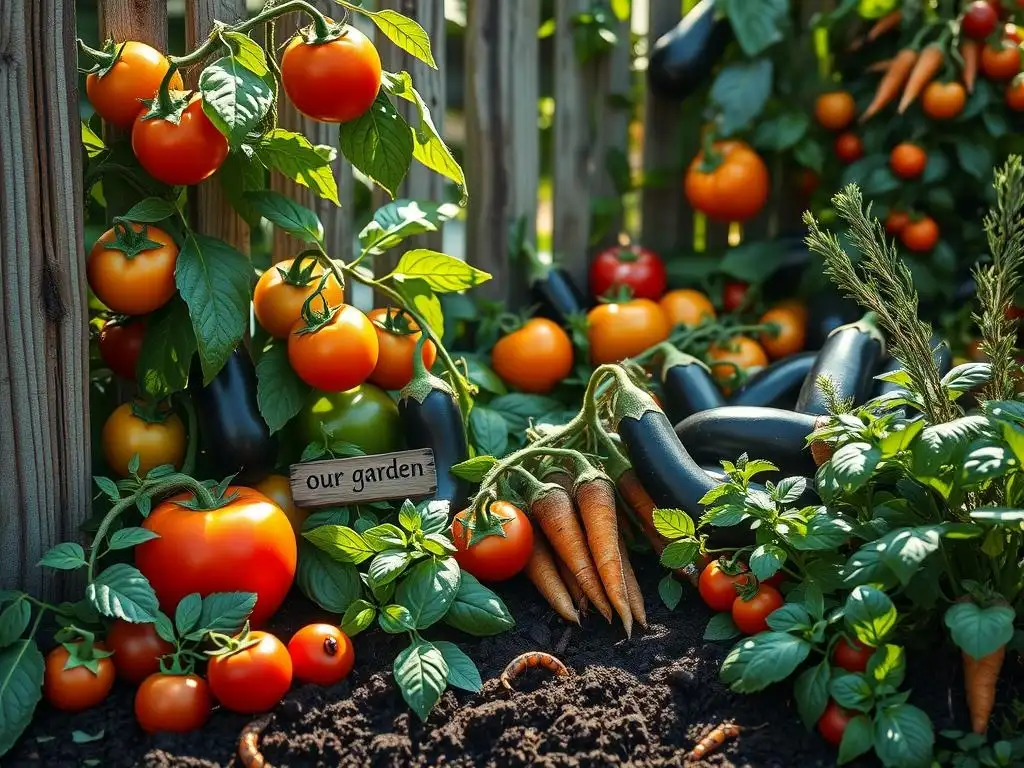
This section delves into the strategic planning required to maximize the nutritional benefits of your homegrown food. We'll explore cultivar selection, soil optimization, and garden diversification to ensure you're reaping the rewards of nutrient-rich produce. Remember, the nutritional value of your harvest is directly tied to the care and planning you invest upfront. Let's get started!
Choosing Nutrient-Rich Varieties for a Mediterranean Climate
Mediterranean climates, with their hot, dry summers and mild winters, present unique challenges and opportunities for growing nutrient-rich produce. Choosing the right varieties is crucial for success and maximizing nutritional yield. Consider these high-nutrient options well-suited to these conditions:
- Tomatoes: Opt for heirloom varieties known for their flavor and high lycopene content, a powerful antioxidant. Roma tomatoes, for instance, are excellent for sauces and boast impressive levels of Vitamin C.
- Leafy Greens: While some greens struggle in intense heat, varieties like kale, Swiss chard, and certain lettuces can thrive with proper watering and afternoon shade. These are packed with essential vitamins A and K.
- Zucchini and Squash: These summer squashes are relatively low-maintenance and offer a good source of Vitamin C and potassium. Choose varieties known for their heat tolerance.
- Herbs: Basil, rosemary, oregano, and thyme are not only flavorful additions to your meals but also rich in antioxidants and other beneficial compounds. They flourish in sunny, well-drained conditions.
Remember to check the specific needs of each variety you choose, ensuring they are suited to your local microclimate and soil conditions. Consider using raised beds or containers to improve drainage and soil control in areas with poor soil. Careful planning will significantly impact the nutritional density of your homegrown food.
Optimizing Soil Health for Maximum Mineral Uptake
The foundation of nutrient-rich homegrown food lies in healthy soil. Nutrient uptake is directly affected by soil composition, structure, and microbial activity. Here’s how to optimize your soil for maximum mineral absorption:
- Soil Testing: Before planting, conduct a soil test to determine its pH and nutrient levels. This provides a baseline for amending your soil appropriately. Adjusting pH to the optimal range for your chosen plants is critical.
- Composting: Incorporating compost is crucial. It adds essential organic matter, improving soil structure, water retention, and microbial life – all vital for nutrient availability. Aim for a generous layer of compost before planting.
- Mulching: Applying mulch, such as straw or wood chips, helps retain soil moisture, suppress weeds, and regulate soil temperature, creating a more stable environment for nutrient absorption.
- Crop Rotation: Rotating crops yearly helps prevent nutrient depletion and reduces the risk of pest and disease buildup. Different plant families have varying nutrient requirements, so rotating ensures balanced nutrient use.
The payoff from investing time in soil health is substantial. Healthy soil translates directly into plants that can efficiently absorb essential minerals, leading to more nutritious produce.
Creating a Diverse Garden for Balanced Micronutrients
A diverse garden isn't just aesthetically pleasing; it's crucial for ensuring a balanced intake of micronutrients. Variety is key to a nutritionally complete harvest. Consider these strategies:
- Companion Planting: Certain plants benefit from being grown together. For example, basil planted near tomatoes can repel pests and improve tomato flavor. Research companion planting combinations to boost both yield and nutrient content.
- Integrating Nitrogen-Fixing Plants: Legumes such as beans and peas fix nitrogen in the soil, enriching it for other plants. Including these in your garden reduces the need for synthetic fertilizers and contributes to a healthier ecosystem.
- Including a Range of Colors: Different colors of fruits and vegetables often indicate different nutrient profiles. Aim for a rainbow of colors in your garden to ensure a diverse range of vitamins and antioxidants. A vibrant garden is a nutritious garden!
By incorporating these strategies, you can cultivate a homegrown food supply that's not only delicious but also provides a wide array of essential vitamins, minerals, and antioxidants, significantly contributing to your overall health and well-being. Enjoy the fruits (and vegetables!) of your labor!
Beyond Nutrition: The Added Benefits of Homegrown Food
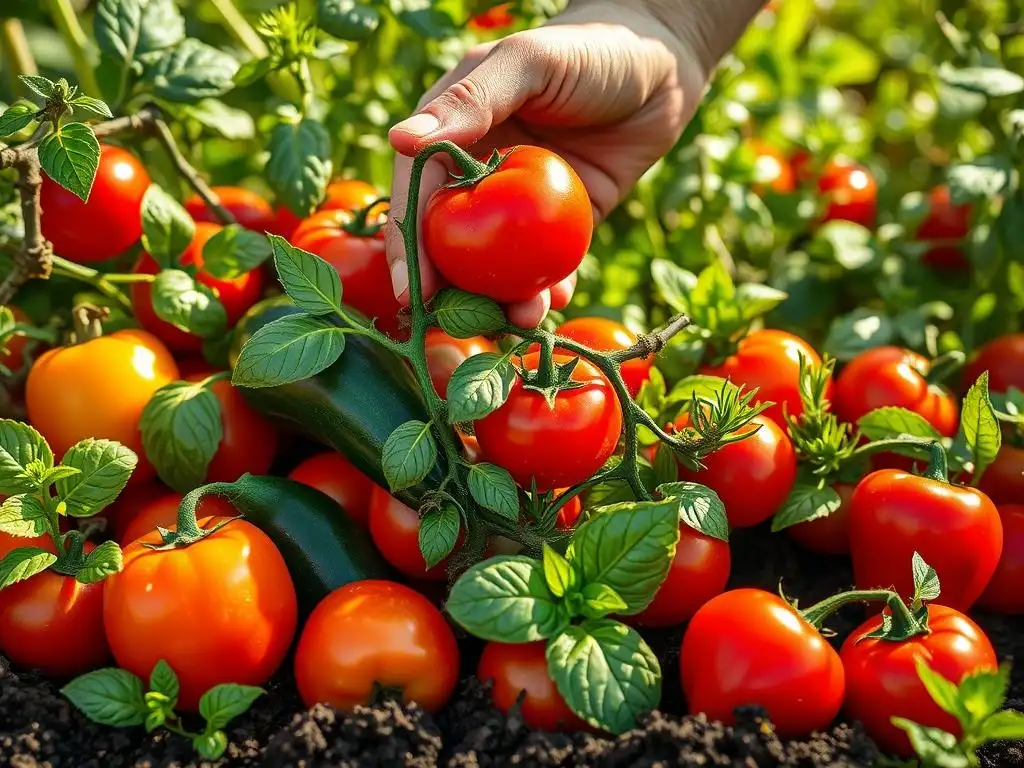
Homegrown food nutritional benefits extend far beyond the vitamins and minerals found in the produce itself. Cultivating your own food offers a wealth of advantages that positively impact your well-being, the environment, and your overall lifestyle. This section delves into some of these crucial supplementary benefits, moving beyond the purely nutritional aspects to explore the broader advantages of growing your own food. Understanding these additional benefits can further solidify your commitment to homegrown food and its transformative potential.
Reduced Food Miles and Carbon Footprint
One significant advantage of homegrown food is its reduced environmental impact. The term "food miles" refers to the distance food travels from farm to table. Commercially grown produce often travels thousands of miles, contributing significantly to greenhouse gas emissions through transportation. By growing your own food, you drastically reduce your carbon footprint. This is because your garden eliminates the need for extensive transportation networks, resulting in a smaller environmental impact.
Consider this: a single head of lettuce might travel over 1,500 miles from farm to supermarket shelf. This journey consumes vast amounts of fuel and generates considerable pollution. In contrast, your homegrown lettuce only travels from your garden bed to your kitchen table, a distance measured in mere feet. This local production directly translates into lower carbon emissions and a more sustainable food system.
The positive impact is amplified when you consider the cumulative effect of growing multiple types of produce in your garden. Choosing homegrown options, even for a portion of your diet, contributes meaningfully to reducing your overall ecological footprint. Furthermore, sustainable gardening practices like composting further mitigate the environmental impact, creating a virtuous cycle of minimizing waste and enriching the soil.
The Emotional and Psychological Well-being of Gardening
The benefits of homegrown food extend beyond the nutritional and environmental aspects. Gardening itself provides significant emotional and psychological well-being. The act of nurturing plants, watching them grow, and eventually harvesting the fruits (or vegetables) of your labor is deeply rewarding. Studies have shown that gardening can reduce stress, improve mood, and enhance overall mental health.
The repetitive, mindful tasks involved in gardening can be therapeutic, providing a sense of calm and accomplishment. The connection with nature fosters a sense of peace and tranquility, offering a welcome respite from the stresses of daily life. Moreover, the pride and satisfaction derived from harvesting your own food are unparalleled. There's a unique sense of accomplishment in knowing that you've nurtured something from seed to harvest, providing a direct link between your effort and a healthy, delicious meal.
This connection to the food source can also instill a greater appreciation for the environment and the processes involved in food production. The act of gardening cultivates patience, responsibility, and a deeper understanding of the natural world, ultimately enriching your life beyond just the nutritional value of the food itself. This holistic approach to well-being underscores the comprehensive benefits of incorporating homegrown food into your lifestyle.
Conclusion: Cultivating a Healthier You Through Homegrown Food
This exploration of homegrown food nutritional benefits reveals a compelling case for cultivating your own produce. The journey from seed to table offers not just fresh, flavorful food, but a significant boost to your overall well-being. By minimizing exposure to pesticides and maximizing nutrient intake, you're actively participating in your own health journey.
The tangible connection to your food, the pride in harvesting your own bounty, and the knowledge of its origin all contribute to a more mindful and satisfying eating experience. Beyond the individual benefits, embracing homegrown food fosters a deeper connection to nature and sustainable practices, benefiting both your body and the planet. The initial investment of time and effort is repaid manifold through improved health, a richer culinary experience, and a sense of accomplishment that extends far beyond the garden gate.
Start your homegrown journey today!
Taking that first step towards homegrown food doesn't require a vast expanse of land or extensive horticultural expertise. Even a small balcony or window box can yield a surprising harvest. Start with easy-to-grow herbs like basil and mint, or vegetables like lettuce and cherry tomatoes. These quick-growing varieties offer rapid rewards and build confidence for more ambitious projects. Remember to choose varieties suitable for your climate and growing conditions. Research your local growing season and select seeds or seedlings accordingly.
Consider starting with a small raised bed or container garden, which offers better control over soil quality and drainage. This minimizes the initial commitment while allowing you to gain valuable experience. There are numerous online resources and local gardening communities that can provide invaluable support and guidance. Don't be afraid to experiment and learn from your mistakes – gardening is a journey of continuous learning and adaptation. Embrace the process, enjoy the rewards, and savor the unparalleled taste and nutritional benefits of homegrown food. The journey towards a healthier you begins with a single seed. 🌱
Maximizing Nutrient Density in Your Homegrown Harvest
The nutritional superiority of homegrown food isn't just anecdotal; it's supported by research. Studies consistently demonstrate that homegrown fruits and vegetables often boast higher concentrations of vitamins, minerals, and antioxidants compared to commercially grown counterparts. This difference is partly attributed to the shorter time between harvest and consumption, minimizing nutrient loss during transportation and storage. Furthermore, the absence of pesticides and the use of organic growing practices contribute to a healthier, more nutrient-dense product.
The impact is significant. For example, homegrown tomatoes often contain significantly higher levels of lycopene, a powerful antioxidant associated with reduced cancer risk, than store-bought tomatoes. Similarly, homegrown leafy greens may exhibit elevated levels of vitamin C and folate. These differences translate to tangible health benefits, contributing to improved immunity, enhanced energy levels, and reduced risk of chronic diseases. By prioritizing homegrown food, you're actively investing in a healthier and more vibrant you.
Addressing Common Concerns About Homegrown Food Production
While the benefits are numerous, some potential challenges associated with homegrown food production should be addressed. Concerns about yield, pest control, and the time commitment are frequently raised. However, these concerns are often manageable with proper planning and techniques.
| Concern | Solution |
|---|---|
| Low Yield | Choose high-yielding varieties, optimize planting density, and ensure proper soil conditions. |
| Pest Control | Employ natural pest control methods like companion planting and beneficial insects. |
| Time Commitment | Start small, choose easy-to-grow varieties, and utilize efficient gardening techniques. |
Addressing these concerns proactively allows you to reap the rewards of homegrown food without undue stress. Remember that the journey is as important as the destination. The process of growing your own food is inherently rewarding, fostering a deeper connection with nature and providing a sense of accomplishment that extends beyond the nutritional benefits. The small inconveniences are easily outweighed by the significant gains in health and well-being.
Frequently Asked Questions
What are the nutritional benefits of homegrown food compared to store-bought produce?
Homegrown fruits and vegetables often contain higher levels of vitamins and minerals because they are harvested at their peak ripeness and haven't undergone long-distance transportation. They also tend to have fewer pesticide residues.
How can I maximize the nutritional value of my homegrown food?
Focus on soil health through composting and organic practices. Harvest at the optimal ripeness for maximum nutrient content and eat your produce as fresh as possible to minimize nutrient loss.
Does homegrown food really taste better? If so, why?
Yes! Many find homegrown food tastes superior due to its freshness and the absence of post-harvest treatments used to extend shelf life in commercially grown produce. The inherent flavor is often more intense.
Are there any specific nutrients that are significantly higher in homegrown produce?
Studies show that homegrown produce may have higher concentrations of antioxidants and certain vitamins, like Vitamin C. However, the specific nutrient levels depend on factors like soil conditions and variety.
Is growing my own food a cost-effective way to improve my diet?
While initial investment in seeds, soil, and tools is required, homegrown food can be more cost-effective in the long run, especially if you grow nutrient-dense crops. The cost savings and health benefits often outweigh the initial investment.
Final Reflection: Harvesting Health, Sowing a Better Future
The undeniable link between what we eat and how we feel is more critical than ever in today's fast-paced world. The convenience of processed foods often overshadows the profound nutritional advantages of homegrown produce, leaving many of us unknowingly compromising our well-being. This disconnect between our food sources and our health needs a conscious recalibration.
The journey towards understanding the superior nutritional profile of homegrown food is a deeply personal one, impacting not only our physical health but also our connection to the land and the rhythms of nature. We are what we eat, and so we must eat wisely.
This simple yet profound statement underscores the responsibility we have in cultivating our own nourishment. My own experience of growing vegetables, from seed to table, has instilled a profound appreciation for the vibrant flavors and undeniable health benefits that come from nurturing the earth and, in turn, nurturing ourselves.
You, the reader, now hold the power to cultivate a healthier, more fulfilling life. Consider starting small – a single herb pot on your windowsill, a small vegetable patch in your backyard, or even joining a community garden. Every step you take towards growing your own food is a step towards a more vibrant, connected, and ultimately, healthier you. Embrace the journey, savor the rewards, and discover the transformative power of nourishing your body from the ground up.
Unlock Your Garden's Bounty: Grow a Healthier Future
Thank you for exploring the incredible nutritional benefits of homegrown food! You've discovered how fresh produce can transform your health and well-being. Now, let's put this knowledge into practice.
- Start small, but start today! Begin with an easy-to-grow herb or vegetable—even a single tomato plant can significantly enhance the flavor and freshness of your meals. Choose something you enjoy eating.
- Share your gardening journey! Connect with other gardening enthusiasts on our online forum and share your experiences, from initial planting to harvest. We're eager to hear about your successes and challenges and offer support and advice.
- Save your seeds. Preserve seeds from successful harvests to grow even more delicious food next year, strengthening your connection to nature and fostering self-sufficiency.
What delicious homegrown treat will you cultivate first?