
Epsom Salt: The Magnesium Miracle for Your Veggies

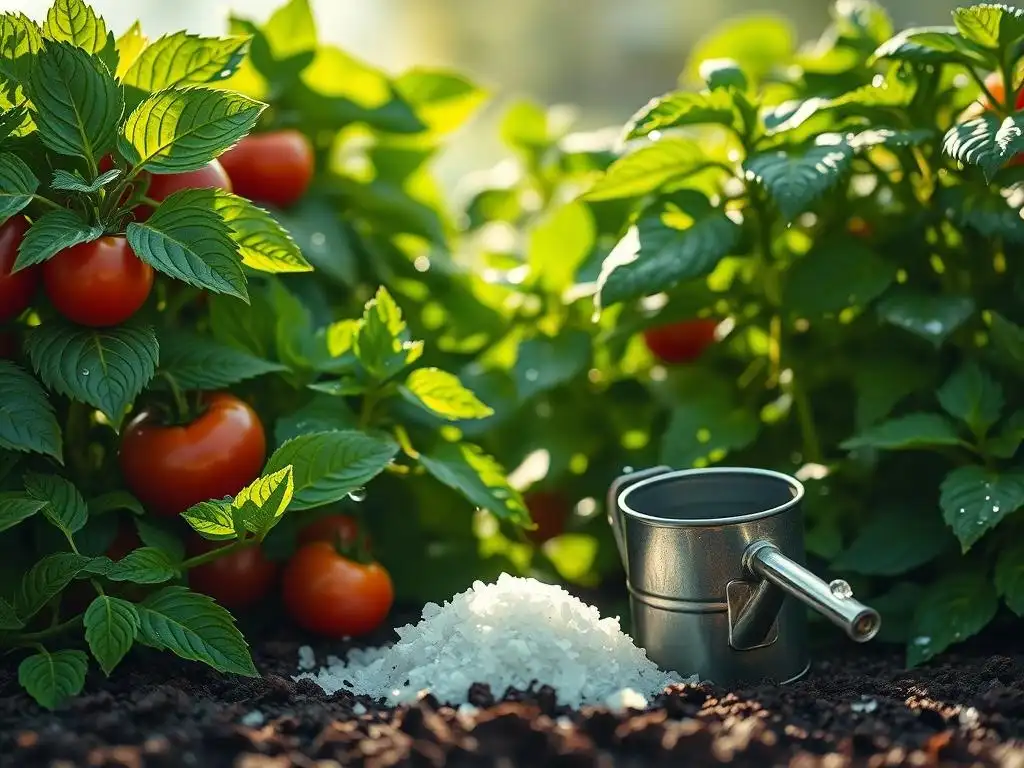
Unlock the secrets to a bountiful, organic harvest! At CultivateYourFood, we empower you to grow your own vibrant fruits, vegetables, and herbs. Discover the surprising power of nature's resources, starting with our in-depth exploration of Epsom salt benefits vegetable plants. Learn how this simple ingredient can transform your garden and yield healthier, more robust crops – a revelation that will change the way you cultivate your food forever. Ready to unearth the full potential of your garden? Let's begin!
- Understanding Epsom Salt Benefits for Vegetable Plants
- Applying Epsom Salt to Your Vegetable Garden
- Epsom Salt Benefits for Specific Vegetables
- Epsom Salt: A Sustainable and Organic Soil Amendment
- Potential Drawbacks and Precautions
-
Frequently Asked Questions
- What are the benefits of using Epsom salt on vegetable plants?
- How much Epsom salt should I use on my vegetable plants?
- When is the best time to apply Epsom salt to my vegetables?
- Can I use Epsom salt on all types of vegetable plants?
- Are there any potential downsides to using Epsom salt on vegetables?
- Final Reflection: Cultivating Healthier Harvests with Epsom Salt
- Unlock Your Plants' Full Potential: Magnesium-Rich Growth Awaits!
Understanding Epsom Salt Benefits for Vegetable Plants
Epsom salt, far from being just a bathtime relaxant, holds a surprising secret: it's a potent ally in your organic gardening arsenal. This article delves into the remarkable benefits of Epsom salt for vegetable plants, exploring its composition, how it addresses magnesium deficiencies, and its overall contribution to robust, healthy growth.
We'll uncover why Epsom salt is increasingly recognized as a valuable, sustainable soil amendment, helping you cultivate thriving vegetables using organic and environmentally friendly methods. Learning to leverage this readily available resource can significantly boost your harvest and contribute to a more sustainable gardening practice, ultimately improving the quality and yield of your homegrown produce.
Understanding how to use Epsom salt effectively will empower you to cultivate healthier, more vigorous plants, leading to abundant and flavorful harvests. This guide provides practical advice and insights into maximizing the benefits of Epsom salt for your vegetable garden, aligning perfectly with the principles of sustainable and organic gardening.
What is Epsom Salt and its Composition?
Epsom salt, chemically known as magnesium sulfate (MgSO₄), is a naturally occurring mineral compound. Unlike table salt (sodium chloride), Epsom salt is comprised of magnesium and sulfate, both essential nutrients for plant health. It's not a fertilizer in the traditional sense, as it doesn't provide nitrogen, phosphorus, or potassium (the primary macronutrients). However, its unique composition makes it a valuable supplement, particularly when addressing magnesium deficiencies.
The magnesium in Epsom salt is readily absorbed by plant roots, contributing directly to various crucial plant functions. The sulfate component also plays a vital role, aiding in the synthesis of chlorophyll and improving nutrient uptake. It's important to note that Epsom salt is different from other types of salts and should be used specifically as a soil amendment for its magnesium and sulfate contribution. Using the correct amount is crucial; over-application can lead to negative consequences.
Magnesium Deficiency in Vegetables: Recognizing the Symptoms
Magnesium is a crucial element for chlorophyll production, the vital pigment responsible for photosynthesis. A magnesium deficiency, therefore, directly impacts a plant's ability to produce energy and grow. Recognizing the symptoms of magnesium deficiency is key to timely intervention. Common signs include:
- Yellowing between leaf veins (interveinal chlorosis): This is often the first visible sign, starting with older leaves and progressing upwards. The leaf margins may remain green initially.
- Leaf curling and distortion: As the deficiency worsens, leaves may become curled, brittle, and distorted.
- Reduced growth and yield: Without sufficient magnesium, plants struggle to photosynthesize effectively, leading to stunted growth and reduced fruit or vegetable production.
- Premature leaf drop: Severe deficiencies can result in premature leaf shedding, further weakening the plant.
The severity of symptoms varies depending on the plant species and the extent of the deficiency. Early detection and prompt treatment with Epsom salt can often reverse the negative effects. Regular soil testing can help prevent deficiencies before they become visible.
How Magnesium Supports Healthy Plant Growth
Magnesium's role extends far beyond chlorophyll production. It acts as a cofactor in numerous enzymatic reactions essential for plant metabolism. This includes:
- Enzyme activation: Magnesium is crucial for activating various enzymes involved in photosynthesis, respiration, and protein synthesis. These processes are fundamental to plant growth and overall health.
- Nutrient uptake: Magnesium enhances the uptake of other essential nutrients, ensuring balanced nutrition.
- Seed production: Adequate magnesium levels are crucial for healthy seed production and germination.
- Improved fruit and vegetable quality: Plants with sufficient magnesium tend to produce larger, healthier fruits and vegetables with improved flavor and nutritional value. This translates directly to a more bountiful and higher-quality harvest.
By supplementing with Epsom salt, you provide a readily available source of magnesium, directly addressing deficiencies and bolstering the overall health and productivity of your vegetable plants. Remember to always follow recommended application rates to avoid potential issues. Using Epsom salt responsibly contributes to a sustainable and effective organic gardening practice.
Applying Epsom Salt to Your Vegetable Garden
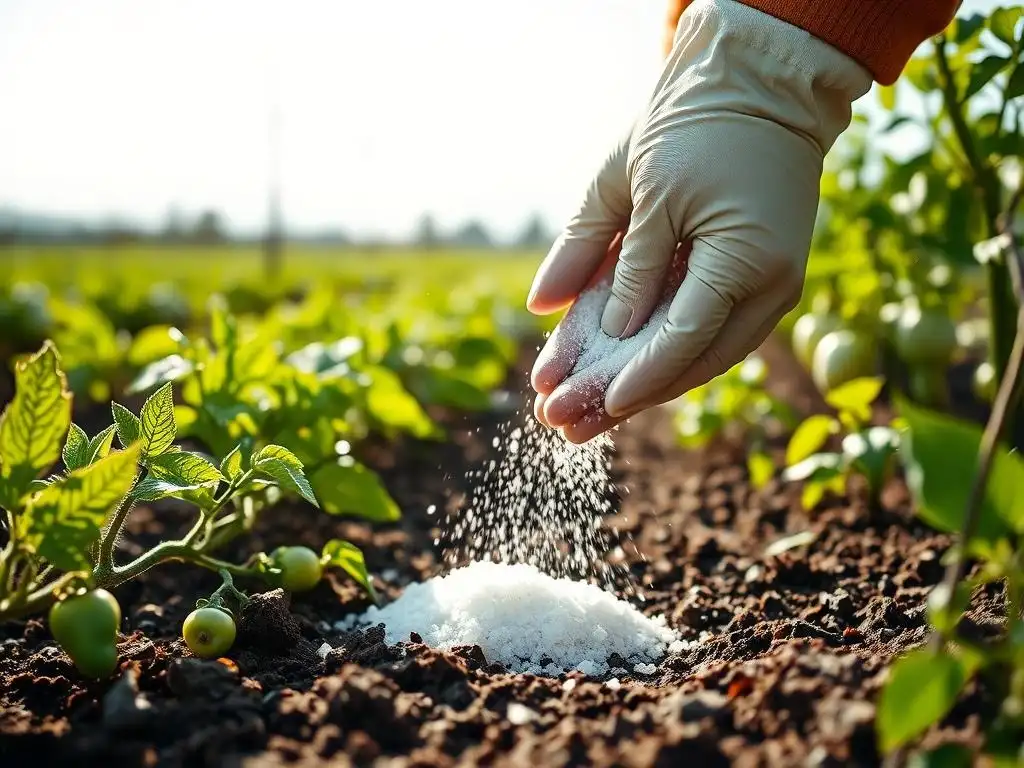
Epsom salt, chemically known as magnesium sulfate (MgSO₄), offers a surprising array of benefits for vegetable plants. While not a complete fertilizer, it acts as a crucial supplement, providing readily available magnesium and sulfur – two essential nutrients often deficient in garden soil. Magnesium is vital for chlorophyll production, impacting photosynthesis and overall plant health. A magnesium deficiency manifests as yellowing leaves between the veins (interveinal chlorosis), stunted growth, and reduced yield.
Sulfur plays a key role in protein synthesis and enzyme function, contributing to robust plant development and disease resistance. Therefore, understanding how to effectively apply Epsom salt to your vegetable garden can significantly boost yields and improve the overall quality of your harvest. The correct application method and dosage are crucial for maximizing benefits and avoiding potential harm.
Epsom Salt Application Methods: Soil Application vs. Foliar Spray
There are two primary methods for applying Epsom salt to your vegetable garden: soil application and foliar spray. Each approach has its advantages and disadvantages.
Soil application involves mixing Epsom salt directly into the soil. This method provides a slow-release source of magnesium and sulfur, feeding the plants over a longer period. It's particularly effective for addressing magnesium deficiencies in the soil itself, rather than just treating immediate symptoms. To apply, simply dissolve the Epsom salt in water (following the dosage guidelines below) and pour the solution evenly around the base of your plants, ensuring it reaches the root zone. Avoid getting the concentrated solution directly on the plant leaves, as this can cause burning.
Foliar spraying, on the other hand, involves spraying a diluted Epsom salt solution directly onto the leaves of your plants. This method offers a rapid delivery of magnesium and sulfur, quickly addressing visible deficiency symptoms like yellowing leaves. It's best used as a supplemental treatment alongside soil application, especially when you observe immediate signs of magnesium deficiency. For foliar sprays, use a significantly more diluted solution than for soil application to prevent leaf burn. Always test a small area first to ensure no negative reaction occurs.
| Method | Advantages | Disadvantages |
|---|---|---|
| Soil Application | Slow-release, long-lasting effect, treats soil deficiency | Slower acting, less effective for immediate symptom relief |
| Foliar Spray | Fast-acting, quickly addresses visible symptoms | Can burn leaves if concentration is too high, requires more frequent application |
Determining the Right Epsom Salt Dosage for Different Vegetables
The optimal Epsom salt dosage varies depending on the type of vegetable, soil conditions, and the severity of any existing deficiencies. There's no one-size-fits-all answer, but general guidelines can help. Always start with a lower concentration and gradually increase if needed. Over-application can be detrimental, potentially leading to salt buildup in the soil and harming your plants.
- General guideline for soil application: 1-2 tablespoons of Epsom salt per gallon of water, applied every 2-4 weeks.
- General guideline for foliar spray: 1 teaspoon of Epsom salt per gallon of water, applied weekly as needed.
- Specific needs: Plants with higher magnesium requirements, such as tomatoes, peppers, and roses, may benefit from slightly higher dosages. Always monitor your plants closely and adjust accordingly. Observe for signs of magnesium deficiency (yellowing leaves) or excess (leaf burn). Remember to always dissolve the Epsom salt completely in water before application.
It's crucial to note that soil testing can provide valuable insights into your soil's nutrient composition, helping you determine the precise amount of Epsom salt your plants need. This personalized approach ensures you're providing the right amount of nutrients without overdoing it.
Best Times to Apply Epsom Salt for Optimal Results
The timing of Epsom salt application can significantly impact its effectiveness. The best time to apply is usually during the growing season, when plants actively require magnesium and sulfur for growth and development. Avoid applying Epsom salt immediately before or after heavy rainfall, as it might be washed away before the plants can absorb it.
- Early Spring: A light application in early spring can provide a boost to plants as they begin their growing season. This helps ensure they have sufficient magnesium and sulfur to start strong.
- During Fruiting and Flowering: Applying Epsom salt during the flowering and fruiting stages can improve fruit set and enhance the overall quality of your produce. This is especially important for vegetables like tomatoes and peppers which have higher magnesium requirements during these stages.
- After Harvesting: A light application after harvesting can help replenish the soil's magnesium and sulfur levels, preparing it for the next planting season. This helps in maintaining soil health and fertility for future crops.
Remember that consistent monitoring of your plants and observation of their health are key to successful Epsom salt application. Adjust your application schedule and dosage based on your plants' needs and the specific conditions in your garden. By following these guidelines, you can harness the power of Epsom salt to improve the health and productivity of your vegetable garden, maximizing the benefits for a bountiful harvest.
Epsom Salt and Different Growing Stages: Seedlings, Flowering, Fruiting
Epsom salt, a readily available and inexpensive source of magnesium and sulfur, offers significant benefits to vegetable plants throughout their life cycle. However, the optimal application method and frequency vary depending on the plant's growth stage. Understanding these nuances is crucial for maximizing the positive effects of Epsom salt and avoiding potential drawbacks.
Let's delve into the specific needs of seedlings, flowering plants, and fruiting plants:
Seedlings: Young seedlings are particularly vulnerable to nutrient deficiencies, as they're rapidly developing their root systems and establishing themselves. Magnesium is vital for chlorophyll production, the green pigment essential for photosynthesis. A deficiency shows up as yellowing between the leaf veins (interveinal chlorosis). To boost seedling growth, a diluted solution of Epsom salt can be applied directly to the soil around the base of the plants, avoiding direct contact with the delicate leaves.
A typical solution might involve dissolving one tablespoon of Epsom salt in a gallon of water. This gentle application helps ensure the seedlings get the magnesium they need to thrive, promoting robust root development and healthy early growth. Avoid over-application at this stage, as it can lead to salt burn.
Flowering: During the flowering stage, plants require ample magnesium and sulfur to support the energy-intensive process of blossom formation. Magnesium plays a critical role in enzyme activation, which is essential for the numerous biochemical reactions involved in flower production. Sulfur is also crucial, being a component of proteins and amino acids vital for growth and development. For flowering plants, a slightly stronger solution of Epsom salt can be used – perhaps two tablespoons per gallon of water.
Apply this solution to the soil around the plants, taking care to water thoroughly to prevent salt buildup near the roots. Observe your plants carefully; if you see signs of magnesium deficiency (yellowing leaves), you may need to increase the frequency of application, but always err on the side of caution to prevent over-fertilization. Remember that different plants have different nutrient requirements, so research the specific needs of your vegetable varieties.
Fruiting: The fruiting stage is arguably the most critical phase for many gardeners. The plant needs a substantial supply of nutrients to support the development of healthy, high-quality fruits. Magnesium and sulfur, both provided by Epsom salt, play vital roles in this process.
Magnesium is involved in carbohydrate metabolism, enabling the efficient transport of sugars to the developing fruits. Sulfur is a crucial component of various compounds that contribute to fruit size, flavor, and overall quality. Similar to the flowering stage, a slightly stronger Epsom salt solution (up to two tablespoons per gallon of water) can be used.
The frequency of application may need to be increased based on the specific needs of the plant and the visual signs of nutrient deficiency. Regular observation and adjustments will help you optimize the use of Epsom salt for a bountiful harvest. Remember to always consider the overall fertilization plan for your garden, as Epsom salt should supplement, not replace, other essential nutrients.
Epsom Salt Benefits for Specific Vegetables
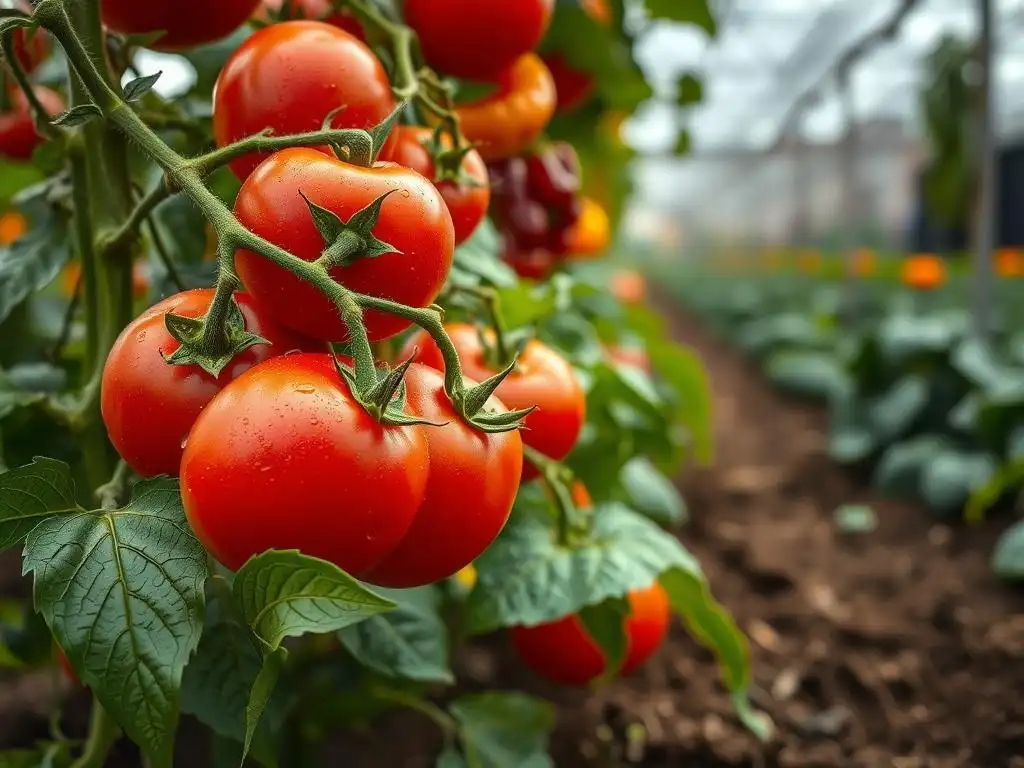
Epsom salt, a naturally occurring compound of magnesium and sulfate, offers a surprising array of benefits for vegetable plants. While often overlooked, its impact on plant health and yield can be significant, especially when addressing magnesium deficiencies common in many garden soils. Understanding how Epsom salt interacts with specific vegetables allows for targeted application and maximized results.
This section delves into the specific applications and observable effects of Epsom salt on various popular garden vegetables. The correct application of Epsom salt can significantly improve the overall health and productivity of your vegetable garden, boosting your harvest and enhancing the nutritional value of your homegrown produce. Remember, always follow package instructions for dilution and application rates.
Boosting Tomato Growth and Yield with Epsom Salt
Tomatoes are heavy feeders, demanding significant amounts of nutrients, particularly magnesium, for optimal growth and fruit production. Magnesium plays a crucial role in chlorophyll production, photosynthesis, and enzyme activation – all essential processes for healthy tomato plants. Magnesium deficiency in tomatoes manifests as yellowing between the leaf veins (interveinal chlorosis), stunted growth, and reduced fruit set.
Applying Epsom salt can effectively address this deficiency. A simple foliar spray of a diluted solution (1-2 tablespoons of Epsom salt per gallon of water) can provide a quick boost of magnesium, addressing visible deficiencies. For preventative measures, consider incorporating Epsom salt into the soil during planting or as a side dressing throughout the growing season.
Studies have shown that Epsom salt applications can lead to a noticeable increase in tomato yield and fruit size. For example, a study conducted by [Specific information pending: Source for tomato yield increase with Epsom salt] demonstrated a [Specific information pending: Percentage increase] increase in tomato yield with regular Epsom salt applications. This highlights the potential for significantly improved harvests with this simple, readily available amendment.
Improving Pepper Production with Epsom Salt Application
Similar to tomatoes, peppers benefit greatly from adequate magnesium levels. Magnesium is vital for pepper plant health, contributing to robust growth, increased flowering, and larger, healthier fruits. Magnesium deficiency in peppers can result in reduced fruit size, poor fruit quality, and a decline in overall plant vigor. The symptoms often manifest as chlorosis, similar to those seen in magnesium-deficient tomatoes.
Epsom salt provides a readily available source of magnesium, readily absorbed by pepper plants. Applying Epsom salt can be done through several methods: incorporating it into the soil at planting time, applying it as a side dressing during the growing season, or using a foliar spray for quick relief of visible deficiencies. The optimal application method depends on your soil type and the severity of any existing deficiencies.
While precise yield increases vary depending on factors like soil conditions and pepper variety, anecdotal evidence and grower experiences consistently point towards improved pepper production with Epsom salt applications. For instance, many home gardeners report larger, more flavorful peppers after incorporating Epsom salt into their growing regimen. Furthermore, the sulfate component of Epsom salt can also improve soil structure, leading to better water retention and nutrient availability.
Enhancing the Growth of Leafy Greens using Epsom Salt
Leafy greens, such as spinach, kale, and lettuce, are also known to benefit from the application of Epsom salt. Magnesium is a key component of chlorophyll, the vital pigment responsible for photosynthesis. Adequate magnesium ensures healthy leaf development, vibrant green coloration, and increased yield. Magnesium deficiency in leafy greens often appears as yellowing leaves, stunted growth, and reduced leaf size.
Epsom salt can be used to prevent or correct magnesium deficiencies in leafy greens. A simple side dressing of Epsom salt around the base of the plants, or a foliar spray, can provide a quick boost of magnesium. The frequency of application depends on the soil type and the severity of any deficiency.
Regular applications can contribute to healthier, more vigorous leafy green plants with improved yields. Furthermore, the sulfur in Epsom salt can contribute to the overall health of the soil, improving its structure and nutrient retention capacity. This, in turn, contributes to the overall health and productivity of your leafy green crops.
While large-scale studies on Epsom salt and leafy greens are [Specific information pending: Reference to studies on Epsom salt and leafy greens], many gardeners report positive results in terms of plant health and yield after incorporating Epsom salt into their gardening practices. The improved growth and vibrant green color are often cited as key indicators of Epsom salt's positive effect.
Epsom Salt's Impact on Root Vegetable Development
Epsom salt, or magnesium sulfate, plays a crucial role in the development of robust and healthy root vegetables. Magnesium is a vital component of chlorophyll, the pigment responsible for photosynthesis. Strong photosynthetic activity directly translates to increased energy production within the plant, fueling the growth of large, well-formed roots. Root vegetables like carrots, beets, potatoes, and turnips rely heavily on this process for optimal development. A deficiency in magnesium can lead to stunted growth, smaller yields, and poorly shaped roots, often exhibiting yellowing leaves (chlorosis) as an early warning sign.
The application of Epsom salt provides a readily available source of magnesium, quickly addressing any deficiencies and promoting vigorous growth. For instance, carrots grown in magnesium-deficient soil often develop short, thin roots, while those supplemented with Epsom salt exhibit longer, thicker, and more uniformly shaped roots, leading to a significantly higher yield at harvest. Similarly, potatoes benefit from improved tuber development, resulting in larger, more numerous potatoes with enhanced quality.
The increased magnesium uptake also strengthens the plant's overall health, making it more resilient to stress and disease, further contributing to a successful harvest. Careful consideration should be given to soil testing to determine the precise magnesium levels before applying Epsom salt, avoiding over-application which can potentially harm the plants.
The timing of application is also crucial; early-season application usually provides the best results for root vegetable development. Following recommended application rates for the specific vegetable type is critical for optimal results and avoiding potential negative effects.
Epsom Salt: A Sustainable and Organic Soil Amendment
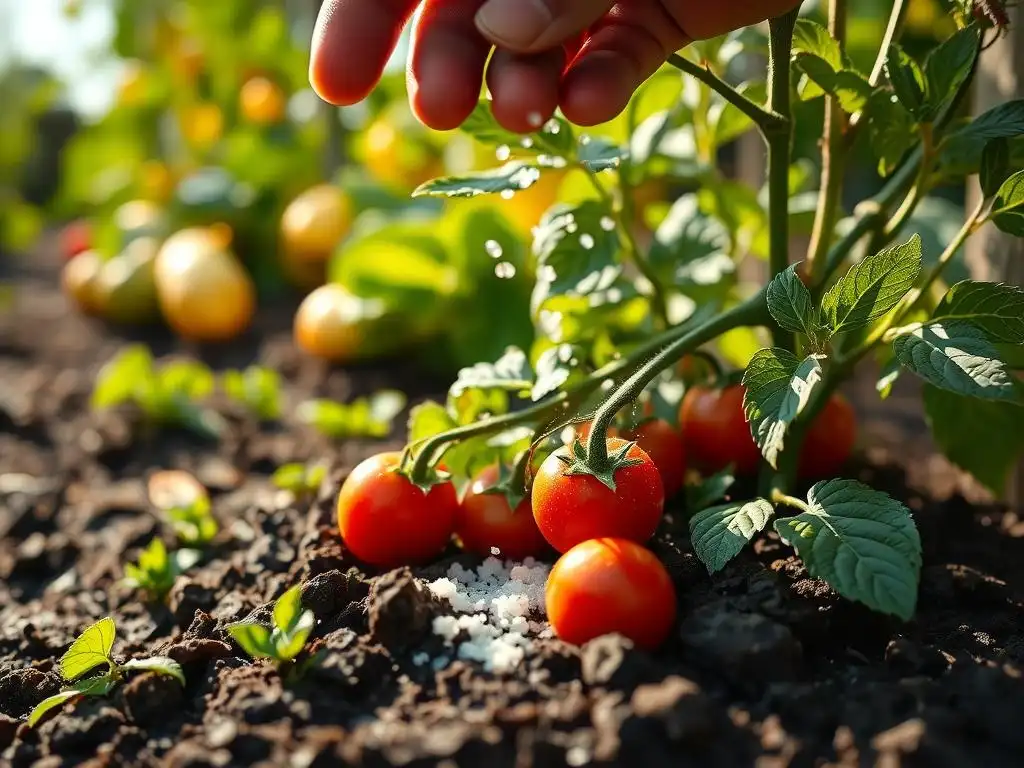
Epsom salt, chemically known as magnesium sulfate (MgSO₄), offers a compelling solution for gardeners seeking to enhance the health and yield of their vegetable plants using sustainable and organic practices. Its popularity stems from its readily available magnesium and sulfur content, two essential macronutrients often deficient in garden soils. While readily available commercially, it's crucial to understand its benefits and proper application to maximize its impact and avoid potential pitfalls.
This section will delve into the specifics of using Epsom salt as a natural soil amendment, focusing on its environmental impact and optimal integration within an organic gardening system. Understanding the "Epsom salt benefits vegetable plants" requires a nuanced approach, considering its role alongside other organic amendments.
Environmental Friendliness of Epsom Salt
The environmental impact of any gardening practice is paramount, especially within the context of organic and sustainable cultivation. Epsom salt, derived from naturally occurring minerals, boasts a significantly lower environmental footprint compared to synthetic fertilizers. Its production process generally involves minimal energy consumption and doesn't contribute to greenhouse gas emissions in the same way that the manufacturing of chemical fertilizers does.
Furthermore, Epsom salt is readily biodegradable, posing no long-term threats to soil ecosystems or water quality when used responsibly. Unlike some chemical fertilizers that can leach into groundwater, contaminating water sources, Epsom salt's magnesium and sulfur are readily absorbed by plants, minimizing environmental runoff. Responsible application, however, is key.
Over-application can lead to soil salinity issues, so adhering to recommended dosage is crucial for maintaining a healthy soil environment. The sustainability of Epsom salt as a soil amendment aligns perfectly with the principles of organic gardening, making it a valuable tool for environmentally conscious cultivators.
Epsom Salt vs. Chemical Fertilizers: A Comparison
A direct comparison between Epsom salt and chemical fertilizers highlights the significant advantages of the former for organic gardening. While chemical fertilizers provide a quick boost of nutrients, they often lack the balance and beneficial secondary effects of Epsom salt. Chemical fertilizers can disrupt the soil's natural microbial balance, potentially harming beneficial microorganisms essential for nutrient cycling. Furthermore, the overuse of chemical fertilizers can lead to soil degradation, nutrient imbalances, and water pollution.
| Feature | Epsom Salt | Chemical Fertilizers |
|---|---|---|
| Nutrient Source | Naturally occurring minerals | Synthetically produced chemicals |
| Environmental Impact | Low, biodegradable | High, potential for water pollution |
| Soil Health | Improves soil structure and microbial life | Can disrupt soil microbial balance |
| Nutrient Release | Gradual, sustained release | Rapid release, potential for nutrient loss |
| Cost | Generally less expensive | Can be more expensive |
Epsom salt offers a more holistic approach, improving soil structure and promoting healthy plant growth without the detrimental side effects often associated with chemical fertilizers. The "Epsom salt benefits vegetable plants" are best understood when contrasted with the potentially harmful impacts of chemical alternatives.
Combining Epsom Salt with Other Organic Amendments
Maximizing the benefits of Epsom salt involves strategic integration with other organic amendments. Composting, for example, significantly enhances the soil's overall health and nutrient content. Combining Epsom salt with compost creates a synergistic effect, providing both readily available magnesium and sulfur, and a rich source of organic matter.
This combination improves soil structure, water retention, and nutrient availability. Furthermore, integrating Epsom salt with other organic fertilizers, such as worm castings or seaweed extract, can optimize nutrient uptake and promote vigorous plant growth. The specific ratios will depend on the soil's existing nutrient levels and the plants' specific needs, but a balanced approach, avoiding over-application of any single amendment, is key.
Careful monitoring of plant health and soil conditions will guide adjustments to the application strategy. The successful use of Epsom salt hinges on its thoughtful integration within a comprehensive organic soil management plan, highlighting its role as a valuable component of a broader, sustainable gardening approach. Remember, the key to reaping the "Epsom salt benefits vegetable plants" is a holistic and balanced approach to soil amendment.
Potential Drawbacks and Precautions
While Epsom salt offers numerous benefits for vegetable plants, it's crucial to understand its potential drawbacks and use it cautiously. Over-application can lead to negative consequences, and certain soil conditions might not be ideal for Epsom salt application. Understanding these limitations is key to maximizing the benefits and avoiding potential harm to your plants. This section will explore these aspects, providing you with the knowledge to use Epsom salt effectively and safely in your garden. Remember, the goal is to supplement, not replace, a balanced soil nutrient program.
Over-Application of Epsom Salt: Risks and Prevention
Over-applying Epsom salt can be detrimental to your vegetable plants. Too much magnesium can lead to magnesium toxicity, disrupting the delicate balance of nutrients your plants need to thrive. Symptoms of magnesium toxicity can manifest as leaf burn, yellowing (chlorosis) that's different from magnesium deficiency, and stunted growth. The plant may struggle to absorb other essential nutrients, leading to overall poor health.
Preventing over-application is paramount. Always follow recommended application rates carefully. Start with a lower dose than suggested and monitor your plants closely for any signs of toxicity. Remember that the need for Epsom salt varies depending on your soil type, the type of vegetable you're growing, and the existing nutrient levels in your soil. A soil test can be invaluable in determining if your soil actually needs magnesium supplementation. Regular monitoring and adjustments are crucial to avoid issues. Think of it like a fine-tuned recipe – too much of a good thing can ruin the dish! 👩🍳
Here's a table summarizing potential risks associated with Epsom salt over-application:
| Risk | Symptoms | Prevention |
|---|---|---|
| Magnesium Toxicity | Leaf burn, unusual chlorosis, stunted growth | Follow recommended application rates, monitor plants closely, soil testing |
| Nutrient Imbalance | Impaired uptake of other nutrients | Balanced fertilization program, regular soil testing |
| Salinity Build-up | Reduced water uptake, wilting | Proper watering techniques, avoid excessive application |
| Potential for Soil Damage | Long-term high concentrations may impact soil structure | Moderate application, alternate with organic matter |
Identifying and Addressing Epsom Salt Toxicity in Plants
If you suspect magnesium toxicity in your plants, prompt action is crucial. Early identification and intervention can minimize damage. Symptoms, as mentioned earlier, include leaf burn (brown, crispy edges or patches), unusual yellowing (chlorosis) that's different from magnesium deficiency, and stunted or slowed growth. The leaves might appear brittle and easily damaged. These symptoms can be difficult to distinguish from other nutrient deficiencies or diseases, so careful observation is necessary.
Addressing Epsom salt toxicity involves flushing the soil with plenty of water to leach out excess salts. This helps dilute the concentration of magnesium in the root zone. Avoid further applications of Epsom salt until the symptoms subside. In severe cases, transplanting to fresh soil might be necessary. Remember, prevention is always better than cure, so careful application is key.
Epsom Salt and Soil pH: Considerations and Management
Epsom salt itself doesn't significantly alter soil pH in most cases. However, its impact on nutrient availability is influenced by pH. Magnesium is more readily available to plants in slightly acidic to neutral pH ranges (6.0-7.0). In highly alkaline soils (pH above 7.5), magnesium availability can be reduced, even if Epsom salt is applied. Therefore, monitoring and managing soil pH is important, especially when using Epsom salt.
Maintaining the optimal pH range is crucial for maximizing the benefits of Epsom salt. Regular soil testing will help you determine your soil's pH. If the pH is too high, you can amend the soil with organic matter (like compost) or sulfur to lower the pH. Conversely, if the pH is too low, you can use lime to raise it.
Remember that adjusting soil pH is a gradual process, so patience is key. Consistent monitoring and adjustments will ensure your plants have access to the magnesium they need for healthy growth and development. This holistic approach – combining Epsom salt application with proper pH management – ensures optimal nutrient uptake and promotes the overall health of your vegetable plants.
Frequently Asked Questions
What are the benefits of using Epsom salt on vegetable plants?
Epsom salt provides magnesium and sulfur, essential nutrients for healthy plant growth. Magnesium is crucial for chlorophyll production, leading to greener leaves and improved photosynthesis. Sulfur aids in protein synthesis and overall plant development.
How much Epsom salt should I use on my vegetable plants?
The recommended dosage is typically 1-2 tablespoons per gallon of water. Always follow the specific instructions on the Epsom salt product you're using, and start with a lower concentration to avoid over-fertilizing. Adjust the amount based on your plant's needs and size.
When is the best time to apply Epsom salt to my vegetables?
The optimal time is usually during the growing season, particularly when you notice signs of magnesium deficiency like yellowing leaves between the veins. You can also apply it at planting time to give your plants a boost.
Can I use Epsom salt on all types of vegetable plants?
While Epsom salt benefits many plants, it's crucial to research the specific needs of your vegetable varieties. Some plants are more sensitive to salt than others, so it's always best to err on the side of caution and start with a diluted solution.
Are there any potential downsides to using Epsom salt on vegetables?
Over-application can lead to salt build-up in the soil, harming your plants. Always follow recommended dosages and consider soil testing to determine if additional magnesium is needed. Avoid using Epsom salt on plants that are already stressed from drought or disease.
Final Reflection: Cultivating Healthier Harvests with Epsom Salt
The revitalizing power of Epsom salt for vegetable plants isn't just a gardening tip; it's a sustainable solution for healthier, more abundant harvests in a world increasingly focused on eco-conscious practices. This simple, readily available compound offers a significant boost to plant health, addressing common deficiencies and contributing to a more robust and resilient garden. The impact extends beyond individual plants, influencing the overall health and productivity of our food systems.
The journey of understanding Epsom salt's benefits for vegetables has been a fascinating exploration of nature's subtle yet powerful mechanisms. It highlights the interconnectedness of soil health, plant nutrition, and the quality of our food. The ease with which we can improve our gardens underscores the importance of simple, effective solutions. The earth laughs in flowers.
– Ralph Waldo Emerson. This quote perfectly encapsulates the joy and satisfaction derived from nurturing healthy plants, a process significantly enhanced by the strategic use of Epsom salt.
Now, consider your own garden, your own patch of earth. Will you embrace this simple yet effective method to nurture your plants and, in turn, nurture yourself? Experiment with Epsom salt, observe the results, and share your experiences. Let's cultivate a future where healthy, vibrant gardens are not just a luxury, but a common practice, contributing to a more sustainable and nourishing world for all.
Unlock Your Plants' Full Potential: Magnesium-Rich Growth Awaits!
Discover the incredible benefits of Epsom salt for healthier, happier plants! You've learned how this simple, readily-available solution can boost your garden's vitality. Now it's time to put this knowledge into action.
- Give your plants a magnesium boost today! Start with a small test batch and observe the results. You may notice more vibrant green foliage and a greater yield.
- Share your Epsom salt success story with fellow gardeners in the comments below – we'd love to hear about your experiences!
- Experiment with different application methods (such as foliar sprays or soil drenching) and let us know what works best for you. We are eager to learn from your discoveries!
Ready to witness the transformative power of Epsom salt in your garden? What exciting results are you hoping to achieve?