
Natural Pest Control for Fruit Trees: Ensuring a Bountiful Crop

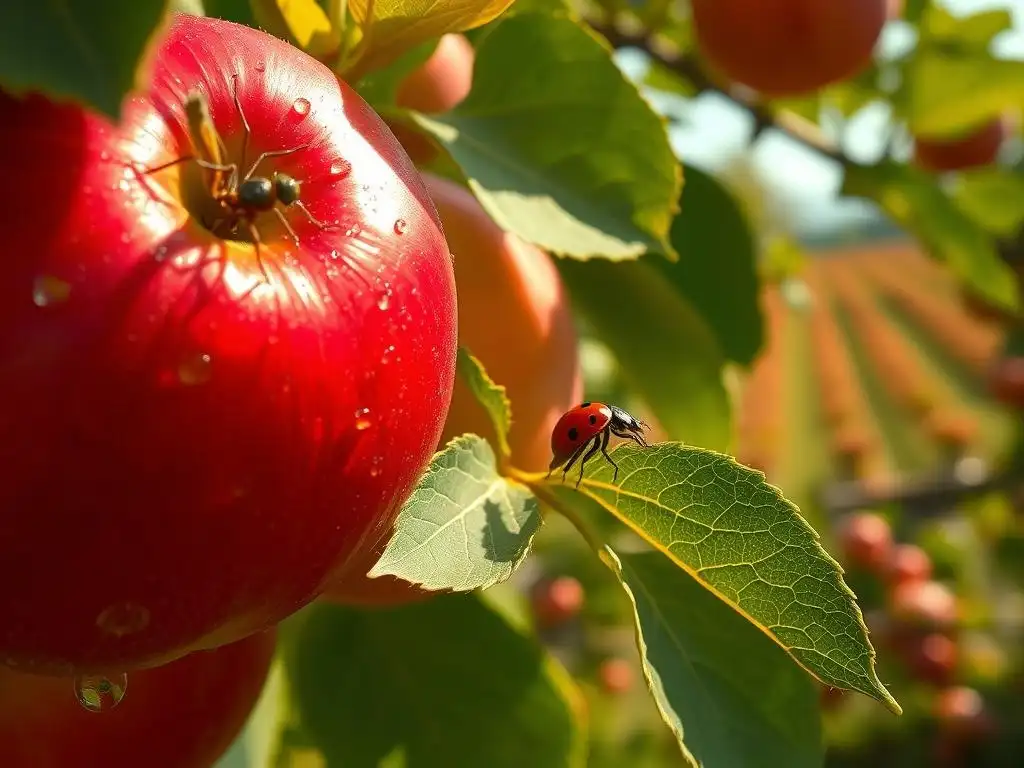
Welcome to CultivateYourFood, your guide to a thriving, sustainable home garden! Are you ready to unlock the secrets to a bountiful harvest, free from harmful chemicals? Discover effective and natural methods for organic pest control fruit trees, ensuring your fruit trees flourish and produce delicious, healthy fruit. Learn how to protect your precious crop while nurturing the environment – your journey to a greener, more fruitful garden starts now!
- Understanding Common Fruit Tree Pests and Diseases
- Organic Pest Control Methods for Fruit Trees
- Implementing Integrated Pest Management (IPM) for Fruit Trees
- Protecting Fruit Trees with Natural Barriers
- Harvesting and Storing Your Organic Fruit Crop
- Resources for Organic Fruit Tree Pest Control
-
Frequently Asked Questions
- What are some common pests that affect fruit trees?
- How can I naturally control pests on my fruit trees without harming beneficial insects?
- What is the best time of year to implement organic pest control measures?
- Are there any home remedies for common fruit tree pests?
- How can I prevent pest problems on my fruit trees in the first place?
- Final Reflection: Harvesting a Healthier Future Through Natural Pest Control
- Unlock Your Orchard's Potential: Grow Healthier, More Abundant Fruit!
Understanding Common Fruit Tree Pests and Diseases
Cultivating healthy fruit trees requires vigilance against a range of pests and diseases. A bountiful harvest depends not only on proper planting and care but also on proactive and sustainable pest management. This article focuses on organic pest control for fruit trees, exploring common threats and outlining effective, environmentally friendly solutions to ensure a healthy and productive orchard—all while minimizing the use of harmful chemicals.
We'll delve into identifying common pests and diseases, implementing early detection strategies, and employing natural methods to protect your fruit trees and achieve a satisfying yield. The goal is to empower you with the knowledge and techniques for successful organic pest control, leading to a thriving fruit tree ecosystem and delicious, chemical-free fruit.
This approach aligns with the principles of sustainable gardening, reducing your environmental footprint while maximizing your harvest. Adopting organic pest control methods for your fruit trees is not just beneficial for the environment; it’s also crucial for the health and safety of your family and community.
Identifying Common Pests: Aphids, Spider Mites, and Codling Moths
Fruit trees are susceptible to a variety of insect infestations. Three common culprits are aphids, spider mites, and codling moths. Let's examine each:
- Aphids: These tiny, pear-shaped insects cluster on the underside of leaves and tender shoots, sucking sap and causing leaf curling, stunted growth, and honeydew secretion (a sticky substance that attracts ants and encourages sooty mold). Aphid infestations can weaken the tree and reduce fruit production.
- Spider Mites: These microscopic pests are difficult to see with the naked eye, but their presence is revealed by fine webbing on leaves and stippling (tiny yellow or white spots) on the foliage. Heavy infestations can cause leaf yellowing, browning, and premature leaf drop, significantly impacting tree health.
- Codling Moths: The larvae of codling moths bore into developing fruit, creating wormholes and rendering the fruit unmarketable. This pest causes significant economic losses in commercial orchards and can severely impact home fruit production. Identifying their presence early is crucial for effective control.
Recognizing these pests early allows for timely intervention, preventing widespread damage and minimizing the need for drastic measures. Careful observation and regular inspections are key to early detection. Look for signs of damage on leaves, stems, and fruits, and promptly address any infestations you find.
Recognizing Diseases: Apple Scab, Fire Blight, and Powdery Mildew
Just as insect pests pose a threat, several fungal and bacterial diseases can severely impact fruit tree health. Three common examples are apple scab, fire blight, and powdery mildew:
- Apple Scab: This fungal disease causes olive-green or brown scabby lesions on leaves, fruit, and twigs. Severe infections can lead to leaf drop, fruit deformation, and reduced yield. Apple scab thrives in humid conditions.
- Fire Blight: A bacterial disease that affects many fruit trees, fire blight causes a characteristic browning and wilting of blossoms, leaves, and shoots. It progresses rapidly, often resembling scorched tissue, hence the name "fire blight." Early detection and prompt action are vital to prevent widespread damage.
- Powdery Mildew: This fungal disease is easily recognized by a white, powdery coating on leaves, stems, and fruit. It interferes with photosynthesis, reducing plant vigor and potentially affecting fruit quality and yield. Powdery mildew often thrives in dry, warm conditions.
Understanding the symptoms of these diseases is crucial for effective management. Regular monitoring of your trees will allow you to identify problems early, preventing extensive damage and minimizing the need for harsh chemical treatments.
Early Detection and Prevention Strategies for Organic Pest Control
Proactive measures are essential for effective organic pest control. Early detection and prevention are far more effective than reacting to a full-blown infestation or disease outbreak. Here are some key strategies:
- Regular inspection: Regularly inspect your fruit trees for signs of pests and diseases. Look closely at leaves, stems, fruit, and branches. Pay attention to unusual spots, discoloration, webbing, or insect activity.
- Sanitation: Remove fallen leaves, fruit, and debris from around the base of your trees. This eliminates overwintering pests and disease spores. Proper pruning also promotes air circulation, reducing the risk of fungal diseases.
- Beneficial insects: Encourage the presence of beneficial insects such as ladybugs, lacewings, and praying mantises, which prey on many common fruit tree pests. Providing habitat for these insects through planting diverse flowering plants can be highly effective.
- Natural sprays: Consider using natural pest control sprays, such as neem oil or insecticidal soap, to address minor infestations. Always follow label instructions carefully.
- Resistant varieties: When planting new trees, consider selecting varieties that are known to be more resistant to common pests and diseases in your region. This proactive approach can significantly reduce the risk of problems.
By implementing these strategies, you can significantly reduce your reliance on chemical pesticides and create a thriving, healthy orchard using environmentally friendly organic pest control methods. Remember, consistency and vigilance are key to success in organic gardening.
Organic Pest Control Methods for Fruit Trees
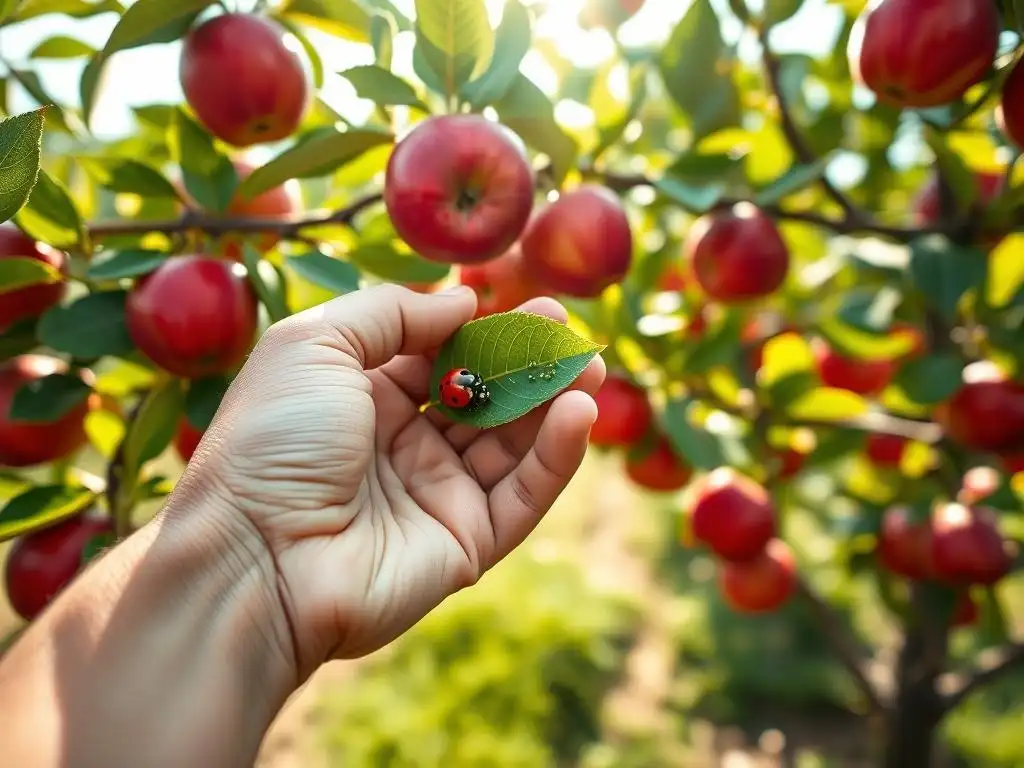
This section delves into effective and sustainable organic pest control strategies specifically tailored for fruit trees. We'll explore beneficial insects, natural spray recipes, and the application of diatomaceous earth – all crucial components of a thriving, pest-free orchard using organic pest control fruit trees methods. Remember, early detection and consistent monitoring are key to preventing major infestations.
Beneficial Insects: Introducing Ladybugs, Lacewings, and Praying Mantises
Introducing beneficial insects into your orchard is a cornerstone of effective organic pest control for fruit trees. These natural predators help keep pest populations in check, minimizing the need for harsh chemicals. Let's examine three particularly effective allies:
- Ladybugs (Coccinellidae): These adorable beetles are voracious eaters of aphids, mealybugs, and other soft-bodied insects. A single ladybug can consume hundreds of aphids in its lifetime! You can purchase ladybug larvae or adults from reputable suppliers and release them strategically throughout your orchard, focusing on areas with high pest activity. Providing habitat with flowering plants will also attract them naturally.
- Lacewings (Neuroptera): Lacewing larvae, often called "aphid lions," are incredibly efficient aphid predators. Similar to ladybugs, they can significantly reduce aphid populations. Adult lacewings also contribute by feeding on pollen and nectar, assisting in pollination. Attracting lacewings involves planting plants like dill, fennel, and yarrow, which provide food and shelter.
- Praying Mantises (Mantodea): These fascinating insects are ambush predators, catching a wide variety of pests, including caterpillars, grasshoppers, and even some adult beetles. They are less specific in their diet than ladybugs or lacewings, making them valuable in controlling a broader range of pests affecting your organic pest control fruit trees. Providing tall grasses and shrubs can encourage them to inhabit your orchard.
The success of using beneficial insects hinges on creating a suitable habitat. This includes providing diverse flowering plants for nectar and pollen, avoiding the use of broad-spectrum insecticides that could harm these beneficial creatures, and offering shelter in the form of leaf litter, brush piles, or birdhouses. Remember that a balanced ecosystem is key to effective and lasting organic pest control.
Natural Sprays: Neem Oil, Insecticidal Soap, and Garlic Spray Recipes
Natural sprays offer a targeted approach to organic pest control fruit trees, addressing specific infestations without harming beneficial insects or pollinators. Here are three effective recipes:
- Neem Oil: Neem oil is derived from the neem tree and acts as a natural insecticide, fungicide, and miticide. It disrupts the life cycle of many pests by interfering with their feeding and reproduction. Apply neem oil as a preventative measure or when you observe a pest infestation. Always follow label instructions carefully, as the concentration may vary between products.
- Insecticidal Soap: Insecticidal soap is a readily available, biodegradable solution that works by disrupting the cell membranes of soft-bodied insects, causing dehydration and death. It's effective against aphids, mealybugs, spider mites, and whiteflies. Thorough coverage is crucial for effectiveness; apply to both the upper and lower surfaces of leaves.
- Garlic Spray: A simple and effective home remedy, garlic spray repels many insects due to its strong odor. To make it, blend several cloves of garlic with water, let it steep for a few hours, strain, and then dilute with water before application. It's best used as a preventative spray or for minor infestations.
Remember to always test any spray on a small area of your tree first to ensure it doesn't cause damage before applying it more widely. Regular application, especially after rain, may be necessary for optimal control. These natural sprays are an important tool in your arsenal for organic pest control fruit trees, providing a safe and effective alternative to chemical pesticides.
Diatomaceous Earth Application for Organic Pest Control Fruit Trees
Diatomaceous earth (DE) is a naturally occurring sedimentary rock composed of fossilized diatoms. Its microscopic particles act as a physical insecticide, causing dehydration and death in soft-bodied insects. For organic pest control fruit trees, DE is a valuable asset, particularly effective against crawling insects like ants, slugs, and caterpillars.
The application of DE is relatively straightforward:
- Choose food-grade DE: Ensure you are using food-grade diatomaceous earth, as other grades may contain harmful substances.
- Apply as a dust: Dust the DE directly onto the affected areas of the tree, focusing on the base of the tree trunk, leaf undersides, and areas where pests are actively feeding.
- Reapply after rain: Rain will wash away the DE, so reapplication is necessary after rainfall.
- Wear a mask: Inhaling DE dust can be irritating, so wear a dust mask during application.
DE is a safe and effective method for organic pest control fruit trees, providing a physical barrier against pests without the use of harmful chemicals. However, it is crucial to use food-grade DE and take necessary precautions to avoid inhalation. This method complements other organic approaches, contributing to a comprehensive pest management strategy. Remember that consistent monitoring and timely intervention are crucial for maintaining a healthy and productive fruit tree orchard using organic pest control fruit trees techniques.
Using Kaolin Clay for Protection against Pests and Diseases
Kaolin clay, a naturally occurring soft clay mineral, offers a surprisingly effective and environmentally friendly method for organic pest control in fruit trees. Its application creates a physical barrier on the leaves and fruit, deterring many common pests from feeding and laying eggs. This protective layer disrupts the insects' feeding behavior, making it difficult for them to access the plant's tissues. The microscopic particles of kaolin clay adhere to the plant's surface, forming a whitish coating that doesn't harm the tree but significantly reduces pest infestations. This method is particularly useful against pests like aphids, mites, and certain caterpillars.
The application of kaolin clay is relatively straightforward. It's typically mixed with water to create a sprayable suspension. The concentration varies depending on the product and the specific pest you are targeting, so always carefully follow the manufacturer's instructions. Thorough coverage of the leaves and fruit is crucial for optimal effectiveness.
Multiple applications might be necessary, especially during periods of heavy pest pressure or after rainfall, which can wash away the clay coating. Remember to apply the spray evenly, avoiding runoff and ensuring that the entire plant surface is coated. It's important to note that kaolin clay is not a systemic insecticide; it acts as a physical barrier, not a poison. Therefore, it’s best used as a preventative measure or in conjunction with other organic pest control methods.
Beyond pest control, kaolin clay also provides some protection against certain fungal diseases. The clay coating can help to reduce the humidity on the plant's surface, creating an environment less favorable for fungal spore germination and growth. This can be particularly beneficial in preventing diseases like powdery mildew, which thrives in humid conditions. However, it's important to understand that kaolin clay is not a cure-all for fungal diseases and should be used as part of a broader disease management strategy.
Regular pruning, proper spacing of trees to improve air circulation, and sanitation practices are all essential elements of successful disease control. The effectiveness of kaolin clay against specific fungal diseases may also vary, depending on the pathogen and environmental conditions. Further research may be needed to fully determine its efficacy in various disease scenarios.
While kaolin clay is generally considered safe for beneficial insects and pollinators, it's always advisable to test a small area of your fruit tree before applying it to the entire plant. This precautionary measure helps to rule out any unforeseen negative effects on your specific tree variety or the surrounding ecosystem. It's also important to choose a high-quality kaolin clay product specifically formulated for agricultural use.
These products are typically formulated to ensure proper particle size and suspension for effective application and coverage. Remember, consistent and thorough application is key to maximizing the benefits of kaolin clay as a sustainable and effective method for organic pest control in your fruit trees.
Implementing Integrated Pest Management (IPM) for Fruit Trees
Integrated Pest Management (IPM) is the cornerstone of successful organic pest control for fruit trees. It's a holistic approach that prioritizes prevention and minimizes the use of pesticides, even organic ones. Instead of reacting to infestations, IPM focuses on understanding the entire ecosystem of your orchard, identifying potential problems before they become significant, and using a combination of strategies to keep pest populations below economically damaging levels.
This proactive approach safeguards both the health of your trees and the environment. A key aspect of successful IPM for organic pest control fruit trees is careful observation and a willingness to adapt your strategies based on what you observe.
Monitoring Pest Populations: Regular Inspections and Traps
Regular monitoring is crucial for early detection of pest problems. This allows for timely intervention, minimizing the need for extensive treatments later. Effective monitoring involves a combination of visual inspections and the use of traps.
Visual inspections should be conducted weekly, ideally during the early morning or late evening when pests are most active. Pay close attention to leaves, branches, fruit, and the soil around the base of the tree. Look for signs of damage, such as leaf holes, discoloration, webbing, or the presence of insects themselves. A magnifying glass can be invaluable in identifying smaller pests and their eggs. Take notes on what you find, including the location and severity of the infestation. This detailed record-keeping is essential for tracking pest populations over time.
Traps, such as pheromone traps or sticky traps, can be highly effective for monitoring specific pests. Pheromone traps attract male insects using synthetic pheromones, providing an indication of the presence and population density of the target pest. Sticky traps, on the other hand, passively capture insects, allowing you to identify the types of insects present in your orchard. Remember to regularly check and replace traps according to the manufacturer's instructions. The data collected from traps, combined with your visual inspections, provides a comprehensive picture of the pest pressure in your orchard.
Thresholds for Intervention: Determining When Action is Necessary
Knowing when to intervene is just as important as knowing what to do. Simply seeing a few pests doesn't necessarily warrant immediate action. IPM emphasizes the concept of an "economic threshold"—the point at which the damage caused by pests outweighs the cost of control measures. This threshold varies depending on the specific pest, the type of fruit tree, and the overall health of the tree.
For example, a few aphids on a robust apple tree might not require intervention, as the tree can likely withstand the minor damage. However, a severe infestation could significantly reduce the yield or quality of the fruit. Similarly, a small number of codling moths might not warrant treatment if you're using other preventative measures, such as netting.
Consult reliable resources, such as local agricultural extension offices or reputable gardening guides, to determine the appropriate economic thresholds for common pests in your region. Remember that preventative measures, such as proper pruning and sanitation, can often keep pest populations below the economic threshold, eliminating the need for any active intervention.
Combining Preventative and Reactive Strategies for Effective Organic Pest Control
Effective organic pest control for fruit trees involves a multifaceted approach that combines preventative measures with reactive strategies. Preventative measures aim to reduce the likelihood of pest infestations in the first place, while reactive strategies address infestations that have already occurred.
Preventative strategies include:
- Proper pruning: Removing dead or diseased branches improves air circulation and sunlight penetration, making the tree less susceptible to pests and diseases.
- Sanitation: Regularly cleaning up fallen leaves and fruit removes potential breeding grounds for pests.
- Healthy soil: Healthy soil supports strong, resilient trees that are better able to withstand pest attacks. Consider using compost and other organic soil amendments.
- Beneficial insects: Attracting beneficial insects, such as ladybugs and lacewings, provides natural pest control. Planting flowers that attract these beneficial insects can be very effective.
Reactive strategies, employed only when necessary, might include:
- Handpicking: Manually removing pests from trees, particularly effective for larger pests.
- Organic pesticides: Using organic pesticides as a last resort, following label instructions carefully. Always prioritize the least toxic option.
- Physical barriers: Using netting or other physical barriers to protect fruit from pests.
By combining these preventative and reactive strategies, you can effectively manage pests in your fruit trees while upholding the principles of organic gardening and ensuring a bountiful harvest. Remember that consistent monitoring and adaptation are key to success in organic pest control. 🍎🐛
Protecting Fruit Trees with Natural Barriers
Protecting your fruit trees from pests begins with establishing physical barriers that prevent pests from accessing your valuable crops. This proactive approach is a cornerstone of effective organic pest control for fruit trees, minimizing the need for harsh chemicals. Implementing these barriers early in the growing season can significantly reduce pest pressure throughout the year.
Physical Barriers: Using Row Covers and Bird Netting
Row covers and bird netting are simple yet effective physical barriers against a range of pests. Row covers, typically made of lightweight, breathable fabric, create a physical barrier against flying insects like aphids, whiteflies, and certain moths. The fine mesh prevents access while still allowing sunlight, water, and air circulation. This method is particularly useful for protecting young, vulnerable trees and newly developing fruit. However, careful consideration must be given to the size and type of row cover selected to ensure adequate airflow and prevent overheating.
Bird netting, on the other hand, protects against birds that may feast on ripening fruit. Choosing a netting with a fine enough mesh to prevent birds from entering while allowing for sufficient airflow is crucial. Regular inspection of the netting is necessary to ensure it remains intact and doesn't become entangled with branches, potentially harming the tree. The appropriate size and placement of the netting are also vital for effective protection without hindering growth. Using a sturdy, durable netting will extend its lifespan and provide long-term protection.
Companion Planting: Strategic Planting to Deter Pests
Companion planting, a technique used for centuries, leverages the natural repellent properties of certain plants to discourage pests from attacking your fruit trees. This method offers an ecologically sound and effective approach to organic pest control for fruit trees. For example, planting marigolds near your fruit trees can repel nematodes and other soil-borne pests. Similarly, basil, known for its strong aroma, can deter aphids and whiteflies. The key is to research plants that complement your chosen fruit trees and effectively deter the specific pests prevalent in your region.
Careful planning and placement are essential for successful companion planting. Consider the mature size of the companion plants to ensure they don't overshadow or compete with the fruit trees for resources. A well-planned companion planting strategy can create a synergistic environment where beneficial insects are attracted while harmful pests are repelled, promoting a healthy and thriving orchard ecosystem. The success of this method often depends on understanding the specific pest pressures in your local environment and selecting appropriate companion plants accordingly. Careful observation and adjustments may be needed over time to optimize the effectiveness of this strategy.
Maintaining Tree Health: Proper Pruning, Watering, and Fertilization for Robust Fruit Trees
A healthy fruit tree is naturally more resistant to pests and diseases. Therefore, proper pruning, watering, and fertilization are fundamental aspects of organic pest control for fruit trees. These cultural practices strengthen the tree's natural defenses, making it less susceptible to pest infestations.
Proper pruning removes dead or diseased branches, improving air circulation and sunlight penetration. This reduces the humidity that many pests thrive in. Regular pruning also shapes the tree for optimal fruit production, enhancing its overall health and vigor. Pruning techniques vary depending on the type of fruit tree, so research the specific needs of your trees.
Consistent and adequate watering is vital for maintaining a healthy root system. A well-hydrated tree is better equipped to withstand stress, making it less vulnerable to pest attack. Avoid overwatering, which can lead to root rot and other problems. Observe the soil moisture levels and adjust watering accordingly. Mulching around the base of the tree helps retain moisture and suppress weeds, further contributing to a healthy root system.
Finally, regular fertilization provides essential nutrients that support strong growth and fruit production. Using organic fertilizers, such as compost or manure, nourishes the tree without introducing harmful chemicals. A balanced nutrient supply enhances the tree’s natural resistance to pests, creating a healthier and more productive orchard. Regular soil testing can help you determine the specific nutrient needs of your trees and guide your fertilization strategy. This holistic approach, combining proper pruning, strategic watering, and organic fertilization, contributes significantly to building resilient fruit trees naturally resistant to pest infestation.
Harvesting and Storing Your Organic Fruit Crop
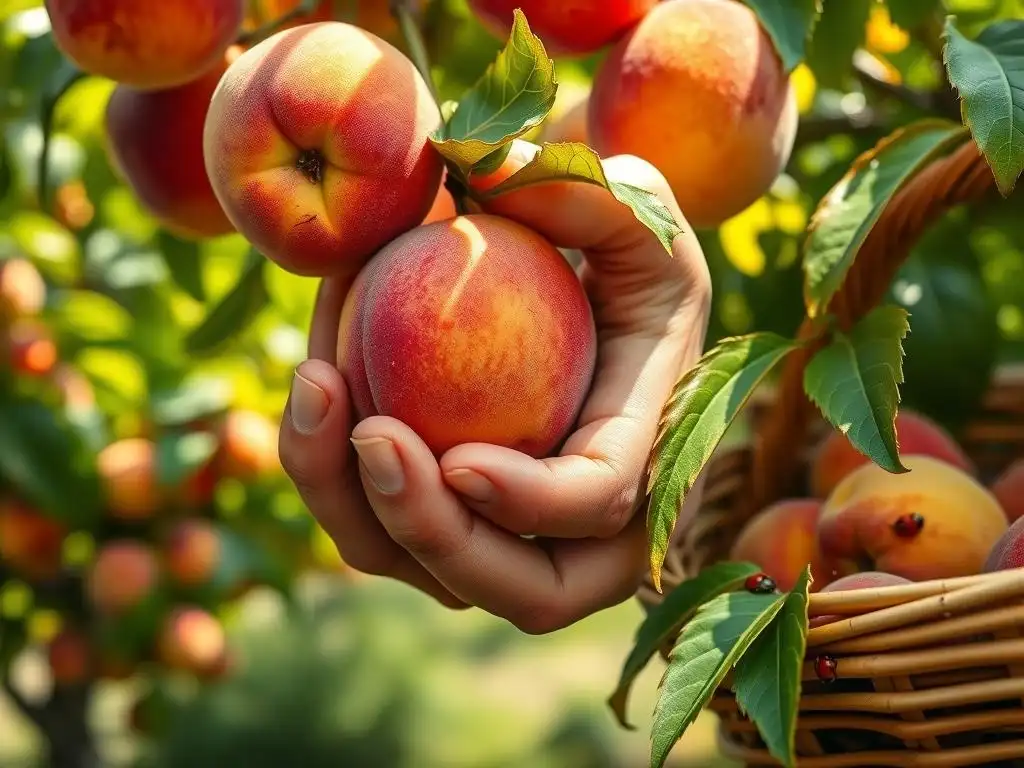
This section focuses on maximizing the yield of your organic fruit tree efforts by employing proper harvesting and storage techniques. By carefully timing your harvest and handling the fruit gently, you can significantly improve the quality and longevity of your organic produce. Remember, using organic pest control methods throughout the growing season contributes to healthier fruit that stores better.
Timing Your Harvest: Recognizing Signs of Ripeness
Knowing when to harvest your fruit is crucial for optimal flavor and shelf life. Each type of fruit has unique indicators of ripeness. For example, apples generally reach peak ripeness when they easily lift from the branch with a slight twist. Their skin will have a characteristic color for their variety, and they might give slightly to gentle pressure. Stone fruits like peaches and plums often soften as they ripen, and their characteristic aroma becomes more pronounced. Berries, on the other hand, will often be plump and easily detach from the plant.
Ignoring these signs can lead to problems. Harvesting too early results in underripe, tart fruit with a shorter shelf life. Conversely, harvesting too late can lead to overripe, bruised fruit that is susceptible to rotting. Regularly inspect your fruit trees, paying close attention to the color, firmness, and aroma of the developing fruit. Consider using a harvest chart specific to your tree's variety to help guide your timing. This careful attention to detail is a key component of successful organic pest control fruit trees strategies, as healthy, properly harvested fruit is less vulnerable to post-harvest issues.
Remember to always avoid using chemical pesticides and herbicides, as these can leave harmful residues on your fruit. The goal of organic pest control fruit trees is to produce healthy, safe food, and timely harvesting is a vital part of that process.
Proper Harvesting Techniques to Minimize Damage
Gentle handling is paramount during harvesting to prevent bruising and damage. Use appropriate tools, such as pruning shears or a fruit picker, to avoid damaging the fruit or the tree branches. For instance, using a sharp pair of pruning shears to carefully cut around the stem of a fruit prevents tearing and bruising. Avoid pulling or twisting the fruit forcefully from the branch. Improper harvesting techniques can create entry points for pests and diseases, negating the benefits of your organic pest control efforts.
Harvest during cooler parts of the day – early morning or late evening – to minimize damage from the sun's heat. This is especially important for delicate fruits like berries. Place harvested fruit into soft containers lined with soft material such as cloth or straw to prevent jostling and bruising during transport. Even seemingly minor bruising can dramatically reduce the shelf life of your fruits. This careful approach is a testament to the comprehensive nature of organic pest control fruit trees practices – it extends beyond just protecting the tree during growth to encompass the entire harvest process.
Storage Methods for Extending the Shelf Life of Your Fruits
Proper storage is essential for extending the shelf life of your harvested fruit. Different fruits have different storage requirements. Some fruits, like apples and pears, store well at cool temperatures (around 32-36°F or 0-2°C) in a high-humidity environment. This often involves a root cellar, refrigerator, or specialized fruit storage container. Others, like berries, are best kept at slightly warmer temperatures (around 40°F or 4°C) and require less humidity to prevent mold growth.
| Fruit Type | Ideal Storage Temperature (°F) | Humidity Level | Notes |
|---|---|---|---|
| Apples | 32-36 | High | Store individually to prevent bruising. |
| Pears | 32-36 | High | Similar to apples. |
| Berries | 40 | Moderate | Store in shallow containers; don't wash until ready to eat. |
| Stone Fruits (Peaches, Plums) | 40-45 | Moderate | Use quickly; these fruits don't store well for long. |
Proper storage, combined with effective organic pest control fruit trees methods, ensures you enjoy the fruits of your labor for as long as possible. Remember to regularly check your stored fruit for signs of spoilage and remove any affected pieces promptly to prevent the spread of rot. This final step completes the cycle of organic pest control fruit trees, ensuring a bountiful and healthy harvest from beginning to end. 🍎
Resources for Organic Fruit Tree Pest Control
This section provides valuable resources to help you effectively manage pests in your fruit trees using organic methods. We'll explore readily available organic pest control products, helpful reading materials, and local support networks to ensure a bountiful and healthy harvest. Remember, a proactive approach to organic pest control is key to minimizing damage and maximizing yields. This means regular monitoring, early intervention, and a holistic approach to tree health.
Recommended Organic Pest Control Products
Choosing the right organic pest control products is crucial for effective and sustainable pest management. Many options are available, each with its strengths and weaknesses. Always carefully follow label instructions and consider the specific pest you're targeting.
Here's a breakdown of some common organic pest control options for fruit trees:
- Neem Oil: A versatile product derived from the neem tree, neem oil acts as a natural insecticide, fungicide, and miticide. It disrupts the life cycle of many pests by interfering with their feeding and reproduction. Effective against aphids, mites, and some caterpillars. Remember to apply neem oil on a cloudy day or in the evening to minimize leaf burn.
- Insecticidal Soap: A readily available and relatively inexpensive option, insecticidal soap works by suffocating soft-bodied insects like aphids, mealybugs, and whiteflies. It's generally safe for beneficial insects and pollinators when used correctly. Multiple applications may be necessary for complete control.
- Diatomaceous Earth (DE): A natural, non-toxic powder made from fossilized diatoms, DE works by physically abrading the exoskeletons of insects, leading to dehydration and death. It's effective against crawling insects like ants, slugs, and snails. Apply as a dust around the base of your trees and on affected leaves.
- Bacillus thuringiensis (Bt): A naturally occurring bacterium, Bt produces toxins that are lethal to specific insect larvae, particularly caterpillars. Different strains of Bt target different insect species, so choose one specific to the pest affecting your fruit trees. Bt is generally considered safe for humans and beneficial insects.
- Kaolin Clay: This finely ground clay mineral creates a protective barrier on the leaves, deterring pests and reducing their feeding. It also helps to prevent fungal diseases. It's a great preventative measure and can be combined with other organic methods.
| Product | Target Pests | Application Method | Precautions |
|---|---|---|---|
| Neem Oil | Aphids, mites, caterpillars | Spray | Avoid direct sunlight during application |
| Insecticidal Soap | Aphids, mealybugs, whiteflies | Spray | Reapply as needed |
| Diatomaceous Earth | Ants, slugs, snails | Dusting | Avoid inhalation |
| Bacillus thuringiensis (Bt) | Specific Caterpillars | Spray | Follow label instructions carefully |
| Kaolin Clay | Various insects, fungal diseases | Spray | May leave a white residue on leaves |
Remember to always read and follow the instructions on the product label carefully. The efficacy of these products can vary depending on factors like weather conditions and the severity of the infestation.
Helpful Books and Websites on Organic Gardening Practices
Expanding your knowledge is essential for successful organic pest control. Several excellent resources offer in-depth information on organic gardening practices, including pest management.
Here are some examples: [Specific book titles and website names pending]. Look for resources that specifically address fruit tree pest control and organic gardening methods within your region, as local conditions can significantly influence pest pressures and effective control strategies. Consider searching for resources focusing on integrated pest management (IPM), a holistic approach that combines various strategies to minimize pest impact while preserving beneficial insects and the environment.
Local Cooperative Extension Offices for Advice and Support
Your local Cooperative Extension office is an invaluable resource. These offices, typically affiliated with universities or land-grant colleges, provide research-based information and personalized advice on a wide range of gardening topics, including organic pest control for fruit trees. They can offer tailored recommendations based on your specific location, the type of fruit trees you're growing, and the pests you're encountering.
They often hold workshops and provide individual consultations, making them an excellent source of support for organic gardeners. Don't hesitate to contact your local office – their expertise can make a significant difference in your gardening success. They can also provide information on locally appropriate organic pest control products and environmentally-friendly management strategies.
Frequently Asked Questions
What are some common pests that affect fruit trees?
Fruit trees are susceptible to a variety of pests, including aphids, spider mites, codling moths, and borers. The specific pests will depend on your geographic location and the type of fruit tree.
How can I naturally control pests on my fruit trees without harming beneficial insects?
Beneficial insects like ladybugs and lacewings help control pests. Use organic methods such as neem oil, insecticidal soap, or introducing beneficial insects to your garden. Avoid broad-spectrum pesticides.
What is the best time of year to implement organic pest control measures?
The best time is during the growing season, focusing on early detection and prevention. Regular monitoring of your trees will allow you to address infestations promptly and effectively before they become major problems.
Are there any home remedies for common fruit tree pests?
Yes! Simple solutions include diatomaceous earth for certain insects or a strong spray of water to dislodge aphids. Always research the specific pest before applying any home remedy.
How can I prevent pest problems on my fruit trees in the first place?
Maintaining tree health is key. This includes proper watering, fertilization, and pruning. A strong tree is less susceptible to pest infestations. Also, removing fallen fruit and debris reduces pest breeding grounds.
Final Reflection: Harvesting a Healthier Future Through Natural Pest Control
The future of fruit farming hinges on our ability to adopt sustainable practices, and natural pest control is at the forefront of this crucial shift. Ignoring the detrimental effects of chemical pesticides on our environment and our health is no longer an option; we must actively seek healthier, more harmonious ways to cultivate our food. The abundance of our harvests depends on it.
The transition to organic pest control methods isn't just about protecting the environment; it's about reclaiming a connection with nature and understanding the intricate balance within our ecosystems. This journey has profoundly impacted my own approach to gardening, fostering a deeper appreciation for the delicate interplay between plants, insects, and the wider environment. We do not inherit the earth from our ancestors; we borrow it from our children.
This quote underscores the responsibility we have to cultivate a healthy planet for future generations, and natural pest control is a vital step in that direction.
Now, consider your own garden, orchard, or even the local farmer's market. What steps can you take to integrate more natural pest control methods into your practices? Perhaps you'll start by attracting beneficial insects, experimenting with companion planting, or simply learning to identify and manage pests without resorting to harmful chemicals. Let this article be a catalyst for change, inspiring you to cultivate a healthier, more sustainable future, one bountiful harvest at a time.
Unlock Your Orchard's Potential: Grow Healthier, More Abundant Fruit!
Thank you for learning about natural pest control for your fruit trees! We hope you feel empowered to protect your harvest without harmful chemicals. Ready to put this knowledge into practice?
- Start implementing your chosen natural pest control methods today: Begin by identifying any current pests and applying the appropriate techniques. Even small changes can make a big difference!
- Share your experiences and successes (or challenges!) with other gardeners in the comments below. Let's build a thriving community of natural growers!
- Consider keeping a detailed journal to track pest activity, treatments, and the overall health of your trees. This will be invaluable for future reference and learning.
What small step will you take this week to nurture a healthier, more bountiful harvest?