
Espalier Fruit Trees: Maximizing Sunlight and Airflow for Healthy Growth

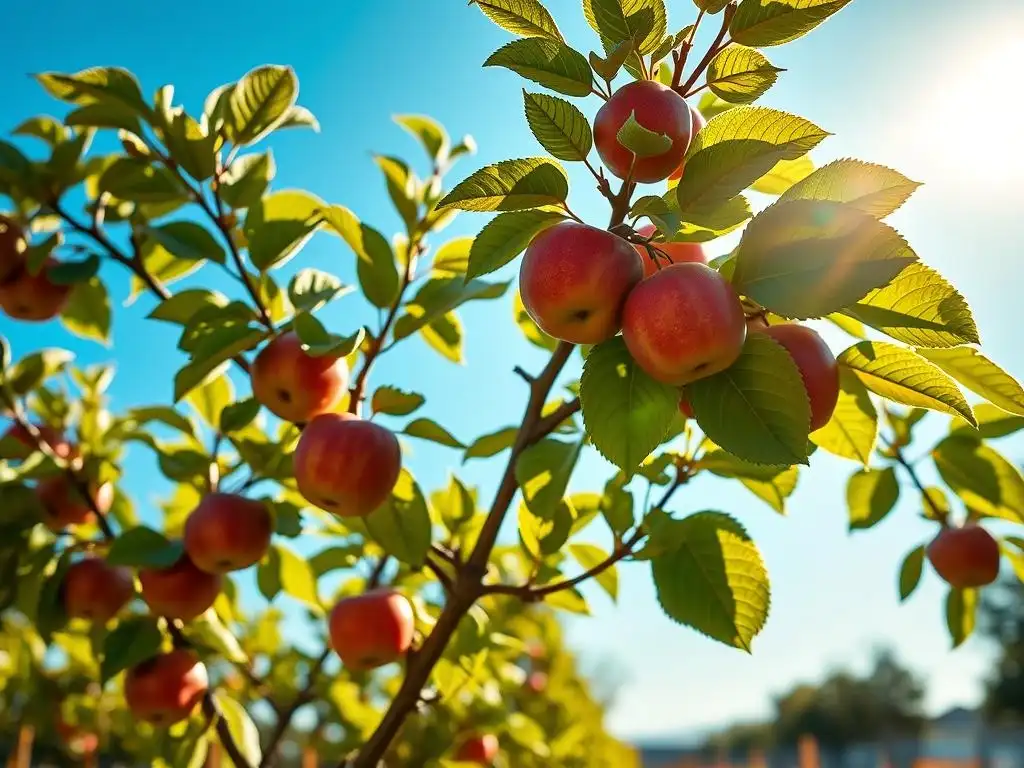
Welcome to CultivateYourFood, your guide to growing thriving fruits, vegetables, and herbs organically at home! Are you ready to unlock the secrets to a bountiful harvest? Then discover how mastering techniques like espalier can dramatically improve your fruit tree's health and yield. Learn how strategic placement maximizes sunlight and airflow – crucial elements for robust growth – in our latest article on Espalier Fruit Tree care. Let's cultivate a greener, more fruitful future, together!
- Understanding Espalier Fruit Tree Training for Optimal Sunlight and Airflow
- Designing Your Espalier System for Maximum Sunlight
- Maintaining Airflow and Preventing Disease in Your Espalier Fruit Trees
- Harvesting and Maintaining Your Espalier Fruit Trees
- Troubleshooting Common Espalier Fruit Tree Problems
- Advanced Espalier Techniques for Enhanced Sunlight and Airflow
- Resources and Further Learning on Espalier Fruit Tree Care
- Frequently Asked Questions
- Final Reflection: Harvesting the Sun: Espalier's Enduring Legacy
- Unleash Your Orchard's Potential: Grow Taller, Healthier Fruit Trees!
Understanding Espalier Fruit Tree Training for Optimal Sunlight and Airflow
Espalier, a centuries-old horticultural technique, is experiencing a resurgence in popularity, particularly among home gardeners with limited space. This method of training fruit trees involves carefully guiding branches along a flat plane—a wall, fence, or trellis—creating a visually stunning and highly productive arrangement. This article delves into the crucial role of sunlight and airflow in successful espalier fruit tree cultivation, exploring how this technique maximizes both to promote healthy growth and abundant harvests.
We'll examine the fundamentals of espalier, its advantages regarding sunlight and air circulation, and the selection of appropriate fruit tree varieties for optimal results. Mastering these aspects is key to reaping the rewards of this efficient and aesthetically pleasing gardening practice. Let's explore how to cultivate thriving, productive espalier fruit trees by harnessing the power of sunlight and airflow.
What is Espalier and Why Choose it?
Espalier is a sophisticated method of fruit tree training that involves guiding the branches to grow in a two-dimensional plane. This is achieved through regular pruning and tying of branches to a support structure, such as a wall, fence, or trellis. Unlike traditionally grown trees that occupy significant space, espalier trees are remarkably space-saving, making them ideal for smaller gardens, patios, or even urban settings. The controlled growth habit also simplifies harvesting and pest management. Choosing espalier offers several key advantages:
- Space Saving: Ideal for small gardens or limited spaces.
- Improved Fruit Production: Increased sunlight exposure leads to better fruit development.
- Enhanced Aesthetics: Creates a visually appealing and structured garden element.
- Easier Harvesting: Fruit is readily accessible along the flat plane.
- Better Air Circulation: Reduces the risk of fungal diseases.
Benefits of Espalier: Increased Sunlight Exposure and Air Circulation
The primary advantage of espalier lies in its ability to maximize sunlight exposure and air circulation. Traditional, free-standing fruit trees often have dense canopies, leading to shaded inner branches and poor air circulation. This can result in reduced fruit production, increased susceptibility to diseases, and pest problems. Espalier addresses these issues directly:
- Sunlight Maximization: By training branches along a flat plane, every branch receives ample sunlight, boosting photosynthesis and fruit development. This leads to larger, sweeter, and more abundant harvests compared to conventionally grown trees. Consider the difference: a traditional apple tree might have only 60% of its branches receiving optimal sunlight, while an espaliered tree can achieve near-100% exposure.
- Improved Air Circulation: The open structure of an espaliered tree allows for excellent air movement throughout the canopy. This significantly reduces the humidity levels around the fruit and foliage, minimizing the risk of fungal diseases like powdery mildew and apple scab. Good air circulation also helps to deter many common fruit tree pests. Studies show a significant reduction in disease incidence in espaliered trees compared to their conventionally grown counterparts.
Choosing the Right Fruit Tree Varieties for Espalier
Not all fruit tree varieties are suitable for espalier. Certain varieties lend themselves better to training than others. Selecting the right variety is crucial for success. Factors to consider include:
- Branch Flexibility: Choose varieties with branches that are relatively pliable and easy to train. Rigid branches can be difficult to manipulate and may break during the training process.
- Growth Habit: Varieties with a naturally compact or upright growth habit are generally preferred for espalier. Avoid varieties with excessively vigorous or sprawling growth.
- Disease Resistance: Select disease-resistant varieties to minimize potential problems associated with reduced air circulation in some espalier designs.
- Size at Maturity: While espalier minimizes space requirements, it's still important to consider the mature size of the chosen variety. Choose varieties that are appropriate for the size of your support structure. For example, some dwarf or semi-dwarf varieties are particularly well-suited for espalier. Careful selection ensures a healthy and productive espalier fruit tree, maximizing the benefits of this technique. 🍎
Designing Your Espalier System for Maximum Sunlight
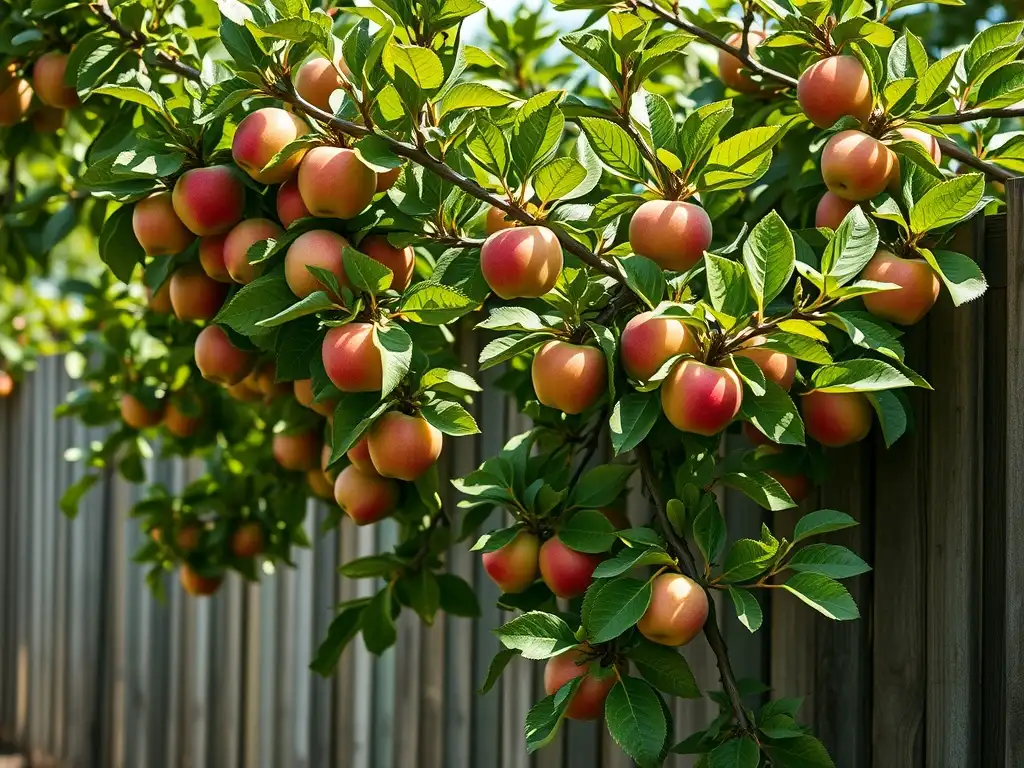
This section focuses on optimizing your espalier fruit tree design to maximize sunlight exposure and airflow, crucial factors for healthy growth and abundant fruit production. Proper planning is key to achieving a successful espalier, ensuring your trees thrive and yield delicious fruit. Remember, the goal is to create a system that allows sunlight to reach all parts of the tree while promoting good air circulation to prevent disease. We will examine specific strategies to achieve this with your espalier fruit tree sunlight airflow.
Selecting the Ideal Location: Sunlight Considerations
Sunlight is paramount for photosynthesis, the process by which your espalier fruit tree converts light into energy for growth and fruit development. Therefore, selecting the right location is the foundational step in your espalier journey. Aim for a spot that receives at least 6-8 hours of direct sunlight daily. The ideal orientation depends on your geographical location and the prevailing sun path. In the Northern Hemisphere, a south-facing wall or fence is generally best, while in the Southern Hemisphere, a north-facing location is preferable.
Consider these factors when choosing your location:
- Sunlight intensity: Avoid locations with significant shading from buildings, trees, or other structures. Even slight shading can significantly impact fruit production.
- Sunlight duration: Monitor the sun's path throughout the day to ensure consistent sunlight exposure. Use a sun path app or simply observe the location over a few days.
- Wind exposure: While good airflow is crucial, excessive wind can damage delicate branches and blossoms. A location sheltered from strong, prevailing winds is ideal.
Planning Your Espalier Design: Patterns and Spacing
The chosen espalier pattern significantly influences sunlight penetration and airflow. Common patterns include:
- Cordon: A single stem trained vertically, ideal for smaller spaces and maximizing vertical sunlight capture.
- U-shaped: Two branches trained upwards and then inwards, creating a U-shape. This allows for excellent sunlight exposure on both sides.
- Fan: Branches trained outwards like a fan, maximizing surface area for sunlight absorption. However, this requires more space and careful pruning to maintain airflow.
- Palmette: A more complex design with multiple branches trained in a vertical plane, offering excellent sunlight and airflow management but requiring more skill and maintenance.
Proper spacing between branches is equally vital. Overcrowding restricts sunlight penetration and hinders airflow, increasing the risk of fungal diseases. Allow sufficient space for each branch to receive ample sunlight and for air to circulate freely. Generally, aim for spacing of at least 6-12 inches between branches, depending on the mature size of the tree and the espalier pattern. Consult specific recommendations for your chosen fruit tree variety.
Example Spacing Table for a Fan Espalier
This table provides example spacing, adjust based on your specific tree and pattern.
| Branch Level | Spacing (inches) |
|---|---|
| 1 | 12 |
| 2 | 10 |
| 3 | 8 |
Building Your Espalier Structure: Materials and Construction
The structure you build will support your espalier fruit tree and guide its growth. Choose durable materials that can withstand weather conditions and the weight of the mature tree. Common materials include:
- Wood: Provides a natural aesthetic and is relatively easy to work with. Cedar and redwood are excellent choices for their durability and resistance to rot.
- Metal: Offers strength and longevity but can be more expensive and may require more skill to install. Powder-coated steel or aluminum are good options.
- Wire: Essential for training branches, ensuring they remain in the desired position. Choose galvanized or stainless steel wire to prevent rust.
The structure should be sturdy enough to support the weight of the tree, especially when laden with fruit. Ensure the structure is securely anchored to a wall, fence, or post. The height and width of the structure should be planned based on the mature size of your chosen fruit tree variety and the selected espalier pattern. Proper construction is essential for long-term success and to ensure optimal espalier fruit tree sunlight airflow. Remember to consider aesthetics as well; a well-built structure complements your garden.
Maintaining Airflow and Preventing Disease in Your Espalier Fruit Trees
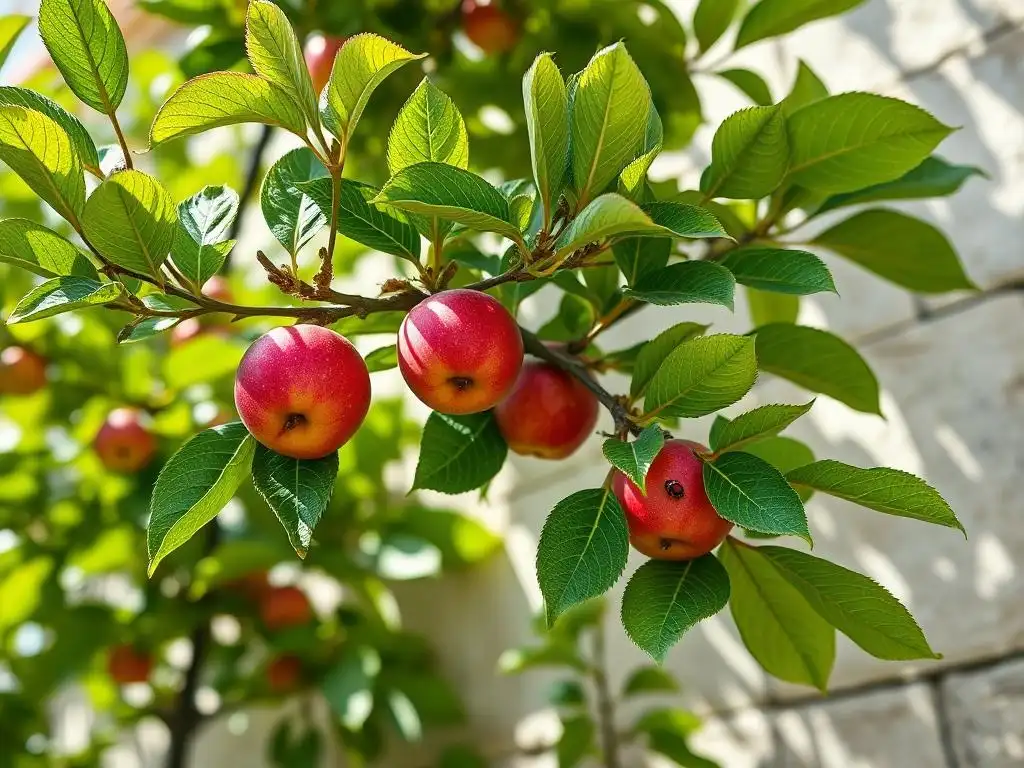
Proper airflow is crucial for the health and productivity of your espalier fruit trees. The close proximity of branches in espalier systems can create microclimates conducive to fungal diseases and pest infestations if not carefully managed. By prioritizing air circulation, you significantly reduce the risk of these problems, leading to healthier trees and a bountiful harvest. This section focuses on specific techniques to optimize airflow and minimize disease risk in your espalier orchard. Remember, a well-ventilated espalier is a happy espalier!
Pruning Techniques for Enhanced Air Circulation
Regular pruning is paramount for maintaining good airflow within your espalier. The goal is to create an open framework that allows sunlight and air to penetrate all parts of the tree. Neglecting pruning can lead to congested growth, hindering air circulation and creating ideal conditions for fungal pathogens and pests.
Here's a breakdown of key pruning techniques:
- Thinning: Remove crossing branches, weak branches, and those growing inward, creating space between the remaining branches. This allows for better air penetration and prevents overcrowding. Aim for a spacing of at least 2-3 inches between branches, adjusting based on the mature size of your specific fruit tree variety.
- Heading back: Shorten the length of branches to encourage branching and maintain a manageable size. This prevents the tree from becoming too dense and improves air circulation throughout the canopy. Heading back should be done selectively, focusing on branches that are growing too long or are blocking airflow.
- Seasonal pruning: Regular pruning is essential, ideally twice a year – once in late winter (dormant pruning) and again in summer (light corrective pruning). Dormant pruning focuses on shaping the tree and removing dead or diseased wood. Summer pruning aims to maintain the shape and remove any new growth that obstructs airflow.
Consider these points when pruning:
| Pruning Technique | Benefits | Timing | Tools |
|---|---|---|---|
| Thinning | Improved air circulation, light penetration | Late winter, summer | Hand pruners, loppers |
| Heading back | Encourages branching, controls size | Late winter, summer | Hand pruners, loppers |
| Removing dead/diseased wood | Prevents disease spread, improves tree health | Any time of year, especially after storms | Hand pruners, loppers, pruning saw |
Remember to sterilize your pruning tools between cuts to prevent the spread of disease. A solution of 1 part bleach to 9 parts water works effectively. Proper pruning, done consistently, is your first line of defense against disease in your espalier fruit trees.
Preventing Common Espalier Fruit Tree Diseases
Espalier fruit trees, while beautiful and efficient, are susceptible to various diseases if not properly cared for. Maintaining good air circulation is a key preventative measure. However, proactive steps beyond pruning are necessary.
Common diseases include:
- Apple scab: A fungal disease causing dark, scabby lesions on fruit and leaves. Proper sanitation, including removing fallen leaves and fruit, helps minimize its spread. Consider using organic fungicides as a preventative measure, especially in humid climates.
- Powdery mildew: A fungal disease characterized by a white powdery coating on leaves and fruit. Improving air circulation and avoiding overhead watering helps prevent its development. Organic fungicides can also help manage outbreaks.
- Fire blight: A bacterial disease that causes branches to wilt and die. Pruning out affected branches is crucial to prevent its spread. Maintaining tree vigor through proper fertilization and watering also increases the tree's resistance.
Early detection is key to successful disease management. Regularly inspect your trees for any signs of disease and address them promptly. Implementing a preventative strategy that includes good sanitation practices, proper pruning, and the judicious use of organic controls will significantly reduce the likelihood of disease outbreaks.
Pest Control Strategies for Espalier Trees
Pests can significantly impact the health and yield of your espalier fruit trees. The close proximity of branches in espalier systems can sometimes make pest control more challenging, but effective strategies exist. Good airflow helps reduce pest pressure, but additional measures are often necessary.
Effective pest control strategies include:
- Beneficial insects: Encourage the presence of beneficial insects such as ladybugs, lacewings, and praying mantises, which prey on common fruit tree pests like aphids and scale. Providing habitat for these insects, such as planting flowering plants nearby, can attract them to your orchard.
- Natural predators: Birds are natural predators of many common fruit tree pests. Providing birdhouses and feeders can encourage them to visit your espalier trees.
- Organic pest control: Use organic pest control methods such as neem oil or insecticidal soap to address specific pest infestations. These are generally less harmful to beneficial insects and the environment than synthetic pesticides.
Regular monitoring is crucial for early detection of pest infestations. Implementing a preventative strategy that combines good air circulation, attracting beneficial insects, and using organic controls will help keep your espalier trees healthy and productive. Remember that proactive measures are often more effective and less disruptive than reactive ones. A healthy, well-maintained espalier fruit tree will reward you with a delicious and abundant harvest year after year.
Harvesting and Maintaining Your Espalier Fruit Trees
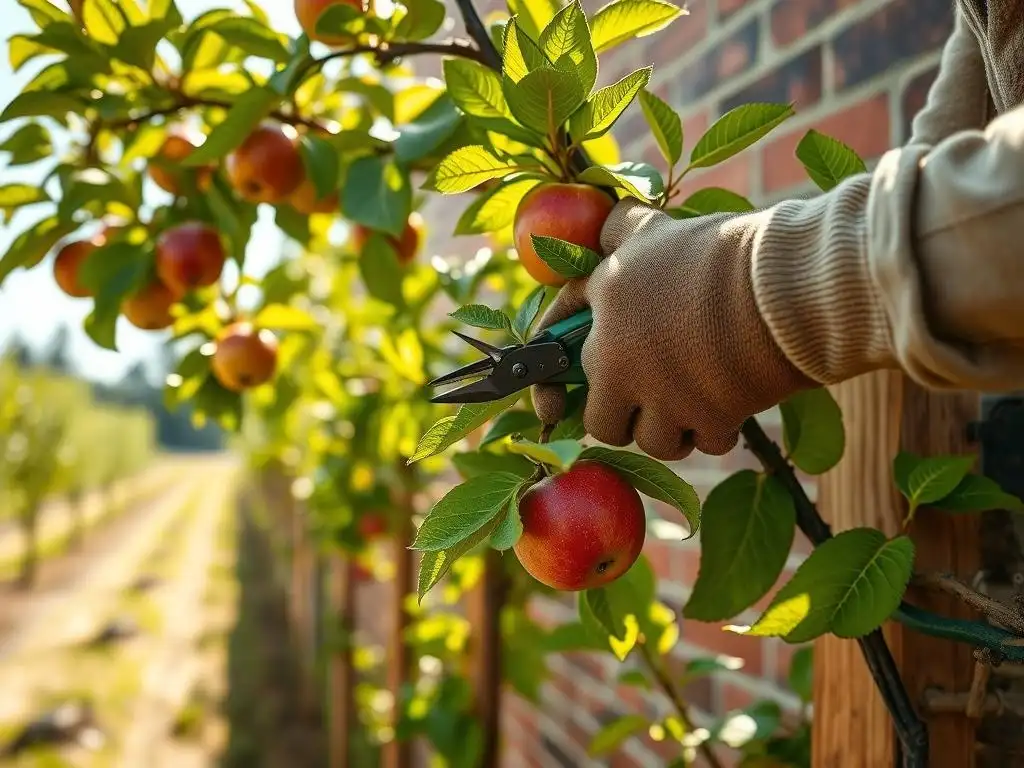
This section focuses on the unique harvesting considerations and ongoing maintenance required for your espalier fruit trees, ensuring a bountiful and healthy harvest year after year. Optimizing sunlight and airflow, as discussed previously, directly impacts the quality and quantity of your fruit, making proper harvesting and maintenance crucial for maximizing your espalier's potential.
Harvesting Techniques for Espalier Fruit Trees
Harvesting espalier fruit trees requires a slightly different approach than harvesting standard trees. Because the fruit is trained to grow along a flat plane, accessibility is key. The ease of access, however, depends heavily on the type of espalier you’ve chosen. For example, a fan-trained espalier might offer easier access to fruit than a cordon-trained one.
Here's a breakdown of effective harvesting techniques:
- Careful Observation: Regularly inspect your espalier for ripening fruit. Use color and texture as indicators of ripeness, which will vary depending on the fruit variety. Don't wait for all fruit to ripen simultaneously; harvest as fruits reach their peak.
- Gentle Handling: Use pruning shears or a small knife to gently cut the fruit from the tree, avoiding damage to the branches or surrounding fruit. Pulling forcefully can damage the delicate branches, impacting future harvests.
- Proper Tools: Invest in sharp, clean pruning shears or a small harvesting knife to ensure clean cuts and prevent the spread of disease. Blunt tools can bruise the fruit and damage the tree.
- Staging and Sorting: Once harvested, gently place the fruit in shallow containers to prevent bruising. Sort through your harvest, removing any damaged or bruised fruit to prevent rot.
- Frequency of Harvesting: Depending on the fruit type, you may need to harvest multiple times throughout the season. Regular checks ensure optimal ripeness and prevent overripe fruit from falling and rotting.
Winter Care and Protection of Espalier Trees
Winter presents unique challenges to espalier fruit trees. Their two-dimensional growth habit means they are more susceptible to damage from harsh weather conditions like strong winds, heavy snow, and extreme cold. Proper winter care is essential to ensure the tree's survival and future productivity. Proper "Espalier fruit tree sunlight airflow" management during the growing season helps them to better withstand winter stresses.
Here are some key winter care practices:
- Protection from Wind: Consider installing windbreaks, such as burlap screens or netting, to shield your espalier from strong winds that could damage the delicate branches. This is especially crucial in exposed locations.
- Snow Removal: Heavy snowfall can break branches, so regularly remove accumulated snow gently to prevent damage. Use a soft broom or brush to avoid injuring the branches.
- Mulching: Apply a layer of mulch around the base of the tree to insulate the roots and protect them from freezing temperatures. This helps maintain soil moisture and prevents frost heaving.
- Watering (if needed): Depending on your climate, you may need to water your espalier during periods of extended cold and dry weather. This prevents the roots from drying out.
- Winter Pruning (if needed): Light pruning can sometimes be done in late winter or early spring before new growth begins. This removes dead or damaged branches and improves air circulation.
Long-Term Espalier Fruit Tree Maintenance
Long-term maintenance is crucial for the continued health and productivity of your espalier fruit trees. Regular attention to details will ensure a healthy and fruitful espalier for many years. Remember that consistent sunlight and good airflow are fundamental components of long-term success.
Here's a look at essential long-term maintenance tasks:
- Regular Pruning: Pruning is key to maintaining the shape and size of your espalier. Regular pruning promotes healthy growth and improves fruit production. This should be done annually, typically during the dormant season.
- Fertilization: Provide your espalier with adequate nutrients through regular fertilization. Use a balanced fertilizer specifically formulated for fruit trees, following package instructions carefully. Soil testing can help determine nutrient deficiencies.
- Pest and Disease Control: Monitor your espalier for signs of pests and diseases. Address any issues promptly using organic methods whenever possible to maintain the health of your tree and the environment.
- Training and Retraining: Over time, some branches might stray from their intended position. Regularly check and gently retrain any wayward branches to maintain the desired espalier form. Use ties and supports as needed.
- Monitoring for Environmental Stress: Pay close attention to your espalier's response to environmental conditions. Adjust your maintenance practices as needed to address any issues caused by extreme weather, pests, or diseases. Remember that good "Espalier fruit tree sunlight airflow" is key to resilience.
This detailed approach to harvesting and maintaining your espalier fruit trees will contribute significantly to a successful and rewarding experience. Remember, patience and consistent care are key to reaping the rewards of your espalier's abundant fruit production. 🍎
Troubleshooting Common Espalier Fruit Tree Problems
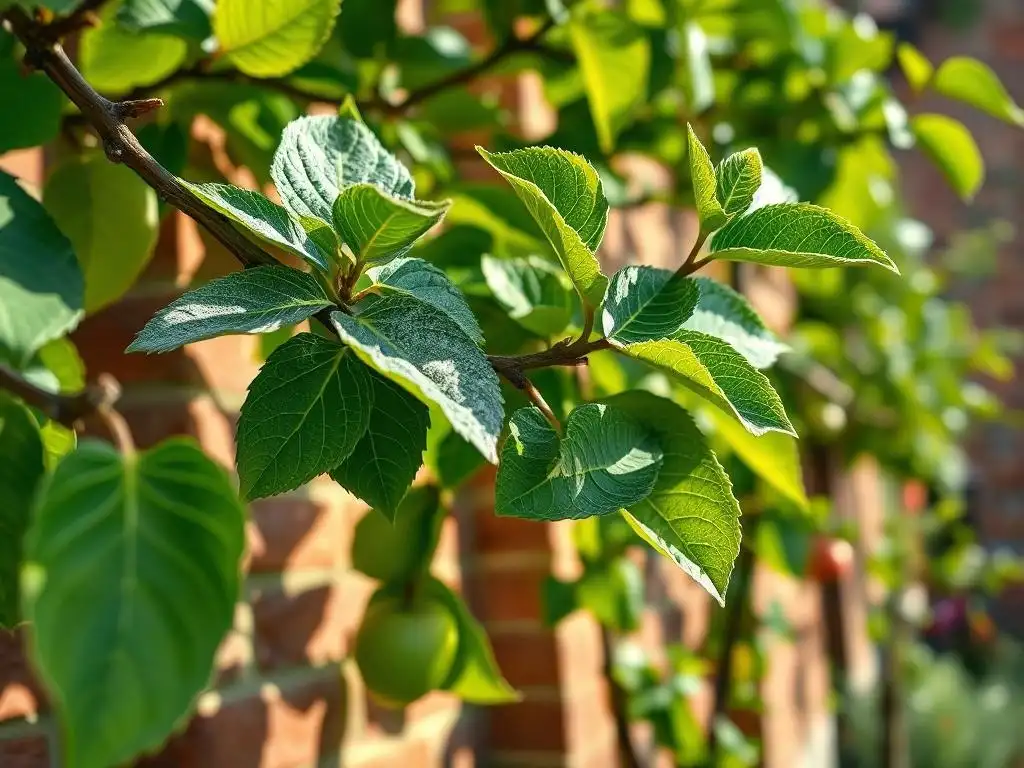
This section delves into common challenges faced when growing espalier fruit trees and offers practical solutions to ensure optimal growth and yield. Proper sunlight exposure and airflow are crucial for healthy espalier fruit trees, so we'll focus on those key areas. Remember, proactive maintenance is key to preventing larger problems down the line.
Addressing Insufficient Sunlight in Espalier Fruit Tree
Insufficient sunlight is a frequent problem with espalier fruit trees, especially for those trained against walls facing north or in densely shaded areas. Lack of adequate sunlight directly impacts fruit production and overall tree health. Symptoms include pale leaves, weak growth, and reduced fruiting.
To address this, careful site selection is paramount. Before planting, assess the sunlight exposure throughout the day. Ideally, your espalier should receive at least 6-8 hours of direct sunlight daily. South-facing walls are generally best in the Northern Hemisphere, while north-facing walls are better in the Southern Hemisphere.
If you've already planted your espalier in a less-than-ideal location, consider these solutions:
- Pruning: Carefully prune surrounding vegetation or branches that cast shade on your espalier. This will allow more sunlight to reach the fruiting spurs. Remember to prune at the right time of year for your specific fruit tree variety.
- Light Reflection: Strategically place reflective surfaces, such as white-painted boards or aluminum foil, near the espalier to bounce sunlight onto the shaded areas. This technique can be particularly effective in early spring or late fall when the sun's angle is lower.
- Tree Relocation (Last Resort): Relocating a mature espalier is difficult and potentially damaging, but it might be necessary in extreme cases where insufficient sunlight is severely hindering growth. This should only be considered as a last resort and requires careful planning and execution.
Dealing with Poor Air Circulation in Espalier Systems
Poor air circulation can lead to the development of fungal diseases and pest infestations. Espalier systems, by their very nature, can create microclimates that trap moisture, making them susceptible to these problems. Symptoms include leaf spots, powdery mildew, and the presence of various pests.
Improving air circulation is crucial for preventing these issues. Here's how:
- Spacing: Ensure adequate spacing between the espalier branches to allow for proper airflow. Overcrowding hinders air movement and increases the risk of disease.
- Pruning: Regular pruning is vital for maintaining an open structure and promoting airflow. Remove any crossing or rubbing branches that restrict air movement.
- Training: When training your espalier, aim for a structure that maximizes air circulation. Avoid overly dense training patterns.
- Air Movement: In areas with naturally poor air circulation, consider using fans to gently move air around the espalier, especially during humid periods. This is a preventative measure that can significantly reduce disease risk.
A well-maintained espalier system, with good spacing and regular pruning, will naturally promote better air circulation, minimizing the risk of disease and pest problems.
Resolving Common Espalier Fruit Tree Growth Issues
Beyond sunlight and airflow, several other factors can affect the growth of your espalier fruit tree. These include:
- Nutrient deficiencies: Regular soil testing and fertilization are essential for providing the necessary nutrients for healthy growth and fruiting. Monitor your trees for signs of nutrient deficiencies (e.g., yellowing leaves) and adjust your fertilization accordingly.
- Watering: Consistent watering is crucial, especially during periods of drought. However, avoid overwatering, which can lead to root rot. Use a drip irrigation system for efficient watering.
- Pest and disease control: Regularly inspect your espalier for signs of pests and diseases. Implement appropriate pest and disease control measures promptly to prevent widespread damage. Organic methods are preferred for sustainable gardening practices.
- Winter protection: In colder climates, protect your espalier from harsh winter conditions, such as freezing temperatures and strong winds. This might involve wrapping the branches or providing additional insulation.
By addressing these common issues proactively, you can significantly improve the health, productivity, and longevity of your espalier fruit trees. Remember that consistent monitoring and attention to detail are key to success in espalier fruit tree cultivation. The rewards of a thriving, productive espalier are well worth the effort!
Advanced Espalier Techniques for Enhanced Sunlight and Airflow
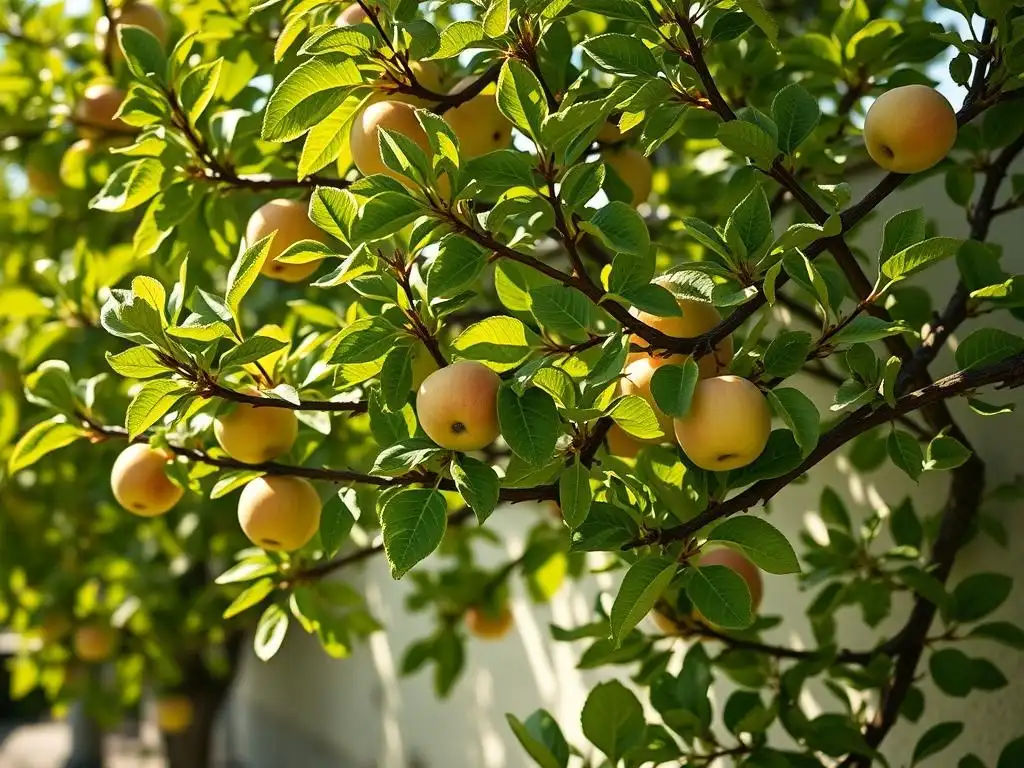
This section delves into advanced techniques to optimize sunlight and airflow for your espalier fruit trees, crucial factors for robust growth and bountiful harvests. Proper sunlight exposure prevents disease, encourages fruit production, and enhances the overall health of your trees. Similarly, good airflow minimizes the risk of fungal infections and pest infestations. Let's explore how to maximize both.
Advanced Pruning Methods for Increased Light Penetration
Careful pruning is paramount for maximizing sunlight penetration within the espalier structure. Simply training branches against a wall isn't enough; strategic pruning ensures each leaf receives adequate sunlight. We'll explore techniques beyond basic pruning.
First, consider the thinning process. This involves removing entire branches, rather than just shortening them. This opens up the canopy, allowing light to reach the interior branches and leaves. For example, if two branches are competing for the same space, remove the weaker one. This also improves air circulation.
Secondly, heading back involves cutting back the terminal buds of branches. This promotes bushier growth, but must be done carefully to avoid over-thickening the espalier. The goal is to create a balanced canopy with even spacing between branches, not a dense thicket. Over-heading can lead to shaded areas and reduced fruit production.
Finally, selective pruning targets specific branches that are either dead, diseased, or excessively shaded. Regularly inspecting your espalier and removing these branches ensures that all the energy of the tree is channeled into healthy, productive growth. This also helps prevent the spread of disease. A well-pruned espalier should resemble a carefully structured, open framework, not a tangled mass of branches.
Remember, the timing of your pruning is critical. Generally, pruning is best performed during the dormant season (late winter or early spring) before new growth begins.
Creative Espalier Designs for Optimal Air Circulation
The design of your espalier significantly impacts air circulation. Traditional vertical espalier, while simple, can sometimes hinder airflow. Let's explore some alternative designs.
- Canopy Espalier: This design creates a more open, layered structure, improving air circulation significantly. Branches are trained to grow horizontally in tiers, creating space between the layers. This allows for better air movement throughout the tree, reducing humidity and the risk of fungal diseases.
- Fan Espalier: This design spreads branches outwards like a fan, maximizing sunlight exposure and also creating excellent air circulation. This design is especially effective in warmer climates.
- Belgian Espalier: This more complex design involves training branches into a series of vertical and horizontal tiers, creating a three-dimensional structure that allows for substantial air movement. It requires more skill and attention to detail, but the rewards are improved airflow and light penetration.
Consider your climate and the specific needs of your fruit tree species when choosing a design. A more open design is generally preferable in humid climates to prevent fungal diseases.
Utilizing Reflective Materials to Boost Sunlight
In areas with limited sunlight, strategic use of reflective materials can significantly enhance light penetration. This is particularly useful for espalier trees growing in shaded areas or during shorter winter days.
Here are some options:
| Material | Advantages | Disadvantages |
|---|---|---|
| Aluminum Foil | Highly reflective, inexpensive | Can be unsightly, needs regular maintenance |
| White Paint | Reflective, blends better aesthetically | Less reflective than foil, may need repainting |
| Reflective Film | Highly reflective, durable, available in different colors | More expensive than foil or paint |
Remember to avoid using materials that might overheat the tree or damage the bark. The reflective surface should be placed strategically to direct sunlight to the areas that need it most, focusing on the interior branches. This supplemental light can significantly boost fruit production, especially in less-than-ideal growing conditions. Regular monitoring is key to ensuring the reflective material remains effective and doesn't harm your tree. Careful placement is crucial to avoid creating 'hot spots' that could burn the leaves.
Resources and Further Learning on Espalier Fruit Tree Care
This section provides valuable resources to deepen your understanding and skills in espalier fruit tree cultivation, focusing on maximizing sunlight and airflow for optimal health and yield. We'll explore both readily available books and online resources, as well as the benefits of connecting with fellow gardening enthusiasts. Remember, consistent learning is key to successful espalier fruit tree management!
Recommended Books and Online Resources on Espalier
Finding reliable information on espalier techniques can significantly improve your success rate. While many general fruit tree guides touch upon espalier, dedicated resources offer more in-depth knowledge. Here's a starting point for your research:
- Books: Look for books focusing on fruit tree training and pruning. Many titles covering orchard management will include sections on espalier. Keywords to search for when browsing include "fruit tree pruning," "espalier techniques," and "orchard management." Specific titles are pending further research to ensure current availability and relevance. Consider searching your local library or online bookstores for the most up-to-date recommendations.
- Online Resources: The internet provides a wealth of information, but always critically evaluate sources. Look for websites and blogs maintained by reputable horticulturalists, universities, or established gardening organizations. Many offer articles, videos, and even online courses dedicated to various aspects of espalier, from initial training to ongoing maintenance. Pay close attention to the author's credentials and ensure the information aligns with established horticultural best practices. Searching for "espalier fruit tree sunlight airflow" or similar phrases within reputable gardening websites will yield many relevant results.
- University Extension Programs: Many universities have extension programs that offer research-based information on sustainable agriculture and horticulture. These programs often provide fact sheets and articles on various gardening topics, including espalier. Checking your state's land-grant university website is a great place to start.
Joining Local Gardening Communities and Forums
Connecting with other gardeners, especially those experienced in espalier, offers invaluable support and learning opportunities. Sharing experiences, troubleshooting problems, and learning from others' successes is crucial for long-term success. Consider these options:
- Local Gardening Clubs: Local gardening clubs often have members with expertise in various gardening techniques, including espalier. Attending meetings and workshops can provide practical advice and hands-on learning opportunities. Networking with experienced espalier enthusiasts can provide invaluable support and mentorship.
- Online Forums and Communities: Numerous online forums and communities are dedicated to gardening and fruit tree cultivation. These platforms offer opportunities to ask questions, share photos of your espalier trees, and receive feedback from a wider community. Search for forums focused on fruit trees, organic gardening, or sustainable horticulture. Remember to be an active participant, sharing your own knowledge and experiences to foster a collaborative learning environment.
- Master Gardener Programs: Many areas have Master Gardener programs that offer workshops and training on various horticulture topics. These programs often include elements of fruit tree care and might offer specialized sessions on espalier techniques. Contact your local Cooperative Extension office to find out about opportunities in your area.
By actively engaging with these resources and communities, you’ll not only enhance your understanding of espalier fruit tree sunlight airflow optimization but also build a supportive network of fellow gardening enthusiasts. Remember that the journey of cultivating fruit trees is a continuous learning process! 🌳🍎
Frequently Asked Questions
What is espalier?
Espalier is a fruit tree training method where branches are trained to grow flat against a wall, fence, or trellis. This creates a two-dimensional structure, maximizing space and sunlight exposure.
Why is sunlight important for espaliered fruit trees?
Sunlight is crucial for photosynthesis, enabling the tree to produce fruit. Espalier maximizes sunlight capture by keeping branches unshaded and exposed.
How does espalier improve airflow around fruit trees?
The flat, open structure of espalier allows for better air circulation, reducing the risk of fungal diseases and pest infestations caused by humidity and stagnant air.
What types of fruit trees are best suited for espalier?
Many fruit trees can be espaliered, but those with naturally more pliable branches are easiest to train. Apples, pears, plums, and figs are popular choices.
How much sunlight do espaliered fruit trees need daily?
Espaliered fruit trees generally need at least 6-8 hours of direct sunlight per day for optimal growth and fruit production. Consider the tree's specific needs and your local climate.
Final Reflection: Harvesting the Sun: Espalier's Enduring Legacy
The meticulous art of espalier, maximizing sunlight and airflow for fruit trees, remains as relevant today as it was centuries ago. In a world increasingly focused on sustainable practices and maximizing yields from limited spaces, the techniques detailed in this article offer a powerful solution for both home gardeners and commercial growers alike. The efficiency and beauty of espalier represent a harmonious blend of human ingenuity and nature's bounty.
The impact of espalier extends beyond mere horticultural practice; it speaks to our enduring desire to cultivate and nurture, to coax the best from the land, no matter how constrained the environment. It's a testament to human creativity and our ability to adapt and innovate. The gardener must be an artist as well as a scientist.
This quote, though not directly about espalier, captures the essence of the careful planning and aesthetic consideration required for successful espalier training. The legacy of this technique continues to inspire generations of gardeners, reminding us of the profound connection between humans and the natural world.
Consider the possibilities: Imagine the vibrant tapestry of fruit laden branches adorning your walls, the sweet scent of ripening apples or pears filling the air. You, too, can harness the power of the sun and the gentle caress of the breeze to cultivate a thriving, productive, and beautiful espalier fruit tree. Embrace the challenge, experiment with different techniques, and experience the profound satisfaction of nurturing life and reaping the rewards of your efforts. The journey of espalier is as rewarding as the harvest itself.
Unleash Your Orchard's Potential: Grow Taller, Healthier Fruit Trees!
Thank you for learning about the art of espalier! We hope you feel confident in your ability to maximize your fruit tree's growth and yield. Ready to begin?
- Design your perfect espalier: Sketch your espalier plan, considering your available space and the type of fruit tree. This is your opportunity to create something truly unique! Use pencil and paper, or your favorite design software.
- Share your espalier journey: Join our CultivateYourFood community forum and share your design plans or photos of your existing espalier. We'd love to see your progress and offer support.
- Experiment with a new fruit variety: Now is the perfect time to try an unusual fruit that's well-suited to espalier training.
What exciting espalier project will you undertake next?