
Troubleshooting Hydroponic Herb Garden Problems: Common Issues

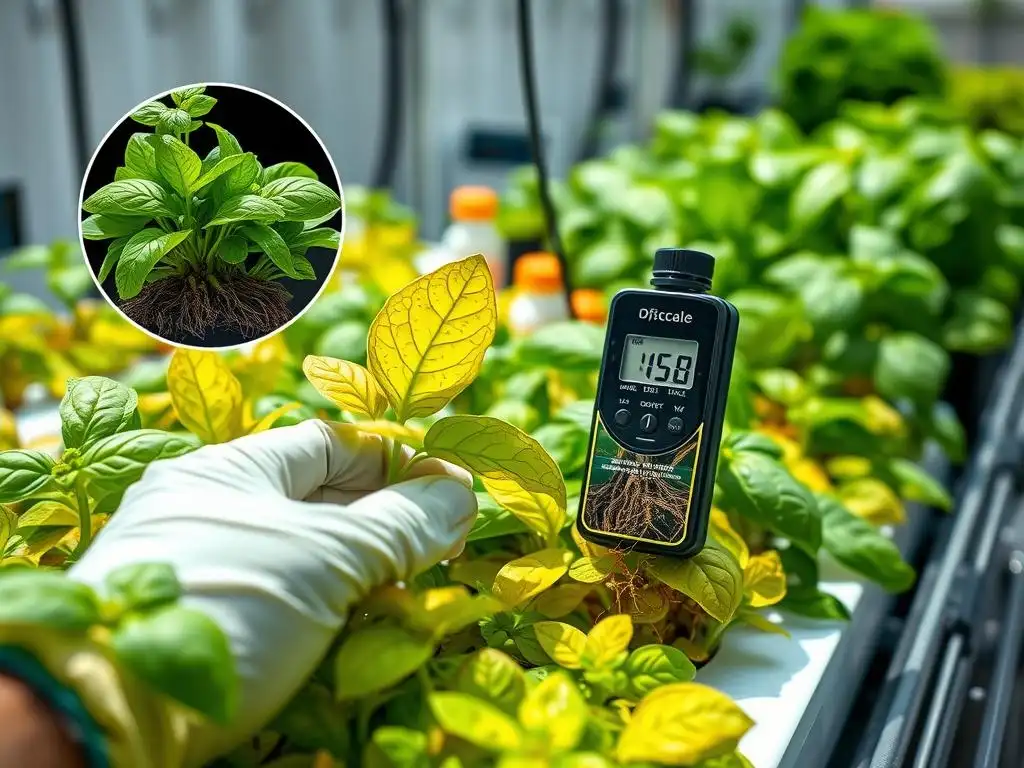
Welcome to CultivateYourFood, your guide to nurturing a thriving garden, even in the smallest of spaces! Are you facing frustrating setbacks with your hydroponic herb garden? We understand the challenges. Discover practical solutions and expert advice to fix hydroponic herb problems and unlock the secrets to a bountiful harvest. Dive in and learn how to overcome common obstacles, ensuring your herbs flourish using sustainable, organic methods. Let's cultivate success together!
- Diagnosing Your Hydroponic Herb System: Identifying Problems
- Fix Hydroponic Herb Problems: Addressing Nutrient Deficiencies
- Solving Hydroponic Herb Diseases and Pests
- Maintaining Optimal pH Levels for Hydroponic Herbs
- Fixing Hydroponic System Water Temperature Issues
- Preventing Future Hydroponic Herb Problems: Proactive Measures
-
Frequently Asked Questions
- What are some common problems with hydroponic herb gardens?
- How can I prevent algae growth in my hydroponic system?
- My hydroponic herbs are showing yellowing leaves. What could be wrong?
- How do I deal with pests in my hydroponic herb garden?
- What is the ideal pH level for my hydroponic herb solution?
- Final Reflection: Harvesting the Bounty: A Sustainable Future in Hydroponics
- Unleash Your Herb Garden's Full Potential!
Diagnosing Your Hydroponic Herb System: Identifying Problems
Cultivating a thriving hydroponic herb garden offers numerous advantages: year-round harvests, space-saving solutions, and reduced water usage. However, even the most meticulously planned system can encounter challenges. This guide delves into common hydroponic herb garden problems, providing practical solutions to help you troubleshoot and maintain healthy, productive plants. We'll explore how to identify nutrient deficiencies, recognize and address diseases, and implement effective pest control strategies, all within the context of sustainable and organic practices.
Learning to effectively diagnose and fix these issues is key to maximizing your yield and enjoying the freshest herbs possible, even in a small space. By understanding the potential problems and their solutions, you can transform challenges into opportunities for growth and enhance your hydroponic gardening expertise. This comprehensive approach to troubleshooting ensures a successful and rewarding hydroponic herb-growing experience, allowing you to reap the benefits of fresh, homegrown herbs all year long.
Identifying Nutrient Deficiencies in Hydroponic Herbs
Nutrient deficiencies are a common problem in hydroponic systems because the plants rely entirely on the nutrient solution. Recognizing the symptoms early is crucial for swift intervention. Different deficiencies manifest in unique ways:
- Nitrogen (N) deficiency: Stunted growth, yellowing of older leaves (chlorosis), and overall pale appearance. The plant may struggle to produce new growth.
- Phosphorus (P) deficiency: Dark green or purplish discoloration of older leaves, stunted growth, and delayed flowering or fruiting. The plant may appear weak and underdeveloped.
- Potassium (K) deficiency: Yellowing and browning of leaf margins (necrosis), leaf curling, and weakened stems. The plant may be more susceptible to diseases.
- Magnesium (Mg) deficiency: Interveinal chlorosis (yellowing between leaf veins) on older leaves, followed by necrosis. The leaves may appear mottled.
- Calcium (Ca) deficiency: Young leaves show stunted growth and distortion; the tips and margins may become necrotic. Root growth can also be affected.
A simple solution is often to adjust the nutrient solution's composition based on a hydroponic nutrient schedule. Regular testing of your nutrient solution using a reliable testing kit is essential to maintain the correct balance. Addressing deficiencies promptly prevents irreversible damage and ensures healthy growth. Remember to always follow the instructions of your chosen nutrient solution carefully. Ignoring nutrient deficiencies can lead to significantly reduced yields and overall plant health. Regular monitoring and proactive adjustments are key to avoiding this common hydroponic pitfall.
Recognizing and Addressing Common Hydroponic Herb Diseases
Hydroponic systems, while offering many advantages, can be susceptible to certain diseases if not properly managed. Maintaining a clean and sterile environment is paramount to preventing disease outbreaks. Some common diseases include:
- Root rot: Caused by various fungi and bacteria, root rot leads to wilting, yellowing, and eventually death of the plant. This often stems from overwatering or poor drainage. Prevention involves using sterile growing media and avoiding overwatering. Treatment may involve removing affected roots and applying a fungicide.
- Damping-off: A fungal disease affecting seedlings, damping-off causes wilting and collapse of young plants. Maintaining good air circulation and avoiding overwatering can help prevent it. Treatment options are limited once the disease takes hold.
- Powdery mildew: This fungal disease appears as a white, powdery coating on leaves, hindering photosynthesis. Improving air circulation and using a fungicide can help manage this disease.
Implementing preventative measures, such as regularly cleaning your system and using sterile materials, is crucial. Early detection of disease is essential for effective treatment, which might include removing infected plants, adjusting environmental conditions, and applying appropriate fungicides or bactericides. Maintaining optimal environmental conditions, such as proper humidity and temperature, can also significantly reduce the risk of diseases. A proactive approach to disease prevention and management is vital for success in hydroponic herb gardening.
Pest Control for Hydroponic Herb Gardens: Prevention and Treatment
Pests can quickly infest hydroponic systems, impacting plant health and yields. A proactive approach to pest control, focusing on prevention, is far more effective than reactive treatment.
| Pest Type | Description | Prevention | Treatment |
|---|---|---|---|
| Aphids | Small, soft-bodied insects; suck plant sap | Regular inspection; introduce beneficial insects | Insecticidal soap; neem oil |
| Spider Mites | Tiny mites; cause stippling and webbing | Maintain proper humidity; use sticky traps | Miticides |
| Fungus Gnats | Small flies; larvae feed on roots | Avoid overwatering; use sticky traps | Biological control; insecticidal soap |
Prevention strategies include regularly inspecting plants, maintaining proper humidity levels, and using sticky traps to catch flying insects. Beneficial insects, such as ladybugs, can help control pest populations. If pests do appear, use organic pest control methods such as insecticidal soap, neem oil, or diatomaceous earth. Always choose the least toxic option and follow the instructions carefully. Remember that a healthy and well-maintained hydroponic system is less susceptible to pest infestations. Proactive monitoring and the implementation of preventative measures are crucial for maintaining a pest-free hydroponic herb garden.
Diagnosing pH Imbalances in Hydroponic Systems
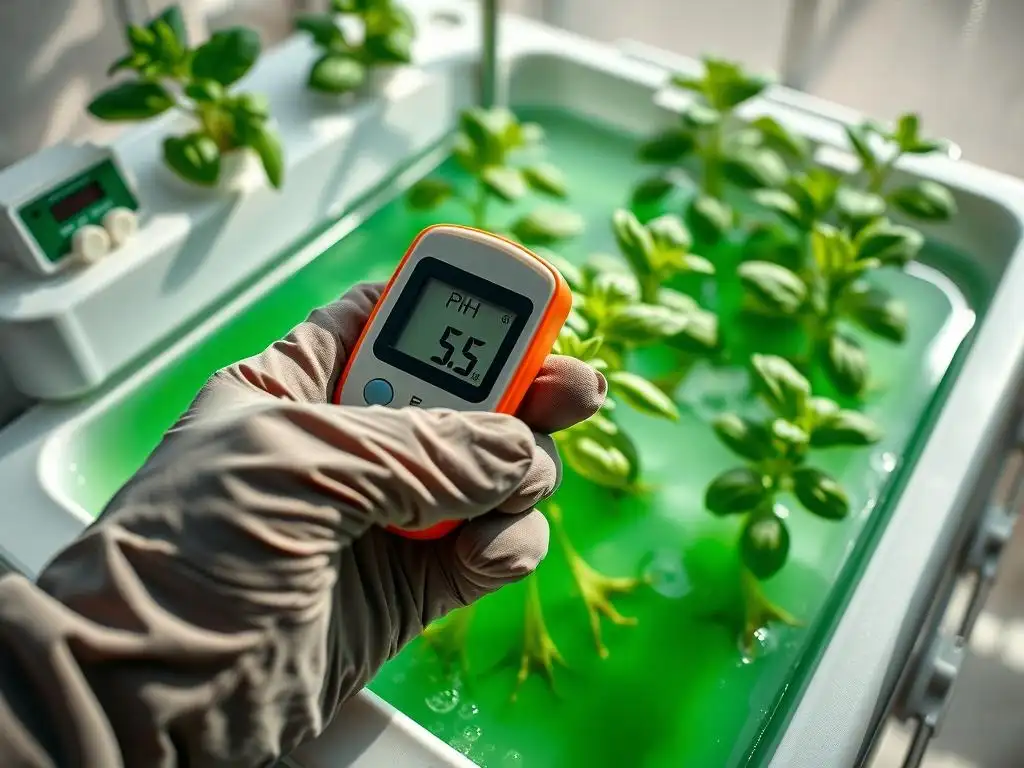
Maintaining the correct pH level is crucial for healthy hydroponic herb growth. The ideal pH range for most hydroponic systems lies between 5.5 and 6.5. Deviations from this range can significantly impact nutrient uptake by your herbs. If your pH is too high (alkaline), nutrient availability decreases, leading to deficiencies even if nutrients are present in the solution. This can manifest as yellowing leaves, stunted growth, and reduced yields. Conversely, if the pH is too low (acidic), it can become toxic to plant roots, causing similar symptoms.
To diagnose pH imbalances, you need a reliable pH meter. Regular testing, ideally daily or every other day, is essential. Accurate measurements are key to effective correction. If your pH reading falls outside the optimal range, you need to adjust it carefully.
For high pH, you can use pH down solutions, typically phosphoric or nitric acid based. For low pH, pH up solutions, usually potassium hydroxide based, are used. Always add these solutions slowly and monitor the pH continuously to avoid drastic changes that can shock your plants.
Remember to always add the solution to the water, not the other way around, to avoid splashing and potential burns. It's also important to note that the type of nutrient solution you use can influence the pH, so using a nutrient solution specifically formulated for hydroponics is crucial. Regular water changes, typically every 1-2 weeks depending on your system, also helps prevent significant pH fluctuations.
Troubleshooting Water Temperature Issues in Hydroponic Herb Growing
Water temperature plays a critical role in the health and productivity of your hydroponic herb garden. Optimal water temperatures generally range from 68°F to 72°F (20°C to 22°C). Temperatures outside this range can negatively affect nutrient uptake, root development, and overall plant health. Water that is too cold can slow down or even halt nutrient absorption, leading to nutrient deficiencies and stunted growth.
The plants may appear weak and pale. Conversely, water that is too warm can increase the risk of bacterial and fungal diseases, potentially leading to root rot and other problems. High temperatures can also accelerate nutrient depletion, requiring more frequent nutrient solution changes.
Diagnosing water temperature issues requires a reliable thermometer. Regular monitoring is important, especially during warmer months or if your system is located near a heat source. If the water temperature is consistently too high, you may need to consider measures to cool the water. This could involve using a chiller, a submersible pump in a cooler reservoir, or simply relocating your system to a cooler location.
For consistently low temperatures, you might need to use a water heater or insulate your reservoir to maintain a stable temperature. Remember that even small fluctuations in temperature can stress your plants, so maintaining a consistent temperature within the optimal range is crucial for maximizing your yield and ensuring healthy herb growth. It's advisable to monitor both air and water temperature to identify the root cause of temperature discrepancies.
Fix Hydroponic Herb Problems: Addressing Nutrient Deficiencies
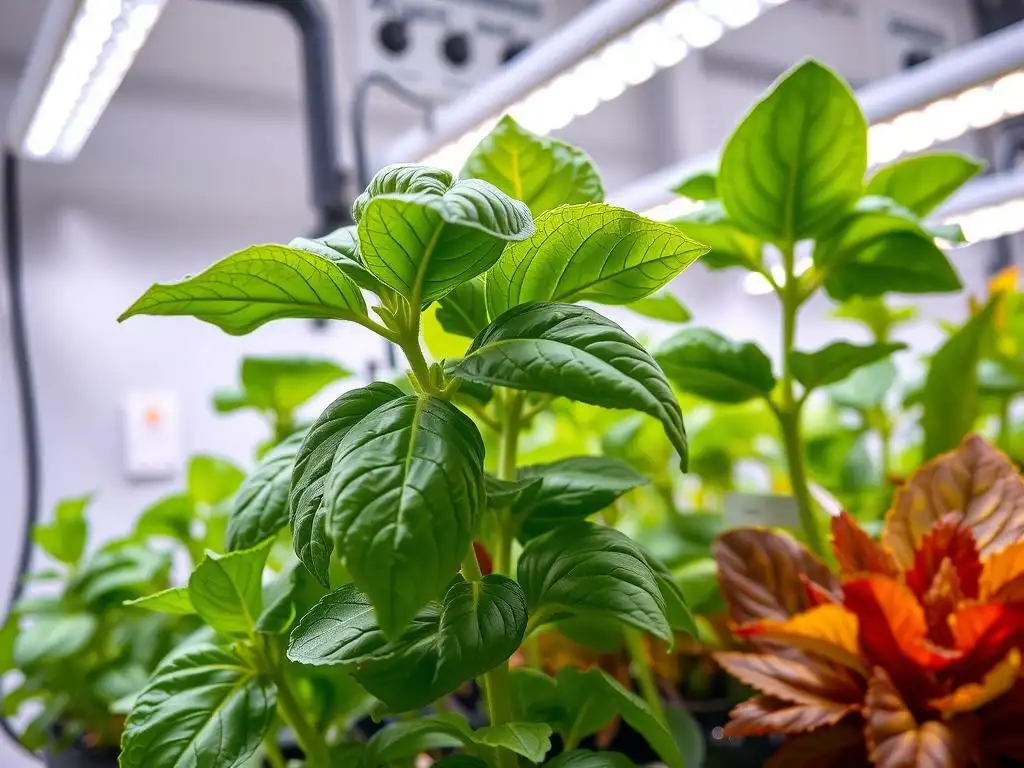
Hydroponic systems, while offering efficient herb cultivation, are sensitive to nutrient imbalances. Ignoring nutrient deficiencies can lead to stunted growth, reduced yield, and even plant death. Successfully cultivating vibrant herbs hydroponically requires vigilance and prompt action when deficiencies arise. This section focuses on identifying and correcting common nutrient deficiencies, helping you maintain a thriving hydroponic herb garden and effectively fix hydroponic herb problems.
Correcting Nitrogen Deficiency in Hydroponic Herbs
Nitrogen (N) is crucial for leafy green growth. A nitrogen deficiency manifests as pale green or yellowing leaves, particularly older, lower leaves. Stems may also become slender and weak. The plants might exhibit stunted growth and reduced vigor. This is often one of the first nutrient deficiencies to appear in hydroponic systems because nitrogen is readily leached from the nutrient solution.
To correct a nitrogen deficiency, you need to increase the nitrogen concentration in your nutrient solution. This can be done by:
- Adjusting your nutrient solution: Carefully follow the instructions on your chosen hydroponic nutrient solution, ensuring the correct NPK ratio is maintained, with a higher emphasis on Nitrogen.
- Adding supplemental nitrogen: Use a nitrogen-rich supplement specifically formulated for hydroponics. Always follow the product's instructions carefully to avoid over-fertilization.
- Regular testing: Regularly monitor your nutrient solution's pH and nutrient levels using a reliable testing kit. Maintaining the correct pH is crucial for nutrient uptake. A pH imbalance can exacerbate nutrient deficiencies.
- Improving water quality: Use filtered or purified water to avoid introducing contaminants that can interfere with nutrient absorption.
For example, if your nutrient solution currently has a ratio of 10-10-10 (N-P-K), consider switching to a 15-10-10 or even a 20-10-10 solution, depending on the severity of the deficiency and the specific recommendations for your chosen nutrient line. Always make gradual adjustments to avoid shocking the plants. Remember to meticulously document your nutrient solution's composition and any adjustments made. This helps you track progress and prevent future issues. Careful observation and record-keeping are key to successful hydroponic gardening.
Addressing Potassium Deficiency in Your Hydroponic System
Potassium (K) is essential for overall plant health, including disease resistance and strong stem development. A potassium deficiency often presents as yellowing or browning leaf margins, starting at the tips and progressing inward. The leaves may also appear scorched or curled. Plants may be more susceptible to diseases. Unlike nitrogen, potassium deficiency often affects younger leaves first.
Addressing potassium deficiency requires increasing the potassium levels in your nutrient solution. This can be achieved through:
- Using a potassium-rich nutrient solution: Choose a nutrient solution with a higher potassium concentration relative to nitrogen and phosphorus. For instance, you could switch from a 10-10-10 to a 10-10-20 ratio.
- Supplementing with potassium: Add a potassium supplement designed for hydroponic systems, following the manufacturer's instructions precisely.
- Checking water quality and pH: Ensure that your water source is clean and that the pH level of your nutrient solution remains within the optimal range for nutrient uptake. Improper pH can hinder potassium absorption.
- Monitoring plant health: Regularly inspect your plants for signs of stress or deficiency. Early detection allows for timely intervention.
Remember that over-correcting can also be detrimental. Start with small adjustments to your nutrient solution and carefully observe your plants' response. A gradual approach is crucial to avoid harming the plants. Always keep detailed records of your nutrient solution's composition and any changes you make. This helps in diagnosing and treating future problems effectively.
Resolving Phosphorus Deficiency Issues in Hydroponic Herb Gardens
Phosphorus (P) is vital for root development, flowering, and overall plant vigor. A phosphorus deficiency usually results in dark green or purplish leaves, stunted growth, and delayed flowering or fruiting. Lower leaves may show signs of yellowing or browning. Phosphorus deficiency can significantly impact the yield of your hydroponic herb garden. The plants might appear generally unhealthy and struggle to thrive.
To address a phosphorus deficiency, you need to increase the phosphorus concentration in your nutrient solution. This can be done by:
- Adjusting your nutrient solution's P level: Start by reviewing the NPK ratio of your current nutrient solution. If it is low in phosphorus, switch to a blend with a higher phosphorus concentration. For example, consider using a 10-20-10 ratio if your current ratio is 10-10-10.
- Supplementing with phosphorus: Use a phosphorus-rich supplement, always adhering to the instructions provided by the manufacturer.
- Optimizing pH: Ensure that the pH of your nutrient solution is within the ideal range for phosphorus uptake. An improper pH level can drastically reduce phosphorus absorption, even if sufficient phosphorus is present in the solution.
- Improving root health: Healthy roots are essential for nutrient absorption. Check for root rot or other root problems that might hinder phosphorus uptake. Address any root issues promptly.
Phosphorus deficiency can be tricky to diagnose, as symptoms can sometimes mimic other nutrient deficiencies. Regular monitoring of your plants' health and consistent nutrient solution testing are essential for early detection and successful management. A systematic approach, combining careful observation with precise adjustments to your nutrient regime, will ensure the health and productivity of your hydroponic herb garden, allowing you to effectively fix hydroponic herb problems.
Supplementing Micronutrients in Hydroponic Herb Cultivation
Micronutrients, while needed in smaller quantities than macronutrients, are absolutely crucial for healthy herb growth in hydroponic systems. A deficiency can manifest in subtle ways initially, easily overlooked by the novice grower, but quickly escalating to severely stunted growth and reduced yield. Understanding which micronutrients are essential and how to supplement them effectively is key to maximizing your hydroponic herb garden's potential. Think of it like this: macronutrients are the foundation of your house, but micronutrients are the finishing touches that make it beautiful and functional. Without them, the structure might stand, but it won't thrive.
One common micronutrient deficiency in hydroponic systems is iron (Fe). Iron chlorosis, a condition where plants struggle to produce chlorophyll, leading to yellowing leaves, is a telltale sign. This is particularly prevalent in hydroponic systems with high pH levels, as iron becomes less available to plants in alkaline conditions.
Addressing this requires lowering the pH of your nutrient solution to the optimal range (typically between 5.5 and 6.5 for most herbs) and potentially supplementing with an iron chelate, a form of iron that is more readily absorbed by plants, even at higher pH levels. Regular pH monitoring is paramount to prevent this issue. You should aim for consistent pH levels throughout the growing cycle.
Another crucial micronutrient is manganese (Mn). Manganese plays a vital role in photosynthesis and enzyme activation. Deficiency symptoms often appear as yellowing between leaf veins, similar to iron deficiency, but can also include brown spots or necrotic patches on leaves. Supplementing with a manganese sulfate solution can effectively address this deficiency. However, it's important to note that over-supplementation can be toxic, so always follow the recommended dosage on your chosen nutrient solution. Remember, a little goes a long way, and precision is key in hydroponics.
Zinc (Zn) is another important micronutrient often overlooked. Zinc is essential for various enzymatic processes within the plant, impacting growth and development. Zinc deficiency can manifest as stunted growth, small leaves, and distorted leaf shapes. Similar to other micronutrients, supplementing with a zinc sulfate solution can rectify the problem. However, always test your nutrient solution regularly to avoid imbalances. Regular testing prevents both deficiencies and toxicities, ensuring optimal plant health. Consider using a complete hydroponic nutrient solution designed to provide all essential macro- and micronutrients in balanced proportions. This simplifies the process and reduces the risk of nutrient imbalances.
Boron (B) is another essential micronutrient for cell wall development and sugar transport within the plant. A deficiency can result in stunted growth, thick, brittle leaves, and potentially blossom-end rot in fruiting plants. Supplementing with boric acid is the common method, but again, careful monitoring and adherence to recommended dosages are vital to avoid toxicity. Careful observation of your plants is crucial; early detection of deficiencies allows for prompt intervention and prevents irreversible damage.
Finally, copper (Cu) and molybdenum (Mo) are also essential micronutrients, playing crucial roles in enzyme function and nitrogen metabolism. Deficiencies are less common but can lead to stunted growth and other developmental issues. Always consult a comprehensive guide on hydroponic nutrient solutions to learn more about balanced supplementation. Remember, prevention is better than cure; maintaining the correct pH levels, using high-quality water, and monitoring nutrient levels proactively will significantly reduce the risk of micronutrient deficiencies. A healthy hydroponic system starts with a well-balanced nutrient solution.
Solving Hydroponic Herb Diseases and Pests
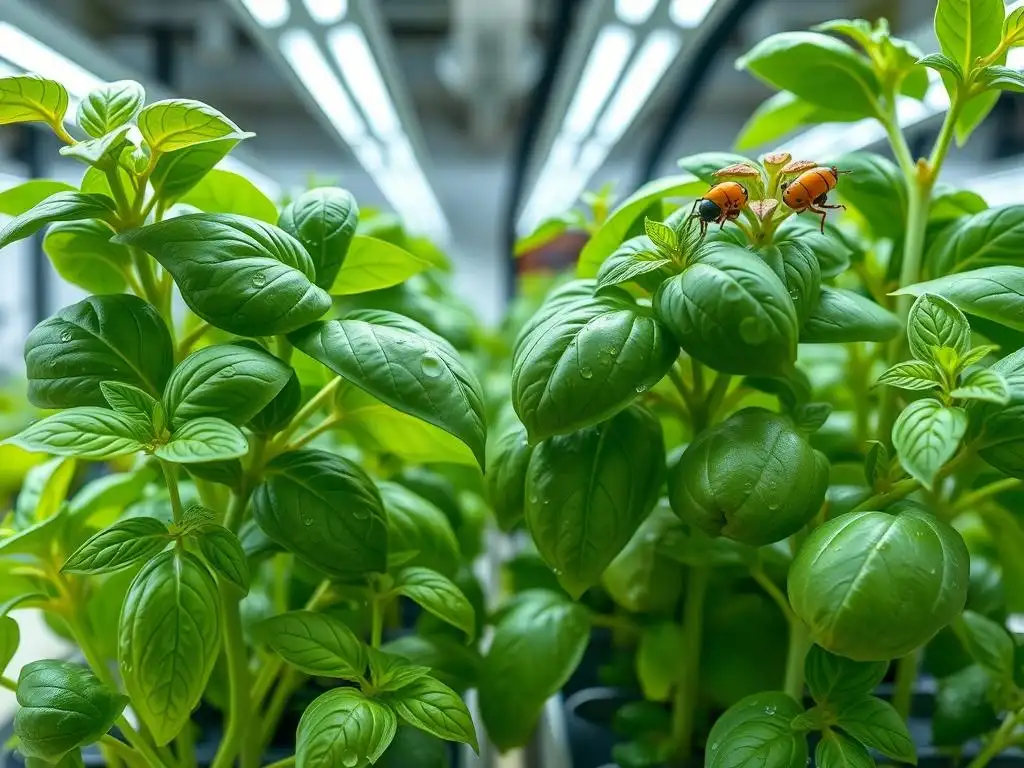
Hydroponic systems, while offering many advantages for growing herbs, are also susceptible to various diseases and pests. Understanding the common problems and implementing preventative measures is crucial for a thriving, healthy herb garden. This section focuses on identifying and addressing some of the most frequent issues encountered by hydroponic herb growers, providing practical solutions to help you fix hydroponic herb problems.
Dealing with Common Fungal Diseases in Hydroponic Systems
Fungal diseases are a significant concern in hydroponic systems due to the high humidity and moisture levels. Several factors contribute to fungal growth, including poor sanitation, inadequate aeration, and nutrient imbalances. Let's examine some common fungal culprits and how to combat them.
Identifying Fungal Infections: Common fungal diseases in hydroponic herb gardens include root rot (often caused by Pythium or Phytophthora), downy mildew, and gray mold ( Botrytis). Symptoms can vary, but often include wilting, discoloration of leaves (yellowing, browning, or spotting), and the presence of fuzzy or powdery growth on plant tissues. Root rot is particularly insidious, as it often goes unnoticed until significant damage has occurred. You might notice wilting even when the growing medium appears adequately moist.
Preventing Fungal Growth: Prevention is key. Maintain excellent sanitation practices, disinfecting all equipment and containers before use. Ensure adequate air circulation within your hydroponic system to minimize humidity. Monitor nutrient levels closely, avoiding excessive fertilization which can weaken plants and make them more susceptible to disease. Regularly inspect your plants for any signs of disease. Early detection is crucial for effective treatment.
Treating Fungal Infections: If a fungal infection is detected, promptly remove and discard affected plants to prevent the spread of disease. For less severe infections, you can try applying a fungicide specifically formulated for hydroponic systems. Always follow the manufacturer's instructions carefully. In severe cases, it might be necessary to completely clean and disinfect your entire hydroponic system before starting again with healthy plants. Consider using a biological control agent like Trichoderma, a beneficial fungus that can help suppress the growth of harmful fungi.
Preventing and Treating Bacterial Blights in Hydroponic Herbs
Bacterial blights, caused by various bacteria, can quickly decimate a hydroponic herb garden. These diseases often manifest as leaf spots, wilting, and stem cankers. Erwinia and Pseudomonas are common bacterial culprits. Their rapid spread necessitates prompt action and preventative measures.
Identifying Bacterial Blights: Observe your plants carefully. Look for water-soaked lesions on leaves, stems, or flowers. These lesions can enlarge and coalesce, leading to extensive leaf damage and wilting. Sometimes, a bacterial ooze may be visible on infected tissues. Unlike fungal diseases, bacterial infections generally lack the fuzzy or powdery appearance.
Preventing Bacterial Blights: Maintain a sterile environment. Use clean, disinfected equipment and growing media. Ensure proper nutrient balance and avoid overwatering, as excess moisture creates ideal conditions for bacterial growth. Avoid overhead watering, which can spread bacteria. Choose disease-resistant herb varieties whenever possible. This proactive approach is vital for preventing bacterial outbreaks.
Treating Bacterial Blights: Unfortunately, treating established bacterial blights in hydroponic systems is often challenging. Copper-based bactericides can be effective in some cases, but their use should be carefully considered due to potential environmental impacts. In severe cases, the removal and destruction of infected plants is crucial to prevent further spread. Sanitization of the entire system is also necessary to eliminate the bacteria. Implementing strong preventative measures is far more effective than trying to cure a widespread bacterial blight.
Effective Pest Control Strategies for Hydroponic Herb Gardens: Aphids, Whiteflies, and Spider Mites
Pests are a common challenge in hydroponic systems. Aphids, whiteflies, and spider mites are particularly troublesome, quickly infesting plants and causing significant damage. Effective pest control requires a multi-pronged approach incorporating both preventative and curative measures.
Identifying Common Pests: Aphids are small, soft-bodied insects that cluster on the undersides of leaves, sucking plant sap. Whiteflies are tiny, white, winged insects that fly up when plants are disturbed. Spider mites are microscopic arachnids that create fine webbing on leaves, causing stippling and discoloration. Regularly inspect your plants, especially the undersides of leaves, for signs of infestation.
Preventing Pest Infestations: Maintain a clean and well-maintained hydroponic system. Regularly inspect plants for any signs of pests. Use sticky traps to monitor pest populations. Introduce beneficial insects like ladybugs or lacewings, natural predators that can help control pest numbers. These preventative steps are crucial for minimizing pest problems.
Treating Pest Infestations: For minor infestations, you can try manually removing pests or using a strong spray of water to dislodge them. For more significant infestations, insecticidal soaps or neem oil are effective organic control options. Always follow the manufacturer's instructions carefully. In severe cases, you might consider using a systemic insecticide, but this should be a last resort due to potential environmental concerns and impacts on beneficial insects. Remember that consistent monitoring and prompt action are vital for effective pest control. Regularly inspecting your plants for pests is key to successful "fix hydroponic herb problems" strategies.
Using Beneficial Insects for Natural Pest Control in Hydroponic Systems
Beneficial insects offer a powerful, environmentally friendly approach to managing pests in your hydroponic herb garden. Instead of relying on harsh chemicals, you can introduce natural predators that will control infestations effectively and sustainably. This method aligns perfectly with the organic and sustainable ethos of CultivateYourFood. Choosing the right beneficial insects depends heavily on the specific pest you're facing. For example, aphids, a common hydroponic herb pest, are effectively controlled by ladybugs 🐞. These voracious predators feast on aphids, significantly reducing their populations and preventing widespread damage to your plants.
The application of beneficial insects requires careful consideration. You need to ensure the environment within your hydroponic system is hospitable to these beneficial creatures. This means maintaining appropriate humidity and temperature levels, and avoiding the use of pesticides that could harm them. Introducing beneficial insects too early, before a significant pest problem has developed, can be wasteful. Instead, monitor your plants regularly for signs of infestation. Early detection allows for timely intervention with beneficial insects, preventing a large-scale outbreak.
Effective integration of beneficial insects often involves a multifaceted approach. For instance, while ladybugs are excellent for aphid control, you might need to supplement them with other beneficial insects to tackle different pests simultaneously. Lacewings, for example, are effective against various soft-bodied insects like thrips and whiteflies. Introducing a diverse range of beneficial insects creates a more robust and resilient ecosystem within your hydroponic system, enhancing its natural pest control capabilities.
This biodiversity mimics natural environments, promoting a balanced system where pests are kept in check without the need for chemical interventions. Careful planning and observation are key to successfully using beneficial insects to fix hydroponic herb problems. Remember to source your beneficial insects from reputable suppliers to ensure you're introducing healthy and effective predators to your system.
Maintaining Optimal pH Levels for Hydroponic Herbs
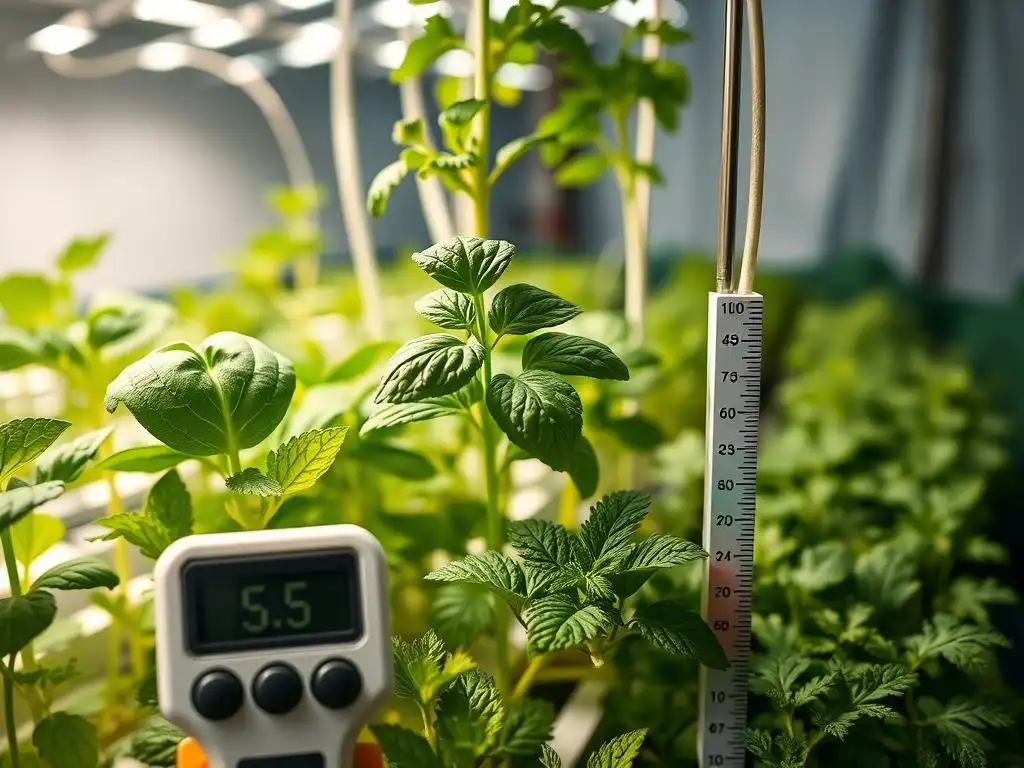
Maintaining the correct pH level is crucial for the success of your hydroponic herb garden. The pH scale measures the acidity or alkalinity of your nutrient solution, ranging from 0 to 14, with 7 being neutral. Most hydroponic herbs thrive in a slightly acidic range, typically between 5.5 and 6.5.
Deviation from this optimal range can significantly impact nutrient uptake, leading to stunted growth, nutrient deficiencies, and ultimately, a poor harvest. Ignoring pH imbalances is one of the most common reasons hydroponic herb gardens fail to flourish. Let's delve into how to properly manage this critical aspect of hydroponic cultivation.
Understanding pH Levels and Their Impact on Hydroponic Herb Growth
The pH of your nutrient solution directly affects the availability of essential nutrients to your herbs. At the optimal pH range (5.5-6.5), nutrients are readily soluble and easily absorbed by the plant roots. However, outside this range, certain nutrients become less soluble, meaning your plants can't access them, even if they are present in the solution.
For example, at higher pH levels (above 7), iron and manganese become less available, leading to chlorosis (yellowing of leaves). Conversely, at lower pH levels (below 5.5), nutrients like phosphorus and molybdenum can become less accessible, resulting in stunted growth and poor overall plant health. Maintaining the correct pH is therefore not just beneficial but essential for healthy, vigorous herb growth in a hydroponic system.
Think of it as providing your plants with the key to unlocking the nutrients they need to thrive. A simple pH test can reveal whether your system is providing the right environment for your herbs to flourish.
Adjusting pH Levels in Your Hydroponic System: Simple Techniques
Adjusting the pH of your nutrient solution requires careful attention and the right tools. There are two main methods for adjusting pH: using pH up solutions (typically potassium hydroxide) to raise the pH, and pH down solutions (typically phosphoric acid) to lower it. Always add the solution slowly and carefully, constantly monitoring the pH with a reliable meter. It's crucial to avoid drastic changes, as sudden shifts can shock your plants. Small, incremental adjustments are key. For example, if your pH is too high (let's say 7.2), start by adding a small amount of pH down solution, wait 15-30 minutes, retest, and repeat the process until you reach the desired range (5.5-6.5). Remember to always thoroughly mix the solution after adding any pH adjuster. It's a good practice to keep a log of your pH adjustments, noting the date, time, and amount of solution added. This helps you track trends and refine your approach over time, allowing you to anticipate and prevent future imbalances. This careful attention to detail will help you fix hydroponic herb problems before they significantly impact your yield.
Monitoring pH Regularly: Essential Tools and Methods
Regular pH monitoring is paramount to prevent nutrient deficiencies and ensure optimal herb growth. You'll need a reliable pH meter or test kit. Digital pH meters offer precise readings, while liquid test kits provide a simpler, more affordable option. Regardless of the method you choose, consistency is key.
Aim to test your nutrient solution's pH at least once or twice a week, more frequently if you notice any unusual changes in your plants' appearance or growth rate. Factors such as nutrient depletion, evaporation, and the addition of new water can all impact the pH, necessitating regular checks. Remember, proactive pH management is far more effective than reactive problem-solving. Early detection of pH imbalances allows for timely correction, preventing serious issues and maximizing your hydroponic herb harvest.
Regular monitoring allows you to anticipate and address potential issues, leading to a healthier, more productive hydroponic herb garden. By consistently monitoring and adjusting your pH, you'll be well on your way to cultivating a thriving and abundant harvest. 🌱
Fixing Hydroponic System Water Temperature Issues
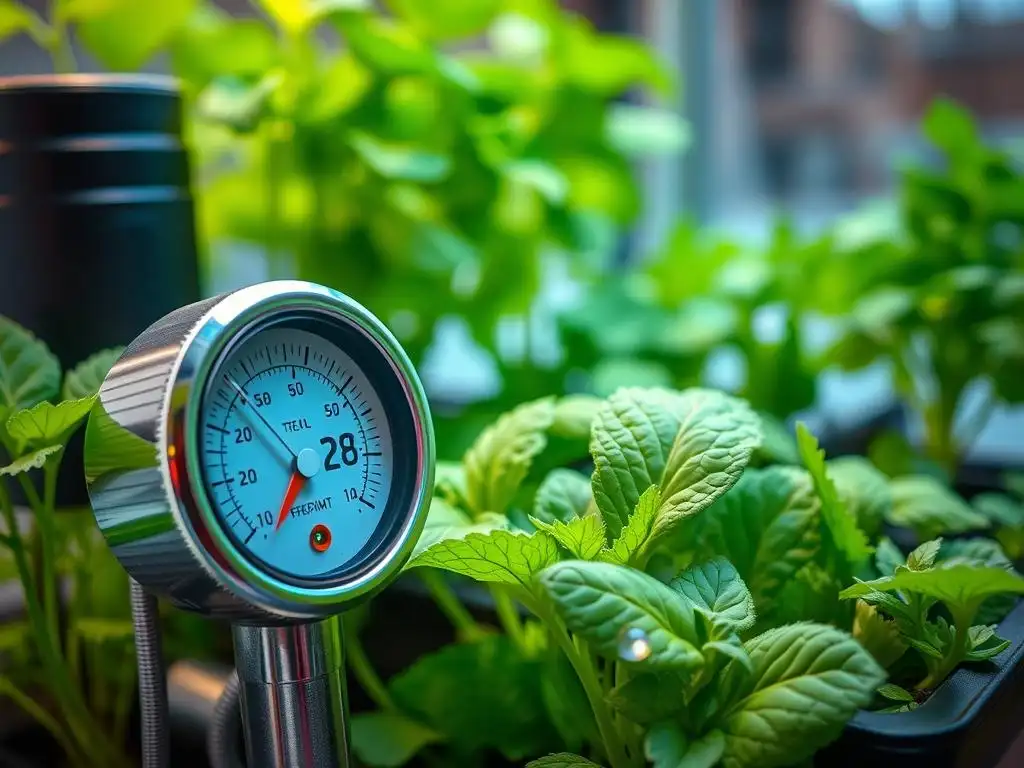
Maintaining the ideal water temperature is crucial for successful hydroponic herb cultivation. Deviations from the optimal range can significantly impact plant health and yield, leading to stunted growth, nutrient deficiencies, and even root rot. This section focuses specifically on diagnosing and resolving water temperature problems in your hydroponic herb garden, helping you to effectively fix hydroponic herb problems related to temperature. Understanding the nuances of temperature control is key to maximizing your harvest.
The Importance of Water Temperature Control in Hydroponic Herb Growing
The temperature of your nutrient solution directly affects the rate of nutrient uptake by your herb roots. Most herbs thrive in a relatively narrow temperature range, typically between 65°F and 72°F (18°C and 22°C). Temperatures outside this range can cause several issues:
- Too Cold: Cold water reduces nutrient absorption, slowing down plant growth. Roots may become sluggish and less efficient at taking up essential nutrients, leading to visible signs of deficiency such as yellowing leaves or stunted growth. Extreme cold can also damage or even kill roots.
- Too Hot: High temperatures can accelerate the growth of harmful bacteria and fungi in your hydroponic system, leading to root rot and other diseases. Additionally, excessively warm water can reduce the solubility of certain nutrients, making them less available to your plants. This can manifest as nutrient burn (tip browning) or overall poor plant health.
Consistent monitoring and precise temperature control are paramount for healthy herb growth in a hydroponic system. Even small fluctuations can have a cumulative negative effect over time, impacting the overall yield and quality of your herbs.
Solutions for Water Temperature Fluctuations in Hydroponic Systems
Several factors can contribute to inconsistent water temperatures in your hydroponic system. These include:
- Ambient Room Temperature: Fluctuations in the surrounding room temperature will directly affect the water temperature. Consider placing your hydroponic system in a location with stable temperatures, away from direct sunlight or drafts.
- Lighting: High-intensity grow lights can generate significant heat, particularly in enclosed spaces. Ensure adequate ventilation to prevent overheating of your nutrient solution.
- Faulty Equipment: Malfunctioning pumps, heaters, or chillers can contribute to temperature instability. Regularly inspect your equipment for proper functioning and address any issues promptly.
Solutions depend on the cause of the fluctuation. For ambient temperature issues, consider using insulation or climate control systems to maintain a stable environment. Overheating from grow lights can be mitigated with improved ventilation—fans strategically placed around the system can make a significant difference. If equipment malfunctions are the culprit, repair or replace faulty components immediately. A digital thermometer with an alarm function can be invaluable for detecting and responding to temperature deviations.
Maintaining Consistent Water Temperature: Effective Strategies and Equipment
Maintaining a consistent water temperature requires a proactive approach. Here are some effective strategies and equipment you can employ:
- Insulation: Wrapping your reservoir with insulating material can help buffer against external temperature fluctuations. This is particularly useful in environments with significant temperature swings.
- Water Chillers: For warmer climates or environments with high ambient temperatures, a water chiller is an effective solution for maintaining optimal water temperature. These units actively cool the nutrient solution, preventing overheating.
- Water Heaters: In cooler environments, a water heater can be used to maintain the minimum temperature needed for healthy root growth. Submersible aquarium heaters are commonly used for this purpose.
- Reservoir Placement: Strategic placement of the reservoir can also impact temperature. Avoid placing it in direct sunlight or near heat sources.
- Regular Monitoring: Use a reliable thermometer to monitor the water temperature regularly, ideally multiple times a day. This allows for early detection of any deviations from the optimal range, enabling timely intervention.
Using a combination of these strategies and equipment will help you create a stable environment for your hydroponic herbs, promoting healthy growth and maximizing your yield. Remember that proactive monitoring and maintenance are key to fixing hydroponic herb problems before they significantly impact your plants. A well-maintained system will reward you with a bountiful harvest of fresh, flavorful herbs.
Preventing Future Hydroponic Herb Problems: Proactive Measures
This section focuses on proactive strategies to minimize common hydroponic herb gardening issues, ensuring a thriving and productive system. A proactive approach is key to avoiding the frustration of dealing with problems after they arise. By implementing preventative measures, you can significantly reduce the likelihood of encountering many of the issues discussed elsewhere in this article, ultimately leading to a more successful and enjoyable hydroponic herb gardening experience. This translates to healthier plants, increased yields, and less time spent troubleshooting. Let's explore some critical proactive measures:
Implementing a Preventative Maintenance Schedule for Your Hydroponic System
Regular maintenance is the cornerstone of a healthy hydroponic herb garden. Think of it as a preventative health checkup for your plants. A well-structured maintenance schedule should include:
- Weekly Inspections: Visually inspect your system for leaks, algae growth, nutrient solution levels, and any signs of pest infestation. Pay close attention to the water level, pump function, and the overall health of your plants. Note any unusual discoloration or wilting. A simple checklist can be invaluable.
- Bi-weekly Cleaning: Clean the reservoir and any visible components of your system. Remove any accumulated debris, algae, or dead plant matter. This prevents the buildup of harmful bacteria and fungi. Use a mild solution of hydrogen peroxide and water for cleaning, avoiding harsh chemicals that could harm your plants.
- Monthly Solution Changes: Completely replace the nutrient solution every month. This prevents nutrient depletion and the accumulation of salts and other impurities. Always follow the manufacturer's instructions for your specific nutrient solution.
- Quarterly Deep Cleaning: Every three months, perform a thorough deep clean of your entire hydroponic system. Disassemble components where possible, and scrub them thoroughly. This more intensive cleaning helps eliminate any persistent buildup of contaminants.
Prevention is better than cure,
and this is especially true for hydroponic systems. A consistent maintenance schedule minimizes the risk of encountering major problems later.
Choosing the Right Hydroponic System for Your Needs
The type of hydroponic system you choose significantly impacts your success. Consider factors like:
- Space Constraints: Do you have limited space? Deep water culture (DWC) systems are often compact, while NFT (Nutrient Film Technique) systems can be more space-intensive.
- Experience Level: Beginner-friendly systems, such as wick systems, require less technical expertise. More advanced systems, like aeroponics, demand a higher level of knowledge and maintenance.
- Herb Variety: Different herbs have varying nutrient requirements and growth habits. Choose a system that caters to the specific needs of your chosen herbs. For example, some herbs might thrive in a high-humidity environment better suited to certain systems.
- Budget: Hydroponic systems range in price. Consider your budget and choose a system that offers the best value for your needs.
| System Type | Space Requirements | Maintenance Level | Cost | Suitability for Beginners |
|---|---|---|---|---|
| Deep Water Culture | Low | Low | Low to Medium | Yes |
| Nutrient Film Technique (NFT) | Medium to High | Medium | Medium to High | No |
| Wick System | Low | Low | Low | Yes |
| Aeroponics | Medium to High | High | High | No |
This table provides a general overview. Thorough research is crucial before making your final decision.
Selecting High-Quality Seeds and Starting Materials for Hydroponic Herb Gardening
Using high-quality seeds and starting materials is paramount for success in hydroponic herb gardening. Here's what to consider:
- Seed Source: Opt for seeds from reputable suppliers known for their high germination rates and disease resistance. Avoid using seeds from questionable sources, as they may carry diseases or have low viability.
- Seed Starting Medium: Choose a suitable seed starting medium that provides optimal conditions for germination and early seedling growth. Coco coir, rockwool, and peat pellets are common choices. The choice depends on your system and personal preference.
- Nutrient Solution: Select a high-quality nutrient solution specifically formulated for hydroponic systems. Ensure that it contains all the essential macronutrients and micronutrients required for healthy herb growth. Follow the manufacturer's instructions carefully to avoid nutrient burn or deficiencies.
Investing in premium seeds and starting materials is an investment in the success of your hydroponic herb garden. The extra cost is often offset by higher yields and healthier plants. Don't skimp on quality in this crucial aspect. The right start is half the battle when it comes to fixing hydroponic herb problems.
Frequently Asked Questions
What are some common problems with hydroponic herb gardens?
Common issues include nutrient deficiencies (yellowing leaves, stunted growth), pH imbalances (affecting nutrient uptake), algae growth (blocking light and oxygen), pest infestations (aphids, fungus gnats), and root rot (due to overwatering or poor aeration).
How can I prevent algae growth in my hydroponic system?
Prevent algae by ensuring your system is properly sealed, using filtered water, and controlling light exposure to the reservoir. Regular cleaning also helps.
My hydroponic herbs are showing yellowing leaves. What could be wrong?
Yellowing leaves often indicate a nutrient deficiency. Check your nutrient solution's pH and PPM levels and adjust accordingly. It could also be a sign of overwatering or root rot.
How do I deal with pests in my hydroponic herb garden?
Introduce beneficial insects like ladybugs, use neem oil or insecticidal soap, or implement physical barriers to prevent infestations. Early detection is key.
What is the ideal pH level for my hydroponic herb solution?
The ideal pH range for most hydroponic herbs is between 5.5 and 6.5. Using a pH meter to regularly monitor and adjust your nutrient solution is crucial for healthy plant growth.
Final Reflection: Harvesting the Bounty: A Sustainable Future in Hydroponics
The challenges of establishing and maintaining a thriving hydroponic herb garden are real, but the rewards – both in terms of fresh, flavorful produce and sustainable food production – far outweigh the initial hurdles. Successfully troubleshooting common issues, as explored throughout this article, is key to unlocking the potential of this innovative gardening method. The future of food security may well depend on embracing such efficient and resource-conscious approaches.
The journey of cultivating herbs hydroponically is a testament to the power of observation, adaptation, and a deep respect for the delicate balance of nature, even within a controlled environment. This process has profoundly impacted my own understanding of plant health and the interconnectedness of all living things. The glory of gardening: hands in the dirt, head in the sun, heart with nature. To nurture a garden is to feed not just the body, but the soul.
This quote perfectly encapsulates the holistic experience of hydroponic gardening, extending beyond mere sustenance to a deeply fulfilling connection with the natural world.
Now, it's your turn. Consider the challenges you might face in your own gardening endeavors, whether hydroponic or traditional. Remember the troubleshooting techniques discussed here, and approach each obstacle as an opportunity for learning and growth. Embrace the journey, celebrate the small victories, and savor the delicious rewards of your labor. The path to a bountiful and sustainable future begins with a single seed, carefully nurtured and tended with mindful care.
Unleash Your Herb Garden's Full Potential!
Thanks for exploring the world of hydroponic herbs with us! We hope you found our troubleshooting advice helpful and are ready to cultivate a thriving garden. Let's build on that:
- Tackle your biggest challenge: Identify the most significant problem your herb garden is facing and focus on implementing a single solution immediately. Even a small change can make a big difference in growth.
- Share your experience: Tell us about your progress in the comments below! We value our community and enjoy learning from one another's successes and challenges.
- Refine your techniques: Try a new nutrient solution or experiment with different grow light settings to further optimize your results. You might be amazed by the improvements!
What small adjustment will you make to your hydroponic system today for the greatest impact?