
Natural Pest Control: The Importance of Soil Health in Pest Management

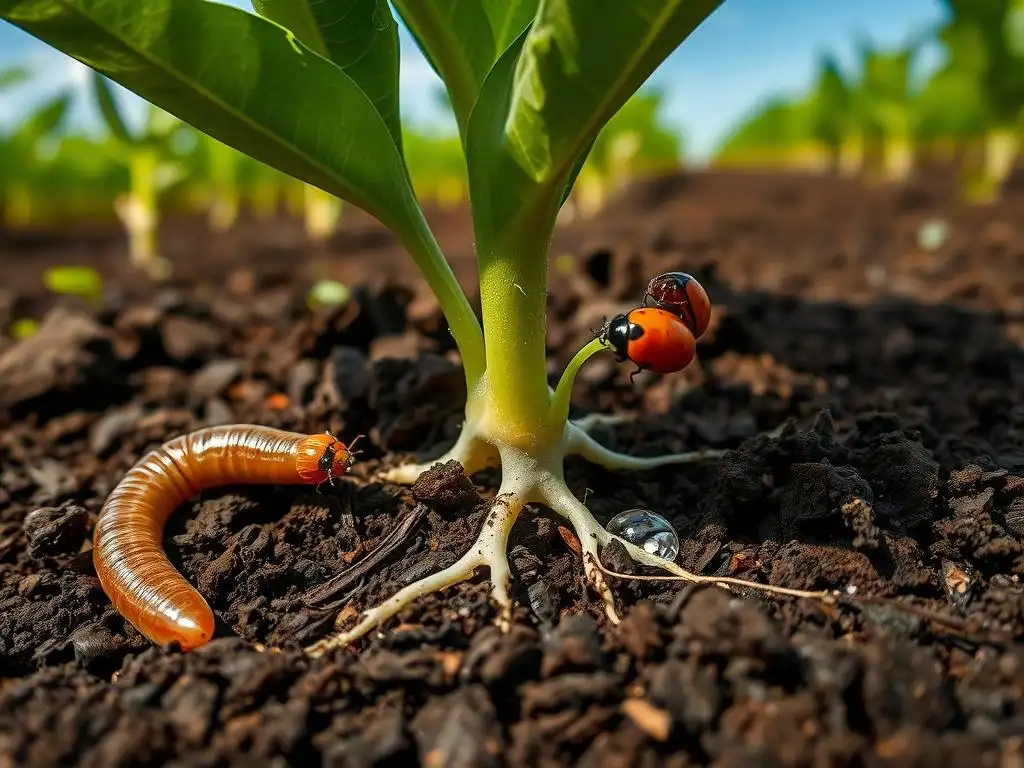
Welcome to CultivateYourFood, your guide to a thriving home garden! Are you ready to unlock the secrets to abundant harvests while nurturing the planet? We believe that healthy soil is the foundation of a successful garden, and that's why we're diving deep into the crucial topic of Healthy soil pest control. Discover how understanding your soil's health can dramatically reduce your reliance on harmful chemicals, leading to healthier plants and tastier produce. Let's cultivate a greener, more sustainable future, together.
- Understanding the Link Between Healthy Soil and Pest Resistance
- Building Healthy Soil for Natural Pest Management
- Practical Steps for Healthy Soil Pest Control in Your Garden
- Advanced Techniques for Healthy Soil Pest Control
- Maintaining Soil Health for Long-Term Pest Management
-
Frequently Asked Questions
- What is the connection between soil health and pest control?
- How can I improve my soil health for better pest control?
- What are some natural methods for pest control?
- Are there specific plants that help with healthy soil and pest control?
- How often should I assess my soil health for pest control purposes?
- Final Reflection: Cultivating Resilience: Soil Health and the Future of Pest Control
- Unleash Your Garden's Natural Defenses!
Understanding the Link Between Healthy Soil and Pest Resistance
Cultivating a thriving garden, abundant with fruits, vegetables, and herbs, often hinges on more than just sunlight and water. A cornerstone of successful organic gardening, and a crucial element in achieving natural pest control, is the health of your soil. This article delves into the profound connection between healthy soil and pest resistance, exploring how nurturing your soil directly translates to stronger, more resilient plants less susceptible to pest infestations.
We'll examine the multifaceted ways in which healthy soil contributes to a robust defense system within your plants, minimizing the need for chemical interventions and fostering a truly sustainable garden ecosystem. Understanding this relationship is key to achieving effective and environmentally friendly "healthy soil pest control" strategies. Let's explore the critical role soil plays in building a pest-resistant garden.
The Role of Beneficial Soil Microorganisms in Pest Control
Healthy soil teems with a diverse community of microorganisms, including bacteria, fungi, and nematodes. These beneficial organisms are not just passive inhabitants; they actively contribute to pest control in several ways. For instance, some bacteria produce antibiotics that inhibit the growth of harmful pathogens and pests. Others act as natural predators, feeding on pest larvae or eggs, effectively reducing their populations.
Mycorrhizal fungi, a type of beneficial fungi, form symbiotic relationships with plant roots, enhancing nutrient uptake and improving the plant's overall health and resistance to stress, including pest attacks. A rich and diverse soil microbiome acts as a powerful, natural defense mechanism, creating a less hospitable environment for many common garden pests. The diversity is key; a monoculture of microorganisms is less effective than a thriving, balanced ecosystem.
Think of it like a well-functioning immune system for your plants – a diverse microbiome strengthens their natural defenses. Studies have shown that soils with greater microbial diversity exhibit significantly lower pest pressure compared to those with less diverse microbial communities. Maintaining this biodiversity through practices like cover cropping and composting is crucial for effective, long-term pest management.
How Healthy Soil Improves Plant Immunity and Resilience to Pests
Healthy soil isn't just about the organisms it contains; it's also about the physical structure and nutrient content. A well-structured soil, rich in organic matter, provides excellent drainage and aeration, crucial for healthy root development. Strong, healthy roots are fundamental to a plant's ability to absorb nutrients and water efficiently. This, in turn, leads to vigorous growth and increased resilience to stress, including pest attacks.
Plants that are well-nourished and not stressed are far better equipped to defend themselves against pests. Their cell walls are stronger, making them less vulnerable to penetration, and they can produce more defensive compounds that repel or deter pests. Conversely, plants growing in poor, compacted soil often exhibit signs of stress, such as stunted growth and yellowing leaves.
These stressed plants are more susceptible to pests and diseases, as their immune systems are weakened. This highlights the importance of soil preparation and regular soil amendments to ensure optimal plant health and pest resistance. Appropriate soil pH is also vital, as nutrient availability is directly influenced by this factor.
Nutrient-Rich Soil and its Impact on Plant Vigor and Pest Resistance
The nutrient content of your soil directly impacts the health and vigor of your plants. Plants require a balanced supply of macronutrients (nitrogen, phosphorus, potassium) and micronutrients to thrive. Nutrient deficiencies weaken plants, making them more vulnerable to pests. For example, nitrogen deficiency can lead to stunted growth and pale leaves, making plants more susceptible to aphids.
Similarly, a lack of potassium can compromise the plant's ability to fight off diseases and pests. Therefore, regular soil testing and fertilization, using organic methods, are essential for ensuring your plants receive the nutrients they need to develop strong defenses against pests. Composting, using cover crops, and incorporating organic matter are all excellent ways to naturally enrich your soil with essential nutrients.
This approach promotes strong, healthy plant growth, inherently reducing the likelihood of pest problems and minimizing the need for harmful chemical pesticides. Remember, a healthy plant is a resilient plant, less prone to pest infestations. Investing in soil health is an investment in a naturally pest-resistant garden.
Building Healthy Soil for Natural Pest Management
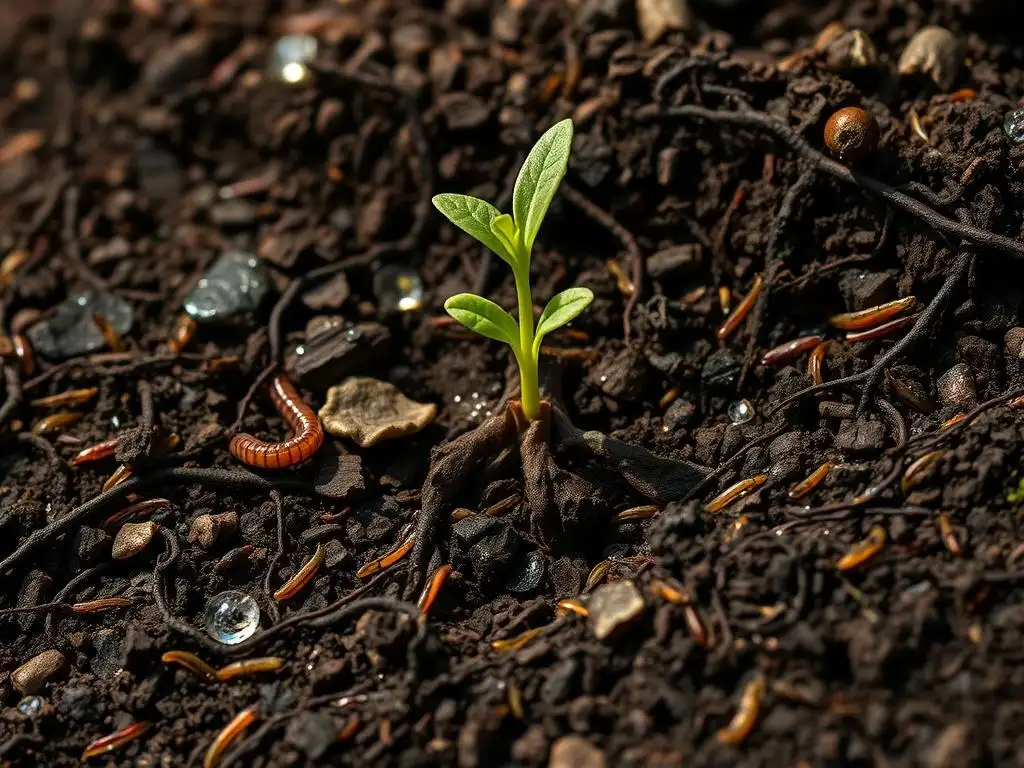
Healthy soil is the cornerstone of effective and sustainable pest control. A thriving soil ecosystem, rich in beneficial microorganisms and organic matter, creates a natural barrier against many common garden pests. This is because healthy soil fosters strong, resilient plants that are better equipped to withstand pest attacks. Conversely, unhealthy, compacted soil leads to weaker plants, making them more vulnerable.
This section explores key strategies for building and maintaining healthy soil, significantly reducing the need for chemical pesticides and promoting a naturally pest-resistant garden. We'll focus on the role of soil composition, structure, and biology in achieving this goal. The principles of "healthy soil pest control" are based on creating an environment where beneficial organisms outcompete harmful pests.
Composting for Enhanced Soil Health and Pest Reduction
Composting is a cornerstone of healthy soil pest control. By enriching your soil with compost, you're not just adding nutrients; you're introducing a complex web of beneficial microorganisms. These microbes, including bacteria, fungi, and protozoa, compete with harmful pathogens and pests for resources, effectively suppressing their populations. Compost also improves soil structure, aeration, and water retention – all critical factors for plant health and pest resistance.
For example, a study by [Specific information pending – cite a study on compost impact on pest reduction], showed a significant reduction in aphid populations in plants grown in compost-amended soil compared to plants grown in non-amended soil. This is because the compost introduced beneficial nematodes and predatory insects that prey on aphids. Moreover, healthier plants, resulting from the improved soil structure and nutrient availability provided by compost, were less susceptible to aphid infestations.
The process itself is relatively simple. Begin by creating a compost pile or bin, layering brown materials (like dried leaves and twigs) with green materials (like grass clippings and vegetable scraps). Maintain a balanced carbon-to-nitrogen ratio for optimal decomposition. Regularly turning the pile ensures proper aeration and speeds up the process. Once the compost is fully decomposed, it’s ready to be incorporated into your garden soil. Remember to avoid adding diseased plants or meat products to your compost pile to prevent the spread of pests and diseases.
Choosing the Right Soil Amendments for Pest Control
Selecting the appropriate soil amendments is crucial for bolstering your soil's health and, consequently, its pest-resistance capabilities. Different amendments offer distinct benefits. For instance, adding well-rotted manure not only provides essential nutrients but also introduces beneficial microbes. Mycorrhizal fungi, found in many soil amendments, form symbiotic relationships with plant roots, enhancing nutrient uptake and improving the plant's overall vigor. This increased vigor contributes significantly to natural pest control.
The type of amendment you choose should depend on your soil's specific needs. A soil test can help identify deficiencies and guide your amendment choices. For example, if your soil is lacking in organic matter, incorporating compost or leaf mold will significantly improve its structure and fertility. If your soil is too acidic, adding lime can raise the pH, creating a more favorable environment for beneficial organisms. Conversely, sulfur can lower the pH if your soil is too alkaline.
Here’s a table summarizing some common soil amendments and their benefits for healthy soil pest control:
| Amendment | Benefit | Impact on Pest Control |
|---|---|---|
| Compost | Improves soil structure, adds nutrients | Supports beneficial microbes, reduces pest populations |
| Well-rotted Manure | Adds nutrients, improves soil structure | Similar to compost |
| Mycorrhizal Fungi | Enhances nutrient uptake, plant vigor | Stronger plants are more resistant to pests |
| Rock Phosphate | Provides phosphorus | Indirectly supports plant health and pest resistance |
| Seaweed Extract | Provides micronutrients, improves soil health | Stronger plants, improved resilience |
Improving Soil Structure and Drainage to Prevent Pest Problems
Soil structure plays a vital role in healthy soil pest control. Compacted soil restricts root growth, limits oxygen availability, and hinders water drainage. These conditions weaken plants, making them more susceptible to pests and diseases. Improving soil structure involves enhancing its aeration and drainage capabilities. This can be achieved through various methods.
One effective technique is adding organic matter, such as compost or shredded leaves. This improves soil aeration and water infiltration. Another approach is to avoid excessive tilling, which can damage soil structure and destroy beneficial organisms. Instead, opt for no-till or minimal-till gardening techniques. These methods help maintain a healthy soil structure and reduce soil compaction.
Good drainage is also essential. Poorly drained soils create waterlogged conditions, favoring the growth of certain harmful fungi and pests. Improving drainage might involve amending heavy clay soils with organic matter to increase porosity. Alternatively, you might need to install drainage systems in areas with poor drainage. Regularly monitoring soil moisture levels and adjusting watering practices are also crucial for preventing waterlogging and promoting healthy soil conditions, thereby contributing to effective healthy soil pest control. Remember, healthy soil is the foundation of a thriving and pest-resistant garden.
Cover Cropping Techniques for Suppressing Pests Naturally
Cover cropping is a crucial component of healthy soil and, consequently, effective natural pest control. By planting specific cover crops, you can significantly reduce pest populations and improve the overall health of your garden ecosystem. The benefits extend beyond simple pest suppression; cover crops enhance soil structure, fertility, and water retention, all of which contribute to stronger, more resilient plants less susceptible to pest infestations.
One of the primary ways cover crops help manage pests is through competition. Fast-growing cover crops, such as winter rye or clover, quickly establish themselves, outcompeting weeds and reducing the availability of resources (like nutrients and space) for pest insects. This competition weakens potential hosts, making them less attractive to pests and hindering the pests' life cycles. For example, planting a dense cover crop of clover before planting tomatoes can dramatically reduce the population of tomato hornworms by limiting their access to suitable host plants.
Furthermore, certain cover crops possess allelopathic properties. This means they release chemicals into the soil that inhibit the growth of other plants, including many weeds and pest plants. Examples of allelopathic cover crops include buckwheat and sunflowers.
These crops can help break the cycle of pest infestations by reducing the availability of alternate hosts and breeding grounds. The precise allelochemicals released vary depending on the cover crop species and the environmental conditions, making a diverse cover cropping strategy particularly beneficial. It's important to note, however, that the effectiveness of allelopathy can vary depending on the soil type and other factors.
Beyond direct competition and allelopathic effects, cover crops also improve the soil's biological activity. A healthy soil teeming with beneficial microorganisms, such as bacteria and fungi, provides a natural defense against pests. These beneficial organisms compete with harmful pests for resources and can even directly attack and kill some pests.
Cover crops contribute to this increased biological activity by adding organic matter to the soil, improving aeration, and providing food sources for beneficial organisms. For instance, legumes like clover fix nitrogen in the soil, enriching it and nourishing the microbial life that supports healthy plant growth and pest resistance. This creates a more balanced and robust ecosystem that naturally suppresses pest populations.
Regularly incorporating cover crops into your gardening rotation is a sustainable and effective method for building healthy soil and keeping pests at bay. Careful selection of appropriate species for your climate and soil type is key to maximizing the benefits of this practice.
Practical Steps for Healthy Soil Pest Control in Your Garden
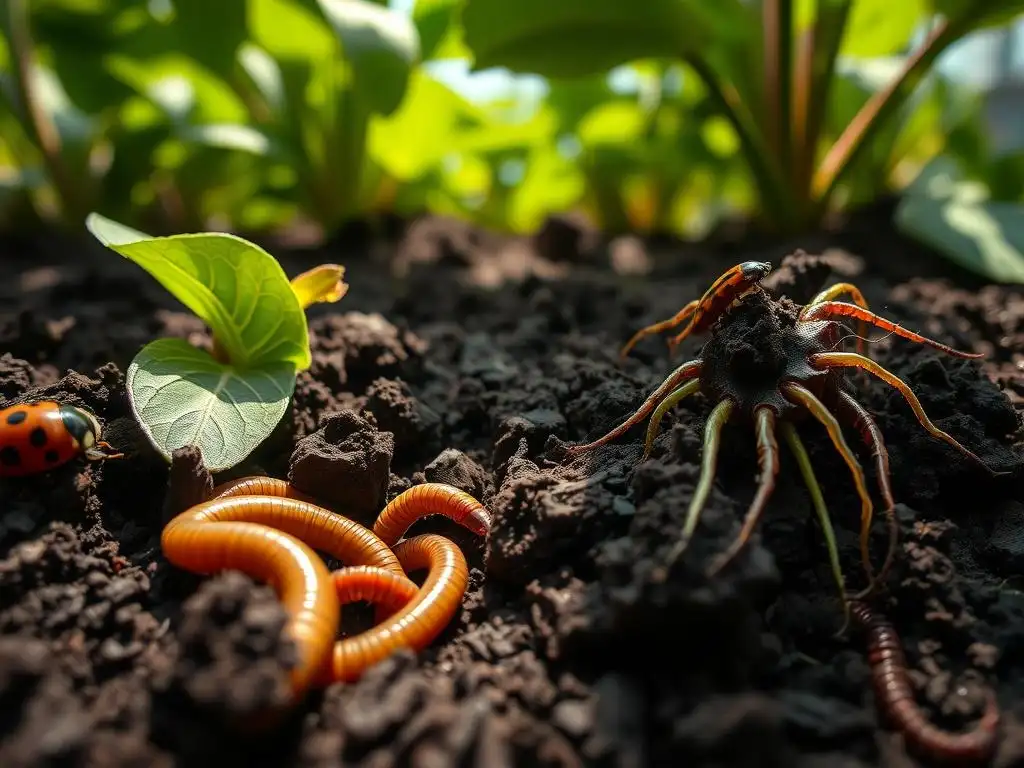
This section details practical steps you can take to cultivate healthy soil, a cornerstone of effective and sustainable pest control. A robust, balanced soil ecosystem naturally resists many common garden pests, reducing your reliance on chemical interventions. Remember, "healthy soil pest control" is a holistic approach, focusing on prevention rather than reaction.
Soil Testing and Analysis for Optimal Nutrient Levels
Understanding your soil's composition is paramount for successful pest management. Nutrient deficiencies weaken plants, making them more susceptible to pests and diseases. A comprehensive soil test reveals the levels of essential macronutrients (nitrogen, phosphorus, potassium) and micronutrients (iron, manganese, zinc, etc.). This analysis provides a baseline, guiding your fertilization strategy.
Several methods exist for soil testing. Home testing kits offer a quick, inexpensive overview, though their accuracy might be less precise than professional lab analyses. Professional labs provide more detailed reports, identifying specific deficiencies and offering tailored recommendations. The choice depends on your budget and the level of detail you require.
For instance, a soil test might reveal a significant lack of phosphorus. Phosphorus is crucial for root development, and weak roots make plants more vulnerable to root-feeding pests like nematodes. Addressing this deficiency through appropriate fertilization strengthens the plant's natural defenses. Conversely, excessively high levels of certain nutrients can also create imbalances, indirectly attracting pests. Understanding this balance is key to "healthy soil pest control".
Implementing a Balanced Fertilization Strategy for Pest Prevention
Once you have your soil test results, you can develop a tailored fertilization plan. Avoid using synthetic fertilizers, which can disrupt soil ecology and harm beneficial microorganisms. Instead, opt for organic fertilizers like compost, manure, and cover crops. These provide slow-release nutrients, nourishing the soil and plants gradually.
Consider the following when designing your fertilization strategy:
- Compost: A rich source of organic matter, compost improves soil structure, aeration, and water retention. It also introduces beneficial microbes that compete with harmful pathogens. Aim for at least 2-4 inches of compost incorporated into your garden beds annually.
- Manure: Aged manure provides a balanced supply of nutrients. Ensure it is well-rotted to avoid burning your plants. Different types of manure offer varying nutrient profiles; research the best option for your specific needs.
- Cover Crops: Planting cover crops like legumes (peas, beans) or rye during fallow periods adds organic matter, improves soil structure, and fixes nitrogen. They can be tilled into the soil or left as mulch.
A balanced approach, combining these organic methods, is far more sustainable and effective than relying solely on synthetic fertilizers for "healthy soil pest control". It fosters a thriving soil ecosystem that supports healthy plant growth and naturally repels many pests.
Mulching Techniques for Soil Health and Pest Management
Mulching is a crucial practice for healthy soil and pest management. A layer of organic mulch (straw, wood chips, shredded leaves) on top of the soil offers numerous benefits:
- Improved Soil Structure: Mulch prevents soil compaction, improving aeration and drainage. This healthier soil environment is less hospitable to many pests.
- Moisture Retention: Mulch helps retain soil moisture, reducing the need for frequent watering. Consistent moisture levels are essential for healthy plant growth and reduce stress, making plants less susceptible to pests.
- Weed Suppression: A thick layer of mulch effectively suppresses weed growth, reducing competition for nutrients and space. Weeds can harbor pests and diseases.
- Temperature Regulation: Mulch helps moderate soil temperature, protecting roots from extreme heat or cold.
- Pest Deterrence: Certain mulches, like pine needles, possess insecticidal properties. However, the primary benefit is indirect—creating a less favorable environment for pests.
The type of mulch you choose depends on your climate and soil type. Experiment to find what works best in your garden. Implementing effective mulching is a key component of a comprehensive "healthy soil pest control" strategy. Remember, healthy soil is the foundation of a thriving, pest-resistant garden.
Water Management and its Role in Healthy Soil and Pest Control
Proper water management is paramount for healthy soil and effective pest control. A balanced soil moisture level is crucial; both underwatering and overwatering can weaken plants, making them more susceptible to pests and diseases. Underwatering stresses plants, causing them to become fragile and less able to defend themselves against infestations. Their weakened state makes them easy targets for pests seeking vulnerable hosts. Think of it like this: a thirsty, stressed plant is like a person struggling with fatigue – much easier to succumb to illness.
Overwatering, on the other hand, creates waterlogged soil conditions. This suffocates plant roots, reducing their ability to absorb nutrients and hindering overall plant growth. Waterlogged soil also encourages the growth of fungal pathogens, which can directly harm plants and attract pests that feed on decaying matter. Furthermore, excess moisture can create ideal breeding grounds for certain pest species, such as fungus gnats or slugs, amplifying the pest problem. Maintaining the right soil moisture is a crucial step in creating a robust, pest-resistant garden.
Effective watering techniques involve understanding your soil type and plant needs. Sandy soils drain quickly, requiring more frequent watering, while clay soils retain moisture longer and need less frequent, but deeper watering. Using a soil moisture meter can help determine when your plants need watering, preventing both underwatering and overwatering.
Consider using drip irrigation or soaker hoses to deliver water directly to the roots, minimizing evaporation and runoff, and thus conserving water and improving soil health. Mulching around plants helps retain soil moisture, reducing the frequency of watering and suppressing weed growth, which can compete with your plants for resources and harbor pests. A healthy, well-hydrated plant is a strong plant, better equipped to resist pests and thrive in your garden.
This approach contributes significantly to healthy soil pest control and overall garden success. Remember, consistent and appropriate watering is a cornerstone of successful organic gardening practices, supporting a thriving ecosystem that naturally repels many pests.
Advanced Techniques for Healthy Soil Pest Control
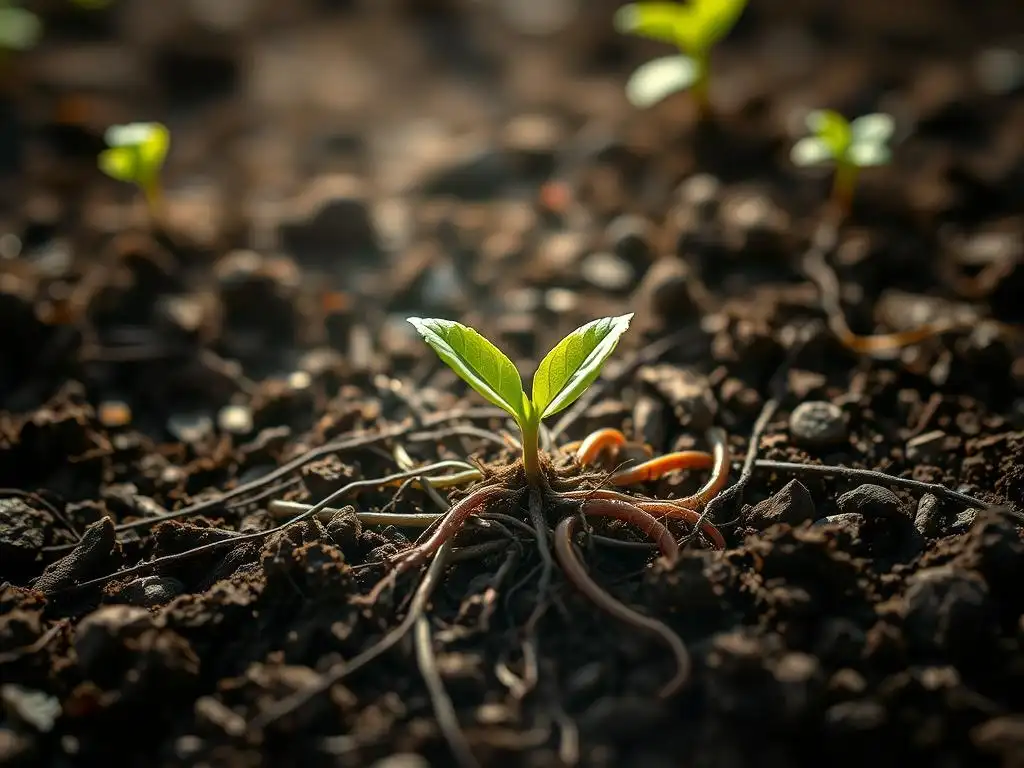
Maintaining healthy soil is paramount for effective pest control, acting as the foundation for a thriving and resilient garden ecosystem. This section delves into advanced techniques that leverage the power of nature to minimize pest infestations and promote robust plant growth. By understanding and implementing these strategies, you can significantly reduce your reliance on chemical pesticides, fostering a truly sustainable and productive garden.
The core principle underlying these techniques is the creation of a soil environment that is inhospitable to pests while simultaneously nurturing beneficial organisms. This holistic approach to "healthy soil pest control" prioritizes the long-term health of your soil and plants.
Biofumigation: Utilizing Plants to Suppress Soilborne Pests
Biofumigation is a powerful technique that utilizes the natural pest-suppressing properties of certain plants. By incorporating specific plants into your soil, you can release biologically active compounds that inhibit the growth and survival of soilborne pests and diseases. This method avoids the harmful effects of synthetic fumigants while achieving comparable results.
The process involves incorporating plants like mustard, radish, or other brassicas into the soil, either by planting them directly or by incorporating their green manure. Once the plants mature, they are tilled into the soil, where their decomposition releases isothiocyanates, potent biofumigants that effectively control nematodes, fungal pathogens, and other soilborne pests.
The effectiveness of biofumigation varies depending on several factors, including the type of plant used, the soil conditions, and the target pest. For example, studies have shown that mustard green manure significantly reduced populations of root-knot nematodes ( Meloidogyne spp.) in tomato crops, improving yield and plant health. Careful planning and understanding of the specific needs of your garden are crucial for maximizing the benefits of this technique. Regular soil testing can help assess the efficacy of biofumigation and guide future strategies. For instance, analyzing nematode populations before and after biofumigation allows for a quantitative assessment of its impact.
Beneficial Nematodes and their Role in Natural Pest Control
Beneficial nematodes are microscopic roundworms that play a crucial role in maintaining soil health and controlling various pests. These tiny organisms are natural predators of many soilborne insects, including larvae of various pests like weevils, grubs and fungus gnats. Different species of nematodes target specific pests, offering a targeted approach to pest management. Introducing beneficial nematodes into your soil is a highly effective and environmentally friendly way to manage pest populations without resorting to harmful chemicals.
The application of beneficial nematodes is relatively straightforward, often involving simply mixing them with water and applying them directly to the soil. The success of this method depends on factors such as soil moisture, temperature, and the specific type of nematode used. For optimal results, it's crucial to select nematodes that are effective against the specific pests present in your garden and to follow the manufacturer’s instructions carefully.
Using these beneficial nematodes is a key component of achieving "healthy soil pest control" by promoting a balanced ecosystem within the soil. Regular monitoring of pest populations can help you assess the effectiveness of the nematodes and make adjustments as needed. For example, observing a decrease in root damage or an increase in plant vigor can indicate that the nematodes are effectively controlling the pest population.
Integrating Biological Control Agents into Your Soil Health Strategy
A holistic approach to "healthy soil pest control" necessitates integrating various biological control agents. This might include not only beneficial nematodes but also other beneficial microorganisms such as predatory mites, ladybugs, and certain fungi. These organisms work synergistically to create a complex web of interactions that suppress pest populations naturally. The key is to create an environment that encourages the growth and proliferation of these beneficial organisms while simultaneously discouraging pest proliferation.
This involves implementing practices that promote soil biodiversity, such as avoiding excessive tillage, incorporating organic matter, and practicing crop rotation. Maintaining adequate soil moisture and avoiding the use of broad-spectrum pesticides are also crucial. By fostering a diverse and thriving soil ecosystem, you create a natural defense system against pests, minimizing the need for external interventions.
The integration of multiple biological control agents offers a more robust and resilient approach to pest management, ensuring long-term soil health and crop protection. Regular observation and monitoring of your garden's ecosystem are essential for evaluating the effectiveness of your integrated pest management strategy and making adjustments as needed. This proactive approach allows for timely interventions and prevents pest populations from reaching damaging levels.
Maintaining Soil Health for Long-Term Pest Management
Healthy soil is the cornerstone of effective and sustainable pest control. A vibrant, balanced soil ecosystem fosters strong, resilient plants that are naturally better equipped to withstand pest infestations. This section explores key practices to cultivate and maintain healthy soil, minimizing the need for chemical interventions and promoting a thriving garden. Understanding the intricate relationship between soil health and pest resistance is crucial for achieving long-term success in your organic gardening endeavors. This approach prioritizes "healthy soil pest control" as a foundational strategy.
Regular Soil Monitoring and Adjustments
Regular soil testing is paramount for proactive pest management. It allows you to identify deficiencies and imbalances before they significantly impact plant health and increase vulnerability to pests. Testing should assess several key factors:
- pH levels: Optimal pH ranges vary depending on the specific plants you're growing, but generally, a slightly acidic to neutral pH (6.0-7.0) is ideal for most. Deviations from this range can affect nutrient availability and plant vigor, making them more susceptible to pests.
- Nutrient content: Essential macronutrients (nitrogen, phosphorus, potassium) and micronutrients (iron, zinc, manganese, etc.) are crucial for robust plant growth. Deficiencies weaken plants, increasing their susceptibility to pests and diseases. Soil tests can pinpoint specific nutrient needs, guiding the application of organic amendments.
- Organic matter content: High organic matter content is a hallmark of healthy soil. It improves soil structure, water retention, and nutrient availability. Regular additions of compost, aged manure, and other organic materials are vital for maintaining healthy soil and boosting plant resistance to pests.
Consider using a soil testing kit or sending a sample to a professional laboratory for a comprehensive analysis. Adjustments should be made based on the test results, using organic fertilizers and amendments to correct deficiencies and balance the soil ecosystem. For example, if your soil test reveals low nitrogen levels, you might incorporate composted chicken manure or a nitrogen-rich cover crop like clover. Consistent monitoring and adjustments are key to maintaining healthy soil and preventing pest problems.
Preventing Soil Compaction for Optimal Root Growth and Pest Resistance
Soil compaction hinders root growth, restricting nutrient and water uptake. Compacted soil creates an environment less hospitable to beneficial soil organisms, disrupting the natural balance and making plants more vulnerable to pests. Preventing compaction is crucial for "healthy soil pest control."
Several strategies can prevent soil compaction:
- Avoid heavy machinery: Heavy foot traffic and machinery can significantly compact soil. Use raised beds or walkways to minimize compaction in high-traffic areas.
- Mulching: Applying a layer of mulch (e.g., wood chips, straw) protects the soil surface from erosion and reduces compaction from rain impact. It also helps retain moisture and suppress weeds, further contributing to soil health.
- No-till gardening: No-till methods minimize soil disturbance, preserving soil structure and promoting healthy microbial activity.
- Aerating the soil: For existing compacted soil, consider aerating with a garden fork or specialized aeration tools to improve drainage and root penetration.
Healthy, well-aerated soil allows roots to grow deeply and access nutrients and water more effectively. This leads to stronger, more resilient plants that are better able to withstand pest attacks. The improved soil structure also supports beneficial microorganisms that compete with and suppress harmful pests.
Sustainable Gardening Practices to Maintain Soil Health Year-Round
Maintaining healthy soil is an ongoing process requiring consistent attention throughout the year. Employing several sustainable practices ensures long-term soil health and minimizes pest pressure.
- Crop rotation: Rotating crops annually helps prevent the buildup of pests and diseases associated with specific plants. It also improves soil nutrient balance.
- Cover cropping: Planting cover crops (e.g., legumes, rye) during fallow periods adds organic matter, improves soil structure, and suppresses weeds. Legumes also fix nitrogen in the soil, reducing the need for nitrogen fertilizers.
- Composting: Composting kitchen scraps and yard waste provides a rich source of organic matter that improves soil fertility and structure. It also reduces waste and promotes a closed-loop system in your garden.
- Beneficial insects and microorganisms: Encourage beneficial insects and microorganisms by providing habitat and avoiding the use of harmful pesticides. These organisms play a crucial role in naturally controlling pest populations.
By consistently implementing these sustainable practices, you'll cultivate a soil ecosystem that naturally resists pests, leading to healthier plants and a more productive, environmentally friendly garden. This holistic approach to "healthy soil pest control" fosters a thriving garden ecosystem that benefits both your plants and the environment.
Frequently Asked Questions
What is the connection between soil health and pest control?
Healthy soil supports strong, resilient plants that are better able to withstand pest infestations. Beneficial microbes and organisms in healthy soil also prey on many common garden pests, reducing the need for chemical intervention.
How can I improve my soil health for better pest control?
Focus on improving soil structure, adding organic matter like compost, and practicing crop rotation. Avoid using harsh chemicals which disrupt the beneficial soil ecosystem.
What are some natural methods for pest control?
Consider using beneficial insects, such as ladybugs, to control pests. Companion planting can also deter pests, while handpicking or using physical barriers are effective for smaller infestations.
Are there specific plants that help with healthy soil and pest control?
Yes! Marigolds are known to repel nematodes, while basil and mint deter many insects. These plants also contribute to soil health through their root systems and decaying matter.
How often should I assess my soil health for pest control purposes?
Regularly check your soil for signs of compaction, nutrient deficiencies, or pest activity. A yearly soil test is recommended, allowing you to address issues proactively and maintain healthy soil for effective pest management.
Final Reflection: Cultivating Resilience: Soil Health and the Future of Pest Control
The health of our soil is not merely an agricultural concern; it is the cornerstone of a sustainable future. Ignoring the vital role healthy soil plays in natural pest control is akin to ignoring the foundation upon which our entire food system rests. The consequences of this neglect are already being felt, from escalating pesticide use to declining biodiversity and compromised food security.
The interconnectedness of soil health, plant vigor, and pest pressure is a profound lesson I've learned throughout this exploration. It's a reminder that nature operates in intricate webs, and disrupting one element inevitably impacts the whole. The land is what gives us life. It is the source of all our food, and we must treat it with respect.
This simple truth, often overlooked in the pursuit of quick fixes, underscores the urgency of shifting towards holistic, soil-centric pest management strategies. The ongoing degradation of our soils is not just an environmental issue; it's a societal one, impacting food security, human health, and the very fabric of our ecosystems.
Consider the implications of this knowledge for your own life. Are you actively contributing to soil health in your garden, on your farm, or even in your community? Perhaps you can start by reducing your reliance on chemical pesticides, composting organic waste, or supporting local farmers who prioritize soil regeneration. The journey towards sustainable pest control begins with a single seed, a single act of mindful stewardship, a single commitment to nurturing the life beneath our feet. Let us cultivate resilience, not just in our crops, but in our relationship with the earth itself.
Unleash Your Garden's Natural Defenses!
Thank you for learning about the crucial role of soil health in natural pest control! You've gained valuable knowledge to create a thriving, pest-resistant garden. Let's put that knowledge into action:
- Improve your soil health today: Begin by incorporating compost, cover crops, or beneficial microbes into your garden beds. This is the single most impactful step you can take.
- Share your success: Tell your gardening friends and family about this effective, natural pest control method. Let's build a community of healthy soil advocates!
- Explore other natural pest control options: Research companion planting, beneficial insects, or homemade pest sprays to further enhance your garden's resilience.
Ready to see the amazing results of healthy soil? What small step will you take this week to nurture your garden's natural defenses?