
Asymmetrical Garden Designs: Embrace the Beauty of the Unexpected

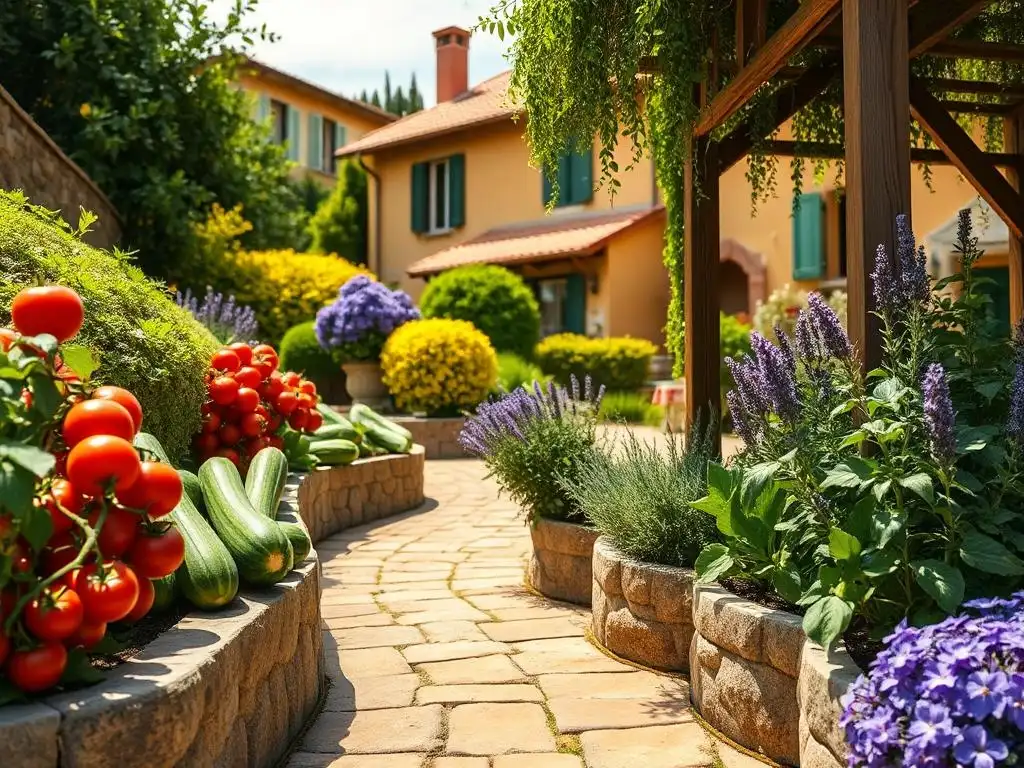
Ready to ditch the predictable rows and embrace a harvest bursting with unexpected beauty? CultivateYourFood is your guide to growing delicious, organic fruits, vegetables, and herbs at home. Discover the art of sustainable gardening with our exploration of unusual vegetable garden layouts, where asymmetrical designs unlock a world of creative possibilities and bountiful yields. Prepare to be inspired – let's cultivate something truly extraordinary!
- Understanding Unusual Vegetable Garden Layouts: Breaking the Symmetry
-
Creating Your Asymmetrical Vegetable Garden: A Step-by-Step Guide
- Choosing the Right Location for Your Unique Vegetable Patch: Sunlight Exposure & Soil Analysis
- Selecting Asymmetrical Garden Shapes and Structures: Curves, Spirals, and S-Shapes
- Incorporating Raised Beds and Vertical Gardening into Asymmetrical Designs: Maximizing Space and Yield
- Choosing the Right Plants for Asymmetrical Layouts: Height, Color, and Texture Considerations
- Utilizing Path Design in Asymmetrical Gardens: Creating Visual Interest and Accessibility
-
Unusual Vegetable Garden Layouts: Inspiring Examples & Case Studies
- The "Serpentine" Vegetable Garden Design: A Case Study
- The "Spiral Herb Garden": A Compact and Visually Stunning Design
- The "Curved Row Planting" Technique: Maximizing Sunlight and Easy Access
- Integrating Water Features into Asymmetrical Asymmetrical Garden Designs: Adding Visual Appeal and Functionality
-
Maintaining Your Asymmetrical Vegetable Garden: Tips and Tricks
- Organic Pest Control for Asymmetrical Gardens: Natural Solutions and Beneficial Insects
- Watering Strategies for Unusual Vegetable Garden Layouts: Efficient Irrigation Techniques
- Weed Control in Asymmetrical Designs: Maintaining a Clean and Healthy Garden
- Harvesting from Asymmetrical Gardens: Strategies for Efficient Gathering
- Essential Tools and Resources for Asymmetrical Vegetable Garden Design
- Frequently Asked Questions
- Final Reflection: Cultivating Creativity in the Unexpected
- Unleash Your Inner Gardener: Design an Asymmetrical Paradise!
Understanding Unusual Vegetable Garden Layouts: Breaking the Symmetry
Asymmetrical garden designs are gaining popularity among home gardeners seeking to create unique and productive spaces. Tired of the rigid rows and predictable patterns of traditional vegetable gardens? This article explores the exciting world of unusual vegetable garden layouts, highlighting the aesthetic appeal and practical advantages of embracing asymmetry. We'll delve into the specific benefits of unconventional designs, addressing common concerns and providing practical tips for planning and implementing your own asymmetrical vegetable garden.
From maximizing sunlight exposure to improving air circulation and creating a visually stunning landscape, we'll uncover why choosing an "unusual vegetable garden layout" might be the best choice for your home gardening journey. This approach allows for a more natural and dynamic garden, mimicking the unpredictable beauty found in nature itself. Let's explore how to design a garden that is not only productive but also a captivating work of art.
The Allure of Asymmetrical Design in Vegetable Gardening
The traditional symmetrical garden, with its perfectly aligned rows, offers a sense of order and control. However, asymmetrical designs offer a compelling alternative, introducing a sense of spontaneity and visual interest. Think of the asymmetrical beauty of a wildflower meadow, where plants of varying heights and colors intertwine organically. This same principle can be applied to vegetable gardens, resulting in a more dynamic and aesthetically pleasing space.
The irregular arrangement of plants creates visual depth and texture, making the garden more engaging to the eye. Furthermore, asymmetrical layouts can better accommodate the unique needs of different plants, allowing you to maximize space utilization and overall yield. The unexpected placement of plants can also create intriguing focal points and hidden corners, adding layers of interest to your garden. This approach allows you to express your personal creativity and style, resulting in a truly unique and personalized outdoor space.
Benefits of Unconventional Vegetable Garden Layouts: Increased Sunlight & Air Circulation
One of the key advantages of asymmetrical designs is their ability to optimize sunlight exposure and air circulation. Unlike symmetrical layouts, which can sometimes lead to shading and poor ventilation, asymmetrical designs allow for more strategic placement of plants. Taller plants can be strategically positioned to provide shade for more delicate varieties during the hottest parts of the day, while also allowing ample sunlight to reach shorter plants.
This improved sunlight distribution can lead to healthier plant growth and increased yields. Furthermore, the irregular arrangement of plants promotes better air circulation, reducing the risk of fungal diseases and pest infestations. Better airflow also helps to regulate temperature and humidity, creating a more favorable environment for plant growth.
This natural ventilation system minimizes the need for chemical interventions, aligning with the sustainable and organic practices promoted on CultivateYourFood. Consider also the potential for windbreaks, strategically placed taller plants to protect more delicate ones from strong winds.
Overcoming the Challenges of Asymmetrical Garden Planning: Design Software & Tools
While asymmetrical designs offer numerous advantages, planning them can seem more challenging than traditional layouts. However, with the right tools and approach, the process can be surprisingly straightforward and even enjoyable. Several garden design software programs are available, allowing you to experiment with different plant arrangements and visualize the final result before you even start digging.
These programs often include features such as plant databases, which provide information on plant sizes and sunlight requirements, simplifying the process of creating a balanced and harmonious design. Additionally, sketching your design on paper, using simple shapes and lines to represent different plant groups, can be a valuable first step. Remember to consider factors such as sunlight exposure, soil type, and water access when planning your layout.
Don't be afraid to experiment and iterate on your design until you achieve a layout that meets your needs and aesthetic preferences. The process itself is part of the fun, allowing for creativity and personalization.
Creating Your Asymmetrical Vegetable Garden: A Step-by-Step Guide
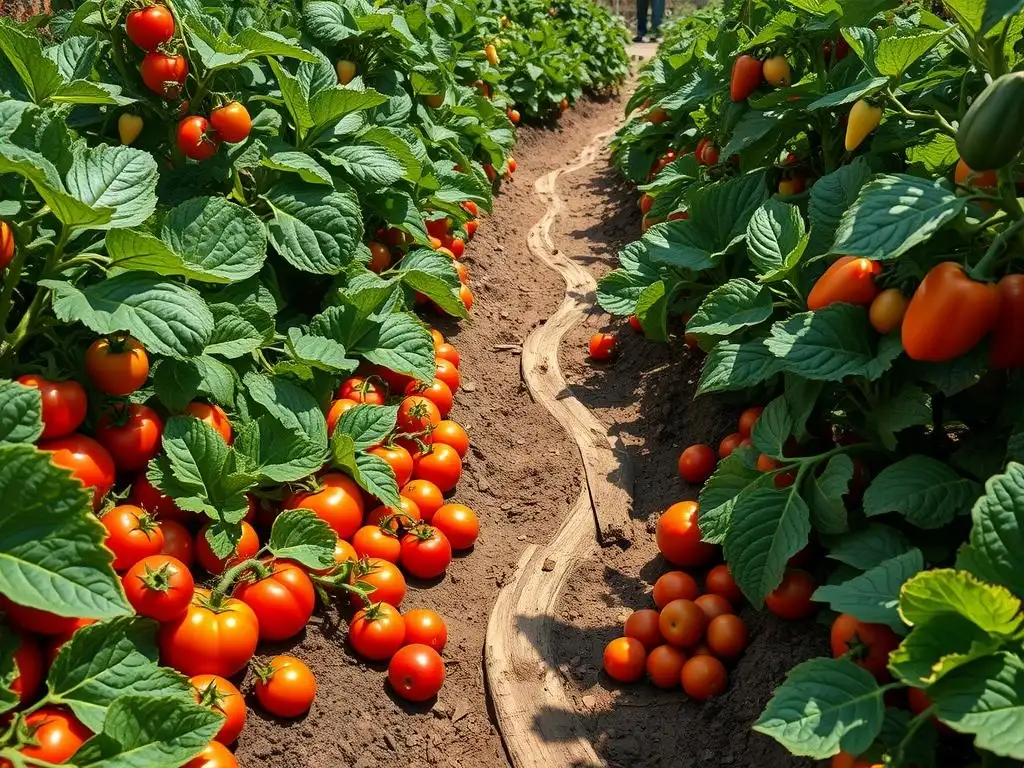
This section provides a practical guide to designing and implementing an asymmetrical vegetable garden, focusing on maximizing yield and aesthetic appeal while adhering to sustainable practices. Forget rigid rows; let's explore the exciting possibilities of unusual vegetable garden layouts. We'll cover key aspects to help you cultivate a thriving and visually stunning asymmetrical garden.
Choosing the Right Location for Your Unique Vegetable Patch: Sunlight Exposure & Soil Analysis
The success of any vegetable garden, symmetrical or asymmetrical, hinges on selecting the optimal location. Asymmetrical designs, with their varied shapes and orientations, require even more careful consideration of sunlight exposure and soil conditions.
Sunlight is paramount. Most vegetables need at least six hours of direct sunlight daily. Before you even sketch your design, map out the sunlight patterns in your yard throughout the day. Observe how the sun moves across your space, noting areas of full sun, partial shade, and deep shade. This information will dictate where you place sun-loving vegetables like tomatoes and peppers versus shade-tolerant greens like lettuce and spinach. Consider using a sun tracking app or simply observing your yard over a few days to gain a clear understanding of sunlight patterns.
Soil analysis is equally crucial. An asymmetrical design might incorporate raised beds or different soil types, so understanding your existing soil composition is vital. A simple soil test can reveal its pH level, nutrient content, and drainage capabilities. This information will guide you in amending the soil with compost, fertilizer, or other organic materials to support the specific needs of your chosen vegetables. Remember, healthy soil is the foundation of a thriving, productive garden. Don't underestimate the importance of good soil preparation when planning your unusual vegetable garden layouts.
Selecting Asymmetrical Garden Shapes and Structures: Curves, Spirals, and S-Shapes
Now for the fun part: designing the shape of your asymmetrical garden! Break free from traditional straight lines and embrace the beauty of curves, spirals, and S-shapes. These unconventional forms not only add visual interest but can also improve functionality.
- Curved Beds: Curved beds offer a more natural and aesthetically pleasing alternative to straight rows. They can easily integrate into existing landscape features, creating a seamless transition between your garden and the surrounding environment. Consider using flexible edging materials like landscape fabric or flexible pavers to create these organic shapes.
- Spiral Gardens: Spiral gardens are visually striking and remarkably space-efficient. They allow you to plant vegetables in concentric circles, with taller plants in the center and shorter plants on the outside. This design maximizes sunlight penetration and minimizes shading, boosting overall yield.
- S-Shaped Pathways: Instead of straight pathways, incorporate S-shapes to create a sense of mystery and intrigue. This meandering design invites exploration and adds a touch of elegance to your garden space. Remember to keep pathways wide enough for easy access to all plants for maintenance and harvesting.
The possibilities are endless! Experiment with different combinations of shapes and sizes to create a unique design that reflects your personal style and the specific needs of your vegetables. Consider incorporating existing hardscape elements like patios or fences into your design to enhance the overall aesthetic appeal. Remember, the goal is to create an unusual vegetable garden layout that is both functional and visually stunning.
Incorporating Raised Beds and Vertical Gardening into Asymmetrical Designs: Maximizing Space and Yield
Asymmetrical designs offer a perfect opportunity to maximize space and yield by integrating raised beds and vertical gardening techniques.
Raised beds provide excellent drainage and soil control, particularly advantageous in areas with poor soil drainage. Their varied shapes and heights can be strategically placed within your asymmetrical layout to create visual depth and interest. The raised beds can be constructed from readily available materials like untreated lumber or reclaimed pallets, ensuring sustainability.
Vertical gardening, using trellises, walls, or hanging baskets, is another excellent space-saving technique. Vining vegetables like cucumbers, beans, and tomatoes thrive in vertical systems, freeing up valuable ground space for other crops. Vertical gardening also improves air circulation, reducing the risk of fungal diseases, and makes harvesting easier.
Consider combining raised beds and vertical gardening techniques to further enhance the productivity and visual appeal of your asymmetrical garden. For example, you could use a raised bed as a base for a vertical trellis, allowing for a multi-layered planting system. This approach maximizes space utilization while creating a dynamic and visually engaging design. Remember to choose the right plants for each element, balancing their growth habits and sun requirements for an optimal outcome. This careful planning ensures your unusual vegetable garden layouts are both productive and beautiful.
Choosing the Right Plants for Asymmetrical Layouts: Height, Color, and Texture Considerations
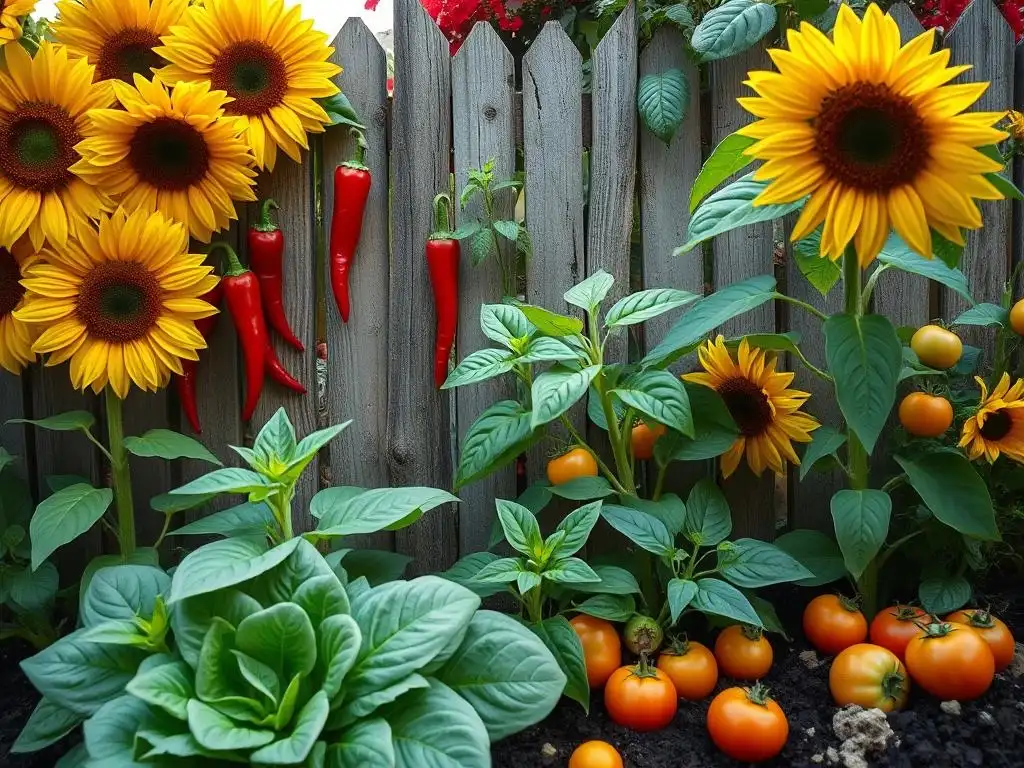
Designing an unusual vegetable garden layout, like an asymmetrical one, offers a unique opportunity to play with plant characteristics beyond simple functionality. The key to a successful asymmetrical design lies in thoughtfully considering height, color, and texture to create visual harmony and interest. Ignoring these elements can lead to a chaotic and unappealing result, even if the individual plants are thriving.
Think of your garden as a three-dimensional canvas. Taller plants, such as sunflowers or corn, can act as striking vertical elements, drawing the eye upward and creating depth. These should be strategically placed to frame smaller plants or to visually divide different sections of the garden. Avoid placing excessively tall plants in the center, unless you intend for them to be the focal point. Instead, consider using them as anchors at the edges or corners to emphasize the asymmetrical nature of the design.
Color is another powerful tool. Alternating colors can greatly enhance the visual appeal of your unusual vegetable garden layouts. For example, the vibrant green of lettuce contrasts beautifully with the deep purple of eggplant, while the yellow of squash adds a warm, sunny touch. Consider incorporating flowers, such as nasturtiums or marigolds, not only for their beauty but also for their pest-repelling properties, further enhancing your sustainable gardening practices. Remember to create a color palette that is both visually pleasing and reflects your personal style.
Texture adds another layer of complexity and interest. The rough texture of a kale leaf contrasts wonderfully with the smooth surface of a bell pepper. Mixing different textures—from the feathery foliage of dill to the broad leaves of chard—adds a three-dimensional quality that keeps the eye moving and exploring the garden’s unique layout. Don't be afraid to experiment with different combinations to find what works best for your space and aesthetic preferences. Remember, a visually interesting garden is a rewarding one.
Utilizing Path Design in Asymmetrical Gardens: Creating Visual Interest and Accessibility
The path design in an asymmetrical garden is not merely functional; it's a crucial element in guiding the viewer's eye and enhancing the overall aesthetic. Unlike symmetrical gardens where paths often follow a predictable pattern, asymmetrical designs allow for more creative freedom, enabling you to craft paths that contribute to the garden's unique character. Well-designed paths in unusual vegetable garden layouts are essential for accessibility and visual appeal.
Consider the shape and flow of your paths. Instead of straight lines, incorporate gentle curves and meandering routes to mirror the asymmetrical nature of the planting. This creates a sense of discovery and encourages exploration. The path's material is also a significant design choice. Stepping stones, gravel, or even a simple mown grass path can all contribute to the overall ambiance. Choose materials that complement your garden's style and are suitable for your climate and soil conditions.
Beyond aesthetics, path design in an asymmetrical garden is crucial for accessibility. Ensure your paths are wide enough to allow for comfortable movement, especially if you'll be using a wheelbarrow or other gardening tools. Consider the slope of the paths; avoid steep inclines that could be difficult to navigate. Proper drainage is also essential to prevent muddy or slippery conditions. Think about incorporating seating areas along the path to create resting spots, further enhancing the garden's usability and enjoyment. A well-designed path system not only makes gardening easier but also elevates the overall experience of your unusual vegetable garden.
Unusual Vegetable Garden Layouts: Inspiring Examples & Case Studies
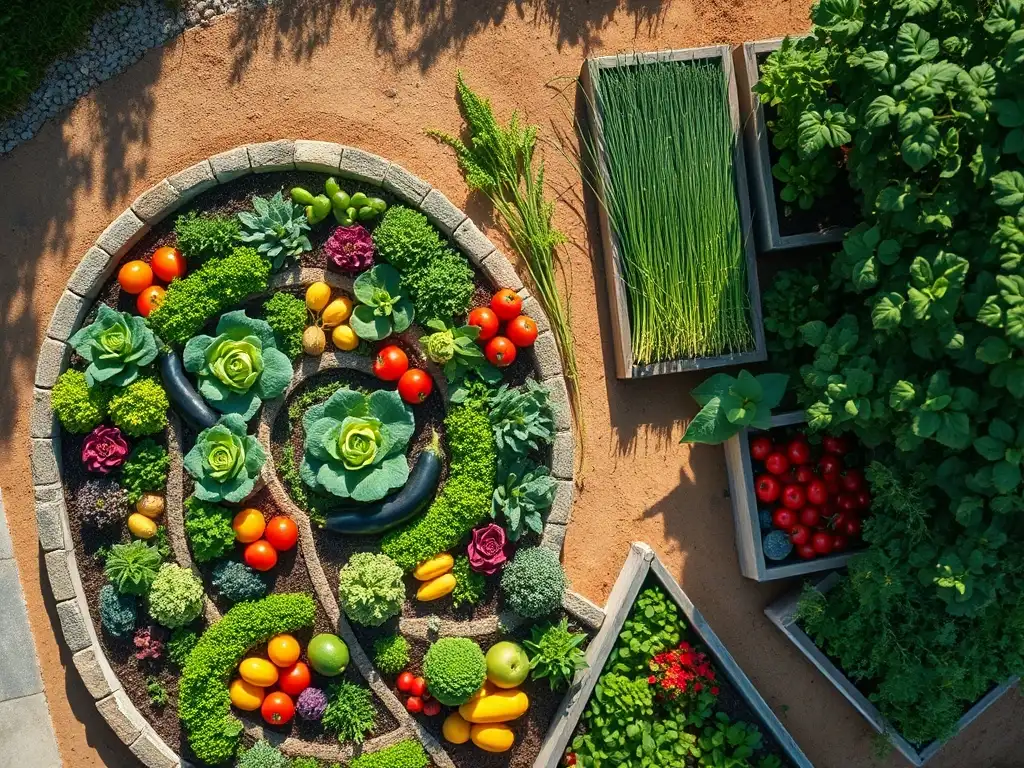
This section explores unconventional vegetable garden layouts, moving beyond the traditional straight rows and rectangular plots. We'll examine several designs that prioritize aesthetics alongside functionality, maximizing yield while adding visual interest to your outdoor space. These unusual vegetable garden layouts offer solutions for limited space, challenging terrains, and a desire for unique garden aesthetics. Think outside the square – or the rectangle! Let's delve into some inspiring examples and case studies highlighting creative garden design solutions for the modern gardener.
The "Serpentine" Vegetable Garden Design: A Case Study
The serpentine design, characterized by its winding, snake-like pathways and planting beds, offers a visually striking and highly functional approach to vegetable gardening. Unlike rigid rows, the serpentine layout allows for optimized sunlight exposure throughout the day, as plants are strategically positioned to maximize sun capture. This is particularly beneficial for shade-tolerant vegetables that might otherwise struggle in a traditional garden layout.
One successful case study involved a small urban garden measuring 15ft x 10ft. By implementing a serpentine design, the gardener increased their planting area by approximately 20% compared to a traditional rectangular layout. This was achieved by utilizing the curved pathways as additional planting space for herbs and low-growing vegetables. Furthermore, the curves created microclimates, providing slightly different growing conditions for various plants. The serpentine layout's visual appeal also transformed a previously drab concrete area into a vibrant and inviting space.
The implementation of this design requires careful planning. Consider the sun's trajectory throughout the day to ensure optimal sunlight for each plant. Using a flexible, biodegradable edging material allows for easy adjustments during the growing season. Remember to leave sufficient pathways for easy access to all plants for watering, harvesting, and weeding. The serpentine design offers a unique approach to maximizing space and creating a visually appealing organic garden, making it a great option for those seeking unusual vegetable garden layouts.
The "Spiral Herb Garden": A Compact and Visually Stunning Design
The spiral herb garden is a perfect example of a space-saving and aesthetically pleasing design, ideal for small gardens or patios. This design, often built using raised beds or stacked tires, creates a visually stunning vertical garden. The spiral arrangement offers a concentrated planting area, ideal for growing a variety of herbs and small vegetables. The central point typically acts as a focal point, often featuring a larger, taller plant or a decorative element.
The spiral design promotes efficient watering, as water naturally flows downwards, minimizing water waste. Furthermore, the compact nature of the design allows for easy access to all plants. Different herbs with varying sunlight and water requirements can be strategically placed within the spiral, optimizing their growth. For instance, sun-loving herbs like rosemary and thyme can be positioned on the outer, sunnier sections, while more shade-tolerant herbs such as mint and parsley are placed closer to the center.
Consider using a variety of containers within the spiral to add visual interest and further enhance the compact layout. This design can be easily adapted to suit different spaces and preferences, making it a versatile option for anyone looking for unusual vegetable garden layouts that are both beautiful and practical. The spiral herb garden is a testament to how creativity and functionality can coexist beautifully.
The "Curved Row Planting" Technique: Maximizing Sunlight and Easy Access
Curved row planting offers a middle ground between the traditional straight rows and more dramatic designs like the serpentine layout. This technique involves planting in gently curved rows, rather than straight lines. This seemingly simple adjustment offers several advantages, particularly in maximizing sunlight exposure and improving accessibility.
Unlike straight rows, which can cast shadows on each other, especially during the midday sun, curved rows allow for more even sunlight distribution throughout the day. This leads to improved plant growth and increased yields. The gentle curves also create a more visually appealing landscape, softening the harsh lines of a typical rectangular garden.
The curved row design also enhances accessibility. The gentle curves create natural pathways between rows, making it easier to access plants for watering, weeding, and harvesting. This is especially beneficial in larger gardens, reducing the need for wide, space-consuming pathways. This technique is relatively easy to implement, requiring minimal adjustments to existing gardening practices, making it a readily accessible option for gardeners of all levels of experience who are seeking unusual vegetable garden layouts. It demonstrates how even small changes can significantly impact both the functionality and aesthetic appeal of your garden.
Integrating Water Features into Asymmetrical Asymmetrical Garden Designs: Adding Visual Appeal and Functionality
Integrating water features into an asymmetrical vegetable garden design offers a multitude of benefits, extending beyond mere aesthetics. The gentle sounds of trickling water can create a calming and meditative atmosphere, transforming your gardening experience into a relaxing retreat. Furthermore, strategically placed water features can improve the microclimate of your garden. A small pond or fountain can increase humidity, benefiting moisture-loving plants like lettuce and cucumbers. The evaporative cooling effect can also help mitigate the heat stress experienced by plants during hot summer days. This is particularly beneficial for regions with arid or semi-arid climates.
Consider the size and scale of your water feature in relation to the overall garden design. A large pond might overwhelm a small, asymmetrical plot, while a tiny fountain might get lost in a sprawling layout. The style of the water feature should also complement the overall aesthetic. A rustic, natural-looking pond might suit a wilder, more untamed asymmetrical design, while a sleek, modern fountain might be more appropriate for a minimalist, geometrically-inspired layout. Remember that the water feature should enhance, not detract from, the overall visual impact of the asymmetrical design.
The functionality of the water feature should also be carefully considered. While purely ornamental features are perfectly acceptable, you might also incorporate a practical element. For example, a small, shallow pond can serve as a source of irrigation water, reducing your reliance on municipal water supplies. It can also become a haven for beneficial insects and amphibians, promoting a healthy and balanced garden ecosystem.
However, ensure proper filtration and maintenance to prevent the breeding of mosquitoes or the spread of diseases. Regular cleaning and water changes are essential for maintaining a healthy aquatic environment. The placement of the water feature should also be chosen with practicality in mind, ensuring easy access for maintenance and avoiding placement in areas that might hinder plant growth or access to other garden areas. Careful planning is key to ensuring both aesthetic appeal and practical functionality.
Maintaining Your Asymmetrical Vegetable Garden: Tips and Tricks
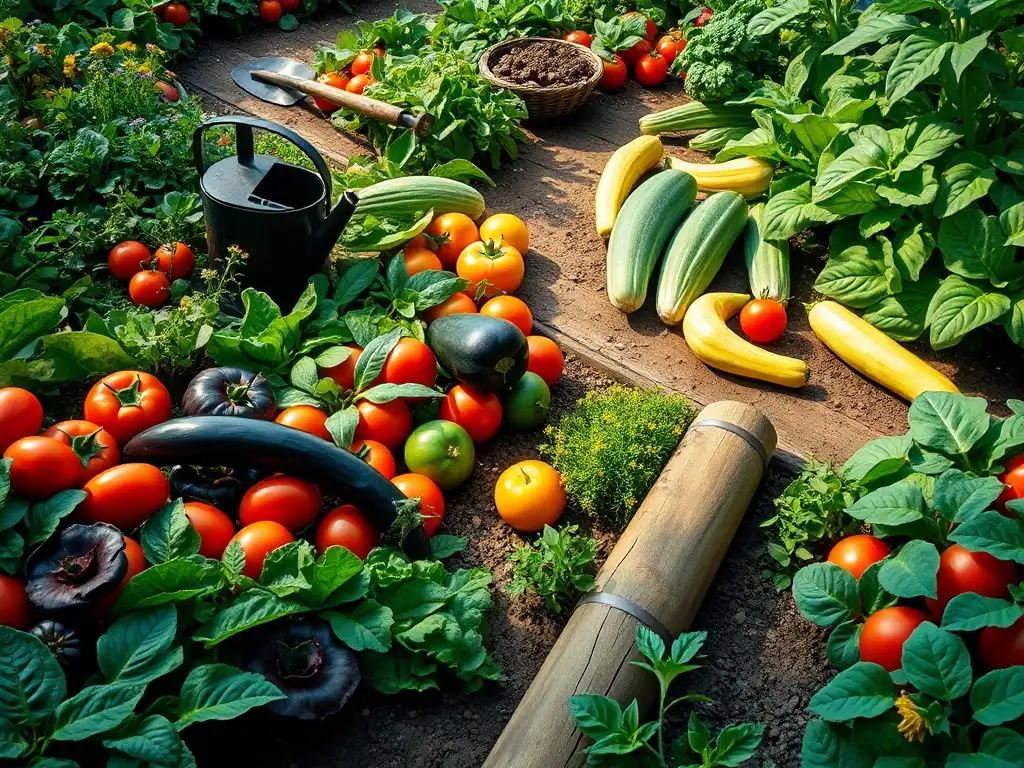
Maintaining an asymmetrical vegetable garden, while offering a unique aesthetic appeal, requires a slightly different approach compared to traditional symmetrical layouts. The irregular shapes and varied plant placements demand a more nuanced strategy for ensuring optimal growth and minimizing maintenance challenges. This section focuses on practical tips for keeping your unusual vegetable garden layout thriving. Remember, the goal is to create a visually stunning space and a productive one.
Organic Pest Control for Asymmetrical Gardens: Natural Solutions and Beneficial Insects
Asymmetrical designs, with their diverse microclimates and plant arrangements, can present both challenges and opportunities in pest control. The key is to leverage nature's own defenses. Instead of resorting to harsh chemicals, embrace organic pest control methods.
This includes:
- Beneficial insects: Introducing ladybugs, lacewings, and praying mantises can significantly reduce aphid, mealybug, and other pest populations. Their presence is especially valuable in asymmetrical gardens where plants are closer together in some areas and more spread out in others, creating varied habitats that attract these beneficial creatures. Consider planting flowering herbs like dill and fennel to attract them.
- Companion planting: Strategically placing plants that repel pests near vulnerable crops can create a natural barrier. For instance, basil repels aphids and tomatoes benefit from its proximity. The irregular layout of your garden provides numerous opportunities for creative companion planting schemes.
- Natural sprays: Solutions like neem oil, insecticidal soap, and diluted vinegar can effectively control many common garden pests. Remember to always test a small area first to ensure these solutions don't harm your plants. Regular monitoring is crucial to quickly address any pest infestations before they become widespread. Asymmetrical designs can make monitoring slightly more challenging, so dedicated attention is essential.
- Diatomaceous Earth: This natural powder is a powerful desiccant that dehydrates and kills soft-bodied insects. Sprinkle it around the base of susceptible plants, focusing on areas where pests tend to congregate. Its effectiveness is amplified by the varied microclimates in your asymmetrical garden; some areas might be dryer and therefore more susceptible to this method.
Watering Strategies for Unusual Vegetable Garden Layouts: Efficient Irrigation Techniques
Efficient watering is crucial for any garden, but especially so in asymmetrical designs. The irregular shapes and varied plant densities necessitate a targeted approach to avoid overwatering some areas while underwatering others.
Consider these strategies:
- Drip irrigation: This method delivers water directly to the roots, minimizing water waste and reducing the risk of fungal diseases. The flexibility of drip irrigation systems makes them particularly well-suited for unusual vegetable garden layouts, allowing you to customize water delivery to specific plant needs based on their location and sun exposure.
- Soaker hoses: These are a simpler, more affordable alternative to drip irrigation. They provide consistent moisture over a longer length, making them suitable for rows or clusters of plants in your asymmetrical design. However, careful placement is crucial to ensure even watering across the diverse areas of your garden.
- Hand watering: While more labor-intensive, hand watering allows for precise control, especially useful in addressing the unique needs of plants in different microclimates within your asymmetrical layout. Pay close attention to the soil moisture levels in various parts of your garden to avoid both over and underwatering.
- Mulching: Applying a layer of mulch around plants helps retain soil moisture, reducing the frequency of watering. This is especially beneficial in drier areas of your asymmetrical garden, creating more consistent moisture levels across the layout. Select a mulch appropriate for your climate and soil type.
Weed Control in Asymmetrical Designs: Maintaining a Clean and Healthy Garden
Weed control is a constant battle in any garden, but the irregular nature of an asymmetrical design can make it more challenging. Effective weed management requires a multi-pronged strategy.
Here's how to maintain a clean and healthy asymmetrical garden:
- Pre-emptive mulching: A thick layer of organic mulch (straw, wood chips, or shredded leaves) can significantly suppress weed growth, reducing the need for frequent weeding. Strategically placing mulch in different areas of your asymmetrical garden can help control weeds in specific sections.
- Regular weeding: Despite mulching, some weeds will inevitably emerge. Regular, diligent weeding is essential, especially in densely planted areas of your garden. Addressing weeds early prevents them from competing with your vegetables for resources.
- Hand weeding: For small areas and delicate plants, hand weeding is the most effective and environmentally friendly approach. This allows you to carefully remove weeds without damaging your vegetable plants, especially important in the intricate layout of an asymmetrical garden.
- Targeted herbicide (organic options): For persistent weeds, consider using an organic herbicide, always following the instructions carefully. Use with extreme caution, focusing only on areas where weeds are particularly problematic and avoiding contact with your vegetable plants. The varied microclimates in your garden might necessitate a selective approach, applying herbicide only to specific areas.
Remember, consistent attention to these maintenance aspects is key to ensuring a thriving and beautiful asymmetrical vegetable garden. Embrace the challenge, and enjoy the unique rewards of this unconventional design.
Harvesting from Asymmetrical Gardens: Strategies for Efficient Gathering
Harvesting in an asymmetrical garden presents a unique set of challenges and opportunities. Unlike the predictable rows of a traditional garden, the irregular shapes and varying plant heights demand a more flexible approach. Efficient harvesting requires careful planning and the adoption of specific strategies. One key element is understanding the mature heights and spread of your chosen plants before planting.
This allows you to strategically place taller plants towards the back or sides of the garden bed, ensuring that shorter plants aren't overshadowed and remain easily accessible. Careful consideration of pathways is also crucial; ensure sufficient space between planting areas for easy movement with harvesting baskets and tools. Consider the use of wider, meandering paths rather than straight, narrow ones to accommodate the irregular shapes of the planting areas.
A well-designed asymmetrical garden incorporates a system of clearly defined zones. This allows for a more organized approach to harvesting. For example, you might group herbs together in one area, leafy greens in another, and fruiting vegetables in a third. This zoning strategy makes it easier to locate specific plants during harvest, minimizing the time spent searching and maximizing efficiency. Using clearly labeled markers, even simple handmade ones, further enhances this system. Consider using different colored stakes or small signs to denote different plant types or harvest readiness.
The irregular nature of an asymmetrical layout often leads to plants being interspersed, creating a more complex harvest pattern. However, this complexity can be mitigated by implementing a harvesting schedule. Create a calendar or chart that lists the expected harvest times for each plant. Regular checks according to this schedule will ensure that you're harvesting produce at its peak ripeness and avoiding overripe or spoiled vegetables. This structured approach prevents you from missing the optimal harvest window for any particular plant. Additionally, a harvesting schedule allows you to efficiently plan your meals and preserve excess produce.
Finally, consider the use of appropriate harvesting tools. Long-handled pruners or shears are invaluable for reaching plants in the back of the bed, while smaller, hand-held tools are useful for delicate herbs and close-to-the-ground crops. Using the right tool for the job significantly increases efficiency and reduces the risk of damaging plants during harvest.
Investing in a good quality pair of gardening gloves is also essential to protect your hands from thorns, insects, and soil-borne pathogens. Remember, the right tools will not only make harvesting easier but also contribute to the overall health and longevity of your asymmetrical vegetable garden. A well-maintained garden will yield greater harvests over time, making your initial investment in tools worthwhile.
Essential Tools and Resources for Asymmetrical Vegetable Garden Design
This section focuses on the practical aspects of creating unusual vegetable garden layouts, equipping you with the knowledge and resources to successfully design and maintain your asymmetrical garden. Remember, the key to a thriving asymmetrical garden is careful planning and the right tools. Let's delve into the specifics.
Best Gardening Tools for Creating Unusual Layouts
Designing an unusual vegetable garden layout requires a slightly different approach to tool selection than a traditional rectangular plot. While basic tools remain essential, certain implements become particularly valuable for creating curves, irregular shapes, and incorporating diverse elements.
Here's a breakdown of essential tools:
- Measuring Tapes and String: Crucial for accurately laying out your asymmetrical design. Flexible measuring tapes allow for easy navigation around curves and irregular shapes. String is invaluable for marking out beds and pathways.
- Garden Trowels and Hand Rakes: These are indispensable for smaller, more intricate tasks like planting seedlings and shaping raised beds. A variety of sizes will be helpful for different tasks.
- Landscape Fabric or Edging: Using landscape fabric helps suppress weeds and define the boundaries of your irregular beds. Edging materials, like stone or wood, can add a visually appealing border to your unusual vegetable garden layouts.
- Level: Essential for ensuring your raised beds or other structures are properly leveled, promoting even water distribution and plant growth.
- Wheelbarrow or Garden Cart: Necessary for moving soil, compost, and other materials around your garden, especially helpful when dealing with larger, more complex designs.
Beyond the basics, consider investing in these specialized tools for more ambitious asymmetrical designs:
- Curved-Blade Spade: Ideal for cutting curves into the soil and creating smoothly rounded beds.
- Half-Moon Edger: Excellent for creating clean, defined edges along curved pathways or beds.
Remember to choose tools made from durable, sustainable materials whenever possible, aligning with the organic and sustainable principles of CultivateYourFood. Investing in high-quality tools will save you time and effort in the long run.
Recommended Organic Fertilizers and Soil Amendments
The success of any vegetable garden, especially one with an unusual layout, hinges on healthy soil. Using organic fertilizers and soil amendments is crucial for building fertile ground that supports vigorous growth.
Here's a list of recommended options:
| Fertilizer/Amendment | Benefits | Application Method |
|---|---|---|
| Compost | Rich in nutrients, improves soil structure, retains moisture | Incorporate into soil before planting or as a top-dress |
| Worm Castings | Excellent source of nutrients, improves soil aeration and drainage | Mix into soil or use as a top-dressing |
| Aged Manure | Adds organic matter and nutrients; choose well-rotted to avoid burning plants | Incorporate into soil before planting |
| Bone Meal | Provides phosphorus, essential for root development and flowering | Mix into soil at planting time |
| Seaweed Extract | Provides micronutrients and stimulates plant growth | Apply as a foliar spray or soil drench |
Choosing organic options ensures you're nurturing your plants and the environment. Always follow the instructions on the packaging for proper application rates. Regular soil testing can help you determine specific nutrient deficiencies and adjust your fertilization strategy accordingly. This is particularly important for unusual layouts, as different microclimates within the garden might require varied nutrient levels.
Resources for Further Learning
To further your knowledge on asymmetrical garden design and organic gardening practices, consider exploring these resources:
- Books on Landscape Design: Many books offer detailed guidance on garden design principles, including asymmetrical layouts. Look for titles that focus on organic gardening practices.
- Online Courses and Workshops: Numerous online platforms offer courses on garden design and organic gardening techniques. These can provide valuable insights and hands-on instruction.
- Local Gardening Clubs and Organizations: Joining a local gardening club can connect you with experienced gardeners who can offer advice and support. They often host workshops and events on various gardening topics.
Remember, creating an unusual vegetable garden layout is a journey of experimentation and learning. Embrace the process, adapt your design as needed, and enjoy the unique beauty and productivity of your asymmetrical garden. The rewards of a thriving, unusually designed vegetable patch are well worth the effort!
Frequently Asked Questions
What is an asymmetrical garden design?
An asymmetrical garden design breaks from traditional symmetrical layouts. It uses irregular shapes and sizes of planting beds, creating a more natural and dynamic look. This contrasts with the formal balance of symmetrical designs.
Why choose an asymmetrical layout for my vegetable garden?
Asymmetrical layouts offer visual interest and a sense of movement. They can also be better suited to uneven or oddly shaped spaces, maximizing the use of available land. They can also be more visually appealing.
How do I plan an asymmetrical vegetable garden?
Start by sketching your space, considering sun exposure and soil conditions. Then, experiment with different shapes and sizes of planting beds, arranging them organically. Use pathways to guide the eye and define different zones.
What are some ideas for unusual elements in an asymmetrical garden?
Consider incorporating raised beds of varying heights, a winding pathway, or a focal point such as a water feature or sculpture. Using different textures and colors of plants will also add to the overall design.
Are asymmetrical gardens harder to maintain than symmetrical ones?
Not necessarily! While the initial planning might require more thought, the ongoing maintenance is similar. Clear pathways and well-defined planting areas will keep things organized and easy to manage, regardless of the overall layout.
Final Reflection: Cultivating Creativity in the Unexpected
Asymmetrical garden designs are not merely aesthetic choices; they represent a powerful shift in how we interact with our environment, offering both practical benefits and a profound connection to nature. In a world increasingly dominated by rigid structures and standardized aesthetics, embracing the unexpected in our garden layouts provides a refreshing counterpoint, a vibrant testament to the beauty of imperfection. This is more than just a trend; it's a reflection of our growing desire for personalized and sustainable living.
The impact of asymmetrical designs extends beyond the visual. By rejecting the constraints of symmetry, we open ourselves to a more intuitive and organic approach to gardening, fostering a deeper understanding of the natural world. This resonates deeply with the current movement towards mindful living and a renewed appreciation for the rhythms of nature. The glory of gardening: hands in the dirt, head in the sun, heart with nature. To nurture a garden is to feed not just the body, but the soul.
This quote perfectly encapsulates the emotional and spiritual rewards that unconventional garden layouts can bring.
Now, consider your own space. What limitations are you imposing on your creativity? What unexpected beauty might be waiting to be discovered if you dared to break free from traditional garden designs? I urge you to experiment, to embrace the asymmetry, and to cultivate a garden that reflects your unique personality and celebrates the unexpected delights of nature's artistry. Let your garden become a canvas for your creativity, a testament to the beauty of the unplanned, and a source of constant joy and wonder.
Unleash Your Inner Gardener: Design an Asymmetrical Paradise!
Thanks for exploring the world of asymmetrical garden design with us! We hope you've gained inspiration and confidence to create a truly unique outdoor space. Ready to start transforming your vision into reality?
- Sketch your dream asymmetrical garden: Grab a pen and paper (or open your favorite design app!) and start brainstorming. Don't be afraid to experiment with unexpected shapes, heights, and color combinations. This is where the magic happens!
- Share your initial sketches on our CultivateYourFood community forum! Let's inspire each other with our creative ideas and get feedback from fellow gardening enthusiasts.
- Consider adding an unusual focal point: A quirky sculpture, a vertical garden, or an unexpected pathway can significantly enhance the asymmetrical design and create a truly memorable space.
What unique element will you add to make your asymmetrical garden truly unforgettable?